
Tag Archives: August Wilson

Netflix Film Review: The Piano Lesson (2024) – ghosts of the past and present haunt the screen with resounding power!

Netflix Film Review: The Piano Lesson (2024)

Directed by Malcolm Washington

Screenplay by Virgil Williams & Malcolm Washington

Based on The Piano Lesson by August Wilson

Produced by Denzel Washington & Todd Black

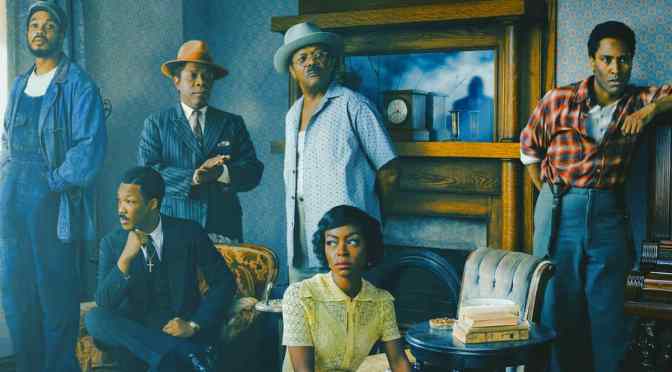
Main cast: John David Washington, Danielle Deadwyler, Samuel L. Jackson, Ray Fisher, Michael Potts, Erykah Badu, Skylar Aleece Smith,
Corey Hawkins, and more.


Cinematography by Mike Gioulakis



Malcolm Washington’s directorial debut, The Piano Lesson (2024), is a poignant and evocative adaptation of August Wilson’s 1987 play, set in 1936 Pittsburgh. Through a compelling narrative and an exceptional cast, Washington explores themes of heritage, familial conflict, and the enduring impact of racial oppression.

Washington, alongside co-writer Virgil Williams, expands the original stage play’s confines by incorporating flashbacks and supernatural elements, enriching the narrative’s depth and scope. The film centers on the Charles family, particularly siblings Boy Willie (John David Washington) and Berniece (Danielle Deadwyler), who are at odds over the fate of a family heirloom piano. Boy Willie wishes to sell the piano to purchase land that once belonged to their ancestors, while Berniece views the instrument as a sacred connection to their past.

The piano, intricately carved with images of the Charles family’s ancestors, serves as a powerful symbol of their history and resilience. For Boy Willie, it represents a means to break free from the shackles of the past and build a future of self-sufficiency. Conversely, Berniece sees it as a testament to their survival and a link to the sacrifices made by their forebears. This dichotomy underscores the central conflict: the tension between honoring tradition and pursuing progress
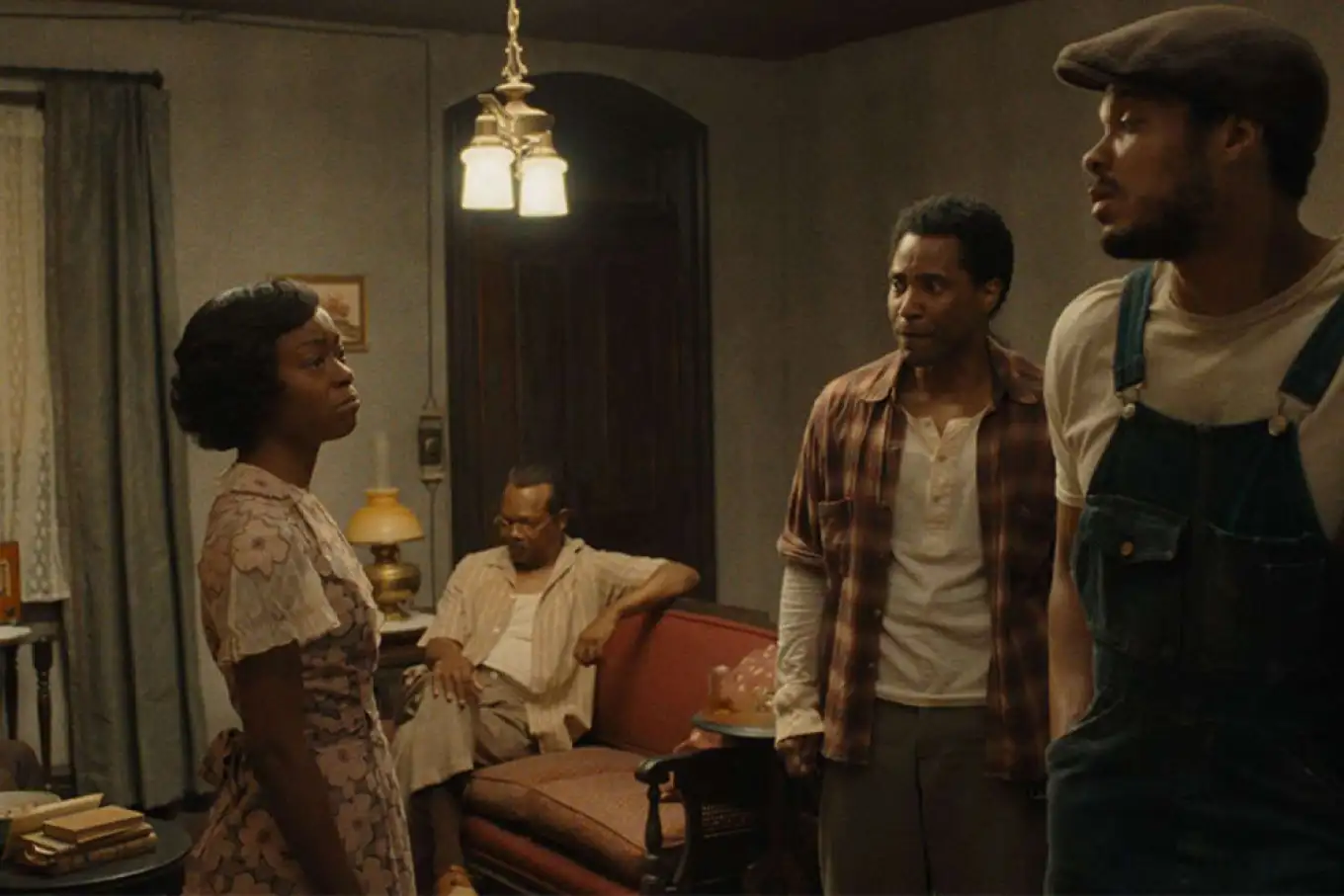


The film delves into the complexities of familial bonds and the differing perceptions of heritage. Boy Willie’s desire to sell the piano reflects a yearning to move beyond the constraints of history, while Berniece’s attachment signifies a commitment to preserving their lineage. At the same time she mourns the loss of her husband and combats romantic offers from local suitors. Her struggles truly power the piece and the familial clashes further embody the broader struggle within African American communities: reconciling the weight of history with the aspirations for advancement. The supernatural elements, particularly the haunting presence of the plantation owner, Sutter’s ghost, are delivered effectively. They also amplify the narrative’s exploration of unresolved trauma and the need for reconciliation.

The ensemble cast delivers standout performances, with John David Washington portraying Boy Willie’s fiery ambition and Danielle Deadwyler capturing Berniece’s steadfast resolve. How Deadwyler did not even get an Oscar nomination for Best Actress in a Supporting Role is beyond me. Moreover, Samuel L. Jackson offers a subtle, unselfish and grounded portrayal of Doaker, the family patriarch. Washington’s direction ensures a respectful adaptation, balancing the play’s rich and passionate dialogue with cinematic elements that enhance its emotional resonance.

Overall, Malcolm Washington’s The Piano Lesson is a resounding adaptation that honours August Wilson’s legacy while providing a fresh perspective on timeless themes. Through its rich symbolism, compelling performances, and thoughtful direction, the film invites audiences to reflect on the complexities of heritage, the burdens of history, and the paths toward healing and progress.

Mark: 8.5 out of 11


NETFLIX FILM REVIEW – MA RAINEY’S BLACK BOTTOM (2020)

NETFLIX FILM REVIEW – MA RAINEY’S BLACK BOTTOM (2020)

Directed by: George C. Wolfe

Produced by: Denzel Washington, Todd Black, Dany Wolf

Screenplay by: Ruben Santiago-Hudson

Based on: Ma Rainey’s Black Bottom by August Wilson

Cast: Viola Davis, Chadwick Boseman, Glynn Turman, Colman Domingo, Michael Potts etc.

Music by: Branford Marsalis

Cinematography: Tobias A. Schliessler

*** MAY CONTAIN SPOILERS ***


The spectre of death hangs over us all as time effortlessly drains the life from us. It is an unstoppable force that will quicken on occasion to take a human being way before they deserve. What if said individual has knowledge of their end? Aside from the fear they must be feeling, there is clearly a moment of clarity and strong focus. Something that makes their work gather an altogether unique power. Both player and audience feel such power palpably. This is most certainly the case where Chadwick Boseman’s acting performance is concerned in the screen adaptation of August Wilson’s powerful play, Ma Rainey’s Black Bottom (2020). As talented, hustling and arrogant musician and songwriter, Levee Green, Boseman is a charismatic vision of drive, confidence, energy and naivety, ready to take on the world, not quite knowing the odds are stacked against him.

Boseman steals the film from under the lungs of the formidable Viola Davis as the titular blues legend, Ma Rainey. Her laconic singer with a voice that stops the clocks is being paid to record a series of songs at a Chicago recording studio in the year 1927. Much conflict is derived from Levee Green’s desire to spice up Ma Rainey’s more traditional blues arrangements. Ma Rainey will not give in to what she perceives as ideas of populism and selling out to white producers who want to water down the blues for a white audience. As Ma Rainey, Viola Davis, excels as this irascible and world-weary diva, fighting off her exploitative manager and record producer. Rainey and the other band members try to dampen Levee Green’s enthusiastic ardour, however, the younger trumpeter will not listen to the advice of more experienced musicians. This eventually comes at a grave cost to those within the play.


Events of Ma Rainey’s Black Bottom (2020) are set mainly within a day and in the confines of the recording studio. The mix of a hot day, tempestuous characters and colliding personalities all combine in the enclosed space to create much dramatic tension. Given the screenplay is based on August Wilson’s acclaimed play, what the film loses in cinematic visuals, it more than makes up with sensational dialogue and stellar acting performances. Indeed, the supporting cast including: Colman Domingo as Cutler, Glynn Thurman as Toledo and Michael Potts as Slow Drag provide sterling contributions as Ma Rainey’s band. They banter and battle and spar, especially with the argumentative Levee, desiring to simply play the music and get paid. Safe to say therefore the wonderful blues songs performed are beautifully played. They fill the screen with humour and pathos, puncturing the fizzing dialogue of Wilson’s many fine soliloquys with poignant joy.

Amidst the conflict and music, August Wilson’s original text also contains great thematic power within the words. At the heart of the drama and eventual tragedy there is the underlying critique of the black musicians’ songs and style being stripped away from them by unscrupulous record producers. Ma Rainey stands strong rejecting attempts to assimilate her work and personality and voice into the mainstream. Those songs are her lifeblood, and she refuses to entirely sell her soul. Levee Green does not see the bigger picture and is sucked in by the promise of money, women and fame. He is blinded by the bright city lights and the closer he gets to them the easier it is for the record producers to pick his pocket. In such a tragic character August Wilson has created a memorably complex persona, perfectly rendered by the acting genius, Chadwick Boseman.

Mark 9 out of 11