Category Archives: Cinema

Cinema Review: The Drama (2026) – a superbly constructed postmodern farce predicated on a mesmeric moral dilemma!

Cinema Review: The Drama (2026)

Directed by Kristoffer Borgli

Written by Kristoffer Borgli

Produced by Ari Aster, Lars Knudsen, Tyler Campellone

Main cast: Zendaya, Robert Pattinson, Alana Haim, Mamoudou Athie, Hailey Gates, Zoe Winters etc.

Cinematography by Arseni Khachaturan

Edited by Joshua Raymond Lee & Kristoffer Borgli

*** MAY CONTAIN SPOILERS ***


I haven’t seen Kristofer Borgli’s prior film, Dream Scenario (2023), but have added it to the watchlist. I did see his hilarious black comedy Sick of Myself (2022) and found it to be a sharply executed and engaging piece of dark satire. Borgli expertly delivered a thought-provoking and unsettling reflection of modern attention culture, mental health and narcissism. With The Drama (2026) he has delivered an even more impressive and darkly awkward comedic farce! Yet, this is no traditional rom-com, but rather a panic attack inducing series of set-pieces predicated on a compelling moral dilemma at its heart.

The Drama (2026), contains magnetic performances from Zendaya and Robert Pattinson, and the couple have seriously good on-screen chemistry. Structured around their initial meet-cute the narrative builds comedic and emotional momentum as they fast approach their wedding day. Films built around weddings often use the impending ceremony as a pressure cooker, where personal insecurities and social expectations are forced to the surface. As such Four Weddings and a Funeral (1994) or My Best Friend’s Wedding (1997), find marital ceremonies representing both an ideal and a threat—exploring themes of timing, missed chances, and emotional honesty. Darker visions of wedding themes can be found in Melancholia (2011), but The Drama (2026) occupies a similar chaotic take like Rachel Getting Married (2008), but is arguably a more heightened exploration of love, identity, anxiety, and the uneasy gap between societal ideals and personal truth.


The Drama (2026) is a sharp, unnervingly perceptive piece of writing, elevated by a screenplay that constantly balances wit, discomfort, and emotional truth. Borgli has a remarkable ability to construct scenes that feel both grounded and quietly volatile, allowing tension to simmer beneath even the most mundane interactions. The film’s central premise hinges on a brilliantly executed moral and social dilemma—one that I won’t spoil—but it functions as an irresistible hook, drawing the audience into a spiral of increasingly complicated behaviour. What makes it so effective is how Borgli subtly turns the lens back on us, inviting us to question how we might respond under similar circumstances, and whether our own instincts would be any less flawed.

The casting is pitch-perfect across the board. Robert Pattinson delivers some of his most finely tuned reactive work as Charlie. His attempts to process Emma’s bombshell revelation are nothing short of priceless—awkward, hilarious, and painfully real all at once. Zendaya is just spotless, carrying much of the dramatic weight effortlessly. Alongside her, Alana Haim brings a compelling mix of confidence and fierce unpredictability, while Mamoudou Athie proves immensely likeable, grounding the film with a warmth that makes the emotional stakes land even harder. The supporting cast, too, feel carefully chosen, each performance adding texture to Borgli’s tightly controlled world.

Despite the undercurrent of anxiety that runs through many scenes, the film never alienates. Instead, it draws you closer. The characters are flawed but recognisable, and I found myself genuinely rooting for them to make it work, even as their decisions became more questionable. Borgli’s direction complements the script beautifully—never overstated, always precise—allowing the performances and writing to take centre stage. The result is a film that is as entertaining as it is thought-provoking: a brilliantly acted, sharply written, and quietly devastating exploration of modern relationships.

Mark: 9.5 out of 11


Films That Got Away #17 – Punishment Park (1971)

Films That Got Away #17 – Punishment Park (1971)

Directed by Peter Watkins

Written by Peter Watkins

Produced by Susan Martin

Main ensemble: Carmen Argenziano, Harold Beaulieu, Jim Bohan, Stan Armsted, Paul Alelyanes etc.

Cinematography by Joan Churchill & Peter Smokler

** MAY CONTAIN SPOILERS **


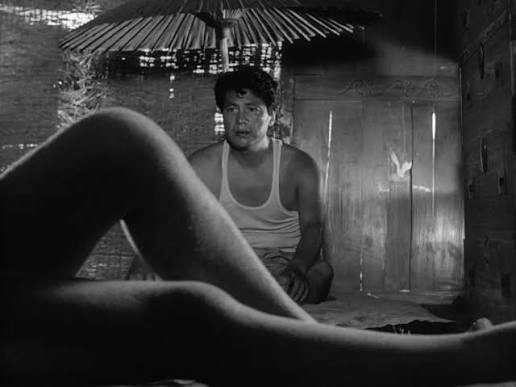
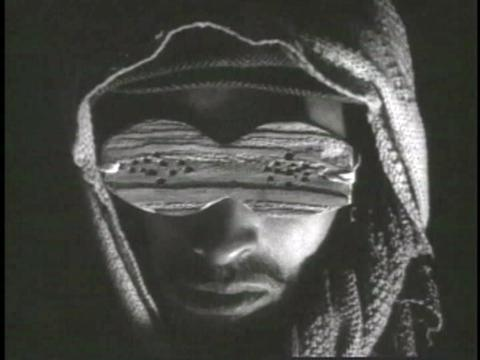
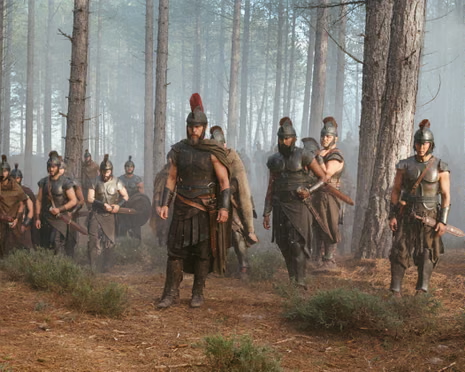
Although Punishment Park (1971) itself is fictional, the documentary style is so raw and realistic you can almost smell the fear, blood, lead alloy and bullet-smoke on the screen. The film also highlights many of the elements found within parallel social and political events of the time, such as police brutality, counterculture rebellion, the trial of the Chicago Seven, the Kent State shootings, and political polarisation bordering on civil war. With the United States governments continually driving a “world police” agenda, perhaps they should look closer to home before starting external conflicts.

For years, Punishment Park (1971) sat just out of reach for me — one of those films you hear about in whispers, invoked in conversations about “the most confrontational cinema ever made,” but never quite encountered at the right moment. Now, having finally caught up with Peter Watkins’ 1971 film, I can’t shake the feeling that I’ve been missing something essential. Not just a film, but an experience — raw, furious, and uncomfortably alive in a way that few works of cinema ever achieve.

What strikes first is its sheer lack of polish — and how vital that is to its power. Watkins doesn’t present a narrative so much as he detonates one. Shot in a pseudo-documentary style, with handheld cameras and overlapping dialogue, the film feels less like something constructed and more like something captured in real time. The performances — many from non-actors — are jagged, unpredictable, and often feel on the verge of spilling out of the frame. There’s no safety net here, no aesthetic distance to retreat into. It’s messy, chaotic, and utterly convincing.


That rawness feeds directly into the film’s political force. Punishment Park (1971) isn’t subtle, and it has no interest in being so. It’s angry — openly, unapologetically angry — at systems of power that disguise brutality behind procedure and patriotism. The tribunal sequences are particularly harrowing, not because they’re exaggerated, but because they feel so plausible. The language of authority, the casual dismissal of dissent, the bureaucratic calm in the face of injustice — it all lands with a chilling familiarity. Watkins doesn’t ask you to interpret; he demands that you confront.

And yet, what lingers most is how contemporary it feels. Despite being rooted in the tensions of its time, the film plays less like a historical artifact and more like a warning that never stopped being relevant. Its vision of a state turning on its own citizens, of media observing rather than intervening, of truth becoming something contested and fragile — all of it resonates with unsettling clarity today. It’s the kind of film that doesn’t age so much as it waits.

I’m grateful, genuinely, to have finally seen it. Some films entertain, some impress, but very few burn a hole in your mind. Punishment Park (1971) is one of those rare works that burns with purpose — a film that refuses comfort, refuses neutrality, and refuses to be forgotten. It makes one sad that, to be honest, the world hasn’t changed for the better since it was made. While there are many who strive for peace, there are so many who choose aggression, violence and war to control and destroy.

Punishment Park (1971) can currently be seen on YouTube.


Cinema Review: The Bride (2026) – impressive visuals and Jessie Buckley’s stunning performance cannot resuscitate a patchy and holey screenplay!

Cinema Review: The Bride (2026)

Directed by Maggie Gyllenhaal

Written by Maggie Gyllenhaal

Based on Frankenstein; or, The Modern Prometheus
by Mary Shelley


Produced by: Maggie Gyllenhaal, Emma Tillinger Koskoff, Talia Kleinhendler, Osnat Handelsman-Keren, etc.

Main cast: Jessie Buckley, Christian Bale, Peter Sarsgaard,
Annette Bening, Penelope Cruz, Jake Gyllenhaal, etc.


Cinematography by Lawrence Sher

** May Contain Spoilers **


Maggie Gyllenhaal’s THE BRIDE! (2026) is a film bursting with ideas—sometimes thrillingly so, sometimes to its own detriment. Drawing inspiration from Bride of Frankenstein (1935) and ultimately Mary Shelley’s seminal novel, Frankenstein, Gyllenhaal transplants the myth into a Gothic vision of 1930s Depression-era America, filtered through the anarchic spirit of outlaw cinema like Bonnie and Clyde (1967) and Natural Born Killers (1994). The result is frequently intoxicating. The film opens with an inspired flourish—Mary Shelley herself narrating from beyond the grave—immediately signalling the director’s playful ambition. Visually, the film is extraordinary: lavish period design, smoky Gothic textures, and a lurid romanticism that feels both classic Hollywood and defiantly post-modern.

At the centre of the mayhem is Jessie Buckley, delivering yet another unforgettable performance. Her ‘Bride’ is feral, seductive, and volatile—an electrifying feminist creature of impulses and contradictions. Buckley plays her with a kind of joyous unpredictability, veering between danger, sexuality, and sudden jolts of manic dialogue that feel almost Tourette-like in their intensity. Opposite her, Christian Bale lends gravitas as her monstrous partner, and together they rampage across a mythicised America in a lovers-on-the-run narrative that often feels gleefully unhinged.


Yet for all its invention, THE BRIDE! (2026) often collapses under the sheer weight of its ambitions. Gyllenhaal’s screenplay seems determined to juggle too many ideas at once—meta-narration, Gothic tragedy, outlaw romance, and genre pastiche—without giving any one of them the structural discipline they require. The direction follows suit, veering between tones so abruptly that the film begins to feel atonal rather than daring. Key twists arrive with little groundwork, leaving major emotional beats feeling strangely hollow.

By the final act, the film’s wild energy begins to resemble narrative confusion. Plot holes emerge, character motivations blur, and revelations arrive as pure payoff without the careful setup that might have made them land. It leaves an odd lingering question: was this an $80 million piece of audacious cinematic art, or an extravagant misfire? Perhaps it is a little of both—a fascinating, chaotic vision whose brilliance flashes intermittently through the fog of its own excess.

Mark: 6 out of 11


Cinema Review: The Testament of Ann Lee (2026) – a transcendental Amanda Seyfried performance illuminates the screen.

Cinema Review: The Testament of Ann Lee (2026)

Directed by Mona Fastvold

Written by Mona Fastvold & Brady Corbet

Produced by: Andrew Morrison, Joshua Horsfield, Viktória Petrányi, Mona Fastvold, Brady Corbet, Gregory Jankilevitsch, Klaudia Śmieja-Rostworowska, Lillian LaSalle, Mark Lampert, etc.

Main cast: Amanda Seyfried, Thomasin McKenzie, Lewis Pullman, Stacy Martin, Tim Blake Nelson, Christopher Abbott, etc.

Cinematography by William Rexer

** MAY CONTAIN SPOILERS **


The Testament of Ann Lee (2025), directed by Mona Fastvold and co-written with Brady Corbet, is an ambitious historical musical drama that explores the life of Ann Lee, the charismatic 18th-century founder of the Shaker religious movement. With Amanda Seyfried at its centre, the film approaches Lee less as a traditional saintly figure and more as a woman shaped by trauma, conviction, and spiritual fervour. Fastvold’s direction leans heavily into atmosphere, presenting Lee’s rise to spiritual leadership as something both mystical and deeply human. The result is a film that feels reverent yet curious, as if studying a figure whose faith borders on mania.

Amanda Seyfried delivers an extraordinary performance that anchors the entire film. She plays Ann Lee with an intense interiority—equal parts fragile and formidable—capturing the fervent certainty of a woman who believes she has been chosen for a divine purpose. Seyfried’s physicality, particularly in the film’s musical and ritual sequences, gives Lee a magnetic presence that makes it easy to understand why followers might be drawn to her. It’s the kind of performance that lingers long after the film ends, and it stands as one of Seyfried’s most committed and transformative roles.


Visually, The Testament of Ann Lee (2025), is stunning. The film’s cinematography and production design immerse viewers in the harsh textures of 18th-century religious life, favouring natural light, muted palettes, and a palpable sense of dirt, wood, and candle smoke. The musical sequences—staged as ecstatic communal expressions of faith—are beautifully choreographed and filmed, capturing the hypnotic rhythms of Shaker worship. Yet while these moments are striking, they begin to feel somewhat repetitive as the film progresses, emphasizing mood over narrative momentum.

For viewers fascinated by charismatic religious figures or the psychology of belief, the film offers a compelling entry point. As someone not particularly religious but drawn to stories of spiritual zeal and cult-like devotion, I found the story initially captivating. Still, Ann Lee’s narrative arc ultimately feels less dramatically satisfying than the film’s aesthetic ambitions might suggest. Rather than a searing drama or a definitive testament to a heroic religious figure, The Testament of Ann Lee (2025), settles into something quieter: a haunting, beautifully crafted piece of moving art that observes its subject with reverence but stops just short of fully interrogating her legacy.

Mark: 7 out of 11


Cinema Review: Wasteman (2026) – a brutal British prison drama with two intense lead performances!

Cinema Review: Wasteman (2026)

Directed by Cal McMau

Screenplay by Hunter Andrews & Eoin Doran

Produced by Sophia Gibber, Myles Payne, Philip Barantini & Samantha Beddoe

Main cast: David Jonsson, Tom Blyth, Corin Silva, Alex Hassell, Paul Hilton, etc.

Cinematography by Lorenzo Levrini

Edited by James A. Demetriou

*** MAY CONTAIN SPOILERS ***


Wasteman (2026) presents another opportunity for David Jonsson to showcase his ample acting abilities. He first stole hearts with under-stated charm in low-budget rom-com, Rye Lane (2023), then proved he could spar at a higher-budgeted level in, Alien: Romulus (2024). He then delivered another strong performance in, The Long Walk (2025), further cementing his instinct for emotionally grounded genre work. Across romance, horror, drama and dystopian thriller, Jonsson doesn’t just adapt — he deepens.

In Wasteman (2026) his character. Taylor, is an inmate close to getting out having served a lengthy sentence. He must keep out of trouble in order to get a successful release. However, that proves difficult when a new cellmate, Dee (Tom Blyth) muscles his way into his four-walled existence. The narrative conflict and tension is built on a stark clash of personalities. Taylor is quiet, cautious, and emotionally guarded — a man who keeps his head down in prison, desperate to survive. He avoids confrontation and moves through the system almost invisibly, shaped by drug addiction, guilt and the need for redemption.

Dee, on the other hand, is the complete opposite: loud, aggressive, and unmistakably alpha. He walks into the prison with dominance in his bones, quickly asserting control through intimidation, charisma, and violence. Where Taylor retreats, Dee advances desiring to take over the prison wing. Where Taylor stays silent, Dee provokes the other drug dealers on their floor stealing their trade. Their dynamic becomes the film’s central pressure point — a volatile relationship between a man trying to disappear and another who refuses to be anything but the most powerful person in the room.


Prison dramas are always enthralling as the characters are trapped like caged animals. Further, where there is masculinity, ego and mental fragility, violence is likely to follow. There are a number of fearful scenes and harsh encounters that raise the heart rate, especially between Dee and his prison rivals. Taylor tries to navigate the war but unfortunately gets dragged into a series of highly brutal battles. Dee also strives to manipulate Taylor too with a carrot and stick approach. How Taylor extricates himself from this dangerous situation proves very suspenseful.

Overall, Wasteman (2026) is not for the faint-hearted. Director, Cal McMau and his cinematographer, Lorenzo Levrini, make the most of the crammed jails, using big-close-ups to get in the face of the characters and audience with searing intensity. Moreover, the interspersing of vertical phone 9:16 aspect ratio shots also heightens the verisimilitude, giving it a raw documentary style. Finally, the end pivot of Taylor and Dee’s power struggle provides a subtle narrative conclusion rewarding David Jonsson and Tom Blyth tour-de-force performances with a cathartic and memorable denouement.

Mark: 8.5 out of 11


Cinema Review: Send Help (2026) – a riotous survivalist horror treat!

Cinema Review: Send Help (2026)

Directed by Sam Raimi

Written by Damian Shannon & Mark Swift

Produced by Sam Raimi & Zainab Azizi

Main cast: Rachel McAdams, Dylan O’Brien, Edyll Ismail, Xavier Samuel, Chris Pang, Dennis Haysbert, etc.

Cinematography by Bill Pope

** MAY CONTAIN SPOILERS **


Having watched the trailer for survivalist horror-comedy, Send Help (2025), starring Rachel McAdams and Dylan O’Brien, I thought the blend of bloody chaos and desert island class warfare was right up my street, well, beach. But when I knew one of my favourite directors, Sam Raimi, and film composers, Danny Elfman, were involved, I realized it was not just a recommendation but a personal summons to the cinema.

Send Help (2025), takes inspiration and feels spiritually indebted to the extended final act island meltdown of Triangle of Sadness (2022). But this is an all the more riotous, funny and gory battle of survival. Overlooked for promotion by new-CEO-son-of-deceased-boss, Bradley Preston (O’Brien), Linda Liddle – a fantastic McAdams – is full of downtrodden and bubbling rage. Preston, an arrogant, apparent-alpha wants to sack her, but the business needs her prodigious work ethic for an upcoming business summit to Bangkok. Following an exhilarating plane crash set-piece, that Raimi rinses brilliantly for suspense and surprises, the two become the only survivors. With Linda armed with survival knowledge, and Preston’s leg smashed, the tables, in terms of power, are turned, resulting in all manner of twisted, mental and bodily torture.


What starts as survival thriller territory quickly mutates into full-blown horror farce, complete with makeshift weapons, crustacean poison, tropical storms, shifting power dynamics, and the kind of escalating insanity that feels one chainsaw away from Evil Dead 2 (1987) territory. Not only do the horror beats land, but the tit-for-tat power struggle and verbal sparring between Linda and Preston also heighten the the conflict and dramatic stakes. Indeed, Linda inhabits the alpha-hunter role on the island, culminating in a bloodening and sacrificial slaying of a wild boar. Preston, once he is on his feet, is keen to even up the power balance and challenges Linda’s authority in a desperate attempt to get off the island.

McAdams and O’Brien’s combative chemistry on-screen adds to the enjoyment and at one point I even wondered if Raimi and the screenwriters were going to redeem their battle with a potential romance. Instead they double and triple down on the twisted violence in the final act to much eye-gouging hilarity. Lastly, like Triangle of Sadness (2022), the film weaponizes the underdog’s survival against privilege, flips hierarchies and skewers toxic masculinity in the process. The final act becomes particularly frantic, pushing the horror genre framework, and the class satire into a brilliant pay-off of Linda’s ascendant arc. This ensures Send Help (2026) launches a flare into the sky as an early contender for one of my favourite films of the year.

Mark: 9 out of 11


Cinema Review: Pillion (2025) – a fantastically acted and directed erotic rom-dom-com!

Cinema Review: Pillion (2025)

Directed by Harry Lighton

Written by Harry Lighton – Based on Box Hill by Adam Mars-Jones


Produced by Emma Norton, Lee Groombridge, Ed Guiney &
Andrew Lowe

Main cast: Harry Melling, Alexander Skarsgård, Douglas Hodge, Lesley Sharp, Jake Shears, etc.

Cinematography by Nick Morris

Edited by Gareth C. Scales


There’s a tender audacity to Pillion (2025), an erotic rom-dom-com that sneaks up on you with the gentleness of a confession. What begins as an off-kilter meet-cute blooms into something far more vulnerable: a rites-of-passage story about sexual awakening, self-recognition, and the courage it takes to accept pleasure without apology.

At its heart is Colin, played with exquisite restraint by Harry Melling. Melling has always been an actor of intelligence, but here he finds a new register—soft-spoken, watchful, quietly aching. His performance never reaches for easy beats; instead, it accumulates detail. A look held a fraction too long. A smile that arrives late. Colin’s desire isn’t announced; it’s discovered, moment by moment, and the effect is deeply empathetic.

Opposite him, Alexander Skarsgård’s Ray is all smoulder and swagger on first impression—an insouciant masculinity that seems effortless, almost cocky. But Skarsgård is doing something more interesting beneath the surface. The sexuality is undeniable, yes, but it’s armoured. Pain leaks through the cracks, giving Ray a bruised romanticism that complicates the dominant energy he projects. The push and pull between the two men becomes the film’s most potent charge.


Director Harry Lighton deserves enormous credit for navigating this tonal tightrope. His direction is fantastically nuanced, allowing intimacy and humour to coexist without deflating either. The film understands that eroticism can be funny, awkward, even faintly ridiculous—especially when it’s new—while still honouring its emotional stakes. The explicit moments are handled with confidence rather than coyness, lacing the heartfelt beats with risqué shocks that provoke gasps, laughter, and the occasional wince. The physical opposites of Harry’s mild-mannered traffic warden versus Ray’s macho biker also add characterful humour to the mix.

The contemporary setting, rooted in the London suburb of Bromley, is another inspired choice. This is not a glossy, aspirational London; it’s resolutely unglamorous, familiar, and quietly stifling. That ordinariness makes Colin’s awakening feel all the more radical, a private revolution unfolding in plain sight. Furthermore, strong support comes from Lesley Sharp and Douglas Hodge as Colin’s parents, whose love is real but imperfect, shaped by generational discomfort and unspoken fears. Their scenes add texture rather than judgment, grounding the film in a recognisable family dynamic.

Be warned: Pillion (2025) doesn’t shy away from explicit sex scenes or moments of leather-adorned domination (including BDSM), and those elements may provoke strong reactions. But they’re not there for provocation alone. Lighton uses them as part of the emotional grammar of the film, insisting that tenderness and risk, humour and heat, can occupy the same frame. Ultimately, Pillion (2025) reveals itself as something quietly radical—a deeply touching romantic comedy that treats sexual self-discovery with empathy, intelligence, and a disarming lack of shame. It lingers not because of what it shows, but because of how carefully it listens to its characters while they learn who they are.

Mark: 8.5 out of 11


Cinema Review: 28 Years Later: The Bone Temple – a visceral journey into satanic cults, full of head-ripping gore and fiery devilment!

Cinema Review: 28 Years Later: The Bone Temple

Directed by Nia DaCosta

Written by Alex Garland

Produced by Andrew Macdonald, Peter Rice, Bernie Bellew, Danny Boyle, Alex Garland, etc.

Main cast: Ralph Fiennes, Jack O’Connell, Alfie Williams, Erin Kellyman, Chi Lewis-Parry, etc.

Cinematography by Sean Bobbitt


28 Years Later: Bone Temple (2025) is not a film that eases you in. It grabs you by the throat and refuses to let go, piling atrocity upon atrocity until meaning begins to seep through the blood. This is apocalyptic cinema as ritual punishment, and under Nia DaCosta’s direction, it becomes something ferociously alive.

At the calm, moral centre of the chaos stands Ralph Fiennes, delivering a performance of astonishing gravitas and unexpected tenderness as Dr. Ian Kelson. In a world rotted by infection and cruelty, Kelson represents something almost radical: goodness without irony. Fiennes plays him not as a saint, but as a weary human being who still believes care, cure and compassion matter, even when the world insists otherwise. His presence anchors the film, giving its excess a conscience.

Opposing him is Jack O’Connell’s Jimmy Crystal, a vicious cult leader whose charisma curdles into something genuinely frightening. Crystal preaches violent “charity” in the name of Satan, offering salvation through brutality, and O’Connell leans hard into the performance’s ugliness. Leading his young, droogy, Savile-esque followers, he wages war not just on human survivors, but on the infected as well, collapsing any moral distinction between mercy and massacre. It’s a performance that feels designed to make your skin crawl—and it succeeds. Alas, Spike (Alfie Williams) gets caught up in Jimmy’s insanity and the sense of fear for him reigns throughout.


DaCosta directs with visceral energy, staging sequences that are frequently jaw-dropping in their gore and sadism. This is not a film particularly interested in an actual plot, clean narrative arcs or deep psychological excavation. Instead, Bone Temple unfolds as a succession of brutal set-pieces, each more punishing than the last. Some viewers will undoubtedly find it too much—too loud, too violent, too relentless.

But that relentlessness is also the point. What makes 28 Years Later: Bone Temple so compelling is how it mashes thematic power with B-movie exploitation ultra-violence. Beneath the spray of blood and bone is a furious meditation on false charity, moral absolutism, and the terrifying ease with which cruelty dresses itself up as righteousness. It’s ugly, abrasive, and often overwhelming—but it’s never empty. Indeed, if there is a more stylish and powerful scene in cinema all year than the ‘Number of the Beast’- Iron Maiden-soundtracked-fiery-ritual-sequence then I can’t wait to see it.

Ultimately, this is apocalypse horror as endurance test and sermon, and while it won’t be for everyone, I found it exhilarating. In its refusal to soften its blows, 28 Years Later: Bone Temple (2025) earns its place as one the most savage entries in the franchise, so far.

Mark: 8.5 out of 11


Cinema Review: Song Sung Blue (2025) – a heartfelt celebration of love and music!

Cinema Review: Song Sung Blue (2025)

Directed by Craig Brewer

Written by Craig Brewer – Based on Song Sung Blue – documentary by
Greg Kohs


Produced by John Davis, John Fox, Craig Brewer

Main cast: Hugh Jackman, Kate Hudson, Michael Imperioli, Ella Anderson, Mustafa Shakir, Fisher Stevens, Jim Belushi, King Princess, etc.

Cinematography by Amy Vincent

** MAY CONTAIN SPOILERS **


Song Sung Blue (2025) is a warm, big-hearted musical drama that wears its love for music—and for people—proudly on its sleeve. Based on the 2008 documentary of the same name, the film arrives as a crowd-pleasing celebration of performance, devotion, and the quietly heroic act of expressing emotion through song. Under Craig Brewer’s direction, the film hums with sincerity, lifted by a strong ensemble cast and the enduring power of Neil Diamond’s music.

At the centre of the story are Mike and Claire Sardina, known on stage as Thunder and Lightning from Milwaukee. They are not presented as mere lookalikes or imitators, but as fully formed performers who carry the Neil Diamond torch with genuine artistry and respect. Their performances are less about mimicry and more about connection—channeling Diamond’s songs as emotional vessels for love, longing, and resilience. The film is at its best when it allows music to speak where words fall short, and Thunder and Lightning embody that truth beautifully.

The acting across the board is excellent. Hugh Jackman and Kate Hudson bring warmth, vulnerability, and an easy chemistry that grounds the film’s emotional core. Their characters feel lived-in and deeply human, making their shared journey feel earned rather than sentimental. Supporting turns from Michael Imperioli, Fisher Stevens, Jim Belushi, Ella Anderson, King Princess, and Mustafa Shakir add texture and personality, giving the film a rich, communal feel that mirrors the supportive world of local performance and fandom it portrays.


Craig Brewer’s vibrant direction leans into the idea that music is not just entertainment, but a lifeline. The film’s big-hearted characters use performance as a way to communicate love, heal wounds, and navigate life’s many trials and tribulations. In that sense, Song Sung Blue (2025) doubles as a loving tribute to Neil Diamond’s songwriting genius—his songs serving as emotional shorthand for feelings that are often too large or too complicated to articulate otherwise.

The film is incredibly dramatic too dealing with life themes relating addiction, depression, debt, disability and family trauma. Arguably it tries to cover too much in the two-or-so-hours finding topics such as the adoption subplot skimmed over in favour of maintaining pace and momentum. While this keeps the film buoyant and accessible, it occasionally feels like a missed opportunity to explore those themes with greater depth.

Still, these minor shortcomings do little to diminish the overall impact. Jackman and Hudson just fly throughout, making Song Sung Blue (2025), a heartfelt, affirming experience—one that understands how music can bind people together and how love, expressed through song, can carry us through even the most difficult chapters of life. It’s a film that leaves you smiling, misty-eyed, and humming a Neil Diamond tune on the way out of the theatre.

Mark: 8.5 out of 11


The Cinema Fix presents: 12 Favourite Films of 2025!

The Cinema Fix presents: 12 Favourite Films of 2025!

Happy 2026! I feel like I have watched even more films last year at the cinema and the many streaming platforms.

My instinct is it’s been a decent year overall of quality films, especially from independent or what one would class as indie-minded filmmakers. The bigger budgeted films or traditional blockbusters have been mainly not great or I just didn’t enjoy them. Aside from perhaps the entertaining Mission: Impossible finale.

Of all the genres, horror has really risen to the top in terms of overall quality the last few years, doing big box office and being recognised at awards ceremonies too. Having said that, and this could be my age and is nostalgia-driven, I find myself enjoying older, cult and more obscure film releases than the today’s modern film releases.

Anyway, here my my 12 FAVOURITE films of 2025. Not the BEST films, but the ones I enjoyed the most. There’s a few high quality, critically acclaimed films which do not make the list including Train Dreams (2025), Sorry, Baby (2025), Eddington (2025), Warfare (2025), Good Boy (2025), The Brutalist (2024) and I’m Still Here (2024), but remember these are my FAVOURITE films of the year.

For reference my favourite films of 2024 are below and here.


ALL OF US STRANGERS (2023)
AMERICAN FICTION
(2023)
HERETIC
(2024)
THE HOLDOVERS
(2023)
THE IRON CLAW
(2023)
LATE NIGHT WITH THE DEVIL
(2023)
MONSTER
(2023)
POOR THINGS
(2023)
THE QUIET GIRL
(2023)
SPEAK NO EVIL
(2024)
THE SUBSTANCE
(2024)
THE ZONE OF INTEREST
(2023)


Twelve Favourite Films of 2025

28 YEARS LATER (2025)


BLACK BAG (2025)


BRING HER BACK (2025)


BUGONIA (2025)


A DIFFERENT MAN (2024)


THE GORGE (2025)


THE LONG WALK (2025)


MARTY SUPREME (2025)


ONE BATTLE AFTER ANOTHER (2025)


SINNERS (2025)


WAKE UP DEAD MAN (2025)


WEAPONS (2025)