Category Archives: Articles

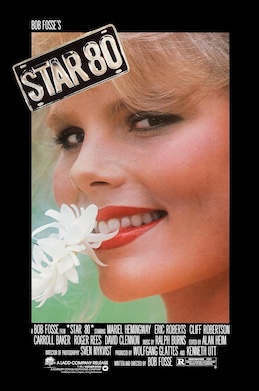
Films that Got Away #18 – Star 80 (1983)

Films that Got Away #18 – Star 80 (1983)

Directed by Bob Fosse

Written by Bob Fosse – Based on Village Voice article, “Death of a Playmate” by Teresa Carpenter

Produced by Wolfgang Glattes & Kenneth Utt

Main cast: Mariel Hemingway, Eric Roberts, Cliff Robertson, Carroll Baker, Roger Rees, David Clennon, etc.

Cinematography by Sven Nykvist

*** CONTAINS SPOILERS ***


Bob Fosse remains one of the most singular figures in American entertainment — a director and choreographer whose style fused seduction, cynicism, theatrical precision, and emotional exhaustion into something instantly recognizable. Emerging from Broadway before conquering Hollywood, Fosse developed a visual language built around angular movements, tilted hats, snapping fingers, smoky jazz-club sensuality, and a relentless awareness of performance as both liberation and self-destruction.

Films like Cabaret (1972), Lenny (1974), and especially All That Jazz (1979) transformed the movie musical into something darker and psychologically raw, stripping away optimism in favour of obsession, ego, mortality, and the corrosive cost of show business. His influence can still be felt across modern cinema, music videos, and stage choreography, from contemporary Broadway revivals to filmmakers drawn to stylized performance and fractured antiheroes.

His final film, Star 80 (1983), stands as perhaps the bleakest expression of that worldview. Based on the true-crime murder of Playboy model Dorothy Stratten by her estranged husband Paul Snider, the film abandons glamour almost entirely in favour of a grim examination of exploitation, fame, misogyny, and possessive violence. Despite strong performances and critical admiration over the years, Star 80 remains comparatively difficult to encounter on television or major streaming platforms, partly because of the film’s emotionally punishing tone and its frank, lascivious depiction of the exploitation surrounding Stratten’s rise and death.

Unlike nostalgic Hollywood biographies that soften tragedy into inspiration, Fosse offers no comforting catharsis. The film ends not with redemption, but with the crushing inevitability of a young woman destroyed by the appetites of the men around her. That uncompromising darkness has contributed to the film’s lingering reputation as both a major work and an uncomfortable one — admired more often than it is revisited. So, thanks to the Nickel Cinema in London for screening this dark 1970’s based cult classic.
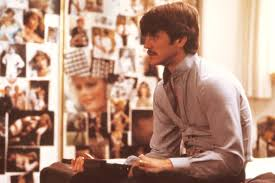


In Star 80 (1983), Mariel Hemingway gives an emotionally vulnerable performance of as Dorothy Stratten. Hemingway captures Stratten not as a caricature of Playboy fantasy, but as a genuinely sweet, almost painfully open young woman whose natural beauty and modest charm made her seem like the quintessential girl-next-door suddenly thrust into the machinery of adult celebrity. There is an innocence in Hemingway’s performance that never feels naïve or artificial; she understands Dorothy as someone eager to please, hungry for affection, and slowly awakening to her own independence just as the forces around her become more dangerous. Fosse frames her as both radiant and tragically exposed — a woman transformed into an object of desire by an industry that sees glamour as currency and vulnerability as weakness.

Opposite her, Eric Roberts delivers a frighteningly intense performance as Paul Snider, one that avoids simple imitation in favour of total embodiment. Roberts plays Snider as a man consumed by insecurity, narcissism, and desperate possessiveness, turning toxic masculinity into something sweaty, twitching, and deeply pathetic. He is not charismatic in the conventional movie sense; instead, Roberts makes him volatile and emotionally ravenous, a man whose entire identity depends on controlling the woman he helped “discover.” The performance becomes increasingly difficult to watch because of how recognizable the psychology feels — jealousy mutating into resentment, then humiliation, then violence.

Fosse refuses to sensationalize that descent in Star 80 (1983). The naked glamour of the Playboy world, the pornographic undercurrent of the entertainment industry, and the seductive surfaces of Los Angeles all become drenched in sordid, emotional decay. There is nudity and a sense of exploitative lingering on the feminine form, but there is understandable context. Cliff Robertson’s appearance as Hugh Hefner is not simply a caricature, but rather a caring, avuncular figure, despite building an empire out of, arguably, the exploitation of women. Further, Aram Nicholas (a thinly veiled, Peter Bogdanovich ) is a film director who tries to make Dorothy Stratten a movie star, but begins an affair too, sending Snider over the edge. Thus Stratten’s body and soul pinballs between these dominating men.

Overall, Star 80 (1983) lingers long after it ends. Fosse, Hemingway, Roberts and Sven Nykist’s cinematography contribute memorable work. Beneath its glossy imagery lies an overwhelming feeling of bleakness — the sense that every flashbulb, every photo shoot, and every promise of fame is shadowed by exploitation, stolen innocence, and inevitable tragedy.


The psychology of revenge cinema: incorporating Six of the Best #38 Revenge Films!

Six of the Best #38 Revenge Films

Revenge is one of the oldest narrative engines in storytelling. Long before cinema, it powered myths and literature—from the blood-soaked cycles of Greek tragedy to the meticulous retribution of The Count of Monte Cristo. These stories hinge on a simple but potent question: what happens when justice fails, and an individual takes it upon themselves to restore balance? Cinema inherited this question and, over time, fractured it into multiple forms—some cathartic, others corrosive, and many deeply ambiguous.


A Brief History of Revenge on Screen

Early revenge narratives in cinema often mirrored their literary roots: structured, morally legible, and driven by transformation. A Woman Branded (1931) is sometimes cited as an early precursor of a woman seeking revenge. Films like Kind Hearts and Coronets (1949) or adaptations of The Count of Monte Cristo framed revenge as an almost intellectual exercise—precise, controlled, and, in the case of the Ealing classic, even darkly humorous.

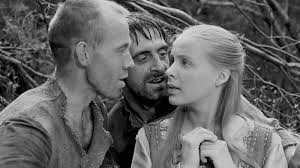
While revenge is a foundational narrative theme dating back to early cinema, Ingmar Bergman’s The Virgin Spring (1960) is widely considered the earliest major film establishing the “rape-revenge” subgenre. It follows a father seeking brutal vengeance for his daughter’s murder, influenced by a 13th-century Swedish ballad and Japanese cinema.


During the late 1960s and 1970s, something shifted. Disillusionment seeped into cinema, and revenge stories grew harsher, more grounded. Neo-noir works like Point Blank (1967), Get Carter (1971), and the classic Western, Once Upon a Time in the West (1968), reframed revenge as something mythic yet emotionally compelling. Sergio Leone’s film in particular bridges classical and modern revenge—turning personal vengeance into operatic inevitability while still rooted in grief and loss. Further, the 1960 / 1970s “Spaghetti” and Clint Eastwood westerns were also heavily driven by vengeful characters, as well as brutal bounty hunters and mercenaries. Overall, the 1970s marked a surge in mainstream vigilante revenge films, with Last House on the Left (1972) and Death Wish (1974), to name a couple, are widely seen as cementing the genre’s popularity.


At the same time, exploitation cinema erupted with raw, confrontational narratives—I Spit on Your Grave (1978), Coffy (1973), Ms. 45 (1981), and Thriller: A Cruel Picture (1973)—often centring female vengeance in ways that were both provocative and controversial. Japanese cinema contributed key films like Lady Snowblood (1973), which would later echo through global cinema. Asian cinema embraced the brutality of the subgenre with revenge films like Vengeance is Mine (1979), Park Chan Wook’s The Vengeance Trilogy and the visceral I Saw the Devil (2010) which interrogated obsession and extreme violence in equal measures.

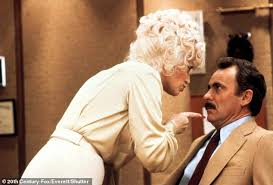
Thus, there are many faces to the revenge including: stage plays, classic literature, gangster, Western, arthouse, war, horror and even comedic ones such as 9 to 5 (1980). Each mode reflects a different cultural anxiety. Some seek catharsis; others deny it entirely. Some empower; others dismantle the very idea of empowerment. What remains is that revenge is a primal drive and offers clear motivation as to a characters’ wants. Above all else a good vengeance narrative offers high stakes satisfaction and entertainment when done right. Here are six filmic examples of this.


Six of the Best Revenge films

What unites the six chosen films is not just quality, but how distinctly each approaches revenge. The six films selected here demonstrate the breadth of what revenge can mean on screen: spectacle, despair, inevitability, and even self-annihilation.

I really wanted to include Revenge (2017), a film which revisits the roots of exploitation film but reclaims them with precision. Coralie Fargeat transforms the genre’s historically exploitative gaze into something confrontational, self-aware and sexual. Violence is stylised and glamorous, but never empty—it becomes a language through which the protagonist reasserts control over her own narrative. Alas, it does not make the list.


*** MAY CONTAIN SPOILERS ***


Dead Man’s Shoes (2004)

I’ve written about Dead Man’s Shoes (2004) before but for me it is one of the best British films ever. Shane Meadows classic low-budget revenger evolves a brother’s vengeance into something more intimate and tragic. Meadows reframes revenge as grief and guilt, culminating in a devastating reversal that questions whether vengeance can ever truly be directed outward. It is revenge turned inward, a psychological reckoning masquerading as retribution. Paddy Considine delivers one of the rawest and most angry performances ever put on screen.


Get Carter (1971)

Get Carter (1971) is cold, methodical, and stripped of glamour, like a Northern neo-noir. Michael Caine’s Jack Carter moves through a decaying Newcastle like an agent of inevitability. There is no triumph here—only the suggestion that violence begets nothing but itself. Caine’s performance delivers the dialogue with razor-sharp timing and dark wit. A violent gangster but relentless detective hunting down the thugs who killed his brother. The clever screenplay (based on a novel) ensures those Carter is after are even worse than him as ultimately Northern decay meets moral collapse.


Kill Bill: The Whole Bloody Affair (2025)

As revenge epics and Asian cinema homages go, Kill Bill: The Whole Bloody Affair (2025) is a staggering piece of synthesis from Quentin Tarantino. Beatrice Kiddo’s (Uma Thurman) quest isn’t just a trail of vengeance—it’s ritualised, almost sacred, each confrontation unfolding like a chapter in a blood-soaked myth. Tarantino fuses global influences—from Anime, samurai cinema like Lady Snowblood (1973) to grindhouse exploitation—into something heightened and unmistakably his own: a world of colour, blood, incredible choreography, and cutting precision. Violence here isn’t merely destructive; it becomes a form of expression, even purification. In this universe, revenge is not corrosive or self-defeating but clarifying, elevating Beatrice’s journey from victim to legend.


Mermaid Legend (1984)

Mermaid Legend (1984) stands as a startlingly powerful vengeance film, elevated by Mari Shirato’s ethereal, magnetic performance as Migiwa—at once woman, avenging angel, and elemental force. Her transformation drives the film into increasingly confrontational territory, where extreme violence and explicit sexuality feel less gratuitous than weaponised, forcing the viewer into a state of unease. What makes the revenge so compelling is its inevitability: this is not a quest but a metamorphosis, as Migiwa becomes something beyond human, guided as much by the sea and spirit as by rage. The film’s brilliance lies in how it fuses beauty and brutality into a singular vision. Lyrical underwater imagery and sacred, mournful music elevate the violence into something ritualistic, culminating in a final pier rampage that feels less like action than ceremony—hypnotic, relentless, and mythic. By the end, revenge is no longer just an act but a form of transcendence, pushing the film beyond exploitation into legend.


Old Boy (2003)

Oldboy (2003) is a film I can watch over and over and it still shocks me. The narrative feels like a perverse inversion of The Count of Monte Cristo. But, where Dumas offers revenge as a calculated, almost righteous act, Park Chan-wook and the source material it is based on presents it as something recursive and inescapable. The brilliance of Oldboy (2003) lies in its dual revenge structure: what begins as Oh Dae-su’s pursuit of answers gradually reveals itself to be the final movement in someone else’s long-orchestrated vengeance. Both protagonist and antagonist are locked into mirrored roles, each defined—and ultimately destroyed—by the same impulse. The film’s infamous twists don’t just shock; they reframe the entire narrative as a closed system of suffering, where revenge ceases to be cathartic and instead becomes a mechanism of obscene chaos. The antagonist’s revenge is meticulous, psychological, and total, while Dae-su’s reactive violence only tightens the trap. Both men are ultimately consumed, their identities hollowed out by the nihilistic revenge that defines them.


Once Upon a Time in the West (1968)

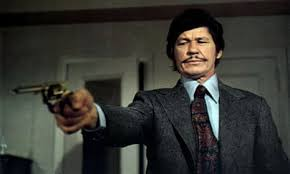
Once Upon a Time in the West (1968) is a great revenge film and classic Western. It precisely because it strips vengeance down to something elemental, patient, and almost mythic. Charles Bronson’s ‘Harmonica’ is not a conventional protagonist but a force moving through the landscape with quiet, relentless purpose. He speaks little, explains nothing, and yet every gesture feels loaded with intent. His pursuit of Henry Fonda’s Frank—a brutal mercenary introduced through shocking, child-murdering violence—is not driven by impulse but by memory, by something buried so deep it can only be expressed through action. What elevates the film is its methodical pacing and Leone’s operatic control. Violence is withheld, stretched out across long silences, close-ups, and Ennio Morricone’s mournful score, turning each encounter into ritual. When ‘Harmonica’ finally unleashes havoc, it is not chaotic but precise—measured, almost ceremonial. The eventual revelation of his motive reframes everything: this is not just revenge, but the completion of a trauma that has defined his entire existence.


Conclusion

To distil revenge cinema into six films is, inevitably, an incomplete task. The genre is too vast, too varied spanning everything from canonical works to obscure, difficult films that remain unseen or underexplored. There are countless other entries, including many lesser-known or unseen works, that could reshape or challenge this selection.

And yet, that is precisely why revenge endures. It is a universal impulse, endlessly adaptable to tone, culture, and form. Whether stylised, brutal, philosophical, or deeply personal, revenge remains one of cinema’s most powerful motivations—for characters and filmmakers alike.


Cinema Review: Project Hail Mary (2026) – the end of the world has rarely been so much fun and bromantic!

Cinema Review: Project Hail Mary (2026)

Directed by Phil Lord & Christopher Miller

Screenplay by Drew Goddard

Based on Project Hail Mary by Andy Weir

Produced by Amy Pascal, Ryan Gosling, Phil Lord, Christopher Miller, Aditya Sood, Rachel O’Connor, Andy Weir, etc.

Main Cast: Ryan Gosling, Sandra Hüller, James Ortiz, Lionel Boyce, Ken Leung, Malachi Kirby, etc.

Cinematography by Greig Fraser

*** MAY CONTAIN SPOILERS ***


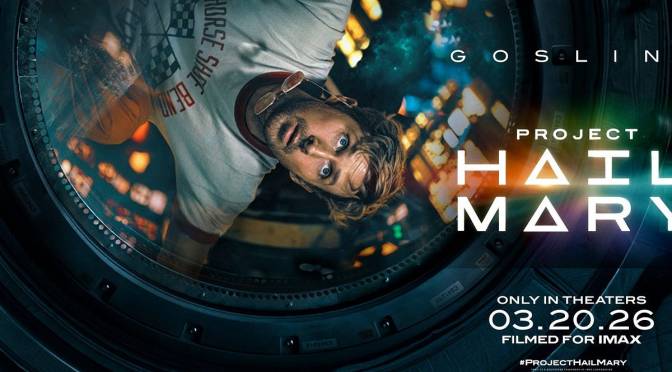
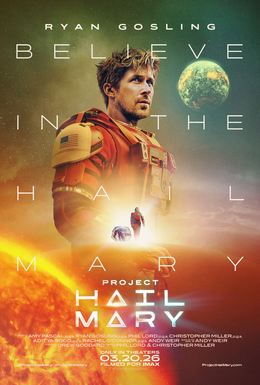
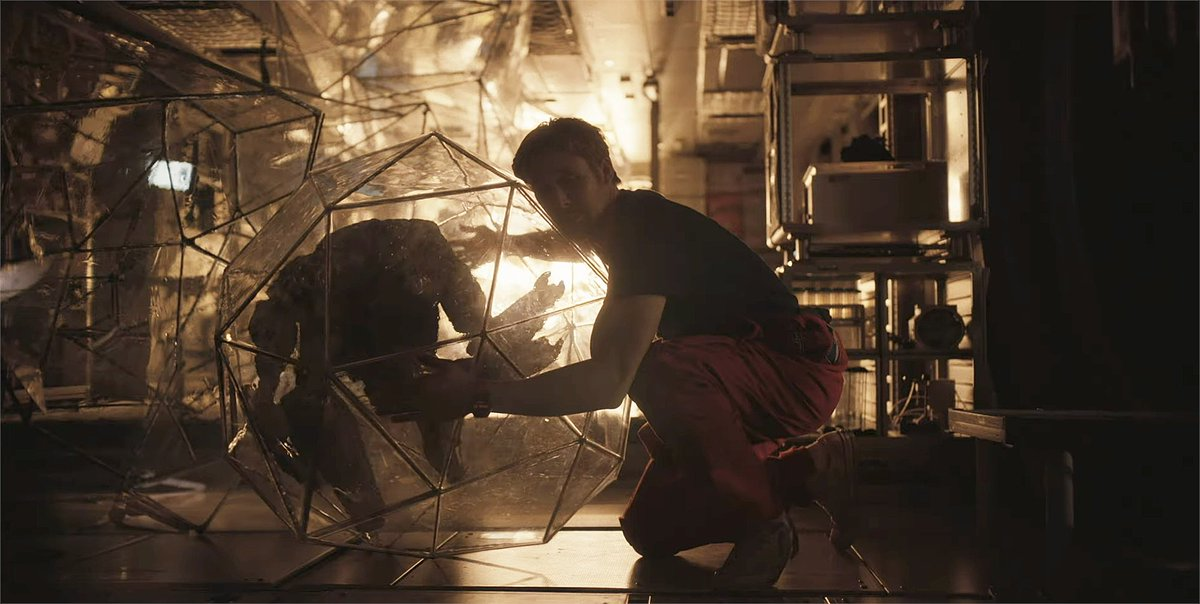
There’s a version of Project Hail Mary (2026) that could have been cold, clinical, and overly procedural—a hard sci-fi puzzle box drifting in the vacuum of its own cleverness. Instead, what Christopher Miller and Phil Lord deliver is something far more disarming: a big-hearted, funny, surprisingly emotional crowd-pleaser that turns the apocalypse into an oddly uplifting experience.

Adapted by Drew Goddard from Andy Weir’s novel, the film follows Ryland Grace (a perfectly cast Ryan Gosling), who awakens alone aboard a spacecraft with no memory of who he is or why he’s there. The early stretches lean into disorientation—Gosling playing confusion with a twitchy, almost comic anxiety—but as Grace pieces together his past, the film cleverly shifts into a dual-track narrative: one part interstellar survival story, one part Earthbound scientific scramble to stop a cosmic catastrophe.

Gosling is the film’s main weapon. He plays Grace not as a conventional hero, but as a reluctant participant—anxious, self-deprecating, and often hilariously out of his depth. His charm keeps the exposition buoyant, especially as the film dives into dense scientific concepts. Where the story could feel heavy, Gosling makes it breezy and Project Hail Mary (2026) is certainly more emotionally stimulating than the dreadful action thriller The Gray Man (2022) and the weak remake, The Fall Guy (2024).


But the film’s most unexpected triumph is its central relationship: a deeply entertaining and genuinely moving “bromance” between Grace and an alien Xeonite – christened Rocky – he encounters in deep space. What begins as cautious interaction evolves into one of the most delightful interspecies friendships in recent sci-fi. Their communication—built from math, sound, and trial-and-error—becomes a source of both comedy and emotional resonance. It’s rare to see a blockbuster hinge so successfully on companionship rather than conflict, and the film is all the better for it.

Visually, Project Hail Mary (2026) is spectacular without being overwhelming. Lord and Miller balance scale with clarity; the vastness of space never drowns the intimacy of the story. The alien design is inventive, the astrophysical phenomena are rendered with awe-inspiring detail, and yet the film always remains grounded in character. It’s science-forward filmmaking that never forgets to entertain. Back on Earth, Sandra Hüller provides the film’s emotional anchor. Her performance carries a quiet intensity, grounding the global stakes in something human and immediate. Where the space sequences soar, her scenes remind us what’s at risk—and why it matters.

Goddard’s script is sharp, witty, and structurally satisfactory. It juggles timelines, scientific jargon, and character development with impressive ease, finding humour in the bleakest situations without undercutting the stakes. There’s a rhythmic confidence to the storytelling that keeps the film propulsive even as it pauses for introspection. What ultimately makes Project Hail Mary (2026) stand out, though, is its tone. This is, unmistakably, a feel-good end-of-the-world movie. It finds optimism not in denying catastrophe, but in confronting it with curiosity, cooperation, and friendship. By the time the credits roll, what lingers isn’t just the spectacle or the science—it’s the warmth. A book and film about extinction becomes, improbably, a story about connection.

Mark: 8.5 out of 11

Cult Film Review: American Movie (1999) – a bittersweet documentary profiling the ups and downs of a low-budget filmmaker!

Cult Film Review: American Movie (1999)

Directed by Chris Smith

Produced by Sarah Price & Chris Smith

Main “Cast”: Mark Borchardt and Mike Schank

Cinematography by Chris Smith

Edited by Barry Poltermann & Jun Diaz

Music by Mike Schank

*** MAY CONTAIN SPOILERS ***


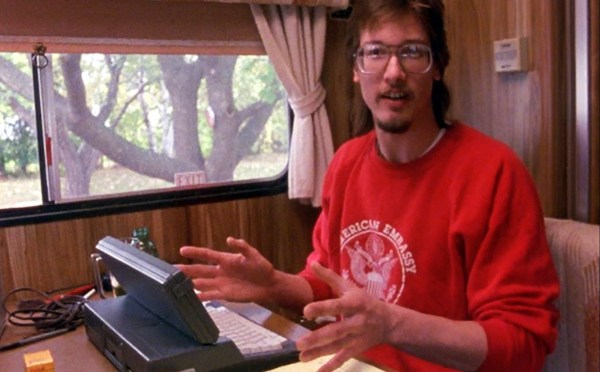
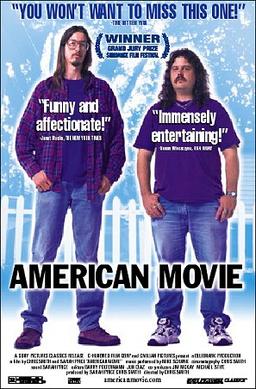
Given I am a low-budget filmmaker myself I am amazed I had never seen, American Movie (1999) before. Thankfully The Nickel Cinema in London screened it at the weekend and I really enjoyed it. Filmed between 1995 and 1997, this cult classic documentary American Movie (1999) chronicles Borchardt’s heroic, chaotic, and deeply Midwestern quest to finish his indie horror short Coven (pronounced ‘COH-ven’, and yes, he will correct you). The short is meant to raise money for his real passion project, a feature called Northwestern. But first? He has to survive reality. And reality is brutal.

Mark has not just zero money; zero organization; a rotating cast of confused friends and relatives as crew; functioning alcoholism; mounting debts, but also has the gift of the gab and a never ending passion for filmmaking. What unfolds is less “behind-the-scenes documentary” and more Shakespearean comedy AND tragedy staged in Milwaukee houses, static caravans, cars, junkyards and local woods.

Borchardt is equal parts Ed Wood and tortured auteur — passionately explaining his artistic vision one minute, begging his elderly uncle for production money and picking up his editing assistant from prison the next. His crew ranges from loyal-but-clueless to openly skeptical, yet somehow the production lurches forward. Barely.


The documentary crew shot over 90 hours of 16mm footage, capturing every awkward take, every blown line, and every moment of Mark’s delusional optimism. We watch as Coven repeatedly derails thanks to bad planning, worse luck, and the universal law that says: if something can go wrong on an indie film set, it absolutely will. But here’s the twist — it’s weirdly inspiring. Because underneath the chaos is something pure: a guy who just refuses to stop making movies. No money. No resources. No safety net. Just pure passion and obsession.

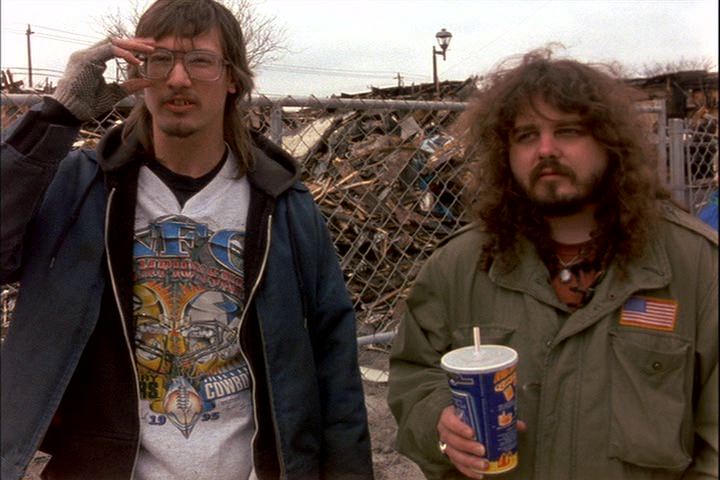
What’s most hilarious is the double act comedy exchanges between Mark and his best friend and Mike Schank. Mike, a very capable musician, has a permanent grin and the look of an acid-trip casualty, yet almost-perfect comedy timing. He clearly loves Mark’s passion and helps as best he can. I was sad to read Mike had passed away in 2022 from cancer.

If you stumbled into American Movie (1999) blind, you’d swear it was a proto-sitcom about delusional dreamers armed with a battered 16mm camera, a camcorder and misplaced confidence — a spiritual ancestor to Trailer Park Boys and It’s Always Sunny in Philadelphia. It plays like a painfully funny hangout comedy about a self-proclaimed auteur and his band of well-meaning screw-ups trying — and repeatedly failing — to make something “serious.” The arguments are petty, the ambition is sky-high, and the incompetence is operatic. You laugh, you cringe, and somewhere along the way you realize this isn’t scripted chaos — it’s just raw, unfiltered obsession captured on camera.

Mark: 9 out of 11


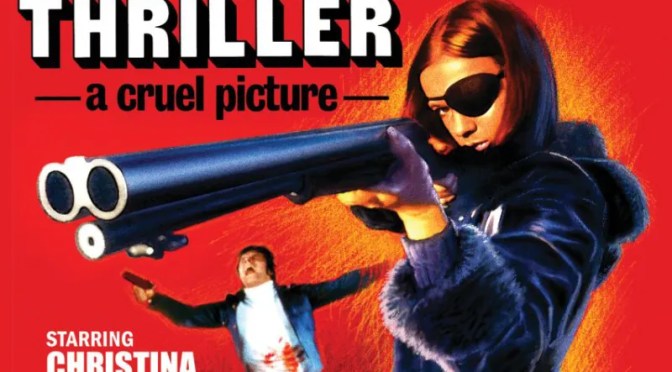
Cult Film Review: Thriller – A Cruel Picture (1974) – a shocking blend of X-rated exploitation and arthouse filmmaking!

Cult Film Review: Thriller – A Cruel Picture (1974)

Directed by Alex Fridolinski

Screenplay by Alex Fridolinski

Produced by Bo Arne Vibenius

Main cast: Christina Lindberg, Heinz Hopf, Despina Tomazani, etc.

Cinematography by Andreas Bellis

Edited by Brian Wikström

**Viewer discretion is advised – this film contains scenes that many will find disturbing**


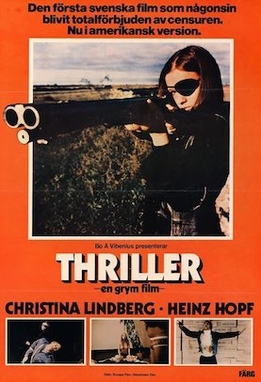
Thriller – A Cruel Picture (1973) (Swedish: Thriller – en grym film) is a 1973 Swedish exploitation film from writer-director Bo Arne Vibenius, working under the pseudonym Alex Fridolinski, starring Christina Lindberg and Heinz Hopf. Infamous for its unflinching depictions of sexual violence, drug abuse, and degradation, the film charts the ordeal of a mute young woman who is coerced into heroin addiction and forced into prostitution before embarking on a brutal campaign of revenge against her tormentors.

Released in the United States in a heavily cut version by American International Pictures—under lurid alternate titles such as They Call Her One Eye, Hooker’s Revenge, and The Swedish Vice-Girl—the film has earned a reputation as a deeply disturbing and confrontational work. Its graphic content and relentless tone make it a challenging and potentially distressing viewing experience, best avoided by those sensitive to extreme subject matter.

Unsurprisingly, due to the violent scenes, on-screen drug use, nudity and also inclusion of hardcore pornography, Thriller – A Cruel Picture (1973) was either banned outright or heavily censored on release. I had heard so much about this film on various YouTube videos expounding the shocking nature of the themes and scenes. Allied to this, Quentin Tarantino has also “championed” the movie and it’s star, Christina Lindberg. With this in mind the film I got tempted and purchased the recent Blu Ray version released in the UK. This version DOES NOT, thankfully, include the pornographic scenes which were filmed by the director with a Swedish couple who did live sex shows.

So, is Thriller – A Cruel Picture (1973) actually any good? Well, it is safe to say that it is a relentlessly harsh watch. That said, it would be unfair to dismiss the film outright as mere grindhouse provocation. Vibenius employs striking stylistic flourishes that elevate certain sequences into something oddly hypnotic. Most famously, the extended slow-motion shotgun reprisals—henchmen blasted backwards in balletic, almost operatic fashion—are staged with a visual patience that borders on the surreal. These, as well as the lengthy final act car pursuit sequence, are technically memorable, even as their brutality remains confronting.


Where the film becomes almost nightmarish is in its internal logic. Once Madeline (Christina Lindberg) is captured and brutalized by the sadistic drug dealer Tony (Heinz Hopf), the narrative takes on a dreamlike, disjointed quality. Despite being forcibly addicted to heroin, she somehow manages to train herself in hand-to-hand combat, driving, and sharpshooting—preparing an elaborate revenge while still under the grip of addiction. The plotting feels less realistic than hallucinatory, as though the film operates on the logic of trauma and fantasy rather than grounded cause and effect.

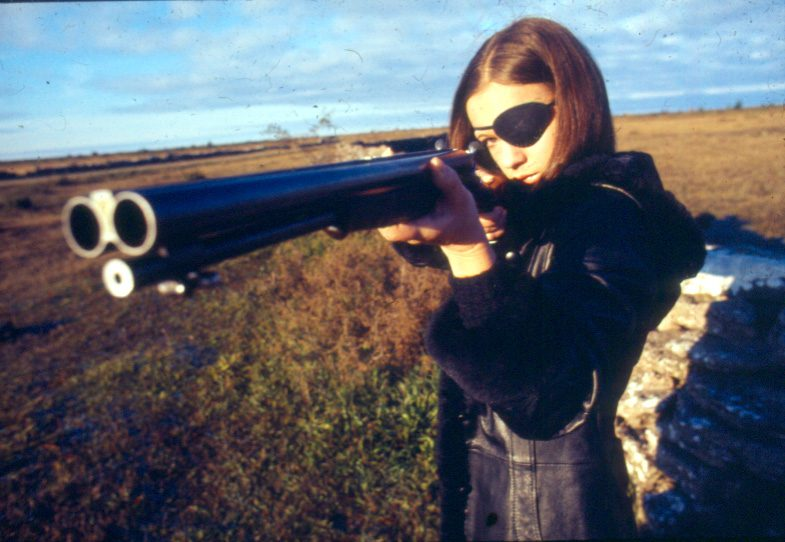
A great deal of the film’s lasting impact rests on the striking screen presence of Christina Lindberg, as well as her character’s grim journey. Already known internationally in the late 1960s and early 1970s for her work as an erotic actress and glamour model, Lindberg brings an arresting, almost statuesque quality to the role. Her icy stare—especially once framed by the now-iconic eyepatch—gives the character a mythic, comic-book intensity. At the same time, the creative decision to render her character mute inevitably shapes how that performance is perceived. Silence becomes a stylistic device, amplifying the film’s cold and detached tone. The director’s choice to sidestep the demands of more dialogue-heavy dramatic scenes actually works in the film’s favour.

Overall, Thriller – A Cruel Picture (1973) is a film that oscillates between exploitation rawness and stark, almost avant-garde stylization. For hardened genre enthusiasts, it may be a grim curiosity with undeniable visual audacity. For many others, however, its graphic content and relentless tone will make it a deeply uncomfortable, even distressing experience. Proceed carefully.


Cinema Review: Pillion (2025) – a fantastically acted and directed erotic rom-dom-com!

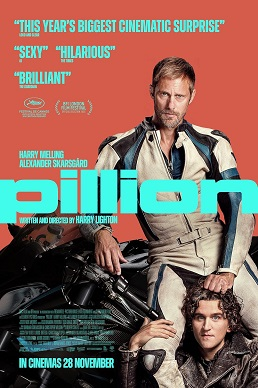
Cinema Review: Pillion (2025)

Directed by Harry Lighton

Written by Harry Lighton – Based on Box Hill by Adam Mars-Jones


Produced by Emma Norton, Lee Groombridge, Ed Guiney &
Andrew Lowe

Main cast: Harry Melling, Alexander Skarsgård, Douglas Hodge, Lesley Sharp, Jake Shears, etc.

Cinematography by Nick Morris

Edited by Gareth C. Scales


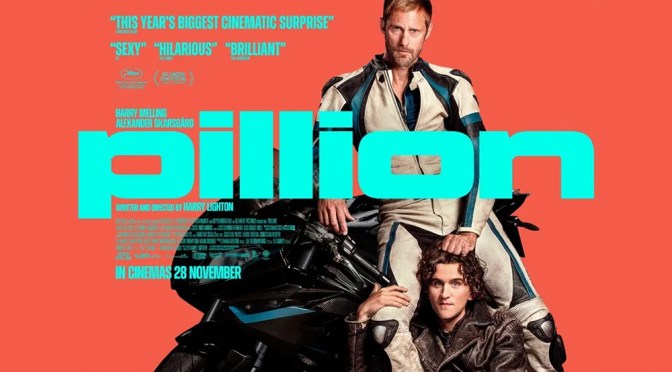
There’s a tender audacity to Pillion (2025), an erotic rom-dom-com that sneaks up on you with the gentleness of a confession. What begins as an off-kilter meet-cute blooms into something far more vulnerable: a rites-of-passage story about sexual awakening, self-recognition, and the courage it takes to accept pleasure without apology.

At its heart is Colin, played with exquisite restraint by Harry Melling. Melling has always been an actor of intelligence, but here he finds a new register—soft-spoken, watchful, quietly aching. His performance never reaches for easy beats; instead, it accumulates detail. A look held a fraction too long. A smile that arrives late. Colin’s desire isn’t announced; it’s discovered, moment by moment, and the effect is deeply empathetic.

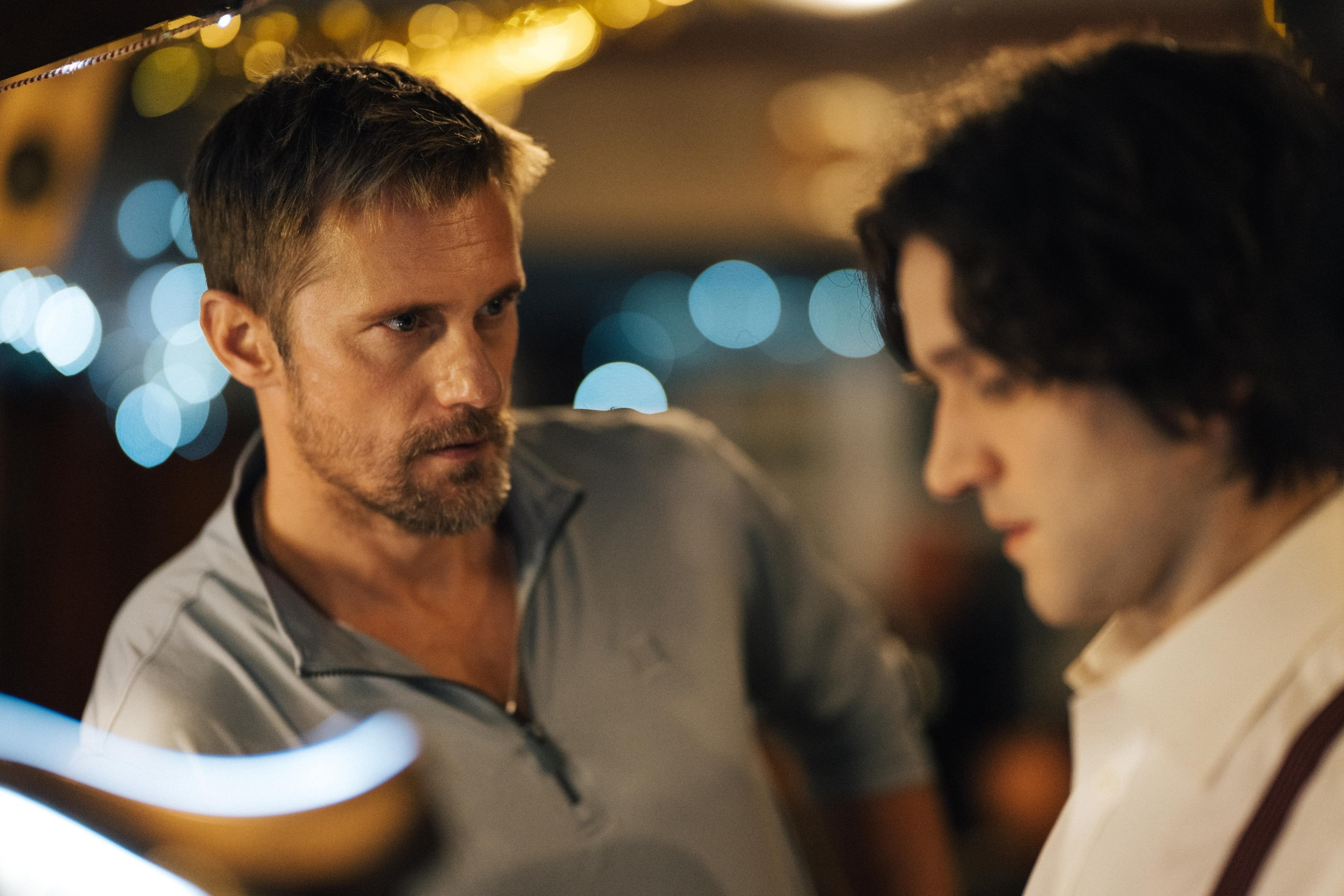
Opposite him, Alexander Skarsgård’s Ray is all smoulder and swagger on first impression—an insouciant masculinity that seems effortless, almost cocky. But Skarsgård is doing something more interesting beneath the surface. The sexuality is undeniable, yes, but it’s armoured. Pain leaks through the cracks, giving Ray a bruised romanticism that complicates the dominant energy he projects. The push and pull between the two men becomes the film’s most potent charge.


Director Harry Lighton deserves enormous credit for navigating this tonal tightrope. His direction is fantastically nuanced, allowing intimacy and humour to coexist without deflating either. The film understands that eroticism can be funny, awkward, even faintly ridiculous—especially when it’s new—while still honouring its emotional stakes. The explicit moments are handled with confidence rather than coyness, lacing the heartfelt beats with risqué shocks that provoke gasps, laughter, and the occasional wince. The physical opposites of Harry’s mild-mannered traffic warden versus Ray’s macho biker also add characterful humour to the mix.

The contemporary setting, rooted in the London suburb of Bromley, is another inspired choice. This is not a glossy, aspirational London; it’s resolutely unglamorous, familiar, and quietly stifling. That ordinariness makes Colin’s awakening feel all the more radical, a private revolution unfolding in plain sight. Furthermore, strong support comes from Lesley Sharp and Douglas Hodge as Colin’s parents, whose love is real but imperfect, shaped by generational discomfort and unspoken fears. Their scenes add texture rather than judgment, grounding the film in a recognisable family dynamic.

Be warned: Pillion (2025) doesn’t shy away from explicit sex scenes or moments of leather-adorned domination (including BDSM), and those elements may provoke strong reactions. But they’re not there for provocation alone. Lighton uses them as part of the emotional grammar of the film, insisting that tenderness and risk, humour and heat, can occupy the same frame. Ultimately, Pillion (2025) reveals itself as something quietly radical—a deeply touching romantic comedy that treats sexual self-discovery with empathy, intelligence, and a disarming lack of shame. It lingers not because of what it shows, but because of how carefully it listens to its characters while they learn who they are.

Mark: 8.5 out of 11


Films That Got Away #17: Hardcore (1979) / Cruising (1980)

Films That Got Away #17: Hardcore (1979) / Cruising (1980)

There are certain names in American cinema that carry an immediate gravitational pull, and Paul Schrader and William Friedkin sit firmly among them. Between them, they’ve helped define the moral anxieties, obsessions, and contradictions of postwar America—Schrader with his austere spiritual torment and lonely men on the brink, Friedkin with his raw, confrontational plunges into chaos and corruption. Their filmographies are stacked with stone-cold classics that feel permanently etched into the cultural memory, the kind of movies that film students, critics, and cinephiles cite as foundational texts.

And yet, despite that towering reputational weight, there are blind spots. For reasons that are more circumstantial than intentional, I’d never seen Schrader’s Hardcore (1979) or Friedkin’s Cruising (1980)—two of their most infamous, divisive, and provocative works. Both films sit at a fascinating crossroads in late-’70s American cinema, emerging from an era obsessed with moral panic, sexual liberation, and the fear of subcultures existing just beyond the edges of polite society.

What makes the pairing especially compelling is how eerily similar their narrative engines appear to be. Each follows a protagonist forced to descend into an alien world—sexually charged, dangerous, and coded with threat—in search of answers. These are men out of their depth, navigating unfamiliar terrain where desire, violence, and identity blur together, and where the rules they live by no longer apply. In both cases, the journey isn’t just external but psychological, raising uncomfortable questions about voyeurism, repression, and what it means to confront a hidden darkness.

** MAY CONTAIN SPOILERS **


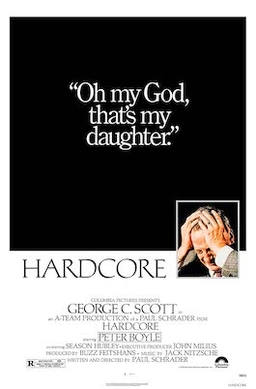
HARDCORE (1979)

Written and directed by Paul Schrader

Main Cast: George C. Scott, Peter Boyle and Season Hubley

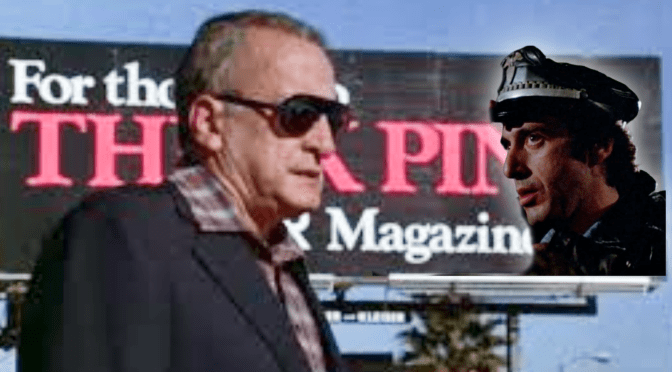
Hardcore (1979) is arguably one of Paul Schrader’s most abrasive and fascinating films—a work that feels both deeply personal and deliberately confrontational. The setup is pure father’s nightmare. Jake Van Dorn (George C. Scott), a devout Calvinist businessman and single father in Grand Rapids, Michigan, sees his world collapse when his teenage daughter Kristen disappears during a church-sponsored trip to California. Months later, a Los Angeles private investigator (Peter Boyle) produces devastating evidence—an 8mm stag film bought in a sex shop, showing Kristen performing a sexual act with two men. Convinced she has been abducted and forced into sex work, Van Dorn heads west, dragging his rigid moral certainty into a world he neither understands nor believes should exist.

Hardcore (1979) functions as a grim reworking of The Searchers (1956), filtered through the urban decay of Taxi Driver (1976). Schrader replaces the western frontier with peep shows, porn theatres, and back-alley sex shops, turning Los Angeles into a hostile moral wilderness. The journey into hell is not only about rescuing a daughter but about testing the limits of Van Dorn’s faith. Further, the performances are uniformly excellent. George C. Scott is volcanic as Van Dorn, embodying righteous fury in a way that makes the character both frightening and tragic. Season Hubley brings unexpected vulnerability to sex worker, Niki, while Peter Boyle is unforgettable as the sleazy private dick—equal parts comic and repellent.

Ultimately Hardcore (1979) is uncomfortable, morally thorny, and visually steeped in neon-lit grime. It stands as one of Schrader’s most uncompromising statements: a film less interested in salvation than in forcing its audience to stare directly into the abyss between religion and reality.

Mark: 8.5 out of 11


CRUISING (1980)

Directed by William Friedkin

Screenplay by William Friedkin – Based on Cruising
by Gerald Walker

Main cast: Al Pacino, Paul Sorvino and Karen Allen

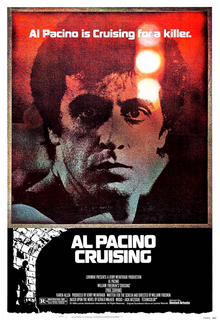
Cruising (1980) remains one of William Friedkin’s most troubling and unresolved works—a film whose reputation is inseparable from the controversy that engulfed it. Loosely based on the novel Cruising by Gerald Walker, a New York Times reporter, the film follows a serial killer preying on gay men connected to New York’s leather scene in the late 1970s. From its earliest production stages, the project was met with fierce objections from gay rights protestors, and even its star, Al Pacino, later described the film as “exploitative,” a criticism that has clung to it for decades.

Watching it now, divorced from some of its original cultural shockwaves, Cruising (1980) plays as a strangely compelling B-movie detective whodunnit. Friedkin leans hard into the sleaze and menace of the underground clubs, bars, and back rooms, presenting them as shadowy labyrinths of danger and desire. On the surface, the film often seems to revel in this grime, exploiting its setting as lurid texture rather than fully interrogating it. Yet beneath that pulpy exterior, there’s a more interesting, if underdeveloped, psychological study trying to claw its way out. Seen through the eyes of Pacino’s “virgin” cop, Detective Steve Burns, the film is not just about catching a killer and more about a man destabilized by prolonged exposure to a world that awakens desires he cannot comfortably name.

Friedkin arguably doesn’t quite get the script or character dynamics right, and those thematic ambitions often feel half-formed. Pacino, while committed, also feels miscast; his star persona never fully dissolves into the role. Still, what Cruising (1980) undeniably achieves is mood. Its oppressive sound design, pounding club music, and nocturnal visual texture generate a creeping dread that lingers. Lastly, there’s a strong sense that Friedkin was hamstrung—by studio interference, censorship demands, and mandated cuts—which may explain why the film feels fractured, particularly in its famously ambiguous ending. The result is a movie that feels incomplete, but also strangely haunting: a compromised work whose unease, confusion, and moral instability scratch under the skin in ways more polished films manage.

Mark: 8 out of 11


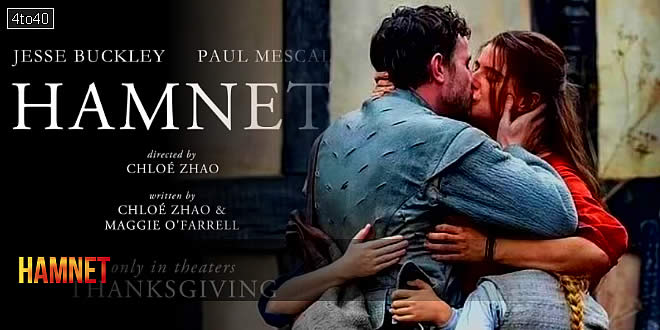
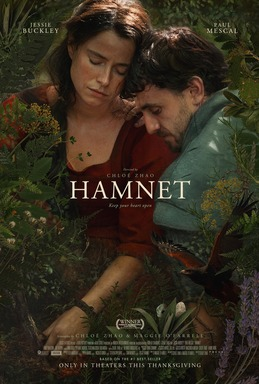
Cinema Review: Hamnet (2025) – spectacularly emotional with Jessie Buckley delivering a spiritually transcendent performance!

Cinema Review: Hamnet (2025)

Directed by Chloé Zhao

Screenplay by Chloé Zhao & Maggie O’Farrell – Based on Hamnet
by Maggie O’Farrell


Produced by Liza Marshall, Pippa Harris, Nicolas Gonda, Steven Spielberg & Sam Mendes


Main cast: Jessie Buckley, Paul Mescal, Emily Watson, Joe Alwyn
, David Wilmot, Jacobi Jupe, Olivia Lynes, etc.

Cinematography by Łukasz Żal


There are actors who impress, and then there is Jessie Buckley, who seems to detonate the screen every time she appears. From the feral menace and vulnerability of Beast (2017) to the raw, soul-baring musical grit of Wild Rose (2018), Buckley has proven herself fearless; from the existential unravelling of I’m Thinking of Ending Things (2020) to her razor-sharp, unclassifiable turn in Fargo (2020) – Season 4, and the aching restraint of Fingernails (2023), her work consistently redefines what emotional truth on screen can look like. Now, with an earth-shattering rendition of Agnes Shakespeare in Hamnet (2025), Buckley doesn’t just command attention—she claims her place as one of the most electrifying actors of her generation.

Hamnet (2025) is an adaptation of Maggie O’Farrell’s critically acclaimed novel is a quietly thunderous piece of cinema—one that chooses intimacy over spectacle and emotion over mythology. At its core is the relationship between Agnes and William Shakespeare, charted from their first, tentative connection through marriage, parenthood, and the fractures that emerge when love collides with loss and ambition.

The film is less concerned with the legend of Shakespeare than with the human beings behind it: a scholar and poet struggling to find his literary voice, set against Agnes, a woman of the land and forest, spiritually attuned to nature, instinct, and ritual. Their romance blooms in the space between these worlds, with Agnes’s chanting communion with the natural world acting as an unspoken counterpoint to Will’s search for language and form.


Director Chloé Zhao brings her signature elegance and patience to the material, allowing moments to breathe and emotions to surface organically. Her collaboration with cinematographer Łukasz Żal results in imagery that feels almost painterly—soft, natural light spilling across interiors and fields, rendering the English countryside as something tactile and alive. Every frame seems steeped in earth, wind, and time, reinforcing the film’s grounding in the physical and the elemental.

At the centre of it all is Jessie Buckley, delivering a stunningly embodied performance as Agnes. Her work is raw, intuitive, and deeply moving—she plays grief not as a single rupture but as a living force that reshapes the body and spirit. Paul Mescal brings a quiet intelligence and aching restraint to William, capturing the tension between domestic devotion and creative restlessness, while the incredible, Jacobi Jupe, as the young son, Hamnet, adds genuine emotional resonance, grounding the family dynamic with heart-breaking sincerity.

Hamnet (2025) is ultimately a powerhouse drama about family, grief, and the curative—often painful—power of the creative process. It understands art not as triumph but as transformation, something born from love and loss in equal measure. My one reservation is a personal one: I found myself wanting more of Shakespeare’s journey in London and his struggle toward theatrical success and subsequent writing on the classic, Hamlet. But this absence is deliberate and understandable. The film is weighted toward the emotional interiority of Agnes’s experience, and in centring her perspective—so exquisitely rendered by Buckley—Hamnet (2025) finds its true, devastating strength.

Mark: 9 out of 11


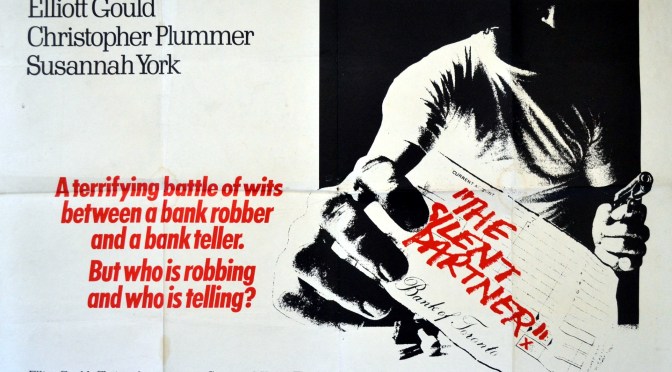
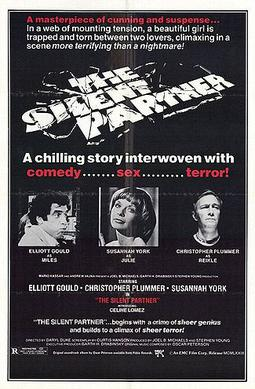
Under-rated Classic #12: The Silent Partner (1978) – A masterclass in crime plotting and the best Christmas thriller you may never have seen!

Under-rated Classic Film Review #12: The Silent Partner (1978)

Directed by Daryl Duke

Written by Curtis Hanson – Based on Think of a Number
1969 novel by Anders Bodelsen


Produced by Joel B. Michaels & Stephen Young

Main cast: Elliott Gould, Christopher Plummer, Susannah York, Celine Lomez, John Candy, Stephen Young, Ken Pogue etc.

Cinematography by Billy Williams

Music by: Oscar Peterson

*** MAY CONTAIN SPOILERS ***


The Silent Partner (1978), directed by Daryl Duke and based on Anders Bodelsen’s novel Think of a Number (Tænk på et tal), stands out as not only one of the best Christmas thrillers of all time but also one of the most meticulously plotted crime thrillers outside of Alfred Hitchcock’s grand body of work. The film, which takes place against the snowy backdrop of Toronto, is a slick, taut, and endlessly clever exercise in suspense, filled with smart twists and an ever-present sense of menace.

At the heart of the film is a brilliantly constructed screenplay by Curtis Hanson, which provides the perfect vehicle for its two star actors: Elliott Gould and Christopher Plummer. The story’s premise is deceptively simple: Miles Cullen (Gould), a mild-mannered bank teller, discovers a discarded holdup note revealing an impending robbery. His quick thinking—suspecting the mall Santa, Harry Reikle (Plummer), to be the would-be robber—leads him to secretly hide $48,300 from the bank’s vault and give Reikle only a fraction of the money. When Reikle realizes he’s been swindled, the tension escalates, and Miles becomes the target of the dangerous and unhinged criminal, setting off a high-stakes game of cat and mouse.

The film’s brilliance lies in its ability to build both an intricate plot and a captivating atmosphere of suspense, while never losing its sense of humour. There’s a certain rhythm to The Silent Partner (1978), a precision that evokes the same sense of control as Hitchcock’s best thrillers. The story unfolds with a metronomic pace, carefully stacking one suspenseful moment after another, each new twist feeling earned and expertly timed.


One of the key pleasures of The Silent Partner (1978) is the pairing of Gould and Plummer, two actors who couldn’t be more different in their approaches to character. Gould plays Miles with a cool, calculating detachment—a man who might appear meek and even timid at first glance, but is secretly a clever and pragmatic planner. He’s the type of guy who thinks five steps ahead, carefully orchestrating every move as he tries to stay one step ahead of the increasingly unhinged Reikle. Gould’s portrayal is sharp, cerebral, and fascinating to watch as he navigates the complex moral terrain of his actions.

On the other hand, Plummer’s Harry Reikle is a chilling force of nature—volatile, unpredictable, and capable of explosive violence at the drop of a hat. He’s one of the best screen villains ever with Plummer delivering a performance that’s equal parts suave and menacing. His portrayal of Reikle is a study in contrasts—he’s charming one moment, a psychopath the next. Where Gould’s Miles is a thinker, Reikle is all instincts and rising rage. The tension between these two characters, each representing a different kind of threat, is what drives the film forward. It’s a masterclass in how to craft a compelling dynamic between protagonists and antagonists.

Beyond the characters and their performances, The Silent Partner (1978) stands out as a deeply satisfying crime thriller. The film is full of great set-pieces that slowly ratchet up the suspense—each one feeling like it could be the final nail in the coffin, but instead leading to a further complication. Whether it’s Miles using his wits to stay one step ahead of Reikle, or having to think on his feet having lost the key to the deposit box with the loot, every element of the plot is carefully calibrated. Even the Christmas setting, which could have been just a backdrop, is used effectively to heighten the film’s tension. The festive atmosphere of the holiday season contrasts sharply with the darkness of the film’s themes, creating a stark juxtaposition that enhances the thriller’s sense of dread.

The Silent Partner (1978) is a deeply underrated gem in the thriller genre. With a killer screenplay, two outstanding lead performances, and a plot that’s as intricately designed as a clockwork machine, it’s a film that rewards careful attention and repeat viewings. It’s a perfect blend of Christmas cheer turned upside down, and it holds its place as one of the finest thrillers ever made—one that, unfortunately, remains too often overlooked.

Mark: 10 out of 11


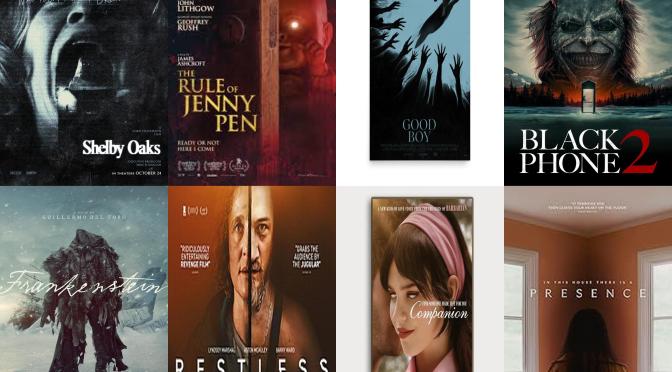
Horror film review round-up including: Black Phone 2 (2025), Companion (2025), Good Boy (2024), Presence (2025), Together (2025) and others. . .

Autumn Horror Film Reviews

In the languid drift of autumn, when Halloween’s shadow lengthens and winter begins its slow, expectant inhale, the world seems to slip into a more suggestive register—one where every rustling leaf feels like a whispered omen. It is, of course, the most appropriate season to surrender to the year’s latest horror releases, as though communing with these cinematic phantoms might prepare us—spiritually, aesthetically—for the deeper darkness to come.

Which basically means I have been catching up with some 2025 horror film releases I missed at the cinema during autumn. A couple of these probably warrant more in depth solo reviews, but as I edge closer to old age and the reaper’s scythe, I am economizing somewhat.

*** MAY CONTAIN SPOILERS ***


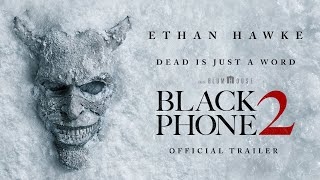
Black Phone 2 (2025)

Scott Derrickson and co-writer C. Robert Cargill deliver a sequel to The Black Phone (2021) with Mason Thames, Madeleine McGraw, Jeremy Davies, and Ethan Hawke reprising their roles from the first chiller. I actually enjoyed this one more than the original, which despite the clunky set-up, finds the siblings and others trapped in a teen camp hit by a blizzard. They find themselves hunted and haunted by both The Grabber (Hawke) and other ghostly spirits haunting the area. Derrikson throws a lot of horror tropes and the characters (literally in certain scenes) at the walls, and much of it sticks. Having said that, I still don’t think The Grabber is the scariest villain ever committed to screen, despite Hawke’s presence. (Mark: 7.5 out of 11)


Companion (2025)

Companion (2025) feels like Garland’s Ex Machina (2014) colliding elegantly with Fargeat’s feral Revenge (2017)—a sunny day-horror fable that hides its nastiest surprises in plain sight. Its twists are sharp, its aesthetic confident, and its ideas far more ambitious than its modest surface first suggests. I would have admired it even more were it not, on occasions, completely dumb. Plus, the occasional drift into a comedic register undercuts its more incisive moments. The beautiful Sophie Thatcher once again commands the screen with the same riveting presence she brought to Heretic (2024). Mark: 8 out of 11.


Graduation Day (1981)

Thanks to Bobby Carroll’s site for reminding me about slasher film, Graduation Day (1981), as I had completely forgotten about it. High quality kills and gore mask a screenplay which has more nudity than character development. Yet, I am a sucker for these 1980’s exploitation flicks and this is a watchable one. Mark: 6 out of 11


Good Boy (2025)

An low-budget horror film triumph with Ben Leonberg directing his own dog, Indy, a Nova Scotia Duck Tolling Retriever, as the only witness to nasty spirits threatening his owner. The film emerges as a formal tour-de-force, whose meticulous composition and deliberate pacing elevate its simple premise into something unexpectedly resonant. Its visual precision and rhythmic control shape an atmosphere of dread that feels more sculpted than sensational, grounding the film in an emotionally impactful narrative about loyalty, vulnerability, and the unsettling spaces between trust and fear. For all its craft, and impressive animal direction, the film doesn’t quite sustain a relentless menace throughout. But, it remains a memorable feature debut from Leonberg and Indy the dog. Mark: 8.5 out of 11.


Presence (2025)

In Presence (2024), David Koepp and Steven Soderbergh demonstrate just how potent a one-location horror film can be when discipline and imagination converge. The entire piece unfolds like a controlled exhale: a slow-build structure that trusts the audience to lean in, and a drifting, almost contemplative camera that adopts the ghost’s POV to quietly—sometimes imperceptibly—reveal fragments of the story. Instead of overplaying its hand, the film slow-drips its plot elements with an elegance that keeps tension suspended in the air, letting unease pool in the corners of an otherwise ordinary space. By the time it reaches its finale, Presence (2024) delivers not only a surge of emotional and thematic clarity but two genuinely surprising twists—earned, unsettling, and executed with the kind of precision that affirms both writer and directors’ mastery of the form. Mark: 8.5 out of 11.


Restless (2024)

Really good independent British thriller with Lyndsey Marshal as a nurse, Nicky, who finds herself terrorized by 24-hour partying thug neighbours. Writer-director Jed Hart creates great empathy and identification with the situation and it’s a shame decent British films like this get short shrift at the multiplexes. Nicky’s spiral into insomnia-driven madness is compelling as her desperate attempts to sleep give way to vengeance. But the film’s final act tonal turn denies us a full-on descent into suburban hell, for something amenable but unfortunately less twisted. Mark: 7.5 out of 11


The Rule of Jenny Pen (2025)

The Rule of Jenny Pen is an original, weird, and powerful shock of a film — a mash-up of psychological thriller and nursing-home horror that lands far more often than it stumbles. Its greatest strength is, without question, the towering performances at its centre. Geoffrey Rush and John Lithgow, two masters of calibrated gravitas, turn the film’s cat-and-mouse mind game into a gripping acting showcase. Together, they elevate the film’s themes of aging, vulnerability, and institutional neglect into something both unsettling and strangely beautiful. The plotting, however, does get a bit sticky toward the end. The final act jars slightly, causing me confusion in an otherwise tight psychological narrative. Still, even as the story wobbles a tad, the film’s originality, eerie tone, and powerhouse acting keep it compelling. Mark: 8 out of 11


The Woman in the Yard (2025)

The Woman in the Yard (2025) rises on the strength of Danielle Deadwyler’s commanding lead performance. As a mother trying to protect her two children from a funereal spirit lingering in their backyard, Deadwyler grounds the supernatural dread with raw emotional honesty. The child actors match her with a believable, lived-in family dynamic that makes the haunting feel all the more personal. Where the film falters is in its structure. The script leans heavily on crow-barred flashbacks that interrupt rather than enrich the unfolding tension. A more linear approach could have built a stronger emotional momentum, allowing the story’s grief, guilt, and mental illness to accumulate naturally instead of stuttering backward at key moments. (Mark: 6 out of 11)


Together (2025)

Together (2025) gets an immediate boost from the casting of real-life couple Alison Brie and Dave Franco, whose natural chemistry gives the film an authentic emotional core. As a pair trying to rebuild their relationship after moving from the city to a rural small town, they convincingly inhabit the tensions, resentments, and unspoken fears that surface long before the horror does. Their incompatible expectations feel lived-in — and once they tumble into a sinkhole and the strange bodily transformations begin, that emotional groundwork makes the nightmare hit harder.

I loved the trailer for this film, which promised a truly skin-crawling descent into body-horror chaos. The final product, while atmospheric and often engrossing, doesn’t fully deliver on that promise. It pulls back when it could push further, leaving some of the more disgusting, surreal possibilities off-screen. But the ending — bold, surprising and unexpectedly poignant — is a fantastic payoff. Even if the film doesn’t always reach the extremes it teases, Together still manages to leave a memorably twisted impression. Mark: 8.5 out of 11