Tag Archives: colonialism

CLASSIC FILM REVIEW: THE BATTLE OF ALGIERS (1966)

CLASSIC FILM REVIEW: THE BATTLE OF ALGIERS (1966)

Directed by Gillo Pontecorvo

Written by Franco Solinas

Story by Franco Solinas and Gillo Pontecorvo – Based on Souvenirs de la Bataille d’Alger by Saadi Yacef


Produced by Antonio Musu and Saadi Yacef

Main Cast: Jean Martin, Saadi Yacef, Brahim Haggiag, Tommaso Neri and ensemble.

Cinematography by Marcello Gatti

Edited by Mario Morra and Mario Serandrei

Music by Ennio Morricone and Gillo Pontecorvo

*** MAY CONTAIN SPOILERS ***


The Battle of Algiers (1966) was one of the greatest films I had NEVER seen. Now, The Battle of Algiers (1966) is one of the greatest films I have EVER seen. I’m embarrassed to admit that I had, for some unknown reason, not found the time to watch it. But wow, the “best films of all time” lists it appears on are NOT wrong. For sure, I don’t always get on with the critics’ list released by respected publications such as Sight and Sound, nevertheless with this incendiary work of cinema I am in total agreement of its deserved high ranking. In fact it could be higher.

The Battle of Algiers (1966) is set during a particularly brutal period of the Algerian War of Independence which occurred between 1954 and 1962. It is not a conflict I am too familiar with historically, nonetheless, I am aware of the desire by the Algerian National Liberation Front to decolonize themselves from French rule. Their demands were rejected by French leaders, thus the Algerian people took to the streets to wage a guerrilla campaign against both civilian and military targets.

Like many a bloody conflict lives, families, businesses, homes, properties and animals were savagely hurt and left irreparably damaged. As the prolonged fighting ensued in Algiers both sides resorted to more extreme combat measures. But with Algiers becoming a politically adverse battlefield, France’s external allies, such as the USA, moved their support away and eventually the Algerian people would overcome the hostile landlords. For the French, the Algerian rebels were terrorists. But remember, one person’s terrorist is another person’s freedom fighter.
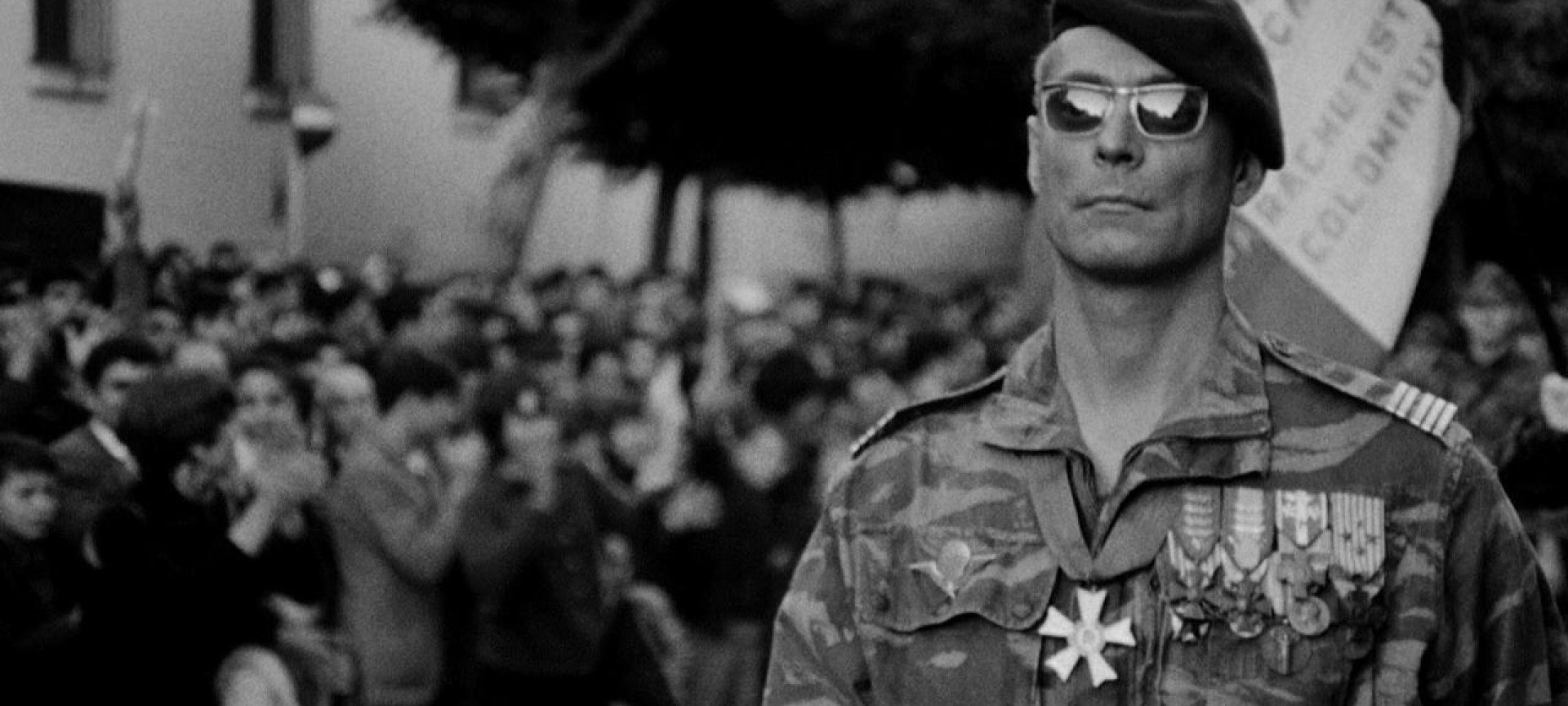


A short review on a humble film blog cannot pretend to imagine the currency of horror, grief and pain encapsulated within this brutal conflict. Yet, incredibly, Gillo Pontercorvo, as well as producing a searing indictment against the barbarity of war, has in The Battle of Algiers (1966) made palpable such horror, grief and pain through sheer formal cinematic ingenuity. In two hours, Pontercorvo and his production team, employ a stark black-and-white-film-documentary-style, non-professional actors, chopping episodic narrative, percussive and beating sounds, handheld cameras, vérité production design and dynamic, dialectic montage to spectacularly bring the psychological power of war to the screen. Not to mention the iconic Morricone and Pontercorvo composition which pulsates throughout the soundtrack.

Intrinsically focussed on events in the Casbah, Algiers between 1954 and 1957, as the story is bookended from the perspective of Ali la Pointe (Brahim Haggiag). La Pointe is a petty criminal who is politically radicalized while in prison, but becomes a formidable force in the fight. The narrative events display a variety of bombings he organizes against the French and his attacks lead the French to bringing in experienced soldier, Lieutenant-Colonel Mathieu (the sole professional actor, Jean Martin). The paratrooper commander is tasked with bringing down the Algerian Liberation Front and his methods of torturing prisoners soon begin to turn the bloody tide.

I cannot overstate how moved I was emotionally and intellectually by The Battle of Algiers (1966). It is momentous filmmaking and made me feel both a fraud and horribly depressed at how evil human beings can behave. I am a fraud because I am safely able to live out my privileged life thankfully free of the horror I have witnessed in the film. Moreover, it is so depressing that we never learn as conflict continues to blight this poisoned planet we exist on. Lastly, Pontercorvo, redefines for me the job a what a director does. The Battle of Algiers (1966) is a pinnacle of how filmmaking style and form can match the heartfelt agony of the narrative themes on show. It is not only one of the greatest anti-war films of all time, but simply one of the most complete films ever made.

“CINEMA” REVIEW: THE NIGHTINGALE (2019)

“CINEMA” REVIEW: THE NIGHTINGALE (2019)

Directed by: Jennifer Kent

Produced by: Kristina Ceyton, Steve Hutensky, Jennifer Kent, Bruna Papandrea

Written by: Jennifer Kent

Cast: Aisling Franciosi, Sam Claflin, Baykali Ganambarr, Damon Herriman, Harry Greenwood, Ewen Leslie, Charlie Shotwell, Michael Sheasby, etc.

Music by: Jed Kurzel

Cinematography: Radek Ladczuk

***MAY CONTAIN SPOILERS***


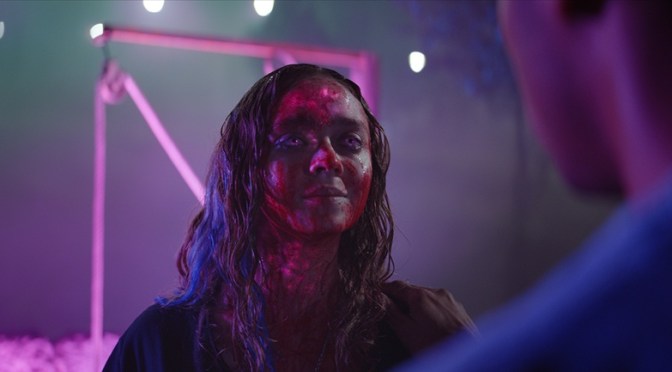
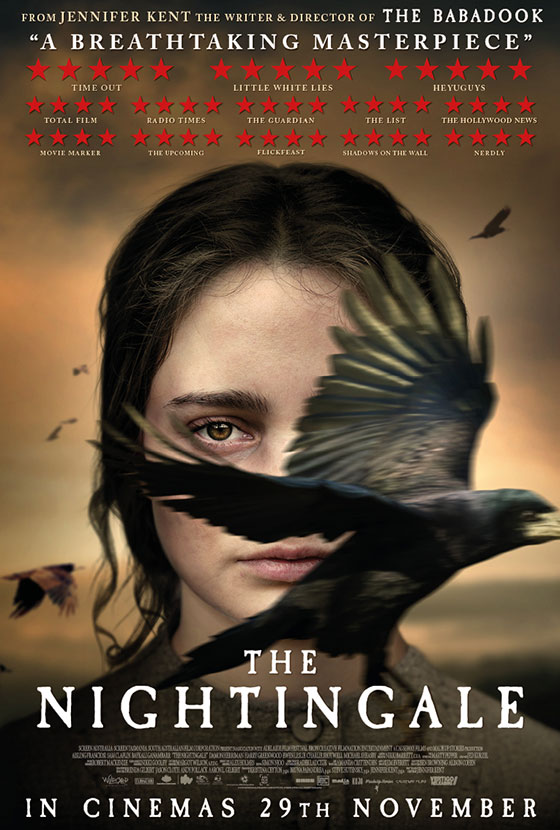
THE NIGHTINGALE (2019) is a brutal film about rape and murder. It’s about the rape of an individual. The rape of a nation. The murders of youth, race, nature, humanity and life itself. It is an extremely powerful and impactful viewing experience, but not for those of a faint heart or sensitive disposition. When released it caused much controversy with some audience members walking out during festival screenings. This is no doubt due to several scenes displaying sickening moments of violence against men, women and children. However, the director Jennifer Kent, has not written and helmed a mere exploitation revenge film here. Instead, she has fashioned a beautiful and ugly tragedy, which prevails damning indictment against masculine savagery, colonialism and British rule.

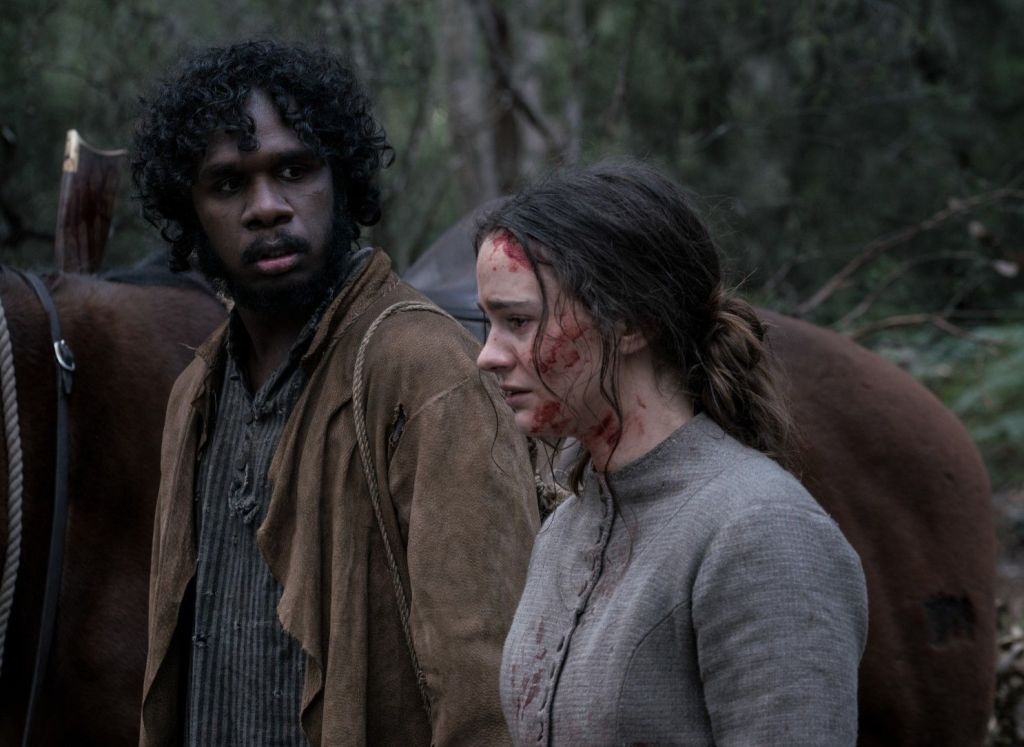
Set in 1825 in the penal colony of Van Diemen’s Land (presently Tasmania), THE NIGHTINGALE (2019), follows a young female convict seeking revenge for an unspeakable act of violence committed against her family. Clare Carroll, nicknamed “Nightingale” due to her lovely singing voice, is a young mother and wife looking to be given her freedom. It is held by Sam Claflin’s abusive British officer, Hawkins. Rather than free her he decides to thrust himself upon her sexually. Yet, when she rebuffs his drunken and lurid behaviour, he goes mob-handed to take her. Then when her husband intervenes, Hawkins and his soldiers act without honour or courage, leaving a family wrecked in their wake.


Hawkins and his men venture through the bush to Launceston the next day, to gain a promotion from the top brass he believes he deserves. Claire rallies and pursues them with bloody revenge in mind. She is assisted in her search by Aboriginal guide, “Billy” Mangana (Baykali Ganambarr). Billy is initially reluctant to chase British soldiers. Not surprising as the British have ravaged his people, land and culture, leaving the indigenous people outcasts in their own country. While Claire and Billy initially conflict they soon realise they have a common foe. Thus, while revenge supplies the bones for the narrative, the screenplay fleshes out their chase with intriguing cultural clashes and reconciliation. Indeed, the unlikely pair will eventually come to respect each other’s differences and find common ground over the course of the story.

Having received much critical acclaim with the low-budget horror film THE BABADOOK (2014), Jennifer Kent has moved from inner demonic possession to a more epic and external approach to horror. Because amidst the bucolic wonder of the Australian wilderness, the British brought death and chaos to the area. While one understands the need to have a place to house its prisoners (the barbarous treatment of the working classes is a whole different story), the rapacious desolation of the indigenous culture is a vital message within the film. Claire Carroll and Billy Mangana are symbols of a lost and damaged generation. They are emblems of people who deserve justice and reparation. Moreover, the message remains valid today, especially with the rise of the alternative-right and the continued sexual abuse faced by women everyday. Lastly, with a moving and tough leading portrayal by Aisling Franciosi, Baykali Ganambarr providing a spiritual heart, and Sam Claflin giving a fearlessly repugnant representation of British aggression, THE NIGHTINGALE (2019), tells a horrific, disturbing, but righteously relevant tale.

Mark: 9 out of 11


LFF – ROUND-UP REVIEWS INCLUDING: CALM WITH HORSES (2019), COLOR OUT OF SPACE (2019) & WAITING FOR THE BARBARIANS (2019)

LFF 2019 – ROUND-UP REVIEWS

One of the great things about film festivals is you can find loads of lower budget and independently made cinematic gems, amidst the big studio projects. Thus, I like to try and see as many smaller scale films if I can, rather than just watch the ones that are likely to go on general release anyway.

Due to my daily work commitments I didn’t get to see as many films as I would like, but here are three I have seen this week. Each is very different, but they all demonstrate, despite featuring some well- known actors, an independently-minded cinematic spirit.

***** SPOILER FREE *****


CALM WITH HORSES (2019)

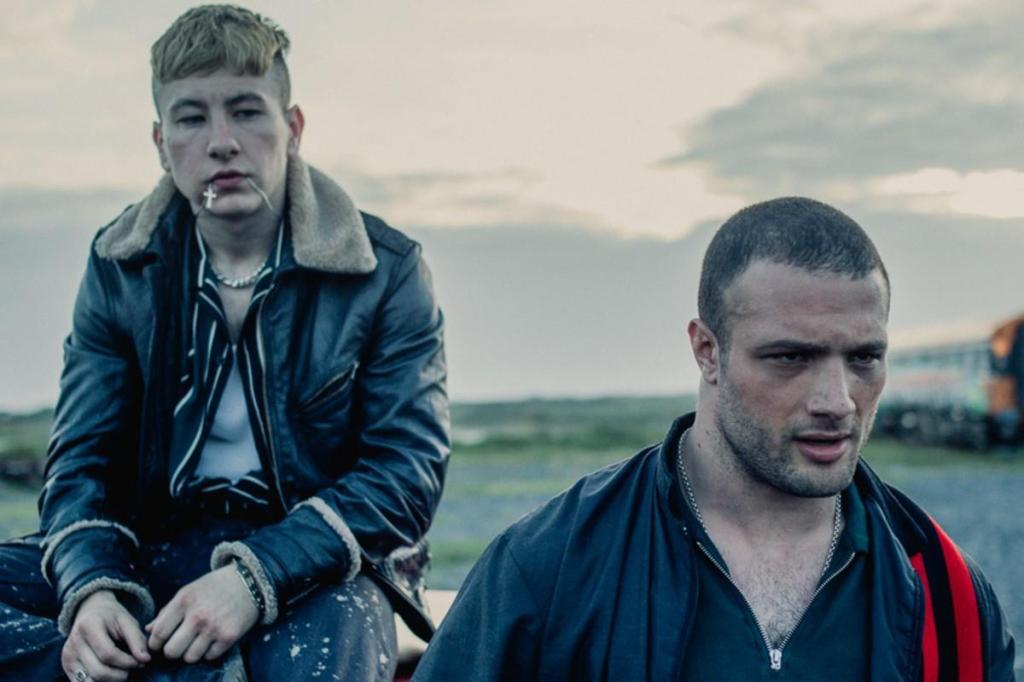
First time director Nick Rowland has an assured debut with this contemporary rural gangster film set in Southern Ireland. Caught between the right and wrong side of the law, Arm, portrayed with brutal tenderness by Cosmo Jarvis, finds his loyalties torn between his family and venal crime bosses. The ever-impressive Barry Keoghan features as his drug dealer friend, who doesn’t necessarily have his best interests at heart.

It’s a harsh tragedy with an element of hope represented by Niamh Algar’s struggling single mum, hoping to escape for a better life. Ultimately, the story beats inhabit familiar territory, with elements of Mean Streets (1973), Of Mice and Men (1937), Bullhead (2011) and Miller’s Crossing (1990), echoing amidst the slashes of violence, colourful language and tough Irish characters.

Mark: 8 out of 11


COLOR OUT OF SPACE (2019)

Filmmaker Richard Stanley had not directed a film for over twenty years, so when I saw he had filmed a HP Lovecraft short story – I WAS IN! Stanley was famous for being sacked from the ill-fated Island of Dr Moreau (1996). Indeed, the 2014 documentary, Lost Soul (2014), is still one of best docs I have seen about filmmaking. Mainly because everything went wrong, but also because Richard Stanley is such as interesting person too. Thankfully, this latest low-budget horror film was completed without too much trouble.

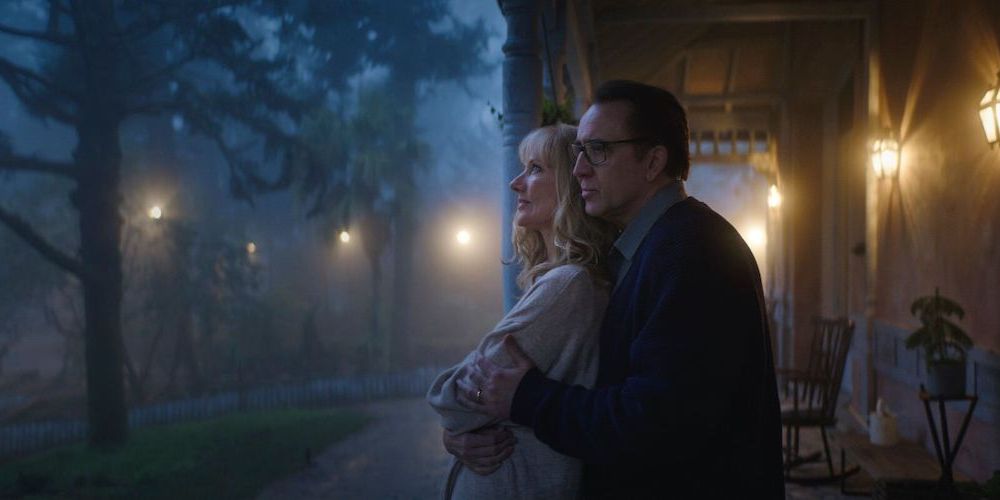
Given it is an adaptation of Lovecraft, Color Out of Space (2019) is unsurprisingly a cosmically bonkers horror film, which descends into all manner of insane occurrences. It centres on the Gardner family, portrayed by Nicolas Cage and Joely Richardson, who along with their teenage kids, must confront the terrors that befall them when a meteorite hits their isolated farm. Building slowly, all hell breaks loose in the final act, as Cage lets rip with another crazed performance. Trippy and stylish with some fantastic gore, it lacks depth, but has cult film written all over it!

Mark: 7.5 out of 11


WAITING FOR THE BARBARIANS (2019)

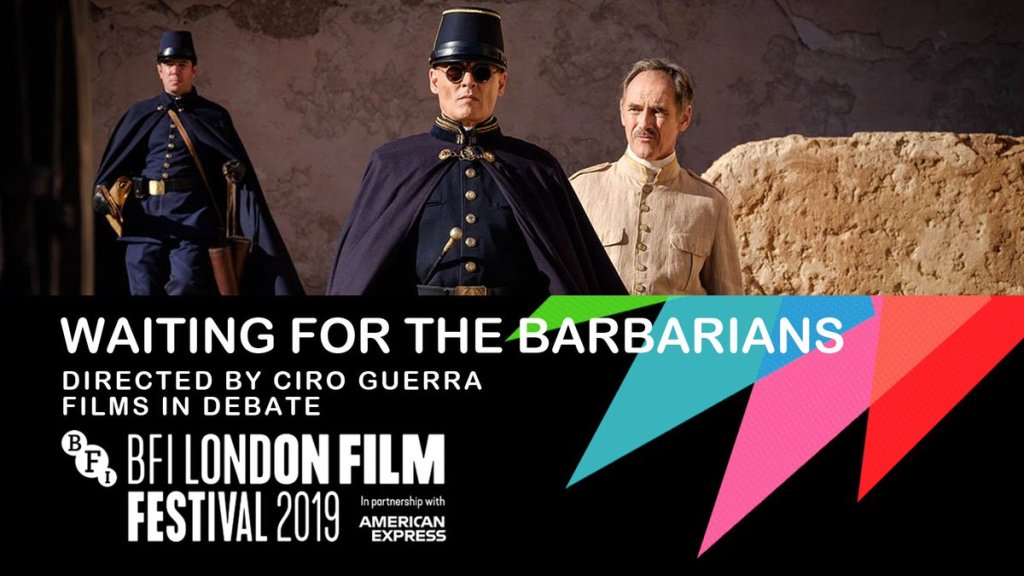
Set in a desolate border town, the film opens with the kindly Magistrate (Mark Rylance) meeting Johnny Depp’s venal Colonel Joll for the first time. Joll is convinced those “Barbarians”, who live in the desert and mountain areas are going to threaten the fabric of the mighty Empire’s society. So, Joll begins a campaign of torture and oppression against them. The Magistrate and Joll constantly clash as the former seeks understanding and empathy over brute force.

This cerebral and allegorical drama is based on a famous literary classic, written by J. M. Coetzee. Brought to the screen by the ultra-talented Columbian filmmaker, Ciro Guerra, it’s quite slow, but I found it absorbing nevertheless. Mark Rylance is absolutely spellbinding. No one can do contemplative acting quite like him. His character was so noble and just, I really felt for him and the oppressed indigenous peoples’ cause. Arguably, the film could have been more dramatic in places, however, it still presents a damning indictment of colonialism and heavy-handed military rule.

Mark: 8.5 out of 11