Tag Archives: horror

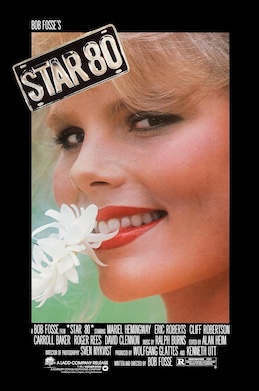
Films that Got Away #18 – Star 80 (1983)

Films that Got Away #18 – Star 80 (1983)

Directed by Bob Fosse

Written by Bob Fosse – Based on Village Voice article, “Death of a Playmate” by Teresa Carpenter

Produced by Wolfgang Glattes & Kenneth Utt

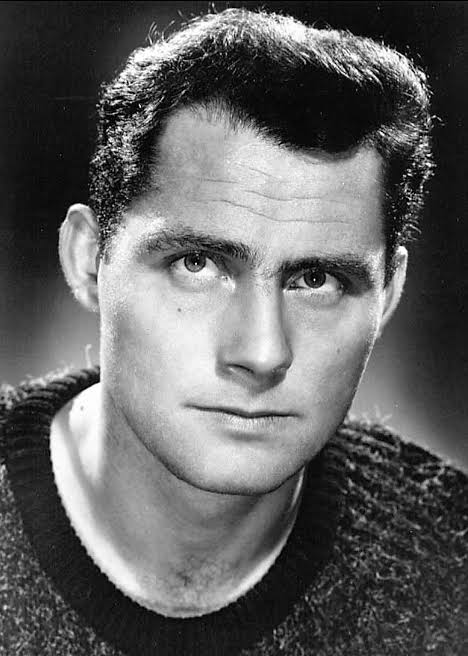
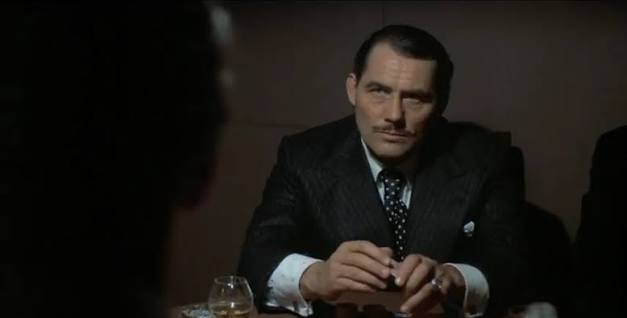
Main cast: Mariel Hemingway, Eric Roberts, Cliff Robertson, Carroll Baker, Roger Rees, David Clennon, etc.

Cinematography by Sven Nykvist

*** CONTAINS SPOILERS ***


Bob Fosse remains one of the most singular figures in American entertainment — a director and choreographer whose style fused seduction, cynicism, theatrical precision, and emotional exhaustion into something instantly recognizable. Emerging from Broadway before conquering Hollywood, Fosse developed a visual language built around angular movements, tilted hats, snapping fingers, smoky jazz-club sensuality, and a relentless awareness of performance as both liberation and self-destruction.

Films like Cabaret (1972), Lenny (1974), and especially All That Jazz (1979) transformed the movie musical into something darker and psychologically raw, stripping away optimism in favour of obsession, ego, mortality, and the corrosive cost of show business. His influence can still be felt across modern cinema, music videos, and stage choreography, from contemporary Broadway revivals to filmmakers drawn to stylized performance and fractured antiheroes.

His final film, Star 80 (1983), stands as perhaps the bleakest expression of that worldview. Based on the true-crime murder of Playboy model Dorothy Stratten by her estranged husband Paul Snider, the film abandons glamour almost entirely in favour of a grim examination of exploitation, fame, misogyny, and possessive violence. Despite strong performances and critical admiration over the years, Star 80 remains comparatively difficult to encounter on television or major streaming platforms, partly because of the film’s emotionally punishing tone and its frank, lascivious depiction of the exploitation surrounding Stratten’s rise and death.

Unlike nostalgic Hollywood biographies that soften tragedy into inspiration, Fosse offers no comforting catharsis. The film ends not with redemption, but with the crushing inevitability of a young woman destroyed by the appetites of the men around her. That uncompromising darkness has contributed to the film’s lingering reputation as both a major work and an uncomfortable one — admired more often than it is revisited. So, thanks to the Nickel Cinema in London for screening this dark 1970’s based cult classic.


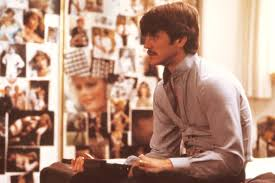
In Star 80 (1983), Mariel Hemingway gives an emotionally vulnerable performance of as Dorothy Stratten. Hemingway captures Stratten not as a caricature of Playboy fantasy, but as a genuinely sweet, almost painfully open young woman whose natural beauty and modest charm made her seem like the quintessential girl-next-door suddenly thrust into the machinery of adult celebrity. There is an innocence in Hemingway’s performance that never feels naïve or artificial; she understands Dorothy as someone eager to please, hungry for affection, and slowly awakening to her own independence just as the forces around her become more dangerous. Fosse frames her as both radiant and tragically exposed — a woman transformed into an object of desire by an industry that sees glamour as currency and vulnerability as weakness.

Opposite her, Eric Roberts delivers a frighteningly intense performance as Paul Snider, one that avoids simple imitation in favour of total embodiment. Roberts plays Snider as a man consumed by insecurity, narcissism, and desperate possessiveness, turning toxic masculinity into something sweaty, twitching, and deeply pathetic. He is not charismatic in the conventional movie sense; instead, Roberts makes him volatile and emotionally ravenous, a man whose entire identity depends on controlling the woman he helped “discover.” The performance becomes increasingly difficult to watch because of how recognizable the psychology feels — jealousy mutating into resentment, then humiliation, then violence.

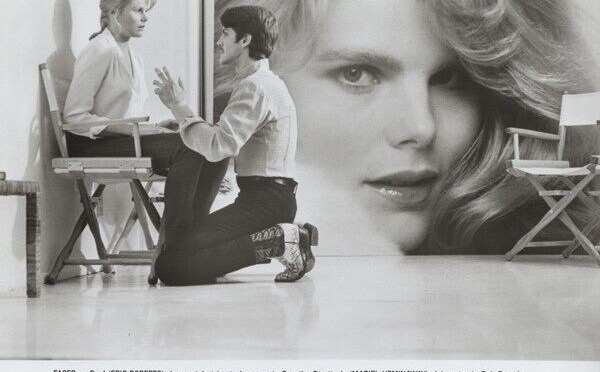
Fosse refuses to sensationalize that descent in Star 80 (1983). The naked glamour of the Playboy world, the pornographic undercurrent of the entertainment industry, and the seductive surfaces of Los Angeles all become drenched in sordid, emotional decay. There is nudity and a sense of exploitative lingering on the feminine form, but there is understandable context. Cliff Robertson’s appearance as Hugh Hefner is not simply a caricature, but rather a caring, avuncular figure, despite building an empire out of, arguably, the exploitation of women. Further, Aram Nicholas (a thinly veiled, Peter Bogdanovich ) is a film director who tries to make Dorothy Stratten a movie star, but begins an affair too, sending Snider over the edge. Thus Stratten’s body and soul pinballs between these dominating men.

Overall, Star 80 (1983) lingers long after it ends. Fosse, Hemingway, Roberts and Sven Nykist’s cinematography contribute memorable work. Beneath its glossy imagery lies an overwhelming feeling of bleakness — the sense that every flashbulb, every photo shoot, and every promise of fame is shadowed by exploitation, stolen innocence, and inevitable tragedy.


The psychology of revenge cinema: incorporating Six of the Best #38 Revenge Films!

Six of the Best #38 Revenge Films

Revenge is one of the oldest narrative engines in storytelling. Long before cinema, it powered myths and literature—from the blood-soaked cycles of Greek tragedy to the meticulous retribution of The Count of Monte Cristo. These stories hinge on a simple but potent question: what happens when justice fails, and an individual takes it upon themselves to restore balance? Cinema inherited this question and, over time, fractured it into multiple forms—some cathartic, others corrosive, and many deeply ambiguous.


A Brief History of Revenge on Screen

Early revenge narratives in cinema often mirrored their literary roots: structured, morally legible, and driven by transformation. A Woman Branded (1931) is sometimes cited as an early precursor of a woman seeking revenge. Films like Kind Hearts and Coronets (1949) or adaptations of The Count of Monte Cristo framed revenge as an almost intellectual exercise—precise, controlled, and, in the case of the Ealing classic, even darkly humorous.

While revenge is a foundational narrative theme dating back to early cinema, Ingmar Bergman’s The Virgin Spring (1960) is widely considered the earliest major film establishing the “rape-revenge” subgenre. It follows a father seeking brutal vengeance for his daughter’s murder, influenced by a 13th-century Swedish ballad and Japanese cinema.


During the late 1960s and 1970s, something shifted. Disillusionment seeped into cinema, and revenge stories grew harsher, more grounded. Neo-noir works like Point Blank (1967), Get Carter (1971), and the classic Western, Once Upon a Time in the West (1968), reframed revenge as something mythic yet emotionally compelling. Sergio Leone’s film in particular bridges classical and modern revenge—turning personal vengeance into operatic inevitability while still rooted in grief and loss. Further, the 1960 / 1970s “Spaghetti” and Clint Eastwood westerns were also heavily driven by vengeful characters, as well as brutal bounty hunters and mercenaries. Overall, the 1970s marked a surge in mainstream vigilante revenge films, with Last House on the Left (1972) and Death Wish (1974), to name a couple, are widely seen as cementing the genre’s popularity.


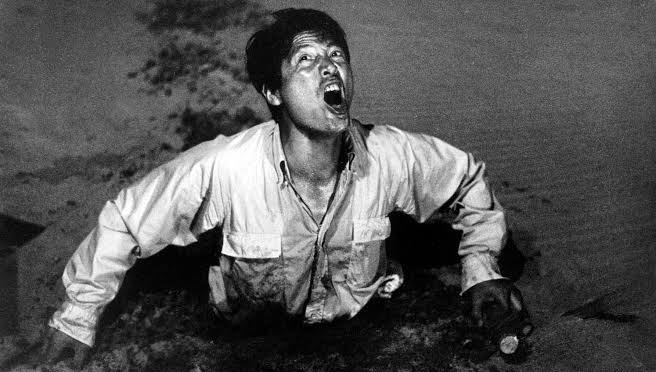
At the same time, exploitation cinema erupted with raw, confrontational narratives—I Spit on Your Grave (1978), Coffy (1973), Ms. 45 (1981), and Thriller: A Cruel Picture (1973)—often centring female vengeance in ways that were both provocative and controversial. Japanese cinema contributed key films like Lady Snowblood (1973), which would later echo through global cinema. Asian cinema embraced the brutality of the subgenre with revenge films like Vengeance is Mine (1979), Park Chan Wook’s The Vengeance Trilogy and the visceral I Saw the Devil (2010) which interrogated obsession and extreme violence in equal measures.

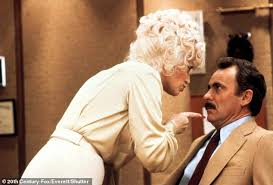
Thus, there are many faces to the revenge including: stage plays, classic literature, gangster, Western, arthouse, war, horror and even comedic ones such as 9 to 5 (1980). Each mode reflects a different cultural anxiety. Some seek catharsis; others deny it entirely. Some empower; others dismantle the very idea of empowerment. What remains is that revenge is a primal drive and offers clear motivation as to a characters’ wants. Above all else a good vengeance narrative offers high stakes satisfaction and entertainment when done right. Here are six filmic examples of this.


Six of the Best Revenge films

What unites the six chosen films is not just quality, but how distinctly each approaches revenge. The six films selected here demonstrate the breadth of what revenge can mean on screen: spectacle, despair, inevitability, and even self-annihilation.

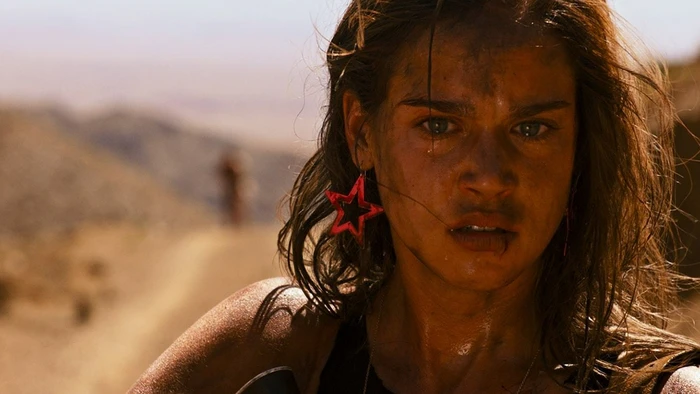
I really wanted to include Revenge (2017), a film which revisits the roots of exploitation film but reclaims them with precision. Coralie Fargeat transforms the genre’s historically exploitative gaze into something confrontational, self-aware and sexual. Violence is stylised and glamorous, but never empty—it becomes a language through which the protagonist reasserts control over her own narrative. Alas, it does not make the list.


*** MAY CONTAIN SPOILERS ***


Dead Man’s Shoes (2004)

I’ve written about Dead Man’s Shoes (2004) before but for me it is one of the best British films ever. Shane Meadows classic low-budget revenger evolves a brother’s vengeance into something more intimate and tragic. Meadows reframes revenge as grief and guilt, culminating in a devastating reversal that questions whether vengeance can ever truly be directed outward. It is revenge turned inward, a psychological reckoning masquerading as retribution. Paddy Considine delivers one of the rawest and most angry performances ever put on screen.


Get Carter (1971)

Get Carter (1971) is cold, methodical, and stripped of glamour, like a Northern neo-noir. Michael Caine’s Jack Carter moves through a decaying Newcastle like an agent of inevitability. There is no triumph here—only the suggestion that violence begets nothing but itself. Caine’s performance delivers the dialogue with razor-sharp timing and dark wit. A violent gangster but relentless detective hunting down the thugs who killed his brother. The clever screenplay (based on a novel) ensures those Carter is after are even worse than him as ultimately Northern decay meets moral collapse.


Kill Bill: The Whole Bloody Affair (2025)

As revenge epics and Asian cinema homages go, Kill Bill: The Whole Bloody Affair (2025) is a staggering piece of synthesis from Quentin Tarantino. Beatrice Kiddo’s (Uma Thurman) quest isn’t just a trail of vengeance—it’s ritualised, almost sacred, each confrontation unfolding like a chapter in a blood-soaked myth. Tarantino fuses global influences—from Anime, samurai cinema like Lady Snowblood (1973) to grindhouse exploitation—into something heightened and unmistakably his own: a world of colour, blood, incredible choreography, and cutting precision. Violence here isn’t merely destructive; it becomes a form of expression, even purification. In this universe, revenge is not corrosive or self-defeating but clarifying, elevating Beatrice’s journey from victim to legend.


Mermaid Legend (1984)

Mermaid Legend (1984) stands as a startlingly powerful vengeance film, elevated by Mari Shirato’s ethereal, magnetic performance as Migiwa—at once woman, avenging angel, and elemental force. Her transformation drives the film into increasingly confrontational territory, where extreme violence and explicit sexuality feel less gratuitous than weaponised, forcing the viewer into a state of unease. What makes the revenge so compelling is its inevitability: this is not a quest but a metamorphosis, as Migiwa becomes something beyond human, guided as much by the sea and spirit as by rage. The film’s brilliance lies in how it fuses beauty and brutality into a singular vision. Lyrical underwater imagery and sacred, mournful music elevate the violence into something ritualistic, culminating in a final pier rampage that feels less like action than ceremony—hypnotic, relentless, and mythic. By the end, revenge is no longer just an act but a form of transcendence, pushing the film beyond exploitation into legend.


Old Boy (2003)

Oldboy (2003) is a film I can watch over and over and it still shocks me. The narrative feels like a perverse inversion of The Count of Monte Cristo. But, where Dumas offers revenge as a calculated, almost righteous act, Park Chan-wook and the source material it is based on presents it as something recursive and inescapable. The brilliance of Oldboy (2003) lies in its dual revenge structure: what begins as Oh Dae-su’s pursuit of answers gradually reveals itself to be the final movement in someone else’s long-orchestrated vengeance. Both protagonist and antagonist are locked into mirrored roles, each defined—and ultimately destroyed—by the same impulse. The film’s infamous twists don’t just shock; they reframe the entire narrative as a closed system of suffering, where revenge ceases to be cathartic and instead becomes a mechanism of obscene chaos. The antagonist’s revenge is meticulous, psychological, and total, while Dae-su’s reactive violence only tightens the trap. Both men are ultimately consumed, their identities hollowed out by the nihilistic revenge that defines them.


Once Upon a Time in the West (1968)

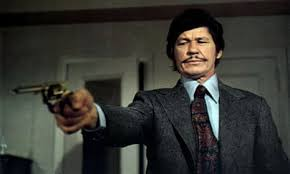
Once Upon a Time in the West (1968) is a great revenge film and classic Western. It precisely because it strips vengeance down to something elemental, patient, and almost mythic. Charles Bronson’s ‘Harmonica’ is not a conventional protagonist but a force moving through the landscape with quiet, relentless purpose. He speaks little, explains nothing, and yet every gesture feels loaded with intent. His pursuit of Henry Fonda’s Frank—a brutal mercenary introduced through shocking, child-murdering violence—is not driven by impulse but by memory, by something buried so deep it can only be expressed through action. What elevates the film is its methodical pacing and Leone’s operatic control. Violence is withheld, stretched out across long silences, close-ups, and Ennio Morricone’s mournful score, turning each encounter into ritual. When ‘Harmonica’ finally unleashes havoc, it is not chaotic but precise—measured, almost ceremonial. The eventual revelation of his motive reframes everything: this is not just revenge, but the completion of a trauma that has defined his entire existence.


Conclusion

To distil revenge cinema into six films is, inevitably, an incomplete task. The genre is too vast, too varied spanning everything from canonical works to obscure, difficult films that remain unseen or underexplored. There are countless other entries, including many lesser-known or unseen works, that could reshape or challenge this selection.

And yet, that is precisely why revenge endures. It is a universal impulse, endlessly adaptable to tone, culture, and form. Whether stylised, brutal, philosophical, or deeply personal, revenge remains one of cinema’s most powerful motivations—for characters and filmmakers alike.


Films That Got Away #17 – Punishment Park (1971)

Films That Got Away #17 – Punishment Park (1971)

Directed by Peter Watkins

Written by Peter Watkins

Produced by Susan Martin

Main ensemble: Carmen Argenziano, Harold Beaulieu, Jim Bohan, Stan Armsted, Paul Alelyanes etc.

Cinematography by Joan Churchill & Peter Smokler

** MAY CONTAIN SPOILERS **


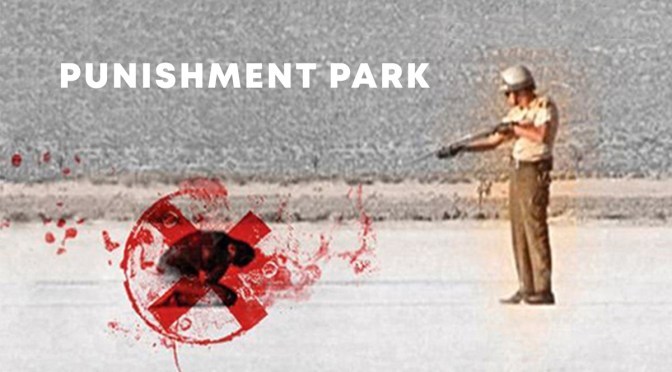
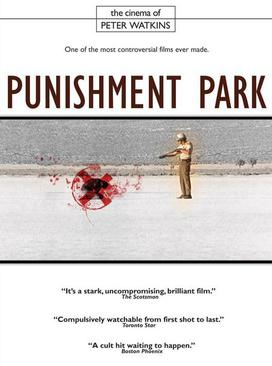
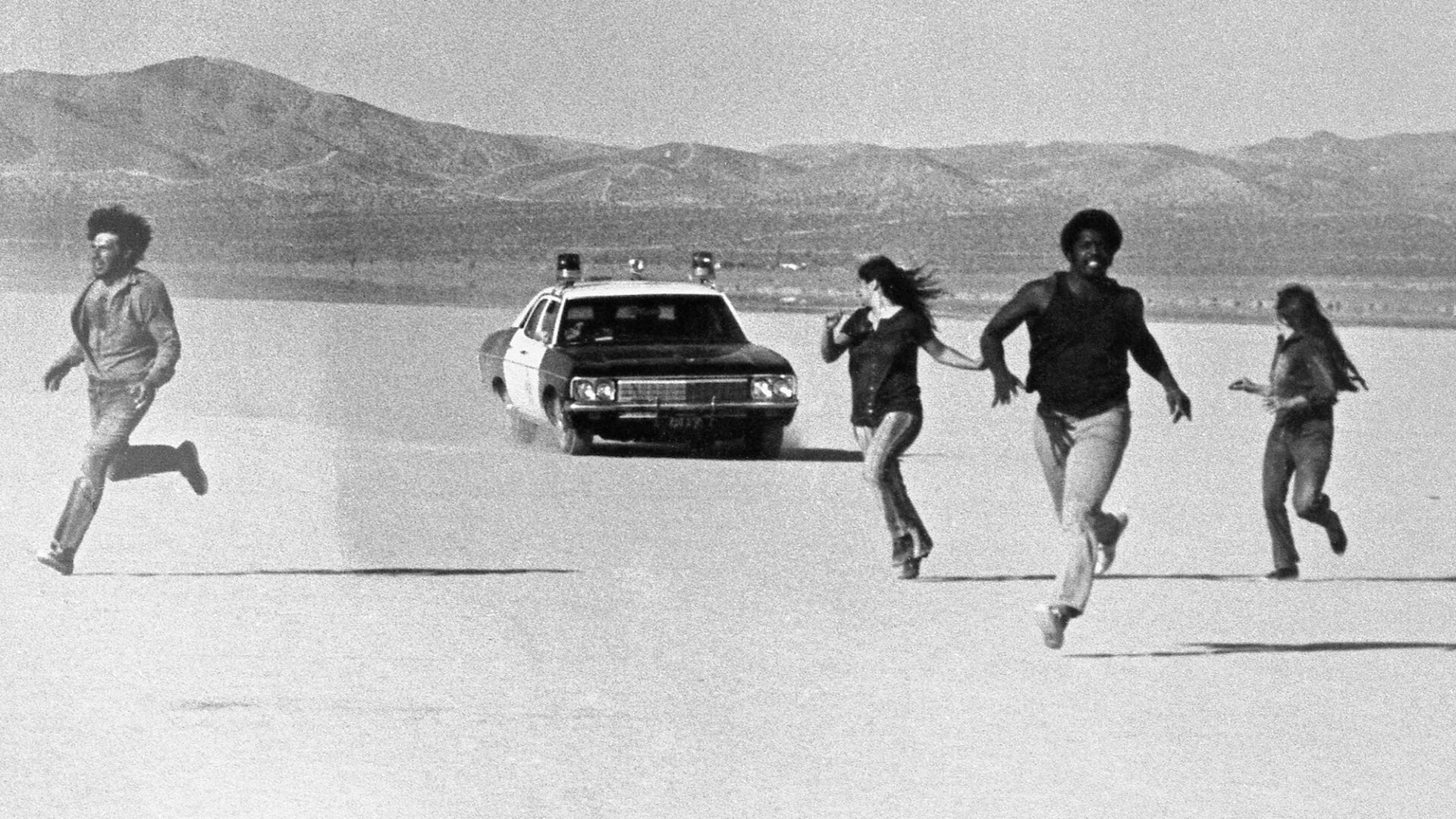
Although Punishment Park (1971) itself is fictional, the documentary style is so raw and realistic you can almost smell the fear, blood, lead alloy and bullet-smoke on the screen. The film also highlights many of the elements found within parallel social and political events of the time, such as police brutality, counterculture rebellion, the trial of the Chicago Seven, the Kent State shootings, and political polarisation bordering on civil war. With the United States governments continually driving a “world police” agenda, perhaps they should look closer to home before starting external conflicts.

For years, Punishment Park (1971) sat just out of reach for me — one of those films you hear about in whispers, invoked in conversations about “the most confrontational cinema ever made,” but never quite encountered at the right moment. Now, having finally caught up with Peter Watkins’ 1971 film, I can’t shake the feeling that I’ve been missing something essential. Not just a film, but an experience — raw, furious, and uncomfortably alive in a way that few works of cinema ever achieve.

What strikes first is its sheer lack of polish — and how vital that is to its power. Watkins doesn’t present a narrative so much as he detonates one. Shot in a pseudo-documentary style, with handheld cameras and overlapping dialogue, the film feels less like something constructed and more like something captured in real time. The performances — many from non-actors — are jagged, unpredictable, and often feel on the verge of spilling out of the frame. There’s no safety net here, no aesthetic distance to retreat into. It’s messy, chaotic, and utterly convincing.


That rawness feeds directly into the film’s political force. Punishment Park (1971) isn’t subtle, and it has no interest in being so. It’s angry — openly, unapologetically angry — at systems of power that disguise brutality behind procedure and patriotism. The tribunal sequences are particularly harrowing, not because they’re exaggerated, but because they feel so plausible. The language of authority, the casual dismissal of dissent, the bureaucratic calm in the face of injustice — it all lands with a chilling familiarity. Watkins doesn’t ask you to interpret; he demands that you confront.

And yet, what lingers most is how contemporary it feels. Despite being rooted in the tensions of its time, the film plays less like a historical artifact and more like a warning that never stopped being relevant. Its vision of a state turning on its own citizens, of media observing rather than intervening, of truth becoming something contested and fragile — all of it resonates with unsettling clarity today. It’s the kind of film that doesn’t age so much as it waits.

I’m grateful, genuinely, to have finally seen it. Some films entertain, some impress, but very few burn a hole in your mind. Punishment Park (1971) is one of those rare works that burns with purpose — a film that refuses comfort, refuses neutrality, and refuses to be forgotten. It makes one sad that, to be honest, the world hasn’t changed for the better since it was made. While there are many who strive for peace, there are so many who choose aggression, violence and war to control and destroy.

Punishment Park (1971) can currently be seen on YouTube.


Cinema Review: The Bride (2026) – impressive visuals and Jessie Buckley’s stunning performance cannot resuscitate a patchy and holey screenplay!

Cinema Review: The Bride (2026)

Directed by Maggie Gyllenhaal

Written by Maggie Gyllenhaal

Based on Frankenstein; or, The Modern Prometheus
by Mary Shelley


Produced by: Maggie Gyllenhaal, Emma Tillinger Koskoff, Talia Kleinhendler, Osnat Handelsman-Keren, etc.

Main cast: Jessie Buckley, Christian Bale, Peter Sarsgaard,
Annette Bening, Penelope Cruz, Jake Gyllenhaal, etc.


Cinematography by Lawrence Sher

** May Contain Spoilers **


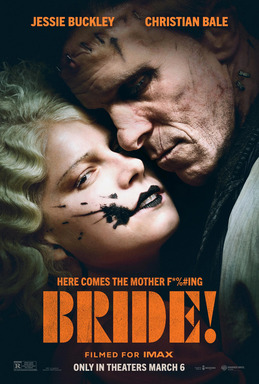
Maggie Gyllenhaal’s THE BRIDE! (2026) is a film bursting with ideas—sometimes thrillingly so, sometimes to its own detriment. Drawing inspiration from Bride of Frankenstein (1935) and ultimately Mary Shelley’s seminal novel, Frankenstein, Gyllenhaal transplants the myth into a Gothic vision of 1930s Depression-era America, filtered through the anarchic spirit of outlaw cinema like Bonnie and Clyde (1967) and Natural Born Killers (1994). The result is frequently intoxicating. The film opens with an inspired flourish—Mary Shelley herself narrating from beyond the grave—immediately signalling the director’s playful ambition. Visually, the film is extraordinary: lavish period design, smoky Gothic textures, and a lurid romanticism that feels both classic Hollywood and defiantly post-modern.

At the centre of the mayhem is Jessie Buckley, delivering yet another unforgettable performance. Her ‘Bride’ is feral, seductive, and volatile—an electrifying feminist creature of impulses and contradictions. Buckley plays her with a kind of joyous unpredictability, veering between danger, sexuality, and sudden jolts of manic dialogue that feel almost Tourette-like in their intensity. Opposite her, Christian Bale lends gravitas as her monstrous partner, and together they rampage across a mythicised America in a lovers-on-the-run narrative that often feels gleefully unhinged.


Yet for all its invention, THE BRIDE! (2026) often collapses under the sheer weight of its ambitions. Gyllenhaal’s screenplay seems determined to juggle too many ideas at once—meta-narration, Gothic tragedy, outlaw romance, and genre pastiche—without giving any one of them the structural discipline they require. The direction follows suit, veering between tones so abruptly that the film begins to feel atonal rather than daring. Key twists arrive with little groundwork, leaving major emotional beats feeling strangely hollow.

By the final act, the film’s wild energy begins to resemble narrative confusion. Plot holes emerge, character motivations blur, and revelations arrive as pure payoff without the careful setup that might have made them land. It leaves an odd lingering question: was this an $80 million piece of audacious cinematic art, or an extravagant misfire? Perhaps it is a little of both—a fascinating, chaotic vision whose brilliance flashes intermittently through the fog of its own excess.

Mark: 6 out of 11


Cinema Review: The Testament of Ann Lee (2026) – a transcendental Amanda Seyfried performance illuminates the screen.

Cinema Review: The Testament of Ann Lee (2026)

Directed by Mona Fastvold

Written by Mona Fastvold & Brady Corbet

Produced by: Andrew Morrison, Joshua Horsfield, Viktória Petrányi, Mona Fastvold, Brady Corbet, Gregory Jankilevitsch, Klaudia Śmieja-Rostworowska, Lillian LaSalle, Mark Lampert, etc.

Main cast: Amanda Seyfried, Thomasin McKenzie, Lewis Pullman, Stacy Martin, Tim Blake Nelson, Christopher Abbott, etc.

Cinematography by William Rexer

** MAY CONTAIN SPOILERS **


The Testament of Ann Lee (2025), directed by Mona Fastvold and co-written with Brady Corbet, is an ambitious historical musical drama that explores the life of Ann Lee, the charismatic 18th-century founder of the Shaker religious movement. With Amanda Seyfried at its centre, the film approaches Lee less as a traditional saintly figure and more as a woman shaped by trauma, conviction, and spiritual fervour. Fastvold’s direction leans heavily into atmosphere, presenting Lee’s rise to spiritual leadership as something both mystical and deeply human. The result is a film that feels reverent yet curious, as if studying a figure whose faith borders on mania.

Amanda Seyfried delivers an extraordinary performance that anchors the entire film. She plays Ann Lee with an intense interiority—equal parts fragile and formidable—capturing the fervent certainty of a woman who believes she has been chosen for a divine purpose. Seyfried’s physicality, particularly in the film’s musical and ritual sequences, gives Lee a magnetic presence that makes it easy to understand why followers might be drawn to her. It’s the kind of performance that lingers long after the film ends, and it stands as one of Seyfried’s most committed and transformative roles.


Visually, The Testament of Ann Lee (2025), is stunning. The film’s cinematography and production design immerse viewers in the harsh textures of 18th-century religious life, favouring natural light, muted palettes, and a palpable sense of dirt, wood, and candle smoke. The musical sequences—staged as ecstatic communal expressions of faith—are beautifully choreographed and filmed, capturing the hypnotic rhythms of Shaker worship. Yet while these moments are striking, they begin to feel somewhat repetitive as the film progresses, emphasizing mood over narrative momentum.

For viewers fascinated by charismatic religious figures or the psychology of belief, the film offers a compelling entry point. As someone not particularly religious but drawn to stories of spiritual zeal and cult-like devotion, I found the story initially captivating. Still, Ann Lee’s narrative arc ultimately feels less dramatically satisfying than the film’s aesthetic ambitions might suggest. Rather than a searing drama or a definitive testament to a heroic religious figure, The Testament of Ann Lee (2025), settles into something quieter: a haunting, beautifully crafted piece of moving art that observes its subject with reverence but stops just short of fully interrogating her legacy.

Mark: 7 out of 11


Cinema Review: Wasteman (2026) – a brutal British prison drama with two intense lead performances!

Cinema Review: Wasteman (2026)

Directed by Cal McMau

Screenplay by Hunter Andrews & Eoin Doran

Produced by Sophia Gibber, Myles Payne, Philip Barantini & Samantha Beddoe

Main cast: David Jonsson, Tom Blyth, Corin Silva, Alex Hassell, Paul Hilton, etc.

Cinematography by Lorenzo Levrini

Edited by James A. Demetriou

*** MAY CONTAIN SPOILERS ***


Wasteman (2026) presents another opportunity for David Jonsson to showcase his ample acting abilities. He first stole hearts with under-stated charm in low-budget rom-com, Rye Lane (2023), then proved he could spar at a higher-budgeted level in, Alien: Romulus (2024). He then delivered another strong performance in, The Long Walk (2025), further cementing his instinct for emotionally grounded genre work. Across romance, horror, drama and dystopian thriller, Jonsson doesn’t just adapt — he deepens.

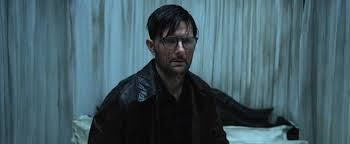
In Wasteman (2026) his character. Taylor, is an inmate close to getting out having served a lengthy sentence. He must keep out of trouble in order to get a successful release. However, that proves difficult when a new cellmate, Dee (Tom Blyth) muscles his way into his four-walled existence. The narrative conflict and tension is built on a stark clash of personalities. Taylor is quiet, cautious, and emotionally guarded — a man who keeps his head down in prison, desperate to survive. He avoids confrontation and moves through the system almost invisibly, shaped by drug addiction, guilt and the need for redemption.

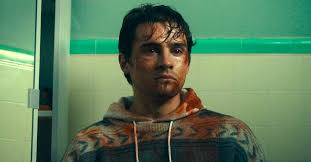
Dee, on the other hand, is the complete opposite: loud, aggressive, and unmistakably alpha. He walks into the prison with dominance in his bones, quickly asserting control through intimidation, charisma, and violence. Where Taylor retreats, Dee advances desiring to take over the prison wing. Where Taylor stays silent, Dee provokes the other drug dealers on their floor stealing their trade. Their dynamic becomes the film’s central pressure point — a volatile relationship between a man trying to disappear and another who refuses to be anything but the most powerful person in the room.


Prison dramas are always enthralling as the characters are trapped like caged animals. Further, where there is masculinity, ego and mental fragility, violence is likely to follow. There are a number of fearful scenes and harsh encounters that raise the heart rate, especially between Dee and his prison rivals. Taylor tries to navigate the war but unfortunately gets dragged into a series of highly brutal battles. Dee also strives to manipulate Taylor too with a carrot and stick approach. How Taylor extricates himself from this dangerous situation proves very suspenseful.

Overall, Wasteman (2026) is not for the faint-hearted. Director, Cal McMau and his cinematographer, Lorenzo Levrini, make the most of the crammed jails, using big-close-ups to get in the face of the characters and audience with searing intensity. Moreover, the interspersing of vertical phone 9:16 aspect ratio shots also heightens the verisimilitude, giving it a raw documentary style. Finally, the end pivot of Taylor and Dee’s power struggle provides a subtle narrative conclusion rewarding David Jonsson and Tom Blyth tour-de-force performances with a cathartic and memorable denouement.

Mark: 8.5 out of 11


Cult Film Review: American Movie (1999) – a bittersweet documentary profiling the ups and downs of a low-budget filmmaker!

Cult Film Review: American Movie (1999)

Directed by Chris Smith

Produced by Sarah Price & Chris Smith

Main “Cast”: Mark Borchardt and Mike Schank

Cinematography by Chris Smith

Edited by Barry Poltermann & Jun Diaz

Music by Mike Schank

*** MAY CONTAIN SPOILERS ***


Given I am a low-budget filmmaker myself I am amazed I had never seen, American Movie (1999) before. Thankfully The Nickel Cinema in London screened it at the weekend and I really enjoyed it. Filmed between 1995 and 1997, this cult classic documentary American Movie (1999) chronicles Borchardt’s heroic, chaotic, and deeply Midwestern quest to finish his indie horror short Coven (pronounced ‘COH-ven’, and yes, he will correct you). The short is meant to raise money for his real passion project, a feature called Northwestern. But first? He has to survive reality. And reality is brutal.

Mark has not just zero money; zero organization; a rotating cast of confused friends and relatives as crew; functioning alcoholism; mounting debts, but also has the gift of the gab and a never ending passion for filmmaking. What unfolds is less “behind-the-scenes documentary” and more Shakespearean comedy AND tragedy staged in Milwaukee houses, static caravans, cars, junkyards and local woods.

Borchardt is equal parts Ed Wood and tortured auteur — passionately explaining his artistic vision one minute, begging his elderly uncle for production money and picking up his editing assistant from prison the next. His crew ranges from loyal-but-clueless to openly skeptical, yet somehow the production lurches forward. Barely.


The documentary crew shot over 90 hours of 16mm footage, capturing every awkward take, every blown line, and every moment of Mark’s delusional optimism. We watch as Coven repeatedly derails thanks to bad planning, worse luck, and the universal law that says: if something can go wrong on an indie film set, it absolutely will. But here’s the twist — it’s weirdly inspiring. Because underneath the chaos is something pure: a guy who just refuses to stop making movies. No money. No resources. No safety net. Just pure passion and obsession.

What’s most hilarious is the double act comedy exchanges between Mark and his best friend and Mike Schank. Mike, a very capable musician, has a permanent grin and the look of an acid-trip casualty, yet almost-perfect comedy timing. He clearly loves Mark’s passion and helps as best he can. I was sad to read Mike had passed away in 2022 from cancer.

If you stumbled into American Movie (1999) blind, you’d swear it was a proto-sitcom about delusional dreamers armed with a battered 16mm camera, a camcorder and misplaced confidence — a spiritual ancestor to Trailer Park Boys and It’s Always Sunny in Philadelphia. It plays like a painfully funny hangout comedy about a self-proclaimed auteur and his band of well-meaning screw-ups trying — and repeatedly failing — to make something “serious.” The arguments are petty, the ambition is sky-high, and the incompetence is operatic. You laugh, you cringe, and somewhere along the way you realize this isn’t scripted chaos — it’s just raw, unfiltered obsession captured on camera.

Mark: 9 out of 11


Romford Horror Film Festival 2026 & The Cannibal Man (1972) reviews!

Romford Horror Film Festival & The Cannibal Man (1972) review

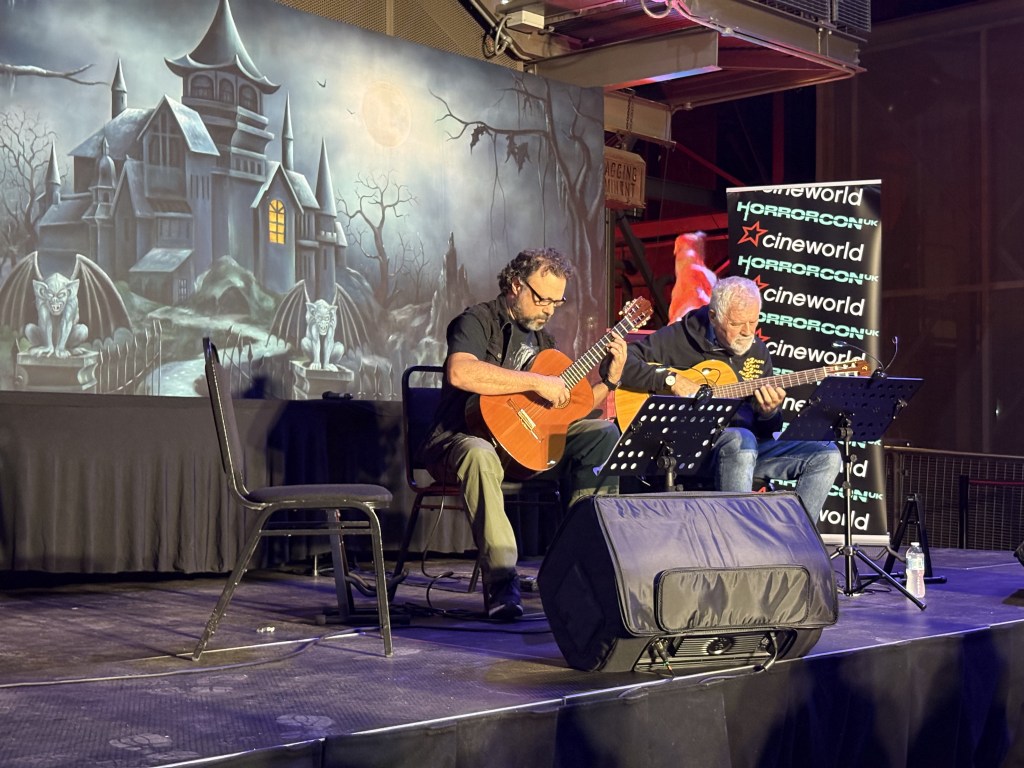
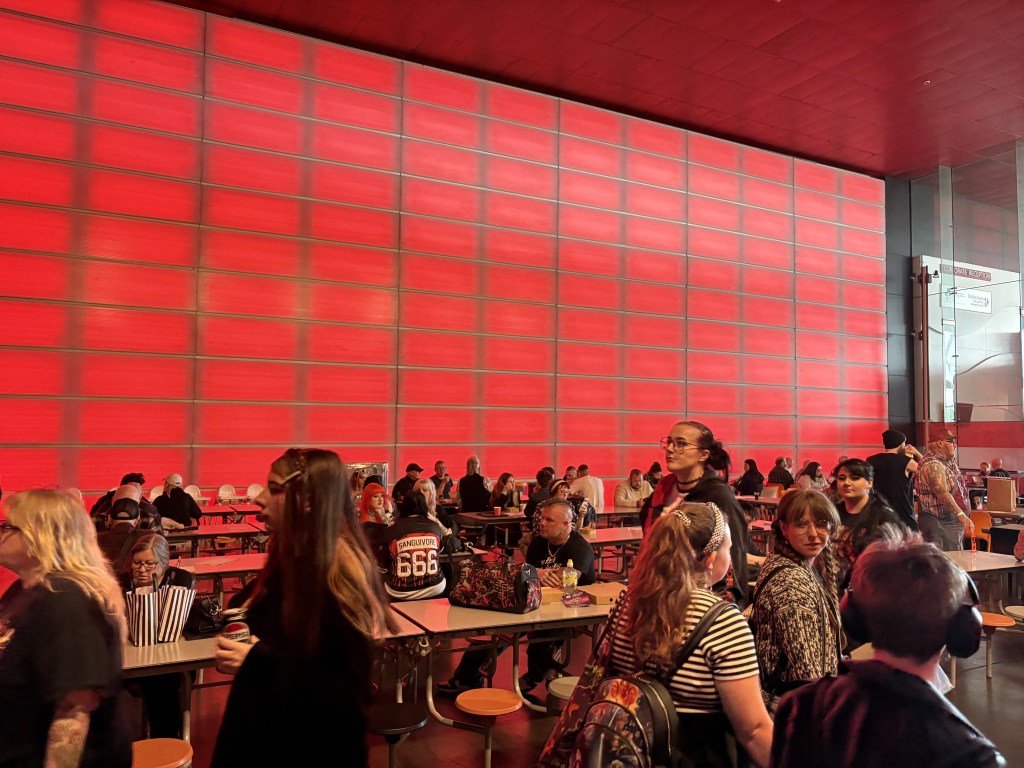
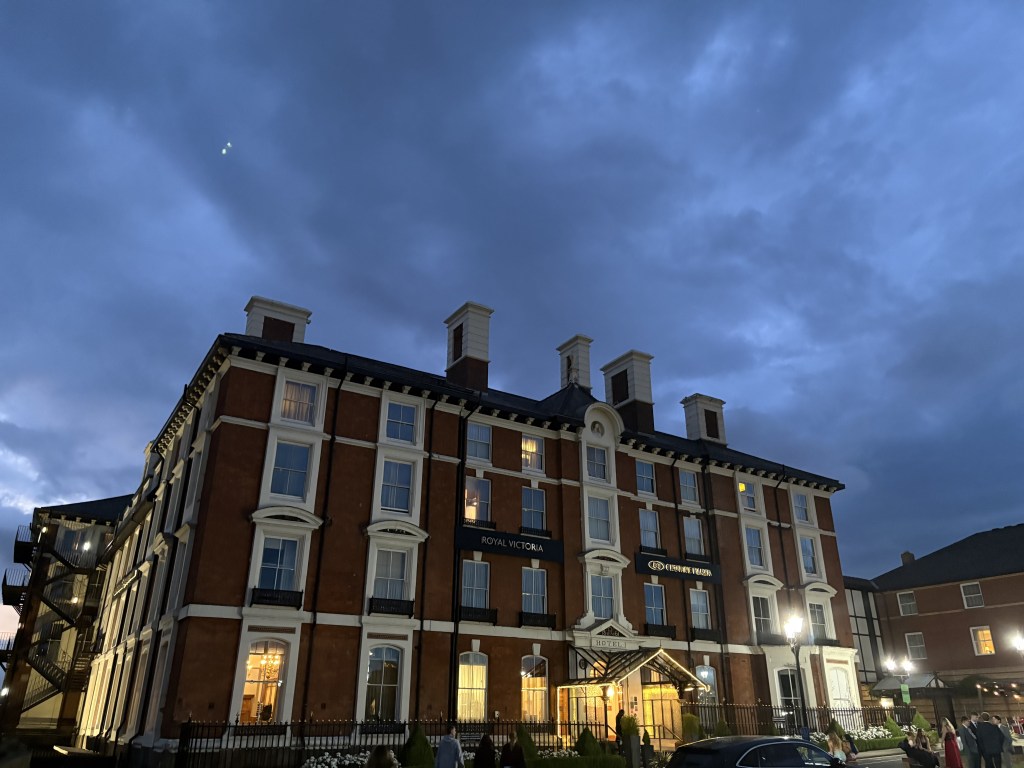
From 19th–22nd February 2026, Romford, Essex emerged not just as a venue, but as a creative crucible for genre storytelling as the Romford Horror International Film Festival — affectionately dubbed HorRHIFFic — returned to the Lumiere Cinema with its most ambitious programme yet – details can be found here: https://www.romfordhorrorfestival.com

This four-day celebration of horror cinema is rooted in the independent filmmaking spirit: championing works from emerging voices around the world, blending them alongside classic cult favourites, and generating an atmosphere of passion, community, and shared reverence for the genre. What makes this festival truly special isn’t just the size of its programme — though over 130 films certainly made for a thrilling schedule — but its wholehearted dedication to independent filmmakers who bring new ideas, daring vision, and personal passion to every frame.


Across its programme, the festival showcased a thrilling mix of guests and films that honour horror’s breadth including: Classic Retro Treats, Special Guests and Actors from Horror, New Independent Features & Shorts from countries such as South Korea, Canada, Spain, USA, and Italy, plus Creative Diversity — with screenings that embraced psychological depth, gory slashers, ghost stories, off-beat genre hybrids, and boundary-pushing work from both early-career filmmakers and seasoned indie pros.

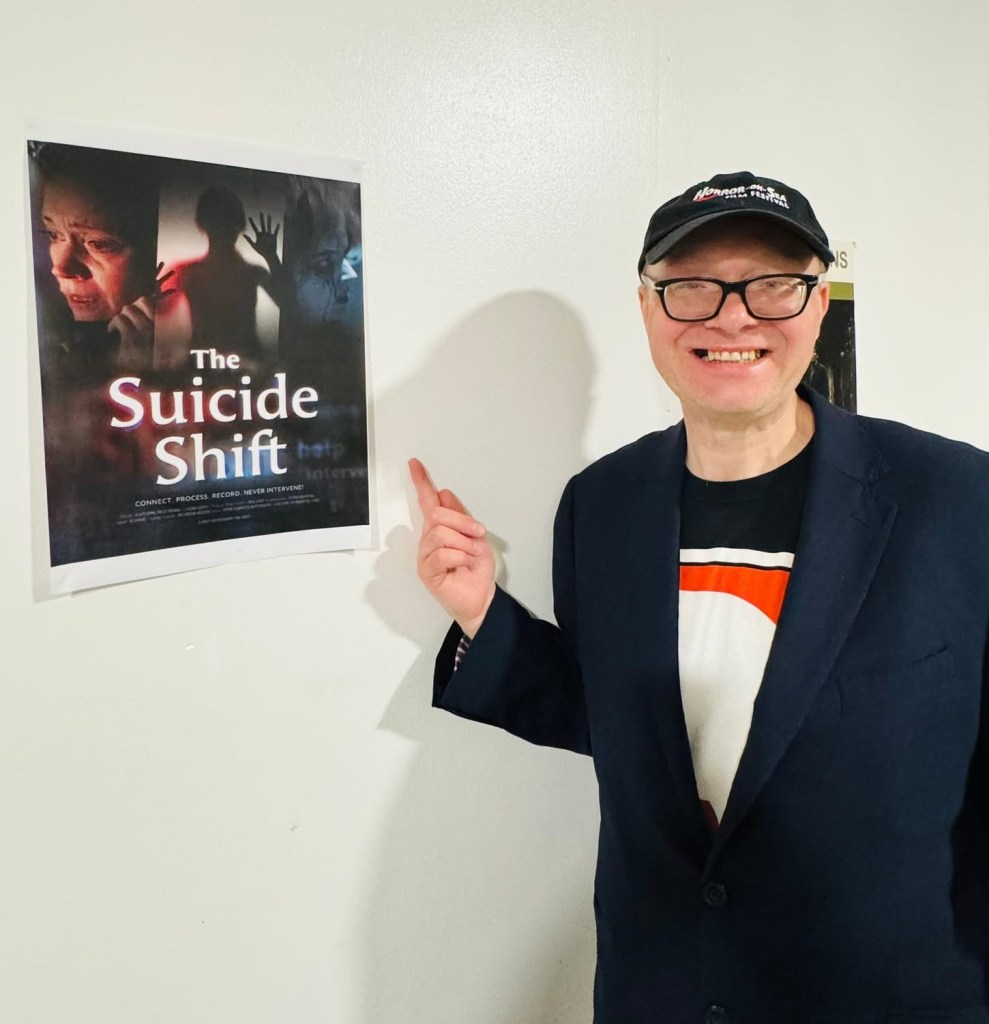
Romford Horror Festival is also renowned for the community it builds. Horror fans come together not just to watch films, but to share experiences, meet creators, and feel at home in an environment that values innovation over commercialism. The Lumiere Cinema, itself a community-saved venue, became a home for filmmakers and fans alike — proving that in Romford, horror isn’t just screened… it’s commemorated. I for one am so grateful they screened my short horror film The Suicide Shift (2026).


As well as the short film showcases I watched a few retro classics including The Cannibal Man (1972) – (original title: La semana del asesino), directed by Eloy de la Iglesia. It is less a horror film than a slow, suffocating moral collapse. What begins as an unfortunate act of violence spirals into a weeklong descent into hell for Marcos, played with haunted fragility by Vicente Parra. Each subsequent killing feels less like cruelty and more like inevitability — the grinding machinery of fate closing in on a man already spiritually trapped.

Set against the decaying outskirts of Madrid in the final years of the Franco regime, The Cannibal Man (1972) doubles as a bleak portrait of a society rotting from repression. The slaughterhouse where Marcos works becomes an unsubtle but potent metaphor: under Francoism, bodies are processed, identities erased, dissent quietly carved up and discarded.


What makes the film especially daring is its undercurrent of homoerotic tension. Marcos’ wealthy, enigmatic neighbour Néstor hovers at the edges of the carnage, offering protection and silent understanding. Their charged glances and coded conversations suggest a longing that cannot safely speak its name under Franco’s moral authoritarianism. In this reading, Marcos’ spiral is not only about guilt but about internalized repression — desire twisted inward until it manifests as self-destruction. The horror is as much psychological as physical.

And yes, the gore is blunt and ugly. Bodies are dismembered with the same cold pragmatism as livestock. But de la Iglesia never lets the blood eclipse the tragedy. Marcos is not a monster in the conventional sense; he is a man cornered by circumstance, class stagnation, and a society that offers no mercy to the weak. By the end, his descent feels preordained — less a fall from grace than a revelation that grace was never available to him.

So, if you love horror films do check out indie film festivals such as – HorRHIFFic – whether it’s the electrifying surprises in the indie showcases or the nostalgic thrill of classic screenings, the Romford Horror Film Festival 2026 made it clear: independent horror cinema is alive, vibrant, and boldly inventive. This festival is a testament to the creativity and ingenuity of filmmakers who refuse to be confined by convention — and to the audiences who cheer them on.


Cinema Review: Send Help (2026) – a riotous survivalist horror treat!

Cinema Review: Send Help (2026)

Directed by Sam Raimi

Written by Damian Shannon & Mark Swift

Produced by Sam Raimi & Zainab Azizi

Main cast: Rachel McAdams, Dylan O’Brien, Edyll Ismail, Xavier Samuel, Chris Pang, Dennis Haysbert, etc.

Cinematography by Bill Pope

** MAY CONTAIN SPOILERS **


Having watched the trailer for survivalist horror-comedy, Send Help (2025), starring Rachel McAdams and Dylan O’Brien, I thought the blend of bloody chaos and desert island class warfare was right up my street, well, beach. But when I knew one of my favourite directors, Sam Raimi, and film composers, Danny Elfman, were involved, I realized it was not just a recommendation but a personal summons to the cinema.

Send Help (2025), takes inspiration and feels spiritually indebted to the extended final act island meltdown of Triangle of Sadness (2022). But this is an all the more riotous, funny and gory battle of survival. Overlooked for promotion by new-CEO-son-of-deceased-boss, Bradley Preston (O’Brien), Linda Liddle – a fantastic McAdams – is full of downtrodden and bubbling rage. Preston, an arrogant, apparent-alpha wants to sack her, but the business needs her prodigious work ethic for an upcoming business summit to Bangkok. Following an exhilarating plane crash set-piece, that Raimi rinses brilliantly for suspense and surprises, the two become the only survivors. With Linda armed with survival knowledge, and Preston’s leg smashed, the tables, in terms of power, are turned, resulting in all manner of twisted, mental and bodily torture.


What starts as survival thriller territory quickly mutates into full-blown horror farce, complete with makeshift weapons, crustacean poison, tropical storms, shifting power dynamics, and the kind of escalating insanity that feels one chainsaw away from Evil Dead 2 (1987) territory. Not only do the horror beats land, but the tit-for-tat power struggle and verbal sparring between Linda and Preston also heighten the the conflict and dramatic stakes. Indeed, Linda inhabits the alpha-hunter role on the island, culminating in a bloodening and sacrificial slaying of a wild boar. Preston, once he is on his feet, is keen to even up the power balance and challenges Linda’s authority in a desperate attempt to get off the island.

McAdams and O’Brien’s combative chemistry on-screen adds to the enjoyment and at one point I even wondered if Raimi and the screenwriters were going to redeem their battle with a potential romance. Instead they double and triple down on the twisted violence in the final act to much eye-gouging hilarity. Lastly, like Triangle of Sadness (2022), the film weaponizes the underdog’s survival against privilege, flips hierarchies and skewers toxic masculinity in the process. The final act becomes particularly frantic, pushing the horror genre framework, and the class satire into a brilliant pay-off of Linda’s ascendant arc. This ensures Send Help (2026) launches a flare into the sky as an early contender for one of my favourite films of the year.

Mark: 9 out of 11


Cult Film Review: Thriller – A Cruel Picture (1974) – a shocking blend of X-rated exploitation and arthouse filmmaking!

Cult Film Review: Thriller – A Cruel Picture (1974)

Directed by Alex Fridolinski

Screenplay by Alex Fridolinski

Produced by Bo Arne Vibenius

Main cast: Christina Lindberg, Heinz Hopf, Despina Tomazani, etc.

Cinematography by Andreas Bellis

Edited by Brian Wikström

**Viewer discretion is advised – this film contains scenes that many will find disturbing**


Thriller – A Cruel Picture (1973) (Swedish: Thriller – en grym film) is a 1973 Swedish exploitation film from writer-director Bo Arne Vibenius, working under the pseudonym Alex Fridolinski, starring Christina Lindberg and Heinz Hopf. Infamous for its unflinching depictions of sexual violence, drug abuse, and degradation, the film charts the ordeal of a mute young woman who is coerced into heroin addiction and forced into prostitution before embarking on a brutal campaign of revenge against her tormentors.

Released in the United States in a heavily cut version by American International Pictures—under lurid alternate titles such as They Call Her One Eye, Hooker’s Revenge, and The Swedish Vice-Girl—the film has earned a reputation as a deeply disturbing and confrontational work. Its graphic content and relentless tone make it a challenging and potentially distressing viewing experience, best avoided by those sensitive to extreme subject matter.

Unsurprisingly, due to the violent scenes, on-screen drug use, nudity and also inclusion of hardcore pornography, Thriller – A Cruel Picture (1973) was either banned outright or heavily censored on release. I had heard so much about this film on various YouTube videos expounding the shocking nature of the themes and scenes. Allied to this, Quentin Tarantino has also “championed” the movie and it’s star, Christina Lindberg. With this in mind the film I got tempted and purchased the recent Blu Ray version released in the UK. This version DOES NOT, thankfully, include the pornographic scenes which were filmed by the director with a Swedish couple who did live sex shows.

So, is Thriller – A Cruel Picture (1973) actually any good? Well, it is safe to say that it is a relentlessly harsh watch. That said, it would be unfair to dismiss the film outright as mere grindhouse provocation. Vibenius employs striking stylistic flourishes that elevate certain sequences into something oddly hypnotic. Most famously, the extended slow-motion shotgun reprisals—henchmen blasted backwards in balletic, almost operatic fashion—are staged with a visual patience that borders on the surreal. These, as well as the lengthy final act car pursuit sequence, are technically memorable, even as their brutality remains confronting.


Where the film becomes almost nightmarish is in its internal logic. Once Madeline (Christina Lindberg) is captured and brutalized by the sadistic drug dealer Tony (Heinz Hopf), the narrative takes on a dreamlike, disjointed quality. Despite being forcibly addicted to heroin, she somehow manages to train herself in hand-to-hand combat, driving, and sharpshooting—preparing an elaborate revenge while still under the grip of addiction. The plotting feels less realistic than hallucinatory, as though the film operates on the logic of trauma and fantasy rather than grounded cause and effect.

A great deal of the film’s lasting impact rests on the striking screen presence of Christina Lindberg, as well as her character’s grim journey. Already known internationally in the late 1960s and early 1970s for her work as an erotic actress and glamour model, Lindberg brings an arresting, almost statuesque quality to the role. Her icy stare—especially once framed by the now-iconic eyepatch—gives the character a mythic, comic-book intensity. At the same time, the creative decision to render her character mute inevitably shapes how that performance is perceived. Silence becomes a stylistic device, amplifying the film’s cold and detached tone. The director’s choice to sidestep the demands of more dialogue-heavy dramatic scenes actually works in the film’s favour.

Overall, Thriller – A Cruel Picture (1973) is a film that oscillates between exploitation rawness and stark, almost avant-garde stylization. For hardened genre enthusiasts, it may be a grim curiosity with undeniable visual audacity. For many others, however, its graphic content and relentless tone will make it a deeply uncomfortable, even distressing experience. Proceed carefully.