The Marvel Franchise bus shows no sign of slowing down and the number of Superhero passengers and routes its taking increases every year. Indeed, I’m wondering which driver (i.e. director) will be the first to get a puncture and crash their respective bus, because even though we are well past saturation point the successful formulae is still sweetly cruising along without the threat of breaking down. Even slightly lesser known heroes such as Dr Strange (2016), Guardians of the Galaxy (2014) and Ant-Man (2015) have all made loads of money, and corny vehicular metaphors aside, surely it is only a matter of time before Marvel’s monopoly on Superhero movie success flails. However, Thor: Ragnarok (2017) is most certainly NOT the film that causes the decline.
The crafty Marvel bosses have kept their products fresh by often changing directors because where DC failed artistically, in my view, was they allowed the hyperbolic effects-driven blockbuster style of Zach Snyder — until the impressive Wonder Woman (2017) that is — to dominate their bombastic releases. Marvel Studios, on the other hand have given reign to arguably more quirky, indie-flavoured filmmakers such as: Joss Whedon, James Gunn and now Taika Waititi to drive their movies forward. Thus, along with the standard heroes-versus-villains-end-of-the-world storylines, massive battle set-pieces and fantastical worlds and characters on show, such directors add an element of humour and characterization to proceedings.
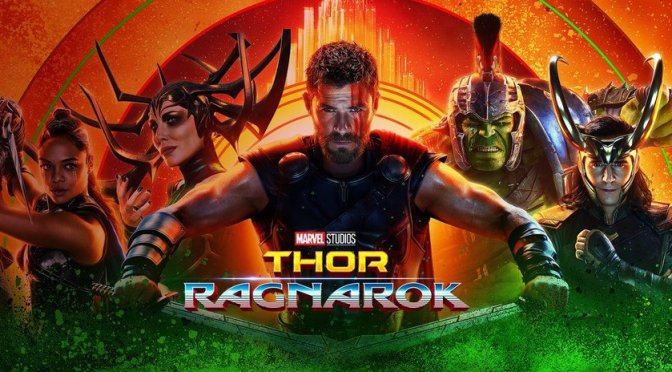
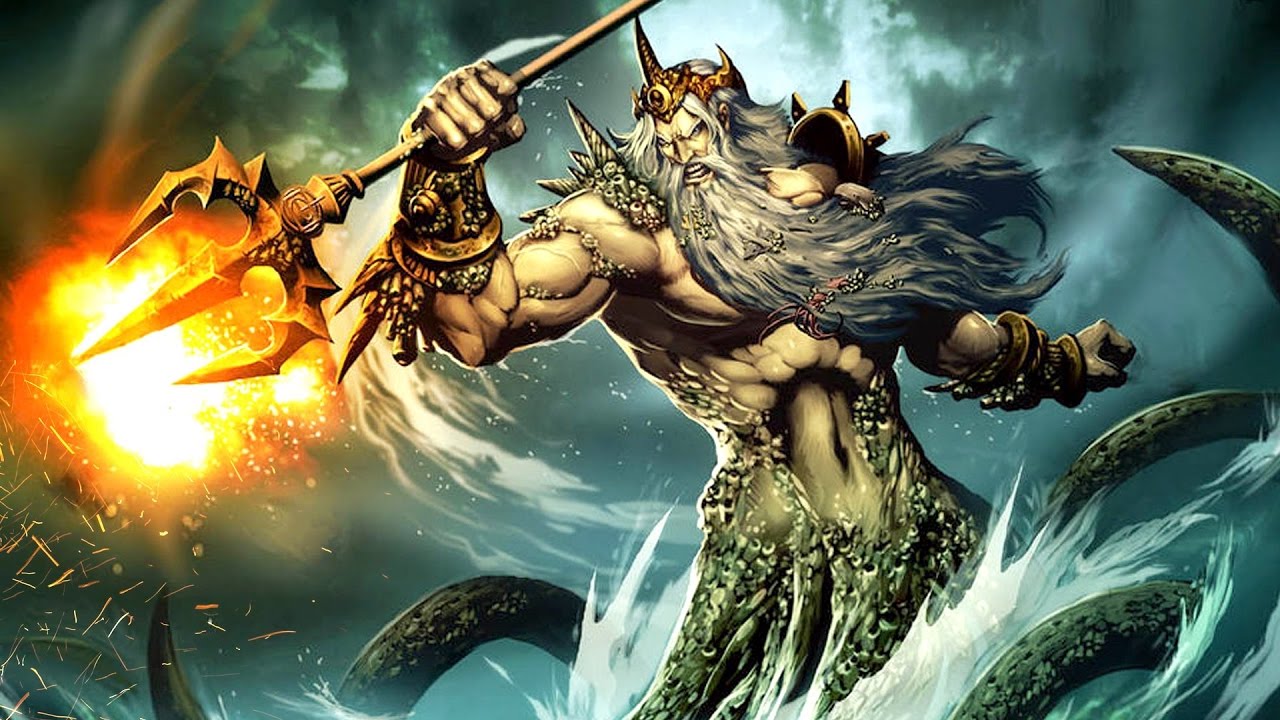
Humour, more than anything, is what Waititi brings to Thor: Ragnarok. This is essentially the first all-out Marvel comedy pitched an octave funnier than Guardians of the Galaxy on the comedic scale; as punchline after punchline reigns down with the power of Thor’s lightning bolts. The opening scene is a case in point where Chris Hemsworth’s sly comic timing is utilised to great impact when facing the demonic Sutur. Hanging upside down and chained, Thor’s momentum swings him around and away as the fiery devil delivers his monologue, only for Thor to ask him to wait until he comes back round again. While covering the exposition in a very funny way the gag also satirizes the clichéd villains’ plot while serving as a wonderful taster for the events to come.
The witty screenplay and lightning pace covers up the familiarity of the story as once again Asgard comes under attack from a hellish force, this time in the guise of the beautiful evil of Hela (Thor’s older sister) portrayed with tremendous gusto by the ultra-talented Cate Blanchett. Usually seen in more serious dramatic roles Blanchett excels as Hela, and arguably is a touch underused until the incredible battle scene at the end. Anthony Hopkins and Tom Hiddleston once again reprise their roles as Odin and Loki respectively; Loki, as usual, getting some great moments to show his dupliticity and mischief. Both Hopkins and Hiddleston take great pleasure to also parody their characters compared to the pitch black seriousness of Thor: The Dark World (2013).
Waititi, the writers and production crew deserve much credit for not only delivering some familiar faces and worlds to the film but also some new ones to freshen it up. I must admit I wish the trailer hadn’t spoilt the appearance halfway through of the “Big Guy” because if I had not known that I would have been amazed at such a twist. Nonetheless, the Hulk does appear and via Mark Ruffalo’s neurotically bemused turn as Bruce Banner we get, amidst all the gladiatorial mayhem, a cracking buddy story too. Moreover, Tessa Thompson as a hard-drinking-hard-fighting “Scrapper 142” (with a hidden past) is another sterling addition to the ensemble and the visuals which derive from her backstory via flashback are the some of the most impressive I have seen all year. Jeff Goldblum as a wacky but dangerous Space Dictator and the hilarious Taika Waititi as a wise-cracking Kronan (a rock-looking dude!?) almost steal the show too.
As he showed with Eagle versus Shark (2007), What We Do In the Shadows (2013) and the exceptionally funny and touching, The Hunt for the Wilderpeople (2016), Waititi is a very talented filmmaker and he has brought his love of eccentric characterization and comedic ability to great effect within the Marvel Universe. Thor: Ragnarok is a riotous mix of stunning visuals, booming rock music, huge battles, family wars, smashing punchlines and hilarious performances. Arguably the comedy sidelines the drama and tonally the film is uneven in places and compared to the magical and hallucinatory world of Dr Strange it is not as satisfying in terms of the whole world and vision created. Nonetheless, as comic book adaptations go it is one of the most entertaining Marvel sequels to date.
Here’s a re-blog of an article I wrote for the excellent http://www.sothetheorygoes.com website. It’s arguably a better researched article than I usually turn out and the original can be found here.
OVERCOMING THE MONSTER
As an avid cinemagoer and fan I watch a hell of a lot of movies. I am aware that Hollywood film releases rarely contain original screenplays due to the massive flux of literary, journalistic, radio, televisual and comic-book adaptations. Moreover, there are reboots, remakes and re-imaginings of older and, in the case of the recent Spiderman releases, not-so-older films too. I have even noticed another trend where on top of the usual remakes there are a number of films which are unofficial remakes of other films. Does this mean originality is finally dead in Hollywood and is now cannibalizing itself to produce product. Or, has it always been that way?
I want to explore the nature of storytelling, mythmaking and modes of classic Hollywood film production to consider whether there is a trend toward unofficial remakes in the current filmmaking era. I will examine cultural theory and film history to decide whether filmmakers are knowingly copying other works but hiding their intentions; or subconsciously replicating past cinema works while emulating both the historical traditions of storytelling and the classical Hollywood mode of film production. I will look at some recent film releases to further reflect on such theories.
THE QUEST
The blockbuster or big budget spectacular has been a major business tool of Hollywood production since movies. In his book Blockbuster, Tom Shone points to the 1970s as the beginning of the blockbuster summer movie era with films such as Jaws (1975) and Star Wars (1977), making huge money and beginning a business convention which continues today. However, there has always been huge behemoth product coming out of Hollywood with the likes of D.W Griffiths’ Birth of a Nation (1915), Gone With The Wind (1939), Cleopatra (1963) being examples of big-budget spectacular produced down the years. As such the blockbuster is as much a genre in its own right as opined by Shone and also Peter Biskind in his book: Easy Riders, Raging Bulls: How the Sex-Drugs-And Rock ‘N Roll Generation Saved Hollywood.
The summer blockbuster film release is clearly a huge money-making enterprise on behalf of Hollywood studios. Indeed, according to a recent Indiewire article films such as The Force Awakens (2015), Avatar (2009), Avengers: Assemble (2012) have together made over $2.5 billion dollars in at the box office. With the Marvel and Star Wars universe or franchises ever increasing their reach across galaxies far, far away it is important to note that the new Hollywood is still following the classical Hollywood system in regard to mode of production.
In their book The Classical Hollywood Cinema: Film Style and Mode of Production to 1960, Staiger, Thompson and Bordwell, a Hollywood film derives its’ competitiveness from a standardized norm and differentiated delivery. Film genres take place between the dialectic of standardization and differentiation which allows films to be produced along a conveyor built quickly and more profitably while some innovation generates differentiated elements to enable successful marketing of the product. For example, Ford produced and continued to produce a lot of the same model motor vehicles but change the colours and extras to differentiate the product. Likewise, Hollywood produces a hell of a lot of action, superhero and blockbuster films but in using different actors, directors, composers and source materials they are able to blind the audience to the storytelling structures and plots being used.
But is this a mode of production considered lazy, unoriginal, uninspired or even plagiaristic? Possibly, yet it seems to make sense that Hollywood studios, while risking a hell of a lot of money on their blockbusters, standardize their product and use what has worked before to protect their investment. While some of us would like to see David Lynch given $200 million to direct a Marvel Universe movie, his idiosyncratic vision of the world would be such a leap of differentiation it would possibly – like his adaptation of Dune (1984) – create a potential box office bomb. Even a brilliant director like Edgar Wright was considered not “house style” enough for the Marvel film Ant Man (2015) and left the production due to the oft-quoted “creative differences”.
Is it fair to accuse Hollywood studios of unoriginality or even plagiarism? Are writer and filmmakers merely following the rules of the world? I mean according to Christopher Booker’s text The Seven Basic Plots: Why We Tell Stories, there are in essence only a limited number of narratives including the: ‘Overcoming the Monster’, ‘Rags to Riches’, ‘The Quest’, ‘Comedy, ‘Rebirth’, ‘Tragedy’ and ‘Voyage and Return’. Booker echoes too the studies of mythologist Joseph Campbell who argues that the ‘Hero’s Journey’ or monomyth is the common template of most stories. Christopher Vogler followed on from Campbell’s extensive work in his book, The Writer’s Journey: Mythic Structure for Writer arguing that most popular stories can be narrowed down to a series of basic structures and archetypes.
Thus, we could argue that originality is in fact impossible and Hollywood blockbusters, as well as following the classical Hollywood model of standardization and differentiation; are simply passing on the traditional and mythical structures which hark back to the cave drawings of our ancestors, Greek myths and those wonderful stories in the Bible. Let’s have a look at some examples of recent blockbuster films which echo the theories of mythic storytelling, concentrating specifically on those that could be considered unofficial remakes of previous films.
VOYAGE AND RETURN
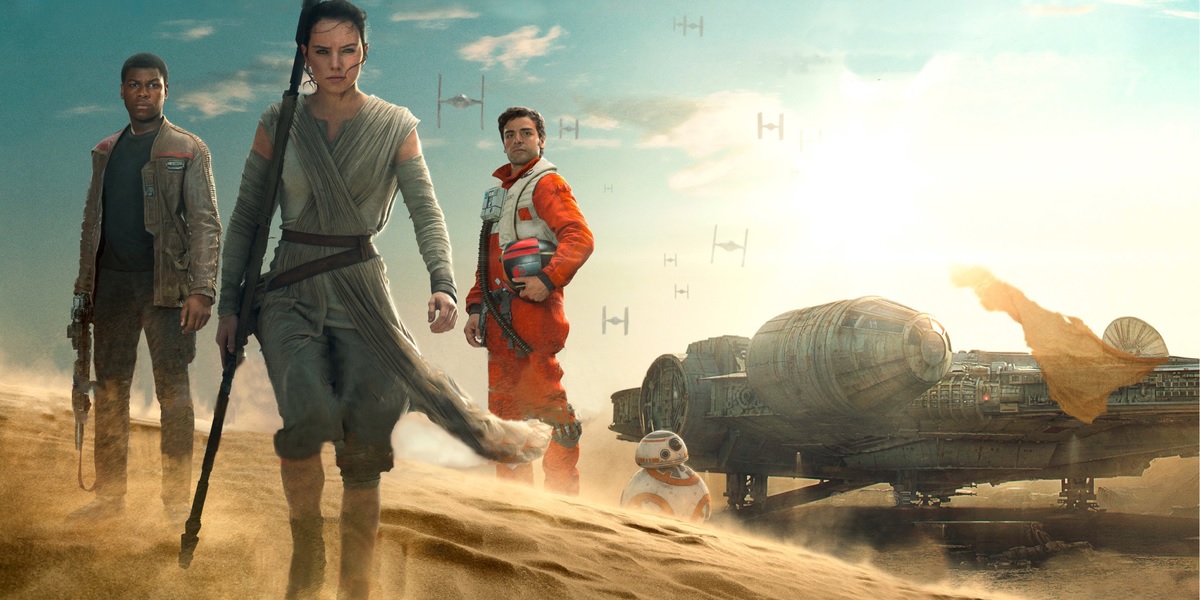
The biggest box office hit of recent years is the JJ Abrams directed The Force Awakens (2015). After Disney paid an absolute fortune to Lucasfilms for the rights to own the Star Wars franchise it’s safe to say that there was no way the studio would be taking any risks on their product. Thus, in my opinion, JJ Abrams and his writing team took a safety first approach to the storyline by unofficially remaking the original Star Wars: A New Hope (1977). They standardized their product by using most of the same characters, settings, design, costumes, music and themes. Moreover, on the whole it follows the same “Hero’s Journey” and “Overcoming the Monster” models within its structure as at its core a plucky young “orphan” must rise up and defeat the dark side of the Empire. Conversely, the original Star Wars could be argued to have heavily borrowed its structure and archetypes from Akiro Kurosawa’s Hidden Fortress (1958). However, George Lucas’ epic space opera was so original in presentation and design one cannot reconcile notions of plagiarism.
A Force Awakens was only marginally differentiated with more diverse casting as the female leading character Rey (Daisy Ridley) took the Luke Skywalker role. The only main difference is her character was arguably more passive in the narrative compared with the dynamic enthusiasm of Mark Hamill’s Luke Skywalker. In remaking A New Hope, complete with a total-replica-ending culminating in the rebels destroying the Death Star, the filmmakers tick all the fan boxes yet with just enough difference in the details so as not to be accused of self-plagiarism. For me, however, A Force Awakens is not as credible a story as Rogue One (2016), which, while invoking World War II “suicide-mission” genre structures such as: The Dirty Dozen (1967) and Guns of Navarone (1966), had more original characters and differentiation and thus felt a fresher product.
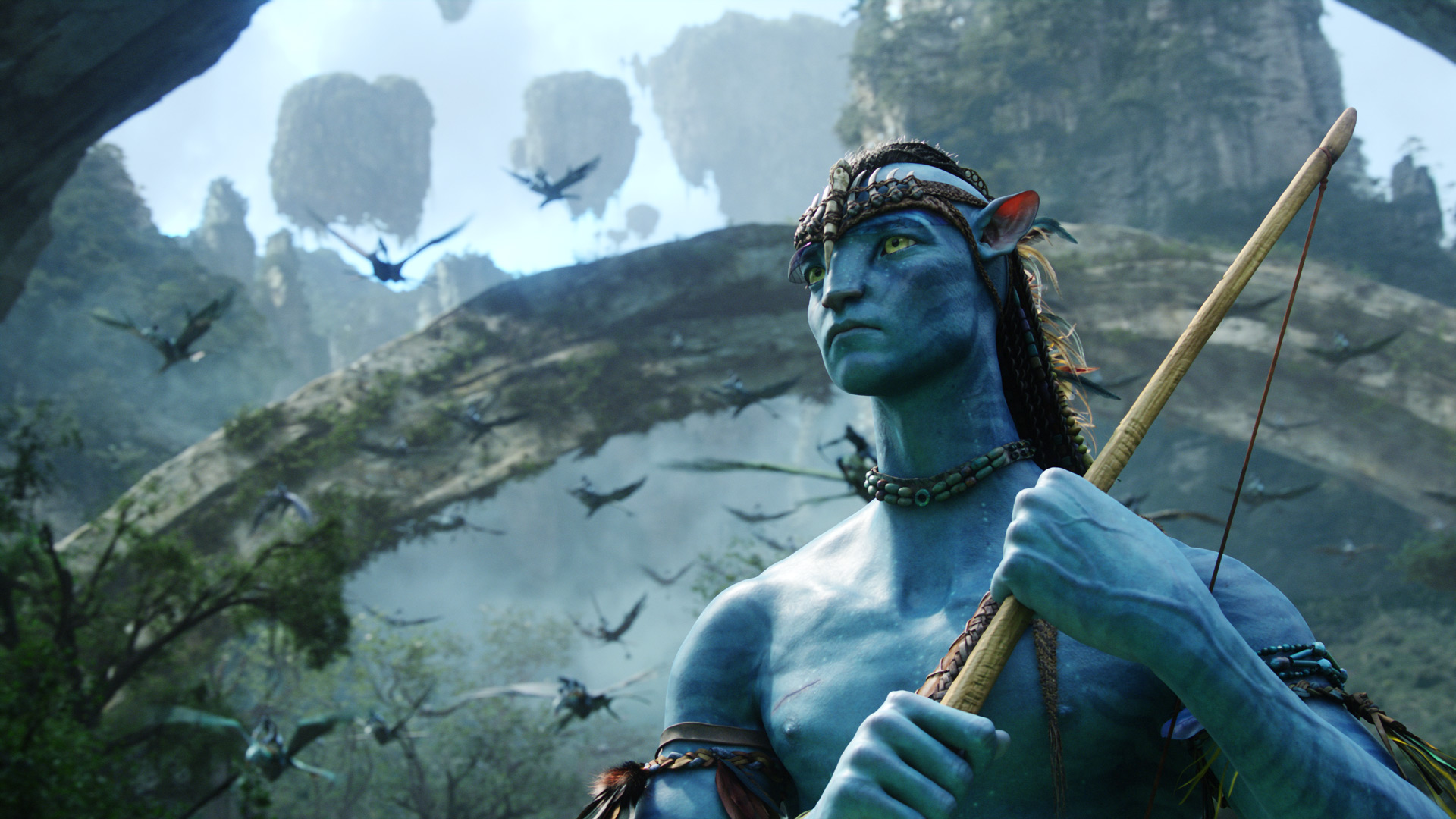
Unofficial remakes or the echoing of known texts are rife in the blockbuster era. James Cameron’s environmentalist Sci-Fi fantasy Avatar (2009) has exactly the same “Voyage and Return” structure as Kevin Costner’s revisionist Western Dances with Wolves (1990). In both films our hero, a soldier, finds himself at first a prisoner and then falling in love with an indigenous tribe’s more natural lifestyle; ultimately defying the patriarchal and oppressive capitalist society from where he came. Both culminate in a thrilling battle at the end where our gone-native hero overcomes the monstrous enemy. Avatar, of course, differentiates markedly in presentation to Costner’s epic due to the incredible special effects on show but the structure and storylines are exactly the same.
Screenwriters have not just plundered cinema’s back catalogue for narratives. The original storyline of Marvel comic books The Hulk is an unofficial adaptation of Robert Louis Stevenson’s Dr Jekyll and Mr Hyde; with a scientist splitting his personality between man and monster following an experiment gone wrong. Marvel indeed are experts at absorbing literary texts into their works as Age of Ultron (2015) echoes the story of Frankenstein as Stark’s experiment wreaks monstrous havoc on the Avengers. Moreover one of the best Marvel films Captain America: Winter Soldier (2014) uses the plot of spy thriller Three Days of the Condor (1975) as a springboard.
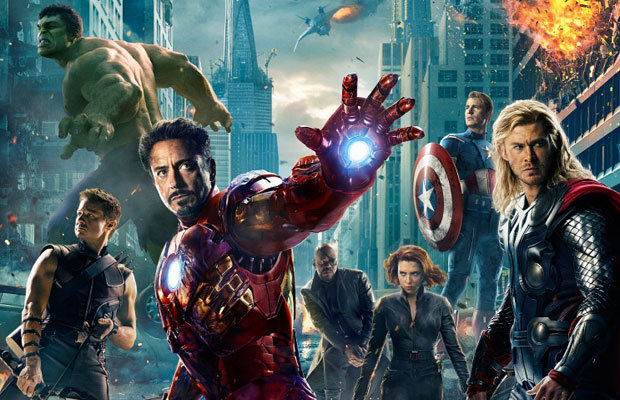
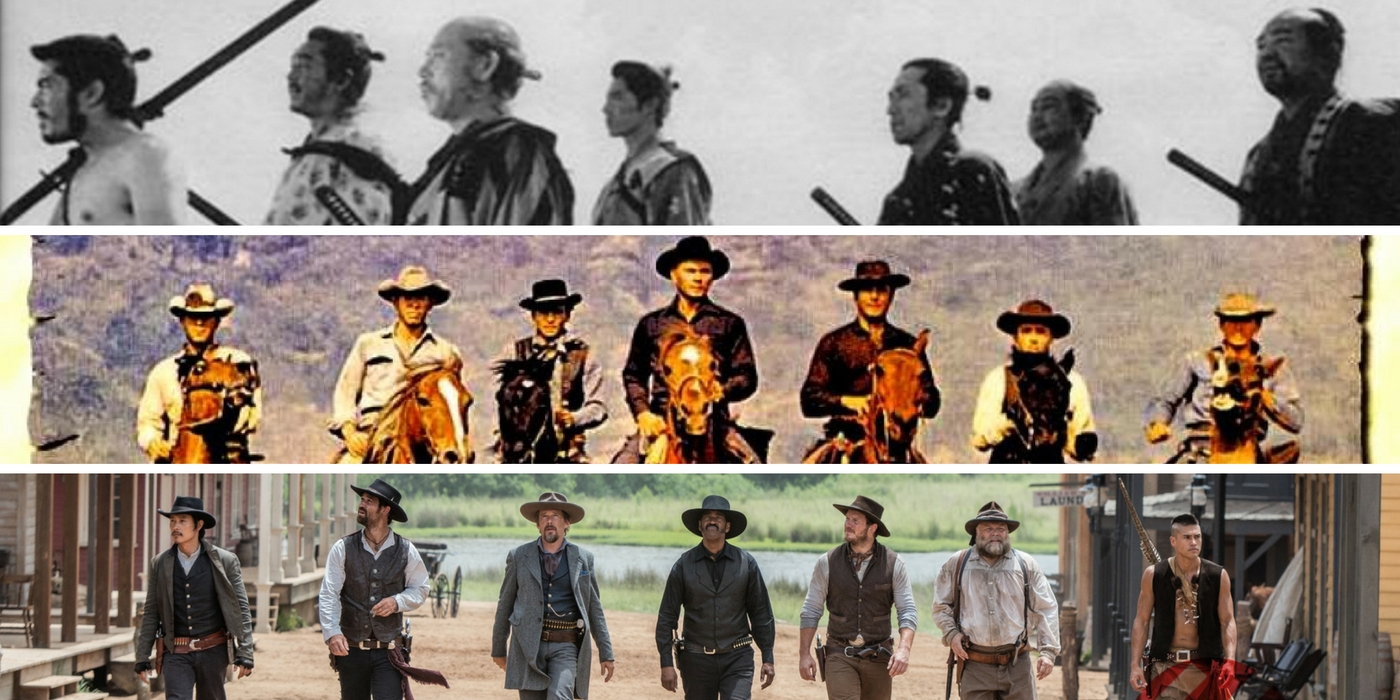
Of course, these are very loose interpretations, however, with Avengers: Assemble (2012) the filmmakers have, in my mind, essentially remade Kurosawa’s Seven Samourai (1954). Of course Seven Samourai has been remade many times as The Magnificent Seven in both 1960 and 2016, respectively. Indeed, in Avengers Assemble the plot of the villagers-in-peril being protected against a vicious foe by a rag-tag bag of gunslingers is mirrored by the Earth being guarded by the Avengers against Loki and the Chitauri. Even the beats of the story are similar with Nick Fury (Samuel L. Jackson) building his team in the way Chris (Yul Brynner) did in the Western version and Kambei (Takashi Shimura) did in the original. Overall, The Avengers is a terrific film, with a very solid narrative founded on the powerful structure of works released before it.
REBIRTH
In summary, the unofficial remake is probably not a recent trend as I am sure further investigation will reveal more examples of this occurrence in Hollywood film production. The question remains though: is there evidence of plagiarism within the modern Hollywood blockbuster and cinema examples used? I would say there probably isn’t. Filmmakers today are generally following the age-old tradition of passing on stories and myths, combined with the conscious structural safety of following genre conventions and the standardization and differentiation models Classical Hollywood cinema established decades ago. Either that or they are following Quentin Tarantino’s lead when he says,
“I steal from every single movie ever made. If people don’t like that, then tough tills, don’t go and see it, all right? I steal from everything. Great artists steal, they don’t do homages.”
After the biggest budgeted fan film of all time was released last year with The Force Awakens (2015), I approached Rogue One (2016) with a sense of scepticism. After all, JJ Abrams directed Star Wars movie was essentially a block-to-block remake of A New Hope (1977) but this time substituting Luke Skywalker for a young woman, Rey, (Daisy Ridley) and Darth Vader for a younger more angst-ridden version in Adam Driver. Abrams spectacular epic delighted fans on emotional and aesthetic levels despite the sandcastle plotting, gaping story holes and illogical incompetence of the First Order. For example, why build a ‘Death Planet’ with the SAME weaknesses as the Empire’s Death Star? It did not make sense to me.
Nonetheless, JJ Abrams safety guaranteed reboot broke not only the internet but also box office records worldwide. It’s a safe and impressive spectacle with bland leads and a nostalgic mix of familiar and new characters. The action was breathless and pristine but the weaknesses in the story ruined the enjoyment of The Force Awakens for me. While it made sense to focus the narrative on the children of the original trilogy, and it was great to see Harrison Ford reprising Han Solo, I wasn’t as impressed by Abrams blockbuster as many were. Of course, compared to George Lucas’-rise-and-fall-of-Annakin-Skywalker-prequel-trilogy it was pure cinema gold.
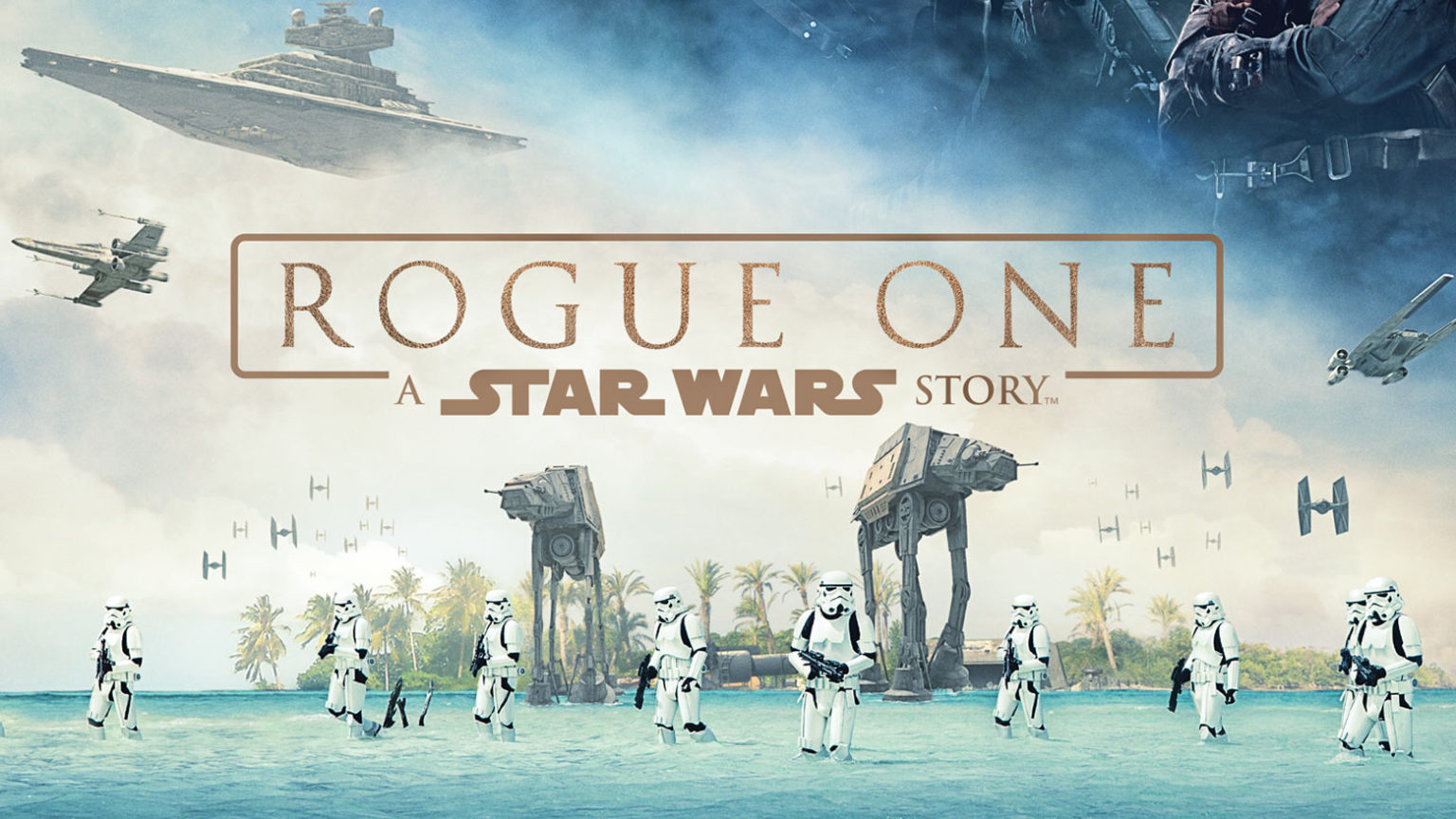
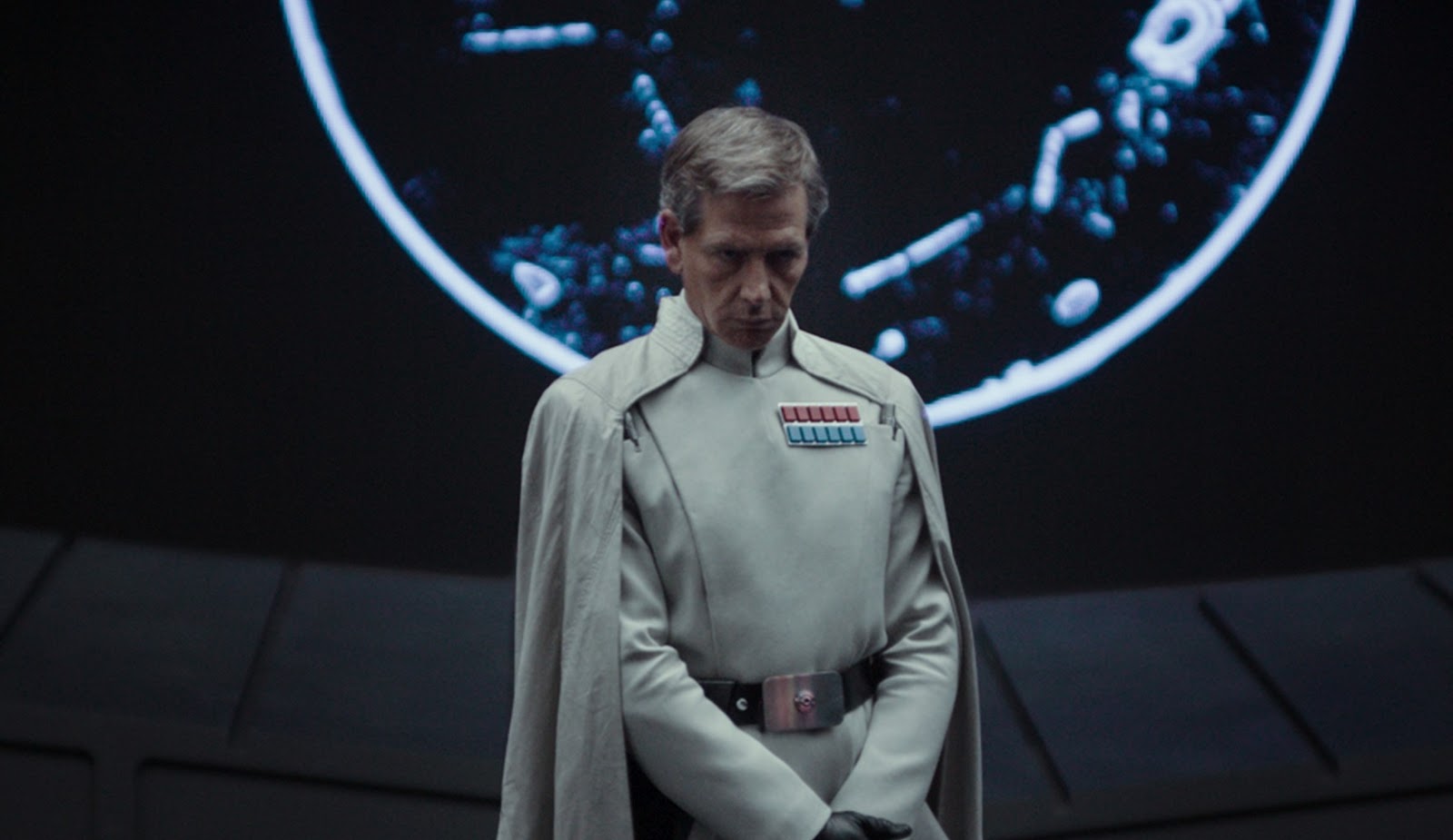
Talking of prequels Rogue One: A Star Wars Story is just that – Star Wars: Episode 3.5 as it were. The action takes place after Revenge of the Sith (2005) but just before A New Hope. We open with Ben Mendelsohn’s Orson Krennic pursuing Mads Mikkelsen’s ‘farmer’, Galen Erso, on the planet Lah’mu. Krennic is an Imperial executive working on the Death Star and he requires Erso’s expertise to complete the work so kidnaps him, leaving behind his young daughter Jyn Erso, alone and abandoned.
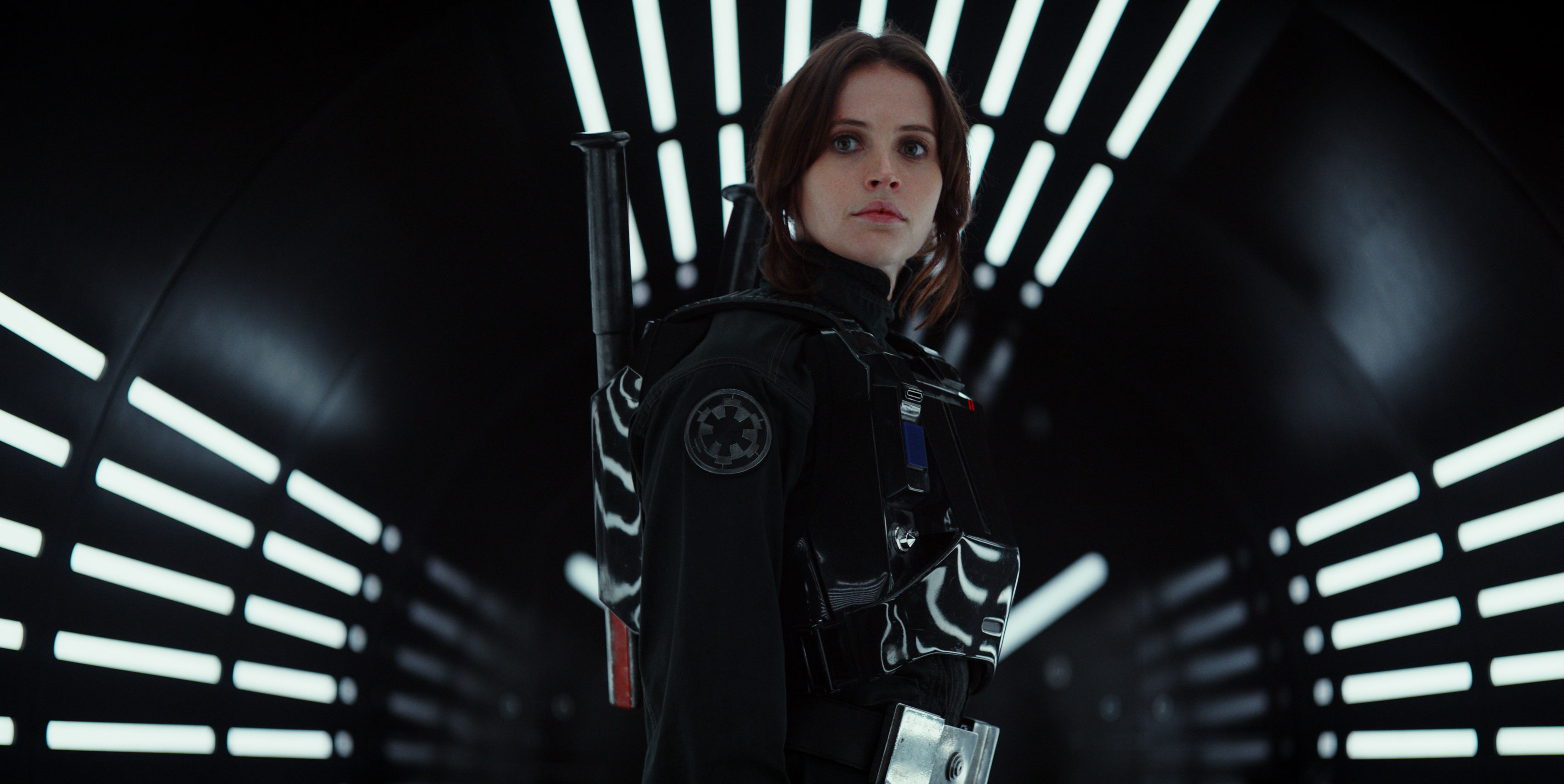
As per many other stories in the Star Wars galaxy themes relating to war, family, loss, orphans and hope propels the characters in Rogue One. None more so than Felicity Jones’ grown up Jyn Erso, who inhabits her character with a credible depth and pain throughout. She has clearly had to fend for herself and has become world-weary for one so young, yet she is also tough and very handy in a fight. Against her will she is thrust into the rebellion fight and embarks on a last-ditch mission to locate the plans of the Death Star. Here the story harks back marvellously to the derring-do of WW2 movies such as The Guns of Navarone (1961), Where Eagles Dare (1968) and The Dirty Dozen (1967). That was when I knew this was my kind of movie.
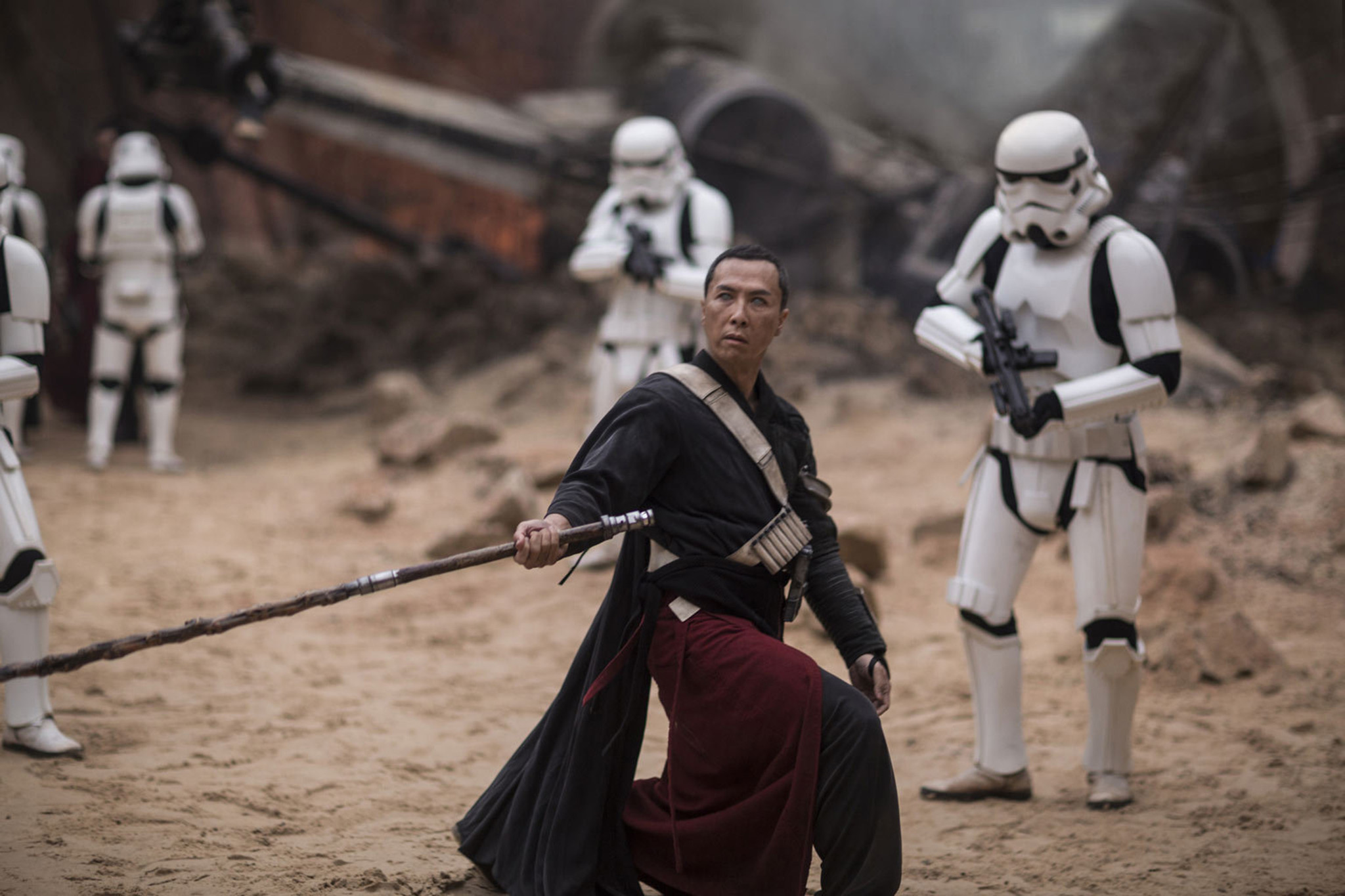
Accompanying Jyn are a ragtag bunch of characters who could arguably been given more backstory but are cast very well. My personal favourite was Donny Yen as Chirrut Imwe as the blind, elegant and formidable ‘monk’ and Diego Luna’s battle-drained rebellion officer who refuses to go down without a fight. With the plot thrusting along at some pace we still have time for reflection by the characters, especially from Luna and Jones. Meanwhile, on the dark side, Ben Mendelsohn gives an intriguing performance as a middle manager unable to grasp the power he so craves. Darth Vader’s scenes too were fantastically handled in my view and while initially jarring the CGI appearance of Grand Moff Tarkin/Peter Cushing was a curious treat.
Whereas JJ Abrams skilfully emulated the emotions of the original Star Wars films, Gareth Edwards (and apparently re-shoot director Tony Gilroy) really imbue a sense of menace and doom to the Rogue One mission. The stakes are incredibly high, and while we know the outcome, most of the characters are given enough purpose to make you care for them. From the stark landscape of the opening scenes to the stunningly bleak midpoint set-piece on the base facility of planet Eadu, pathos, shadow and death inhabit the film’s core. Indeed, it reflects the darker side of the franchise like The Empire Strikes Back (1980) so succinctly.
Of course, the story is all building to an incredible final act where Jyn and her crew seek those darned plans which are inconveniently kept in an impossible-to-breach fortress protected by battalions of Imperial Stormtroopers, droids and weaponry. As our heroes battle for their lives and the future of the rebellion, we cut breathlessly between the space dogfights we have come to love and the explosive conflict on the planet surface. Do they complete their mission? Well, you know the end; however, amidst the fast-paced action and special effects there is time for a sense of loss and a series of spectacular and heroic deaths.
Where, in my opinion, A Force Awakens was Disney playing it safe, this film takes a few more chances within the corporate conservatism of the movie market. While it has a darkness in its’ heart Rogue One still meets the classic Hollywood “standardization and differentiation” model which has served big business since the dawn of time. Overall this isn’t just a great Star Wars film but a brilliant movie too. It’s very much in the vein of Captain America: Winter Soldier (2014), as it transcends the franchise while delivering a pulsating, heroic and emotional experience. While the canonized Skywalker arcs continue to concentrate on expanding the Jedi family tree, the stand-alone anthology series, of which Rogue One is the first, offer an opportunity to perhaps go darker and experiment with form, character and themes.