
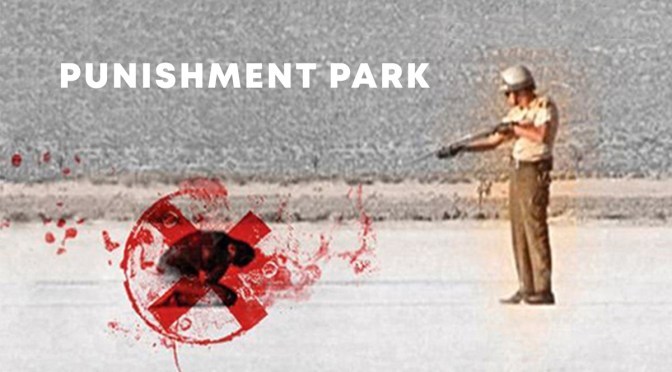
Films That Got Away #17 – Punishment Park (1971)
Directed by Peter Watkins
Written by Peter Watkins
Produced by Susan Martin
Main ensemble: Carmen Argenziano, Harold Beaulieu, Jim Bohan, Stan Armsted, Paul Alelyanes etc.
Cinematography by Joan Churchill & Peter Smokler
** MAY CONTAIN SPOILERS **
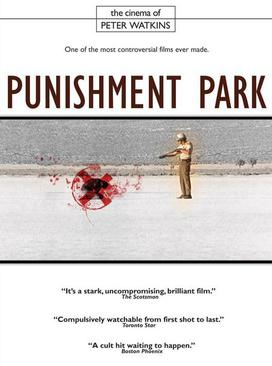
Although Punishment Park (1971) itself is fictional, the documentary style is so raw and realistic you can almost smell the fear, blood, lead alloy and bullet-smoke on the screen. The film also highlights many of the elements found within parallel social and political events of the time, such as police brutality, counterculture rebellion, the trial of the Chicago Seven, the Kent State shootings, and political polarisation bordering on civil war. With the United States governments continually driving a “world police” agenda, perhaps they should look closer to home before starting external conflicts.
For years, Punishment Park (1971) sat just out of reach for me — one of those films you hear about in whispers, invoked in conversations about “the most confrontational cinema ever made,” but never quite encountered at the right moment. Now, having finally caught up with Peter Watkins’ 1971 film, I can’t shake the feeling that I’ve been missing something essential. Not just a film, but an experience — raw, furious, and uncomfortably alive in a way that few works of cinema ever achieve.
What strikes first is its sheer lack of polish — and how vital that is to its power. Watkins doesn’t present a narrative so much as he detonates one. Shot in a pseudo-documentary style, with handheld cameras and overlapping dialogue, the film feels less like something constructed and more like something captured in real time. The performances — many from non-actors — are jagged, unpredictable, and often feel on the verge of spilling out of the frame. There’s no safety net here, no aesthetic distance to retreat into. It’s messy, chaotic, and utterly convincing.
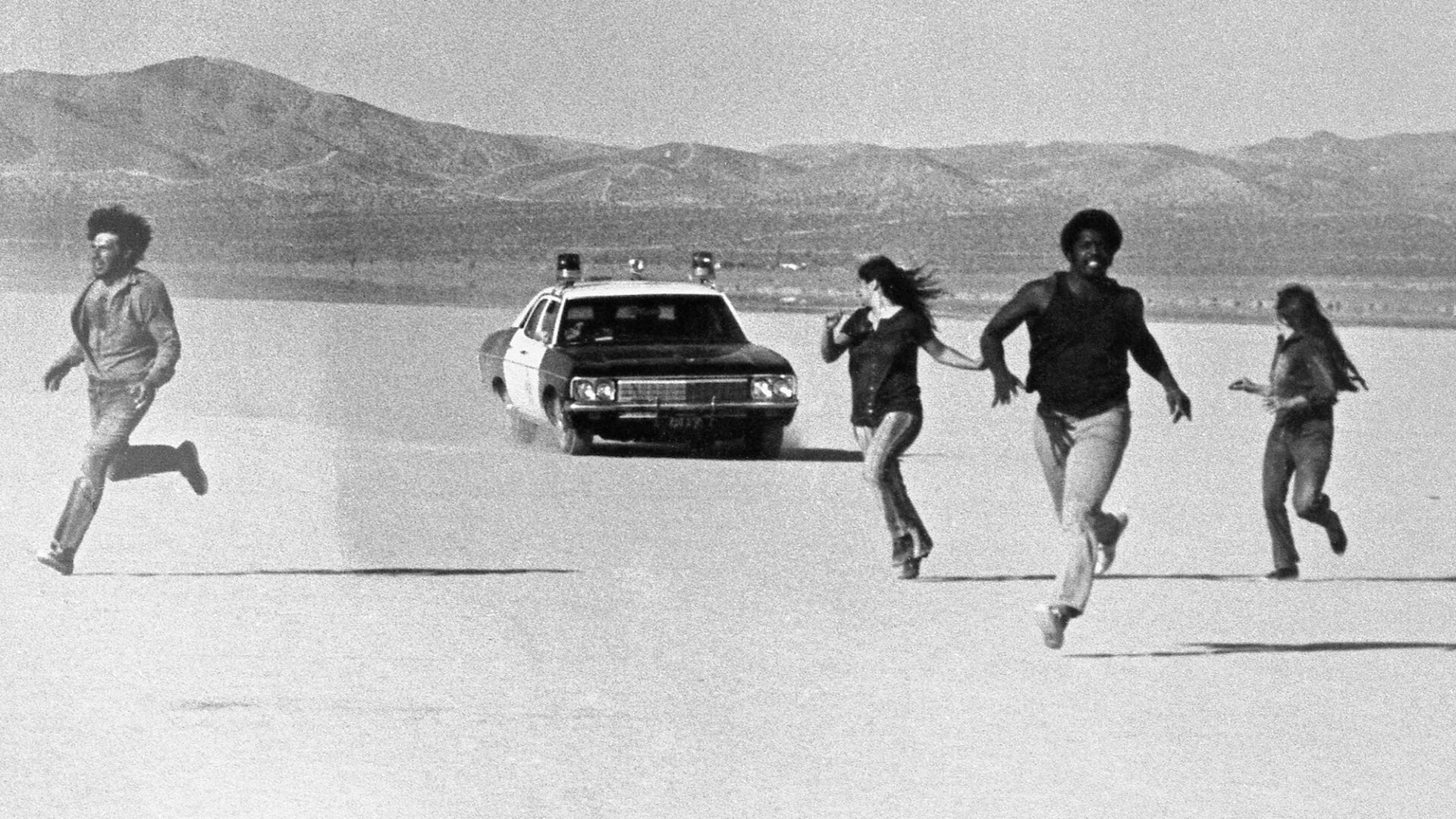
That rawness feeds directly into the film’s political force. Punishment Park (1971) isn’t subtle, and it has no interest in being so. It’s angry — openly, unapologetically angry — at systems of power that disguise brutality behind procedure and patriotism. The tribunal sequences are particularly harrowing, not because they’re exaggerated, but because they feel so plausible. The language of authority, the casual dismissal of dissent, the bureaucratic calm in the face of injustice — it all lands with a chilling familiarity. Watkins doesn’t ask you to interpret; he demands that you confront.
And yet, what lingers most is how contemporary it feels. Despite being rooted in the tensions of its time, the film plays less like a historical artifact and more like a warning that never stopped being relevant. Its vision of a state turning on its own citizens, of media observing rather than intervening, of truth becoming something contested and fragile — all of it resonates with unsettling clarity today. It’s the kind of film that doesn’t age so much as it waits.
I’m grateful, genuinely, to have finally seen it. Some films entertain, some impress, but very few burn a hole in your mind. Punishment Park (1971) is one of those rare works that burns with purpose — a film that refuses comfort, refuses neutrality, and refuses to be forgotten. It makes one sad that, to be honest, the world hasn’t changed for the better since it was made. While there are many who strive for peace, there are so many who choose aggression, violence and war to control and destroy.
Punishment Park (1971) can currently be seen on YouTube.
 The Cinema Fix presents