Tag Archives: Lawrence Sher

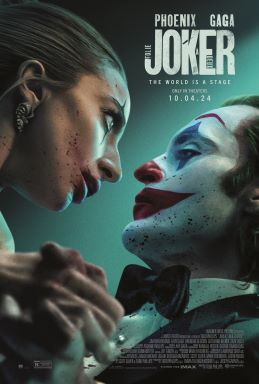
Cinema Review – Exploring Music and Madness in Joker: Folie à Deux (2024)

Cinema Review: Joker: Folie à Deux (2024)

Directed by Todd Phillips

Written by Scott Silver and Todd Phillips (Based on Characters by DC Comics)

Produced byTodd Phillips, Emma Tillinger Koskoff & Joseph Garner


Main cast: Joaquin Phoenix, Lady Gaga, Brendan Gleeson, Catherine Keener and Zazie Beetz etc.

Cinematography by Lawrence Sher

Music by Hildur Guðnadóttir

*** MAY CONTAIN SPOILERS ***


In 2019, Todd Phillips and Joaquin Phoenix, as director and lead actor, unleashed Joker (2019) on the cinema public. It became an enormous critical and commercial hit, with Phoenix winning the ‘Best Actor’ award at the Academy Awards. Unsurprisingly, a sequel now reaches us. While the original 1980’s set period drama worked superbly, echoing the structure and themes of Scorsese’s King of Comedy (1982) and Taxi Driver (1976), the follow-up Joker: Folie à Deux (2024) is altogether different. In fact, given it experiments with musical, romance, crime, court-room and psychological horror genres, it is an altogether riskier film, which while compelling and fascinating, doesn’t always connect to a satisfactory whole. But perhaps that is the point. It is intended to reflect an inconsistent mind and unreliable narrator, a fractured soul in Arthur Fleck.

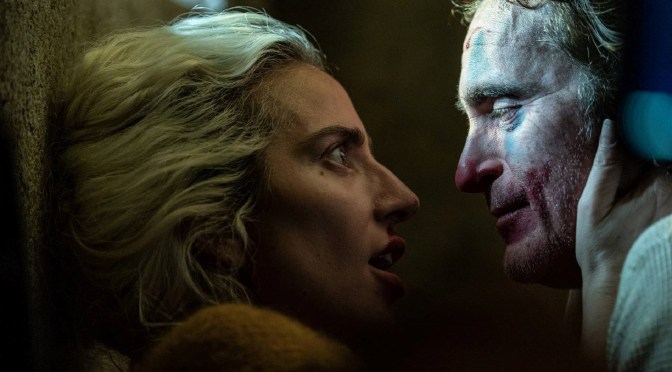
For me, in Joker: Folie à Deux (2024), Todd Phillips masterfully employs cinematic techniques of fragmentation and ambiguity to deepen the exploration of mental illness, echoing the disorienting and fractured experience of his protagonists. The film, much like its predecessor, blurs the lines between reality and delusion, but this time the ambiguity is intensified through musical elements, dreamlike sequences, and multiple perspectives. Phillips’ use of disjointed timelines and unreliable narratives immerses the audience in the chaos of Arthur Fleck’s (Phoenix) and Harley Quinn’s (Lady Gaga) unraveling psyches.


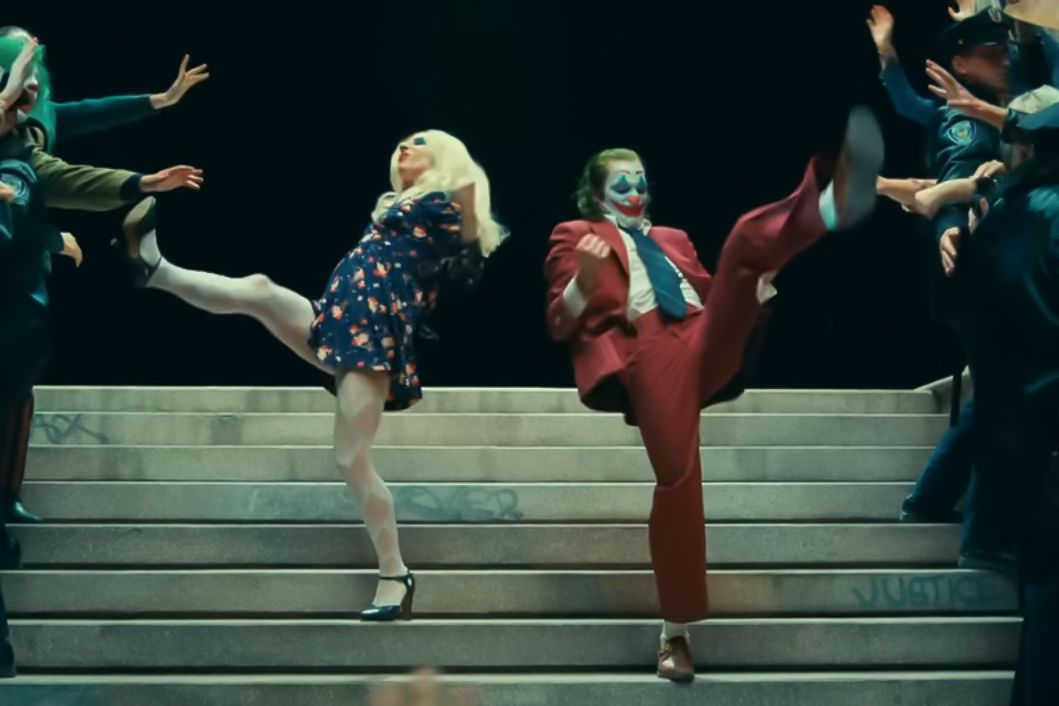
The musical numbers, set against stark, gritty environments, feel both fantastical and unnerving, reinforcing the characters’ distorted perceptions of the world. Moments of quiet introspection are suddenly broken by violent outbursts or surreal interludes, mimicking the unpredictability of their mental states. The film’s visual style shifts between stark realism and surreal imagery, reflecting the internal fragmentation of Arthur and Harley’s minds, keeping viewers on edge and questioning what is real.

Phillips’ direction ensures that the story remains rooted in ambiguity—much like the first film—inviting viewers to interpret the characters’ mental states without offering clear answers. This cracked narrative style doesn’t just illustrate their mental illness; it pulls the audience into it, making Joker: Folie à Deux a bold and unsettling exploration of madness through form as much as story. As such there isn’t much plot to speak of as Arthur’s journey essentially follows him from Arkham Asylum to court, with episodic splashes of song and dance in between, before we get to the climactic court room scenes.

As aforementioned, in Joker (2019), Todd Phillips drew heavily from Martin Scorsese’s The King of Comedy (1982), particularly in its portrayal of a lonely, unstable man seeking fame and validation in a world that cruelly rejects him. Arthur Fleck’s obsession with talk show host Murray Franklin mirrors Rupert Pupkin’s fixation on becoming a comedy star, and both films explore the dangerous consequences of societal alienation and delusional aspirations. The gritty, urban backdrop and character-driven narrative made Joker a powerful homage to Scorsese’s psychological explorations of fame and madness.


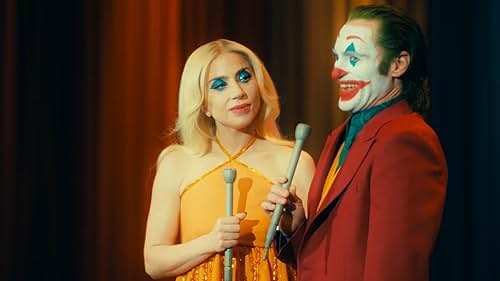
With Joker: Folie à Deux (2024), Phillips shifts toward a different Scorsese film for inspiration: New York, New York (1977). Much like Scorsese’s semi-musical about a turbulent romance between two performers, Folie à Deux integrates musical elements and centres on the chaotic relationship between Arthur and Harley Quinn (Lady Gaga). The film’s blending of harsh realism with the stylized, dreamlike sequences of musical numbers echoes New York, New York’s mix of glitzy performance and dark personal struggle. Thematically, both films explore how dreams of stardom can clash with mental instability, but Folie à Deux takes it a step further by embedding this conflict within its characters’ delusions, making the musical sequences feel like an escape from—or reflection of—their psychotic minds. This potential homage to New York, New York allows Phillips to expand Joker‘s cinematic language, fusing psychological drama with surreal musical spectacle.

Joker: Folie à Deux (2024), at time of writing, has polarized critics and cinema-goers. As someone who watches a lot of “art-house” and European cinema, I can see why this film is dividing opinion. This is what happens if Jacques Demy, by way of Bergman, were given $200 million to make a DC comic-book film. Todd Phillips takes many risks in form and structure, most notably denying the audience catharsis at the bleak finale. It is truly downbeat and it felt like Phillips and Phoenix were finally done with this clownish killer and anti-hero.

As a cinematic experience the musical score is striking. Moreover, the production is grey and oppressive and claustrophobic, set in enclosed cells and shadowed court rooms. There is little light in this film nor even a shadow at the end of the tunnel for Arthur and Harley. Phoenix is fantastic again, while Gaga’s romantic partner-in-crime is under-cooked as a character. Nonetheless, Gaga still sparkles amidst this gloomy, musical, existential journey into the mouth and down the throat of madness.

Mark: 8.5 out of 11


JOKER (2019) – CINEMA REVIEW

JOKER (2019) – CINEMA REVIEW

Directed by: Todd Phillips

Produced by: Todd Phillips, Bradley Cooper, Emma Tillinger Koskoff

Written by Todd Phillips, Scott Silver

Based on : DC Comics’ Joker created by Bill Finger, Bob Kane & Jerry Robinson

Cast: Joaquin Phoenix, Robert DeNiro, Bill Camp, Zazie Beetz, Francis Conroy, Glen Fleshler, Brian Tyree Henry, Marc Maron etc.

Music: Hildur Guðnadóttir

Cinematography: Lawrence Sher

**** MAY CONTAIN SPOILERS ****


“Is it just me – or is it getting crazier out there?”

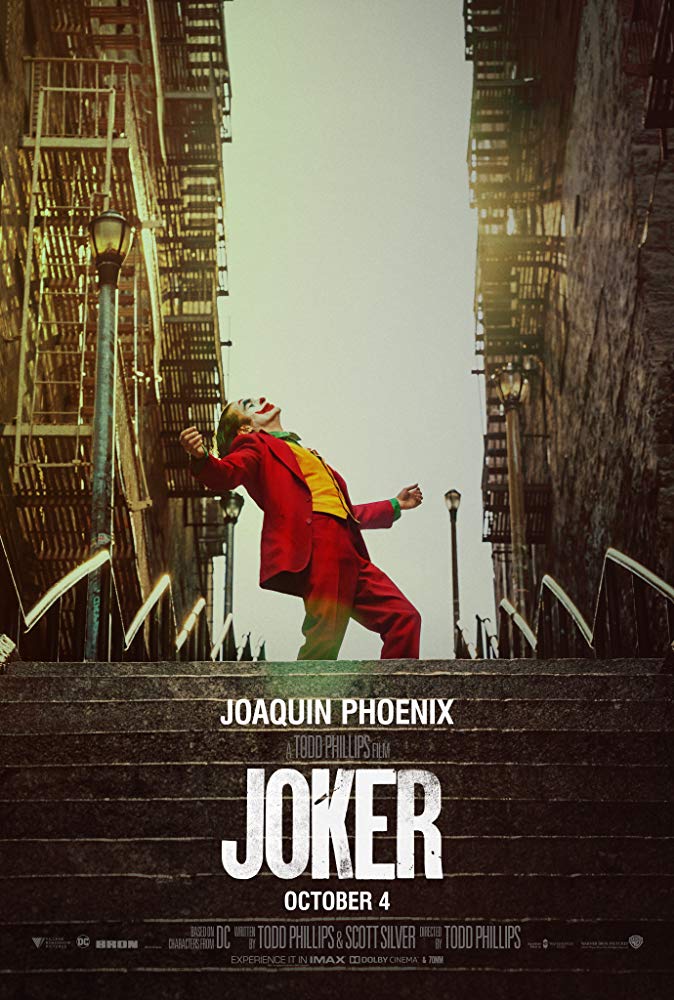
There’s no let up for poor coulrophobes. You wait so long for an evil clown and two come along in quick succession! First Pennywise hits the big screen twice. Now, Todd Phillips and Joaquin Phoenix deliver an incendiary cinematic masterpiece, based on DC’s uber-villain, Joker.

With Marvel’s cinematic universe heroically saving the world and making Disney a lot of money in the process, everything was looking a bit bright in the comic book film world. Not anymore, because Joker (2019) brings darkness, chaos, delusions and insanity to the screen. This film doesn’t reflect a safe world full of heroes, but instead illustrates one without them or a shred of hope.


The year is 1981. The place is Gotham. The symbol of this urban disintegration will be downtrodden clown, Arthur Fleck (Joaquin Phoenix). Crime and garbage ravage the city and social services budgets are being cut. Arthur struggles with his mental health, his clown work and his unwell mother (Francis Conroy). He attempts to find solace in stand-up comedy, but his psychological problems stretch to uncontrollable laughing fits, making people laugh AT him, as opposed to WITH him. He seeks potential romance with a neighbour, Sophie (Zasie Beetz), but his world begins to collapse when he loses his job and his medication is cut off. Attacked by kids on the street and bankers on the tube, Arthur is forced to fight back. But, violence begets violence, as a new, more dominant persona comes to the fore.

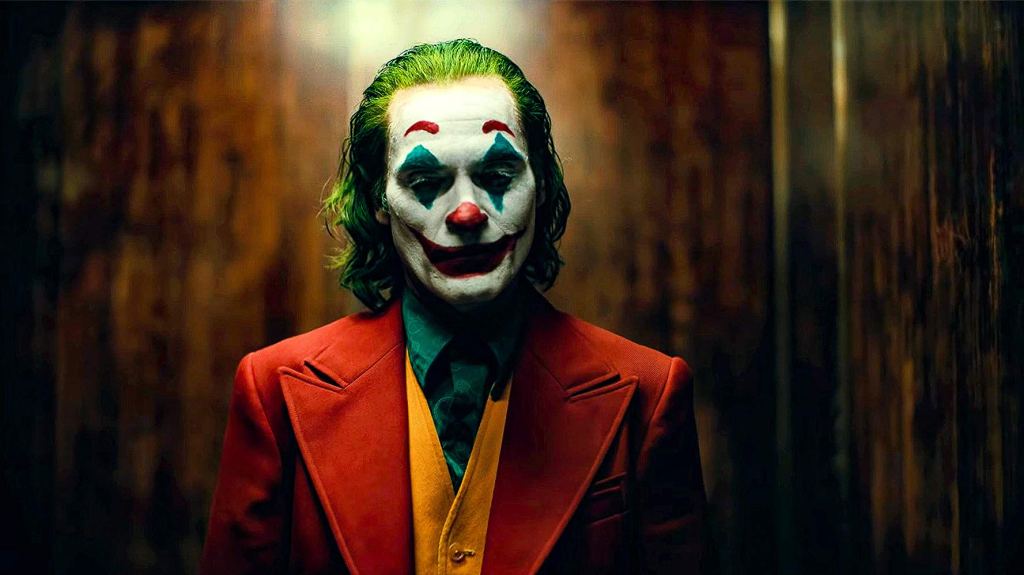
Joker (2019) is a bravura and risk-taking character study charting the downward spiral of both a city on the edge; and an individual losing touch with the real world. Rather than being cared for by the system, Arthur is thrown to the gutter, only to rise up with fire, violence, colour, costume and maniacal chuckling. From the mean streets of Gotham comes not calm, but social unrest and protests; not a hero but a painted villain, dancing and plotting bloody murder.


I have read that there have been complaints that the film trivialises mental health. Well, having experienced a close family member suffer mental breakdown and have a friend commit suicide due to extreme anxiety, I actually think Joker (2019) presents madness in a very truthful way. Mental health is scary, unpredictable, difficult to treat and prone to startling bursts of uncontrollable energy. It’s hard to comprehend what happens in people’s brains to make them act a certain way and this film captures that. The reason the film is scary is because mental health is scary. If it is not treated, then people can harm themselves and others. Therein lies the truth and tragedy of mental illness.

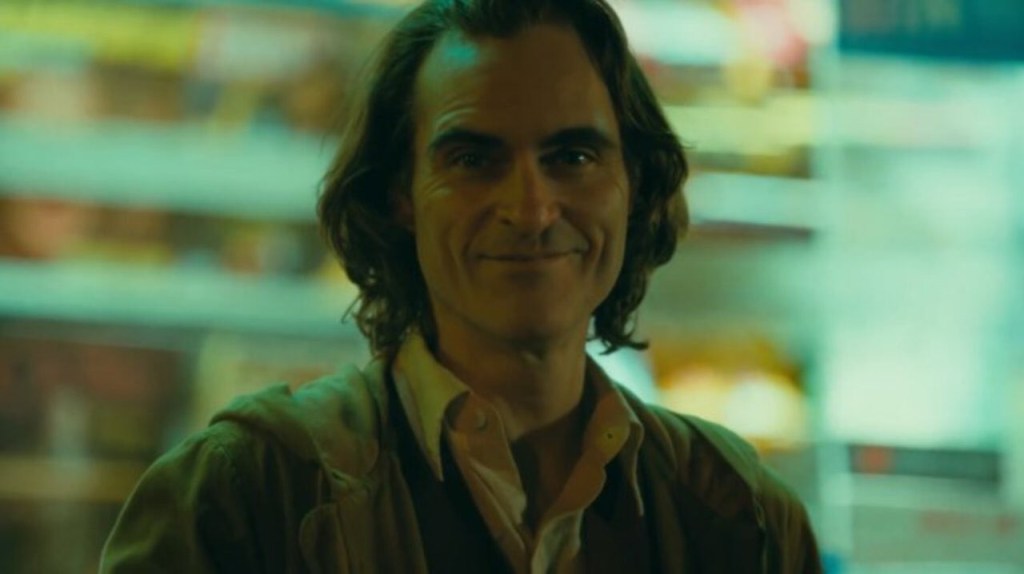
Joaquin Phoenix is absolutely incredible as Arthur Fleck/Joker. Hysterical laughter echoes and haunts the screen. Every cigarette he smokes drags nicotine anxiety into his ravaged lungs. As violent outbursts jolt and as his skinny body dances, I felt a gamut of emotions including: fear, humour, shock and sadness. Fleck’s transformation into Joker is a slow-burn trajectory and masterful acting performance. He tries to avoid violence and confrontation, but it’s drawn to him like a moth to a flame. He tries to make people laugh, but sadly only ends up hurting them. Joker is an outsider desperate to step inside and be part of society, but, even down to his unknown parentage, he is rejected at every turn.


As well as Phoenix, Todd Phillips deserves much kudos for creating an incredibly dark, but impressive cinematic experience. He is ably assisted by the startling cinematography of Lawrence Sher, who captures that gritty, paranoiac and urban look perfectly. Much praise also to Hildur Guðnadóttir, who, for me, has orchestrated the musical score of the year. Lastly, the genius of marrying cinematic classics like Taxi Driver (1976) and The King of Comedy (1983), with a DC comic-book super-villain is an absolute masterstroke. Indeed, Joker (2019), is one of the most memorable and compelling films of 2019. Why so serious? Watch it and discover for yourself.

Mark: 10 out of 11