Tag Archives: MUBI

THE CINEMA FIX: 10 FAVOURITE FILMS OF 2023!

THE CINEMA FIX: 10 FAVOURITE FILMS OF 2023!

Happy New Year and welcome to 2024!

Thankfully 2023 was less turbulent year on the cultural landscape than the previous years impacted by THAT virus. Nonetheless, we remain in an era where streaming platforms continue to thrive. I have lost count how many there are now and have now drawn a line under the number of subscriptions I have.

Apple TV, BBC iPlayer, BFI, Channel 4 online, Disney+, MUBI, Netflix and Sky Movies subscriptions are enough!

I still have my ODEON membership and do attend the cinema too though.

So, here are my favourite TEN films of the year containing choices watched both at home and in the cinema. If they are new releases and I saw them in 2023, they qualify.

Obviously, I have not seen every new release from 2023, so if there are any glaring omissions from my list please recommend away! 

As an aperitif I include my ten favourite films of 2022. Good luck and bon voyage in 2024!


TEN FAVOURITE FILMS OF 2022!

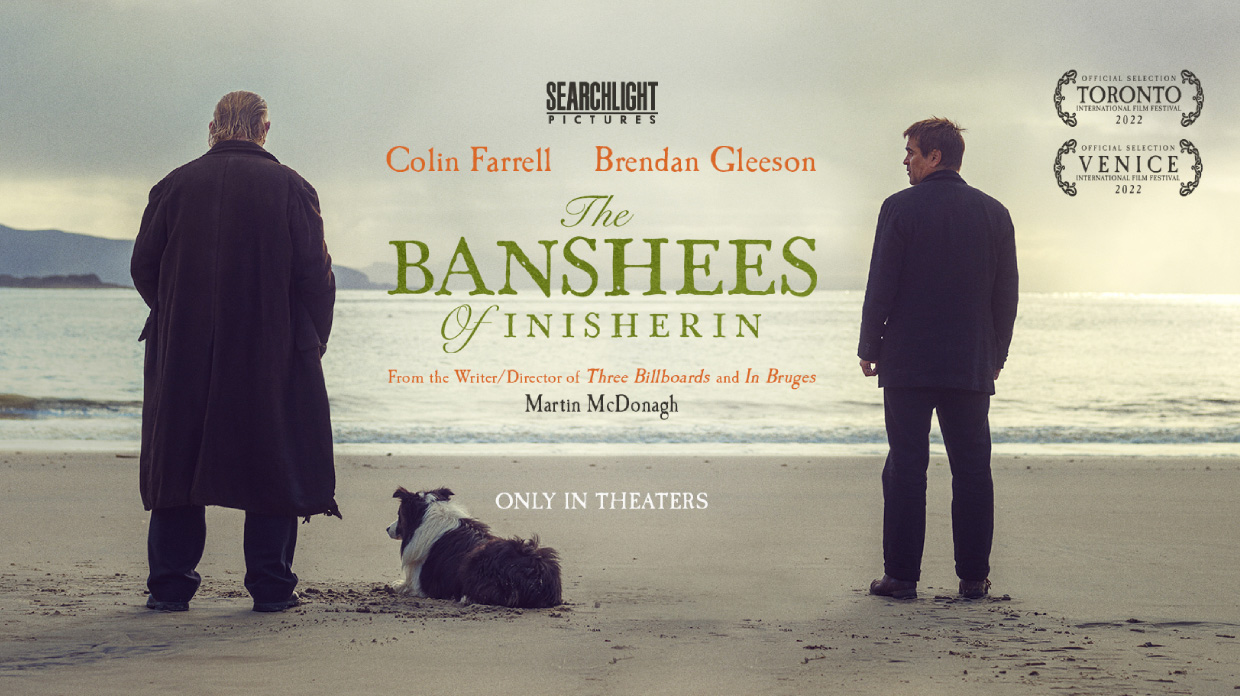
THE BANSHEES OF INISHERIN (2022)
BONES AND ALL (2022)
CODA (2021)
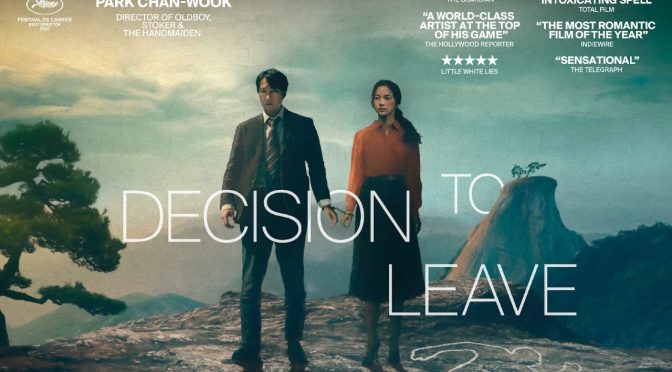
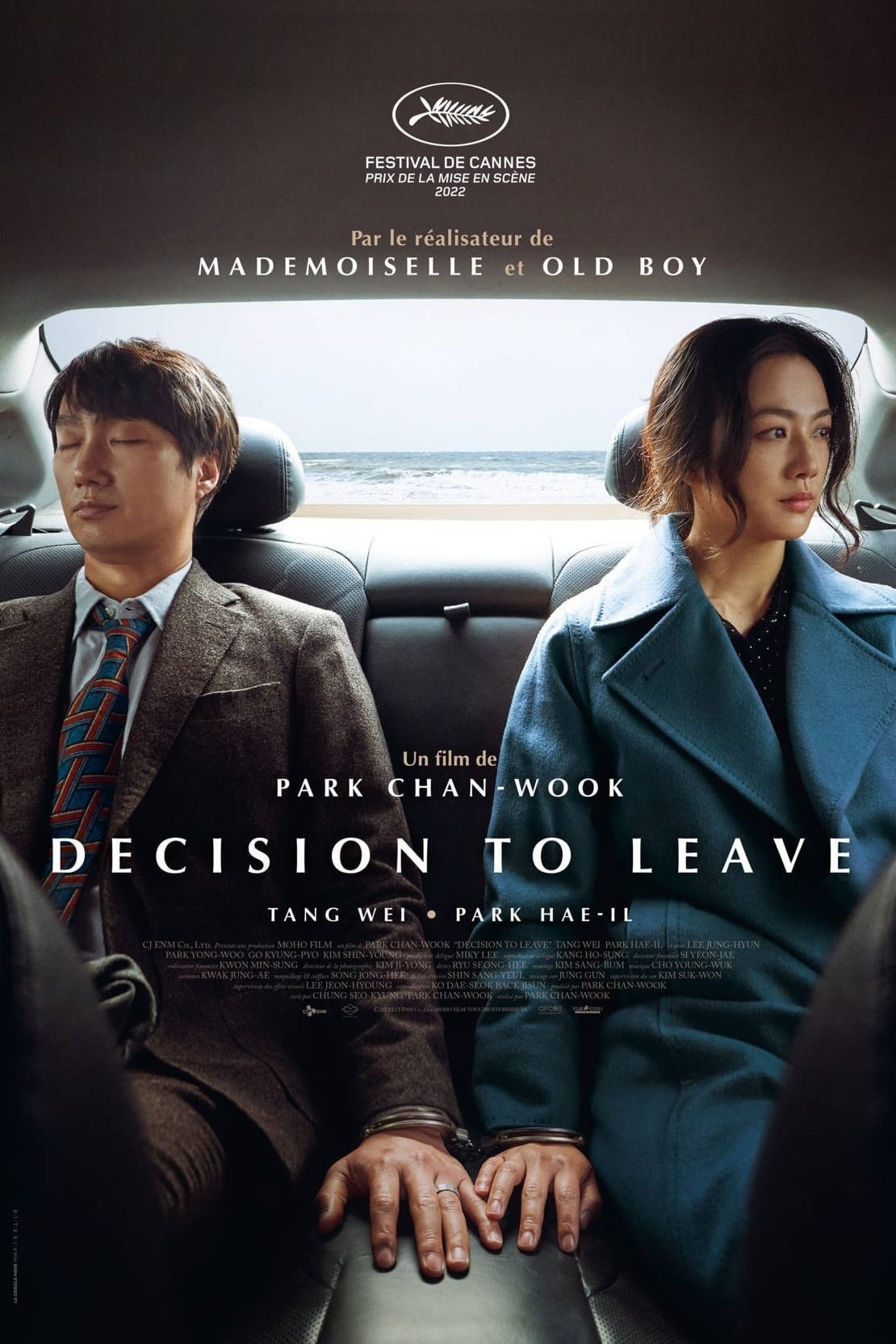
DECISION TO LEAVE (2022)
DOCTOR STRANGE AND THE MULTIVERSE OF MADNESS (2022)
ELVIS (2022)
EVERYTHING, EVERYWHERE, ALL AT ONCE (2022)
THE MENU (2022)
RRR (2022)
TRIANGLE OF SADNESS (2022)


TEN FAVOURITE FILMS OF 2023!

ANATOMY OF A FALL (2023)

“. . . Anatomy of the Fall (2023) is an extremely complex film, both intelligent and thematically powerful. The courtroom exchanges between Sandra, her son Daniel, Samuel’s psychotherapist, the prosecution and defense lawyers are brilliantly written and acted. The flashback arguments between Samuel and Sandra are gut-wrenching and all too familiar to anyone who has been in or witnessed the crumbling of a marital or parental relationship. “


ASTEROID CITY (2023)

“. . .Asteroid City (2023) proves once again Wes Anderson is one of the most original filmmakers of this generation. Will he gain some more converts to his particular set of cinematic bag of tricks? Who knows. What I do know is that I was completely immersed in the colour, movement, pace, humour, aesthetics, performances and themes with the film.


BROKER (2022)

“. . . Broker (2022) arguably has too many intertwining subplots as it strives to redeem all of the complex characters, but the wonderfully believable performances and a brilliant screenplay really grabs you and rarely lets you go. Kore-eda’s direction is, as usual, masterly and assured as he balances the various tones confidently. Overall, this film makes you laugh, cry and is really moving as it highlights that family units can be lovingly born from collective experience, as well as blood.


MAY DECEMBER (2023)

“. . . what unfolds is a superbly acted and understated drama which really gets under the skin and into the mind. While watching the ever-shifting points-of-view and identification with the characters May December (2023) became so compelling to me. . .Acclaimed director Todd Haynes directs this tonally awkward story with a deft touch drawing on the constant grey areas of drama so expertly. “


OPPENHEIMER (2023)

“. . . Where the film truly blooms is when Oppenheimer makes his scientific breakthrough, builds his team of geniuses and the actual construction of the nuclear weapons at Los Alamos. There is palpable suspense (even though we know what happens) in the race with the Germans to make the bomb first. I mean, imagine if the Germans had won the race. It does not bear thinking about. The history of the world would have been irrevocably altered beyond comprehension.


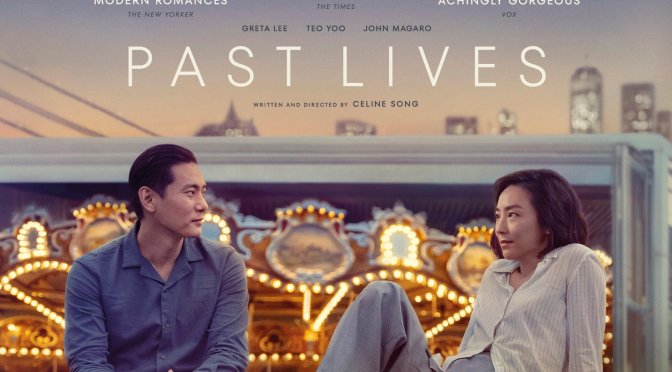
PAST LIVES (2023)

“. . . Without explosions, or car chases, or superheroes or fast-paced cutting or extraordinary heroes defeating powerful foes, Past Lives (2023), is one of the most impactful and memorable films of this year. Celine Song achieves this with a delicate hand in the writing and direction, plus a purposeful naturalistic cinematographic palette delivered by Shabier Kirchner. Above all else Song creates two characters who you root for from the start, willing them to be together, as the one feels the romantic electricity build on the screen. ”


SALTBURN (2023)

“. . . I cannot recommend Saltburn (2023) enough for its fantastically witty script, devastatingly brilliant cast and some quite disgustingly explicit, but contextually justifiable, character moments and scenes. Fennell takes the setting and structure of Evelyn Waugh’s Brideshead Revisited and turns it upside down, spinning a devious tale of infatuation, love, privilege and social climbing. Through the character Oliver Quick, and I really don’t want to give anything away, there is a powerful and jaw-dropping character arc of upward mobility. Rosamund Pike’s and Keoghan’s performances are both amazing and award-worthy.


TAR (2022)

“Tár (2022) is a film which works on many genre and narrative layers. It is a psychological drama, an absorbing character study, a backstage musical, a complex morality play, with suggestions of hallucinatory horror during the final act of the film. It is a triumph of filmic brilliance expertly delivered by Todd Field. It is incredible to think this is only the third film he has directed. “


TOTALLY KILLER (2023)

“. . . I realise Totally Killer (2023) seems so contrived and derivative, but I found it to be an absolute blast. The script is clever and knowing with energetic and fun characters. Kiernan Shipka as Jamie is especially brilliant with great comedy timing and delivery. The filmmakers embrace the joy of time-travel and horror film tropes, and there’s also some excellent set-pieces involving the obligatory 1980’s false-faced psycho with a grudge. “


THE WONDER (2022)

“. . . Is there a better actor around than Florence Pugh? I am not so sure. She is formidably brilliant in every role I have seen her in. I think that Pugh is so clever, emotional and magnetic in her screen performances, none more so than in this intense period drama. Rich in themes including religious control, Catholic guilt and the English stranglehold over Ireland between the dramatic lines in an intimate epic, anchored by Pugh’s dominant force-of-human-nature performance.”


MUBI REVIEW: AFTERSUN (2022)

MUBI REVIEW: AFTERSUN (2022)

Directed by: Charlotte Wells

Written by: Charlotte Wells


Produced by: Adele Romanski, Amy Jackson, Barry Jenkins & Mark Ceryak.

Main cast: Paul Mescal, Frankie Corio, Celia Rowlson-Hall, etc.

Cinematography: Gregory Oke

Edited by: Blair McClendon

Music by: Oliver Coates

***CONTAINS SPOILERS ***


The invisible mist that envelops many human beings and imperceptibly cannot be treated in conventional ways like that of a broken bone, headache or a skin rash. It can be experiential, dependent on one’s life situation or genetically sewn into the mind, blood and persona with often no evident cure. Sure, medicine can be used to push back the fog. However, it’s hit and hope treatment to a chastening fugue that is all encompassing and never ending. According to research, depression effects around 1 in 6 people in the UK each year alone.

Aftersun (2022) is an intimate character study on film written and directed by Charlotte Wells. After creating several critically acclaimed shorts, Aftersun (2022) is Wells debut feature film. It welcomes an intelligent, perceptive and brave new visionary in world cinema. Aftersun (2022) is a hypnotic, mournful and heartbreaking exploration of depression, love, loss and family which quietly pushes the viewer into a beautiful pain that makes it difficult to breathe at times.


This artful drama features Paul Mescal as Calum and Frankie Corio as his 11-year-old daughter, Sophie. It follows their holiday at a Turkish resort on the eve of his 31st birthday. Together, the actors performances and Wells’ subtle direction effortlessly builds emotional power in the father and daughter relationship on screen. Mescal especially is as magnetic as a modern-day Brando, with many soulful scenes of him trying to handle his invisible pain. Sophie is unaware of Calum’s clouding moods as he battles to keep it from her. Holidays are meant to be fun and the father does his best to ensure his daughter is protected from the existential despair. Wells hints at what may happen to Calum in the future, juxtaposing an adult Sophie recalling key moments from the holiday that play out like a raw home movie of haunting reminiscence.

Attempting to portray depression visually is a challenge for any filmmaker. Yet, Wells and their cinematographer, Gregory Oke, use a number of styles to propel the internal conflict of the characters. Sophie often sees her father through the eyes of a camcorder lens and mini-screen. Calum is also framed from behind and through the mirrored distance of a television screen. On occasions, Wells overdoes the artiness of such photographic choices. Mainly because Mescal’s portrayal of Calum is so good, I wanted even more direct focus on his character acting. Yet, one cannot argue with the creative power of Wells’ dialectic choices, notably in the contrast between the sunny Turkish landscapes and pulsating strobe-lit nightclub scenes linking older Sophie and Calum’s internal mindscapes.

Aftersun (2022) has rightfully received critical acclaim and accolades from BAFTA, BIFA and the Oscars. It is a slow burning film which takes patience to connect to. But once you get into the film’s rhythm there are an abundance of cerebral and emotional rewards. As an arthouse genre film Wells combines rites of passage with a deep analysis of grief. Sophie’s family holiday in Turkey is not without humour and joy as she finds real affection and love with her brave father. The tragedy is the not-knowing that this is the last time she will ever spend time with him. Sophie has her home movies and memories of Calum. But it is no substitute for her father being alive. If only he hadn’t stayed forever in life’s departure lounge.

Mark: 9.5 out of 11


CINEMA REVIEW: DECISION TO LEAVE (2022)

CINEMA REVIEW: DECISION TO LEAVE (2022)

Directed by: Park Chan-wook

Written by: Jeong Seo-kyeong, Park Chan-wook

Produced by: Park Chan-wook

Main cast: Tang Wei, Park Hae-il, Lee Jung-hyun, Go Kyung-pyo, etc.

Cinematography Kim Ji-yong

Edited by Kim Sang-bum

*** MAY CONTAIN SPOILERS ***


Park Chan-wook is a proper filmmaker. Like Quentin Tarantino and Martin Scorsese, he embraces the artifice of the visual and aural medium crafting intelligent, thematically surprising and stylistically dazzling works of cinema. While watching his work one can see the clockwork precision of his filmic mind devising every frame, sound, camera move, cut, character action, acting nuance, being thought out expertly. In short: Park Chan-wook’s films are always an event for me and demand attention.

Chan-wook’s only Hollywood directed film was an under-rated gem of a noir thriller called Stoker (2013), after which he returned home to direct erotically charged period thriller, The Handmaiden (2016). This was a bigger-budgeted and thematically richer affair, taking a complex con-artist-twisting-plot and interweaving an explicit feminist love story. Of course, lest we forget Chan-wook’s classic early work, notably the gonzo revenger, Old Boy (2003). I re-watched it recently at the Raindance Film Festival and the furiously inventive exploitation film retains its beautifully transgressive power.

Like The Handmaiden (2016), Decision to Leave (2022) is a romance story set within a complex genre plot. While the former was a period crime film, Decision to Leave (2022) is a contemporary set police procedural with a central premise highly reminiscent of Basic Instinct (1992). Tang Wei as Song Seo-rae is suspected of killing her husband and as investigating cop, Park Hae-il as Det. Jang Hae-jun, delves deeper he finds himself more and more attracted to her. Where The Handmaiden (2016) and Basic Instinct (1992) used nudity and sexual imagery liberally, Decision to Leave (2022) is far more subtle and cerebral. The compelling romance is built on two fine lead performances, the cunning twists in the crime plot and Chan-wook’s masterful visuals with mountain, coastal and city landscapes being employed to powerful impact.


Now I must admit after watching Decision to Leave (2022) I was left slightly underwhelmed at the end from an emotional perspective. The visuals and storytelling were phenomenal, with Chan-wook and his writing partner crafting a devious series of inventive cat-and-mouse set-pieces. The suspense and doubt instilled as to whether Song Seo-rae is a murderer, despite her cast-iron alibi, is palpable. Simultaneously, the arc of the married mid-life crisis-detective, drawn to the suspect, flirting with disaster through flawed choices, creates much tension also. However, I didn’t immediately warm to the detective’s persona and wasn’t sure if I really cared. But I suspect, due to the complexity of the passion on show, a further watch will cement Chan-wook’s specific and symbolic vision.

Beneath the melding of romance, crime, mystery and action genres, I also considered the potential subtext in the screenplay. I wondered if Decision to Leave (2022) sought to explore the socio-political relationship between the nations of South Korea and China via the characters? Song Seo-rae is a Chinese migrant who came to Korea and via marriage was able to remain. An enigmatic soul she uses her wiles to survive, serenely attracting a series of men. But death follows her as closely as the male. Detective Hae-jun is drawn to her both professionally and romantically, no doubt thrilled by the danger. Yet, Chan-wook denies displaying physical consummation, and this makes the film more erotic than endless sex scenes do.

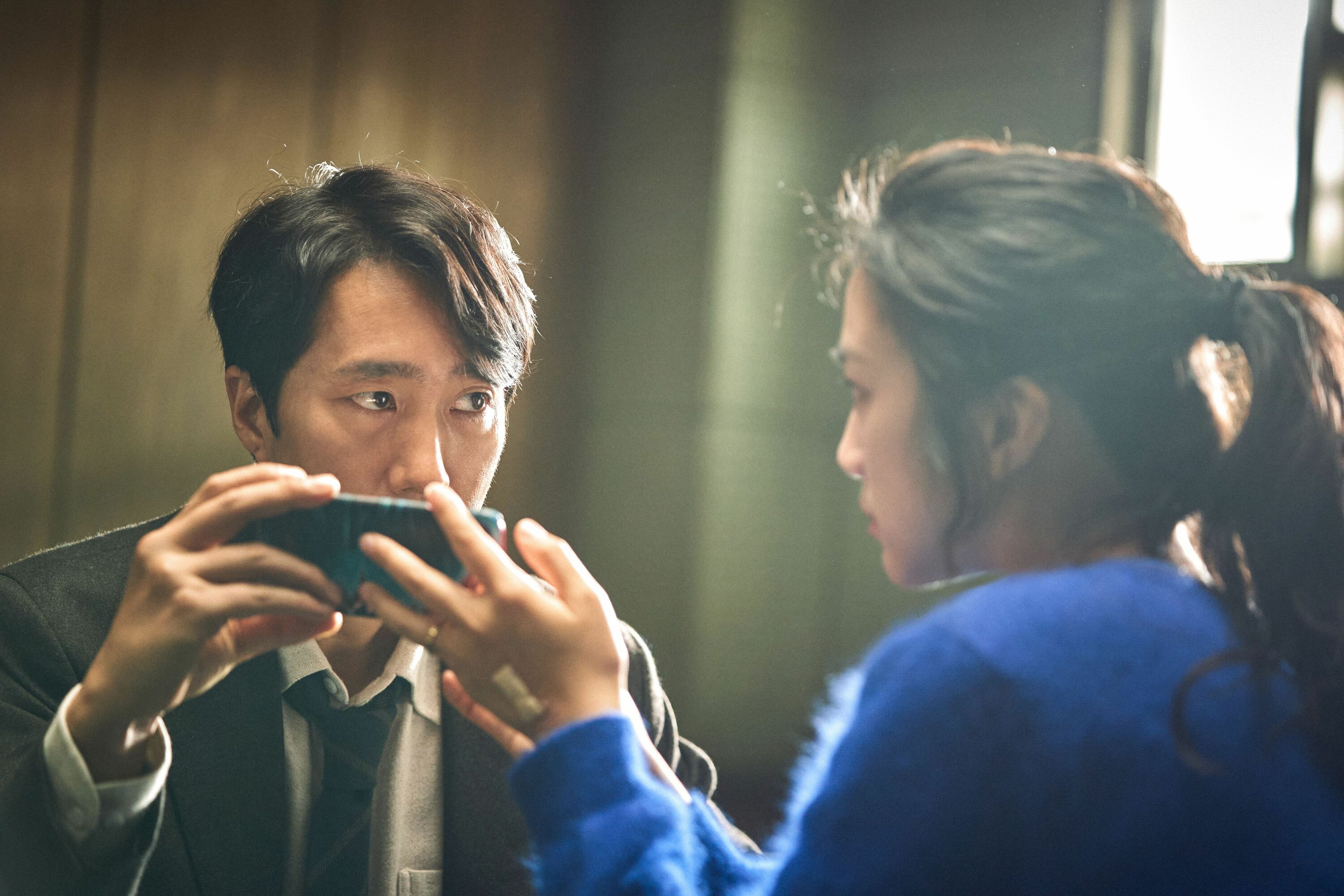
Lastly, Decision to Leave’s (2022) examination of language, both bodily and verbal, is deftly presented as a theme within the romance. The central crime of murder creates suspicion between the Korean and Chinese characters, but there’s a mutual and irresistible pull that cannot be denied. Song Seo-rae’s use of her phone translation application during her exchanges with the Detective create both a barrier and paradoxical intimacy. It’s just one of the fascinating bits of business, as well as the chainmail gauntlet used by the Detective, which elevate an already impressive script. But did Decision to Leave (2022) need to be so evasively complex and full of radiant ambiguity? The ending especially is both poetically exquisite and frustratingly cryptic. With a Park Chan-wook film, would I have it any other way?

Mark: 8.5 out of 11