The Cinema Fix presents: 12 Favourite Films of 2025!
Happy 2026! I feel like I have watched even more films last year at the cinema and the many streaming platforms.
My instinct is it’s been a decent year overall of quality films, especially from independent or what one would class as indie-minded filmmakers. The bigger budgeted films or traditional blockbusters have been mainly not great or I just didn’t enjoy them. Aside from perhaps the entertaining Mission: Impossible finale.
Of all the genres, horror has really risen to the top in terms of overall quality the last few years, doing big box office and being recognised at awards ceremonies too. Having said that, and this could be my age and is nostalgia-driven, I find myself enjoying older, cult and more obscure film releases than the today’s modern film releases.
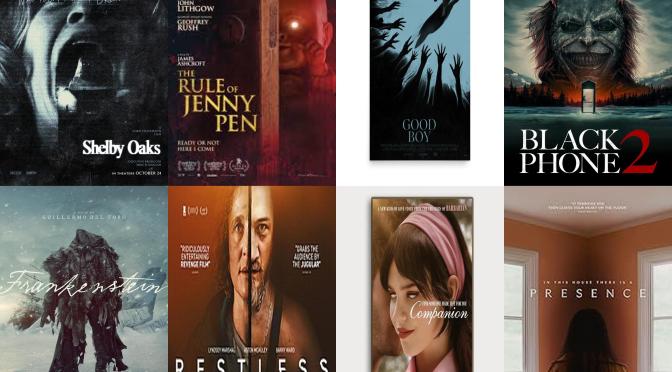
Anyway, here my my 12 FAVOURITE films of 2025. Not the BEST films, but the ones I enjoyed the most. There’s a few high quality, critically acclaimed films which do not make the list including Train Dreams (2025), Sorry, Baby (2025), Eddington (2025), Warfare (2025), Good Boy (2025), The Brutalist (2024) andI’m Still Here (2024), but remember these are my FAVOURITE films of the year.
For reference my favourite films of 2024 are below and here.
ALL OF US STRANGERS (2023) AMERICAN FICTION (2023) HERETIC (2024) THE HOLDOVERS (2023) THE IRON CLAW (2023) LATE NIGHT WITH THE DEVIL (2023) MONSTER (2023) POOR THINGS (2023) THE QUIET GIRL (2023) SPEAK NO EVIL (2024) THE SUBSTANCE (2024) THE ZONE OF INTEREST (2023)
Netflix’s auteur-driven cinema push has seen the platform hand enormous creative freedom—and budgets—to filmmakers like Noah Baumbach, Rian Johnson, Kathryn Bigelow, Edward Berger, and Guillermo del Toro, pairing them with world-class casts and top-tier crews to produce works of unmistakably cinematic ambition.
The paradox is that many of these films—designed with theatrical scale, craft, and seriousness—ultimately premiere to mass audiences via Netflix’s online platform rather than traditional movie theatres, reflecting a fundamental shift in how prestige cinema is financed, distributed, and culturally consumed in the streaming era.
What can you do? Well, pay the Netflix subscription and watch them from the comfort of one’s living room. Here are my reviews with usual marks out of eleven. Happy 2026!
A House of Dynamite (2025)
Kathryn Bigelow’s A House of Dynamite (2025) is an expertly directed and intriguingly structured disaster movie, unfolding across three interlocking chapters that chart a nuclear attack on the United States by an unknown enemy. Each section reframes the same escalating crisis through a different lens—the White House intelligence apparatus, the military response, and the political sphere—culminating in the perspective of the President, played with sensitivity and gravitas by Idris Elba.
As events overlap and repeat, the script cleverly ratchets up tension, revealing new information through subtle shifts in context, while Bigelow’s command of pacing and scale, combined with sterling filmmaking and a who’s-who ensemble cast, keeps the film gripping on a moment-to-moment level. Yet for all its craft, the film ultimately plays like a fear-mongering piece of propaganda and an implicit recruitment advert for the U.S. government and military. Its refusal to name a perpetrator suggest the U.S. has many enemies thus justifying huge spending on defence and weapons. The abrupt ending could be interpreted as brave storytelling, but for me it undercut the suspense, leaving the experience feeling oddly hollow and non-plussed rather than provocatively unresolved.
Mark: 6 out of 11
Ballad of a Small Player (2025)
The Ballad of a Small Player (2025) follows Lord Doyle, played by a magnetic Colin Farrell, as he lies low in Macau, numbing himself on casino floors with deep debt, bad bets, and the stubborn hope that the next hand will fix everything. Farrell is phenomenal here, turning compulsive gambling into a form of slow self-harm, his performance layered with exhaustion, bravado, and quiet panic. When he’s offered a fragile lifeline by the enigmatic Dao Ming, played with poised restraint by Fala Chen, the film hints at redemption.
Director Edward Berger and his production team deliver a ravishingly beautiful film, capturing Macau’s neon glow and claustrophobic interiors as both seduction and trap. At its best, the film is a melancholy character study about addiction for a protagonist who is often deeply annoying and morally bankrupt. However, the final act falters, introducing fuzzy, unearned twists that soften the film’s harder truths and dilute its emotional impact. While the journey is engrossing and Farrell’s performance alone makes the film worth seeing, the conclusion ultimately cheats the audience out of a powerful Uncut Gems (2019)-style denouement.
Mark: 7 out of 11
Frankenstein (2025)
Is Guillermo Del Toro’s big budget adaptation of Mary Shelley’s classic gothic novel really necessary? There are much better versions out there, yet, Netflix and Del Toro certainly thought so. Oscar Isaac is a great actor but miscast or misdirected here for me. Then again, even in Shelley’s seminal novel Dr Frankenstein is a colossal whinger! Thankfully, Jacob Elordi gives a hearty and emotional rendition of the tragic creature, who again is the most interesting character. Safe to say the majestic production values provide a visual and aural feast, but, aside from a scintillating opening in the North Pole, Del Toro’s slog of a script ultimately fails to bring Shelley’s story to life in a sustained enjoyable fashion. Don’t get me wrong, the production and design is of the highest order but I just didn’t connect emotionally or philosophically or even as a horror fan.
Mark: 6 out of 11
Jay Kelly (2025)
Jay Kelly (2025) is a mild, reflective comedy drama that sees George Clooney doing what he’s long perfected: playing a famous film star grappling with past and present relationships while barely appearing to break a sweat. As Kelly travels to Tuscany to collect a lifetime achievement award, the film drifts between memories, regrets, and professional compromises, offering Clooney ample opportunity to deploy his trademark charm—stretching his range (not), but doing so with effortless ease. The more grounded emotional texture comes from Adam Sandler, who is quietly excellent as Kelly’s long-suffering manager, bringing a lived-in, humane quality that feels more emotionally honest.
Director Noah Baumbach has delivered far sharper and more incisive work and Jay Kelly (2025) never quite pushes its Hollywood satire of spoiled first-world creatives as far as it could. Still, there’s an undeniable pleasure in Baumbach’s dialogue and structure, with clear echoes of Wild Strawberries (1957) and 8½ (1963) filtering through in its introspective, memory-haunted moments. The film ultimately has its cake and eats it—content to indulge its characters rather than interrogate them—but it remains a very pleasant cake all the same: soft, well-made, and easy to enjoy.
Mark: 7 out of 11
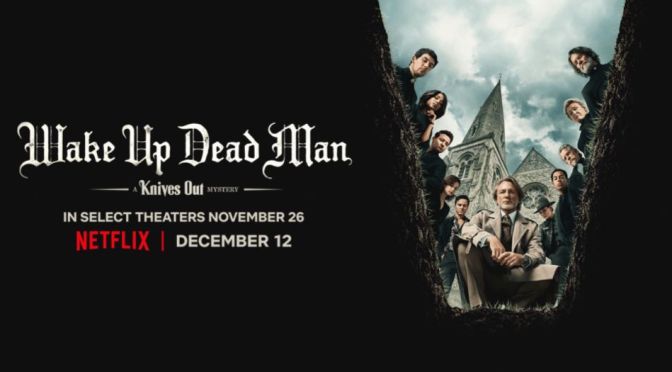
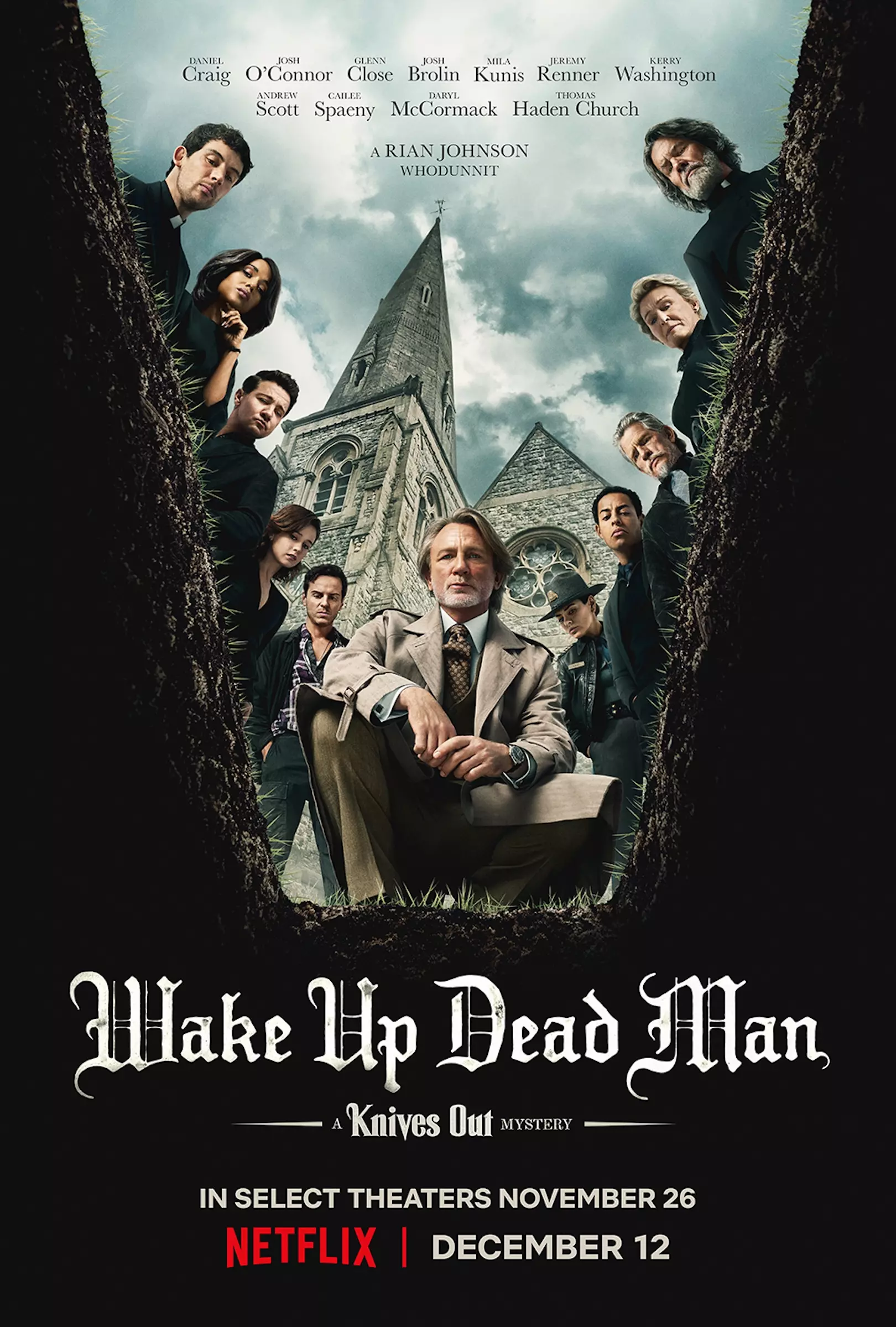
Wake Up Dead Man: A Knives Out Mystery (2025)
Wake Up Dead Man (2025) stands as the clear high point of Netflix’s auteur-driven releases from November and December 2025, confirming Rian Johnson as a post-modern master of the classical whodunnit. Once again drawing from the elegant clockwork of Agatha Christie’s works, Johnson constructs a devilishly complicated mystery centred on the murder of the tyrannical Monsignor Wicks, played with thunderous menace by Josh Brolin. The suspect list is gloriously stacked—church staff and parishioners portrayed by Glenn Close, Jeremy Renner, Kerry Washington, Andrew Scott, Cailee Spaeny, Daryl McCormack, Thomas Haden Church, and a young visiting priest, Jud Duplenticy (Josh O’Connor)—each performance feeding into a puzzle that’s as playful as it is precise.
What elevates the film beyond genre excellence is its sharply observed character work, particularly in the portrayal of Wicks as a Trump-like authoritarian figure ruling his congregation through fear and humiliation. Johnson smartly frames the mystery as a moral clash between Old Testament wrath and New Testament compassion, allowing the film to interrogate power, faith, and hypocrisy without ever losing its entertainment value. The script crackles with brilliant one-liners and sly, witty exchanges, especially when Daniel Craig’s Poirot-style detective peels back layers of deceit with theatrical relish. Among the ensemble, Josh O’Connor delivers a superbly nuanced performance, injecting emotional specificity and intelligence that rise above what could have been more generic material. Clever, funny, thematically sharp, and immaculately engineered, Wake Up Dead Man isn’t just Netflix’s best auteur offering of the season—it’s one of Johnson’s most satisfying achievements to date.
In the languid drift of autumn, when Halloween’s shadow lengthens and winter begins its slow, expectant inhale, the world seems to slip into a more suggestive register—one where every rustling leaf feels like a whispered omen. It is, of course, the most appropriate season to surrender to the year’s latest horror releases, as though communing with these cinematic phantoms might prepare us—spiritually, aesthetically—for the deeper darkness to come.
Which basically means I have been catching up with some 2025 horror film releases I missed at the cinema during autumn. A couple of these probably warrant more in depth solo reviews, but as I edge closer to old age and the reaper’s scythe, I am economizing somewhat.
*** MAY CONTAIN SPOILERS ***
Black Phone 2 (2025)
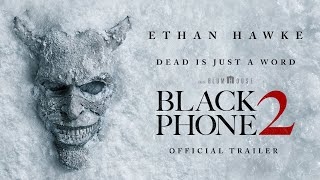
Scott Derrickson and co-writer C. Robert Cargill deliver a sequel to The Black Phone (2021) with Mason Thames, Madeleine McGraw, Jeremy Davies, and Ethan Hawke reprising their roles from the first chiller. I actually enjoyed this one more than the original, which despite the clunky set-up, finds the siblings and others trapped in a teen camp hit by a blizzard. They find themselves hunted and haunted by both The Grabber (Hawke) and other ghostly spirits haunting the area. Derrikson throws a lot of horror tropes and the characters (literally in certain scenes) at the walls, and much of it sticks. Having said that, I still don’t think The Grabber is the scariest villain ever committed to screen, despite Hawke’s presence. (Mark: 7.5 out of 11)
Companion (2025)
Companion (2025) feels like Garland’s Ex Machina (2014) colliding elegantly with Fargeat’s feral Revenge (2017)—a sunny day-horror fable that hides its nastiest surprises in plain sight. Its twists are sharp, its aesthetic confident, and its ideas far more ambitious than its modest surface first suggests. I would have admired it even more were it not, on occasions, completely dumb. Plus, the occasional drift into a comedic register undercuts its more incisive moments. The beautiful Sophie Thatcher once again commands the screen with the same riveting presence she brought to Heretic (2024). Mark: 8 out of 11.
Graduation Day (1981)
Thanks to Bobby Carroll’s site for reminding me about slasher film, Graduation Day (1981), as I had completely forgotten about it. High quality kills and gore mask a screenplay which has more nudity than character development. Yet, I am a sucker for these 1980’s exploitation flicks and this is a watchable one. Mark: 6 out of 11
Good Boy (2025)
An low-budget horror film triumph with Ben Leonberg directing his own dog, Indy, a Nova Scotia Duck Tolling Retriever, as the only witness to nasty spirits threatening his owner. The film emerges as a formal tour-de-force, whose meticulous composition and deliberate pacing elevate its simple premise into something unexpectedly resonant. Its visual precision and rhythmic control shape an atmosphere of dread that feels more sculpted than sensational, grounding the film in an emotionally impactful narrative about loyalty, vulnerability, and the unsettling spaces between trust and fear. For all its craft, and impressive animal direction, the film doesn’t quite sustain a relentless menace throughout. But, it remains a memorable feature debut from Leonberg and Indy the dog. Mark: 8.5 out of 11.
Presence (2025)
In Presence (2024), David Koepp and Steven Soderbergh demonstrate just how potent a one-location horror film can be when discipline and imagination converge. The entire piece unfolds like a controlled exhale: a slow-build structure that trusts the audience to lean in, and a drifting, almost contemplative camera that adopts the ghost’s POV to quietly—sometimes imperceptibly—reveal fragments of the story. Instead of overplaying its hand, the film slow-drips its plot elements with an elegance that keeps tension suspended in the air, letting unease pool in the corners of an otherwise ordinary space. By the time it reaches its finale, Presence (2024) delivers not only a surge of emotional and thematic clarity but two genuinely surprising twists—earned, unsettling, and executed with the kind of precision that affirms both writer and directors’ mastery of the form. Mark: 8.5 out of 11.
Restless (2024)
Really good independent British thriller with Lyndsey Marshal as a nurse, Nicky, who finds herself terrorized by 24-hour partying thug neighbours. Writer-director Jed Hart creates great empathy and identification with the situation and it’s a shame decent British films like this get short shrift at the multiplexes. Nicky’s spiral into insomnia-driven madness is compelling as her desperate attempts to sleep give way to vengeance. But the film’s final act tonal turn denies us a full-on descent into suburban hell, for something amenable but unfortunately less twisted. Mark: 7.5 out of 11
The Rule of Jenny Pen (2025)
The Rule of Jenny Pen is an original, weird, and powerful shock of a film — a mash-up of psychological thriller and nursing-home horror that lands far more often than it stumbles. Its greatest strength is, without question, the towering performances at its centre. Geoffrey Rush and John Lithgow, two masters of calibrated gravitas, turn the film’s cat-and-mouse mind game into a gripping acting showcase. Together, they elevate the film’s themes of aging, vulnerability, and institutional neglect into something both unsettling and strangely beautiful. The plotting, however, does get a bit sticky toward the end. The final act jars slightly, causing me confusion in an otherwise tight psychological narrative. Still, even as the story wobbles a tad, the film’s originality, eerie tone, and powerhouse acting keep it compelling. Mark: 8 out of 11
The Woman in the Yard (2025)
The Woman in the Yard (2025) rises on the strength of Danielle Deadwyler’s commanding lead performance. As a mother trying to protect her two children from a funereal spirit lingering in their backyard, Deadwyler grounds the supernatural dread with raw emotional honesty. The child actors match her with a believable, lived-in family dynamic that makes the haunting feel all the more personal. Where the film falters is in its structure. The script leans heavily on crow-barred flashbacks that interrupt rather than enrich the unfolding tension. A more linear approach could have built a stronger emotional momentum, allowing the story’s grief, guilt, and mental illness to accumulate naturally instead of stuttering backward at key moments. (Mark: 6 out of 11)
Together (2025)
Together (2025) gets an immediate boost from the casting of real-life couple Alison Brie and Dave Franco, whose natural chemistry gives the film an authentic emotional core. As a pair trying to rebuild their relationship after moving from the city to a rural small town, they convincingly inhabit the tensions, resentments, and unspoken fears that surface long before the horror does. Their incompatible expectations feel lived-in — and once they tumble into a sinkhole and the strange bodily transformations begin, that emotional groundwork makes the nightmare hit harder.
I loved the trailer for this film, which promised a truly skin-crawling descent into body-horror chaos. The final product, while atmospheric and often engrossing, doesn’t fully deliver on that promise. It pulls back when it could push further, leaving some of the more disgusting, surreal possibilities off-screen. But the ending — bold, surprising and unexpectedly poignant — is a fantastic payoff. Even if the film doesn’t always reach the extremes it teases, Together still manages to leave a memorably twisted impression. Mark: 8.5 out of 11
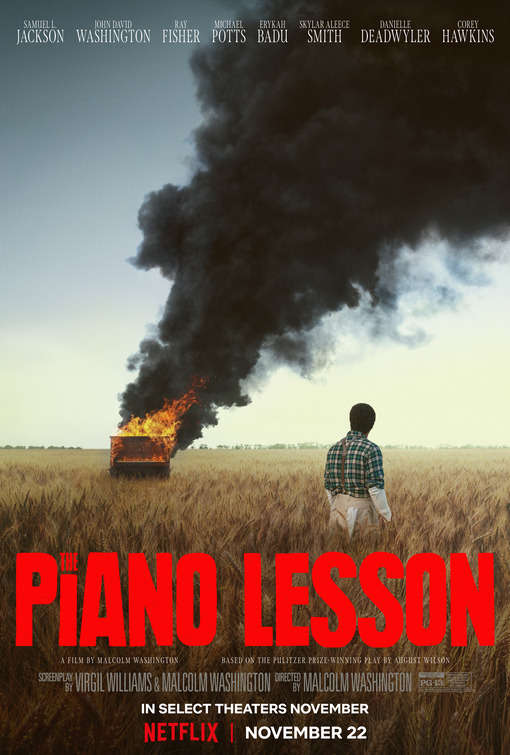
Screenplay by Virgil Williams & Malcolm Washington
Based on The Piano Lesson by August Wilson
Produced by Denzel Washington & Todd Black
Main cast: John David Washington, Danielle Deadwyler, Samuel L. Jackson, Ray Fisher, Michael Potts, Erykah Badu, Skylar Aleece Smith, Corey Hawkins, and more.
Cinematography by Mike Gioulakis
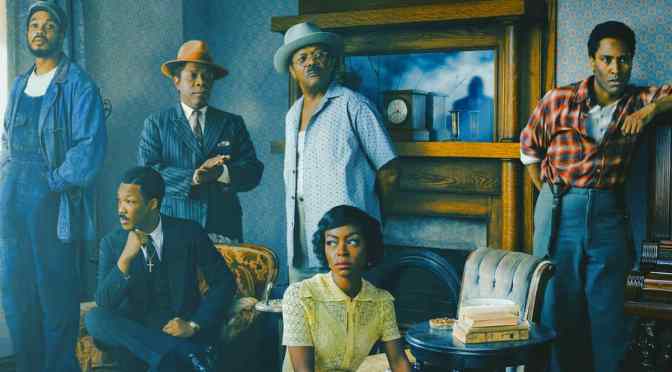
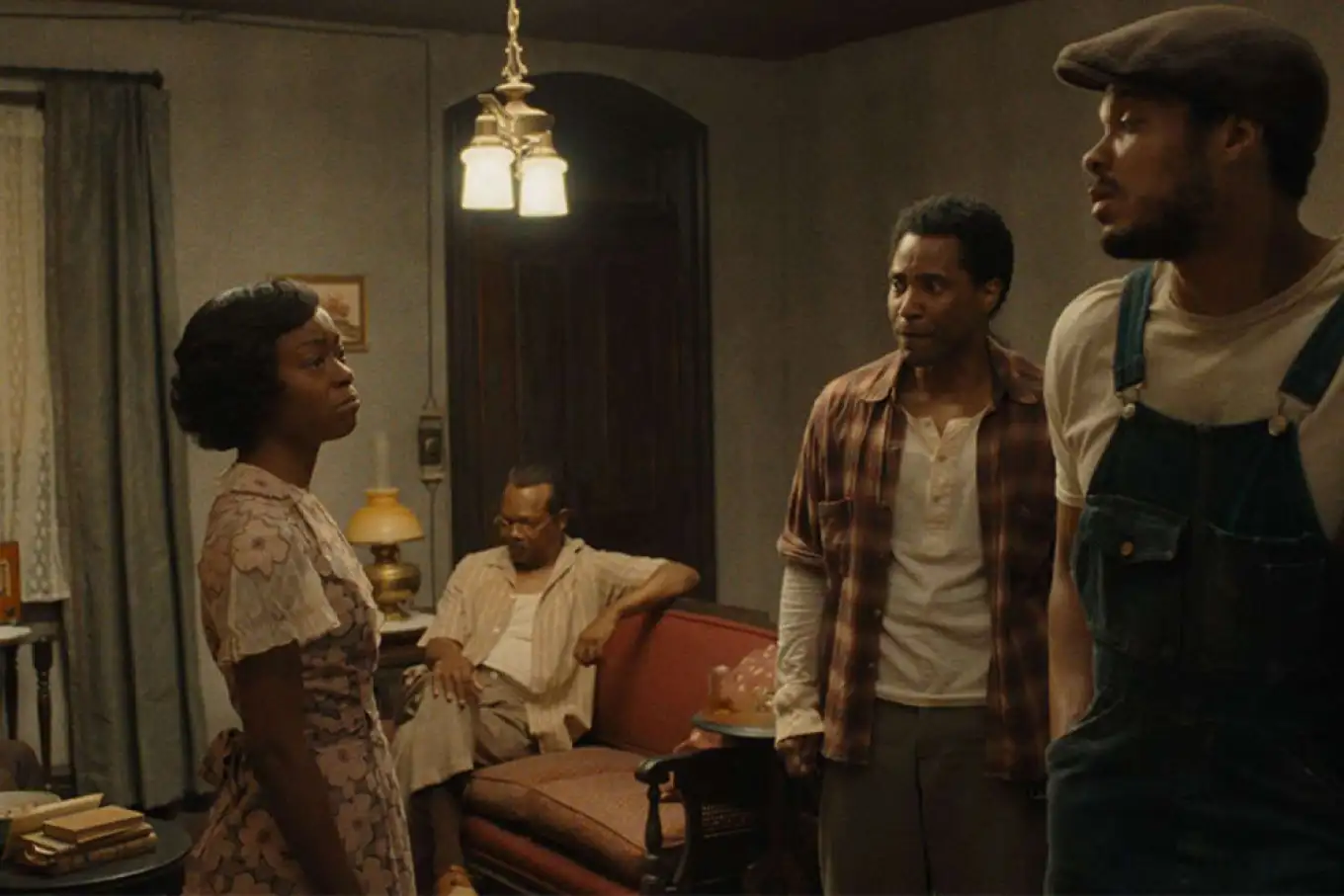
Malcolm Washington’s directorial debut, The Piano Lesson (2024), is a poignant and evocative adaptation of August Wilson’s 1987 play, set in 1936 Pittsburgh. Through a compelling narrative and an exceptional cast, Washington explores themes of heritage, familial conflict, and the enduring impact of racial oppression.
Washington, alongside co-writer Virgil Williams, expands the original stage play’s confines by incorporating flashbacks and supernatural elements, enriching the narrative’s depth and scope. The film centers on the Charles family, particularly siblings Boy Willie (John David Washington) and Berniece (Danielle Deadwyler), who are at odds over the fate of a family heirloom piano. Boy Willie wishes to sell the piano to purchase land that once belonged to their ancestors, while Berniece views the instrument as a sacred connection to their past.
The piano, intricately carved with images of the Charles family’s ancestors, serves as a powerful symbol of their history and resilience. For Boy Willie, it represents a means to break free from the shackles of the past and build a future of self-sufficiency. Conversely, Berniece sees it as a testament to their survival and a link to the sacrifices made by their forebears. This dichotomy underscores the central conflict: the tension between honoring tradition and pursuing progress
The film delves into the complexities of familial bonds and the differing perceptions of heritage. Boy Willie’s desire to sell the piano reflects a yearning to move beyond the constraints of history, while Berniece’s attachment signifies a commitment to preserving their lineage. At the same time she mourns the loss of her husband and combats romantic offers from local suitors. Her struggles truly power the piece and the familial clashes further embody the broader struggle within African American communities: reconciling the weight of history with the aspirations for advancement. The supernatural elements, particularly the haunting presence of the plantation owner, Sutter’s ghost, are delivered effectively. They also amplify the narrative’s exploration of unresolved trauma and the need for reconciliation.
The ensemble cast delivers standout performances, with John David Washington portraying Boy Willie’s fiery ambition and Danielle Deadwyler capturing Berniece’s steadfast resolve. How Deadwyler did not even get an Oscar nomination for Best Actress in a Supporting Role is beyond me. Moreover, Samuel L. Jackson offers a subtle, unselfish and grounded portrayal of Doaker, the family patriarch. Washington’s direction ensures a respectful adaptation, balancing the play’s rich and passionate dialogue with cinematic elements that enhance its emotional resonance.
Overall, Malcolm Washington’s The Piano Lesson is a resounding adaptation that honours August Wilson’s legacy while providing a fresh perspective on timeless themes. Through its rich symbolism, compelling performances, and thoughtful direction, the film invites audiences to reflect on the complexities of heritage, the burdens of history, and the paths toward healing and progress.
As is standard procedure when one creates a part one of a series, the logical and linear progression is to have a part two. So, having watched the majority of the AppleTV+ films currently streaming I now move onto part two. The first set of reviews can be found here:
For some unknown alphabetical amnesia I forgot to include this Oscar -winning film in the first set of reviews, so I rectify that omission now. Arguably one of the best films on the platform, it is simultaneously a feelgood, tearjerker and a Save-the-Cat-screenplay-template-box-ticker hitting wholly familiar beats and a well-trodden genre path. Nonetheless, it is a terrifically entertaining, moving, funny and heart-warming story which, on reflection kind of surprisingly won the Academy Award for best film. I personally think another remake West Side Story (2021) was a far more scintillating work of cinema, but hey what do I know? My original review of Coda (2021) can be found below. Mark: 9 out of 11.
Of late Chris Evans has been choosing roles, as with Red One (2024), that go against the Alpha-heroic persona of Captain America. Unfortunately, Knives Out (2019) aside, the results are average at best. Aside from a series of amusing cameos in the middle act, not even the alluring Ana De Armas can save this clunky AI-written-spy-romance. With better scripting and direction this attractive action fluff could’ve been almost bearable. I remember when Dexter Fletcher made really good low-budget indie films likeWild Bill (2011). Mark: 5 out of 11.
The Gorge (2025)
I really enjoyed this big-budget-romantic-monster shoot-em up. I need to watch it again sober before deciding if it is going to make my top films of the year list or did I love it because I was drunk. Miles Teller and Anya Taylor-Joy revel in fine on-screen chemistry as the physical and symbolic divide provides no barrier to their lustful wants. My full review can be found below. Mark: 8.5 out of 11.
Likeable every-guy, Chickie Donohue (Zac Efron), has the crazy notion of hand delivering beer to his buddies fighting in Vietnam. But his naïve morale-boosting trip soon becomes an eye-opening and perspective changing nightmare. There’s a really good dramatic character arc in this historical 1968-set “road” movie but the comedic tone dilutes the overall catharsis of the journey. Efron is full of energy while the formidable presence of Russell Crowe is memorable if woefully under-used. Mark: 7 out of 11.
Greyhound (2020)
A fast-paced and technically impressive WW2 film with Tom Hanks portraying the Commander of a destroyer battling to survive an enemy onslaught amidst a part of the sea called ‘the Black Pit’. It’s been a while since I watched this but recall it being a solid suspense thriller with great production design and effects, although a little light on meaty character development. Mark: 7 out of 11.
The Instigators (2024)
Matt Damon and Casey Affleck team up once again for this underdog heist film which tries to be funny and dramatic, but misses the nuanced tone a director like Steven Soderbergh can deliver. I kind of enjoyed this because I like Damon, Affleck and Hong Chau, but many scenes suffer from the sense the actors are “improvising” and rewriting the script as they go along. Also, why can’t we have some proper 1970’s hard-boiled crime films like Sam Peckinpah and David Mamet used to deliver. Not all robbery films have to have one-liners throughout. Mark: 6 out of 11.
Killers of the Flower Moon (2023)
My critical feelings of Martin Scorsese’s most recent epic did not shift on the second watch. This profile of the horrors that befall the Osage people after they have struck oil remains compelling. Indeed the film contains powerful themes relating to the greed, power and psychopathy of the white man, but focusing the main thrust of the narrative from their perspective creates a skewed and oddly unimpactful viewing experience. Of course, Scorsese’s filmmaking expertise shines through and the performances are terrific. Mark: 8 out of 11. My full review is here:
I felt more than a tad unlucky after watching this animated misfire which didn’t work on any level. I know hundreds of crafts-people worked hard creating this, but why not spend a bit more time on the script. Or film another script altogether. The fact that the budget for this film is reported to be $140 million and there are people starving in the world is a travesty against humanity. Mark: 3 out off 11.
Napoleon (2023)
I haven’t had the spiritual gumption to re-watch this messy biopic from Joaquin Phoenix and Ridley Scott. There’s a four-hour directorial version to contemplate watching too. Oh, if only Stanley Kubrick had made his version. My original review is below. Mark: 7 out of 11
Justin Timberlake again proves himself an adept leading man, having successfully graduated from the Disney-groomed production line he started out on. Palmer (2021) is overall a well-acted and directed redemptive crime drama, which also tackles themes relating to gender nonconformity to differentiate the well worn “parolee-trying-to-go-straight” narrative. Mark: 7 out of 11.
Sharper (2023)
Sharper (2023), directed by Benjamin Caron, skillfully uses classic con artist film tropes to craft a layered and compelling drama. By blending familiar elements of the genre with sleek cinematography and a nonlinear narrative, the film elevates itself above typical heist fare and leans into character-driven storytelling. The terrific cast, notably Julianne Moore, have fun with a genre script containing emotional depth, deliberate pacing, and decent characterisation. Mark: 7.5 out of 11.
Tetris (2023)
Tetris (2023), directed by Jon S. Baird, turns the unlikely origin story of a video game into a surprisingly engaging Cold War-era techno-thriller—at least for a while. Rooted in real historical tensions, the film smartly weaves espionage, corporate greed, and political paranoia into the story of how a simple puzzle game became a global phenomenon. However, its descent into exaggerated action sequences, particularly the climactic chase, turns it into something closer to parody than period drama. It’s a film that ultimately undercuts the suspense by choosing spectacle over substance. Mark: 7 out of 11
Apple TV+ has had an interesting trajectory since it launched in November 2019. While it entered an already crowded streaming landscape, it quickly distinguished itself—particularly with its high-quality original series, even as its film offerings have been a bit more inconsistent.
Apple TV+ has rightly earned a reputation for premium TV content, often described as “curated” and “prestige-focused.” Some standout series include: Ted Lasso, Slow Horses, Pachinko, Severance, The Morning Show, Bad Sisters, Dickinson, and many, many more. These shows share a few key traits: strong writing, high production values, and a willingness to take creative risks. Apple’s deep pockets have allowed them to secure A-list talent and give creators the freedom to execute ambitious visions.
When it comes to films, Apple TV+ has seen a less consistent track record. While the platform has had some critical hits, the overall output hasn’t matched the buzz or consistency of its series. Over the last year or so I have watched the majority of the films they have produced and have now consolidated them in a series of short reviews for your consideration. Marks out of 11 and links to the longer reviews where applicable.
A Charlie Brown Thanksgiving (1973)
A trip down memory lane watching this classic short focusing on the quirky adventures of hapless Charlie Brown, his friends and of course, Snoopy. Simple, but effective animation, and wonderfully mellow soundtrack make this a memorable comfort watch. Mark: 8 out 11
Argylle (2024)
Matthew Vaughn’s directorial career started really strongly and he soon carved out an excellent C.V. consisting of some fantastically entertaining genre films. But this tonally chaotic spy comedy-actioner is so laughably awful I actually thought I was watching an Airplane-style parody. The mildly-meta screenplay offers the occasional spark and Sam Rockwell is great as always. Mark: 4 out of 11
The Banker (2020)
Absorbing drama based-on-the-true-story of two entrepreneurs, portrayed brilliantly by Anthony Mackie and Samuel L. Jackson, who expertly circumnavigate the racism of 1950s while starting a successful real estate business. Nicholas Hoult also excels as the eager front man they employ to be the face of their business. Mark: 8 out of 11
Blitz (2024)
“. . . Blitz (2024) is McQueen’s beautifully filmed and noble testament to the strength and resilience of the human spirit during wartime.” Read the full reviewhere.Mark: 8 out of 11.
Bread and Roses (2023)
A gut-wrenching documentary about the female activists protesting the oppressive decision to deny them the rights to education past sixth grade, work, and walking unaccompanied in public following the Taliban’s takeover of Afghanistan. One of those humanist documentaries that leaves you feeling depressed and powerless at the injustice of such grave socio-political events. The women at the heart of the film show incredible bravery in the face of threats, violence and ultimately murder. A compelling yet almost impossibly sad watch. Mark: 9.5 out of 11
Causeway (2022)
Character drama centring on themes relating to PTSD and grief, presents fine acting performances from Jennifer Lawrence and the fantastic Brian Tyree Henry. Compelling indie vibes bubble along without ever coming to a serious boil. Lawrence’s company co-produced this film and Bread and Roses (2023), before undoing a lot of the good work with the weirdly well-reviewed but pretty dire, fake-naked comedy, No Hard Feelings (2023).Mark: 7 out of 11.
Cherry (2021)
The Russo brothers certainly know how to deliver an entertaining and homogenous Marvel blockbuster, but this Tom Holland PTSD-burnout crime drama is over-directed, over-long and overall a painful misfire. Mark: 5 out of 11.
Emancipation (2022)
A very solid period drama with Will Smith as an escaped slave, Peter, who battles against the odds to find freedom. Covers much of the same ground as other better emancipation and war films, but Antoine Fuqua delivers stirring genre cinema with Ben Foster, once again, stealing scenes as a vicious slave hunter. Good story although the civil war fighting came too late in the final act structure for me. Mark: 7 out of 11.
The Family Plan (2023)
The normalization in Hollywood of the government assassin theme dominates this entertaining garbage with Mark Wahlberg as a suburban family guy with a hidden secret. Some okay gags and shoot-out action amongst the AI-created plot that’s based on about twenty different way better movies. Mark: 5.5 out of 11.
Finch (2021)
Tom Hanks stars as the eponymous Finch, in this stylish “last-man-on-Earth” apocalyptic drama. I loved the design and look of this film but dramatically it unfortunately it’s not as roasted as the radiated Earth it’s set on. Echoes of Castaway (2000) meets Silent Running (1972) but Hanks just doesn’t let rip as he did on the desert island or as much as the pulsating Bruce Dern did. So, Finch (2021) is mostly too sombre and understated for me to recommend wholeheartedly. Mark: 6.5 out of 11.
Fly me to the Moon (2024)
There’s a really good historical drama, a really good romantic comedy, a really good sci-fi-conspiracy thriller and really good satire in Fly me to the Moon (2024), however, such genres overlap and suffocate each other ultimately during the running time. Channing Tatum and Scarlett Johannson add shine and depth to their characters, yet the tonal shifts from serious space race drama to camp fake moon landing and filmmaking gags stop the film from really soaring into orbit. Still, there’s a lot to enjoy about this beautifully rendered and pacy late-60s era production. Mark: 7.5 out of 11.
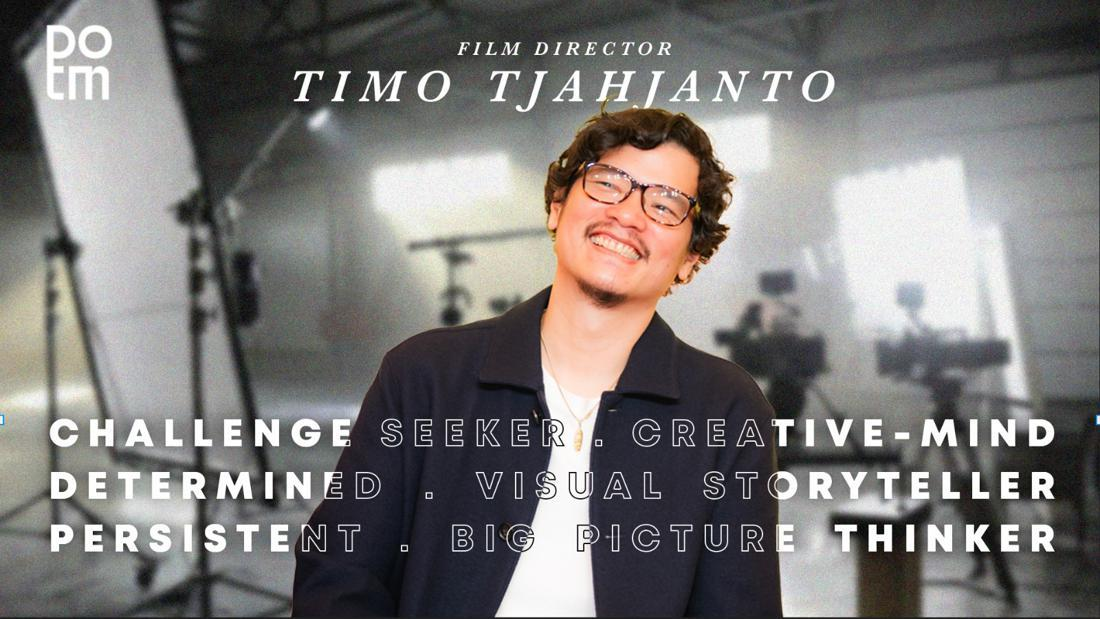
When Welsh filmmaker Gareth Evans burst on the cinematic scene with martial arts film, Merantau (2009) and followed it with the seminal action classic, The Raid (2011), he precipitated a welcome interest in Indonesian cinema and visceral fight films too. On reflection, Evans’ rise has influenced Indonesian director, Timo Tjahjanto, and their collaboration played a significant role in shaping the latter’s career. The two directors worked together on the action-packed Safe Haven segment of the anthology film V/H/S/2 (2013), which gained critical acclaim for its intensity and creativity. This partnership showcased Tjahanto’s knack for blending horror, action, and suspense, a style Evans is also known for through his work on the aforementioned The Raid series.
Thus, as a massive fan of The Raid (2011), I decided to watch Tjahjanto’s most recent Netflix releases. Their shared focus on high-octane action and stylized, bloody violence has led to comparisons between each of the filmmakers’ work and a sense of mutual inspiration. Tjahjanto has often expressed admiration for Gareth Evans’ meticulous approach to action choreography and storytelling. Evans’ ability to balance fast-cutting action, physically powerful actors and pulsating sound effects likely resonated with Timo, who has implemented similar techniques in his own films.
Here are three short reviews of those Netflix actioners from Tjahjanto, who is soon to be directing Nobody 2 (2025). I realise scenes where characters are garroted, decapitated, strangled, snapped, shot, hung and impaled with their own splintered bones are not the most seasonal of films to recommend, but if you absolutely love fist-blade-gun-bomb-stick-knife-head-tools-led set-pieces then do check them out.
** MAY CONTAIN SPOILERS **
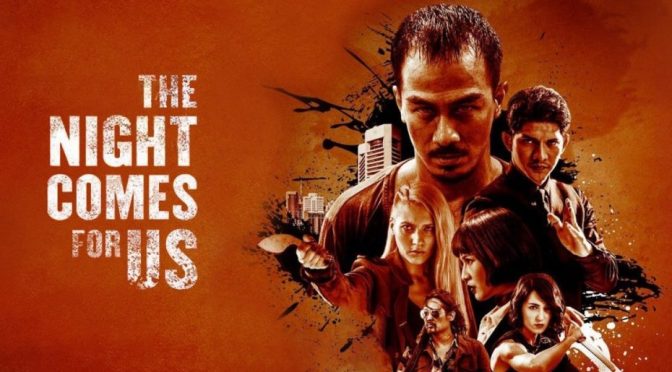
THE NIGHT COMES FOR US (2018)
Main cast: Joe Taslim, Iko Uwais, Julie Estelle, Sunny Pang and Zack Lee
Fans of the The Raidseries will recognise Iko Uwais immediately, however, he is not the main hero in this frenetic and ultra-violent crime thriller. Not that there are not many heroes on show here. Tjahjanto is very much a genre writer and director, presenting big archetypal gangs involving the South East Asian Triads, groups called ‘The Big Six’ and characters called ‘The Operator.’ While there is an attempt to create emotion, Tjahjanto’s strength is in directing and choreographing blistering battle scenes between these various gangs.
The Night Comes For Us (2018) plot finds Joe Taslim’s, Ito, as enforcer saving a young girl’s life and trying to turn his back on crime and violence. It’s easier said than done as all hell breaks loose when various crime factions pursue him in a myriad of ferocious set-pieces. Here Tjahjanto vision of violence serves as more than just a tool for storytelling; it becomes an overwhelming, nihilistic force that shapes the film’s worldview and emotional tone. The relentless brutality and graphic depiction of human suffering go beyond entertainment, creating a numbing effect that forces viewers to confront the inescapable cycle of destruction and loss. The theme of redemption is at the heart of Ito’s journey, but ultimately it’s the high body count that stays with you.
Mark: 8.5 out of 11
THE BIG 4 (2022)
Main cast: Abimana Aryasatya, Putri Marino, Lutesha, Arie Kriting and Kristo Immanuel etc.
The Big 4 (2022) takes a sharp tonal shift from the grim and nihilistic world of The Night Comes for Us, embracing a blend of high-octane action and irreverent humour. While both films showcase the director’s trademark flair for elaborate action choreography and over-the-top violence, The Big 4 tempers its brutality with comedic undertones, a zany dysfunctional family dynamic, and a sense of fun reminiscent of The A-Team.
The film is peppered with witty banter, physical comedy, and absurd situations that lighten the mood, even during intense action sequences. The violence, while still extreme, is stylized in a way that leans more toward cartoonish spectacle than visceral horror, allowing the audience to laugh along with the chaos rather than feel emotionally drained by it. At the heart of The Big 4 is the relationship between its central group of misfit assassins, who operate more like a chaotic, bickering family than a traditional hit squad. The result is a film that retains Timo Tjahjanto’s penchant for adrenaline-fueled spectacle while delivering a more comedic and uplifting familial experience.
Mark: 7.5 out of 11
THE SHADOW STRAYS (2024)
Main cast: Aurora Ribero, Hana Malasan, Taskya Namya, Agra Piliang, Andri Mashadi, Chew Kin Wah etc.
Tjahjanto’s latest release, The Shadow Strays (2024) melds the sleek, character-driven intensity of Nikita(1990) with the mythic, stylized world-building of John Wick, resulting in a brutal and visceral cinematic experience that showcases his signature flair for action. The film blends high-octane combat with a dark, morally ambiguous narrative, creating a layered world filled with shadowy organizations, unrelenting assassins, and a protagonist caught between vengeance and redemption.
The well-worn plot shows a young trainee assassin called, Thirteen (Aurora Ribero), trying to find her own identity, at the same time of rescuing a young orphan from nefarious drug dealers and corrupt politicians. The narrative explores themes of identity, loyalty, and betrayal, grounding the hyper-stylized violence in a story of personal stakes and transformation. Her journey resonates with a sense of tragedy, as she grapples with the toll her violent profession takes on her psyche and relationships. While The Shadow Strays pays homage to its influences, it remains distinctly Tjahjanto, weaving his trademark brutality with Ribero confirming herself as bona fide film action star. The overall result is a gripping, unrelenting, if overlong journey, into a violent underworld where every choice comes with a cost.
Main Cast: Kane Robinson, Jedaiah Bannerman, Hope Ikpoku Jr, Teija Kabs, Demmy Ladipo and Ian Wright
Music by Labrinth and Alex Baranowski
Cinematography by Wyatt Garfield
*** MAY CONTAIN SPOILERS ***
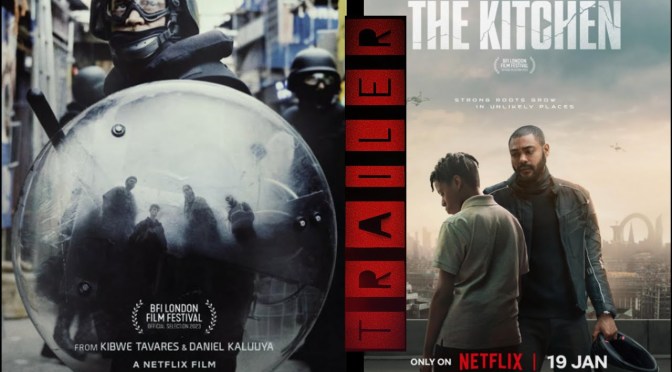
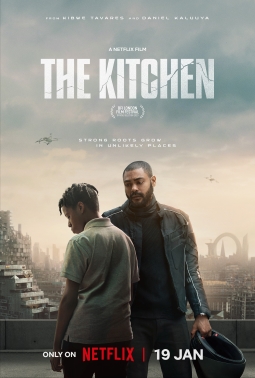
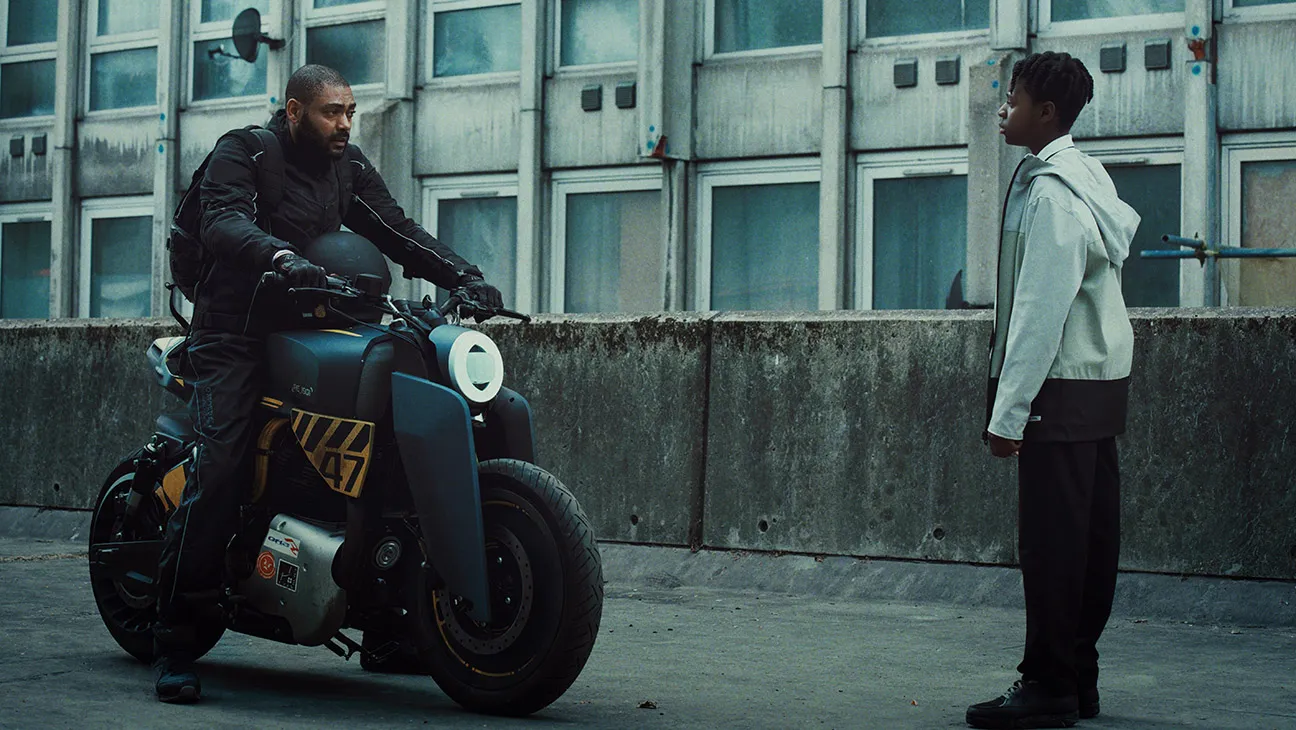
The Kitchen (2023) is a solid addition to the cinematic library of sci-fi dystopian narratives. It also combines thematic elements from rites of passage, action and family drama genres with much success. The story concentrates on Izi (Kane Robinson), who lives in London, 2044) where social housing is gone, except for “The Kitchen,” a community under threat from the wealthy. He works at ‘Life After Life’, a futuristic funeral service that turns unaffordable burials into trees families can visit before planting. After attending a funeral at his work he meets and forms an uneasy relationship with the son of the deceased, Benji (Jedaiah Bannerman). But is there more that connects the two?
Directed with imagination, energy and compelling flair by Kibwe Tavares and Daniel Kaluuya, The Kitchen (2023) focuses on Black culture as it faces relentless attacks from capitalist forces and oppressive law enforcement, painting a vivid portrait of a community fighting for survival. Moreover, the film explores the systematic erasure of cultural and physical spaces, where gentrification and state violence converge to push out the last bastion of working-class solidarity. This struggle becomes a powerful metaphor for resistance and resilience, underscored by music, tradition, community and collective memory.
At its heart, the film also delves deeply into paternal relationships, exploring the nature of both surrogate and absent fathers. Despite the futuristic setting, it is the relationships in the film which are most powerful. Benji is at a crossroads as to which direction his life may go, with the drama echoing the emotional intensity of Boys in the Hood (1991), This Is England (2006), Platoon (1986), andA Bronx Tale (1993). These connections explore themes of legacy, masculinity, crime and moral conflict within a fractured world. Through these intimate relationships the film compellingly reflects on generational trauma, grief and love.
Overall, The Kitchen (2023) is a stylish, superbly filmed and thought-provoking drama with a fantastic soundtrack and score. I would have preferred a lead protagonist who was more expressive and verbal. Kane Robinson is a fine actor, but I wanted Izi to explode on the screen rather than keep all that emotion and anger in. This and the over-familiar story beats ultimately do not take away from an excellent feature from the incredibly talented Tavares and Kaluuya.
Produced by Jacques Audiard, Pascal Caucheteux, Valérie Schermann, Anthony Vaccarello
Main Cast: Zoe Saldaña, Karla Sofía Gascón, Selena Gomez, Adriana Paz, Mark Ivanir, Édgar Ramírez etc.
Cinematography by Paul Guilhaume
*** MAY CONTAIN SPOILERS ***
“There’s such a thing as having too much going on.” Howard Moon from The Mighty Boosh.
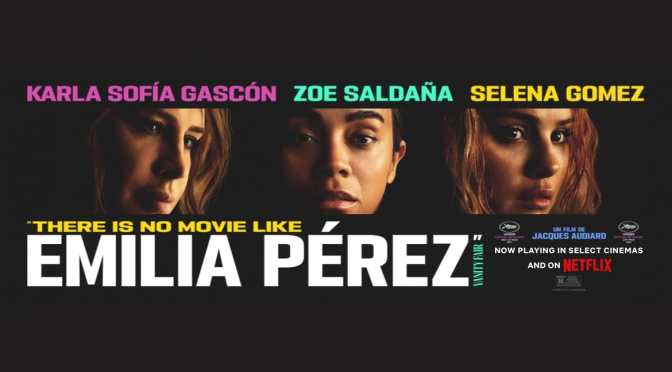
I am a big champion of the films of Jacques Audiard. When his eccentric Western, The Sisters Brothers (2018), was released I wrote a positive review and tribute to several other fine films he has directed here. Audiard likes to take risks representing human beings on the edge of society and perhaps struggling with life; people who often make left-field decisions to improve or escape their existential plight. With his latest film Emilia Perez (2024) the filmmaking master challenges the audience again with a multi-blended genre film that also contains powerful themes of transformation, redemption, violence, crime and family values. Oh and there are songs too.
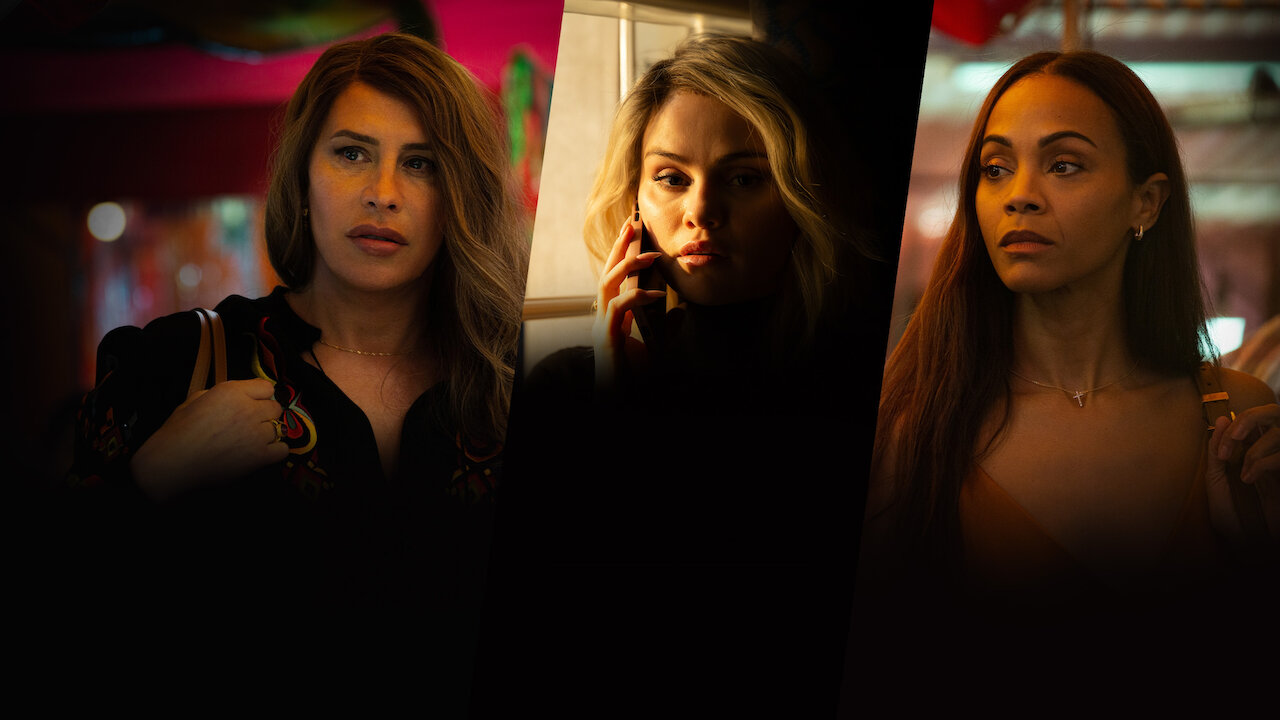
The narrative begins strongly as Rita Mora Castro (Zoe Saldana), a fiercely talented yet overlooked lawyer in Mexico City, finds herself thrust into the spotlight when she defends the wife of a prominent media mogul in a controversial murder trial. Despite her misgivings, Rita crafts a chillingly persuasive argument that frames the death as a suicide, securing an unexpected victory in the case—one that leaves her both celebrated and haunted.
As the dust settles, Rita’s restless dissatisfaction with her life grows louder. Then comes an anonymous phone call: an enigmatic voice offers her a chance at something extraordinary—and extraordinarily dangerous. Intrigued and desperate for change, she agrees to a clandestine meeting. The mysterious client turns out to be none other than Juan “Manitas” Del Monte (Karla Sofía Gascón), a ruthless and feared cartel kingpin. But the request they make isn’t what Rita expects from a crime-lord. Manitas dreams of living authentically by undergoing gender-affirming surgery and becoming a woman. Rita must decide: will she help Manitas rewrite their story, or will she risk becoming the next chapter in a tale of betrayal and bloodshed?
This fascinating set-up draws you in and I believe if Audiard’s narrative had concentrated mostly on the relationship between Rita, the transitioned, Emilia, then the film would have retained much emotional and thematic power. Yet, after Emilia’s operation the screenplay introduces several other story strands and characters to take in, including Selena Gomez’ feisty Jessi Del Monte, Manitas’ ex-wife who thinks “he’s” dead. This development works initially but then Audiard hurls so many more ideas and genres at the audience wall, not all of them sticking.
Admittedly, the film’s audacious blend of melodrama, crime, thriller, musical, and comedy creates an unpredictable and frenetic narrative that keeps viewers on their toes. However, this constant genre-shifting can undermine the weight of its core themes—gender and identity—by overshadowing them with spectacle and tonal inconsistency. The story’s rapid turns and refusal to settle into a single emotional or narrative groove risk, arguably trivializing the profound struggles and triumphs of its trans-protagonist. Moments that could serve as deeply reflective or cathartic explorations of gender identity are sometimes undercut by abrupt pivots into slapstick humor or hyper-stylized action. While these shifts might aim to reflect the disarray and fluidity of identity in a chaotic world, they can also dilute the thematic resonance.
At the same time, it’s clear Audiard is deliberately embracing this chaos and analysis of human flaws. The fractured tone might symbolize a world where stability and clarity are illusions, mirroring the internal and external conflicts of someone navigating personal transformation in an unyielding environment. This approach, while conceptually intriguing, can feel alienating. Nonetheless, the cast’s stellar performances anchor the film, ensuring that the characters remain compelling even when the story spirals into excess. Lastly, Emilia Perez‘ (2024) relentless energy often leaves little room for introspection, and whether this genre-chaos enriches or undermines the narrative depends largely on the viewer’s tolerance for Audiard’s embrace of choral disorder in a world seemingly allergic to calm and pattern.
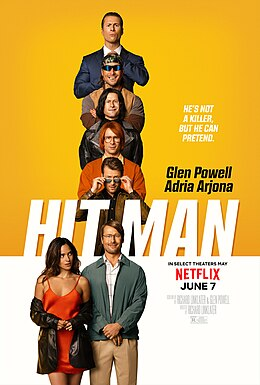
Produced by Mike Blizzard, Richard Linklater, Glen Powell, Jason Bateman & Michael Costigan
Main Cast: Glen Powell, Adria Arjona, Austin Amelio, Retta, Sanjay Rao, etc.
Cinematography by Shane F. Kelly
*** MAY CONTAIN SPOILERS ***
Hollywood has a history of attempting to mold certain actors into the next big film stars, often casting them in high-profile projects with hopes of catapulting them to stardom. Colin Farrell was positioned as a leading man with roles in blockbuster films like Minority Report (2002), Alexander (2004) and S.W.A.T. (2003), but despite his undeniable talent, he didn’t quite become the A-list fixture studios envisioned. Having said that Farrell has proved himself an actor of high esteem, choosing to work with some of the best directors around in Yorgos Lanthimos and Martin McDonagh.
Similarly, Sam Worthington was thrust into the spotlight with Avatar(2009) and Terminator Salvation(2009), yet struggled to keep his star power afterward. Likewise, Taylor Kitsch, Hayden Christensen, Jai Courtney, Kate Mara and Daisy Ridley were also groomed for stardom. While Ridley achieved significant recognition, sustaining that momentum outside of the galaxy far, far away has proven difficult, Cara Delevingne has found the transition from supermodel to actress somewhat challenging. Enter stage centre, Glen Powell, who is arguably the latest actor the Hollywood machine is pushing for global stardom.
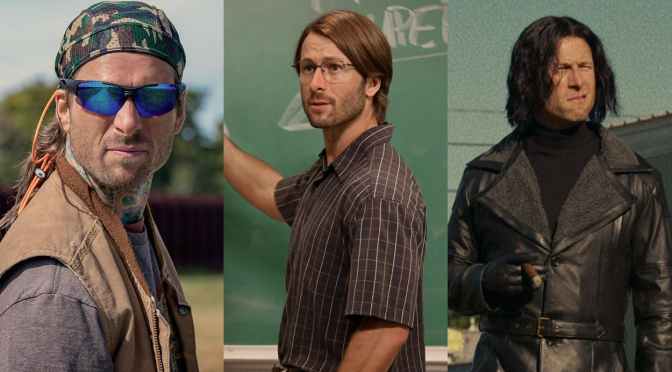
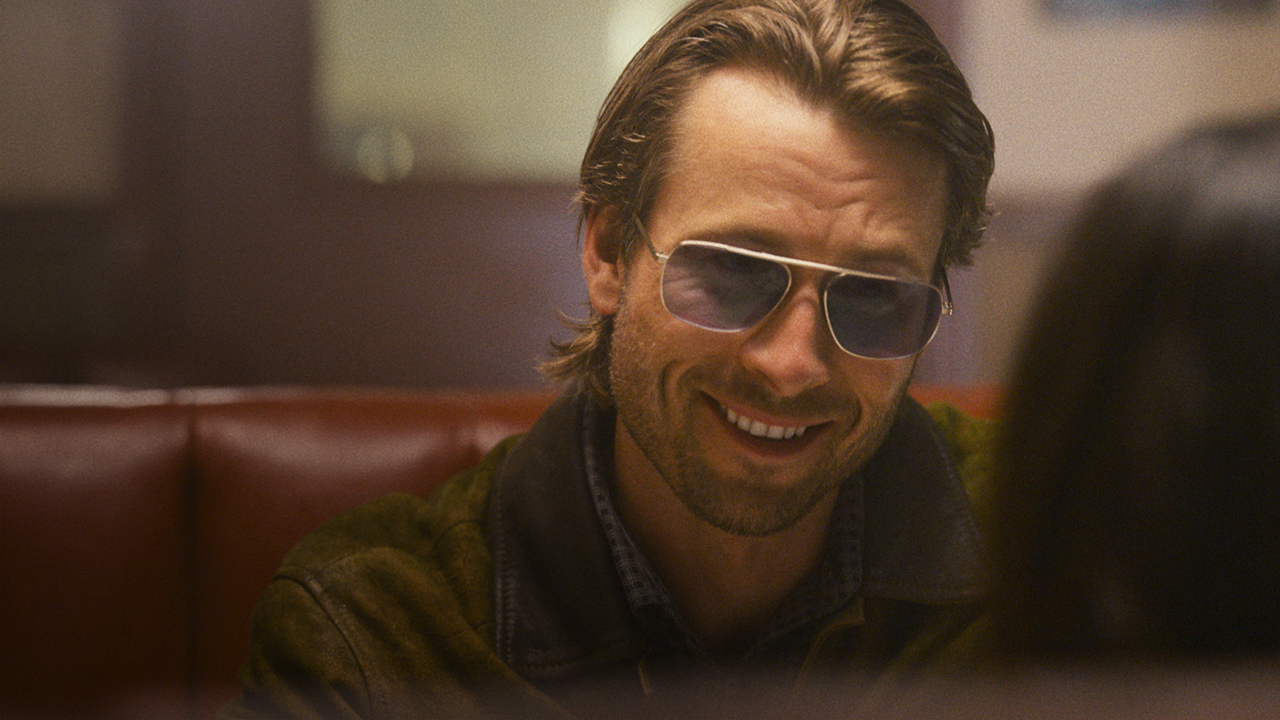
Powell is a handsome, charming and intelligent actor with a winning smile who certainly carries the romance and comedic elements of Hit Man (2023) extremely well. He portrays Gary Johnson, a mild-mannered professor of Psychology and Philosophy at the University of New Orleans who also assists the New Orleans Police Department in undercover sting operations. Usually working behind the operations providing advice, Gary is suddenly thrust into the action and has to play a fake hit-man to bring a suspect down. While this set-up stretched legal credulity, we eventually learn that the events are based on a “true” story. No doubt some liberties have been taken with the source material.
Gary’s character development finds him becoming very successful as an undercover operator, taking on a series of disguises and inventing precise alter egos to match the psychological make-up of those he is trying to trap. Hit Man (2023) is a kind of “ugly duckling” story where the ‘Alpha’ identity Gary invents ultimately takes over his own ‘Beta’ personality. The romantic element of the narrative comes via the beautiful and troubled, Madison (Adria Arjona), who desires to kill her abusive boyfriend, Ray. Tasked with bringing her to justice, Gary contrives to give her a second chance, but when Ray turns up dead, Gary’s whole existence and secret identity comes under threat. While this sounds like the plot to a really compelling thriller, overall there is a lighter touch to the direction and much humour. Further, Powell’s on-screen chemistry with Arjona is convincing and sizzles throughout.
I really enjoyed Hit Man (2023). It’s familiar and conventionally structured, but has a smart genre script and winning performances from the charismatic and sexy leads. Lastly, Richard Linklater is a rare filmmaker who seamlessly navigates between art-house cinema and more commercial projects, maintaining his distinctive voice across both realms. Hit Man (2023) finds him in more crowd-pleasing territory as he was with the fantastic School of Rock (2003). Yet, will Powell ultimately become a box office success and bona fide movie star? Well, I guess with this film, the recently released, Twisters (2024), the upcoming Huntington (2025) and Edgar Wright directed, The Running Man (2025), he is well on his way.




 The Cinema Fix presents