Tag Archives: Thriller

CINEMA REVIEW: Mission: Impossible – Dead Reckoning Part One (2023)

CINEMA REVIEW: Mission: Impossible – Dead Reckoning Part One (2023)

Directed by: Christopher McQuarrie

Written by: Christopher McQuarrie and Erik Jendresen
Based on: Mission: Impossible by Bruce Geller

Produced by: Tom Cruise and Christopher McQuarrie

Cast: Tom Cruise, Hayley Atwell, Ving Rhames, Simon Pegg, Rebecca Ferguson, Vanessa Kirby, Esai Morales, Pom Klementieff, Mariela Garriga, Henry Czerny etc.

Cinematography: Fraser Taggart

*** MAY CONTAIN SPOILERS ***


To be honest, I did consider just cutting and pasting my review of the previous Mission Impossible film here again and changing the title. Such is the familiarity with the franchise’s stylistic tropes. Would my seven loyal readers or the odd random one who visits by mistake actually notice such devious self-plagiarism?

https://thecinemafix.com/2018/08/14/mission-impossible-bingo-incorporating-fallout-2018-movie-review/

But then I decided that I would not do my usual hack job. Surely I must have something new to say when reviewing the latest Tom Cruise/Christopher McQuarrie spy action genre masterpiece? After all, Tom Cruise himself has been portraying the same character for years in Ethan Hunt and still has so much energy to give. Furthermore, with Christopher McQuarrie as writer-director, Cruise has managed to breathe fresh inspiration into this well worn franchise, which as been on the go since the 1960’s television show screened.

While the films follow a certain formula, McQuarrie and Cruise don’t appear to have succumbed to the lure of using artificial intelligence to write the screenplay for Mission: Impossible – Dead Reckoning Part One (2023). In fact, rather cleverly they have made a sentient computer programme and ever-developing algorithms the enemy of the story. Of course, humans are the ultimate evil as they did create the devious A:I code called ‘The Entity.’ But, along with insane acolytes, arms brokers and various government agencies searching for ‘The Entity‘, the IMF team are faced with defeating a power which can track their every move, listen to and imitate human’s voices and also control thousands of digital systems worldwide. Well, it isn’t called Mission: Impossible for nothing!


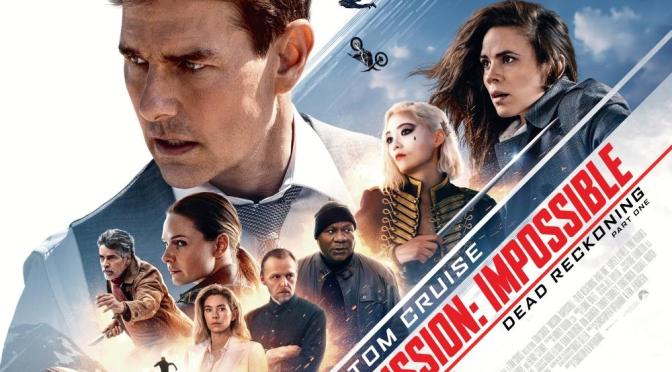
Along with stalwarts of the series in Cruise, Simon Pegg, Ving Rhames and Rebecca Ferguson, the ensemble are joined on the mission by Hayley Atwell’s arch-thief, Grace. In keeping with the themes of shifting identities in the film and TV series, Grace may or may not be her actual name. Atwell is very effective in the role. But she doesn’t have the stunning physical ability or magnetic allure of Ferguson’s Ilsa Faust, who is arguably under-used in this film. Of the rest of the cast, Simon Pegg again delivers some brilliant zingers and balances out Cruise’s “Übermensch” persona. But, of course, Cruise again steals the show with his coolness, wit and sheer physical bravado in many high-octane stunts. So much running too. Tom Cruise’s running is almost as iconic as the M:I theme tune.

‘The Entity’ itself as an over-arching nemesis is impressively zeitgeist, but Esai Morales as Gabriel is a pretty good human baddie too. He is backed up by two-dimensional, but seductive hench-person, Paris, rendered by Pom Klementieff. Thus, the IMF, CIA, Entity fanatics, and various other agencies chase the (McGuffin) dual-key system which unlocks ‘The Entity.’ In turn, Mission: Impossible – Dead Reckoning Part One (2023), follows the structure of: spectacular action set-piece followed by IMF talking in darkened-safehouse followed by negotiated meetings between adversaries ending in fighting, double and triple crosses, followed by another spectacular action set-piece with much Tom Cruise running interspersed etc. all set in various fascinating global destinations.

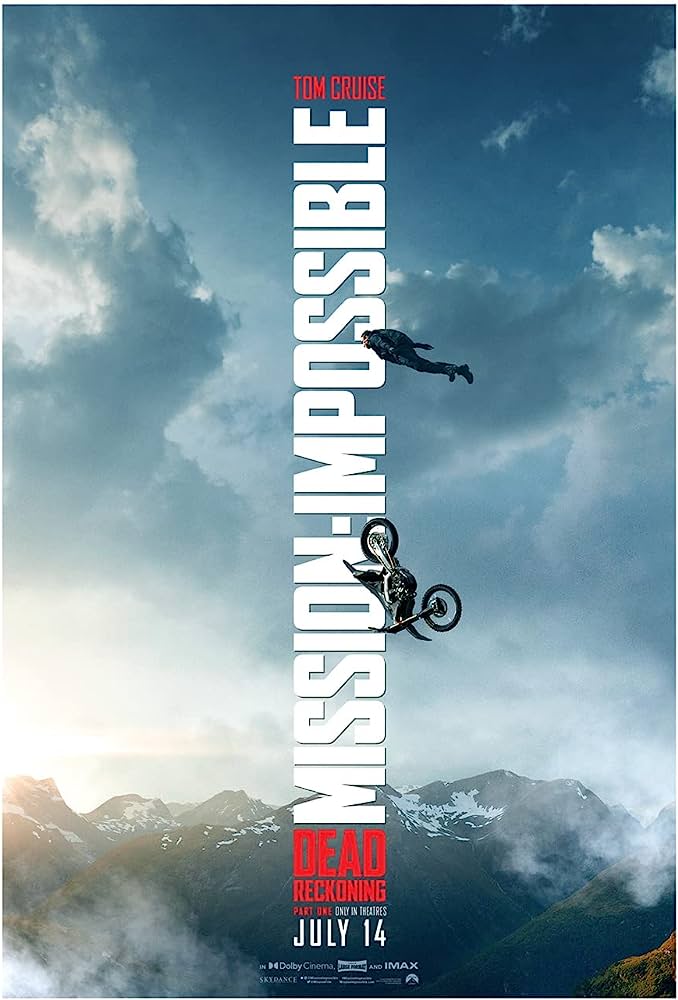
Overall, Mission: Impossible – Dead Reckoning Part One (2023) is overlong with many dialogue scenes which could have been shaved or combined with action. However, the action sequences again are of the highest standard in terms of cinematic blockbuster grandeur and invention. Cruise, McQuarrie and his production team deserve all the plaudits they can carry for the funny and suspenseful airport set-piece. Moreover, the final act extended action sequence set on the Orient Express is one of the most exhilarating I have experienced in a cinema. To write, design, choreograph and deliver a series of astonishing stunts and create such kinetic suspense must be commended. Such breath-taking work is the peak of blockbuster action cinema and something artificial intelligence can never reproduce. Eat your heart out ChatGPT!!

Mark: 8.5 out of 11


MY CINEMATIC ROMANCE #24 – DENIS VILLENEUVE

MY CINEMATIC ROMANCE #24 – DENIS VILLENEUVE

With the release of Dune: Part Two (2023) on the horizon for November 2023, I thought it may be worth appraising some of Canadian filmmaker, Denis Villeneuve’s amazing directorial work in this occasional strand, My Cinematic Romance. Note, I discipline my choices to only five films.

If you’re interested, I really wanted to like Dune (2021) more. One won’t see a more attractive and technically perfect rendition of a sci-fi world in the cinema in years. But, I could not connect with the narrative or lead protagonist. Seeing the big worms which made me want to watch Tremors (1990); a far superior and shorter version of a hero’s journey.

Nonetheless, award-winning Villeneuve is one of cinema’s surest hands when it comes to intelligent and compelling genre cinema. He has the touch of a film artist and takes certain risks, but not without resorting to indulgences which alienate the audience (take note Ari Aster!) Thus, I consider and list five of his great works, which I recommend wholly if you have not seen them.

*** MAY CONTAIN SPOILERS ***


POLYTECHNIQUE (2009)

This is a harsh watch. Any film about mass shootings is never going to be an easy experience to stomach. Still, it’s nothing compared to the sadness of those whose lives were struck from existence. The 1989 École Polytechnique massacre (also known as the “Montreal Massacre”) is re-enacted here in stark black and white film stock. The wintry setting and the cold-blooded murder of the events combine to create a heightened vision of anxiety cinema. Villeneuve objectively documents the massacre with a distance that paradoxically raises the emotions as opposed to lessening them. A film which you makes us confront the horror of humanity.


NEXT FLOOR (2010) – short film

Created by producer Phoebe Greenberg and directed by Villeneuve during a break from making feature film Polytechnique (2009), this devastating short film with its commentary on the horror of greed, is most likely an influence on grisly Spanish prison film The Platform (2019). One wishes Villeneuve would make a horror feature. I’d prefer to see how that might turn out than Dune.


INCENDIES (2010)

Incendies (2010) is the probably the best film you haven’t seen. If you have seen it then tell more people to see it. Spread the word on this incredible film. Villeneuve directs in an intelligent way, retaining empathy and emotion for both protagonists and antagonists devoured by war. Nawal Marwan’s story is especially heart-breaking and she is given a moving portrayal by Lubna Azabal. Nawal’s story is one of astounding power as the character experiences the hell of loss, war, torture and death. One which will shake you to the core for days and weeks and maybe even years!


PRISONERS (2013)

A superlative crime script written by Aaron Guzilowski has one of the best ensemble casts seen on screen in years, notably: Hugh Jackman, Jake Gyllenhaal, Viola Davis, Maria Bello, Terrence Howard, Melissa Leo, and Paul Dano. The story is absolutely compelling with a plot so tightly wound, you’re almost throttled throughout by the mystery and suspense. Jackman is especially truthful, playing a flawed everyman who obsessively, quite understandably, searches for his missing child. Dano plays another convincing outsider as the main suspect, while Gyllenhaal is, as always, brilliant as dogged cop, Detective Loki. Villeneuve proves once again he is one of the best directors of actors working today. Prisoners (2013) is a masterpiece of crime genre cinema.


ARRIVAL (2016)

The intriguing premise, brilliant script, ambient score, stylish effects, subtle cinematography and purposeful direction make this one of the best science fiction films of recent years. It is an intelligent and emotional science-fiction drama with a beautifully constructed narrative which constantly surprised and moved me.  It also asks big questions on the nature of time, existence and love; informing us that not all extra-terrestrial life in movies has to be monstrous and deadly. Above all else Villeneuve, Amy Adams and screenwriter Eric Heisserer gain sheer kudos for creating a beautiful and moving love story.


NETFLIX SPRING FILM REVIEWS – PART TWO! Including Pinocchio (2022), The Wonder (2022), White Noise (2022) and more. . .

So, here’s PART TWO of my Netflix spring film reviews. PART ONE is HERE if you are interested.

Happy Holidays everyone!


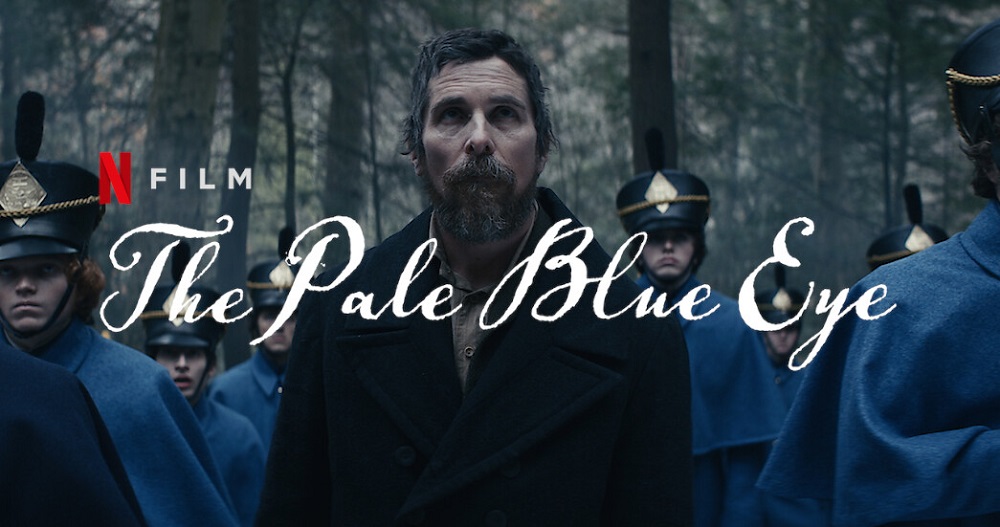
THE PALE BLUE EYE (2022)

Scott Cooper and Christian Bale combined to brutal and intense impact with the dark Western, Hostiles (2017). Their follow-up is an equally bleak, but not so riveting character study, based on the detective novel by Louis Bayard. Bale portrays a world-weary detective, during the 1830s, tasked with solving the suspicious deaths of cadets at military school, West Point. Moody, murky, and dour in performance, production design and plotting, The Pale Blue Eye (2022), is a draining experience. Further, Bale’s Augustus Landor is not the most charismatic of protagonists and only Harry Melling’s eccentric rendition of a young Edgar Allen Poe, occasionally raises the gloom. There’s some terrific cinematography in this cold thriller and a great story in there. I especially enjoyed the Edgar Allen Poe elements too. But, the film is suffocated by the slow pacing and lack of empathy for the victims or lead characters.

Mark: 7 out of 11


PINOCCHIO (2022)

I have to be honest, but I have never really had a big emotional connection with the story of Pinocchio. It’s great to have goals in life, but the desire to ascend to a higher plain of humanity and be “real”, whether you are made of wood or machine (see Artificial Intelligence (2001)) is a desire I cannot align too. Maybe I am too dumb or privileged? However, I think that is probably the point of the writer Carlo Colludi’s classic tale. Because it is all about finding peace within yourself whatever you are made of. Indeed, it is a fantastic rites-of-passage, journey of discovery narrative and deserving of classic status. Let’s not forget that Disney, Kubrick, Spielberg, Garrone, Zemeckis, and now Guillermo Del Toro have produced versions of Pinocchio (2022). But how many more do we need? Del Toro, Mark Gustafson and their genius production team’s stop-motion version is a stunning rendition though. Setting it during World War II darkens the flavour and colour, with Del Toro breathing fresh life into this overfamiliar fairy story.

Mark: 8.5 out of 11


THE TRIP (2021)

Norwegian genre movie director, Tommy Wirkola, unofficially remakes Haneke’s Funny Games (1997), with this bloody hilarious live-action cartoon comedy. Noomi Rapace and Aksel Hannie are Lars and Lisa, a couple whose marriage is crumbling. Both decide that divorce is not the best way to end their relationship. A trip away is not an attempt for the couple to reconcile, but to destroy each other. Before you can say War of the Roses (1989), the film takes a violent twist as their unromantic getaway descends further into destruction with the introduction of a surprising criminal element. I won’t give it away, but I was thoroughly entertained by the gory and bone-shredding silliness of it all. Noomi Rapace is always brilliant too!

Mark: 8 out of 11


WHITE NOISE (2022)

Kubrick is quoted as saying, “If it can be written, or thought, it can be filmed.” But does that necessarily mean it should be filmed? So, when you read a literary classic is apparently unfilmable, and then discover that it is being filmed, you wonder how they have filmed it. Well, in the case of Noah Baumbach’s adaptation of postmodern classic, Dom DeLillo’s White Noise (2022), I genuinely wonder why they bothered. Perhaps, the apparent $100 million spent will allow Noel Baumbach and Greta Gerwig to develop more interesting projects in the future, but this really is an over-expensive 1980s set cinematic folly. Having said that Gerwig and Adam Driver light up the screen and Baumbach’s witty script had some genuinely delightful dialogue exchanges between the energetic and intellectual ensemble. However, overall the film was too self-consciously eccentric and over-long. I’m glad the filmmaking team got a grand payday, but arguably the book should have remained unfilmed and on the page. Sticking it out to the bitter end is well worth it though. It has a fantastic final credits sequence.

Mark: 7 out of 11

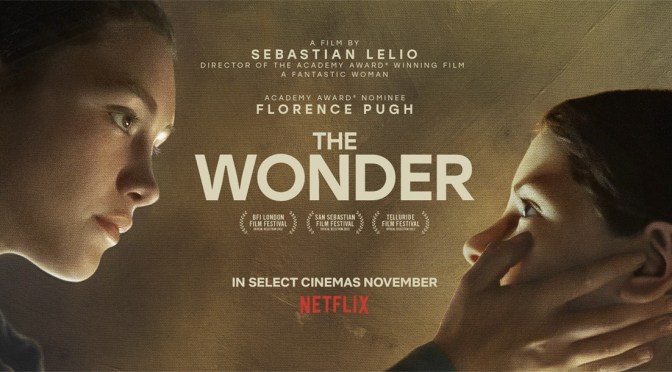
THE WONDER (2022)

Is there a better actor around than Florence Pugh? I am not so sure. She is formidably brilliant in every role I have seen her in. I think that Pugh is so clever, emotional and magnetic in her screen performances, none more so than in this intense period drama directed by Sebastian Lelio. The Wonder (2022), an adaptation of a novel by Emma Donoghue, is set during 1862 in rural Ireland shortly after the Great Famine. Pugh’s English nurse, Elizabeth Wright, is summoned to attend a young girl who apparently has not eaten for months. Is it a religious miracle or are there supernatural forces at play? Such themes are intelligently explored in this atmospheric and brooding drama which had me gripped throughout. The subtext of religious control, Catholic guilt and the English stranglehold over Ireland also exist between the dramatic lines in an intimate epic, anchored by Pugh’s dominant force-of-human-nature performance.

Mark: 9 out of 11


NETFLIX SPRING FILM REVIEWS – PART ONE! Including: All Quiet on the Western Front (2022), Glass Onion (2022), Passing (2021) and more . . .

Having not been too impressed by Netflix’s summer 2022 blockbuster releases – see my reviews here – I questioned the amount of money spent on big budget productions which had very average scripts and indifferent storytelling. Well, Netflix have certainly redeemed themselves of late, because the majority of the films I have seen on the platform recently have been excellent.

Indeed, I have watched so many Netflix films since the turn of 2023, I have decided to split the reviews into two parts. I have been so busy at work that I just don’t have time to review them all separately. Many of these films are so impressive they do deserve longer critical pieces, but there you go. I have even passed over reviewing John Wick 4 (2023) and Scream 6 (2023). While they are decent genre films, they offer nothing new to The Cinema Fix reviewing realm.

Ultimately, I hope you enjoyed these films as much as did. All power to Netflix – keep up the amazing work!


ALL QUIET ON THE WESTERN FRONT (2022)

The German war film adaptation of the classic novel by Erich Maria Remarque has been made twice before. This big budget version is directed by Edward Berger and certainly has a powerful and spectacular visual style, allied to some formidable filmmaking expertise. I fear the television screen was not the right medium to witness the muddy majesty on show as it can barely contain the crunching metallic and bloody horrors of the first World War. The film has unsurprisingly been nominated for and won many awards, and benefits from a brilliant debutant screen performance from Felix Kammerer. Personally, I still feel that the original 1930 film adaptation has more human emotion to it, as the characters in this version aren’t as well set-up from the start in comparison. A phenomenal achievement in sound and vision though nonetheless. The cinematography and soundtrack are as good as gets.

Mark: 8.5 out 11


ATHENA (2022)

Imagine taking the anger and social commentary within La Haine (1996), and adding vivid colour, pyrotechnics, kinetic cameras, long takes, and turning it all the way up to eleven? If so, then you have an idea of what Roman Gavras’ socio-political-action-thriller, Athena (2022) delivers. The death of a youth at the hands of police brutality kicks off rioting from the underclasses on a French council estate. What follows is a stunning group of frantic and explosive action set-pieces as fraternal loyalties are tested between the main protagonists with police, youth and gangsters at each other’s throats. Arguably though, the fast pace and fireworks dampen the sociological message in an otherwise breath-taking directorial and cinematographic achievement.

Mark: 8.5 out of 11


GLASS ONION: A KNIVES OUT MYSTERY (2022)

I really enjoyed the first Knives Out (2019) reviewed here. It was one of my films of the year. I also absolutely love Agatha Christie’s model of ensemble characters being investigated by a brilliant detective, with complex plotting and surprise twists and dark secrets being uncovered as a “whodunnit” is solved. Rian Johnson’s brilliant screenwriting abilities also breathed fresh air into a well-worn subgenre. He attempts to capture lightning in a bottle again with Glass Onion (2022), and while the famous cast, notably Dave Bautista, Janelle Monae, and Kathryn Hahn stand out among the over-actors, the devilish plot concerning rich people trying to out-do each other just did not connect and make me care. Also, am I the only one who still thinks Daniel Craig is miscast in this role? Even though I really enjoyed the cleverness of the script, his appalling “Foghorn Leghorn” accent still grates me.

Mark: 7.5 out of 11


THE HOUSE (2022)

From the leading voices in independent stop motion animation – Emma de Swaef & Marc Roels, Niki Lindroth von Bahr and Paloma Baeza – The House (2022) is a triumph of eccentric imagination, artistic talent and surreal vision. But the three bizarre tales contained within this anthology, while kind of enjoyable, were just TOO weird for me to thoroughly enjoy in a conventional sense. File under impressive avant-garde and experimental genius, rather than safe popcorn entertainment, and that is probably what the filmmakers were aiming for.

Mark: 7 out of 11


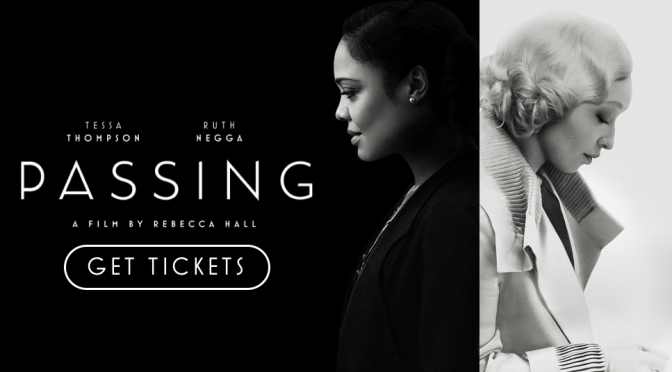
PASSING (2021)

I wish I’d seen this amazingly powerful film on release as it would certainly have been in my top ten films of the year. It’s a low budget, intimate and yet emotionally resonant adaptation of Nella Larson’s novel. Set in 1920s New York, the heartfelt drama juxtaposes the lives of two black women, portrayed by Tessa Thompson and Ruth Negga, with the latter passing herself as white within the racially charged era of the time. As their friendship develops their respective life choices are explored with subtlety and intensity by the impressive cast and director, Rebecca Hall. The choice to employ black-and-white cinematography, while often an over-used artistic indie-film trope, is absolutely the right choice. Lastly, Tessa Thompson is wonderful, but Ruth Negga is quite sublime in a complex, pathos-laden and unforgettable tragic screen personification.

Mark: 9.5 out of 11


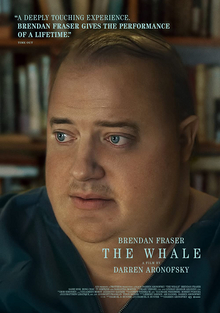
CINEMA REVIEW: THE WHALE (2022)

CINEMA REVIEW: THE WHALE (2022)

Directed by Darren Aronofsky

Screenplay by Samuel D. Hunter (based on his play of the same name.)

Produced by: Jeremy Dawson, Ari Handel, Darren Aronofsky

Main cast: Brendan Fraser, Sadie Sink, Hong Chau, Ty Simpkins and Samantha Morton

Cinematography Matthew Libatique

*** MAY CONTAIN SPOILERS ***


Darren Aronofsky is a risk-taking, boundary-pushing genius of a genre filmmaker. He is one of those film experimenters who threatens and breaks the chains of narrative convention, form and style. Films such as Pi (1998), Requiem for a Dream (2000), The Wrestler (2008) and Black Swan (2010) are intelligent, moving and often controversial cinematic visions. The least said about the indulgent, pretentious and nihilistic void of a film, Mother (2017), the better. Many went crazy for that allegorical nervous breakdown on the screen, but not me.

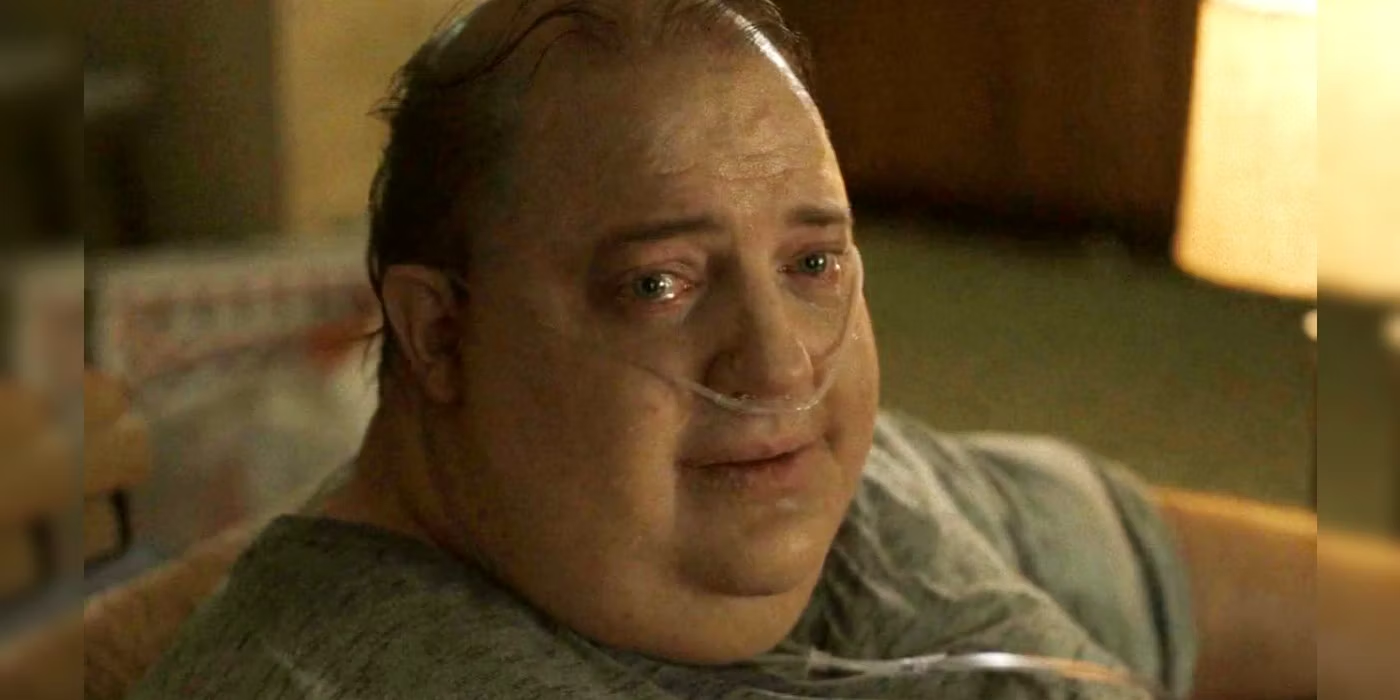
Aronofsky’s latest film, The Whale (2022) finds his excesses stripped back in terms of setting, colour, camera movement, lighting and editing design. The story of an obese man, Charlie (Brendan Fraser), finds him trapped by his own weight, addiction to food, grief and ill-health within an apartment. The colour scheme is stained and grey, while the dialogue-heavy script, naturally lit set, mostly static camera and claustrophobic drama betray The Whale’s origin as a play. Online English teacher Charlie’s journey is slow-burning and tragic, as he attempts to reconcile himself with his bitter, teenage daughter, Ellie, (Sadie Sink) and deal with his ever-worsening health. This familial thematic echoes The Wrestler (2008) as a lead protagonist strives to redeem his life decisions and find value to his existence. Ellie, however, is far less sympathetic and angry when compared to The Wrestler‘s, Evan Rachel Wood’s, Stephanie.


As with Requiem for a Dream (2000), The Whale (2022) contains the theme of addiction. Aronofsky’s earlier film found the characters hooked on heroin. Here, Charlie is wholly dependent on food. His dealer is also his carer, Liz (Hong Chau), and their relationship, as well as Ellie’s verbal outbursts, power much of the guilt and conflict within the play. Because Charlie is lost in hurt, he distracts himself with fizzy soda, pizza and massive torpedo rolls. He hides indoors in the shadows and behind an avatar on his computer screen. Charlie’s students never see him, only hearing his slowly breaking voice, stymied by an inability to breathe due to his expanding heart and squeezed lungs.

I feel it’s an almost integral part of the human condition to satisfy a compulsive need to feed on a substance that destroys one’s body and soul. I believe everyone is an addict, but some have more will power than others and can handle their compulsions. However, if you lose someone or suffer from depression, feeding one’s addiction is a way of blocking out the pain. Thus, I really connected with Charlie’s character in The Whale (2022), because he is in a painful tailspin with no apparent way out. Brendan Fraser delivers a stunningly moving character study. It truly is an admirable physical and mental achievement. Hong Chau is also impressive as the both caring and controlling carer who proves to be both Charlie’s best friend and worst enemy.

To conclude, The Whale (2022) is a compelling chamber piece with some finely written dialogue, empathetic heart, controlled direction, incredible make-up and prosthetics, and a singularly mighty performance from Fraser. Ultimately, the film holds a mirror up to the human condition, finding that the reflection, however upsetting and disturbing it may be, still deserves our compassion and understanding.

Mark: 8.5 out of 11


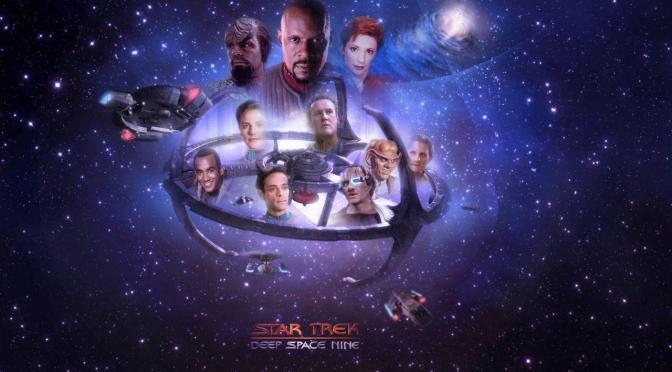
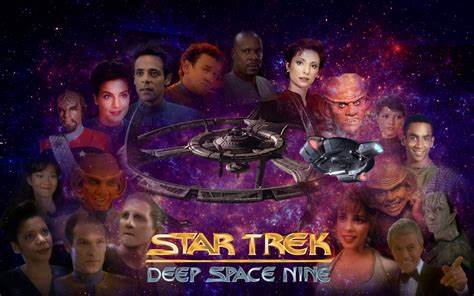
TO BOLDLY REVIEW #14 – STAR TREK: DEEP SPACE NINE (1993 -1999) – SEASONS 1 – 7

TO BOLDLY REVIEW #14 – DEEP SPACE NINE (1993 -1999)

Created by: Rick Berman, Michael Piller

Based on Star Trek: by Gene Roddenberry

Showrunners: Michael Piller (1993–1995) and Ira Steven Behr (1995–1999)

Main Cast: Avery Brooks, René Auberjonois, Terry Farrell, Cirroc Lofton, Colm Meaney, Armin Shimerman, Alexander Siddig, Nana Visitor, Michael Dorn, Nicole de Boer, etc.

Theme music composer: Dennis McCarthy

*** MAY CONTAIN SPOILERS ***


It’s been over a year since I reviewed the Star Trek feature films here. Thus, much of 2022 was spent watching the seven series of Star Trek: Deep Space Nine. The fact that I got through all seven seasons of the show illustrates two things:

  1. I am determined to finish this viewing project of watching every Star Trek produced film and television show released from the original series to now!
  2. Star Trek: Deep Space Nine was a really excellent show that made me want to watch it the end.

While containing lots of genre and narrative similarities to the previous Trek television productions, Star Trek: Deep Space Nine (DS9), expanded further the characters, worlds and vision established brilliantly by The Next Generation. Crossing over and surpassing the TNG timeline, DS9‘s narratives centralized around the space station positioned close to the planet of Bajor.

The Bajorans occupy the Alpha Quadrant and had one of the oldest and richest cultures in Star Trek lore. Driven by a spirituality similar to Buddhism, they are a proud people who suffered greatly during the invasion by the Cardassians, who built Deep Space 9 to control the Bajorans and the Alpha Quadrant. After the defeat of the Cardassians, Starfleet were assigned to manage DS9 and the series starts with Captain Benjamin Sisko (Avery Brooks) taking his place as commander of the station. To his surprise, Sisko becomes “Emissary” to the Bajoran prophets. A holy position which drives many storylines throughout the series and conflicts with the logical aspects of his role as Captain.


Deep Space Nine has many fine standalone episodes, however, what makes it differ greatly from the previous franchise series is the complex narrative and character arcs which dominated the latter seasons. These were directly linked by the brutal war which developed between Starfleet, their allies and the Dominion and the Cardassians. Personally, I could have done without many of the romantic “pairings-off” we got between the characters, however, they did raise the emotional stakes for them and brought greater narrative resonance. Lastly, the expansion of the Star Trek universe through use of the wormhole, allowed many other alien species to be introduced to the ever-growing Star Trek universe.

While sci-fi shows can live and die on their scientific concepts and themes, great characters are always at the heart of Star Trek. Sisko is a commanding presence throughout, yet Odo (René Auberjonois), a shapeshifter, was arguably the most complex of all characters, especially when a massive narrative reveal is dropped during Season 3. The familiar face of Worf (Michael Dorn) joined in Season 4 and he provided seriousness when compared to the more energetic characters of Jadzia Dax (Terry Farrell) and the scheming, but humorous Ferengi, Quark (Armin Shimerman). The Bajorans on the station were represented by Nana Visitor’s formidable, Kira Nerys, while Doctor Julian Bashir (Alexander Siddig) and Miles O’Brien (Colm Meaney) had a fine bromance. Finally, Deep Space Nine also had some fantastic guest actors, notably Louise Fletcher, Frank Langella, Iggy Pop, Tony Todd, James Darren and Andrew Robinson as Garak. The latter two actors became virtual regulars and Garak, the mysterious and exiled Cardassian, was probably my favourite character in the whole show.

To end this short review I’d like to pick seven of my favourite episodes – one from each season. They represent some of the best examples of, Deep Space Nine, an often brilliantly written, powerfully acted, funny and moving science fiction series.


DEEP SPACE NINE – SEVEN GREAT EPISODES

1. EMISSARY – EPISODE 1

A fine introduction to the characters, setting and themes which will dominate the next seven seasons.


2. THE JEM HADAR – EPISODE 26

A brilliant episode which introduced the fearsome Dominion soldiers, The Jem Hadar.


3. IMPROBABLE CAUSE / THE DIE IS CAST – EPISODES 20 & 21

Odo investigates a murder attempt on Garak on the space station. Their complex relationship thickens within a superbly scripted espionage thriller, full of twists and revelations.


4. THE VISITOR – EPISODE 3

An amazingly involving narrative which finds Sisko lost in a temporal void, with his son, Jake, prepared to make the ultimate sacrifice to save his father.


5. TRIALS AND TRIBBLE-ATIONS – EPISODE 6

An incredible episode full of amazing production values as it merges both present and past characters from Star Trek. The DS9 crew are sent back in time where they encounter their Enterprise predecessors and those damned pesky Tribbles.


6. FAR BEYOND THE STARS – EPISODE 13

Developed like a BBC Play for Today drama, this episode is thematically meta-rich, exploring science-fiction writing and racism in 1950’s America. How Avery Brook’s dual identities of Benny Russell and Captain Sisko connect across the universe is enigmatic, poetic and utterly compelling.


7. WHAT YOU LEAVE BEHIND (Parts 1 and 2) – EPISODEs 25/26

Despite replacing Jadzia with an inferior (Ezri) Dax, and containing a few unnecessary filler episodes with that character, the final season ultimately brought the war with the Dominion to an astounding dramatic conclusion. Sisko’s journey as the Emissary also reached a spiritually emotional and intelligent denouement. One of the best final television seasons of all time, perhaps?


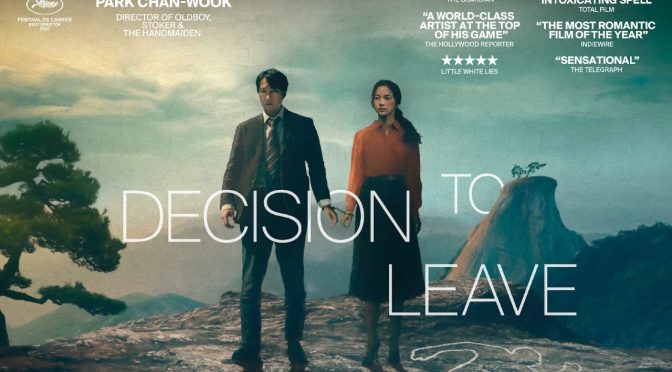
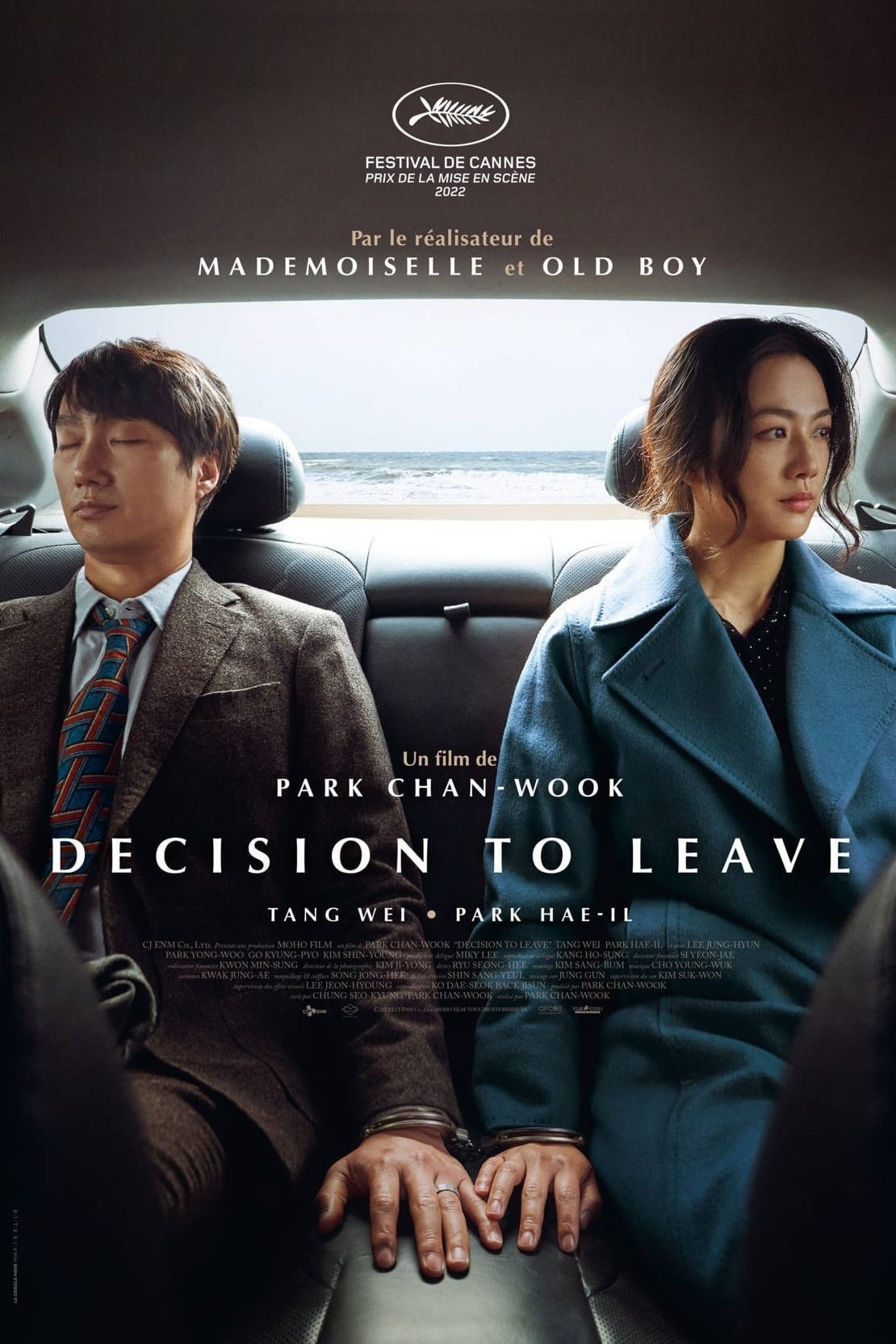
CINEMA REVIEW: DECISION TO LEAVE (2022)

CINEMA REVIEW: DECISION TO LEAVE (2022)

Directed by: Park Chan-wook

Written by: Jeong Seo-kyeong, Park Chan-wook

Produced by: Park Chan-wook

Main cast: Tang Wei, Park Hae-il, Lee Jung-hyun, Go Kyung-pyo, etc.

Cinematography Kim Ji-yong

Edited by Kim Sang-bum

*** MAY CONTAIN SPOILERS ***


Park Chan-wook is a proper filmmaker. Like Quentin Tarantino and Martin Scorsese, he embraces the artifice of the visual and aural medium crafting intelligent, thematically surprising and stylistically dazzling works of cinema. While watching his work one can see the clockwork precision of his filmic mind devising every frame, sound, camera move, cut, character action, acting nuance, being thought out expertly. In short: Park Chan-wook’s films are always an event for me and demand attention.

Chan-wook’s only Hollywood directed film was an under-rated gem of a noir thriller called Stoker (2013), after which he returned home to direct erotically charged period thriller, The Handmaiden (2016). This was a bigger-budgeted and thematically richer affair, taking a complex con-artist-twisting-plot and interweaving an explicit feminist love story. Of course, lest we forget Chan-wook’s classic early work, notably the gonzo revenger, Old Boy (2003). I re-watched it recently at the Raindance Film Festival and the furiously inventive exploitation film retains its beautifully transgressive power.

Like The Handmaiden (2016), Decision to Leave (2022) is a romance story set within a complex genre plot. While the former was a period crime film, Decision to Leave (2022) is a contemporary set police procedural with a central premise highly reminiscent of Basic Instinct (1992). Tang Wei as Song Seo-rae is suspected of killing her husband and as investigating cop, Park Hae-il as Det. Jang Hae-jun, delves deeper he finds himself more and more attracted to her. Where The Handmaiden (2016) and Basic Instinct (1992) used nudity and sexual imagery liberally, Decision to Leave (2022) is far more subtle and cerebral. The compelling romance is built on two fine lead performances, the cunning twists in the crime plot and Chan-wook’s masterful visuals with mountain, coastal and city landscapes being employed to powerful impact.


Now I must admit after watching Decision to Leave (2022) I was left slightly underwhelmed at the end from an emotional perspective. The visuals and storytelling were phenomenal, with Chan-wook and his writing partner crafting a devious series of inventive cat-and-mouse set-pieces. The suspense and doubt instilled as to whether Song Seo-rae is a murderer, despite her cast-iron alibi, is palpable. Simultaneously, the arc of the married mid-life crisis-detective, drawn to the suspect, flirting with disaster through flawed choices, creates much tension also. However, I didn’t immediately warm to the detective’s persona and wasn’t sure if I really cared. But I suspect, due to the complexity of the passion on show, a further watch will cement Chan-wook’s specific and symbolic vision.

Beneath the melding of romance, crime, mystery and action genres, I also considered the potential subtext in the screenplay. I wondered if Decision to Leave (2022) sought to explore the socio-political relationship between the nations of South Korea and China via the characters? Song Seo-rae is a Chinese migrant who came to Korea and via marriage was able to remain. An enigmatic soul she uses her wiles to survive, serenely attracting a series of men. But death follows her as closely as the male. Detective Hae-jun is drawn to her both professionally and romantically, no doubt thrilled by the danger. Yet, Chan-wook denies displaying physical consummation, and this makes the film more erotic than endless sex scenes do.

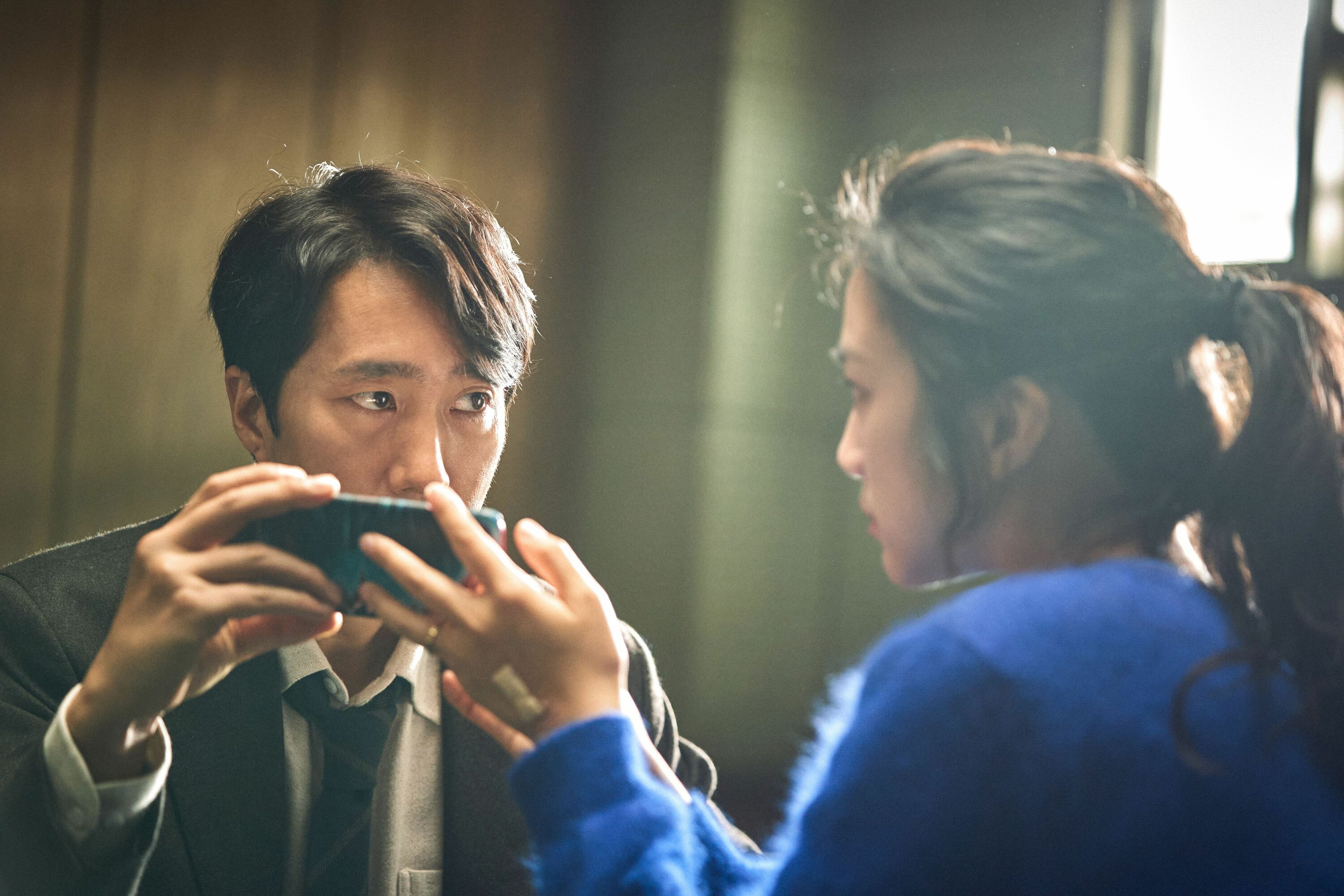
Lastly, Decision to Leave’s (2022) examination of language, both bodily and verbal, is deftly presented as a theme within the romance. The central crime of murder creates suspicion between the Korean and Chinese characters, but there’s a mutual and irresistible pull that cannot be denied. Song Seo-rae’s use of her phone translation application during her exchanges with the Detective create both a barrier and paradoxical intimacy. It’s just one of the fascinating bits of business, as well as the chainmail gauntlet used by the Detective, which elevate an already impressive script. But did Decision to Leave (2022) need to be so evasively complex and full of radiant ambiguity? The ending especially is both poetically exquisite and frustratingly cryptic. With a Park Chan-wook film, would I have it any other way?

Mark: 8.5 out of 11


[BOOK REVIEW] Directing Great Television: Inside TV’s New Golden Age – by Dan Attias

Directing Great Television: Inside TV’s New Golden Age – by Dan Attias  – Review by Paul Laight

The opening quotes of praise from a myriad of industry colleagues will make my little review pale into insignificance, as there is no doubt that Dan Attias is a director of some repute, expertise, and experience. Here is an Emmy-nominated director who has worked on an incredible list of amazing television shows such as: Miami Vice, Beauty and the Beast, Wolf, It’s Always Sunny in Philadelphia, The Sopranos, The Wire, House, Homeland, Witness (Peter Weir), Northern Exposure, Penny Dreadful: City of Angels, The Americans, The Killing, The Boys, Six Feet Under, The Wire, Marvellous Mrs Maisel, Friday Night Lights, etc.

With such a breath of experience Dan Attias therefore offers much to those seeking insight into the world of directing high quality TV. Moreover, it will also give priceless advice to those seeking a career in directing for all forms of creative media. It is structured and presented eloquently in a language that doesn’t blind the reader with techno-speak either.

The author began as an actor before moving into directing. In fact he states that the best training he had for directing was being an actor. Dan Attias moved from in front of the camera to behind it as assistant director for Steven Spielberg and Francis Ford Coppola before directing the feature film Silver Bullet (1985). After which he moved into directing episodic television. 

Throughout the book, the author shares his wealth of experiences, highs, lows, and scars got from directing many great TV shows of recent years. Dan Attias does not glamorise the industry but illustrates that the craft of television production is all about the hard work and harder knocks. He advises honing one’s craft through being prepared, with collaboration also being vital. It’s a fast-paced endeavour where choices can often go wrong. But learning from those mistakes builds one’s directorial nous. Preparation is invaluable. Even if episodic television does not always allow it. The director will often arrive late to the party as it were with the showrunners, writers, actors, and pre-production crew having worked months developing a project.


I was seriously inspired by many of Dan Attias’ informative anecdotes. Having worked in both drama and comedy it is clear he is not just a point-and-shoot director. One senses a burning desire on his part to tell stories an imaginative, creative, and emotionally interesting style. Moreover, the book provides key insight into the rehearsal process, positioning actors, use of lenses, shifting points-of-view within scenes, framing, background mise-en-scene and of course lighting. For Attias, above all else, engaging with the environment is imperative as, “Each scene is staging a journey.”

As well as the technical knowledge delivered, the author continually promotes the idea that coordinating positively with showrunners and writers is integral when creating the best work. That does not mean there won’t be disagreements or having to overcome material which appears dramatically unpromising. It is the director’s job to be creative and collaborative while breathing new life into well-known characters within long running shows. 

The final chapters share excellent scene breakdowns from the author’s experience of working on three different TV shows, Snowfall, Manhattan, and Good Girls Revolt. Here he delivers a fine perspective of a director’s vision, using the camera and stylistic choices to tell the story, both following and breaking the rules. If you’re breaking the rules you may face conflict from certain crew members, but it is all about staying confident in one’s vision for the storytelling. Overall, Attias’ honesty in overcoming difficult creative moments is to be admired.

Some may think that television was always the lesser cousin, locked in the artistic attic when compared to the noble art of cinema. No more though as programmes such as Game of Thrones, The Wire, The Sopranos, Homeland, Breaking Bad, and many more have proved. Such classic television finds the writing, cinematography, acting and increased production values, elevating their status to the cinematic. The old-school image of a 1970’s TV director shouting at a bank of monitors giving orders to the beleaguered floor manager and cast in a studio is now gone. Dan Attias and his book are testament to that.

This image has an empty alt attribute; its file name is image.png


Buy the book from here:

Publication from https://mwp.com/product/directing-great-television-inside-tvs-new-golden-age/  

Michael Wiese Productions (MWP) was launched in San Francisco in 1976 primarily to produce films. Today, the company is known worldwide having published some 200 books. Some of the bestsellers have been translated into 18 languages, are used in over 700 film courses, in the Hollywood studios and by emerging filmmakers.

Paul Laight is a screenwriter, filmmaker, and blogger. In 2005, he formed Fix Films and has written and produced many shorts and other promos. Many of his films have been screened all over the world at various film festivals.

Paul is currently working on feature and short film scripts for future productions. His work can be found here: 

https://www.youtube.com/c/FixFilmsLtd 

https://thecinemafix.com/

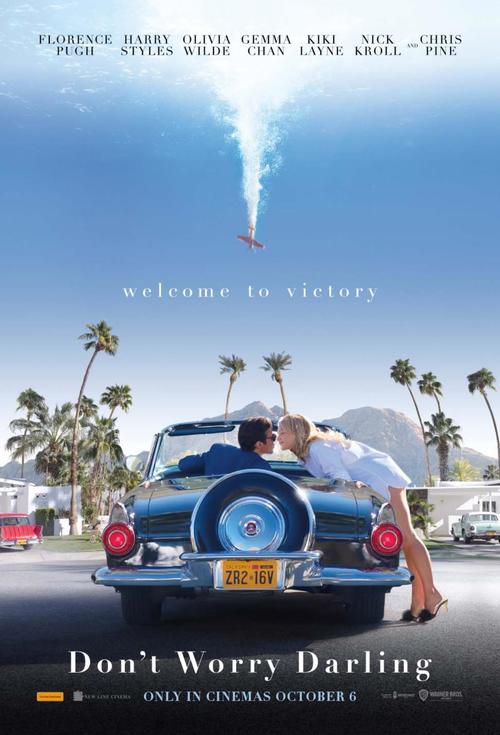
CINEMA REVIEW: DON’T WORRY DARLING (2022)

CINEMA REVIEW – DON’T WORRY DARLING (2022)

Directed by: Olivia Wilde

Screenplay by: Katie Silberman – Story by Carey Van Dyke, Shane Van Dyke and Katie Silberman

Produced by: Olivia Wilde, Katie Silberman, Miri Yoon, Roy Lee

Main Cast: Florence Pugh, Harry Styles, Olivia Wilde, Gemma Chan, KiKi Layne, Nick Kroll, Chris Pine etc.

Cinematography Matthew Libatique

*** MAY CONTAIN SPOILERS ***


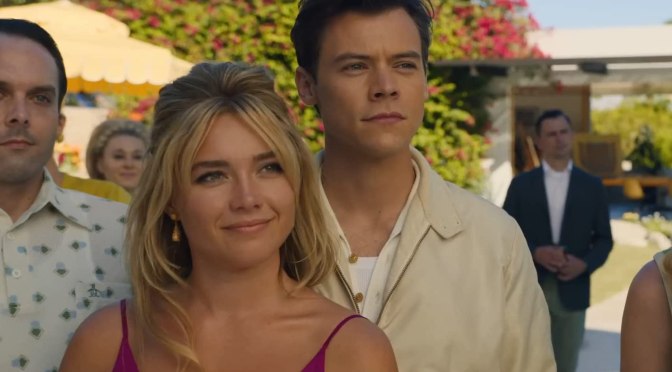
Part arthouse character study, part science fiction social satire and eventually a rushed concertinaed thriller, the Olivia Wilde directed, Don’t Worry Darling (2022) is a visual feast, anchored by Florence Pugh’s devastatingly brilliant performance. However, the ambition of the themes remains hamstrung by pacing and structure which fails to serve the story to its full potential.

Set within a utopian 1950’s sun blanched town called Victory, Wilde and her writers throw us straight into the hedonistic lives of a set of youthful and dynamic couples, drinking, partying and sexing. They work and play hard. Well, the husbands work as the dutiful women stay at home cleaning and churning out kids. So far-so-Stepford Wives! At the heart of Don’t Worry Darling (2022) is Pugh as the loyal but inquisitive, Alice. Her husband, Jack (Harry Styles) is ambitious, seeking the approval of big boss, the hubristic Frank (Chris Pine). When Alice begins to experience Kafkaesque dreams of feeling trapped by her daily life, she slowly realises all is not quite perfect in paradise.


No one does anguish and anxiety on screen like Florence Pugh. As Alice falls deeper down the rabbit hole of despair, Pugh produces true cinematic power once again. Olivia Wilde also brings a compelling image system to fully visualise Alice’s hellish descent. In comparison, the male characters are far less developed and the exchanges between Pugh and Styles, especially in the final act, are really lacking in dramatic punch. Styles himself I felt was miscast, but he does have an engaging screen presence. It’s just I didn’t feel enough threat from him.

Structurally, Don’t Worry Darling (2022) is also flawed. The major reveal comes way too late to assuage the pacing issues. While the narrative contains some striking visual set-pieces there are too many parties, barbecues and social events getting in the way of the potential thrills that could have occurred if Alice had discovered her plight much earlier. Overall, there is too much set-up and not enough punch. The longer you wait to reveal the twist, the bigger the revelation needs to be. The Outer Limits and The Twilight Zone have done this style of story with more emotional impact and better economy. Pugh and Wilde though prove once again they are major talents and thematically speaking it’s good that men get another kick in. Men are fast becoming the go-to villains of this century and long may it continue.

Mark: 6.5 out of 11


CINEMA REVIEW: NOPE (2022)

CINEMA REVIEW: NOPE (2022)

Directed by Jordan Peele

Written by Jordan Peele

Produced by: Jordan Peele and Ian Cooper


Cast: Daniel Kaluuya, Keke Palmer, Steven Yeun, Michael Wincott, Brandon Perea, Wrenn Schmidt, Barbie Ferreira, Keith David, etc.

Cinematography: Hoyte van Hoytema

*** MAY CONTAIN SPOILERS ***


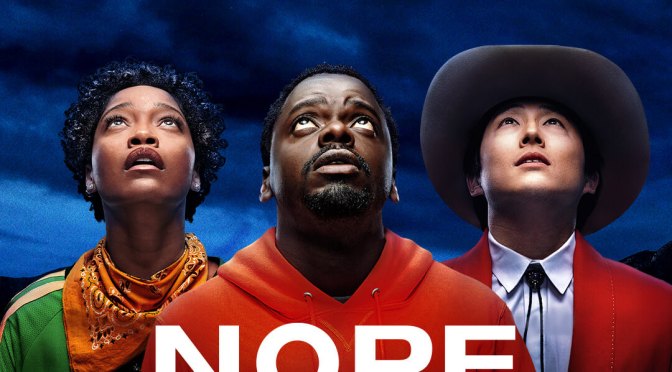
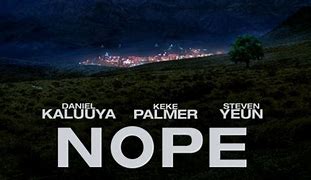
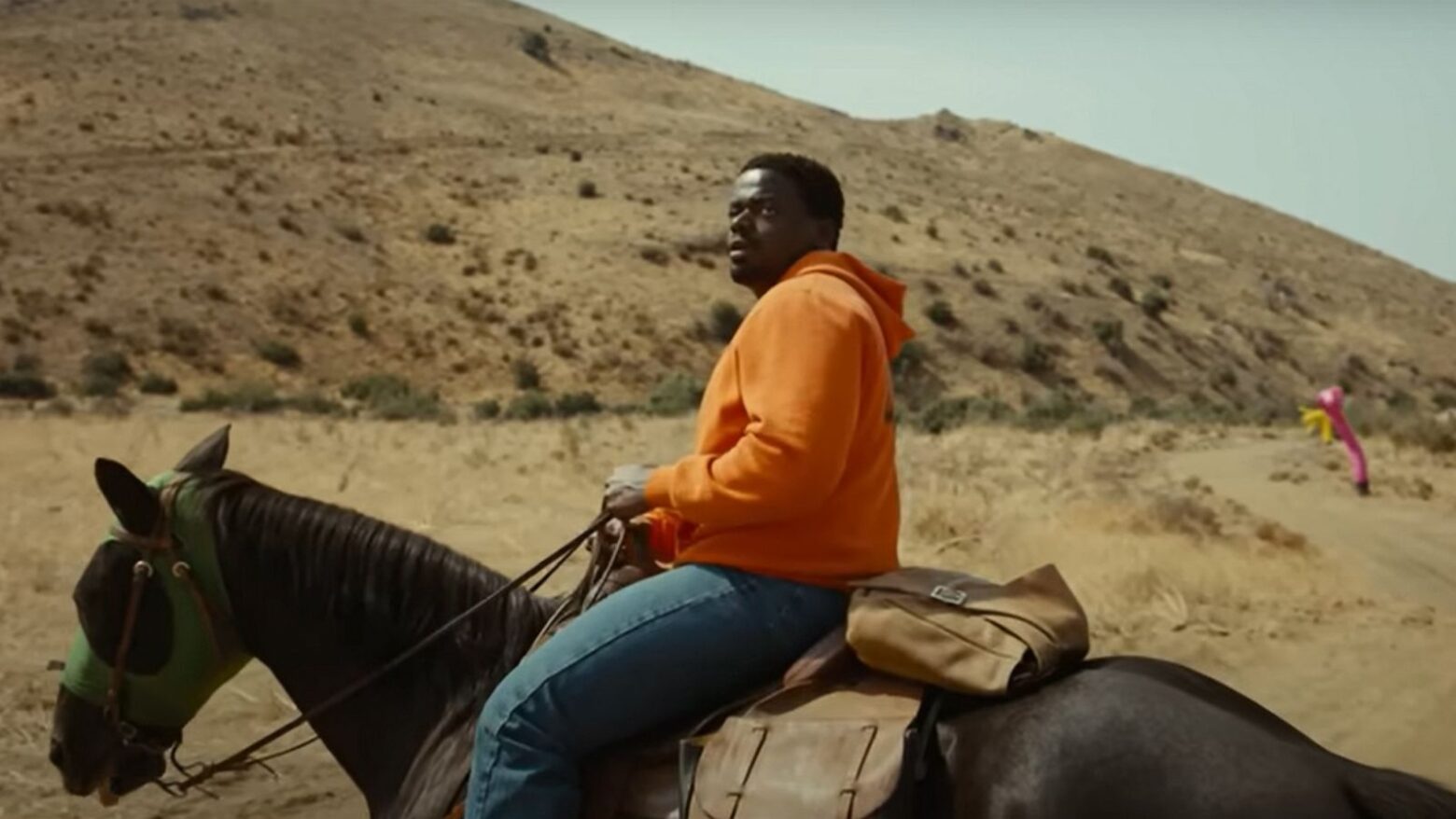
Following on from the Oscar winning, Get Out (2017), and the should-have-won-an-Oscar-for-Best-Actress-in-Lupita-Nyong’o, Us (2019), Jordan Peele is back with the enigmatically titled, and equally ambiguous sci-fi-Western-horror film, NOPE (2022). Taking on writing and directing duties again, Peele has delivered a majestic looking cinematic feast, brimming with incredibly memorable images involving horses, chimpanzees, cinema, waving inflatables, surveillance cameras, carnival shows, and something very large that comes from beyond the clouds.

So, what’s Nope (2022) actually about? Well, put simply it’s all about cowboys and girls overcoming a monster. But it is much more than that. Because, narratively speaking it is difficult to sum up in a few sentences. Peele builds his most complex film to date by delivering a series of visually powerful set-pieces throughout. He also challenges the audience with an intelligent visual system which thematically links television, cinema, cameras, Hollywood, animals and a spectacular eye in the sky. Like Tarantino’s Once Upon a Time in Hollywood (2019), Joel Coen’s The Tragedy of Macbeth (2021) and Martin Scorsese’s religious epics, Nope (2022), is what I consider to be a big-budget, arthouse blockbuster.


The film, which is divided into chapters, establishes brother, OJ (Daniel Kaluuya) and sister, Emerald (Keke Palmer), trying valiantly to keep the family ranch from going under. Once thriving under their father’s management, the ranch would supply horses to the Hollywood conveyor belt of A-list and B-movie Westerns. With such work now in short supply, OJ is forced to sell horses to local theme park owner, Ricky “Jupe” Park (Steven Yeun), however, he vows to get them back when business improves. But a bigger threat is soon looming over the ranch.

Kaluuya’s performance as OJ is laconic, invoking pure Robert Mitchum. Did I like and root for OJ? Sort of. Keke Palmer as Emerald brought the energy to the screen, but I never felt the two characters really gelled with the themes successfully. Peele’s intellectual leaps, while thought-provoking, barriered an emotional connection within Nope (2022). Likewise, Yuen’s Jupe is given a tremendously imaginative and powerful backstory which brings us into his character, but ultimately fails to pay off dramatically. In fact, these scenes felt like they were from a different film altogether. Indeed, Peele uses the sci-fi monster genre to hang his view of the world on, not always to maximum impact.

While the characterisations and themes arguably fail to gel within the screenplay, it is visually where Nope (2022) really soars. Hoyte van Hoytema should sweep the board come awards time. Further, Peele creates an optical banquet by juxtaposing the majestic vistas of the Californian landscape with modern camera and surveillance equipment, plus those colourful inflatable dummies. Then there’s the thing that is “Not Of Planet Earth”. What is it and what does it represent? Who is watching and controlling and feeding on us? Peele’s challenging concepts are to be applauded within the genre blockbuster, but I just wanted to be scared and care a bit more. On additional viewings, Nope (2022), may be considered a masterpiece, but at the moment it could be one of those great films which I kind of didn’t like. As discussed previously here.

Mark: 8 out of 11