
Tag Archives: toxic

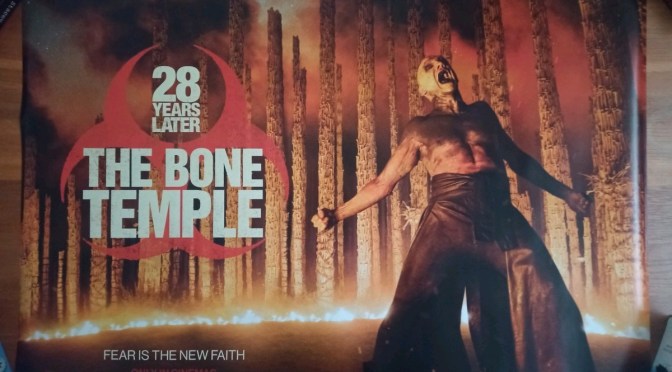
Cinema Review: 28 Years Later: The Bone Temple – a visceral journey into satanic cults, full of head-ripping gore and fiery devilment!

Cinema Review: 28 Years Later: The Bone Temple

Directed by Nia DaCosta

Written by Alex Garland

Produced by Andrew Macdonald, Peter Rice, Bernie Bellew, Danny Boyle, Alex Garland, etc.

Main cast: Ralph Fiennes, Jack O’Connell, Alfie Williams, Erin Kellyman, Chi Lewis-Parry, etc.

Cinematography by Sean Bobbitt
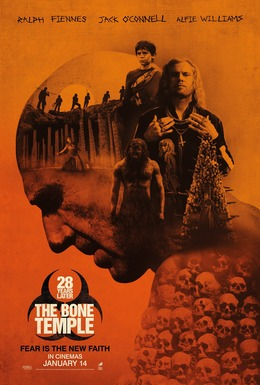


28 Years Later: Bone Temple (2025) is not a film that eases you in. It grabs you by the throat and refuses to let go, piling atrocity upon atrocity until meaning begins to seep through the blood. This is apocalyptic cinema as ritual punishment, and under Nia DaCosta’s direction, it becomes something ferociously alive.

At the calm, moral centre of the chaos stands Ralph Fiennes, delivering a performance of astonishing gravitas and unexpected tenderness as Dr. Ian Kelson. In a world rotted by infection and cruelty, Kelson represents something almost radical: goodness without irony. Fiennes plays him not as a saint, but as a weary human being who still believes care, cure and compassion matter, even when the world insists otherwise. His presence anchors the film, giving its excess a conscience.

Opposing him is Jack O’Connell’s Jimmy Crystal, a vicious cult leader whose charisma curdles into something genuinely frightening. Crystal preaches violent “charity” in the name of Satan, offering salvation through brutality, and O’Connell leans hard into the performance’s ugliness. Leading his young, droogy, Savile-esque followers, he wages war not just on human survivors, but on the infected as well, collapsing any moral distinction between mercy and massacre. It’s a performance that feels designed to make your skin crawl—and it succeeds. Alas, Spike (Alfie Williams) gets caught up in Jimmy’s insanity and the sense of fear for him reigns throughout.
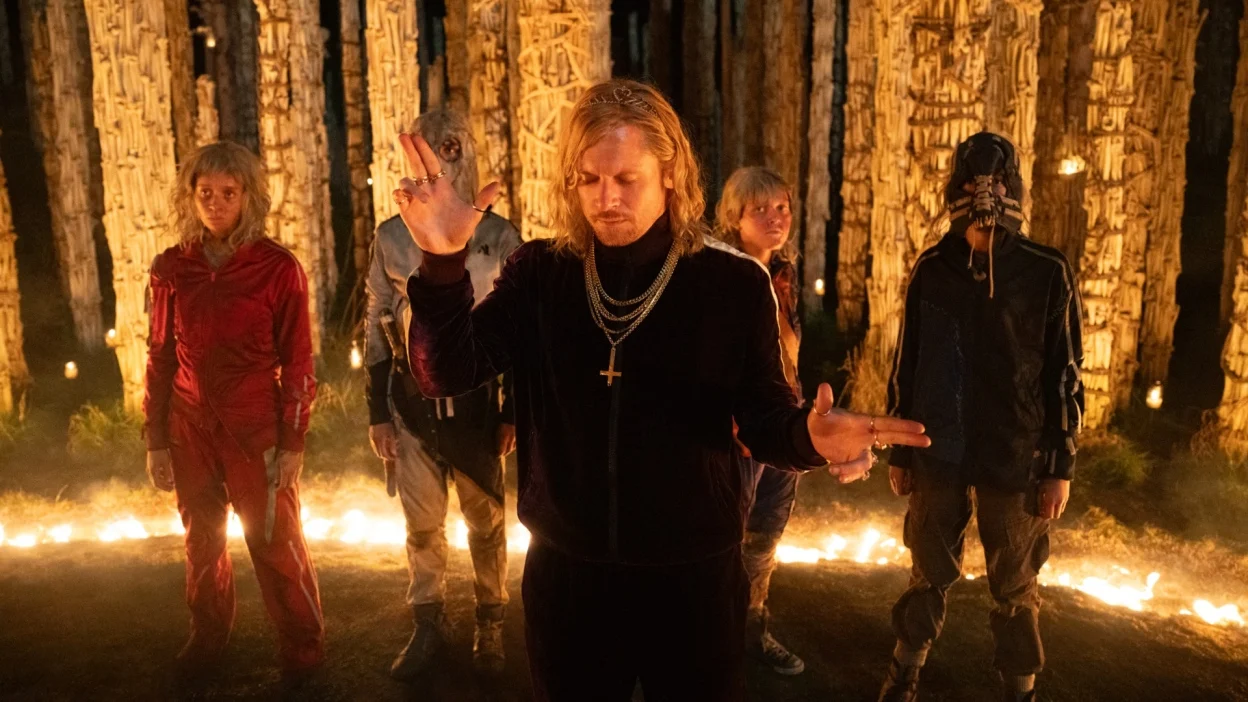


DaCosta directs with visceral energy, staging sequences that are frequently jaw-dropping in their gore and sadism. This is not a film particularly interested in an actual plot, clean narrative arcs or deep psychological excavation. Instead, Bone Temple unfolds as a succession of brutal set-pieces, each more punishing than the last. Some viewers will undoubtedly find it too much—too loud, too violent, too relentless.

But that relentlessness is also the point. What makes 28 Years Later: Bone Temple so compelling is how it mashes thematic power with B-movie exploitation ultra-violence. Beneath the spray of blood and bone is a furious meditation on false charity, moral absolutism, and the terrifying ease with which cruelty dresses itself up as righteousness. It’s ugly, abrasive, and often overwhelming—but it’s never empty. Indeed, if there is a more stylish and powerful scene in cinema all year than the ‘Number of the Beast’- Iron Maiden-soundtracked-fiery-ritual-sequence then I can’t wait to see it.

Ultimately, this is apocalypse horror as endurance test and sermon, and while it won’t be for everyone, I found it exhilarating. In its refusal to soften its blows, 28 Years Later: Bone Temple (2025) earns its place as one the most savage entries in the franchise, so far.
Mark: 8.5 out of 11


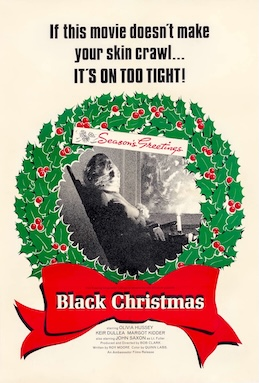
Cult Film Review: Black Christmas (1974) – a festive horror film gift worth opening!

Cult Film Review: Black Christmas (1974)

Directed by Bob Clark

Written by Roy Moore

Produced by Bob Clark

Cast: Olivia Hussey, Keir Dullea, Margot Kidder, John Saxon, Marian Waldman, Andrea Martin, Art Hindle, etc.

Cinematography by Reginald H. Morris

*** MAY CONTAIN SPOILERS ***


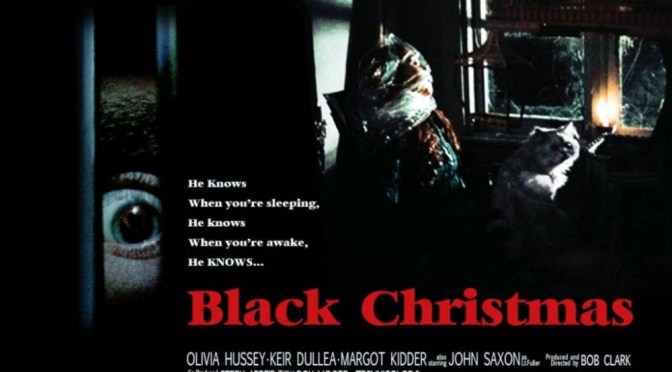
Black Christmas (1974) remains a cornerstone of cult horror, steeped in creeping dread thanks to director Bob Clark’s unnerving ability to build eerie atmospherics. As a series of obscene phone calls begin to plague a sorority house, the film patiently tightens the noose, revealing that a psychopath is homing in on the “sisters” with sinister intent. Even as the police attempt to trace the calls, Clark toys with perception, suggesting that nothing—and no one—is quite what it seems.

Beyond its surface-level shocks, Black Christmas reveals a surprisingly progressive and unsettling thematic undercurrent. The film’s menace is deeply entangled with ideas of toxic masculinity: male entitlement, surveillance, and violence seep into almost every threat faced by the women. The killer’s obscene phone calls aren’t just frightening—they’re exercises in domination, attempts to invade private space through verbal abuse and sexualised rage. Even ostensibly “normal” male authority figures are depicted as dismissive, incompetent, or quietly threatening, reinforcing the sense that danger is systemic rather than anomalous.

Most striking for its era is the film’s pro-choice stance. Jess’s determination to have an abortion—presented as a firm, rational decision rather than a moral failing—grounds the horror in real-world anxiety. Her boyfriend’s furious reaction exposes a fragile masculinity rooted in ownership and expectation, aligning emotional coercion with the film’s broader atmosphere of male control. Horror here isn’t just the killer in the attic; it’s the social pressure bearing down on women’s autonomy.


Familial breakdown also looms large. The sorority house functions as a fractured surrogate family, one that offers warmth and camaraderie but ultimately fails to protect its members. Traditional structures—parents, police, institutions—are either absent, drunk, or found wanting, leaving the women isolated within spaces that should be safe. This erosion of trust amplifies the film’s dread, making the violence feel inescapable.

The ambiguous ending remains divisive. By denying the audience catharsis or moral resolution, director Bob Clark leaves the horror unresolved, lingering long after the credits roll. For some viewers, this refusal to “close the case” is profoundly unsettling; for others, it risks dissatisfaction, as the absence of narrative justice feels incomplete rather than subversive. Yet it’s arguably this very lack of closure that cements Black Christmas’s power. The evil isn’t vanquished—it’s merely unseen, waiting—an idea that would echo loudly through the genre and unsettle audiences for decades to come.

Standout performances from wise-cracking Margot Kidder, ethereal Olivia Hussey, and the intensely unsettling Keir Dullea elevate the material. Revisiting the film after a twenty years hiatus, I felt the fear factor is occasionally undercut by arguably silly humour and moments of heightened over-acting. Yet, its influence is undeniable—paving the way for filmmakers like John Carpenter, who would refine and surpass its template with the classic Halloween (1978).

Mark: 8 out of 11