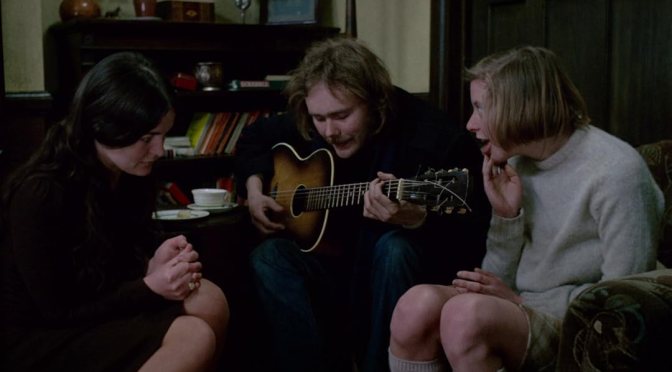
Classic Film Review: Bleak Moments (1971) plus Mike Leigh Q & A (Prince Charles Cinema, London.)

Classic Film Review: Bleak Moments (1971)

Directed by Mike Leigh

Written by Mike Leigh – Based on 1970 stage play by Mike Leigh

Produced by Leslie Blair

Cast: Anne Raitt, Sarah Stephenson, Eric Allan, Joolia Cappleman, Mike Bradwell, Donald Sumpter etc.

Cinematography by Bahram Manocheri

Camera Assistant: Roger Pratt

Edited by Leslie Blair
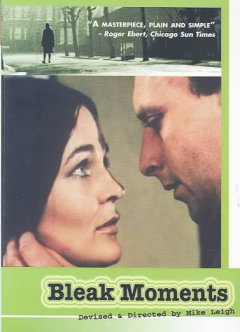


One of the quiet yet profound joys of cultural life is finding a creative or sporting figure—or team—whose journey you follow from an early age, growing alongside their work as it evolves. Whether it’s the cinematic brilliance of the Coen Brothers or Mike Leigh, the ever-shifting energy of Primal Scream, or the lifelong, often agonising commitment to Tottenham Hotspur FC, these long-term relationships offer a deep sense of continuity. They become personal landmarks in our emotional and cultural landscapes, threading through decades of change and grounding us with shared history, joy, and—especially in Spurs’ case—a touch of heartache.

I was born just a year before Mike Leigh’s Bleak Moments debuted in 1971, and it became a defining cultural touchstone for me. First encountering it in the early 1980’s, I was captivated by its raw honesty and quiet power—a film I returned to again and again on that solid-format VHS tape over the years. It marked the beginning of a lifelong relationship with Leigh’s work, a body of cinema that has shaped and shadowed my own personal and cultural journey. That connection endures to this day, most recently renewed with his 2025 release, Hard Truths—a testament to a career and vision that continue to evolve with undiminished integrity.
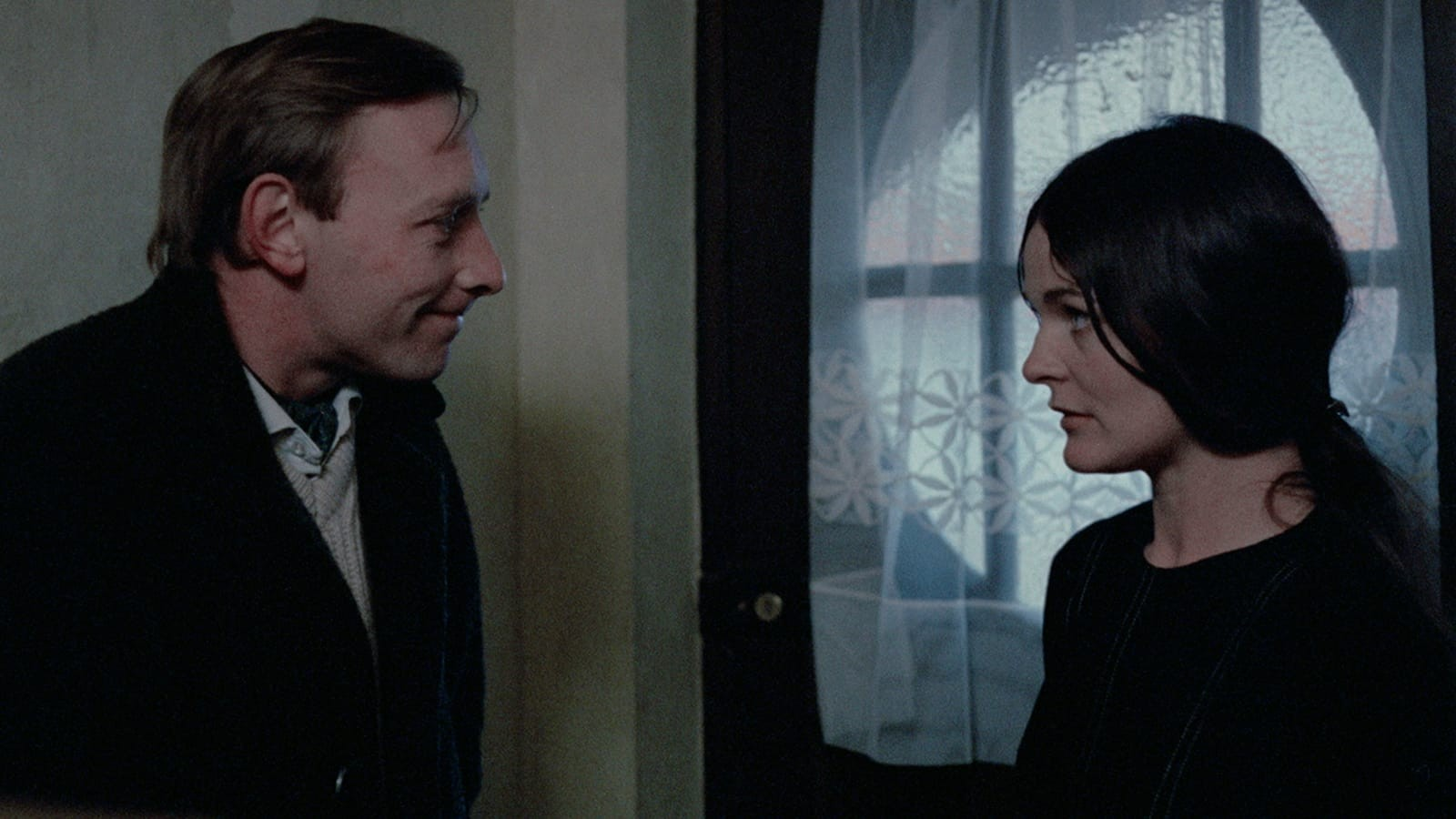


Bleak Moments centres on Sylvia (Anne Raitt), a lonely, introspective young woman navigating the quiet desolation of her suburban life while caring for her mentally challenged sister, Hilda (Sarah Stephenson). Trapped between duty and desire, Sylvia reaches tentatively toward human connection—most notably with a shy schoolteacher—yet every encounter is marked by awkward silences and emotional hesitations. Mike Leigh crafts a delicate, unflinching portrait of isolation and unmet longing, where the most powerful moments are found in what remains unsaid. Indeed, I would say it would have a powerful influence on awkward cinema or television such as Gervais and Merchant’s, seminal show The Office.

I hadn’t seen the film for twenty years and in a packed Prince Charles Cinema, what struck me was how Bleak Moments, while raw and unvarnished in style, unfolds with a beautifully episodic structure that gently accumulates emotional weight. Each scene offers a quiet vignette—moments of everyday awkwardness, tentative exchanges, and domestic stillness—that together create a deeply human portrait of loneliness and restraint. Despite its sombre tone, the film is laced with dry, observational humour and a deep sense of pathos, revealing the absurdity and ache of unspoken lives.

Mike Bradwell’s Norman and his dryly hilarious songs, and the most awkward of “romantic” dinner scenes in the Chinese restaurant just stood out to me as deeply funny. Raitt’s performance too is a masterclass of comedic understatement. Overall, these qualities—emotional nuance, character-driven storytelling, and a commitment to realism—would become defining hallmarks of Mike Leigh’s oeuvre, already fully formed in this striking debut. Finally, it was great to see and hear from Leigh, now in his eighties, answering some great questions with sharp wit and batting away some stupid ones too with his usual intelligence and droll honesty. Leigh remains a hero in my life’s cultural journey.

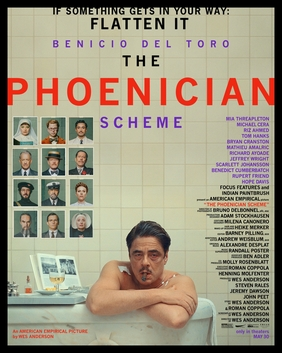
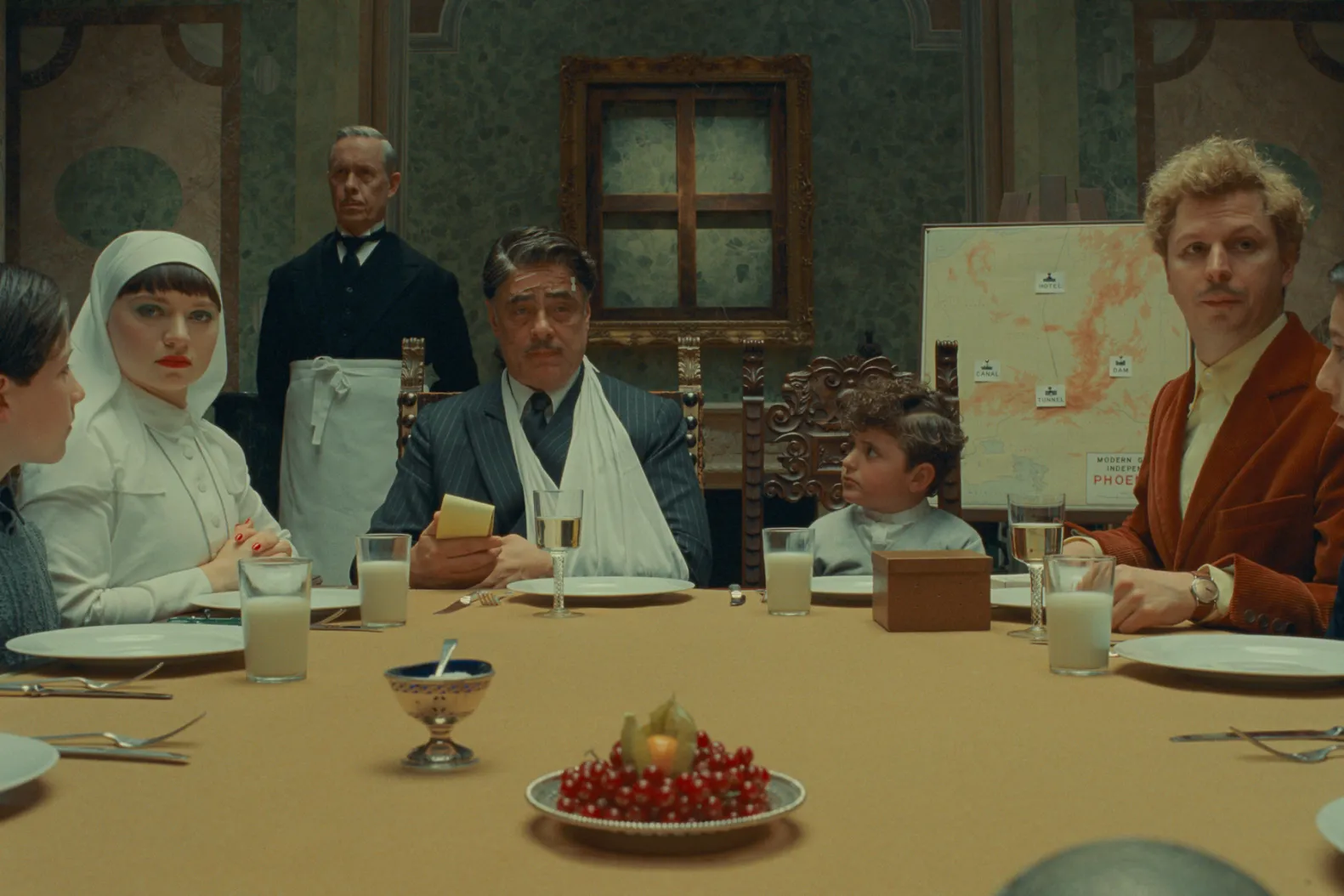
Cinema review: The Phoenician Scheme (2025) – plus Wes Anderson’s Top 11 films ranked in order of favourite!

Cinema review: The Phoenician Scheme (2025)

Directed by Wes Anderson

Screenplay by Wes Anderson

Story by Wes Anderson and Roman Coppola

Produced by Wes Anderson, Steven Rales, Jeremy Dawson, John Peet

Cinematography by Bruno Delbonnel

Main cast: Benicio del Toro, Mia Threapleton, Michael Cera, Riz Ahmed, Tom Hanks, Bryan Cranston, Mathieu Amalric, Richard Ayoade, Jeffrey Wright, Scarlett Johansson, Benedict Cumberbatch, Rupert Friend, Hope Davis, etc.


Reviewing films for me is a form of study—a way to sharpen one’s eye, expand one’s perspective, and gain insight into the craft of filmmaking. It’s a dialogue between the film and the viewer, where curiosity, analysis, and empathy fuel a deeper appreciation for the storytelling process. Yet, Wes Anderson’s films often feel unreviewable in the traditional sense because they exist entirely within their own meticulously crafted universe—one governed by its own visual grammar, emotional tone, and narrative rhythm. His work defies conventional cinematic benchmarks not because it fails to meet them, but because it invents new ones.

His films are stylized to the point of abstraction: symmetrical compositions, pastel palettes, theatrical performances, deadpan dialogue, and storybook framing devices. These are not aesthetic flourishes added to conventional storytelling—they are the storytelling. Every element is calibrated to serve a singular artistic vision that prioritizes mood, irony, and emotional restraint in a way that often bypasses mainstream emotional cues. As a result, trying to evaluate Anderson’s films on the basis of relatability or realism can feel like trying to critique a painting for not being a photograph. You either enter his world and accept its rules, or you don’t.


The Phoenician Scheme (2025) is a whimsically convoluted tale of betrayal, bureaucracy, and buried emotion, anchored by a surprisingly tender pairing: Benicio Del Toro and Mia Threapleton as an estranged father and daughter navigating a pastel-hued world of espionage, assassination attempts and eccentricity. Del Toro brings his signature quiet intensity—filtered through Anderson’s signature deadpan—as Anatole “Zsa-Zsa” Korda, a controversial businessman seeking backing from an array of peculiar business types. Threapleton, in a breakout performance, plays Sister Liesl, a guarded young nun.

As always, Anderson’s aesthetic is immaculately controlled—every frame a still life, every line delivered with just-so detachment. But where the plot sometimes meanders through its own labyrinth of quirk, the film’s emotional core remains grounded in Del Toro and Threapleton’s quiet push-and-pull: a relationship built on misread intentions, half-kept promises, and a strange kind of inherited stoicism. Michael Cera is on splendid form too as Bjørn Lund, a Norwegian entomologist, tutor, and Korda’s administrative assistant.

Overall, The Phoenician Scheme (2025) is best enjoyed as a moving art installation and while thematically strong in terms of the father-daughter-reconciliation theme, doesn’t reach the narrative heights of Anderson’s best work. It’s a visually charming and emotionally sincere entry—proof that even in a world of plane crashes, quirky business deals, weird relatives, religious fervour, eccentric guerrillas, the arc of connection between a father and daughter can still feel radical.

Mark: 7.5 out of 11


Wes Anderson’s Top 11 films ranked in order of MY favourites!

1. Rushmore (1998)

2. The Grand Budapest Hotel (2014)

3. The Royal Tenenbaums (2001)

4. Bottle Rocket (1996)

5. Asteroid City (2023)

6. Isle of Dogs (2018)

7. Moonrise Kingdom (2012)

8. The Darjeeling Limited (2007)

9. The Phoenician Scheme (2025)

10. The Life Aquatic with Steve Zissou (2004)

11. The French Dispatch (2021)


Netflix Film Review: The Piano Lesson (2024) – ghosts of the past and present haunt the screen with resounding power!

Netflix Film Review: The Piano Lesson (2024)

Directed by Malcolm Washington

Screenplay by Virgil Williams & Malcolm Washington

Based on The Piano Lesson by August Wilson

Produced by Denzel Washington & Todd Black

Main cast: John David Washington, Danielle Deadwyler, Samuel L. Jackson, Ray Fisher, Michael Potts, Erykah Badu, Skylar Aleece Smith,
Corey Hawkins, and more.


Cinematography by Mike Gioulakis


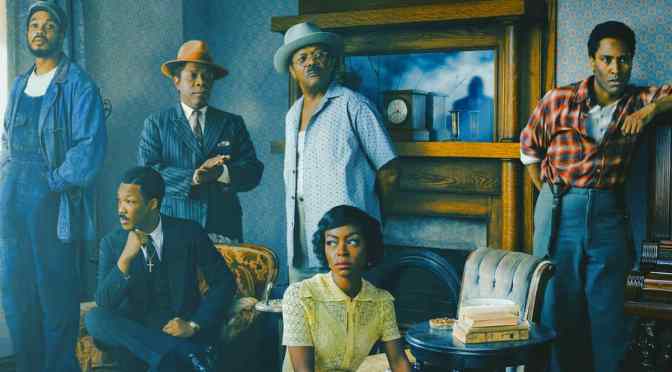
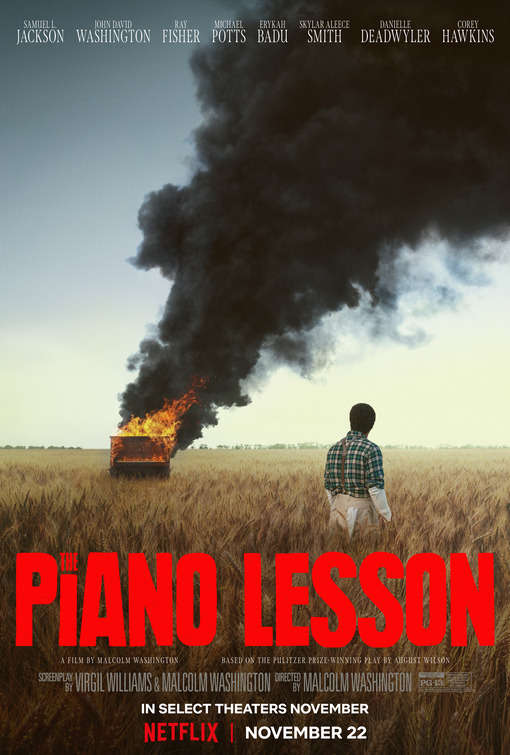
Malcolm Washington’s directorial debut, The Piano Lesson (2024), is a poignant and evocative adaptation of August Wilson’s 1987 play, set in 1936 Pittsburgh. Through a compelling narrative and an exceptional cast, Washington explores themes of heritage, familial conflict, and the enduring impact of racial oppression.

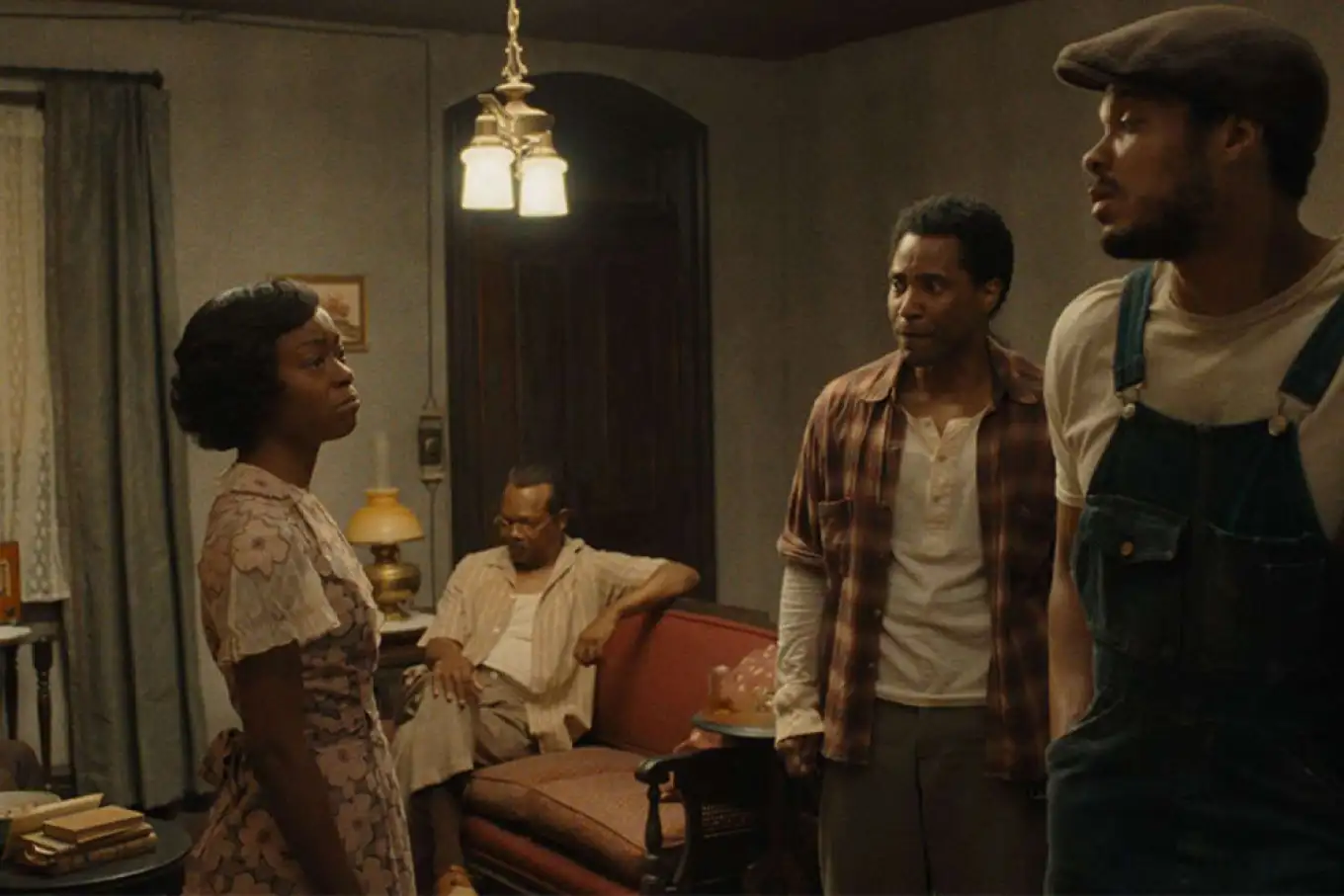
Washington, alongside co-writer Virgil Williams, expands the original stage play’s confines by incorporating flashbacks and supernatural elements, enriching the narrative’s depth and scope. The film centers on the Charles family, particularly siblings Boy Willie (John David Washington) and Berniece (Danielle Deadwyler), who are at odds over the fate of a family heirloom piano. Boy Willie wishes to sell the piano to purchase land that once belonged to their ancestors, while Berniece views the instrument as a sacred connection to their past.

The piano, intricately carved with images of the Charles family’s ancestors, serves as a powerful symbol of their history and resilience. For Boy Willie, it represents a means to break free from the shackles of the past and build a future of self-sufficiency. Conversely, Berniece sees it as a testament to their survival and a link to the sacrifices made by their forebears. This dichotomy underscores the central conflict: the tension between honoring tradition and pursuing progress


The film delves into the complexities of familial bonds and the differing perceptions of heritage. Boy Willie’s desire to sell the piano reflects a yearning to move beyond the constraints of history, while Berniece’s attachment signifies a commitment to preserving their lineage. At the same time she mourns the loss of her husband and combats romantic offers from local suitors. Her struggles truly power the piece and the familial clashes further embody the broader struggle within African American communities: reconciling the weight of history with the aspirations for advancement. The supernatural elements, particularly the haunting presence of the plantation owner, Sutter’s ghost, are delivered effectively. They also amplify the narrative’s exploration of unresolved trauma and the need for reconciliation.

The ensemble cast delivers standout performances, with John David Washington portraying Boy Willie’s fiery ambition and Danielle Deadwyler capturing Berniece’s steadfast resolve. How Deadwyler did not even get an Oscar nomination for Best Actress in a Supporting Role is beyond me. Moreover, Samuel L. Jackson offers a subtle, unselfish and grounded portrayal of Doaker, the family patriarch. Washington’s direction ensures a respectful adaptation, balancing the play’s rich and passionate dialogue with cinematic elements that enhance its emotional resonance.

Overall, Malcolm Washington’s The Piano Lesson is a resounding adaptation that honours August Wilson’s legacy while providing a fresh perspective on timeless themes. Through its rich symbolism, compelling performances, and thoughtful direction, the film invites audiences to reflect on the complexities of heritage, the burdens of history, and the paths toward healing and progress.

Mark: 8.5 out of 11


Cinema Review: Mission Impossible – The Final Reckoning (2025) plus my 1-8 ranking of the franchise.

CINEMA REVIEW: MISSION IMPOSSIBLE – THE FINAL RECKONING

Directed by Christopher McQuarrie

Written by Christopher McQuarrie & Erik Jendresen

Based on Mission: Impossible by Bruce Geller

Produced by Tom Cruise & Christopher McQuarrie

Main Cast: Tom Cruise, Hayley Atwell, Ving Rhames, Simon Pegg, Henry Czerny, Angela Bassett, Pom Klementieff, Esai Morales, Holt McCallany, Janet McTeer, Mark Gatiss, Nick Offerman, Tramell Tillman, Shea Wigham, Rolf Saxon, etc.

*** MAY CONTAIN SPOILERS ***


Christopher McQuarrie returns to helm the final chapter of Mission: Impossible, delivering exactly what fans have come to expect—exquisite stunt work, globe-trotting chaos, MacGuffins galore, and Tom Cruise running like the fate of cinema depends on it. What stands out during Dead Reckoning (2025) is McQuarrie’s deft layering of callbacks from across the franchise: masks, betrayals, teamwork, sacrifice and even thematic echoes to Ethan Hunt’s original arc as a man constantly outpaced by the very institutions he serves. I mean bringing back Rolf Saxon as banished CIA analyst, William Donloe, from the first film is absolute genius.

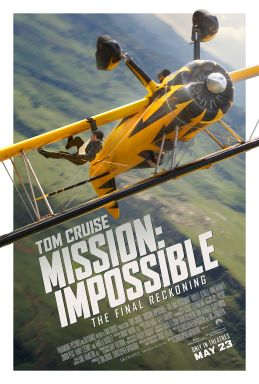
Further highlights include the icy St Matthew Island cabin shootout. Plus, the hauntingly atmospheric silent submarine sequence is an exercise in pure cinematic tension that, while a bit dark on the screen I saw it on, was incredibly designed and delivered. In the final thrilling act McQuarrie and his team flex their editing chops in a virtuoso ticking-clock sequence that cross-cuts a rapidly escalating nuclear threat with a spiraling physical stunt—clearly tipping its hat to Dr. Strangelove but with a modern blockbuster pulse. The bi-plane action that Cruise and the stunt team perform is just breathtaking. Lastly, there was also some emotional weight in certain scenes as Hunt shares touching moments throughout, especially with stalwart, Ving Rhames, Luther Stickell.

But while the ambition is laudable, one can’t help but question whether it all needed to stretch across a bum-numbing three hours, weighed down by dense exposition about AI, allegiance, and global power games. The storytelling sometimes forgets to trust the audience, explaining what we already understand or could intuit. It’s thrilling, yes—but occasionally exhausting, especially as Mission: Impossible – Dead Reckoning Part One (2023), had done a lot of the heavy work setting up the Entity and Esai Morales as the nemeses of the piece. Still, along with an impressive ensemble cast, expert production team and of course Tom Cruise doing what he does best, McQuarrie proves himself the rare modern action director who respects his audience’s intelligence and patience—even if he tests both.

Mark: 8 out of 11


MISSION IMPOSSIBLE – MY FAVOURITES 1 to 8

  1. Mission ImpossibleFallout (2018)
  2. Mission Impossible – Rogue Nation (2015)
  3. Mission Impossible – Ghost Protocol (2011)
  4. Mission Impossible (1996)
  5. Mission Impossible – Dead Reckoning (2023)
  6. Mission Impossible III (2006)
  7. Mission Impossible – The Final Reckoning (2025)
  8. Mission Impossible II (2000)