Tag Archives: PHOTOGRAPHY

Classic Film Review: Matewan (1987)

Classic Film Review: Matewan (1987)

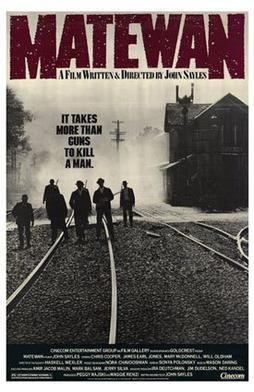
Directed by John Sayles

Written by John Sayles

Produced by Peggy Rajski and Maggie Renzi

Main Cast: Chris Cooper, James Earl Jones, Mary McDonnell, Will Oldham, David Strathairn, Kevin Tighe, Gordon Clapp, Bob Gunton, etc.

Cinematography by Haskell Wexler

** MAY CONTAIN SPOILERS **


For me, John Sayles represents almost everything that is admirable about independent filmmaking and is quite simply a phenomenal screenwriter. His best scripts never feel mechanically constructed. They breathe. Characters wander into scenes carrying entire histories with them, and seemingly casual conversations reveal class, politics, relationships, disappointments and decades of buried resentment. Films such as the magnificent, Matewan (1987), Passion Fish (1992), Eight Men Out (1988) and impressive, Lone Star (1996) demonstrate just how sophisticated his writing can be, yet there is rarely anything flashy or self-conscious about it.

Moreover, I also love the sheer pragmatism of the career he built. Sayles understood that being an independent filmmaker didn’t mean pretending Hollywood didn’t exist. He started out writing wonderfully entertaining low-budget genre pictures for Roger Corman — Piranha (1978), The Lady in Red (1979), Alligator (1980) and Battle Beyond the Stars (1980) among them — and went on to become a successful screenwriter and highly regarded script doctor on much bigger Hollywood productions. He could take the money and experience from those assignments and then return to the films that really mattered to him. Rather than waiting for the industry to give him permission to make his movies, he found a way of financing and sustaining them himself.

And perhaps that is why I find Sayles so inspiring. The Hollywood work didn’t dilute his independence — in many ways, it enabled it. Across decades of filmmaking, he retained his curiosity, his integrity and his belief that audiences were intelligent enough to engage with complicated characters and complicated ideas. For any filmmaker trying to make personal work outside the mainstream, John Sayles isn’t simply a great writer-director. He’s a genuine indie filmmaking hero — and proof that it is possible to survive within the film business without allowing the business to define the films you make.

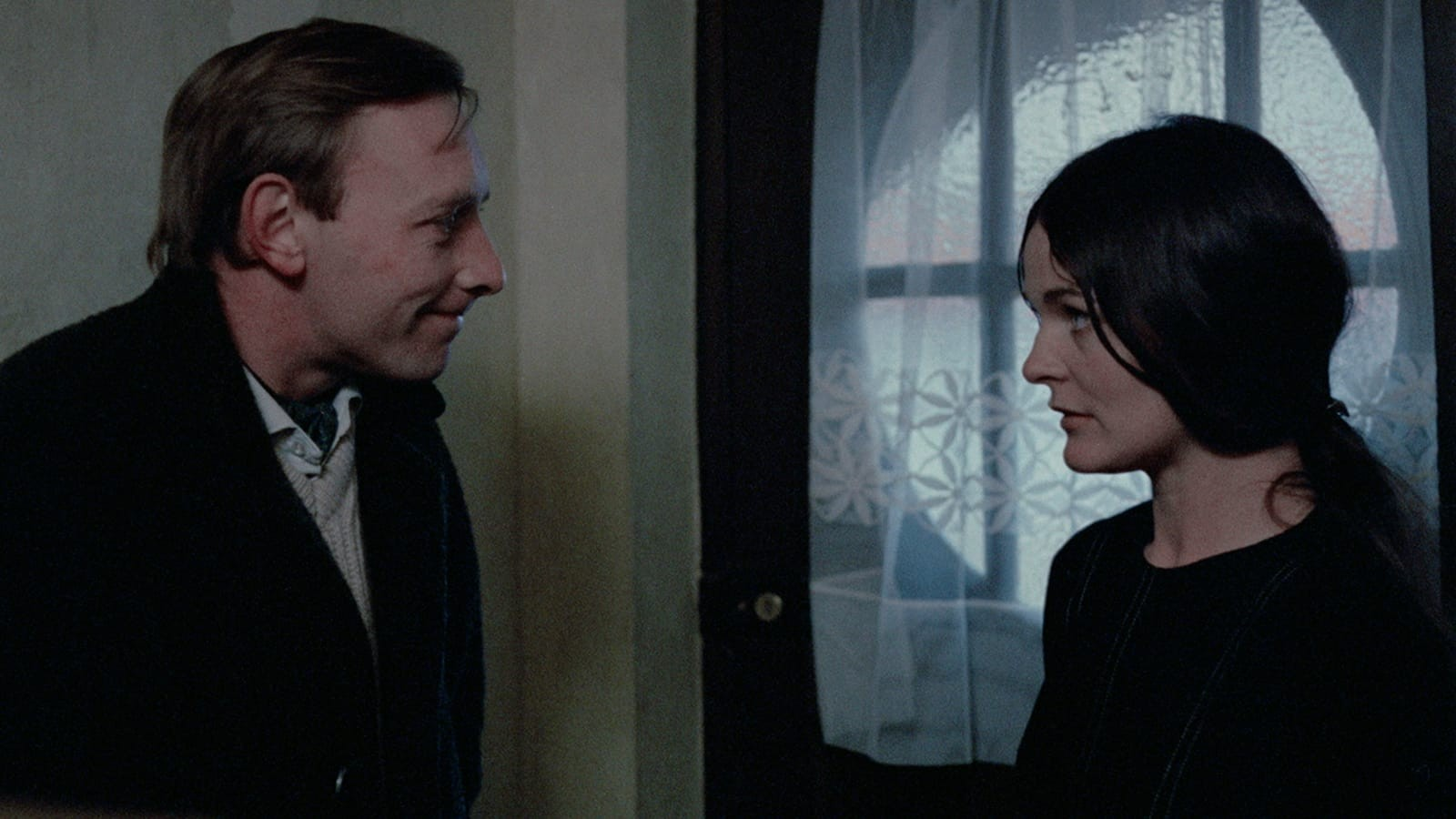
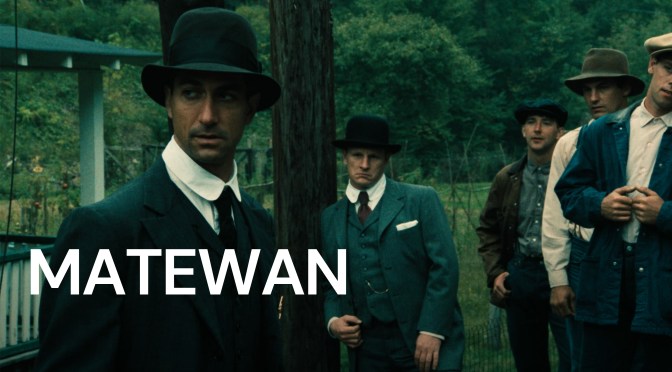
I recently re-watched, Matewan (1987), having not seen it for years. It is a beautifully crafted, deeply humane piece of American cinema in which the personal, political and historical become inseparable. Taking the real-life Matewan coal conflicts of 1920 as his foundation, Sayles creates something far richer than a conventional historical drama. This is a film about miners and their families, immigrants and outsiders, union organisers and company men; about people discovering that their only real strength lies in standing together against corporate bosses prepared to use intimidation, exploitation and outright violence to maintain their power.


There is an incredible humanity running throughout the film. Sayles understands the divisions between these workers — racial, cultural, religious and economic — and therefore never makes their eventual solidarity feel easy or sentimental. The miners have to overcome suspicion and prejudice before recognising that the forces dividing them are also helping to keep them powerless. At the centre of it all is Chris Cooper, superb as union organiser Joe Kenehan: quiet, intelligent, principled and determined to prevent an already volatile situation from descending into violence. Around him Sayles constructs an entire community, allowing individual lives, marriages, friendships and rivalries to exist alongside the larger political struggle.

The film is also visually magnificent. Working with the great cinematographer Haskell Wexler, Sayles gives Matewan (1987) a rich, earthy, almost tactile quality. The mountains, forests, railway tracks, wooden houses and coal-blackened interiors don’t merely provide an interesting period backdrop; they seem to contain the history of the people living and working within them. There is mud, smoke, sweat, blood, tears and darkness everywhere, contrasted with the natural beauty of the West Virginia landscape. The mines themselves feel oppressive and dangerous, while the wider landscape can appear both beautiful and imprisoning. Further, while these people live among extraordinary natural beauty they are being economically trapped by the company that controls the coal mines.

Rather than building the film around conventional movie stars, Sayles assembled the kind of extraordinary American character actors who make every face and every voice feel as though it belongs in this world. Chris Cooper – in his debut feature – gives the film its moral centre, while James Earl Jones brings enormous dignity, warmth and authority to ‘Few Clothes’ Johnson. David Strathairn is wonderfully memorable as Sid Hatfield, and Mary McDonnell brings intelligence and emotional complexity to Elma Radnor. Then there is Kevin Tighe as Hickey, one of the Baldwin-Felts agents sent into Matewan to intimidate the miners and break their resistance. Tighe gives the film a genuinely menacing presence: smiling, controlled and utterly comfortable with the threat of violence.

The combination of historical detail, political conviction, memorable acting and direction, magnificent cinematography, beautifully observed characterisation and gripping storytelling is what makes Matewan (1987) such a remarkable achievement. Sayles takes a specific labour dispute in a West Virginia mining town and turns it into something both intimate and expansive: a story about solidarity, dignity, prejudice, exploitation and the terrible price ordinary people can pay when they challenge entrenched power. Yet for all its anger, Matewan (1987) never loses its compassion. Sayles remains interested in people first. It is muscular, intelligent, visually beautiful and deeply moving filmmaking, made with enormous integrity — and one of the finest examples of just how powerful American independent cinema can be.
Mark: 9.5 out of 11


Classic Film Review: Woman in the Dunes (1964)

Classic Film Review: Woman in the Dunes (1964)

Directed by Hiroshi Teshigahara

Screenplay by Kōbō Abe
– Based on The Woman in the Dunes
by Kōbō Abe


Produced by Kiichi Ichikawa and Tadashi Ono

Main cast: Eiji Okada, Kyōko Kishida, Kōji Mitsui

Cinematography by Hiroshi Segawa

*** MAY CONTAIN SPOILERS ***


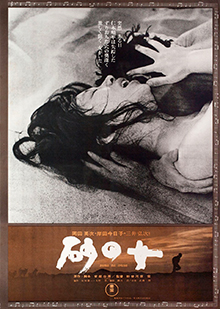
I’d never seen Woman in the Dunes (1964) before, but after watching the director’s cut on the BFI Player, it has now catapulted into one of the best films I have ever seen. This could be first-watch bias, however, thematically, emotionally, philosophically and stylistically speaking, it absolutely touched upon, connected and spoke to me greatly about my life’s experiences and the human condition.

Niki Junpei (Eiji Okada), a frustrated schoolteacher and amateur entomologist from Tokyo, travels to a remote coastal village in search of rare insects. After missing the last bus home, he accepts an invitation to stay overnight with a young widow (Kyōko Kishida) who lives alone in a hut at the bottom of a vast sand dune. He soon learns that her husband and daughter were killed in a sandstorm and that she spends every night shovelling away the endless sand that threatens to bury her home. Though Junpei initially sees himself as a temporary guest, strange comments from the villagers hint that something more sinister is unfolding.
The following morning, Junpei discovers that the rope ladder leading out of the sand pit has been removed. Trapped by the villagers, he realizes he has been chosen to become the widow’s permanent companion and labourer, helping her dig sand that the village secretly sells for profit. As he struggles to escape, Junpei learns that the widow is also a prisoner of the community, both of them controlled through dependence on the villagers for food and water. What begins as an accidental overnight stay becomes a nightmare of confinement, survival, and the gradual erosion of freedom beneath the relentless weight of the sand.


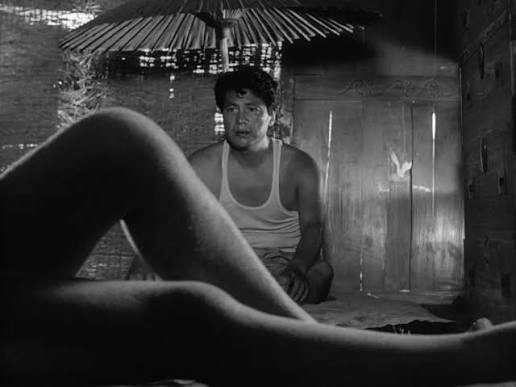
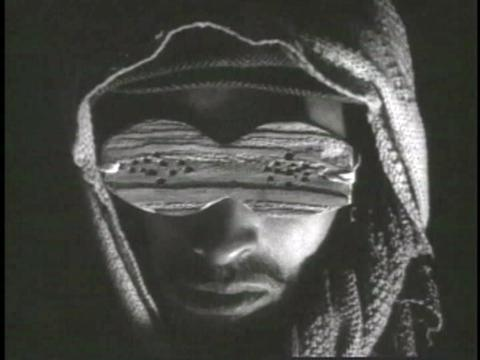
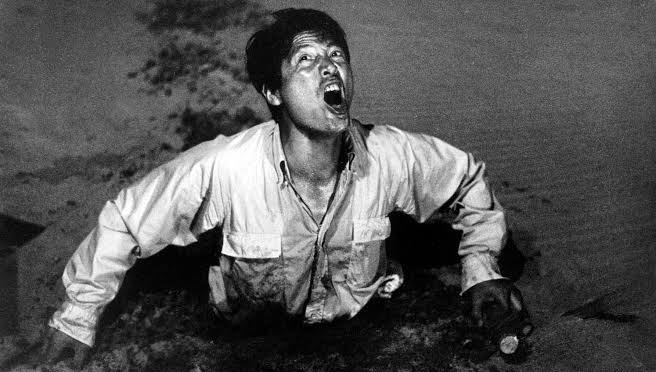
Hiroshi Teshigahara’s Woman in the Dunes (1964) is one of those rare films where image, character, theme and performance become inseparable. Shot in pristine black and white by cinematographer Hiroshi Segawa, it is visually astonishing: every grain of sand, bead of sweat and shadow across a human body is rendered with an almost microscopic intensity. The beauty of the photography is deliberately juxtaposed with the darkness of Niki Junpei’s predicament. What begins as an innocent expedition to collect insects becomes an existential prison, as he finds himself trapped by commerce, a surrogate marriage and, most powerfully, the natural wall of sand that pins both him and the unnamed widow to their strange subterranean existence.

The sand is both physical and metaphorical. It shifts, pours, consumes and rebuilds itself, turning Junpei’s captivity into a distinctly Sisyphean struggle. Every attempt at escape merely seems to return him to where he started, yet what makes Junpei such a compelling character is his absolute refusal to surrender. He builds ladders, devises increasingly ingenious escape plans, attempts to train crows to carry messages and continually tries to outwit the villagers who have ensnared him. Each failure intensifies rather than diminishes his determination. Like Sisyphus pushing the rock back up the hill, Junpei is condemned to confront an obstacle that endlessly renews itself.

Yet Woman in the Dunes (1964) is far more complicated than a straightforward story of imprisonment. Junpei is trapped by the villagers, but also by economic necessity, social expectation and an enforced domestic relationship that gradually begins to resemble a marriage. The villagers need the sand removed; the widow needs a man to help her survive; Junpei needs water, food and eventually human companionship. Teshigahara transforms this bizarre situation into a miniature society in which freedom itself becomes increasingly difficult to define. The more Junpei fights against his surroundings, the more deeply he becomes connected to them.

The relationship between Junpei and the widow, played with extraordinary physical and emotional commitment by Eiji Okada and Kyōko Kishida, gives the film its human core. Their intimacy moves between hostility, dependency, tenderness and desire without ever becoming conventional romance. Although sex is an important element of the film, Teshigahara rarely needs explicit imagery. Bodies appear as silhouettes, fragments and outlines; Kishida’s naked form is often suggested rather than displayed. A shoulder, a curve, a shadow or sand clinging to skin can communicate more than an explicit image ever could. One sees more from less throughout.


That principle extends to the entire film. Teshigahara makes the smallest details monumental. Sand resembles water, skin resembles landscape and the walls of the pit sometimes appear infinite. Extreme close-ups turn grains of sand into an entire universe, while wider compositions emphasise just how insignificant these two people are against the enormous shifting landscape surrounding them. The immaculate monochrome photography makes the film simultaneously beautiful and suffocating. The sand can look almost luminous in one shot and utterly threatening in the next.

There is also a wonderful irony at the heart of Junpei’s predicament. He arrives as an entomologist searching for insects, only to become a specimen himself: captured, observed and contained within a pit from which he cannot escape. The collector has become the collected. Teshigahara never labours the metaphor because he does not need to. It exists naturally within the imagery and situation, allowing the audience to discover its implications rather than having them explained.

Woman in the Dunes (1964) is virtually flawless in character, theme, cinematography, direction and performance. More than sixty years after its release, it remains startlingly modern and visually unlike almost anything else. Its central image — two human beings endlessly shovelling away a mountain of sand that will simply return tomorrow — is cinema distilled into an unforgettable metaphor for existence itself.

The only negative? Why didn’t I watch it sooner?

Mark: 10.5 out 11


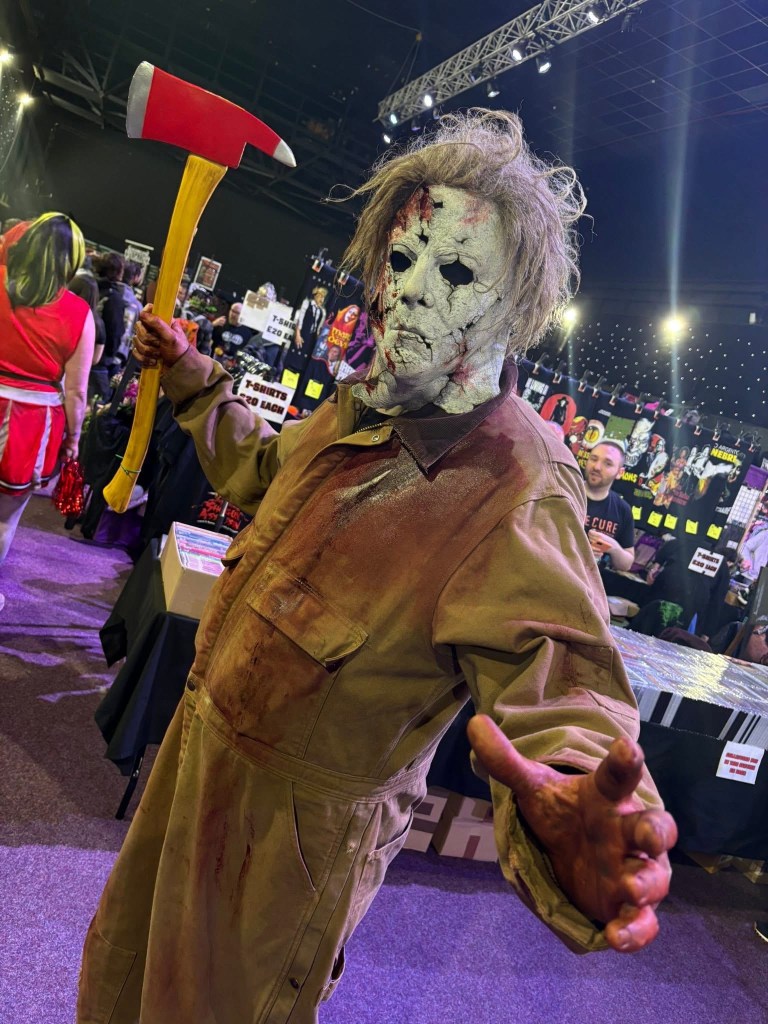
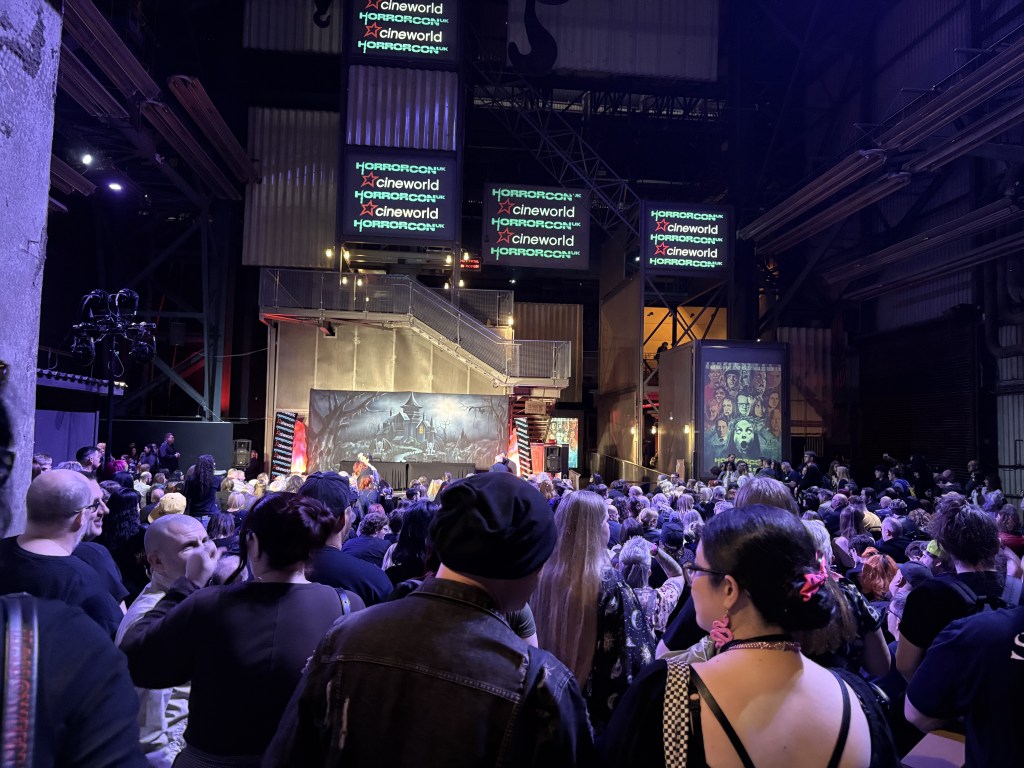
Thanks to Horror Con 2026!

Thanks to Horror Con 2026!

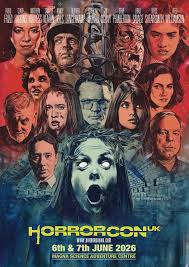
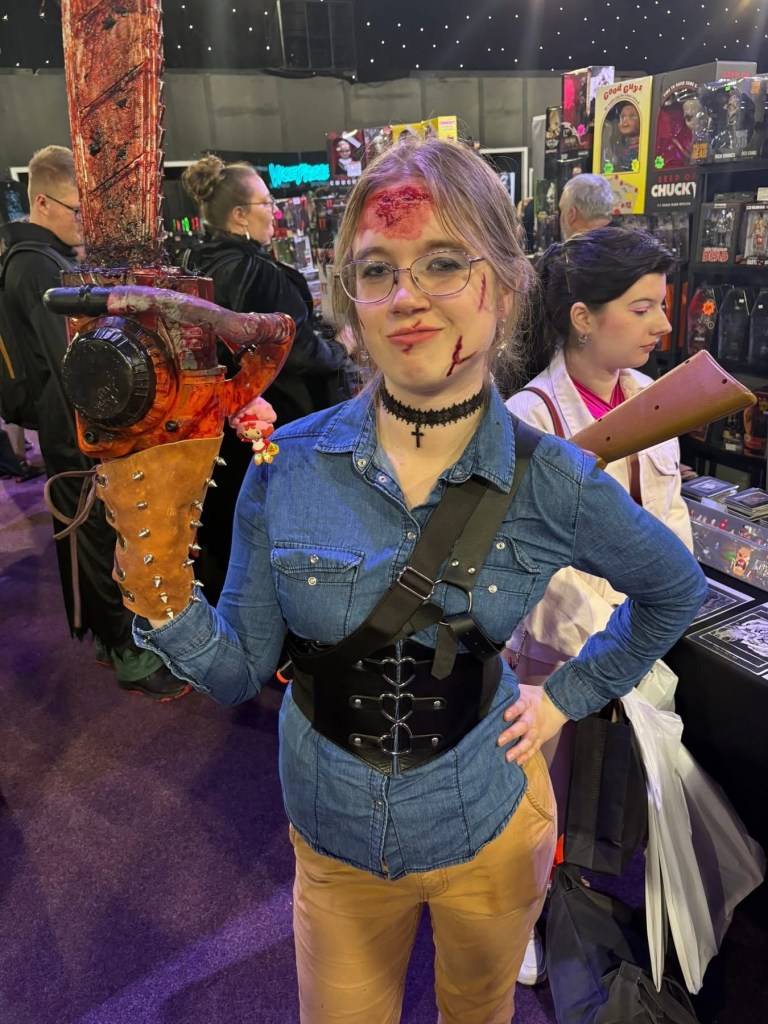
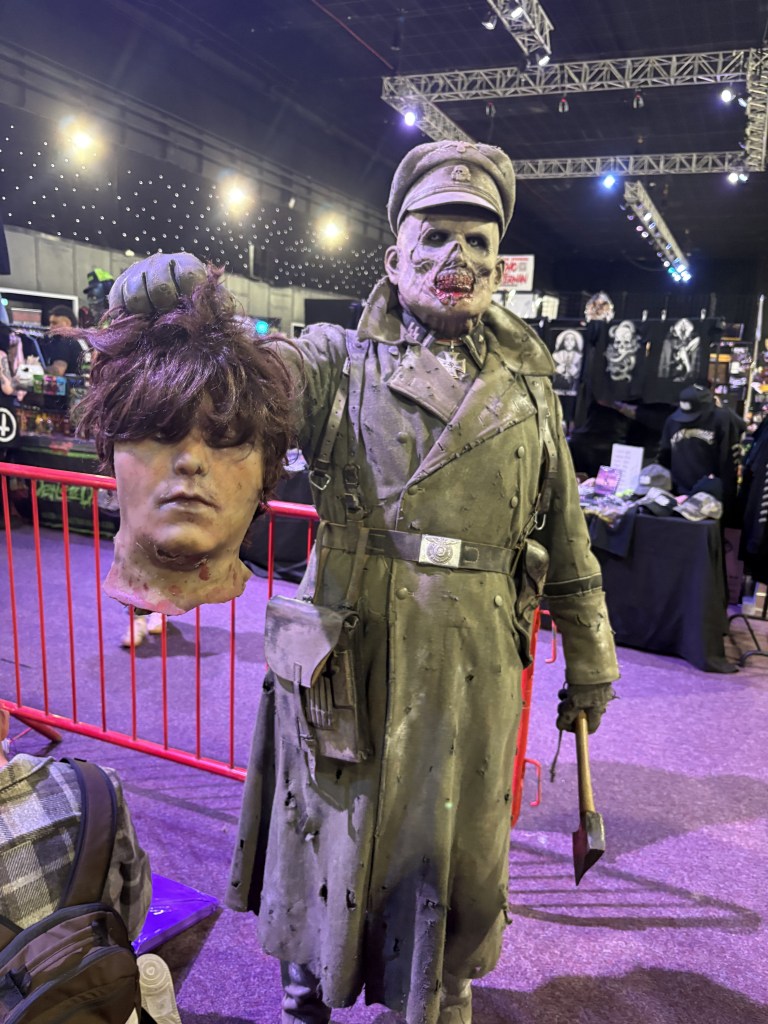
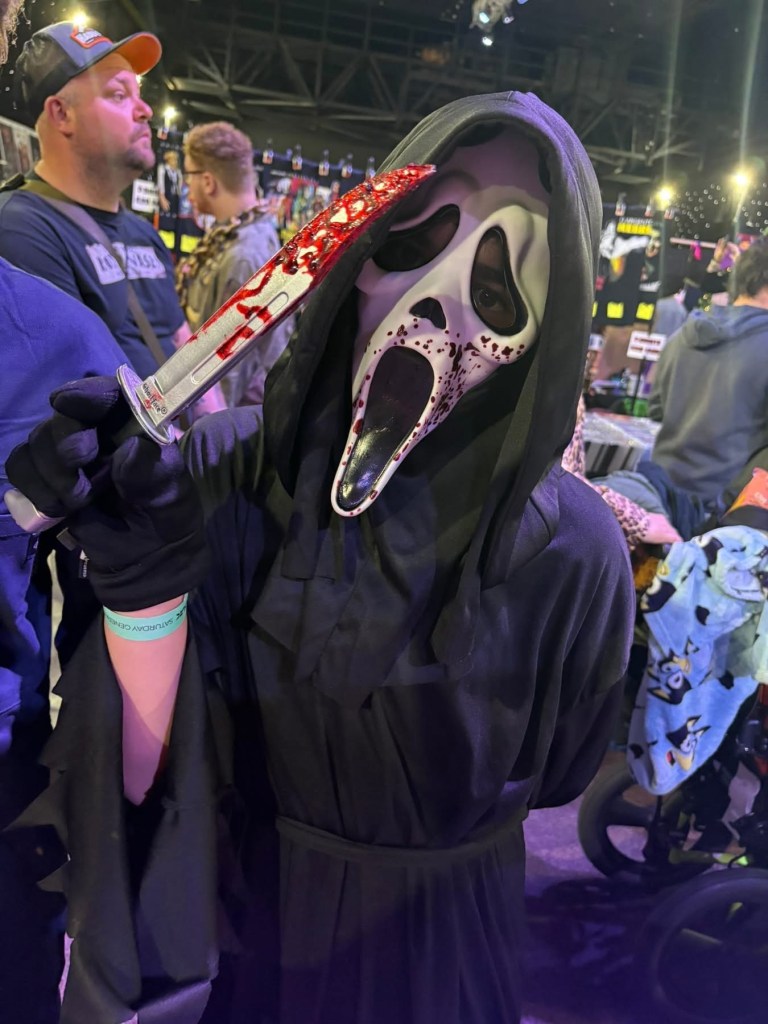
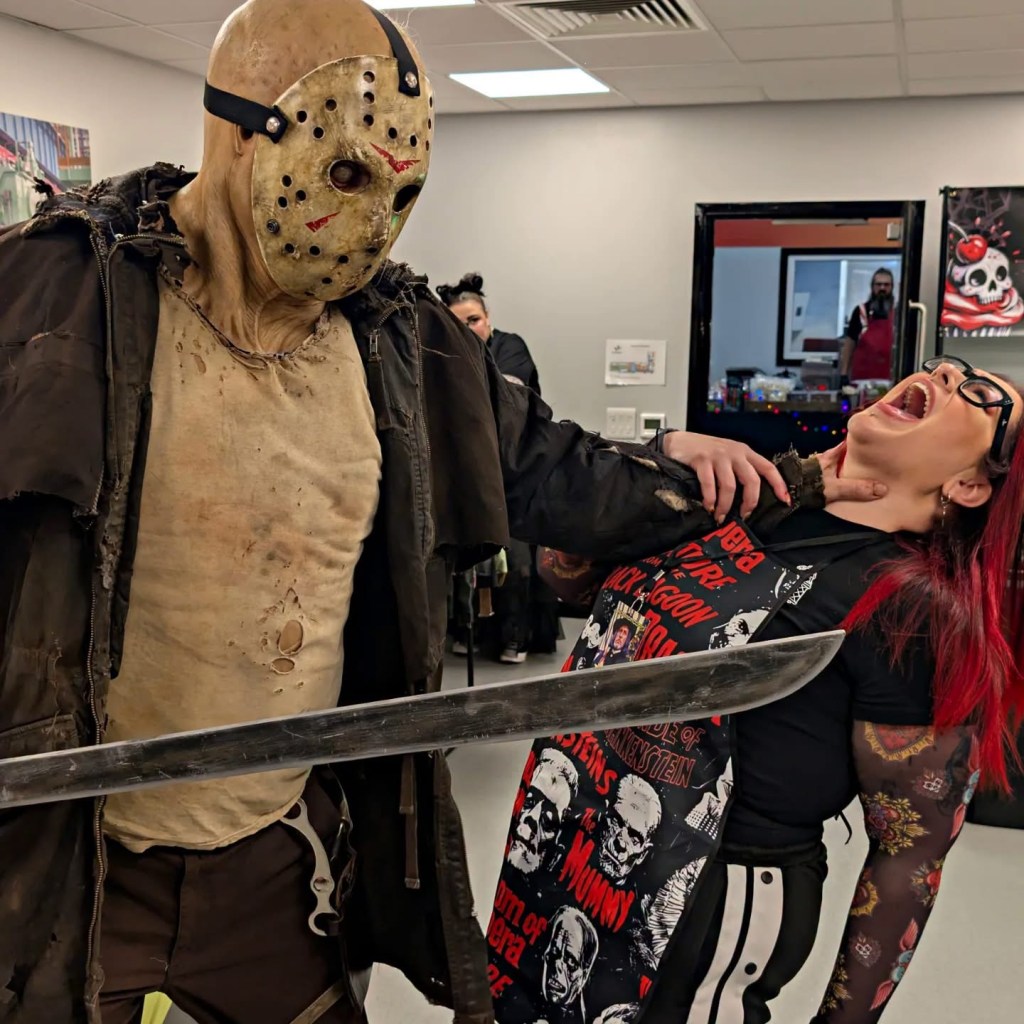
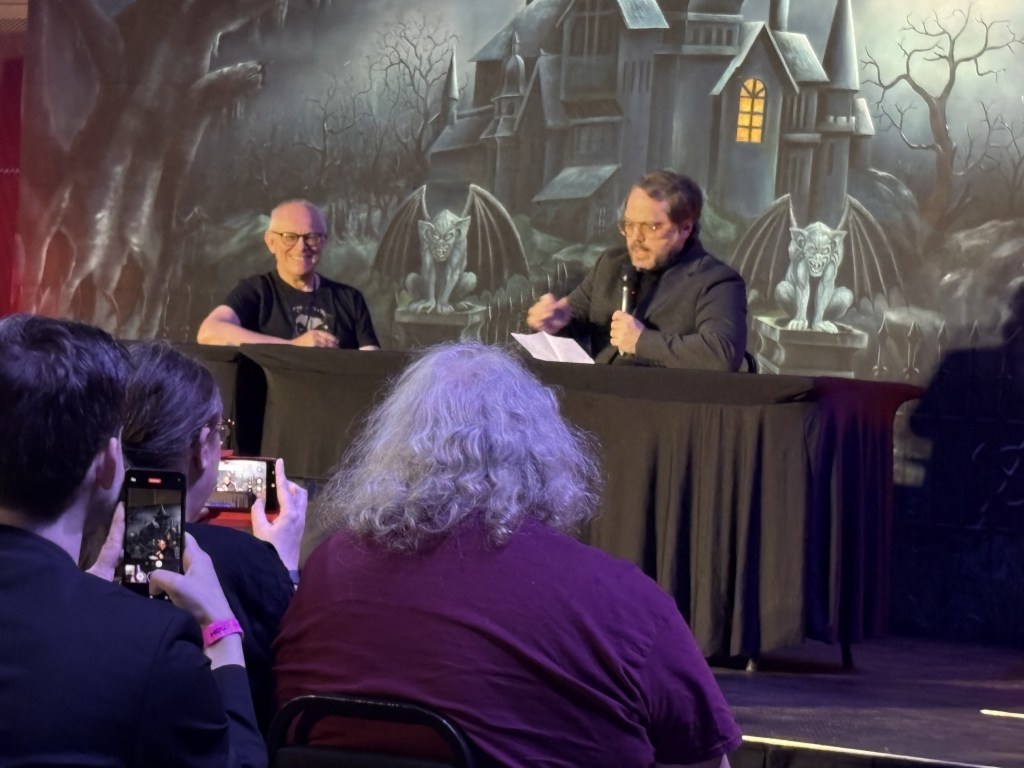
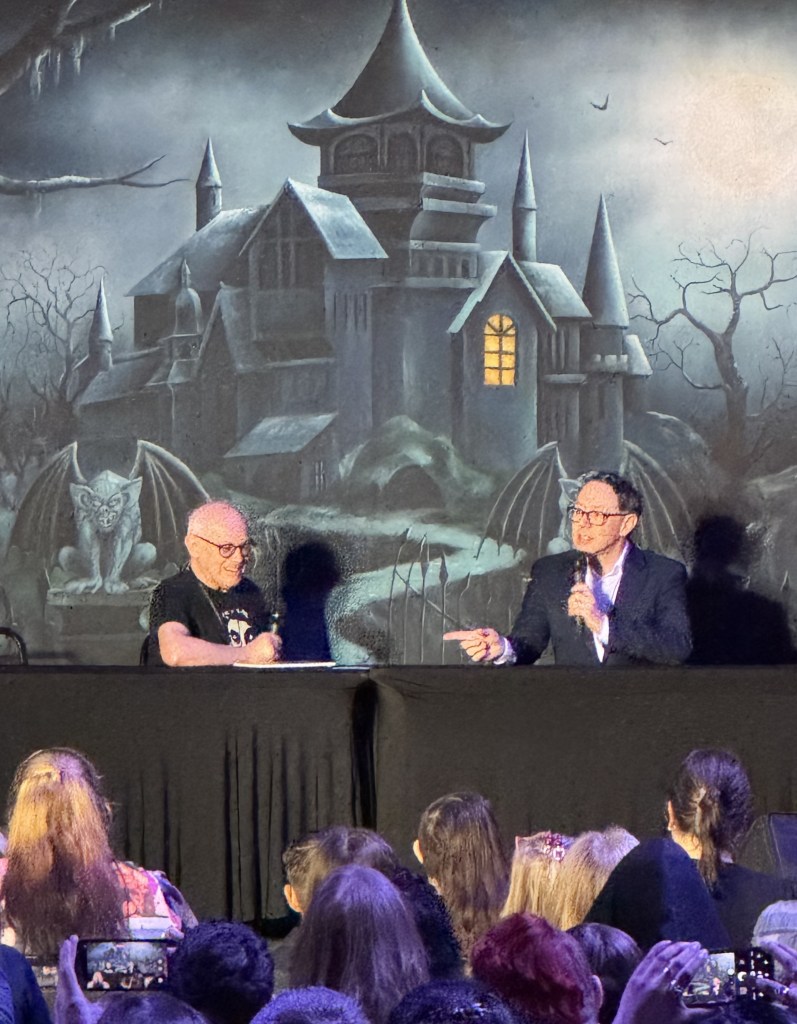
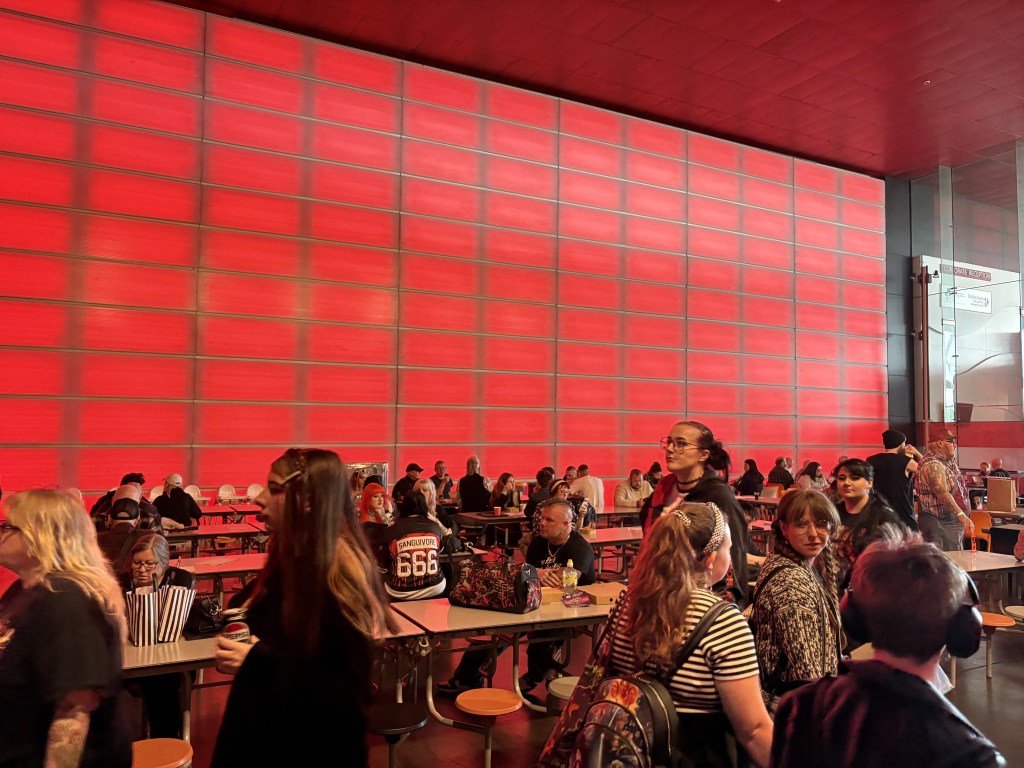
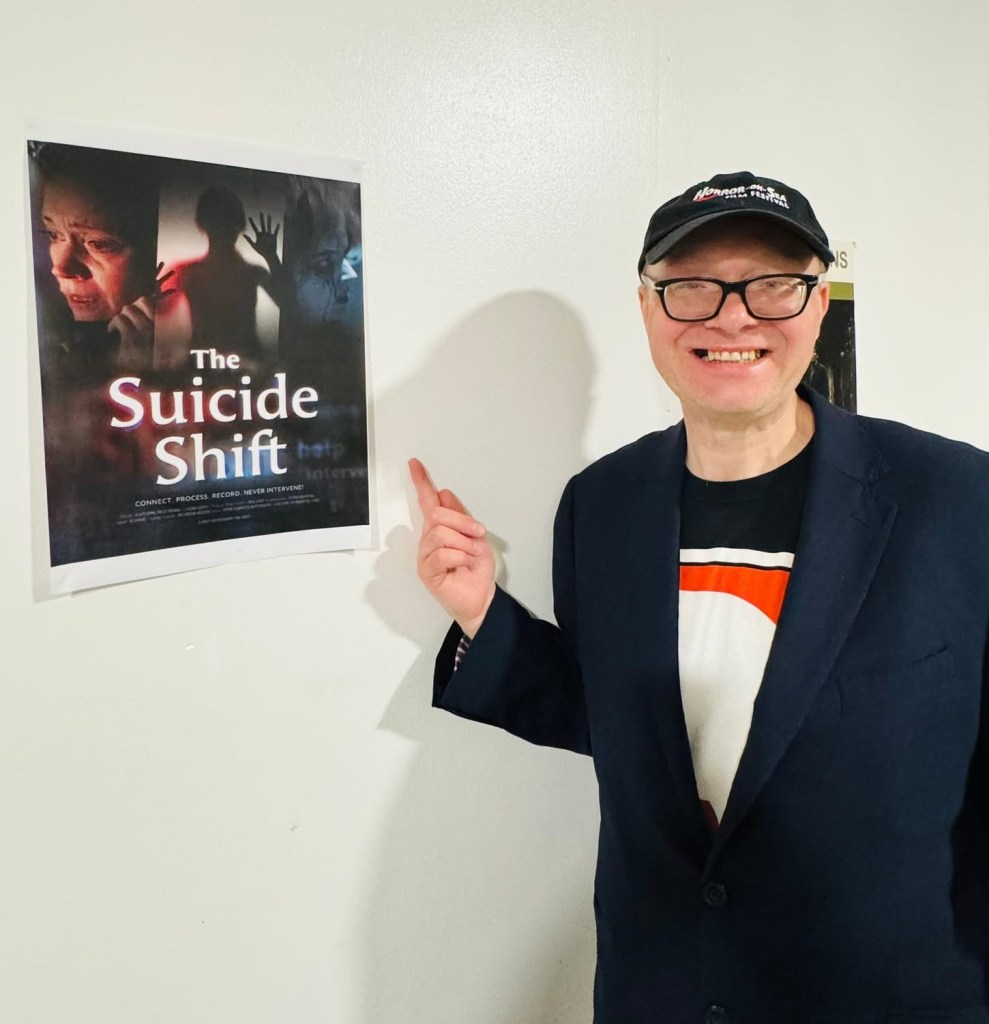
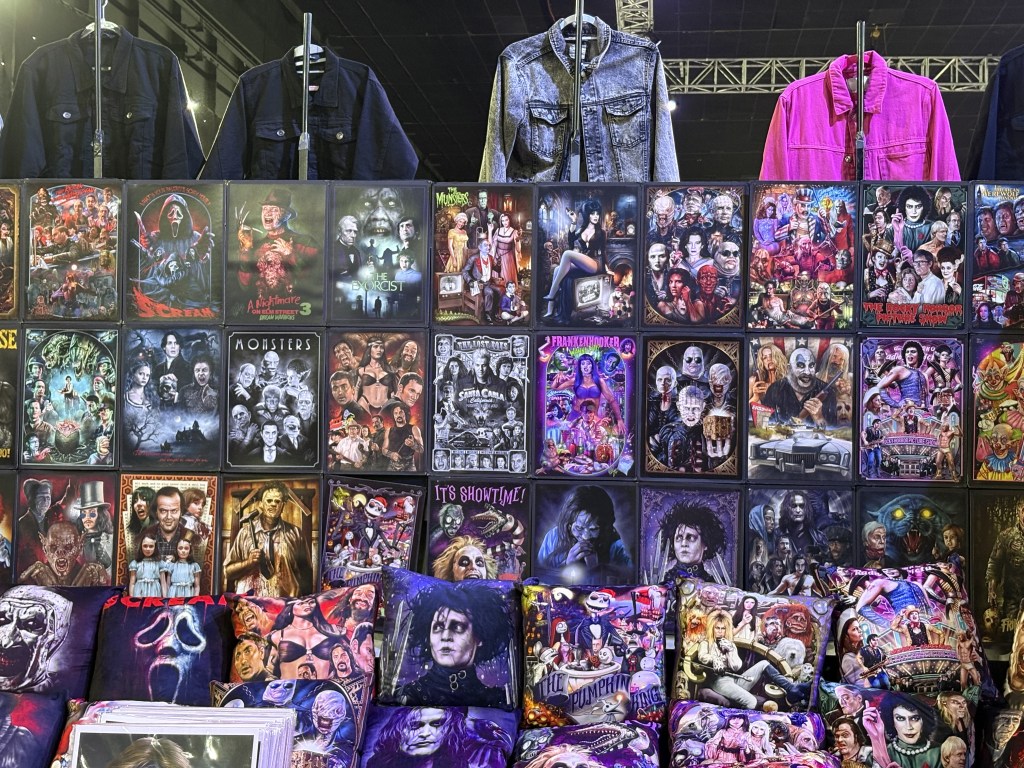
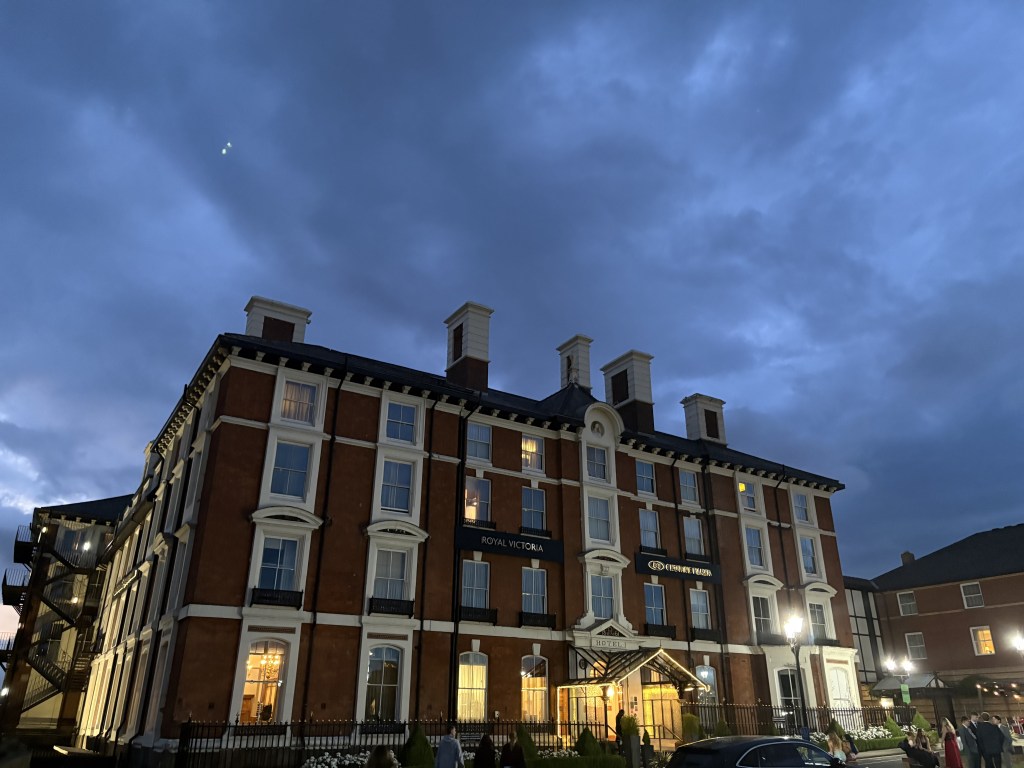
Earlier this month – appropriately running from 06.06.2026 to 07.06.2026 – myself and my wife attended the Horror Con 2026 event in Sheffield, England. My short film The Suicide Shift (2026) screened alongside many other great indie horror shorts there amidst a plethora of other wonderful happenings and people.

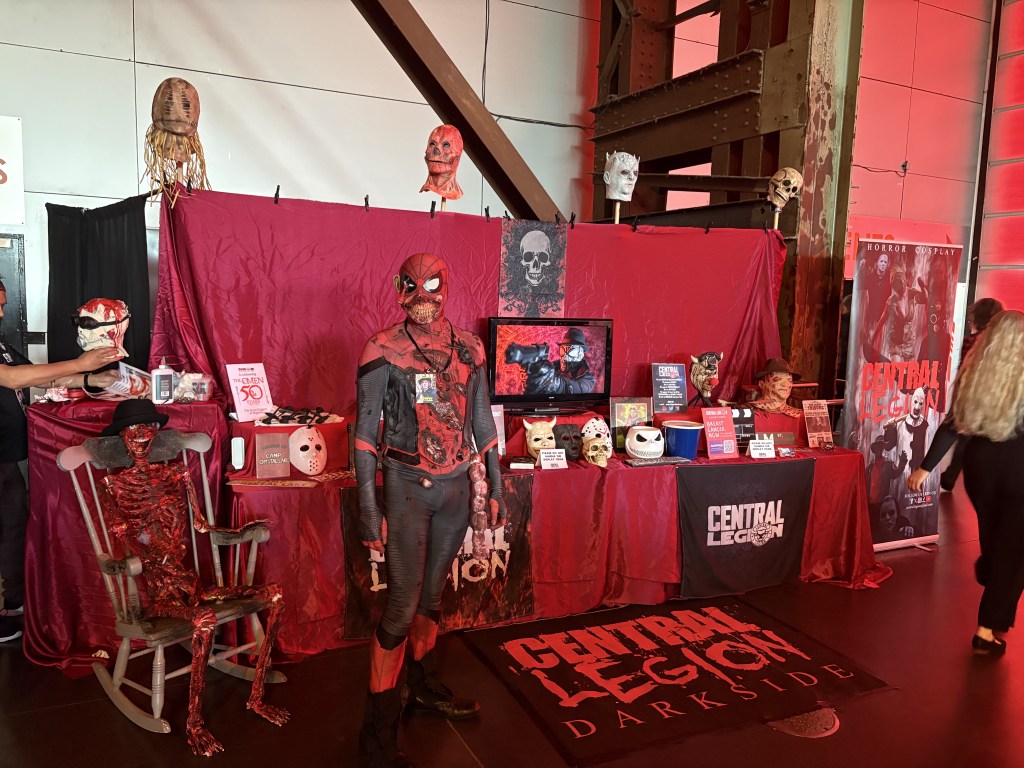
If you are a fan of all things horror from films, television, comic books, music, theatre, literature, posters, cos-play and also a memorabilia collector then this is definitely an event you should visit. As well as meet, greets and talks from horror stars, actors, writers, directors and musicians of now and yesteryear there are a myriad of stalls containing all manner of fantastic merchandise and collector’s items.

For more information check out their website here!


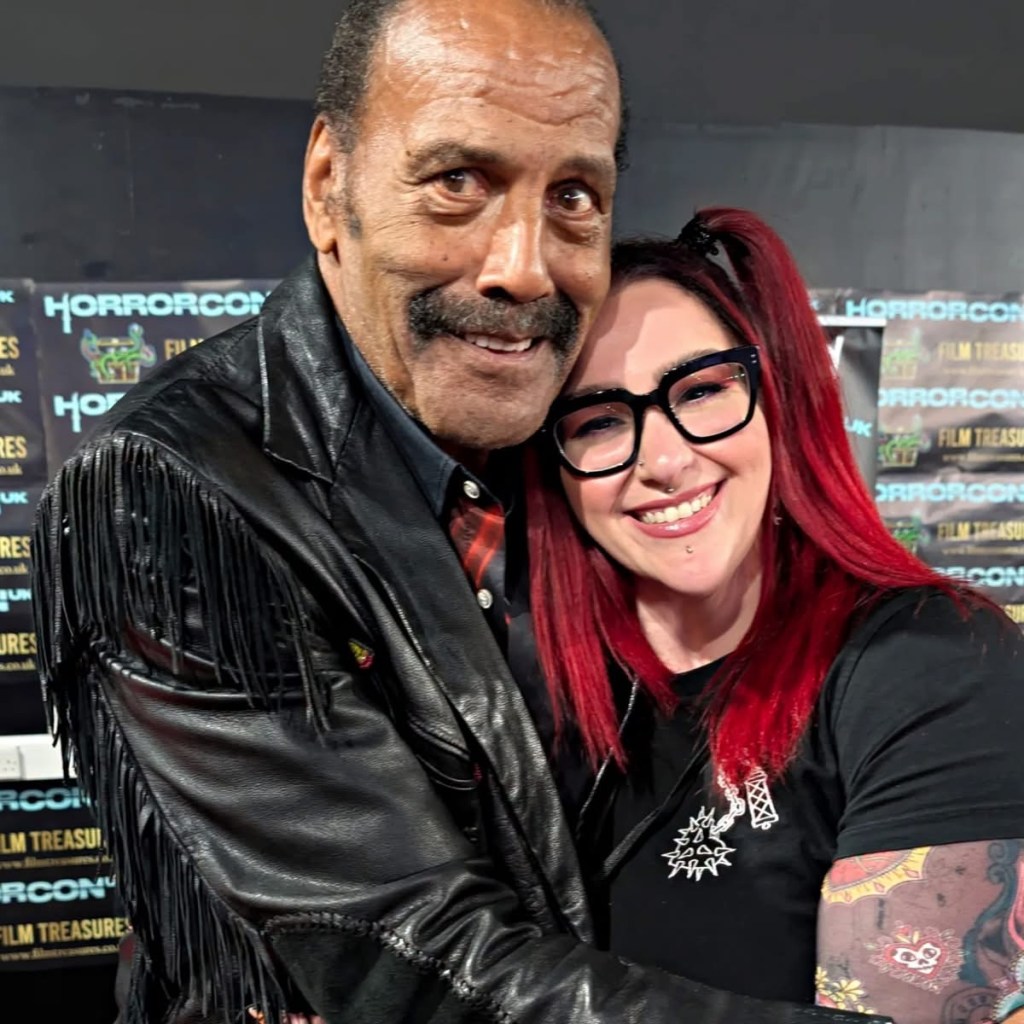
As well as the screening of The Suicide Shift (2026), the event was an opportunity to meet and hear from the legends of horror, cinema and TV more generally. I specifically met Fred Williamson, former American football star, actor from Black Caesar (1973), From Dusk til Dawn (1996), The Inglorious Bastards (1978) and many more blaxploitation and action films. He’s 88 years young and was so full of energy and it was amazing to meet and get his autograph.

Further, I also had the pleasure of meeting and speaking to self-proclaimed genius horror author, TV writer/producer/actor, Garth Marenghi, whose Channel 4 horror-comedy show Garth Marenghi’s Dark Place (2004) was an essential early-millennium watch. I spoke with him about his experience and knowledge working on the weird horror film Possum (2018). Garth remarked that was done by the ‘other guy’, Matthew Holness, and it nearly broke him as the writer and director of that feature film. It was a highly amusing experience, even just chatting for a short time, to a performer so fiercely staying “in character.”

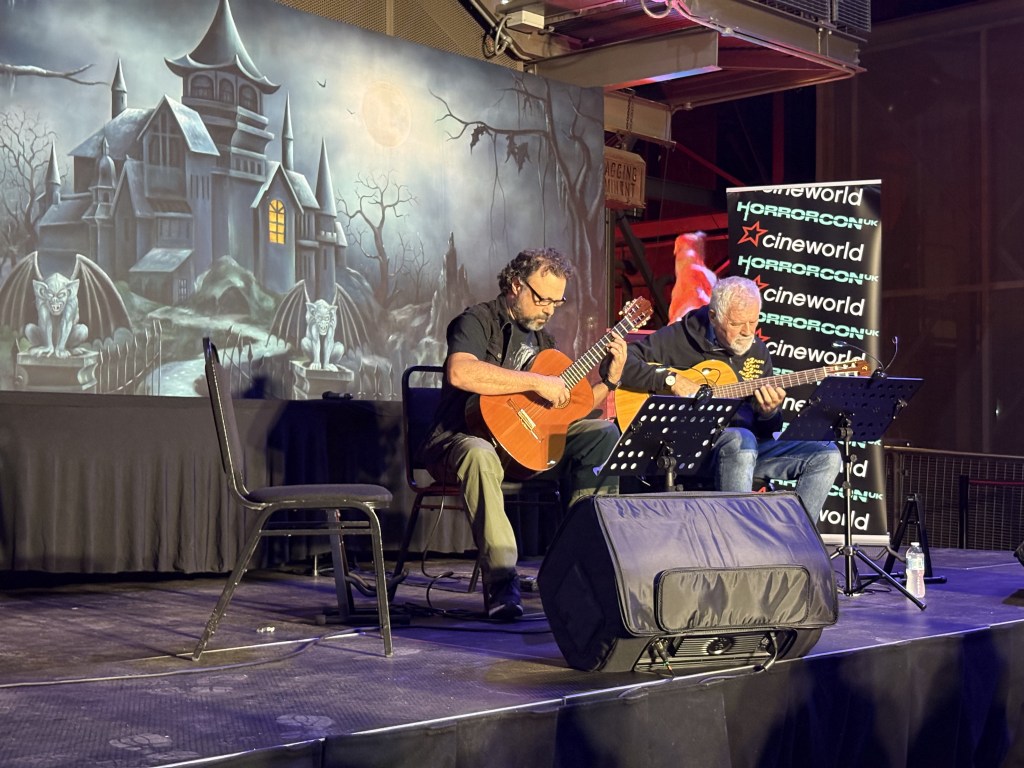
My wife, Melissa, would herself meet and get the autograph of comedy and horror great, Reece Shearsmith on the Sunday. His creative partner, Steve Pemberton (Saturday only), was also in attendance along with such luminaries as Ian Ogilvy, Heather Langenkamp, Caroline Munro (who I met at Romford Horror Festival 2026), Camille Keaton, Nancy Loomis (Kyes), plus the most intriguing appearance from composer and longtime Lucio Fulci collaborator, Fabio Frizzi. Most pleasing of all was Fabio and a fellow guitarist gave a classical guitar performance in the event hall of many of his horror film compositions. Along with the talks from the hilarious, Garth Marenghi, and brilliant, Reece Shearsmith, Frizzi’s musical performance was one of the major highlights of the weekend.

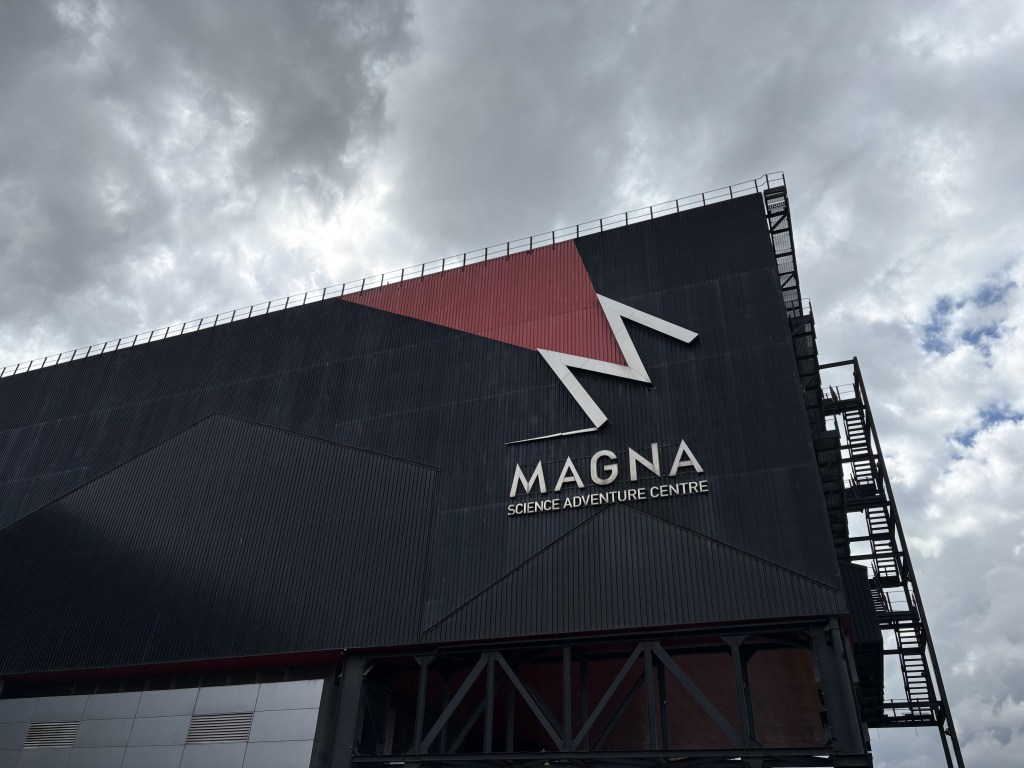
If you love horror I can certainly recommend making the annual pilgrimage to the Magna Centre in the Rotherham area of Sheffield in the future. It has been going for over a decade now and grows ever popular.

Here is a slideshow selection of photos from the event.


Cult Film Review: Thriller – A Cruel Picture (1974) – a shocking blend of X-rated exploitation and arthouse filmmaking!

Cult Film Review: Thriller – A Cruel Picture (1974)

Directed by Alex Fridolinski

Screenplay by Alex Fridolinski

Produced by Bo Arne Vibenius

Main cast: Christina Lindberg, Heinz Hopf, Despina Tomazani, etc.

Cinematography by Andreas Bellis

Edited by Brian Wikström

**Viewer discretion is advised – this film contains scenes that many will find disturbing**


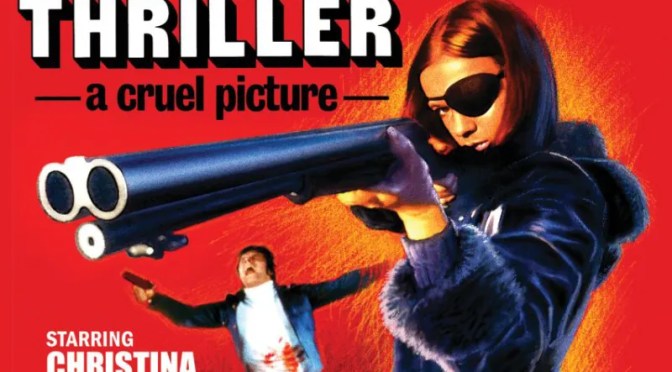
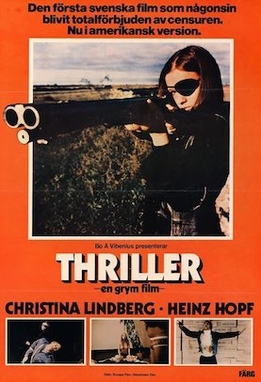
Thriller – A Cruel Picture (1973) (Swedish: Thriller – en grym film) is a 1973 Swedish exploitation film from writer-director Bo Arne Vibenius, working under the pseudonym Alex Fridolinski, starring Christina Lindberg and Heinz Hopf. Infamous for its unflinching depictions of sexual violence, drug abuse, and degradation, the film charts the ordeal of a mute young woman who is coerced into heroin addiction and forced into prostitution before embarking on a brutal campaign of revenge against her tormentors.

Released in the United States in a heavily cut version by American International Pictures—under lurid alternate titles such as They Call Her One Eye, Hooker’s Revenge, and The Swedish Vice-Girl—the film has earned a reputation as a deeply disturbing and confrontational work. Its graphic content and relentless tone make it a challenging and potentially distressing viewing experience, best avoided by those sensitive to extreme subject matter.

Unsurprisingly, due to the violent scenes, on-screen drug use, nudity and also inclusion of hardcore pornography, Thriller – A Cruel Picture (1973) was either banned outright or heavily censored on release. I had heard so much about this film on various YouTube videos expounding the shocking nature of the themes and scenes. Allied to this, Quentin Tarantino has also “championed” the movie and it’s star, Christina Lindberg. With this in mind the film I got tempted and purchased the recent Blu Ray version released in the UK. This version DOES NOT, thankfully, include the pornographic scenes which were filmed by the director with a Swedish couple who did live sex shows.

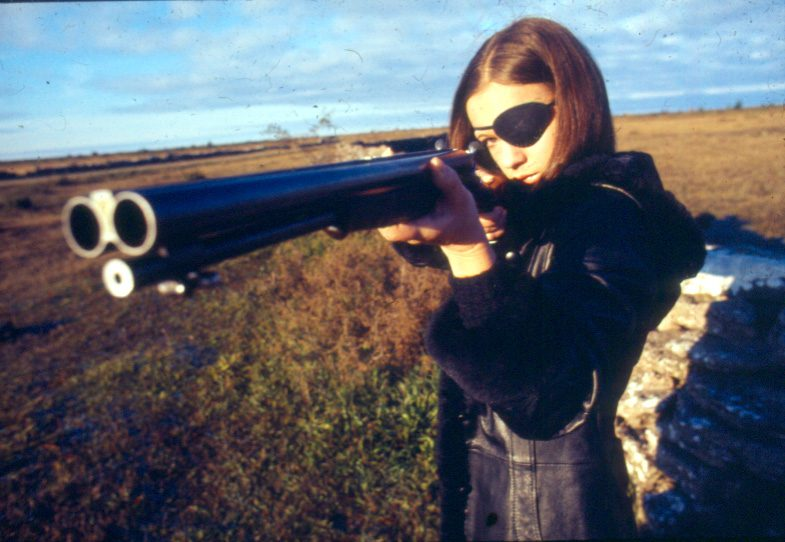
So, is Thriller – A Cruel Picture (1973) actually any good? Well, it is safe to say that it is a relentlessly harsh watch. That said, it would be unfair to dismiss the film outright as mere grindhouse provocation. Vibenius employs striking stylistic flourishes that elevate certain sequences into something oddly hypnotic. Most famously, the extended slow-motion shotgun reprisals—henchmen blasted backwards in balletic, almost operatic fashion—are staged with a visual patience that borders on the surreal. These, as well as the lengthy final act car pursuit sequence, are technically memorable, even as their brutality remains confronting.


Where the film becomes almost nightmarish is in its internal logic. Once Madeline (Christina Lindberg) is captured and brutalized by the sadistic drug dealer Tony (Heinz Hopf), the narrative takes on a dreamlike, disjointed quality. Despite being forcibly addicted to heroin, she somehow manages to train herself in hand-to-hand combat, driving, and sharpshooting—preparing an elaborate revenge while still under the grip of addiction. The plotting feels less realistic than hallucinatory, as though the film operates on the logic of trauma and fantasy rather than grounded cause and effect.

A great deal of the film’s lasting impact rests on the striking screen presence of Christina Lindberg, as well as her character’s grim journey. Already known internationally in the late 1960s and early 1970s for her work as an erotic actress and glamour model, Lindberg brings an arresting, almost statuesque quality to the role. Her icy stare—especially once framed by the now-iconic eyepatch—gives the character a mythic, comic-book intensity. At the same time, the creative decision to render her character mute inevitably shapes how that performance is perceived. Silence becomes a stylistic device, amplifying the film’s cold and detached tone. The director’s choice to sidestep the demands of more dialogue-heavy dramatic scenes actually works in the film’s favour.

Overall, Thriller – A Cruel Picture (1973) is a film that oscillates between exploitation rawness and stark, almost avant-garde stylization. For hardened genre enthusiasts, it may be a grim curiosity with undeniable visual audacity. For many others, however, its graphic content and relentless tone will make it a deeply uncomfortable, even distressing experience. Proceed carefully.


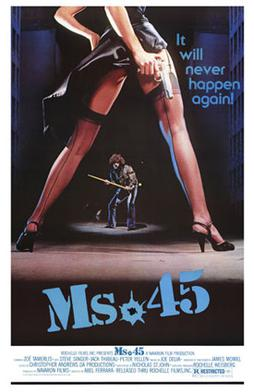
Cult Film Review: Ms. 45 / Angel of Vengeance (1981) – a beautiful looking yet grisly exploitation classic!

Cult Film Review: Ms. 45 / Angel of Vengeance (1981)

Directed by Abel Ferrara

Written by Nicholas St. John

Produced by: Richard Howorth, Mary Kane

Main cast: Zoë Tamerlis (Lund), Albert Sinkys, Steve Singer, Jack Thibeau, Peter Yellen, Darlene Stuto, Helen McGara etc.

Cinematography by James Momel


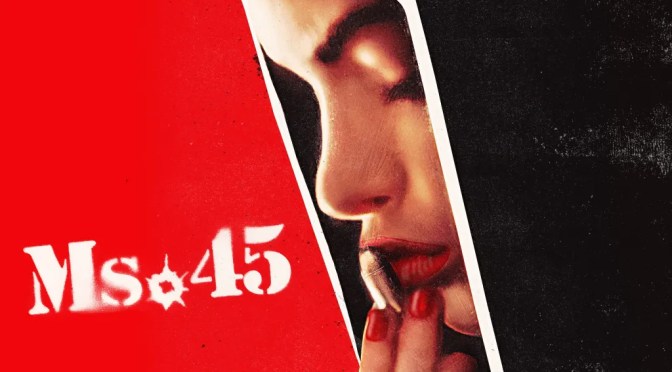
In its latest 4K restoration, Ms. 45—Abel Ferrara’s 1981 revenge thriller—has never looked more electrifying, or more disturbing. A stunning new rendering of Ferrara’s gritty vision, Ms. 45 showcases New York City in all its stark, seething chaos: a place of beautiful ugliness, where the streets pulse with danger, desperation, and decay. The film, originally shot on 16mm, feels both of its time and eerily timeless, especially now in ultra-high-definition, where every grainy detail of Ferrara’s oppressive, neon-lit streets shines in a raw, unapologetic manner.

At the heart of this urban nightmare is Thana (Zoë Lund, credited as Zoë Tamerlis), a mute seamstress whose world shatters after she is brutally assaulted by a man on her way home, then attacked again in her home. Her muteness is both a powerful thematic element and an artistic choice, amplifying her trauma, her rage, and her vengeance in a way that spoken words never could. Thana’s descent into violence is stark, visceral, and unrelenting, making her a strange kind of anti-hero in this world of moral decay. Ferrara’s direction is clinical, cold, and absolutely uncompromising—each frame holds a sharp, almost surgical precision, magnifying the madness of her mind and the city itself.

What truly elevates Ms. 45 beyond its genre limitations is the electric performance of Zoë Tamerlis/Lund. At just 17 years old when the film was made, Lund’s portrayal of Thana is nothing short of revelatory. She is the beating heart of this disturbing narrative, lighting up the screen with a fierce, magnetic presence that could have easily made her a Hollywood star—had the industry been ready for her. While many of the supporting cast either cannot act or over-act, Lund’s both vulnerable and terrifying, her expression often the only indication of her character’s state of mind. Her journey from victim to vengeful force is tragic, yet always compelling.


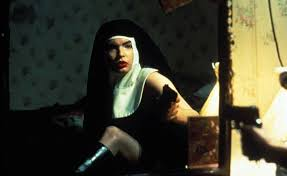
Had Lund chosen to pursue a more conventional career, she would likely have ascended to Hollywood’s A-list—her look was captivating, her screen presence undeniable—but the indie, underground scene was where she truly thrived. In Ms. 45, she is a tragic figure of youth lost to the violence of the world around her, and in the midst of it all, she shines, her performance capturing the raw, cathartic essence of a girl pushed too far. Further, Lund’s performance peaks in one of the most iconic sequences of the film—Thana’s nun fancy-dress shootout. Drenched in blood and surrounded by chaos, she dissects the partygoers in slow-motion with a terrifying calm, her eyes wide with cold sorrow. It’s a juxtaposition of innocence and savagery, like a child playing with fire and discovering its destructive power. Kudos to the deranged soundtrack here which really ramps up Ferrara’s nightmarish vision.

Ms. 45 is NOT a film for the faint of heart or the easily offended. It’s violent, raw, and unapologetically brutal, with moments that will leave you questioning your own reaction to Thana’s vengeful spree. There is something deeply primal about the film—the way it feeds off its viewers’ discomfort, forcing them to confront Thana’s rage. It’s a film that revels in its own madness, and yet somehow, Ferrara and Lund manage to make revenge feel like an art form. It’s as stylish as it is savage, as haunting as it is exhilarating.

In conclusion, Ms. 45 is a genre-defining thriller, a masterpiece of violent cinema that has lost none of its power with time. The 4K restoration is a perfect showcase for Ferrara’s vision, and Zoë Lund’s performance is a revelation—her beauty and intensity burn through the screen, making you wonder what might have been had she chosen a different path. But for those of us lucky enough to witness this film in all its gritty glory, it’s impossible not to see her as a true underground legend. Whether or not you’re ready for it, Ms. 45 is visceral, stylish, and uncompromising cinema—one that will stay with you long after the credits roll and that evil saxophone soundtrack beat fades out.

Mark: 9 out of 11


Classic Film Review: Bleak Moments (1971) plus Mike Leigh Q & A (Prince Charles Cinema, London.)

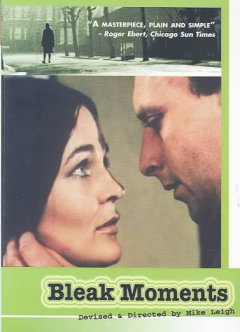
Classic Film Review: Bleak Moments (1971)

Directed by Mike Leigh

Written by Mike Leigh – Based on 1970 stage play by Mike Leigh

Produced by Leslie Blair

Cast: Anne Raitt, Sarah Stephenson, Eric Allan, Joolia Cappleman, Mike Bradwell, Donald Sumpter etc.

Cinematography by Bahram Manocheri

Camera Assistant: Roger Pratt

Edited by Leslie Blair


One of the quiet yet profound joys of cultural life is finding a creative or sporting figure—or team—whose journey you follow from an early age, growing alongside their work as it evolves. Whether it’s the cinematic brilliance of the Coen Brothers or Mike Leigh, the ever-shifting energy of Primal Scream, or the lifelong, often agonising commitment to Tottenham Hotspur FC, these long-term relationships offer a deep sense of continuity. They become personal landmarks in our emotional and cultural landscapes, threading through decades of change and grounding us with shared history, joy, and—especially in Spurs’ case—a touch of heartache.

I was born just a year before Mike Leigh’s Bleak Moments debuted in 1971, and it became a defining cultural touchstone for me. First encountering it in the early 1980’s, I was captivated by its raw honesty and quiet power—a film I returned to again and again on that solid-format VHS tape over the years. It marked the beginning of a lifelong relationship with Leigh’s work, a body of cinema that has shaped and shadowed my own personal and cultural journey. That connection endures to this day, most recently renewed with his 2025 release, Hard Truths—a testament to a career and vision that continue to evolve with undiminished integrity.


Bleak Moments centres on Sylvia (Anne Raitt), a lonely, introspective young woman navigating the quiet desolation of her suburban life while caring for her mentally challenged sister, Hilda (Sarah Stephenson). Trapped between duty and desire, Sylvia reaches tentatively toward human connection—most notably with a shy schoolteacher—yet every encounter is marked by awkward silences and emotional hesitations. Mike Leigh crafts a delicate, unflinching portrait of isolation and unmet longing, where the most powerful moments are found in what remains unsaid. Indeed, I would say it would have a powerful influence on awkward cinema or television such as Gervais and Merchant’s, seminal show The Office.

I hadn’t seen the film for twenty years and in a packed Prince Charles Cinema, what struck me was how Bleak Moments, while raw and unvarnished in style, unfolds with a beautifully episodic structure that gently accumulates emotional weight. Each scene offers a quiet vignette—moments of everyday awkwardness, tentative exchanges, and domestic stillness—that together create a deeply human portrait of loneliness and restraint. Despite its sombre tone, the film is laced with dry, observational humour and a deep sense of pathos, revealing the absurdity and ache of unspoken lives.

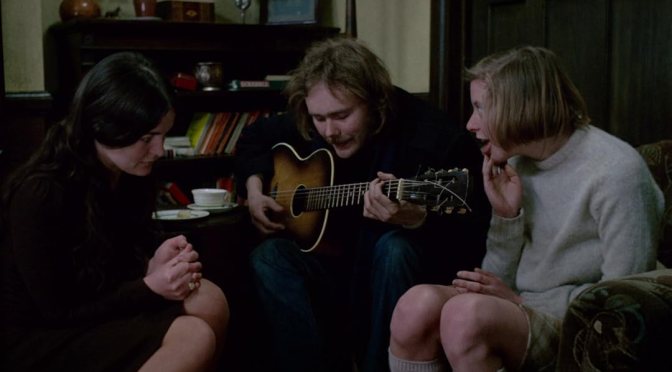
Mike Bradwell’s Norman and his dryly hilarious songs, and the most awkward of “romantic” dinner scenes in the Chinese restaurant just stood out to me as deeply funny. Raitt’s performance too is a masterclass of comedic understatement. Overall, these qualities—emotional nuance, character-driven storytelling, and a commitment to realism—would become defining hallmarks of Mike Leigh’s oeuvre, already fully formed in this striking debut. Finally, it was great to see and hear from Leigh, now in his eighties, answering some great questions with sharp wit and batting away some stupid ones too with his usual intelligence and droll honesty. Leigh remains a hero in my life’s cultural journey.


SCREENWASH CINEMA REVIEWS – SEPTEMBER 2017 – including: IT, WIND RIVER and KINGSMAN 2

SCREENWASH CINEMA REVIEWS – SEPTEMBER 2017 – including: IT, WIND RIVER and KINGSMAN 2

**MINIMAL SPOILERS**

I’m a tad tardy on my cinema reviews for last month mainly because I have been writing a couple of short script projects to be filmed. One is a sharp little horror story called Flatmates and I’m looking to shoot in November. The casting has been going well, after which I will rehearse and film on HD video. The other is a follow-up to our Star Trek fan film Chance Encounter (2017) released earlier this year online, which has now has over 40,000 views on YouTube!!  Not quite Gangnam Style or dancing cats on a piano but pretty good nonetheless to have one’s work viewed that much.

Anyway, enough of the filmmaking hobby momentarily to switch back to the film reviewing pastime. Below are reviews of three excellent genre films, plus a little reprise of my opinions on Aronofsky’s two hours of hell that was Mother (2017). As usual they are marked out of eleven in tribute to This is Spinal Tap!

IT (2017)

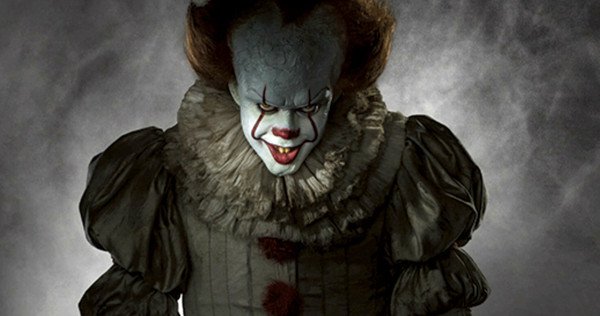
Stephen King is clearly a genius. To be able to maintain creativity and longevity as a writer, plus give birth, as it were, to any number of iconic narratives, characters and events is a testament to his massive energy and talent. When I was young one of the scariest things I ever saw on TV was the horror serial Salem’s Lot (1979), which was about vampires taking over a small town. His book Carrie (1976) was also adapted into one of the best horror films of the seventies too. Moreover, the ‘80s TV and cinema screens were peppered with King’s work notably: The Shining (1980), Stand by Me (1986) and the under-rated Pet Semetary (1989).  In 1990, Tommy Lee Wallace directed a mini-series of IT, with the terrifying Tim Curry as Pennywise the Clown. IT proved to be an excellent horror story until the – faithfully sticking to the novel of course – ridiculously silly ending.

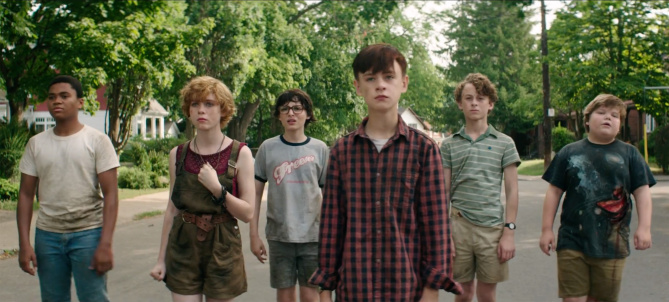
Stephen King's It Trailer screen grab

Flash forward twenty-seven years and Pennywise is back to haunt the dreams, drains and sewer pipes of Derry, Maine, using manipulation and fear to lure teenagers to their death. Developed by, among others Cary Fukunaga, the film was eventually directed by Andy Muschietti and has deservedly become a big box office hit. I say deservedly because, while it is not a particularly amazing cinema offering, it is a highly entertaining genre horror film. As an experienced Stephen King cinema and TV viewer all the staples are there such as: geeky-small-town-outsider-kids; abusive tough-guy-bully types; negligent parents or appropriate adult; monstrous beings hidden in the shadows; plus coming-of-age teenage friendship and love.

PW-1

The clown in this case is portrayed with fiendish joy by Bill Skarsgard and there are some fantastic stand-out scares. My only criticism is, and this is my fault being over-familiar with King’s work, is that with the recent Super 8 (2011) and over-hyped Stranger Things (2016), I felt as if I had seen it all this before. I also felt they crammed too much into the two hours and some of the character emotion was lost at times. However, the cast of kids are excellent in their respective roles, the horror set-pieces are brilliantly staged and King’s iconic bad guy Pennywise makes it well worth the cinema admission fee alone.

(Mark: 8 out of 11)

 KINGSMAN: THE GOLDEN CIRCLE (2017)

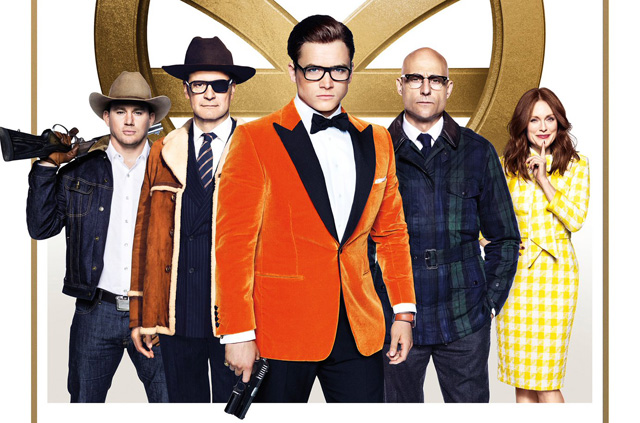
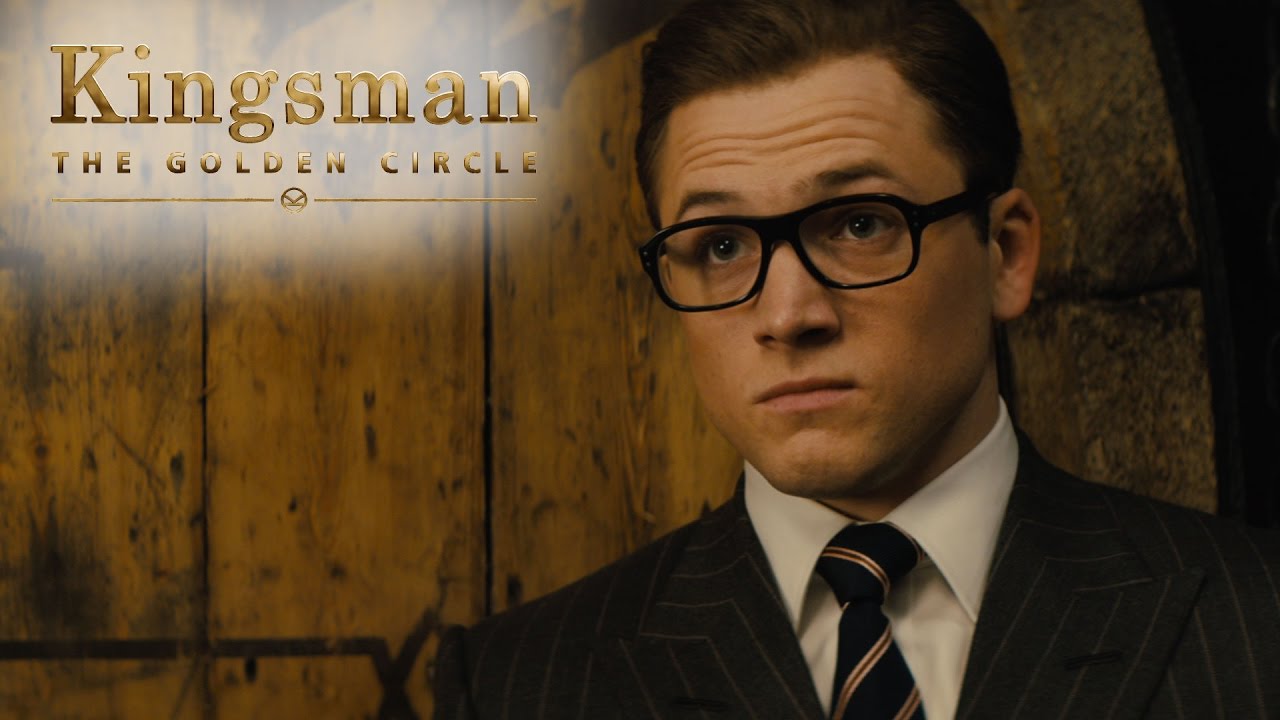
The first Kingsman: The Secret Service (2014) film was one of my favourite genre films of the past couple of years. It showed a clean pair of spy heels to the, occasionally brilliant but overlong Bond disappointment Spectre (2015); while at the same time confirming Taron Egerton as an actor with great star potential. Having done the business at the box office then Jane Goldman and Matthew Vaughan have once again written and directed an explosive, funny, pacey and adrenaline-filled spy spoof sequel.

kings2

In this story, Eggsy / Galahad is back with Merlin (Mark Strong), battling with the United States counterparts The Statesmen, against Julianne Moore’s perky, yet deranged, Americana obsessed drug baroness. The Statesmen are represented by such heavyweight acting talent in Jeff Bridges and a cracking turn from Pedro Pascal as the hilariously named Jack Daniels. Channing Tatum pops up too but he is lightweight compared to the effervescent Pascal. Poppy’s fiendish plot is actually quite a decent motivation for the story and the subplot involving a Lazarus-type-return from a major character from the first film is well developed.

Kingsman-The-Golden-Circle-1st-Day-Box-Office-Collection

To be honest the story is just the bare bones to hang a series of fantastic set-pieces, car chases, shoot-outs and fights, as Eggsy and his kick-ass team once again attempt to thwart the end-of-civilisation as we know it. My main criticism is the film is probably too long with an unnecessary gratuitous sex-driven sequence set in the Glastonbury Festival. It also lacks that sense of characterisation from the first film which had the working class underdog Eggsy battling the upper-class sneers of the over-privileged. Nonetheless, Matthew Vaughan is a great gag-heavy-action-director and the plot has some decent twists and turns throughout making it well worth a watch.

(Mark: 8 out of 11)

MOTHER (2017)

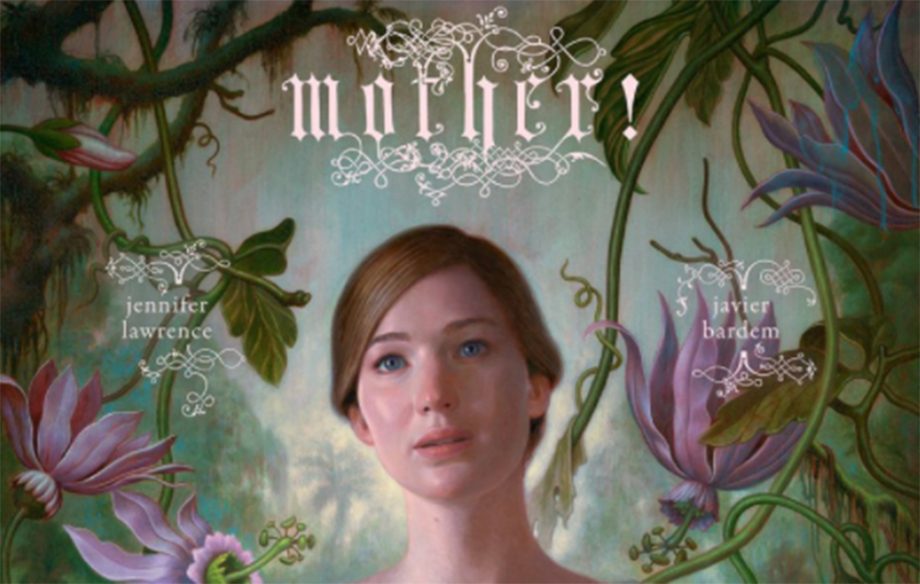
While Darren Aronofsky is a cinematic artist of the highest level, I connected badly with this two-hours-of-hell-excuse-for-entertainment. My full review can be found here but, in a nutshell, this is what I thought of it:

“It was an awful, pretentious heap of a film which exists as an entertainment void both nihilistic and dull. Because this film abuses the privilege and patience of the audience delivering a technically brilliant but overall clichéd, first-world-problems-poet-with-writer’s-block-world-murdering-art-fan-hating two hours I will never get back.”

Mark: 5 out of 11 (for the film)
Mark: 9.5 out of 11 (for Darren Aronofsky)

Mother-920x584

WIND RIVER (2017)

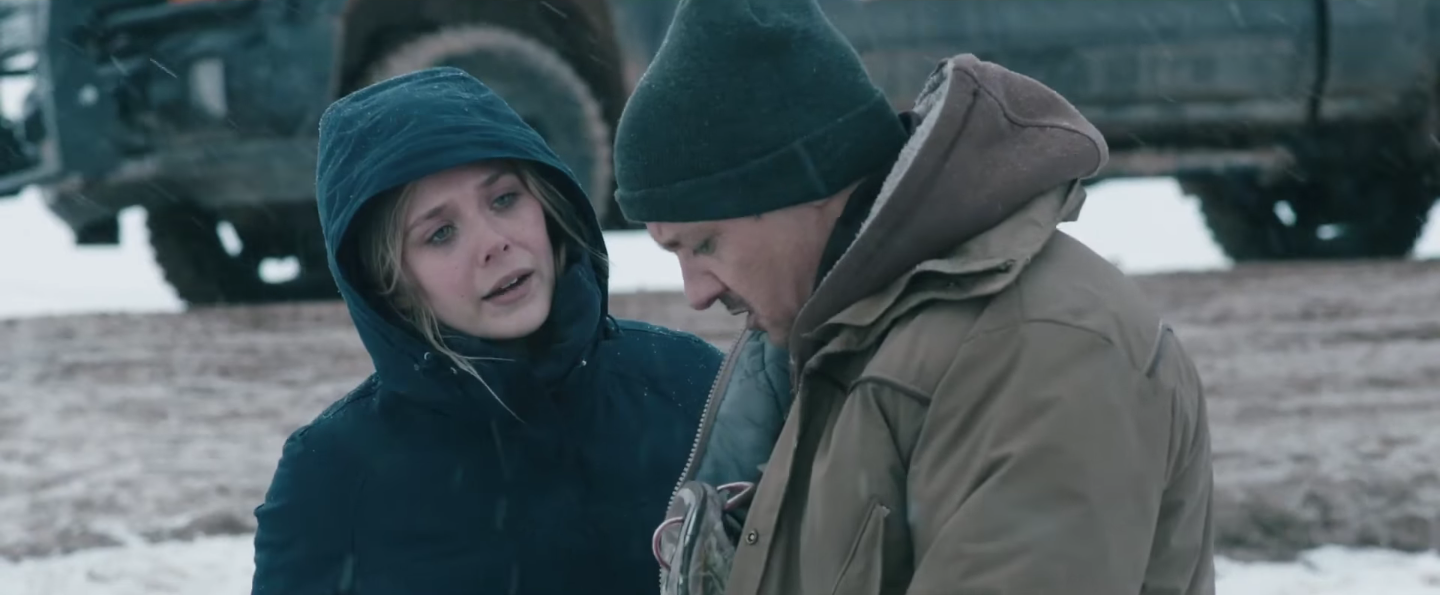
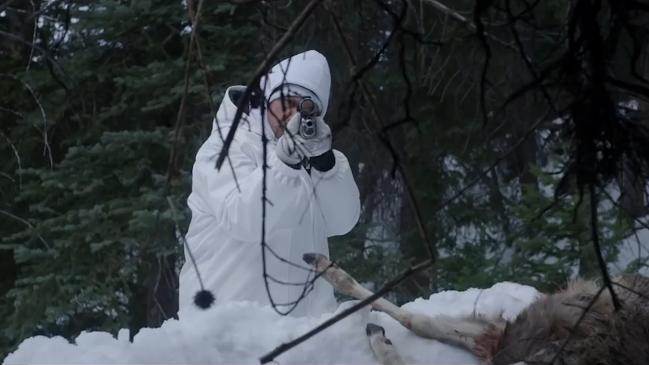
Taylor Sheridan has carved himself a fine reputation for writing very solid character driven genre films such as Sicario (2015) and Hell or High Water (2016). Wind River (2017) is his first writer-director effort and it is a fascinating study of: grief, murder, racial tension and dark humanity. Sheridan is adept at choosing specific areas of America with which to place his stories. Sicario reflected on the war on drugs, located betwixt the violent border of Mexico and the U.S.A. Hell and High Water illustrated the financial ruin of the sub-prime mortgage crash and its effect on West Texas. In his latest screenplay Sheridan focusses on the Indian Reservation territories of Wyoming and the people who inhabit the stark wintry landscapes.

wind_river2

The quietly impressive Jeremy Renner, as Cory Lambert, takes most of the acting plaudits as the respected, expert tracker and estranged family man. He is an individual who, while in perpetual control on the external Reservations and snowy terrain, finds himself crumbling internally due a horrific event from his past. Renner is ably supported by his Avengers co-star, Elizabeth Olsen, who imbues the rookie FBI agent with a steely determination, despite her lack of experience and confidence. The portrayal of the Native Americans I feel was sensitively presented as their lives are further marginalized by corporate America as its venal greed destroys the environment and humanity within the area. While this is a beautifully looking film there is a dark murderous heart within the stunning vistas and natural beauty.

windriv

Sheridan again confirms he is adept at combining social commentary with an impressive crime plot.  Moreover, throughout the film he also bleeds in a compelling study of grief as well as a subtle critique of patriarchal capitalism and its’ destruction of the Native American’s land and people. Yet, the message could arguably have gone further in its criticism; however, as he proved with his prior screenplays Sheridan prefers subtext and a rising tension rather than polemics. Quietly, Sheridan is building an impressive filmic body of work and Wind River manages to be a thrilling police procedural drama, empathetic character study and socio-political examination of American corruption; all amidst the cold, harsh and white-washed landscapes of Wyoming.

(Mark: 9 out of 11)

SCREENWASH SPECIAL – ITV DRAMA REVIEWS

SCREENWASH SPECIAL – ITV DRAMA

Of late I have been theming or focussing my viewing in certain directions. The last few months I decided to watch more ITV dramas. Historically ITV have arguably suffered in comparison to BBC dramas, and most certainly the big budget HBO, FOX and SHOWTIME programmes from the United States.

So, I thought I would check a few out and see if they are still the safe and formulaic ITV dramas I have seen in the past. Well, I would say, while adhering to certain genre conventions, notably in regard to cop stories and “true story” biopics, the writing, direction and acting is of an excellent standard. Here are some bitesize reviews.

**CONTAINS SPOILERS**

BROADCHURCH (2013 – 2015) – Seasons 1 & 2 – ITV ENCORE

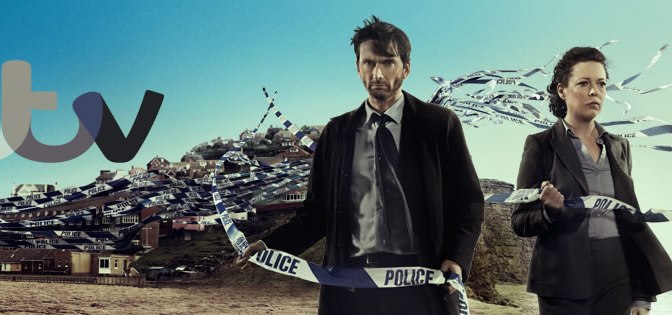
This terrific police procedural drama begins with the death of a young boy and the subsequent police investigation, plus the impact this has on his family and coastal community of Broadchurch. The first season is first and foremost a terrific “whodunit” as various members of the town are all plausible suspects. Moreover, the brilliant acting duo of Olivia Colman and David Tennant spark off each other throughout the investigation. Writer Chris Chibnall deals expertly with the emotions too as the family – including Jodie Whitaker as the mother of the tragic child – are put through the wringer by the crime. The second season is almost as gripping as the child killer faces trial and Tennant’s character obsessively investigates a historical crime which blotted his career. Overall, it is an excellent drama with many twists and a superb ensemble cast of British actors. (Mark: 9 out of 11)

CHASING SHADOWS (2014) – Season 1 – ITV ENCORE

Reece Shearsmith is one of my favourite actors and I have loved his work ever since the grotesque comedy genius of The League of Gentlemen. Here he shows his range as a socially awkward but exceptionally determined Detective searching for long-lost missing people. Like Broadchurch it’s another Dr Who cast reunion as Noel Clarke and Alex Kingston also co-star in a decent by-the-numbers cop show.   (Mark: 7.5 out of 11)  

CILLA (2014) – Season 1 – ITV ENCORE

While there is an element of tragedy in regard to uber-manager Brian Epstein’s tragic death, this biopic of the early life of Priscilla White and her rise to stardom is pretty tame and fluffy. Still, Sheridan Smith is brilliant as the young songbird who would hit the top of charts with a series of late sixties ballads. The evocation of working class Liverpool and bands such as The Beatles is well played and the songs are belted out with a passion by the very likeable Smith. (Mark: 7 out of 11)

IN PLAIN SIGHT (2016) – Season 1 – ITV ENCORE

This is a very compelling 1950s set drama which tells the story of heinous Scottish serial-killer Peter Manuel. It benefits from an exceptionally good performance from Martin Compston as the devious killer; and also by Douglas Henshall as the Detective trying to catch him. Overall, a good drama which had me gripped throughout. (Mark: 8 out of 11)

JEKYLL & HYDE (2015) – Season 1 – ITV ENCORE

I really enjoyed this updating of the old Robert Louis Stevenson monster classic. Created by Charlie Higson it was over-the-top and frankly loopy at times with some occasional bad acting thrown in. In going for a 1930s-period-Bond-meets-Dr-Who-meets-Hammer-horror-mash-up it wasn’t always successful but overall it was fun entertainment.  The cast all seemed like they were having fun and Amelia Bullimore, Enzo Cilenti, Natasha O’Keeffe, Richard E Grant were standouts while Tom Bateman was okay in the lead monster/man dual role. It’s just a damned shame the show got cancelled on a bloody suspenseful cliff-hanger. (Mark: 7.5 out of 11)

LUCAN (2013) – Season 1 – ITV ENCORE

ITV love a “true” story or crime stories based on real events and at the forefront of many of those are the excellent writer Jeff Pope. As Head of Factual Drama at ITV he has written and produced many fine TV programmes and this biopic of the infamous “Lucky” Lord Lucan case is also very good.  Rory Kinnear is an impressive brooding presence as Lucan and Catherine McCormack also excels as his abused wife. We may never know what happened to Lucan but this drama attempts to shed some light on the ill-fated events from 1970s British society. (Mark: 7.5 out of 11)

MRS BIGGS (2012) – Season 1 – ITV ENCORE

Another narrative based on true events focusses on the 1960s Great Train Robbery and its aftermath from the perspective of Ronnie Biggs’ wife Charmian. Sheridan Smith is astounding as the long-suffering wife partner of Daniel Mays’ Ronnie. The acting all-round and writing are excellent as we find Charmian essentially falling big for the wrong guy. Her determination and commitment to Biggs was incredibly naïve yet admirable as she carried herself and her kids to Australia and Brazil in order to keep the family together. At no time does it glamorise the crimes as Smith and Mays prove an unlikely but testament to the power of love and the lengths one may go to because of it. (Mark: 9 out of 11)

SAFE HOUSE (2012) – Season 1 – NETFLIX

Christopher Eccleston, who is always reliable, stars as a retired cop who employs his Lake District property as a “safe house” for witness protection. The vistas are beautiful and the suspense is often palpable in this well written drama by Michael Crompton.  Paterson Joseph provides excellent support as Eccleston’s former boss but the highlight of the show is under-rated British actor Peter Ferdinando, who portrays an obsessive criminal with sinister verve and pathos. (Mark: 7.5 out of 11)

SHETLAND (2013) – Season 1 – NETFLIX

Another detective show starring the impressive Scottish actor Douglas Henshall. This one feels old-fashioned but the stark contemporary Scottish settings work in its favour and interestingly enough it is an ITV produced show FOR the BBC.  The characters are believable and Henshall’s police team are down-to-earth and likeable. Overall, the writing is pretty good with some gripping storylines while the slower pace adds to the drama and atmosphere. (Mark: 7.5 out of 11)

THE WIDOWER (2014) – Season 1 – NETFLIX

Reece Shearsmith stars again but as a weird sociopathic wife-murderer based on a real-life case. His modus operandi was to finagle himself deceitfully into women’s lives and then use their wealth to clear his debts. Sheridan Smith pops up in the first episode but Shearsmith’s Malcolm Webster later moves abroad to New Zealand to prey on other victims. Webster is an everyday monster and his actions defy belief that there would be someone so heinous; and Shearsmith gives a chilling performance. (Mark: 8 out of 11)

SCREENWASH – NOVEMBER 2016 – DVD & ON DEMAND REVIEW ROUND-UP

SCREENWASH – NOVEMBER 2016 – DVD & ON DEMAND REVIEW ROUND-UP

In addition to my cinema reviews I also watched an eclectic mix of TV shows, big movies and art and indie flicks this month. As usual I have packaged them into bitesize chunks for your perusal. As usual marks are out of eleven.

**CONTAINS SPOILERS**

AMANDA KNOX (2016) – NETFLIX

The despicable murder of Meredith Kercher caused a media and legal storm in Italy over ten years ago now. Amanda Knox and her then-boyfriend, Raffaele Sollecito were charged and convicted before appealing against the crimes. This intriguing documentary lifts the lid on a case where the media and Italian legal system are on trial as much as Knox herself. (Mark: 8 out of 11)

CIRCLE (2015) – NETFLIX

Well-written-one-location-low-budget film finds many strangers in room fighting for their lives.  Social, religious, gender and ethnic demographics become key to the choice of “who dies next”; in a nifty, intelligent thriller which critiques humanity in an entertaining fashion. (Mark: 7.5 out of 11)

Image result for circle film poster

DJANGO UNCHAINED (2012) – NETFLIX

Tarantino’s classic revisionist slave western gets better on every watch; and I would have to say that it is arguably, amidst the stylistic flourishes, his most satisfying narrative as a whole. The bone-crunching violence and bloody shootouts are a joy, yet Tarantino also draws emotional power from the love story between Jamie Foxx and Kerry Washington’s enslaved couple. Meanwhile, Christophe Waltz and Leonard DiCaprio ride off into the sunset with the acting honours. (Mark: 10 out of 11)

ENTER THE DRAGON (1973) – TCM

I loved this Bruce Lee Kung-fu classic when I was growing up. Now, it just seems like a slightly tired James Bond rip-off in terms of plot, however, Bruce Lee was a martial arts master and movie star; so it is his charisma and fighting skills which really shine through now. (Mark: 8 out of 11 – for Lee!)

GOOSEBUMPS (2015) – SKY CINEMA

This is a pretty decent meta-fictional comedy-action film with Jack Black hamming it up as a mysterious writer whose creations wreak havoc on a small town. (Mark: 7.5 out of 11)

GOTO – ISLAND OF LOVE (1969) – DVD

This is a very surreal drama from critically acclaimed Polish filmmaker Walerian Borowczyk.  In the past I would have loved insane stuff like this but I couldn’t get my head around the weird inhabitants of a prison colony acting out warped love rituals while trapped on an island. (Mark: 5 out of 11)

THE GUEST (2014) – FILM FOUR

The Guest (2014) is a smart, funny and violent B-movie which makes merry hell of its’ “cuckoo in the nest” plot.  Dan Stevens is brilliant and has all the charm and looks of a bona fide movie star in the making and a good shout for the next James Bond. I’ve seen this a few times now and it is a genuine under-rated classic. (Mark: 9 out of 11)

THE LAKE HOUSE (2006) – ITV2

Soppy time-travel love story which kind of does and doesn’t make sense stars Keanu Reeves and Sandra Bullock. It’s a likable film with fun concept and pleasant moments.  (Mark: 7 out of 11)

MATCH POINT (2005) – NETFLIX

Woody Allen’s excellent London-set thriller builds slowly and pays off wonderfully by the end. The characters are well drawn as Jonathan Rhys-Meyers young existential tennis pro darkens his soul through poor life decisions. Emily Mortimer, Scarlett Johannsson, Brian Cox and Matthew Goode complete an attractive cast in the excellent Dostoyevsky-laced crime drama. (Mark: 8.5 out of 11)

PEOPLE JUST DO NOTHING – SEASON 1 (2014) – NETFLIX

This is a funny Gervais-influenced-Office-style-mockumentary-comedy which follows the shenanigans of a West London pirate radio station. Satirizing youth culture and we get a peek into the lives of the likes of MC Grindah and feckless mates.  (Mark: 7.5 out of 11)

Image result for people just do nothing poster

SAW (2004) – SKY CINEMA

While it started a tortuous never-ending-cash-cow-franchise, never forget the original Saw is a genuine horror classic from James Wan and Leigh Whannell. You get two guys, one cell and a hell-of-a-dangerous serial killer on the loose that leads to some great twists and bloody murder. The ending alone is still a gob-smacking treat as you put together Jigsaw’s fiendish plan. (Mark: 9 out of 11)

SIN CITY 2: A DAME TO KILL FOR – SKY CINEMA

Roberto Rodriguez and Frank Miller’s sequel to the mind-blowing violent-noir-comic-book-digital-backlot-splatterfest Sin City (2005) was eagerly anticipated by me. This had the same hard-boiled dialogue, bone-crunching violence and some fantastic imagery, but aside from Eva Green’s terrific femme fatale it lacked the impact of the first film and fell a bit flat. (Mark: 6 out of 11)

Image result for sin city 2 poster banned

SONS OF ANARCHY – SEASON 3 (2010) – NETFLIX

The third revving-crunching-porno-shooting-explosive season had Jax and the other gang members battling the Mayans, the FBI and going on “holiday” to Ireland to take on the “Real” Irish Republican Army. It’s a real soapy mix of violence, bullets and familial-led drama with enough plot turns and jaw-dropping set-pieces to keep you entertained throughout the fast-paced episodes. (Mark: 8 out of 11)

Image result for sons of anarchy season 3

THE FINEST HOURS (2016) – SKY CINEMA

This Disney disaster movie set in the 1950s is a very watchable human drama sensitively directed by Craig Gillespie. It flopped at the box office, yet Chris Pine and Casey Affleck are on very good form in the leads and there are some great set-pieces too on the sea. The real star is Carter Burwell’s epic music but in my opinion the film deserved a bigger audience. (Mark: 8 out of 11)

TO THE WONDER (2012) – DVD

This is a beautifully shot yet overlong and pretentious love story with banal Olga Kurylenko and a depressive Ben Affleck sleep-walking through his role. Terence Malick is a fine auteur but despite the wondrous scenery and vaguely interesting structure this bored me overall. (Mark: 6 out of 11)

SCREENWASH – SEPTEMBER 2016 – PART ONE – TV SHOW REVIEWS

SCREENWASH – SEPTEMBER 2016 – TV SHOW REVIEWS

I love watching TV shows and films. Mainly to fill a void in my soul, or put it another way, stop me drinking myself to death. Oh, also because I just enjoy escaping reality by watching stuff on a screen.

I have split my September Screenwash reviews into television and movies, because I watched so much damned stuff last month. Here are the TV shows I watched with marks out of eleven.

**THERE MAY BE SPOILERS AHEAD**

ASH V. THE EVIL DEAD (2015) – SEASON 1 – STARZ/VIRGIN  

This 30-years-later-sequel to the original Sam Raimi Evil Dead trilogy featuring Bruce Campbell is a gory, cheesy and bloody delight. It brings back one of the most iconic-blue-shirted-wise-cracking-big-chinned-chain-sawing-action-horror-dudes ever in Ash Williams.

Having accidentally conjured up the Deadites from the Necronomicon – Book of the Dead, Ash heads cross country battling demons and ghouls with his trusty chainsaw and boomstick. He finds new friends and enemies along the way and Campbell is on wonderful form as the sexist, ageing demon-killer.

Plot wise the story is flimsy and generic, yet the bloody and bone-crunching gore is brilliant and Bruce Campbell is hilarious as usual. Ignore the evil and abominable reimagining from 2013 and get on board this silly and superb horror nostalgia trip with Ash Williams and co.  (Mark: 9 out of 11)

BLACK MIRROR – WHITE CHRISTMAS (2014) – NETFLIX

Charlie Brooker is pretty much a genius in my eyes and as well as being a bastard-funny TV critic, he is also a formidable storyteller. The Black Mirror stories echo the short-sharp-shocking plots of Rod Sterling’s The Twilight Zone and Roald Dahl’s Tales of the Unexpected; yet with a very contemporary and technological twist. Season 3 Black Mirror is imminent on Netflix yet this Chrimbo special provided some darkly imaginative tales for the season.

Brooker presents a triptych of stories including: a Dating Coach (John Hamm) guiding – via contact-lens-style-Go-Pro – a naïve lad on a sexual conquest; a spoilt and demanding rich bitch (Oona Chaplin) who buys the ability to digitally clone herself so she can be her own personal ‘slave’; and a story of a doomed relationship between Rafe Spall and Janet Montgomery where an app allows a human to physically BLOCK them in reality. Safe to say all the narratives criss-cross to fiendish effect as cyber-technology is presented as initially a positive thing but ultimately something horrific which undermines humanity and hinders emotions and physical contact. Brooker is of the view that the future isn’t orange but very black indeed.  (Mark: 9 out of 11)

FARGO (2015) – SEASON 2 – NETFLIX

Was Season 2 Fargo any good? It sure was – darn tooting!  For me this was almost perfect television viewing. It had a great story, memorable characters, and brilliant dialogue and is filtered, like the first season, through the twisted eccentricities, imagery, sounds, music and narrative style of the Coen brothers.  Having said that, the writer and showrunner Noah Hawley has taken the Coen’s football and sprinted away with it and almost transcended the primary source material.

Season 2’s plots – and there’s some serpentine shit going down – are set in Fargo and surrounding counties, mid 1979.  We focus on country gangsters the Gerhardts and the attempted takeover by some Kansas City “business” people who think they can run the hicks out of town. In amongst the bloody hits, kidnapping and badassery we have Patrick Wilson and Ted Danson as the good cops who, having seen the horrors of war overseas, just want an easy life. Thrown into the mix by the dark lords of fate are self-improver Kirsten Dunst (amazing)  and simple butcher Jess Plemons who get out of their depth very quickly.

Overall, the drama, humour and suspense are incredible as is the cast, notably: eloquent hitman Bokeem Woodbine and brutal rural gangsters Jean Smart and Jeffrey Donovan. Philosophically and thematically the writing is very strong too with an existential bent which makes the whole show gold-plated genre TV of the highest quality.   (Mark: 10 out of 11)

THE KILLING (2007) – SEASON 1 – NETFLIX

I recall when this first hit the TV screens the Guardianistas shitting bricks over how good this Danish cop-procedural-politico drama was. The moody atmosphere, murky lighting and winter jumpers were all the rage with the lentil-eaters; as were the performances of Sofie Grabol, Soren Malling and the formidable Lars Mikkelsen. In the cold light of day and almost ten years later there is still much to like about this Scandi-genre-cop-thriller. Over twenty gruelling episodes we find ourselves amidst the investigation of the vicious murder of a young woman called Nanna Larsen. Simultaneously a mayoral election is taking place in Copenhagen and the two events become fatefully entwined.

Ultimately, it is pretty generic stuff with the device of “red herring” suspects and characters revealing information later than they could of being over-used. Also, it could’ve have been wrapped up WAY before the twenty episode run, yet, it was gripping throughout with some terrific suspense. I especially liked Grabol’s intuitive cop who could see past the surface and into the psychology of a situation or person. Her obsessional cop was flawed but brilliant at her job even though her family life was threatening to implode. Also, exceptional is Lars Mikkelsen as mayor candidate Troels Hartmann, a man trying to do the right thing, yet with ghosts of the past haunting him. The best scenes were with the Larsen family whose lives were about-faced by the death of their daughter. Their grief brought a real depth to proceedings with many heart-breaking and emotive moments surrounding their ordeal. Perhaps over-hyped on first release, this remains a tremendous cop drama with loads of twists to keep you hooked.   (Mark: 8.5 out of 11)

ORANGE IS THE NEW BLACK (2014) – SEASON 2 – NETFLIX

What started, in Season 1, as an ensemble prison drama with the focus mainly on spoilt-brattish-over-grown-Prom-Queen, Piper Chapman (Taylor Schilling), has developed quite brilliantly, by Season 2, into a sexy-black-comedy-drama of the highest quality. Piper is of course still there driving me mad with her bouts of narcissistic wants but this time she’s toughened up and is now bouncing off the inmates, walls and screws with a bit more spunk and verve.  However, the power of this narrative is now driven by the ensemble characters – both inmates and guards – who all get a chance to shine in a collection of stories, flashbacks and vignettes which the writers weld together expertly over thirteen brilliant episodes.

Season 2 develops further the histories of, among others, love-struck Morello, cancer-sufferer Rosa, Taystee, Black Cindy, Poussey and Sister Ingalls; as well revealing more about crooked Assistant Warden Figeroa, prison Counsellor Sam Healy and ambitious head screw Joe Caputo. Also, entering the prison was a cracking antagonist Vee Parker brilliant portrayed by Lorraine Toussaint and her battle to control rackets in jail saw her on a collision course with ‘Red’ Reznikov (Kate Mulgrew). Overall, there was SO much going on in the show yet it didn’t feel cluttered. The characters  were drawn so well, relying on archetypes and human definition rather than soapy stereotypes. I was just going to give it one more season but the drama, dialogue, performance, humour and pathos delivered here made me want to go in for Season 3 and beyond.  (Mark: 9.5 out of 11)