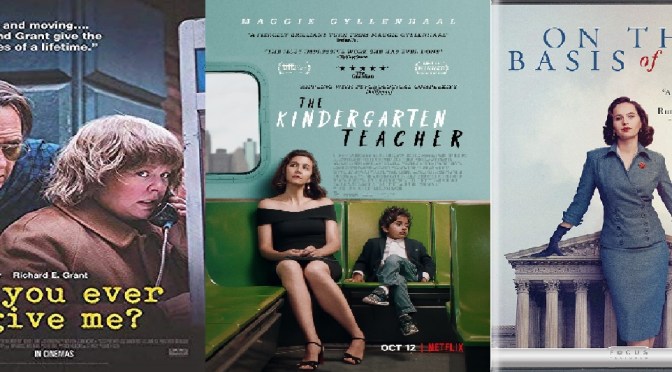
CINEMA FIX MARCH ROUND-UP – INCLUDING REVIEWS OF: THE KINDERGARTEN TEACHER (2018), ON THE BASIS OF SEX (2018) & CAN YOU EVER FORGIVE ME (2018)

CINEMA FIX REVIEWS – MARCH 2019 ROUND UP

Double busy recently with the cinema going, so here are a few reviews of the films I’ve watched this last month; all marked out of the usual eleven.

**CONTAINS MINIMAL SPOILERS**

THE KINDERGARTEN TEACHER (2018)

Maggie Gyllenhaal is brilliant once again as the titular lead protagonist who, in the midst of a mid-life crisis, discovers a young poetry prodigy and seeks to vicariously find meaning through the 5 year old boy. On the one hand an intelligent character drama, while on the other a tense, psychological arthouse thriller, The Kindergarten Teacher is a fascinating watch. Gyllenhaal radiates class in her performance, although her characters’ poor life choices toward the end made for some uncomfortable viewing. The narrative burns slowly but contains some great images and makes excellent observations about art, authorship and the sanctity of the teacher-pupil relationship. A remake of an Israeli film of the same name, Gyllenhaal is such an impressive actor, able to elicit empathy even when events turn dark at the denouement.

Mark: 8.5 out of 11

CAN YOU EVER FORGIVE ME (2018)

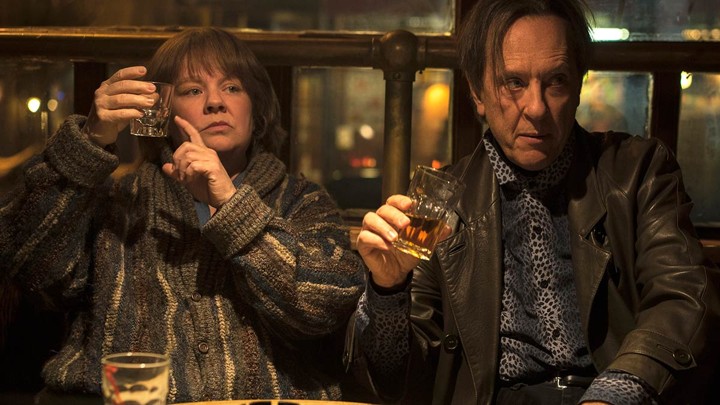
Melissa McCarthy and Richard E. Grant are on excellent form in this “based on a true story” narrative concerning Lee Israel, a hard-up author and drunk, who forges a secondary career as a woman of letters. The only problem is they are not her letters. The smart script is full of fine dialogue exchanges, notably between Grant and McCarthy, however, the story left me cold as a whole. Indeed, I would say this is one of those over-rated independent features which gives time to an onerous human being who doesn’t deserve the time of day really. Despite the quality of the production I did not care for Israel, even from an anti-heroic perspective, and there just wasn’t enough drama for me throughout.

Mark: 7 out of 11
ON THE BASIS OF SEX (2018)

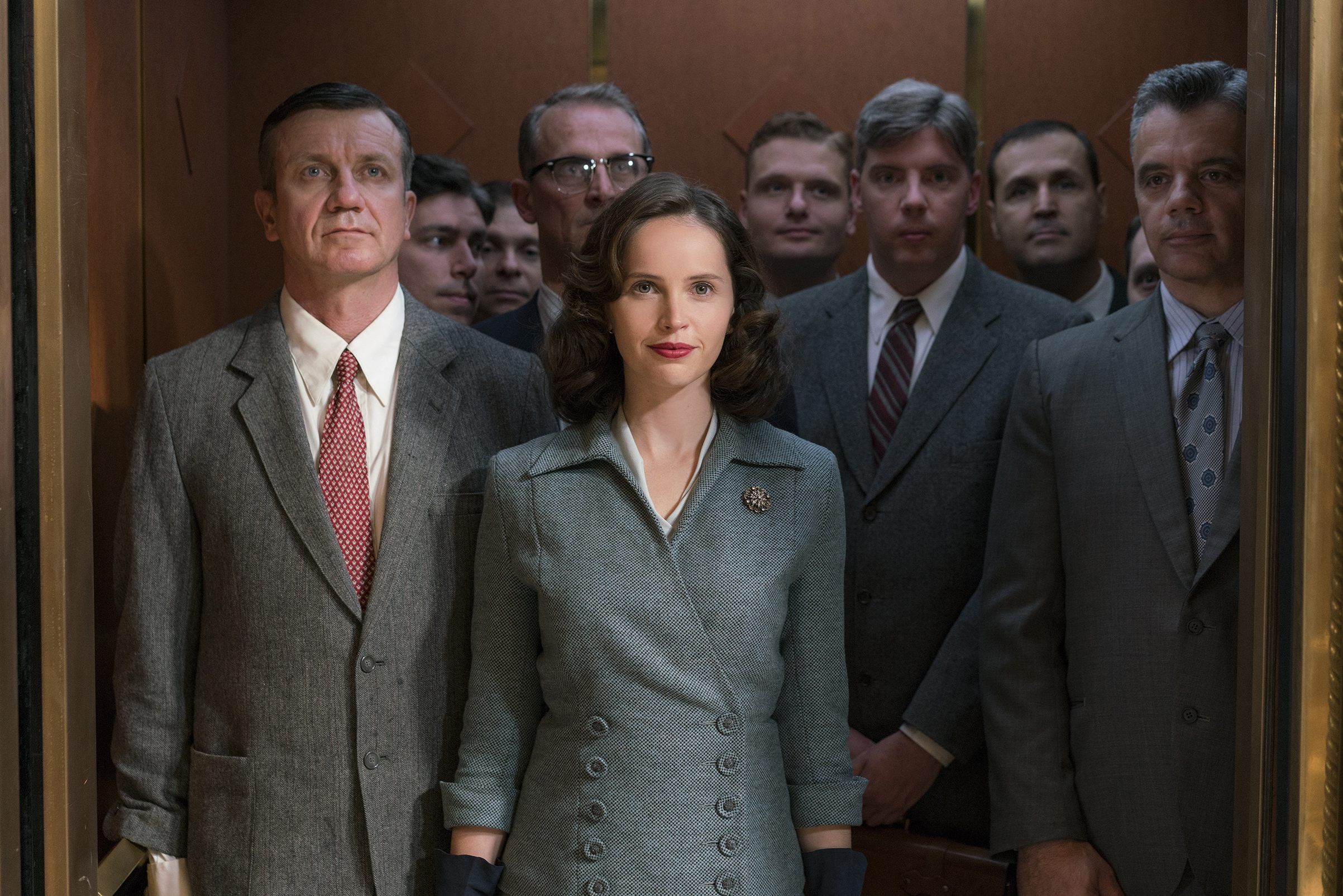
This is what I call a classic “Trailer Film.” Once you’ve seen the trailer – you’ve seen the film. The cast are uniformly decent in this biopic of the trailblazing lawyer, Ruth Bader Ginsburg who fights, quite rightly, to break down the barriers between the sexes in society. Felicity Jones is impressive in the lead role and fine support comes from Armie Hammer and Justin Theroux. For all her incredible work I think Ruth Bader Ginsburg deserved a more interesting biopic because dramatically this is very much cinema-by-the-numbers. As a genre film it never really hits the heights of other more compelling courtroom dramas, with a soporific and tediously linear script, and a visual style more suited to an episode of Law and Order. Ultimately, it’s a credible tribute to a great legal mind who helped change society for the better, but dull as dishwater from a narrative and cinematic point-of-view.

Mark: 6 out of 11
THE GOOD PLACE (S1 – S3) TV / NETFLIX REVIEW

THE GOOD PLACE (S1 – S3) TV / NETFLIX REVIEW

Created by: Michael Schur

Executive Producers: Michael Schur, David Miner, Morgan Sackett, Drew Goddard

Producers: David Hyman, Joe Mande, Megan Amram

Starring: Kristen Bell, Wiliam Jackson Harper, Jameela Jamil, D’Arcy Carden, Manny Jacinto and Ted Danson

US Network: NBC / UK Platform: Netflix

**SPOILER FREE REVIEW**

Hell is other people.” Jean Paul Sartre

So I started watching The Good Place with expectations of it being another slickly written and performed, shiny, sparkly and goofy American sitcom. I figured I would check it out, give it a season, enjoy and then allow it to slide into viewing obscurity. However, little did I realise it was going to be one of the funniest, intelligent, imaginative, philosophical, slick, shiny, goofy and densely plotted television shows I had seen in years.

Created by uber-comedy-producer Michael Schur, The Good Place, has an immediately fascinating high-concept premise. Set in the ‘after-life’, it deals with the lives and deaths of four disparate characters, namely: Eleanor (Kristen Bell), Chidi (William Jackson Harper), Tahani (Jameela Jamil) and Jason (Manny Jacinto). They have all died and gone to a version of heaven, but there’s been a mistake. Eleanor is the snag. Due to a cosmic confusion she should not be there. Her behaviour ratings on Earth are so low she should have gone to ‘The Bad Place’ instead.

Frantically attempting to cover up this hellish mistake, the immoral, selfish and petualnt Eleanor enlists the indecisive but very moral Chidi to teach her how to be good. Thus, begins one of the major themes of the show: what does it mean to be a good person? As a moral philosophy professor when alive, Chidi, reluctantly agrees to train Eleanor. However, she is so inherently selfish it proves a tough task, and much humour comes from Chidi and Eleanor’s life perspectives clashing. Overseeing the “guests'” everyday lives are the architect/angel (arch-angel geddit!), Michael, played with the usual comic brilliance by Ted Danson; and super enthusiastic, Janet (D’Arcy Carden), a personified, sentient, artificially-intelligent computer.

The Good Place starts strong with a brilliant premise and then cascades into a series of incredible events, flashbacks and character reveals, culminating in some hilarious and ingenious narrative twists. Michael Schur is a past master of ensemble comedy, having worked on the The Office (U.S.) and Parks and Recreation; and here his army of writers, actors, designers and effects team serve his fantastic vision superbly. Moreover, the cast zing out the screwball-comedy paced dialogue and gags with laser-sharp comedy timing, with Kristen Bell the pick of the lot. The flashback scenes which show Eleanor back on Earth illustrating why she should go to hell are particularly hilarious. Of course, she’s not precisely evil but very human; she’s just not very good at being human.

Thus, if you want a television show which is shiny on the outside but actually quite dark on the inside then this is for you. The Good Place makes you both laugh and think. It deals with death, religion, heaven, hell, human behaviour and also gives insight into basic philosophy. I mean, it’s educational too; you learn about Camus, Sartre, Kant, Mill and many more! Overall, all three seasons zip along full of zinging one-liners that had me breathless from start to finish and it has heart too. You get to love these characters, despite their faults, and the show certainly leaves you in a very good place.

Mark: 9.5 out of 11
SIX OF THE BEST #17 – FILMS ON A TRAIN

SIX OF THE BEST #17 – FILMS ON A TRAIN

I love a good train film. They make perfect settings for suspense, thriller, horror, comedy and, in fact, any genre. This is because they contain movement, pace and a destination too. Above all else they trap the characters within a confined space, thus creating an abundance of opportunities for drama and action.

In this little article I pick out six of the best films I have seen that have been set mainly on a train. I omit films which, while they may have had a train or train station setting they also veered into other locations. Thus, for the purpose of this piece classics such as Strangers on a Train (1951), Brief Encounter (1945), Great Train Robbery (1903), and Source Code (2011) are cruelly omitted. Lastly, I’m sure there are loads I have missed off so please do suggest any.

**MAY CONTAIN SPOILERS**

THE CASSANDRA CROSSING (1976)

Germ warfare, a runaway train, European terrorists and and all-star cast feature in this pretty awful disaster movie which I absolutely loved watching as a kid. The cast get their payday and we get Martin Sheen, Burt Lancaster, Sophia Loren, Richard Harris and OJ Simpson etc. all hamming it up to great effect.

THE LADY VANISHES (1938)

This is still one of my favourite Alfred Hitchcock films. Starring the radiant duo of Margaret Lockwood and Michael Redgrave, the sparks fly between the two amidst a fast-paced spy plot. Hitchcock takes his time establishing the characters at the start but really ratchets up the suspense when no one believes Lockwood’s assertion a woman has gone missing.

MURDER ON THE ORIENT EXPRESS (1974)

Agatha Christie was a genius and this story is one of her best. What we now consider to be a cliched genre, the “whodunnit”, was practically invented and reinvented by Christie and this one has a particularly brilliant plot and ending. Even though I know who committed the crime the starry cast in Sidney Lumet’s production are a joy to behold. Kenneth Branagh gave us a fine, if unnecessary, remake last year too.

SNOWPIERCER (2014)

Cruelly buried by the Weinstein studio, this under-rated graphic novel adaptation was absolutely brilliant. Set in an apocalyptic future, the train becomes an analogy for class struggle between the haves and have-nots. Bong Joon-ho directs Chris Evans, Jamie Bell, Octavia Spencer and Tilda Swinton expertly, as the film marries social commentary and blistering action with aplomb.

THE TAKING OF PELHAM 123 (1974)

Another film I watched the hell out of as a teenager, this classic New York Metro set film is gritty, funny and as tense as waiting for test results. Walter Matthau provides the everyman charm as he attempts to negotiate with Robert Shaw’s menacing criminal. A big influence on Tarantino, this little classic remains one of the 1970s unheralded crime films.

TRAIN TO BUSAN (2016)

Zombies on a train – I’m in! What an amazing movie, as this kinetic mix of horror, family drama and action grabs you by the throat from the start and never lets go! While taking a lead from World War Z (2013), notably the ferocious plane set-piece, it surpasses that zombie film with an incredible pace, violence and unrelenting tension.

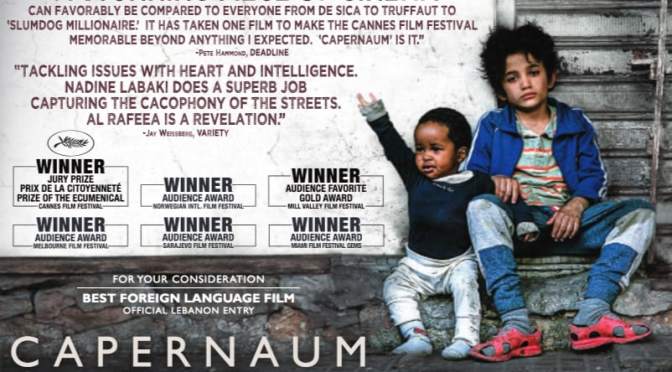
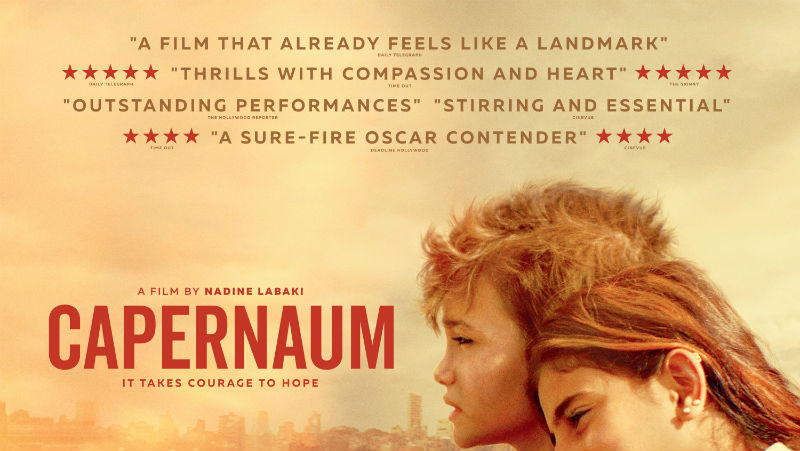
کفرناحوم‎ / CAPERNAUM / CHAOS (2018) – CINEMA REVIEW – One of the most heart-breaking films you will ever see!

کفرناحوم‎ / CAPERNAUM / CHAOS (2018) – CINEMA REVIEW

Directed by: Nadine Labaki

Produced by: Michel Merkt, Khaled Mouzanar

Screenplay by: Madine Labaki, Jihad Hojaily, Michelle Keserwany

Cast: Zain Al Rafeea, Yordanos Shiferaw, Boluwatife Bankole, Kawthar Al Haddad, Fadi Kamel Youssef, Nour El Husseini etc.

Cinematography: Christopher Aoun

Editing: Konstantin Bock

**MAY CONTAIN SPOILERS**

The recent Oscars brought up more than its’ fair share of ceremonial, broadcast and social media celebration and moaning from the film creatives, public, critics and privileged millionaires alike. But hey everyone’s entitled to their opinion and has the freedom of speech to express said opinions about what should and shouldn’t win such frivolous industry trinkets. It’s a bit of fun and gets everyone talking about movies, society and life, which is always a good thing.

Yet, every now and then a film comes along which, while nominated for an award, does not win the prize it deserves. That film is the heart-ripping, social drama Capernaum (2018). This Lebanese film is one of the most emotonally impactful films I have ever seen and should not just have won ‘Best film in a Foreign Language’ at the Academy Awards, but should have won ‘Best Film’, in my humble view. While Roma (2018) was an expertly crafted love letter to Cuaron’s childhood and the women he grew up with, its’ characters are very passive and the slow moving style left me feeling tepid. Capernaum, on the other hand, is anything but tepid, as its’ hero is a dynamic firebrand who you cannot help but root for.

Set in contemporary Lebanon, the story is structured around a court-case where lead protagonist, Zain, a twelve or thirteen year old boy, is seeking to divorce his parents. Extensive flashbacks then reveal why Zain feels this strongly about his life and the hell he has to endure to survive and protect those he loves. Zain’s existence, like many street kids, refugees and families in Beirut, struggle daily under threat of death, disease and exploitation. When his younger sister is sold by his parents to their landlord to prevent eviction, Zain goes crazy. Following a violent row he is thrown onto the streets and is left to fend in the dirt and shadows. He find kindred friendship with Rahil, an undocumented Ethiopian woman, and Zain helps mind her young son, Yonas. Here the narrative screw is really turned as their lives spin further out of control.

With incredible scenes of documentary realism the director Nadine Labaki has delivered such a powerful in your face and frantic style. The streets of Beirut become a legal, social and religious prison for the characters, as forgers, paedophiles and traffickers threaten to rob the souls and bodies of Zain and his like. Moreover, the narrative makes incredible points regarding existence, posing whether people should be brought into the world to such suffering. Indeed, not all characters are as tough as Zain, who’s caring, resourceful, cheeky, tough, entrepreneurial and a born fighter.

I cannot speak highly enough of this film. If I ever feel down about my over-privileged life, then I just need to think of these characters and I will be humbled. For sure it is over-the-top in its’ melodramatic depiction and there are some unlikely narrative elements toward the end, but I did not care about those. It moved me immensely and the director and filmmaking team deserve so much credit turning twelve hours of shooting footage into such a coherently moving portrayal of existence. They even find time for some humour amidst the tragedy. Further, the actor who gave us Zain is himself a refugee and had never acted before, so to capture such energy on screen is amazing. Lastly, next time I selfishly think “my life sucks”, I will picture Zain pulling Yonas around the dusty streets of Beirut in an aluminium pot and be completely humbled.

Mark: 10 out of 11
ESCAPE AT DANNEMORA (2018) – SHOWTIME REVIEW – Cinematic TV drama of the highest quality!

ESCAPE AT DANNEMORA (2018) – SHOWTIME TV REVIEW

Created by: Brett Johnson, Michael Tolkin

Directed by: Ben Stiller

Writers: Brett Johnson, Jerry Stahl, Michael Tolkin

Starring: Patrica Arquette, Benicio del Toro, Paul Dano, Bonnie Hunt, Eric Lange, David Morse etc.

Episodes: 8

**MAY CONTAIN SPOILERS**

Patricia Arquette as Tilly in Escape at Dannemora (Episode 1)

“Based on a true story” is a sentence we often find before many television dramas and feature films. It goes without saying that some are truer to their source events than others. The recent Oscar winner Green Book (2018), is a case in point, with the family of Dr Shirley quite rightly up in arms about the incorrect representations of family history on screen. Having said that, and despite the rather simplistic political rendition of race relations in said film, if I enjoy something I’m not bothered too much about historical accuracy. What one is after is a flavour and authenticity of truth. I accept that the truth should not get in the way of good drama and lets be honest Hollywood has never been frightened of downright fabrication to tell its tall tales. Obviously, one refutes ridiculous or incredible lies but ultimately, if you don’t like the bending of reality then stop watching films and television.

Based on the “true story” of a prison escape from the Clinton Correctional Facility, New York, during 2015, this superior genre serial is gritty and authentic and feels so real in the direction and performances it hurts. Whether it’s the truth is another story, yet what the writers and director Ben Stiller have delivered are eight episodes of cinematic television of the highest order. It begins and moves at a very slow pace establishing the aftermath of the main events, before flashing back and setting the scenes month-by-month of the personalities and their respective actions.

The first character we meet is Patricia Arquette’s brassy machine room supervisor, Tilly Mitchell. She’s bold and ballsy and dominates her relationship with husband, Lyle. Lyle himself, is portrayed effectively by Eric Lange as a tragic and loyal simpleton. Both of them are bad hair, big teeth and strangled accents, trapped by their class, work and lack of finance. While Lyle simply accepts his lot, Tilly is drawn to the prisoners she is meant to be supervising and ventures into illegal and inappropriate behaviour with the inmates. Arquette absolutely nails the humanity of a character who, in her fifties stuck in a dead-end job, desperately seeks attention and excitement. This makes her a hard target in such a masculine and testosteronic environment. However, she is more than happy to encourage and collude with said prisoners.

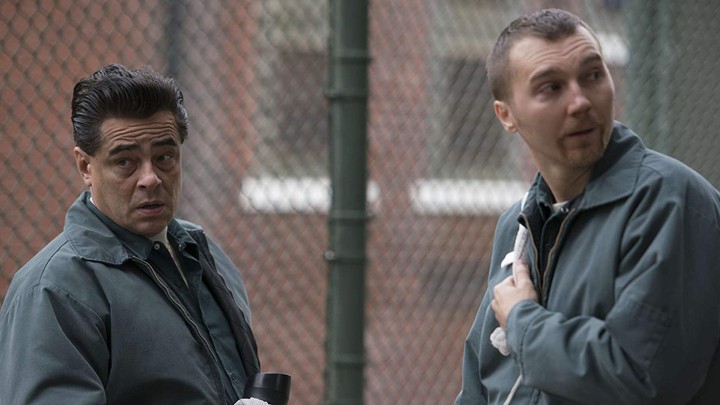
Prison dramas have always presented a fascinating way of analysing human nature and behaviour. The individuals are trapped in enclosed spaces and given many inmates’ proclivity to violence, they soon become a powder keg of fizzing egos and surging tension. Casting superb actors such as Benicio Del Toro and Paul Dano in the leads was a masterstroke. Both are expert at playing complex human beings and one of the challenges for a writer can be to get empathy for characters that are imprisoned for violent crimes. Yet, the actors, writers and director all manage to balance the tension between representing antagonistic characters in a sympathetic light. Indeed, even though we know Del Toro’s Richard Matt and Dano’s David Sweat are dangerous criminals, the story really drags us into their painstakingly patient escape work. Each episode builds obstacles they must overcome, almost until the suspense becomes unbearable. Lastly, while Dano’s tunnel-vision determination moves them toward the light, Del Toro’s manipulative hard man controls both Tilly and David Morse’s prison guard, Gene Palmer.

Overall, this is a superior prison genre serial; virtually cinematic in its casting, direction, locations, setting and performance. It takes a familiar narrative of a prison escape but transcends the genre with Arquette’s, Del Toro’s and Dano’s incredibly human and believable performances. These are not likable characters and they are not even anti-heroes to root for. Undoubtedly, though the Showtime production delivers as compelling a character drama as you’re likely to see all year. Director Ben Stiller deserves credit too for delivering a consistently balanced body of work here. Known more for his comedic film output there’s a maturity to Escape at Dannemara which offers authenticity in character and setting. If Stiller and his writers have bent the truth in any way then it does not offend my sensibilities; in fact I openly welcome it when the outcome is as absorbing as this.

Mark: 9.5 out of 11
CLASSIC MOVIE SCENES #6 – ‘TOMORROW BELONGS TO ME’ – CABARET (1972)

CLASSIC MOVIE SCENES #6 – ‘TOMORROW BELONGS TO ME’ – CABARET (1972)

Directed by: Bob Fosse

Produced by: Cy Feuer

Screenplay by Jay Allen – Based on Cabaret by Joe Masteroff

Starring: Liza Minnelli, Michael York, Helmut Griem, Joel Grey, Fritz Wepper, Marisa Berenson

Songs: John Kander & Fred Ebb (Lyrics) – Score: Ralph Burns

Cinematography: Geoffrey Unsworth

**CONTAINS PLOT AND THEME SPOILERS**

Cabaret (1972) was that strange thing: a dark, satirical, sexual, explicit and cynical musical. I only actually watched it for the first time last year and thought it was a true classic; and I don’t usually enjoy musicals as a rule. Not only is the direction, writing, choreography and performance brilliant but from a thematic perspective it took risks in regard to gender and sexual representations. Moreover, the historical themes are very compelling too. The film would garner many Oscars and was a critical and commercial smash, sending Liza Minnelli to super-stardom at the same time.

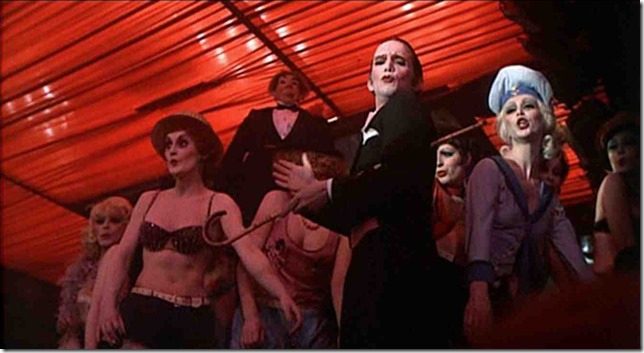
Set in Berlin, the narrative concerns a variety of characters that appear at, or attend the infamous Kit Kat Club. Episodic in structure the main stories focus on the loves and losses of the likes of singer Sally Bowles (Minnelli), writer, Brian Roberts (Michael York) and German playboy, Baron Max Von Heune (Helmut Griem). Interspersed within the drama are the songs from the stage of the Kit Kat Club, introduced by the seedy Master of Ceremonies, portrayed by Joel Grey. Furthermore, the film charts the movement from the bohemian freedom of the Weimar Republic to the threat of the looming National Socialist Party as it insidiously bleeds into the German political landscape.

This change is seen to chilling effect in the only song featured outside the club, namely, ‘Tomorrow Belongs to Me’. In this classic scene we begin innocently enough with the angelic singing of a teenage boy. As he continues to sing we cut to the crowd listening intently. Then the camera pans down and it’s revealed the boy is a member of the Hitler Youth. Suddenly, the portentous horror of the situation is all too apparent and the song becomes an unsettling reminder of grim future events. As members of the crowd join in fervently with the song, we know, we just know it’s the end of innocence for the German people and the world.

BOY ERASED (2018) – CINEMA REVIEW

BOY ERASED (2018) – CINEMA REVIEW

Directed by: Joel Edgerton

Screenplay by: Joel Edgerton – Based on: Boy Erased: A Memoir by Garrad Conley

Produced by: Joel Edgerton, Steve Golin, Kerry Kochansky Roberts

Cast: Lucas Hedges, Nicole Kidman, Russell Crowe, Joel Edgerton, Joe Alwyn, Xavier Dolan, Cherry Jones, Flea etc.

**MAY CONTAIN SPOILERS**

It never fails to sadden me the horror that other human beings inflict on each other out of ignorance, intolerance and misguided indoctrination. Boy Erased (2018), is a film that highlights such negative practices committed by parents on their actual children because they are perceived to be abnormal in their eyes and the rules of their faith. I’m not religious but respect those who have different beliefs to me, unless of course those beliefs are used to castigate and punish other human beings. Surely, the basic tenet of any religion, including Christianity, should be kindness, understanding and forgiveness. When such integral ideals are broken then such doctrine should be shunned and held up for criticism.

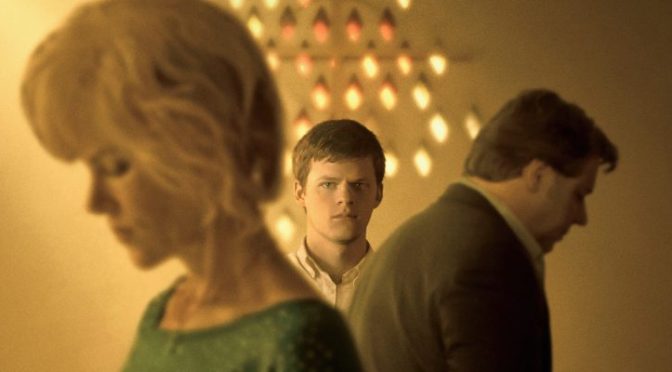
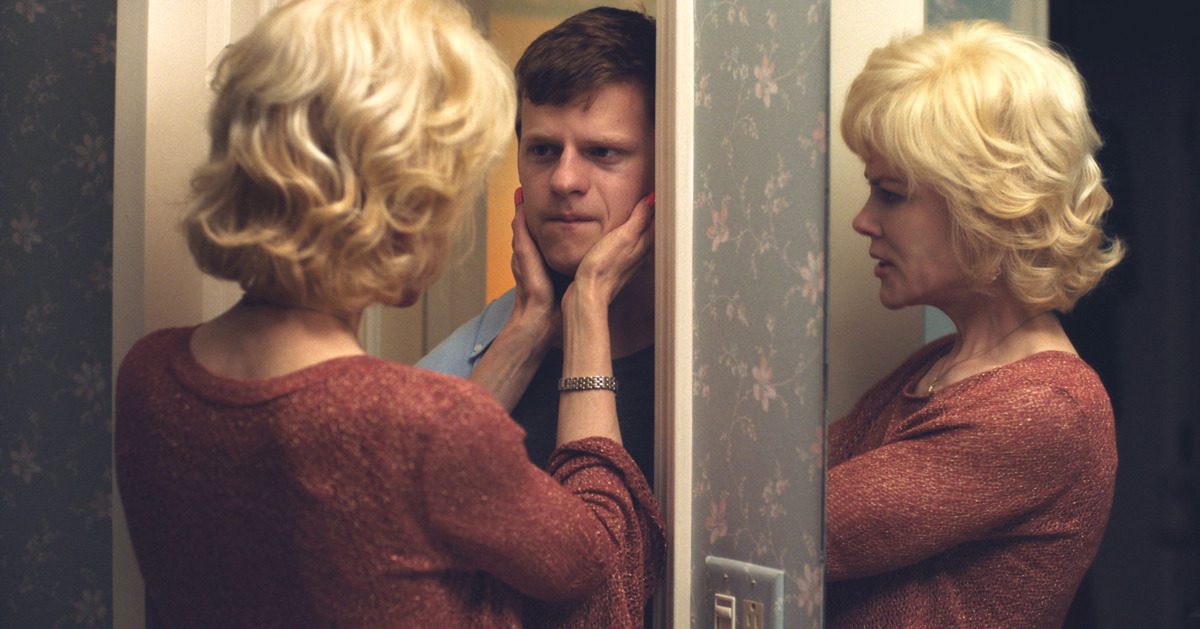
Boy Erased is based on Garrad Conley’s memoir of how his religious parents send him for gay conversion therapy, and the film is structured around the sad events which occurred to Garrad. Conley’s persona and emotional strife is evoked brilliantly in the character of Jared Eamons. Portrayed with sensitivity by the talented Lucas Hedges, the humanity and empathy he delivers is highly impactful. Jared is an innocent who is undeservedly thrust into an unnatural and bullying environment, forcing him to change his sexual identity through shame and persecution.

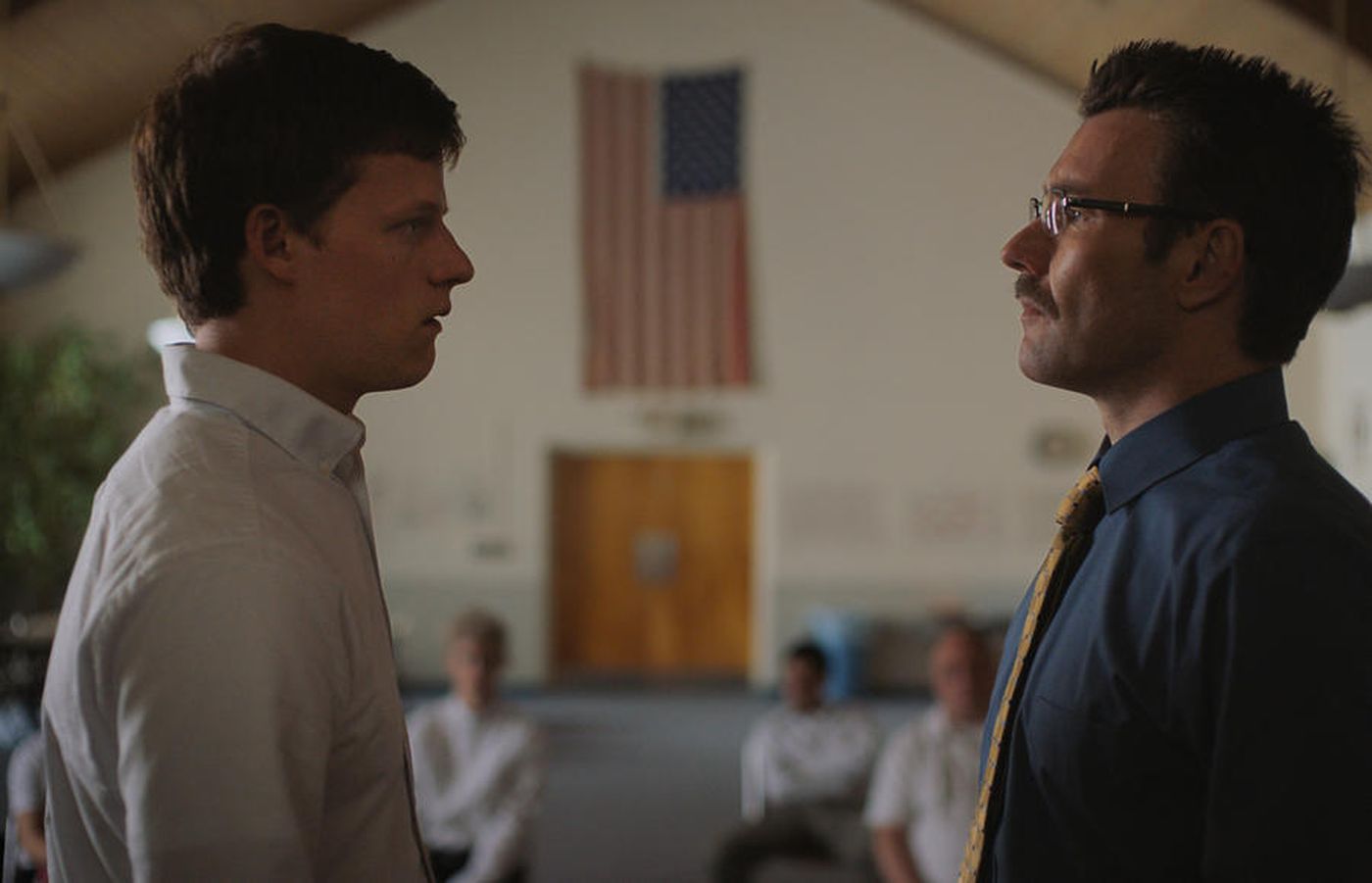
The main thrust of the film finds Jared at the assessment centre and this brings about some harrowing scenes where young men and women are effectivelly imprisoned and vilified in the name of God. While certain scenes are emotionally charged and disturbing the film could have gone even further, however, director Joel Edgerton wisely opts for more subtlety rather than “fire and brimstone” tabloid filmmaking. Indeed, Edgerton and his cinematographer opt for a drained colour scheme and natural lighting style to evoke realism within the action.

Edgerton not only directs and writes with purpose, but also casts himself as the main antagonist and lead “therapist”, Victor Sykes. Sykes is seen as dominating but ultimately weak-willed, deflective and controlling. As Jared’s parents, Nicole Kidman gives a solid performance in the role of his conflicted Mother, while Russell Crowe imbues his preacher with both religious fervour and a sense of torn loyalty. Jared’s parents, in the end, are not bad people. They have just been faced with a difficult situation and are advised badly by their faith and Church.

Ultimately, this is a quietly compelling character drama which highlights very important issues in regard to faith, sexuality and family. I’m not sure why it wasn’t acknowledged more by the Academy Awards, notably in Lucas Hedges fine performace. Nonetheless, it is an important story which is constructed with care. Rather than demonize families and religion, it seeks to highlight and campaign for education, tolerance and love. These things, for me, are what true faith should be about.

Mark: 8.5 out of 11

IF BEALE STREET COULD TALK (2018) – CINEMA REVIEW

IF BEALE STREET COULD TALK (2018) – CINEMA REVIEW

Directed by: Barry Jenkins

Produced by: Megan Ellison, Dede Gardner, Jeremy Kleiner, Adele Romanski, Sara Murphy, Barry Jenkins

Based on: If Beale Street Could Talk by James Baldwin

Starring: Kiki Layne, Stephan James, Colman Domingo, Regina King, Teyonah Parris, Michael Beach, Pedro Pascal etc.

Cinematography: James Laxton

Music: Nicholas Britell

**MAY CONTAIN SPOILERS** 

Barry Jenkins is clearly a talented filmmaker who is striving to transcend the boundaries between art and craft where cinema is concerned. His second feature film Moonlight (2016), was a critical smash and a sleeper box office hit, subsequently going on the win the Best Film nod at the Academy Awards. Whether it was worthy of such as award is another matter, but it was certainly a tremendous work of cinema. The rites of passage story was delivered by Jenkins with imaginative choices in casting, structure, look, music and all-round filmic endeavour.

His latest film, If Beale Street Could Talk, is equally stylish and artfully rendered, but not as emotionally impactful as Moonlight. Indeed, while this is in fact his third feature, Beale Street seems to suffer from classic “2nd album syndrome”, inasmuch as Moonlight set the bar so high, it was going to be a difficult act to follow. Moonlight felt like years of heart and passion thrusted upon the screen, as Beale Street struggles to maintain that said peak. That isn’t to say that the film is not without its virtues as Jenkins once again proves himself a brilliant director.

Barry Jenkins’ IF BEALE STREET COULD TALK, an Annapurna Pictures release.

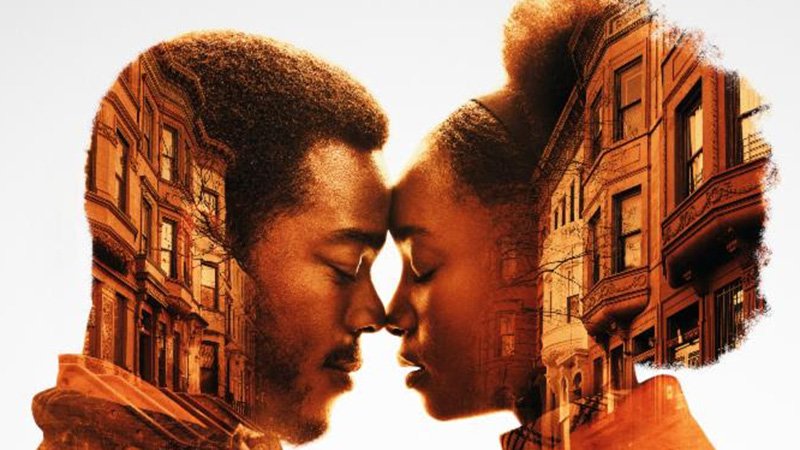
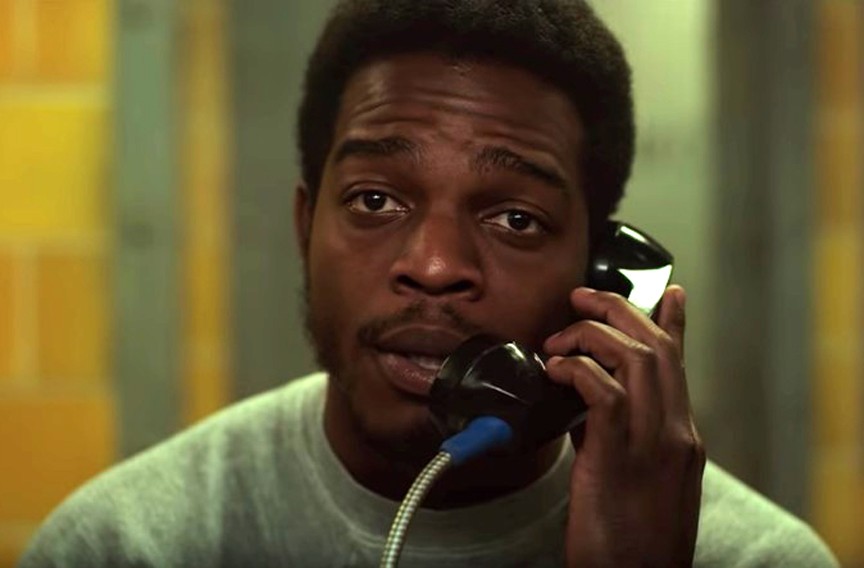
Set in 1970s, Harlem, New York and based on James Baldwin’s novel, the main protagonists are young working class couple Tish (Kiki Layne) and Fonny (Stephen James). Very much in love we open with Tish’s poignant voiceover and a wonderfully lush score supporting the urban and industrial, yet beautifully shot, imagery. Immediately, we realise Jenkins, while basing his story in realism, is presenting his film poetically. Further, Tish’s voiceover lilts and glues the elliptical, non-linear narrative together.

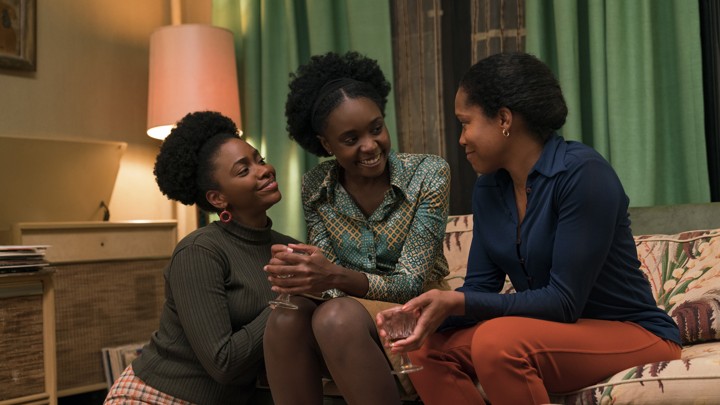
As with Moonlight, Jenkins uses direct address, the characters looking straight back at us drawing us into their emotional core. One may argue the device is over-used and at times distances us from the pace of the story. As Tish recounts events of her and Fonny’s relationship from childhood friends to their currently plight, you really feel a palpable sense of love, but sometimes it moves so painfully slow. Furthermore, the non-linear structure and stylistic devices also undermined the drama of the piece. Indeed, the best scene of the film in my opinion is near the beginning when Tish and Fonny’s family clash over her pregnancy. In this scene the insults spark and spit off the screen; but alas this conflict is sadly under-developed and not revisited later in the film.

Overall, there is a great story here involving: love, romance, social unrest, police brutality, unlawful arrest and injustice, racism, family strife, hope and loyalty; however, Jenkins artistic desires build the narrative in a way that diverts emotion into the cinema style, more so than the characters. Having said that, he is a filmmaker of some brilliance and he gets fantastic performances from the fine ensemble cast, notably the magnetic Regina King. Ultimately, while the story is told slightly pretentiously for my liking,
If Beale Street Could Talk, is a finely tuned work of poetic realism. 

Mark: 8 out of 11

SIX OF THE BEST #16 – TALES OF THE UNEXPECTED EPISODES (1979 – 1988)

SIX OF THE BEST #16 – TALES OF THE UNEXPECTED EPISODES

Created by:     Roald Dahl

No. of series: 9 – No. of episodes: 112

Producer(s)    Anglia Television / ITV

Original release: 24 March 1979 – 13 May 1988

**MAY CONTAIN SPOILERS**

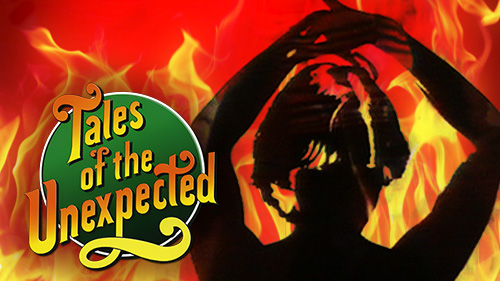
With its eerie opening theme tune and iconic dancing silhouette title sequence, Tales of the Unexpected, holds much nostalgia for me. In fact, it was one of my favourite shows I watched as a kid. Every Sunday evening I couldn’t wait for these short, sharp and sometimes shocking tales of: murder, revenge, adultery, gambling, addiction, blackmail, liars, con-artists; and generally twisted visions of humanity. Of course, the amusing consideration remains that the twist in the tales were generally always expected, making them paradoxically, not unexpected at all. However, trying to guess the twist was also part of the fun in watching.

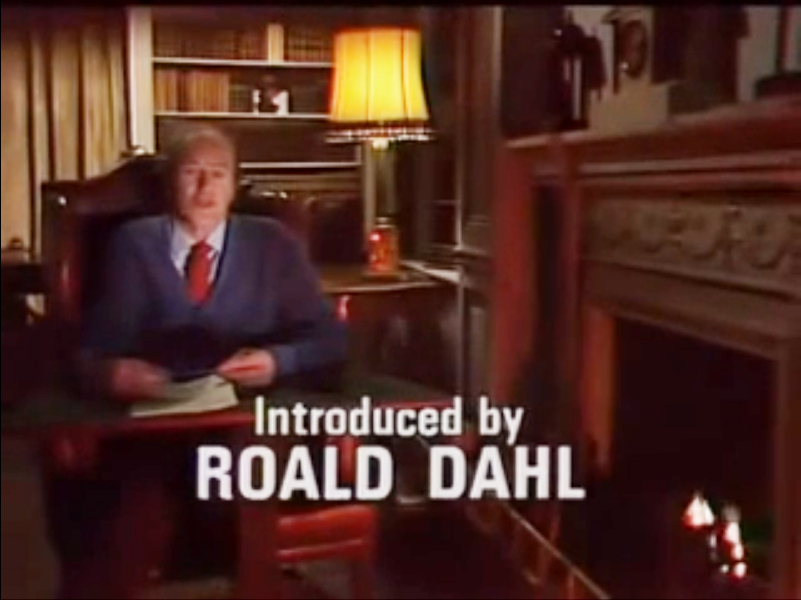
The series was inspired by similar anthology narrative shows such as: Hitchcock Presents, The Twilight Zone and Way Out; with initial stories adapted from the work of genius writer, Roald Dahl. The early seasons were also introduced by Dahl and while produced mainly in the UK, latter seasons had U.S. produced episodes too.

Other writers’ work would be adapted and the series became a staple haven for many famous actors too. These included: Susan George, Sian Philips, Jose Ferrer, Joseph Cotten, Peter Cushing, Janet Leigh, John Gielgud, Brian Blessed, Ian Holm, Joan Collins, Denholm Elliott, Derek Jacobi, Michael Gambon, Anna Neagle, Joan Greenwood, Harry H. Corbett, Timothy West and many more.

Over most of 2018, I re-watched pretty much every episode on SKY ARTS and so for this article I would like to choose six of my favourite ones. I’d say the latter seasons were probably not as strong as the earlier classics. Yet, I still loved most of them; even some of the more comedic and goofy ones. Finally, picking a favourite six was an impossible job, and I have limited the Dahl classics to just one. Here they are!

LAMB TO THE SLAUGHTER (1979) – SEASON 1

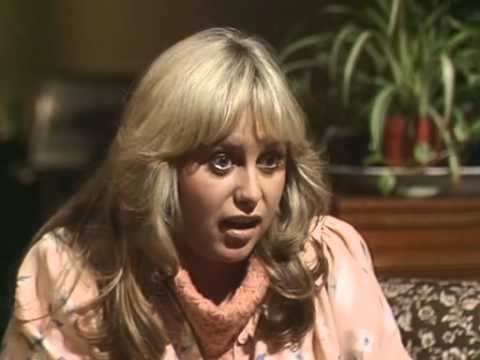
A murdered husband, baffled police, distraught wife and a leg of lamb are the ingredients of one of the finest short stories I have ever experienced. Originally adapted for Hitchcock Presents, Susan George is excellent as the pregnant wife cooking up a special meal and murderous alibi twist.

THE FLYPAPER (1980) – SEASON 3

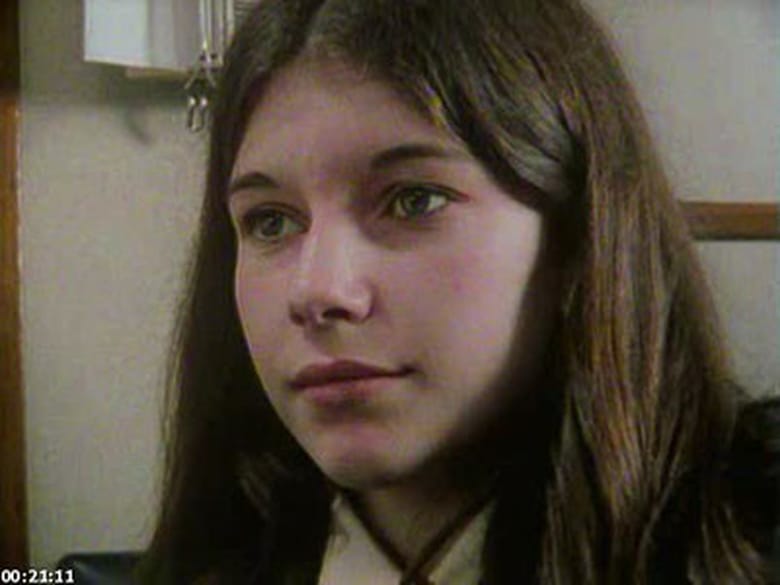
I was always told as a kid don’t talk to strangers for fear of abduction or harm and this episode deals with that theme expertly. The chilling tale from the pen of Elizabeth Taylor (not that one), finds an young girl drawn into danger from a seemingly unlikely source. The slow build-up of suspense, creepy performances and frightening end make it genuinely unforgettable piece of television drama.

THE BEST OF EVERYTHING (1981) – SEASON 4

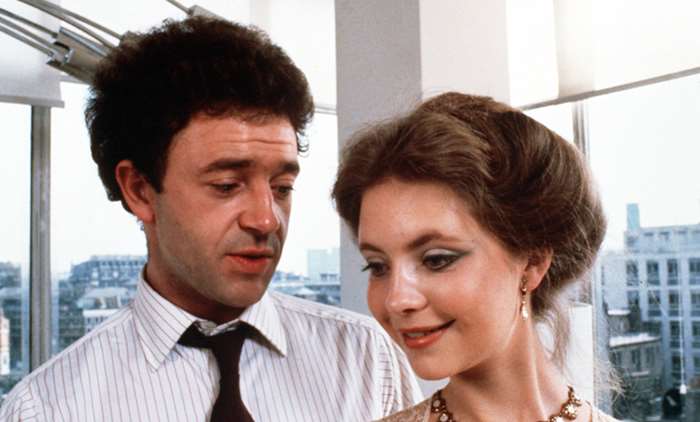
Michael Kitchen is brilliant in this sharp, twisted drama as put-upon clerk, Arthur. His lowly beta male seeks the love of the boss’ daughter but is too broke to get her attention. Enter society-playboy Charlie Prince and Arthur finds confidence from his tutelage and connections. As the plot turns one way then another morality and fate catch out Arthur’s lofty aspirations and his dreams soon turn to dust.

HIJACK (1981) – SEASON 4

This brilliant story deals with a genre staple of an airline hijack. Very economical and full of suspense, it’s mostly shot in the interior of the cockpit as Simon Cadell’s Captain and crew are subject to a fear-inducing robbery. Cleverly plotted, this one even had me fooled with an audacious twist which really flies high at the end.

WHAT HAVE YOU BEEN UP TO LATELY (1982) – SEASON 5

I loved this episode because of the performance from Benjamin Whitrow. He is a bitter, unlikable, alchol-driven, misanthropic actor who verbally abuses his wife. When he bumps into an old acting friend the two share past memories and it’s soon revealed both are unhappy with their lives. Whitrow imbues, in a short time, a life of disappointment and human weakness, and his startling comeuppance is certainly deserving by the end.

SCRIMSHAW (1985) – SEASON 8

The U.S. produced episodes did not stand the test of the time very well, mainly due to the aged and fading 16mm film. Anyway, many of them could be classed as average but there was the odd gem. Scrimshaw was one such diamond in the rough, containing a haunting performance from Joan Hackett as an alcoholic barfly. One day she thinks her luck has changed when meeting an old wealthy artist friend, but that is far from the case.

Hackett’s performance stayed with me, especially the incredible shot at the end. When I researched Hackett’s name online wondering what she was up to now, I discovered she died in 1983 from cancer, aged only forty-nine. Released in 1985, Scrimshaw finds the audience literally watching a ghost, something I found completely unexpected.

GREEN BOOK (2018) – CINEMA REVIEW & OSCAR BINGO #4

GREEN BOOK (2018) – CINEMA REVIEW

Directed by: Peter Farrelly

Produced by: Jim Burke, Brian Hayes Currie, Peter Farrelly, Nick Vallelonga, Charles B. Wessler

Written by: Nick Vallelonga, Brian Hayes Currie, Peter Farrelly

Starring: Viggo Mortensen, Mahershala Ali, Linda Cardellini

**MAY CONTAIN SPOILERS**

I have to be honest I am getting very tired of racism and racists, so lord knows how the people who it affects deal with it on a day to day basis. To judge and attack people because they have a different race, background or skin colour is, and has always been, the height of stupidity. We are all humans and should be judged on our actions and behaviour and NOT our physical appearance, social background, sexuality or gender. Furthermore, we must not treat someone a certain way based on general experience of how others behave too. I subscribe to individualistic judgement and the desire for peaceful attempts to resolve conflict and differences. Those that attack and bully and abuse any other human being are wrong and their minds must be changed.

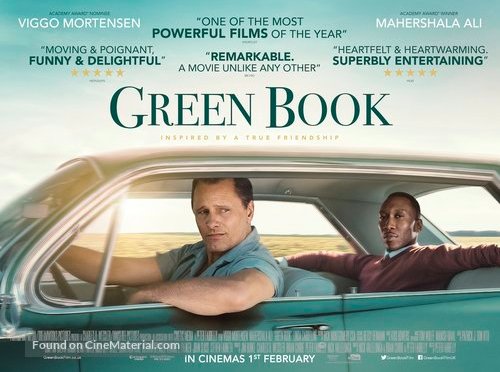
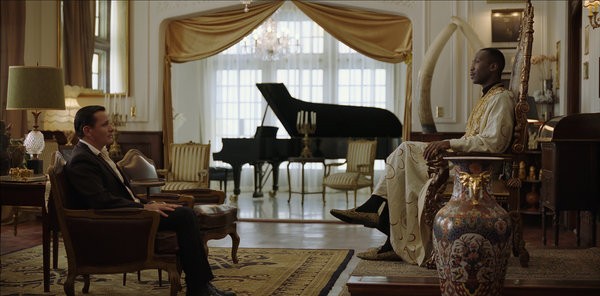
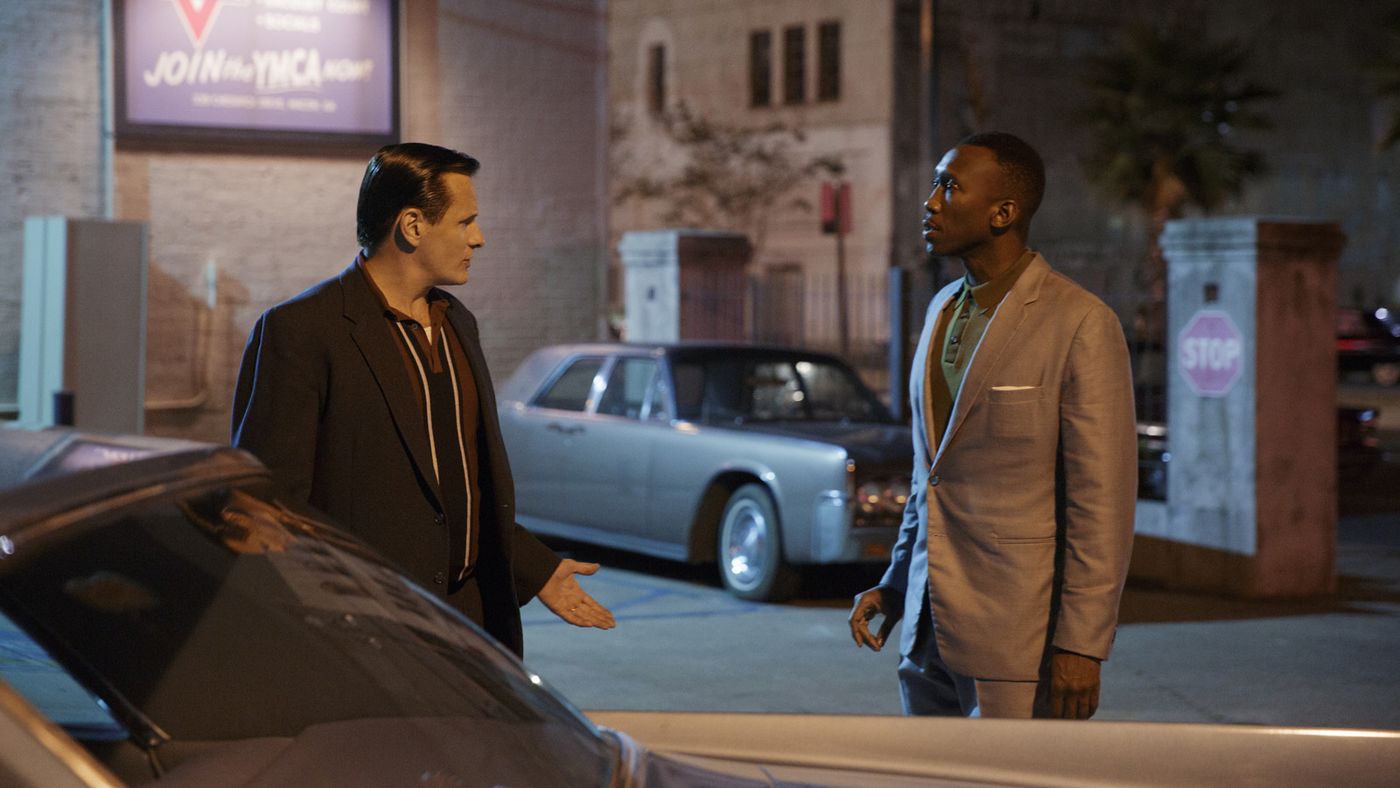
If a feel-good film such as Green Book (2018) can at the very least change one person’s negative attitude then it will be a success. It makes very broad points in regard to race relations and while arguably simplistic, in the very fabric of its story remains a heartwarming call for tolerance, understanding and friendship. Directed by Peter Farrelly, Green Book is based on the true story of Dr Don Shirley, a genius musician, and his brave trip across the deep South of America in 1962 with working class Italian driver, Tony “Lip” Vallelonga. Safe to say the road tour is not without its ups and downs and the men, after initial differences, find common ground, loyalty and friendship.

BEST PICTURE CHANCES – 8/10

As aforementioned in a previous review I would say Roma (2018) will probably win best film at the Academy Awards. Green Book has a decent chance based on the sheer energy and persuasion of the story. Moreover, it attempts to marry comedy with social drama and on the whole succeeds. Peter Farrelly directs with skilled aplomb and the guy is a past-master of the road movie genre with films such as: Dumb and Dumber (1994), Kingpin (1996), There’s Something About Mary (1998) and Me Myself and Irene (2000), all comedies which adhered to road movie genre tropes. I guess that’s one thing that holds Green Book back and that is it’s very “by-the-numbers”, however, that’s also one of the joys of the story in that it hits the heights of genre expectations so well. Finally, Farrelly marshals the road trip, musical gigs and period setting really impressively and film made me feel all glowy by the end.

ACTOR IN A LEADING ROLE CHANCES – 8/10

Viggo Mortensen is such an intelligent actor and has often been cast in intense roles which require much internal conflict. Here, his Tony Lip, is a larger-than-life Italian tough guy, handy with the bullshit and his fists. He eats like a horse and loves his family. Further, he’s stand-up guy who won’t be dragged into the Mafia underworld no matter how broke he is. The character verges on the Italian stereotype we have seen many times before but Mortensen imbues the lovable rogue with a humanity, humour and a do-the-right-thing spirit throughout. It’s his journey we follow as he moves from prejedicial jerk to something more socially acceptable. Lastly, Mortensen’s scenes with Ali are just brilliantly acted; the two bouncing off each other with wit and perfect timing.

ACTOR IN A SUPPORTING ROLE CHANCES – 10/10

Mahershala Ali should win this. He is absolutely outstanding. While Mortensen’s character is big and splashed across the screen in ebullient effervescence, Don Shirley quietly steals the show. His erudite, intellectual and refined exterior hides a pained and lonely soul who just does not fit in to society anywhere. While his music is loved and his genius revered he just cannot find inner peace. I mean I know nothing about playing the piano but Ali impresses here too with his conveyance of the musicianship of the character. Lastly, Ali’s performance is one of the best of the year, and while he won previously for Moonlight (2016), this performance is so good he should be on the list of leading actor role nominations.

BEST SCREENPLAY CHANCES – 8/10

The structure of the screenplay adheres to the classic Hollywood model to a tee. There are few surprises as the set-up of two opposite characters meet and go through a literal and figurative journey of discovery and change. Along with the lead performances, what raises the story though, is a fizzing script full of conflict and comedy. We get set-up-punchline, set-up-drama, set-up punchline, set-up feelgood moment throughout, making it a metronomically impressive piece of writing. The letter-writing running gag, for example, is pure comedic gold. Moreover, the script is littered with tremendous dialogue exchanges between the lead roles and ensemble characters which had me laughing and emoting throughout. Perhaps, historical and political accuracy could be queried by some and there is a reliance on familiar archetypes, but that doesn’t interfere with a zinging story.

CONCLUSION

Green Book is a film that has its chicken and eats it. It is full of life, food, music, family, friendship while making important points about racial issues. It also raises many laughs with heartwarming poignancy, highlighting the inequalities of 1960s with a broad hand. While these issues are not as intriguingly addressed as in BlacKKKlansman (2018), they elevate the generic road-movie-opposites-buddy-bromance tropes and structure. More than anything this is a story about friendship and while it treads a well worn road, mirroring films such as Planes, Trains and Automobiles (1987) and Midnight Run (1988), it does so with verve, humour and heart.

Mark: 9 out of 11

Thoughts on Cinema and Filmmaking