Tag Archives: HP LOvecraft

Cult Film Review: Possession (1981)

CULT FILM REVIEW: POSSESSION (1981)

Directed by Andrzej Żuławski

Screenplay by Andrzej Żuławski

Adaptation and dialogue by Andrzej Żuławski & Frederic Tute

Produced by Marie-Laure Reyre

Main cast: Isabelle Adjani, Sam Neill & Heinz Bennent

Cinematography by Bruno Nuytten

Edited by Marie-Sophi Dubus & Suzanne Lang-Willar

Music by Andrzej Korzyński

*** MAY CONTAIN SPOILERS ***
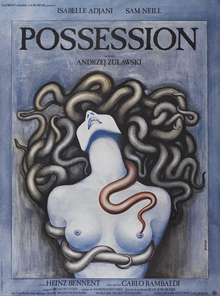


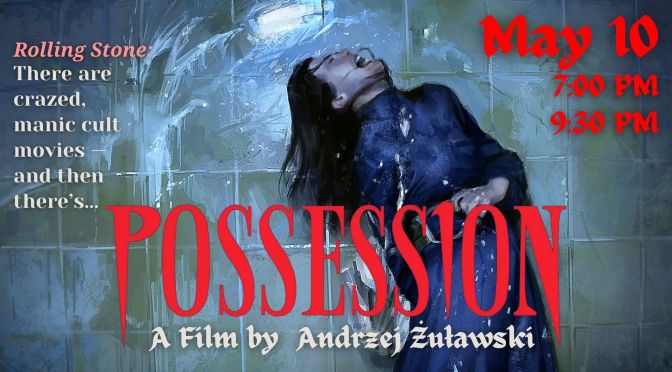
Andrzej Żuławski’s Possession (1981) is a film that doesn’t just defy genre—it annihilates the very idea of categorization. Part spy thriller, part domestic psychodrama, part Lovecraftian horror, and part apocalyptic hallucination, the film barrels forward with such manic intensity that it becomes less a movie and more an exorcism of the soul. It resists structural and emotional compartmentalizing at every turn, choosing instead to implode in a flurry of shrieks, flailing bodies, and gooey, pulsing monstrosities.

Set in a divided Berlin, the film ostensibly begins as a break-up story: Mark (Sam Neill), a shell-shocked spy, returns home to discover that his wife Anna (Isabelle Adjani, in a performance of pure, unrelenting hysteria) wants a divorce. But from there, the film spirals rapidly out of the realm of conventional melodrama and into something far more surreal and terrifying. Mark’s confusion curdles into obsession, Anna’s descent becomes biblical, and reality itself begins to warp and splinter.


Is it a Cold War spy film? Yes, but only in fragments, and those are quickly consumed by the escalating emotional chaos. Is it a break-up film? Certainly—but filtered through an expressionist nightmare where the grief and rage of separation erupt as literal body horror. Horror film? Undoubtedly, though the fear is less about monsters and more about the abyss that opens when love dies. And as the narrative crumbles into bloody symbolism and metaphysical dread, Possession (1981) begins to feel like an apocalyptic drama—one where the apocalypse is internal, intimate, and unstoppable.

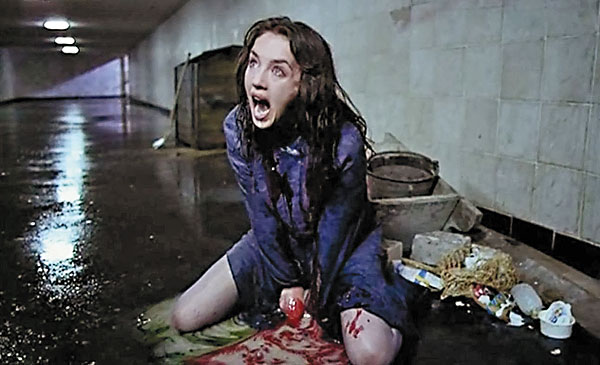
Żuławski directs like a man possessed, matching his characters’ unhinged energy with a restless camera and wild tonal shifts. The result is a fever dream of shrieking confrontations, doppelgängers, collapsing identities, and one of the most infamous subway scenes in cinema history. Possession (1981) is not an easy film—it’s messy, abrasive, and frequently overwhelming—but it’s precisely in its refusal to conform that its power lies. Indeed, much of the dialogue is obtuse non-sequitur in delivery as the actors deliver prose-like philosophical statements that have clearly influenced the writing of Yorgos Lanthimos and Efthymis Filippou.

To watch Possession (1981) is to witness cinema used as a weapon against coherence, comfort, and calm. I almost had a panic attack watching it. Neill, usually a calm on-screen presence looks as though he is lost in a nightmare he cannot escape. Heinz Bennent, as the lover, fully embraces Zulawski’s insane vision, while Adjani literally has a mental breakdown on screen. It is an unbelievably fearless embodiment of psychotic sexuality, arguably only matched in a commercial release by Eva Green’s Vanessa Ives from the majestic gothic TV series, Penny Dreadful (2014-2016). Ultimately, Possession (1981), is as much about the disintegration of self as it is about the end of a marriage, the failure of ideology, or the horror of being alive. One doesn’t simply watch Possession (1981)—one survives it.

LFF – ROUND-UP REVIEWS INCLUDING: CALM WITH HORSES (2019), COLOR OUT OF SPACE (2019) & WAITING FOR THE BARBARIANS (2019)

LFF 2019 – ROUND-UP REVIEWS

One of the great things about film festivals is you can find loads of lower budget and independently made cinematic gems, amidst the big studio projects. Thus, I like to try and see as many smaller scale films if I can, rather than just watch the ones that are likely to go on general release anyway.

Due to my daily work commitments I didn’t get to see as many films as I would like, but here are three I have seen this week. Each is very different, but they all demonstrate, despite featuring some well- known actors, an independently-minded cinematic spirit.

***** SPOILER FREE *****


CALM WITH HORSES (2019)

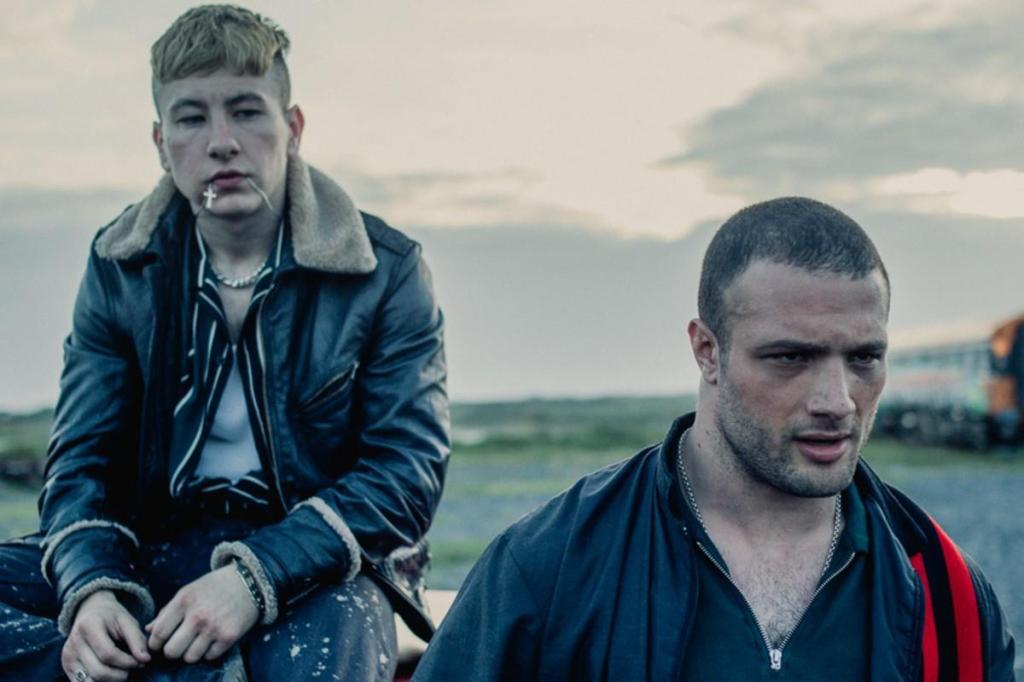
First time director Nick Rowland has an assured debut with this contemporary rural gangster film set in Southern Ireland. Caught between the right and wrong side of the law, Arm, portrayed with brutal tenderness by Cosmo Jarvis, finds his loyalties torn between his family and venal crime bosses. The ever-impressive Barry Keoghan features as his drug dealer friend, who doesn’t necessarily have his best interests at heart.

It’s a harsh tragedy with an element of hope represented by Niamh Algar’s struggling single mum, hoping to escape for a better life. Ultimately, the story beats inhabit familiar territory, with elements of Mean Streets (1973), Of Mice and Men (1937), Bullhead (2011) and Miller’s Crossing (1990), echoing amidst the slashes of violence, colourful language and tough Irish characters.

Mark: 8 out of 11


COLOR OUT OF SPACE (2019)

Filmmaker Richard Stanley had not directed a film for over twenty years, so when I saw he had filmed a HP Lovecraft short story – I WAS IN! Stanley was famous for being sacked from the ill-fated Island of Dr Moreau (1996). Indeed, the 2014 documentary, Lost Soul (2014), is still one of best docs I have seen about filmmaking. Mainly because everything went wrong, but also because Richard Stanley is such as interesting person too. Thankfully, this latest low-budget horror film was completed without too much trouble.

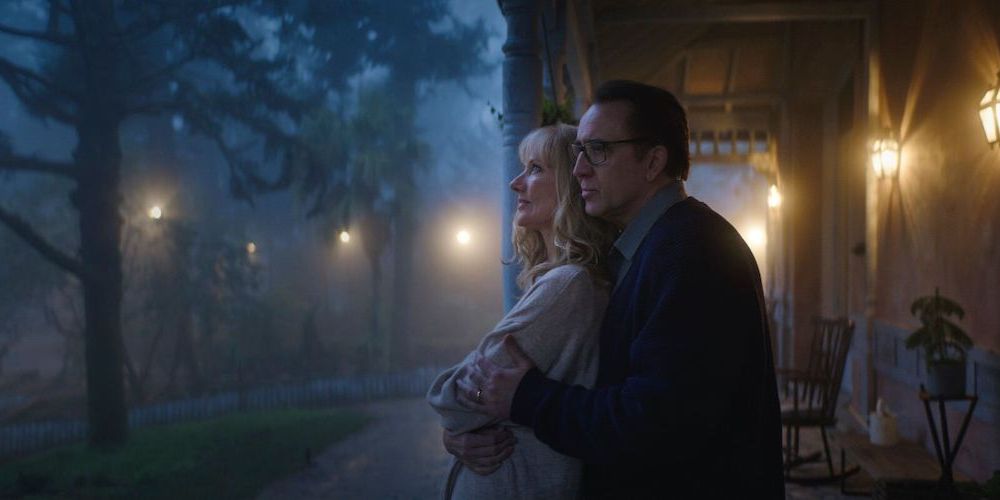
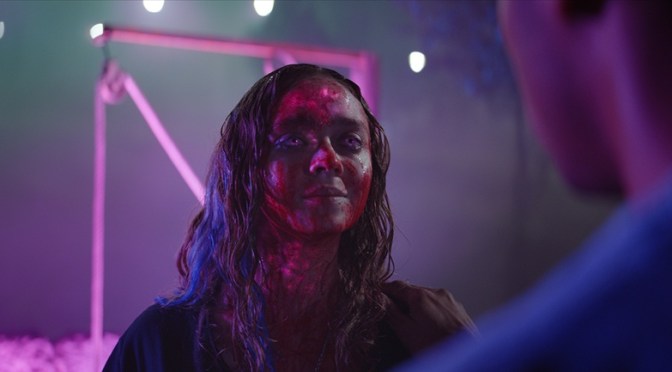
Given it is an adaptation of Lovecraft, Color Out of Space (2019) is unsurprisingly a cosmically bonkers horror film, which descends into all manner of insane occurrences. It centres on the Gardner family, portrayed by Nicolas Cage and Joely Richardson, who along with their teenage kids, must confront the terrors that befall them when a meteorite hits their isolated farm. Building slowly, all hell breaks loose in the final act, as Cage lets rip with another crazed performance. Trippy and stylish with some fantastic gore, it lacks depth, but has cult film written all over it!

Mark: 7.5 out of 11


WAITING FOR THE BARBARIANS (2019)

Set in a desolate border town, the film opens with the kindly Magistrate (Mark Rylance) meeting Johnny Depp’s venal Colonel Joll for the first time. Joll is convinced those “Barbarians”, who live in the desert and mountain areas are going to threaten the fabric of the mighty Empire’s society. So, Joll begins a campaign of torture and oppression against them. The Magistrate and Joll constantly clash as the former seeks understanding and empathy over brute force.

This cerebral and allegorical drama is based on a famous literary classic, written by J. M. Coetzee. Brought to the screen by the ultra-talented Columbian filmmaker, Ciro Guerra, it’s quite slow, but I found it absorbing nevertheless. Mark Rylance is absolutely spellbinding. No one can do contemplative acting quite like him. His character was so noble and just, I really felt for him and the oppressed indigenous peoples’ cause. Arguably, the film could have been more dramatic in places, however, it still presents a damning indictment of colonialism and heavy-handed military rule.

Mark: 8.5 out of 11