Cinema Review: Gladiator II – an Epic Sequel that Echoes the original in Eternity

CINEMA REVIEW: GLADIATOR II (2024)

Directed by Ridley Scott

Screenplay by David Scarpa

Story by Peter Craig, David Scarpa

Based on Characters by David Franzoni

Produced by Ridley Scott, Michael Pruss, Douglas Wick, Lucy Fisher, Walter F. Parkes, Laurie MacDonald and David Franzoni
.

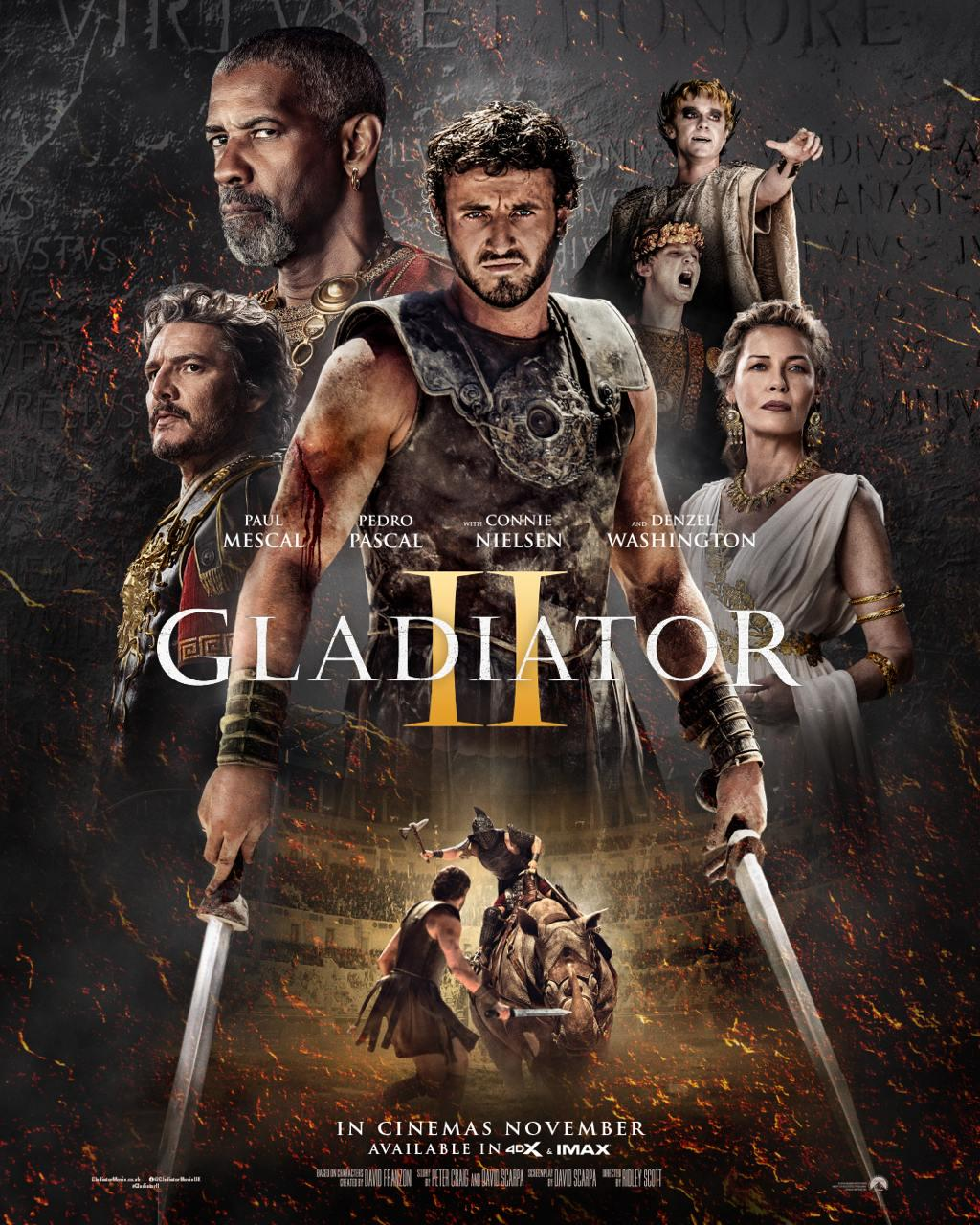
Main cast: Paul Mescal, Pedro Pascal, Joseph Quinn, Fred Hechinger, Lior Raz, Derek Jacobi, Connie Nielsen and Denzel Washington.

Cinematography by John Mathieson

*** MAY CONTAIN SPOILERS ***


Ridley Scott’s Gladiator (2000) stands as a modern genre classic, redefining the historical epic with its visceral storytelling, evocative visual style, and emotional depth. The film not only revitalized interest in the sword-and-sandal genre but also solidified Russell Crowe as a major star, earning him an Academy Award for Best Actor. Crowe’s portrayal of Maximus Decimus Meridius—a betrayed Roman general seeking justice—exudes both raw power and profound vulnerability, making him an enduring figure in cinematic history.

Gladiator’s superb screenplay intricately followed the structure of Joseph Campbell’s Hero’s Journey, charting Maximus’ transformation from a celebrated general to a fallen slave, and ultimately to a venerated martyr. Also invoking the archetype of one of Christopher Booker’s seven basic plots, ‘Overcoming the Monster’. Indeed, Maximus’ journey aligns with the ‘Overcoming the Monster’ archetype, where the hero confronts a seemingly insurmountable evil. Commodus and the Roman Empire embodies the “monster,” wielding unchecked power, moral corruption, and cruelty. Maximus battles not only physical opponents in the gladiatorial arena but also the corrupt system that Commodus represents. His ultimate triumph over Commodus is both personal vengeance and symbolic justice, restoring balance to a fractured world.

Finding Ridley Scott at arguably the height of his directorial power, Gladiator’s success rested on its ability to blend archetypal storytelling with deeply human emotions. It revitalized the historical epic for modern audiences by prioritizing character-driven drama over spectacle, though its battle sequences remain iconic. With its sweeping Hans Zimmer score and Russell Crowe’s unforgettable performance, the film transcended its genre, made a lot of money and become a modern myth that continues to resonate with audiences worldwide. So, the burning question is why did it take so to make a sequel?


I’d say the answer to this question is that because the original was so iconic and powerful it didn’t need a sequel. Still, when has that ever stopped the money-making behemoth of the Hollywood machine from not following up. The surprise is that it took twenty-four years to bring to the screen. Which is a similar length of time after the first one that Gladiator II (2024) is set, namely 211AD. Similarities do not cease there.

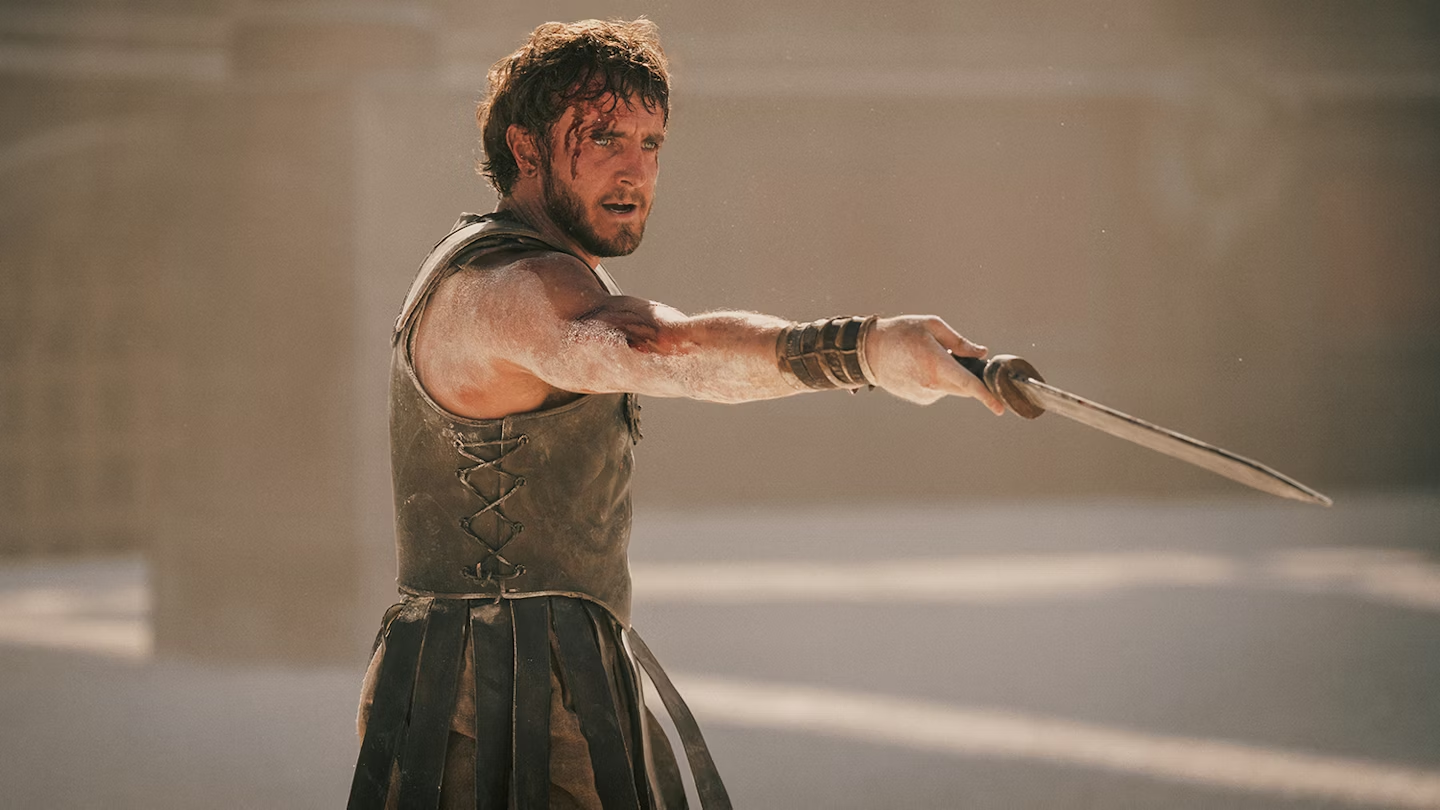
So, I will just say I had so much fun watching Gladiator II. It is an exhilarating return to the grandeur of the Roman Empire, delivering breathtaking visuals, high-stakes action, and a muscular lead performance from Paul Mescal as Hanno, a fighter with a mysterious history. However, despite its ambitious scale and technical brilliance, the sequel draws heavy parallels to the original, feeling more like a reimagining than a bold continuation. Hanno’s journey echoes Maximus’ so closely that it lacks the freshness that made the 2000 film a groundbreaking modern epic.

Indeed, Hanno’s arc is essentially a mirror image of Maximus’ but while Gladiator II adheres to the same Hero’s Journey structure that defined the first film, the beats feel overly familiar. Hanno’s transformation, while compelling, doesn’t quite reach the mythic resonance of Maximus’ odyssey. Where Maximus was a reluctant hero drawn into a larger-than-life struggle, Hanno’s motivations and journey feel more cloudy and contrived, lacking the gravitas of the original’s moral and emotional complexity. Script and character inconsistencies do not help, with Hanno too quickly switching emotions where Connie Nielsen’s Lucilla is concerned.
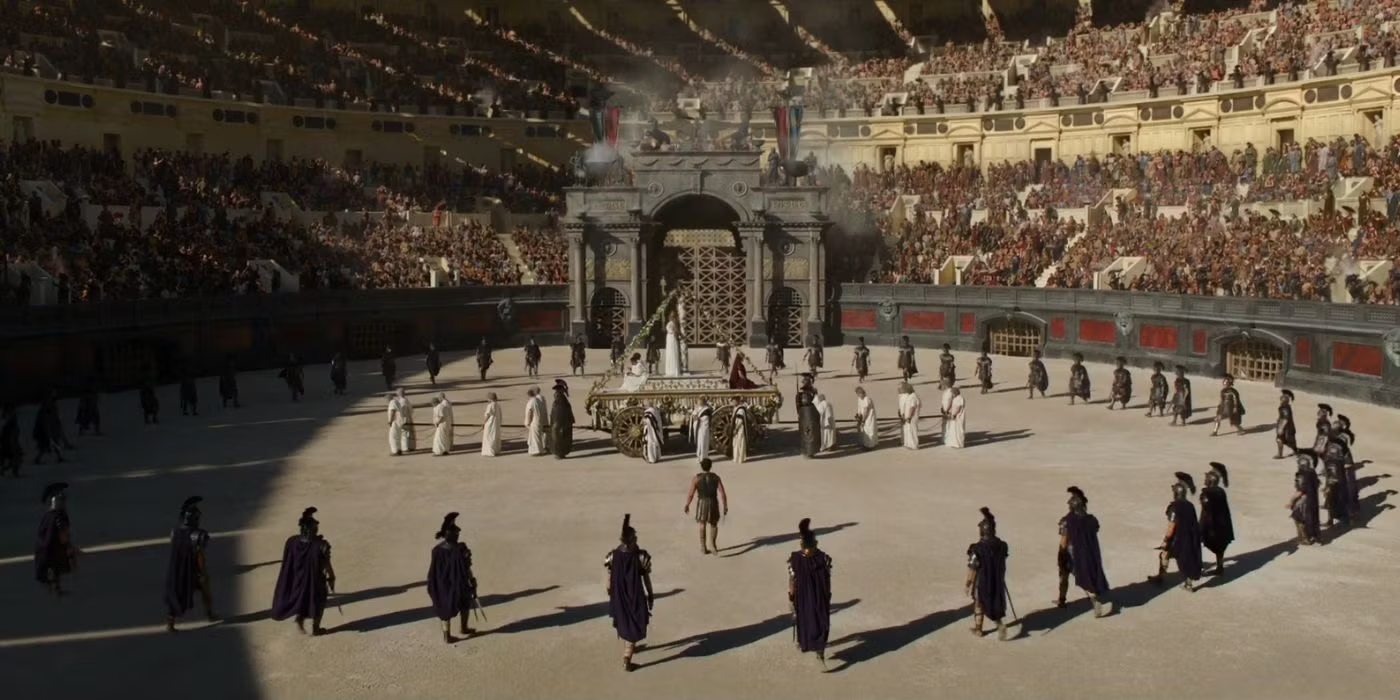


That said, the sequel contains many strengths. The world-building is as immersive as ever, with Ridley Scott’s regal direction ensuring that every frame pulsates with life and detail. The sheer energy and brutality of the Colosseum set-pieces are worth the admission alone. The flooding of the arena battle and introduction of a number of fantastic and vicious beasts are especially memorable. The action is bloody and gripping, the score soars, and the themes of resilience and justice remain timeless. Moreover, Mescal delivers a commanding performance, injecting moments of raw intensity and vulnerability into the role.

Having said that, it is Denzel Washington’s Macrinus who pulls narrative focus and power throughout. Washington brings his trademark gravitas and charisma to the role, crafting a character arc that is both morally complex and emotionally resonant. Macrinus’ journey of manipulation, becomes the film’s most compelling thread, overshadowing Hanno’s more conventional hero’s path. Washington imbues Macrinus with subtlety, allowing audiences to see flashes of vulnerability and moral conflict beneath his stoic exterior. He oscillates effortlessly between commanding authority and quiet introspection, making every line delivery impact. Washington’s natural charisma ensures that Macrinus commands attention in every scene. His dialogue crackles with intensity, and his moments of silence speak volumes, often eclipsing Hanno’s more straightforward emotional beats.

Gladiator II undeniably thrills as a cinematic experience, but its adherence to the original’s blueprint leaves it struggling to step out of Maximus’ shadow. While it showcases the enduring power of its core narrative themes, it ultimately feels more like a polished homage than a groundbreaking sequel, relying on echoes of past triumphs rather than forging an entirely new path. For fans of the original, this familiarity is a strength and weakness, yet nonetheless Scott’s epic facsimile remains a powerful and bone-crunching adrenaline rush.
Mark: 8 out of 11


Cinema Review: Heretic (2024) – A Devilish Twist on Religious Horror

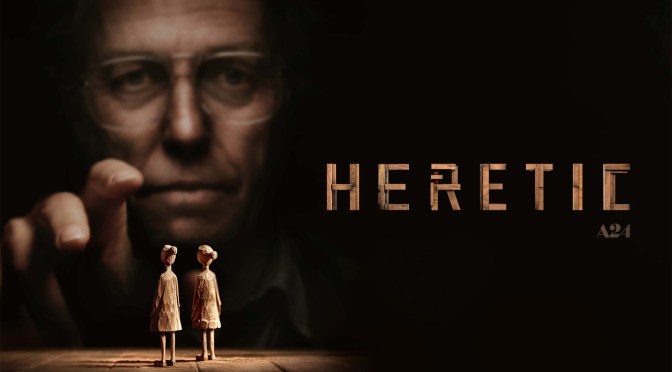
Heretic (2024)

Directed by Scott Beck & Bryan Woods

Written by Scott Beck & Bryan Woods

Produced by Stacey Sher, Scott Beck, Bryan Woods, Julia Glausi and Jeanette Volturno

Main cast: Hugh Grant, Sophie Thatcher, Chloe East and Topher Grace.

Cinematography by Chung Chung-hoon


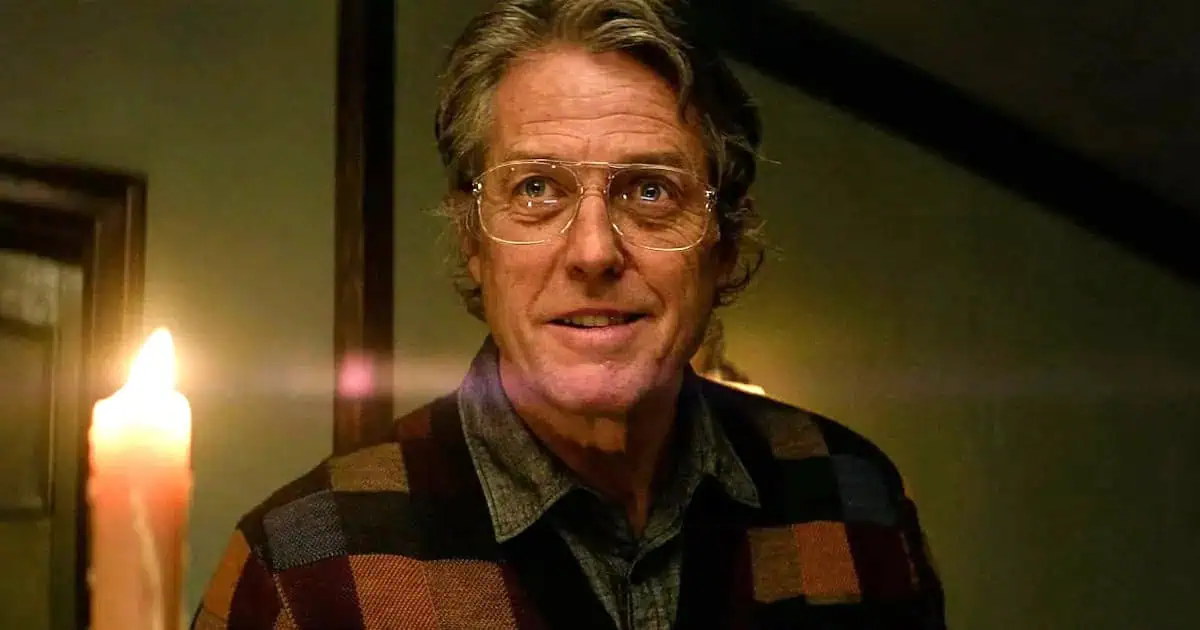
Hugh Grant has been leaning into edgier, more complex roles in recent years, breaking away from the charming, rom-com archetype that first made him famous in films like Notting Hill (1999) and Four Weddings and a Funeral (1994). His performance as the scheming Fletcher in The Gentlemen (2019) showcased his versatility and willingness to play morally ambiguous, darker characters, a notable shift from his earlier, more likeable characters. Additionally, his involvement in projects like Heretic (2024) demonstrates a continued exploration of grittier, layered personas, signaling a reinvention of his career as he embraces unconventional, often villainous roles that display a new level of depth and unpredictability.

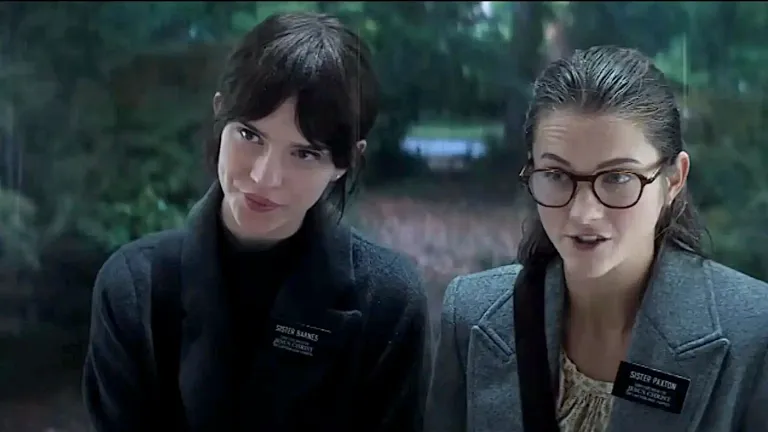
In the theologically-driven horror thriller, Heretic (2024), he portrays a certain Mr Reed, who is door-stepped by two Mormon missionary’s, Sister Barnes (Sophie Thatcher) and Sister Paxton (Chloe East). After the opening scenes which establish empathy for the Mormons, despite some slightly risque dialogue, they knock on the door of Mr Reed and soon the tension begins to rise as he clearly has ulterior motives. But what could they be?


The excellent script by Scott Beck and Bryan Woods truly comes alive in the second act, diving into a sharp, intelligent critique on the nature of religion and faith. The narrative shifts into thought-provoking territory, dissecting the contradictions and complexities of belief systems with nuance and wit. Hugh Grant, delivers these lines with palpable relish, embodying a character that’s both captivating and unsettling. His performance amplifies the script’s incisive commentary, bringing a darkly charismatic edge to the film’s anti-treatise that leaves a lasting impression on the viewer. There’s some great humour in there too, even name-checking South Park and The Book of Mormon during a thrilling game of verbal cat-and-mouse as Mr Reed challenges the sweet missionaries’ whole doctrine. Which, let’s face it, as invented by Joseph Smith, is arguably founded on many ridiculous ideas.

Heretic loses some of its originality toward the end as it leans into familiar horror and “final girl” tropes, diluting the impact of its earlier, more mazy, twisted and thought-provoking narrative. After building a layered critique on religion and faith, the climax reverts to predictable genre conventions, somewhat undermining the complexity established in the second act. This shift might feel like a missed opportunity, as the nuanced themes give way to traditional horror cliches that prioritize shocks over substance. While still entertaining, the reliance on these tropes makes the conclusion feel less daring compared to the film’s more intellectually ambitious setup. Still, Hugh Grant’s devilish Mr Reed and a fantastic soundtrack, make it well worth the admission fee. Meanwhile Woods and Beck again prove themselves as genre filmmakers worth keeping faith with.

Mark: 8.5 out of 11


BFI Film Review: Scala (2023) – At the Altar of Nostalgia for the Scala Cinema!

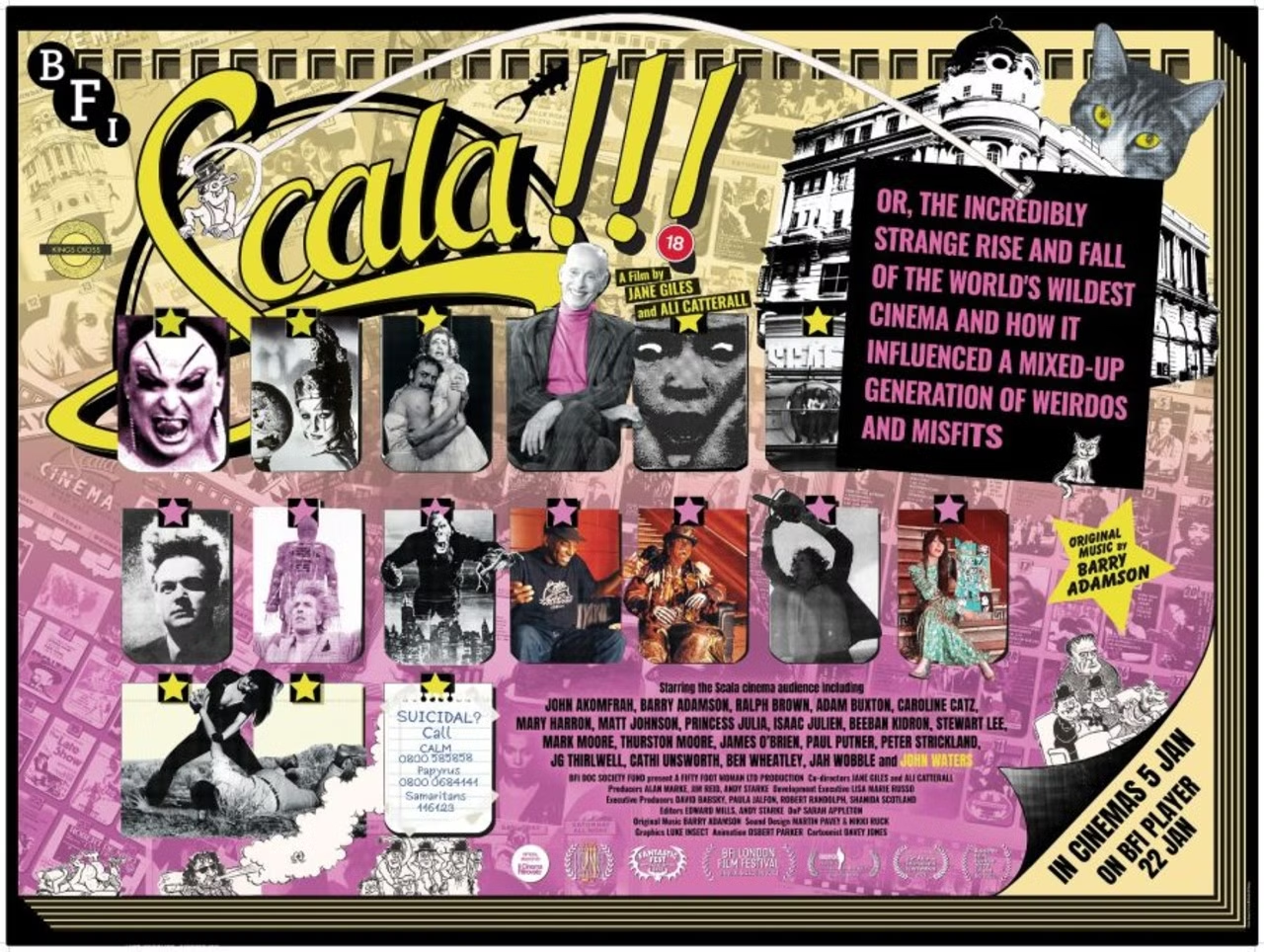
BFI Film Review: Scala!!! (2023)

Directed by Ali Catterall & Jane Giles

Produced by Andrew Starke, Alan Marke & Jim Reid

Cinematography by Sarah Appleton

Edited by Andrew Starke and Edward Mills

Music by Barry Adamson


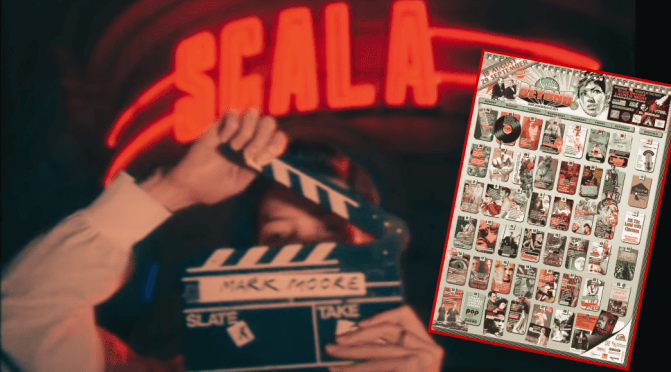
The Scala Cinema, nestled in the heart of London, was more than just a film theatre; it was a refuge, a haven for anyone with a passion for films that didn’t fit into the mainstream mold. I can still feel the sticky floors, the cats in the dark, hear the muffled sounds of the trains passing overhead, and see the hazy red glow that filled the theater. In the 1980s and 1990s, going to the Scala wasn’t just about watching a film; it was about being part of a community that celebrated the bizarre, the boundary-pushing, and the boldly artistic.

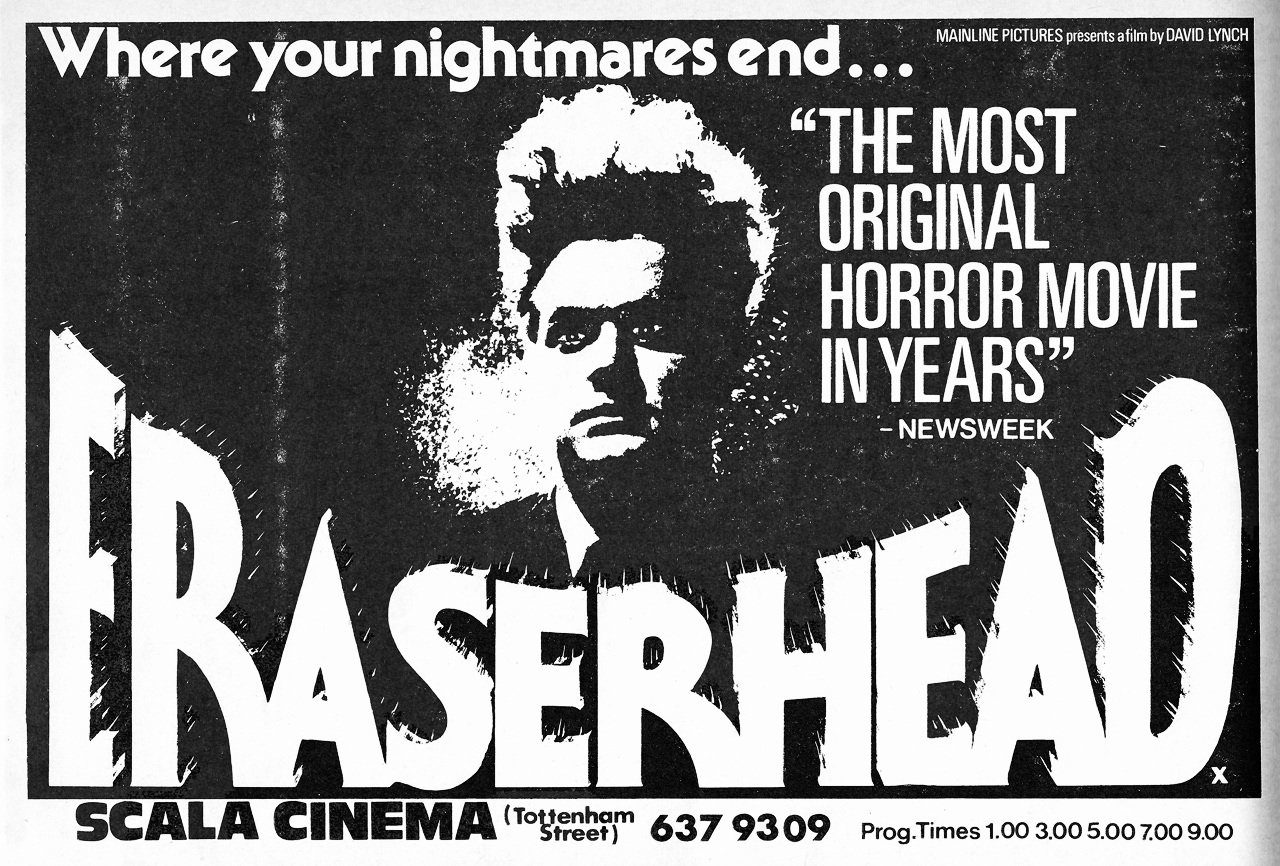
During those years, the Scala felt like my second home. It was where I could disappear into films that I couldn’t find anywhere else – obscure horror flicks, campy B-movies, gonzo-pornos, arthouse selections, and controversial classics from around the globe. It was my church. Films by David Lynch, John Waters, Yuen Woo-ping, Derek Jarman, Werner Herzog, Sam Raimi, Lucio Fulci, Russ Meyer, Kathryn Bigelow, Alex Cox, John Woo, Stanley Kubrick, Jane Campion, Orson Welles, Dario Argento, Alejandro Jodorowsky and many more – each screening felt like a small rebellion, a discovery that I’d carry with me. The Scala didn’t just show movies; it curated experiences. All-night marathons, double bills, and surprise screenings became a staple of my weekends, filling my mind with scenes that blurred the line between reality and the outrageous.


When I watched the Scala documentary on BFI Player, a flood of memories came rushing back. It was as though I’d been given a ticket back to those wild, late nights. I remembered how Scala regulars would shout lines at the screen or break into laughter at inopportune moments, making each viewing unique and unpredictable. The documentary captured not only the films but the spirit of the place – the staff who loved cinema as much as the patrons did, the strange but welcoming crowd, and the sense that Scala wasn’t just a venue but a movement. Watching it felt like reconnecting with a part of myself, an era when cinema was raw, thrilling, and unpolished.

The Scala in King’s Cross is a legend, and for those of us who were lucky enough to experience it, it’s a chapter we’ll always cherish. I was even there when they showed A Clockwork Orange (illegally), which led to the ill-fated court case which forced it to close. This documentary is both a valuable historical document and a joyous sharing of stories from those who worked there and attended the films shown, including: Mark Moore, Mary Harron, Isaac Julien, John Waters, Ben Wheatley; Barry Adamson, Matt Johnson, Adam Buxton, James O’Brien, Stewart Lee, Lisa Power and Graham Humphreys. Overall, the Scala Cinema wasn’t just about the films we watched; it was about finding a place where film became more than entertainment – they were a way of life.

Mark: 9 out of 11