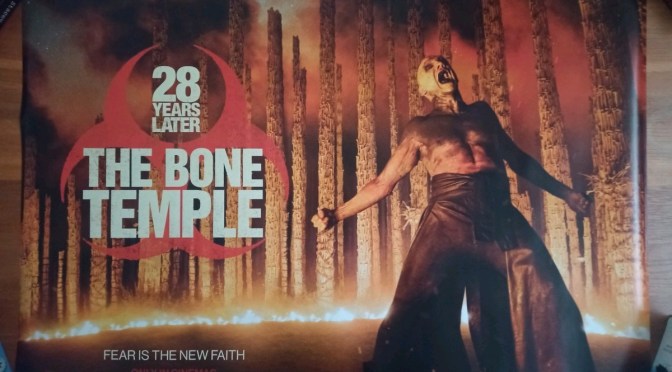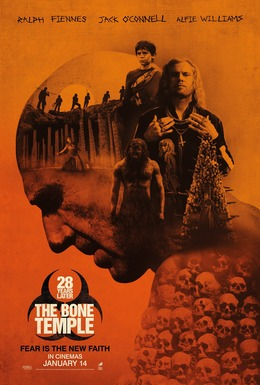
Cinema Review: 28 Years Later: The Bone Temple – a visceral journey into satanic cults, full of head-ripping gore and fiery devilment!

Cinema Review: 28 Years Later: The Bone Temple

Directed by Nia DaCosta

Written by Alex Garland

Produced by Andrew Macdonald, Peter Rice, Bernie Bellew, Danny Boyle, Alex Garland, etc.

Main cast: Ralph Fiennes, Jack O’Connell, Alfie Williams, Erin Kellyman, Chi Lewis-Parry, etc.

Cinematography by Sean Bobbitt


28 Years Later: Bone Temple (2025) is not a film that eases you in. It grabs you by the throat and refuses to let go, piling atrocity upon atrocity until meaning begins to seep through the blood. This is apocalyptic cinema as ritual punishment, and under Nia DaCosta’s direction, it becomes something ferociously alive.

At the calm, moral centre of the chaos stands Ralph Fiennes, delivering a performance of astonishing gravitas and unexpected tenderness as Dr. Ian Kelson. In a world rotted by infection and cruelty, Kelson represents something almost radical: goodness without irony. Fiennes plays him not as a saint, but as a weary human being who still believes care, cure and compassion matter, even when the world insists otherwise. His presence anchors the film, giving its excess a conscience.

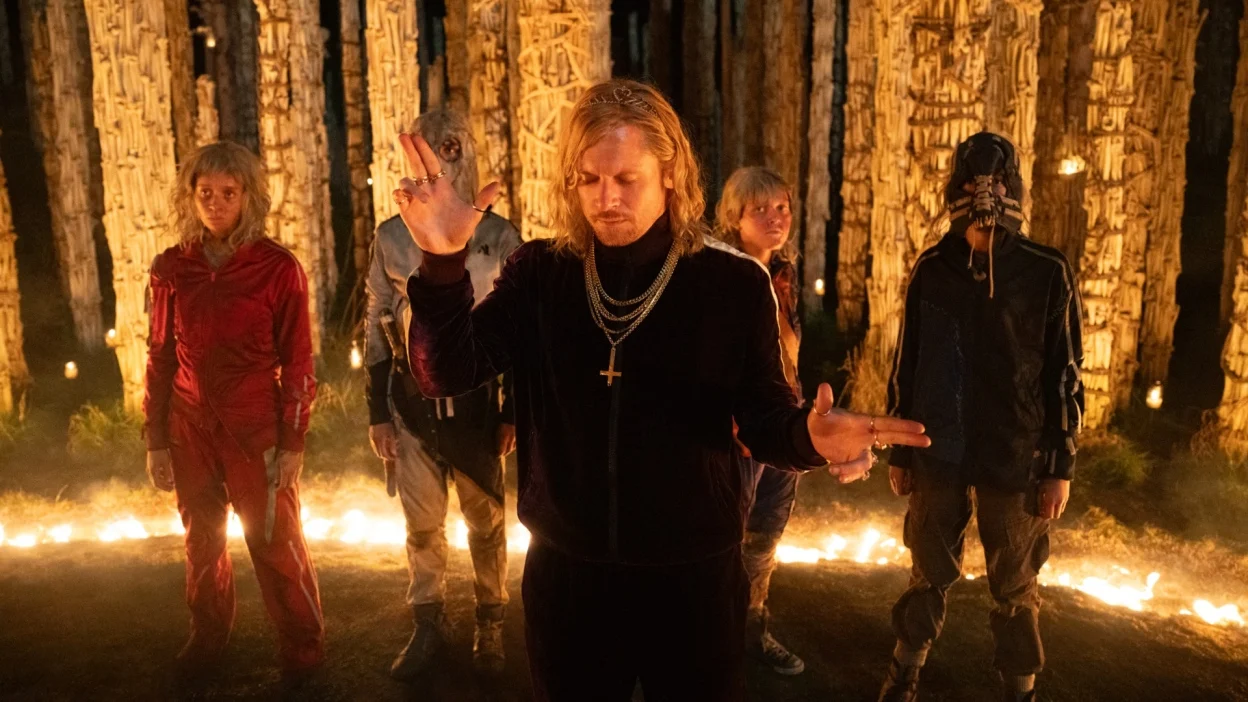
Opposing him is Jack O’Connell’s Jimmy Crystal, a vicious cult leader whose charisma curdles into something genuinely frightening. Crystal preaches violent “charity” in the name of Satan, offering salvation through brutality, and O’Connell leans hard into the performance’s ugliness. Leading his young, droogy, Savile-esque followers, he wages war not just on human survivors, but on the infected as well, collapsing any moral distinction between mercy and massacre. It’s a performance that feels designed to make your skin crawl—and it succeeds. Alas, Spike (Alfie Williams) gets caught up in Jimmy’s insanity and the sense of fear for him reigns throughout.


DaCosta directs with visceral energy, staging sequences that are frequently jaw-dropping in their gore and sadism. This is not a film particularly interested in an actual plot, clean narrative arcs or deep psychological excavation. Instead, Bone Temple unfolds as a succession of brutal set-pieces, each more punishing than the last. Some viewers will undoubtedly find it too much—too loud, too violent, too relentless.

But that relentlessness is also the point. What makes 28 Years Later: Bone Temple so compelling is how it mashes thematic power with B-movie exploitation ultra-violence. Beneath the spray of blood and bone is a furious meditation on false charity, moral absolutism, and the terrifying ease with which cruelty dresses itself up as righteousness. It’s ugly, abrasive, and often overwhelming—but it’s never empty. Indeed, if there is a more stylish and powerful scene in cinema all year than the ‘Number of the Beast’- Iron Maiden-soundtracked-fiery-ritual-sequence then I can’t wait to see it.

Ultimately, this is apocalypse horror as endurance test and sermon, and while it won’t be for everyone, I found it exhilarating. In its refusal to soften its blows, 28 Years Later: Bone Temple (2025) earns its place as one the most savage entries in the franchise, so far.

Mark: 8.5 out of 11


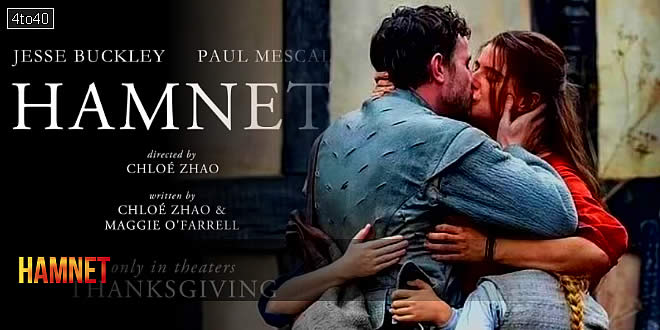
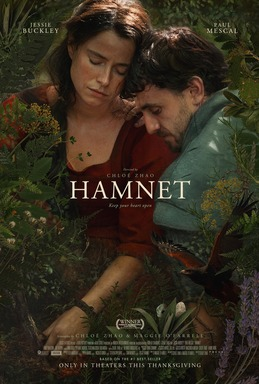
Cinema Review: Hamnet (2025) – spectacularly emotional with Jessie Buckley delivering a spiritually transcendent performance!

Cinema Review: Hamnet (2025)

Directed by Chloé Zhao

Screenplay by Chloé Zhao & Maggie O’Farrell – Based on Hamnet
by Maggie O’Farrell


Produced by Liza Marshall, Pippa Harris, Nicolas Gonda, Steven Spielberg & Sam Mendes


Main cast: Jessie Buckley, Paul Mescal, Emily Watson, Joe Alwyn
, David Wilmot, Jacobi Jupe, Olivia Lynes, etc.

Cinematography by Łukasz Żal


There are actors who impress, and then there is Jessie Buckley, who seems to detonate the screen every time she appears. From the feral menace and vulnerability of Beast (2017) to the raw, soul-baring musical grit of Wild Rose (2018), Buckley has proven herself fearless; from the existential unravelling of I’m Thinking of Ending Things (2020) to her razor-sharp, unclassifiable turn in Fargo (2020) – Season 4, and the aching restraint of Fingernails (2023), her work consistently redefines what emotional truth on screen can look like. Now, with an earth-shattering rendition of Agnes Shakespeare in Hamnet (2025), Buckley doesn’t just command attention—she claims her place as one of the most electrifying actors of her generation.

Hamnet (2025) is an adaptation of Maggie O’Farrell’s critically acclaimed novel is a quietly thunderous piece of cinema—one that chooses intimacy over spectacle and emotion over mythology. At its core is the relationship between Agnes and William Shakespeare, charted from their first, tentative connection through marriage, parenthood, and the fractures that emerge when love collides with loss and ambition.

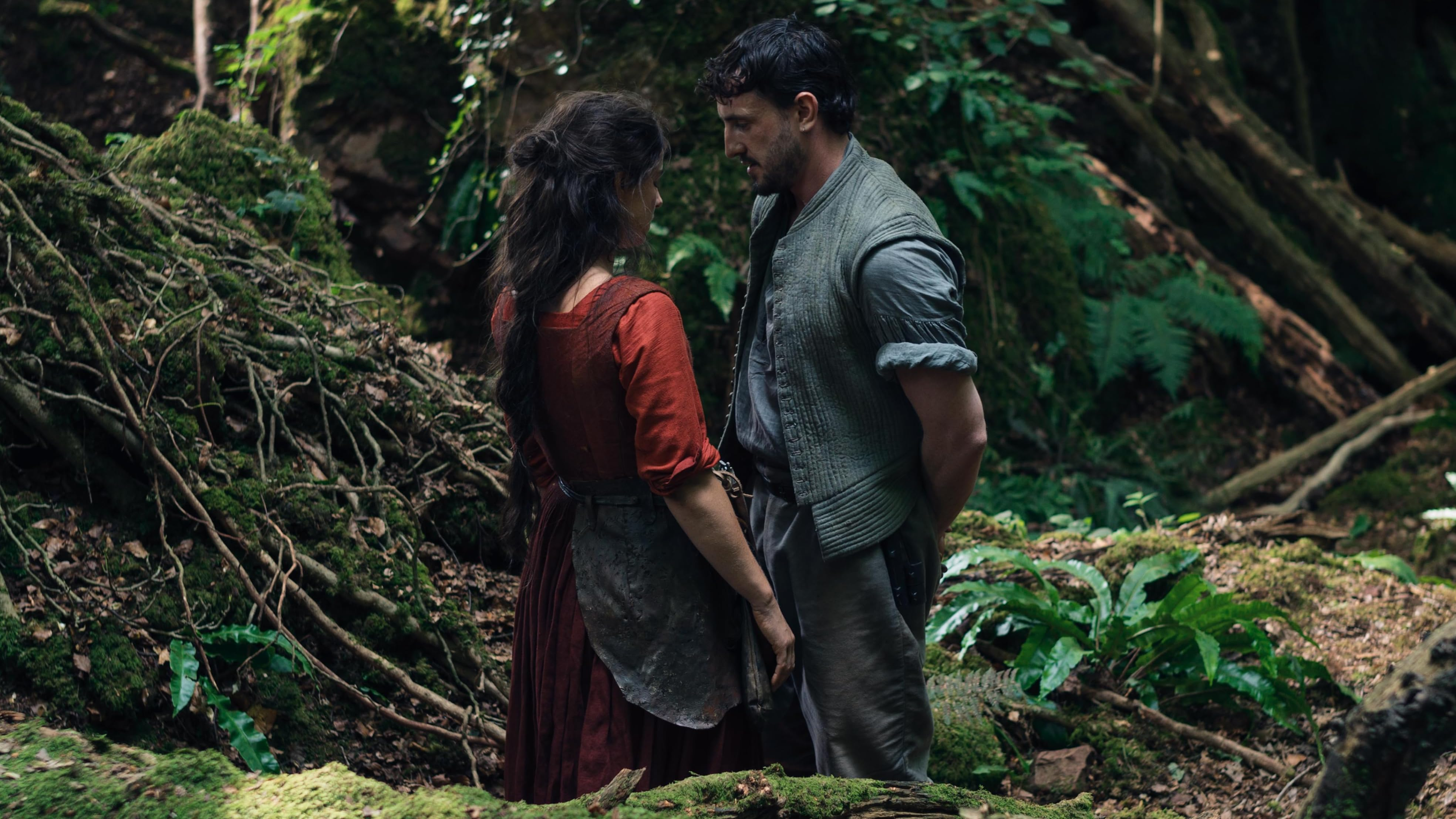
The film is less concerned with the legend of Shakespeare than with the human beings behind it: a scholar and poet struggling to find his literary voice, set against Agnes, a woman of the land and forest, spiritually attuned to nature, instinct, and ritual. Their romance blooms in the space between these worlds, with Agnes’s chanting communion with the natural world acting as an unspoken counterpoint to Will’s search for language and form.


Director Chloé Zhao brings her signature elegance and patience to the material, allowing moments to breathe and emotions to surface organically. Her collaboration with cinematographer Łukasz Żal results in imagery that feels almost painterly—soft, natural light spilling across interiors and fields, rendering the English countryside as something tactile and alive. Every frame seems steeped in earth, wind, and time, reinforcing the film’s grounding in the physical and the elemental.

At the centre of it all is Jessie Buckley, delivering a stunningly embodied performance as Agnes. Her work is raw, intuitive, and deeply moving—she plays grief not as a single rupture but as a living force that reshapes the body and spirit. Paul Mescal brings a quiet intelligence and aching restraint to William, capturing the tension between domestic devotion and creative restlessness, while the incredible, Jacobi Jupe, as the young son, Hamnet, adds genuine emotional resonance, grounding the family dynamic with heart-breaking sincerity.

Hamnet (2025) is ultimately a powerhouse drama about family, grief, and the curative—often painful—power of the creative process. It understands art not as triumph but as transformation, something born from love and loss in equal measure. My one reservation is a personal one: I found myself wanting more of Shakespeare’s journey in London and his struggle toward theatrical success and subsequent writing on the classic, Hamlet. But this absence is deliberate and understandable. The film is weighted toward the emotional interiority of Agnes’s experience, and in centring her perspective—so exquisitely rendered by Buckley—Hamnet (2025) finds its true, devastating strength.

Mark: 9 out of 11


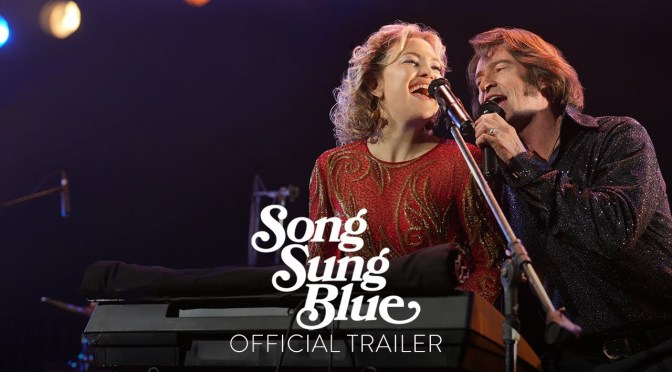
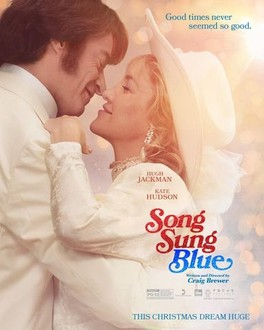
Cinema Review: Song Sung Blue (2025) – a heartfelt celebration of love and music!

Cinema Review: Song Sung Blue (2025)

Directed by Craig Brewer

Written by Craig Brewer – Based on Song Sung Blue – documentary by
Greg Kohs


Produced by John Davis, John Fox, Craig Brewer

Main cast: Hugh Jackman, Kate Hudson, Michael Imperioli, Ella Anderson, Mustafa Shakir, Fisher Stevens, Jim Belushi, King Princess, etc.

Cinematography by Amy Vincent

** MAY CONTAIN SPOILERS **


Song Sung Blue (2025) is a warm, big-hearted musical drama that wears its love for music—and for people—proudly on its sleeve. Based on the 2008 documentary of the same name, the film arrives as a crowd-pleasing celebration of performance, devotion, and the quietly heroic act of expressing emotion through song. Under Craig Brewer’s direction, the film hums with sincerity, lifted by a strong ensemble cast and the enduring power of Neil Diamond’s music.

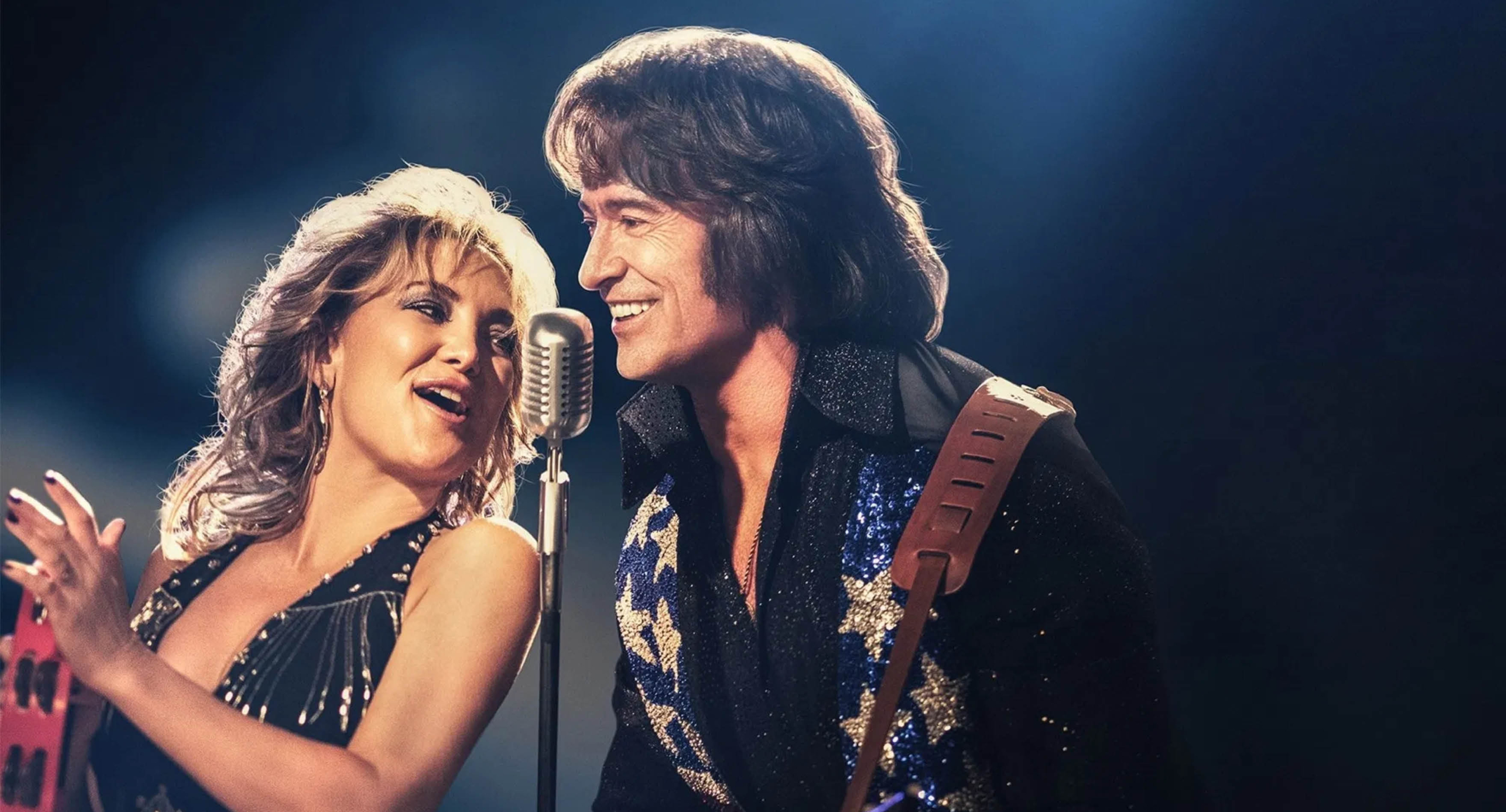
At the centre of the story are Mike and Claire Sardina, known on stage as Thunder and Lightning from Milwaukee. They are not presented as mere lookalikes or imitators, but as fully formed performers who carry the Neil Diamond torch with genuine artistry and respect. Their performances are less about mimicry and more about connection—channeling Diamond’s songs as emotional vessels for love, longing, and resilience. The film is at its best when it allows music to speak where words fall short, and Thunder and Lightning embody that truth beautifully.

The acting across the board is excellent. Hugh Jackman and Kate Hudson bring warmth, vulnerability, and an easy chemistry that grounds the film’s emotional core. Their characters feel lived-in and deeply human, making their shared journey feel earned rather than sentimental. Supporting turns from Michael Imperioli, Fisher Stevens, Jim Belushi, Ella Anderson, King Princess, and Mustafa Shakir add texture and personality, giving the film a rich, communal feel that mirrors the supportive world of local performance and fandom it portrays.


Craig Brewer’s vibrant direction leans into the idea that music is not just entertainment, but a lifeline. The film’s big-hearted characters use performance as a way to communicate love, heal wounds, and navigate life’s many trials and tribulations. In that sense, Song Sung Blue (2025) doubles as a loving tribute to Neil Diamond’s songwriting genius—his songs serving as emotional shorthand for feelings that are often too large or too complicated to articulate otherwise.

The film is incredibly dramatic too dealing with life themes relating addiction, depression, debt, disability and family trauma. Arguably it tries to cover too much in the two-or-so-hours finding topics such as the adoption subplot skimmed over in favour of maintaining pace and momentum. While this keeps the film buoyant and accessible, it occasionally feels like a missed opportunity to explore those themes with greater depth.

Still, these minor shortcomings do little to diminish the overall impact. Jackman and Hudson just fly throughout, making Song Sung Blue (2025), a heartfelt, affirming experience—one that understands how music can bind people together and how love, expressed through song, can carry us through even the most difficult chapters of life. It’s a film that leaves you smiling, misty-eyed, and humming a Neil Diamond tune on the way out of the theatre.

Mark: 8.5 out of 11


The Cinema Fix presents: 12 Favourite Films of 2025!

The Cinema Fix presents: 12 Favourite Films of 2025!

Happy 2026! I feel like I have watched even more films last year at the cinema and the many streaming platforms.

My instinct is it’s been a decent year overall of quality films, especially from independent or what one would class as indie-minded filmmakers. The bigger budgeted films or traditional blockbusters have been mainly not great or I just didn’t enjoy them. Aside from perhaps the entertaining Mission: Impossible finale.

Of all the genres, horror has really risen to the top in terms of overall quality the last few years, doing big box office and being recognised at awards ceremonies too. Having said that, and this could be my age and is nostalgia-driven, I find myself enjoying older, cult and more obscure film releases than the today’s modern film releases.

Anyway, here my my 12 FAVOURITE films of 2025. Not the BEST films, but the ones I enjoyed the most. There’s a few high quality, critically acclaimed films which do not make the list including Train Dreams (2025), Sorry, Baby (2025), Eddington (2025), Warfare (2025), Good Boy (2025), The Brutalist (2024) and I’m Still Here (2024), but remember these are my FAVOURITE films of the year.

For reference my favourite films of 2024 are below and here.


ALL OF US STRANGERS (2023)
AMERICAN FICTION
(2023)
HERETIC
(2024)
THE HOLDOVERS
(2023)
THE IRON CLAW
(2023)
LATE NIGHT WITH THE DEVIL
(2023)
MONSTER
(2023)
POOR THINGS
(2023)
THE QUIET GIRL
(2023)
SPEAK NO EVIL
(2024)
THE SUBSTANCE
(2024)
THE ZONE OF INTEREST
(2023)


Twelve Favourite Films of 2025

28 YEARS LATER (2025)


BLACK BAG (2025)


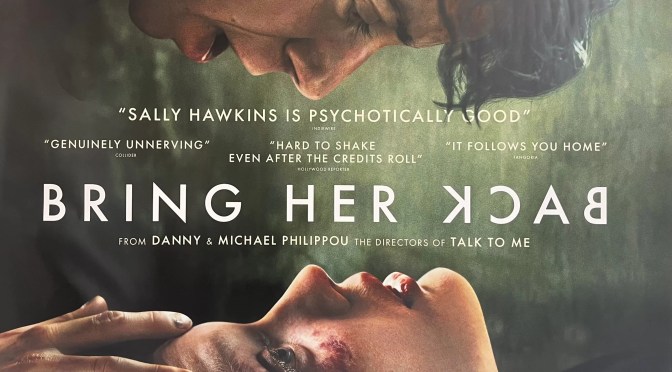
BRING HER BACK (2025)


BUGONIA (2025)


A DIFFERENT MAN (2024)


THE GORGE (2025)


THE LONG WALK (2025)


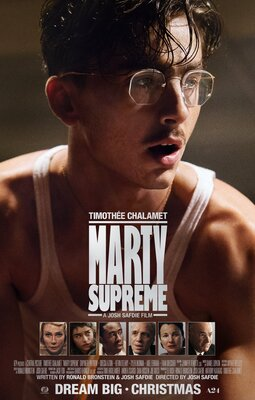
MARTY SUPREME (2025)


ONE BATTLE AFTER ANOTHER (2025)


SINNERS (2025)


WAKE UP DEAD MAN (2025)


WEAPONS (2025)

Netflix Film Reviews including: A House of Dynamite (2025), Ballad of a Small Player (2025) Frankenstein (2025), Jay Kelly (2025) and Wake Up, Dead Man (2025)

Netflix Film Reviews – Winter 2025

Netflix’s auteur-driven cinema push has seen the platform hand enormous creative freedom—and budgets—to filmmakers like Noah Baumbach, Rian Johnson, Kathryn Bigelow, Edward Berger, and Guillermo del Toro, pairing them with world-class casts and top-tier crews to produce works of unmistakably cinematic ambition.

The paradox is that many of these films—designed with theatrical scale, craft, and seriousness—ultimately premiere to mass audiences via Netflix’s online platform rather than traditional movie theatres, reflecting a fundamental shift in how prestige cinema is financed, distributed, and culturally consumed in the streaming era.

What can you do? Well, pay the Netflix subscription and watch them from the comfort of one’s living room. Here are my reviews with usual marks out of eleven. Happy 2026!


A House of Dynamite (2025)

Kathryn Bigelow’s A House of Dynamite (2025) is an expertly directed and intriguingly structured disaster movie, unfolding across three interlocking chapters that chart a nuclear attack on the United States by an unknown enemy. Each section reframes the same escalating crisis through a different lens—the White House intelligence apparatus, the military response, and the political sphere—culminating in the perspective of the President, played with sensitivity and gravitas by Idris Elba.

As events overlap and repeat, the script cleverly ratchets up tension, revealing new information through subtle shifts in context, while Bigelow’s command of pacing and scale, combined with sterling filmmaking and a who’s-who ensemble cast, keeps the film gripping on a moment-to-moment level. Yet for all its craft, the film ultimately plays like a fear-mongering piece of propaganda and an implicit recruitment advert for the U.S. government and military. Its refusal to name a perpetrator suggest the U.S. has many enemies thus justifying huge spending on defence and weapons. The abrupt ending could be interpreted as brave storytelling, but for me it undercut the suspense, leaving the experience feeling oddly hollow and non-plussed rather than provocatively unresolved.

Mark: 6 out of 11


Ballad of a Small Player (2025)

The Ballad of a Small Player (2025) follows Lord Doyle, played by a magnetic Colin Farrell, as he lies low in Macau, numbing himself on casino floors with deep debt, bad bets, and the stubborn hope that the next hand will fix everything. Farrell is phenomenal here, turning compulsive gambling into a form of slow self-harm, his performance layered with exhaustion, bravado, and quiet panic. When he’s offered a fragile lifeline by the enigmatic Dao Ming, played with poised restraint by Fala Chen, the film hints at redemption.

Director Edward Berger and his production team deliver a ravishingly beautiful film, capturing Macau’s neon glow and claustrophobic interiors as both seduction and trap. At its best, the film is a melancholy character study about addiction for a protagonist who is often deeply annoying and morally bankrupt. However, the final act falters, introducing fuzzy, unearned twists that soften the film’s harder truths and dilute its emotional impact. While the journey is engrossing and Farrell’s performance alone makes the film worth seeing, the conclusion ultimately cheats the audience out of a powerful Uncut Gems (2019)-style denouement.

Mark: 7 out of 11


Frankenstein (2025)

Is Guillermo Del Toro’s big budget adaptation of Mary Shelley’s classic gothic novel really necessary? There are much better versions out there, yet, Netflix and Del Toro certainly thought so. Oscar Isaac is a great actor but miscast or misdirected here for me. Then again, even in Shelley’s seminal novel Dr Frankenstein is a colossal whinger! Thankfully, Jacob Elordi gives a hearty and emotional rendition of the tragic creature, who again is the most interesting character. Safe to say the majestic production values provide a visual and aural feast, but, aside from a scintillating opening in the North Pole, Del Toro’s slog of a script ultimately fails to bring Shelley’s story to life in a sustained enjoyable fashion. Don’t get me wrong, the production and design is of the highest order but I just didn’t connect emotionally or philosophically or even as a horror fan.

Mark: 6 out of 11


Jay Kelly (2025)

Jay Kelly (2025) is a mild, reflective comedy drama that sees George Clooney doing what he’s long perfected: playing a famous film star grappling with past and present relationships while barely appearing to break a sweat. As Kelly travels to Tuscany to collect a lifetime achievement award, the film drifts between memories, regrets, and professional compromises, offering Clooney ample opportunity to deploy his trademark charm—stretching his range (not), but doing so with effortless ease. The more grounded emotional texture comes from Adam Sandler, who is quietly excellent as Kelly’s long-suffering manager, bringing a lived-in, humane quality that feels more emotionally honest.

Director Noah Baumbach has delivered far sharper and more incisive work and Jay Kelly (2025) never quite pushes its Hollywood satire of spoiled first-world creatives as far as it could. Still, there’s an undeniable pleasure in Baumbach’s dialogue and structure, with clear echoes of Wild Strawberries (1957) and (1963) filtering through in its introspective, memory-haunted moments. The film ultimately has its cake and eats it—content to indulge its characters rather than interrogate them—but it remains a very pleasant cake all the same: soft, well-made, and easy to enjoy.

Mark: 7 out of 11


Wake Up Dead Man: A Knives Out Mystery (2025)

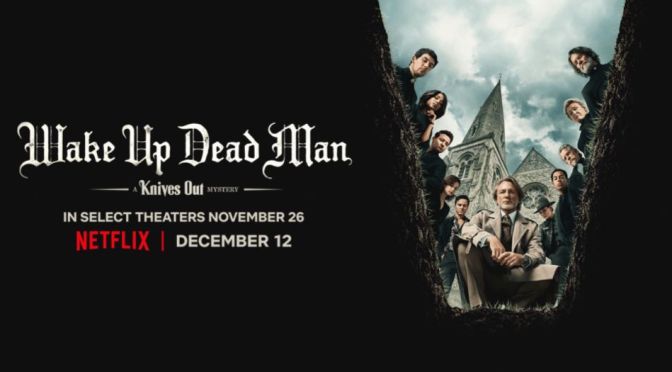
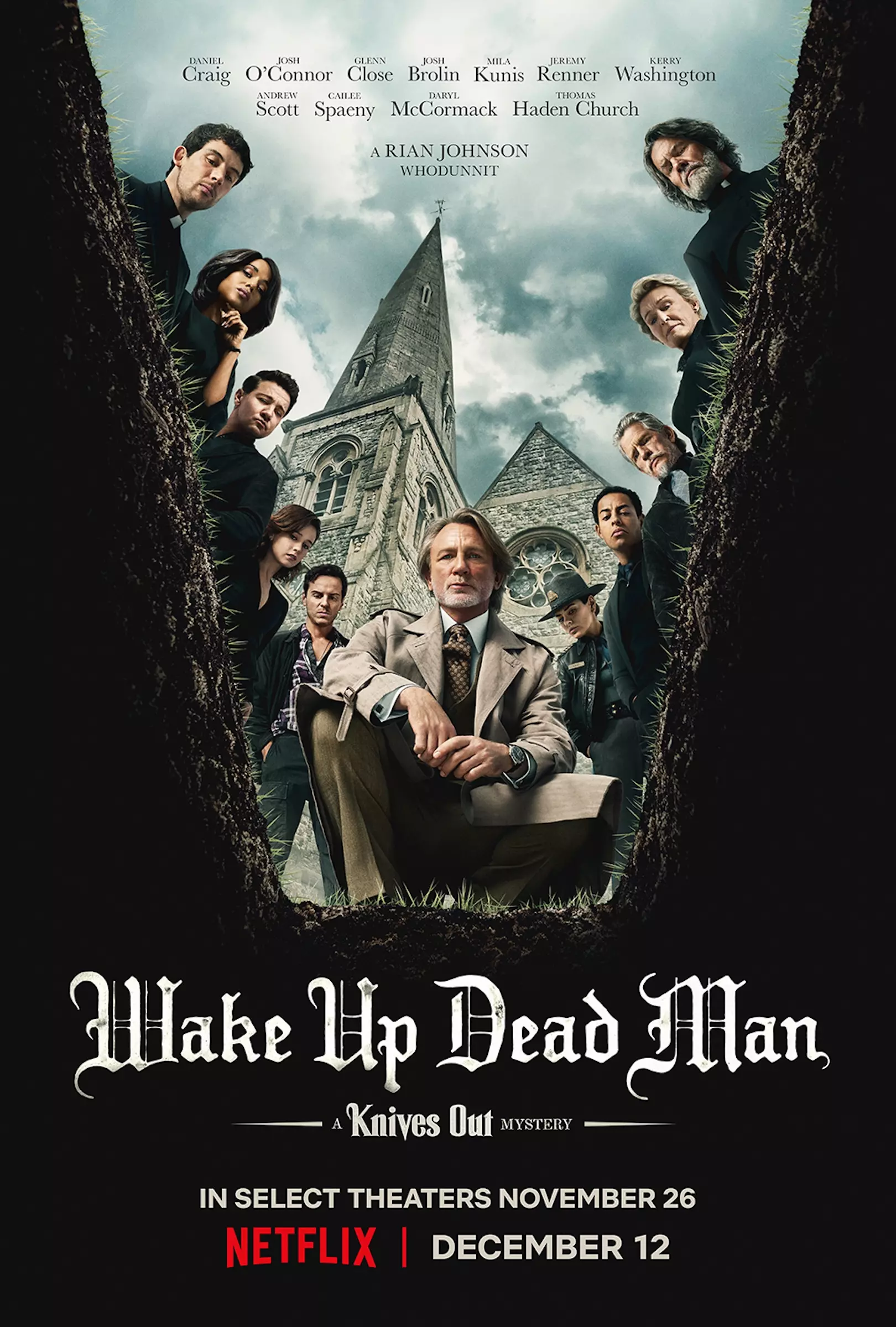
Wake Up Dead Man (2025) stands as the clear high point of Netflix’s auteur-driven releases from November and December 2025, confirming Rian Johnson as a post-modern master of the classical whodunnit. Once again drawing from the elegant clockwork of Agatha Christie’s works, Johnson constructs a devilishly complicated mystery centred on the murder of the tyrannical Monsignor Wicks, played with thunderous menace by Josh Brolin. The suspect list is gloriously stacked—church staff and parishioners portrayed by Glenn Close, Jeremy Renner, Kerry Washington, Andrew Scott, Cailee Spaeny, Daryl McCormack, Thomas Haden Church, and a young visiting priest, Jud Duplenticy (Josh O’Connor)—each performance feeding into a puzzle that’s as playful as it is precise.

What elevates the film beyond genre excellence is its sharply observed character work, particularly in the portrayal of Wicks as a Trump-like authoritarian figure ruling his congregation through fear and humiliation. Johnson smartly frames the mystery as a moral clash between Old Testament wrath and New Testament compassion, allowing the film to interrogate power, faith, and hypocrisy without ever losing its entertainment value. The script crackles with brilliant one-liners and sly, witty exchanges, especially when Daniel Craig’s Poirot-style detective peels back layers of deceit with theatrical relish. Among the ensemble, Josh O’Connor delivers a superbly nuanced performance, injecting emotional specificity and intelligence that rise above what could have been more generic material. Clever, funny, thematically sharp, and immaculately engineered, Wake Up Dead Man isn’t just Netflix’s best auteur offering of the season—it’s one of Johnson’s most satisfying achievements to date.

Mark: 9 out of 11