The Cinema Fix presents: 12 Favourite Films of 2025!
Happy 2026! I feel like I have watched even more films last year at the cinema and the many streaming platforms.
My instinct is it’s been a decent year overall of quality films, especially from independent or what one would class as indie-minded filmmakers. The bigger budgeted films or traditional blockbusters have been mainly not great or I just didn’t enjoy them. Aside from perhaps the entertaining Mission: Impossible finale.
Of all the genres, horror has really risen to the top in terms of overall quality the last few years, doing big box office and being recognised at awards ceremonies too. Having said that, and this could be my age and is nostalgia-driven, I find myself enjoying older, cult and more obscure film releases than the today’s modern film releases.
Anyway, here my my 12 FAVOURITE films of 2025. Not the BEST films, but the ones I enjoyed the most. There’s a few high quality, critically acclaimed films which do not make the list including Train Dreams (2025), Sorry, Baby (2025), Eddington (2025), Warfare (2025), Good Boy (2025), The Brutalist (2024) andI’m Still Here (2024), but remember these are my FAVOURITE films of the year.
For reference my favourite films of 2024 are below and here.
ALL OF US STRANGERS (2023) AMERICAN FICTION (2023) HERETIC (2024) THE HOLDOVERS (2023) THE IRON CLAW (2023) LATE NIGHT WITH THE DEVIL (2023) MONSTER (2023) POOR THINGS (2023) THE QUIET GIRL (2023) SPEAK NO EVIL (2024) THE SUBSTANCE (2024) THE ZONE OF INTEREST (2023)
Cast: Billy Barratt, Sora Wong, Jonah Wren Phillips, Sally Hawkins, Sally-Anne Upton, etc.
Cinematography by Aaron McLisky
*** MAY CONTAIN SPOILERS ***
It’s become something of a cliché to lament the state of theatrical cinema: superhero fatigue, endless sequels, spin-offs and reboots, streaming overflow. Original stories—particularly in multiplexes—feel increasingly rare. Yet one genre has bucked the trend and, against all industry logic, placed original visions front and centre: horror. In an era of IP dominance, horror’s persistence as the great innovator is growing. It thrives on shadows, but in today’s cinema landscape, it’s also the brightest light.
Across the last few years, titles like Barbarian (2022), Pearl (2022), Skinamarink (2022), Nope (2022), Talk to Me (2023), Infinity Pool (2023), When Evil Lurks (2023), Late Night With the Devil (2023), Totally Killer (2023), Heretic (2024), Longlegs (2024), Sinners (2025), and the soon-to-be-reviewed, Weapons (2025) have proved again and again that audiences crave fresh nightmares. Even 28 Years Later (2025), though technically part of an ongoing series, represents a rare franchise event grounded less in brand synergy than in directorial reinvention and raw cultural appetite.
Unlike superhero spectacles or sci-fi epics, horror thrives on modest budgets and audacious ideas. A film like Skinamarink (2022), shot for a reported $15,000, can turn experimental textures into a viral theatrical moment. Personally, I found this film difficult to digest, however, the more commercial, Talk to Me (2023), made for $4.5 million, earned nearly twenty times that worldwide. These aren’t just hits; they’re validations of originality as a business model.
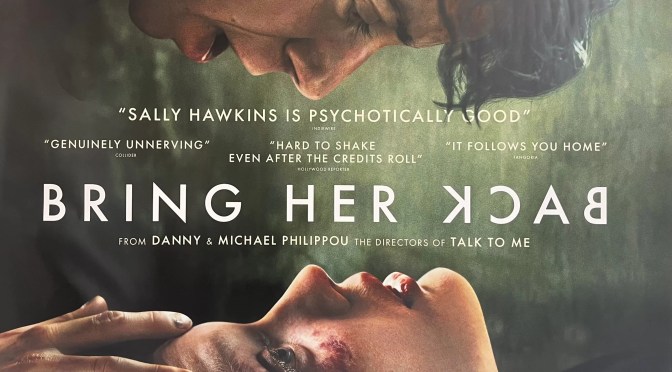
Horror is also a proving ground where young or unexpected filmmakers leap into the cultural spotlight. Zach Cregger (Barbarian (2022) twisted narrative structure into something memorable. The Philippou brothers Talk to Me(2023) translated YouTube viral adrenaline into terrifying cinematic language. But, what of their latest film, Bring Her Back (2025)? Well, for me they have surpassed their debut feature not only in genuinely sickening moments of dread, but also in terms of powerfully emotional horror scenes.
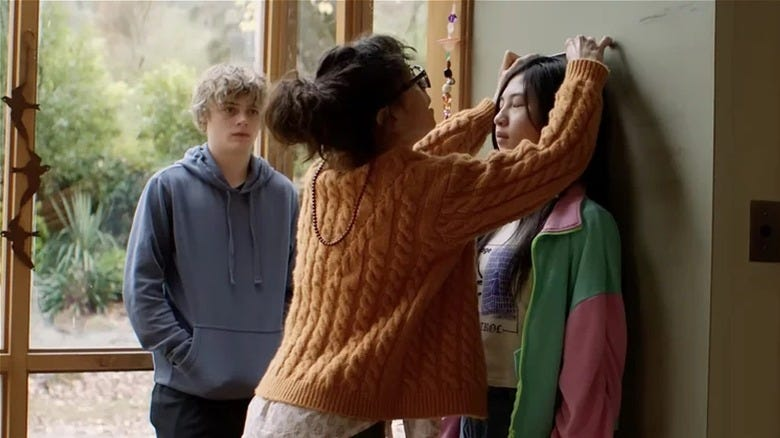
The narrative of Bring Her Back (2025) begins as it means to go on with a rapidly series of unsettling scenes. After discovering their father dead in the shower, 17-year-old Andy (Billy Barratt) and his partially sighted step-sister Piper (Sora Wong) are placed in the care of Laura (Sally Hawkins). Laura is an eccentric former counselor living on the outskirts of town and suffered the loss of her teenage daughter to drowning. In her home, the siblings encounter Oliver (Jonah Wren Phillips), a mute foster boy who seems terrified of the house’s locked outhouse. Andy eventually realizes Laura’s obsessive behaviour is far more threatening than he could imagine and they are all in danger.
Like Toni Collette in Hereditary (2018) and Lupita Nyong’o in Us (2019), Sally Hawkins delivers a powerfully intense performance that pushes horror into the realm of high drama. She carries the film with raw, nerve-shredding vulnerability, shifting from fragile grief to volcanic fury with startling precision. Every gesture—whether a whispered plea or a full-bodied breakdown—feels lived-in and emotionally scalding, grounding the supernatural terror in something painfully human. Also, Billy Barratt and newcomer Sora Wong offer excellent support as the in-peril ‘Hansel and Gretel’ siblings. Barratt is especially good carrying the audience’s fearful perspective.
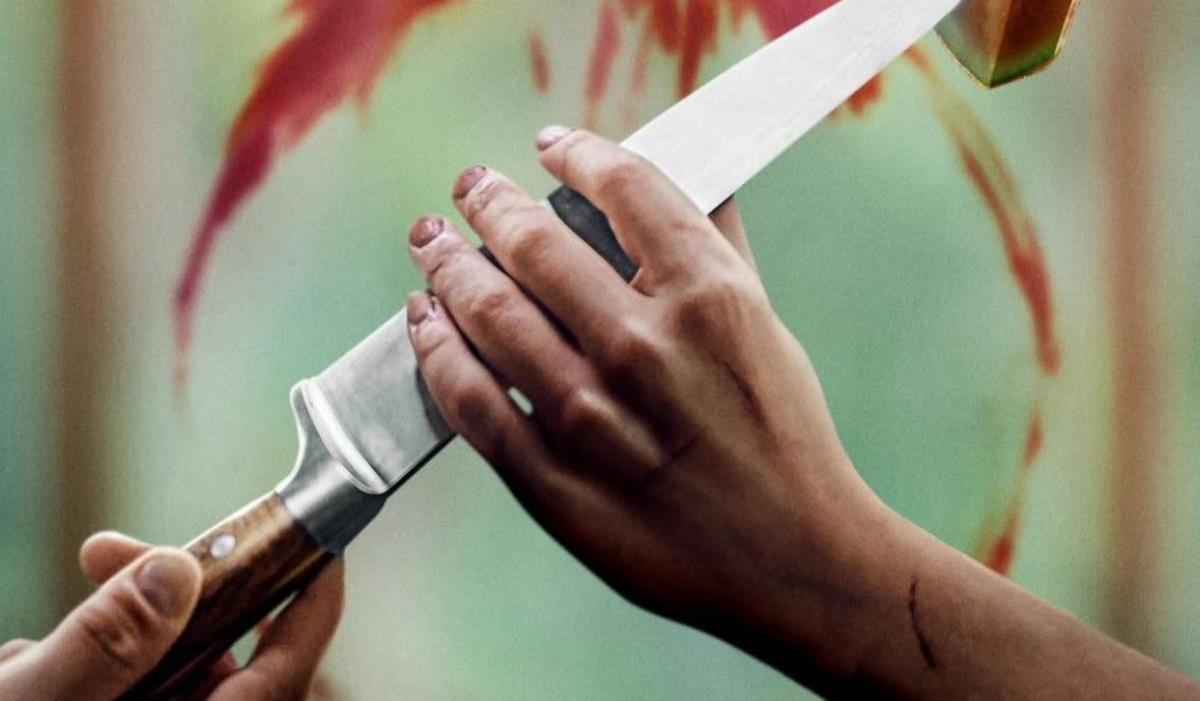
The Philippou brothers draw on a potent brew of horror traditions—satanic ritual, grief, abduction, parental abandonment, and matriarchal hysteria—to craft Bring Her Back, a haunting and gut-wrenching descent into obsession. The film thrives on its willingness to plunge into emotional extremity, channeling raw pain into sequences of near-operatic dread. Several knife-in-the-teeth jolts of terror punctuate the story, as everyday necessities such as water, food and parental love are twisted into deathly hazards.
While the script occasionally wavers and certain narrative and backstory elements required sharpening, the thematic and emotional core remains undeniable. At its best, Bring Her Back (2025) isn’t just another exercise in occult horror—it’s a powerful study of grieving obsession, of the lengths people will go to fill a void that cannot be healed. The result is a film that lingers, not only for its shocks but for the raw ache that underpins them.
Produced by Zinzi Coogler, Sev Ohanian, Ryan Coogler
Main cast: Michael B. Jordan, Hailee Steinfeld, Miles Caton, Jack O’Connell, Wunmi Mosaku, Jayme Lawson, Omar Miller, Delroy Lindo, etc.
Cinematography by Autumn Durald Arkapaw
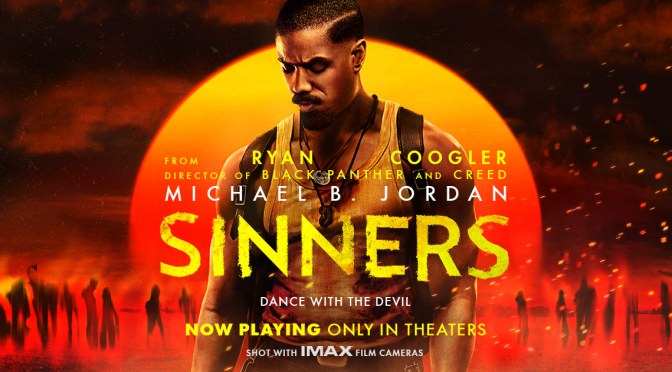
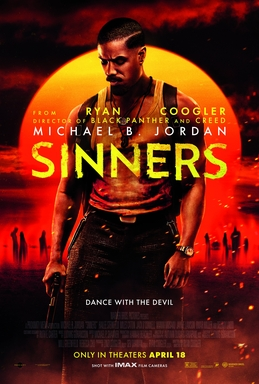
After the bleakly lustful vision of Robert Eggers’ Nosferatu (2024) — a film steeped in shadow, dread, and tragic sensuality — Ryan Coogler offers a wildly different, electrifying take on the vampire mythos: a bold, colourful, and deeply soulful experience that pulses with life even as it drinks from the dead. Where Eggers lingers in gothic majesty, with Sinners (2025), Coogler surges forward with kinetic energy, blending grind-house thrills and emotional depth with From Dusk Till Dawn-style narrative turns.
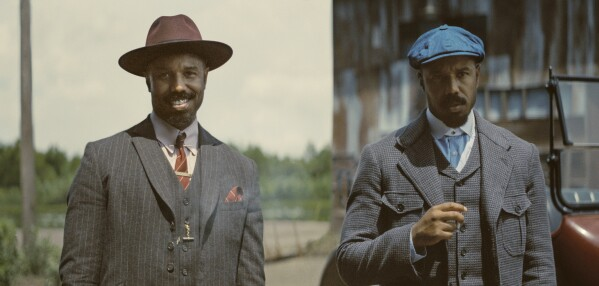
Coogler’s film is set in the richly textured American South of the 1930s, a world still nursing the scars of the Great War and on the cusp of social upheaval. Into this volatile landscape, he drops the muscular Michael B. Jordan as twin war veterans turned Chicago gangsters, Smoke and Stack — men who carry both physical and spiritual wounds from the trenches — now repurposed as businessman looking to set up a juke joint. These characters feel reminiscent of the working class anti-heroes of Peaky Blinders, their emotional trauma rendered in everything from flickering glances to bursts of brutal, operatic violence. The twins have ghosts of the past and present to battle including relationship issues with Stack’s ex-girlfriend, Mary (Hailee Steinfeld), as well as Smoke’s painful reunion with his wife, Annie (Wunmi Mosaku).
Sinners (2025) plot is muscular and sinewy, establishing the characters impressively before shifting the moody Southern gothic tale into an all-out genre-bender. The film contains a fine ensemble cast knitting a series of substantial supporting characters each with their own personalities, humour and wants. The most striking is Miles Caton as the twins’ cousin, Sammie “Preacher Boy” Moore, a young blues musician with an incredible ability, that proves to be a somewhat dangerous talent. Delroy Lindo also throws in another memorable performance as the ebullient pianist, Delta Slim. With the first night’s festivities in full swing three mysterious strangers appear from the near dark, desiring to be let in. Their leader is charismatic Remmick (Jack O’Connell) and he has more than partying in mind.
Visually, Coogler lets his imagination loose, notably in a memorable cross-generational musical montage that literally burns up the cinema screen. Gone is the shadow-heavy monochrome of Eggers; in its place is a palette of dusk reds, moonlit silvers, and deep bayou greens. The film pulses with colour, sex, motion, and sweat. Blood flows, but it never feels gratuitous — it feels earned, ritualistic, even sacramental. But what ultimately makes Coogler’s film so potent is its soul. Amid the genre thrills and gore, there’s a beating heart full of soul. These vampires are not romanticised, nor merely feared; they are hungry creatures. Coogler gives them back their humanity, and in doing so, reanimates the genre with urgency.
Music is where the film truly soars. Coogler and his production team, attuned to the cultural pulse, curate a soundtrack that fuses Delta blues, Appalachian folk, and early jazz into a feverish, ghostly soundscape. There are scenes where the music alone tells the story: a backwoods funeral scored by a bone-dry slide guitar; a juke joint confrontation where the rhythm of violence matches the stomp of the blues; a haunting lullaby sung by Remmick the migrant vampire that channels generations of sorrow. It is music as memory, as resistance, as raw emotional texture.
Sinners (2025) is not just a vampire film. It’s a blues opera. A folk horror elegy. A pulpy, poignant, and powerfully visceral story about the things that haunt us, and how we fight to keep our humanity intact. What begins as a slow-burning period drama smolders into a blood-soaked explosion of action and moral reckoning. Coogler even delivers a Klan-blasting and redemptive shoot-out final act set-piece. Lastly, in Coogler’s hands, the vampire becomes more than a monster; it’s a metaphor for trauma, addiction, religion, racism, and survival. Coogler reclaims the myth for a new generation, one shaped by history, crime, grief, music, and spiritual struggle, delivering a genre masterpiece that bites deep and lingers long after the lights come up.


 The Cinema Fix presents