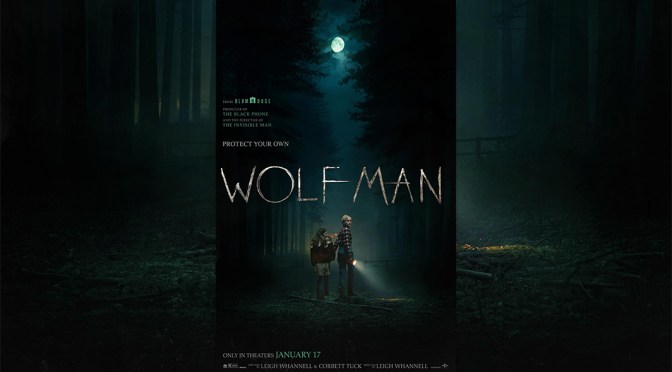
Cinema Review: Wolf Man (2025) – short changes both fans of Leigh Whannell and the horror genre alike!

CINEMA REVIEW: WOLF MAN (2025)

Directed by Leigh Whannell

Written by Leigh Whannell and Corbett Tuck

Produced by Jason Blum

Main Cast: Christopher Abbott, Julia Garner, Matilda Firth and Sam Jaeger

Cinematography by Stefan Duscio
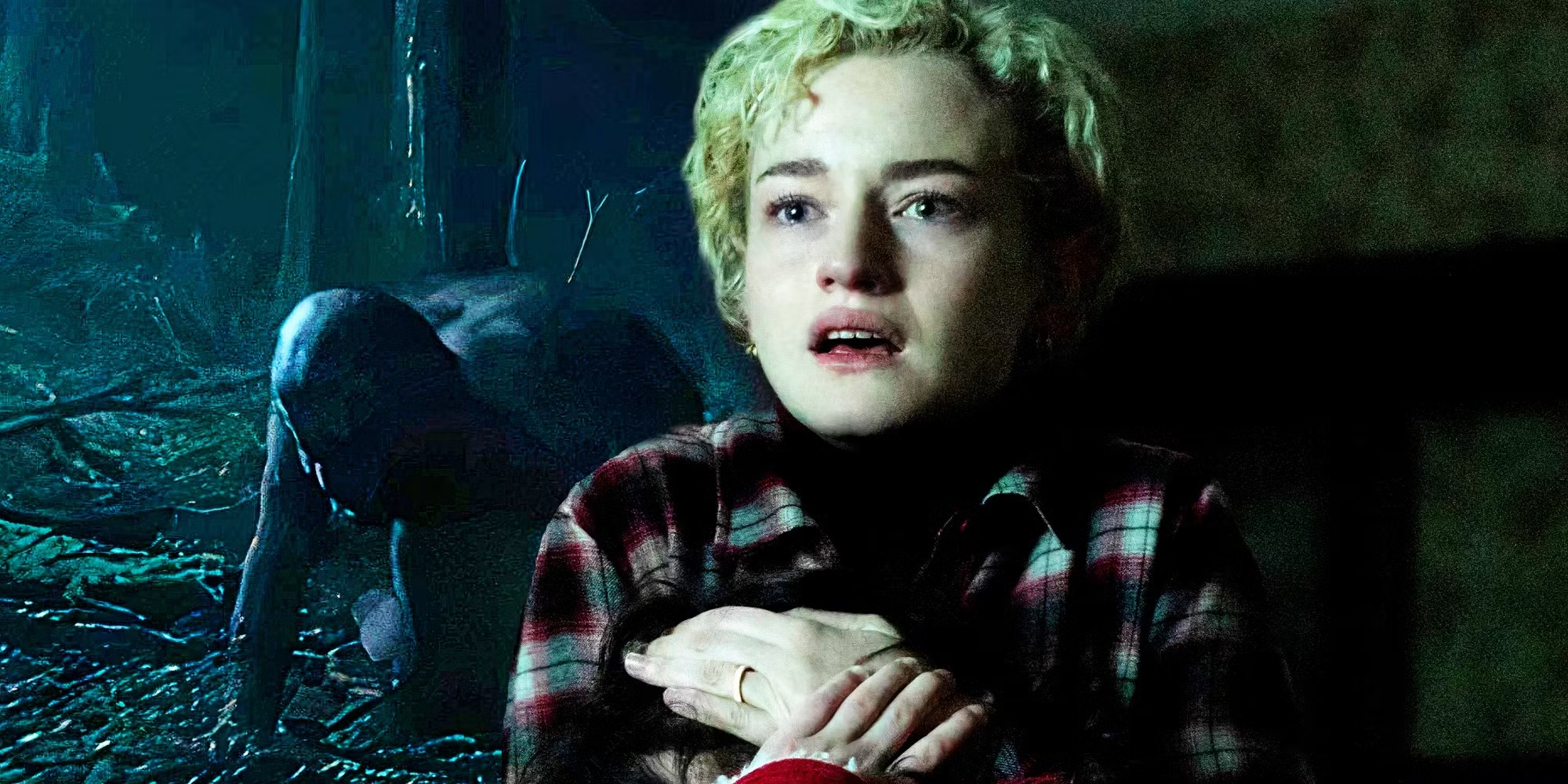


Leigh Whannell’s Wolf Man (2025) brings a fresh twist to the classic tale, grounding the werewolf transformation in a visceral metaphor for illness. The concept has undeniable merit, with the protagonist’s physical deterioration mirroring deeper themes of paternal guilt and the crushing weight of family responsibilities. Whannell’s knack for melding genre thrills with human drama is evident, as he did so effectively in Upgrade (2018) and The Invisible Man (2020). In fact, along with Predestination (2014), and the recently released, The Substance (2024), Upgrade (2018) is a low-budget masterpiece which SHOULD appear in many best-of-the-millennium-film lists, as opposed to over-rated, art-house garbage like Joanna Hogg’s, The Souvenir (2019).

Anyway, back to the Wolf Man (2025). The film’s decision to confine its narrative mostly, apart from a suspenseful flashback prologue sequence, to a single night, significantly undermines its potential. Once the parental unit portrayed by nervy and ticky, Christopher Abbott and woefully underwritten, Julia Garner is established, the rushed structure sacrifices emotional depth and character development, leaving its poignant ideas about illness, fatherhood and family obligations feeling under explored. The claustrophobic time frame allows for tense, kinetic set pieces and decent gore, but it stifles the broader emotional resonance that Whannell has demonstrated in his previous work.

For fans of Upgrade (2018) and The Invisible Man (2020), Wolf Man may feel like a missed opportunity. Those films balanced high-concept storytelling with sharp social commentary, whereas this latest effort feels more like a half-formed howl in the night. Indeed, there seemed to be a whole bite taken out of the second act with the film hurtling toward the underwhelming denouement with little tension and suspense. Further, if you have ever watched Ozark, then Julia Garner’s electric energy and acting power is truly under utilized. Plus, the film was SO dark. I know it’s a horror film, but it would be great to actually SEE what was going on as the characters go into the woods. Oh, and I did not like the monster design at all to be honest. Bring back Rick Baker I say. Overall, while there’s brilliance in the premise, the execution lacks the quality needed to fully transform it into something truly memorably metamorphic.
Mark: 6.5 out of 11


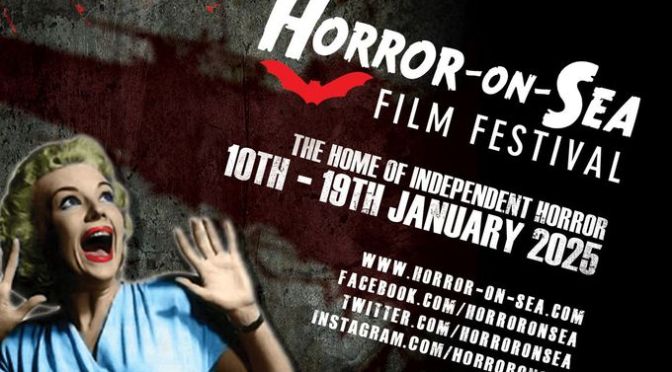
Horror-on-Sea 2025 – Fangs for the memories!

THANKS TO HORROR-ON-SEA 2025!

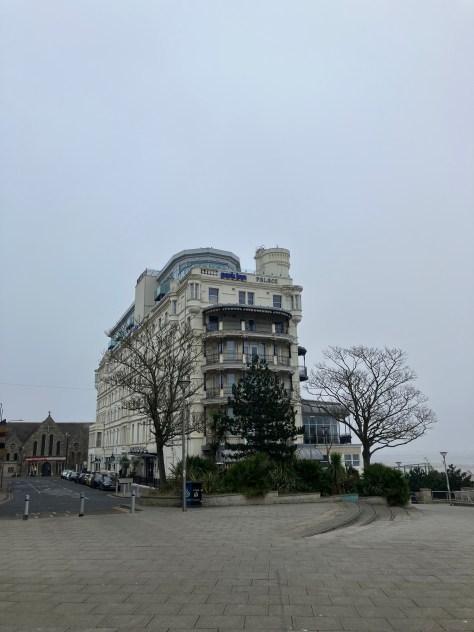
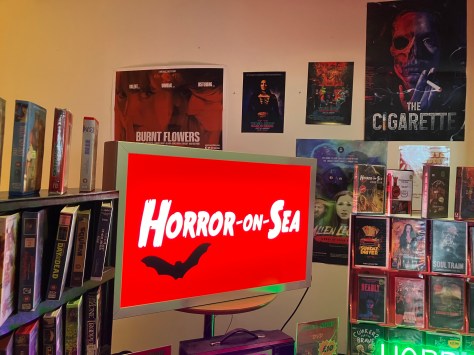
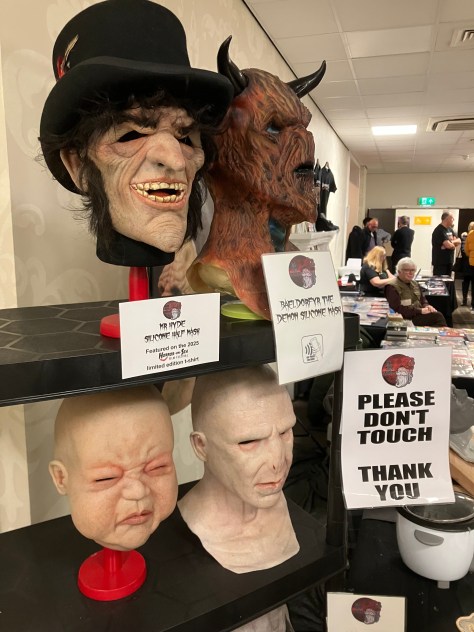
HORROR-ON-SEA FILM FESTIVAL is an amazing gathering in Southend-on-Sea. Every January horror filmmakers and fans flock to the Essex coastal town to satisfy their desire for all things horror.

The festival screens, over two weekends each year and features some of the most gruesome, scariest, funniest and entertaining independent horror films you’ll ever find. For more information please check out their website here.


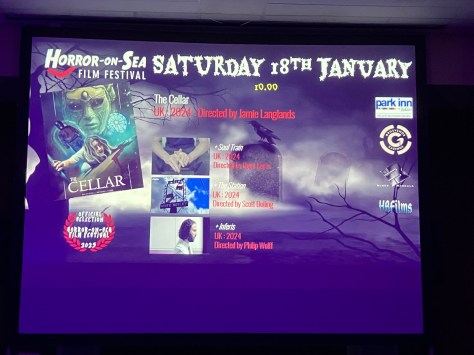
This year Horror-on-Sea screened the short film I wrote and produced called, Inferis (2024). It’s an atmospheric horror which is a proof of concept short I intend to develop as a feature film I can describe as Saw meets The Office. You can watch it here:


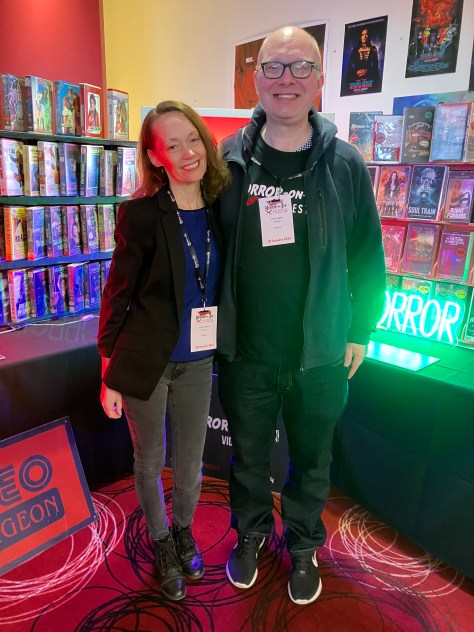
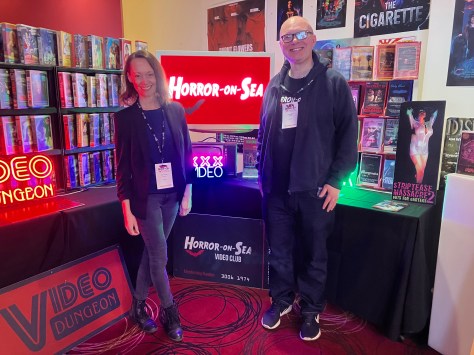
Myself, Julia (who appeared in Inferis (2024) and my wife, Melissa, attended the packed 10am screening as the film supported an intriguing indie feature called The Cellar (2024). We also watched a gory and highly entertaining monster movie called, Hell-Hole (2024) that day. Many more films were screened over two weeks, plus masterclasses from horror filmmakers such as Pat Higgins.

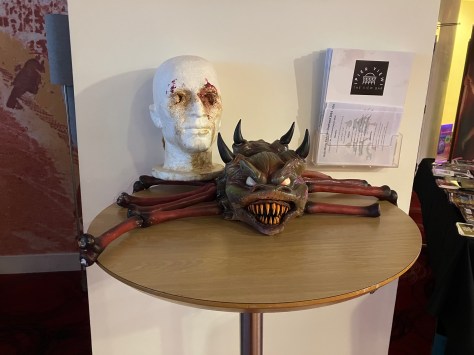
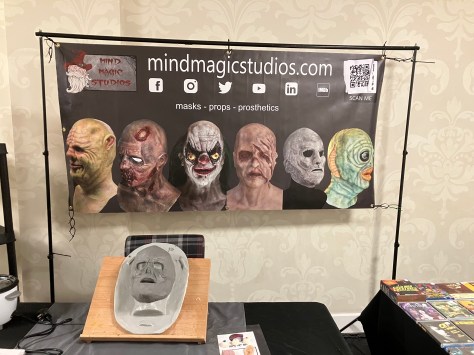
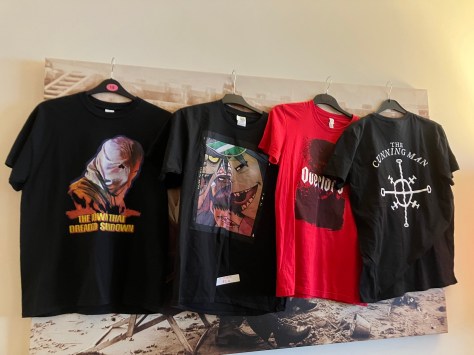
So, if you ever find yourself in Southend-on-Sea one January then do check it out. Or scroll through the gallery of photos I took over the weekend.


Fix Films presents a new horror short: The Suicide Shift (2025)

THE SUICIDE SHIFT (2025)

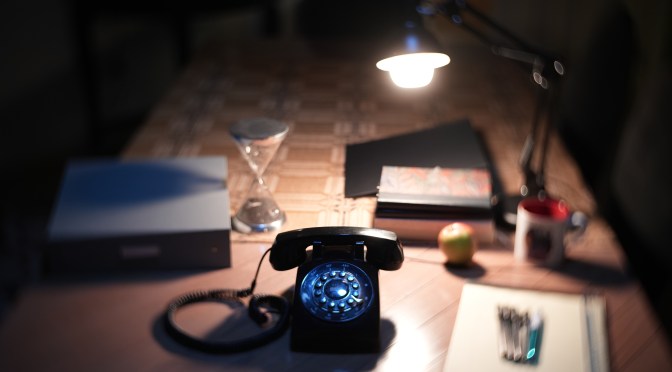
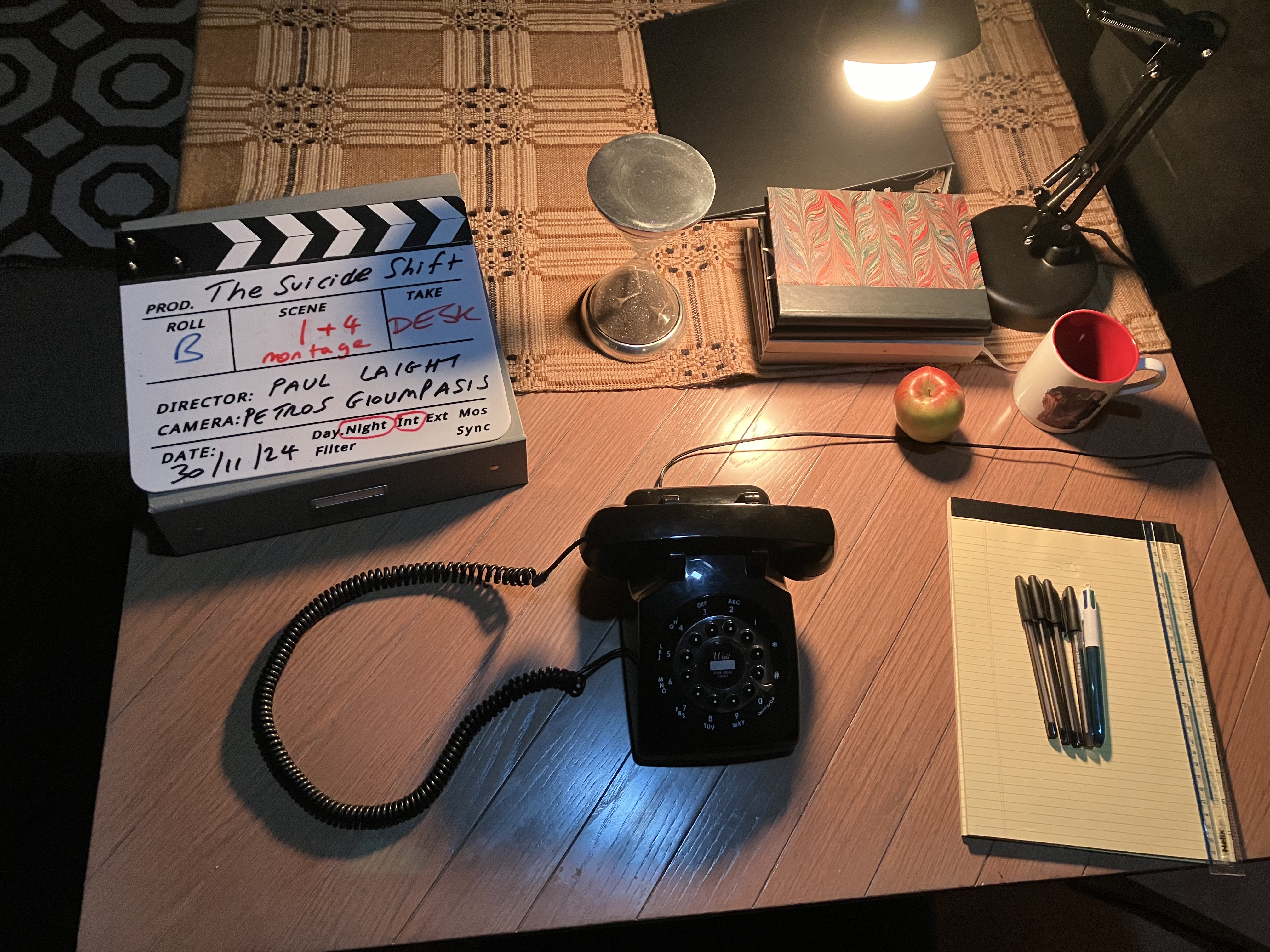
During 2024 I began planning a new short film and was keen to springboard a new horror idea from something simple around the flat I live in. I decided therefore to check out the various props I had and found an old black phone and an hourglass. From those props I began thinking about how the passing of time and communication could be used as a means of creating emotional conflict for the characters and elicit a sense of dread and fear from the audience. From these thoughts I began writing a script that eventually became called The Suicide Shift (2025).

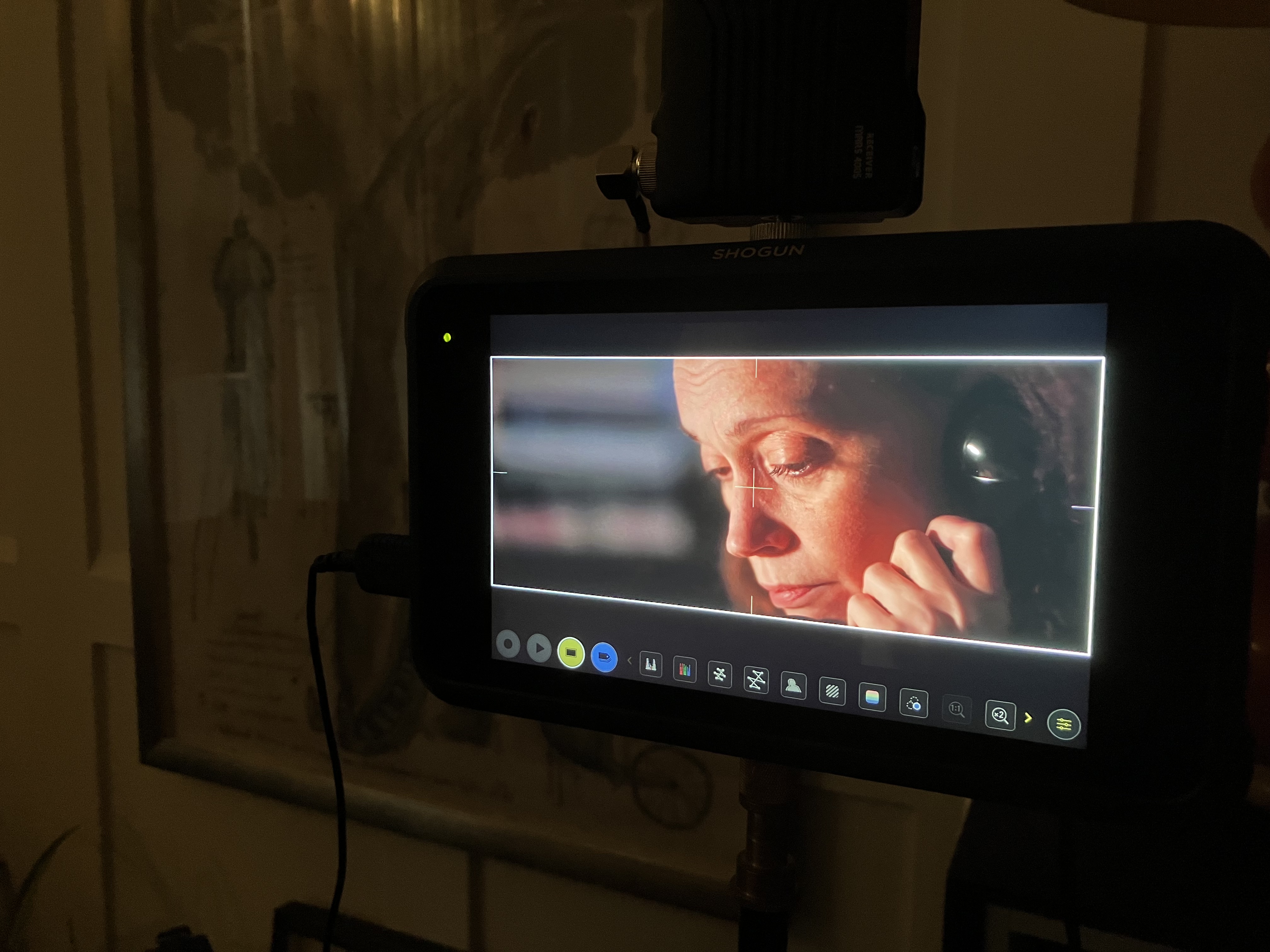
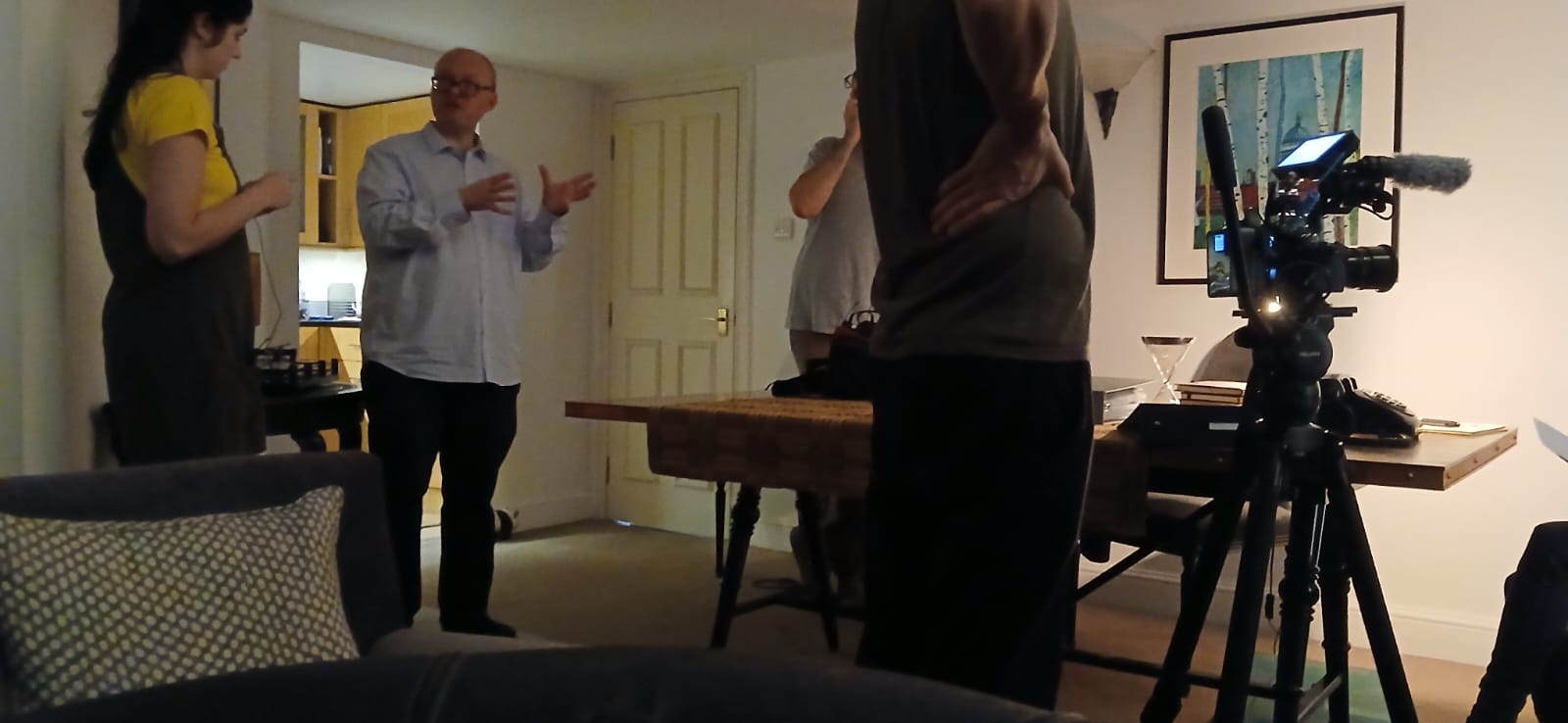
Pre-production for the film took place during 2024 and I put together a really talented cast and crew all with a very low budget. The filming took place at the end of November 2024 over two extremely productive days of shooting. The Suicide Shift (2025) is now in post-production with a release planned for 2025!


Theme and genre

The Suicide Shift (2025) further develops themes of hell, work and being trapped, previously explored in short films, Hell Is. . . (2013) and Inferis (2024). I was inspired to write a film which dealt with suicide. Mainly due to my own personal experience of losing two close friends who took their own life. I am using the film to highlight the tragedy of people who take their life and meditate on the possible reasons such events take place. I am classing the film as emotional horror.

I have set the film in the genre of psychological, supernatural horror as the horror film allows a filmmaker to explore deep themes while also raising emotion and suspense with the audience. The low-budget production relies heavily on performance, actor reaction, silence, and sound, aiming to be both powerfully dramatic and disturbing. It is set in a few locations but was filmed in one place with limited props and cast.

Logline

Banished to the “suicide shift” for breaking spirit call centre regulations, CARMILLA FERRY, now deals with the most tortured of souls moving from this world to the next. After being blasted by her line manager on the phone, Russell, Carmilla is feeling even more isolated and demoralised than usual. After a series of heart-crushing calls, culminating in a particularly stressful shift, Carmilla is then faced with the most heart-wrenching call of all.

Pitch Outline

In mythical days past, the souls of the dead were carried to the other side by Charon the Ferryman. In the present, the handling of souls has now been modernised and is managed by call centres run by managerial bureaucrats and office workers who exist in limbo, somewhere between heaven, hell and the mortal world.

It is the spirit call centre’s job to manage the dying as they pass into the next world. The employees are not allowed to intervene. Only coordinate, process and record death. The workers communicate via a supernatural telecom system which is heard in the mind of the dying. Any worker who intervenes risks having to work alone in ‘Limbo’.

Banished to the ‘Suicide Shift’ for breaking spirit call centre regulations, CARMILLA FERRY, now deals with the most tortured of souls moving from this world to the next. After being blasted by her manager, RUSSELL, on the phone, Carmilla is feeling even more bullied, isolated, and demoralised than usual. Especially because Russell will not let her see her teenage daughter, a mortal named, Lucy. Russell controls everything and watches Carmilla via a CCTV camera and screens.

During a particularly stressful shift, Carmilla has had to deal with a whole night of heart-crushing calls from the dying. Then, in the early hours of the morning Lucy is suddenly put through to Carmilla having taken an overdose at a party. Carmilla must listen as her frightened daughter’s life slowly drifts away, powerless to intervene. The true horror of work and existence dawns on her.


Cast

Julia Florimo as Carmilla Ferry

Myles Horgan as Russell Schaeffer

Felicia Kaspar as Lucy (Carmilla’s daughter)


Crew

Director, Producer and Written by Paul Laight

Cinematography by Petros Gioumpasis

Sound recordist: Ali Kivanc

Clapper / Camera Assistant: Ben Bogdan-Hodgson

Make-Up: Georgie Lang

Set Designer: Melissa Zajk


© 2025 A Fix Films Production

The Cinema Fix presents: 12 Favourite Films of 2024!

The Cinema Fix presents: 12 Favourite Films of 2024!

Good day and I hope you are well. I am slightly late to the party with these but happy new year nonetheless.

Here are my favourite films of 2024 that I watched at the cinema and on streaming platforms. The majority would have been released last year, however there were quite a few that crossed the last eighteen months or so. I cheated slightly with The Quiet Girl, but I watched in 2024, so there you go.

If I have missed any films then please let me know in the comments. I have either NOT seen them or did not enjoy them as much as you. Remember these are my FAVOURITE films seen in 2024 of new(ish) releases. So all purely subjective and am happy if you agree or disagree. Have a wonderful 2025!

Oh, for control and interest, I include my favourite films of 2023!


Ten Favourite Films of 2023

https://wordpress.com/post/thecinemafix.com/77015

ANATOMY OF A FALL (2023)
ASTEROID CITY (2023)
BROKER (2022)
MAY DECEMBER (2023)
OPPENHEIMER (2023)
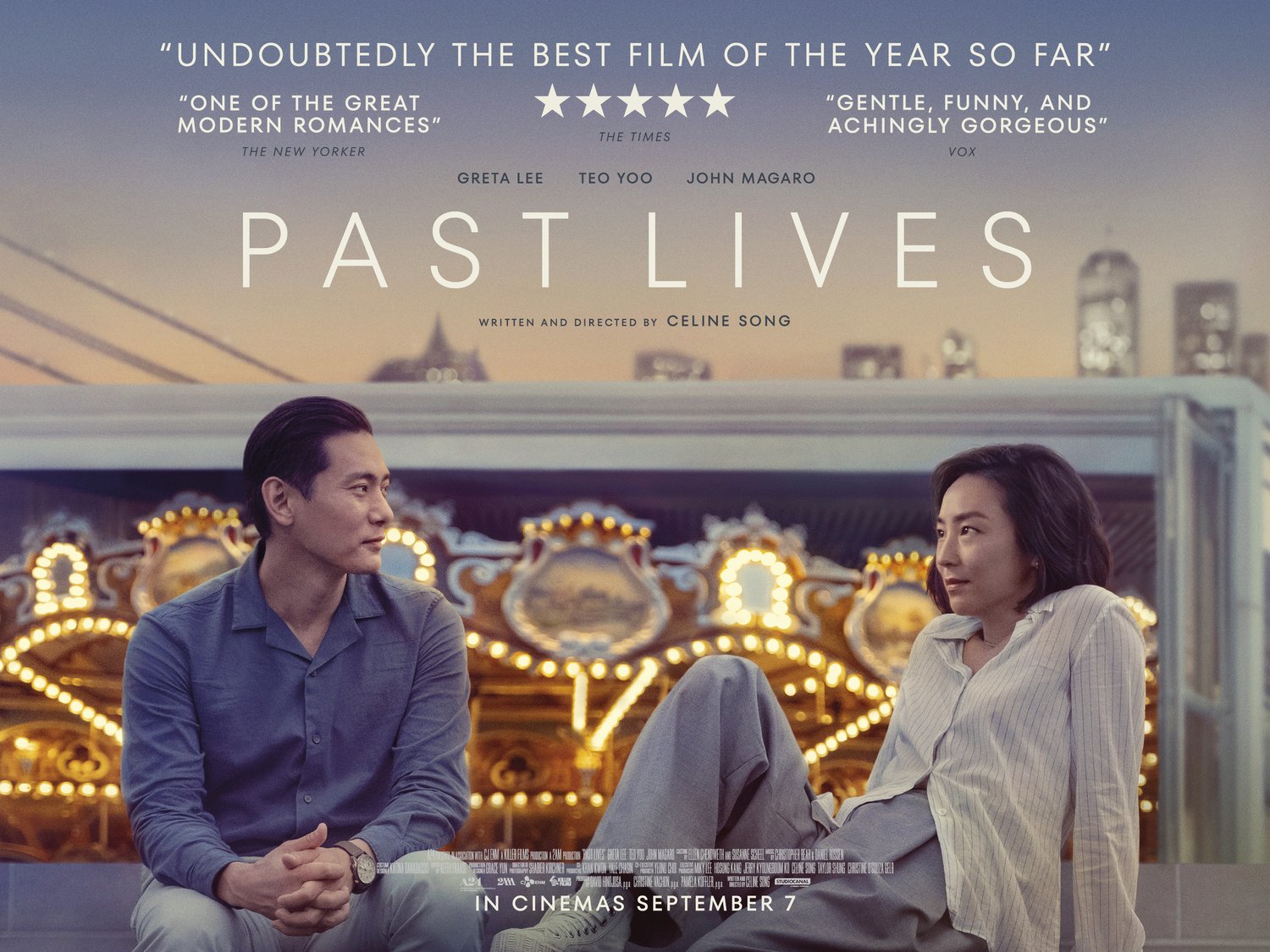
PAST LIVES (2023)
SALTBURN (2023)
TAR (2022)
TOTALLY KILLER (2023)
THE WONDER (2022)


Twelve Favourite Films of 2024

ALL OF US STRANGERS (2023)


AMERICAN FICTION (2023)


HERETIC (2024)


THE HOLDOVERS (2023)


THE IRON CLAW (2023)


LATE NIGHT WITH THE DEVIL (2023)


MONSTER (2023)


POOR THINGS (2023)


THE QUIET GIRL (2023)


SPEAK NO EVIL (2024)


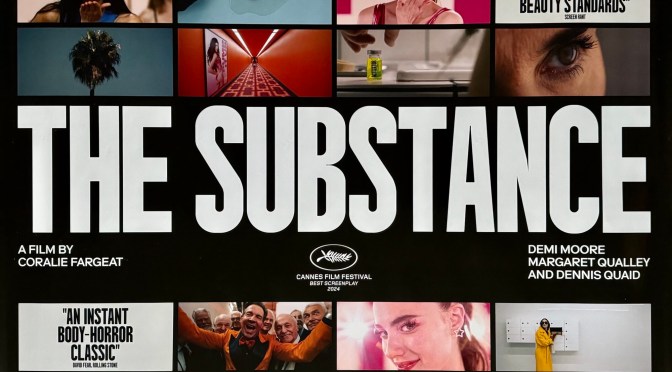
THE SUBSTANCE (2024)


THE ZONE OF INTEREST (2023)

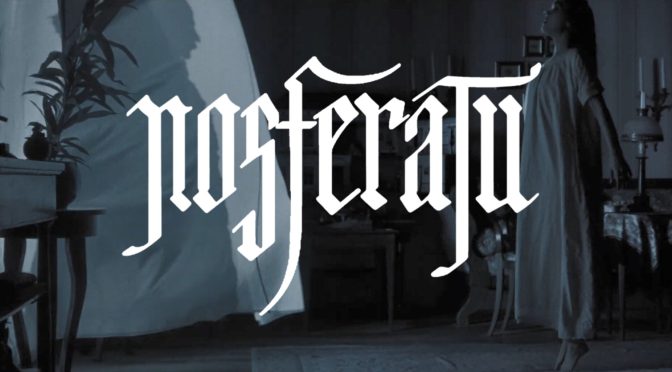
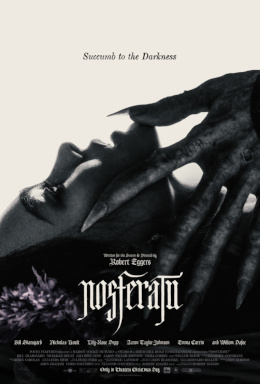
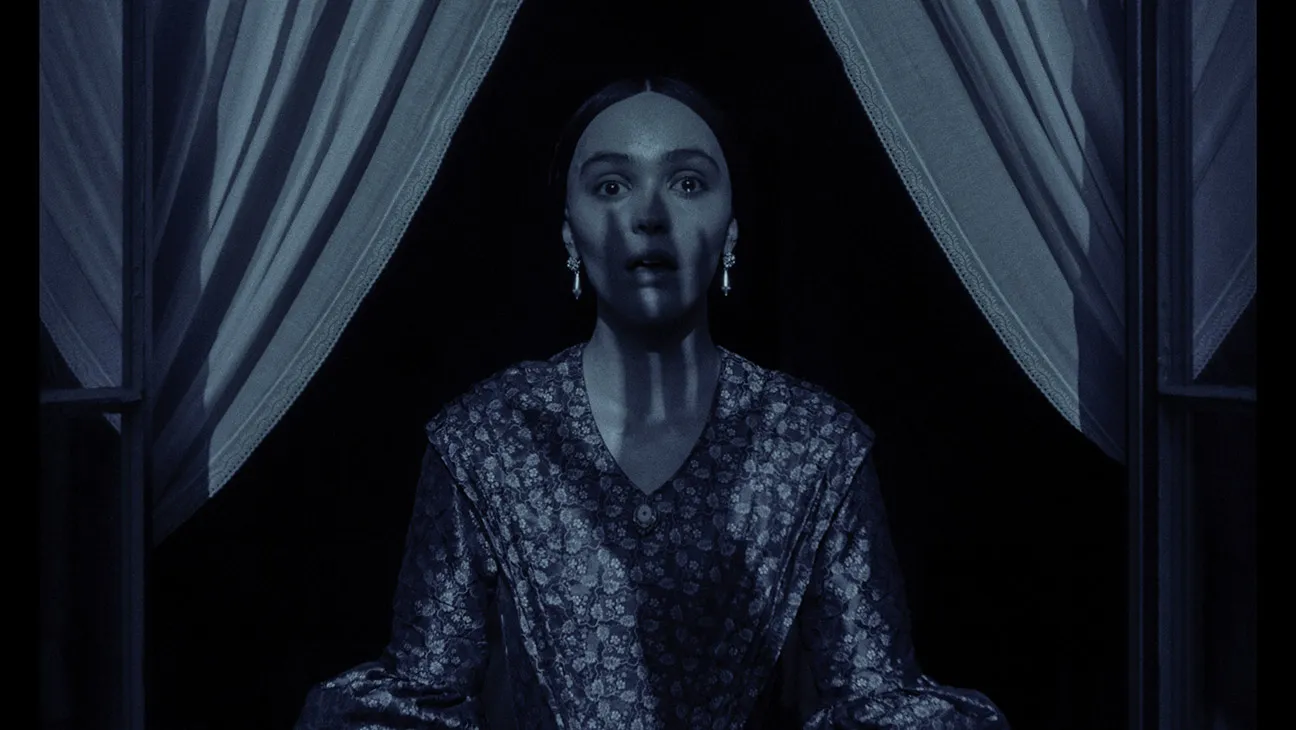
Cinema Review: Nosferatu (2024) – At the Intersection of Horror and Eroticism!

Cinema Review: Nosferatu (2024)

Directed by Robert Eggers

Screenplay by Robert Eggers

Based on Nosferatu by Henrik Galeen and Dracula by Bram Stoker

Produced by Jeff Robinov, John Graham, Chris Columbus, Eleanor Columbus, Robert Eggers, etc.

Main Cast: Bill Skarsgård, Nicholas Hoult, Lily-Rose Depp, Aaron Taylor-Johnson, Emma Corrin, Willem Dafoe, Simon McBurney, etc.

Cinematography by Jarin Blaschke

Music by Robin Carolan

*** MAY CONTAIN SPOILERS ***


Firstly, Nosferatu: A Symphony of Horror, the 1922 silent German Expressionist vampire film directed by F. W. Murnau remains one of the greatest and most iconic horror films of all time. It is arguably the greatest adaptation of Bram Stoker’s, seminal gothic classic, Dracula, too. Of which there have been many. So, who would be brave enough to attempt to master another version of this often-told monstrous tale. Step forward the acclaimed and relatively young American auteur, Robert Eggers.

Robert Eggers has built a reputation for crafting films that blend mythical and fantastical elements with folk horror and psychological thriller sensibilities. His works often transport audiences to meticulously recreated period settings, which serve as the foundation for his exploration of human fears, desires, and the supernatural. His debut feature film. The Witch (2015) exemplified folk horror rooted in Puritanical fears of the supernatural. Set in 1630s New England, it drew heavily from folklore, historical accounts, and period-authentic dialogue. The film explored themes of isolation, religious paranoia, and the breakdown of a family due to their belief in the presence of witches.

Similarly, The Lighthouse (2019), a psychological thriller merged maritime folklore with hallucinatory horror. Set in the late 19th century, the film delved into isolation-induced madness as two lighthouse keepers grappled with mythological themes such as mermaids, sea gods, and Promethean punishment. Moreover, as with his short films Hansel and Gretel (2007) and The Tell-Tale Heart (2008) he is drawn towards established texts, with the bruising, battering ram of The Northman (2022) covering the original myth on which Hamlet was based. Eggers vision immersed the viewer in violence, Viking culture, shamanic ritual and mysticism. Unsurprising therefore, he has now delivered the German Expressionist classic, Nosferatu (2024) with his signature period aesthetic and focus on the macabre.


With a stellar cast, production design and incredibly stylish vision, Eggers has produced a praiseworthy example of fantastical cinema. As usual there appears to be meticulous historical research, including accurate costumes, set design, and period-specific dialogue. This attention to detail in Nosferatu (2024) grounds the supernatural elements in a believable world, enhancing their impact. Furthermore, Eggers creates a sense of dread through his use of sound design, stark cinematography, and claustrophobic settings. His restrained pacing allows for the gradual unraveling of characters’ psyches, making the supernatural elements more impactful.

Yet, while steeped in folklore, Nosferatu (2024) centres on human struggles—family disintegration, fate, guilt, madness, lust and sex. Indeed, Nicholas Hoult’s Thomas Hutter (née Harker) does not stand a chance. From the opening scene his sensual wife, Ellen, is inextricably linked via a lustful fever dream to a mysterious figure, who, if you couldn’t guess, is Count Orlok (an unrecognizable Bill Skarsgård). It is Ellen’s orgasmic connection across oceans of time which drives Orlok to lure Thomas away and commit blood-draining murder as he creeps cross-country and sails the seas from Transylvania to Germany. Ellen’s surreal and orgiastic desire unfortunately brings the plague and causes the death of extraneous supporting characters portrayed by the likes Aaron Taylor-Johnson and Emma Corrin. A note to say Willem Dafoe is as usual a joy as the ‘Van Helsing’ substitute.

Nosferatu (2024) is undeniably a sumptuous adaptation, brimming with signature attention to period detail, atmospheric dread, and a striking visual palette. However, for those seeking a viscerally terrifying Dracula film, the movie might fall short, leaning heavily into the realm of erotic horror and psychological tension rather than outright scares. While the stunning cinematography, the film’s shadow-drenched landscapes, intricate set design, and haunting score evoke the satanic allure of the original silent film this focus, however, shifts the film away from raw horror and toward a more introspective exploration of vulnerability and eroticism. Ultimately, the film’s reinterpretation of Count Orlok and its restrained approach to gore might alienate viewers expecting a more terrifying vampire film. This left me impressed but more disturbed by the overlong runtime than by the nightmarish allure of the bloodthirsty undead.

Mark: 8 out of 11