Category Archives: Cinema

ALL 4 FILM REVIEW: DIEGO MARADONA (2019)

ALL 4 FILM REVIEW – DIEGO MARADONA (2019)

Directed by: Asif Kapadia

Produced by: James Gay-Rees, Paul Martin

Written by: Asif Kapadia

Music by: Antônio Pinto

Edited by: Chris King

Available platform: Channel 4 / All 4
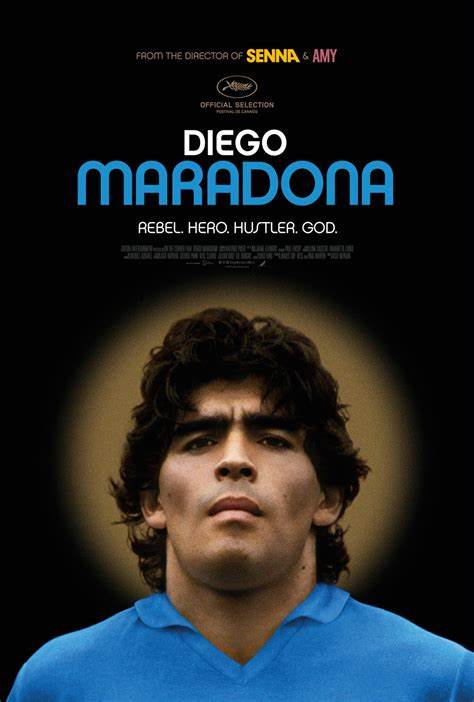


Even if you’re not a fan of football, you cannot fail to have to heard of the Argentinian player that is Diego Maradona. If you don’t know him then he rose from the shantytowns of Buenos Aires to become one of the greatest footballers of all time. A wunderkind prodigy as a teenager, he became the most expensive footballer ever when he moved to Napoli from Barcelona. In Naples he would transform a club, normally in the shadows of giants from Milan and Rome, into a title winning team. Moreover, he famously led Argentina to World Cup glory in 1986, with one of the most scintillating individual footballing performances ever witnessed. I missed Asif Kapadia’s absorbing documentary when released at the cinema, however, with Maradona sadly passing away last week, I took the opportunity to watch it on Channel 4’s streaming platform.

Kapadia has shown himself as a master filmmaker in constructing narratives from archival footage. This engrossing style and expertly edited form is brilliantly demonstrated in Senna (2010) and Amy (2015), both winning several major awards. Once again Kapadia uses the same process. He combines interviews via voiceover with Maradona, his ex-wife Claudia, his trainer and many other people, with hundreds of hours of found film footage shot by Argentine cameramen in the 1980s. Moreover, further archival footage was discovered in the home of Maradona’s ex-wife in a trunk untouched for 30 years.



Kapadia and his editors weave such sources to create an absorbing portrait of an extremely complex personality. Indeed, many interviews comment on the football star having two distinct sides. One called Diego, a sweet-natured lad who became a phenomenon on the pitch and the other Maradona, a notorious, larger than life mega-star pursued by the media, football fans, women, gangsters and money people. Whether this schism contributed to Maradona’s battles with drug addiction and other controversies, it is difficult to say. What is clear though is, despite his flaws, love for partying, fiery temperament and questionable associations, the press in Italy and the rest of the world, were permanently in Maradona’s face, creating a pressure cooker atmosphere for him and his family.

Overall, I was totally transfixed by the documentary, Diego Maradona (2019). Having grown up as a teenager watching Maradona on the television, notably the infamous ‘Hand of God’ game against England at the 1986 World Cup, I was struck by huge waves of nostalgia. Even though Maradona’s Argentina defeated England, one could never fail to be in awe at his magical skills as a player. I love football and enjoyed many scenes showing the brutal and beautiful nature of the game. Lastly, Kapadia’s main narrative thrust involves Maradona’s rise and fall from grace during Napoli’s spectacular rise to the top of the Italian league. Yet, having scored the penalty that knocked Italy out of the 1990 World Cup, his once beloved Naples would turn on Maradona, leaving him friendless and without protection from the Italian law. Ultimately, the film stands as not only a complex tribute to a footballing genius, but also a cautionary tale of the trials and tribulations of worldwide fame and notoriety.
Mark: 9 out of 11


SIX OF THE BEST #27 – GREAT FILM ENDINGS!

SIX OF THE BEST #27 – GREAT FILM ENDINGS!

What makes a great film ending? Well, it helps to have an amazing cinematic story before it, building to an incredible twist, memorable shock or emotionally cathartic moment. In the latest effort in my occasional series Six of the Best, I have chosen six films with unbelievably brilliant endings. If you have your own suggestions, please feel free to comment.

*** CONTAINS MASSIVE SPOILERS ***


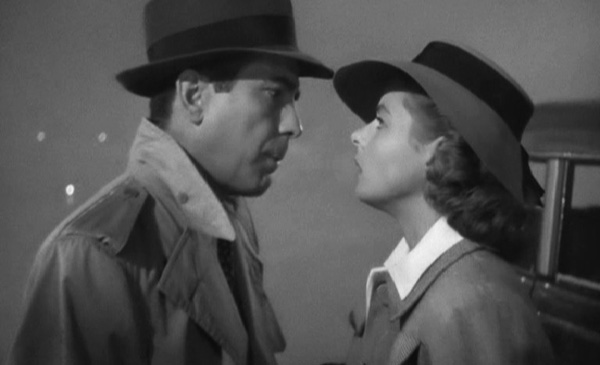
CASABLANCA (1942)

“I think this is the beginning of a beautiful friendship.”


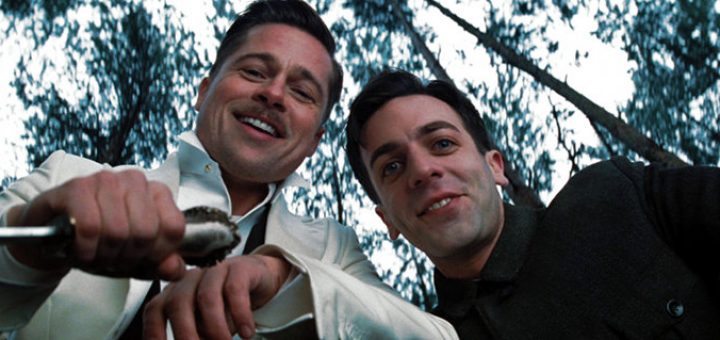
INGLOURIOUS BASTERDS (2009)

“You know somethin’, Utivich? I think this just might be my masterpiece.”


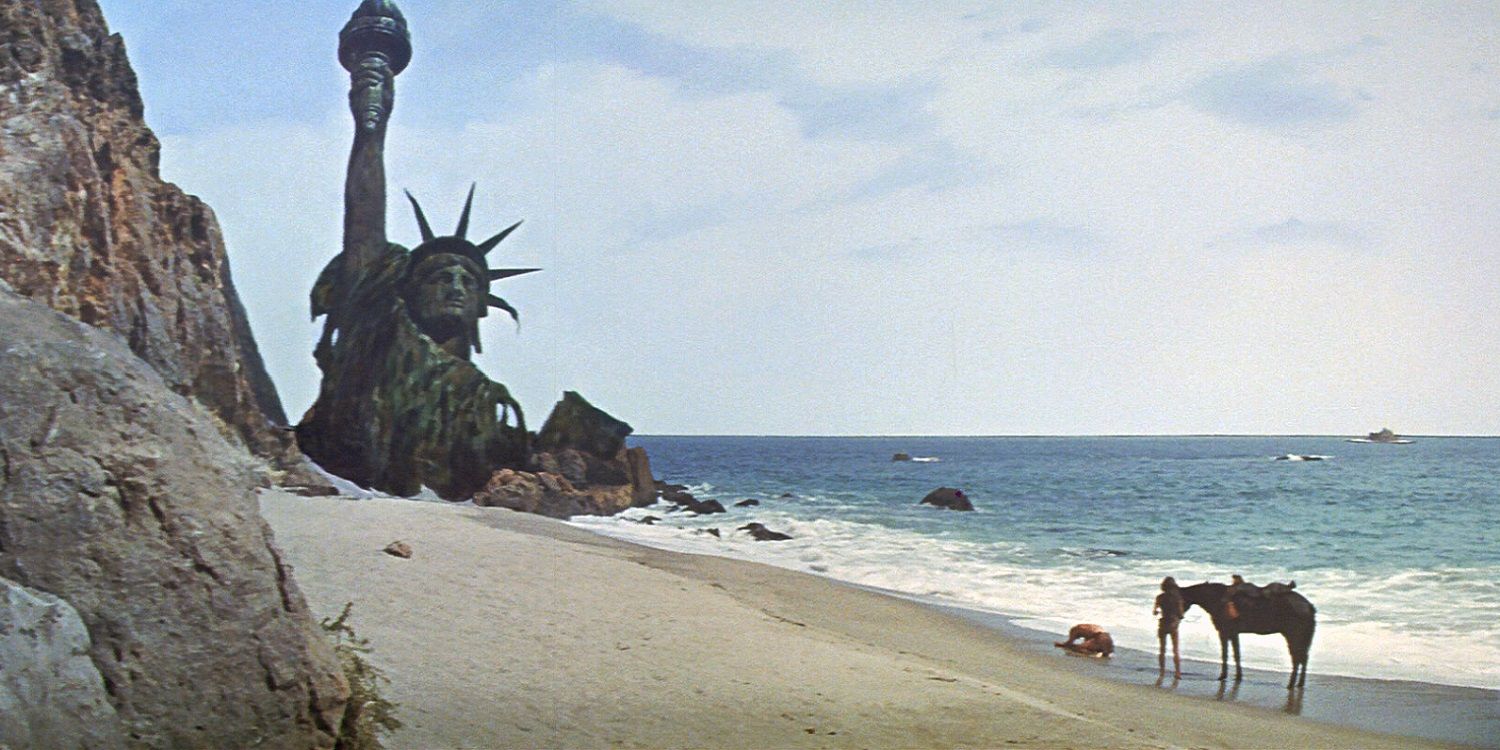
PLANET OF THE APES (1968)

“They blew it up! God, damn you! Damn you all to hell!!!”


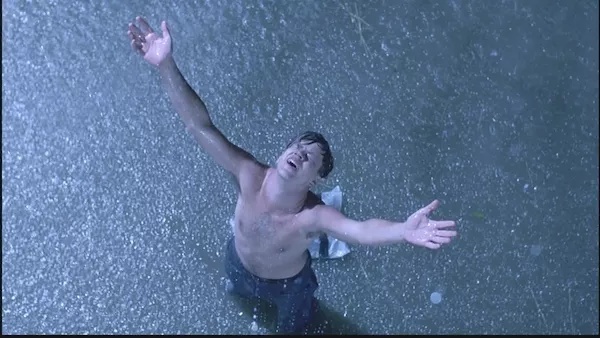
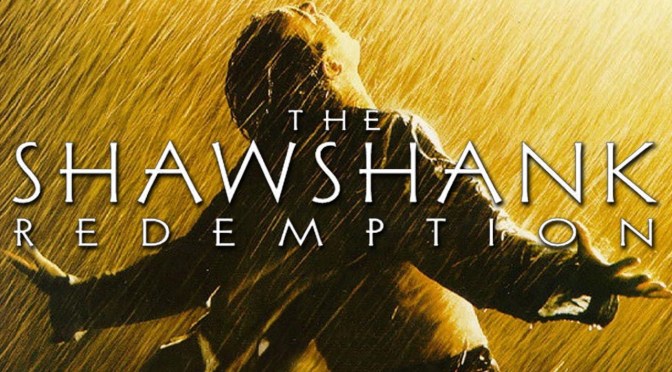
THE SHAWSHANK REDEMPTION (1994)

“Remember, Red, hope is a good thing, maybe the best of things, and no good thing ever dies.”


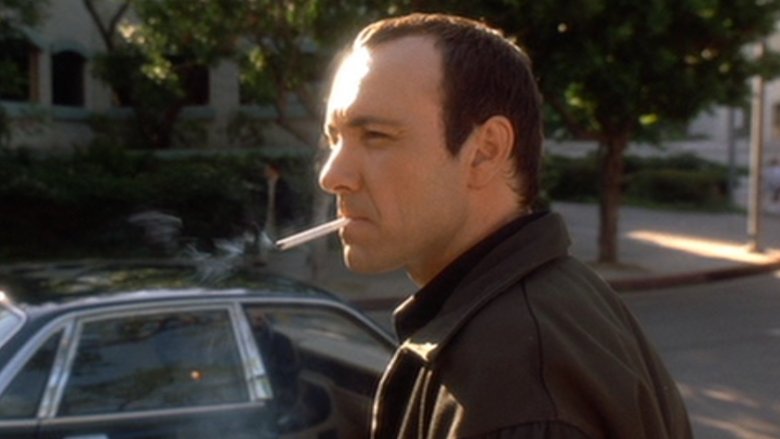
THE USUAL SUSPECTS (1995)

“The greatest trick the devil ever pulled was convincing the world he didn’t exist. And like that… he’s gone!”

WITHNAIL AND I (1986)

“I have of late, but wherefore I know not, lost all my mirth…”

NETFLIX FILM REVIEW: HIS HOUSE (2020)

NETFLIX FILM REVIEW: HIS HOUSE (2020)

Directed by: Remi Weekes

Produced by: Aidan Elliott, Martin Gentles, Arnon Milchan, Ed King, Roy Lee

Screenplay by: Remi Weekes

Story by: Felicity Evans, Toby Venables

Cast: Wunmi Mosaku, Sope Dirisu, Matt Smith, etc.

Cinematography: Jo Willems

***MAY CONTAIN SPOILERS***


Similar in spirit to the Jacques Audiard directed film, Dheepan (2015), the latest Netflix film release, His House (2020), takes the migrant experience as a key narrative driver, then filters it through exciting genre style. While Dheepan (2015) started as a story of survival before crossing over into thriller territory, His House (2020) superbly combines social commentary with the horror genre. Moreover, a key plot reveal later in His House (2020) is extremely similar to that found in Dheepan (2015). Nonetheless, it is a powerful film, both unnerving and thought-provoking in equal measure.

His House (2020) introduces us to Bol (Sope Dirisu) and Rial (Wunmi Mosaku), a refugee husband and wife seeking asylum in Britain from South Sudan. Having survived a treacherous journey from this war-torn part of the world, their young daughter is not so lucky. Alas, Nyagak (Malaika Agibaka) dies during a stormy boat journey. This incident and their social status immediately garners sympathy and empathy for the protagonists. Allied to this, on achieving probational asylum status their jaded case worker, Mark (Matt Smith), brings them to a rundown council estate to live in. It is to Bol and Rial’s credit that they accept their new abode with gratitude. Bol especially is keen to mix with the locals and fit into the British way of living. However, the two soon encounter indifference, racism and prejudice.

This image has an empty alt attribute; its file name is 1024px-his_house_film_poster-1.png

As the narrative continues Bol and Rial have more to contend with than ignorant locals. Rial is resistant to integration as she desperately holds onto her Sudanese clothes and customs. While Bol is clearly trying to distract himself from the tragedy, Rial’s grieving takes the form of clinging onto the memory of her daughter and their Sudanese ways. This familial division is exacerbated by disturbing supernatural phenomena, as a strange dark spirit and the ghost of Nyagak both appear. Could it be grief and guilt manifesting such spectres? Or are they suffering from post-traumatic stress following their harrowing journey to Britain? Or has a genuinely evil spirit hijacked their attempts to build a home and find peace?

Declaring himself as a director to keep tabs on, Remi Weekes, has written and directed an excellent first feature film in, His House (2020). The pacing of the story is excellent as we get flashes of Bol and Rial’s past in Sudan, juxtaposed with their attempts to acclimatise in Britain. As someone whose life is extremely privileged when compared to that of such characters, I was both moved and fearful for the protagonists. This is not only down to an excellent script full of subtext, symbolism and dread, but also due to Sope Dirisu and Wunmi Mosaku’s compelling performances. Furthermore, you really feel the pain of the couple’s loss and suspense created by that which lurks within the stained walls of their apartment. While there are many tense moments, my one reservation with His House (2020) was there arguably wasn’t enough true horror moments. Having said that, the actual reality of Bol and Rial’s situation in losing a daughter, suffering British administrative red-tape and living amidst everyday prejudice, is far scarier than ghosts and monsters can ever be.

Mark: 8.5 out of 11

MY CINEMATIC ROMANCE #21 – SEAN CONNERY (R.I.P 1930 – 2020)

MY CINEMATIC ROMANCE #21 – SEAN CONNERY (R.I.P 1930 – 2020)


“There’s one major difference between James Bond and me. He is able to sort out problems!” — Sean Connery


Sadly, the great Scottish actor, Sir Sean Connery passed away at the age of ninety on the 31st October 2020. Born in Fountainbridge, Edinburgh in 1930, Connery walked a fascinating and winding road to the path of famous film actor.

With working class and traveller roots, Connery was a milkman, artist’s model, bodybuilder, Naval seaman and talented footballer, who would earn acting experience in many stage roles from the early 1950’s onwards. In 1957, Connery began to get supporting roles in film and television. But, that same year, he landed his first leading role in BBC Television’s production of Requiem for a Heavyweight. He would also be cast in a prominent role in Cy Endfield’s brutal thriller, Hell Drivers (1957).

According to an apocryphal story, it was Connery’s co-star, Patrick McGoohan, who recommended him to producers for the starring role of Ian Fleming’s James Bond. The Prisoner star and creator, McGoohan, had been offered the role of Bond and turned it down. Connery would eventually accept, and the rest is history.


One could debate the differences and variant aspects of the movie star, the film actor and the character actor endlessly, but the fact is, Sean Connery was ALL three. A versatile actor who could do tough guy, romantic lead, comedic foil, serious drama and action hero roles with equal brilliance, switching between such traits effortlessly. Moreover, he also inhabited each role with a magnetic charisma that one could not keep your eyes off. And there’s THAT voice and delivery! The voice of gravitas and steely sophistication that made you want to listen, whatever Connery may be saying. In short: he was greatest film actors and stars of a generation.

In keeping with the My Cinematic Romance series, I have picked FIVE of my favourite Sean Connery roles. They may not be his best, but they are films I love. In order to challenge myself I have picked just ONE film from the James Bond series. If you prefer other Connery roles then please feel free to comment. R.I.P – Sean Connery.


HELL DRIVERS (1957)

Hell Drivers (1957) is a film that certainly deserves revisiting. Not simply because it is an excellent action drama, but because it contains an incredible cast, with most of the players going on to have major parts in some iconic screen roles. Connery was an unknown when appearing in the ensemble as Johnny Kates, but he more than holds his own as a tough guy working in the cutthroat and granite-tough haulage industry.


FROM RUSSIA WITH LOVE (1963)

Having read Ian Fleming’s classic spy novel Casino Royale in the last few years, I have to say that the early adaptations of the Bond series were a tremendous representation of his vision of Cold War espionage. If Dr No (1962) was the starter and Goldfinger (1964) the dessert, for me, From Russia With Love (1963) was the main course of the first three films in the franchise. Facing S.P.E.C.T.R.E, who are hell bent of destroying Bond, Connery gives such a confident performance amidst thrilling plot and action. His scenes with Robert Shaw as Grant are pure machismo and menace, culminating in an exciting fight on the Orient Express.


HIGHLANDER (1986)

I should really pick Sidney Lumet’s The Hill (1965) for my next choice. That film is a brutal character study set in a military prison during WW2, where Connery gives one of his finest performances. Instead, I have chosen a 1980’s action film about immortals slicing each other to death, to a rock soundtrack by Queen. Nothing in this film should work, from the pop video effects, the crazy mullets and mix of modern and historical settings. But somehow it does. Connery was beginning to settle into the mentor role now and he brings, like Clancy Brown, absolute class to the film. Here, as Juan Sánchez Villa-Lobos Ramírez (an Egyptian with a Scottish accent), he guides Christopher Lambert through a heady mix of sci-fi nonsense, swashbuckling swordplay and brilliant action.


THE UNTOUCHABLES (1987)

Another mentor role, this time portraying Irish beat cop Jimmy Malone, who joins Eliot Ness’s (Kevin Costner) crusade to bring down Al Capone (Robert DeNiro). Even with DeNiro, Costner and a breakthrough role for Andy Garcia in the cast, Connery absolutely owns this film from start to finish. Brian DePalma helms the spectacular set-pieces with aplomb, but Connery delivers David Mamet’s hard-boiled dialogue with confident intensity. Connery’s Jimmy Malone is a superb character performance, delivered with honesty, toughness and poignancy, as Malone finally gets the chance to be a proper copper. Quite rightly, Connery would win best Supporting Actor at the Oscars. Along with his Academy Award, Connery also won two BAFTA Awards, three Golden Globes, and a Henrietta Award during his illustrious career.


INDIANA JONES AND THE LAST CRUSADE (1989)

How do you keep fresh and revitalise a film sequel? Well, by adding ingredients the filmmakers hope will differentiate and familiarise the franchise at the same time. The way George Lucas and Steven Spielberg did this with Indiana Jones and the Last Crusade (1989) was to open with a thrilling origin story of Indy (River Phoenix) as a teenage adventurer fighting baddies in the West. Moreover, they also introduced surprisingly halfway through, the original Doctor Henry Jones Snr. The film was already knockout brilliant and got even better when Sean Connery first appears as Indiana’s (Harrison Ford) father. While it could have been cheesy with our hero’s Dad on the adventure, it is anything but. There are character reveals galore throughout as we get both a great buddy-buddy double act, and a vulnerable Indy, unsure and lacking confidence in the presence of his formidable father.


THANKS TO UNRESTRICTED VIEW HORROR FILM FESTIVAL 2020!

THANKS TO UNRESTRICTED VIEW HORROR FILM FESTIVAL 2020!

Just a quick post to say thank you to the Unrestricted View Horror Film Festival for screening my short film You Have A New Follower (2020). They screened it online as part of their Little Terrors programme on Tuesday 27th October 2020. Loads of great shorts and features were screened in an amazing programme. Further, in this period of COVID-19, it is a testament to their talents and enthusiasm they continue to support independent filmmakers.


If you didn’t know, Unrestricted View was set up in 1997 by Felicity & James Wren in order to produce exciting and innovative new theatre, comedy & film. In 1999 UV became the resident company at The Hen & Chickens Theatre and remains so to this day. UV was also resident company at Lowdown at The Albany on Great Portland Street 2003-2011 and The Vandella in Shepherds Bush in 2012. Subsequently, they continue to run the Unrestricted View Film Festival and a separate Horror Festival too. This year’s event ran online from 26-10-20 to 1st November 2020. Check out their website here.

Here is the brochure for the festival at this link.


YOU HAVE A NEW FOLLOWER (2020)

You Have a New Follower (2020) is a psychological thriller/horror. The story concerns Astrid Nilsson, whose life begins to unravel when she is stalked by a mysterious hooded figure. It combines mystery, suspense and science fiction genres, while exploring themes of paranoia, anxiety and identity.


Directed by Tilde Jensen and Paul Laight

Written and produced by: Paul Laight

Cast: Tilde Jensen and Mitchell Fisher


 Please check out the TRAILER here:

CULT FILM REVIEW: ERASERHEAD (1977)

CULT FILM REVIEW: ERASERHEAD (1977)

Directed by: David Lynch

Produced by: David Lynch

Written by: David Lynch

Cast: Jack Nance, Charlotte Stewart, Allen Joseph, Jeanne Bates,  Judith Roberts etc.

Music by: David Lynch, Fats Waller, Peter Ivers

Cinematography: Frederick Elmes, Herbert Cardwell

***CONTAINS SPOILERS***


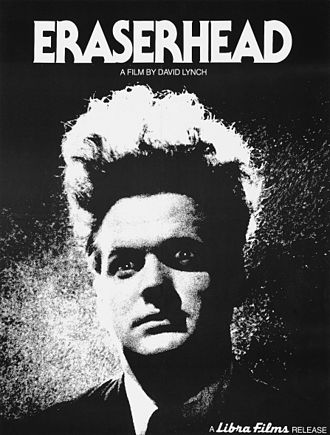
“In heaven everything is fine”, sings the ‘Lady in the Radiator’. Is it really, David, because during the course of your cinematic vision known as Eraserhead (1977), we witness all manner of things which demonstrate heaven is far from our reach. We see the scarred ‘Man in the Planet’, apparently controlling Henry Spencer’s (Jack Nance) fate with mechanical levers. There are also floating heads, blood-squirting chickens, weird alien-looking babies, an enigmatic femme-fatale, a shock-haired and shock-faced protagonist; all existing in an industrial abyss presented in bleak monochrome. If there is a heaven, no one’s getting there!

David Lynch’s debut feature film is a masterpiece of independent cinema. A surrealist, dystopian and anxiety-inducing collage of fantastic images and industrial sounds. Moreover, Eraserhead (1977) was a labour of love for the enigmatic filmmaker. Lynch took years to finish the production. So much so there is one scene where Nance’s character Henry, walks from a corridor through a door. While the edit is immediate, the filming dates were one year apart. Thankfully, Jack Nance didn’t get that famous quiff cut off. Moreover, money was tight. Lynch financed the film from doing part-time jobs, plus he received help from the American Film Institute, family members, and very good friends. There was no Kickstarter in those days.


While Eraserhead (1977) has many seemingly unconnected and bizarre images and freakish scenes, there are several powerful themes running through the film. Indeed, it is a Freudian classic with the nervous and anxious Henry, being lead from one challenging situation to another. The fear of responsibility and parenthood hangs heavy in Lynch’s psyche. Henry lacks confidence and sexual adequacy. Even when he attempts a relationship with Mary (Charlotte Stewart), his sanity is hanging on a thread. Mainly due to the fact their child is a sad, mutated monstrosity. But to Henry’s credit he attempts to love the child, even though such paternal care is doomed.

Lastly, given it had such a low-budget, took the best part of a decade to shoot and spent over a year in post-production, Lynch cinematic skills are meticulously represented in Eraserhead (1977). Kudos as well to the stark cinematography, Nance’s startling deadpan performance, plus Lynch’s incredible soundscape designed with Alan Splet. Ultimately, while it is a powerfully strange film, there is actually much method and heart in Lynch’s madness. The urban decay and freakish nature of Eraserhead (1977) taps into primal fears of bringing a child into a dark world. I, for one, can certainly identify with that.


FILMS THAT GOT AWAY #11 – WAVES (2019)

FILMS THAT GOT AWAY #11 – WAVES (2019)

Directed by: Trey Edward Shults

Produced by: Kevin Turen, Jessica Row, Trey Edward Shults

Written by: Trey Edward Shults

Cast: Kelvin Harrison Jr., Lucas Hedges, Taylor Russell, Alexa Demie, Renée Elise Goldsberry, Sterling K. Brown, Alexa Demie, Clifton Collins Jr., Vivi Pineda, etc.

Music by: Trent Reznor, Atticus Ross

Cinematography: Drew Daniels

*** MAY CONTAIN SPOILERS ***


“First your parents, they give you your life, but then they try to give you their life.”

― Chuck Palahniuk


Being a parent is an extremely difficult job and mostly impossible to get right. It is a rewarding and joyous experience, but can also be a frustrating one. Raising another human being in this world is a fluid and ever-shifting set of tasks. Once you have got past a certain age and seemingly resolved the issues of that time, their next period of growth provides a whole different set of puzzles. Whatever books you read or advice you take, or help you get, you will never be prepared enough to meet the challenge of being a parent. Even those who have had more than one child can attest that what occurred with the first child will not be the same for the next or the next after that. Every individual being is different and will have a varied set of intricacies.

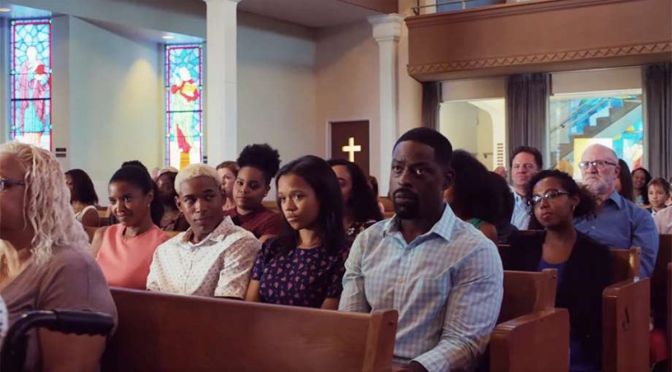
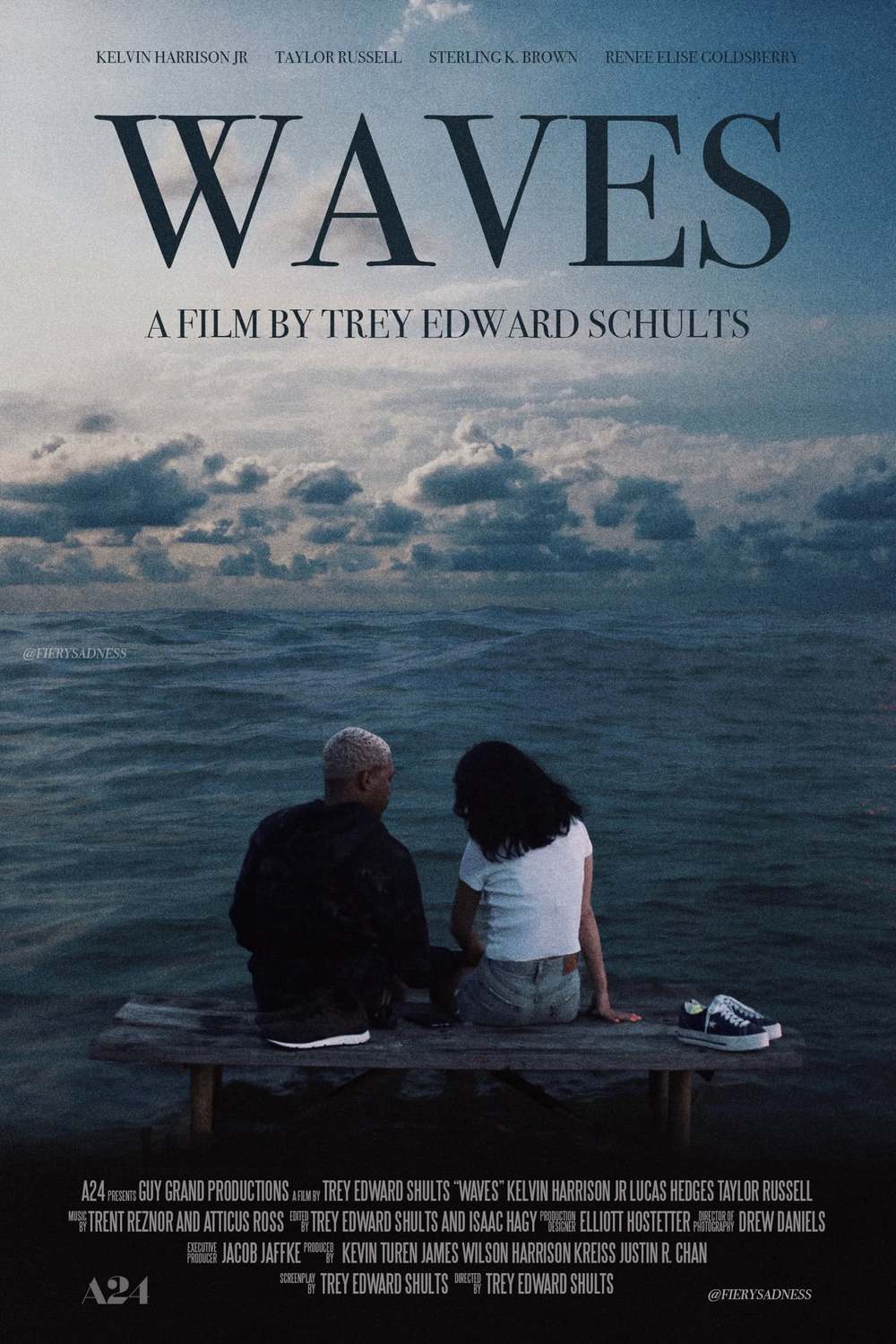
In the majestic family drama, Waves (2019), for example, Ronald (Sterling K. Brown) and Catherine Williams (Renee Elise Goldsbery), are middle-class parents with successful jobs who provide a fabulous Florida home and upbringing to their teenage children. Their son, Tyler (Kelvin Harrison Jnr.), is smart, athletic and a popular student, while their younger daughter, Emily, is quieter but equally bright. Ronald pushes Tyler to excel in every way, in study, work and on the wrestling team. He’s doing it with best intentions, but it creates incredible pressure for the lad. So much so, when Tyler suffers a serious injury and a problematic romantic situation he mentally and emotionally breaks.


Waves (2019)

This is a tale of two children and their parents attempts to raise, guide and control them. Not control in a negative fashion, but out of love and desire to see they are on the correct path in life. But what the narrative illustrates is that even the most loving and comfortable families can have tragedy bestowed upon them via a mixture of spontaneously poor life choices, youthful emotional imbalance and the fickle finger of fate. Thus, some could argue that with subjects such as unwanted pregnancy, pushy parents and rebellious teenagers, the film is over-familiar and melodramatic in places. However, the acting, direction and cinematography render the film wholly cinematic. Special mention to the extremely talented cinematographer Drew Daniels, who also lit HBO’s stylish mini-series Euphoria (2019). The production’s choice of colour, lighting, lens differentiation and aspect ratio switches are another reason this fabulous film impacted me so much.

No disrespect intended to the films nominated for Best Picture at the last Academy Awards, but how Waves (2019) did not get on that list is beyond me. Maybe it didn’t qualify due to some technicality, but it was definitely one of the best films of last year. It’s a shame I missed it as Trey Edward Schults proves he is a formidable young director. Sterling K. Hayden is impressive as the father who thinks he knows best, but is ultimately as emotionally lost as his son. Taylor Russell as Emily is an absolute shining star in the role and Kelvin Harrison Jnr. is, following his mesmerising performance in Luce (2019), destined for great things. Lastly, I’m not sure how Waves (2019) got away from me on release, but I’m glad I finally caught up with this searing and complex drama.

Mark: 9 out of 11


CLASSIC MOVIE SCENES #14 – RAIDERS OF THE LOST ARK (1981) – GUN VERSUS SWORD!

CLASSIC MOVIE SCENES #14 – RAIDERS OF THE LOST ARK (1981) – GUN VERSUS SWORD!

Directed by: Steven Spielberg

Produced by: Frank Marshall

Screenplay by: Lawrence Kasdan

Story by: George Lucas, Philip Kaufman

Cast: Harrison Ford, Karen Allen, Paul Freeman, Ronald Lacey, John Rhys-Davies, Denholm Elliott etc.

Music by: John Williams

Cinematography: Douglas Slocombe

*** CONTAINS MASSIVE SPOILERS ***


It’s Saturday morning in London, so what better than to conjure up memories of classic weekend film entertainment. Because I recall, one Saturday, watching the monumental adventure classic, Raiders of the Lost Ark (1981), when I was eleven at the ABC Cinema in Fulham with my nine-year old brother. Nothing like a great film to bring back happy memories. After the film ended, we were exhilarated and hungry. We decided that rather than spend our remaining money on bus fare, we’d prefer to walk home to Battersea and share a bag of chips in the rain.

The three mile walk lasted no time at all as we were full of excitement about the incredible film we’d just witnessed. Gigantic rolling balls, snakes in cockpits, treacherous monkeys, villainous Germans, a hard-drinking heroine, unforgettable fights, shootouts, chase scenes galore, and a whip-cracking, charismatic, never-say-die archaeology Professor as our leading protagonist. Those Nazis never stood a chance chasing the ultimate McGuffin in the lost Ark of the Covenant.

With a film like Raiders of the Lost Ark (1981), you essentially have one classic scene after another. So much so you could do a top twenty easily. I have chosen to focus on an earlier middle act chase sequence which ends with one of the greatest punchlines ever committed to celluloid. Indiana Jones (Harrison Ford) is chasing baskets around the marketplace searching for Marion (Karen Allen). It’s an incredibly well directed and edited scene. Moreover, it’s funny, exciting and full of twists; including that darned monkey! John Williams music is utterly wonderful to boot. Mid chase Indy is faced with a swordfighter from his pursuers. The fighter displays an amazing set of skills and we wonder how our hero will escape certain death. Well, Indy just shoots him!

The story goes that a massive battle was planned but Harrison Ford had food poisoning, thus the scene was rewritten. Thus, movie magic was conjured, not from expert planning, but from having dodgy guts! They should have stuck to sharing a bag of chips. But then we wouldn’t have this amazing end to a magnificent movie sequence.


CINEMA REVIEW – SAINT MAUD (2019)

CINEMA REVIEW – SAINT MAUD (2019)

Directed by: Rose Glass

Produced by: Andrea Cornwell, Oliver Kassman

Written by: Rose Glass

Cast: Morfydd Clark, Jennifer Ehle, Lily Knight, Lily Frazer, Turlough Convery, Rosie Sansom, Marcus Hutton  

Music by: Adam Janota Bzowski

Cinematography: Ben Fordesman

***MAY CONTAIN SPOILERS***


“Beware of false prophets, who come to you in sheep’s clothing but inwardly are ravenous wolves. . .” – Matthew 7:15


Also, beware of false praise from film reviewers! Because over the years I’ve often seen hyperbolic notices about films that after seeing them I wonder if I’ve been watching the same thing. Of course, any kind of review is subjective, and we cannot all like the same thing, but sometimes so-called critics rave about a cinema release for reasons I just don’t get. It could be that they genuinely like the film or are attempting to promote it on a personal or corporate level for some incestuous allegiance to the filmmaker or studio. They could even have been paid for the positive words. The latter is unlikely, but possible. Anyhow, everyone’s entitled to their opinion.

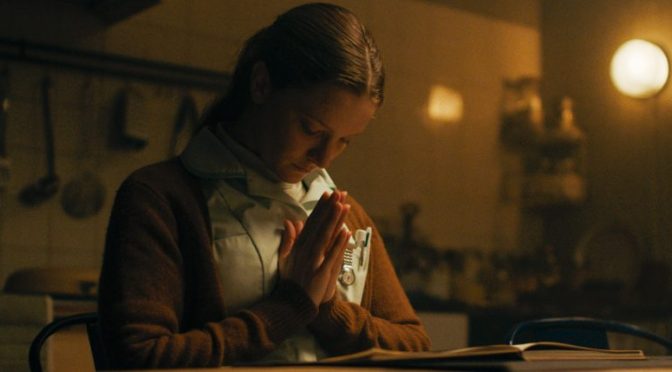
So, when I saw the glowing notices for Rose Glass’ psychological character study, Saint Maud (2019), I was initially sceptical. Thankfully after watching it at the Curzon cinema at the weekend, I concur with many of the raving critics. The film is a thoroughly absorbing and compelling exploration of religious mania, alienation, and mental breakdown. Moreover, Rose Glass, on her directorial feature debut deserves much praise for crafting a stunningly disturbing journey of one individual’s search for the Lord Almighty and rapturous redemption. Only to reveal, in Maud, a troubled outsider and lost soul, completely at odds with the people around her and society as a whole.


Saint Maud (2019) – directed by Rose Glass

Morfydd Clark is absolutely spellbinding as the lead character. In fact, she inhabits both elements of protagonist and antagonist in this jagged narrative. Sadly, Maud becomes her own worst enemy as the film progresses. Her job as a nurse has connotations of angels and heroines, but eventually travels an alternative path. The film opens with flashes of a tragedy which has occurred at the hospital where Maud works. These events will haunt Maud like a psychological millstone; dragging her toward darkness while she seeks enlightenment. Rapidly quickening forward we then find Maud in private medical employment caring for former famed choreographer portrayed by Jennifer Ehle.

Ehle, as Amanda, gives an impressive rendition of a dying bitter woman; full of spite, bravado and fear as she nears the end of her life. Not that that stops Amanda from smoking, drinking and partying, much to the pious Maud’s displeasure. The two divergent personalities clash constantly as Maud takes it upon herself to be Amanda’s saviour. This ultimately becomes an obsessive crusade by Maud, no doubt in an attempt to find peace and redemption following the tragedy in her prior job. Such is the power of Maud and Amanda’s complex relationship of warring opposites, Saint Maud (2019) suffers minor dramatic inertia when Maud goes off the rails toward the end of the second act. Nonetheless, Glass is cleverly building Maud’s turmoil before bringing Ehle’s character back in the shocking and memorable final scenes.

Saint Maud (2019), overall, is an exceptionally well-crafted low budget work of British cinema. It is more than just a calling card for the extremely talented director, Rose Glass. Her grasp of the material is superb and the cinematography and shot composition support her dark vision brilliantly. The film may disappoint those who prefer conventional supernatural films, as it is more arthouse than classic horror. Moreover, it has much in common with searing character studies by Paul Schrader, such as Taxi Driver (1976), and the more recent, First Reformed (2017). Indeed, Maud’s voiceover permeates like a prayer to an empty sky bleeding into the powerful imagery to compelling effect. The true horror of Saint Maud (2019) is not in jump scares or one-dimensional monsters, but rather the slow descent into hell by a character who strives to be a saviour. Tragically though, Maud is a self-appointed Angel, whose mental fragility disintegrates under the weight of holy desire and biblical fervour.

Mark: 9 out of 11


NETFLIX FILM REVIEW: THE DEVIL ALL THE TIME (2020)

NETFLIX FILM REVIEW: THE DEVIL ALL THE TIME (2020)

Directed by: Antonio Campos

Produced by: Jake Gyllenhaal, Riva Marker, Randall Poster, Max Born

Screenplay by: Antonio Campos, Paulo Campos

Based on: The Devil All the Time by Donald Ray Pollock

Cast: Tom Holland, Bill Skarsgård, Riley Keough, Jason Clarke, Sebastian Stan, Haley Bennett, Eliza Scanlen, Mia Wasikowska, Robert Pattinson, Harry Melling, etc.

Narrated by: Donald Ray Pollock

Music by: Danny Bensi, Saunder Jurriaans

Cinematography: Lol Crawley

***MAY CONTAIN SPOILERS***


Netflix’s latest major film release is a literary adaptation of Donald Ray Pollock’s psychological thriller, The Devil All the Time (2020). One has to believe it is a pretty faithful adaptation because the novelist himself narrates the tale to us via voiceover. Set in the years after World War II, the grim events unfold in the states of Ohio and West Virginia, respectively. While the action is not located in the deep South, the story has many of the tropes synonymous with the Southern Gothic genre, notably: religious fanaticism, explicit sexuality, flawed characters, sickening violence, poverty and human alienation.

The film, directed by Antonio Campos — who helmed the under-rated character study, Christine (2016) — starts extremely purposefully. Returning soldier, Miller Jones (Bill Skarsgard), meets a waitress on his bus journey home and eventually marries her. Both Skarsgard and Hayley Bennett, portraying his wife, inhabit empathetic characters working hard to bring up their son and saving for their own place. Jones, however, is haunted by a traumatic incident in the Pacific, and strives for solace in God and family. Indeed, the corrupt force of religious mania spreads like a cancer throughout The Devil All the Time (2020), becoming a constant threat and reason for many of the characters downfall.


Just as I was connecting with Jones’ life and becoming absorbed by Bill Skarsgard’s commanding performance, tragedy strikes and the narrative takes one of several jarring switches between characters. As such the film does not really have a strong plot, meandering from one character to another witnessing all manner of horrific events fate throws at them. Because, let’s be honest, The Devil All the Time (2020), is no way close to being a feelgood film. In fact, it revels in representing the evil acts of so-called human beings. Thus, throughout I felt a constant sense of dread and anxiety. Barely had Skarsgard misery ended and we are then introduced to the tragedies of characters portrayed by Harry Melling and Mia Wasikowska. Simultaneously, Jason Clarke and Riley Keough join the fray as two violent and sex-driven thrill-seekers. Yet, they are weakly written characters who again drive the mood of the film into pitch blackness.

The film gathers some strength and momentum n the middle act when Tom Holland’s son of Miller Jones comes of age. By focussing on his story we get more drama and emotion, especially where his relationship with his step-sister (Eliza Scanlan) is concerned. Holland gives an excellent performance as the young man attempting to make his way in this filthy and ungodly world. Similarly, Robert Pattinson’s oily Preacher oozes repugnant charm in another sterling piece of acting work. Alas, Sebastian Stan’s Sheriff and Douglas Hodge’s rural gangster are given short shrift in another crime subplot which goes nowhere.

Overall, Antonio Campos delivers an extremely solid thriller from an acting and thematic standpoint. Unfortunately, the fragmented screenplay should arguably have been given a more committed plotline. Of course, it has most likely shadowed the structure of the source novel so therein lies the rub. Having said that, despite the structural shortcomings, there are many shocking and violent set-pieces to satisfy horror fans. Ultimately though, The Devil All the Time (2020) lacks redemption, catharsis and even some decent suspense. By the end we are given few characters to care about and delivered the pessimistic vision that life is a belt of misery. Even a suggestion of sugar helps the poison go down and this film offers very little in the way of sweetness or light.

Mark: 7.5 out of 11