Category Archives: Nickel Cinema

Cult Film Review: Mermaid Legend (1984)

Cult Film Review: Mermaid Legend (1984)

Directed by Toshiharu Ikeda

Screenplay by Takuya Nishioka

Main cast: Mari Shirato, Junko Miyashita, Kentarō Shimizu, Jun Etō, etc.

Cinematography by Yonezou Maeda

Music by Toshiyuki Honda

*** MAY CONTAIN SPOILERS ***


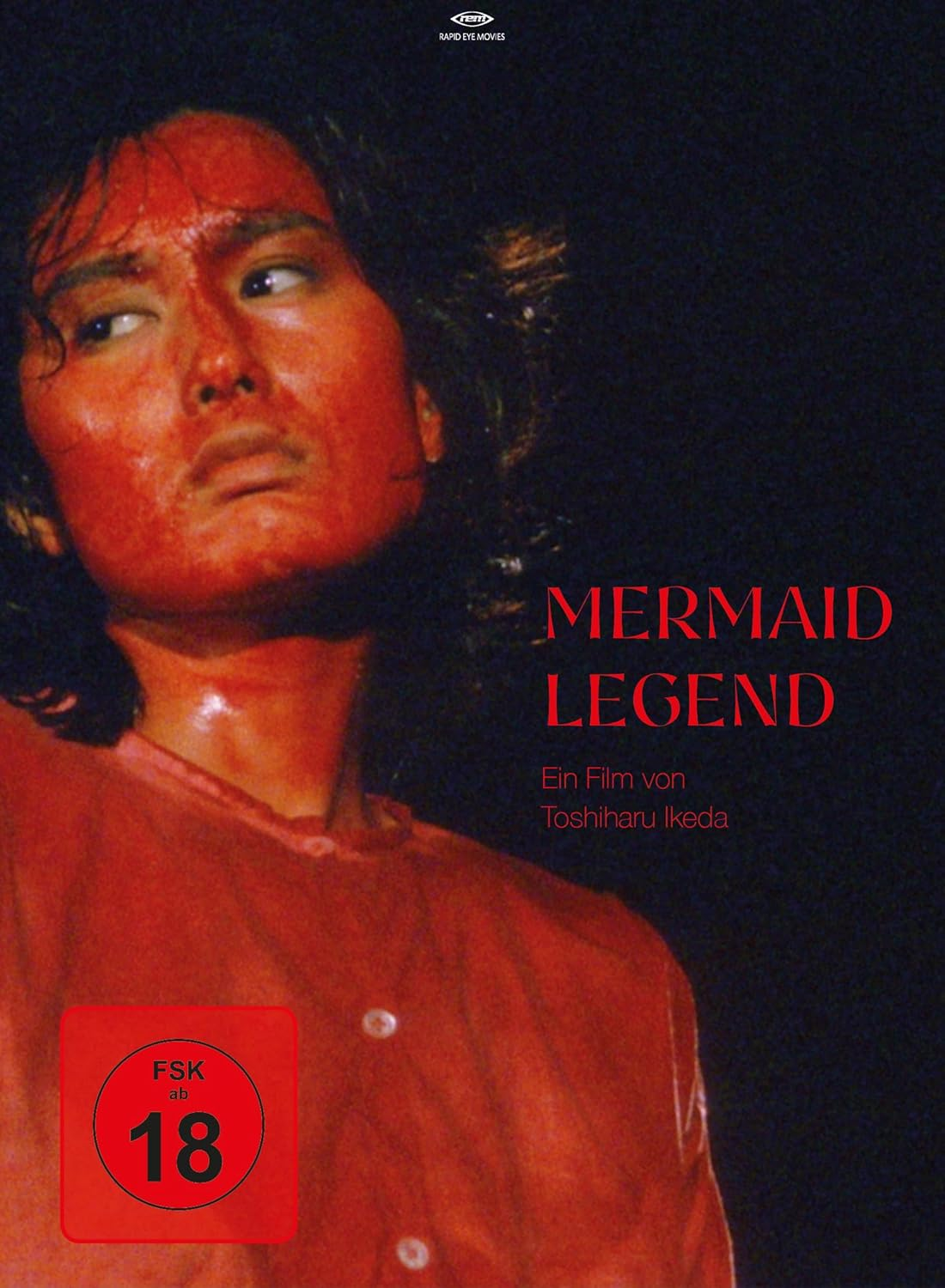
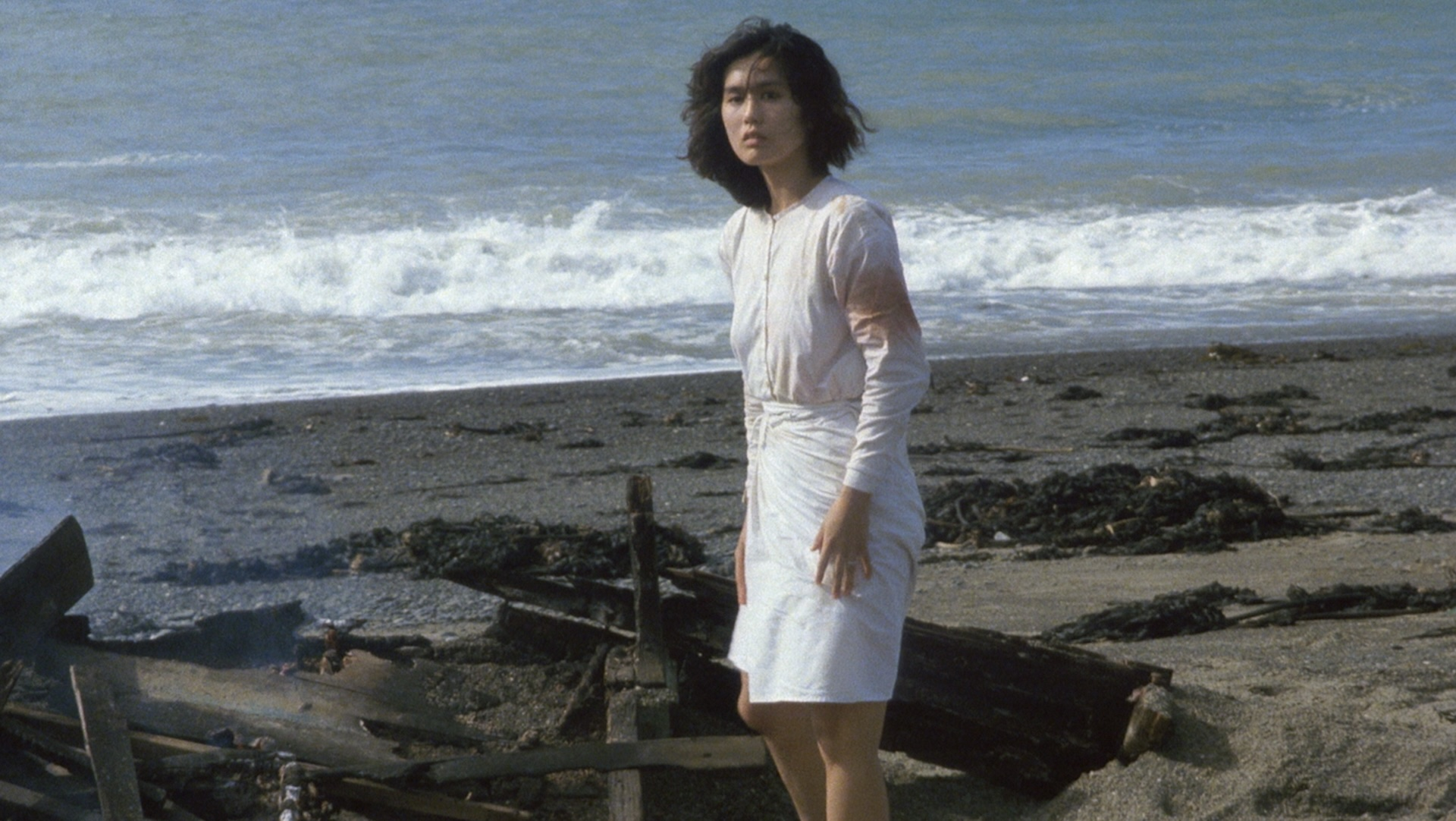
I took a gamble on an unknown Japanese film at the Nickel Cinema and walked out genuinely shaken. Mermaid Legend (1984) isn’t just a cult oddity—it’s a film that mutates before your eyes, seducing you with beauty before drowning you in blood. I was stunned by how something so lyrical could also be so brutally confrontational.

The story begins almost modestly, as a coastal drama about a fisherman and his wife, Migiwa. They bicker constantly, their marriage worn thin by poverty and exhaustion, yet there’s an undeniable bond beneath the arguments. That fragile domesticity is shattered when the fisherman stands in the way of an industrial development scheme. The business developers—faceless, polite, and utterly ruthless—have him murdered, disposing of his life as casually as industrial waste.

From there, Mermaid Legend (1984) transforms again. What starts as marital realism becomes a corporate espionage murder mystery, steeped in anger at nuclear energy, environmental destruction, and the cold machinery of corporate greed. Migiwa, a powerful-lunged pearl diver, initially hides, retreating into grief and the sea itself. But this is not a film about quiet mourning. When she decides to act, she does so with mythic force.


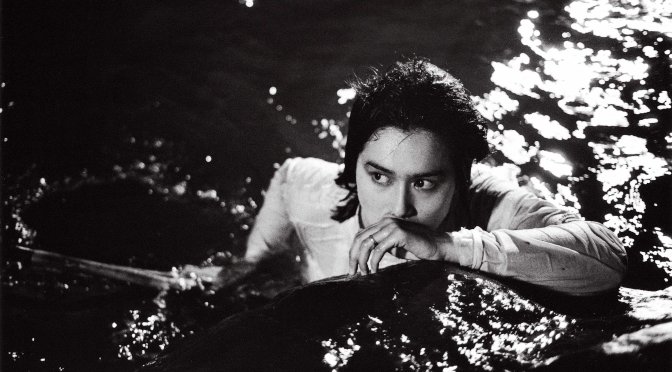
Played by the ethereal and astonishing Mari Shirato, Migiwa becomes something halfway between woman, avenging angel, and sea spirit. Shirato’s performance is magnetic—serene, sensual, and terrifying. As her vengeful pursuit begins, the film plunges headlong into extreme violence and explicit sexuality, reclassifying itself yet again as one of the most shocking exploitation epics I’ve seen from Japan in recent years. These scenes aren’t gratuitous in the lazy sense; they’re confrontational, weaponized, daring you to look away while refusing to let you feel comfortable for a second.

What makes Mermaid Legend (1984) so intoxicating is how its elements collide. Poetic underwater cinematography turns the ocean into a womb, a grave, and a cathedral. Religious, angelic, and environmental imagery blur together, as if Migiwa is both martyr and executioner. The music is heavenly—soaring, mournful, almost sacred—creating a surreal contrast with the carnage on screen. Beauty and brutality coexist in the same frame, each intensifying the other.

And then there’s the ending. The final, elongated pier stabbing rampage is completely off the chart—relentless, bloody, and hypnotic. It plays out like a ritual rather than an action sequence, stretching time until violence becomes abstraction, then meaning, then release. By the time the last body falls, Mermaid Legend (1984) has fully shed realism and entered the realm of legend, justifying its title in blood.

This is a film that shouldn’t work, yet does—furiously, defiantly. A genre-shifting fever dream that moves from domestic drama to political thriller to erotic exploitation to mythic revenge tragedy, Mermaid Legend (1984) is both beautiful and brutal, and I can’t stop thinking about it. Seeing it by chance at the Nickel Cinema felt like discovering a secret too powerful to stay hidden.

Mark: 9.5 out of 11


Cult Film Review: Entertainment (2015) at The Nickel Cinema, London

Cult Film Review: Entertainment (2015) at The Nickel Cinema


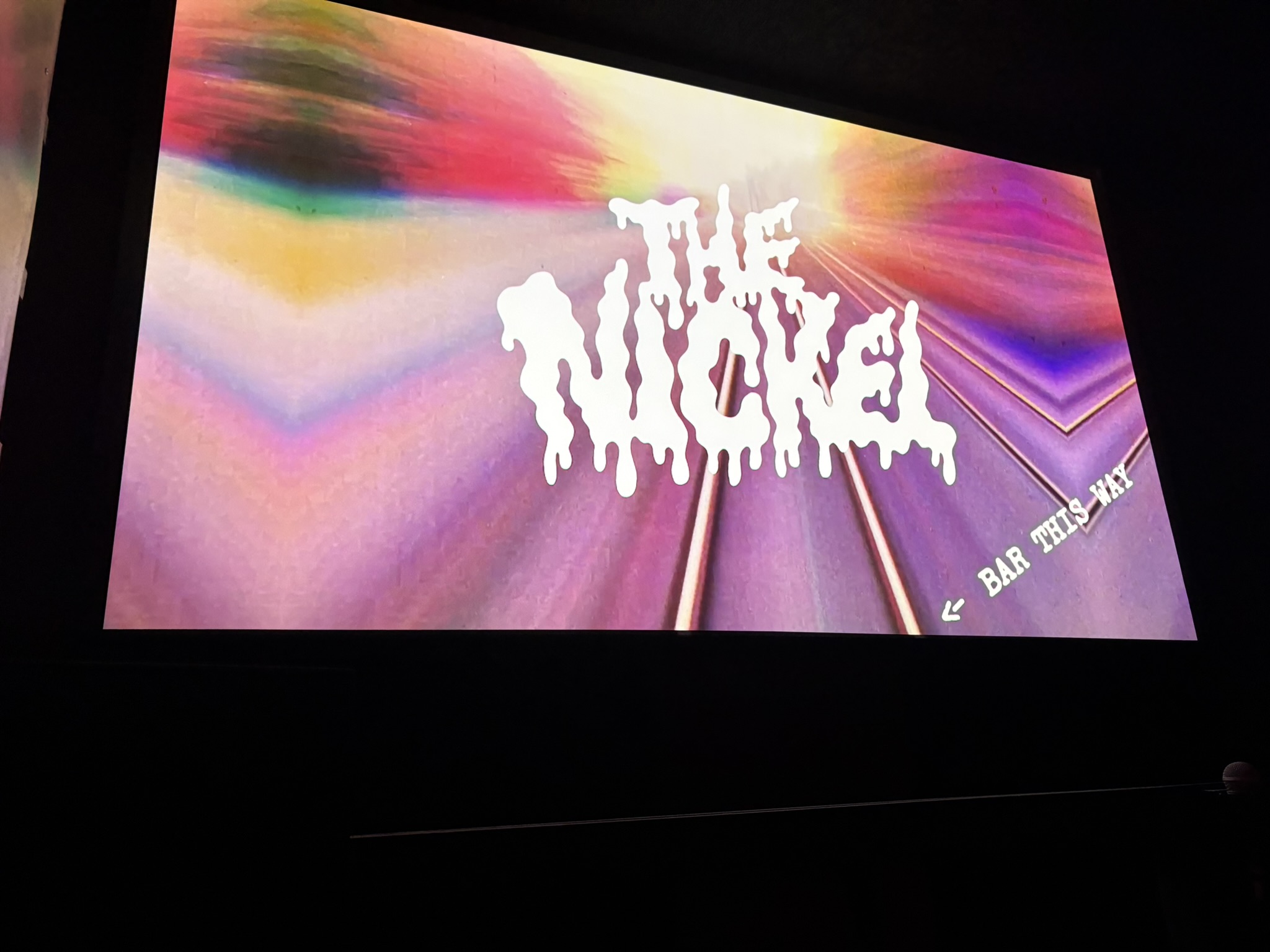
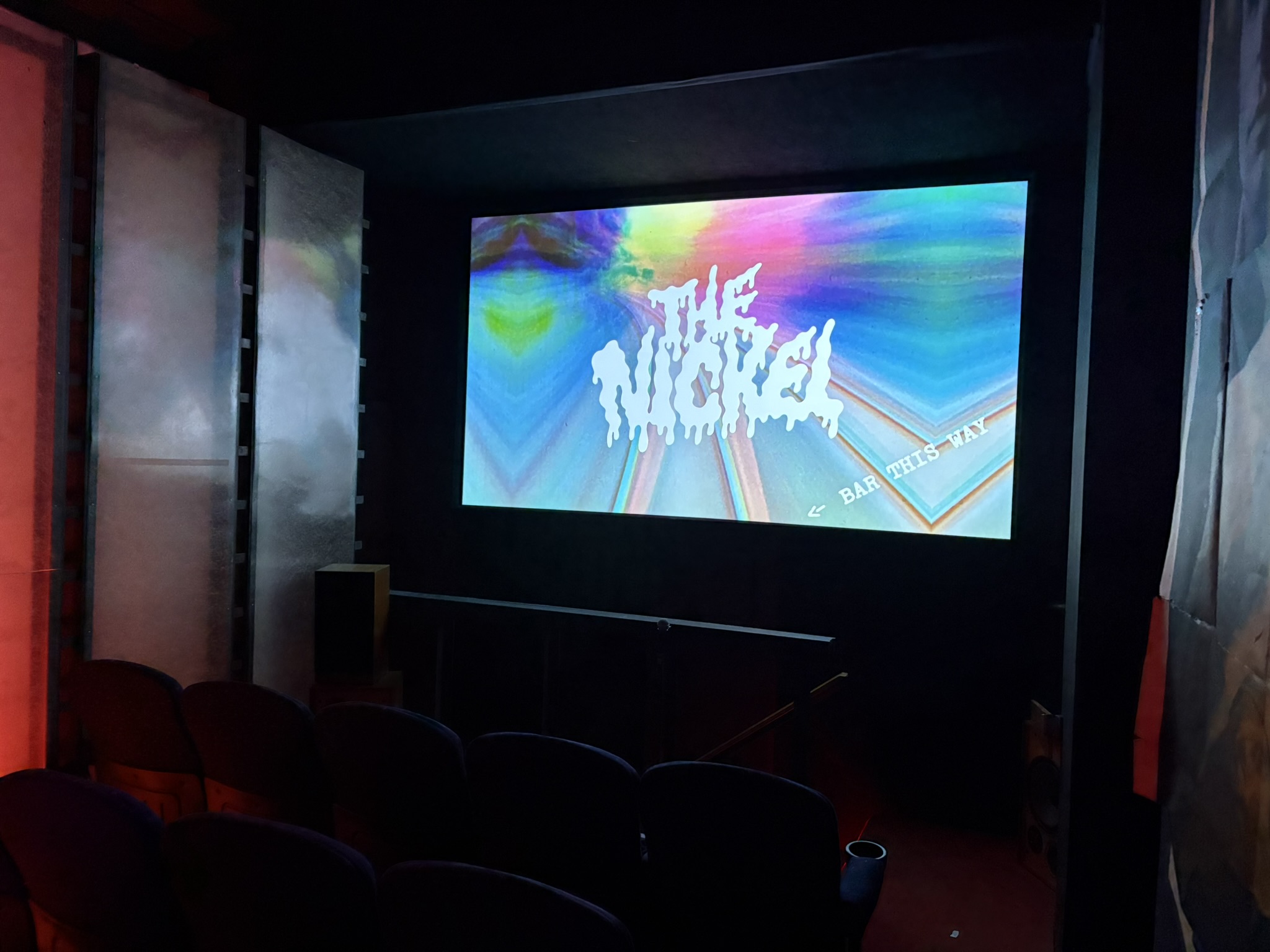
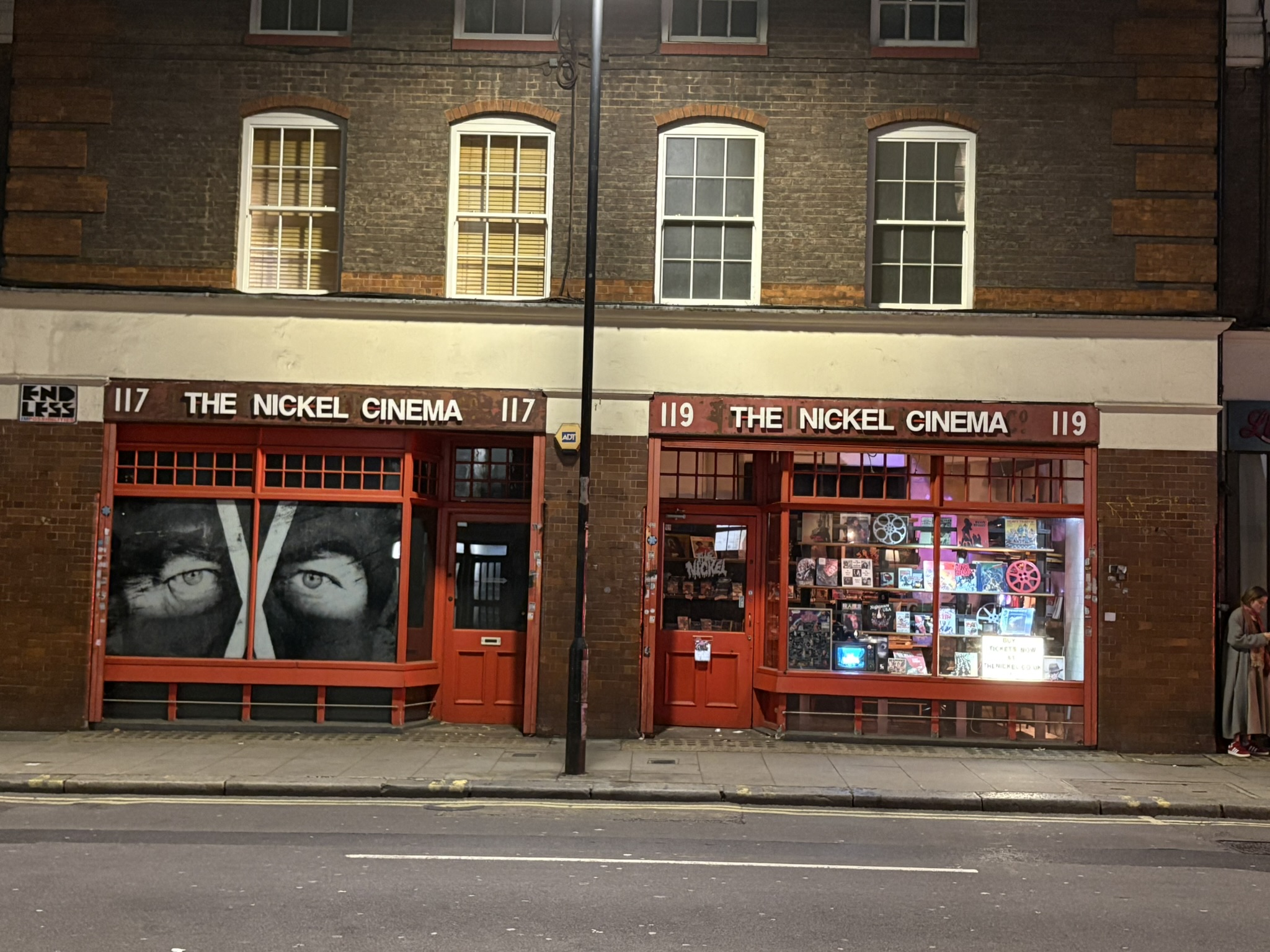
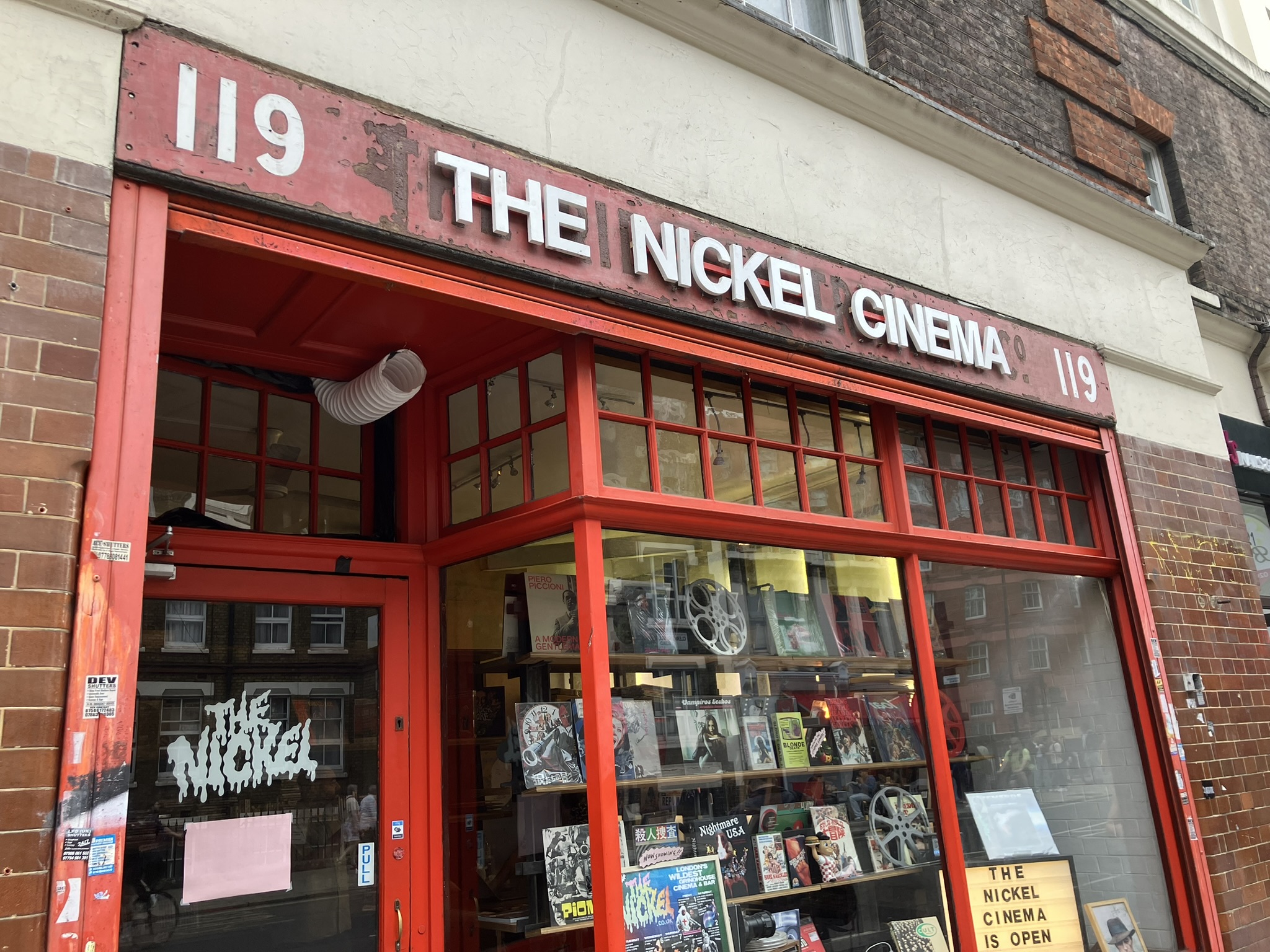
The Nickel Cinema in Clerkenwell feels like a hidden temple for London’s true film obsessives — a grindhouse gem tucked into the city’s polished heart. It’s the kind of place where the air hums with cigarette ghosts and celluloid dreams, where the screen flickers with everything from outlaw art films to midnight slashers and sleazy euro-thrillers. The décor has that lived-in, clandestine vibe — red velvet worn thin, neon bleeding through the dark, and an underground bar serving the kind of cocktails that taste like trouble.

It’s not just a cinema — it’s a refuge for the subversive, the cultish, the weird and the wonderful. You’ll find Anger next to Fassbinder, Fulci, Lynch, Jodorowsky, Korine, Ferrara, Argento, Waters, Kern, Miike, Ferrara, Korine Noe, Cohen, Breillat, Refn and many more bleeding into audiences who actually cheer when the projector rattles. The Nickel doesn’t chase trends; it worships the offbeat, the forgotten, and the dangerous. While feeling still quite new, the place somehow still feels gloriously dirty — and absolutely right up your alley. If not there is a strip club next door if that kind of business takes your fancy.

Check out their website for the latest screenings here: https://thenickel.co.uk/


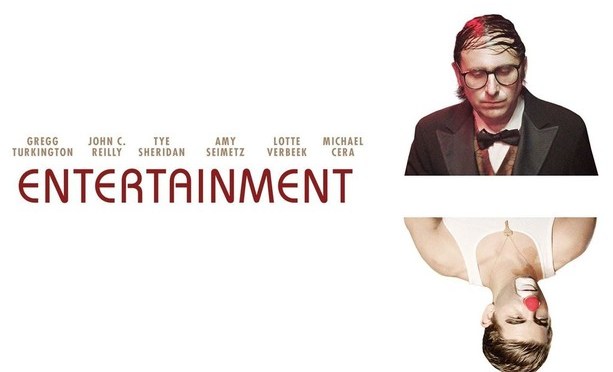
Last month I watched Rick Alverson’s Entertainment (2015) at The Nickel Cinema.

Entertainment is like watching the American dream rot in real time — a hypnotic, desolate odyssey through the dust and despair of the open road. Gregg Turkington is excellent as he plays “The Comedian,” a hollowed-out version of his Neil Hamburger persona, trudging through a series of soul-scorching stand-up gigs in half-empty bars, bowling alleys, and desert motels. Each performance is a small act of self-immolation — jokes that fall flat, laughter that curdles, a man dissolving behind the microphone as his identity blurs into the toxic sludge of showbiz delusion.

Director Rick Alverson shoots it all with a slow, clinical beauty — wide, frozen frames that turn America’s forgotten corners into alien landscapes. “The Comedian” drifts from neon-soaked diners to sulfurous desert plains, to prisons, to dead Western towns. Further, it contains some incredible locations including an unforgettable sequence at an aircraft graveyard — rows of dead machines basking in the sun, like monuments to ambition and decay. While low in budget the film makes use of such stunning locales, plus impactful acting interludes from John C. Reilly, Michael Cera and Tye Sheridan.

The film is not a comedy, not really — more anti-comedy or like an autopsy of one. Entertainment (2015) is a brutal, mesmeric study of loneliness, alienation, and the sick joke at the heart of performance itself. It’s the road movie as existential purgatory — unbearably awkward, strangely poetic, and utterly unforgettable. It doesn’t so much as have a beginning, middle and end, but a series of events which we are dropped into and experience until the credits suddenly roll. I like to ponder “The Comedian” is still out there, living and dying, on and off stage.

Mark: 8 out of 11