Produced by: Todd Black, Jason Blumenthal, Steve Tisch
Cast: Nicole Kidman, Javier Bardem, J. K. Simmons, Nina Arianda, Tony Hale, Alia Shawkat, Jake Lacy, Clark Gregg, etc.
Cinematography: Jeff Cronenweth
*** MAY CONTAIN SPOILERS ***
Lucille Ball and Desi Arnaz were entertainment, musical and business pioneers during the classic Hollywood television period. Lucille Ball alone was nominated for 13 Primetime Emmy Awards, winning five times, and the recipient of many other accolades, before being inducted into the Television Hall of Fame. Not only did the married couple produce and star in the seminal U.S. situation comedy, I Love Lucy, but their Desilu Studios production company would be the driving force behind creating famous TV series including Star Trek and Mission: Impossible. The couple broke viewing records and barriers in regard to race, gender and business practices. While they were not of my era, I recognise both Lucille Ball and Desi Arnaz as consummate professionals, business trailblazers and iconic stars.
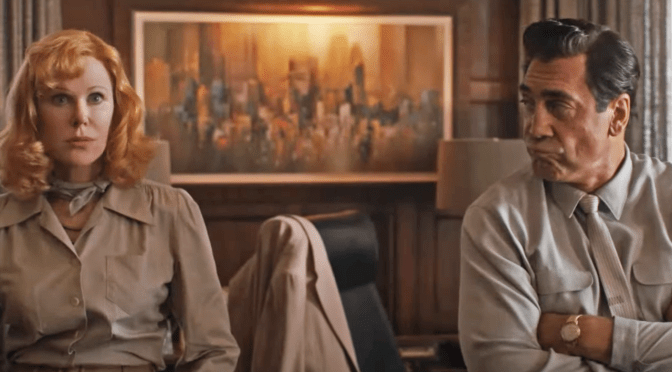
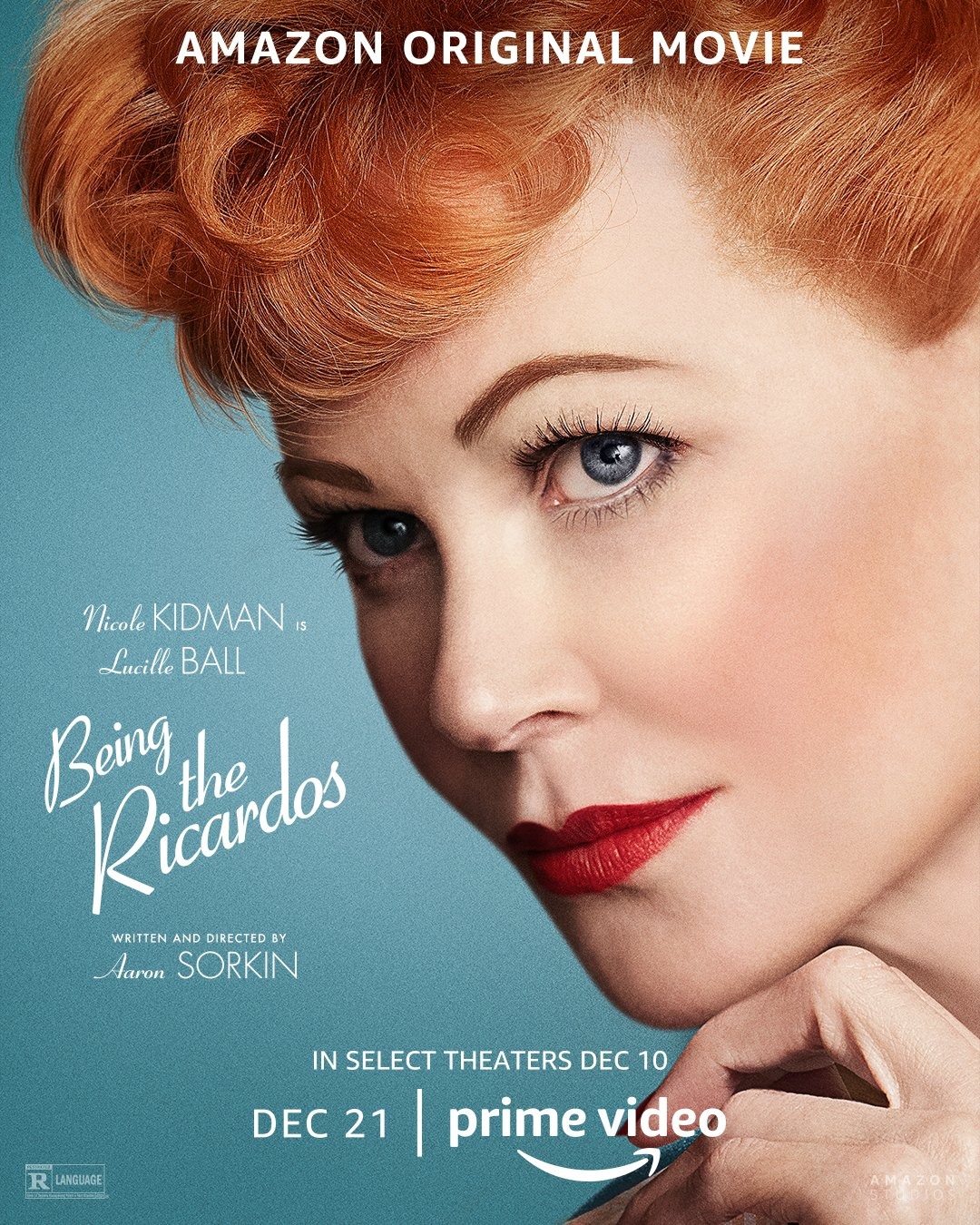
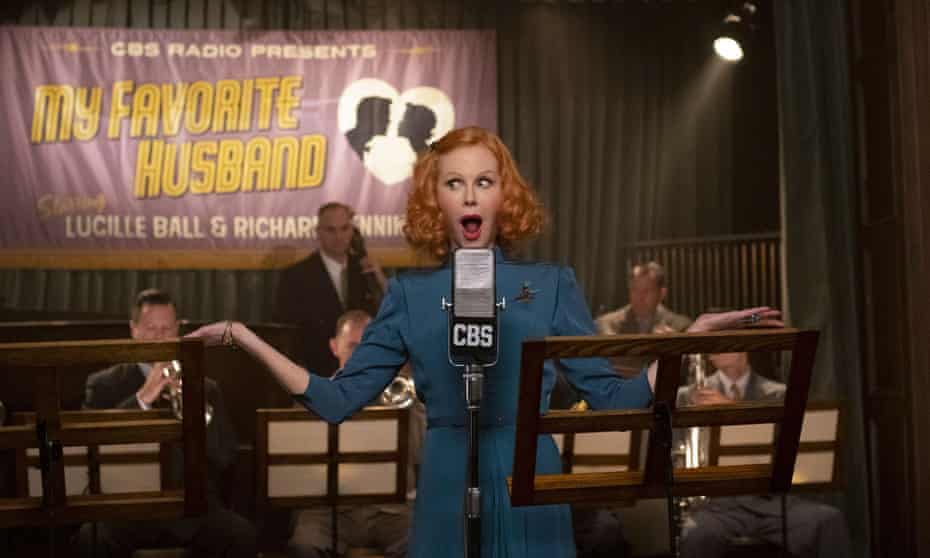
Aaron Sorkin’s Being the Ricardos (2021), adapts a week-in-the-life of Lucille Ball (Nicole Kidman) and Desi Arnaz (Javier Bardem) as they prepare, audition and perform the episode ‘Fred and Ethel Fight’ of I Love Lucy. At the same time, Lucille faces shocking revelations about her alleged Communist past. Moreover, her marriage to Desi is also tested by suspicions he has slept with other women. Interspersed around these events Sorkin flashes back to reveal how the couple met, and Lucille’s flailing film career as a dramatic actress was re-ignited by a chance switch to radio comedy. As a consummate screenwriter Sorkin hops between these time periods with great aplomb and his customary whip-cracking dialogue fires zingers throughout. The production process of the TV episode is particularly brilliant, with crafty Nina Arianda and the awesome J. K. Simmons providing superb support as Lucille and Desi’s supporting couple, William Frawley and Vivian Vance, respectively.
Being the Ricardos (2021) spins a great many plates within the running time and it is rock solid entertainment. As he did with The Trial of the Chicago Seven (2020), Aaron Sorkin arguably takes liberties with the time of events to compress and finesse the truth for the sake of dramatic and comedic effect. But that’s fine as this is not a documentary. What we get instead is an authentic production design which expertly evokes the mood, look, glamour, costumes and sounds of the era. It also explores the business, sexual and ideological politics of age with Desi and Lucille facing and pushing back at sponsor and studio demands. Those who know I Love Lucy will be overjoyed at the recreation of some memorable comedy sketches.
At the heart of the film Nicole Kidman and Javier Bardem combine formidably to breathe life into these legendary talents. Kidman is an actor who is extremely brave taking on the role of an icon. Sure, she gets paid millions of dollars, but her performance as Lucille Ball is energetic and intelligent and very funny. It could be easy to criticise her casting but Kidman does sterling work here. She gives Ball’s characterisation an effervescence, intelligence and perfectionist approach to her craft one cannot help but admire. Javier Bardem is a cinematic dream. With effortless panache he lights up the screen and just is so damned charming. Together they create fine on-screen chemistry as Sorkin’s bullet-paced dialogue is delivered superbly by the stars and terrific ensemble cast.
Ultimately, neither dramatic enough to tug the heartstrings or funny enough to be called an all-out comedy classic, Being the Ricardos (2021) remains another intelligent Aaron Sorkin rendition of real people and actual events. It’s a classy affair with a stunning cast and script, overall paying fine tribute to the genius of Lucille Ball and Desi Arnaz.
Cast: Leonardo DiCaprio, Jennifer Lawrence, Meryl Streep, Cate Blanchett, Rob Morgan, Jonah Hill, Mark Rylance, Tyler Perry, Timothée Chalamet, Ron Perlman, Ariana Grande etc.
Cinematography: Linus Sandgren
*** MAY CONTAIN SPOILERS ***
Adam McKay has had an interesting filmmaking career. He was a head writer on Saturday Night Live for two seasons before moving into cinema comedy by writing and directing gag-heavy comedies such as Anchorman: The Legend of Ron Burgundy(2004) plus the sequel, Talladega Nights: The Ballad of Ricky Bobby (2006), Step Brothers (2008), and The Other Guys (2010). While one could see these films as silly and knockabout Will Ferrell clown vehicles, certain films contained explorations of social issues relating to sexism in the workplace and big corporation fraud. Nevertheless, it was still surprising when McKay shifted toward more dramatic work full of barbed satire and social commentary. While both The Big Short (2015) and Vice (2018) certainly had humour, they also impressively dissected the mortgage crash and the political rise of Dick Cheney, respectively.
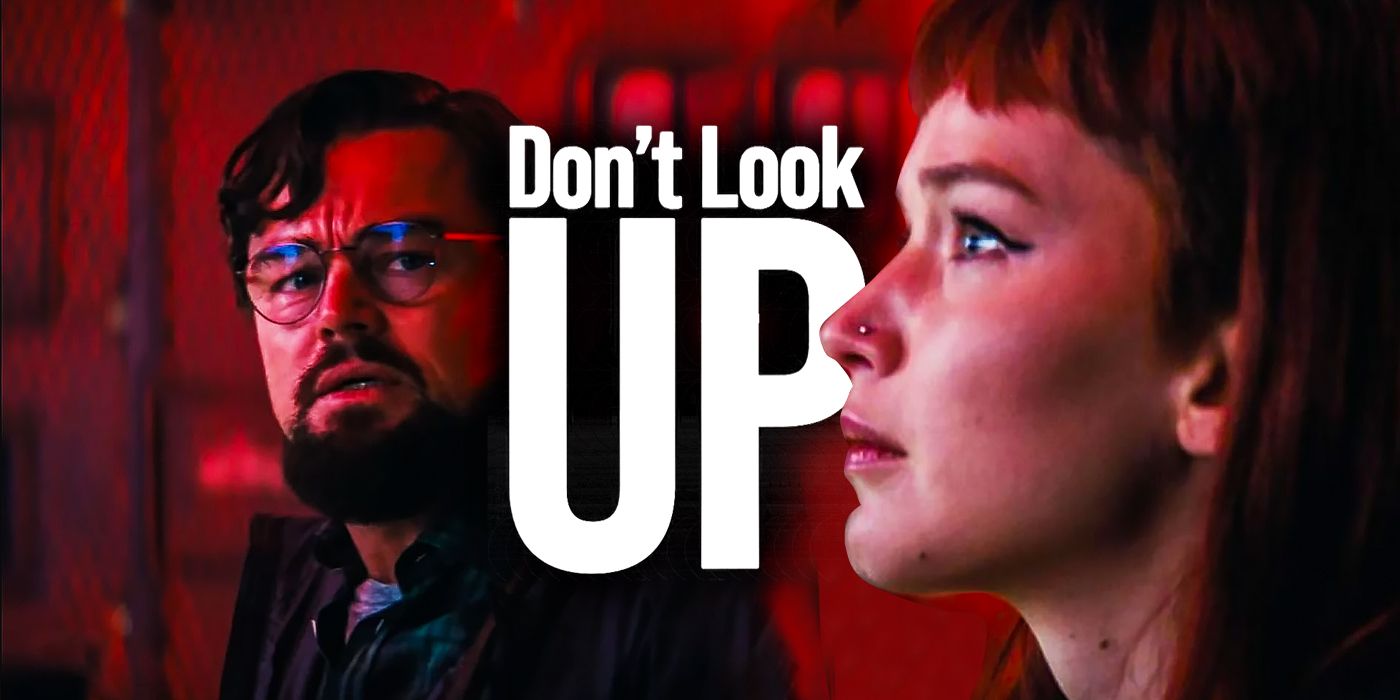
His latest film is the Netflix produced Don’t Look Up (2021). It is a disaster movie in genre, that also mixes in comedy, political satire and drama. The story concerns Kate Dibiasky (Jennifer Lawrence), an astronomy Ph.D. candidate, discovers a previously unknown comet. Kate’s professor Dr. Randall Mindy (Leonardo DiCaprio) work together and find that it is an extinction event which will destroy all life on Earth. Only having presented their findings to NASA and the White House do they find themselves dealing with indifference, administrative incompetence and corporate neglect lead by insane financial greed. As news of the impending doom hits society, the population become split between believers and naysayers leading to division and chaos.
Don’t Look Up (2021) is arguably less serious in tone compared to Adam McKay’s previous two films, but the message is ultimately more damning of the U.S. Presidency and humanity as a whole. Because the gigantic comet heading for Earth is very much a metaphor for climate change. Here Meryl Streep’s President is dizzyingly dismissive of the science and only begins to act when it is politically and financially beneficial. Her Chief of Staff son, a brilliant Jonah Hill, is a sycophantic numbskull more interested in Lawrence’s raging scientist, rather than saving the world. Indeed, Dibiasky and Mindy get side-tracked by glamour, celebrity and the toxicity of social media. DiCaprio’s arc is amusing as he goes from nervous mouse to confident commentator in the middle act, only to experience a costly personal comeuppance.
Rich in fast-paced gags at the expense of pop, media, political, corporate and dumb human personalities, Don’t Look Up (2021), is a highly entertaining disaster movie with a terrific ensemble cast. I felt Leonardo DiCaprio, one of my favourite actors, was a tad miscast as the science everyman, but he still gives a great performance. Lawrence provides the most grounded and empathetic character playing it straight amidst the all-round insanity. The White House “vending” machine running gag is the best in a film full of funny lines. Mark Rylance is craftily good as the social media megalomaniac manipulating the catastrophic narrative to his own means, but as aforementioned Jonah Hill steals the comedy show. Lastly, Adam McKay probably over-reaches with the poignant family-driven ending. However, I did feel a true sense of loss for the characters and our planet as a whole. The Earth may be full of idiots who don’t want to look up, but thankfully there are storytellers trying to turn their minds in an amusing, silly and intelligent fashion.
Screenplay by Buck Henry based on To Die For by Joyce Maynard
Produced by Laura Ziskin
Cast: Nicole Kidman, Joaquin Phoenix, Matt Dillon, Casey Affleck, Dan Hedaya,
Cinematography Eric Alan Edwards
Edited by Curtiss Clayton
For the record, for me, an under-rated classic can be a film I love, plus satisfy the following criteria:
Must not have won an Oscar.
Must not have won a BAFTA.
Must not appear in the AFI Top 100 list.
Must not appear in the IMDB Top 250 list.
Must not appear in the BFI 100 Great British films.
Must not appear in the all-time highest grossing movies of list.
To Die For (1995) is a bona fide under-rated classic and I am surprised it received no Academy Award nominations, especially as Nicole Kidman was nominated for a BAFTA, and won a Golden Globe Award. Kidman is sensational in arguably her greatest performance as narcissistic and ambitious sociopath, Suzanne Stone. Indeed, Stone as the driven, media-hungry manipulator is one of the most glamorous monsters ever seen in cinema.
Told in mockumentary style, To Die For (1995) is deftly directed by Gus Van Sant in a somewhat punchier and more comedic tone than usual. Stone strives for fame as a TV newscaster but eventually becomes a weathergirl on a local TV station. Marrying local boy Tony Maretto (Matt Dillon) does not stop Stone’s ambition. In striving for hard-hitting new stories, she meets a group of young drop outs, featuring early roles for Casey Affleck and Joaquin Phoenix. The delusional Stone turns seductress and arch-conspirator as her husband becomes a victim of her venal plotting.
Both funny and tragic, To Die For (1995), has an almost perfect screenplay. There isn’t a wasted scene, with its use of direct address, media clips and interviews forming a rich tapestry of comedic scenes and character moments. The fact that Stone uses the teenagers to commit murder is so tragic as her husband, Tony, is a decent bloke who loves her so much. Such is her blind desire for fame, that while one is admirable of her forceful qualities, one questions her evil intent. Ultimately, To Die For (1995), is a film which has stood the test of time, especially in these days of rampant self-obsession on social media. Lastly, Kidman has never been better as a character who even up to her icy end thought her name would be up in TV lights.
Produced by: Sara Murphy, Adam Somner, Paul Thomas Anderson
Cast: Alana Haim, Cooper Hoffman, Sean Penn, Tom Waits, Bradley Cooper, Benny Safdie etc.
Cinematography: Michael Bauman and Paul Thomas Anderson
Edited by Andy Jurgensen
*** MAY CONTAIN SPOILERS ***
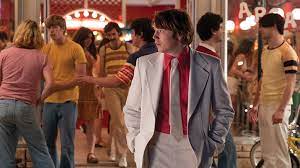
Any film from Paul Thomas Anderson will certainly receive high critical praise and Licorice Pizza (2021) is certainly no different. Not only do I think this is his most over-rated film. I don’t even think it is a good one. Not for any technical reasons. Because as usual Anderson’s filmic skills as a director, the scintillating cinematographic style, the evocative rendition of early 1970’s Californian suburbs, plus two star-making turns within a formidable cast, ensure Licorice Pizza (2021) is deservedly going to win many plaudits. But I just did not get the story about pretty much nothing and did not connect with the lead romance.
Set in 1973, Licorice Pizza (2021), is part slice-of-life period drama and part character comedy, with a spine consisting of an odd romance between entrepreneurial fifteen-year-old, Gary Valentine (Cooper Hoffman) and twenty-five-year-old, Alana Kane (Alana Haim). While containing many brilliantly directed scenes, the film is a hot mess of indulgent rooting through Paul Thomas Anderson’s historical research and anecdotal events inspired by real-life film producer, Gary Goetzman.
Being asked to root for a relationship which is dubious on the surface and extremely complex to say the least is not beyond me. But Licorice Pizza (2021) doesn’t address the age difference, aside from a couple of moments in the script. I know Cooper Valentine is an old head on young shoulders, but why Alana doesn’t hang out with people her own age was weird for me. I’m not being politically correct or a prude, but is Anderson asking for us to root for what could end up being statutory rape. Am I over-thinking this? Well, all I can say is it impacted my emotions of a major aspect of the story.
Licorice Pizza‘s (2021) worst crime is it’s virtually plotless and I could not identify with the characters. I liked Gary to a certain extent as he ducks and dives to make a living, but what was at stake? Nothing really. Yeah, I get it is art but I found Anderson’s vision boring. Sure, the actors are great, especially the effervescent Alana Haim. Virtual cameos from Sean Penn, Bradley Cooper and Tom Waits failed for me though, with Cooper’s coke-addled and womanising impression of Jon Peters about as funny as an enema. Of course, the cinematography, period design, soundtrack and costumes are exquisitely presented, but they exist in an emotional vacuum. Finally, Licorice Pizza (2021) made me want to watch Paul Thomas Anderson’s previous 1970s masterpiece, Boogie Nights (1997). Now, that film deserved all the critical praise that came its way.
THE CINEMA FIX PRESENTS: 10 FAVOURITE FILMS OF 2021!
Following on from the extremely tricky global issues of 2020, the cinema saw further transitions amidst lockdowns and the rise of even more streaming platforms. Traditional timetables for film releases remain all over the place due to the effects of the pandemic on our culture. Plus, big budget productions are now going straight to the living room more often than not. Especially if the proposed cinema release date is postponed on several occasions. What studios lose in terms of cinema release profits, they are now looking to claw back with reduced marketing budgets and subscriptions to their own respective channels.
In the past my favourite film of the year lists were all films I saw at the cinema. Now they are a mixture of cinema and online releases. There is some overlap too in the given year when I watched such films due to the scheduling changes. I’m really not a fan of this as I don’t like change to routine as a rule. But if it means I still get to see my favourite films online or at the cinema then it’s hardly a trial or major issue to adjust.
List Notes
There are LOADS of films I have NOT SEEN! Please comment below MUST-SEE films not on the list.
The Bond film is not on here. It was fantastic entertainment, but NOT a good Bond movie.
There are no MARVEL/DC films on the list as I have not watched them all. Plus, I have superhero film formula fatigue.
Nomadland (2020), while good, was completely over-rated.
White Tiger (2021) would be on this list, but I only watched it yesterday. So, it qualifies for assessment in 2022.
For comparison here is my list of favourite films in 2020. A starter if you will, before the main cinematic course.
Happy New Year – have a great 2022!
TWELVE FAVOURITE FILMS of 2020!
1917 (2019) DARK WATERS (2019) DA 5 BLOODS (2020) I’M THINKING OF ENDING THINGS (2020) THE INVISIBLE MAN (2020) MANGROVE (2020) PARASITE (2019) PORTRAIT OF A LADY ON FIRE (2019) SAINT MAUD (2019) TENET (2020) THE TRIAL OF THE CHICAGO SEVEN (2020) UNCUT GEMS (2019)
“… with Thomas Vinterberg’s expert direction, evocative natural cinematography, and Mads Mikkelsen giving yet another acting masterclass, the humorous narrative soon leaves the laughs behind to become a bittersweet, yet still uplifting, work of Nordic cinema.”
“… David Lowery is an original thinking talent, and someone I categorise as an alternative genre filmmaker… The Green Knight (2021) certainly has scale and magic and astounding cinematic power.”
“… Edgar Wright has delivered one of the most thrilling and spectacularly energetic films of the year. The nostalgic and heavenly soundtrack is to die for, with so many songs I recall growing up listening to. Likewise, the cinematography and lighting design sparkle in hues of black, fluorescence, shadow and neon.”
“… Levee Green does not see the bigger picture and is sucked in by the promise of money, women and fame. He is blinded by the bright city lights and the closer he gets to them the easier it is for the record producers to pick his pocket. In such a tragic character August Wilson has created a memorably complex persona, perfectly rendered by the acting genius, Chadwick Boseman. R.I.P.”
“… the scenes where David antagonises his unconventional grandmother are hilarious. Youn Yuh-jung as the elderly matriarch is fantastic, deservedly winning a best supporting actress role at the Oscars. Moreover, Lee Isaac Chung gets a miraculous performance from child actor, Alan Kim.”
“… The loss of a child is never going to be an easy experience and it is something an individual will never get over. As I followed Martha’s journey intensely the smallest incremental shift in her personality is felt massively. Vanessa Kirby, in particular, is stunning as a woman cut-off from the world by this devastating grief.”
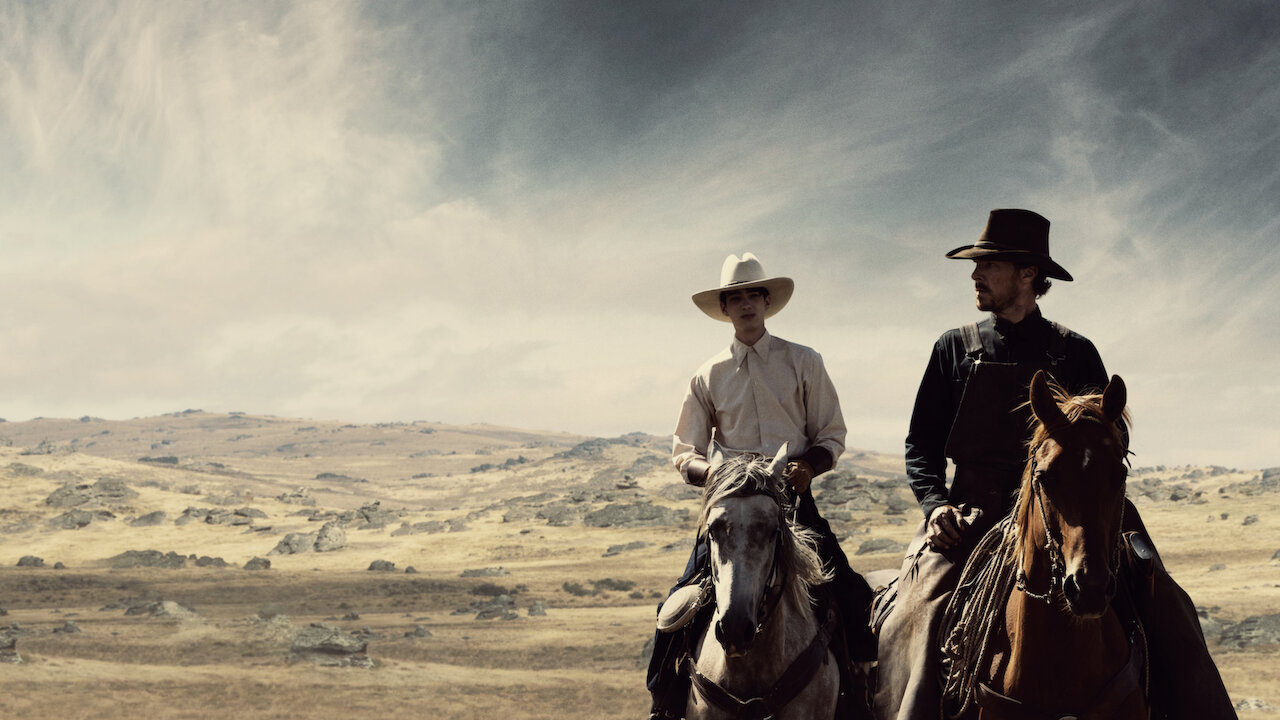
“… I’m not always a fan of poetic cinema, especially within a narrative presented as a quasi-Western. Mostly I like to be punched in the gut, not branded slowly from the inside out. Yet Jane Campion’s expert adaptation of Thomas Savage’s novel, The Power of the Dog (2021), contains some bite. You just don’t see when and how it happens.”
“… I’ve seen some so-so reviews for The Rental (2020), but it’s the kind of tightly plotted suspense thriller I really thrive on. What starts as an idyllic getaway for two relatively wealthy couples is carefully unravelled by Dave Franco’s well-paced direction, complimented by Brie and Steven’s committed performances, has wonderful locations and a seriously proper killer ending.”
“… Sound of Metal (2019) beats along steadily but with incredible purpose and rhythm. It teaches us that losing a major sense need not be the end of one’s life, but rather the beginning of an altogether different one.”
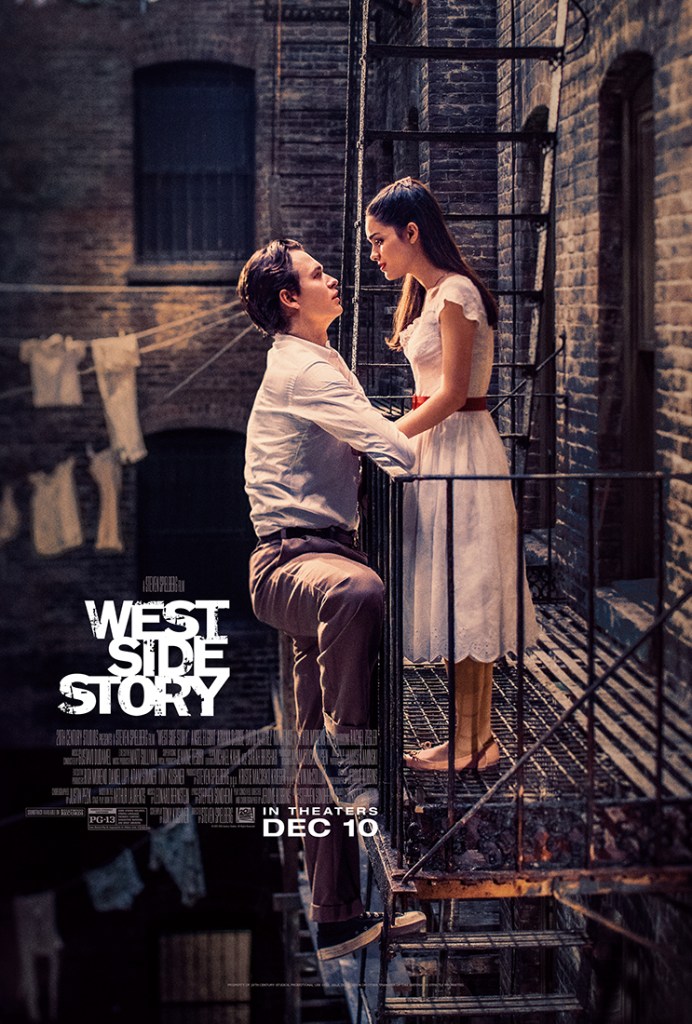
“… Everything about the film screams colour, energy and movement. The dancing and editing and swinging beats take you on a breathless journey through the romance and street war. West Side Story (2021) keeps all the memorably catchy songs… and if there is a better directed, choreographed and edited set-piece all year in the Gee, Officer Krupke number then I haven’t seen it.“
Cast: Jason Schwartzman, Olivia Williams, Bill Murray, Brian Cox, Seymour Cassel, Mason Gamble, etc.
*** CONTAINS SPOILERS ***
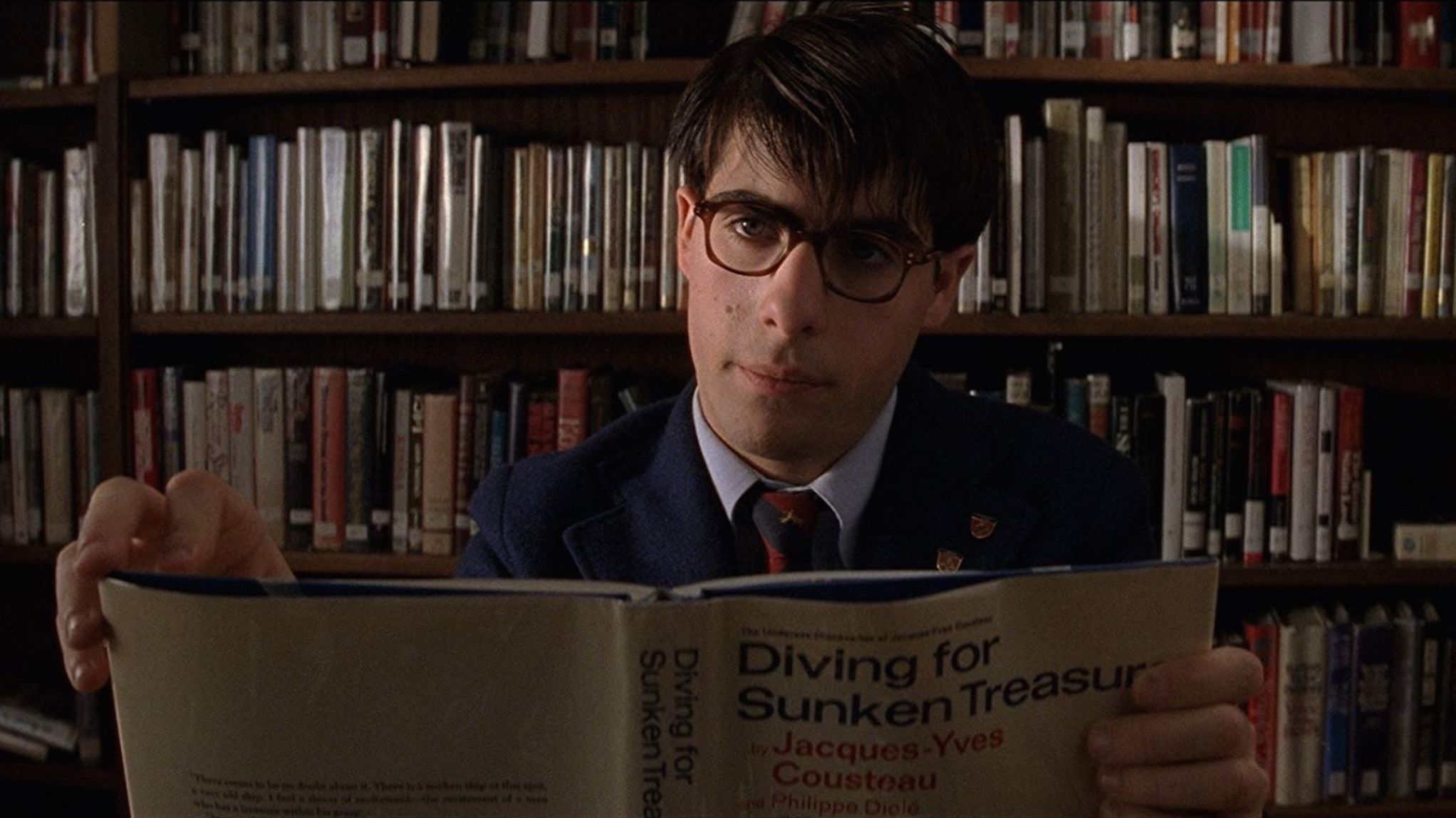
Having recently written positively about my favourite films of Wes Anderson I was spurred to revisit my favourite work of his, Rushmore (1998). It’s a smart, funny and poignant rites-of-passage narrative which spins off from the classic Hollywood teen films of John Hughes to deliver an esoterically beautiful set of empathetic characters. Like Hughes’ best work it is witty, warm and highly memorable.
At the heart of the story is Max Fischer (Jason Swartzman), a fifteen-year-old boy who attends Rushmore Academy. Like Ferris Bueller, he’s a maverick who drives his tutors up the wall with his rebellious behaviour. But Max is not all about looking cool, driving fast cars and singing to a crowded Chicago parade. He is far from the slacker that Ferris is, in fact he has started virtually all of the Rushmore clubs including: karate, fencing, French, and the ‘Max Fischer Players’. Their version of the film Serpico (1973), is absolutely hilarious. However, all such activities have impacted his grades causing Max to be placed on probation by the exasperated Principal, Nelson Guggenheim (Brian Cox).
Max is arrogant, confident, determined and forthright in his belief he is better than everyone, including the adults around him. But it’s a long-developed defence mechanism against one of the integral themes of Anderson’s film, grief. All the main characters including Max, Herman Blume (Bill Murray) and Rosemary Cross (Olivia Williams) are grieving the loss of a loved one. Amidst the quirky comedy Anderson therefore gives the film an air of mournful pathos, bringing us ever closer to the characters. With the theme of loss in play the Oedipal love triangle which plays out in the middle act is all the more humorous and sadder.
Max is a flawed character, but so driven that one cannot help but find him appealing. He hides his socio-economic situation, perhaps not ashamed of his working class background, but more a projection of where he wants to be. His Dad (Seymour Cassel) is a barber, not the surgeon Max tells everyone he is. Yet, there is love and respect between the two as they have clearly suffered loss together. As with Williams and Murray, Cassel gives a wonderful supporting performance.
Over the course of Rushmore (1998), amidst Max’s unrequited love for Rosemary, vengeful attacks on Herman, crazy schemes, school expulsion and hilarious plays, Max matures slowly, makes friends and finds his place in the world. Max also forges relationships with teenagers his own age and slowly releases his shield of grief. Jason Schwartzman is perfect as Max, delivering a winning combination of pathos, intellectualism and deft humour. Incredible to think it was his film debut beating, according to IMDB, 1800 auditionees to the role.
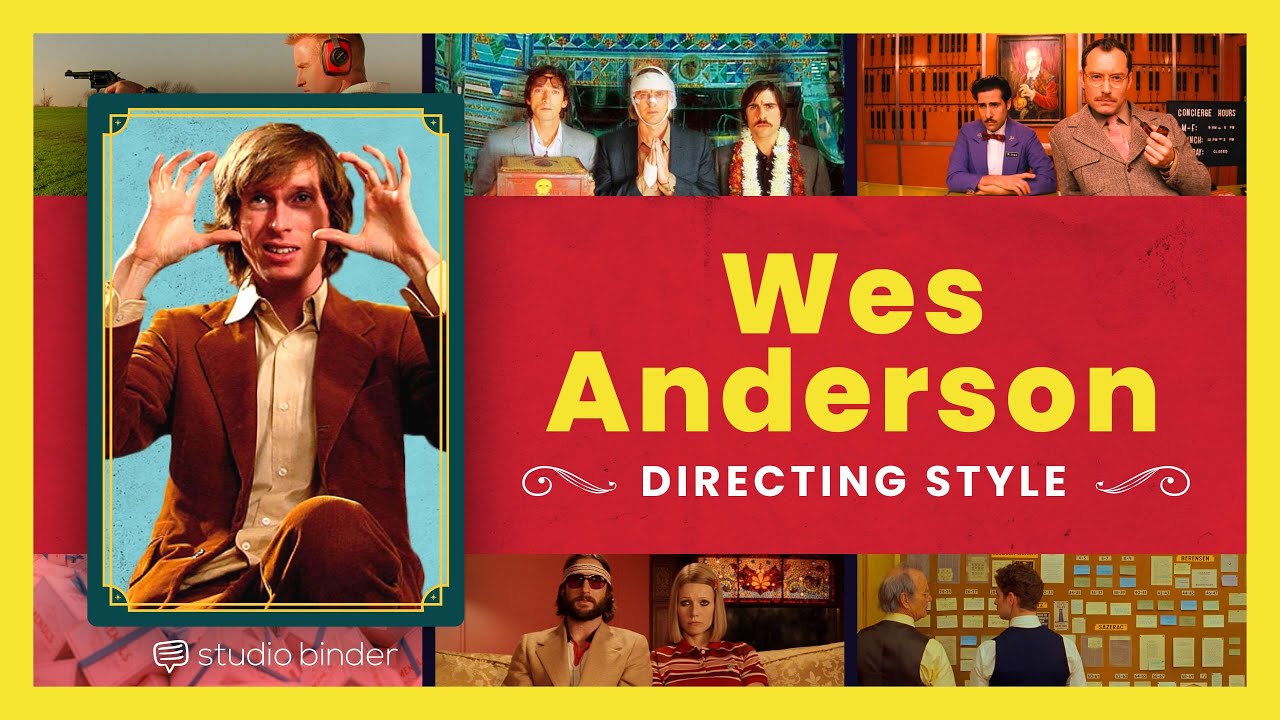
I thought I’d save myself a lot of time using the above variant words in one go. Because they, and the word auteur, are utterly inevitable while writing a short article in praise of the Wes Anderson films I rate. It’s intriguing to write about Anderson though. While many of the pieces in the My Cinematic Romance series concentrate on people in cinema I absolutely adore, he is more a filmmaker who I respect rather than have an undying emotional connection with.
Wes Anderson is a phenomenal filmmaker with an imaginative set of style and narrative conceits. Everyone one of his releases is a rich tapestry containing memorable ensemble casts, adjacent framing, effervescent use of colour, geographical pertinence, intellectual humour and subjects situated in the far left field of genre cinema. Yet, I don’t enjoy ALL of his films. Often they veer too far into eccentric pretentiousness. Indeed, I was going to write a review of The French Dispatch (2021), but I found it frustratingly dull and, other than the tremendous story set in the asylum with the mad artist (Benicio Del Toro) disconnected with it on the whole. But, I must say, it was another admirable work of cinema, but one I did not enjoy as a paying punter.
So, rather than write a middling review about a genius filmmaker’s latest work, here is a piece about my favourite five films of Wes Anderson.
***MAY CONTAIN SPOILERS ***
BOTTLE ROCKET (1996)
Anderson’s debut feature film is based on his short film of the same name. Co-written with Owen Wilson, it is a freewheeling take on the heist movie which eschews hard-boiled professionals for a group of hapless losers led by the positively loopy Dignan (Wilson again). Shot way before Anderson got his ruler and set square out, it’s a naturally filmed, hilarious character comedy that destabilises crime genre conventions with charming effect. Launching the acting careers of the Wilson brothers it is an oddly charming filmic treat.
RUSHMORE (1998)
This is still my favourite Wes Anderson film because it combines a perfect combination of uncommon humour and prevailing verisimilitude. What I mean is I did not feel I was watching a showcase of artistic flourishes, but a true human story full of empathetic characters, feeling and emotion. It is also incredibly funny as we follow the rites of passage story of school maverick, Max Fischer (Jason Schwartzman), a working class kid rebelling against the adults he believes are beneath him. Bill Murray’s career renaissance began here and his character’s vengeful battles with Max are one of the film’s many highlights.
THE ROYAL TENENBAUMS (2001)
The first Wes Anderson film that saw the stylistic devices and themes so prevalent in his later work to truly come to the fore. The ensemble cast crammed with famous names, the omnipotent narrator, symmetrical framing, consistent and complimentary colour palettes, typography, fantastic use of nostalgic music, distinctive costumes and stories structured in chapters of the literary kind. The Royal Tenenbaums (2001) contains many absurd comedic moments, but has several tragic scenes too. This demonstrates Anderson’s growing maturity and remains a confident vision of a dysfunctional American family of geniuses and misfits.
THE GRAND BUDAPEST HOTEL (2014)
While Rushmore (1998) is my favourite film of Wes Anderson, his best is the tour-de-force comedy, The Grand Budapest Hotel (2014). It’s the pinnacle of bravura style and well-honed narrative competence, confidently presenting the rags-to-riches story of Zero Moustafa beginning in 1930s. Europe. Moustafa’s story takes in his first love, his job at the opulent hotel and his moving friendship with the prideful Gustave, an amazing Ralph Fiennes. It’s a film packed with invention, colour, humour, sadness and romance all wrapped in themes of the rise of fascism, loss, love and the wonder of friendship.
ISLE OF DOGS (2018)
Put aside ridiculous millennial online accusations of cultural appropriation and submerge yourself within Anderson’s rich canine narrative and stop-motion tapestry. As aforementioned, I’m not always a fan of his story subjects but he is a master of style and form. Isle of Dogs(2018) is no different and is a wonderful cinematic experience. Set in Japan we concentrate on, hence the title, a bunch of stray dogs dumped on a wasteland left to die and their subsequent adventures. This is much darker than prior Anderson films, but full of the imagination, wit, colour and brilliant technique, containing funny gags and twisting drama throughout. I preferred this to his version of the Roald Dahl classic, Fantastic Mr Fox (2009), as Bryan Cranston and the marvellous cast breathe life into the Anderson’s visionary animated box of tricks.
TO BOLDLY REVIEW #12 – STAR TREK: NEXT GENERATION – SEASON 7 (1993 – 1994)
Based on Star Trek & Created by: Gene Roddenberry
Season 7 writers (selected): Joe Menosky, Jeri Taylor, Ronald D. Moore, Brannon Braga, René Echevarria, Michael Piller, Naren Shankar, Jean Louise Matthias, James E. Brooks, Michael A. Medlock, Christopher Hatton, Nick Sagan, Spike Steingasser, Dan Koeppel, etc.
Season 7 directors (selected): Les Landau, Cliff Bole, Winrich Kolbe, Alexander Singer, Robert Weimer, Robert Scheerer, Adam Nimoy, Patrick Stewart, Jonathan Frakes, Gabrielle Beaumont, James L. Conway, LeVar Burton,Gates McFadden,etc.
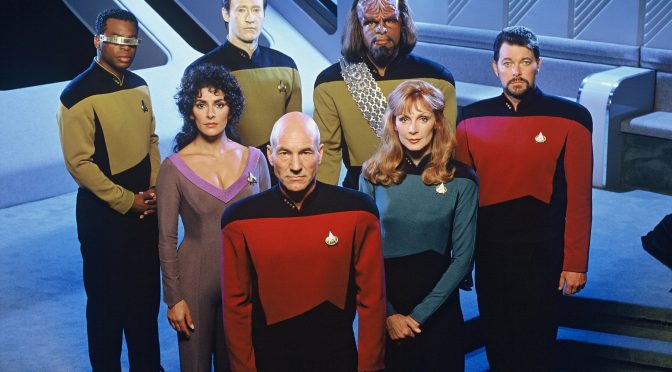
Cast: Patrick Stewart, Jonathan Frakes, LeVar Burton, Whoopi Goldberg, Colm Meaney, Michael Dorn, Marina Sirtis, Brent Spiner, Gates McFadden, Michelle Forbes, Majel Barrett, Rosalind Chao, John De Lancie, Wil Wheaton, Kirsten Dunst, Paul Sorvino, Dwight Schultz, etc.
Music/Composers: Alexander Courage, Jerry Goldsmith, Dennis McCarthy, Ron Jones, Jay Chattaway
Production Company(s): Paramount Television, CBS Television
**** CONTAINS SPOILERS ****
My Star Trek journey started when I was a kid many moons ago. I used to watch the original series on my portable telly in the kitchen while eating dinner. I loved the adventures of Kirk, Spock, Bones, Uhuru and the rest of these bold space heroes. Thus, it was surprising that the whole of the Next Generation era of shows, including DS9 and Voyager, passed me by. Nonetheless, I have, since writing and producing two Star Trek fan films, been on a dedicated mission to watch every episode and film of the franchise that has been released.
This escapade began with the original series and my first blog review can be read here:
Subsequently, and three engrossing years later, I have finally completed watching the last season of The Next Generation. I have to be honest that this marathon viewing project is certainly a big cultural task. Furthermore, I still cannot work out how the hell they managed to produce so many episodes per season for TNG. It truly beggars belief the amount of high quality TV that was produced. I mean, I was exhausted watching it, so how those making it felt I do not know. I guess the fan’s respect and money and joy of being part of the Star Trek legacy was more than compensation.
Season 7 was again a mammoth twenty-six episode tranche. One might think there would be a drop in quality and there was some element of this in certain episodes. However, that was more to do with attempting to crowbar in a satisfactory ending for certain characters, notably Wil Wheaton’s anaemic, Wesley Crusher. Family ties and dramas linked many of season 7’s narratives, yet there was also the usual high concepts and socio-political themes explored throughout. Thus, dearest Next Generation, I thank you for taking me on a bold ride to the final frontier of journey’s end. Here are six of my favourite episodes of season seven!
ATTACHED – EPISODE 9
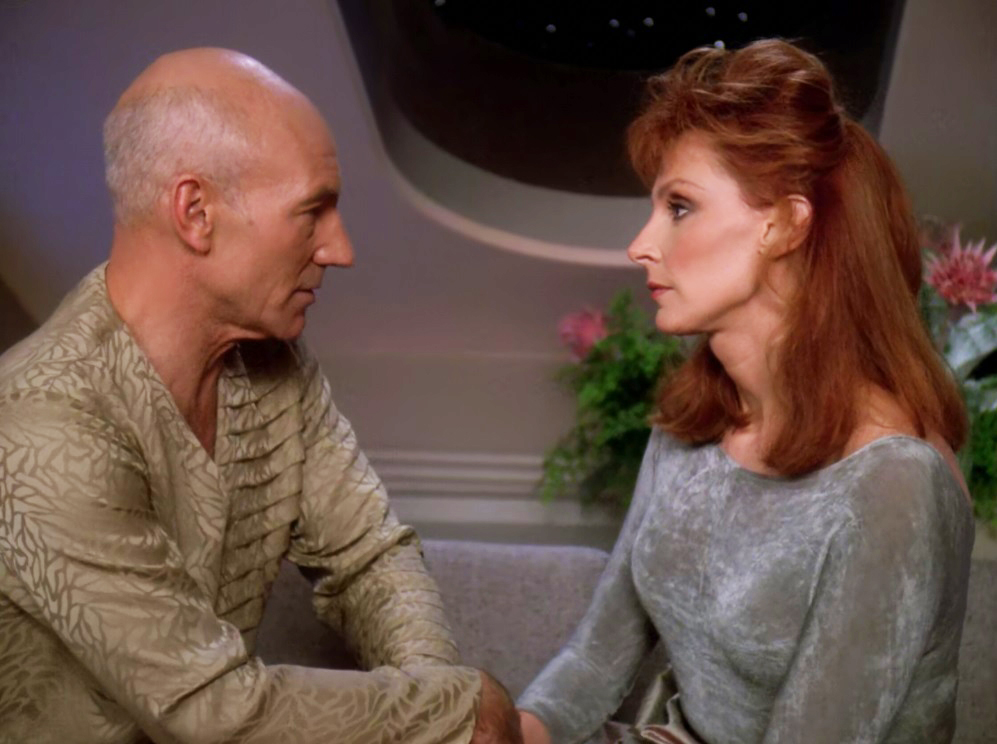
One of the great pleasures of watching The Next Generation is that the show always gave us mature romantic relationships. The “will they-won’t they” romance of Dr Crusher and Captain Picard is directly addressed in Attached, as the two find themselves shackled physically and telepathically by a paranoid alien race. As they attempt to survive and escape capture the two explore their hidden feelings in a moving episode of some power.
THE PEGASUS – EPISODE 12
Commander Riker (Jonathan Frakes) is portrayed as a dynamic action hero of strength and skill, so it is always interesting when his character is tested. In The Pegasushe is faced with both the sins of the “father” and of his own past. The surrogate father is this case is Captain Erik Pressman, portrayed brilliantly by Terry O’Quinn. Pressman is determined to track down the lost ship, ‘The Pegasus’ before the Romulans get to it. He places pressure on Riker to keep confidential the secrets the missing vessel has as the episode contains great drama and conflict.
HOMEWARD – EPISODE 13
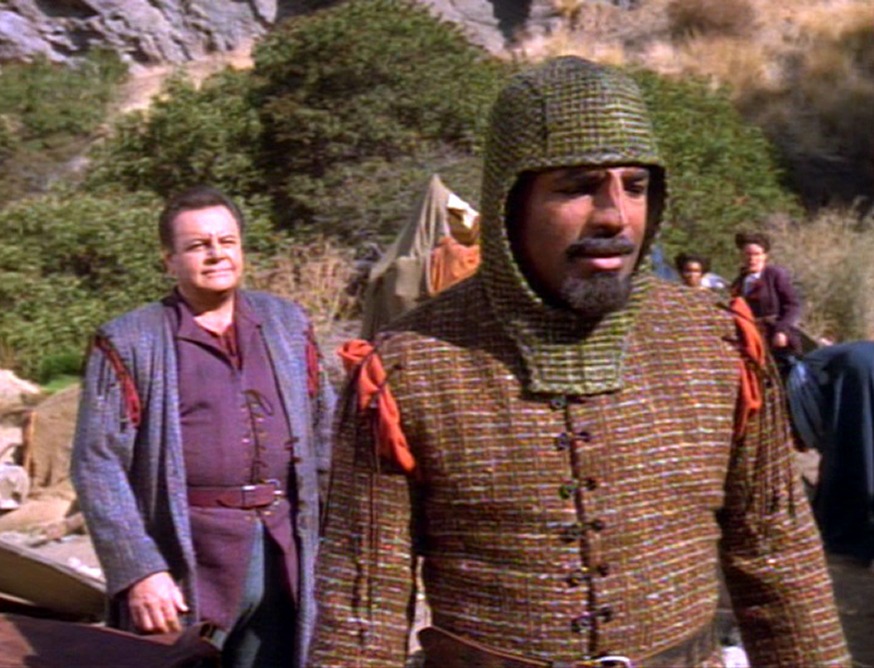
When shows have been going for many seasons they often have to introduce previously unknown siblings, parents or love interests to manufacture storylines. I totally get this and often it creates fantastic episodes. In Inheritance we get to meet Data’s “mother”, but an even better episode is Homeward where Worf’s foster brother, Nikola (Paul Sorvino) rebels against the ‘Prime Directive’ to save the Boraalan people. It’s a great episode full of twists and some excellent scenes between Paul Sorvino (not playing a gangster for once) and the ever-excellent, Michael Dorn. The use of the holodeck as an integral part of the narrative is highly inventive too.
LOWER DECKS – EPISODE 15
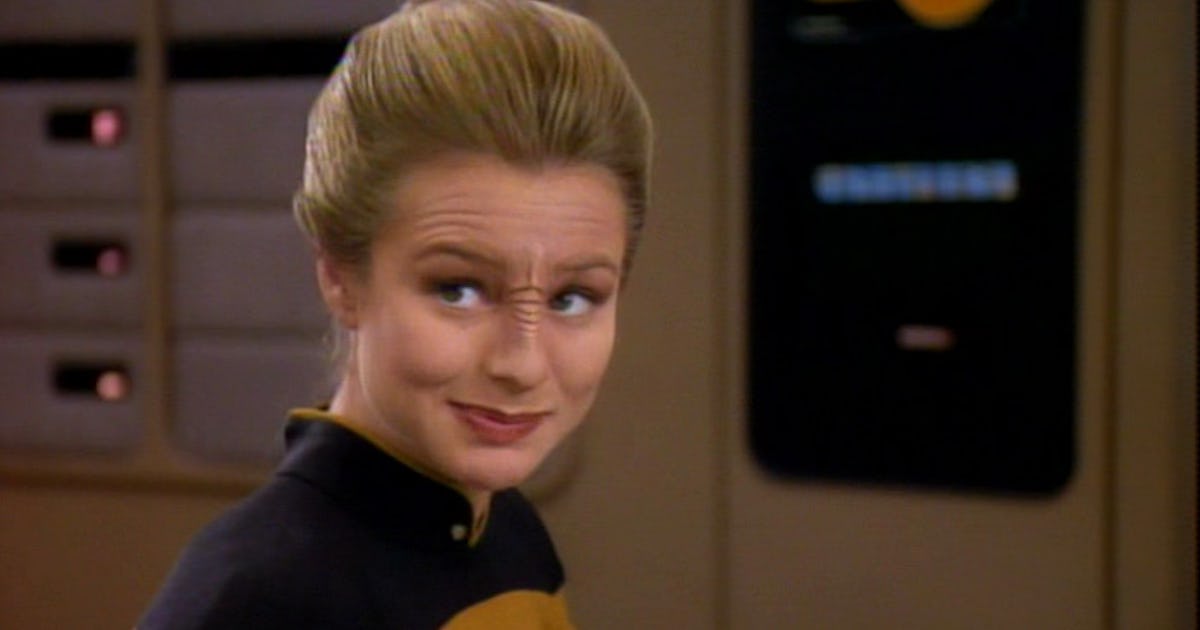
Most episodes of Star Trek will focus on the core characters with a leaning to one or two of the main cast. But Lower Decks turns that around with the fantastic premise of profiling some of the younger crew members. It’s a well written narrative which focusses attention on a Starfleet promotion with Ensigns Sito Jaxa, Sam Lavelle and Taurik in “friendly” competition to achieve the goal. We immediately warm to their personalities as the witty dialogue adds much fizz, but the drama of the piece is heightened when Bajoran, Sito Jaxa, is sent on a dangerous mission, leading to a powerfully emotional denouement.
GENESIS – EPISODE 19
I loved this episode because it contained a fantastic melding of sci-fi and horror genres with some monstrous creatures on show. With Gates McFadden directing her only episode, the story finds the Enterprise crew falling ill and regressing to various animal states. Worf has reverted into an aggressive predator attempting to mate with Troi; Riker an Australopithecine (Caveman); Troi an amphibian; and Barclay a spider. Even Spot the cat has become an iguana. While it may sound weird and a bit silly I loved the imaginative animal transformations as the cast shed both their human skin and inhibitions.
ALL GOOD THINGS – EPISODES 25/26
As they say all good things come to an end. So, after boldly going for many seasons, The Next Generation finally concluded with a moving and inventive two-parter. I must admit that while it was clever to call back to the first episode, Encounter at Farpoint, I was never a massive fan of the character, Q. Even though John De Lancie’s performance always brought great energy to every episode, I just felt that this character with uber-God-like powers could always resolve the drama with a Deus ex Machina click of the fingers. Nonetheless, the idea that he was always testing humanity was a great theme, and once again in All Good Things, he puts Jean Luc Picard through a trio of trials in the past, present and future. It’s a superbly written, acted and directed finale and possibly one of the best final episodes of a long-running TV show of all time! The last scene with Picard finally joining his crew at the poker table is truly logical! Make it so – Number One!

Produced by: Arnold H. Bruck, Edgar Ievins, Tom Kaye
Cast: Kevin Van Hentenryck, Terri Susan Smith, Beverly Bonner
Cinematography: Bruce Torbet
Edited by: Frank Henenlotter
*** REVIEW CONTAINS SPOILERS ***
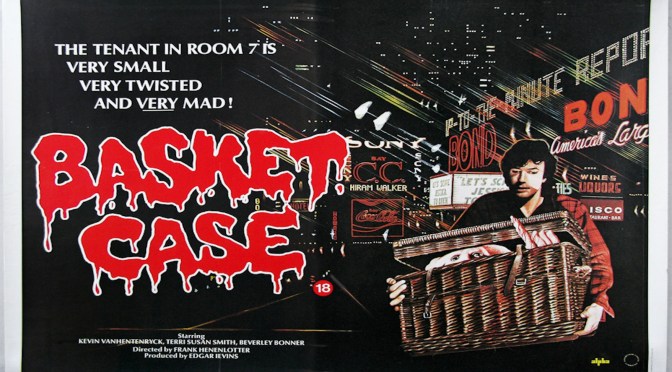
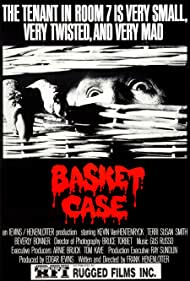
Being a massive fan of horror and cult movies, it is quite incredible that I had never seen Frank Henenlotter’s low-budget exploitation film, Basket Case (1982). So, when I saw it available via my Shudder subscription I dived straight into the basket, and found the insane premise, bad acting, zero-cash lighting style, lo-fi stop motion and monster effects, all combining to deliriously horrific and hilarious effect. Because, what it lacks in polished performances and filming style, it makes up for in riotous bad taste and shocking entertainment.
Henenlotter’s debut film was shot on grainy 16mm film and for a budget of around $35,000. The story finds the enthusiastic Duane (Kevin Van Hentenryck), visiting New York and staying at the low-rent fleapit called the Hotel Broslin. What makes Kevin so intriguing is he carries around a basket. What’s in the basket I hear you ask? Well, you soon find out that it is something quite disgusting and despicable. A grotesque freak which, when you learn it and Duane’s backstory, takes on a bizarre kind of empathy. As Duane begins to make friends, both with a prostitute neighbour and Doctor’s receptionist, his grisly telepathic and physical connection with the monster pushes him to the brink of insanity. Because the demon is driving Duane to assist him on a vengeful journey of bloodlust and murder.
While the story is certainly nuts and much of the acting is woeful, Kevin Van Hentenryck’s energetic performance makes Duane a likeable protagonist. You really root for him when he begins to fall in love, but the monster becomes jealous, wreaking havoc on Duane’s romance. Further, Henenlotter deserves so much credit for making the insanity on the screen work. I think he does this because he gives us a tragic lead character, moves the story along at a whip-crack pace, has a fantastic monster and devises many memorably gruesome deaths. All throughout I was both laughing and feeling sick at the same time. Lastly, I also just love that Henenlotter made up many of the names in the credits because only a handful of people were in the crew. Indeed, Basket Case (1982) is a true independently made gonzo-horror classic, which makes the most of the dirty-porno-sleazy New York streets it is set on. Dare YOU open the basket?
Created and written by: Steve Pemberton & Reece Shearsmith
Directors (Season 6): Matt Lipsey, Guillem Morales
Original Network: BBC (available on BBC Iplayer)
No. of Episodes: 6
I have written exhaustively about how brilliant this television programme is, so much so I don’t think I can add any further other than I believe it deserves regaling as TV national treasure. Just when you think Reece Shearsmith and Steve Pemberton could be running out of creative steam they prove you wrong with another superb series of Inside No. 9. If you are interested, here are prior articles I have written about it.
However, to recap, if you have never seen Inside No. 9 I urge you to do so. It is an exceptional anthology series with six stand-alone episodes per series. Individual episodes feature a whole host of different characters and amazing actors each time led by the multi-talented Pemberton and Shearsmith. As per the prior seasons, the latest one is absolutely unforgettable. It again privileges tightly woven thirty-minute short narratives, which more often than not, feature a twist in the tale. Moreover, the events usually unfold in one location with rarely more than a handful of characters. This makes the narratives feel more focussed, intense and intimate. In series 6, there is even more growth within the anthology genre and much risk-taking where style and form are concerned.
So, here are my mini-reviews of each episode from Season 6 with marks out of nine (obviously).
*** BEWARE: POTENTIAL SPOILERS ***
EPISODE 1: WUTHERING HEIST
Main cast: Paterson Joseph, Gemma Whelan, Kevin Bishop, Reece Shearsmith, Steve Pemberton, Rosa Robson, Dino Kelly etc.
Not only are Pemberton and Shearsmith accomplished actors, writers and directors, they are also acutely aware how fans revel in their incredible work, devilishly mocking their own mythology and playing with audience expectations. They do this to dizzying impact in the puntastic opening episode, Wuthering Heist. Marrying elements from farce, crime, Commedia dell’arte and the plot of Reservoir Dogs (1992), the players wear masks, prat about and bleed over each other while attempting to pull off a diamond heist. Set in one location, a disused warehouse, Gemma Whelan is superb as the fourth-wall breaking narrator attempting to hold all the story innards together. Pretty soon though one realises that the flurry of puns, sight gags, plot contrivances and comical misunderstandings are intended as wondrous and silly fun. The lack of emotional depth is the joke here and the writers know this. Because Shearsmith and Pemberton’s script has a gag every four seconds, be it a sight jape or involve some sparky verbal dexterity. Lastly, not only do they know they are jumping the shark, but they revel in doing so during this hilarious meta-work.
Mark: 8 out of 9
EPISODE 2: SIMON SAYS
Cast: Reece Shearsmith, Steve Pemberton, Lindsay Duncan, Nick Mohammed
Among many of the recurring pleasures of watching Inside No. 9 is wondering what the number nine will refer to. It’s been a myriad of things including: a karaoke booth, a hotel room, a train sleeper car, a dressing room, a referee’s changing room, and even a shoe. In Simon Says it’s the name of a television epic called The Ninth Circle. This show is very similar to Game of Thrones in genre and scale, and likewise has a battalion of fans across the country who feel the final series undid the majesty of the prior seasons. The episode opens with immediate mystery as Steve Pemberton’s writer, Spencer, enters his flat with blood staining his clothes and conscience. Suddenly, Simon (Reece Shearsmith), is at the door saying he has evidence Spencer has committed a serious crime. Simon, a Ninth Circle uber-fan then blackmails Spencer into, among others things, rewriting the whole of the last season of The Ninth Circle into something more fan-friendly. Managing to be both funny and suspenseful in equal measures, Pemberton and Shearsmith’s characters play cat-and-mouse expertly, throwing in several big plot twists at the end of this compelling tale.
Mark: 8 out of 9
EPISODE 3: LIP SERVICE
Cast: Sian Clifford, Steve Pemberton, Reece Shearsmith
I watch some television series and films and am often struck at how much time is wasted in setting up the protagonists and story. Similarly, in unnecessarily long TV series you get either eight or ten episodes full of padding in the middle which destabilizes the momentum of the story. Nothing of the sort occurs in Inside No. 9. Stories are set-up with stylish economy and the situations immediately grab you by the throat and rarely let go. In Lip Service, Steve Pemberton’s downtrodden Felix is holed up in a hotel room waiting to liaise with a woman. But it’s not what you think. Sian Clifford’s Iris arrives and it turns out she is there to offer her services as a lip-reader. Felix suspects the woman he loves is having an affair and he requires Iris to read her and a possible lover’s lips at an adjacent hotel suite. I’ve now seen this episode three times and it truly is breathtaking. There’s empathy for Felix’s lost soul, some fine linguistic comedy, a potential romance, Clifford’s performance knocking it out of the park, Reece Shearsmith having great fun as an officious German hotel manager and THAT ending. The denouement, while totally believable, comes out of nowhere and leaves you genuinely speechless.
Mark: 8.5 out 9
EPISODE 4: HURRY UP AND WAIT
Cast: Adrian Dunbar, Steve Pemberton, Reece Shearsmith, Donna Preston, Bhavna Limbachia, and Pauline McGlynn
Quite possibly my favourite episode of the series, Hurry Up and Wait manages to achieve that difficult juxtaposition of being meta-textual and containing some real emotional power. Because it is one thing to be self-referential and satirise the creative process, in this case the making of a television police drama starring famous actor Adrian Dunbar, but it’s quite another to build in a murder mystery and empathetic characters who you root for. While Reece Shearsmith is always excellent playing angry characters, here he portrays James, a mild-mannered actor, who has got a break playing a scene with the precious talent, Dunbar. The TV drama they are in concerns a missing child and the “green room” happens to be a static caravan owned by a working-class family who may have important information about said grisly crime. Steve Pemberton and Pauline McGlynn play the parents of immature, Beverley – the brilliant Donna Preston – adding much comic relief, but all possibly hiding a dark secret. As James learns his lines he also plays detective seemingly discovering the truth until the truly chilling ending is revealed.
Mark: 9 out of 9
EPISODE 5: HOW DO YOU PLEAD?
Cast: Steve Pemberton, Reece Shearsmith, Derek Jacobi
Arguably the darkest tale, both in terms of the noir lighting and foreboding themes, it is difficult to discuss this tale of soul-searching guilt and justice without giving away too much of the story. Thus, I’ll talk about the actors and characters more. Derek Jacobi gives a deeply moving performance of a dying barrister who prides himself of, after an upturn in his early legal career, never losing a case in court until retirement. As he lies dying in bed, lungs heavy around his heart, he feels guilt about one case where he defended the indefensible. As he confesses his regret to Shearsmith’s cheery carer, it is soon revealed both men have sins they buried in the past which will soon come back to bite them. Watching these two fine actors spark off one another is as compelling as television drama can get, but there’s also comedy there too as Shearsmith delivers some spirited one-liners in between Jacobi’s grand screen gravitas. But where’s Pemberton I hear you ask? He’s sitting there waiting patiently in the shadows of this evocatively lit and thrilling tale.
Mark: 8 out of 9
EPISODE 6: LAST NIGHT OF THE PROMS!
Cast: Steve Pemberton, Reece Shearsmith, Julian Glover, Debra Gillett, Bamshad Abedi-Amin, Sarah Parish etc.
Are you aware of the work of Dennis Potter? He was one of the finest writers in British television from the 1960’s way into the early 1990’s. His scripts were always highly erotic, political and incredibly controversial. They skewered very British and human themes and burnt great sacred cows of the church, government, family, sex and marriage on the TV barbecue, leaving charcoal remains in their stead. Potter was a genius and with Last Night of the Proms, Pemberton and Shearsmith match him for bravado in deconstructing human nature and what it means to be British. Set in a well-to-do, middle-class household, a family of three generations sit down to watch the Last of the Proms on the BBC. It’s a big traditional classical music event and cultural celebration of what it means to be British. It makes me sick! Britain isn’t great. The British are racist, imperialistic and hardy murderers, who have a history and present (fucking Brexit!) they should be ashamed of. The thought-provoking screenplay here is heavy on compelling themes, memorable imagery and striking symbolism. This is a jarring and messy episode and what it lacks in precise plotting it more than makes up for in juxtaposing horror, satire, drama, surrealism, Jesus, social commentary and comedy to rather mesmerising effect. Potter’s ghost would have watched with glee and disgust and hate and love and pity and sadness; which is much how I felt witnessing Last Night of the Proms.