

Tag Archives: Controversy

2016 BFI – LFF – THE BIRTH OF A NATION  (2016) – REVIEW

2016 – LONDON FILM FESTIVAL – THE BIRTH OF A NATION  (2016)

SPOILER FREE REVIEW

TITLE:  THE BIRTH OF A NATION (2016)

DIRECTOR/PRODUCER/WRITER: Nate Parker

CAST:  Nate Parker, Armie Hammer, Penelope Ann Miller, Colman Domingo, Aja Noomi King

STORY:  At the turn of the 1800s a charismatic preacher must decide between a life of slavery or to stand up and fight against his brutal captors.
thebirthofanation-mv-3

REVIEW:

This drama, written, produced, directed and starring by Nate Parker has, since its release at the Sundance Festival, created a whole host of controversies. There is a historical rape prosecution of which Nate Parker was found innocent of in 1999; there are accusations of historical inaccuracies in the story; plus the passivity of female characters within the narrative has been criticized too.  Not surprising though because any film about slavery, rape, abuse and murder is bound to set the cultural world, internet, film industry, social media, historians etc. alight with debate.
thebirthofanation-mv-14

Personally, when I watch a film I prefer to judge it purely on whether it has entertained, informed, provoked thought and created emotion. The filmmakers’ personal history or whether a film meets certain quotas on political correctness or even whether the history has been altered to suit a narrative are important factors but not my main viewing considerations. Of course, if it is an exploitative piece of crap then I would call it; but mainly I ask myself: did the film entertain me and is it a good story done well?
thebirthofanation-mv-8

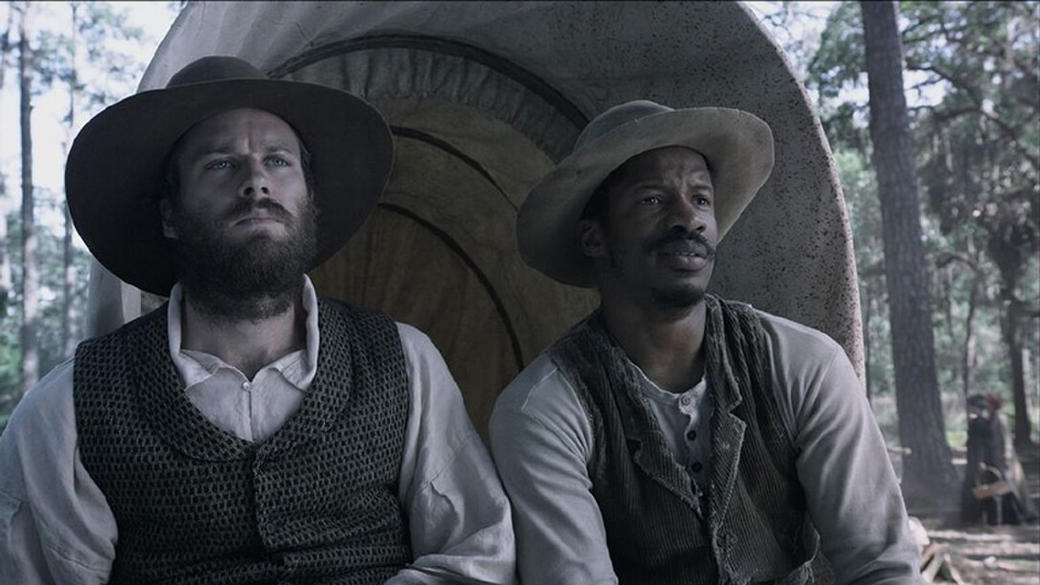
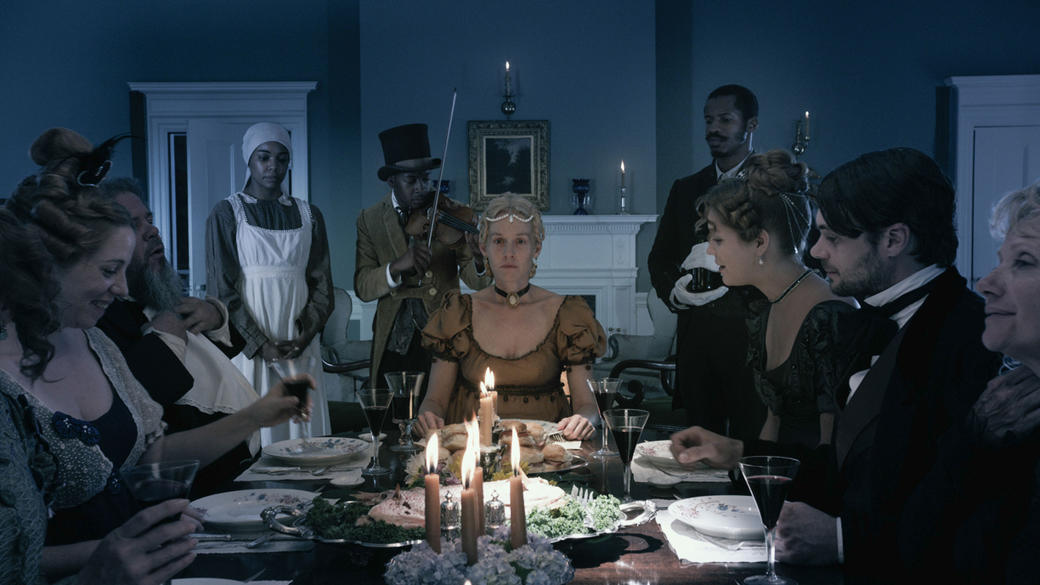
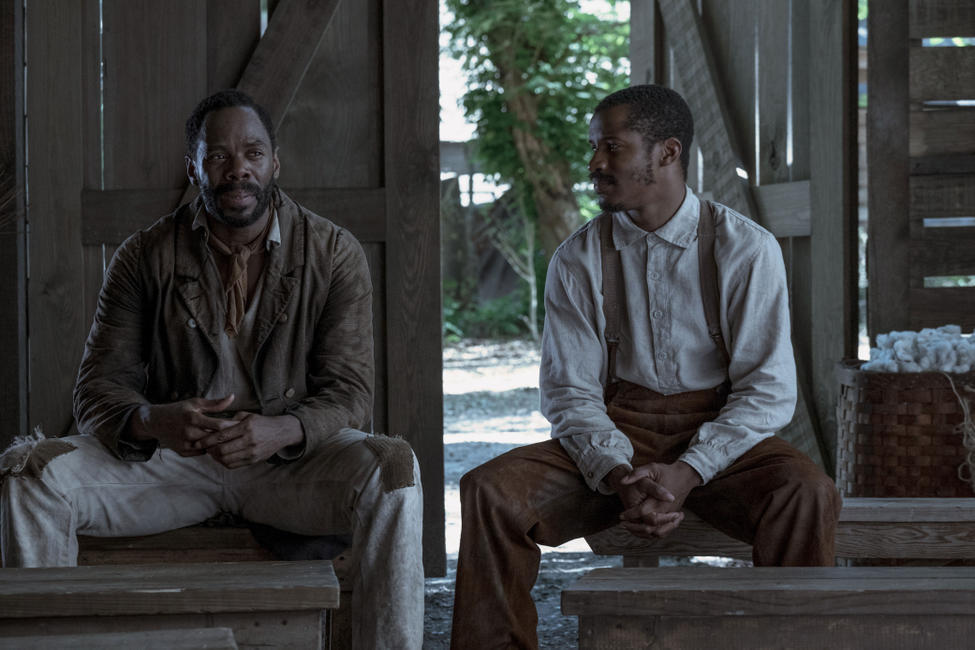
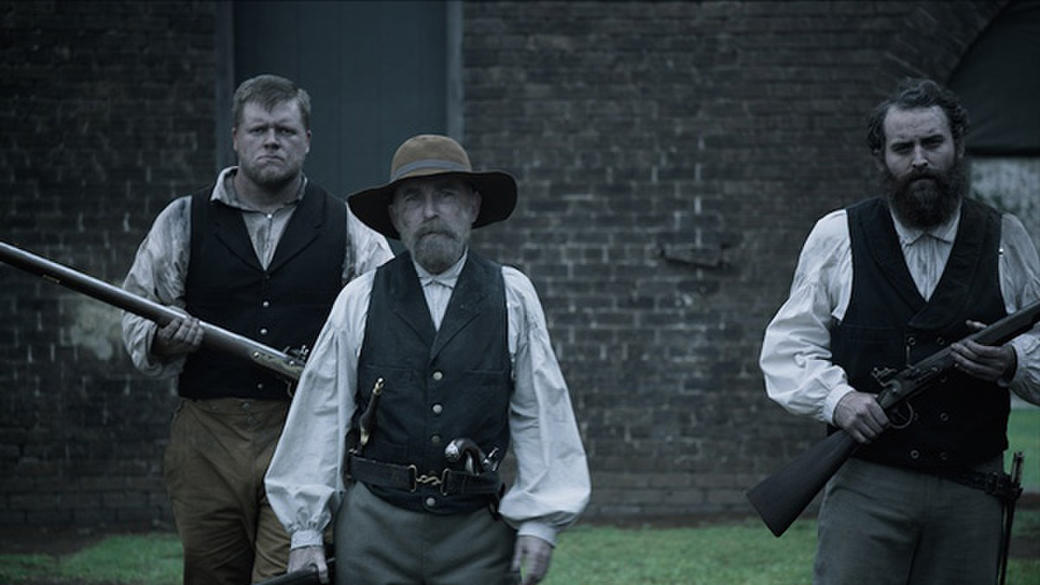
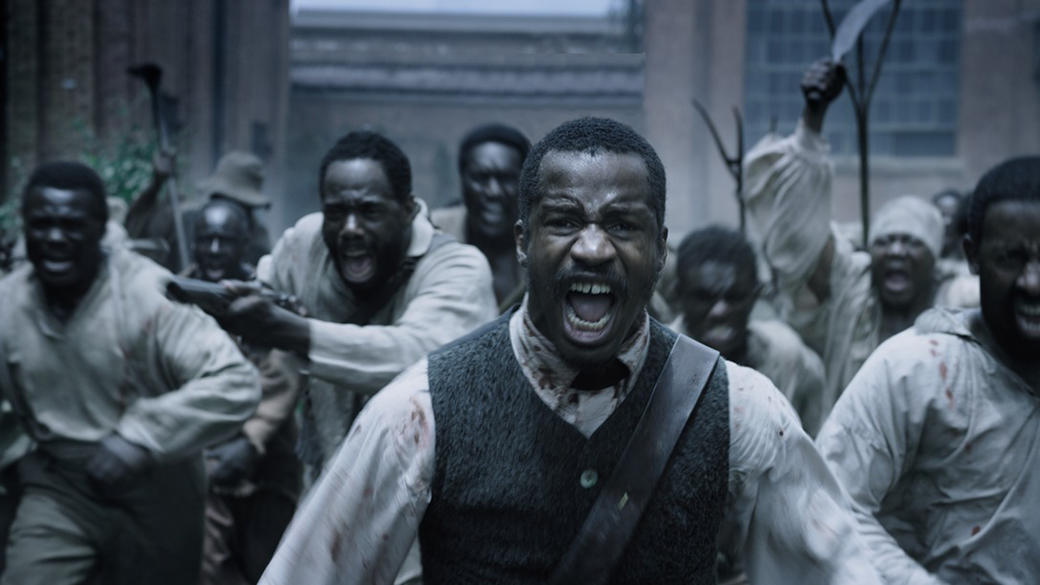
Well, inaccuracies and controversies aside I was thoroughly moved and taken with emotion by The Birth of a Nation. It is ambitious, independent filmmaking which takes a figure from history that stood up against oppressors and fought back against the injustices that befell him and his people. In little over two hours we get a microcosmic view of the character of Nat Turner and the horrific period he lived in and get a short, sharp and shocking drama. Turner is shown to be an intelligent, proud and spiritual force who inspires those around him to fight against the brutality all around.
thebirthofanation-mv-2

You cannot underestimate Parker’s vision and determination to bring Nat Turner’s ‘story’ to the screen. On such a relatively low budget (reported to be £10 million) it is an admirable and risky project to pursue and deliver. Not as startlingly stylistic as the big-budget-spaghetti-slave-Western Django Unchained (2012), The Birth of a Nation is a heart-breaking narrative which posits the power of the scriptures and damns the beast of humanity which allowed free people to be stolen from their country and made to serve others.
birthofanation-pic1

Overall, the film works as a lower-budget epic in the vein of Braveheart (1995) and Spartacus (1960), while covering similar ground thematically as Oscar winner 12 Years A Slave (2013). It may not have the artistry of Steve McQueen’s directed epic, but it is still an important film about a fascinating historical figure. Whether it is accurate or not the film still made compelling viewing and Parker deserves all the praise he gets for such an assured debut.
THE TIN DRUM (1979) – CLASSIC FILM REVIEW

THE TIN DRUM (1979) – CLASSIC FILM REVIEW

**THIS REVIEW CONTAINS SPOILERS**

I’d never seen this film before and am so glad I did because it now in my top twenty best films I have EVER witnessed. It is a tour-de-force of writing, directing, acting, design, narration, humour, drama, sound and imagination. Based on Gunter Grass’ exceptional novel The Tin Drum – directed by Volker Schlondorff – it is set in the realistic backdrop of post-World War 1 Germany, and during World War 2, before veering into magical realism and surrealism to present a giddy allegorical tale of some wonder.

The comical opening contains a prologue which sets the ambiguous tone of humour and darkness.  It establishes the ancestry of our leading character Oskar Matzerath (amazing David Bennent) and clearly echoes and influences current filmmakers such as Paul Thomas Anderson, the Coens and Wes Anderson with its’ curious oddity. From there on Oskar himself enters the world and while initially reluctant he is forced into life and what a life that is!

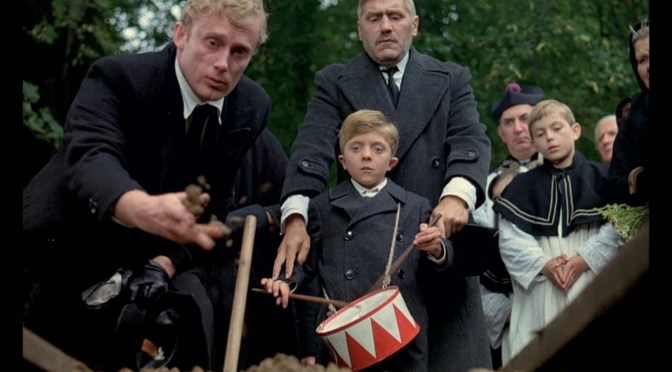
Born with the mind of an adult, at the age of three, Oskar decides that he will NOT grow up for as long as he chooses. Anyone who crosses him is subject to a visceral scream which is loud enough to shatter glass. In addition, Oskar also smashes a tin drum incessantly revealing a psychotic pathology which disregards the pain and suffering of those around him. My reading is that Oskar is representative of the rise of fascism and Hitler in these difficult socio-political times for Germany. This idea is further supported by the fact his mother has two men chasing her affection; a gruff German grocer, Alfred, and gentler Polish man, Jan; and either could be Oskar’s father. These are divisive and confusing times for Germany, and a child, especially one who is as precocious, strange and violent as Oskar.

The meat of the film is continual conflict, death and dark situations. The scenes on the beach with eels being captured using a dead horse’s head is full of symbolism and a black humour I will never forget.  More conflict for Oskar ensues as he rejects all authority including religion.  When his mother dies, seemingly from overwhelming guilt, and his friend, a Jewish toymaker, commits suicide following Nazi oppression, Oskar’s life is further stained by death. Latterly, the film enters a stage where – while he is still physically a three-year-old – he hits puberty and become sexually active. The explicit sex scenes involving Maria, a sixteen year old shop girl, are disturbing and unforgettable and this leads to further conflict with Oskar’s father who eventually marries Maria.  Anger and jealousy provokes Oskar so much he literally runs off with the circus and becomes part of a troupe that entertains German soldiers during the war. It is not long though before further tragedy strikes and his strange romance with dwarf singer Roswitha, ends suddenly with her demise.


The Tin Drum is intense, visceral and brave filmmaking. While it uses history as a backbone, its’ muscle, skin and clothes are eccentricity, allegory and insanity. It was one of the most financially successful German films of the era and won the 1979 Oscar for Best Foreign Film. I guess I missed it because it is rarely shown on television, no doubt due to the controversial sex scenes involving 11 year-old Bennent. Overall, it is one of the most original stories I have seen on screen and the child actor who played Oskar was a revelation. I have rarely been so horrified, moved and made to laugh as much as I have by a recent cinema visit. I would heartily recommend this film to anyone serious about making films and those who demand intensity in their cinema viewing.