Gradual but excellent progress has been made on the post-production. Editing and the musical score have been completed so the film should be ready by the end of September 2025 for submission to festivals.
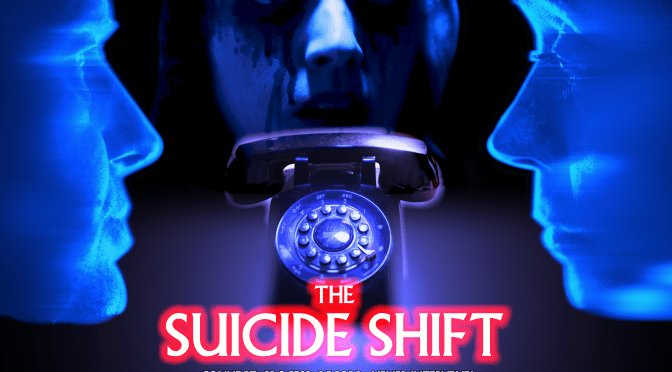
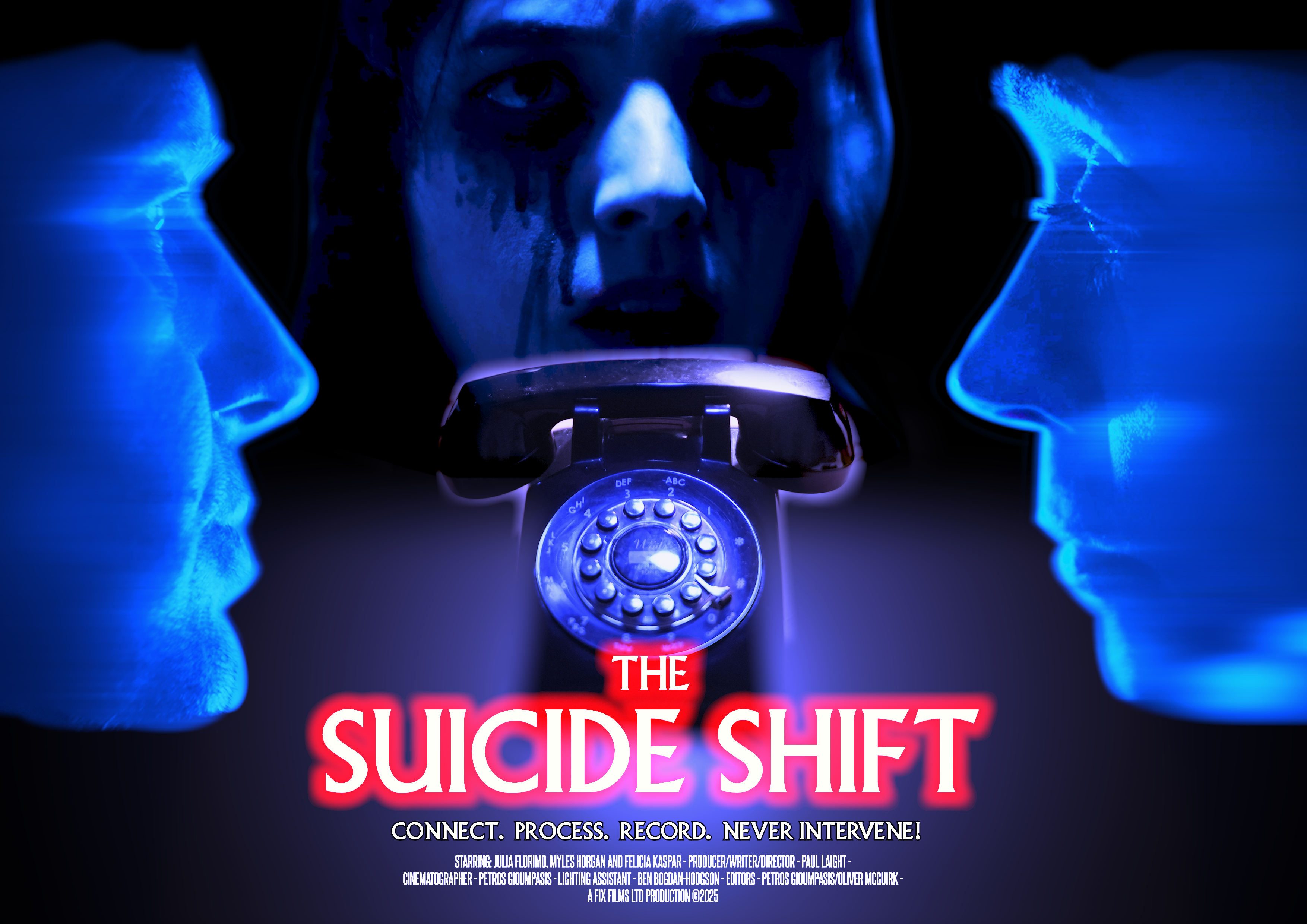
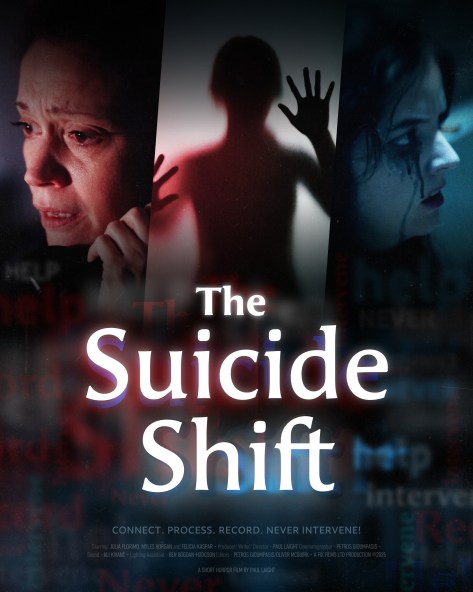
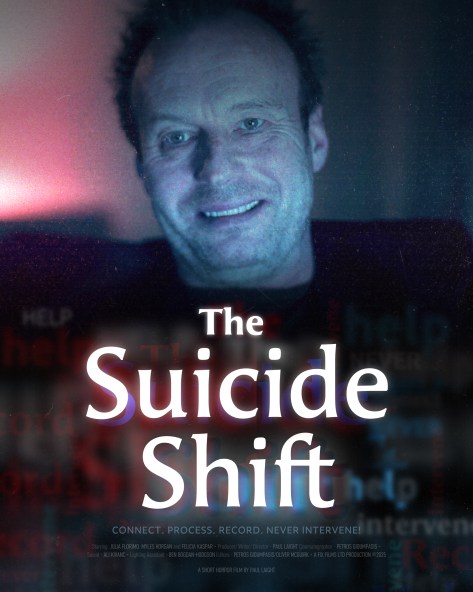
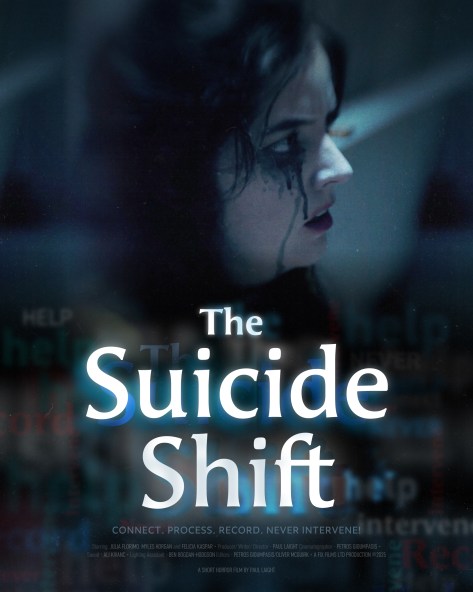
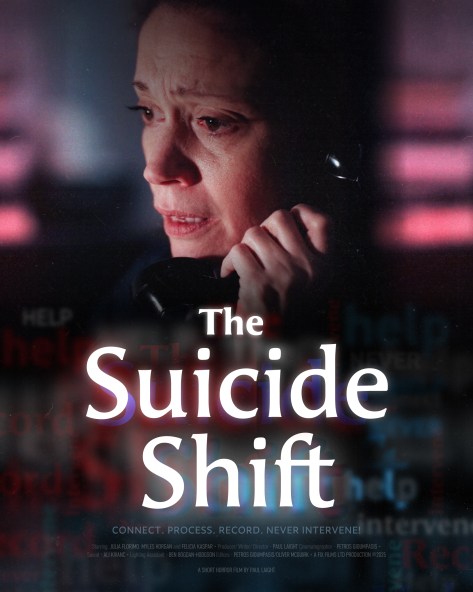
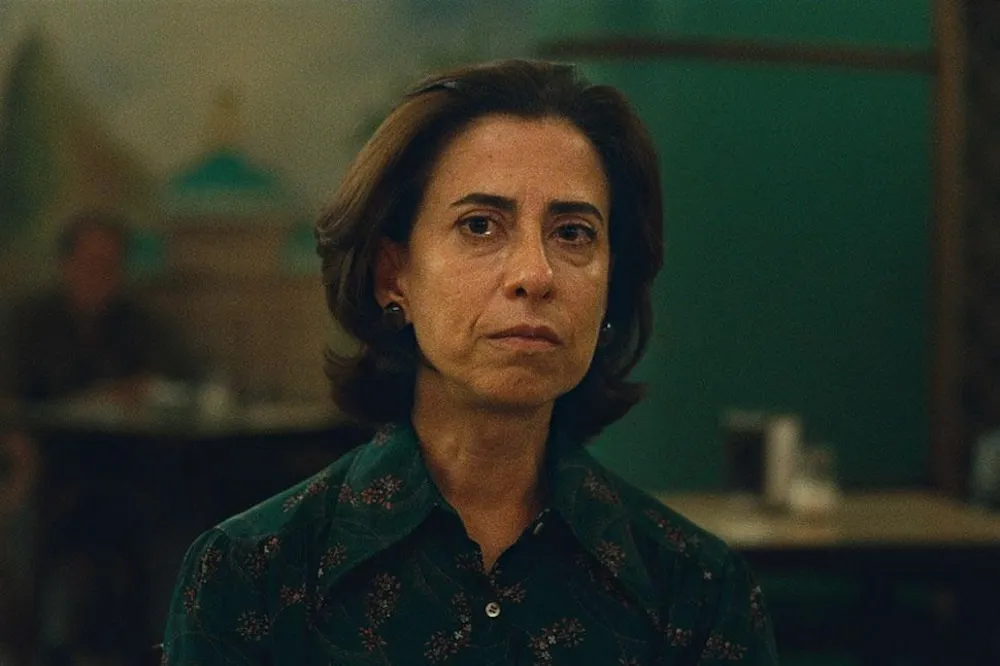
A trailer will be released soon. In the meantime, I commissioned some film and character posters. See above and the slideshow below.
Logline
Banished to the “suicide shift” for breaking spirit call centre regulations, CARMILLA FERRY, now deals with the most tortured of souls moving from this world to the next. After being blasted by her line manager on the phone, Russell, Carmilla is feeling even more isolated and demoralised than usual. After a series of heart-crushing calls, culminating in a particularly stressful shift, Carmilla is then faced with the most heart-wrenching call of all.
Produced by Maria Carlota Bruno, Rodrigo Teixeira and Martine de Clermont-Tonnerre
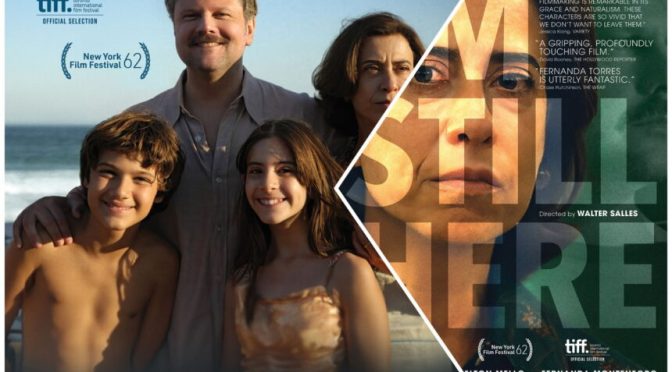
Main cast: Fernanda Torres, Selton Mello, Fernanda Montenegro, Valentina Herszage, Luiza Kosovski, Barbara Luz, etc.
Cinematography by Adrian Teijido
*** MAY CONTAIN SPOILERS ***
On March 31, 1964, the Brazilian military, with support from the United States and segments of the civilian population, overthrew the government of President João Goulart in a coup d’état. Goulart, a left-wing president who had been in power since 1961, faced rising opposition due to his policies that included land reforms and more progressive labour laws. These policies alarmed conservative sectors of society, including the military, business elites, and parts of the middle class, who for many feared the spread of communism in the context of the Cold War. From reports I have read, the military’s move was framed as a necessity to prevent Brazil from descending into a left-wing revolution, but the coup marked the beginning of a brutal 21-year period of military dictatorship. Be careful what you wish for.
Under the military regime (1964–1985), Brazil saw widespread censorship, repression of political dissidents, the establishment of a climate of fear, and the use of torture against suspected leftist militants and activists. The military government justified its actions as necessary to combat communist insurgency, but its reign was characterised by systematic violations of human rights. The regime implemented institutional acts that curtailed democratic freedoms, silenced political opposition, and controlled the media, all while claiming to defend the country from Marxism. The dictatorship lasted until 1985, ending when the military handed power back to a civilian government, but the effects of this period are still deeply felt in Brazilian society, as many families continue to search for the truth about the victims of torture and forced disappearances during the dictatorship.
Yet, while the film may not explicitly focus on the 1964 coup or the military dictatorship. I’m Still Here (2024) addresses the aftermath and themes of identity, resistance, and survival in the face of oppressive systems. Director, Walter Salles, uses the personal as a lens through which broader social and political issues are explored. One could consider how the legacy of fear, control, and the impact of a regime still reverberates in contemporary Brazil.
In I’m Still Here (2024), the filmmakers take a distinctive approach to the thriller genre by moving away from the typical tropes associated with suspense-driven narratives. Instead of focusing primarily on action or a series of dramatic plot twists, the film shifts its attention toward a more intimate, personal, and familial story. There is suspense and tension, but it is more under-stated and subtle. This departure from overt political thriller conventions allows the film to delve into the emotional and psychological terrain of its characters, with a particular focus on the matriarch, Eunice Paiva, played by the powerhouse Fernanda Torres.
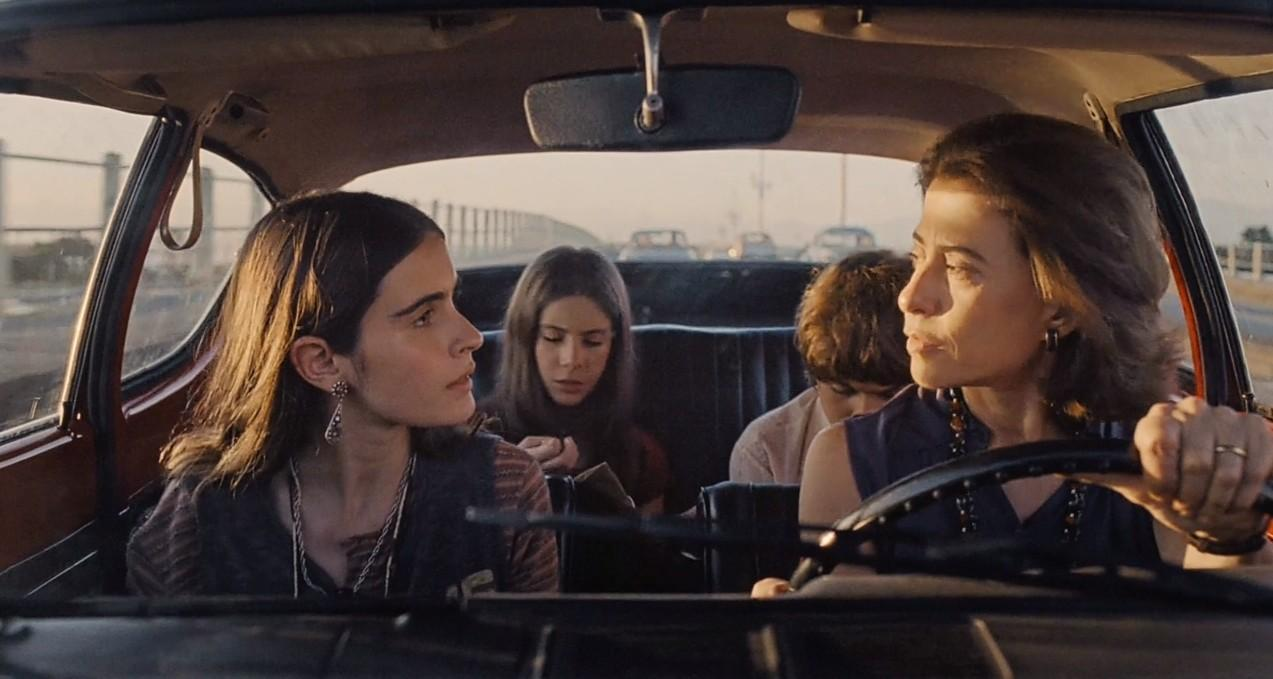
Rather than relying on external action or traditional thrills, I’m Still Here (2024), centres around Eunice’s emotional journey and the impact of her environment on her family when her husband, Rubens Paiva (Selton Mello) is taken away by what may-or-not-be the military. The film positions Eunice as the central figure whose personal evolution drives the narrative, illustrating the profound effects of her choices and relationships on her family. Salles skilfully weaves family celebrations, events, and home movie footage to create a swell of warmth amidst the fear and paranoia created when Rubens disappears.
Eunice Paiva’s character is given a powerful depth in I’m Still Here (2024), with Fernanda Torres delivering a standout performance. Rather than positioning Eunice as a victim or a purely heroic figure, the film complicates her character, showing her as a multifaceted individual. Eunice’s actions are driven not by external thrills or pressures, but by the emotional and psychological burdens she carries as a matriarch, dealing with familial responsibility and navigating the complexities of her relationships with her children, spouse, and extended family.
Torres’s portrayal emphasises Eunice’s inner conflict—her desire to protect her loved ones, while also grappling with personal loss, regret, and the external societal forces that shape her world. Constantly denied answers and closure by the authorities, Eunice refuses to give in and continues to fight for decades, even when the military rule is over. The emotional intensity of Eunice’s character arc is one of the most compelling aspects of the film, as Torres’s performance brings a deep authenticity to the role, grounding the story in real, human struggles rather than sensationalised action.
By moving away from traditional thriller tropes, I’m Still Here (2024) creates a more reflective and intimate cinematic experience. Rather than simply delivering suspense through external action, the film explores the internal tensions of its characters and their relationships, magnifying the quiet, profound impact that such personal struggles can have on a family. Having lived through such adversity the Paiva family would stand proud in the face of this evil regime, overcoming all that is thrown at it. I mean, there is so much evil in this world and throughout history, that Eunice Paiva and similar quiet heroes are to be cherished. In short: why can’t such admirable individuals run the often horrible world we live in.
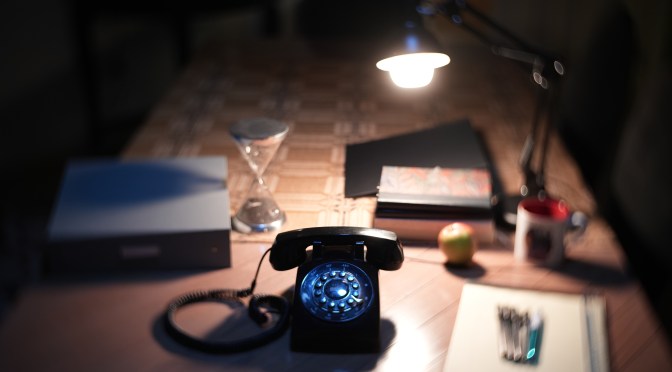
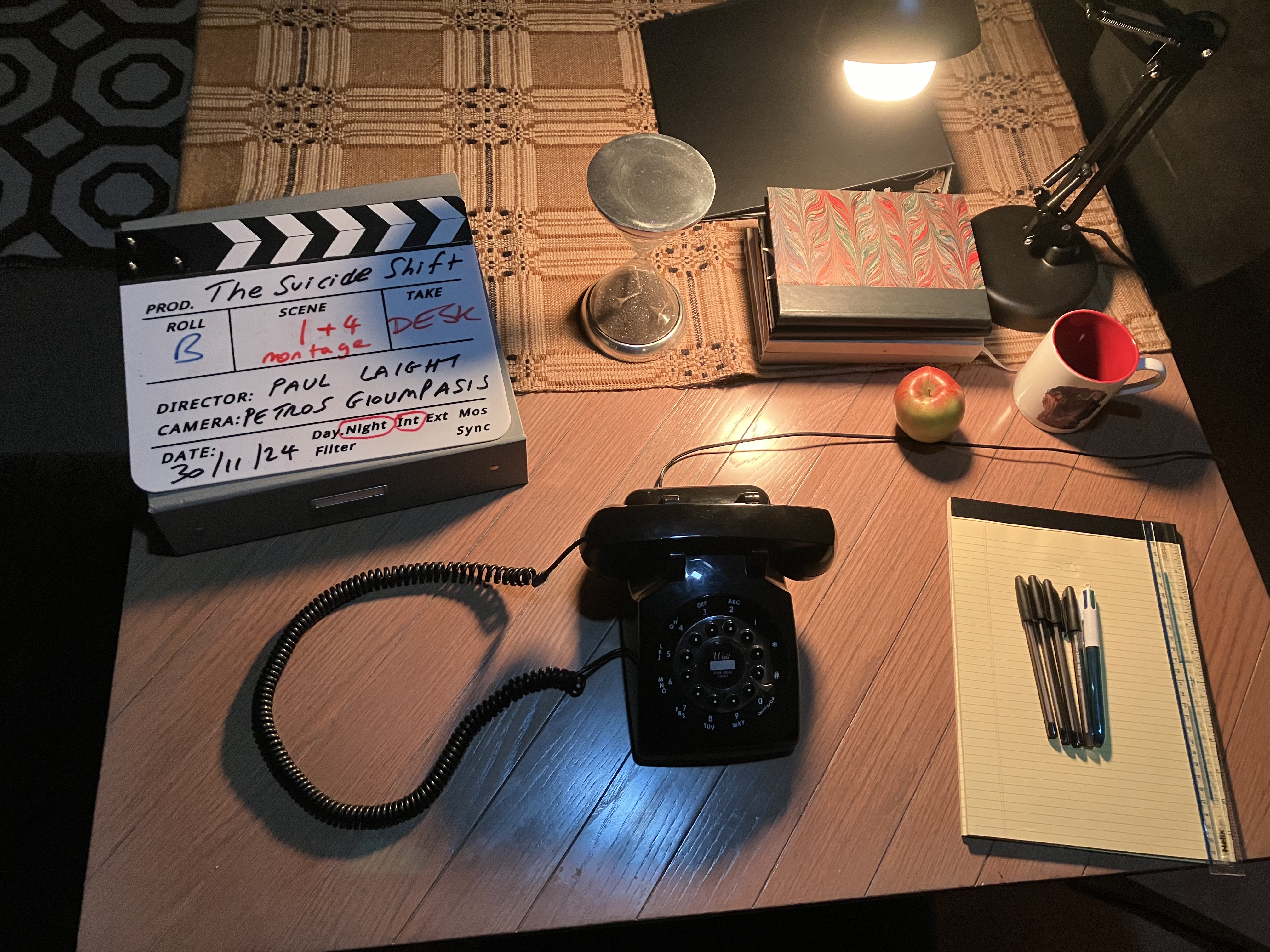
During 2024 I began planning a new short film and was keen to springboard a new horror idea from something simple around the flat I live in. I decided therefore to check out the various props I had and found an old black phone and an hourglass. From those props I began thinking about how the passing of time and communication could be used as a means of creating emotional conflict for the characters and elicit a sense of dread and fear from the audience. From these thoughts I began writing a script that eventually became called The Suicide Shift (2025).
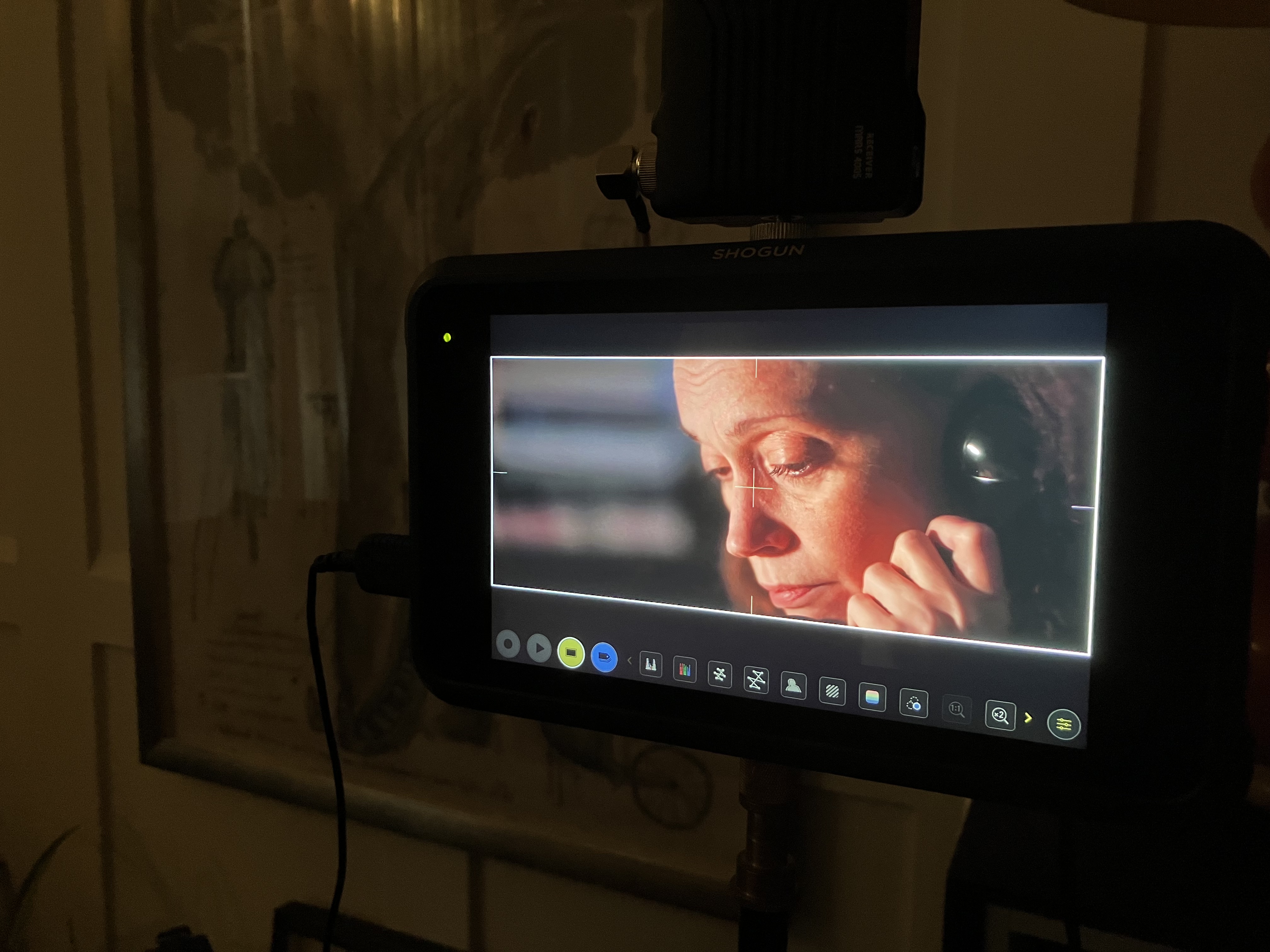
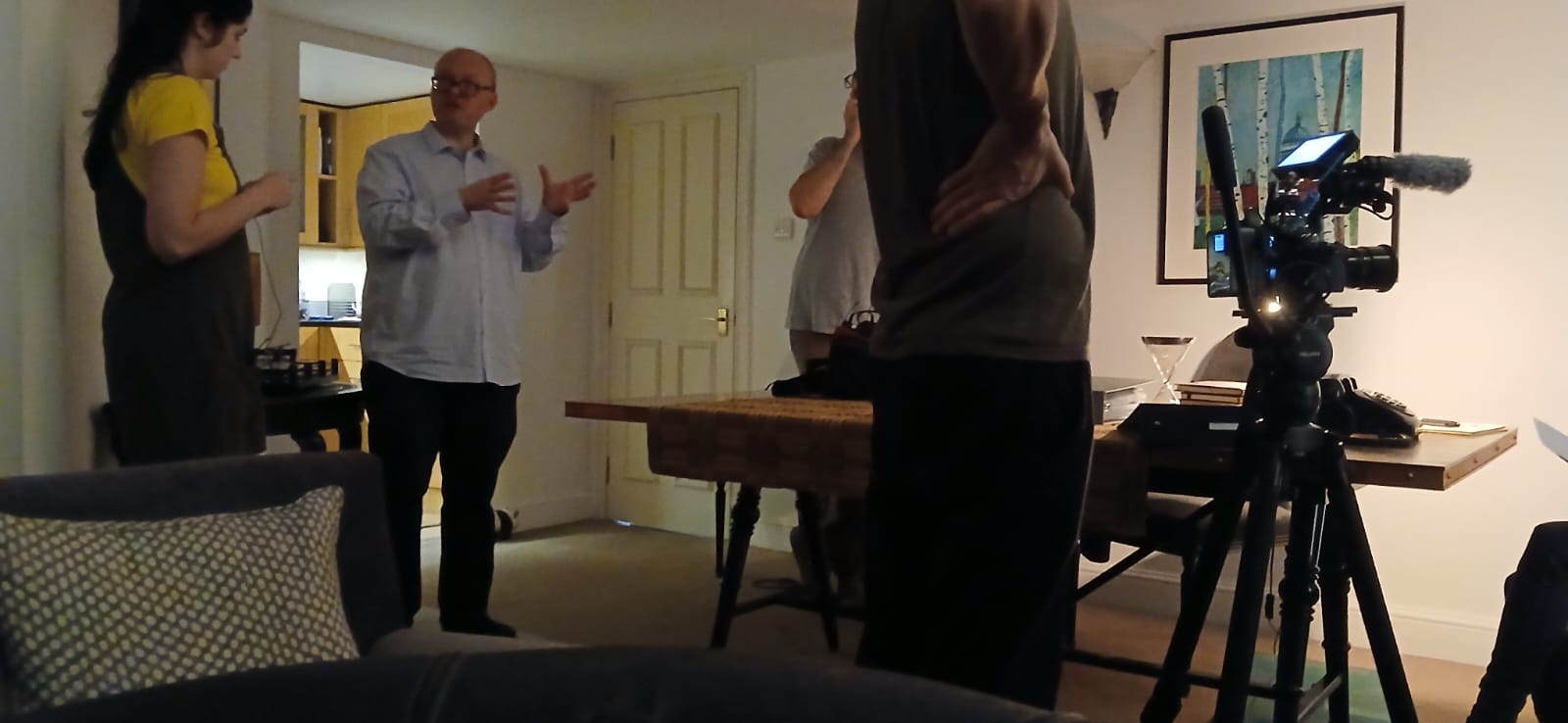
Pre-production for the film took place during 2024 and I put together a really talented cast and crew all with a very low budget. The filming took place at the end of November 2024 over two extremely productive days of shooting. The Suicide Shift (2025) is now in post-production with a release planned for 2025!
Theme and genre
The Suicide Shift (2025) further develops themes of hell, work and being trapped, previously explored in short films, Hell Is. . . (2013) and Inferis (2024). I was inspired to write a film which dealt with suicide. Mainly due to my own personal experience of losing two close friends who took their own life. I am using the film to highlight the tragedy of people who take their life and meditate on the possible reasons such events take place. I am classing the film as emotional horror.
I have set the film in the genre of psychological, supernatural horror as the horror film allows a filmmaker to explore deep themes while also raising emotion and suspense with the audience. The low-budget production relies heavily on performance, actor reaction, silence, and sound, aiming to be both powerfully dramatic and disturbing. It is set in a few locations but was filmed in one place with limited props and cast.
Logline
Banished to the “suicide shift” for breaking spirit call centre regulations, CARMILLA FERRY, now deals with the most tortured of souls moving from this world to the next. After being blasted by her line manager on the phone, Russell, Carmilla is feeling even more isolated and demoralised than usual. After a series of heart-crushing calls, culminating in a particularly stressful shift, Carmilla is then faced with the most heart-wrenching call of all.
Pitch Outline
In mythical days past, the souls of the dead were carried to the other side by Charon the Ferryman. In the present, the handling of souls has now been modernised and is managed by call centres run by managerial bureaucrats and office workers who exist in limbo, somewhere between heaven, hell and the mortal world.
It is the spirit call centre’s job to manage the dying as they pass into the next world. The employees are not allowed to intervene. Only coordinate, process and record death. The workers communicate via a supernatural telecom system which is heard in the mind of the dying. Any worker who intervenes risks having to work alone in ‘Limbo’.
Banished to the ‘Suicide Shift’ for breaking spirit call centre regulations, CARMILLA FERRY, now deals with the most tortured of souls moving from this world to the next. After being blasted by her manager, RUSSELL, on the phone, Carmilla is feeling even more bullied, isolated, and demoralised than usual. Especially because Russell will not let her see her teenage daughter, a mortal named, Lucy. Russell controls everything and watches Carmilla via a CCTV camera and screens.
During a particularly stressful shift, Carmilla has had to deal with a whole night of heart-crushing calls from the dying. Then, in the early hours of the morning Lucy is suddenly put through to Carmilla having taken an overdose at a party. Carmilla must listen as her frightened daughter’s life slowly drifts away, powerless to intervene. The true horror of work and existence dawns on her.





 The Cinema Fix presents