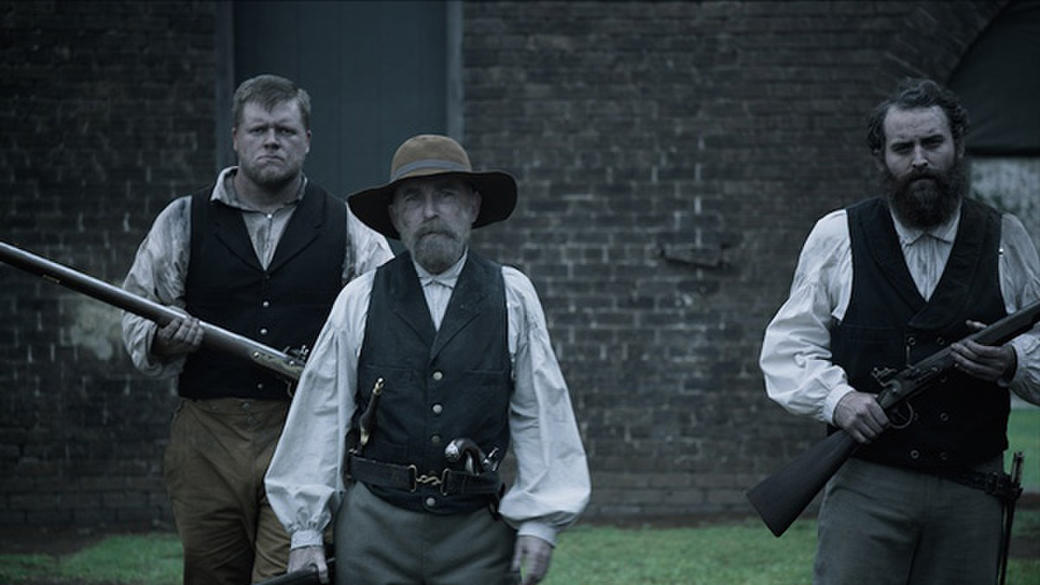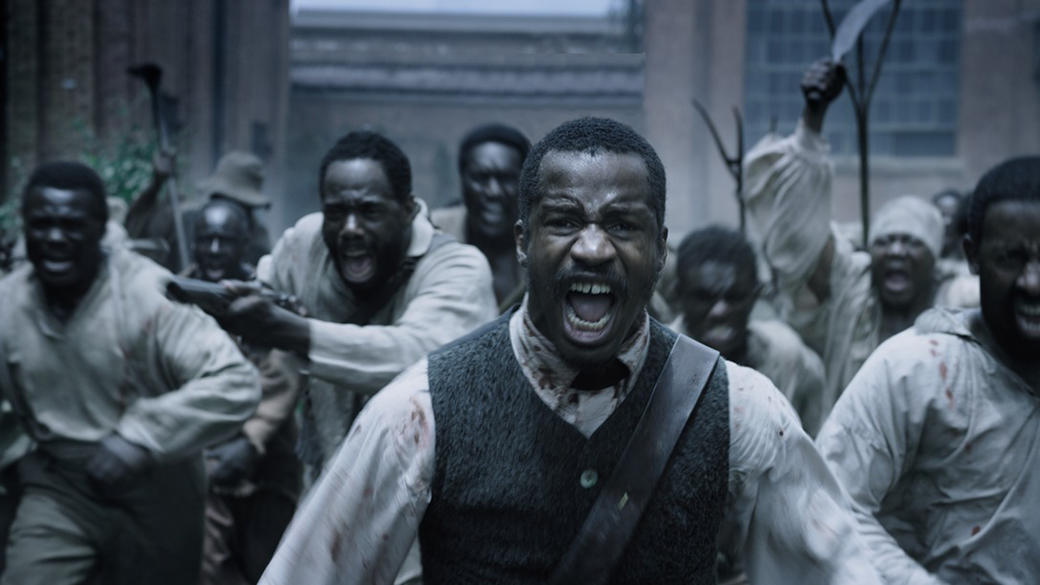
Tag Archives: rebellion

Amazon Prime Film Review: Kneecap (2024) – Irish rap rebels substitute words-for-bombs in riotous youth-in-revolt triumph!

Amazon Prime Film Review: Kneecap (2024)

Directed by Rich Peppiatt

Screenplay by Rich Peppiatt

Story by Rich Peppiatt, Liam Óg Ó hAnnaidh, Naoise Ó Cairealláin, JJ Ó Dochartaigh

Produced by Jack Tarling and Trevor Birney

Main cast: Naoise Ó Cairealláin, Liam Óg Ó hAnnaidh, JJ Ó Dochartaigh, Josie Walker, Fionnuala Flaherty, Jessica Reynolds, Adam Best, Simone Kirby, Michael Fassbender, etc.

Cinematography by Ryan Kernaghan

*** MAY CONTAIN SPOILERS ***
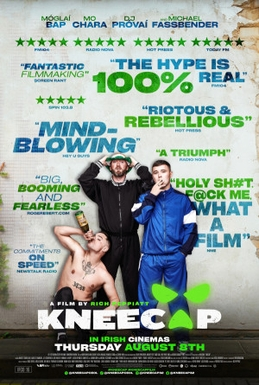


The 2024 film Kneecap is a riotous, politically charged portrait of youth in revolt, channeling the raw energy of punk and hip-hop into a uniquely Irish-language rebellion. Starring the real-life Belfast rap trio—Mo Chara, Móglaí Bap, and DJ Próvaí—as fictionalized versions of themselves, the film blends anarchic humour, biting satire, rites of passage, and cultural defiance to tell the story of how a group of working-class misfits wove their frustrations into musical gold.

Set in post-Troubles West Belfast, the film captures the lingering scars of British occupation and the generational trauma it left behind. Liam (Mo Chara) and Naoise (Móglaí Bap) are introduced as small-time drug dealers navigating poverty, police harassment, and fractured families. Their lives take a turn when JJ Ó Dochartaigh, a disillusioned Irish-language teacher, discovers their lyrical talents and joins them as DJ Próvaí. Together, they form the eponymous group, an Irish-language rap group that weaponizes music as a form of cultural resistance.

The film is unapologetically rebellious, using the Irish language not just as a means of communication but as a symbol of defiance. Arlo (Michael Fassbender), Naoise’s father and a former republican paramilitary, encapsulates this sentiment when he declares, “Every word of Irish spoken is a bullet fired for Irish freedom” . This philosophy permeates the group’s music, which tackles issues like British colonialism, drug culture, and the complexities of identity in a divided society.
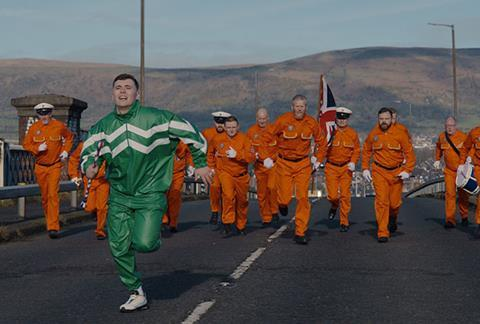


Kneecap (2024), while a bold and electric celebration of youth rebellion arguably overstretches itself emotionally by attempting to cover too many themes at once. In its ambition to be both a political statement and a coming-of-age tale, a musical odyssey and a generational cry for recognition, the film occasionally dilutes its emotional impact. As the film juggles a multitude of weighty themes: the trauma of post-Troubles Northern Ireland, the fight for Irish-language preservation, the drug culture plaguing working-class communities, the fractured nature of family life, absent fathers and mothers, and the burden of political legacy. Add to this the rise of a rap group in an unexpected cultural context, and the film becomes a whirlwind of ideas competing for attention. The result is a film that sometimes feels like it’s racing to say everything at once, rather than letting its most resonant emotional threads breathe.

Nonetheless, director and co-writer, Rich Peppiatt, displays strong visual flair evoking the urban vibrancy of Trainspotting (1996) and underdog musical joy of The Commitments (1991). It helps that the film is often fucking hilarious. Plus, I realise it’s a raw reflection of their life choices, I could take or leave the perpetual scenes of gratuitous drug-taking. At the same time, the film doesn’t shy away from the gritty realities of its setting. It portrays the trio’s clashes with radical republican groups, their run-ins with the police, and the family and romantic struggles that come with their newfound fame.

Amidst the chaos, Kneecap (2024) maintains a sense of humour and humanity, offering a nuanced look at the power of art to challenge the status quo and inspire change. In essence, Kneecap is a ballsy and risk-taking celebration of rebellion, a testament to the enduring power of language and music as tools of resistance, and a vivid portrayal of youth challenging the remnants of a colonial past and a country attempting to find peace and identity after centuries of conflict.
Mark: 8.5 out of 11


CLASSIC MOVIE SCENES #12 – ONE FLEW OVER THE CUCKOO'S NEST (1975) – "WORLD SERIES"

CLASSIC MOVIE SCENES #12 – ONE FLEW OVER THE CUCKOO’S NEST (1975) – “WORLD SERIES”

Directed by Milos Forman

Produced Saul Zaentz, Michael Douglas

Screenplay by: Lawrence Hauben & Bo Goldman – adapted from Ken Kesey’s novel.

Cast: Jack Nicholson, Louise Fletcher, Will Sampson, William Redfield, Brad Dourif, Christopher Lloyd, Danny DeVito, Sydney Lassick etc.

Cinematography: Haskell Wexler

**** CONTAINS SPOILERS ****


Image result for one flew over the cuckoo's nest

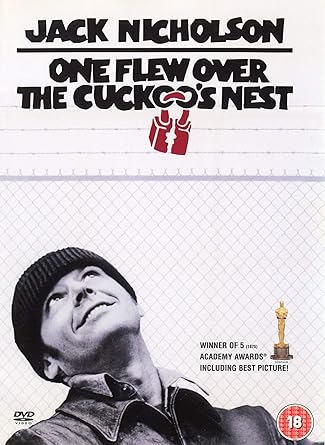
Multi-award winning One Flew Over The Cuckoo’s Nest (1975) is easily one of the most complex, intense and darkly funny cinematic explorations of mental health I have ever seen. It is also one of the best films I have ever seen too. Based on Ken Kesey’s novel, it charts the admission of Randall P. McMurphy (Jack Nicholson) to an Oregon mental institution as he attempts to avoid hard labour at a prison farm.

McMurphy is a charismatic, anti-heroic and anti-establishment criminal, but definitely not crazy in the clinical sense. Rather than lie low and serve his time though, he constantly clashes with the staff, notably Nurse Ratched (Louise Fletcher). His unruly behaviour causes him to excite the other patients of the facility, becoming infectious. Thus, Nurse Ratched acts to quell such rebellion causing further conflict with McMurphy. Jack Nicholson is on absolutely incredible form in this film. He’s wild, funny, excitable, manipulative and very entertaining. On the other hand, Louise Fletcher is cool, calm, but equally devious. She loves to be in control and takes quiet joy in denying the inmates their wants.

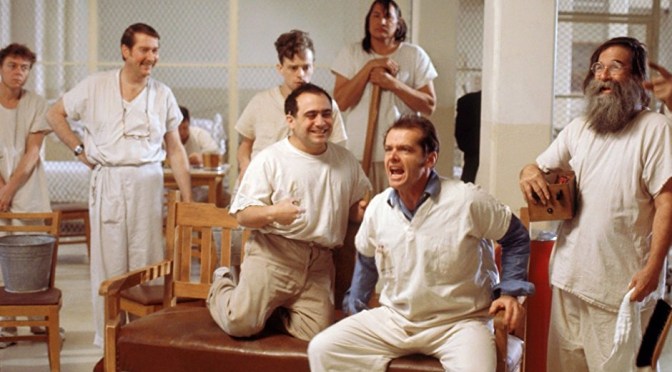
When McMurphy “loses” a vote to watch the World Series Baseball of 1963 on television, he’s determined to get his own way. So much so, in this classic scene, he enacts what he thinks is happening in a fake commentary. Nicholson is so realistic and excitable you feel like you’re actually at the game. It’s such a classic scene with the gentle music counterpointing Nicholson’s manic delivery. Moreover, the ensemble inmate’s celebrations, Nurse Ratched’s cold-hearted face and a blank television screen create a powerful set of images. Ultimately, McMurphy is a tragic character as he tries to bend the system, only to eventually break himself by the end.


2016 BFI – LFF – THE BIRTH OF A NATION  (2016) – REVIEW

2016 – LONDON FILM FESTIVAL – THE BIRTH OF A NATION  (2016)

SPOILER FREE REVIEW

TITLE:  THE BIRTH OF A NATION (2016)

DIRECTOR/PRODUCER/WRITER: Nate Parker

CAST:  Nate Parker, Armie Hammer, Penelope Ann Miller, Colman Domingo, Aja Noomi King

STORY:  At the turn of the 1800s a charismatic preacher must decide between a life of slavery or to stand up and fight against his brutal captors.

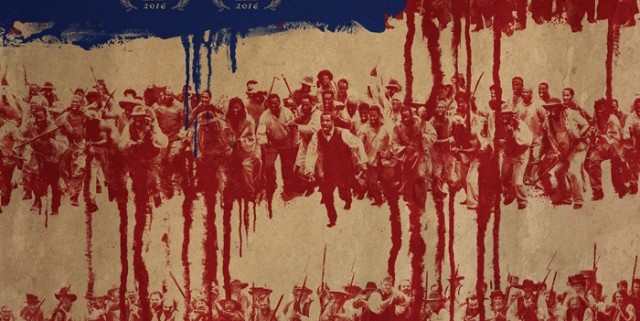
thebirthofanation-mv-3

REVIEW:

This drama, written, produced, directed and starring by Nate Parker has, since its release at the Sundance Festival, created a whole host of controversies. There is a historical rape prosecution of which Nate Parker was found innocent of in 1999; there are accusations of historical inaccuracies in the story; plus the passivity of female characters within the narrative has been criticized too.  Not surprising though because any film about slavery, rape, abuse and murder is bound to set the cultural world, internet, film industry, social media, historians etc. alight with debate.

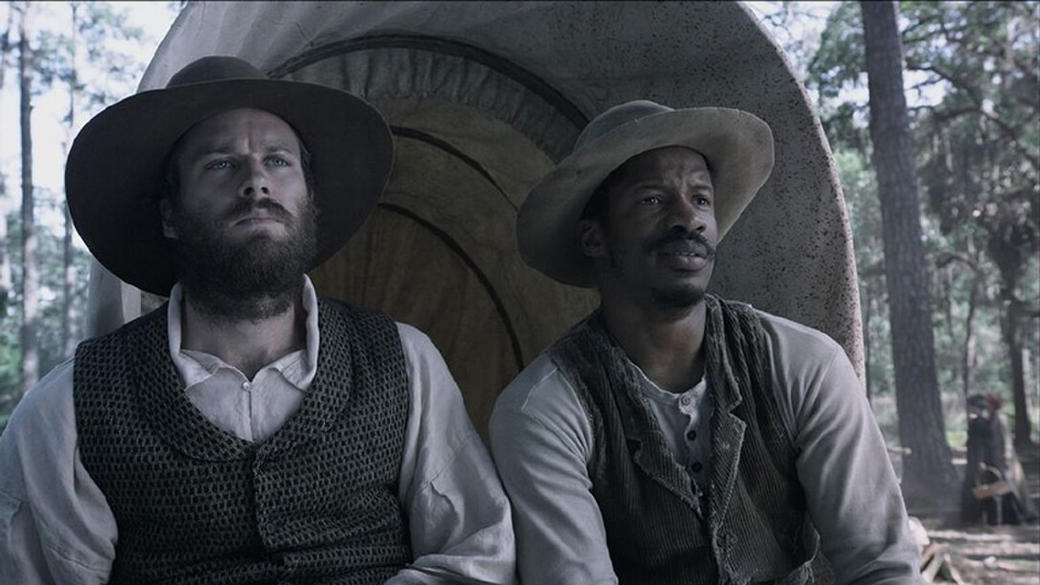
thebirthofanation-mv-14

Personally, when I watch a film I prefer to judge it purely on whether it has entertained, informed, provoked thought and created emotion. The filmmakers’ personal history or whether a film meets certain quotas on political correctness or even whether the history has been altered to suit a narrative are important factors but not my main viewing considerations. Of course, if it is an exploitative piece of crap then I would call it; but mainly I ask myself: did the film entertain me and is it a good story done well?

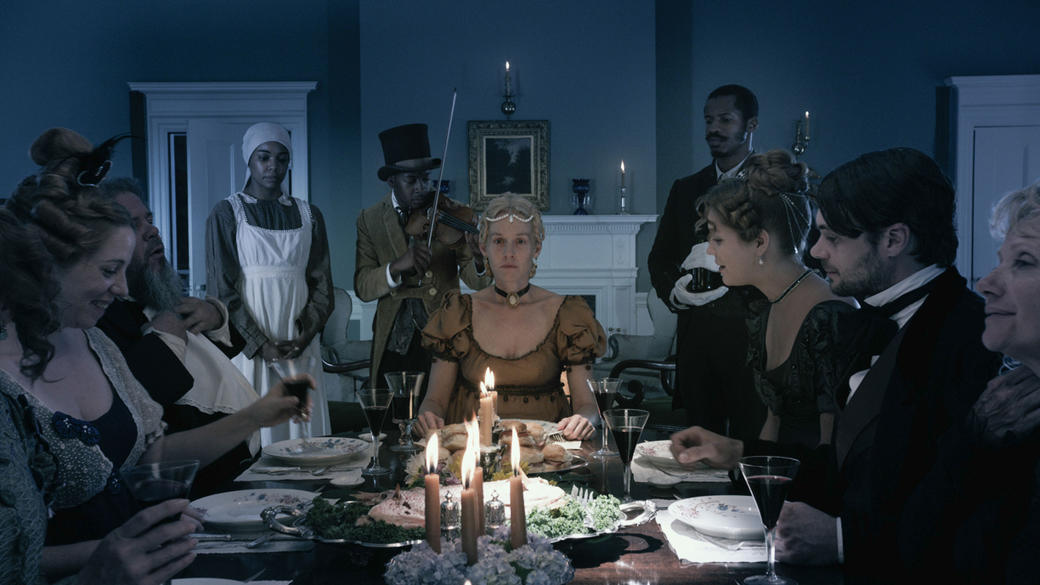
thebirthofanation-mv-8

Well, inaccuracies and controversies aside I was thoroughly moved and taken with emotion by The Birth of a Nation. It is ambitious, independent filmmaking which takes a figure from history that stood up against oppressors and fought back against the injustices that befell him and his people. In little over two hours we get a microcosmic view of the character of Nat Turner and the horrific period he lived in and get a short, sharp and shocking drama. Turner is shown to be an intelligent, proud and spiritual force who inspires those around him to fight against the brutality all around.

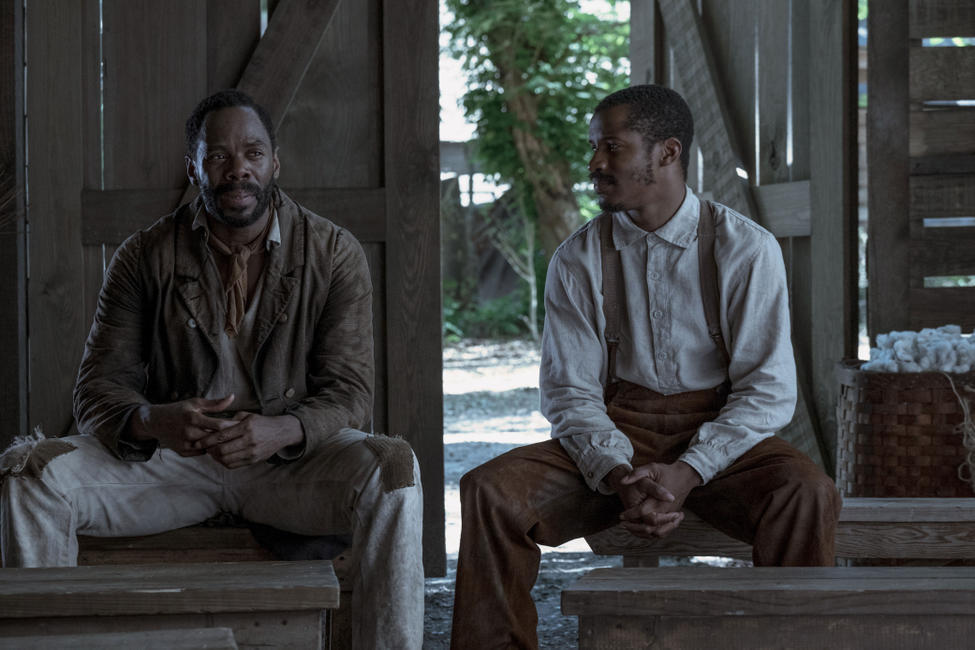
thebirthofanation-mv-2

You cannot underestimate Parker’s vision and determination to bring Nat Turner’s ‘story’ to the screen. On such a relatively low budget (reported to be £10 million) it is an admirable and risky project to pursue and deliver. Not as startlingly stylistic as the big-budget-spaghetti-slave-Western Django Unchained (2012), The Birth of a Nation is a heart-breaking narrative which posits the power of the scriptures and damns the beast of humanity which allowed free people to be stolen from their country and made to serve others.

birthofanation-pic1

Overall, the film works as a lower-budget epic in the vein of Braveheart (1995) and Spartacus (1960), while covering similar ground thematically as Oscar winner 12 Years A Slave (2013). It may not have the artistry of Steve McQueen’s directed epic, but it is still an important film about a fascinating historical figure. Whether it is accurate or not the film still made compelling viewing and Parker deserves all the praise he gets for such an assured debut.