Tag Archives: Rocky

Cinema Review: Marty Supreme (2025) – a breathless anti-hero journey driven by purpose, anxiety and adrenaline!

Cinema Review: Marty Supreme (2025)

Directed by Josh Safdie

Written by Ronald Bronstein and Josh Safdie

Produced by Josh Safdie, Ronald Bronstein, Eli Bush, Anthony Katagas
and Timothée Chalamet


Main cast: Timothée Chalamet, Gwyneth Paltrow, Odessa A’zion, Kevin O’Leary, Tyler Okonma, Abel Ferrara, Fran Drescher, Sandra Bernhard, etc.

Cinematography Darius Khondji

Music by: Daniel Lopatin


Anxiety cinema, though always a part of film history, has seen a surge in prominence in recent years, with directors like Gaspar Noé, the Safdie brothers, Sean Baker and Ari Aster leading the charge. These filmmakers specialize in creating films that push audiences to their emotional limits, heightening tension and discomfort without offering the cathartic release often found in more traditional thrillers or suspense films by the likes of DePalma, Hitchcock, and Spielberg. Rather than resolving the anxiety with a tidy ending or a moment of relief, these films leave viewers on edge, their blood pressure elevated, and their minds unsettled, reflecting the growing cultural sense of unease and existential dread.

It’s important to note that it would appear, with the release of the frantic Marty Supreme (2025), it is Josh Safdie and Ronald Bronstein, not Benny Safdie, who could be seen to be the driving forces behind the anxiety-driven films like Good Time (2017) and Uncut Gems (2019). Their collaborative work has come to define the frantic, high-pressure style of modern anxiety cinema. In contrast, Benny Safdie’s more recent work, The Smashing Machine (2025), highlights a shift toward more authentic and subtle character development, offering a quieter, more understated take on human drama. While Josh and Bronstein continue to escalate tension to dizzying heights, Benny’s approach focuses on exploring deeper, more introspective emotional journeys.

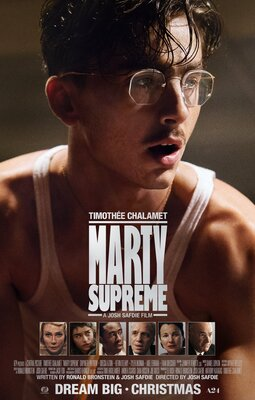
So, Marty Supreme (2025), is it any good? Let’s just say that this isn’t a Christmas or feelgood film, so I can only think the marketing team are being ironic with the poster tagline ‘Dream Big – Christmas!’ This is a 1952 period set anti-heroic-rites-of-passage rollercoaster journey profiling Marty Mauser (Timothée Chalamet), a New York shoe salesman with dreams of hitting the big time as a world champion table-tennis player. But rather than being characterised as a Rocky-style underdog sporting personality who the audience can root for, Marty (loosely based on real-life Marty Reisman), is in fact a fast-talking-arrogant-crisis-addicted-confidence-trickster and womaniser who is not averse to “friendly” armed robbery to get what he wants. Oh, by the way, Marty is also a phenomenal table-tennis player.
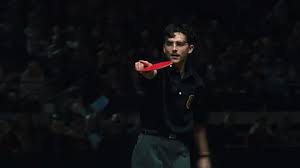


Having previously cast Robert Pattinson in Good Time (2017) and Adam Sandler in Uncut Gems (2019) as their disaster-prone, masculine leads, Josh Safdie and Ronald Bronstein took a new direction in Marty Supreme (2025) by casting Timothée Chalamet. Known for his charisma and commitment, as showcased most recently in Wonka (2023) and A Complete Unknown (2024), Chalamet brings an entirely new energy to the table. As Marty, he is nothing short of a force of nature—physically commanding as a table tennis player, yet intellectually and verbally dominating the screen. His performance captivates with a magnetic presence, delivering lines with such intensity and precision that he becomes impossible to look away from. Chalamet’s portrayal of Marty is both memorable and transformative, showcasing his versatility as an actor who can take on the manic, chaotic energy required by a character in a Safdie-Bronstein film while adding a unique layer of depth and intrigue.

Marty’s journey represents a fascinating emotional dialectic, one that leaves the audience both drawn to and repelled by his behaviour. While I didn’t necessarily enjoy his character arc, that’s exactly what makes Chalamet’s portrayal so compelling. Marty is, in many ways, his own worst enemy—he can’t follow rules, he’s a liar, and he cheats to get ahead. Yet, his raw talent and unwavering sense of purpose give him an undeniable charisma, pulling the audience in even as his decisions spiral into reckless, life-threatening situations. The character’s hustle, constant scheming, and pursuit of personal gain lead him into a series of humiliating, violent confrontations that highlight his self-destructive tendencies.

Marty’s a deeply flawed person desperately trying to make something of himself. But he also makes his own bad luck through poor decision-making. Whether it’s falling through a hotel ceiling in a bath; retrieving a missing dog for a psychopathic gangster; locking horns with the table tennis authorities and the uber-businessman he’s seeking patronship from; fighting a cuckolded neighbour whose wife, Rachel Mizler (Odessa A’zion) he possibly loves – not forgetting the scintillating table tennis games – the film is a litany of combative and panic-attack inducing set-pieces. The emotional tension lies in watching Marty repeatedly sabotage his own potential, a cycle of ups and downs that plays out as a cautionary tale. Marty’s journey doesn’t just depict failure; it explores the emotional complexity of someone trapped in their own worst impulses.

Marty Supreme (2025) stands as a masterpiece of filmmaking, with creative choices that not only subvert expectations but elevate the entire storytelling experience. From its striking cinematography to the anachronistic 1980s soundtrack, every visual and auditory detail feels meticulously crafted to immerse the audience in the world of Marty Mauser. The gritty, authentic production design brings a raw realism that grounds the film, while the ensemble cast—many of whom are quirky non-actors—brings an undeniable energy and authenticity to the narrative. In conclusion, the collaboration between Chalamet, Josh Safdie and Ronald Bronstein, and the entire cast and crew gave me both a nervous breakdown and an unforgettable cinematic experience.
Mark: 9.5 out of 11


SIX OF THE BEST #36 – FILM UNDERDOGS!

Why the canine is considered to be the appropriate animal to represent a character who overcomes great loss and adversity is fascinating. On further digging one will find that etymological history of the term, Underdog, derives from the second half of the 19th century, where its first meaning was “the beaten dog in a fight”. Two dogs fight and the losing one is the underdog. Quite simple and obvious really. It makes sense then that the term has also been used in sporting and filmic language down the years. Here the underdog is a team or individual who faces an insurmountable opponent where defeat is most likely. To then gain victory against the odds makes the winning oh so much sweeter and glorious.

So, for my occasional Six of the Best series I’d like to explore and list some of the finest underdogs from cinema. I’d also like to consider certain conventions from within this subgenre. Clearly, I could just choose six films about sport, so I am going to work a bit harder and provide some less obvious choices too. Hope you agree.

** MAY CONTAIN SPOILERS **


ROCKY (1976) – The individual underdog!

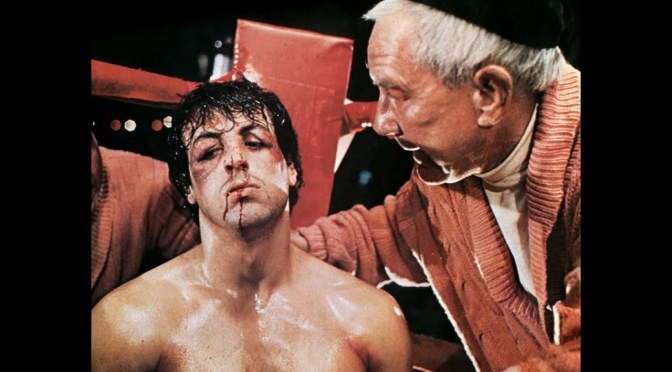
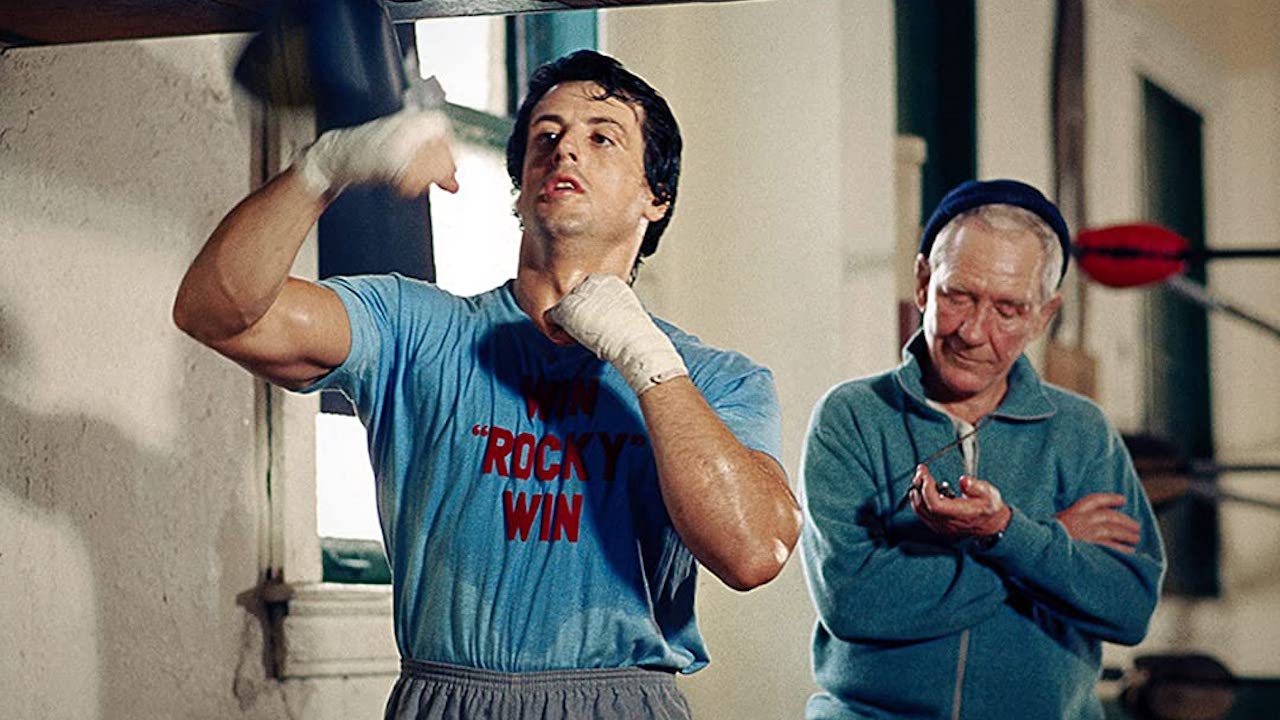
The individual underdog is synonymous with sporting films. Cinderella Man (2005), Eddie the Eagle (2015), Rudy (1993) and The Karate Kid (1984) are just some of the fine narratives which have used the individual overcoming the odds to triumph. Obviously, though the greatest of all time is Stallone’s working-class journeyman, Rocky Balboa, rising up from the gutters of Philadelphia to seeing stars and finding love in the ring. Reflected in Rocky’s incredible journey is Stallone’s own underdog story of a struggling actor, who had to sell his dog, wrote a brilliant script, determined to play the lead, earned his break and became one of the biggest film stars of a generation.


REMEMBER THE TITANS (2000) – the team underdog!

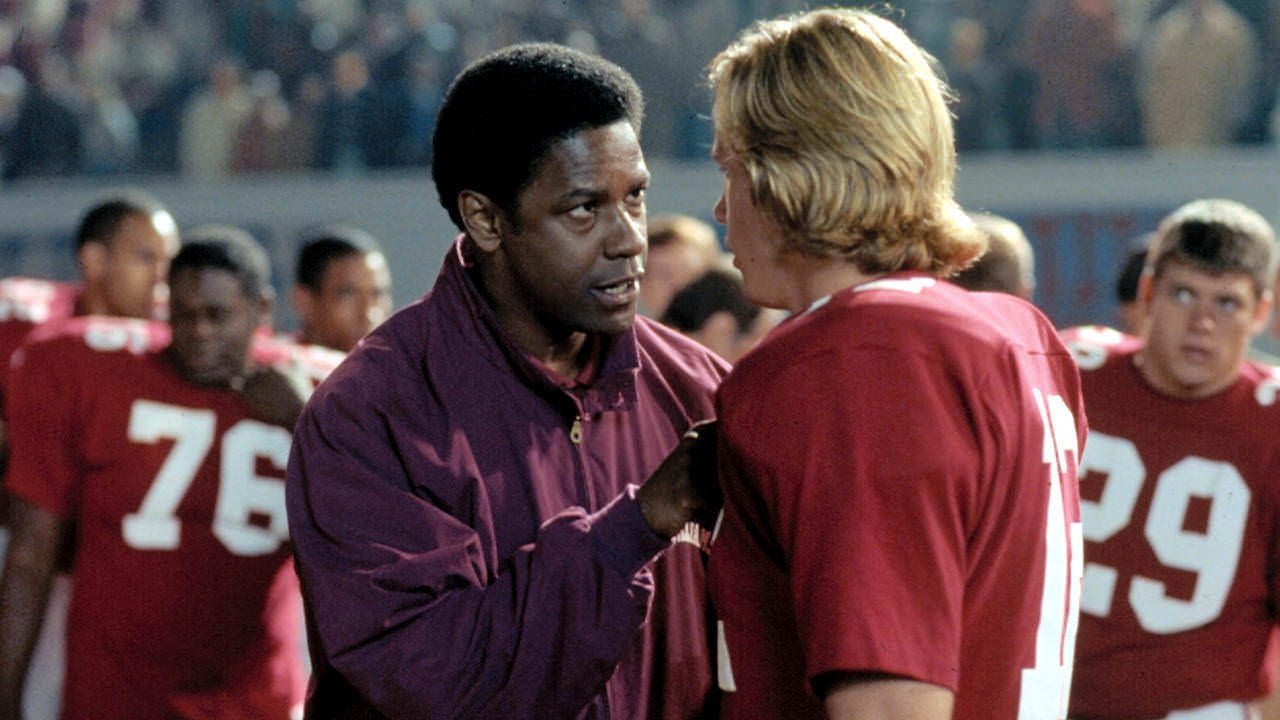
Like the individual underdog sports film, cinema is brimming with crowd pleasers about a bunch of unlikely oddballs or losers joining forces to steal victory from the jaws of defeat. Usually, the team underdogs will overcome singular divisions, while learning about themselves to find formidable communal fighting spirit. The Bad News Bears (1976), The Mighty Ducks (1990), The Longest Yard (1974/2005), Miracle (2004) and the aptly named Dodgeball: A True Underdog Story (2004) are but a few of these excellent team films. However, Remember the Titans (2000) is one of the most powerful sporting team movies featuring Denzel Washington as T. C. Williams High School coach, Herman Boone, whose team not only overcomes sporting obstacles, but political ones including institutional racism and widespread bigotry outside and within the school system.


NIGHTCRAWLER (2014) – the villain as underdog!

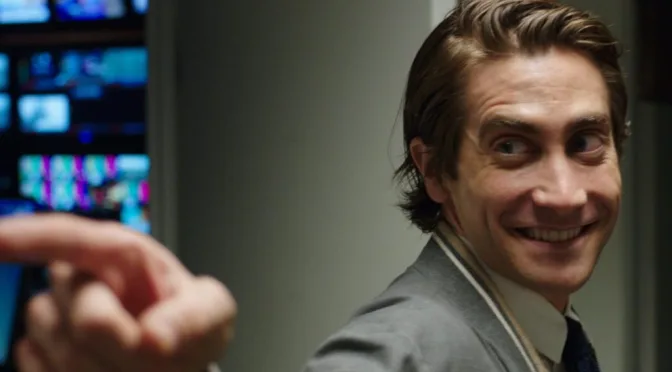
Here’s a character which is incredibly difficult to write and even more problematic to define due to the paradoxical nature of their personality. If you’re doing bad things can you be considered an underdog? I mean is the underdog’s victory earned and can an audience root for the villain? I think one of the greatest underdogs and most unreliable of protagonists is Verbal Kint in The Usual Suspects (1995). But he was a trickster, genius and fake underdog. Jake Gyllenhaal’s Lou Bloom tops Verbal for me. At the start of the film, Nightcrawler (2014), he has absolutely nothing. But his conniving, planning and preparedness to go the extra mile and expand his media business via sabotage and eventually murder are an unforgettably dark underdog journey.


CAPTAIN AMERICA: THE FIRST AVENGER (2011) – the superhero underdog!

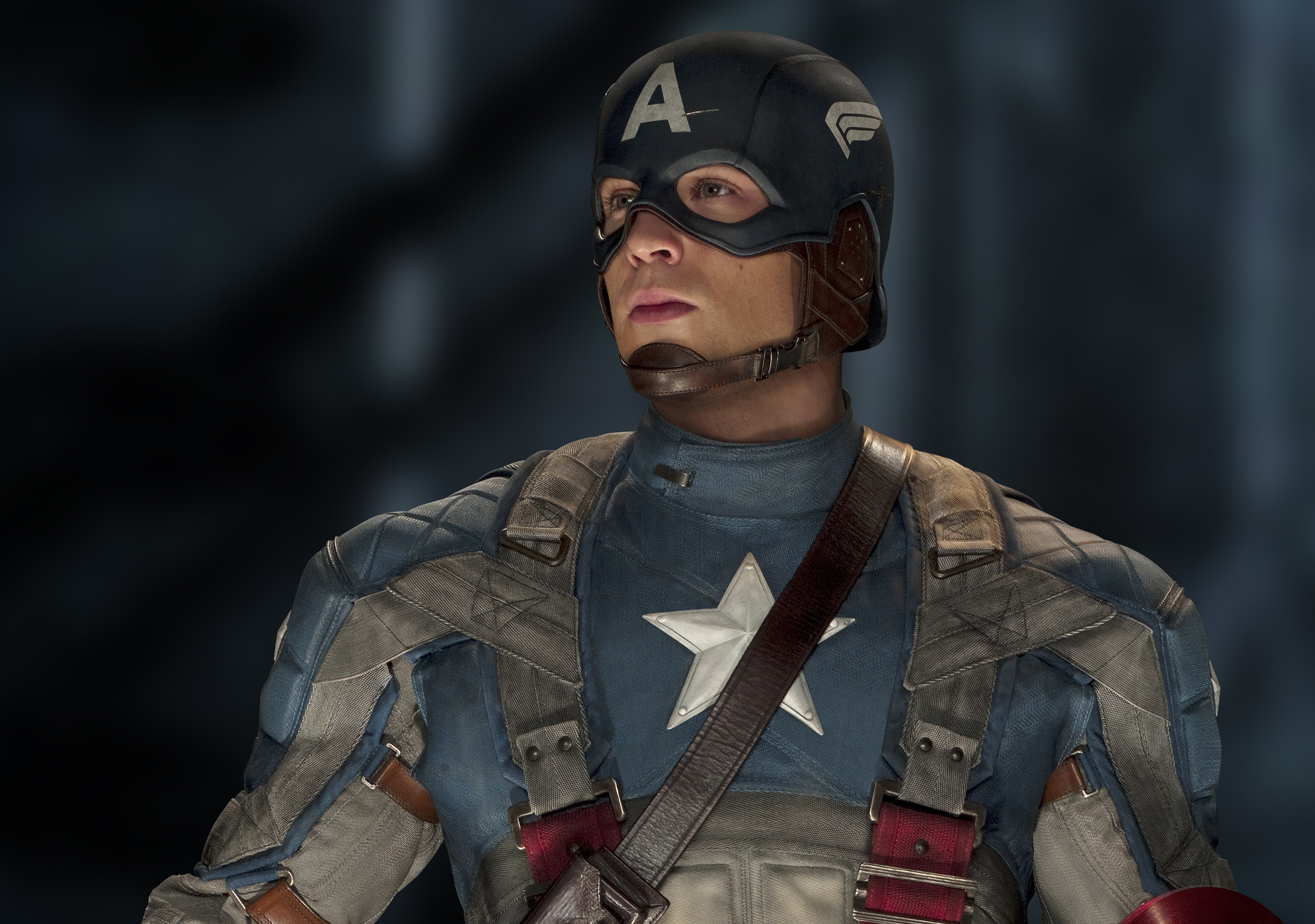
The superhero genre staple for both heroes and villains often finds a character acquiring by accident, fate or design abilities which transform them into beings of immense and fantastic power. The likes of Superman, Thor, and Wonder Woman are god-like superheroes, however, the likes of Steve Rogers, as Captain America, grew from humbler beginnings. Rogers is an admirable underdog because he doesn’t like bullies, his character never knew when he was beaten, he comes from working-class stock and he’s an anachronism as character tension comes from not fitting into the present. Rogers is not a god or scientist or billionaire, but the little guy with a big heart who becomes a hero.


ERIN BROCKOVICH (2000) – the legal underdog!

It’s a sad indictment of humanity and the capitalist system that there are so many films showing the evil wrongs corporations have perpetuated against people and the environment. Dark Waters (2019), Silkwood (1983), Class Action (1991) and Erin Brockovich (2000) are but a few of such stories where individuals fight against an unjust legal system which strives to protect the rich and powerful from accepting responsibility for the heinous damage they have wreaked. Erin Brockovich is an especially positive example of an individual who, despite her lack of education in the law, was instrumental in building a case against Pacific Gas & Electric Company (PG&E) involving underground contamination. Brockovich also overcame sexist attitudes in the workplace too which placed certain judgements on the way she behaved and dressed. Brilliantly portrayed by Julia Roberts in the film, Erin Brockovich is a true underdog hero of a generation.


SPARTACUS (1960) – the epic underdog!

Having recently read Kirk Douglas’ enlightening memoir, I Am Spartacus!: Making a Film, Breaking the Blacklist, I have to say it is one of the most excellent books about filmmaking and politics I have experienced. Douglas took up the cause of underdog screenwriter Dalton Trumbo, who having served prison time for refusing to name names to the Joseph McCarthy led House of Un-American Activities Committee, was blacklisted in Hollywood. Writing under a series of fake names, Trumbo scribed the screenplay to the epic Spartacus (1960), with Douglas as the eponymous hero who rises up from slave to Gladiator to leader, defeating the Romans in many battles before dying a martyr. One can see Trumbo’s underdog fight reflected in Spartacus’ epic journey and the fact that Douglas eventually placed Trumbo’s name in the credits of the film was testament to his powerful writing and unjust treatment by the nefarious American government.

SIX OF THE BEST #30 – FAVOURITE FILM MONTAGES!

SIX OF THE BEST #30 – FAVOURITE FILM MONTAGES!

Who doesn’t love a film montage!? The passage of time edited and set to a memorable soundtrack is fine cinematic tradition. Not only is a montage a great way to tell a story visually, it can also give pace to a narrative, provide a perfect cinematic bridge to the final act or even supply emotional impetus at the start and middle of a film.

Here I choose six of my favourite movie montages. All have been selected due to both the style and content of the sequence, plus the music accompanying the montage. Of course, I could have chosen a more artistic aspect to montage by including examples from Eisenstein, Kubrick or the incredible editing in the The Godfather (1972), when Michael Corleone wipes out his rivals during his nephew’s baptism. That I will save for another day.


ROCKY (1976)

No film franchise has exploited the fight montage and training sequence to the max like Rocky. I could have chosen others, but the original remains the best. I love the urban locations and the Philadelphian streets are just so gritty as Stallone’s down-on-his-luck boxer gets a crack at the championship of the world! That music just soars too!

SCARFACE (1983)

With a combustible screenplay written by Oliver Stone, Scarface (1983), is a cocaine driven and incendiary viewing experience. Everything is ramped up to eleven, including: the violence, shouting, swearing, shooting, politicking, drug-taking, sex, killing, avarice, cocaine, money-making, decadence and corruption. It is an epic film with many classic scenes, but the 80’s pop-synth-driven montage here adds real pace to the brutal proceedings.


THE KARATE KID (1984)

Another fighting film and another John G. Avildsen pick! More than just a teenage Rocky rip-off, The Karate Kid (1984) is a terrific rites-of-passage drama that incorporates a love story and a boy overcoming bullies with the help of a wise mentor. Joe Esposito’s song, “You’re the Best” was originally chosen for Rocky III, but ultimately ended up here in the fantastic fighting tournament montage.


FERRIS BUELLER’S DAY OFF (1986)

John Hughes fast-paced-set-in-one-day-comedy-classic has some brilliant dialogue and is anchored superbly by Matthew Broderick’s cocky lead performance as mischievous Ferris Bueller. For all the craziness on show one of my favourite scenes is when Hughes slows the pace down at the museum. Here we get some wonderfully framed shots, sly humour and a beautiful instrumental version of The Smiths’ song, “Please, Please, Please, Let Me Get What I Want!”


UP (2009)

So many films struggle to establish empathy for their characters either through bad writing or poor creative choices. Pixar, however, are masterful at establishing both character identification and motivation. None more so than in this classic montage featuring the mostly blissful life of Carl and Ellie Fredericksen. With Michael Giacchino’s iconic score called “Married Life” providing energetic and poignant emotional support, this is one of the most moving four minutes in movie history.


DJANGO UNCHAINED (2012)

Tarantino’s epic Western runs the gamut of action, violence, comedy and drama, even throwing a buddy-buddy dynamic in there for good measure. While often known for his quotable dialogue, Tarantino’s films always feature crisp editing and a powerful visual storytelling too. I love this montage in Django Unchained (2012), with Django and King Schultz framed against the wonderful snowy vistas as Jim Croce sings his catchy tune.


CREED II (2018) – MOVIE REVIEW

CREED II (2018) – MOVIE REVIEW

Directed by: Steven Caple Jr.

Produced by: Sylvester Stallone, Kevin King-Templeton, Charles Winkler, William Chartoff, David Winkler, Irwin Winkler

Screenplay by: Juel Taylor, Sylvester Stallone

Starring: Michael B. Jordan, Sylvester Stallone, Tessa Thompson, Wood Harris, Phylicia Rashad, Dolph Lundgren etc.

**MAY CONTAIN SPOILERS**

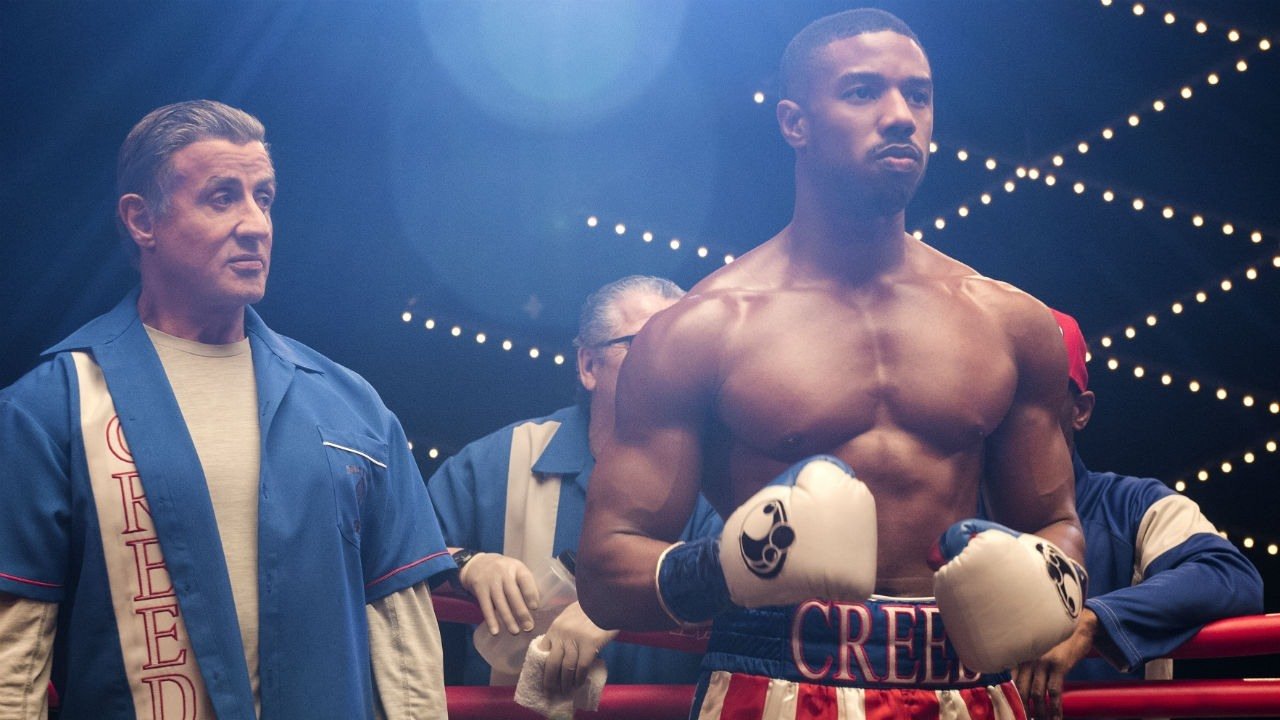
The boxing rags-to-riches story of Rocky (1976) was one of the film classics I grew up watching as a kid. With several successful subsequent sequels the franchise would come to a reasonably decent end with Rocky Balboa in 2006. But, you cannot keep a good man down and Rocky was back in 2015 acting as a boxing coach and life guide to Apollo Creed’s illegitimate son, Donny. Subsequently, Creed (2015), in the deft directorial hands of Ryan Coogler and with a bona fide star turn by Michael B. Jordan, became a big sleeper hit, ensuring a sequel was very much on the cards.

We all know the beats of the story; it’s a sub-genre formula that works very well. Our boxing hero must overcome insurmountable odds inside and outside the ring in order to become or sustain his place at the top. Donny Creed’s story in the first film was that of an angry “orphan” knocked from pillar to post in foster homes before being adopted by his father’s wife into a lap of luxury. However, he desires a ring career to make his mark and succeeds with Rocky’s help. The sequel finds Donny settling down with Tessa Thompson’s Bianca and continuing his successful fight career.

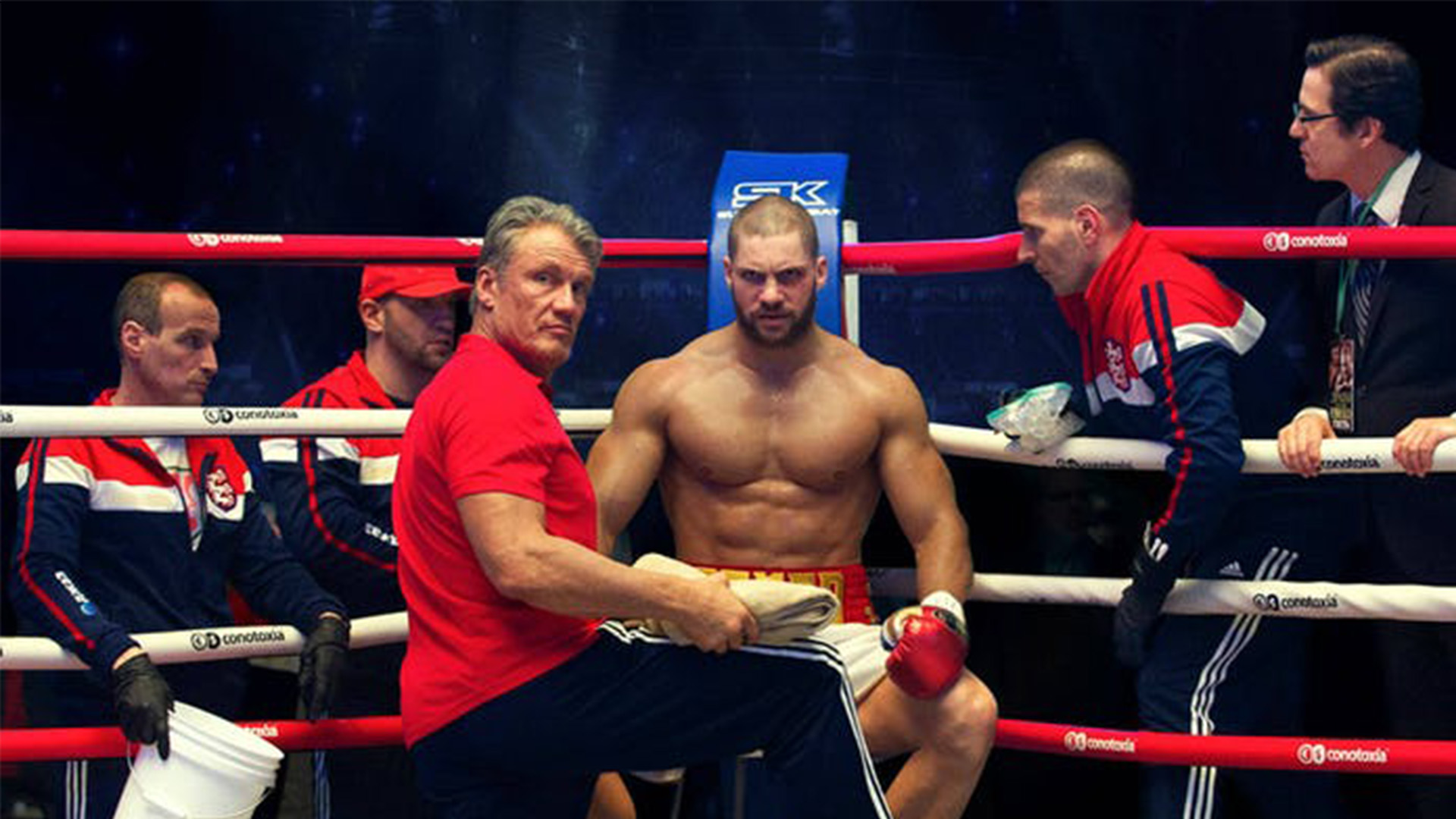
With our hero on terra firma what the narrative demands is a nemesis. Enter a blast from the past and beast from the east in the guise of the Ivan Drago and his son Viktor. Virtually exiled to the Ukraine, Dolph Lundgren’s Drago is a bitter and broken man who lost everything after to his defeat by Rocky in the fourth instalment. Living vicariously through his son he craves revenge. Similarly, Donny is prepared to take the fight in order to gain revenge for Drago killing his father. While Lundgren doesn’t have much dialogue his chiselled and lined face aches with desolate pain, rendering him a key antagonist within the film. Indeed, the moment the older Drago and Rocky meet is pure filmic dynamite.

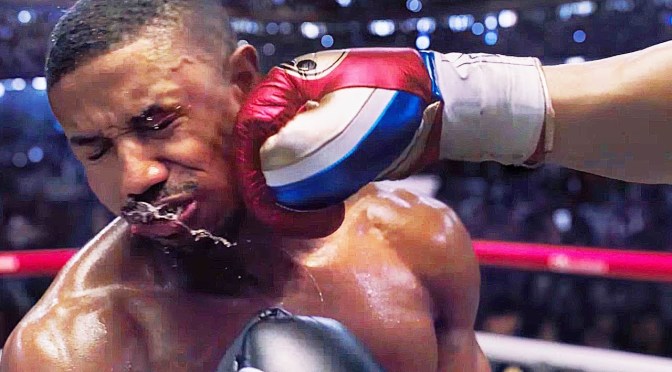
Sylvester Stallone, who also co-wrote the screenplay, once again brings his sage-like experience and star quality to a role he was born to play. The script is full of thematic power with a trio of father and son relationships at the heart of the drama. In fact, the family dramas almost shade the fight scenes for impact. However, the final ring battle and the preceding desert training montage do not disappoint for explosive style and action. Overall, while very familiar, Creed 2, is a well-crafted film that will not disappoint Rocky and boxing movie fans.

(Mark: 7.5 out of 11)