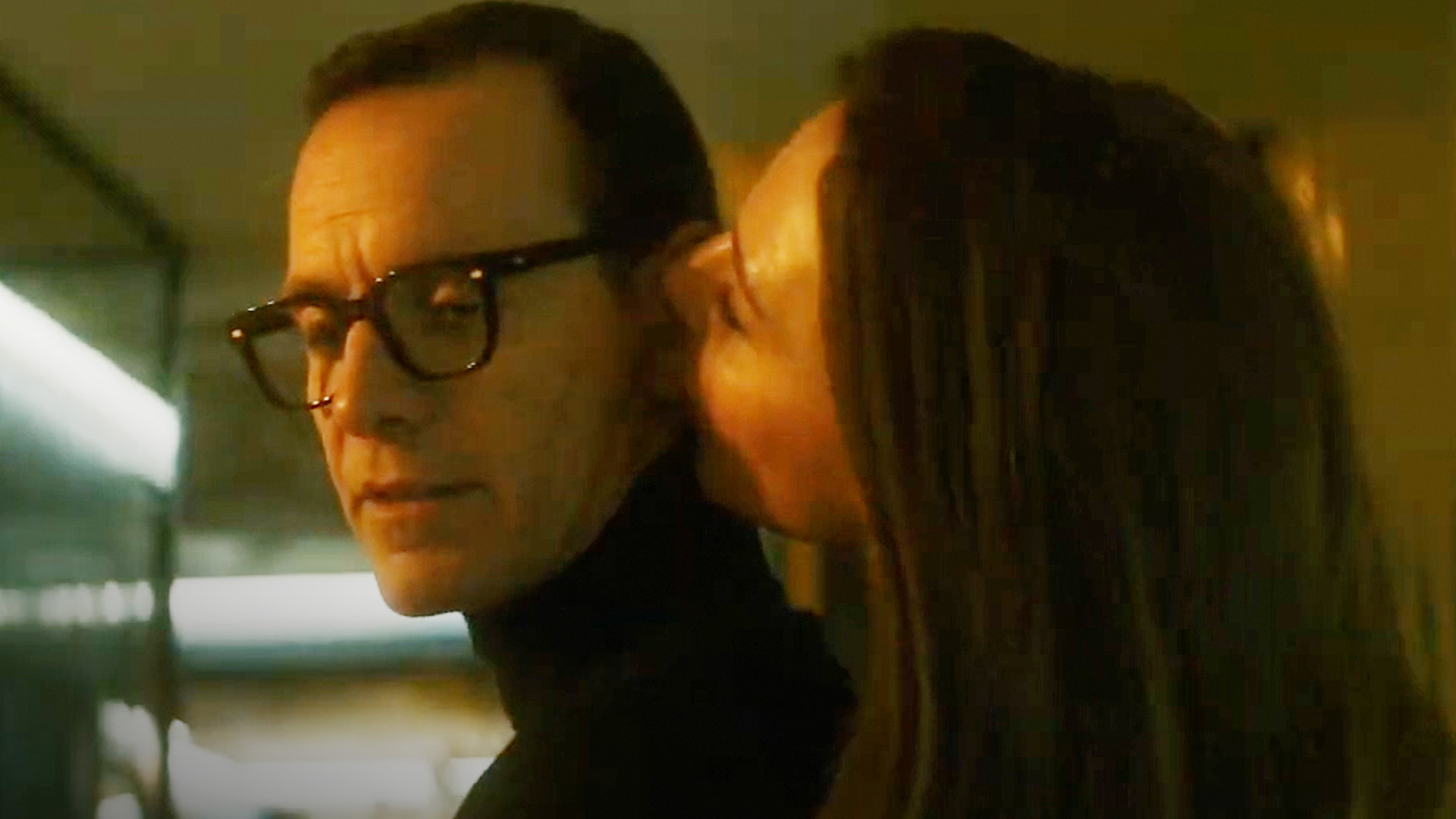
Cinema Review: Mickey 17 (2025) – a multi-faceted sci-fi adaptation that leaves one drunk, but somehow still thirsty!

Directed by Bong Joon Ho

Screenplay by Bong Joon Ho – Based on Mickey 7 by Edward Ashton


Produced by Dede Gardner, Jeremy Kleiner, Bong Joon Ho and Dooho Choi

Main Cast: Robert Pattinson, Naomi Ackie, Steven Yeun, Toni Collette, Mark Ruffalo, Patsy Ferran, Cameron Britton, Daniel Henshall, Anamaria Vartolomei, etc.

Cinematography by Darius Khondji


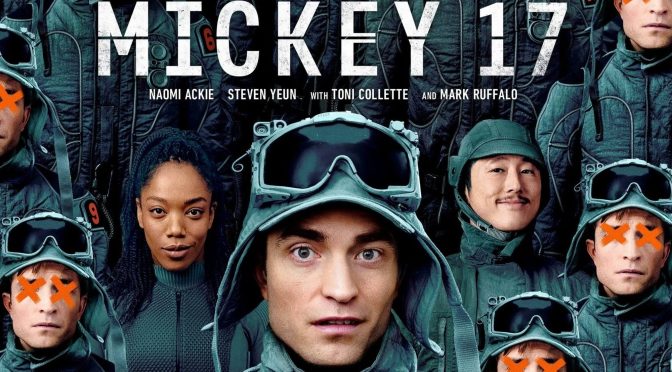
Bong Joon Ho’s adaptation of Mickey 7, the 2022 sci-fi novel by Edward Ashton, showcases a compelling convergence of the director’s distinctive thematic interests with the novel’s narrative. Known for his ability to blend genre elements with incisive social commentary, Bong’s version of Mickey 7, now titled Mickey 17 (2025) is a comedic, at-times-crazy and imaginative sci-fi film exploring human resilience, class struggles, scientific malpractice, environmental abuse, genocidal terra-forming, plus the existential impact of technology within the workplace.

Robert Pattinson is the eponymous Mickey, a “disposable” worker sent on perilous missions to terra-form a distant planet, with his life repeatedly put in danger only for him to be replaced if he dies. This directly ties into Bong’s recurring exploration of human resilience in the face of dehumanizing systems, something seen in his earlier films, such as Snowpiercer (2013) and Okja (2017). Bong’s protagonists are often ordinary people facing systems designed to strip away their individuality, and Mickey’s repeated resurrections emphasize the fragility of life within these systems.

Another prominent theme in Bong’s films is the exploration of class and social inequality. In Parasite (2019), he delved into the gap between the wealthy Park family and the impoverished Kim family, using the home as a microcosm of societal hierarchies. In Mickey 17 (2025), the corporate-driven space mission echoes the exploitation seen in these films. Mickey’s status as an expendable worker mirrors the broader economic systems that exploit individuals for labour without regard for their well-being. The fact that Mickey is repeatedly discarded without consequence is an unsettling reflection of how capitalist structures often devalue human life for the sake of profit.

Bong has always critiqued the alienation of labour, especially how working-class individuals are treated as replaceable cogs in the machine. In Mickey 17 (2025), this theme is amplified as Mickey’s life is literally expendable, offering a stark commentary on the commodification of labour within the context of futuristic colonization. The struggle for survival and dignity, against an uncaring corporate entity, will likely resonate with themes Bong has previously explored. Likewise, in Memories of Murder (2003), the search for truth is tied to the characters’ understanding of themselves and their roles in society. Such societal and existential crises fit perfectly with Bong’s broader thematic preoccupation with the fragility of the human experience in the face of overwhelming, often oppressive, external forces. The question remains: is Mickey 17 (2025) any good?
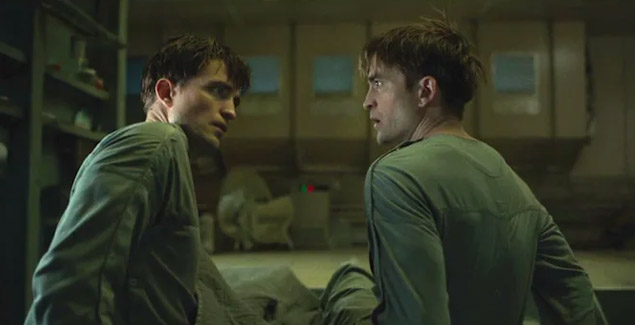


Robert Pattinson, who plays various versions of the titular character Mickey, brings his signature range of brooding intensity and offbeat charisma to the role. His performance is a key part of what makes the film such an intriguing watch. Pattinson excels in portraying Mickey’s emotional journey—a man repeatedly resurrected after dying in increasingly perilous circumstances, struggling with his own identity, and questioning the morality of the system that disposes of him so easily. However, Pattinson’s performance also contributes to the film’s unevenness. While his portrayal is captivating, the character’s arc and motivations can occasionally feel too vague or inconsistent, leading to moments where it’s unclear whether Mickey is supposed to be a tragic figure, a comic relief, or something in between.

The visual effects in Mickey 17 (2025) are nothing short of stunning. Bong Joon Ho, along with his team, creates a visually immersive universe, blending futuristic technology, the planet landscapes of Niflheim, quirky alien creatures and mind-bending visuals to evoke a sense of awe. The digital photo-copying resurrection process that Mickey undergoes is a feat of visual storytelling, with the film using cutting-edge effects to show Mickey’s multiple deaths and resurrections in creative and striking ways. The film’s alien planet, with its strange, luminous terrain and exotic creatures, also adds a surreal and fantastical quality to the narrative. Indeed, the theme of environmental and indigenous protection is vital, but does eventually clash with that of the existential worker.

Where Mickey 17 (2025) truly shines—and stumbles—is in its wacky, unpredictable storytelling. Bong Joon Ho has always been a director unafraid to blend genres and tones, and here he creates a narrative that swings wildly between dark comedy, sci-fi absurdity, and existential dread. One moment, you’re laughing at Mickey’s off-kilter interactions with his fellow colonists, and the next, the film veers into dark, serious territory as Mickey grapples with his own mortality and the ethical dilemmas of his existence. Moreover, the film’s narrative structure itself is erratic. There are moments where the plot careers off course, lost in the chaos of its high-concept premise.

As Robert Pattinson’s charismatic, multi-faceted performance anchors the film, the performances of Mark Ruffalo and Toni Collette—as the grotesque antagonists—topple the tone too far into bad theatre. Finally, Bong Joon Ho’s trademark brilliance is evident throughout, but Mickey 17 (2025) ultimately suffers from the very risk-taking that makes it unique. It’s a thrilling, uneven ride that fascinates, frustrates, makes one laugh and leaves you with a lot to think about—once the space dust has settled. Perhaps I should have had what Bong Joon Ho and his production team were drinking before I watched it. If so, I should certainly of made it a double!
Mark 7.5 out of 11


Cinema Review: Black Bag (2025) – Christie meets le Carré in this stylish, sexy and witty spy whodunnit!

CINEMA REVIEW: BLACK BAG (2025)

Directed by Steven Soderbergh

Written by David Koepp

Produced by: Casey Silver, Gregory Jacobs

Main cast: Cate Blanchett, Michael Fassbender, Marisa Abela, Tom Burke, Naomie Harris, Regé-Jean Page, Pierce Brosnan, etc.


Cinematography by Peter Andrews

*** MAY CONTAIN SPOILERS ***


Steven Soderbergh’s career has been nothing short of a cinematic roller-coaster, blending big-budget spectacle, indie sensibilities, and a keen embrace of genre films in ways that defy easy categorisation. What makes his career so distinctive is his ability to seamlessly navigate between these different filmmaking realms, constantly evolving while retaining a unique voice and artistic freedom. His latest film Black Bag (2025) is a striking, starry, and decent-budgeted genre effort.

Soderbergh first rose to prominence with Sex, Lies, and Videotape (1989), a low-budget indie that catapulted him into the spotlight. The film’s success established him as one of the defining voices of American independent cinema during the 1990s. His subsequent works, such as Kafka (1991) and The Underneath (1995), reflected his interest in experimenting with narrative structures and visual styles, blending genre conventions with deep, sometimes surreal exploration of characters. These works were still firmly rooted in indie filmmaking, but they hinted at a growing ambition and versatility in his cinematic process.

Then, in the late ’90s and early 2000s, Soderbergh took a bold leap into big-budget territory. His Ocean’s Eleven (2001) series stands as a perfect example of his ability to handle mainstream, star-studded films with finesse. It combined slick, fast-paced storytelling with elements of the heist genre, demonstrating that Soderbergh could not only handle massive budgets but could also bring style, wit, and substance to a genre film. However, Soderbergh was never one to be pigeonholed, and in the same decade, he also directed both Erin Brockovich (2000) and Traffic (2000), both socially conscious, multi-layered dramas, with the latter about the war on drugs. Traffic earned him an Academy Award for Best Director, proving that Soderbergh but could also tackle politically charged narratives with profound depth.

Having moved back to indie filmmaking with The Bubble (2005) and The Girlfriend Experience (2009), Soderbergh made another unexpected turn with Magic Mike (2012), which, despite its premise (a male stripper drama), was a sharp social commentary on gender, exploitation, and masculinity. This film not only tapped into a niche market but was also a critical success, further cementing his ability to bring depth to various genres, whether mainstream or niche. Even when he announced his “retirement” from directing in 2013, he still found ways to work in other mediums, such as producing and experimenting with quality television (The Knick), and in 2017, he returned to directing with Logan Lucky (2017), a heist comedy that balanced mainstream appeal with Soderbergh’s signature offbeat style.


Soderbergh’s ability to jump between blockbuster entertainment and intimate, experimental narratives has been the hallmark of his career. Yet for me his serious genre dramas like the aforementioned Traffic (2000), plus Contagion (2011), Side Effects (2013), and his most recent project, Black Bag (2025) represent the pinnacle of his narrative precision and impact, solidifying his reputation as one of the best directors in genre cinema. One could argue that Black Bag (2025) leans heavily on spy film tropes, yet it has a certain emotional and conspiratorial depth beneath the familiar beats and sheen.

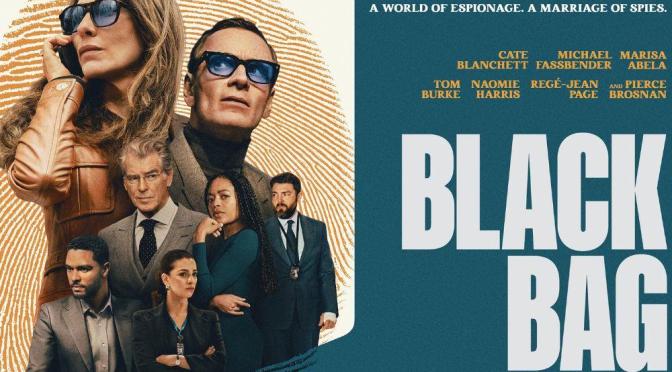
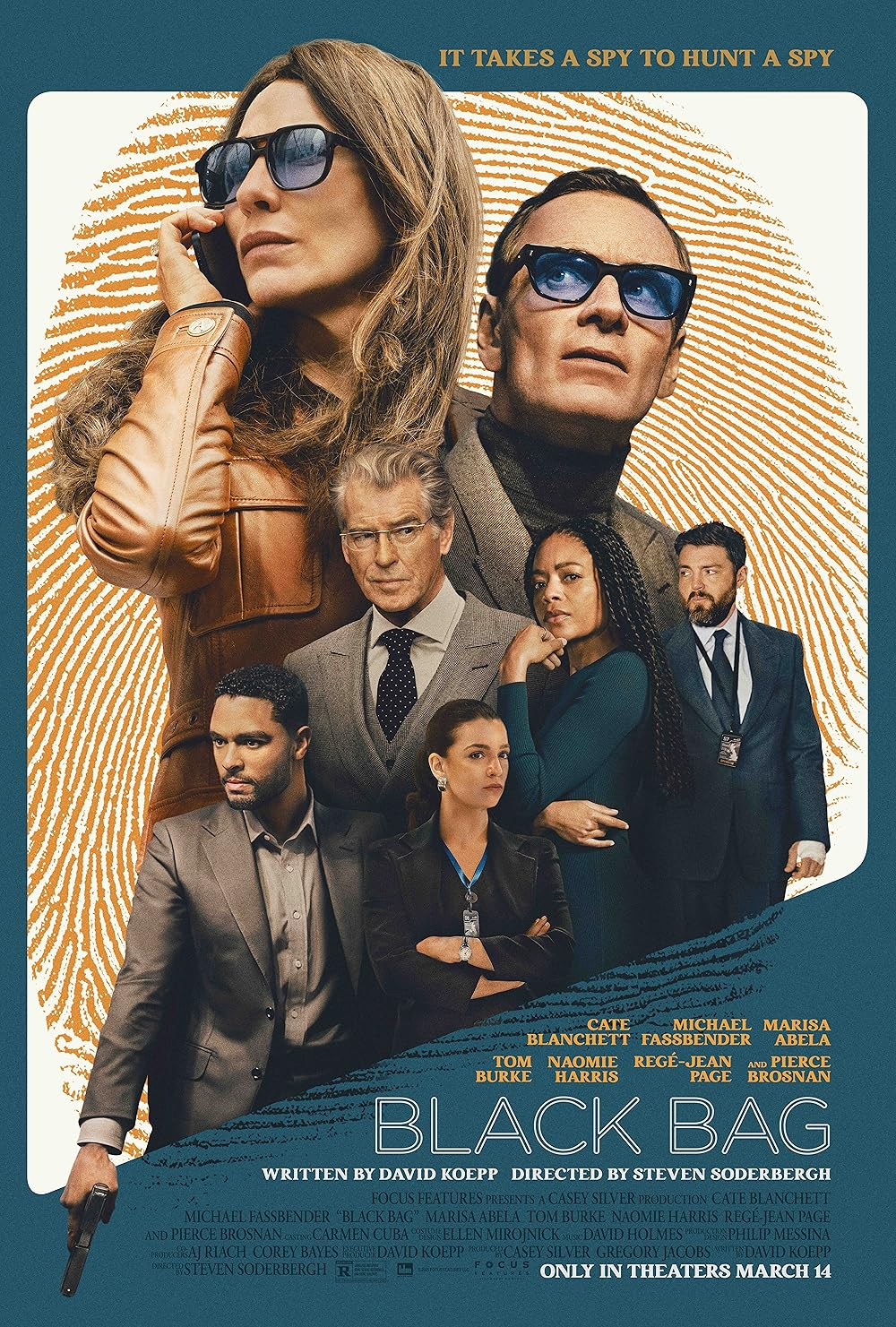
What sets these films apart from the rest of Soderbergh’s career is the seamless way in which he blends his usual intellectual ambition with a masterful, almost surgical delivery of genre tropes. Whether tackling the global panic of a viral outbreak in Contagion (2011), the psychological twists of a modern Hitchcockian thriller in Side Effects (2013), or the high-stakes political intrigue in Black Bag (2025), where a deadly uber-weapon McGuffin falls into the wrong hands. Here master-agent George Woodhouse (Michael Fassbender) must track down a mole, who may-or-may-not be one of his colleagues or indeed his wife, Kathryn (Cate Blanchett).

Black Bag (2025), expertly combines spy-game thrills within a series of “who’s-cheating-on-who” twists. It certainly helps that Soderbergh is working with an exceptionally crafted script from David Koepp and a cast to die for. Fassbender, Blanchett and Tom Burke especially stand-out, with Fassbender delivering yet another masterclass in filmic understatement. Overall, it’s a viciously funny and sexy genre piece that combines Agatha Christie, classic espionage thrillers and Soderbergh’s trademark framing, lens and lighting tricks. It’s the kind of genre filmmaking where every scene, every act, every word, every frame and every moment serves a narrative purpose. It’s a handsome bit of cinema and my word is my Bond!

Mark: 8.5 out of 11


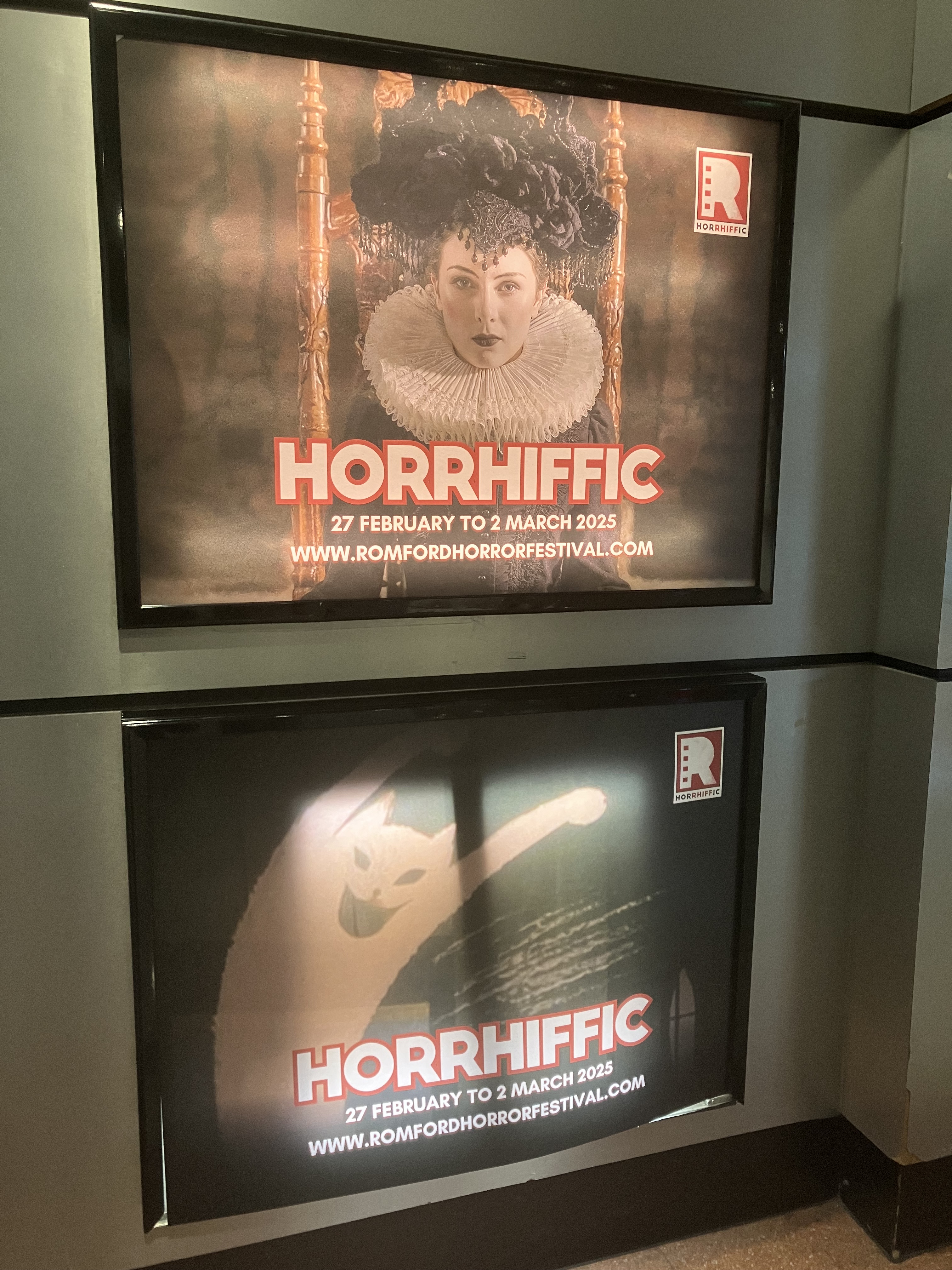
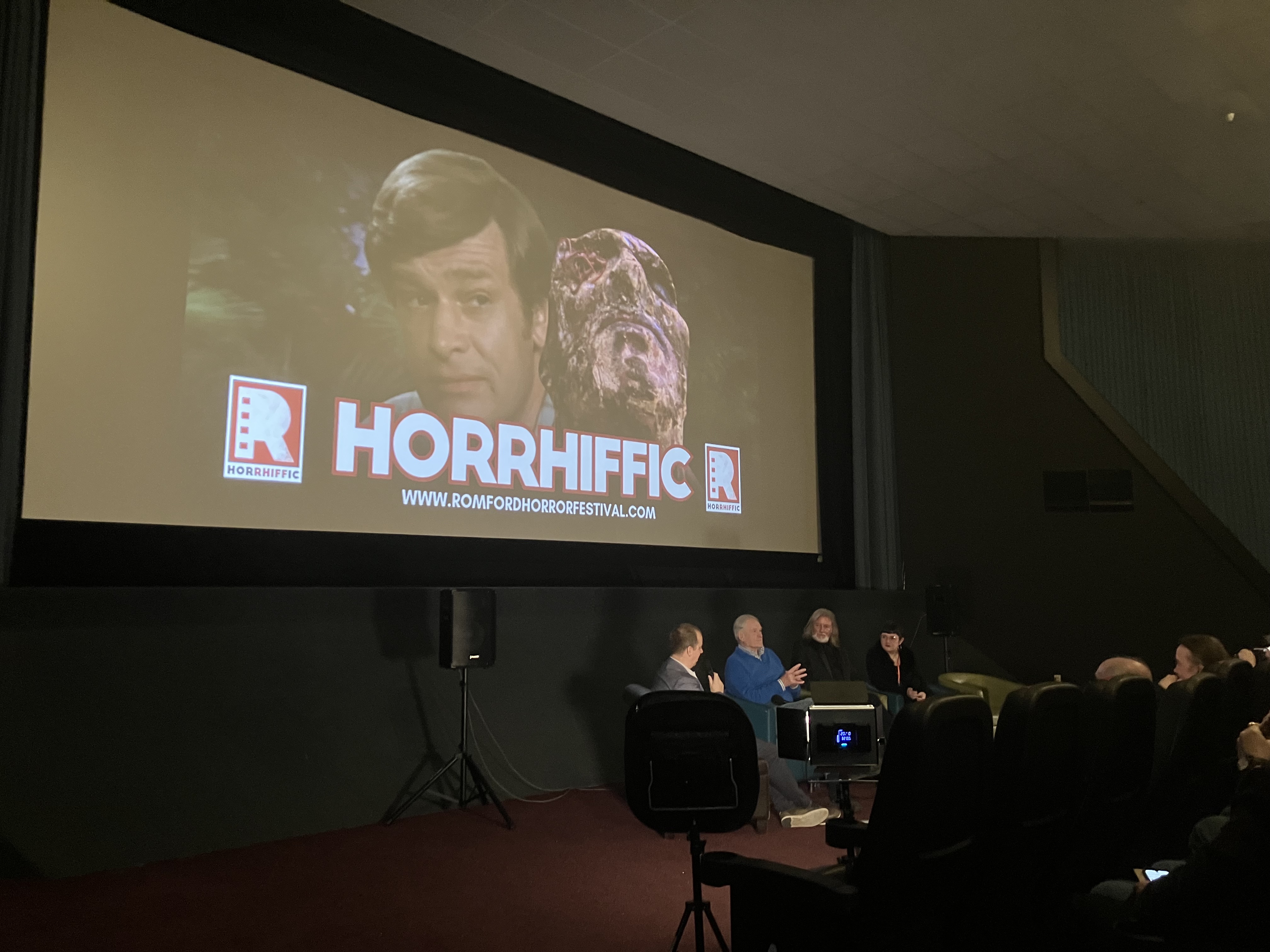
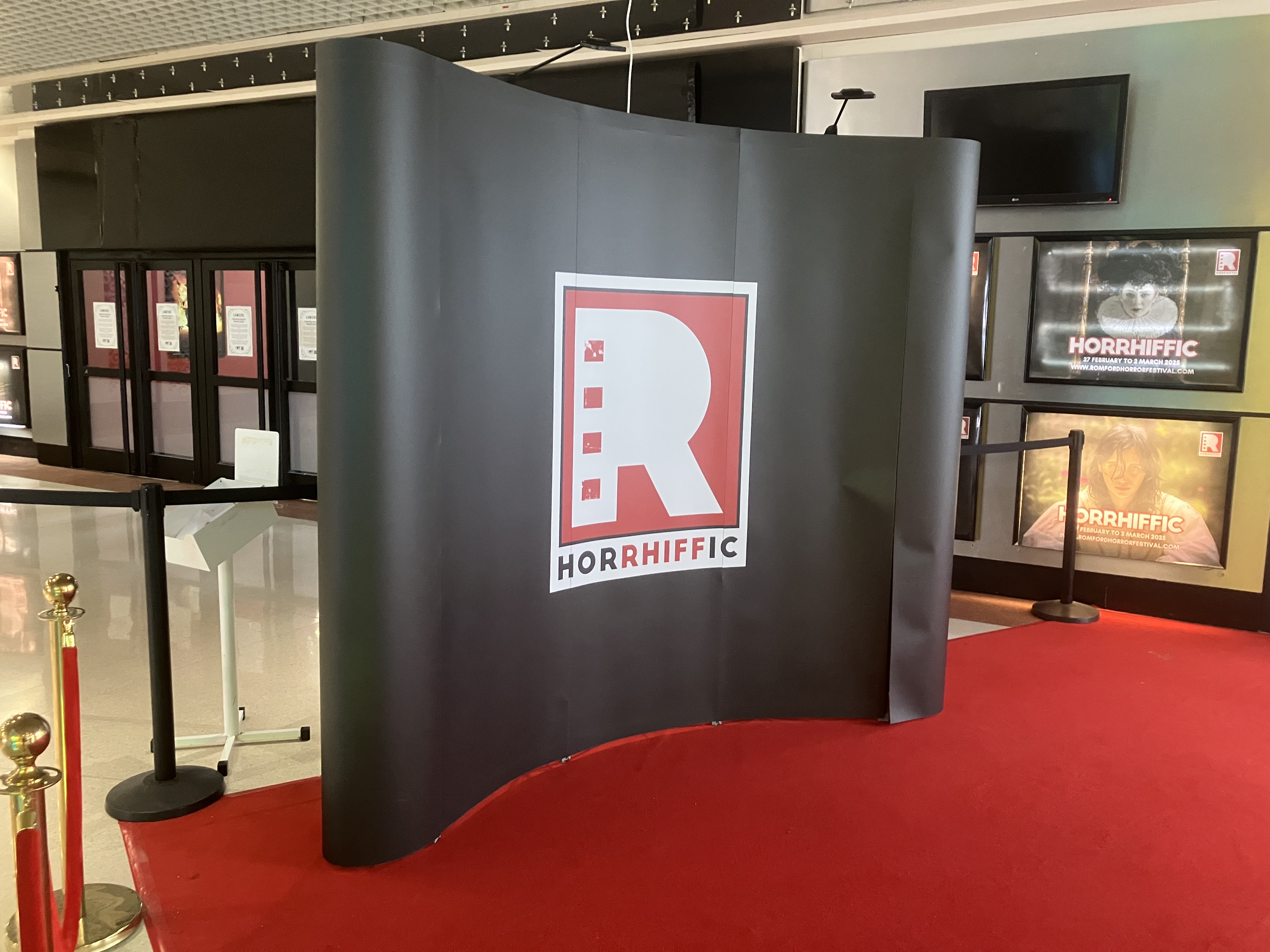
Romford Horror Film Festival 2025 appreciation post!

Romford Horror Festival 2025 – review and thanks!

The Romford Horror Film Festival in Essex has quickly become a key destination for both emerging and established voices in horror cinema. With a mission to champion independent filmmaking talent, the festival provides a crucial platform for new directors, writers, and producers to showcase their work to enthusiastic audiences and industry professionals.

One of the festival’s standout features is its dedication to fresh, original horror storytelling. By curating a diverse lineup of indie horror shorts and feature films, the event serves as a launchpad for up-and-coming talent, offering them exposure, networking opportunities, and even awards that can propel their careers forward. The festival frequently hosts Q&A sessions, panel discussions, and filmmaker meetups, giving creatives a chance to engage directly with fans and industry insiders.


Alongside its celebration of new talent, the Romford Horror Film Festival also pays tribute to the classics of the genre. Screenings of beloved horror films from the past ensure that attendees not only experience the latest innovations in horror filmmaking but also gain an appreciation for the genre’s deep roots. By blending the past and future of horror, the festival fosters a sense of community among horror enthusiasts, creating an environment where cinephiles, filmmakers, and genre veterans can connect.

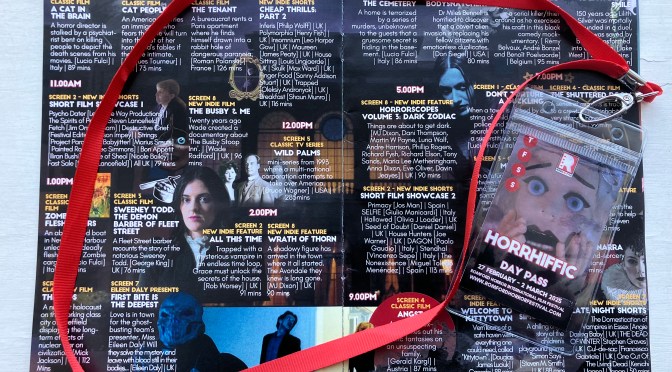
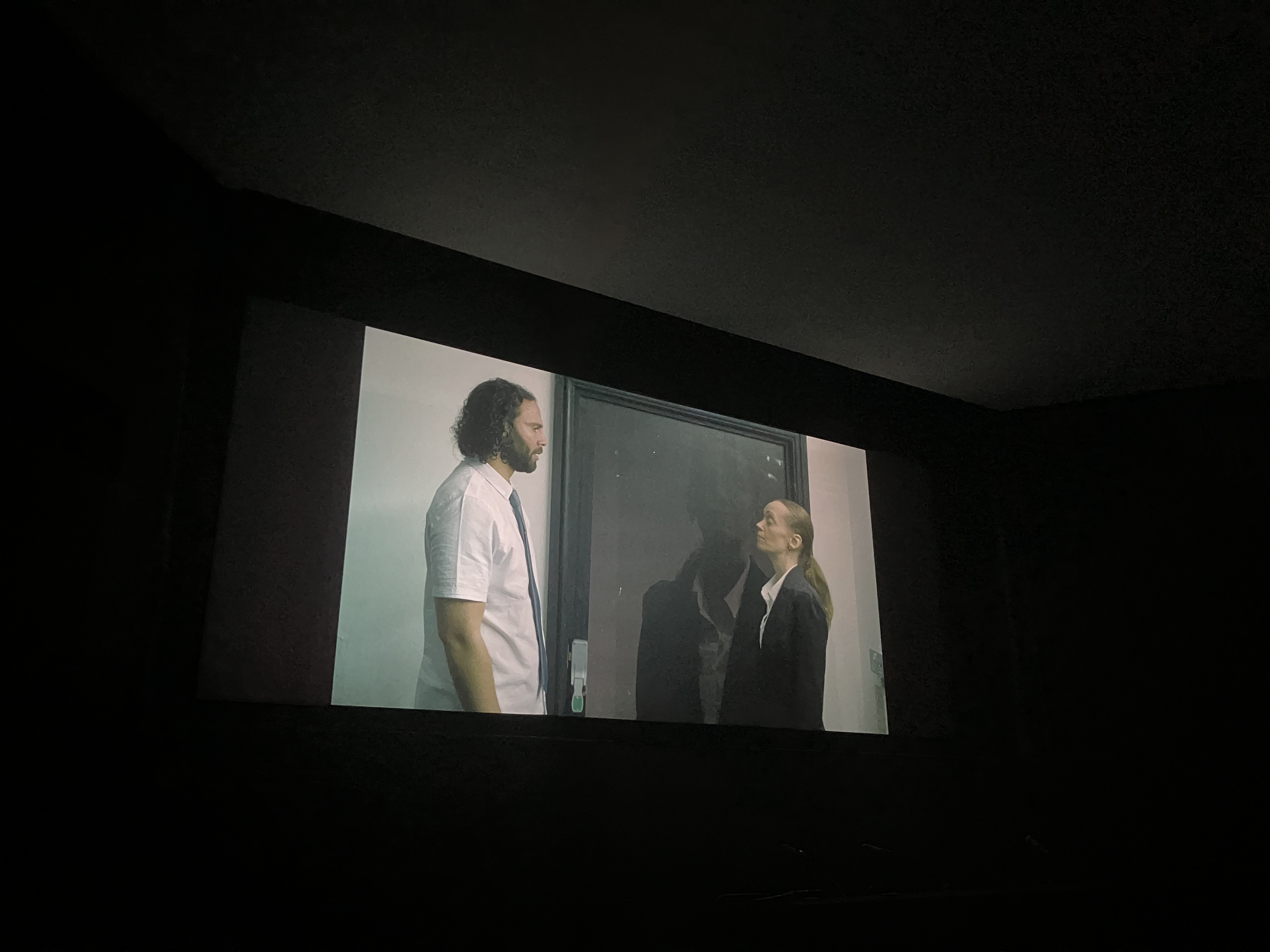
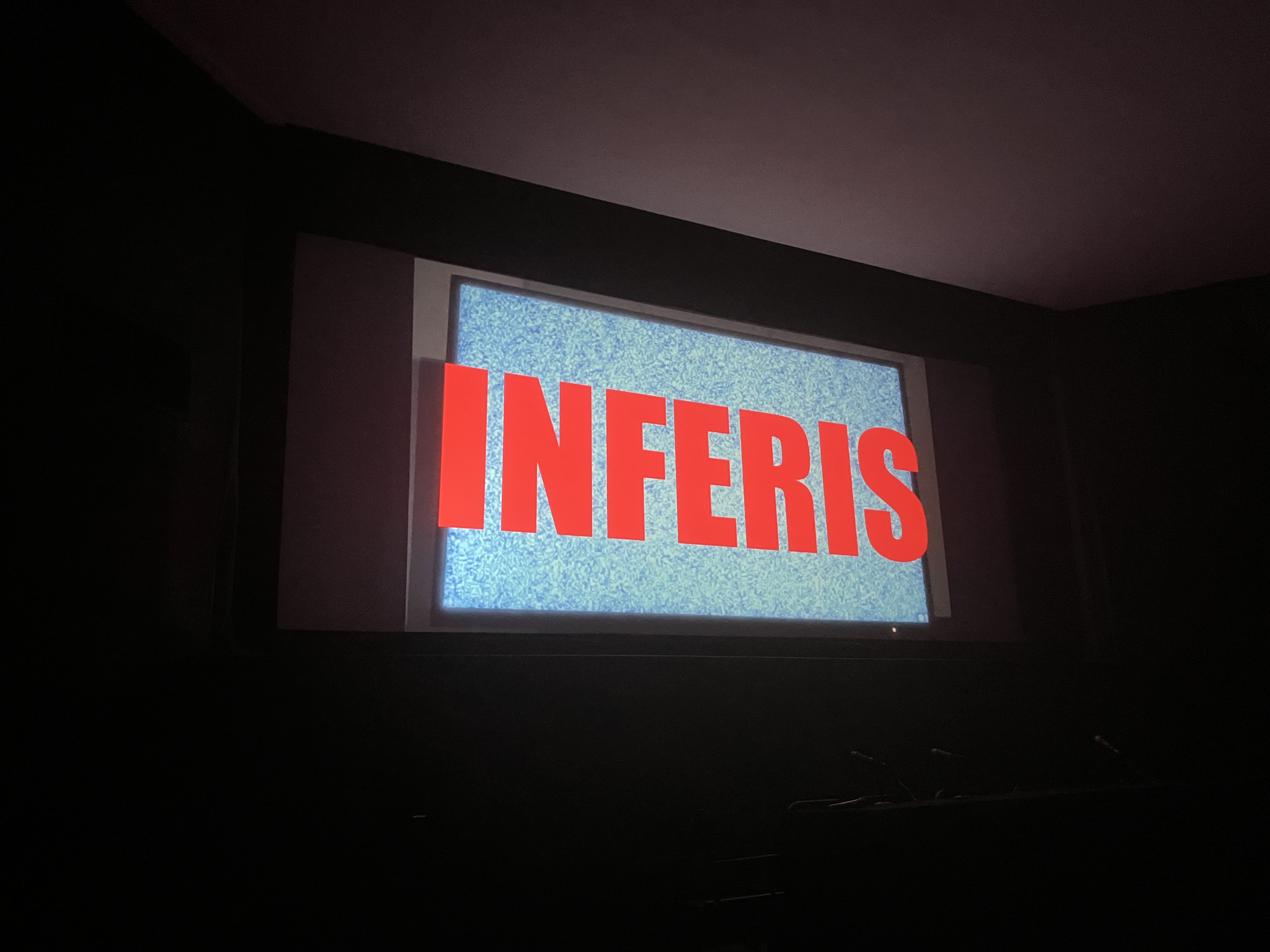
I attended on the Saturday and watched my short film Inferis (2024), plus a stream of other amazing short films. I then got to see Lucio Fulci’s gore classic, Zombie Flesh Eaters (1979) on the big screen. A very entertaining Q & A featuring cast members including Ian McCulloch followed. The programme also contained several more Fulci horrors, Threads (1984), The Evil Dead (1981), Metropolis (1927), Man Bites Dog (1992), Razor Blade Smile (1998) and many other vintage classics alongside the best of new indie releases. If you love horror films then check out their website for future events here!


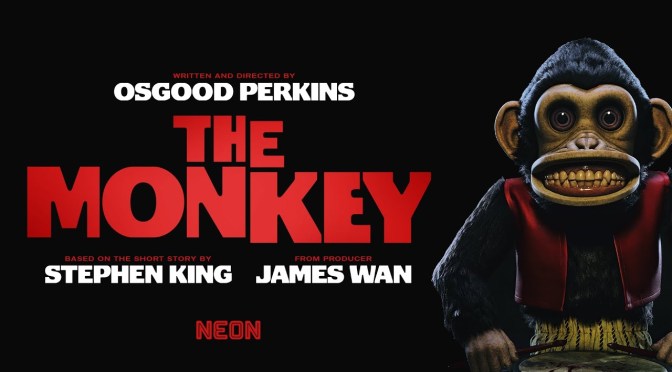
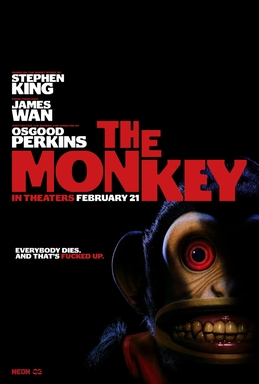
Cinema Review: The Monkey (2025) – a hilarious horror sketch-show with gore masking an inconsistent totemic tale!

Cinema Review: The Monkey (2025)

Directed by Osgood Perkins

Written by Osgood Perkins

Based on “The Monkey” by Stephen King

Produced by James Wan, Dave Caplan, Brian Kavanaugh-Jones, Chris Ferguson, etc.

Main Cast: Theo James, Tatiana Maslany, Christian Convery, Colin O’Brien, Rohan Campbell, Sarah Levy, Adam Scott and Elijah Wood.

Cinematography by Nico Aguilar


Following the financial success of his 2024 psychological thriller Longlegs (2024), Osgood Perkins has recently embarked on adapting Stephen King’s short story, The Monkey, into a feature film. While I didn’t quite connect with it Longlegs (2024) it had many impressed with its strange, atmospheric tension as well as Nic Cage’s crazy look and performance. The Monkey (2025), differs in tone though as it this adaptation with a blends horror and dark comedy, allowing Perkins to showcase his versatility as a filmmaker.

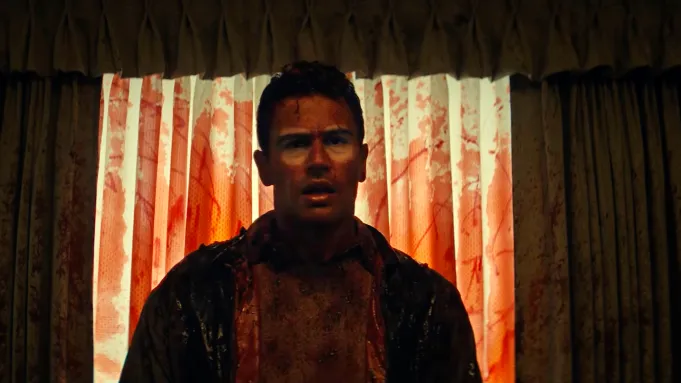
The narrative of The Monkey (2025) centres on twin brothers, portrayed by Theo James, who encounter a cursed toy monkey linked to a series of gruesome deaths. Perkins expands upon King’s original short story, infusing it with themes of family, fatherhood, reconciliation and a litany of grisly sudden deaths. Having found the simian death totem as teenagers, Hal and Bill Shelburn find their lives and those around them impacted in the most bloody explosive of ways. Indeed, there is much thought and planning given to these Saw and Final Destination franchise influenced on-screen set-pieces. In fact, the exquisite surprise and laugh-out-loud hilarity which occur throughout somewhat overpowers any emotional connection with the thinly-written protagonists.


The film’s gore and relentless pace are undeniably its strongest assets — the kills are extreme, inventive, and staged with a gleeful disregard for realism, echoing the chaotic energy of ’80s horror comedies. Each death sequence feels like a miniature horror short, packed with practical effects and over-the-top carnage. Perkins crafts these moments with a twisted sense of humour, making the film feel like a sketch-show carousel of nightmarish vignettes, each more outrageous than the last.

However, despite the visceral fun, The Monkey (2025) struggles to leave a lasting impression. Unlike the original Saw (2004) by James Wan and Leigh Whannell — a film that balanced its brutal horror with sharp social commentary and tightly woven mythology — Perkins’ adaptation lacks a deeper foundation. The cursed toy monkey serves as a simple harbinger of death, but the film never establishes consistent rules for how the curse operates or why it escalates the way it does. Without clear internal logic or meaningful subtext, the horror loses weight, and the emotional stakes fizzle.

While The Monkey (2025) succeeds as a frenetic, blood-soaked thrill ride, it ultimately feels ephemeral. The film’s surface-level scares and comedic flair make for an entertaining watch, but the absence of narrative substance or thematic resonance leaves it as little more than a fleeting novelty — a film you enjoy in the moment, but rarely think about after the credits roll.

Mark: 6.5 out of 11


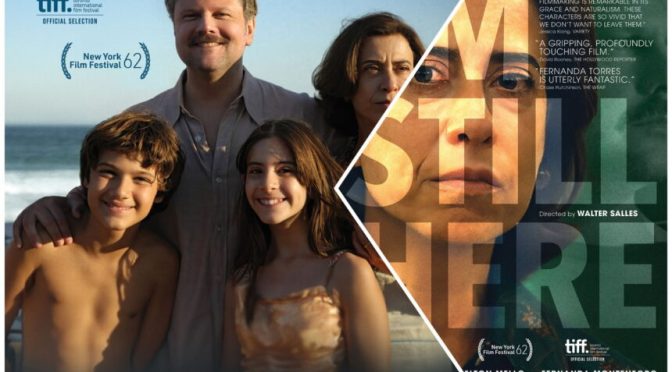
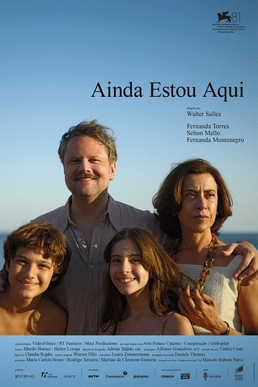
Cinema Review: I’m Still Here (2024) – A searing portrait of resistance in the face of military tyranny!

Cinema Review: I’m Still Here (2024)

Directed by Walter Salles

Screenplay by Murilo Hauser and Heitor Loreg

Based on I’m Still Here by Marcelo Rubens Paiva

Produced by Maria Carlota Bruno, Rodrigo Teixeira and Martine de Clermont-Tonnerre

Main cast: Fernanda Torres, Selton Mello, Fernanda Montenegro, Valentina Herszage, Luiza Kosovski, Barbara Luz, etc.

Cinematography by Adrian Teijido

*** MAY CONTAIN SPOILERS ***


On March 31, 1964, the Brazilian military, with support from the United States and segments of the civilian population, overthrew the government of President João Goulart in a coup d’état. Goulart, a left-wing president who had been in power since 1961, faced rising opposition due to his policies that included land reforms and more progressive labour laws. These policies alarmed conservative sectors of society, including the military, business elites, and parts of the middle class, who for many feared the spread of communism in the context of the Cold War. From reports I have read, the military’s move was framed as a necessity to prevent Brazil from descending into a left-wing revolution, but the coup marked the beginning of a brutal 21-year period of military dictatorship. Be careful what you wish for.

Under the military regime (1964–1985), Brazil saw widespread censorship, repression of political dissidents, the establishment of a climate of fear, and the use of torture against suspected leftist militants and activists. The military government justified its actions as necessary to combat communist insurgency, but its reign was characterised by systematic violations of human rights. The regime implemented institutional acts that curtailed democratic freedoms, silenced political opposition, and controlled the media, all while claiming to defend the country from Marxism. The dictatorship lasted until 1985, ending when the military handed power back to a civilian government, but the effects of this period are still deeply felt in Brazilian society, as many families continue to search for the truth about the victims of torture and forced disappearances during the dictatorship.


Yet, while the film may not explicitly focus on the 1964 coup or the military dictatorship. I’m Still Here (2024) addresses the aftermath and themes of identity, resistance, and survival in the face of oppressive systems. Director, Walter Salles, uses the personal as a lens through which broader social and political issues are explored. One could consider how the legacy of fear, control, and the impact of a regime still reverberates in contemporary Brazil.

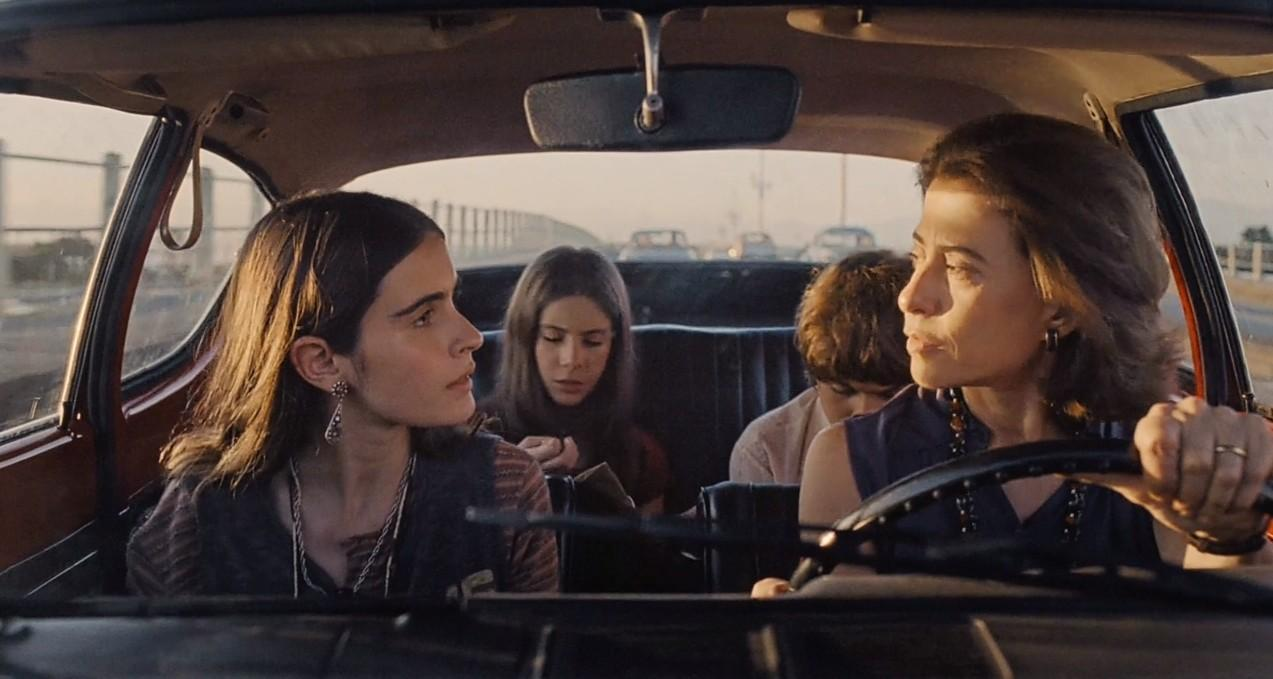
In I’m Still Here (2024), the filmmakers take a distinctive approach to the thriller genre by moving away from the typical tropes associated with suspense-driven narratives. Instead of focusing primarily on action or a series of dramatic plot twists, the film shifts its attention toward a more intimate, personal, and familial story. There is suspense and tension, but it is more under-stated and subtle. This departure from overt political thriller conventions allows the film to delve into the emotional and psychological terrain of its characters, with a particular focus on the matriarch, Eunice Paiva, played by the powerhouse Fernanda Torres.

Rather than relying on external action or traditional thrills, I’m Still Here (2024), centres around Eunice’s emotional journey and the impact of her environment on her family when her husband, Rubens Paiva (Selton Mello) is taken away by what may-or-not-be the military. The film positions Eunice as the central figure whose personal evolution drives the narrative, illustrating the profound effects of her choices and relationships on her family. Salles skilfully weaves family celebrations, events, and home movie footage to create a swell of warmth amidst the fear and paranoia created when Rubens disappears.


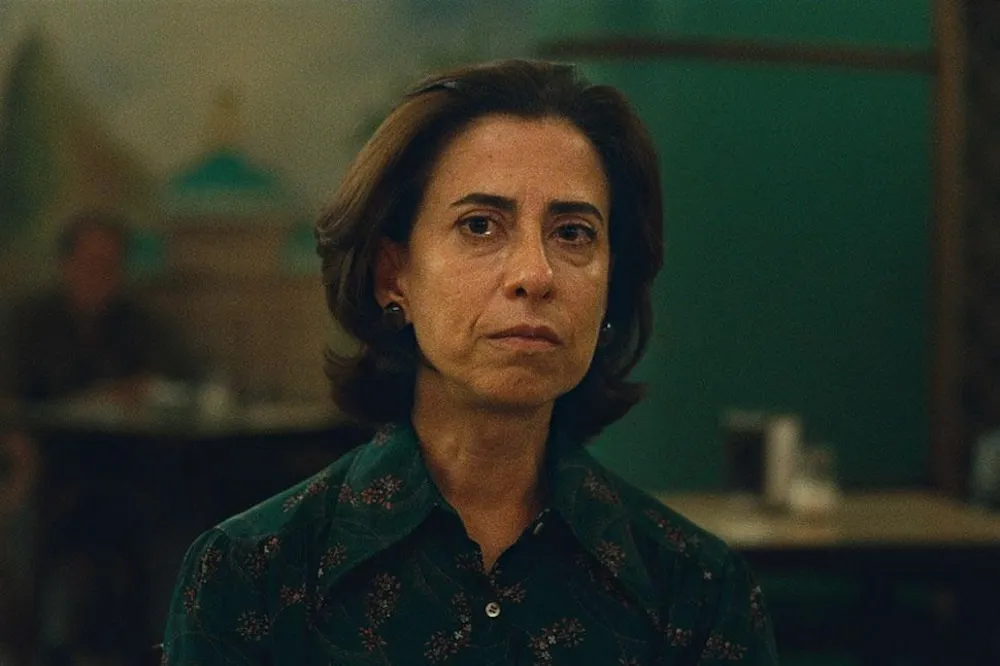
Eunice Paiva’s character is given a powerful depth in I’m Still Here (2024), with Fernanda Torres delivering a standout performance. Rather than positioning Eunice as a victim or a purely heroic figure, the film complicates her character, showing her as a multifaceted individual. Eunice’s actions are driven not by external thrills or pressures, but by the emotional and psychological burdens she carries as a matriarch, dealing with familial responsibility and navigating the complexities of her relationships with her children, spouse, and extended family.

Torres’s portrayal emphasises Eunice’s inner conflict—her desire to protect her loved ones, while also grappling with personal loss, regret, and the external societal forces that shape her world. Constantly denied answers and closure by the authorities, Eunice refuses to give in and continues to fight for decades, even when the military rule is over. The emotional intensity of Eunice’s character arc is one of the most compelling aspects of the film, as Torres’s performance brings a deep authenticity to the role, grounding the story in real, human struggles rather than sensationalised action.

By moving away from traditional thriller tropes, I’m Still Here (2024) creates a more reflective and intimate cinematic experience. Rather than simply delivering suspense through external action, the film explores the internal tensions of its characters and their relationships, magnifying the quiet, profound impact that such personal struggles can have on a family. Having lived through such adversity the Paiva family would stand proud in the face of this evil regime, overcoming all that is thrown at it. I mean, there is so much evil in this world and throughout history, that Eunice Paiva and similar quiet heroes are to be cherished. In short: why can’t such admirable individuals run the often horrible world we live in.

Mark: 8.5 out of 11