Category Archives: Articles

2017-2018 – TOTTENHAM HOTSPUR FC – SEASON REVIEW – SO NEAR, YET SO FAR! AGAIN!

2017-2018 – TOTTENHAM HOTSPUR FC – SEASON REVIEW
SPURS.jpg

I will never forgive the show Hamilton! For one it just wasn’t my thing. Clearly it was a brilliant mix of hip-hop history; with incredible choreography allied to a fascinating “founding fathers” narrative. But a freak diary clash caused me to have to miss Spurs last 16 second-leg tie against Juventus. My wife insisted I go to watch Hamilton as the show was booked months in advance. Anyway, I found out that Spurs lost at Wembley via the BBC Sports website and it was a crushing blow. Having to sit through two-and-a-half hours of musical theatre was bad enough, but Spurs going out of the Champions League, when in control of the tie, was a very bitter pill to swallow.

Indeed, I’m not afraid to say that this season I lost faith in football, not Spurs as I generally keep my expectations steady, but rather football as a passion. It’s rather pathetic and narcissistic I know but my obsession with Spurs and football got so ridiculous that I ended up smashing plates up in the kitchen when they lost to Manchester United in the 2018 FA Cup semi-final. I was very drunk on beer but that’s no excuse. I mean emotional outbursts in over-reaction to things one cannot control are, to quote a famous Vulcan, illogical.

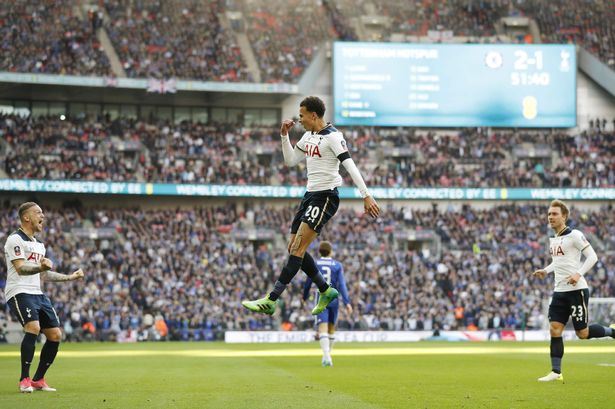
Perhaps it was because a friend of mine had passed away recently and it came on top a bit, but losing that semi-final to Manchester United was devastating for all Spurs supporters. It was especially difficult to watch us take the lead through Dele Alli’s goal and then see us ground down mentally by Mourinho’s Red Devils.  In my view it shouldn’t happen. Not the actual loss but getting upset at football. It’s just a hobby and I have no control over what eleven strangers do on a football pitch. Ultimately, supporting Tottenham Hotspur FC should be a pleasurable and fun thing to do and on the main the season was relatively positive. But how did we do?
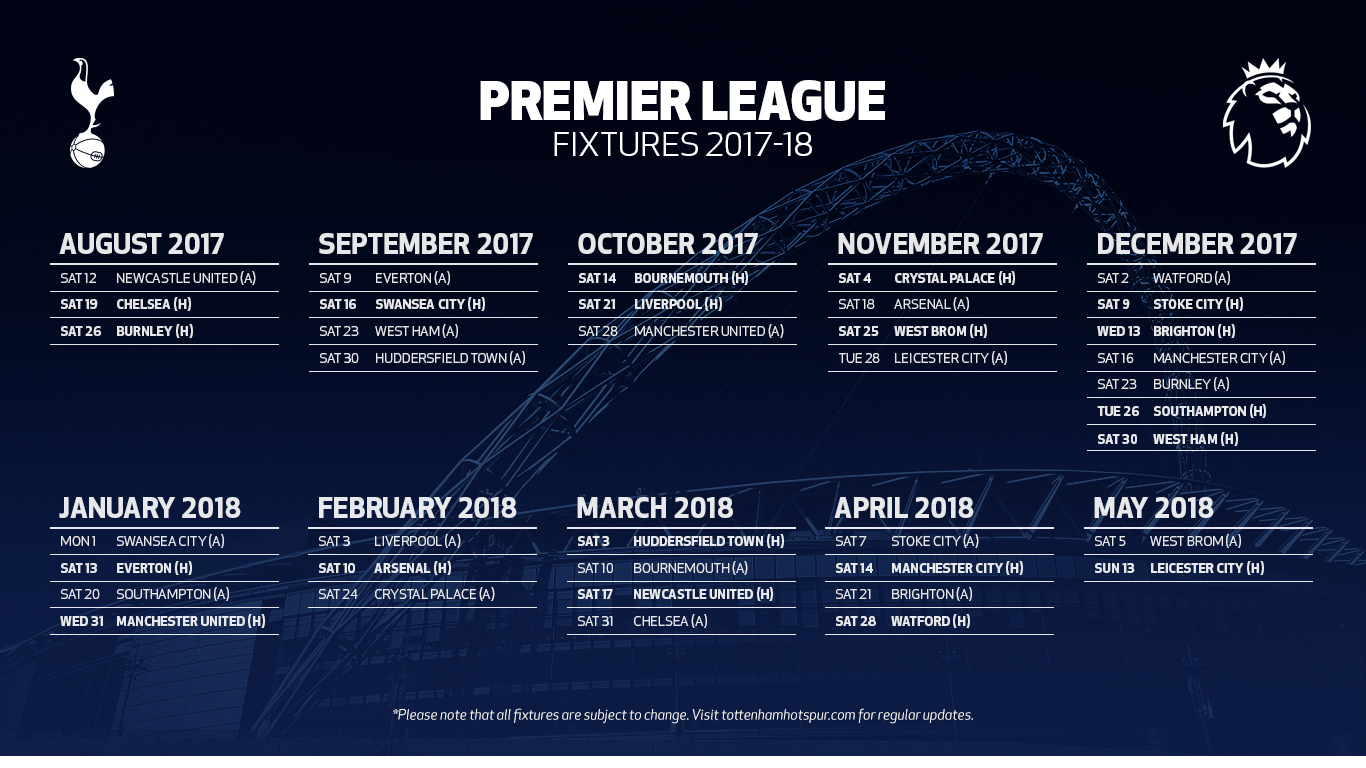
SPURS.jpg

SCORES ON THE DOORS

Premier League Finishing position: 3rd

Premier League Total points: 77

Premier League Goals Scored: 74

Champions League: Round Last 16

FA Cup: Semi-finals

Carabao Cup: Fourth round

Top scorer: HARRY KANE (30 goals)

Most Assists: DELE ALLI / CHRISTIAN ERIKSEN (10 assists)

Other:

Record Premier League Attendance: 81978 versus Manchester Utd – Wembley Stadium

Premier League Highest Placed London Team
header-home

SEASON HIGHLIGHTS

Tottenham finished the 2017/18 Premier league season in third place, booking a spot in next year’s Champions League. They almost made the quarter-finals of the Champions League but the clinical Italian team Juventus unpicked their defensive locks at crucial times to steal the match away from them. With the incredible Manchester City smashing all ahead of them in the Premier League, I felt the FA Cup was our best chance of silverware, however, Ander Herrera’s winning goal and an lacklustre second half display did for us in that game against Manchester United.

Overall, I think 3rd was a creditable finishing place in the league. We could have nicked second but there was no stopping Pep Guardiola’s light-blue behemoth breaking the hearts of the other teams. Spurs did well, given they played all their home games at Wembley. But for some early stutters against Chelsea, Burnley, Swansea and West Bromwich Albion our form there was excellent. The highlights were of course defeating Manchester United and Liverpool as well as thumping victories against Southampton, Stoke and Everton. Our away form was pretty consistent too although, some unnecessary draws, plus defeats to Manchester City and Manchester United were disappointing due to the poor team shows. However, we FINALLY we beat Chelsea at Stamford Bridge – FOR THE FIRST TIME IN ONE HUNDRED YEARS! Or so it felt (it was 28 years!)

I guess the major highlights of the season were our Champions’ League group stage victories over Borussia Dortmund and the mighty Real Madrid. I was at the Madrid game at Wembley and the atmosphere was beyond words. We managed to beat Ronaldo and Madrid’s Galacticos 3-1 at Wembley on an electric night. The sad thing is Real Madrid are now in the Champions League final and we again end the season with nothing but the glory of our memories.
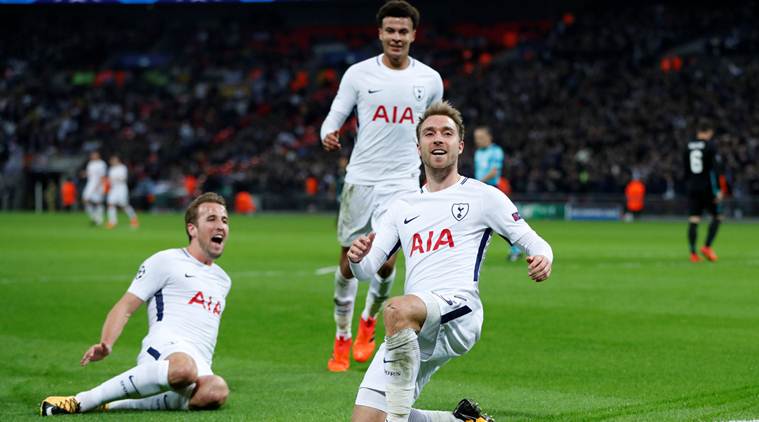
Champions League - Tottenham Hotspur vs Real Madrid

THE PLAYERS

Once again HARRY KANE had an incredible season. He scored 30 goals in the Premier League; only Mohammad Salah’s amazing skills and finishing stopped him winning the Golden Boot. CHRISTIAN ERIKSEN in midfield consistently proved himself a master of passing and delivery with some wonderful goals and assists. Indeed, his goal against Chelsea was a thunderbolt to behold. Dele Alli, received some ridiculous criticism during the season for not being as devastating as previous seasons. Yet, Alli scored some valuable goals as did our South Korea winger Heung Min Son, who constantly proved a valuable asset in attack.

In defence, Toby Alderweireld, so outstanding the previous two seasons, got injured in November so our record signing Davinson Sanchez, a young Columbian bought from Ajax, stepped up and showed maturity beyond his years. He, I think, will only get better. Along with Harry Kane and Christian Eriksen I would say that JAN VERTONGHEN was Spurs player of the year. He had an incredibly consistent season in the back four and hardly missed a game. He protected Hugo Lloris’ goal with a strength and intelligence which again made us a difficult team to beat.

Of all the wonderful goals that were scored this season, a special mention goes to VICTOR WANYAMA’S goal against Liverpool at Anfield. It was a powerful strike from over 30 yards out which burst the back of the net and got us back level in one of the most dramatic league games of the season.
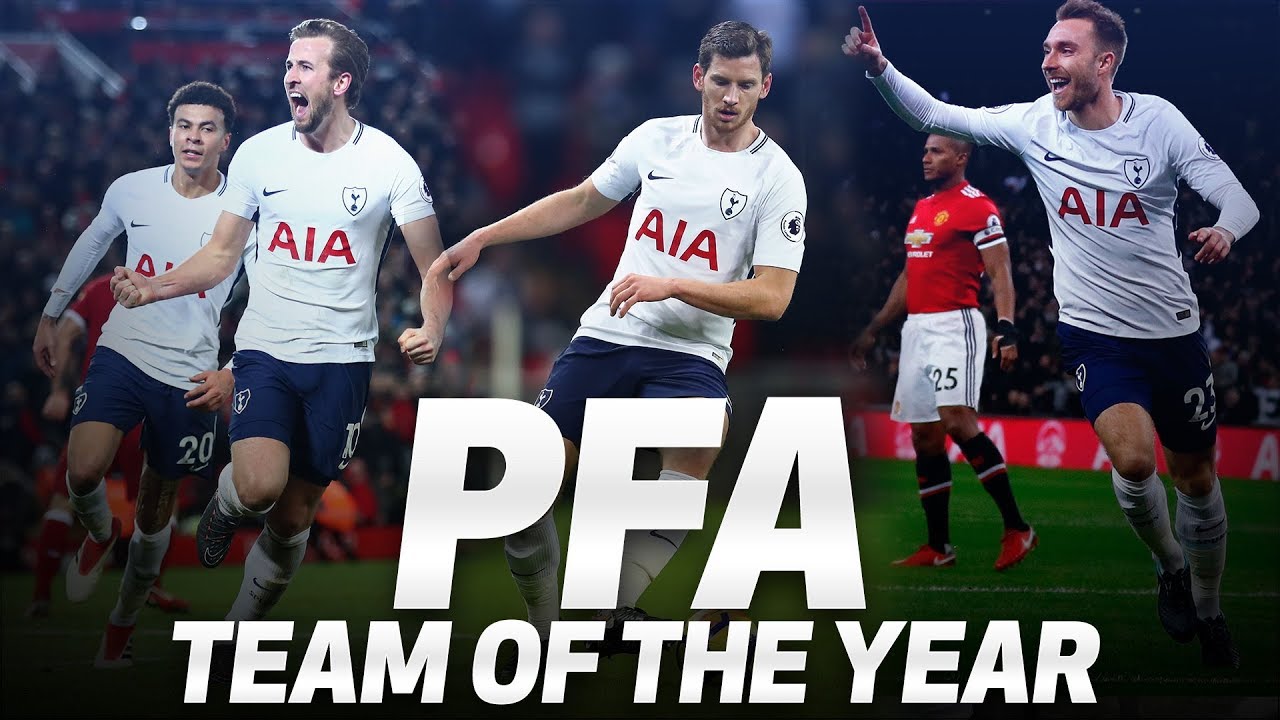
Image result for tottenham hotspur jan vertonghen TACKLE 2017 / 2018

THE MANAGER

I think, once again, MAURICIO POCHETTINO and his backroom staff have worked wonders with the squad. The team are always very fit and energetic although during some games we were very slow starters. Also, switching off against Juventus cost us badly. But, finishing 3rd and having decent cup runs was probably what we deserved. We just need to get that killer instinct to finish teams off. That mental “win-at-all-costs” attitude and steel is needed on top of the attractive football we have become known for.

Again we did not spend hundreds of millions on our squad and aside from Davinson Sanchez and Lucas Moura (in January); signings were relatively low-key compared to the teams from Manchester. I think given the tools such as a world class midfielder and another top striker to compliment Harry Kane, then Pochettino could deliver a title. But let’s be honest Manchester City will be difficult to catch and other teams such as Chelsea, Liverpool and Manchester United will also be in the mix.

Image result for tottenham hotspur POCHETTINO WEMBLEY

THE FUTURE

Spurs will move into their brand spanking new stadium for the beginning of the 2018 / 2019 season back at WHITE HART LANE.  It is a state-of-the-art facility with incredible technological features and extras. I really hope we will have a team to do the stadium justice. If we could just push the boat out and buy a couple of “world-class” players, if available, then I reckon we could challenge the very top. But, I for one will back the team yet should they lose and falter will never be smashing the kitchen up again. After all it is just a game; a beautiful silly game of football.

LONDON SHORT FILM – 90 SECOND SCI-FI CHALLENGE SCREENING!

LONDON SHORT FILM – 90 SECOND SCI-FI CHALLENGE SCREENING!

I’m writing this as a thank you to the London Short Film meet-up group who kindly screened, along with 15 other brilliant films earlier this week, my short film DON’T TRUST ME (2018).

DON’T TRUST ME (2018) is a 90 second short sci-fi thriller made for the LONDON SHORT FILM – Meet-Up Group competition.

Written, directed and edited by Paul Laight it starred the brilliant MELANIE GAYLE. She stars as a temporal scientist faced by her worst fears when an experiment goes wrong.

2018_UTU_Security_Pass

It was shot one fun Saturday in a few hours, for a budget of around £20 and a bag of crisps!! Please check out the film here:

The competition winner was brilliant too and called THE PERFECT CURE (2018) – that can also be seen here:

Do check out www.londonshortfilm.com for film screenings and competitions and loads of fun stuff.

Also check out my website too: www.fixfilms.co.uk

MY CINEMATIC ROMANCE #13 – MIKE LEIGH

MY CINEMATIC ROMANCE #13 – MIKE LEIGH

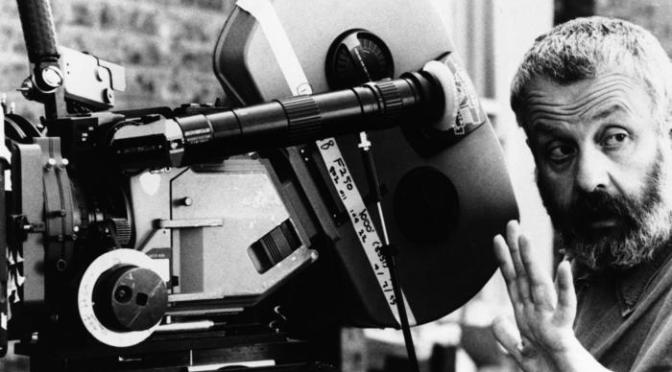
There is no way a mere simple page of words from my keyboard can do justice to the decades of incredible theatrical, televisual and cinematic work of the genius that is Mike Leigh. He has, since the 1960s, worked tirelessly creating: drama, comedy, pathos, empathy, love, hatred, politics, harmony, conflict, nihilism and hope through an orchestra of characters and creative endeavour.

For me Mike Leigh is a true artist. He has not only been involved in innumerable film, TV shows and plays since the 1960s but also created his own production modus operandi in the process. He is rightly well regarded for working intimately with his actors organically creating character and stories from the kernel of an emotion or idea. His works are legion and often feature representations the working or under-classes. There are no superheroes or special effects but rather raw emotion and feelings within his body of work.

The My Cinematic Romance series has always sought to praise filmmakers and actors I really love and Mike Leigh is no different. I would have to say though that to pick FIVE of my favourite works is an impossible task as there is so much choice. Nonetheless, these are five of my favourite Mike Leigh works but do check out any of his films as they have much to say about humanity and life and are also very entertaining in their own inimitable style.

**CONTAINS SPOILERS**

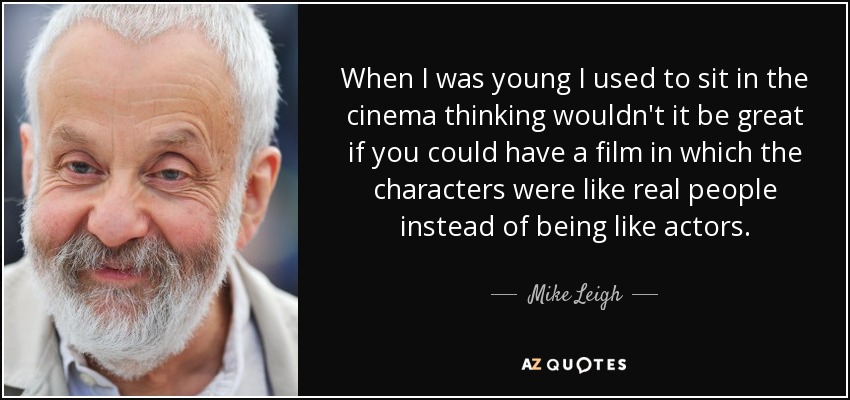
quote-when-i-was-young-i-used-to-sit-in-the-cinema-thinking-wouldn-t-it-be-great-if-you-could-mike-leigh-130-29-51

ABIGAIL’S PARTY (1977) – BBC TV PLAY

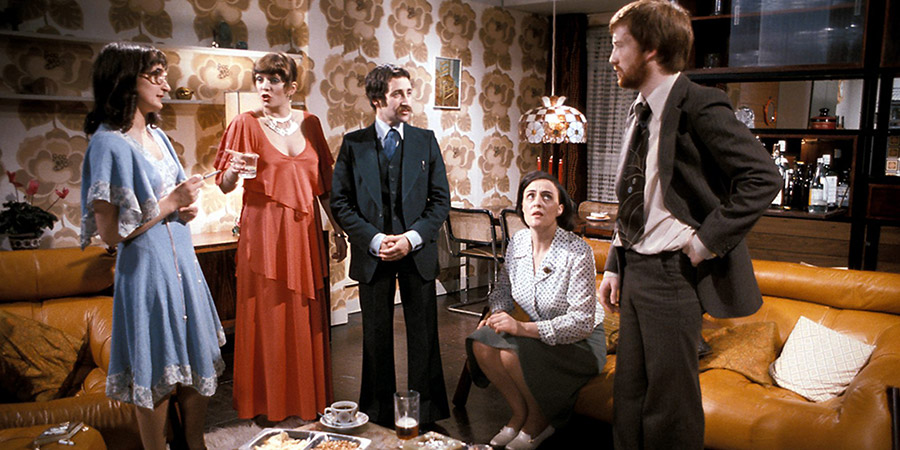
Opening as a stage play in 1977, the seminal tragic-comedy Abigail’s Party sold out for months at the Hampstead Theatre when first released. A filmed TV version was released later to much acclaim that year and starred: Alison Steadman, Janine Duvitski, John Salthouse, Thelma Whiteley and Tim Stern. It’s a comedy of crumbling relationships featuring the passive aggressive clashes between the aspirational classes. The performances, notably from Steadman as the brash and formidable Beverley, are astute, over-the-top but somehow hilariously nuanced too. Moreover, the barbed dialogue and bitchy asides are perfectly delivered during a dinner party that, once seen, will have you laughing throughout. But, like much of Leigh’s work, by the end you somehow feel sad too.

Image result for abigail's party original cast

MEANTIME (1983) – CINEMA

The epitome of classic working-class-kitchen-sink-council-estate tragic-comedy, Meantime, features a “Who’s-Who” of now famous actors including: Gary Oldman, Tim Roth, Phil Daniels, Alfred Molina; plus an early appearance from Leigh favourite Peter Wight. Set amidst the bleak concrete landscape of East London the episodic story focusses on the Pollock family, notably the unemployed brothers portrayed by Daniels and Roth. The former is an answer-for-everything-clever-dick while Roth’s Colin is the more subdued, shy and possibly autistic one, very much in his brother’s shadow. Furthermore, a very young-looking Oldman pops up as a bored, thuggish, glue-sniffing and racist skinhead who bullies those around him, especially Colin. Overall, Meantime evokes memories of my own childhood growing up on a rough Battersea council estate and captures the ennui and inertia of unemployment in Thatcher’s Britain. While it may sound depressing there’s also some classic dialogue and a number of hilarious exchanges between the family and characters which certainly silvers the dark, grey clouds on the horizon.

NAKED (1993) – CINEMA

We need to talk about, Johnny! Arguably, of all the characters and creations from Mike Leigh, Johnny Fletcher is the darkest manifestation and representation of his worldview. Unlike the permanently positive Poppy from Leigh’s Happy Go Lucky (2008), Johnny is a dress-in-black, biting and bilious shadow who drifts like smoke from North to South with no aim other than to attack those around him. Sardonic and severe in his outlook, Johnny’s misanthropy knows no bounds as he angrily castigates his ex-girlfriend’s lack of ambition, portrayed by Lesley Sharp, before beginning a doomed sexual liaison with her flatmate, the self-hating Sophie (Katrin Cartlidge).  It is not an easy film to watch due to the flagrant and offensive misogyny exhibited by the male characters and the seeming lack of hope throughout. Yet, it remains a compelling portrait of pre-millennial nihilism with some epic monologues delivered by the rasping and mercurial voice of David Thewlis’ in a never-to-be-bettered acting performance.

SECRETS AND LIES (1996) – CINEMA

After the nihilistic dissonance of Naked (1993) Leigh’s next film would return to familial roots and gentler, if still emotionally resonating, domestic drama. The story centres on Marianne Jean-Baptiste’s optometrist attempting to locate the birth mother who gave her up for adoption. In an extremely tender and serene performance, Baptiste as Hortense Cumberbatch finds her search turn up unexpected results. Brenda Blethyn, in the more melodramatic role of Cynthia Purley, runs the gamut of emotions; while the imperious Timothy Spall steals the floor with his noble rendition of Cynthia’s brother, Maurice. Spall’s Maurice is an ordinary, yet noble man, trying to hold the disparate family strands together. I especially loved the opening vignettes of Maurice’s photographic customers which established themes of surface appearances contrasted to hidden family secrets. This overall is what I class as a small epic containing so many brilliant character details, funny looks, and very touching moments where the emotion, quite often, is in the silence. Secret and Lies (1996) was, to date, Mike Leigh’s most accessible and emotionally satisfying film and would deservedly garner acting and directing awards and nominations from the Academy, BAFTA and Cannes.

VERA DRAKE (2004) – CINEMA

Having presented the lively Topsy Turvy (1999) world of Gilbert and Sullivan a few years before, Leigh created another period piece with Vera Drake. Set in 1950s London it centres on Imelda Staunton’s kind housewife who harbours a secret life. Amidst her family and work existence Vera assists young woman who accidentally get in the “family way”. I don’t want to say too much but this is a gut-wrenching and tragic story which highlights the issues of the day with a stunning emotional power. Imelda Staunton is one of the best actors I have ever witnessed on stage and screen and she brings to Vera’s character sympathy, pride and passionate inner strength. The supporting cast of Philip Davis, Eddie Marsan, Daniel Mays, and Sally Hawkins are superb; and a special mention to cinematographer Dick Pope, who has lit most of Leigh’s films. Pope creates, within a palette of greys, greens and browns a salient mood which enhances the performances and Leigh’s masterful direction.

Mike Leigh’s new film PETERLOO (2018) will be released this year in cinemas.

NINE REASONS WHY INSIDE NO. 9 IS ONE OF THE BEST TV SHOWS EVER!

NINE REASONS WHY INSIDE NO. 9 IS ONE OF THE BEST TV SHOWS EVER!

Having just finished watching Season 4 of the incredible anthology TV show Inside No. 9, I felt compelled to write why it is so good! So here are NINE reasons why it is one of the best TV shows I have ever seen.

1. League of (Two) Gentlemen

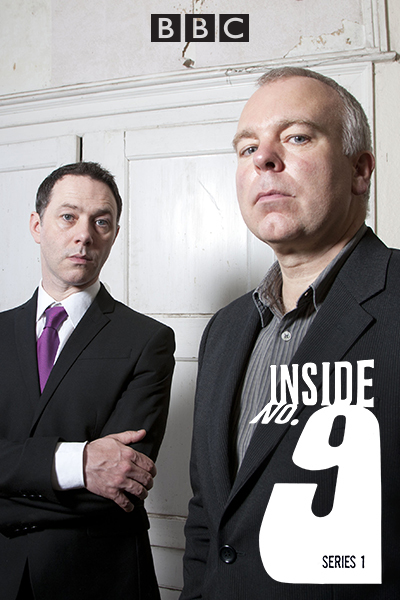
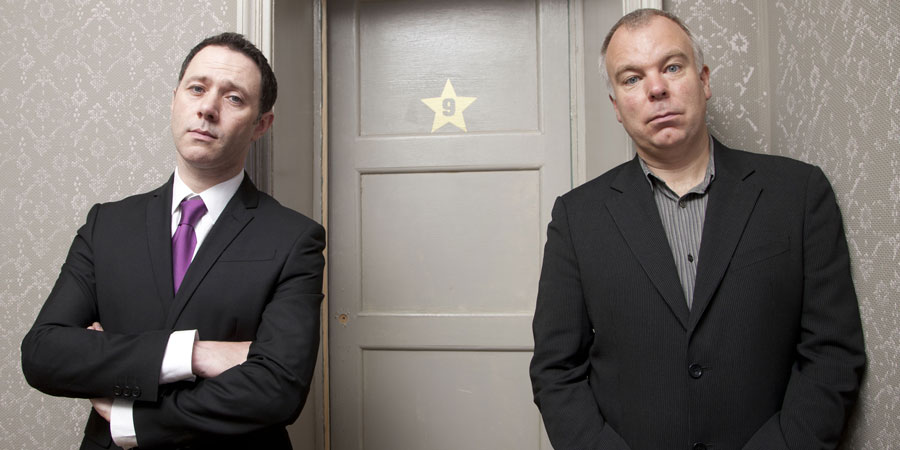
Inside No. 9 is written by and stars Steve Pemberton and Reece Shearsmith. Both are brilliant comedic and dramatic actors having appeared in many TV shows and films down the years. They are arguably most famous for beginning their careers in cult comedic troupe The League of Gentlemen; however, their work on Inside No. 9 actually surpasses the ‘League’ in my view.

inside_no_9

2. Cast

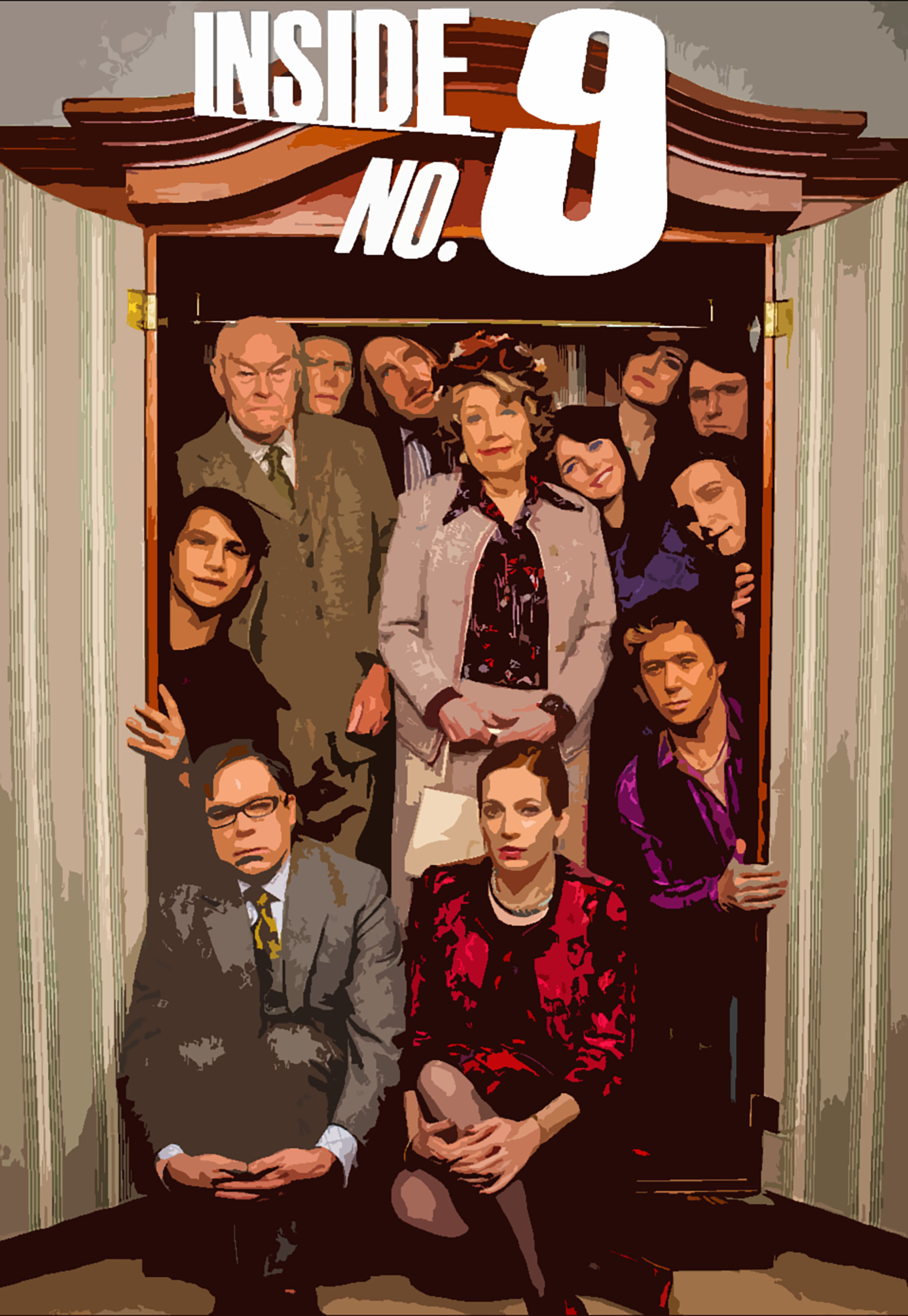
Shearsmith and Pemberton, along with themselves, are able to cast well-known actors from stage and screen in supporting roles. Part of the fun of many episodes is spotting such guest appearances with, in many cases, the ensemble brilliance of the actors bouncing sparks of each other. Inside No. 9 has featured talented performers including:  Timothy West, Fiona Shaw, Jack Whitehall, David Warner, Denis Lawson, Sheridan Smith, Rory Kinnear, Conleth Hill, Alison Steadman, Noel Clarke, Philip Glenister, Zoe Wanamaker, Keeley Hawes, Nikki Amuka-Bird, Derek Jacobi and many more.

sphinx

3. Writing

Each episode is self-contained within a 30 minute one-off story. The challenge therefore is to create a compelling narrative which establishes: theme, character, setting and the drama quickly in order to draw the audience in and subsequently entertain. Like similar classic anthology shows such as The Twilight Zone and Tales of the Unexpected the writers do this brilliantly and conversely, for me, every script is a joy to experience again and again.

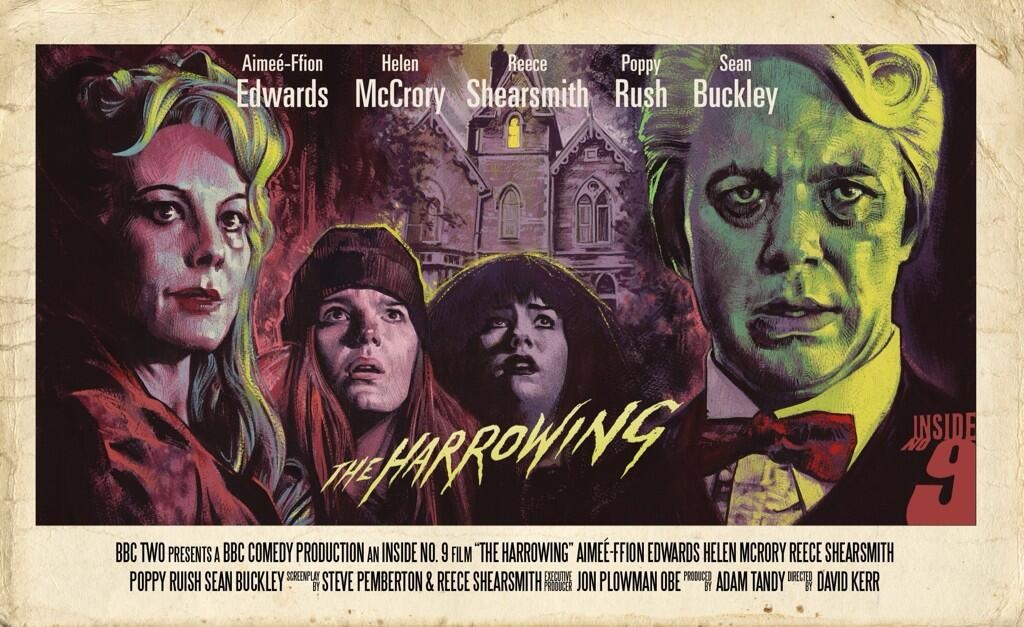
Inside_Harrowing

4. Genre

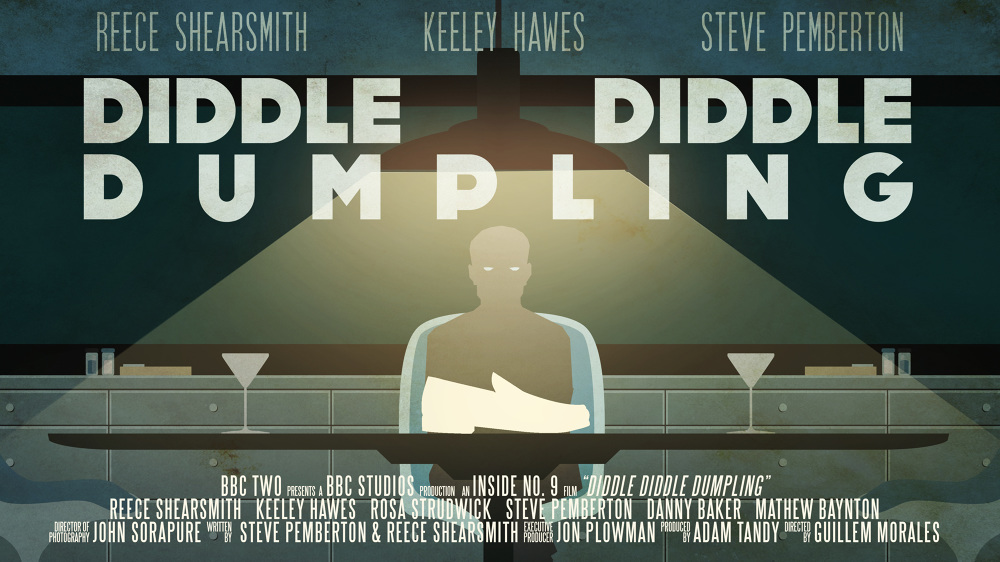
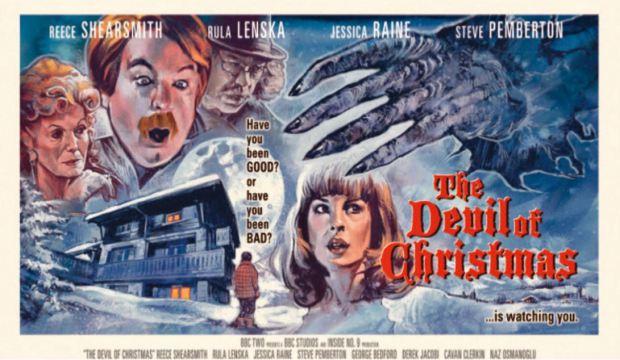
Shearsmith and Pemberton are experienced actor and performers with great range. They initially worked in comedy, however, The League of Gentlemen and Psychoville contained heavy infusions of horror and grotesque which scared and disgusted amidst the laughter. Inside No. 9 could be described as comedy but it crosses many other genres too. Episodes such as: The Harrowing (Season 1) and Séance Time (S2) and Devil of Christmas (S3) are firmly fixed in the horror genre; Tom and Gerri (S1) and Diddle, Diddle Dumpling (S3) and Nana’s Party (S2) are contemporary domestic dramas; The Trial of Elizabeth Gadge (S2) evoked historical dramas; and silent and slapstick comedy is represented by the sublime A Quiet Night In (S1). Every episode is beautifully devised within its set milieu and genre creating a rewarding viewing experience.

diddle_diddle_dumpling_v002_high_1000

5. Number 9

During the whole four seasons, as well as the writing being spot on, there is much imagination in the details. For example, the No. 9 is not just the house number of the story location it is also a: dressing room, sleeper car, barn, call centre, shoe-size, study, karaoke booth, gallery space and church hall. Such locations show the diverse imagination of the writers and various spaces of these wonderful stories.

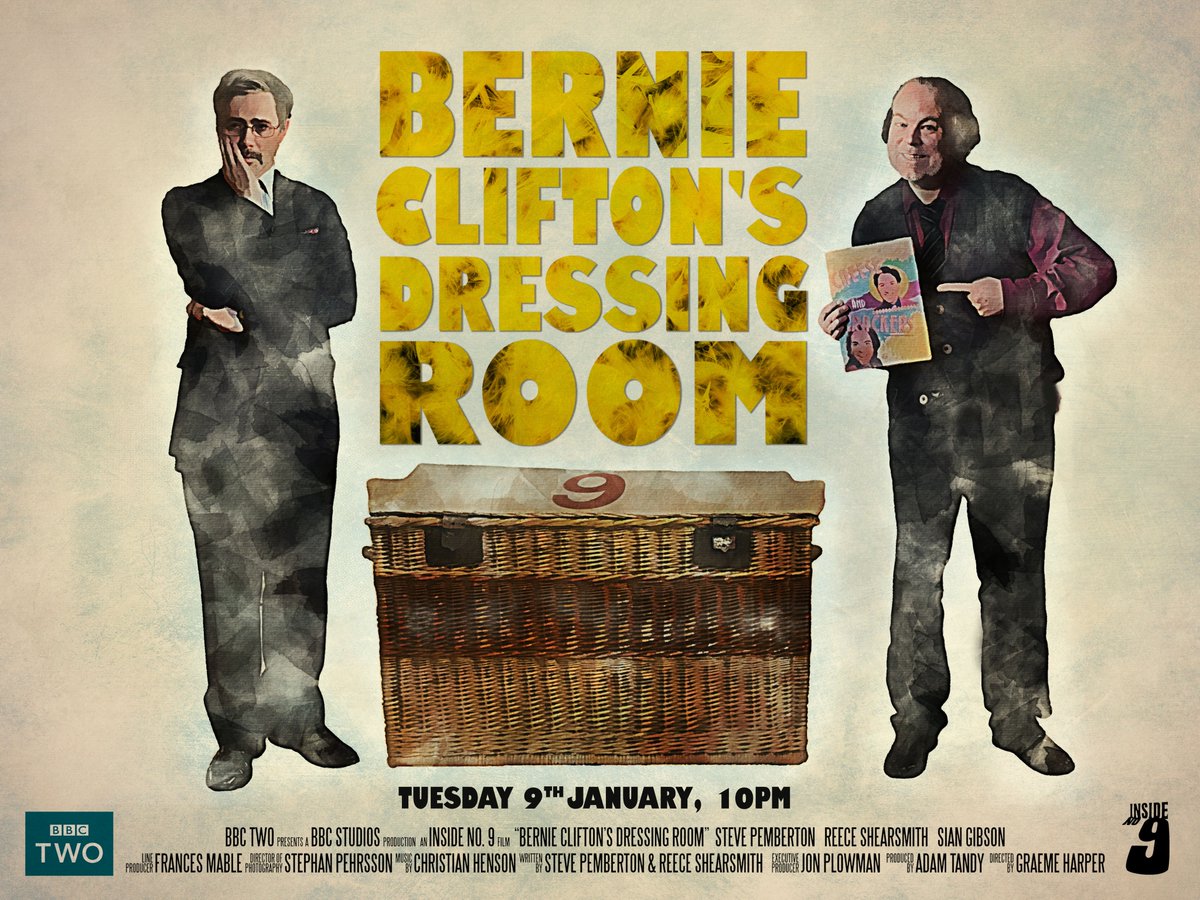
bernie_poster

6. Emotion

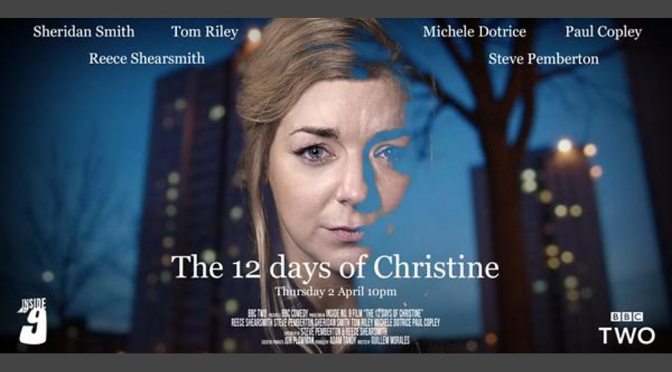
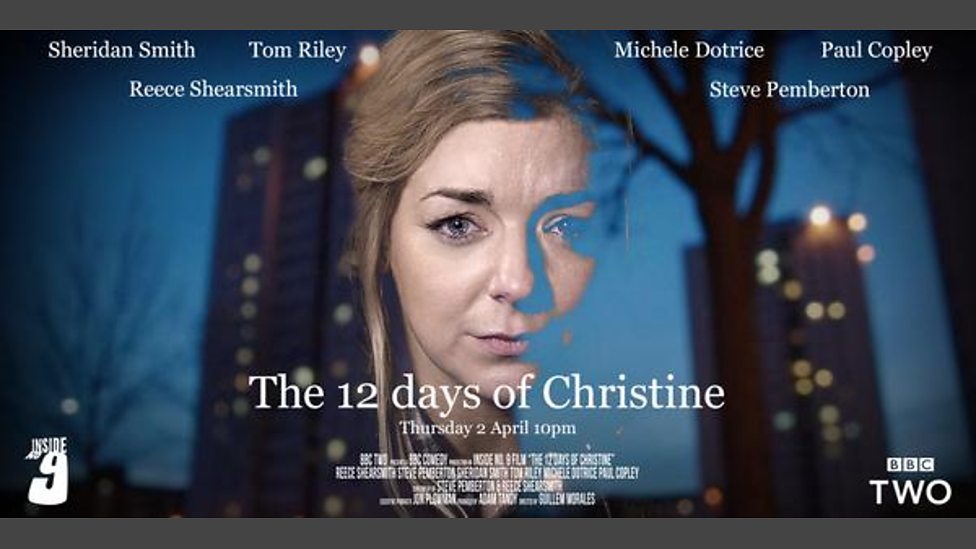
Stories are nothing without compelling characters. Amidst the gags, one-liners, horror, drama and clever writing you have to care about what happens to the characters. Indeed, Inside No. 9 also delivers some compelling stories which contain much emotion and pathos. The 12 Days Of Christine (S2) is one of the most blistering dramatic arcs I have seen within a short form TV show. Similarly, Tom and Gerri (S1), Diddle, Diddle Dumpling (S3), To Have and To Hold (S4) and Bernie Clifton’s Dressing Room (S4) contain very powerful endings that shock the heart as well as the mind.

inside_Christine

7. Form and Style

Shearsmith and Pemberton are not only great actors and writers; they are also drenched in film, TV and cultural knowledge. As such, their work on Inside No. 9 is consistently reflexive and inter-textually referencing pop culture. In the: The Devil of Christmas (S3) they reference DVD commentaries and 1970s horror TV; in Once Removed (S4) they do a Memento (2000) and tell the story backwards; while in Zanzibar (S4) the characters deliver lines in iambic pentameter. However, stylistic or formalistic devices do not impinge on the narrative polarity but enhance the viewing experience.

The_Devil_of_Christmas_poster

8. Twists in the Tale

Ah, I love a good story twist as I grew up watching shows such as: Hitchcock Presents, Tales of the Unexpected, The Twilight Zone, Armchair Theatre and The Outer Limits to name a few. Inside No. 9 follows in the tradition of these classic programmes by often flipping narrative expectations with delicious results. Much fun can be derived trying to work out the twist too and even if you can see it coming that still adds to the entertainment factor to me. But WHEN YOU DON’T see it the programme becomes something else altogether!

bill_v002_high_1000

9. Favourite Six Episodes

Tough one this but if I had to choose my favourite six episodes (out of 24 so far) I would go with the following (in production order):

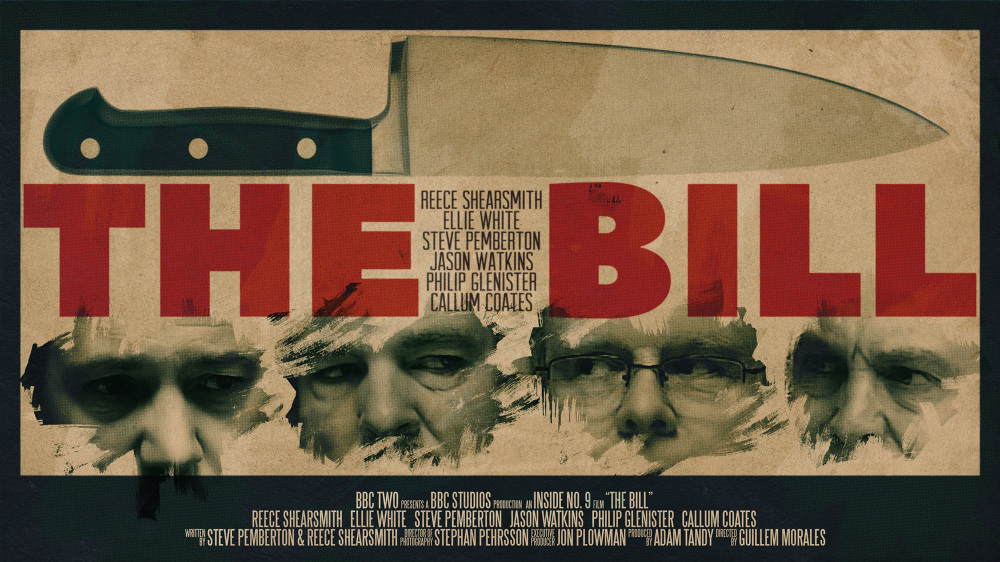
  • A Quiet Night In (2014) – two burglars try to steal a painting in silent comedy classic.
  • La Couchette (2015) – a train sleeper car provides the setting for a hilarious night of comedy chaos.
  • The 12 Days of Christine (2015) – Sheridan Smith shines in this haunting and beautiful character profile of a young woman.
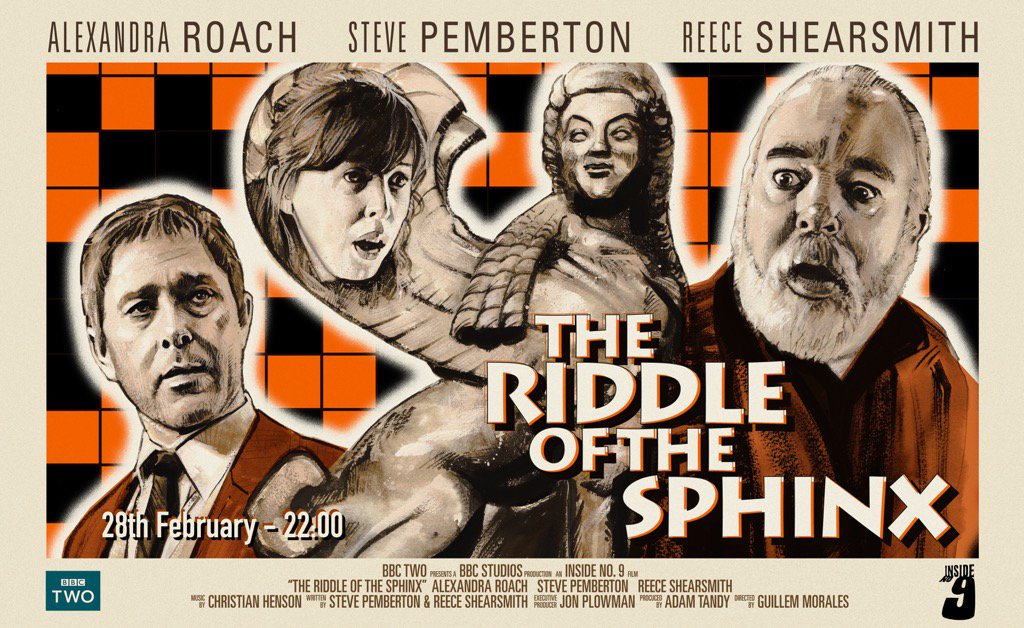
  • The Riddle of the Sphinx (2016) – ultra clever crossword dominated thriller set in a University study.
  • Diddle Diddle Dumpling (2017) – Shearsmith and Keeley Hawes excel as a couple whose lives are impacted by obsession and a lost shoe.
  • Bernie Clifton’s Dressing Room (2018) – two failed TV entertainers bicker as they prepare to perform their act one last time.

MY CINEMATIC ROMANCE #12 – STANLEY KUBRICK – incorporating a visit to THE KUBRICK EXHIBITION, COPENHAGEN

MY CINEMATIC ROMANCE #12 – STANLEY KUBRICK

Stanley Kubrick and I do not have many things in common. But one of them is we both, when he was still with us, hate flying. From some limited research I learnt that Kubrick was in fact a qualified pilot but following an incident in the air it scared him to the extent he refused to fly again. The famous story of recreating the major parts of war-torn Vietnam in London because of this during the making of Full Metal Jacket (1987) has subsequently gone into cinematic folklore.

2017_Kubrick_Shining_Typewriter

I hate flying for a number of reasons. Firstly, I am a science ignoramus and therefore cannot get my head around how that big hunk of metal can actually take off. Moreover, the fear of being trapped somewhere that in a crash situation means I am NOT getting out alive is too much to bear. I mean, on a boat or train or driving in your car you’ve got a fighting chance, but on a plane you’re up cloud creek without a paddle. More prosaically, I do NOT enjoy travelling on planes. Aside from being able to get a beer at seven in the morning, flying is just pointless to me. I don’t really even like holidays. You only have to come back and the relaxation you earned is ruined by the stress of having to fly back home.

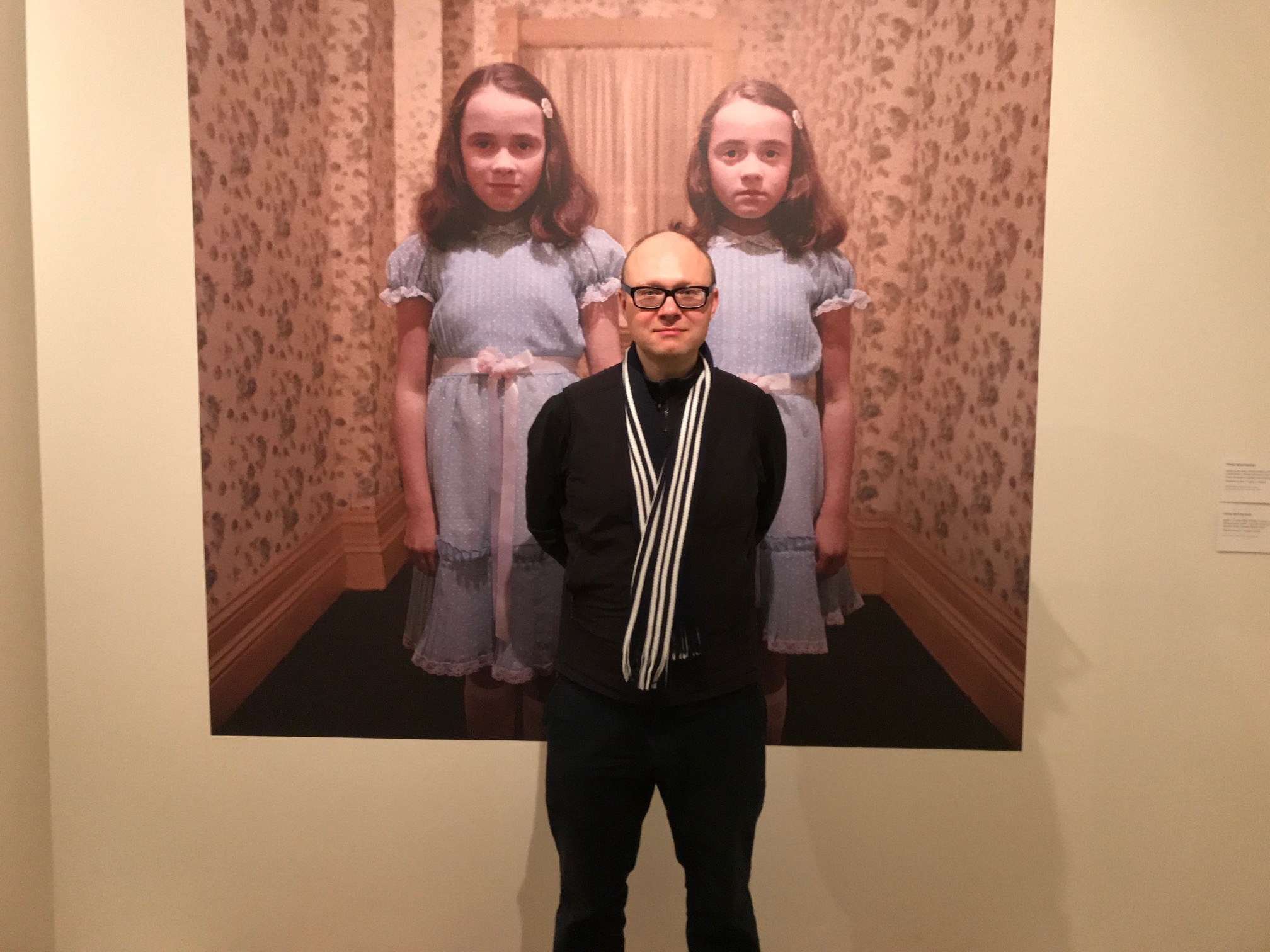
2017_Kubrick_Shining_Twins_Laight

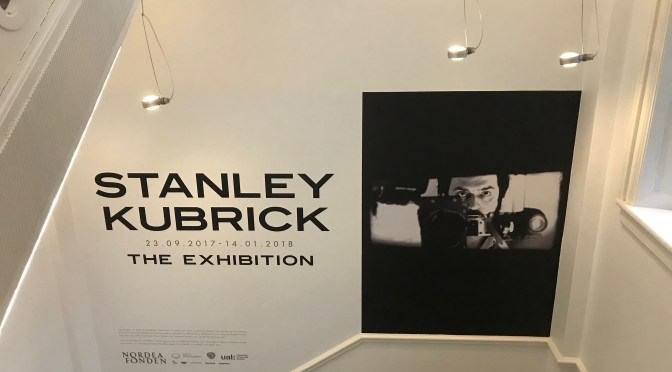
I realise these are first world problems but for me to get on a plane is a big deal. Yet, my wife loves travelling and visiting new places so as an appeasement exercise I agreed to go to Copenhagen. What sweetened the deal though is we both love the films of Stanley Kubrick and, given it has yet to come to London, decided to go visit said exhibition before it ended in January 2018. I am glad I did. It was brilliant.

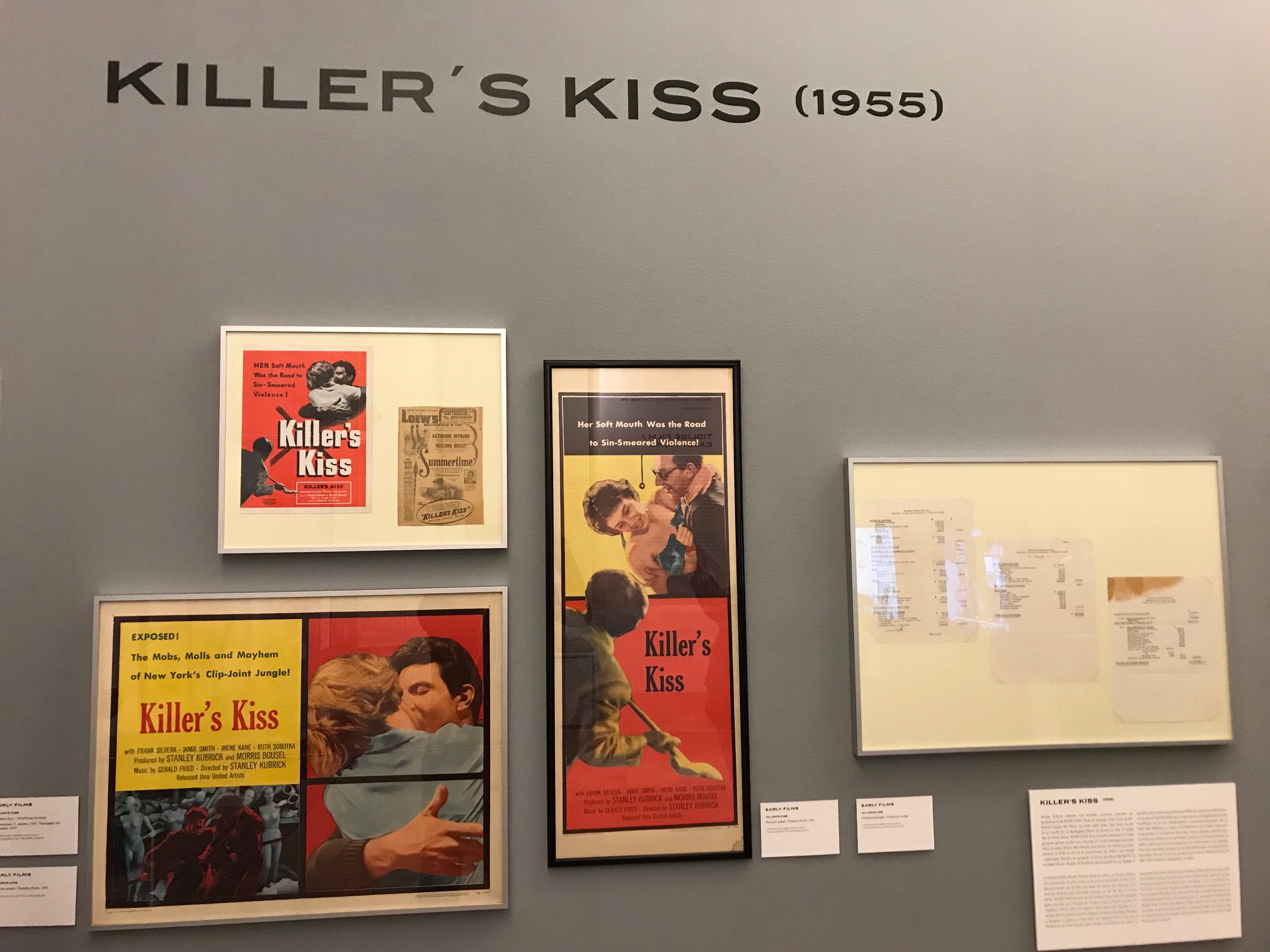
2017_Kubrick_Killers_Kiss

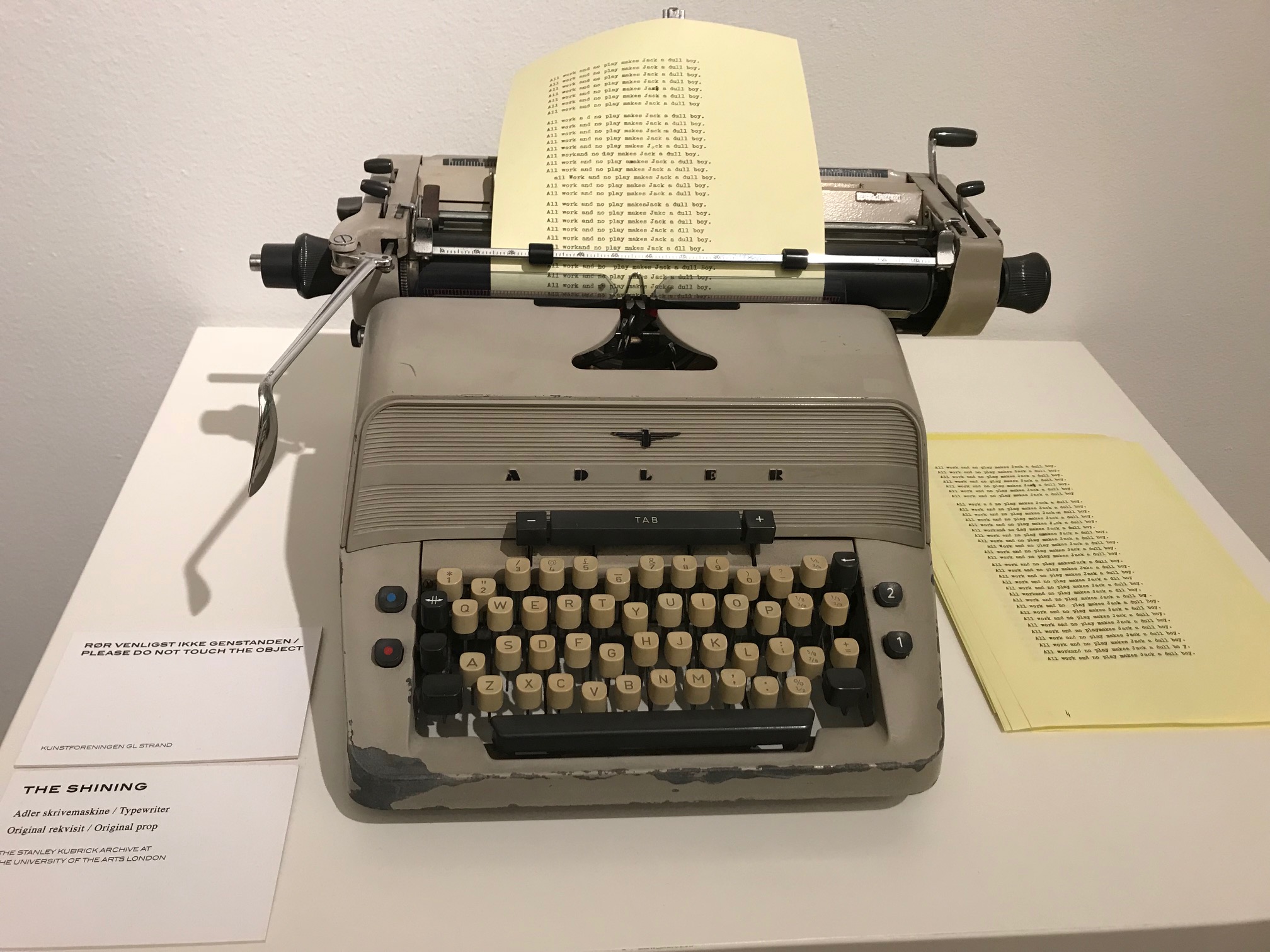
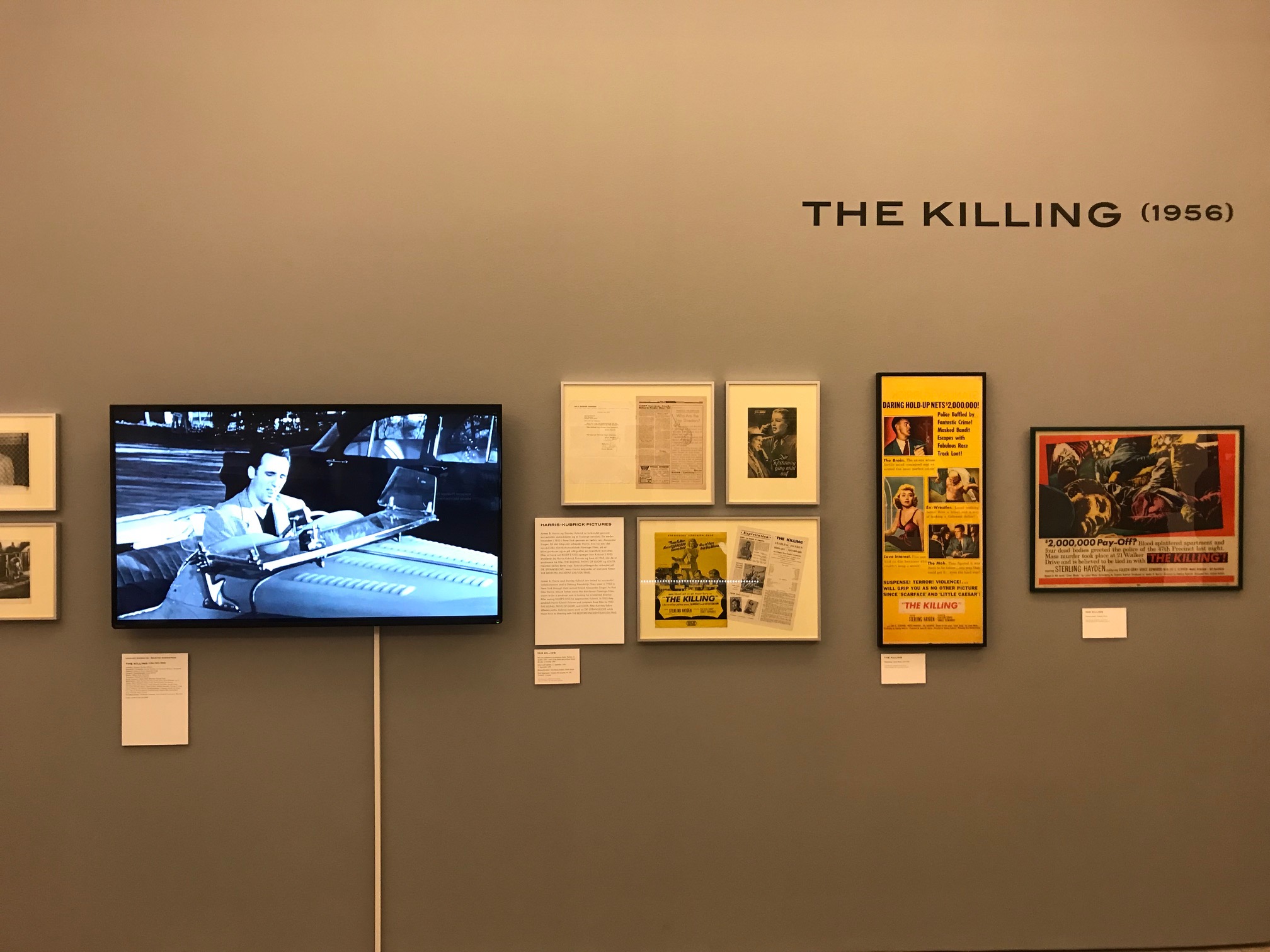
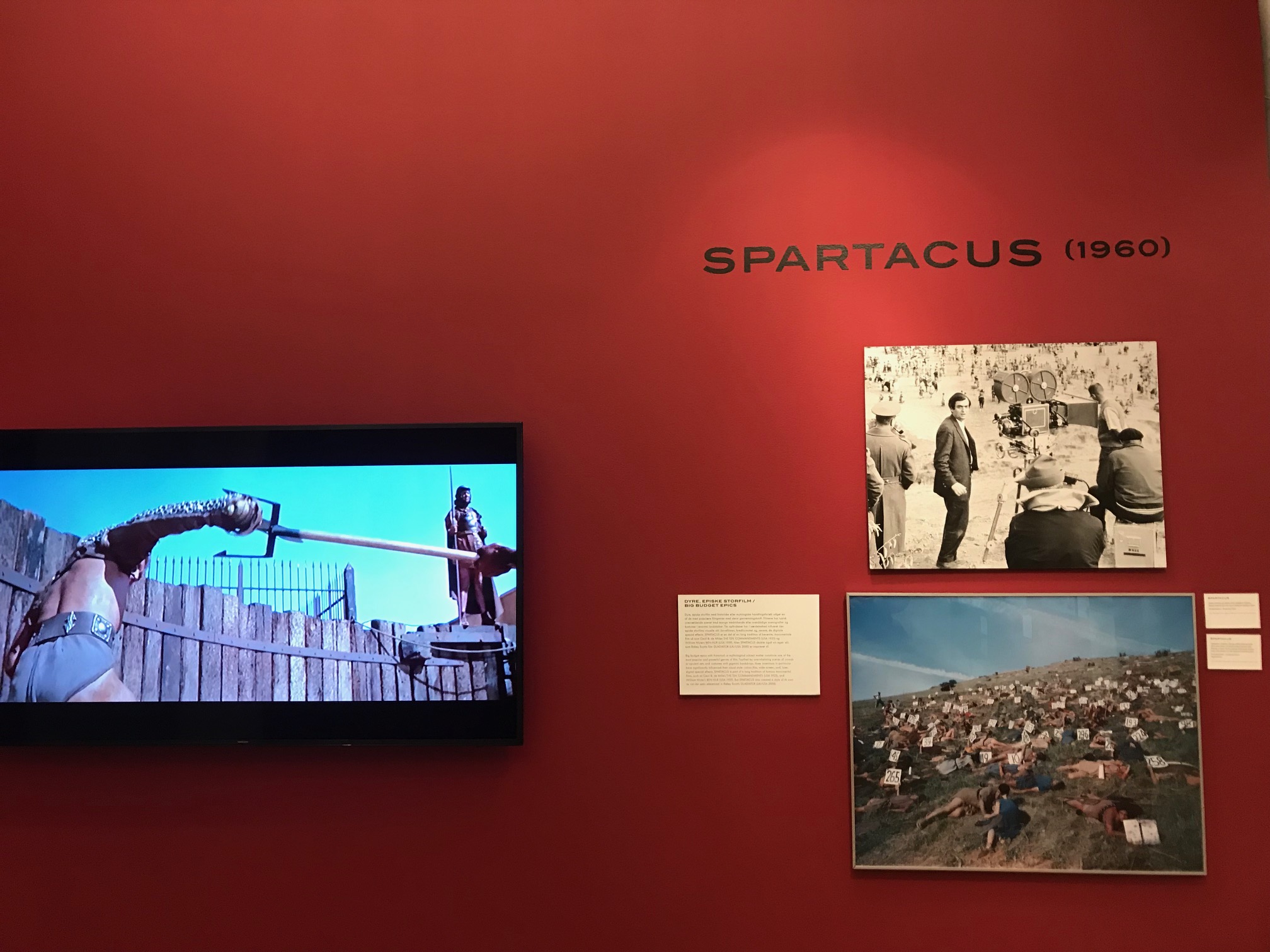
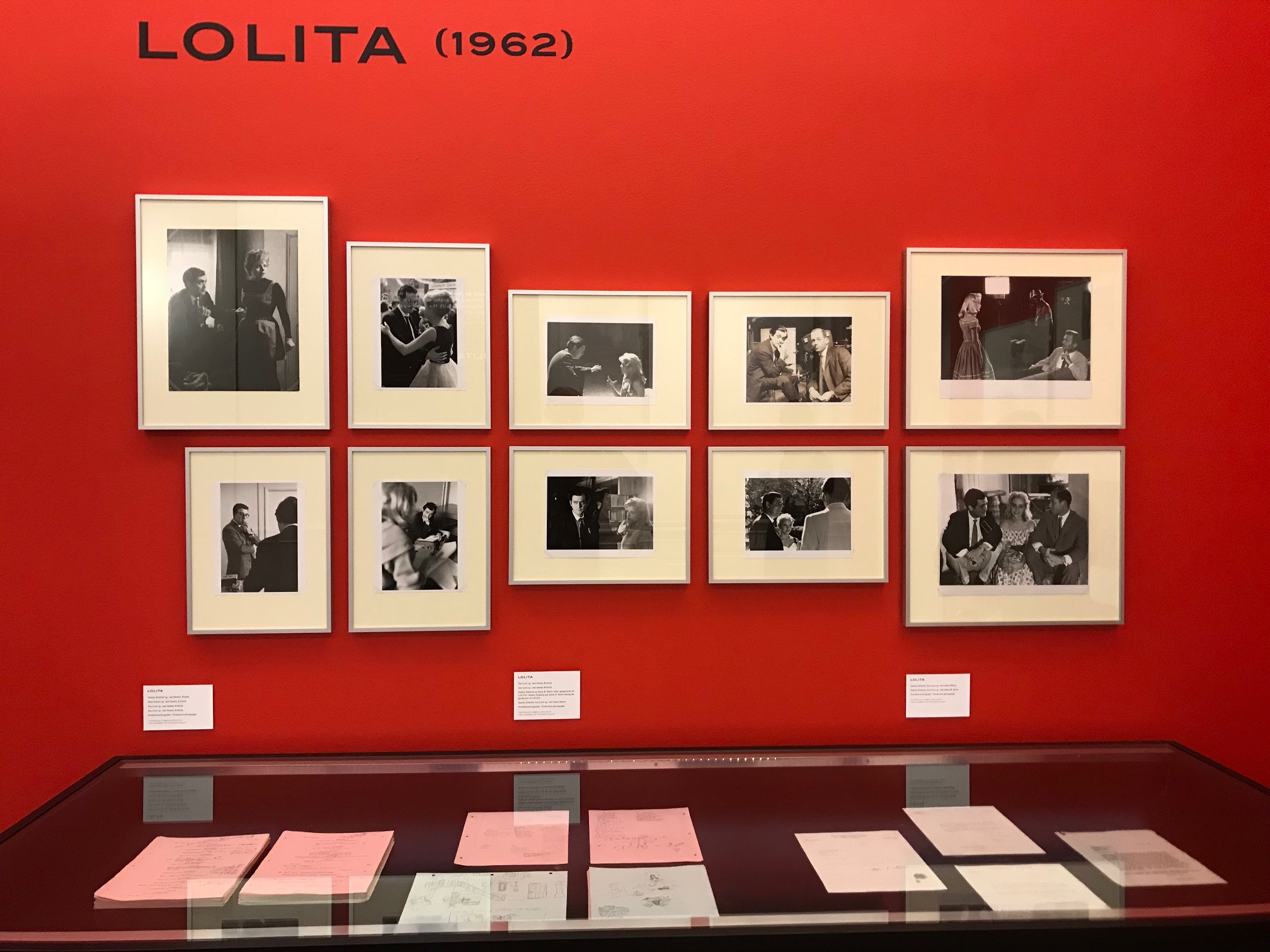
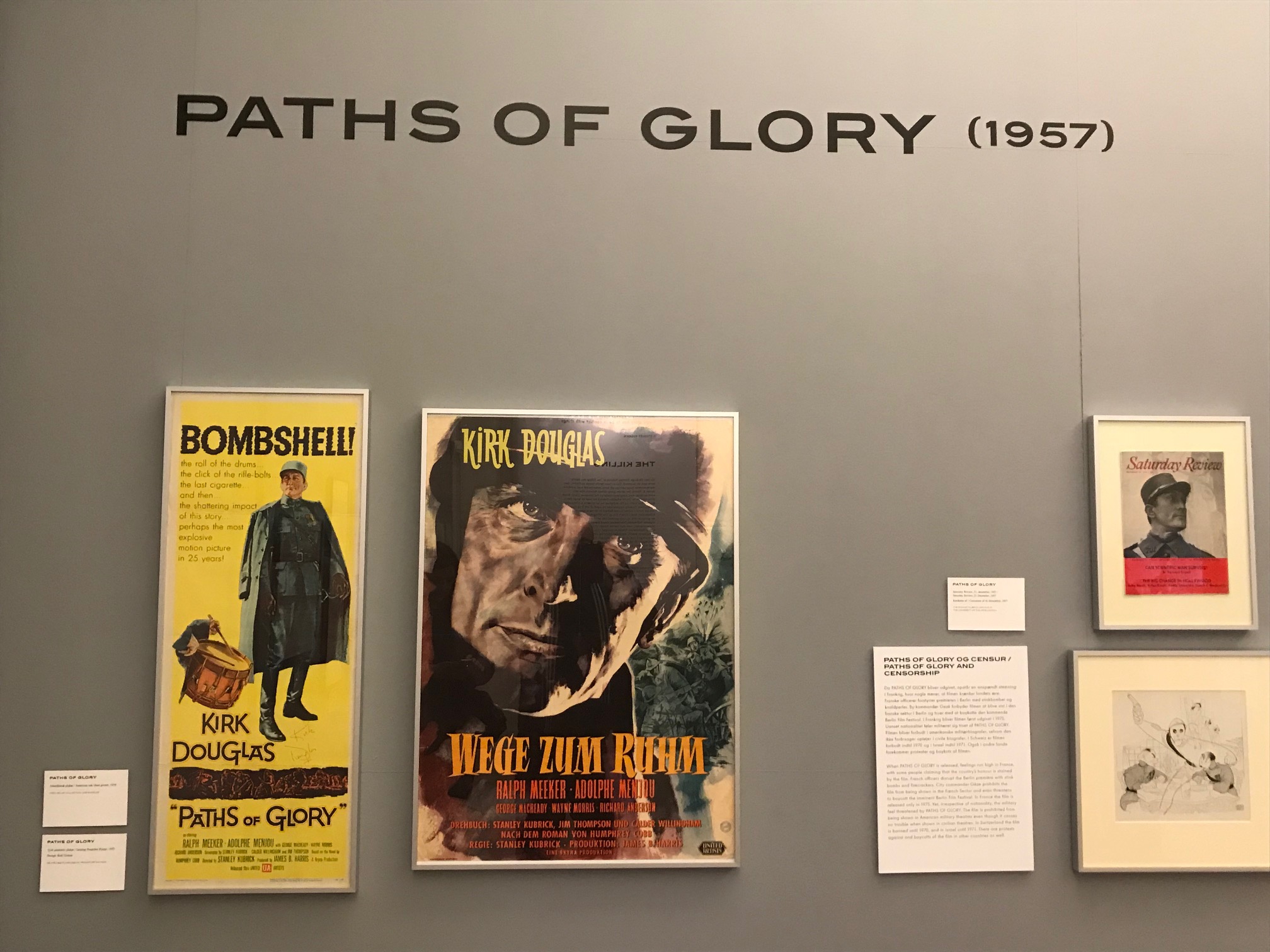
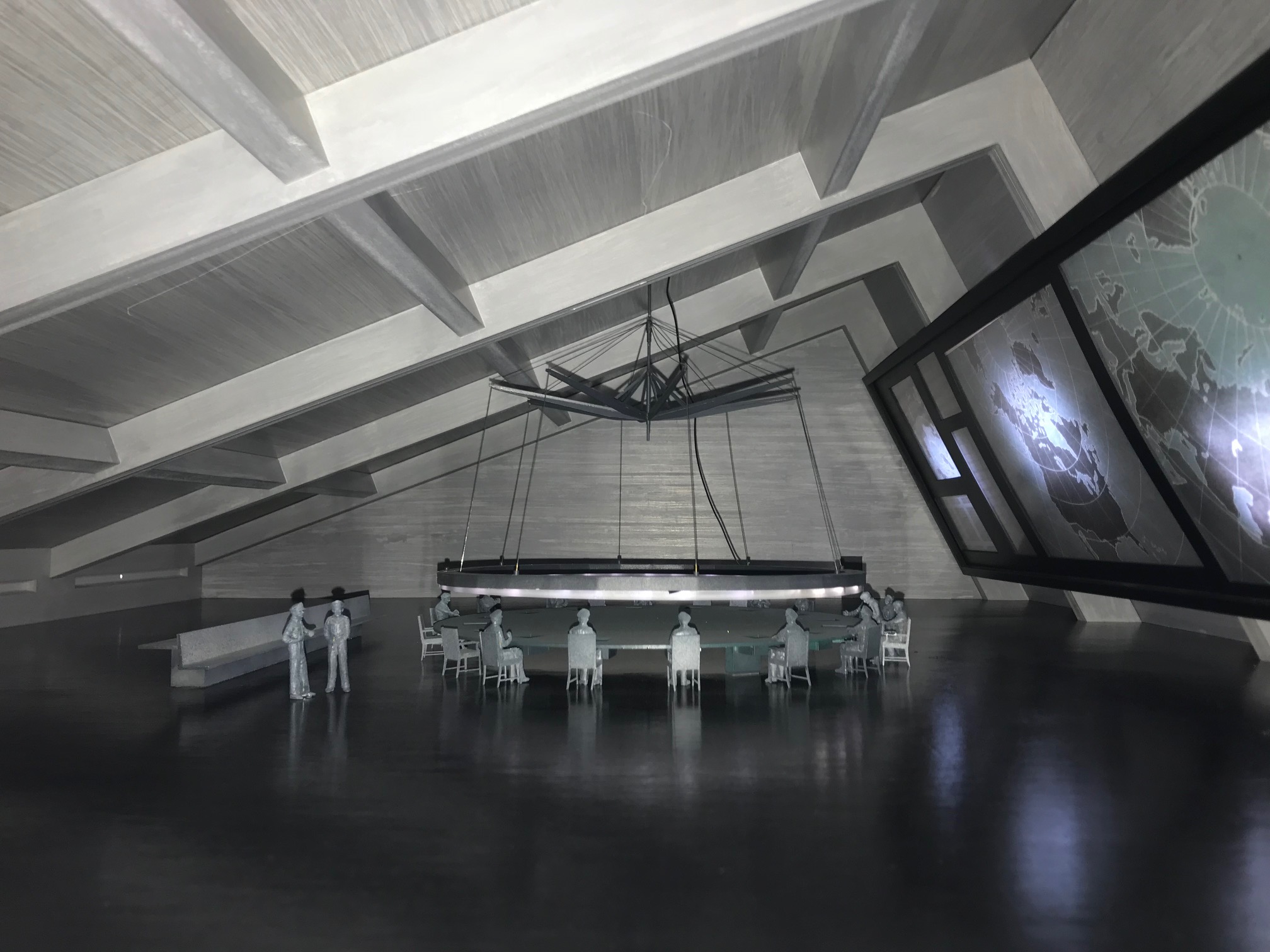
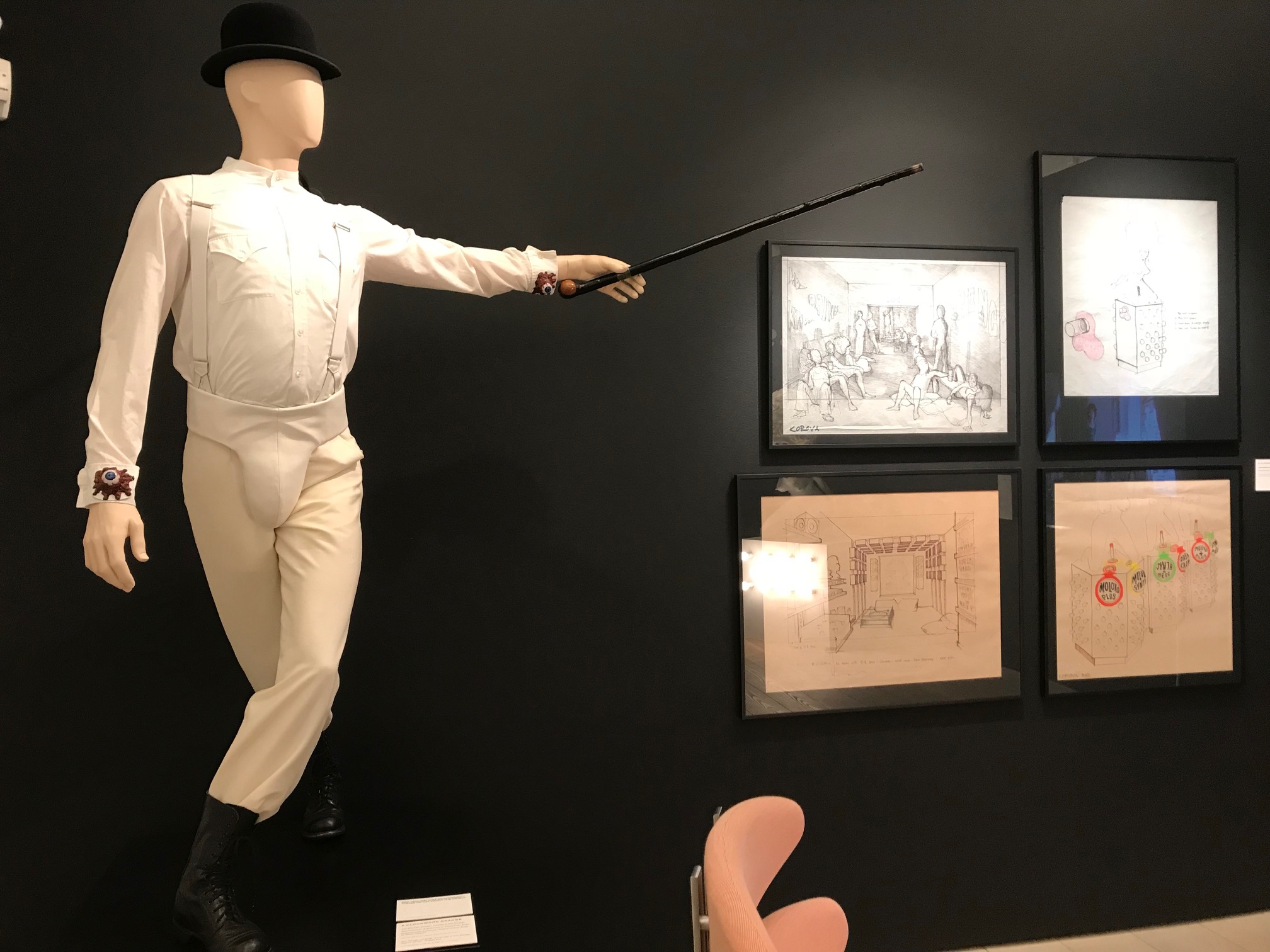
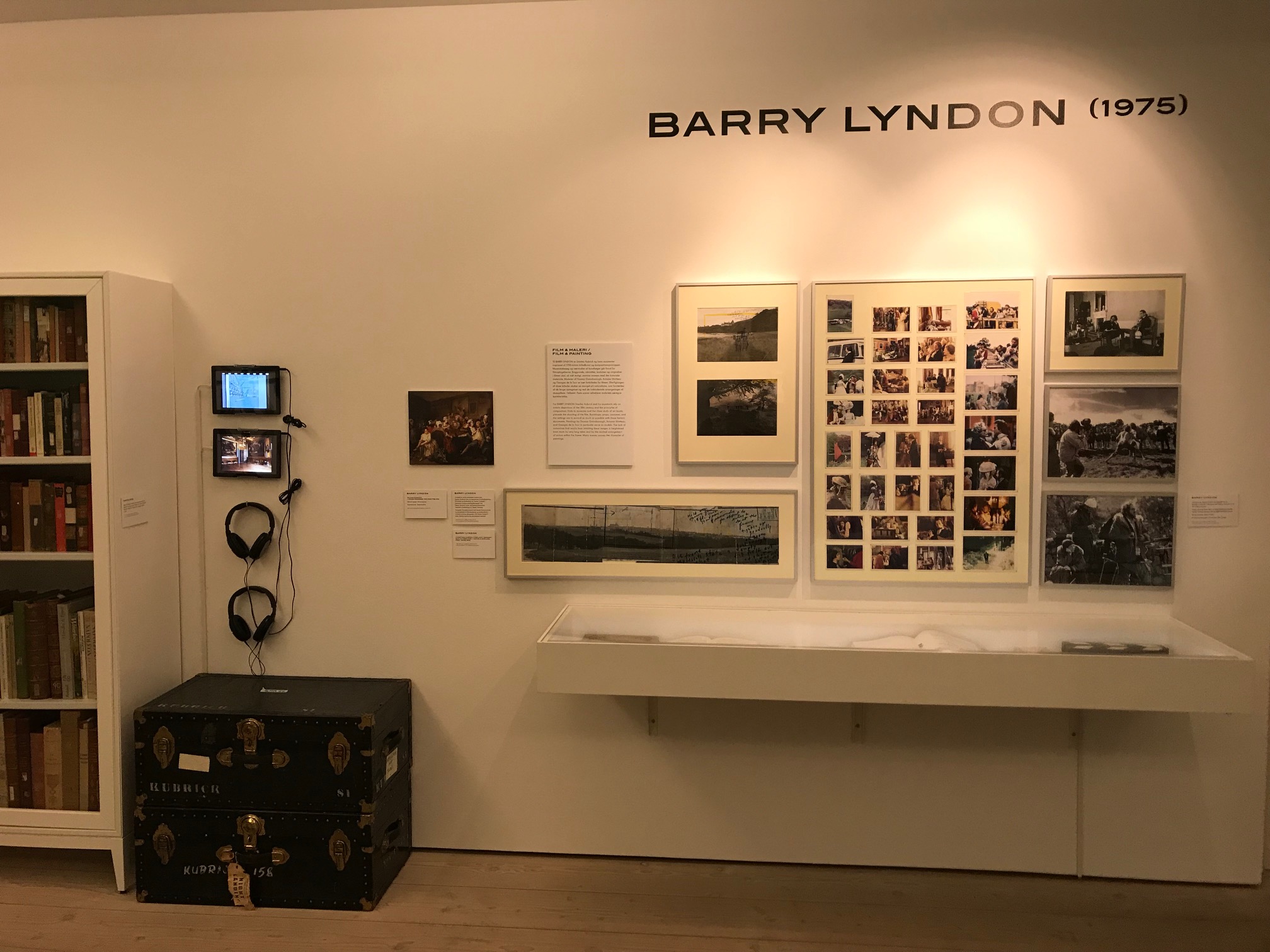
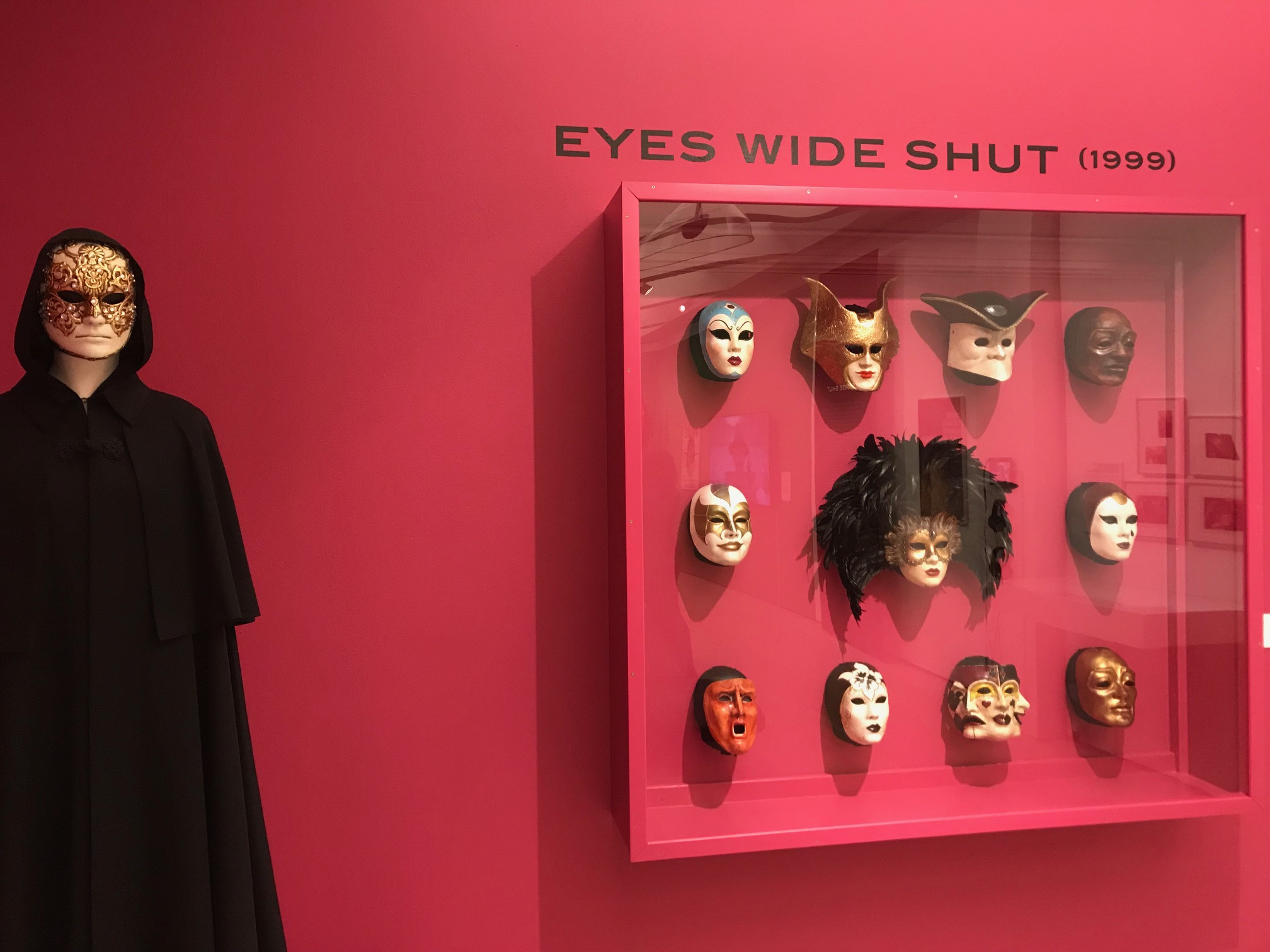
As the photos show every one of Kubrick’s completed and non-completed projects were given a wonderfully curated and considered display. There were: props; scripts; clapperboards, letters from fans; video and audio-clips; letters of protests from angry cinemagoers; costumes; set miniatures; and hundreds of production documents identifying the famed meticulousness of Kubrick’s productions. It was an Aladdin’s Cave of Kubrick’s filmic life and well worth getting lost in for several hours. One hopes it comes to London soon so I can go again!

2017_Kubrick_The_Killing

So much has been written about Stanley Kubrick’s techniques, philosophies and film modus operandi, that rather than offer technical or thematic analysis I’d like to consider the personal impact Kubrick has had on my life. All I can say is that from an emotional level here is a filmmaker who has been with me as far back as I can remember. I recall watching The Killing (1956) on BBC2 in England when I was eleven and marvelling at the incredibly metronomic and overlapping structure. Then, at Christmas later that year, I recall watching Spartacus (1960) on TV with the family and enjoying the blood and guts and heroism of the lead character. I revelled in the Roman baddies being thwarted by a mere slave. When I found out a few years later they were directed by the same person I did not believe it; it blew my mind.

2017_Kubrick_Spartacus

With this knowledge and experience in mind, I consciously or otherwise looked out for other works by Stanley Kubrick. My memory is hazy but in my late teens I found Paths of Glory (1957) showing, no doubt on BBC2 (we still only had four channels then in England), and I recorded it on VHS and watched it over and over. Knowing nothing of the filmmaking process I was impacted by the incredible tracking shots putting us in the heart of the action. Timothy Carey, who stole the show as a vicious criminal in The Killing, again really stood out in this classic WWI anti-war film. But like in Spartacus, Kirk Douglas was fierce in his performance and his noble character protests against the injustice of the ruling powers within the poisonous French hierarchy.

2017_Kubrick_Lolita.jpg

One film of Kubrick’s I never quite got into was Lolita (1962). I tried to read the novel many years ago but my young brain found it impenetrable.  Similarly, the film is a very dark comedy with a risqué theme of illicit romance and sexual awakening. The film was very controversial on release and Kubrick’s one film I have not watched many times but my feeling is that Kubrick was attracted to the weaknesses of masculinity in this work. Now, perhaps it is a sexist and lascivious film but I would need to re-watch it now to be able to fully commit to a clear critical view. One wonders if it would be made now given its context and complexity of gender and paedophilic representations. The PC, Neo-Millenials and feminist agendas would certainly have something to say about it and they would probably have a point. My feeling is though we should be allowed to make up our own mind on controversial works rather than carrying flaming torches on the internet threatening to burn anything that may be deemed controversial.

2017_Kubrick_Paths_Glory.jpg

Another film which is sexual, but this time more symbolically when compared to Lolita, is the anti-nuclear masterpiece Dr Strangelove: or: How I Learned to Stop Worrying and Love the Bomb (1964). Having watched it more recently and gained knowledge from the wonderful Kubrick exhibition, this scary and hilarious satire is filled with stupid, impotent and warring men bickering and squabbling over the future of a possible nuclear attack. It’s incredible to think that at the time of the Cold War a filmmaker could turn the fear of an atomic bomb attack into a comedy. But that is the genius of Stanley Kubrick because as an iconoclast he did just that. Like Paths of Glory, which was banned by the French government, the film garnered the ire of the military as Kubrick showed he wasn’t afraid to criticize those in power once again.

2017_Kubrick_Dr_Strangelove

2001: A Space Odyssey (1968) is another film which, like Lolita, was one I did not see until years later. It was rarely on the television and only watching subsequent cinematic re-releases have I basked in the glory of this science-fiction classic. Kubrick’s work has sometimes been accused of formalism and technique over emotion and arguably 2001: A Space Odyssey is his most accomplished technical achievement. Yet the emotion is derived from the intellectual and philosophical journey of early man to that of enigmatic ‘Star Child’. One wonders at the combination of music and images to create a startling dialectic of wonderment, awe and enigma. What it all means is open to many interpretations and that too was the genius of Kubrick; there was rarely an easy answer to the themes raised in his films.

While I admire 2001: A Space Odyssey more from afar, his next film  A Clockwork Orange (1971), is one which I have close cultural connections to. Of course, it was released when I was a baby but on entering my late teens the controversy caused on its release had still managed to reach the chattering testosterone of the boys’ school I attended. Here was a violent, sexual, sexist, profane, dystopic, misanthropic film with blood and nudity that had been banned (later I would find it had been withdrawn by Kubrick himself) AND WE MUST NOT SEE! Obviously that meant we HAD to see it. Alas, I didn’t see it until one evening, as a surprised 22 year old, at the Scala Cinema in King’s Cross when it shown illegally as a ‘secret’ film. Subsequently, this action by the above-underground repertory cinema caused legal action by Warner Bros., eventually forcing the cinema to close.

2017_Kubrick_Clockwork_Orange

Even without seeing A Clockwork Orange, before it’s bootleg London screening, I had immersed myself in the music on vinyl, bought posters, watched a theatrical presentation starring Phil Daniels; and of course read Burgess’s incredible novel a number of times. Myself and my brother loved the language and iconography and the danger of the piece. This is why censorship of all kinds can backfire because when you’re told you’re not allowed to see something it makes you want to watch it even more. Nonetheless, A Clockwork Orange would eventually be released openly and it still stands the test of time as a virulent and scathing attack on Governmental control of the proletariat. Of course, Alex the anti-hero is a psychopathic nightmare and a reflection of the brutal society established within the film and book. Again, Kubrick and Burgess’ original book can offer little in the way of solutions but rather a coruscating critique of humanity via an ultra-stylish and formidable cinematic and literary language.

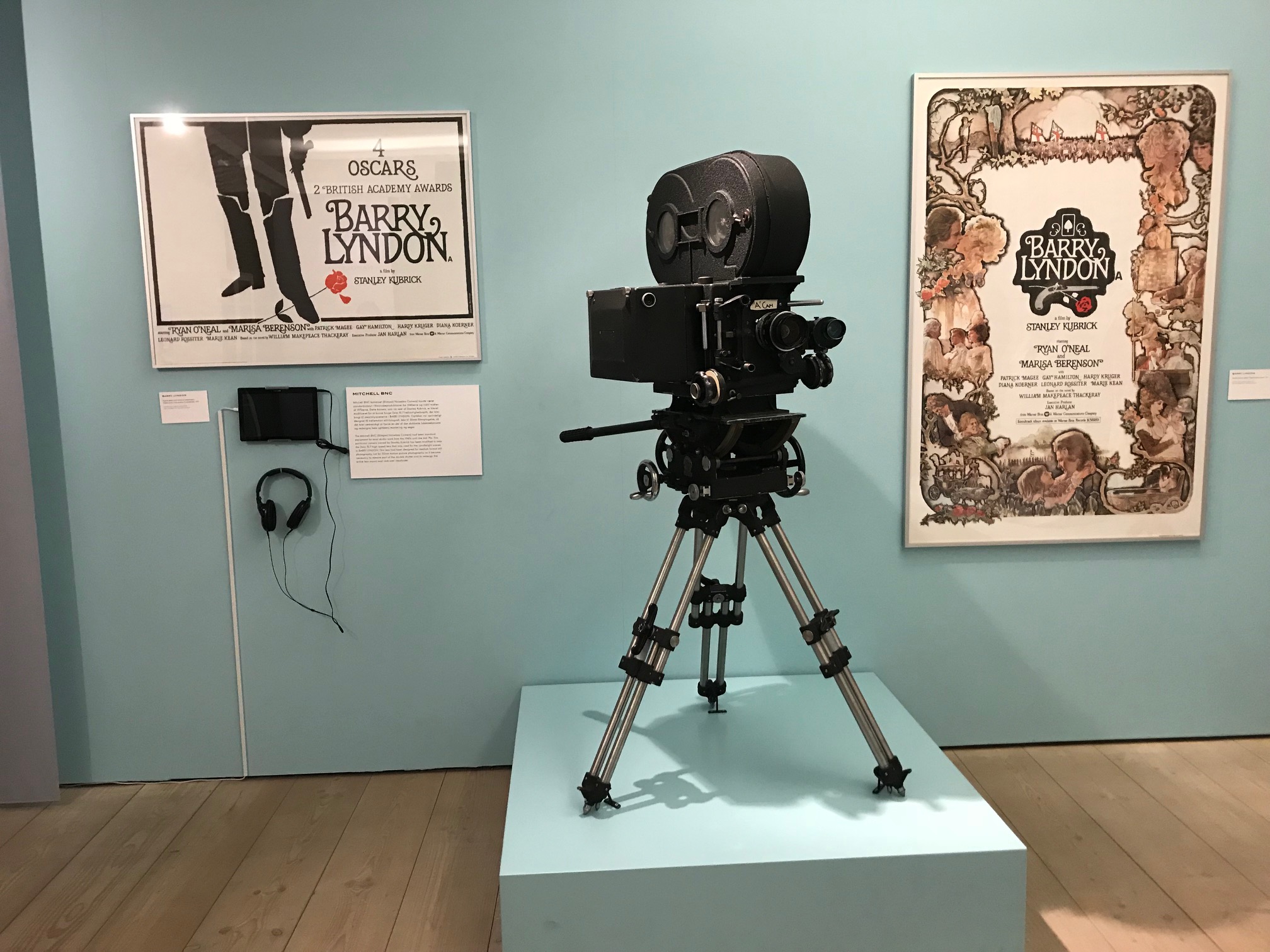
2017_Kubrick_Barry_Lyndon_Camera

Kubrick’s next film following the Clockwork Orange controversy was Barry Lyndon (1975). Kubrick had put his typically meticulous planning into a film about Napoleon Bonaparte only for this to fall down for commercial reasons and the budget was then put towards another period drama. I have to admit I did not see Barry Lyndon in full until it was shown on Film Four a few years ago. I subsequently saw it again last year – restored to a 35mm print – at the Prince Charles Cinema in Leicester Square and was thoroughly absorbed by the tragic tale of the eponymous leading character. Kubrick’s insistent to shoot in low or candlelight gave the film a heavenly and picturesque glow; fascinating also was the structure of the film as Barry Lyndon’s life plays out via fate and a series of random misadventures. It reminded me somewhat of Forrest Gump (1994) where war and misfortune happen to and around him, while both films end similarly with familial tragedy. Many of Kubrick’s other films have rightly gained classic status with Barry Lyndon perhaps seen as a lesser film. But for me, the imagery and cinematography alone make it a masterpiece for me.

2017_Kubrick_Barry_Lyndon

Like A Clockwork Orange, Kubrick’s adaptation of Stephen King’s The Shining was a film released around the time of the 1980s “video-nasty” era and I watched a lot of those films on VHS. This was the time where my love of horror was formed and despite the enigmatic ending being lost on a dopey 12 year-old, I loved this story of a psychotic Jack Nicholson going mad and attacking his family. It was only years later on further re-watches that I fully appreciated the macabre psychological subtlety of the unfolding detachment from reality, which occurs to Jack Torrance. Of course, everyone recalls the “Here’s Johnny!” moment and is scared to death by his twisted actions, but everything before that is brilliant, as it masterfully builds and creates dread amidst iconic images including: the twin girls, red-patterned carpet, the maze and the creepy barman in the Overlook Hotel. Stephen King, apparently doesn’t rate Kubrick’s The Shining but I think he is wrong. I know he changed King’s excellent novel to fit his own vision but Kubrick’s The Shining stands the test of time today.

Kubrick’s final two films, Full Metal Jacket (1987) and Eyes Wide Shut (1999) thankfully came out when I was old enough to see them at the cinema. Both are what I consider classic Kubrick mirrored structures. That is they are split into two long acts rather than the traditional three-act structure present in most classical Hollywood films. In Full Metal Jacket we establish the rigours of training Marines involving, from the film’s point-of-view, the dehumanizing stripping of humanity in order to turn men into killing machines. The second-half places such men into the Vietnam War and finds them lost in a black mirror of death and despair, attempting to make sense of the carnage around them. Such themes as the follies of war and damaging arrogance of those in rule are prevalent throughout his work including this film, Barry Lyndon, Dr Strangelove and Paths of Glory.

Having failed to get projects such as The Aryan Papers and Artificial Intelligence to the screen his next feature, Eyes Wide Shut, alas, was Kubrick’s final film. It benefits from close to career best performances from then married Nicole Kidman and Hollywood star Tom Cruise. I recall seeing it at a cinema in Fulham Road and my first reaction was it seemed unreal and ungrounded. The explicit sex scenes seemed stagey and were exploitational; plus Nicole Kidman’s acting aside the whole thing did not work for me on any level. Of course though the film, like many of Kubrick’s works, need to be viewed more than once for the nuance and subtle psychologies at work to seep through into one’s psyche. On further views of Eyes Wide Shut, the dark comedy and tragedy at work contextualises the sexual depravity on show revealing a dreamlike structure and strong moral compass which leads you to the conclusion hedonism and freedom of physical expression are empty vessels and vacuous pursuits compared to the relative safety of love, family and marriage.

2017_Kubrick_EWS_1

Walking round the Stanley Kubrick exhibition was a fantastic experience. Not only to revel in the artistic bricolage of the genius filmmakers’ oeuvre and history, but also to tread through my own memories of growing older watching Kubrick’s works. This and Copenhagen as a whole made it worth my while getting on a plane and suffering the stress of flight to venture to Denmark; where something totally not rotten was going on.

2017 – MY FAVOURITE TWELVE TV SHOWS OF THE YEAR

2017 – MY FAVOURITE TWELVE TV SHOWS OF THE YEAR

Our TV watching experiences are very different now with the various platforms available, so the idea of viewing shows live and week-to-week is a thing of the past. Moreover, the quality bar and production values of television programmes are getting even higher; especially where HBO, Amazon, Showtime and Netflix are concerned.

I have my perennial favourites so my list this year may look very similar to last year (see below), yet I’ve not yet seen the latest seasons of Better Call Saul or Black Mirror yet. Neither did I see the much lauded shows: Twin Peaks: The Return, The Deuce or anything on Amazon but overall it was a great for new TV shows and some classic long-running programmes.

FAVOURITE TWELVE TV SHOWS OF 2016 (in alphabetical order)

BETTER CALL SAUL (2016) – SEASON 2

BILLIONS (2016) – SEASON 1

DAREDEVIL (2016) – SEASON 2

FARGO (2015) – SEASON 2

GAME OF THRONES (2016) – SEASON 6

GOMORRAH (2016) – SEASON 2

IT’S ALWAYS SUNNY IN PHILADELPHIA (2016) – SEASON 11

MAKING A MURDERER (2015) – SEASON 1

PENNY DREADFUL (2016) – SEASON 3

SOUTH PARK (2016) – SEASON 20

STEWART LEE’S COMEDY VEHICLE (2016) – SEASON 4

WESTWORLD (2016) – SEASON 1

FAVOURITE TWELVE TV SHOWS OF 2017 (in alpha order)

BIG LITTLE LIES (2017) – HBO

“. . .  inter-weaving stories concerning an unknown murder victim; school bullying; warring parents; extra-marital affairs; and the abusive relationships, is expertly played out over seven compelling episodes.”

BLL

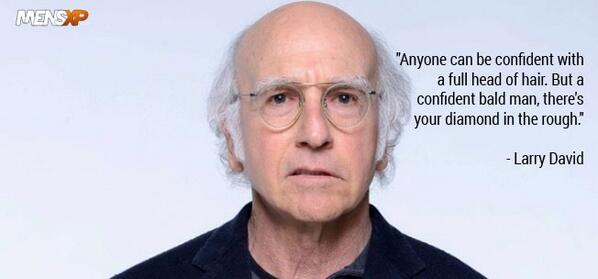
CURB YOUR ENTHUSIASM – SEASON 9 (2017) – HBO

“. . . Curb Your Enthusiasm comes back as if has never been away as it revels further in the adventures of Larry David’s pedantry, un-PC behaviour, poor decisions, risky statements and strict adherence to the social etiquette and unwritten rules of life!”

LARRY_DAVID

FARGO – SEASON 3 – FOX / CHANNEL 4

“. . . Slyly satirising the police procedural drama with off-centre plot twists and dark humour, David Thewlis’s scumbag businessman and Mary Elizabeth Winstead crafty femme fatale steal the show in Season 3 of Noah Hawley’s pitch perfect Coen Brothers’ pastiche.”

Fargo-Season-3-Cast

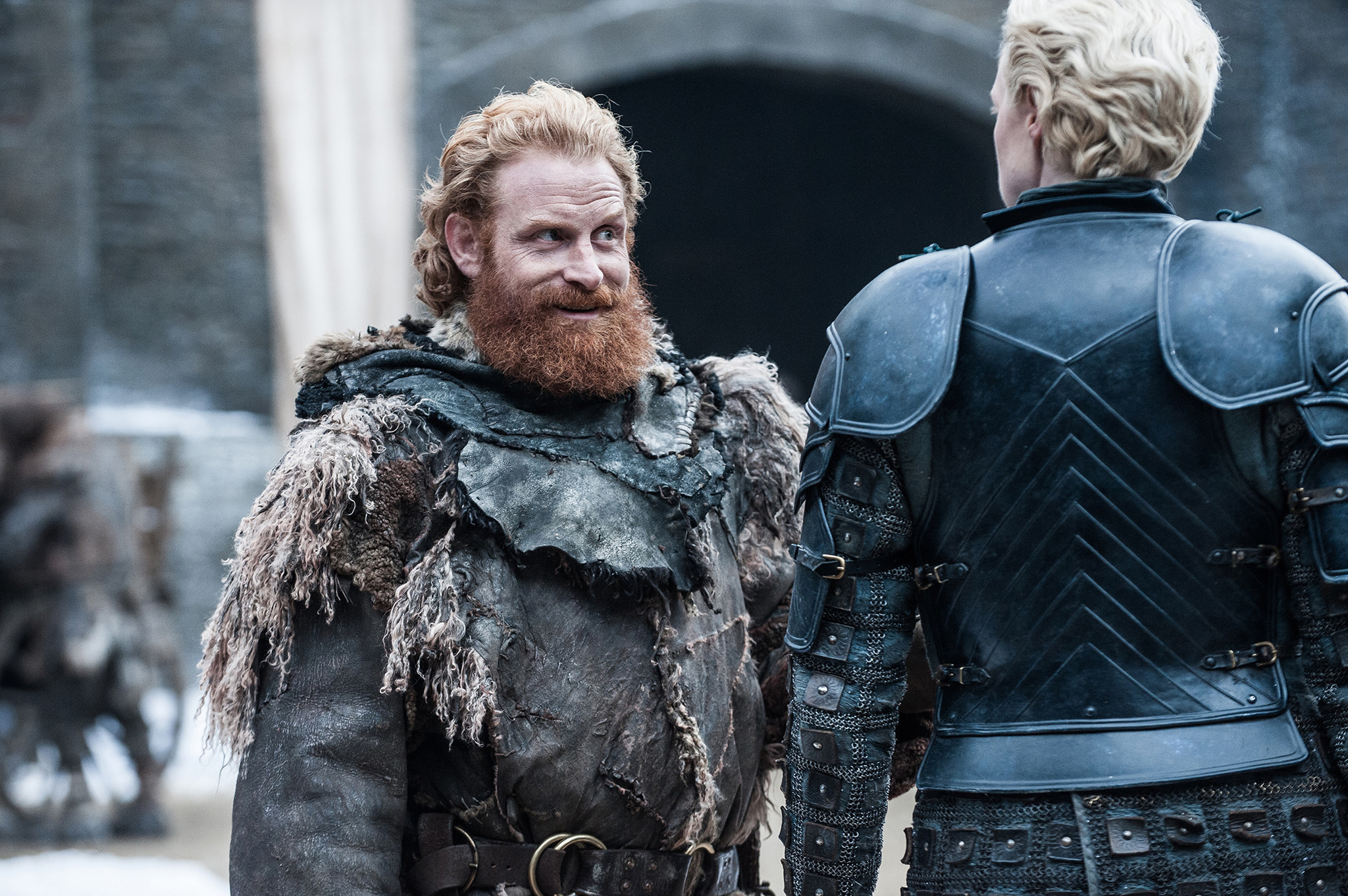
GAME OF THRONES (2017) – SEASON 7 – HBO

“. . . containing great direction, acting, design and character twists throughout and while it felt rushed at times these seven episodes were still amazing from my perspective! And the dragons and zombies and battles and death! Winter is definitely here!”

la-et-game-of-thrones-season-7-brienne-20170420

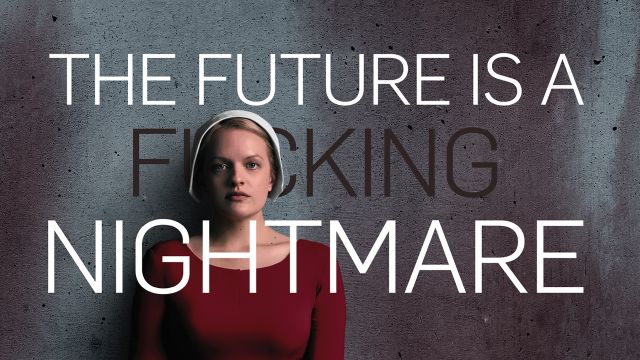
HANDMAID’S TALE (2017) – HULU

“. . . containing suggestions of hope, light, rebellion and solidarity in a grim, patriarchal world which crushes life and colour; this impressively directed, acted and shot series had me transfixed throughout. Elizabeth Moss is a revelation. . .”

HDMTALE3

IT’S ALWAYS SUNNY IN PHILADELPHIA (2017) – SEASON 12

“. . . In the current superb 12th season one episode is presented from a supporting characters dream; while the most impressively detailed formal presentation has Dennis becoming a god-like TV director. This intelligence keeps the show fresh and funny.”

Image result for season 12 it's always sunny

LEAGUE OF GENTLEMEN – 20TH ANNIVERSARY (2017) – BBC

“. . . Reece Shearsmith, Steve Pemberton, Mark Gatiss and Jeremy Dyson are geniuses! In 1999 they brought an array of beautifully ugly comedic grotesques to the TV screen. After 3 seasons, stage tours and a movie the League of Gentlemen ceased. But they were back at Christmas with three episodes of brilliant black comedic sketches and set-pieces.”

leagueofgentlemen

LEGION (2017) – FOX

“. . . as imaginative and original take on the mutant/X-Men genre you are going to find. It also very cleverly melds themes relating to: mutation, telekinesis, disassociation and schizophrenia expertly; while Aubrey Plaza and Dan Stevens are incredible in the show.”

Image result for LEGION

MINDHUNTER (2017) – NETFLIX

“. . . both dark and stylish, this David Fincher production, created by writer Joe Penhall, took elements from Zodiac (2007), Silence of the Lambs (1991) and standard FBI procedural dramas to brilliantly highlight the embryonic stages of the serial-killing profiling team.”

Image result for MINDHUNTER

SOUTH PARK – SEASON 21 – SOUTH PARK STUDIOS

“. . . The bar was raised SO high by Season 19 that Season 20 was bound to suffer, especially in the complex serialization approach. Yet, Parker and Stone are back in Season 21 with satire of the highest order! Some classic episodes such as: Sons of Witches, Put it Down and Hummels and Heroin and more, made this must-watch classic comedy.”

Image result for south park heidi and cartman

STRANGER THINGS 2 (2017) – NETFLIX

“. . .Netflix’s first season sci-fi-80s-Spielberg-King-Carpenter-nostalgia-fest was arguably padded out and over-hyped; but Season 2, after a slow start, really hit the ground running as the small town kids battle inter-dimensional monsters with fantastic style and scares.”

Image result for STRANGER  THINGS 2

THE YOUNG POPE (2016) – HBO

“. . .  The Young Pope contains some wry and delicate humour too. I mean ten episodes of a Vatican-based comedy it isn’t, but Paulo Sorrentino’s skewed look shows the priests and nuns, not as higher beings but rather flawed humans like the rest of us.”

Image result for YOUNG POPE

TO CODA:

Of course, there’s probably loads of shows I’ve missed, yet I must make a special mention for the old BBC classic , Doctor Who, which while not on the above list, makes it in spirit. While the show is now older than time there were a few great episodes in Peter Capaldi’s final season as the eccentric and genius Time Lord! So, I bid you bon voyage and here’s to productive viewing in 2018.

2017 – MY FAVOURITE TWELVE FILMS OF THE YEAR!

2017 – MY FAVOURITE TWELVE FILMS OF THE YEAR!

There were some fantastic films this year and here are my favourite TWELVE. These are the ones I enjoyed the most from a cinematic, entertainment and emotional perspective. They are not necessarily the critics’ favourites, so for example, Moonlight (2017) is not on the list because I thought it was brilliantly directed but arguably over-rated as a story. Similarly, La La Land (2017), was an incredibly imaginative film from a stylistic and musical point-of-view but lacked emotional impact. But hey, as The Dude once said, “That’s just my opinion, man!”

Please note that they include films I have seen at the CINEMA in 2017, including the London Film Festival. Obviously there are some omissions but that’s either because I did not see them yet – Call Me By Your Name (2017), Mudbound (2017), God’s Own Country (2017) – or did not enjoy them as much as others. Please let me know if I have made glaring omissions in case I missed them at the cinema and should stream them. Indeed, last year the brilliant Hunt for the Wilderpeople (2016) was one I missed at the cinema, so I was grateful to catch up with that on Netflix.

For your information my favourite films I saw at the cinema in 2016 were:

FAVOURITE TWELVE FILMS SEEN AT THE CINEMA IN 2016 (in alphabetical order)

ARRIVAL (2016)

BONE TOMAHAWK (2015)

CAPTAIN AMERICA 3: CIVIL WAR (2016)

DOCTOR STRANGE (2016)

THE HATEFUL EIGHT (2015)

MANCHESTER-BY-THE-SEA (2016)

MEN AND CHICKEN (2015)

THE NICE GUYS (2016)

RAW (2016)

THE REVENANT (2015), ROGUE ONE: A STAR WARS STORY (2016), ROOM (2015)

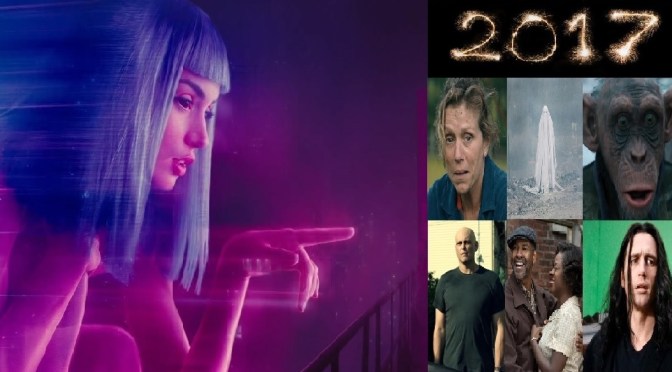
FAVOURITE TWELVE FILMS SEEN AT THE CINEMA IN 2017 (in alphabetical order)

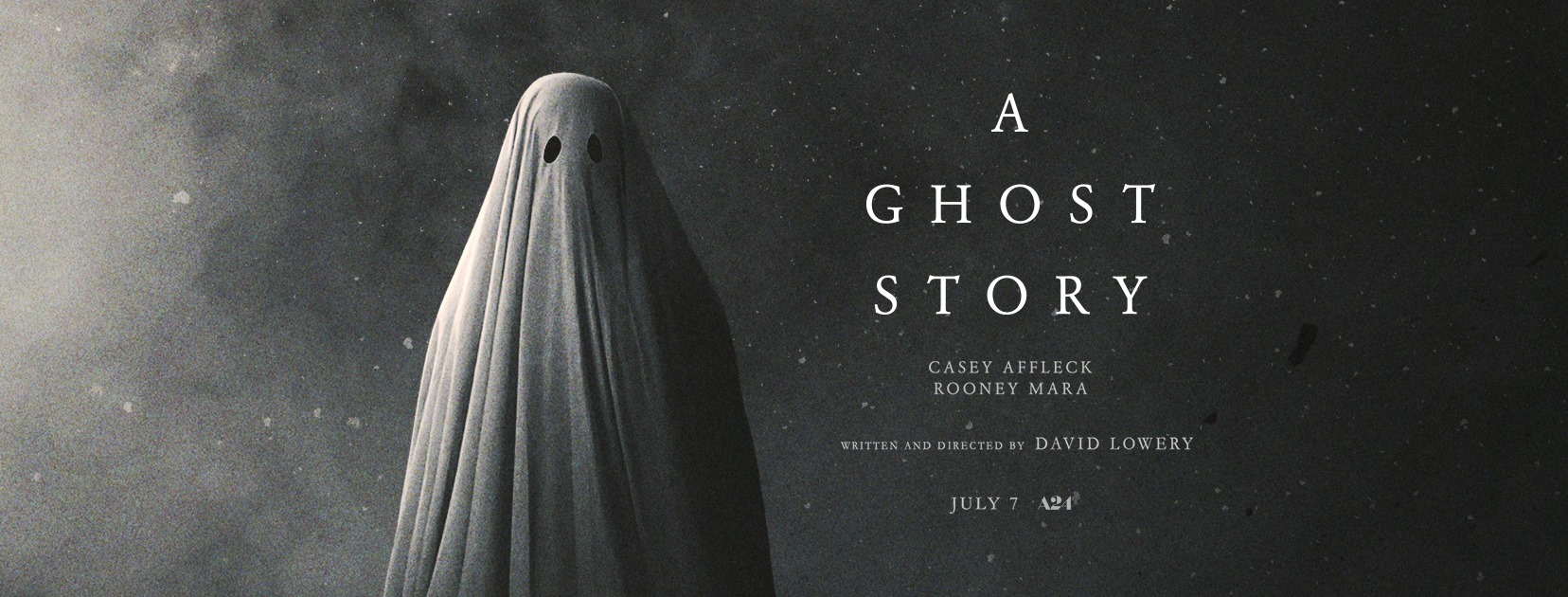
A GHOST STORY (2017)

“. . .this film transcends cinema conventions and delivers one of the most poignant and melancholic experiences of the year.”

ghost

BABY DRIVER (2017)

“. . . Wright brings such a balletic rhythm, musical verve and kinetic drive to the movie it becomes simply irrepressible.”

BLADERUNNER 2049 (2017)

“. . . It’s like Denis Villeneuve managed to combine, with the writers and designers, an indie-Hollywood-art film installation.”

BRAWL IN CELL BLOCK 99 (2017)

“. . . Brawl in Cell Block 99 rips into the dark underbelly of the criminal landscape leaving us in no doubt to the destructive nature of the American dream.”

COLOSSAL (2016)

“. . .In a summer which will bring us blockbusters galore they will have to go some way to match Vigalondo’s Colossal for originality, humour, heart and Seoul (sorry!)”

THE DISASTER ARTIST (2017)

“. . . Franco’s Wiseau is his greatest performance to date. The fact he directed the film too is also remarkable as he got the pitch of parody and drama just perfectly.”

DUNKIRK (2017)

“. . .the film belongs to the masterful direction of Christopher Nolan who, in delivering 106 minutes of pure dramatic exhilaration, demonstrates he is more than just a genre filmmaker.” 

FENCES (2016)

“. . . Viola Davis more than matches Denzel Washington’s grandstanding and Rose’s heartfelt speech is a stunning retort to her husband’s continual tirades.”

fences

INGRID GOES WEST (2017)

“. . . Overall, this was just #brilliant #dark #funny #sad!  Aubrey Plaza is the shining light of this very satisfying black comedy.”

SILENCE (2016)

“While moving at a meditative pace Silence possesses some wonderful cinematography, brilliant direction, sterling performances and a brooding score.”

THREE BILLBOARDS OUTSIDE EBBING, MISSOURI (2017)

“. . . this is an excellent cinematic experience funny, shocking and moving; only possible because of the expert script from a great writer.”

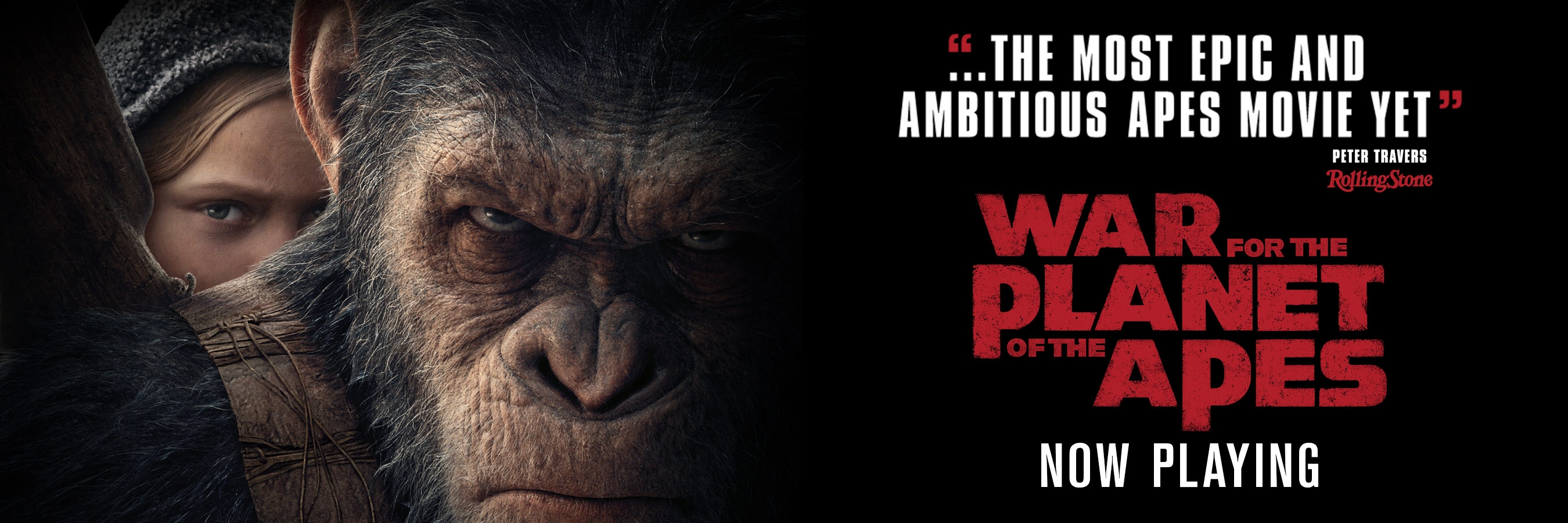
WAR FOR THE PLANET OF THE APES (2017)

“. . . one of the best cinematic experiences in 2017 as story, style, technology and emotion all work together to bring a fitting end to one of the best film trilogies of recent years.”

desktop-now-playing-war-of-apes-film-header-front-main-stage

Other films I enjoyed that were very close to the list:

DETROIT (2017), GET OUT (2017), THE GIRL WITH ALL THE GIFTS (2016), HACKSAW RIDGE (2017), THE HANDMAIDEN (2016), THE KILLING OF A SACRED DEER (2017), THE LOST CITY OF Z (2017), OKJA (2017), SPLIT (2017), THOR: RAGNAROK (2017), WIND RIVER (2017)!

Anyway, I really enjoyed last year’s cinema offerings and here’s to a happy and positive 2018!

FLATMATES: A SHORT HORROR FILM PRODUCTION UPDATE

FLATMATES: A SHORT HORROR FILM UPDATE

As you may or may not know I make short films. I have been involved in a number of short film productions and promos over the years. My work can be found at www.fixfilms.com. I usually work with the ultra-talented director, writer, producer, editor, special effects whizz and Star Trek expert, Gary O’Brien. Our working relationship is still going strong and our last collaboration Chance Encounter (2016) has now over 46,000 views on YouTube, so we’re happy with that. We are also planning a new Star Trek film currently called The Holy Core but you can check out Chance Encounter on this website: http://startrekshortfilm.com/

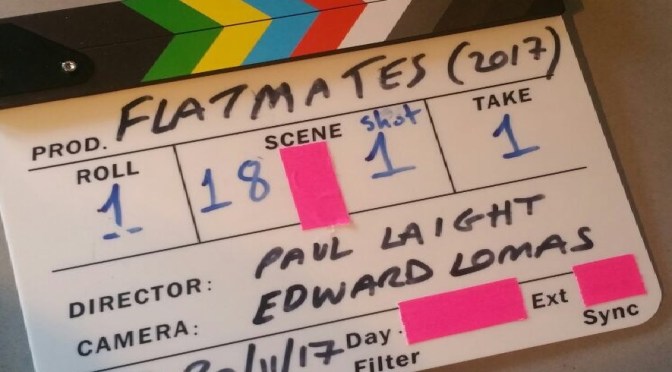
In between this though I decided, foolishly given my lack of directorial experience, to make my own short film from scratch. So, I have written, produced, catered, and now directed a low-budget ghost story called Flatmates. One of my creative aims for 2017 to was make my own film, and subject to the post-production process I have now achieved that. It will be edited and released in 2018 and sent to film festivals all over for consideration and screenings (hopefully). Will it be any good? Who knows? I will let those who watch it decide. What I do know is that I assembled a crack team of amazing talent and I thank them all for their sterling efforts.

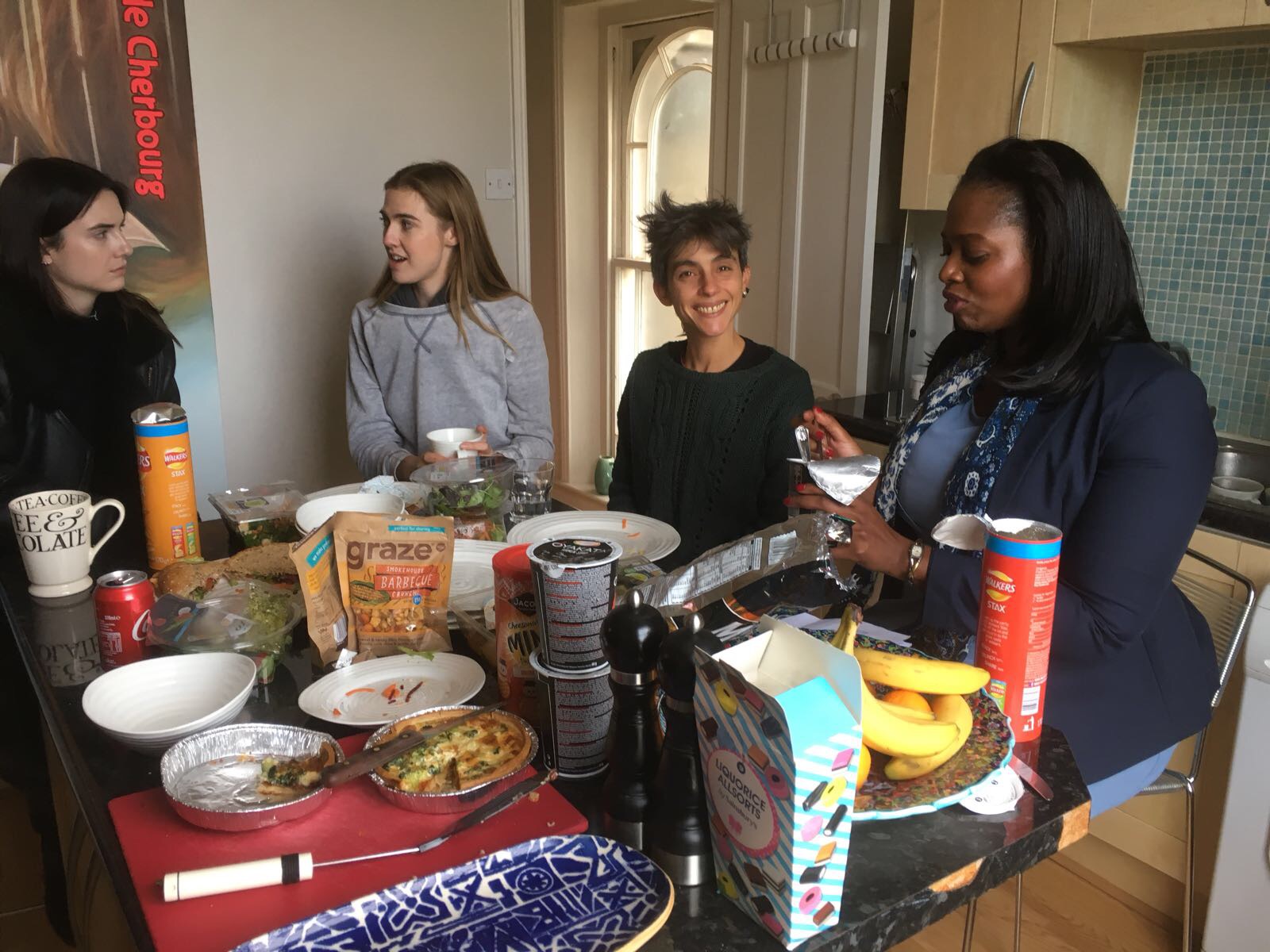
We filmed the short script on the 30th November 2017, having also had an acting rehearsal day in October 2017 too. What I realised is that filmmaking and specifically directing is fucking difficult. I am much more at home writing and producing and making sandwiches. Co-ordinating the actors, crew and my ideas while directing performance was a steep learning curve and it made me admire the many filmmakers and their films I have watched over the years. Because put simply making movies is tough!  However, thanks to the talented cast and crew who worked tirelessly I am confident I have a little film that tells an interesting story.

What I did learn is that to make a decent film you need a committed cast and crew; a good script; a bit of money to pay people and feed them; and above all else – YOU NEED TIME!  I tried to do too much in one day and if the film is not as good as it could have been then it is not down to lack of talent and effort but down to not shooting over two days. I think this film will still be an atmospheric and scary horror story but the next short I plan to make will probably be planned even more. Indeed, while I planned Flatmates to hell, a two day shoot, rather than one, could have potentially enhanced the production.

Anyway, I would personally like to thank the following people for assisting in the production and certainly recommend their skills as actors and crew-members. Click on their names for their links / websites too.

CAST

ACTOR                       ROLE

MEL GAYLE              LISA DUNBAR           

GEORGIA KERR      SARAH           

TILDE JENSEN         INGRID           

CAITLIN SCOTT      VIVIANE

CREW

NAME                                     DEPT.

MARINA FUSELLA             SOUND

EDWARD LOMAS               D.O.P / CAMERA

KATO MURPHY                    GAFFER  / LIGHTING

GARY O’BRIEN                     EDITOR / POST

BEN PENDREY                      ASS’T. DIRECTOR

ANGIE WHITE                      MAKE-UP

2017_Flatmates_Shoot_18

FADE OUT

Overall, Flatmates is my first proper directorial production and as an independent filmmaker it is pleasing to have ventured into such a positive creative experience. I certainly look forward to learning from the decision process and fully expect to get better and better the more productions I make. I am now logging the images and sound and prepping for the edit where Gary will then work his magic for the post-production process.

2017_Flatmates_Shoot_11

Flatmates – written and directed by Paul Laight – will be released in 2018

HEARING STORIES: SOME THOUGHTS AND REVIEWS ON AUDIO-BOOKS

HEARING STORIES: SOME THOUGHTS AND REVIEWS ON AUDIO-BOOKS

Six months ago I was reading a physical book of Joseph Heller’s Catch 22 and I was just not feeling it. Not the actual book as it is a classic novel of our time but the actual activity of reading itself. I just did not want to read anymore. Of course, I can do it but my mind just didn’t have the desire or energy. What did this mean?

Had I been dumbed down and rendered attention deficient by virtue of the constant viewing of films, TV and the barrage of internet viewing. Perhaps my brain had been become punch-drunk and distorted my mind, like an over-the-hill boxer who’d just had one too many fights. It was confusing. I’ve always loved reading and did not want to stop.

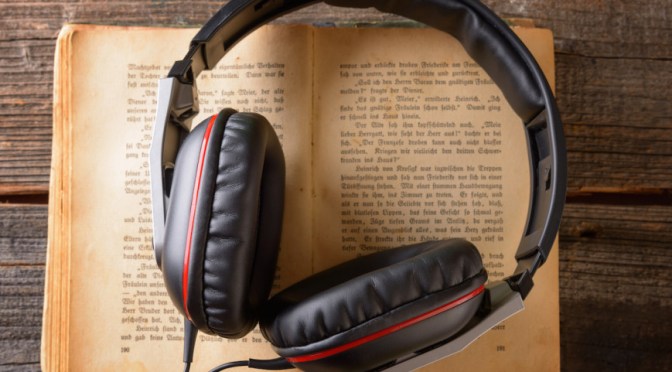
So, I thought why not try out the Audio-book route?  What’s the worst that could happen?  I could LISTEN to someone reading the book to me and experience the literature from an aural perspective. I have to be honest – I’m glad I did! Because I have been listening to a number of audio-book productions and they have been very rewarding from all manner of dramatic, artistic, comical and emotional directions. Moreover, I listen to these books while walking and at the gym so my “reading” has become a very pleasing mobile pursuit.

Anyhow, here are some reviews of the books I have been listening to over the past months. If you also listen to audiobooks please feel free to suggest any good “reads” or narrations.

AUDIBLE

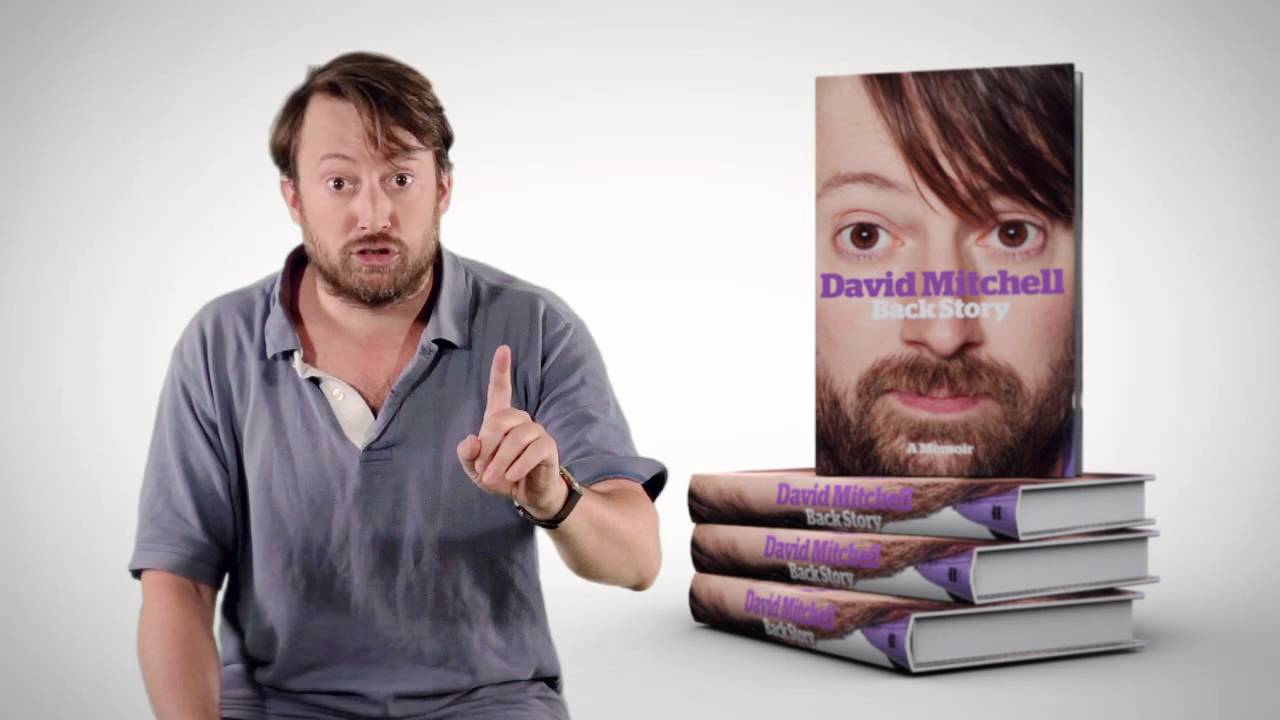
BACK STORY – DAVID MITCHELL (narrated by David Mitchell)

Comedian, actor, panel-show humourist and writer David Mitchell takes us on a literal walk of London landmarks and streets, while also wandering down his own personal memory lanes and avenues. Pedantic, neurotic, angry and insightful in equal measures this is an entertaining and intelligent journey full of hilarious rants and stories relating to Mitchell’s life; one which is blighted, not by personal tragedy, but rather a very painful bad back. His narration too is very funny and listening to him speak is like having your very own personal version of the brilliant comedy show Peep Show in your head.  I especially, from a creative point-of-view, enjoyed his analysis of comedy past, present and the actualities of writing sketches, jokes and performing too.

Image result for DAVID MITCHELL BACK STORY

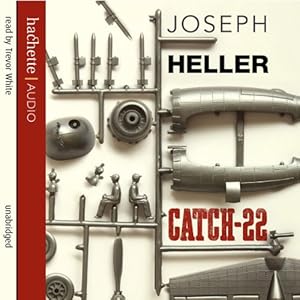
CATCH 22 – JOSEPH HELLER (narrated by Trevor White)

The novel which began my whole diversification into the audiobook territories is a startling anti-war character drama full of tragedy and black comedy, highlighting the folly of humanity during conflict. I was both laughing out loud and crying inside as Heller’s seminal work crashes us into the heart of madness during World War II. Featuring any number of crazed pilots either being killed or trying not to be killed while flying over Italy, this novel expertly takes you up and down and up and down. Heller does this with a meticulously acute writing style and via characters such as the wonderfully named: Yossarian, Milo Minderbinder, Doc Daneeka, Snowden, Nately, Nurse Cramer, Captain Aardvark, Colonel Cathcart and many more lunatics. This is a sprawling insane war-set epic which satirizes and laments the folly and destructive behaviour of mankind, and is all the more relevant today because we still can’t fucking learn to stop killing each other over ridiculous things like money, land, God and love.

Image result for CATCH 22 AUDIO BOOK

DO ANDROIDS DREAM OF ELECTRIC SHEEP – PHILIP K. DICK (narrated by Scott Brick)

Dick’s classic science-fiction novel is better known now as Blade Runner and the film versions are incredibly stylish and powerful genre works. Yet, Scott Brick’s narration of Dick’s source novel is absolutely perfect in its rendition, creating a haunting pathos beyond that featured in the film. The story covers one day in the life of Rick Deckard – an “Andy” or android bounty hunter who must track down a series of superior robots of the Nexus Six variety. The original Blade Runner (1982) film did well to distil and simplify the narrative but it only touched the sides where the complex themes are concerned. The novel is far more involved with subtext relating to: simulations; animal husbandry; Artificial Intelligence; Virtual-reality religious fervour; and the existential pain or humans and robots, being explored within the rotting dystopic, Earth setting.

Image result for do androids dream of electric sheep BOOK COVER

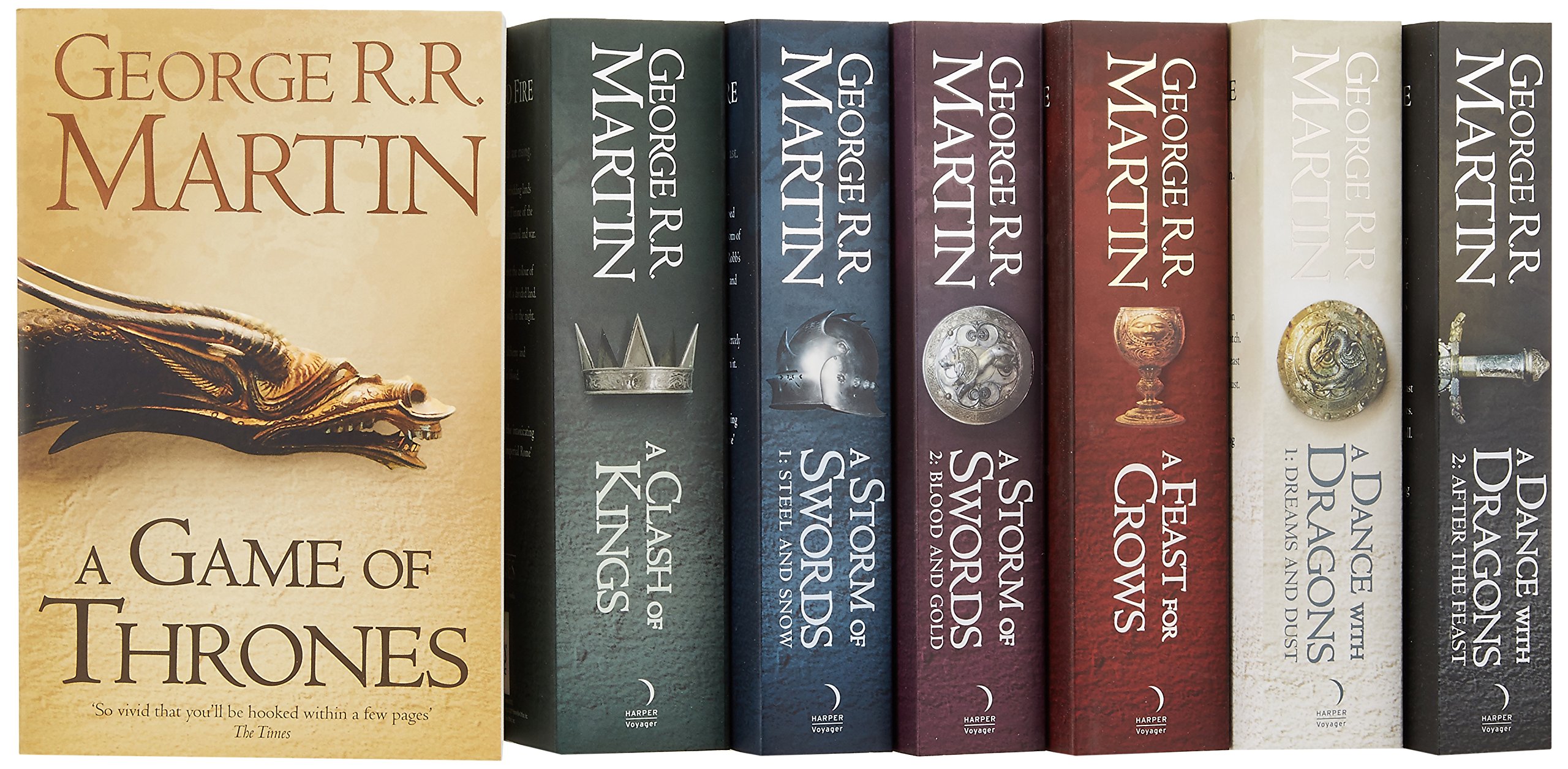
GAME OF THRONES – GEORGE R.R. MARTIN (narrated by Roy Dotrice)

George R. R. Martin’s North-versus-South-Westerosian fantasy epic has provided hours of entertainment via HBO’s massive hit TV adaptation. The original source novel is a literary monster of a book with an over 33 hours running time, so kudos to the talented, yet ageing actor, Roy Dotrice for staying alive during the recording and finding the energy to narrate it. If you don’t know the Game of Thrones TV show, it has become an iconic narrative of Starks versus Lannister’s versus Targaryen’s versus zombies versus dragons and all manner of: lords, ladies, monsters, whores, hordes, henchmen, sorcerers, warriors, Kings, Queens and peasant scum; all fighting and spitting hate at each other for a baying public’s bloodthirsty satisfaction.

The book, of which Game of Thrones is based, is an intricately plotted, brilliantly characterised and action-packed joy. Not for the faint-hearted it is explicit from a violence and erotic perspective and Martin’s writing is believable unbelievability of the highest order. While it may be fantastic in regard to many of the concepts it is grounded in a raw and human reality as the flawed characters conflict with each other in all manner of familial jousting, hearty battling and political chicanery. The book has all the greatest qualities of the television show and much more besides and well worth the many hours it took me to “read”.

Image result for GAME OF THRONES BOOK

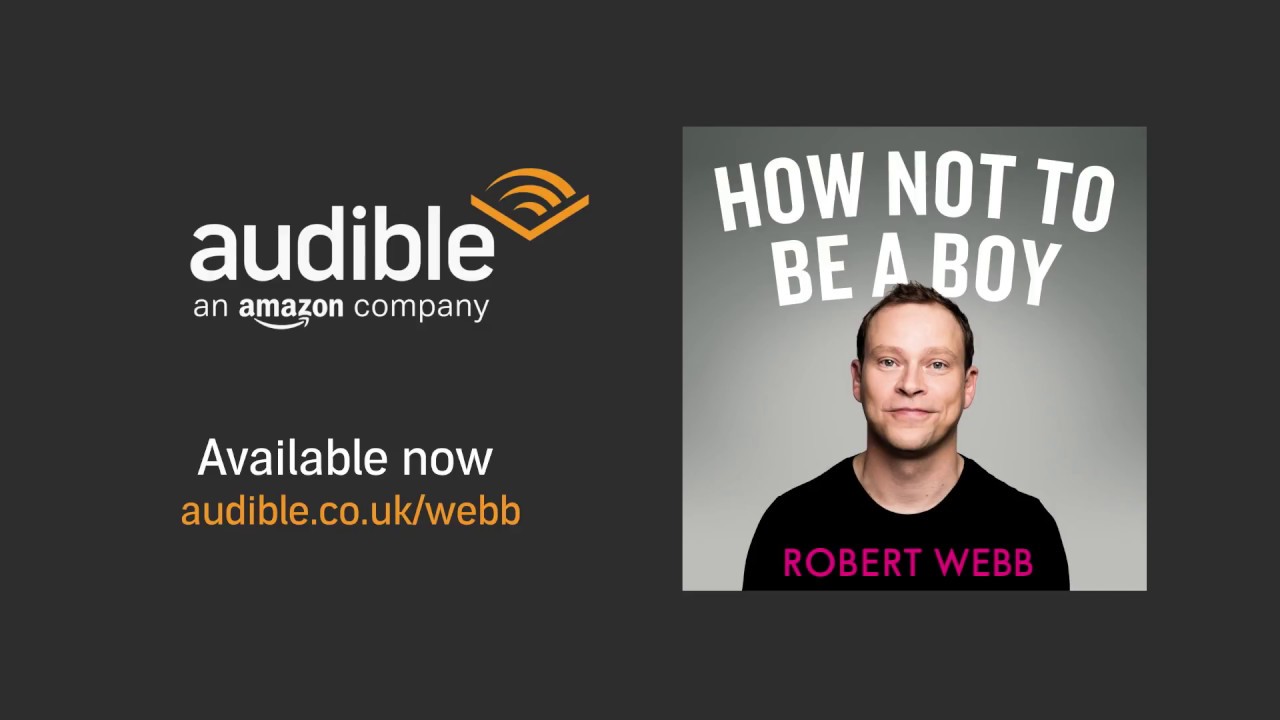
HOW NOT TO BE A BOY – ROBERT WEBB (narrated by Robert Webb)

The other half of the Mitchell and Webb double-act, Robert, narrates his own story with an adept sarcasm, intelligence and over-riding sense of grief throughout. As a big fan of Peepshow, his brilliance as an actor is playing unlikeable-selfish-man-boys with devilish charisma. He’s obviously very funny too and his anecdotes and memories of growing up in a Lincolnshire town and overcoming family heartache before joining the so-called Cambridge academic elite are very honest and personable. I would have liked a bit more detail about his creative process but reading between the lines I felt that it all came very naturally and unpretentiously to Webb. Overall, this is a terrific listen, full of funny and tragic moments; plus given I’m the same age as Webb, his references to televisual, pop, film and comedy culture were immediately recognisable to me, only adding to the book’s enjoyment.

Image result for robert webb how not to be a boy audiobook

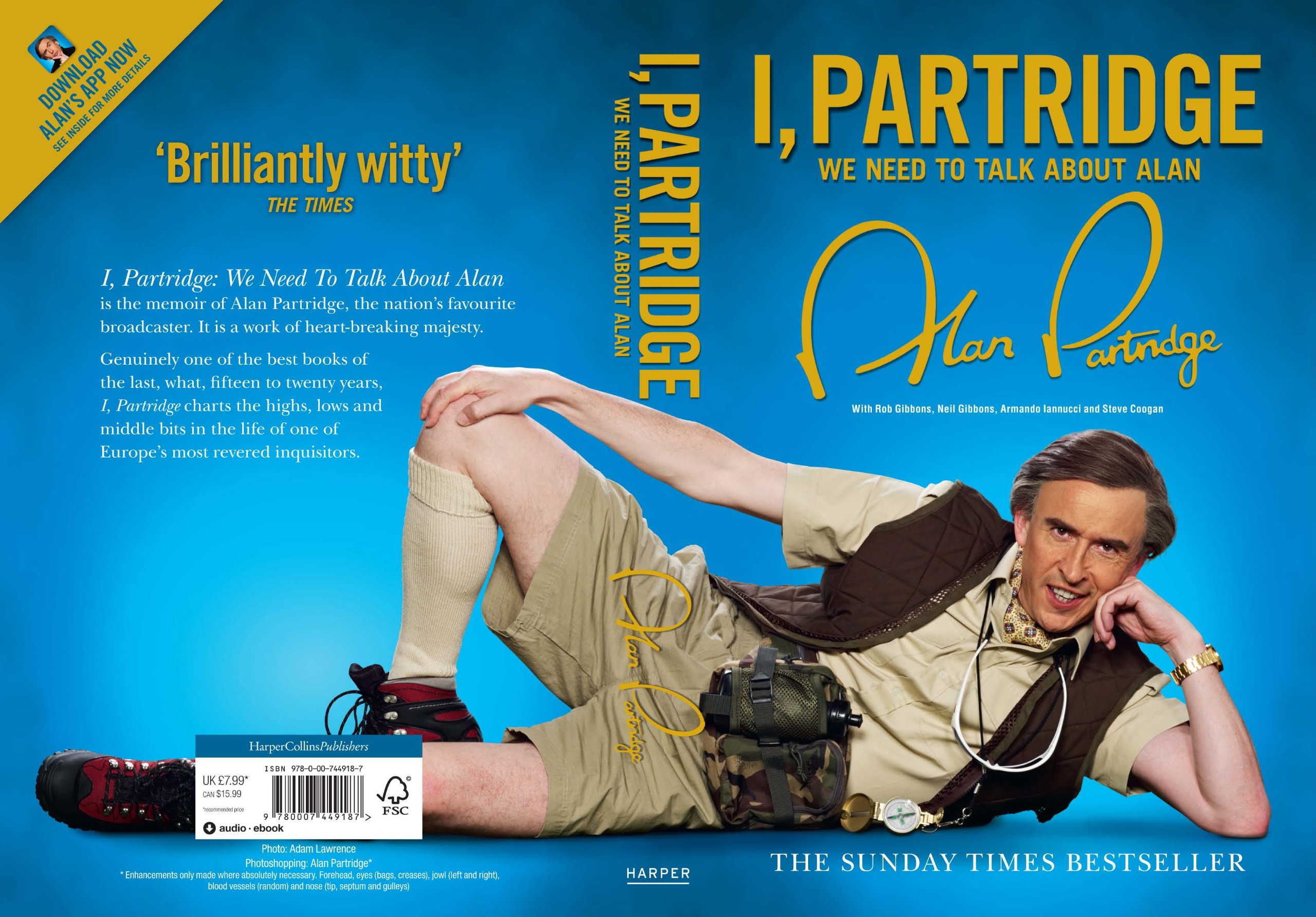
I, PARTRIDGE: WE NEED TO TALK ABOUT ALAN – ALAN PARTRIDGE (read by Alan Partridge)

Steve Coogan’s genius comedy creation Alan Partridge has been part of my life since the 1990s when I first saw him on the brilliant satire show The Day Today. There he presented the sports and would subsequently go on to a kind of greatness as a chat show host on Knowing Me, Knowing You and starring in one of the best sitcoms of all time, I’m Alan Partridge. It is a testament to the acting ability, quality of writing and sheer stamina of Coogan that he continues to mine comedy gold from the hills of Partridge, as it were. Coogan narrates (in the glorious character of Partridge) a fictional autobiography from actual cradle to career grave. It also hilariously covers how he bounced back from the precipice of a chocolate-driven-frenzied-nervous-breakdown-suicide-attempt in Dundee. I have never laughed so much as six hours of comedic gold entered my brain and left me in stitches throughout. This is one of the funniest things I have had the pleasure to listen too; full of bitter rants, vengeful asides, over-elaborate similes and a litany of what I can only call Partridgeisms! Is that a word: well it is now!

Image result for i partridge audiobook

FAMILIARITY AND NOSTALGIA IN THE FANTASY FILM GENRE 

FAMILIARITY AND NOSTALGIA IN THE FANTASY FILM GENRE

“Here you leave today and enter the world of yesterday, tomorrow, and fantasy.”

Walt Disney Company

Once upon a Time. . . four simple words which immediately conjure a whole host of possibilities and eventualities in literature and by extension, cinema. In her book A Once Upon a Time: A Short History of Fairy Tale, Marina Warner attests that fairy tales are “Stories that try to find the truth and give us glimpses of greater things. . . this is the principle that underlies their growing presence in writing, art and cinema.” My own personal experience growing up was of reading fairy tales, myths and legends. Indeed, such stories formed a narrative backbone to my childhood and opened my mind to all manner of worlds of monsters, magicians, Kings, Queens, dragons, spiders, ghosts, gold-haired heroines, muscular heroes, acts of love and war, epic journeys; as well as breath-taking battles and feats of unimaginable compassion and bravery.

Image result for lord of the rings

Such an education conditioned my young mind for an array of imaginative potentialities and in later life my love of fairy tales and stories would bleed through into my love of cinema. But how does one make the leap off the page onto the screen, making that which is fantastic believable to our eyes, hearts and minds? In this article I would like to consider certain ways we have been conditioned and how storytellers develop their narratives in the fantasy genre. How does the unbelievable become believable in our minds? There are many ways in which this is achieved but I would like to focus on two methods which are familiarity and nostalgia.

How does one define fantasy cinema?  One could certainly posit the notion that the fantasy genre deals with fantastic themes including: magic, the supernatural, myth, folklore, exotic worlds, and fairy tales; and for the benefit of this article can encapsulate science fiction, horror and superhero movie genres. Essentially, fantasy is that which is not of our perceived rendition of reality, enabling escape into the extraordinary. Fantasy cinema is not simply dragons and wizards but more far-reaching as their stories cast their magic from childhood to adulthood. I myself recall the day when I first saw The Wizard of Oz (1939) as Dorothy’s journey from Oz literally took my breath away. Moreover, only recently I marvelled at the fantastic images and comedy of Thor: Ragnarok (2017) on the big screen.

Image result for wizard of oz

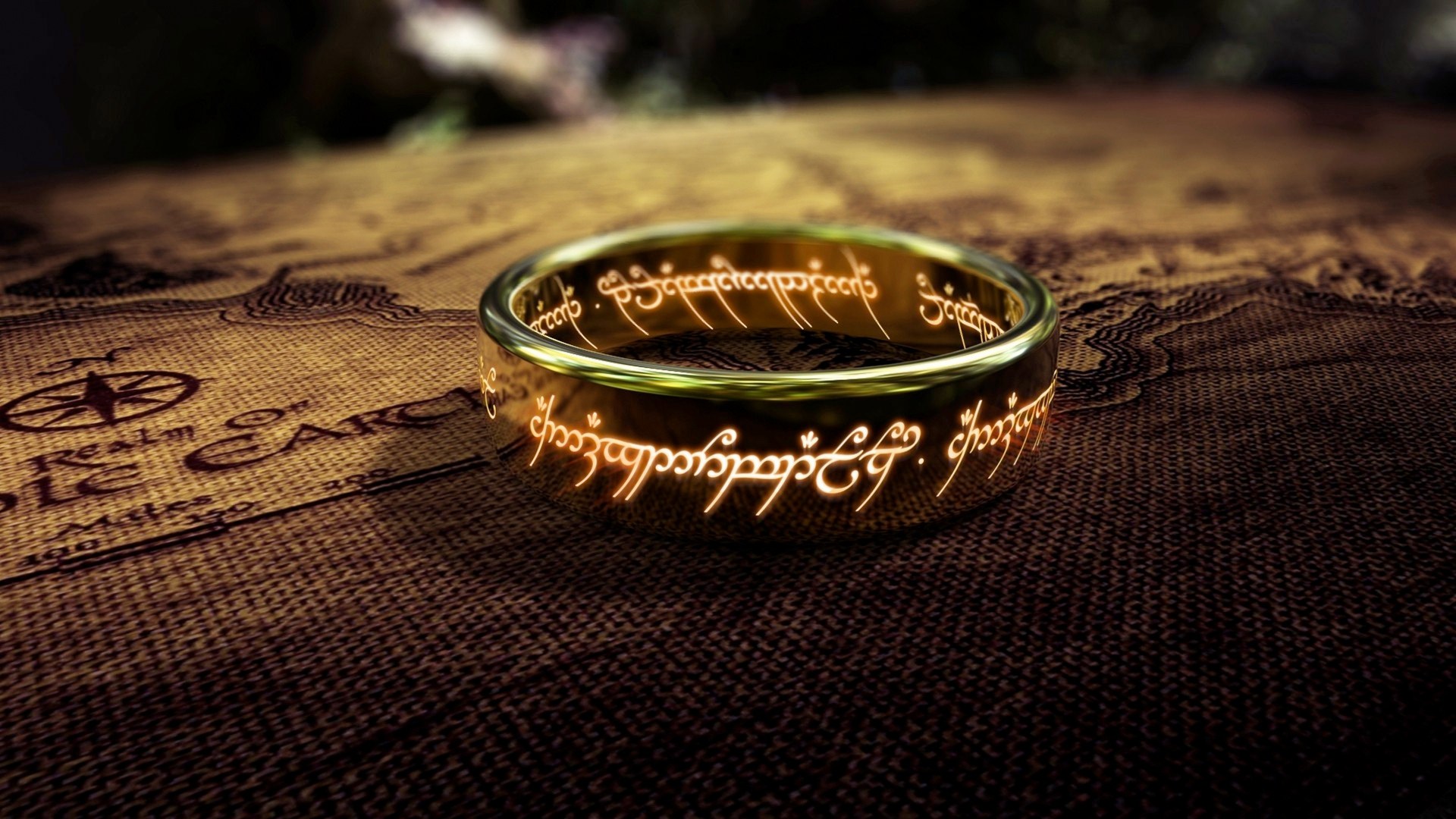
Lew Hunter’s book Screenwriting 434 is a fine research tool for all budding writers. He opines, “You have to make the audience care about your on-screen people and their dilemmas, and when that occurs you’ve created believable unbelievabilty. Audiences will not just get with a film that starts with what they perceive as unbelievable unbelievability.” Thus, this is an integral rule in getting the audience to suspend disbelief and come into a fantastic world. I mean for every Lord of the Rings Trilogy, which in my view brilliantly brought to life J. R. R. Tolkien’s incredible literary behemoth, you get many films which fail to achieve this. Peter Jackson obviously used, at the time, state of the art special effects to achieve his vision of the book but more important, in my view, is establishing the world and characters in the audience’s psychology and making the unbelievable believable.

As aforementioned there are many other movies which do not arguably work as fantasy films. Of course these are subjective choices but offerings such as: The Island of Dr Moreau (1996), Judge Dredd (1995), Batman and Robin (1997), Van Helsing (2004), Cat Woman (2004) The Lady in the Water (2006), Eragon (2008), Foodfight (2012), Terminator: Genisys (2015), Death-Note (2017), to name a few, could all be argued to have failed to make the unbelievable believable. Be it the poor writing, bad production choices or a lack of cogency in the presentation of the rules of their respective worlds, these are a few examples of movies which arguably did not work. But what of the films that successfully connect with our imagination. How do they achieve that?

Image result for terminator

Disney Studios has been presenting animated and live action films for close to a century now. As well as developing short animated films centred on iconic characters such as Mickey Mouse, Disney Studios used established texts too. Their first short was Little Red Riding Hood (1922) and subsequently they would win an Oscar for The Three Little Pigs (1933). Thus, the Disney template of utilising familiar stories from folklore or fairy tales was born and since then they have produced many, many such short and feature length productions such as: Snow White and the Seven Dwarfs (1937), Sleeping Beauty (1959) and The Little Mermaid (1989). The suspension of narrative disbelief is achieved because innately we are accustomed to the idea of talking animals or wicked witches or half-woman-half-fish characters as they were familiarised to us in infancy. Indeed, as famous fantasy writer Neil Gaiman confirms, “We encounter fairy tales as kids, in retellings or panto. We breathe them. We know how they go.” Thus, believable unbelievability is achieved due to conditioning as children with the extraordinary. Likewise, our acclimatization with commercial products when growing up, including toys such as: Lego, Transformers, Barbie and the Pixar’s ingenious Toy Story trilogy tap into this familiarity model and the child’s dream that perhaps our toys can actually come to life.

As we grow older though many of us can become cynical and lose the innocence and imagination we had when younger. Thus, the challenge for filmmakers is to make not only children but also adults believe in the fantastic and the unbelievable. One way of doing this is through nostalgia or harking back to narrative conventions established from yesteryear. Academic Frederick Jameson wrote in his seminal essay Postmodernism and Consumer Society, that society entered a key cultural period from around the 1960s onwards where modernism had given rise to postmodernism and that originality per se was being replaced by emulation; more specifically satire, parody and pastiche. He goes on to suggest “. . . individualism and personal identity is a thing of the past. . . stylistic innovation is no longer possible and all that is left is the imitate dead styles.” A cinematic element of pastiche he argues is the “nostalgia film” which consists, not of original narrative, but of film moments and narratives from the previous films.

Image result for film pastiche

Indeed, one of the most successful cinema franchises of all time is George Lucas’ series which began with, Star Wars (1977). While containing many original elements in regard to the fictional monsters, creatures, planets, space ships, weapons, heroes and villains it’s structurally very familiar, featuring the archetypal hero rescuing a “Princess in a Tower” narrative.  Even the “Once Upon a Time. . .” like beginning is echoed in the now classic opening text: “A long time ago in a galaxy far, far away. . .” Moreover, the expositional crawl which then follows is inspired by the early Saturday cinema sci-fi adventures such as: Flash Gordon. Lucas’ genius in using such nostalgic devices creates a clear pattern of familiarity and mental preparation for the fantasy elements yet to come in the story. Lastly, and less obvious, Star Wars also draws heavily, in terms of structure and characters, from Akira Kurosawa’s classic film Hidden Fortress (1958).

Similarly, J.K. Rowling’s Harry Potter series is equally adept at creating a magical world out of nostalgia and familiarity. The films are all structured around the school year and generally begin with an opening set-piece set in a mundane suburban area before slowly introducing the fantasy elements. Of course, some of us may not be so nostalgic for our school years but we are familiar with the educational structure. The Harry Potter books and films are a creative stroke of genius creating both emotional connections for children and adults. Children see the characters of Harry, Hermione and Ron as reflection and wish to emulate such characters; while adults can look back on their school days nostalgically and perhaps also enjoy the magical adventures from a position of halcyon positivity. What Star Wars and Harry Potter both offer is a means to project some incredibly fantastical elements but make it believable by setting their worlds in a recognizable environment such as school or through the stylistic signifiers like the opening Star Wars text.

Image result for star wars original poster

Ultimately, most of us love reading or going to the cinema in order to be entertained and escape from our reality. However, if the writer or filmmakers have not successfully created a suspension of disbelief we as an audience will fail to enter their fantasy world. Quality writing, production design, costumes, make-up, performance are of course integral to ensuring we believe what we read and see on the screen. However, as I have attested films also work on a more psychological level of drawing us in using methods such as familiarity and nostalgia to tell their stories. We may not even be aware of this but to make the unbelievable believable it paradoxically must connect with our prior knowledge and experiences, especially those we had as children.

*Originally posted on http://www.sothetheorygoes.com