Category Archives: Cinema

MY CINEMATIC ROMANCE #12 – STANLEY KUBRICK – incorporating a visit to THE KUBRICK EXHIBITION, COPENHAGEN

MY CINEMATIC ROMANCE #12 – STANLEY KUBRICK

Stanley Kubrick and I do not have many things in common. But one of them is we both, when he was still with us, hate flying. From some limited research I learnt that Kubrick was in fact a qualified pilot but following an incident in the air it scared him to the extent he refused to fly again. The famous story of recreating the major parts of war-torn Vietnam in London because of this during the making of Full Metal Jacket (1987) has subsequently gone into cinematic folklore.

2017_Kubrick_Shining_Typewriter

I hate flying for a number of reasons. Firstly, I am a science ignoramus and therefore cannot get my head around how that big hunk of metal can actually take off. Moreover, the fear of being trapped somewhere that in a crash situation means I am NOT getting out alive is too much to bear. I mean, on a boat or train or driving in your car you’ve got a fighting chance, but on a plane you’re up cloud creek without a paddle. More prosaically, I do NOT enjoy travelling on planes. Aside from being able to get a beer at seven in the morning, flying is just pointless to me. I don’t really even like holidays. You only have to come back and the relaxation you earned is ruined by the stress of having to fly back home.

2017_Kubrick_Shining_Twins_Laight

I realise these are first world problems but for me to get on a plane is a big deal. Yet, my wife loves travelling and visiting new places so as an appeasement exercise I agreed to go to Copenhagen. What sweetened the deal though is we both love the films of Stanley Kubrick and, given it has yet to come to London, decided to go visit said exhibition before it ended in January 2018. I am glad I did. It was brilliant.

2017_Kubrick_Killers_Kiss

As the photos show every one of Kubrick’s completed and non-completed projects were given a wonderfully curated and considered display. There were: props; scripts; clapperboards, letters from fans; video and audio-clips; letters of protests from angry cinemagoers; costumes; set miniatures; and hundreds of production documents identifying the famed meticulousness of Kubrick’s productions. It was an Aladdin’s Cave of Kubrick’s filmic life and well worth getting lost in for several hours. One hopes it comes to London soon so I can go again!

2017_Kubrick_The_Killing

So much has been written about Stanley Kubrick’s techniques, philosophies and film modus operandi, that rather than offer technical or thematic analysis I’d like to consider the personal impact Kubrick has had on my life. All I can say is that from an emotional level here is a filmmaker who has been with me as far back as I can remember. I recall watching The Killing (1956) on BBC2 in England when I was eleven and marvelling at the incredibly metronomic and overlapping structure. Then, at Christmas later that year, I recall watching Spartacus (1960) on TV with the family and enjoying the blood and guts and heroism of the lead character. I revelled in the Roman baddies being thwarted by a mere slave. When I found out a few years later they were directed by the same person I did not believe it; it blew my mind.

2017_Kubrick_Spartacus

With this knowledge and experience in mind, I consciously or otherwise looked out for other works by Stanley Kubrick. My memory is hazy but in my late teens I found Paths of Glory (1957) showing, no doubt on BBC2 (we still only had four channels then in England), and I recorded it on VHS and watched it over and over. Knowing nothing of the filmmaking process I was impacted by the incredible tracking shots putting us in the heart of the action. Timothy Carey, who stole the show as a vicious criminal in The Killing, again really stood out in this classic WWI anti-war film. But like in Spartacus, Kirk Douglas was fierce in his performance and his noble character protests against the injustice of the ruling powers within the poisonous French hierarchy.

2017_Kubrick_Lolita.jpg

One film of Kubrick’s I never quite got into was Lolita (1962). I tried to read the novel many years ago but my young brain found it impenetrable.  Similarly, the film is a very dark comedy with a risqué theme of illicit romance and sexual awakening. The film was very controversial on release and Kubrick’s one film I have not watched many times but my feeling is that Kubrick was attracted to the weaknesses of masculinity in this work. Now, perhaps it is a sexist and lascivious film but I would need to re-watch it now to be able to fully commit to a clear critical view. One wonders if it would be made now given its context and complexity of gender and paedophilic representations. The PC, Neo-Millenials and feminist agendas would certainly have something to say about it and they would probably have a point. My feeling is though we should be allowed to make up our own mind on controversial works rather than carrying flaming torches on the internet threatening to burn anything that may be deemed controversial.

2017_Kubrick_Paths_Glory.jpg

Another film which is sexual, but this time more symbolically when compared to Lolita, is the anti-nuclear masterpiece Dr Strangelove: or: How I Learned to Stop Worrying and Love the Bomb (1964). Having watched it more recently and gained knowledge from the wonderful Kubrick exhibition, this scary and hilarious satire is filled with stupid, impotent and warring men bickering and squabbling over the future of a possible nuclear attack. It’s incredible to think that at the time of the Cold War a filmmaker could turn the fear of an atomic bomb attack into a comedy. But that is the genius of Stanley Kubrick because as an iconoclast he did just that. Like Paths of Glory, which was banned by the French government, the film garnered the ire of the military as Kubrick showed he wasn’t afraid to criticize those in power once again.

2017_Kubrick_Dr_Strangelove

2001: A Space Odyssey (1968) is another film which, like Lolita, was one I did not see until years later. It was rarely on the television and only watching subsequent cinematic re-releases have I basked in the glory of this science-fiction classic. Kubrick’s work has sometimes been accused of formalism and technique over emotion and arguably 2001: A Space Odyssey is his most accomplished technical achievement. Yet the emotion is derived from the intellectual and philosophical journey of early man to that of enigmatic ‘Star Child’. One wonders at the combination of music and images to create a startling dialectic of wonderment, awe and enigma. What it all means is open to many interpretations and that too was the genius of Kubrick; there was rarely an easy answer to the themes raised in his films.

While I admire 2001: A Space Odyssey more from afar, his next film  A Clockwork Orange (1971), is one which I have close cultural connections to. Of course, it was released when I was a baby but on entering my late teens the controversy caused on its release had still managed to reach the chattering testosterone of the boys’ school I attended. Here was a violent, sexual, sexist, profane, dystopic, misanthropic film with blood and nudity that had been banned (later I would find it had been withdrawn by Kubrick himself) AND WE MUST NOT SEE! Obviously that meant we HAD to see it. Alas, I didn’t see it until one evening, as a surprised 22 year old, at the Scala Cinema in King’s Cross when it shown illegally as a ‘secret’ film. Subsequently, this action by the above-underground repertory cinema caused legal action by Warner Bros., eventually forcing the cinema to close.

2017_Kubrick_Clockwork_Orange

Even without seeing A Clockwork Orange, before it’s bootleg London screening, I had immersed myself in the music on vinyl, bought posters, watched a theatrical presentation starring Phil Daniels; and of course read Burgess’s incredible novel a number of times. Myself and my brother loved the language and iconography and the danger of the piece. This is why censorship of all kinds can backfire because when you’re told you’re not allowed to see something it makes you want to watch it even more. Nonetheless, A Clockwork Orange would eventually be released openly and it still stands the test of time as a virulent and scathing attack on Governmental control of the proletariat. Of course, Alex the anti-hero is a psychopathic nightmare and a reflection of the brutal society established within the film and book. Again, Kubrick and Burgess’ original book can offer little in the way of solutions but rather a coruscating critique of humanity via an ultra-stylish and formidable cinematic and literary language.

2017_Kubrick_Barry_Lyndon_Camera

Kubrick’s next film following the Clockwork Orange controversy was Barry Lyndon (1975). Kubrick had put his typically meticulous planning into a film about Napoleon Bonaparte only for this to fall down for commercial reasons and the budget was then put towards another period drama. I have to admit I did not see Barry Lyndon in full until it was shown on Film Four a few years ago. I subsequently saw it again last year – restored to a 35mm print – at the Prince Charles Cinema in Leicester Square and was thoroughly absorbed by the tragic tale of the eponymous leading character. Kubrick’s insistent to shoot in low or candlelight gave the film a heavenly and picturesque glow; fascinating also was the structure of the film as Barry Lyndon’s life plays out via fate and a series of random misadventures. It reminded me somewhat of Forrest Gump (1994) where war and misfortune happen to and around him, while both films end similarly with familial tragedy. Many of Kubrick’s other films have rightly gained classic status with Barry Lyndon perhaps seen as a lesser film. But for me, the imagery and cinematography alone make it a masterpiece for me.

2017_Kubrick_Barry_Lyndon

Like A Clockwork Orange, Kubrick’s adaptation of Stephen King’s The Shining was a film released around the time of the 1980s “video-nasty” era and I watched a lot of those films on VHS. This was the time where my love of horror was formed and despite the enigmatic ending being lost on a dopey 12 year-old, I loved this story of a psychotic Jack Nicholson going mad and attacking his family. It was only years later on further re-watches that I fully appreciated the macabre psychological subtlety of the unfolding detachment from reality, which occurs to Jack Torrance. Of course, everyone recalls the “Here’s Johnny!” moment and is scared to death by his twisted actions, but everything before that is brilliant, as it masterfully builds and creates dread amidst iconic images including: the twin girls, red-patterned carpet, the maze and the creepy barman in the Overlook Hotel. Stephen King, apparently doesn’t rate Kubrick’s The Shining but I think he is wrong. I know he changed King’s excellent novel to fit his own vision but Kubrick’s The Shining stands the test of time today.

Kubrick’s final two films, Full Metal Jacket (1987) and Eyes Wide Shut (1999) thankfully came out when I was old enough to see them at the cinema. Both are what I consider classic Kubrick mirrored structures. That is they are split into two long acts rather than the traditional three-act structure present in most classical Hollywood films. In Full Metal Jacket we establish the rigours of training Marines involving, from the film’s point-of-view, the dehumanizing stripping of humanity in order to turn men into killing machines. The second-half places such men into the Vietnam War and finds them lost in a black mirror of death and despair, attempting to make sense of the carnage around them. Such themes as the follies of war and damaging arrogance of those in rule are prevalent throughout his work including this film, Barry Lyndon, Dr Strangelove and Paths of Glory.

Having failed to get projects such as The Aryan Papers and Artificial Intelligence to the screen his next feature, Eyes Wide Shut, alas, was Kubrick’s final film. It benefits from close to career best performances from then married Nicole Kidman and Hollywood star Tom Cruise. I recall seeing it at a cinema in Fulham Road and my first reaction was it seemed unreal and ungrounded. The explicit sex scenes seemed stagey and were exploitational; plus Nicole Kidman’s acting aside the whole thing did not work for me on any level. Of course though the film, like many of Kubrick’s works, need to be viewed more than once for the nuance and subtle psychologies at work to seep through into one’s psyche. On further views of Eyes Wide Shut, the dark comedy and tragedy at work contextualises the sexual depravity on show revealing a dreamlike structure and strong moral compass which leads you to the conclusion hedonism and freedom of physical expression are empty vessels and vacuous pursuits compared to the relative safety of love, family and marriage.

2017_Kubrick_EWS_1

Walking round the Stanley Kubrick exhibition was a fantastic experience. Not only to revel in the artistic bricolage of the genius filmmakers’ oeuvre and history, but also to tread through my own memories of growing older watching Kubrick’s works. This and Copenhagen as a whole made it worth my while getting on a plane and suffering the stress of flight to venture to Denmark; where something totally not rotten was going on.

FLATMATES (2018): A SHORT HORROR FILM PRODUCTION UPDATE #2

FLATMATES (2018): A SHORT HORROR FILM PRODUCTION UPDATE #2

Just a quick update on my short film production FLATMATES (2018), which has now entered the the final stages of post-production with editor Gary O’Brien.

I have a teaser POSTER:

2018_Flatmates Poster v2

And a TRAILER online for viewing too:

I will be entering the films for screenings and festivals throughout the year and will release it online in the next few months once the editing is done. Cheers for reading.

2017 – MY FAVOURITE TWELVE FILMS OF THE YEAR!

2017 – MY FAVOURITE TWELVE FILMS OF THE YEAR!

There were some fantastic films this year and here are my favourite TWELVE. These are the ones I enjoyed the most from a cinematic, entertainment and emotional perspective. They are not necessarily the critics’ favourites, so for example, Moonlight (2017) is not on the list because I thought it was brilliantly directed but arguably over-rated as a story. Similarly, La La Land (2017), was an incredibly imaginative film from a stylistic and musical point-of-view but lacked emotional impact. But hey, as The Dude once said, “That’s just my opinion, man!”

Please note that they include films I have seen at the CINEMA in 2017, including the London Film Festival. Obviously there are some omissions but that’s either because I did not see them yet – Call Me By Your Name (2017), Mudbound (2017), God’s Own Country (2017) – or did not enjoy them as much as others. Please let me know if I have made glaring omissions in case I missed them at the cinema and should stream them. Indeed, last year the brilliant Hunt for the Wilderpeople (2016) was one I missed at the cinema, so I was grateful to catch up with that on Netflix.

For your information my favourite films I saw at the cinema in 2016 were:

FAVOURITE TWELVE FILMS SEEN AT THE CINEMA IN 2016 (in alphabetical order)

ARRIVAL (2016)

BONE TOMAHAWK (2015)

CAPTAIN AMERICA 3: CIVIL WAR (2016)

DOCTOR STRANGE (2016)

THE HATEFUL EIGHT (2015)

MANCHESTER-BY-THE-SEA (2016)

MEN AND CHICKEN (2015)

THE NICE GUYS (2016)

RAW (2016)

THE REVENANT (2015), ROGUE ONE: A STAR WARS STORY (2016), ROOM (2015)

FAVOURITE TWELVE FILMS SEEN AT THE CINEMA IN 2017 (in alphabetical order)

A GHOST STORY (2017)

“. . .this film transcends cinema conventions and delivers one of the most poignant and melancholic experiences of the year.”

ghost

BABY DRIVER (2017)

“. . . Wright brings such a balletic rhythm, musical verve and kinetic drive to the movie it becomes simply irrepressible.”

BLADERUNNER 2049 (2017)

“. . . It’s like Denis Villeneuve managed to combine, with the writers and designers, an indie-Hollywood-art film installation.”

BRAWL IN CELL BLOCK 99 (2017)

“. . . Brawl in Cell Block 99 rips into the dark underbelly of the criminal landscape leaving us in no doubt to the destructive nature of the American dream.”

COLOSSAL (2016)

“. . .In a summer which will bring us blockbusters galore they will have to go some way to match Vigalondo’s Colossal for originality, humour, heart and Seoul (sorry!)”

THE DISASTER ARTIST (2017)

“. . . Franco’s Wiseau is his greatest performance to date. The fact he directed the film too is also remarkable as he got the pitch of parody and drama just perfectly.”

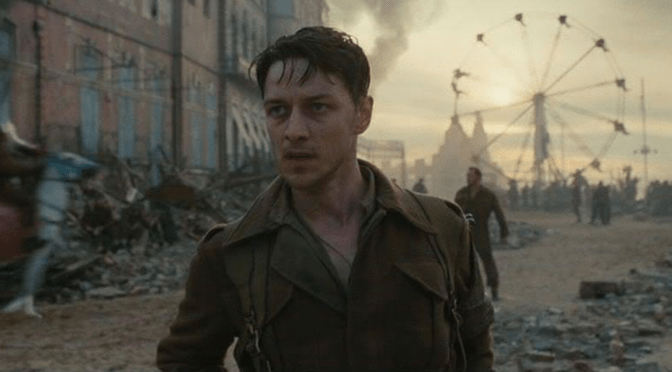
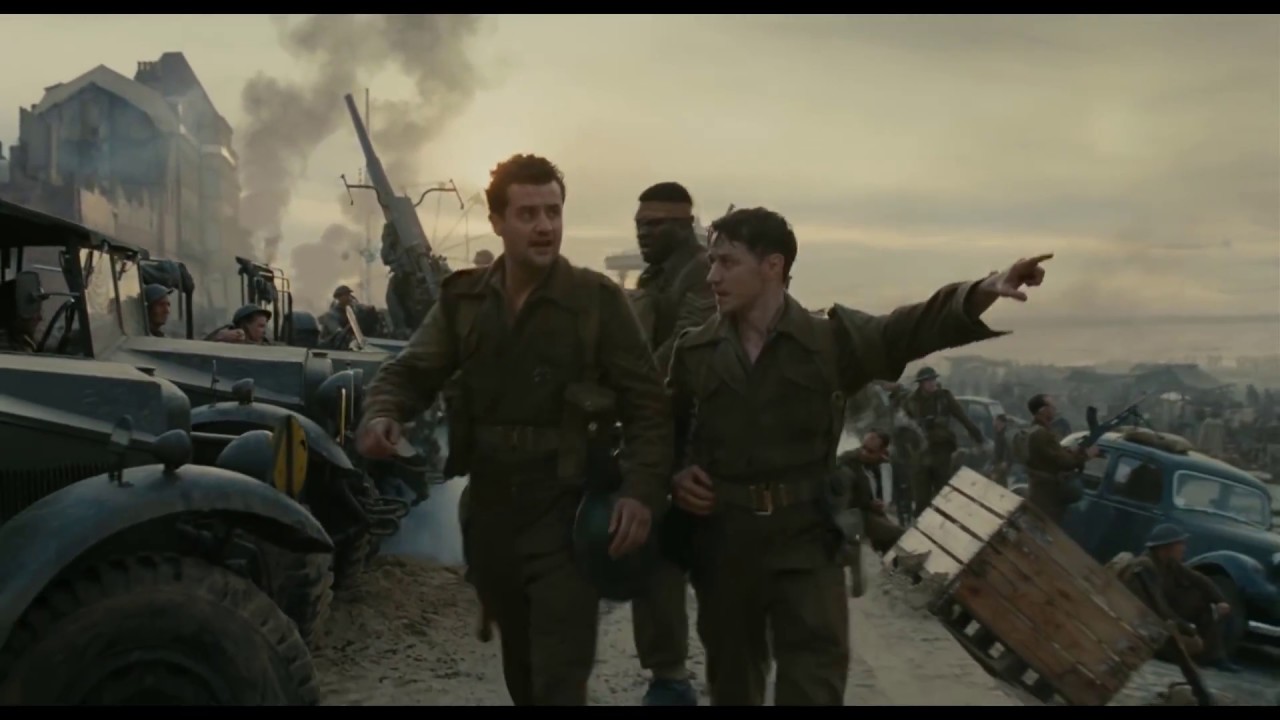
DUNKIRK (2017)

“. . .the film belongs to the masterful direction of Christopher Nolan who, in delivering 106 minutes of pure dramatic exhilaration, demonstrates he is more than just a genre filmmaker.” 

FENCES (2016)

“. . . Viola Davis more than matches Denzel Washington’s grandstanding and Rose’s heartfelt speech is a stunning retort to her husband’s continual tirades.”

fences

INGRID GOES WEST (2017)

“. . . Overall, this was just #brilliant #dark #funny #sad!  Aubrey Plaza is the shining light of this very satisfying black comedy.”

SILENCE (2016)

“While moving at a meditative pace Silence possesses some wonderful cinematography, brilliant direction, sterling performances and a brooding score.”

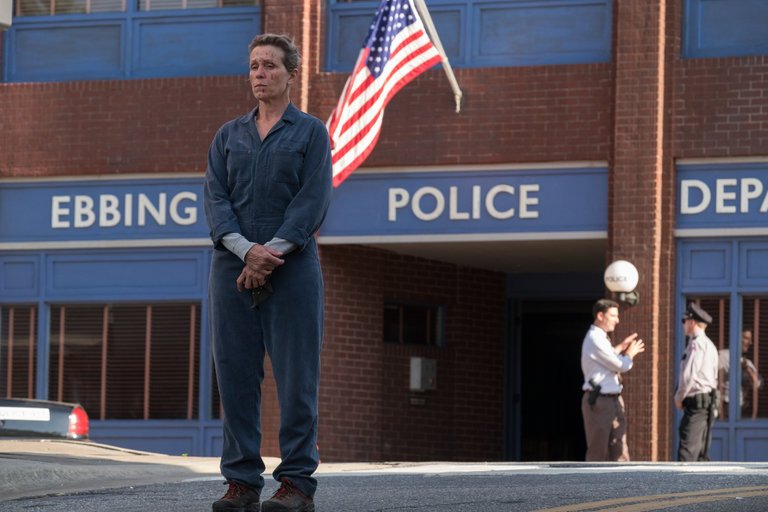
THREE BILLBOARDS OUTSIDE EBBING, MISSOURI (2017)

“. . . this is an excellent cinematic experience funny, shocking and moving; only possible because of the expert script from a great writer.”

WAR FOR THE PLANET OF THE APES (2017)

“. . . one of the best cinematic experiences in 2017 as story, style, technology and emotion all work together to bring a fitting end to one of the best film trilogies of recent years.”

desktop-now-playing-war-of-apes-film-header-front-main-stage

Other films I enjoyed that were very close to the list:

DETROIT (2017), GET OUT (2017), THE GIRL WITH ALL THE GIFTS (2016), HACKSAW RIDGE (2017), THE HANDMAIDEN (2016), THE KILLING OF A SACRED DEER (2017), THE LOST CITY OF Z (2017), OKJA (2017), SPLIT (2017), THOR: RAGNAROK (2017), WIND RIVER (2017)!

Anyway, I really enjoyed last year’s cinema offerings and here’s to a happy and positive 2018!

THE DISASTER ARTIST (2017) – MOVIE REVIEW

THE DISASTER ARTIST (2017) – MOVIE REVIEW

“Just because you want it doesn’t mean it can happen.”

DIRECTOR(S): James Franco / Tommy Wiseau 

WRITERS: Screenplay by Scott Neustadter & Michael H. Weber (Based on: The Disaster Artist: My Life Inside The Room, the Greatest Bad Film Ever Made by Greg Sestero & Tom Bissell

CAST: James Franco, Dave Franco, Seth Rogen, Ari Graynor, Jackie Weaver, Alison Brie, Hannibal Buress etc.

**CONTAINS MINIMAL SPOILERS**

room

I’d never seen the cult “bad” movie, The Room (2003). I’d seen clips on YouTube of actor, producer and director, Tommy Wiseau’s magnum opus drama, and not only found it excruciatingly painful to watch but, like a car crash I couldn’t take my eyes of it, transfixed at the creative carnage on show. From the initial limited release in 2003, The Room has subsequently become celebrated as a paean to bad filmmaking as armies of hipsters and millennials laugh and quote-along to agonising performances and dialogue on the silver screen. Even during the showing of The Disaster Artist (2017) I was at, a couple of audience members quoted along to some of fantastically simulated scenes from The Room.

disaster_artist_3

Films within films and the movie-making process have provided, down the years, a rich vein of comedic and dramatic output from: Singing in the Rain (1952), Living in Oblivion (1995), The Player (1992), State and Main (2000); plus, the film The Disaster Artist most reminds me of, Tim Burton’s glorious tribute to the hopeless, yet determined, director called Ed Wood (1994).  Structured around two struggling actors in Tommy Wiseau and Gregg Sestero this hilariously skewed yet somehow likeable buddy movie is propelled by the Franco brothers’ brilliant performances as European eccentric Wiseau and the younger, naïve, and ever-smiling Sestero.

Wiseau’s character is an actors’ gift as he exists in some delusional yet over-confident Neverland. We do not know Wiseau’s age, background and how he managed to become so wealthy, yet Sestero is drawn to his outrageously up-to-eleven acting performance during a class, and the two soon become inseparable. Moving to Hollywood they valiantly try to make it as actors and the film lurches from one desperately funny scene to another. Despite their apparent lack of ability they won’t be deterred and decide if Hollywood won’t come to them then they will come to Hollywood. They will make their own movie!

disaster-artist-4

Here The Disaster Artist really becomes a wonderful comedy of filmmaking flaws as we get scene after scene where all manner of rookie errors are committed by Wiseau. James Franco really excels as Wiseau; as the production is clearly beyond him his deluded power and determination will not yield, despite run-ins with the script supervisor (Seth Rogen) and various cast members who have no idea what the hell The Room is about. Here the story becomes compelling as Wiseau’s mania and lack of discipline flies in the face of established filmmaking conventions. During the making of the The Room, Wiseau is genuinely funny, monstrous, and yet somehow sympathetic. He is a true outsider’s outsider; he is a bona fide Hollywood version of Frankenstein’s monster.

disaster-artist2

James Franco has an odd career trajectory and has kind of stamped himself as a scattergun jack-of-all-trades, giving impressive performances in such films as: Spiderman (2002), 127 Hours (2010) and Rise of the Planet of the Apes (2011); but also starring in some haphazard comedies of which the hilarious This is the End (2013) was the best. Amidst his prodigious work ethic he has also produced some turkeys (i.e. Your Highness (2011); as well as pretentious adaptations of literary classics by William Faulkner. If pushed I would say that his faithful recreation of the cult of Wiseau is his greatest performance to date. The fact he directed the film too is also remarkable as he got the pitch of parody and drama just perfectly.

the-disaster-artist-trailer-e1505222697182

Meta-textually, comedically and entertainment-wise this film is a highly satisfying cinematic experience. As the credits roll the sequence which compares scenes from The Room and Franco’s faithful simulacrum is a joy to behold. I can certainly recommend The Disaster Artist to anyone who enjoys seeing massive fails in the creative process of filmmaking. Having said that though this is a film which also pays tribute to the deluded fools trying to make it in Hollywood. I mean, however impossible it may seem Wiseau and Sestero, refuse to buckle in light of insurmountable odds. Their reward is one of the worst films ever made in The Room; but paradoxically it is a success as it has given so much joy to people at the same time. It’s this joie de vivre that the Franco’s bring forth and the underlying message is that without friendship, dreams and hopes you are nothing in Hollywood or life.

Mark: 9 out of 11

INGRID GOES WEST (2017) – MOVIE REVIEW

INGRID GOES WEST (2017) – MOVIE REVIEW

DIRECTOR:            Matt Spicer 

WRITERS:              Matt Spicer, David Branson-Smith

CAST:                    Aubrey Plaza, Elizabeth Olsen, Billy Magnussen, O’Shea Jackson Jr., Wyatt Russell, Pom Klementieff,

ingrid-goes-west1.jpg

**CONTAINS MINIMAL SPOILERS**

Grief is something which we will, or have already experienced, and given the dramatic possibilities, death and overcoming the death of a loved one propels many narratives in the cinema, literature and music etc. Ingrid Knows Best is one such narrative and while much is made of the plague that is social media and Instagram culture, this is ultimately a story of how our anti-hero deals with the loss of her mother and, in some ways, her own identity. In short: she doesn’t handle it very well, but rather disassociates her grief and fixates on so-called on-line celebrities in order to distract herself and escape the pain.

Aubrey Plaza is brilliant as Ingrid and she is fast becoming one of my favourite actors. I loved her in Office-influenced sitcom, Parks and Recreation and the brilliant lo-fi-sci-fi-rom-com Safety Not Guaranteed (2012). However, in this film and the mind-bending science fiction series Legion (2017), she completely owns the show. Plaza has a rare skill for vulnerable insanity where she does crazy stuff but at the same time you really empathise with her character.

Image result for ingrid goes west

In the opening scene she commits an act of pretty despicable revenge but once you see her living arrangements and family situation you really gain understanding of her character.  Even when Ingrid heads west and begins stalking her next obsession, Plaza’s doe-eyed-butter-wouldn’t-melt façade and crumbling inner humanity ensure you never lose empathy for her. The writing is excellent as the script creates humour, drama and skilful satire of the facile, narcissistic and selfie-obsessed culture we live in today. Elizabeth Olsen too is impressive as the “Instagram Queen” and object of Ingrid’s obsession.

Overall, this was just #brilliant #dark #funny #sad!  I was really satisfied with this film and while the slightly off-kilter crime-plot-turn near the end slightly unhinged the character study, the touching and thematically perfect ending was a brilliant pay-off for Ingrid’s character. Plaza though is the shining light of the film as she imbues Ingrid with not only the pathos of a zeitgeist Travis Bickle, but also a comedic mania which really brings the satire home.

(Mark: 9 out of 11)

CLASSIC MOVIE SCENES #2 – ONCE UPON A TIME IN AMERICA (1984) – “THE CAKE SCENE”

CLASSIC MOVIE SCENES #2 – ONCE UPON A TIME IN AMERICA (1984) – “THE CAKE SCENE”

Sergio Leone’s sprawling, violent, elegiac and epic gangster film is rarely on television but always deserves a re-watch every few years. It revolves around the lives of young gang of Jewish friends growing up in 1920s Brooklyn called: Noodles, Max, Patsy, Cockeye and little Dominic. It contains majestic story-telling of the highest quality as the story is structured around past, present and possible future, with Robert DeNiro’s older Noodles reminiscing and projecting from the hazy and drug-addled glow of opium den. The film acts as a history of childhood friendships and includes themes relating to: love, lust, greed, betrayal, loss, broken relationships; as well as focusing on the rise of mobsters in American society.

OneGroep1

As a father myself it is a very noticeable trajectory seeing one’s son grow up from a small child to an adult and witnessing the changes in character as he becomes a man. The single most significant thing for me is that loss of innocence, not so much in regard to a child becoming a bad person, but that light which seems to drift away from a young person when they become a teenager. Once Upon A Time in America is a brilliant film in dealing with the collision between young innocence and adult corruption by external society and natural changes.

cake

One such scene which perfectly encapsulates such a loss of innocence occurs when young Patsy (Brian Bloom) buys a cream cake with the desire to lose his virginity to a local girl. He buys the cake, sits on the stairs waiting for her to get ready and looks at the cake. Ennio Morricone’s beautiful score resonates as Patsy is tempted by the cake. He fingers at the cream just once, then again and then all thought of sexual temptation is removed by the desire for cake. In the end he eats the whole cake and scrams when the girl opens the door. Such a classic scene stands as a beautiful and touching moment amidst all the death and violence throughout. For that moment Patsy’s innocence remains intact yet we know that, in this violent, ugly world of: men, gangsters, guns, crime, crooked cops and prohibition it will not last forever.

FLATMATES: A SHORT HORROR FILM PRODUCTION UPDATE

FLATMATES: A SHORT HORROR FILM UPDATE

As you may or may not know I make short films. I have been involved in a number of short film productions and promos over the years. My work can be found at www.fixfilms.com. I usually work with the ultra-talented director, writer, producer, editor, special effects whizz and Star Trek expert, Gary O’Brien. Our working relationship is still going strong and our last collaboration Chance Encounter (2016) has now over 46,000 views on YouTube, so we’re happy with that. We are also planning a new Star Trek film currently called The Holy Core but you can check out Chance Encounter on this website: http://startrekshortfilm.com/

In between this though I decided, foolishly given my lack of directorial experience, to make my own short film from scratch. So, I have written, produced, catered, and now directed a low-budget ghost story called Flatmates. One of my creative aims for 2017 to was make my own film, and subject to the post-production process I have now achieved that. It will be edited and released in 2018 and sent to film festivals all over for consideration and screenings (hopefully). Will it be any good? Who knows? I will let those who watch it decide. What I do know is that I assembled a crack team of amazing talent and I thank them all for their sterling efforts.

We filmed the short script on the 30th November 2017, having also had an acting rehearsal day in October 2017 too. What I realised is that filmmaking and specifically directing is fucking difficult. I am much more at home writing and producing and making sandwiches. Co-ordinating the actors, crew and my ideas while directing performance was a steep learning curve and it made me admire the many filmmakers and their films I have watched over the years. Because put simply making movies is tough!  However, thanks to the talented cast and crew who worked tirelessly I am confident I have a little film that tells an interesting story.

What I did learn is that to make a decent film you need a committed cast and crew; a good script; a bit of money to pay people and feed them; and above all else – YOU NEED TIME!  I tried to do too much in one day and if the film is not as good as it could have been then it is not down to lack of talent and effort but down to not shooting over two days. I think this film will still be an atmospheric and scary horror story but the next short I plan to make will probably be planned even more. Indeed, while I planned Flatmates to hell, a two day shoot, rather than one, could have potentially enhanced the production.

Anyway, I would personally like to thank the following people for assisting in the production and certainly recommend their skills as actors and crew-members. Click on their names for their links / websites too.

CAST

ACTOR                       ROLE

MEL GAYLE              LISA DUNBAR           

GEORGIA KERR      SARAH           

TILDE JENSEN         INGRID           

CAITLIN SCOTT      VIVIANE

CREW

NAME                                     DEPT.

MARINA FUSELLA             SOUND

EDWARD LOMAS               D.O.P / CAMERA

KATO MURPHY                    GAFFER  / LIGHTING

GARY O’BRIEN                     EDITOR / POST

BEN PENDREY                      ASS’T. DIRECTOR

ANGIE WHITE                      MAKE-UP

2017_Flatmates_Shoot_18

FADE OUT

Overall, Flatmates is my first proper directorial production and as an independent filmmaker it is pleasing to have ventured into such a positive creative experience. I certainly look forward to learning from the decision process and fully expect to get better and better the more productions I make. I am now logging the images and sound and prepping for the edit where Gary will then work his magic for the post-production process.

2017_Flatmates_Shoot_11

Flatmates – written and directed by Paul Laight – will be released in 2018

SCREENWASH ONE-LINER FILM REVIEWS

SCREENWASH ONE-LINER FILM REVIEWS

Sometimes it’s not necessary to go on and on about a film so here’s a rapid-fire round-up of films I’ve seen over the last couple of months. It’s like speed-dating for films but without the crushing romantic disappointment of mass rejection in one evening. As usual I accompany the reviews with marks out of eleven.

**SPOILER-FREE**

1922 (2017) – NETFLIX

Thomas Jane excels as a scheming farmer haunted by death, greed and rats!    (Mark: 8 out of 11)

THE ACCOUNTANT (2016) – SKY CINEMA

An OCD-assassin portrayed by Ben Affleck wreaks havoc in a very tidy fashion.    (Mark: 8.5 out of 11)

ANDY AND JIM (2017) – NETFLIX

Schizoid-meta-textual-yet-intriguing Jim Carrey / Andy Kaufmann documentary. (Mark: 7.5 out of 11)

ANTHROPOID (2016) – NETFLIX

Gripping WWII story concerning Czech resistance fighters assassinating Nazis.   (Mark: 8 out of 11)

ASSASSINS’ CREED – SKY CINEMA

Stunning production values and cast are let down by a bemusing plot and script.   (Mark: 6 out of 11)

THE BAR (2017) – NETFLIX

Spanish comedy-thriller has selfish occupants trapped in a bar all turn on each other!    (Mark: 7.5 out of 11)

BLEED FOR THIS (2016) – NETFLIX

Miles Teller excels as boxer Vinny Pazienza battling for survival in and out of the ring.   (Mark: 8 out of 11)

DEATHNOTE (2017) – NETFLIX

Hamstrung horror film throws away a brilliant concept via hopeless script and acting.  (Mark: 5 out of 11)

FREE STATE OF JONES (2016) – AMAZON

Watchable American Civil War historical drama with McConaughey on good form.  (Mark: 7.5 out of 11)

GOLD (2016) – AMAZON

McConaughey again shines as a modern day gold prospector in compelling drama.  (Mark: 8.5 out of 11)

LIVE BY NIGHT (2016) – SKY CINEMA

Affleck as gangster anti-hero in stylish but empty “Roaring Twenties” adaptation.   (Mark: 7 out of 11)

THE MEYOROWITZ STORIES (2017) – NETFLIX

Narcissistic family members talk at each other about life in pretentious drama.    (Mark: 7 out of 11)

SNOWDEN (2016) – NETFLIX

Oliver Stone brings the famous whistle-blower’s story to life in a well-shot drama.   (Mark: 7.5 out of 11)
TRUE STORY (2015) – NETFLIX

Franco and Hill sleepwalk through a compelling real-life murder case narrative.   (Mark: 6.5 out of 11)
THE WAILING (2016) – NETFLIX

Incredibly rendered yet abstract Korean horror centring on Shamans and viral death.   (Mark: 8 out of 11)
WAR MACHINE (2017) – NETFLIX

Tonally haphazard mix of war satire, biopic and drama with Brad Pitt hamming it up.   (Mark: 6 out of 11)
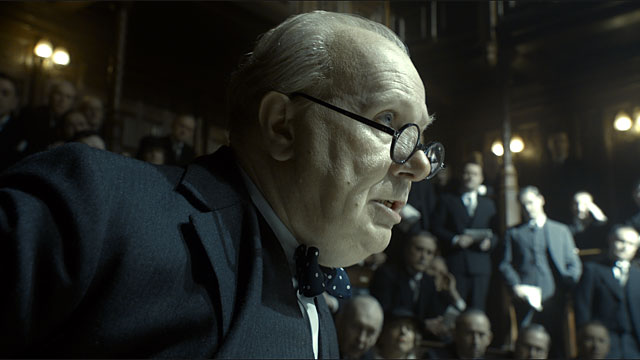
FAMILIARITY AND NOSTALGIA IN THE FANTASY FILM GENRE 

FAMILIARITY AND NOSTALGIA IN THE FANTASY FILM GENRE

“Here you leave today and enter the world of yesterday, tomorrow, and fantasy.”

Walt Disney Company

Once upon a Time. . . four simple words which immediately conjure a whole host of possibilities and eventualities in literature and by extension, cinema. In her book A Once Upon a Time: A Short History of Fairy Tale, Marina Warner attests that fairy tales are “Stories that try to find the truth and give us glimpses of greater things. . . this is the principle that underlies their growing presence in writing, art and cinema.” My own personal experience growing up was of reading fairy tales, myths and legends. Indeed, such stories formed a narrative backbone to my childhood and opened my mind to all manner of worlds of monsters, magicians, Kings, Queens, dragons, spiders, ghosts, gold-haired heroines, muscular heroes, acts of love and war, epic journeys; as well as breath-taking battles and feats of unimaginable compassion and bravery.

Image result for lord of the rings

Such an education conditioned my young mind for an array of imaginative potentialities and in later life my love of fairy tales and stories would bleed through into my love of cinema. But how does one make the leap off the page onto the screen, making that which is fantastic believable to our eyes, hearts and minds? In this article I would like to consider certain ways we have been conditioned and how storytellers develop their narratives in the fantasy genre. How does the unbelievable become believable in our minds? There are many ways in which this is achieved but I would like to focus on two methods which are familiarity and nostalgia.

How does one define fantasy cinema?  One could certainly posit the notion that the fantasy genre deals with fantastic themes including: magic, the supernatural, myth, folklore, exotic worlds, and fairy tales; and for the benefit of this article can encapsulate science fiction, horror and superhero movie genres. Essentially, fantasy is that which is not of our perceived rendition of reality, enabling escape into the extraordinary. Fantasy cinema is not simply dragons and wizards but more far-reaching as their stories cast their magic from childhood to adulthood. I myself recall the day when I first saw The Wizard of Oz (1939) as Dorothy’s journey from Oz literally took my breath away. Moreover, only recently I marvelled at the fantastic images and comedy of Thor: Ragnarok (2017) on the big screen.
Image result for wizard of oz

Lew Hunter’s book Screenwriting 434 is a fine research tool for all budding writers. He opines, “You have to make the audience care about your on-screen people and their dilemmas, and when that occurs you’ve created believable unbelievabilty. Audiences will not just get with a film that starts with what they perceive as unbelievable unbelievability.” Thus, this is an integral rule in getting the audience to suspend disbelief and come into a fantastic world. I mean for every Lord of the Rings Trilogy, which in my view brilliantly brought to life J. R. R. Tolkien’s incredible literary behemoth, you get many films which fail to achieve this. Peter Jackson obviously used, at the time, state of the art special effects to achieve his vision of the book but more important, in my view, is establishing the world and characters in the audience’s psychology and making the unbelievable believable.

As aforementioned there are many other movies which do not arguably work as fantasy films. Of course these are subjective choices but offerings such as: The Island of Dr Moreau (1996), Judge Dredd (1995), Batman and Robin (1997), Van Helsing (2004), Cat Woman (2004) The Lady in the Water (2006), Eragon (2008), Foodfight (2012), Terminator: Genisys (2015), Death-Note (2017), to name a few, could all be argued to have failed to make the unbelievable believable. Be it the poor writing, bad production choices or a lack of cogency in the presentation of the rules of their respective worlds, these are a few examples of movies which arguably did not work. But what of the films that successfully connect with our imagination. How do they achieve that?

Image result for terminator

Disney Studios has been presenting animated and live action films for close to a century now. As well as developing short animated films centred on iconic characters such as Mickey Mouse, Disney Studios used established texts too. Their first short was Little Red Riding Hood (1922) and subsequently they would win an Oscar for The Three Little Pigs (1933). Thus, the Disney template of utilising familiar stories from folklore or fairy tales was born and since then they have produced many, many such short and feature length productions such as: Snow White and the Seven Dwarfs (1937), Sleeping Beauty (1959) and The Little Mermaid (1989). The suspension of narrative disbelief is achieved because innately we are accustomed to the idea of talking animals or wicked witches or half-woman-half-fish characters as they were familiarised to us in infancy. Indeed, as famous fantasy writer Neil Gaiman confirms, “We encounter fairy tales as kids, in retellings or panto. We breathe them. We know how they go.” Thus, believable unbelievability is achieved due to conditioning as children with the extraordinary. Likewise, our acclimatization with commercial products when growing up, including toys such as: Lego, Transformers, Barbie and the Pixar’s ingenious Toy Story trilogy tap into this familiarity model and the child’s dream that perhaps our toys can actually come to life.

As we grow older though many of us can become cynical and lose the innocence and imagination we had when younger. Thus, the challenge for filmmakers is to make not only children but also adults believe in the fantastic and the unbelievable. One way of doing this is through nostalgia or harking back to narrative conventions established from yesteryear. Academic Frederick Jameson wrote in his seminal essay Postmodernism and Consumer Society, that society entered a key cultural period from around the 1960s onwards where modernism had given rise to postmodernism and that originality per se was being replaced by emulation; more specifically satire, parody and pastiche. He goes on to suggest “. . . individualism and personal identity is a thing of the past. . . stylistic innovation is no longer possible and all that is left is the imitate dead styles.” A cinematic element of pastiche he argues is the “nostalgia film” which consists, not of original narrative, but of film moments and narratives from the previous films.

Image result for film pastiche

Indeed, one of the most successful cinema franchises of all time is George Lucas’ series which began with, Star Wars (1977). While containing many original elements in regard to the fictional monsters, creatures, planets, space ships, weapons, heroes and villains it’s structurally very familiar, featuring the archetypal hero rescuing a “Princess in a Tower” narrative.  Even the “Once Upon a Time. . .” like beginning is echoed in the now classic opening text: “A long time ago in a galaxy far, far away. . .” Moreover, the expositional crawl which then follows is inspired by the early Saturday cinema sci-fi adventures such as: Flash Gordon. Lucas’ genius in using such nostalgic devices creates a clear pattern of familiarity and mental preparation for the fantasy elements yet to come in the story. Lastly, and less obvious, Star Wars also draws heavily, in terms of structure and characters, from Akira Kurosawa’s classic film Hidden Fortress (1958).

Similarly, J.K. Rowling’s Harry Potter series is equally adept at creating a magical world out of nostalgia and familiarity. The films are all structured around the school year and generally begin with an opening set-piece set in a mundane suburban area before slowly introducing the fantasy elements. Of course, some of us may not be so nostalgic for our school years but we are familiar with the educational structure. The Harry Potter books and films are a creative stroke of genius creating both emotional connections for children and adults. Children see the characters of Harry, Hermione and Ron as reflection and wish to emulate such characters; while adults can look back on their school days nostalgically and perhaps also enjoy the magical adventures from a position of halcyon positivity. What Star Wars and Harry Potter both offer is a means to project some incredibly fantastical elements but make it believable by setting their worlds in a recognizable environment such as school or through the stylistic signifiers like the opening Star Wars text.

Image result for star wars original poster

Ultimately, most of us love reading or going to the cinema in order to be entertained and escape from our reality. However, if the writer or filmmakers have not successfully created a suspension of disbelief we as an audience will fail to enter their fantasy world. Quality writing, production design, costumes, make-up, performance are of course integral to ensuring we believe what we read and see on the screen. However, as I have attested films also work on a more psychological level of drawing us in using methods such as familiarity and nostalgia to tell their stories. We may not even be aware of this but to make the unbelievable believable it paradoxically must connect with our prior knowledge and experiences, especially those we had as children.

*Originally posted on http://www.sothetheorygoes.com

MOVIE REVIEW – THOR: RAGNAROK (2017)

MOVIE REVIEW – THOR: RAGNAROK (2017)

**CONTAINS MINIMAL SPOILERS**

The Marvel Franchise bus shows no sign of slowing down and the number of Superhero passengers and routes its taking increases every year. Indeed, I’m wondering which driver (i.e. director) will be the first to get a puncture and crash their respective bus, because even though we are well past saturation point the successful formulae is still sweetly cruising along without the threat of breaking down. Even slightly lesser known heroes such as Dr Strange (2016), Guardians of the Galaxy (2014) and Ant-Man (2015) have all made loads of money, and corny vehicular metaphors aside, surely it is only a matter of time before Marvel’s monopoly on Superhero movie success flails. However, Thor: Ragnarok (2017) is most certainly NOT the film that causes the decline.

Image result for thor ragnarok

The crafty Marvel bosses have kept their products fresh by often changing directors because where DC failed artistically, in my view, was they allowed the hyperbolic effects-driven blockbuster style of Zach Snyder — until the impressive Wonder Woman (2017) that is — to dominate their bombastic releases. Marvel Studios, on the other hand have given reign to arguably more quirky, indie-flavoured filmmakers such as: Joss Whedon, James Gunn and now Taika Waititi to drive their movies forward. Thus, along with the standard heroes-versus-villains-end-of-the-world storylines, massive battle set-pieces and fantastical worlds and characters on show, such directors add an element of humour and characterization to proceedings.

Image result for thor ragnarok helA

Humour, more than anything, is what Waititi brings to Thor: Ragnarok. This is essentially the first all-out Marvel comedy pitched an octave funnier than Guardians of the Galaxy on the comedic scale; as punchline after punchline reigns down with the power of Thor’s lightning bolts. The opening scene is a case in point where Chris Hemsworth’s sly comic timing is utilised to great impact when facing the demonic Sutur. Hanging upside down and chained, Thor’s momentum swings him around and away as the fiery devil delivers his monologue, only for Thor to ask him to wait until he comes back round again. While covering the exposition in a very funny way the gag also satirizes the clichéd villains’ plot while serving as a wonderful taster for the events to come.

Image result for thor ragnarok surtur

The witty screenplay and lightning pace covers up the familiarity of the story as once again Asgard comes under attack from a hellish force, this time in the guise of the beautiful evil of Hela (Thor’s older sister) portrayed with tremendous gusto by the ultra-talented Cate Blanchett. Usually seen in more serious dramatic roles Blanchett excels as Hela, and arguably is a touch underused until the incredible battle scene at the end. Anthony Hopkins and Tom Hiddleston once again reprise their roles as Odin and Loki respectively; Loki, as usual, getting some great moments to show his dupliticity and mischief. Both Hopkins and Hiddleston take great pleasure to also parody their characters compared to the pitch black seriousness of Thor: The Dark World (2013).

Image result for thor ragnarok HULK

Waititi, the writers and production crew deserve much credit for not only delivering some familiar faces and worlds to the film but also some new ones to freshen it up. I must admit I wish the trailer hadn’t spoilt the appearance halfway through of the “Big Guy” because if I had not known that I would have been amazed at such a twist. Nonetheless, the Hulk does appear and via Mark Ruffalo’s neurotically bemused turn as Bruce Banner we get, amidst all the gladiatorial mayhem, a cracking buddy story too. Moreover, Tessa Thompson as a hard-drinking-hard-fighting “Scrapper 142” (with a hidden past) is another sterling addition to the ensemble and the visuals which derive from her backstory via flashback are the some of the most impressive I have seen all year.  Jeff Goldblum as a wacky but dangerous Space Dictator and the hilarious Taika Waititi as a wise-cracking Kronan (a rock-looking dude!?) almost steal the show too.

Image result for thor ragnarok hela valkyrie

As he showed with Eagle versus Shark (2007), What We Do In the Shadows (2013) and the exceptionally funny and touching, The Hunt for the Wilderpeople (2016), Waititi is a very talented filmmaker and he has brought his love of eccentric characterization and comedic ability to great effect within the Marvel Universe. Thor: Ragnarok is a riotous mix of stunning visuals, booming rock music, huge battles, family wars, smashing punchlines and hilarious performances. Arguably the comedy sidelines the drama and tonally the film is uneven in places and compared to the magical and hallucinatory world of Dr Strange it is not as satisfying in terms of the whole world and vision created. Nonetheless, as comic book adaptations go it is one of the most entertaining Marvel sequels to date.

(Mark: 9 out of 11)