Based on High and Low (1963 film) by Akira Kurosawa, Hideo Oguni, Ryūzō Kikushima, Eijirō Hisaita, and King’s Ransom (1959 novel) by Ed McBain.
Produced by Todd Black and Jason Michael Berman
Main cast: Denzel Washington, Jeffrey Wright, Ilfenesh Hadera, ASAP Rocky, John Douglas Thompson , Dean Winters, LaChanze, Aubrey Joseph, etc.
Cinematography by Matthew Libatique
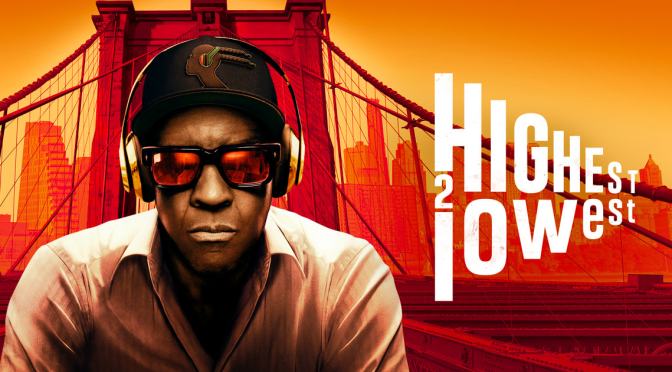
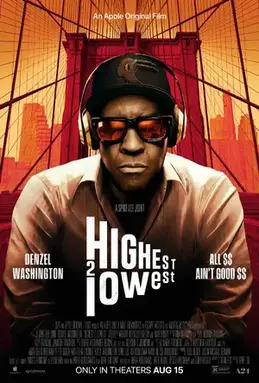
Spike Lee’s Highest 2 Lowest(2025) is a kinetic, vividly modern reimagining of Akira Kurosawa’s High and Low (1963), transplanting the Japanese master’s class-conscious thriller into the bustling, chaotic pulse of contemporary New York City. As expected from Lee, the film bursts with visual flair and political verve — the camera rarely rests, and the city itself becomes a character, glowing with heat, colour, and tension. The streets hum with energy, from glassy penthouses to subway platforms, creating a dynamic canvas on which the moral dilemmas unfold.
Denzel Washington, as usual, delivers a commanding performance as David King, a renowned independent producer and record label owner, torn between his conscience and his ambition when the kidnapping of his son occurs. Washington captures both the quiet torment and moral exhaustion of a man staring down the gulf between his privilege and his humanity. Jeffrey Wright, offers great support as his friend and chauffeur. The narrative navigates class and corporate tensions, bringing a soulful intelligence to every scene, grounding the film’s intensity with empathy and authority.
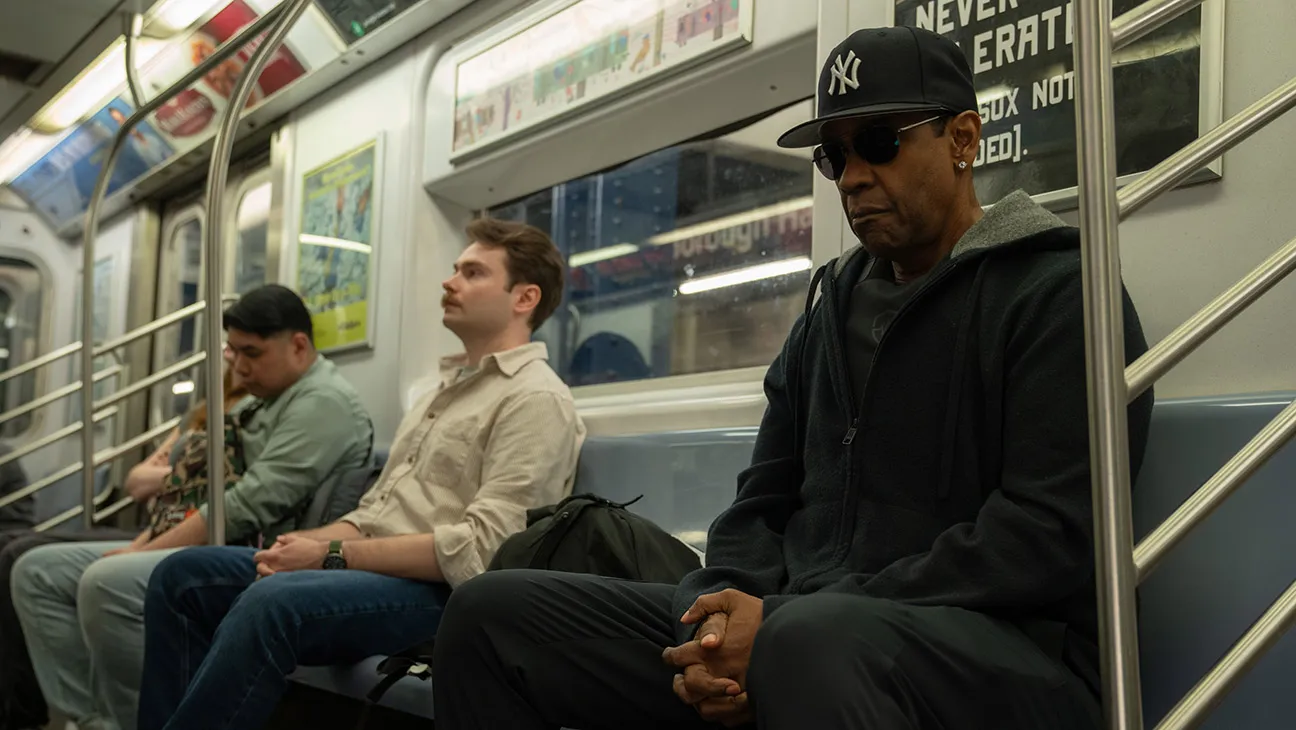
The film moves at a thrilling pace, carried by a propulsive soundtrack that fuses hip-hop, jazz, and gospel with Lee’s trademark flair for musical storytelling. Nowhere is this energy more palpable than in the ransom handover sequence — a masterclass in direction and editing — cutting feverishly across New York’s boroughs and metro trains, while the Puerto Rican Day Parade swells in a euphoric, near-operatic crescendo. It’s a breathtaking montage that exemplifies Lee’s command of rhythm, geography, and social texture. It proves to be Highest 2 Lowest(2025)’s biggest high.
Where Highest 2 Lowest(2025) falters is in the handling of its central moral crisis, which in turns undermines the all-to-rapid ending too. Indeed, it seemed to be missing a betrayal twist for me. The decision David King must make — the film’s spiritual core — arrives and resolves too swiftly around the midpoint, leaving the second half conflict, after the exhilarating Puerto Rican Day Parade, more focused on wrapping up loose ends quickly than psychological reckoning. It’s a missed opportunity for the deeper character study that Kurosawa’s original sustained so brilliantly.
Still, as an adaptation, Lee’s film is an entertaining piece of work — bold, stylish, and alive with the contradictions of the modern city. While Kurosawa’sHigh and Low(1963) remains the more compelling exploration of social class and moral responsibility, Highest 2 Lowest(2025) finds its own voice: vibrant, urgent, and unmistakably Spike Lee.
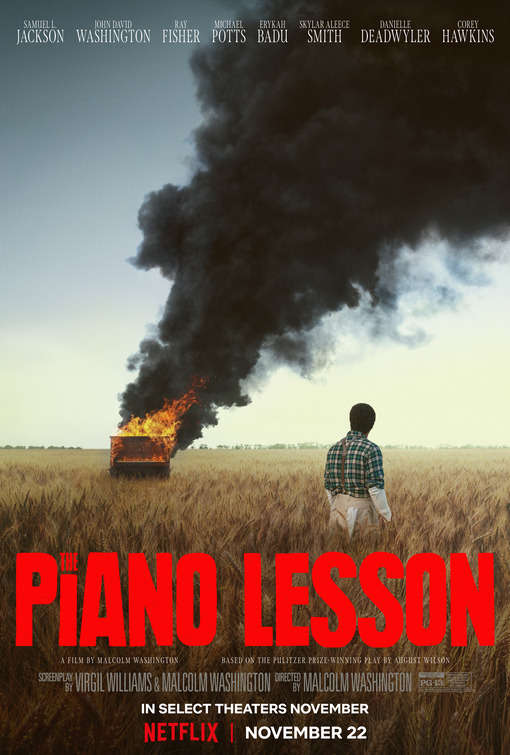
Screenplay by Virgil Williams & Malcolm Washington
Based on The Piano Lesson by August Wilson
Produced by Denzel Washington & Todd Black
Main cast: John David Washington, Danielle Deadwyler, Samuel L. Jackson, Ray Fisher, Michael Potts, Erykah Badu, Skylar Aleece Smith, Corey Hawkins, and more.
Cinematography by Mike Gioulakis
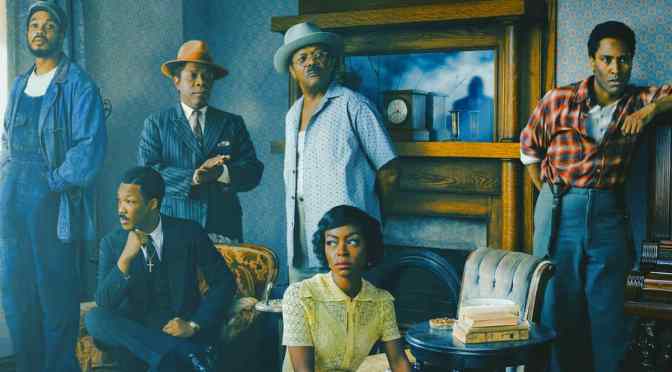
Malcolm Washington’s directorial debut, The Piano Lesson (2024), is a poignant and evocative adaptation of August Wilson’s 1987 play, set in 1936 Pittsburgh. Through a compelling narrative and an exceptional cast, Washington explores themes of heritage, familial conflict, and the enduring impact of racial oppression.
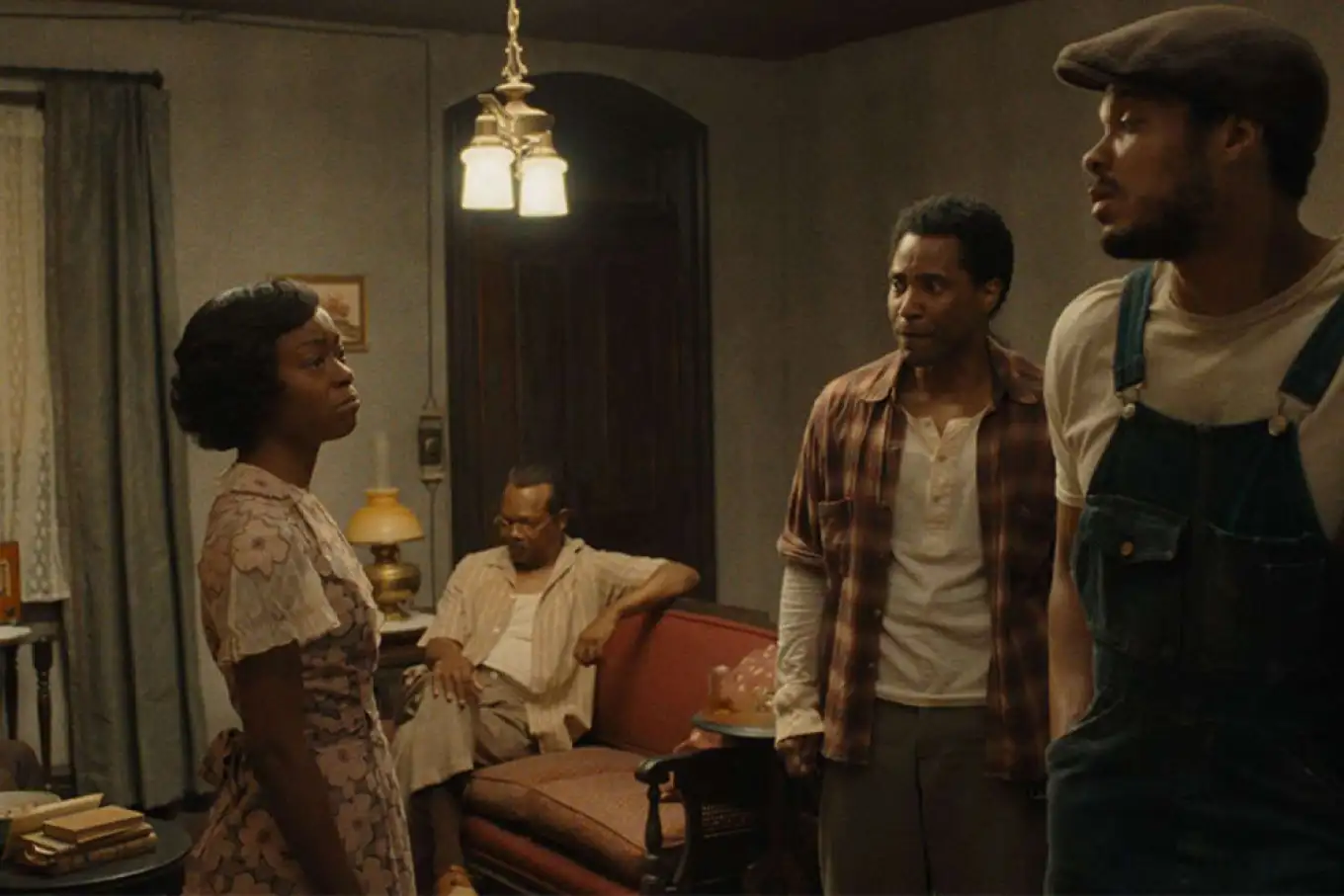
Washington, alongside co-writer Virgil Williams, expands the original stage play’s confines by incorporating flashbacks and supernatural elements, enriching the narrative’s depth and scope. The film centers on the Charles family, particularly siblings Boy Willie (John David Washington) and Berniece (Danielle Deadwyler), who are at odds over the fate of a family heirloom piano. Boy Willie wishes to sell the piano to purchase land that once belonged to their ancestors, while Berniece views the instrument as a sacred connection to their past.
The piano, intricately carved with images of the Charles family’s ancestors, serves as a powerful symbol of their history and resilience. For Boy Willie, it represents a means to break free from the shackles of the past and build a future of self-sufficiency. Conversely, Berniece sees it as a testament to their survival and a link to the sacrifices made by their forebears. This dichotomy underscores the central conflict: the tension between honoring tradition and pursuing progress
The film delves into the complexities of familial bonds and the differing perceptions of heritage. Boy Willie’s desire to sell the piano reflects a yearning to move beyond the constraints of history, while Berniece’s attachment signifies a commitment to preserving their lineage. At the same time she mourns the loss of her husband and combats romantic offers from local suitors. Her struggles truly power the piece and the familial clashes further embody the broader struggle within African American communities: reconciling the weight of history with the aspirations for advancement. The supernatural elements, particularly the haunting presence of the plantation owner, Sutter’s ghost, are delivered effectively. They also amplify the narrative’s exploration of unresolved trauma and the need for reconciliation.
The ensemble cast delivers standout performances, with John David Washington portraying Boy Willie’s fiery ambition and Danielle Deadwyler capturing Berniece’s steadfast resolve. How Deadwyler did not even get an Oscar nomination for Best Actress in a Supporting Role is beyond me. Moreover, Samuel L. Jackson offers a subtle, unselfish and grounded portrayal of Doaker, the family patriarch. Washington’s direction ensures a respectful adaptation, balancing the play’s rich and passionate dialogue with cinematic elements that enhance its emotional resonance.
Overall, Malcolm Washington’s The Piano Lesson is a resounding adaptation that honours August Wilson’s legacy while providing a fresh perspective on timeless themes. Through its rich symbolism, compelling performances, and thoughtful direction, the film invites audiences to reflect on the complexities of heritage, the burdens of history, and the paths toward healing and progress.
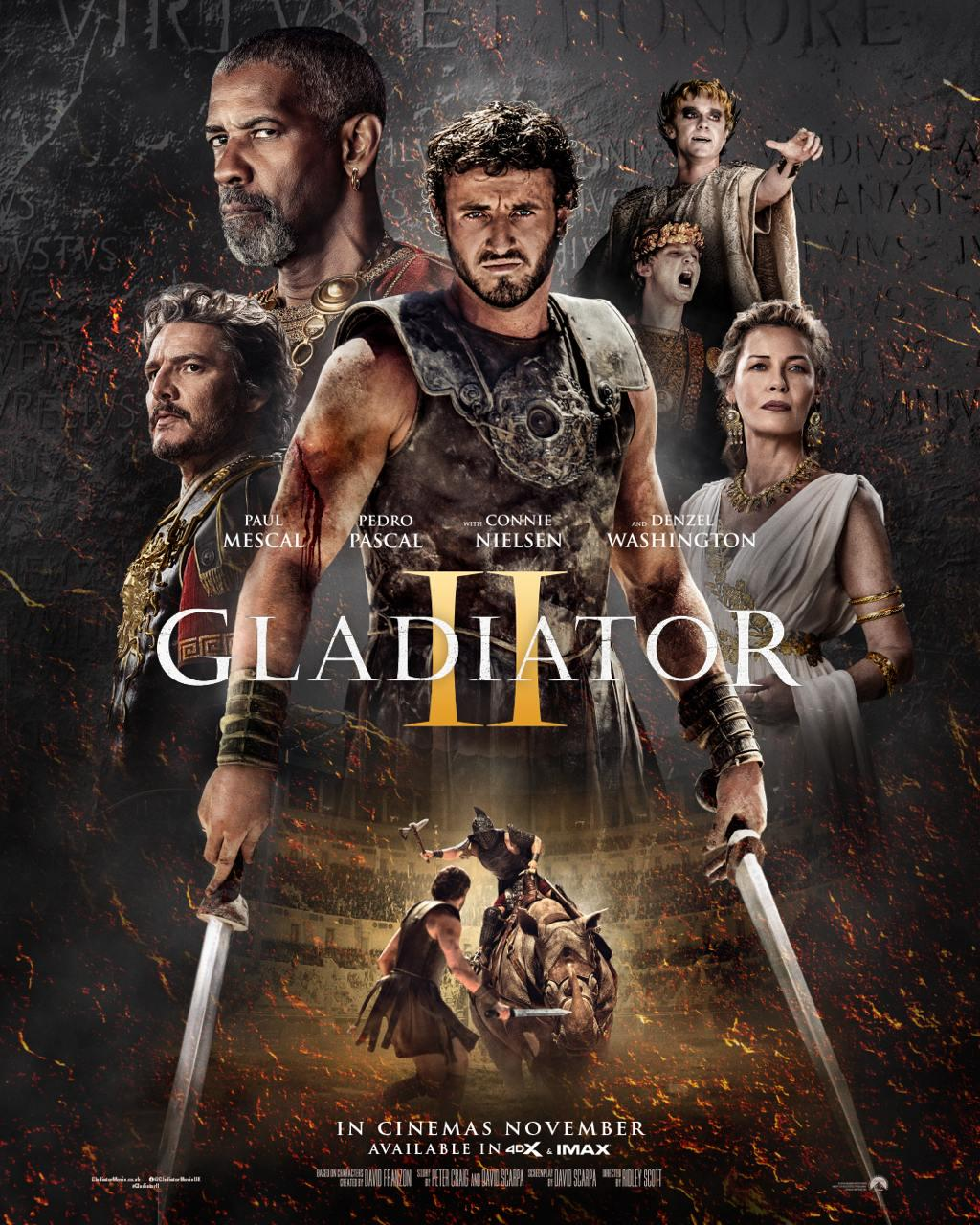
Based on Characters by David Franzoni Produced by Ridley Scott, Michael Pruss, Douglas Wick, Lucy Fisher, Walter F. Parkes, Laurie MacDonald and David Franzoni.
Main cast: Paul Mescal, Pedro Pascal, Joseph Quinn, Fred Hechinger, Lior Raz, Derek Jacobi, Connie Nielsen and Denzel Washington.
Cinematography by John Mathieson
*** MAY CONTAIN SPOILERS ***
Ridley Scott’sGladiator (2000) stands as a modern genre classic, redefining the historical epic with its visceral storytelling, evocative visual style, and emotional depth. The film not only revitalized interest in the sword-and-sandal genre but also solidified Russell Crowe as a major star, earning him an Academy Award for Best Actor. Crowe’s portrayal of Maximus Decimus Meridius—a betrayed Roman general seeking justice—exudes both raw power and profound vulnerability, making him an enduring figure in cinematic history.
Gladiator’ssuperb screenplay intricately followed the structure of Joseph Campbell’s Hero’s Journey, charting Maximus’ transformation from a celebrated general to a fallen slave, and ultimately to a venerated martyr. Also invoking the archetype of one of Christopher Booker’s seven basic plots, ‘Overcoming the Monster’. Indeed, Maximus’ journey aligns with the ‘Overcoming the Monster’ archetype, where the hero confronts a seemingly insurmountable evil. Commodus and the Roman Empire embodies the “monster,” wielding unchecked power, moral corruption, and cruelty. Maximus battles not only physical opponents in the gladiatorial arena but also the corrupt system that Commodus represents. His ultimate triumph over Commodus is both personal vengeance and symbolic justice, restoring balance to a fractured world.
Finding Ridley Scott at arguably the height of his directorial power, Gladiator’s success rested on its ability to blend archetypal storytelling with deeply human emotions. It revitalized the historical epic for modern audiences by prioritizing character-driven drama over spectacle, though its battle sequences remain iconic. With its sweeping Hans Zimmer score and Russell Crowe’s unforgettable performance, the film transcended its genre, made a lot of money and become a modern myth that continues to resonate with audiences worldwide. So, the burning question is why did it take so to make a sequel?
I’d say the answer to this question is that because the original was so iconic and powerful it didn’t need a sequel. Still, when has that ever stopped the money-making behemoth of the Hollywood machine from not following up. The surprise is that it took twenty-four years to bring to the screen. Which is a similar length of time after the first one that Gladiator II (2024) is set, namely 211AD. Similarities do not cease there.
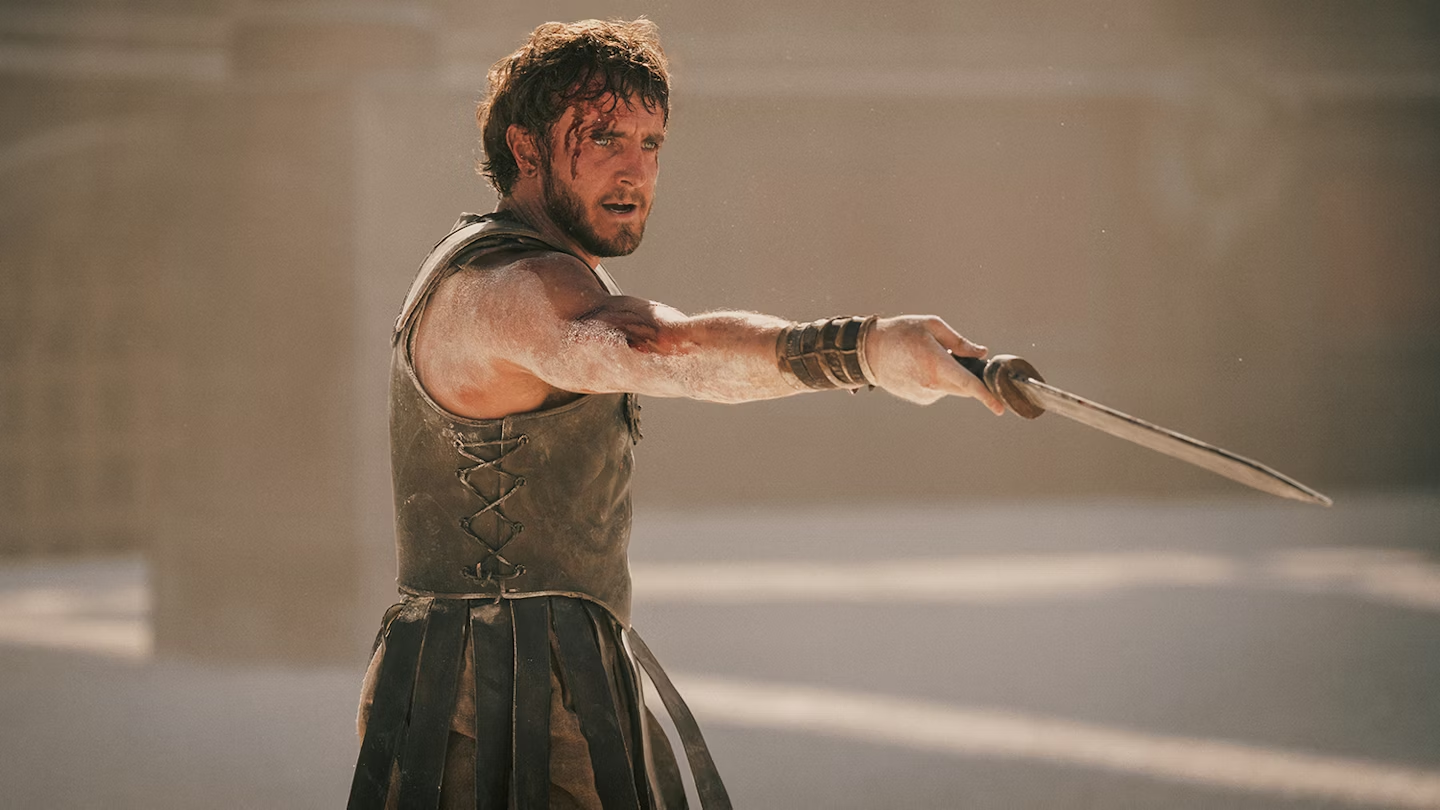
So, I will just say I had so much fun watchingGladiator II. It is an exhilarating return to the grandeur of the Roman Empire, delivering breathtaking visuals, high-stakes action, and a muscular lead performance from Paul Mescal as Hanno, a fighter with a mysterious history. However, despite its ambitious scale and technical brilliance, the sequel draws heavy parallels to the original, feeling more like a reimagining than a bold continuation. Hanno’s journey echoes Maximus’ so closely that it lacks the freshness that made the 2000 film a groundbreaking modern epic.
Indeed, Hanno’s arc is essentially a mirror image of Maximus’ but while Gladiator IIadheres to the same Hero’s Journey structure that defined the first film, the beats feel overly familiar. Hanno’s transformation, while compelling, doesn’t quite reach the mythic resonance of Maximus’ odyssey. Where Maximus was a reluctant hero drawn into a larger-than-life struggle, Hanno’s motivations and journey feel more cloudy and contrived, lacking the gravitas of the original’s moral and emotional complexity. Script and character inconsistencies do not help, with Hanno too quickly switching emotions where Connie Nielsen’s Lucilla is concerned.
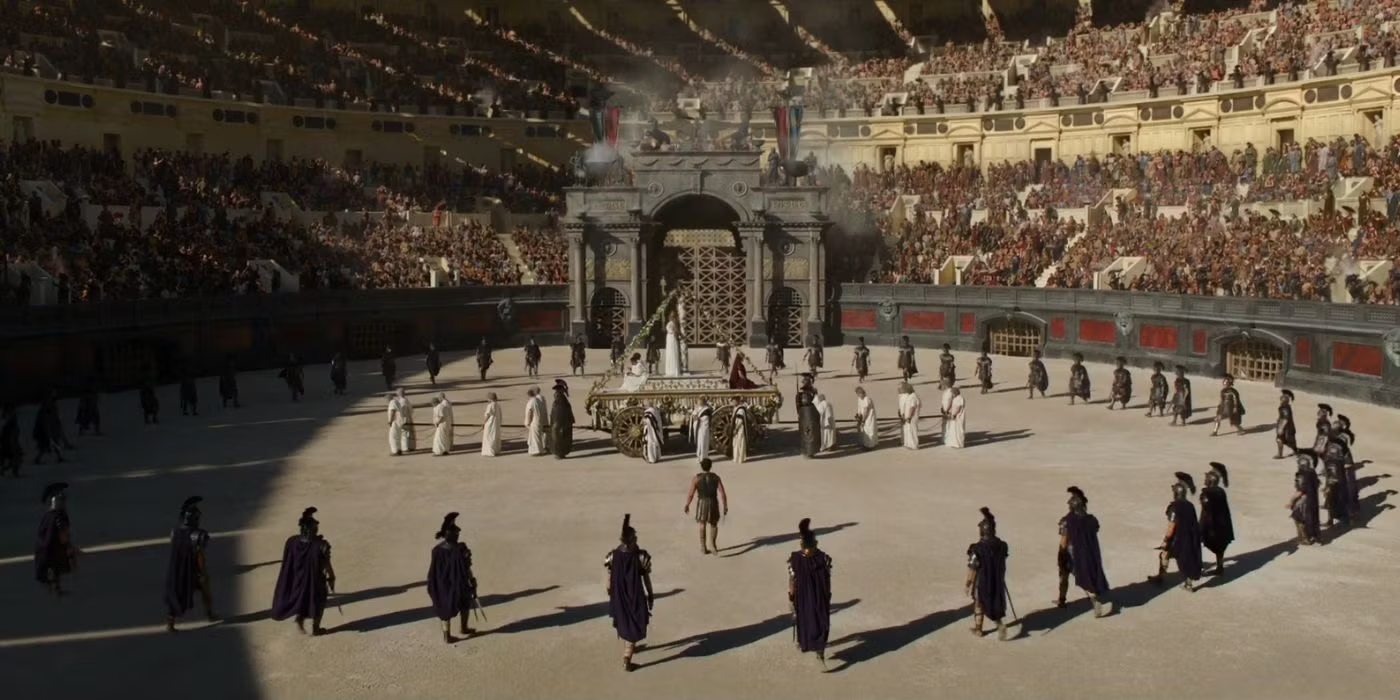
That said, the sequel contains many strengths. The world-building is as immersive as ever, with Ridley Scott’s regal direction ensuring that every frame pulsates with life and detail. The sheer energy and brutality of the Colosseum set-pieces are worth the admission alone. The flooding of the arena battle and introduction of a number of fantastic and vicious beasts are especially memorable. The action is bloody and gripping, the score soars, and the themes of resilience and justice remain timeless. Moreover, Mescal delivers a commanding performance, injecting moments of raw intensity and vulnerability into the role.
Having said that, it is Denzel Washington’s Macrinus who pulls narrative focus and power throughout. Washington brings his trademark gravitas and charisma to the role, crafting a character arc that is both morally complex and emotionally resonant. Macrinus’ journey of manipulation, becomes the film’s most compelling thread, overshadowing Hanno’s more conventional hero’s path. Washington imbues Macrinus with subtlety, allowing audiences to see flashes of vulnerability and moral conflict beneath his stoic exterior. He oscillates effortlessly between commanding authority and quiet introspection, making every line delivery impact. Washington’s natural charisma ensures that Macrinus commands attention in every scene. His dialogue crackles with intensity, and his moments of silence speak volumes, often eclipsing Hanno’s more straightforward emotional beats.
Gladiator II undeniably thrills as a cinematic experience, but its adherence to the original’s blueprint leaves it struggling to step out of Maximus’ shadow. While it showcases the enduring power of its core narrative themes, it ultimately feels more like a polished homage than a groundbreaking sequel, relying on echoes of past triumphs rather than forging an entirely new path. For fans of the original, this familiarity is a strength and weakness, yet nonetheless Scott’s epic facsimile remains a powerful and bone-crunching adrenaline rush.
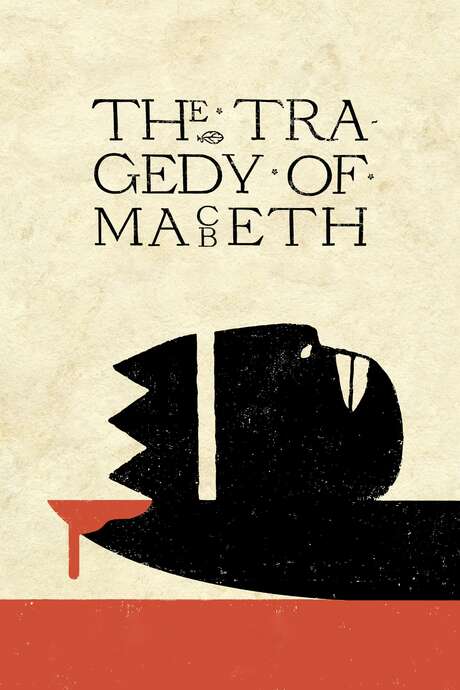
APPLE TV FILM REVIEW: THE TRAGEDY OF MACBETH (2021)
Directed by Joel Coen
Screenplay by Joel Coen (Based on Macbeth by William Shakespeare)
Produced by: Joel Coen, Frances McDormand, Robert Graf
Cast: Denzel Washington, Frances McDormand, Bertie Carvel, Alex Hassell, Corey Hawkins, Harry Melling, Brendan Gleeson etc.
Cinematography: Bruno Delbonnel
*** SPOILERS ALERT ***
The Coen Brothers – Ethan and Joel Coen – are, as a filmmaking duo, one of the most original, imaginative, daring, and brilliant artists of my generation. I have watched all of their films many times at the cinema and at home, having completely connected with their distinct style and cinematic voice from their very first film, Blood Simple (1984) to their most recent release anthology Western The Ballad of Buster Scruggs (2018). As they’ve developed as filmmakers my admiration has grown exponentially over the years. They have worked within the studio system while maintaining their cinematic individuality and independent spirit.
Thus, it was a surprise when it was announced that Ethan Coen was taking a break from filmmaking, leaving his brother to venture out solo. Joel’s first production as a singular director is an adaptation of William Shakespeare’s famous Scottish play, The Tragedy of Macbeth (2021). With Denzel Washington cast in the lead and Frances McDormand portraying Lady Macbeth, Joel Coen certainly brought major talent to this prestige Apple production. Yet, given how familiar the play is to the world and the number of film, stage, radio and TV adaptations there have been, could the sole Coen breathe fresh life into this ancient tome?
If you haven’t seen or read Macbeth it is a tragedy first believed to have been performed in 1606. It deals with Macbeth’s journey from heroic warrior to murderous King to paranoiac and haunted mad person. Shakespeare’s themes are so absorbing in relation to the nature of ambition, fate and how a greedy lust for power will destroy a man’s soul and future. The play’s language is pure bewitching poetry and the gothic spirit which pervades the story clutches and squeezes at one’s organs tightly. Macbeth’s fate is sealed as soon as he believes the three witches prophecy on the battlefield. He is damned by his own hubris as well as his wife’s subtle manipulations. But how well does Joel Coen and his stellar cast capture such themes and character intricacies?
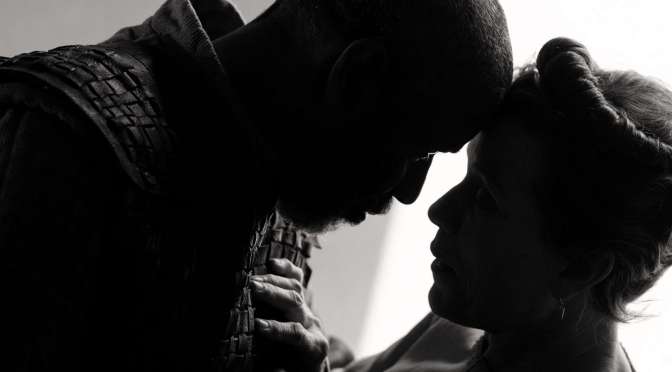
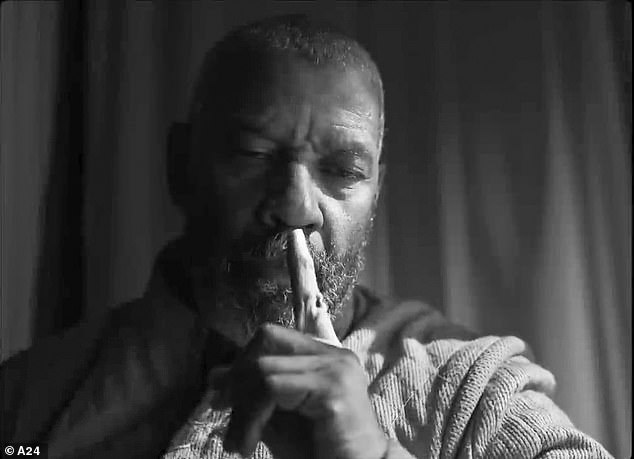
Firstly, the look of The Tragedy of Macbeth (2021) is astounding. Shot in brooding monochrome, shadows loom ominously creeping closer via Bruno Delbonnel’s striking cinematography. Moreover, the large sets dwarf the players given them a trapped feel. As though the walls are closing in on their souls as each fateful decision is made. The cast are uniformly superb too. Indeed, Coen makes a fascinating decision regarding the witches, having them portrayed in tremendously twisted fashion by one actor, Kathryn Hunter. Washington and McDormand are of course excellent. However, having such iconic actors in the leads did cause some disconnect with their respective characters. Plus, and I realise it is sacrilege to say this, but I always felt that Macbeth and his wife’s fall into insanity seemed to come too quickly in the latter acts. Lady Macbeth’s suicide in this adaptation felt particularly rushed.
My main tragedy of The Tragedy of Macbeth (2021) is that I did not enjoy it as much as many of the critics have. It is an incredibly wondrous film to look at. The sound also crackles and pops with howling wind, squawking birds, metal swords clashing and THAT sensational dialogue being delivered with majestic power by the cast. Yet somehow, despite the prodigious talent and excellent work presented by all I did not quite gel with it. I think it is probably my over-familiarity with the narrative, plus it was a very respectful adaptation. I would have liked to have seen more gore and action, rather than the restrained vision Joel Coen so expertly delivers here. Nonetheless, it remains another impressive addition to his amazing filmic curriculum vitae.
NETFLIX FILM REVIEW – MA RAINEY’S BLACK BOTTOM (2020)
Directed by: George C. Wolfe
Produced by: Denzel Washington, Todd Black, Dany Wolf
Screenplay by: Ruben Santiago-Hudson
Based on: Ma Rainey’s Black Bottom by August Wilson
Cast: Viola Davis, Chadwick Boseman, Glynn Turman, Colman Domingo, Michael Potts etc.
Music by: Branford Marsalis
Cinematography: Tobias A. Schliessler
*** MAY CONTAIN SPOILERS ***
The spectre of death hangs over us all as time effortlessly drains the life from us. It is an unstoppable force that will quicken on occasion to take a human being way before they deserve. What if said individual has knowledge of their end? Aside from the fear they must be feeling, there is clearly a moment of clarity and strong focus. Something that makes their work gather an altogether unique power. Both player and audience feel such power palpably. This is most certainly the case where Chadwick Boseman’s acting performance is concerned in the screen adaptation of August Wilson’s powerful play, Ma Rainey’s Black Bottom (2020). As talented, hustling and arrogant musician and songwriter, Levee Green, Boseman is a charismatic vision of drive, confidence, energy and naivety, ready to take on the world, not quite knowing the odds are stacked against him.
Boseman steals the film from under the lungs of the formidable Viola Davis as the titular blues legend, Ma Rainey. Her laconic singer with a voice that stops the clocks is being paid to record a series of songs at a Chicago recording studio in the year 1927. Much conflict is derived from Levee Green’s desire to spice up Ma Rainey’s more traditional blues arrangements. Ma Rainey will not give in to what she perceives as ideas of populism and selling out to white producers who want to water down the blues for a white audience. As Ma Rainey, Viola Davis, excels as this irascible and world-weary diva, fighting off her exploitative manager and record producer. Rainey and the other band members try to dampen Levee Green’s enthusiastic ardour, however, the younger trumpeter will not listen to the advice of more experienced musicians. This eventually comes at a grave cost to those within the play.
Events of Ma Rainey’s Black Bottom (2020) are set mainly within a day and in the confines of the recording studio. The mix of a hot day, tempestuous characters and colliding personalities all combine in the enclosed space to create much dramatic tension. Given the screenplay is based on August Wilson’s acclaimed play, what the film loses in cinematic visuals, it more than makes up with sensational dialogue and stellar acting performances. Indeed, the supporting cast including: Colman Domingo as Cutler, Glynn Thurman as Toledo and Michael Potts as Slow Drag provide sterling contributions as Ma Rainey’s band. They banter and battle and spar, especially with the argumentative Levee, desiring to simply play the music and get paid. Safe to say therefore the wonderful blues songs performed are beautifully played. They fill the screen with humour and pathos, puncturing the fizzing dialogue of Wilson’s many fine soliloquys with poignant joy.
Amidst the conflict and music, August Wilson’s original text also contains great thematic power within the words. At the heart of the drama and eventual tragedy there is the underlying critique of the black musicians’ songs and style being stripped away from them by unscrupulous record producers. Ma Rainey stands strong rejecting attempts to assimilate her work and personality and voice into the mainstream. Those songs are her lifeblood, and she refuses to entirely sell her soul. Levee Green does not see the bigger picture and is sucked in by the promise of money, women and fame. He is blinded by the bright city lights and the closer he gets to them the easier it is for the record producers to pick his pocket. In such a tragic character August Wilson has created a memorably complex persona, perfectly rendered by the acting genius, Chadwick Boseman.
Produced by: Jon Kilik, Spike Lee, Beatriz Levin, Lloyd Levin
Written by: Danny Bilson, Paul De Meo, Spike Lee, Kevin Willmott
Cast: Delroy Lindo, Jonathan Majors, Clarke Peters, Norm Lewis, Isiah Whitlock Jr., Mélanie Thierry, Paul Walter Hauser, Jasper Pääkkönen, Jean Reno, Chadwick Boseman etc.
Music by: Terence Blanchard, Marvin Gaye
Cinematography: Newton Thomas Sigel
Distribution: Netflix
***MAY CONTAIN SPOILERS***
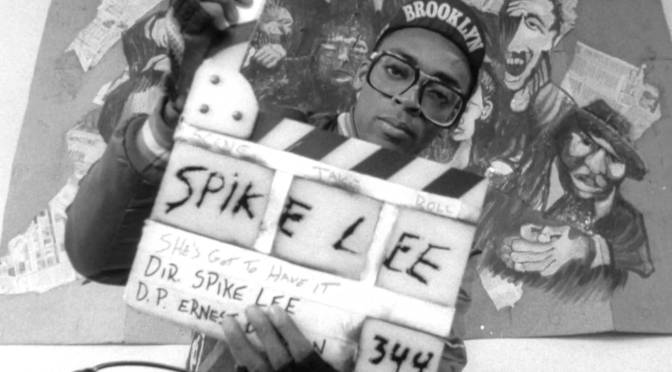
Shelton Jackson “Spike” Lee has been a prolific actor, director, producer and polemicist for some time now. An ultra-talented and outspoken cinematic artist, he has directed thirty fiction and documentary films since his debut feature film She’s Gotta Have It (1986). Plus, all manner of promos, commercials, music videos, short films and television series. An energetic firebrand of a director he has made films in many genres and is a risk-taker in subject, theme and style. Whether you agree with what he has to say he is a filmmaker who is always creating situations and characters who must be heard.
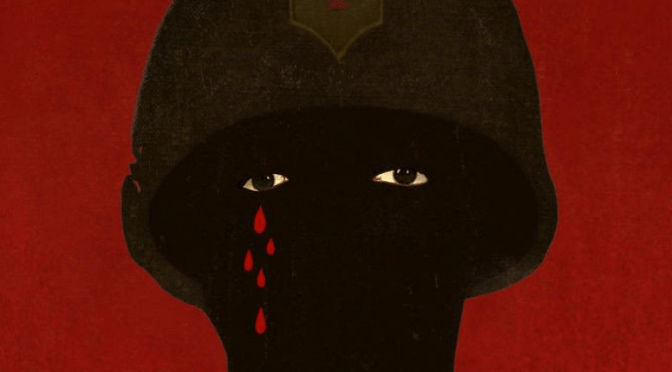
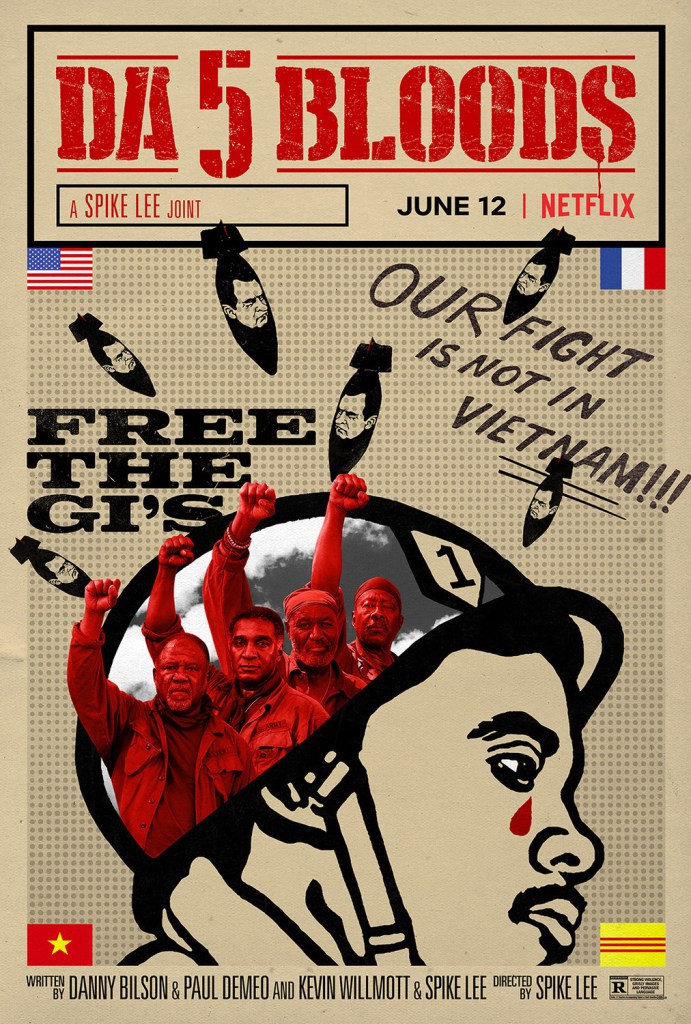
His latest film, Da 5 Bloods (2020), is a timely Netflix film release which encapsulates crime, heist, political, war, drama, Blaxploitation, comedy, documentary, love and experimental film genres. Lee has never been afraid of taking risks and sometimes his films have not worked because of it. However, with BlacKKKlansman (2018) he succeeded in making one of the best films of 2018 and should have won Best Film Oscar in my view. Da 5 Bloods (2020) grabs the power baton of Lee’s prior film and runs with it, delivering an entertaining, funny, thought-provoking, stylish and brilliant genre-blending story full of sustainable socio-political arguments in the era of the Black Lives Matter movement.
The narrative begins by establishing four aging Vietnam veterans, portrayed by the magnetic ensemble of Delroy Lindo, Clarke Peters, Norm Lewis and Isiah Whitlock Jr. They meet in Ho Chi Minh City in order to venture into the jungle and locate the remains of their squad leader. During some very stylised, richly colour-saturated and impactful flashbacks, it is revealed their friend, “Stormin Norman” (the charismatic, Chadwick Boseman), was killed in combat. Furthermore, and this is the money reason they are back in ‘Nam – there is army gold in those hills. Thus, the comrades set out to locate their friend’s body, and the gold, in order to find reparation and hopefully some form of redemption.
The film begins warmly as we enjoy the company of these great actors portraying reunited friends on an old boys outing. However, the film, as it introduces further subplots involving Jean Reno’s suspicious businessmen, Desroche and Delroy Lindo’s Paul crumbling mental state, moves into far darker territory the further the men get into the jungle. Lindo himself gives arguably the best performance of his career as a soldier grieving for his lost friend and desperate to get compensation for the unjust loss of so many lives in Vietnam. His character’s downward mental trajectory is one of the most powerful elements of Da 5 Bloods (2020). No doubt Lindo will be nominated come awards time and so he should be.
The cinematic excellence on show too from Spike Lee and his production crew is to be applauded too. Lee’s box of magic tricks includes: jump cuts, aspect ratio switches, colour saturation, Shakespearean soliloquies, documentary footage, flashbacks, conveyor-belt camera tracks, stills photography, slow-motion, direct address and many other devices. The exceptional cinematography is drenched in an opulent score from Terence Blanchard and the incredible voice of Marvin Gaye. I guess my main reservations about the film would be the elongated running time, with some scenes indulgently over-running. Moreover, there were also a couple of convenient plot coincidences which could have been ironed out. Nonetheless, with Da 5 Bloods (2020), Spike Lee has delivered another bravura mix of genre and socio-political filmmaking which, like classics such as The Treasure of Sierra Madre (1948) and Apocalypse Now (1979), stare into the dark heart of humanity and find greed, war and death there. Unlike those two films though, Da 5 Bloods (2020), also contains hope, light in the tunnel, and the idea that togetherness brings strength in the face of adversity.
In all the excitement, I seemed to have forgotten about this feature, but will reignite it here. Essentially, I pick a favourite film actor or director or writer or composer or film craftsperson, who I have followed and admired for some time, and pick out five of their works which resonate with me. Usually it is difficult to stick to just five selections, however, I find writing with a rule or discipline sharpens the critical mind. Today’s choice is one of the greatest actors to have walked the boards, appeared on the box, and graced the silver screen. His name is of course, Denzel Washington.
Born in Mount Vernon, New York and having initially attended a military academy, Washington would later gain a BA in Drama and Journalism from Fordham University. He began by acting in Summer Stock theatre, but his first major break was in the television series, St Elsewhere. His performances as Dr Philip Chandler would lead to castings in prominent film roles, notably as Steve Biko in Cry Freedom (1987). In that film he would receive his first Academy award nomination. From then on Washington would go from strength to strength traversing stage and screen roles with incredible range and skill. As writer, director and actor he is an artist who can span genres and disciplines, equally brilliant in commercial projects and more arthouse productions. Here are just five roles which I very much think he excelled. But to be honest, there are many, many more I could have included.
GLORY (1989)
Glory (1989) was the first major Hollywood film to profile the fight of black soldiers to free themselves from slavery in the context of the U.S. Civil War. It is an excellent drama with some brutal battle scenes and memorable characters. None more so that Washington’s portrayal of Private Silas Trip. He is quite understandably an angry man determined to fight all the way against oppressors. Washington delivered a searing performance which would earn him a Best Actor in a Supporting role award. It is an outstanding portrayal full of power and strength.
MALCOLM X (1992)
Washington worked with Spike Lee on many film productions and Malcolm X (1992), is arguably their most significant and impressive film. It charts the life and death of a man born Malcolm Little who would grow to be anything but. After a troubled childhood he became a drug dealer and criminal in order to survive. Having converted to Islam he rejected his slave roots, going on to become one of the most outspoken voices against black oppression the world has ever known. Both Lee and Washington should have won Oscars for their work, and Washington’s intense performance stands as a fine cinematic tribute to a true spokesperson for a generation.
TRAINING DAY (2001)
Washington has played his fair share of heroic and complex anti-heroes trying to find their way in the world, but in David Ayer’s brilliant cop drama Training Day (2001), he revels in the role of bad-ass corrupt cop, Alonzo Harris. Washington and Ethan Hawke are both brilliant as the mentor and apprentice narcotics officers who are about to have a very intense day of plots and double-crosses. Washington spits and chews up Ayer’s meaty dialogue as Harris, who has a devilish plan up his dirty sleeves. Ultimately, the respect between the two erodes and a violent power game ensues with surprising twists ahead. Washington won the Best Actor award at the Academy Awards, and while it was well earned, it was arguably more for his body of incredible film performances overall.
MAN ON FIRE (2004)
While not necessarily the best film on Denzel Washington’s amazing acting C.V., Man on Fire (2004) is one of the more memorable films he made with uber-Hollywood genre filmmaker, Tony Scott. Washington clearly respected Scott as a man and director, and while Scott’s flashy and bombastic style could drown his actors, Washington’s talent always shone through. As John Creasy, Washington’s characterisation is that of a broken ex-military man who has killed for his country, and now realised it was all for nothing as he lost and alone. Alcoholic and suicidal, Creasy finds redemption in the guise of a young girl, portrayed brilliantly by Dakota Fanning, who following her kidnapping, goes on a vengeful kill-crazy-rampage-search-for-justice. Washington’s acting is both muscular and tender in equal measure as Scott delivers an explosive genre film of the highest quality.
FENCES (2016)
Denzel Washington’s honest, down-to-earth and heart-cracking drama is a formidable character piece and acting tour-de-force. Adapted from August Wilson’s prize-winning play, the narrative bristles with authentic working-class lives of 1950s Pittsburgh, and is littered with some wonderful stories and dialogue. At the heart of the drama are Denzel Washington’s complex character, Troy Maxson, and his long-suffering wife, Rose; portrayed with significant humility by Viola Davis. Troy’s character is charismatic, and he delivers some hearty yarns from his past, but he’s also bullies everyone around him. Moreover, Washington directs brilliantly, “fencing” in the characters to create a sense of claustrophobia and intensity. By keeping the players mainly in the yard and the house we feel as trapped as they are by society, social status and their life decisions. It’s an intimate film about proper characters and real lives and overall, the performances alone make the film feel cinematic.
Shelton Jackson “Spike” Lee has been a prolific actor, director, producer and polemicist for some time now. An ultra talented and outspoken cinematic artist, he has directed thirty fiction and documentary films since his debut feature film She’s Gotta Have It (1986). Plus, all manner of promos, commercials, music videos, short films and television series.
To celebrate his work and the fact he finally got recognised for his amazing filmmaking skills by the Oscars this year, I would like to highlight, five of his finest films that are worth watching and rewatching. An energetic firebrand of a director he has made films in many genres and is a risk-taker in subject, theme and style. Whether you agree with what he has to say he is a filmmaker who is always creating situations and characters who must be heard. Here are some great examples of his cinematic work.
**MAY CONTAIN SPOILERS**
DO THE RIGHT THING (1986)
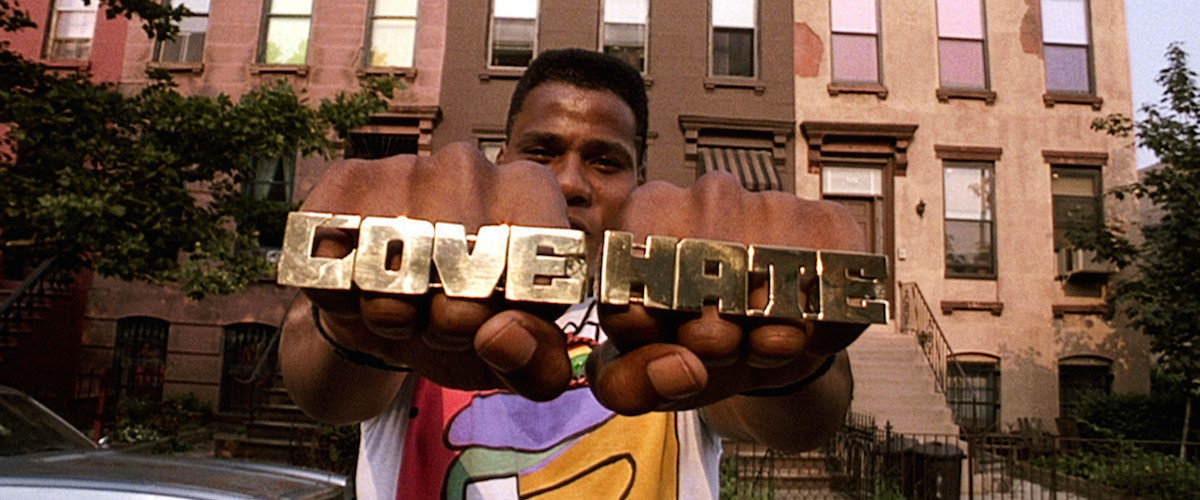
Spike Lee’s incendiary look at the day in the life of a Brooklyn neighbourhood finds a variety of characters coping with both rising temperatures and simmering racial tension. Lee’s brilliant script is fully of boldly written and brightly sketched characters presented via a succession of hilarious and dramatic vignettes. The formal excellence on show too from Lee is to be applauded as he uses devices from: music video and cinema to tell his rich stories. The day does not end well as the neighbourhood erupts into tragic violence with Lee proving himself adept at balancing humour, politics and tragedy in equal measure.
MALCOLM X (1992)
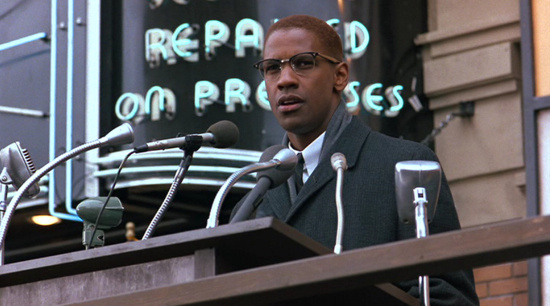
Arguably, Malcolm X (1992), is Spike Lee’s most significant and impressive film. It charts the life and death of a man born Malcolm Little who would grow to be anything but. After a troubled childhood he became a drug dealer and criminal in order to survive. Having converted to Islam he rejected his slave roots, going on to become one of the most outspoken voices against black oppression the world has ever seen. The project took decades to come to the screen and Lee and Washington both faced objections from many parties for their involvement. However, the finished film a masterful biography capturing the spirit of an intelligent, passionate and outspoken individual trying to right the wrongs within American society and history. Both Lee and Washington should have won Oscars for their work. The film stands ultimately as a fine cinematic tribute to a true spokesperson for a generation.
HE GOT GAME (1998)
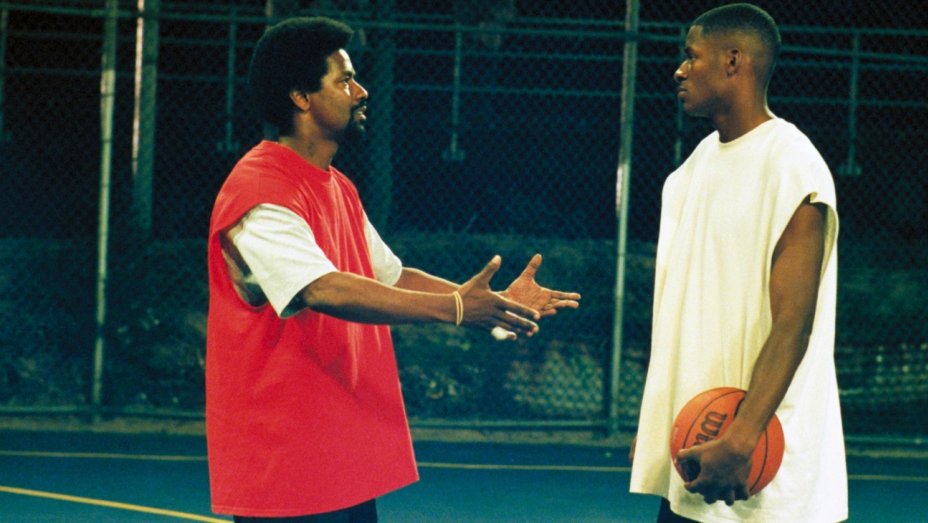
From my basic research Spike Lee is revealed to be a New York Knicks fan. It’s no surprise then his love of basketball really shines through in this mix of sport, crime and personal drama. The story follows young hot-shot basketball prospect, Jesus Shuttlesworth, and the decision he has to make in regard to which college he goes to. On paper it’s Jesus’ choice but in reality he has all manner of people attempting to influence him. These include: his girlfriend, his coach, agents, local gangsters and most pressing of all, his jailed father portrayed by Denzel Washington. Ray Allen is excellent as Jesus and Lee invokes an empathetic character study with lashings of verve and style.
INSIDE MAN (2006)
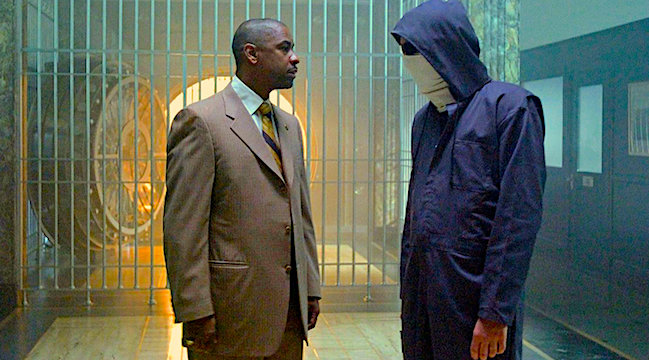
Spike Lee directs in confident style, with Denzel Washington and Clive Owen both excellent as the lead cop and main criminal. Jodie Foster is brilliant too as a venal fixer brought in by Christopher Plummer’s bank owner. What makes Lee’s direction ping here is his deft handling of a complex structure within the heist genre. Moreover, Lee demonstrates he is able to convey a genre story with impeccable skill and deliver fine screen performances to boot. I especially loved the diversity of the supporting characters and the film oozes a pure New York atmosphere throughout.
BLACKKKLANSMAN (2018)
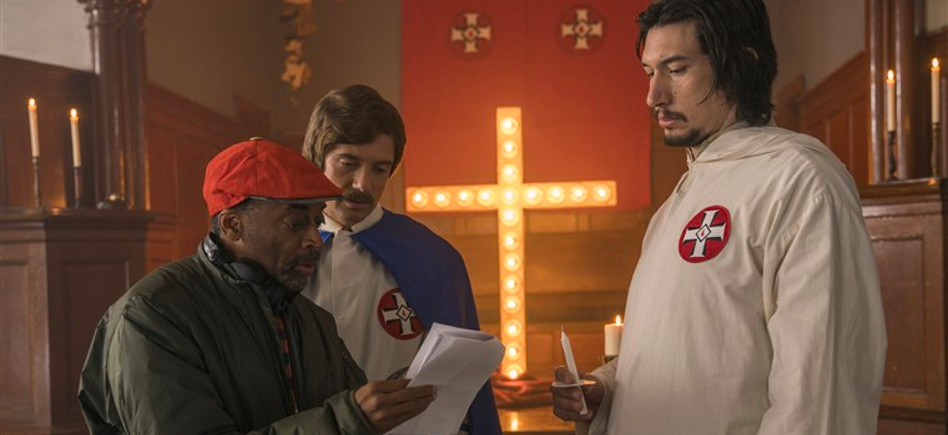
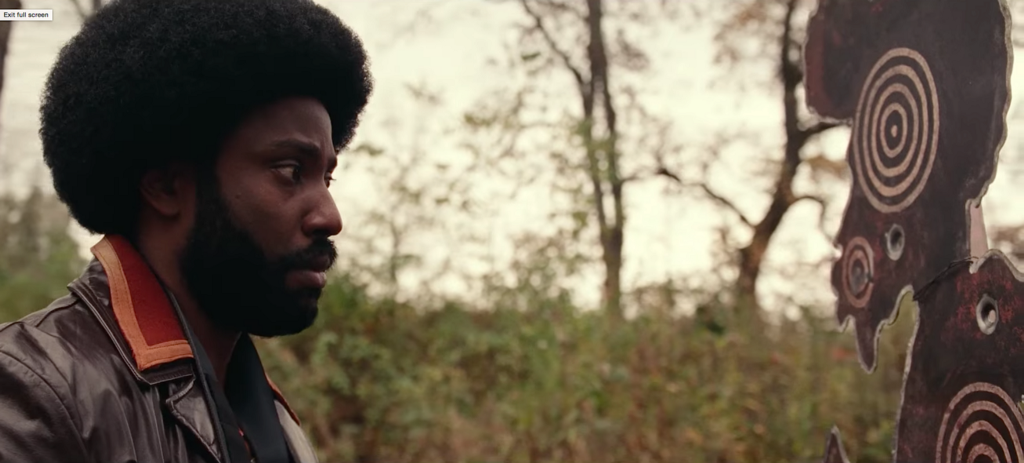
BlacKKKlansman (2018) is a complex film which expertly mixes many genres, infusing musical, thriller, Blaxploitation, comedy and documentary styles, making it a joy to experience. Spike Lee has never been afraid of experimenting and sometimes his films have not worked because of it. However, with this he succeeded in making one of the best films of 2018. It should have won Best Film Oscar in my view. It is thought-provoking but never preachy for the sake of it and uses humour most often as a weapon to undermine the senseless ideologies of the KKK. Indeed, in ridicule there is hope they may eventually be side-lined to the shadows of history.
Denzel Washington’s honest, down-to-earth and heart-cracking drama is a formidable character piece and acting tour-de-force. Adapted from August Wilson’s prize-winning play, the narrative bristles with authentic working class lives of 1950s Pittsburgh, and is littered with some wonderful stories and dialogue. At the heart of the drama are Denzel Washington’s complex character Troy Maxson and his long-suffering wife, Rose; portrayed with significant humility and pathos by Viola Davis. Great support comes also from Mykelti Williamson as Troy’s mentally impaired brother, Gabriel.
Troy’s character is very charismatic and he delivers some hearty yarns from his past, but he’s also bitter and a drinker and, while he has had a hard life, he bullies everyone around him. His sons and more importantly his wife Rose put up with it but eventually he grinds everyone down, pushing them away with his boorish “I-know-best” arrogance and aggression. With her quiet power Viola Davis more than matches Denzel Washington’s grandstanding and Rose’s heartfelt speech toward the end of the film is a stunning retort to her husband’s continual tirades and emotional neglect.
I’ve seen some criticisms of the film stating it is too “stagey”. Well, as it is based on a play that is understandable, yet, August Wilson’s words are a thing of beauty and therefore deserve focus. I think, while directing, Denzel Washington could quite easily have opened up the settings and had conversations on the street, but the decision was made to “fence” in the characters to create a sense of claustrophobia and intensity. By keeping the players mainly in the yard and the house we feel as trapped as they are by society, social status and their life decisions. It’s an intimate film about proper characters and real lives and overall the performances alone make the film feel cinematic. (Mark: 9 out of 11)
MOONLIGHT (2016)
Barry Jenkins low-budget contemporary drama is another brilliantly acted character memoir; although when compared to Fences it benefits from a more complex structure and cinematic style. Split into a trio of linear timelines from the same characters’ lives we get three different actors representing the life and changes which occur in Chiron’s existence; with chapters named, Little, Chiron and Black.
Each section draws us into the characters’ world as Chiron searches for meaning, identity and direction as to who he really is as a person. With his father absent Little Chiron (Alex Hibbert) cannot find satisfaction via his mother, an angry and lost woman portrayed brilliantly by Naomi Harris. Small for his age he is also at the mercy of school bullies and while a random meeting with a local drug dealer, Juan (Mahershala Ali) provides Little with a mentor to connect with it doesn’t sustain. Ali as Juan, like most of the performances, delivers a subtle realisation of a character trapped by his life choices and perhaps sees some redemption in ‘Little’. Alas, due to his lifestyle and ‘job’ he is clearly not the role model ‘Little’ needs.
In the second and third sections Chiron’s relationship with his best friend Kevin comes to the fore both in terms of some powerful drama and intimate sexual connections. Barry Jenkins framing, colour design, use of music and editing choices all commit to create a poetic and fragmented style, further drawing me into Chiron/Black’s story. Chiron’s continual search for identity and meaning in the world reflects the most essential of human needs: the search for identity and love. Overall, this is a film of harsh and beautiful moments and each segment was layered with so many emotions and so skilfully told that I wanted to see more of the characters. (Mark: 9 out of 11)
SPLIT (2016)
Split (2016) is an altogether different film about the search for identity. In fact the lead character portrayed devilishly well by James McAvoy has TWENTY-THREE different people battling around his mind and something is about to give. Let me say that a film like Split won’t be challenging the Oscars because in essence it is a terrifying B-movie thriller, however, McAvoy gives a performance of such quality it reminded me of Anthony Hopkins as Hannibal Lecter in his cannibal pomp. McAvoy’s twisted ability to switch between the many personalities was a real guilty pleasure as he earned his acting fee over and over and over again.
The story concerns three girls, Casey, Marcia and Claire (including an excellent Anya Taylor-Joy) who are kidnapped and imprisoned by the various personalities in Kevin Crumb’s head. Some – including OCD driven Dennis – are more dominant than others and attempt to wrestle total control, which is where McAvoy’s sly switches are a real joy to watch. As a cat-and-mouse plot bleeds out we also get some intriguing back-story flashbacks into Casey traumatic past. These events really add colour to the main narrative and ramp up the tension and suspense. The scenes between Kevin, his personalities and sympathetic Doctor Fletcher (Betty Buckley) also add some dark humour to the story. By the end though all humour is gone and we get a stunning and believable supernatural turn as Kevin’s mind unleashes an altogether different personality.
Writer/Director M. Night Shyamalan’s dalliance with big-budget-franchise-Hollywood-pictures – including: After Earth (2013) and The Last Airbender (2010) – did not do his career any favours. But with Split he is back on terrific form as he takes a simple abduction plot and renders it full of horror, twists and fantastical ideas. While I did not enjoy his previous film The Visit (2015) – mainly due to the stupid kid rapping throughout a decent horror story – this one is highly recommended for psycho horror fans and for McAvoy’s performance alone. (Mark: 8.5 out of 11)
SCREENWASH – SEPTEMBER 2016 – PART TWO – FILM REVIEWS
Following my Part-One-TV-reviews for September – here’s Part Two with the movie reviews. I had a week off work so I managed to watch loads. Here’s a run through with the usual marks out of eleven. Enjoy.
FILMS OF THE MONTH
A SINGLE MAN (2009) – NETFLIX
Tom Ford’s brilliant character drama starring the exceptional Colin Firth in the lead is an amazingly assured directorial debut. Firth portrays, George Falconer, grieving Professor in 1960s America and we follow him over one day as he meets various characters and muses over past events. It is a beautiful study of grief; exquisitely acted by the ensemble cast and incredibly moving too. (9 out of 11)
FOLLOWING (1998) – NETFLIX
Christopher Nolan’s debut no-budget feature shot at weekends with friends on 16mm black-and-white is a brilliant noir story. Making progressive use of natural light and locations it’s a stylish affair with a twisty plot concerning a loner who pursues a thief only to have the tables turned on him unexpectedly. (8 out of 11)
JUNO (2007) – SKY CINEMA
Ellen Page’s sparky teenage outsider gets pregnant by mistake and faces a critical life dilemma. Diablo Cody’s witty script is the star with all manner of cracking one-liners peppered throughout. Page, Michael Cera, JK Simmons, Allison Janney and Jason Bateman are hilarious too in a very funny offbeat comedy. (8.5 out of 11)
THE MAGNIFICENT SEVEN (2016) – CINEMA
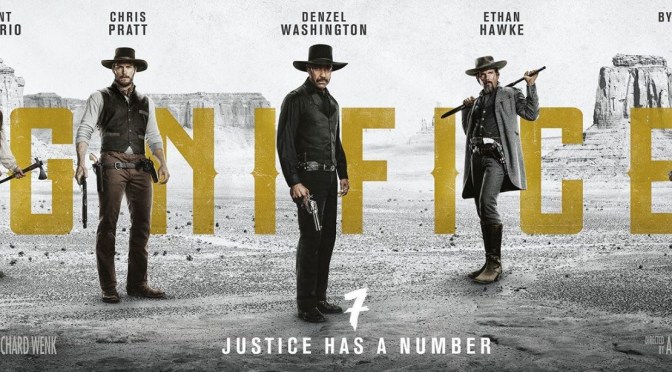
A group of heroes’ band together to protect a community against evil foes: how many times can they tell THAT story? Well, you’ve got: The Seven Samurai (1954), The Magnificent Seven (1960), Battle Beyond The Stars (1980), A Bugs Life (1998), Avengers Assemble (2012) and now The Magnificent Seven again. The latter movie from Antoine Fuqua stars: Denzel Washington, Ethan Hawke, Vincent D’Onofrio plus another fun turn from Chris Pratt. Having established the cowboys and villains it sets about delivering a cracking piece of entertainment. The last hour stands out as a scintillating series of set-pieces, shootouts and explosions and I just had loads of fun with it despite the generic narrative.(9 out of 11)
SPY (2015) – SKY CINEMA
Funny person Melissa McCarthy was hilarious in Bridesmaids (2011) and subsequently has been in some hit-and-miss comedies including: Tammy (2014) and Identity Thief (2013). However, in Spy she perfectly captures her downtrodden-underdog-meets-loud-sweary-women-persona in a slick, knowing and very funny espionage parody. The whole cast including: gut-cracking Jason Statham, Peter Serafanowicz, Jude Law and McCarthy herself excel in a joke-a-second-action-fest which had me in stitches. (8 out of 11)
STEVE JOBS (2015) – SKY CINEMA
Writer Aaron Sorkin is obviously a genius because once again he takes a potentially dry subject matter – as he did with The Social Network (2010) – and creates a fascinating character study of a complex man. Jobs is an irascible marketing “god” surrounded by mere mortals struggling to meet his product launch demands. With Michael Fassbender brilliant as the Apple head honcho, Sorkin proves it is THE character and not the tech which sells drama. As usual Danny Boyle directs with aplomb too in a brilliantly structured and written story. (9 out of 11)
UNDER THE SHADOW (2016) – CINEMA
Set in Tehran during 1980s at the height of Iran-Iraq conflict, a mother and young daughter are haunted by a Djinn spirit as war spirals violently outside. Overall it is an excellent Iranian low-budget horror film – while similar in theme and story to Dark Water (2002) and The Babadook (2014) – that delivers some fine supernatural scares and socio-political subtext within the suspenseful action. (8 out of 11)
BEST OF THE REST
11 MINUTES (2015) – NETFLIX
Intriguing ensemble drama which begins slowly and full of mystery as various character lives come to entwine in a very watchable Polish thriller with a twist. (7 out of 11)
ABC’s OF DEATH (2012) – NETFLIX
This is a gruesome, horrific, nasty, heartless and sickening anthology of horror stories. Many of the twenty-six short films are excellent but others are so poor they are virtually unwatchable. Lots of gore, humour and sicko stuff for horror fans to get their jaws into though! (Mark: 6 out of 11)
BAD NEIGHBOURS 2 (2016) – BA INFLIGHT
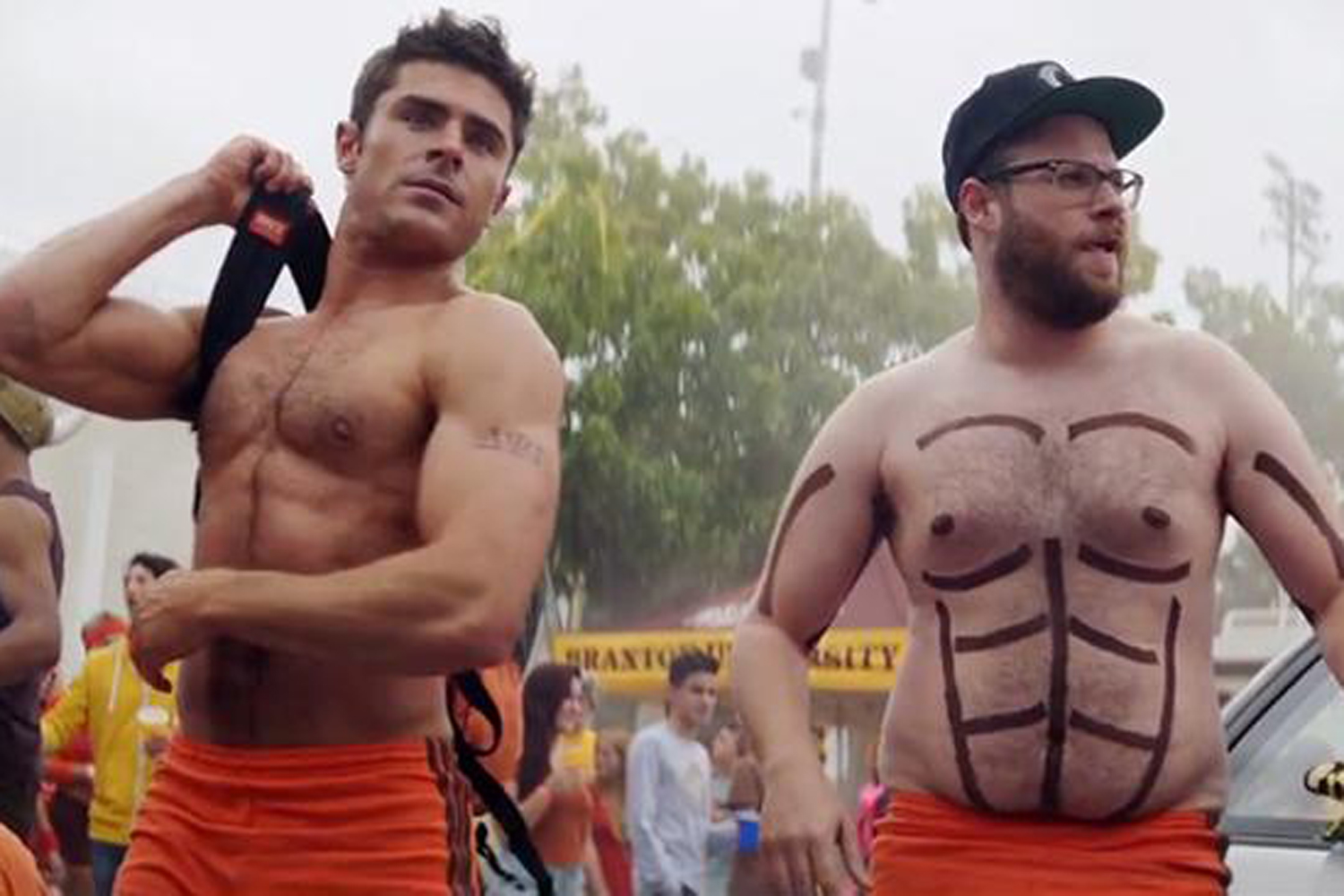
Sequel to the hilarious sleeper hit comedy starring Seth Rogen, Zac Efron and Rose Byrne. This time the married thirtysomethings battle a sorority house instead in a hit-and-miss film that recycles its’ best gags from the first film. (6 out of 11)
BATMAN v SUPERMAN: DAWN OF JUSTICE (2016) – BA INFLIGHT
The visuals and action are brilliant as Batman, Superman, Wonder Woman and Lex Luthor face-off in a chaotic superhero trifle. Zach Snyder’s vision is impressive but his storytelling is way off as dream sequences, narrative strands and subplots all collide in an unsatisfactory whole. Looks good – shame about the lack of a coherent story! (6 out of 11)
FRENCH CONNECTION II (1975) – SKY CINEMA
A decent Marseilles-set sequel to the stunning French Connection (1971) as “fish-out-of-water” cop Popeye Doyle hunts down heroin trafficker Fernando Rey. This is gritty, grainy and dark as Gene Hackman tears up the screen with a brutish and brilliant performance. (7 out of 11 for the film/10 out of 11 – for Gene!)
I SAW THE LIGHT (2015) – BA INFLIGHT
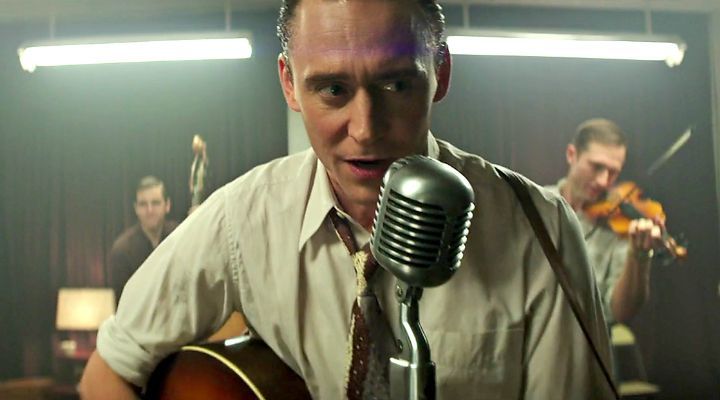
So-so biopic of the legendary country singer Hank Williams features a fine performance from Tom Hiddleston and some classic country music; but in terms of structure and scope is an above-average TV movie at best. (Mark: 6 out of 11)
PARADOX (2016) – NETFLIX
Not-too-bad-time-travel-thriller inspired by And Then There Were None with a TV-movie cast but plenty of twists to keep the interest. (6 out of 11)
PRIMER (2004) – NETFLIX
Shane Carruth’s mind-swirling no-budget time-travel tale has two friends who invent a time machine and then. . . I’m not sure what happened after that as the narrative was too confusing for me. Either a work of genius or pretentious mess; one has to admire his intellectual vision even if it lacks real drama or emotion. (7 out of 11)
TIME-LAPSE (2014)
A fun, tricksy and paradoxical time-travel film which centres around the intriguing premise of a camera which can take a photo of events 24 hours into the future. The Shallow Grave (1994) plot finds around three friends who try to exploit the camera to their own gain only for it to bite them on the arse! (7.5 out of 11)
TRAINWRECK (2015) – SKY CINEMA
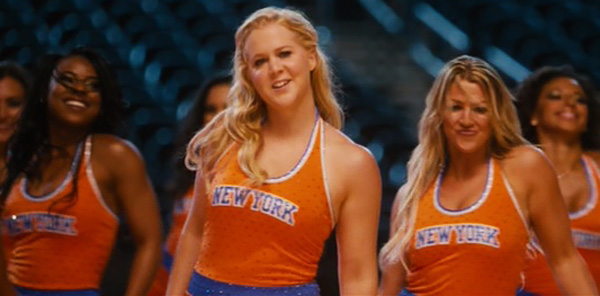
Amy Schumer’s starring debut directed by Judd Apatow is funny in places with a fizzy lead performance from the comedian. She portrays a thirtysomething who sleeps around and gets drunk while avoiding commitment; until her free spirit, is recuperated by Bill Hader’s likeable surgeon. Decent cameos and some great one-liners make it watchable but ultimately it’s a conventional rom-com which runs out of steam before the cringe-inducing ending. (7 out of 11)
TRIPLE 9 (2015) – BA INFLIGHT
John Hillcoat’s contemporary cop thriller has a cracking ensemble cast, testosterone dripping from the screen and powerful action throughout. Covering similar ground to Ben Affleck’s The Town (2010) – but without the romance – it pits dirty cops against kind-of-good-cops and throws Kate Winslet’s bouffant-haired-gangster into the mix. Casey Affleck, Anthony Mackie, Chiwetel Ejiofor, Woody Harrelson and Winslet make this genre movie very watchable and worth a butchers. (7.5 out of 11)







 The Cinema Fix presents