Main cast: Mari Shirato, Junko Miyashita, Kentarō Shimizu, Jun Etō, etc.
Cinematography by Yonezou Maeda
Music by Toshiyuki Honda
*** MAY CONTAIN SPOILERS ***
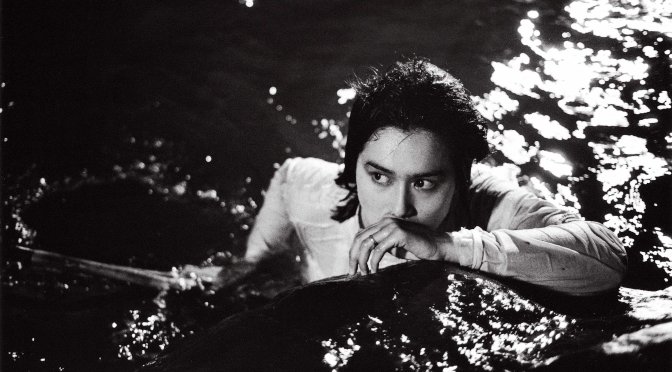
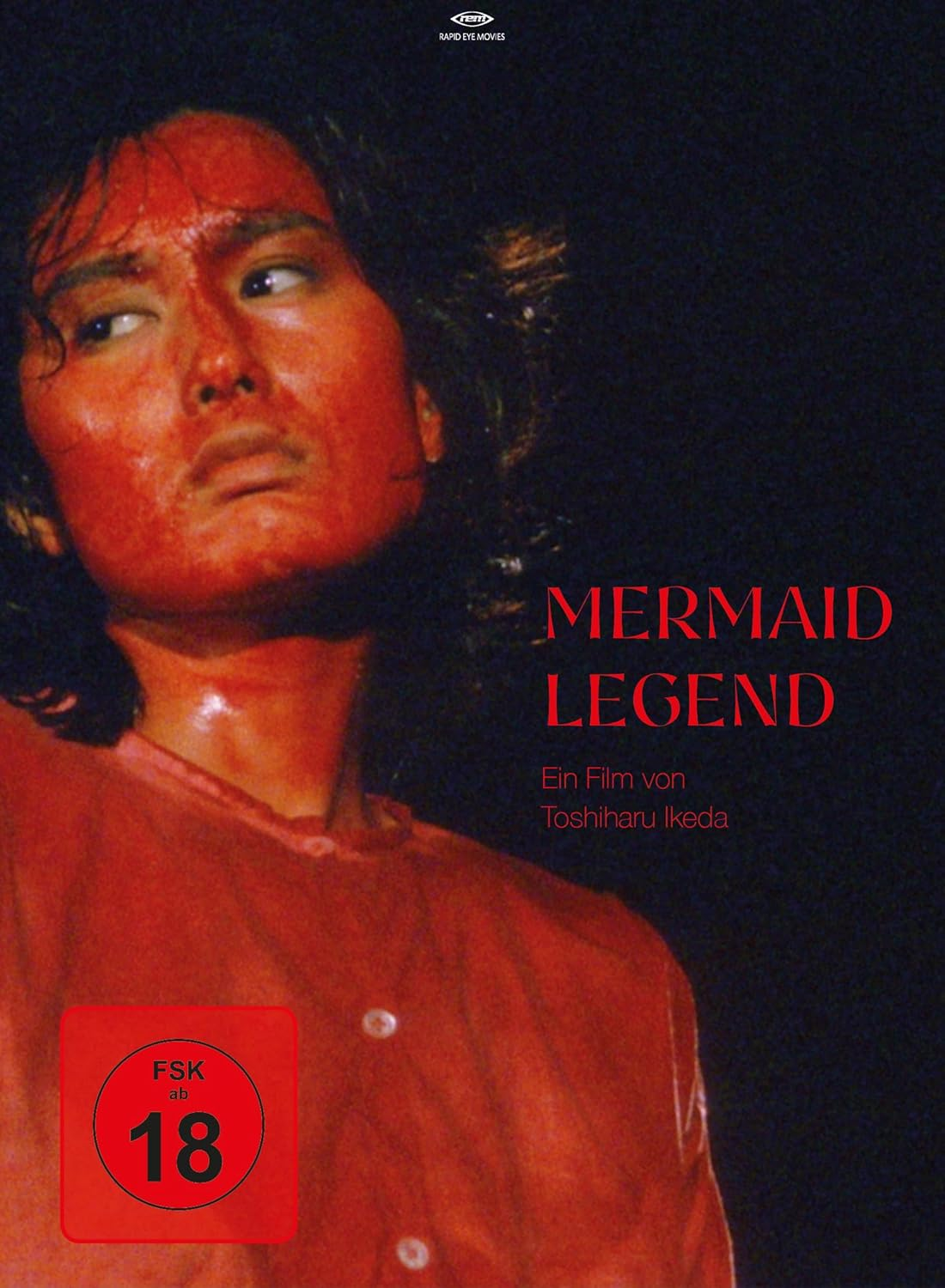
I took a gamble on an unknown Japanese film at the Nickel Cinema and walked out genuinely shaken. Mermaid Legend (1984) isn’t just a cult oddity—it’s a film that mutates before your eyes, seducing you with beauty before drowning you in blood. I was stunned by how something so lyrical could also be so brutally confrontational.
The story begins almost modestly, as a coastal drama about a fisherman and his wife, Migiwa. They bicker constantly, their marriage worn thin by poverty and exhaustion, yet there’s an undeniable bond beneath the arguments. That fragile domesticity is shattered when the fisherman stands in the way of an industrial development scheme. The business developers—faceless, polite, and utterly ruthless—have him murdered, disposing of his life as casually as industrial waste.
From there, Mermaid Legend (1984) transforms again. What starts as marital realism becomes a corporate espionage murder mystery, steeped in anger at nuclear energy, environmental destruction, and the cold machinery of corporate greed. Migiwa, a powerful-lunged pearl diver, initially hides, retreating into grief and the sea itself. But this is not a film about quiet mourning. When she decides to act, she does so with mythic force.
Played by the ethereal and astonishing Mari Shirato, Migiwa becomes something halfway between woman, avenging angel, and sea spirit. Shirato’s performance is magnetic—serene, sensual, and terrifying. As her vengeful pursuit begins, the film plunges headlong into extreme violence and explicit sexuality, reclassifying itself yet again as one of the most shocking exploitation epics I’ve seen from Japan in recent years. These scenes aren’t gratuitous in the lazy sense; they’re confrontational, weaponized, daring you to look away while refusing to let you feel comfortable for a second.
What makes Mermaid Legend (1984) so intoxicating is how its elements collide. Poetic underwater cinematography turns the ocean into a womb, a grave, and a cathedral. Religious, angelic, and environmental imagery blur together, as if Migiwa is both martyr and executioner. The music is heavenly—soaring, mournful, almost sacred—creating a surreal contrast with the carnage on screen. Beauty and brutality coexist in the same frame, each intensifying the other.
And then there’s the ending. The final, elongated pier stabbing rampage is completely off the chart—relentless, bloody, and hypnotic. It plays out like a ritual rather than an action sequence, stretching time until violence becomes abstraction, then meaning, then release. By the time the last body falls, Mermaid Legend (1984) has fully shed realism and entered the realm of legend, justifying its title in blood.
This is a film that shouldn’t work, yet does—furiously, defiantly. A genre-shifting fever dream that moves from domestic drama to political thriller to erotic exploitation to mythic revenge tragedy, Mermaid Legend (1984) is both beautiful and brutal, and I can’t stop thinking about it. Seeing it by chance at the Nickel Cinema felt like discovering a secret too powerful to stay hidden.
Produced by Trevor Matthews, Nick Gordon, Brian Young, Andrew Morrison, Andrew Lauren, D.J. Gugenheim and Brady Corbet.
Cast: Adrien Brody, Felicity Jones, Guy Pearce, Joe Alwyn, Raffey Cassidy, Stacy Martin, Emma Laird, Isaach de Bankolé and Alessandro Nivola.
Cinematography Lol Crawley
Edited by Dávid Jancsó
*** MAY CONTAIN SPOILERS ***
A new wave of American filmmakers—directors like Todd Field, Robert Eggers, and Brady Corbet—have emerged as some of the most technically proficient and ambitious voices in contemporary cinema. Their work is marked by rigorous formal control, deep thematic ambition, and an almost obsessive dedication to craft. These filmmakers, arguably influenced by auteurs like Sofia Coppola and Paul Thomas Anderson, demonstrate an understanding of film language that is both deeply referential and boldly experimental. Whether it’s Eggers’ meticulous historical recreations, Field’s austere and cerebral storytelling, or Corbet’s overtly intellectualized narratives, they all exhibit an undeniable mastery of their medium. Their films, often dense with literary and philosophical allusions, cater to cinephiles who relish formal precision and narrative audacity.
Yet, for all their brilliance, there’s an argument to be made that their work veers into self-indulgence, if not outright pretension. Their films sometimes feel like exercises in artistic superiority, catering to an audience that appreciates the challenge but perhaps not the emotional accessibility that cinema can offer at its best. Whether it’s the cold remove of TÁR(2022), the self-serious mythologizing of The Lighthouse(2019), or the arch, affect-laden approach of Vox Lux (2018), these works often feel encased in a layer of knowing detachment. There’s a fine line between intellectual rigor and a kind of smug, insular artistry, and some critics argue that these filmmakers, however talented, sometimes tip too far in the latter direction—prioritizing aesthetic and conceptual ambition over genuine human connection. I mean, I love a lot of these filmmakers’ work, but I was raised on the American films of Coppola, Scorsese, DePalma, Spielberg, Lucas and Friedkin; auteurs who knew their art, but also how to entertain the audience too.
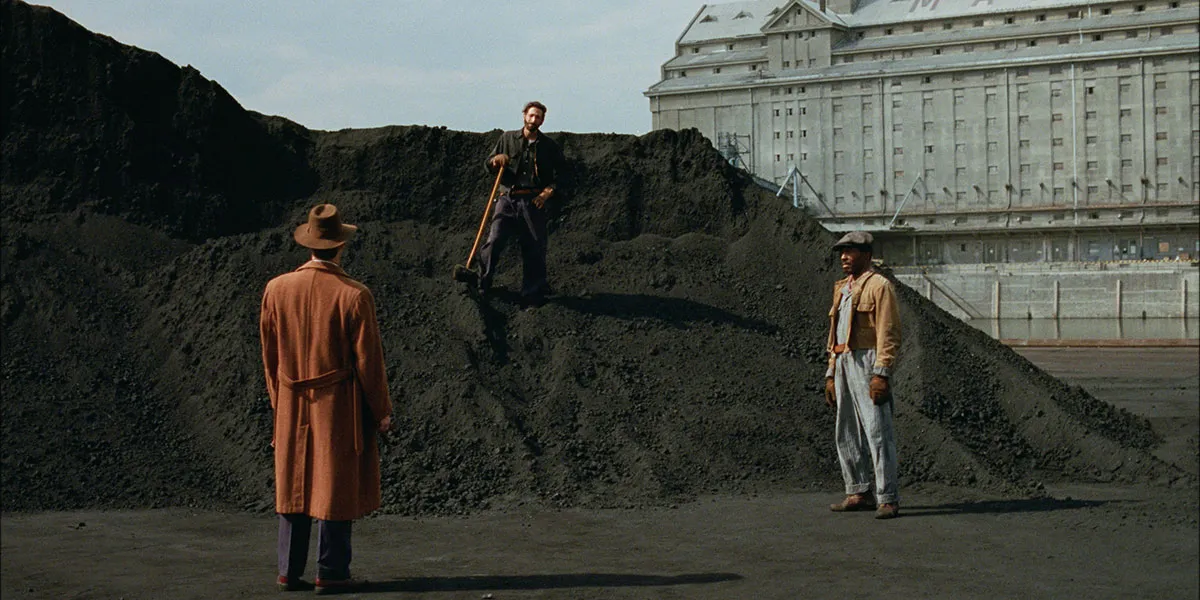
In Corbet’s, and film partner’s Mona Fastvold’s, phenomenally designed and constructed film, The Brutalist (2024), Adrien Brody portrays fictional László Tóth, a Hungarian-Jewish architect and Holocaust survivor. Brody’s is an incredibly memorable piece of work, acting as a spiritual performance sequel to his Oscar-winning role inThe Pianist (2002). But rather than focus on an individual attempting to escape the Nazis during the war, the narrative concentrates on Tóth, who arrives in post-war America with nothing but his talent and ambition, only to find himself trapped in a system that celebrates his work while rejecting him as a person. In America, racism is delivered with a smile, and generosity is a means of control. High society rewards Tóth but also suffocates him with subtle condescension, as he is paraded around as an artistic trophy but never fully embraced as an equal.
As an epic character study of the life of an immigrant and exploitation of the financially stricken Jew in America, The Brutalist (2024), is a powerful work. Such themes compel us to think of today and the fact that America continues to struggle with the integration of people travelling there, even though it was built with the hands of migrant families. Here the screenplay exerts true power in critiquing the United States’ treatment of those travelling to America with hope. As the narrative unfolds across the decades, Corbet, Fastfold and Brody illustrate the slow erosion of Laslo’s dreams in an America that welcomes his work but not his humanity. As the key antagonist, Harrison Lee Van Buren, Guy Pearce delivers another chilling and precise character study. Van Buren is a spoilt, rich and brattish man whose charm and refinement mask a deeply exploitative nature.
Photographically, The Brutalist (2024) is indeed a work of art. Lol Crawley and the production team immerse viewers in a stark, architectural visual language—monolithic structures, rigid compositions, and a muted, desaturated color palette mirroring the emotional and physical isolation Tóth experiences. Yet, for for all its incredible craftsmanship and bold cinematic ambition, the film is a test of endurance—an unrelenting, patience-draining experience that stretches well beyond three hours. Even the inclusion of chapters, and a self-consciously “prestigious” intermission only serve to amplify the film’s pretensions, prolonging the agony of watching layer upon layer of misery unfold like a slow-moving roller-coaster that induces motion sickness with no escape. It’s a brilliant film that demands submission rather than engagement, wielding its bleakness like a weapon against the audience’s stamina. It will probably win the Academy Award for Best Film. That or Wicked (2024).
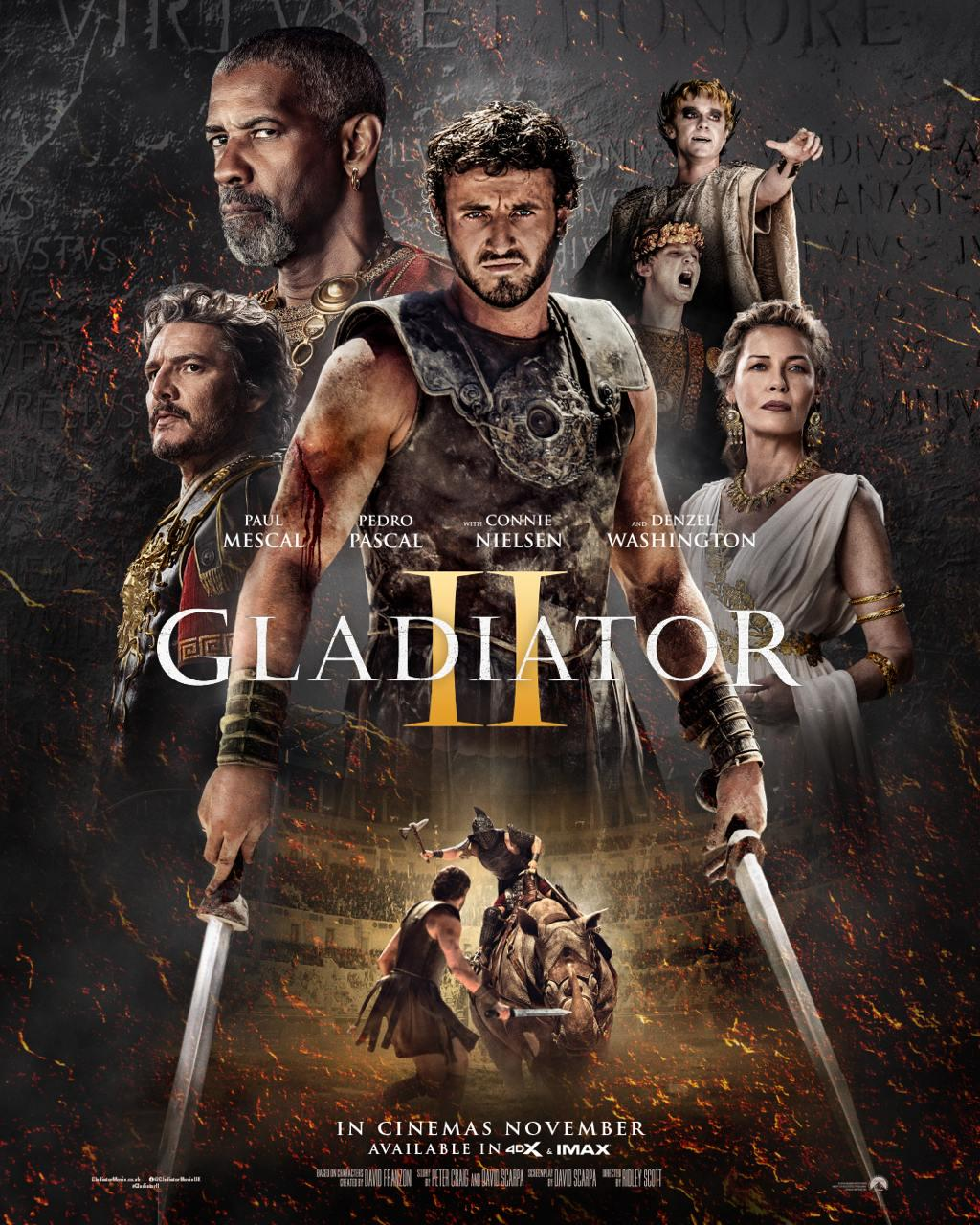
Based on Characters by David Franzoni Produced by Ridley Scott, Michael Pruss, Douglas Wick, Lucy Fisher, Walter F. Parkes, Laurie MacDonald and David Franzoni.
Main cast: Paul Mescal, Pedro Pascal, Joseph Quinn, Fred Hechinger, Lior Raz, Derek Jacobi, Connie Nielsen and Denzel Washington.
Cinematography by John Mathieson
*** MAY CONTAIN SPOILERS ***
Ridley Scott’sGladiator (2000) stands as a modern genre classic, redefining the historical epic with its visceral storytelling, evocative visual style, and emotional depth. The film not only revitalized interest in the sword-and-sandal genre but also solidified Russell Crowe as a major star, earning him an Academy Award for Best Actor. Crowe’s portrayal of Maximus Decimus Meridius—a betrayed Roman general seeking justice—exudes both raw power and profound vulnerability, making him an enduring figure in cinematic history.
Gladiator’ssuperb screenplay intricately followed the structure of Joseph Campbell’s Hero’s Journey, charting Maximus’ transformation from a celebrated general to a fallen slave, and ultimately to a venerated martyr. Also invoking the archetype of one of Christopher Booker’s seven basic plots, ‘Overcoming the Monster’. Indeed, Maximus’ journey aligns with the ‘Overcoming the Monster’ archetype, where the hero confronts a seemingly insurmountable evil. Commodus and the Roman Empire embodies the “monster,” wielding unchecked power, moral corruption, and cruelty. Maximus battles not only physical opponents in the gladiatorial arena but also the corrupt system that Commodus represents. His ultimate triumph over Commodus is both personal vengeance and symbolic justice, restoring balance to a fractured world.
Finding Ridley Scott at arguably the height of his directorial power, Gladiator’s success rested on its ability to blend archetypal storytelling with deeply human emotions. It revitalized the historical epic for modern audiences by prioritizing character-driven drama over spectacle, though its battle sequences remain iconic. With its sweeping Hans Zimmer score and Russell Crowe’s unforgettable performance, the film transcended its genre, made a lot of money and become a modern myth that continues to resonate with audiences worldwide. So, the burning question is why did it take so to make a sequel?
I’d say the answer to this question is that because the original was so iconic and powerful it didn’t need a sequel. Still, when has that ever stopped the money-making behemoth of the Hollywood machine from not following up. The surprise is that it took twenty-four years to bring to the screen. Which is a similar length of time after the first one that Gladiator II (2024) is set, namely 211AD. Similarities do not cease there.
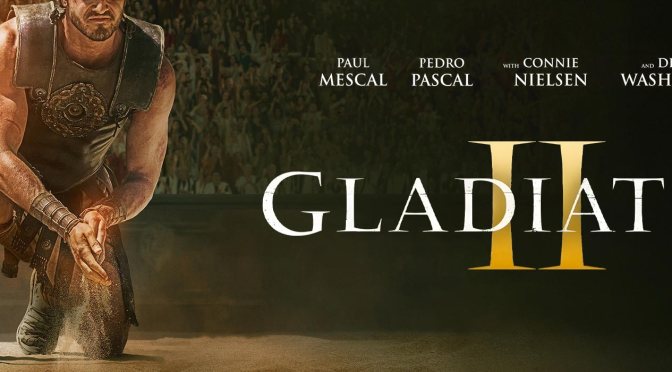
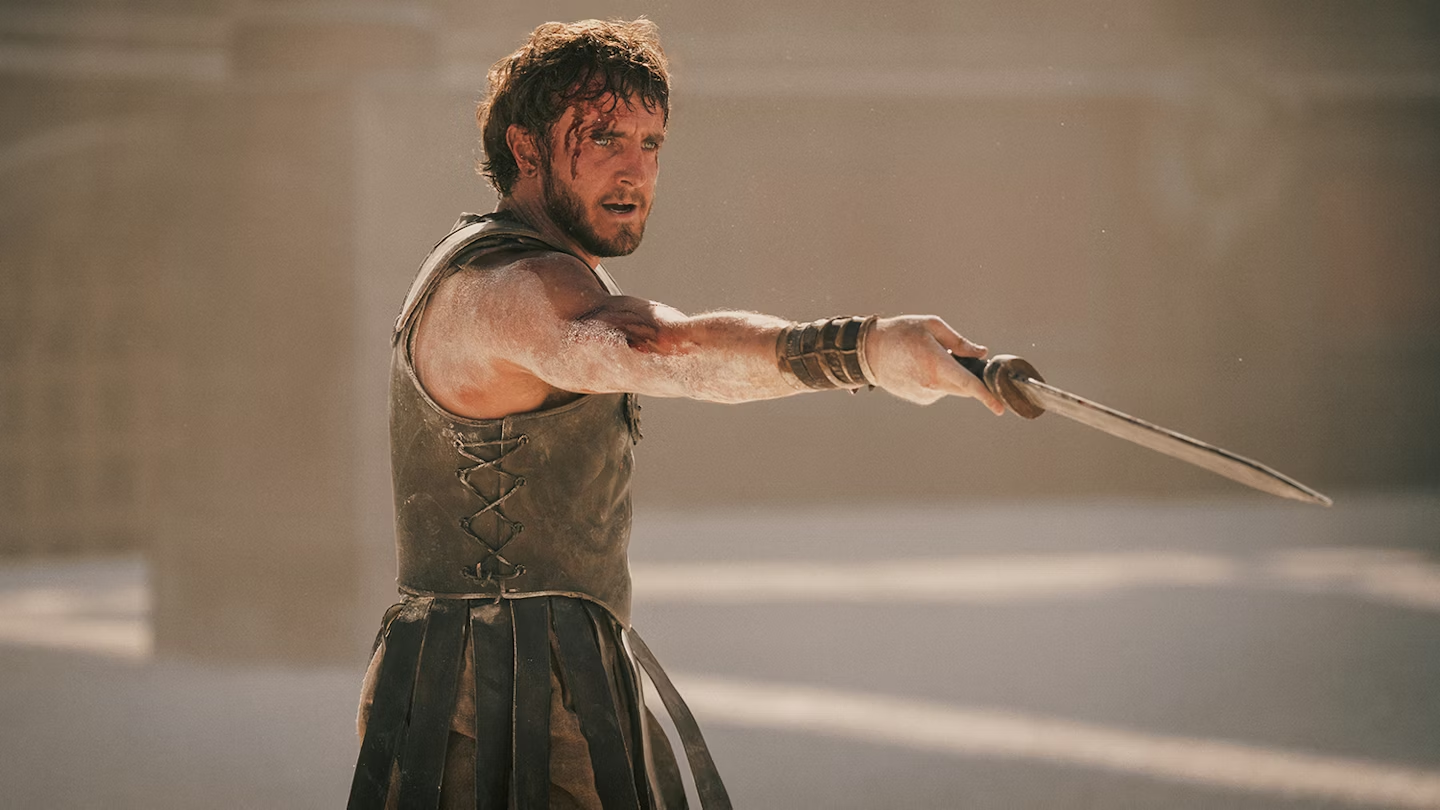
So, I will just say I had so much fun watchingGladiator II. It is an exhilarating return to the grandeur of the Roman Empire, delivering breathtaking visuals, high-stakes action, and a muscular lead performance from Paul Mescal as Hanno, a fighter with a mysterious history. However, despite its ambitious scale and technical brilliance, the sequel draws heavy parallels to the original, feeling more like a reimagining than a bold continuation. Hanno’s journey echoes Maximus’ so closely that it lacks the freshness that made the 2000 film a groundbreaking modern epic.
Indeed, Hanno’s arc is essentially a mirror image of Maximus’ but while Gladiator IIadheres to the same Hero’s Journey structure that defined the first film, the beats feel overly familiar. Hanno’s transformation, while compelling, doesn’t quite reach the mythic resonance of Maximus’ odyssey. Where Maximus was a reluctant hero drawn into a larger-than-life struggle, Hanno’s motivations and journey feel more cloudy and contrived, lacking the gravitas of the original’s moral and emotional complexity. Script and character inconsistencies do not help, with Hanno too quickly switching emotions where Connie Nielsen’s Lucilla is concerned.
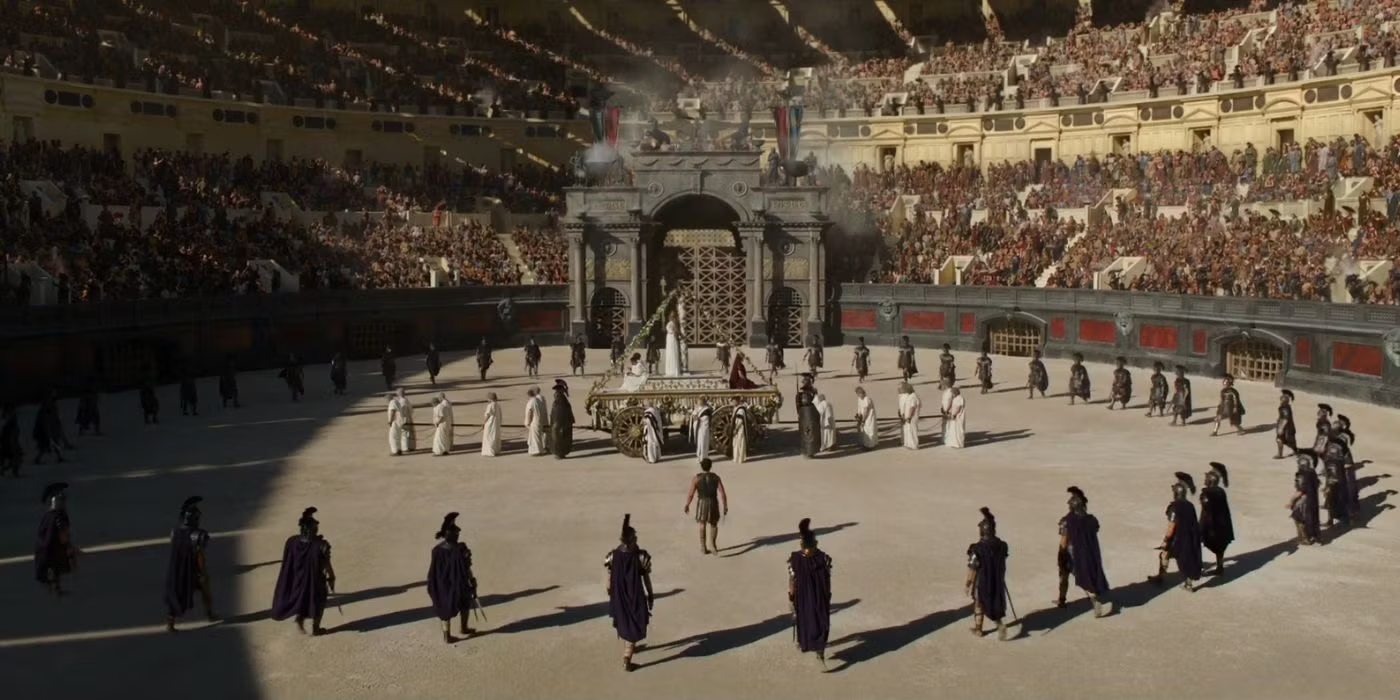
That said, the sequel contains many strengths. The world-building is as immersive as ever, with Ridley Scott’s regal direction ensuring that every frame pulsates with life and detail. The sheer energy and brutality of the Colosseum set-pieces are worth the admission alone. The flooding of the arena battle and introduction of a number of fantastic and vicious beasts are especially memorable. The action is bloody and gripping, the score soars, and the themes of resilience and justice remain timeless. Moreover, Mescal delivers a commanding performance, injecting moments of raw intensity and vulnerability into the role.
Having said that, it is Denzel Washington’s Macrinus who pulls narrative focus and power throughout. Washington brings his trademark gravitas and charisma to the role, crafting a character arc that is both morally complex and emotionally resonant. Macrinus’ journey of manipulation, becomes the film’s most compelling thread, overshadowing Hanno’s more conventional hero’s path. Washington imbues Macrinus with subtlety, allowing audiences to see flashes of vulnerability and moral conflict beneath his stoic exterior. He oscillates effortlessly between commanding authority and quiet introspection, making every line delivery impact. Washington’s natural charisma ensures that Macrinus commands attention in every scene. His dialogue crackles with intensity, and his moments of silence speak volumes, often eclipsing Hanno’s more straightforward emotional beats.
Gladiator II undeniably thrills as a cinematic experience, but its adherence to the original’s blueprint leaves it struggling to step out of Maximus’ shadow. While it showcases the enduring power of its core narrative themes, it ultimately feels more like a polished homage than a groundbreaking sequel, relying on echoes of past triumphs rather than forging an entirely new path. For fans of the original, this familiarity is a strength and weakness, yet nonetheless Scott’s epic facsimile remains a powerful and bone-crunching adrenaline rush.
Produced by: Ridley Scott, Kevin J. Walsh, Mark Huffam, and Joaquin Phoenix.
Main Cast: Joaquin Phoenix, Vanessa Kirby, Tahar Rahim, Rupert Everett, Ben Miles, Ludivine Sagnier, and more.
Cinematography by Dariusz Wolski
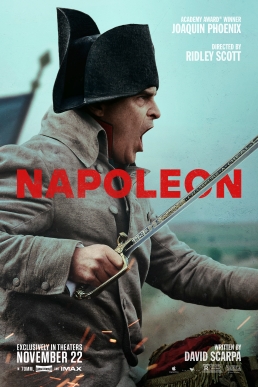
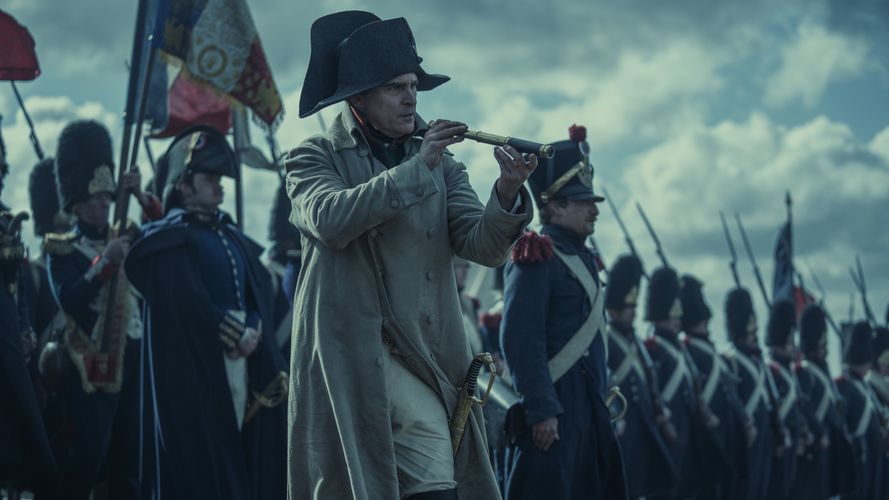
If you didn’t know, Napoleon I, was also called Napoleon Bonaparte. He was a French military general and statesman and played a key role in the French Revolution (1789–99), before serving as first consul of France (1799–1804). Napoleon was also the first emperor of France (1804–14/15) and given his many years of military campaigns in France and overseas, striving to build an empire for France, he is now widely considered one of the greatest generals in history. I don’t purport to be a history buff, but I was intrigued by the release of Ridley Scott’s latest directorial epic cinematic behemoth, Napoleon (2023). This almost-three-hour release comes to the screen courtesy of Sony and Apple TV with Joaquin Phoenix in the titular role.
Opening in 1793, a young, but up-and-coming army officer Napoleon witnesses Marie Antoinette get her head cut off at the guillotine, followed quickly by one of the many thrilling battle sequences in the film at the ‘Siege of Toulon.’ It was during this siege that young Napoleon first won fame when his strategy, forced the Anglo-Spanish fleet to withdraw. After which David Scarpa’s adaptation and Scott’s editing team rattle through the battles, romances, trials and decades of Napoleon’s life so breathlessly, as an audience member, I felt like this film was more of a “Now That’s What I Call Napoleon!” greatest hits package rather than a compellingly intense drama and study that really delves into the complex psychology of Napoleon’s character.
Ridley Scott, at 85 years old, brings his masterly cinematic experience to many explosive battle sequences in Egypt, Austria, France and throughout Europe. The stunning cinematography by Dariusz Wolski supports Scott’s vision and it is safe to say the production design and costumes are par excellence for this massively budgeted production. However expertly shot, edited and rendered on screen the battles are, they often feel rushed through at times, providing jarring punctuation to the central human focus of the film, the love story between Napoleon and Josephine (Vanessa Kirby). I feel like I would have preferred a deeper analysis of Napoleon’s military strategics and perhaps a more serious approach to his importance to France through his victories on the battlefield.
Vanessa Kirby, as Josephine, brought a class, elegance and intelligence to the role and gives a standout performance. Joaquin Phoenix, who is one of the finest actors around, however, gives us a misfiring characterization as Bonaparte. I just felt it was too knowing and flippant throughout. I am not averse to humour in serious dramas, but I just did not warm at all to his portrayal. Scott’s director of Phoenix plus Scarpa’s screenplay only touch the surface of Napoleon’s character. I mean here is a historical figure who has an incredible series of chapters in his life, but there is no major journey or arc in his story. At times I even felt there was ridicule for Napoleon, but if you wish to critique him, then why not make him more dangerous, a monster even. Especially given his predilection and desire for war and sending thousands of lives to their tragic end.
Like I say, Scott and his amazing creative team deliver a greatest “hits” of Napoleon’s life and some spectacular cinematic moments. But quite often I was bored and questioning why I should care about any of the characters on screen. Scott and his screenwriter have been stung by criticisms of historical inaccuracies. That doesn’t bother Scott at all and would not bother me if such changes enhanced the drama. Yet, the compression of certain scenarios seem to be more for pacing reasons. Lastly, there is apparently a four-hour directorial cut of the film so perhaps that contains more depth, emotion and psychological analysis of Napoleon, rather than the paper-thin filmic treatise delivered here.
Based on: Killers of the Flower Moon by David Grann
Produced by: Dan Friedkin, Bradley Thomas, Martin Scorsese and Daniel Lupi
Main cast: Leonardo DiCaprio, Robert De Niro, Lily Gladstone, Jesse Plemons, John Lithgow, Tantoo Cardinal, Scott Shephard, etc.
Cinematography: Rodrigo Prieto
Edited by: Thelma Schoonmaker
*** MAY CONTAIN SPOILERS ***
Who can tell how the world and society as we know it would’ve evolved if Christopher Columbus, the explorer credited with finding the Americas in 1492, had not landed and begun the first steps toward colonising this uncharted part of Earth. Of course, there were existing natives in the Americas and over time they would experience first contact with Spanish, Portuguese, British and other European, predominantly white, settlers. It may be that the natives would have had equally difficult experiences, and colonists brought with them many positive things. But one has to surmise they would not have had their land and lives gradually taken from them over the centuries without the European invasion.
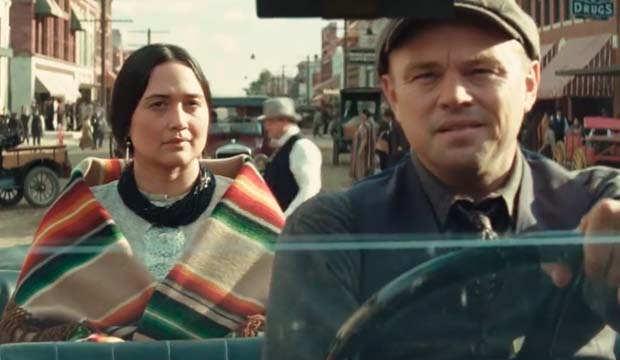
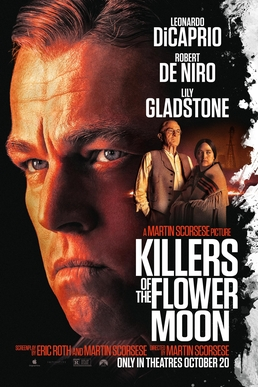
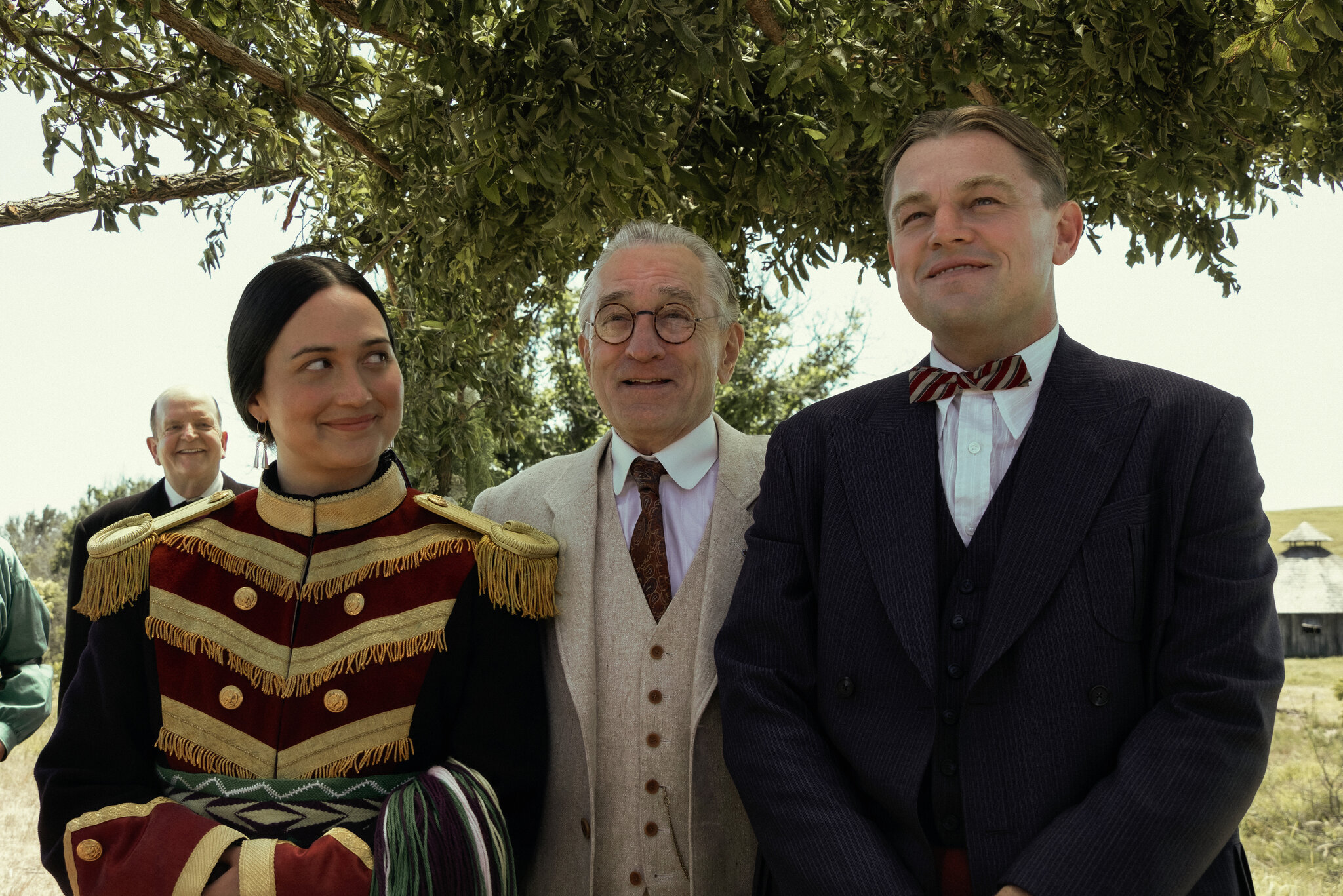
The violent theft of land and wealth from Native Americans forms the bedrock of the narrative of Martin Scorsese’s latest epic drama, Killers of the Flower Moon (2023). Adapted from David Grann’s critically acclaimed nonfiction book, the film centres on the series of murders of wealthy Osage people that occurred in Oklahoma in the early 1920s. The motive for the heinous culling was the greed of white men. Such individuals lusted after the richness present after big oil deposits were discovered beneath the Osage people’s land. Whereas Grann’s book is a monumental study of the murders, perpetrators, the Osage culture, politics of the era, and how the newly formed FBI delved into the crimes, Scorsese’s incredibly slow and long adaptation does all that, while also exploring the romance and murderous treachery between Osage native, Mollie (Lily Gladstone) and war veteran, Ernest Burkhart (Leonardo DiCaprio).
Opening by establishing how the oil erupted and blackened the green land, the film then firmly sets up how the American businessmen used the legality of the headright system to manipulate the flow of sudden wealth that came to the Osage people. One such man is William King Hale (Robert DeNiro) who presents himself as a benefactor to the Osage, but truly speaks with a forked tongue. Having left the infantry unit after World War One, Hale’s nephew Ernest joins him to work and ultimately do his bidding. Hale cajoles Ernest to romance wealthy Mollie and get further feet under the table and closer to that beloved black gold money. Yet, enough is never enough for the likes of Hale and driven by another formidable Scorsese directed performance, De Niro delivers a deviously evil characterisation.
DiCaprio here takes the less charismatic role as the doltish Ernest. As Hale urges him to do further misdeeds the banality of everyday evil is palpable in Ernest’s actions. Along with a litany of professional and thuggish cowboy types Ernest and Hale’s other minions wreak havoc on the Osage people, committing arson, murder, poisonings, robbery, and shootings. All just for more money. The tragedy is that Ernest clearly has feelings for Mollie, serenely portrayed by a revelatory Lily Gladstone, but he just cannot stand up for himself against his wicked uncle. So much so that I just wondered why the hefty runtime was concentrating on Ernest’s character. I mean, Scorsese and DiCaprio give us little in the way of anti-heroism to bounce off, or even some cathartic sense of redemption. Ernest starts out as a loser and finished the story the same. Over three hours spent with a gurning idiot left me frustrated.
Directed, as one would expect with a masterful hand, mind and eye by Scorsese, who once again surrounds himself with an incredibly talented cast and production crew. Not to forget the unbelievable $200 million budget. But Scorsese’s movement of late to ultra-long and methodical cinema is an artistic choice that requires much patience. While Killers of the Flower Moon (2023 is thematically very powerful, beautifully filmed, and contains a number of exceptionally impressive sequences, there was genuinely not enough story to justify such a long running time. Whereas The Irishman (2019) was slow, it was methodically thrilling and absorbing throughout. Killers of the Flower Moon (2023) on the other hand becomes repetitive in its reveals of greedy Cowboys breaking bad and raising hell to the cost of the Osage. The introduction of the FBI and their subsequent investigation comes way too late to save the over-bloated length and pace. However, there is no doubt, the film remains vital in highlighting the historial horror perpetrated upon the Osage land and people. Perhaps Apple TV should have just given the money to the Osage descendants as reparation?
Based on: The Legend of Amleth by Saxo Grammaticus
Produced by: Mark Huffam, Lars Knudsen, Robert Eggers, Alexander Skarsgård, Arnon Milchan
Cast: Alexander Skarsgård, Nicole Kidman, Claes Bang, Anya Taylor-Joy, Ethan Hawke, Björk, Willem Dafoe, etc.
Cinematography Jarin Blaschke
*** MAY CONTAIN SPOILERS ***
Robert Eggers is a formidable cinematic talent. His dark visions of folklore and historical fable are steeped in impressive research and a striking attention to detail within his work. Artistically and thematically speaking, Eggers is a major talent, however, one could argue his narratives deny clarity preferring hazy ambiguity. His debut film The Witch (2015) is an arthouse classic, but I just did not connect with the characters, despite the filthy realistic strangeness. His follow-up, TheLighthouse (2019), is a claustrophobic, black-hearted and dirty descent into a watery hell. Both are bravura low-budget films which created two distinct periods. In both films you can almost feel the plague and scurvy in your mouth, presented as they are with such earthy authenticity.
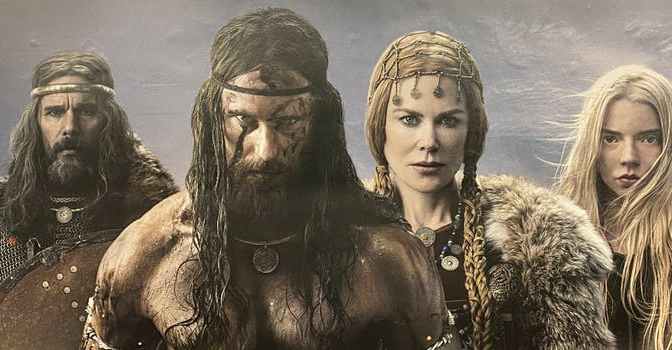
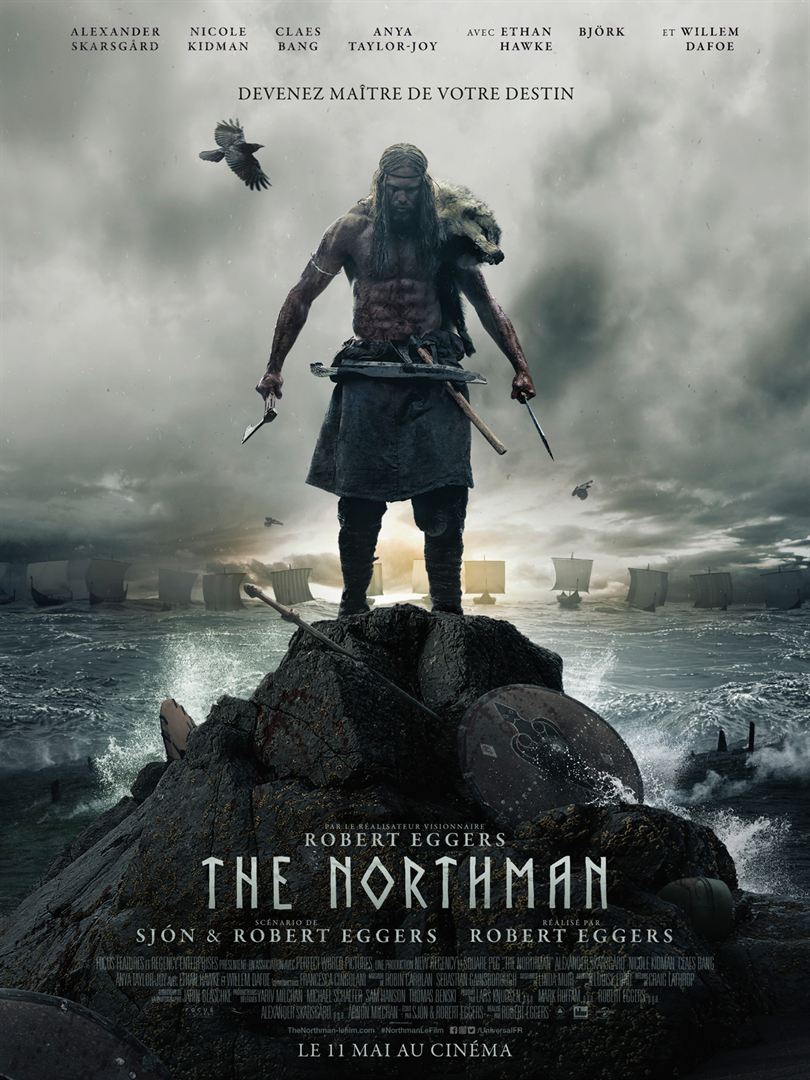
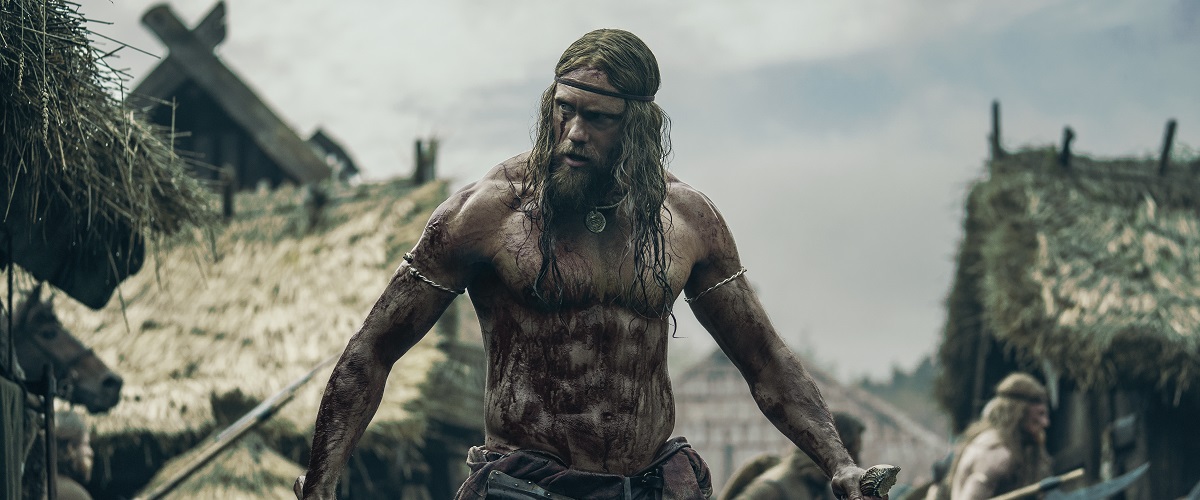
Thus, unsurprisingly, Robert Eggers latest film is NOT a romantic comedy. The Northman (2022) is another obsessively researched and realised historical drama. But because of the reported $70 million budget, his vision of Vikings and blood and revenge and muscle and familial treason and murder screams epic, more epic and even more EPIC! Eggers script and story is inspired by the historical myth, The Legend of Amleth, a narrative which in turn is said to have influenced none other than the quite well known play, Hamlet. Here Eggers has a solid structure for the thunderous battles and mystical manifestations on show. Our hero, Amleth (Alexander Skarsgård), finds his father, the King (Ethan Hawke) murdered by his uncle (Claes Bang), while he is a boy. Fleeing his village he grows into a scary, ripped and roaring Viking warrior who has never even seen a carbohydrate. A hunger for bread and a desire for revenge on his uncle propels the story powerfully. Intense Amleth must locate his kidnapped mother (Nicole Kidman) and smash the man who did his family wrong.
Eggers is a brilliant film director. In Alexander Skarsgård he also has a battering ram of a physical specimen leading the charge from deathly pillage to bloody battle to fiery hand-to-combat with impressive purpose and power. Amidst the vengeance-fuelled fight sequences and Amleth’s confrontations with the seers and magicians of the land, his journey also encompasses love and marriage to Olga of the Birch Forest, a Slavic sorceress (Anya Taylor-Joy). While Skarsgård’s character is more muscle than charisma, Taylor-Joy breathes ethereal and sensual life into the middle act. Their collaboration battling against enforced slavery gives us something to root for above the familiar revenge plot. Having said that, Amleth is not the easiest of characters to warm to. Despite Eggers genius and Skarsgård’s brutalism I wondered if I really cared about his quest.
I would argue that this story was done far more successfully from an emotional perspective by Ridley Scott’s awesome Roman epic, Gladiator (2000). Russell Crowe was just phenomenal as Maximus and his performance was one of magnetic emotion and charismatic depth. That film had amazing action married to integral character development. However, there is a violent momentum to The Northman (2022), with Amleth’s quest charging like a juggernaut toward the jugular of his foes. Eggers’ image and colour system of Viking costumes, iconography, weaponry, plus human, godly and ungodly beings provide the depth when the characterisation feels thin. And wow, does he know how to stage a battle. Bones crunch, teeth crack, blood bursts and weapons sever, scorch and devastate. As the fire burns in Amleth’s heart and across the landscape, The Northman (2022) rages from the cinema screen with dominant visual ascendancy.
Cast: Robert Pattinson, Zoë Kravitz, Paul Dano, Jeffrey Wright, John Turturro, Peter Sarsgaard, Andy Serkis, Colin Farrell, etc.
Cinematography: Greig Fraser
*** MAY CONTAIN SPOILERS ***
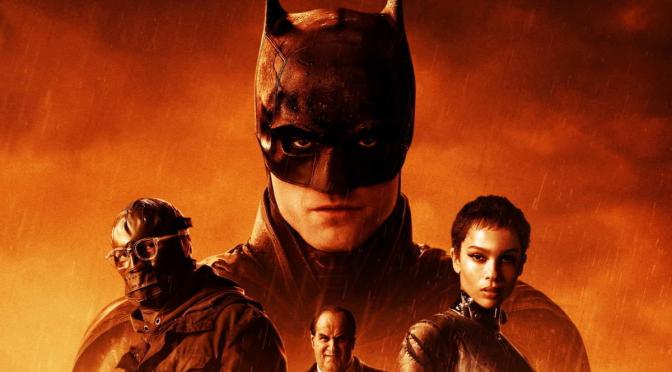
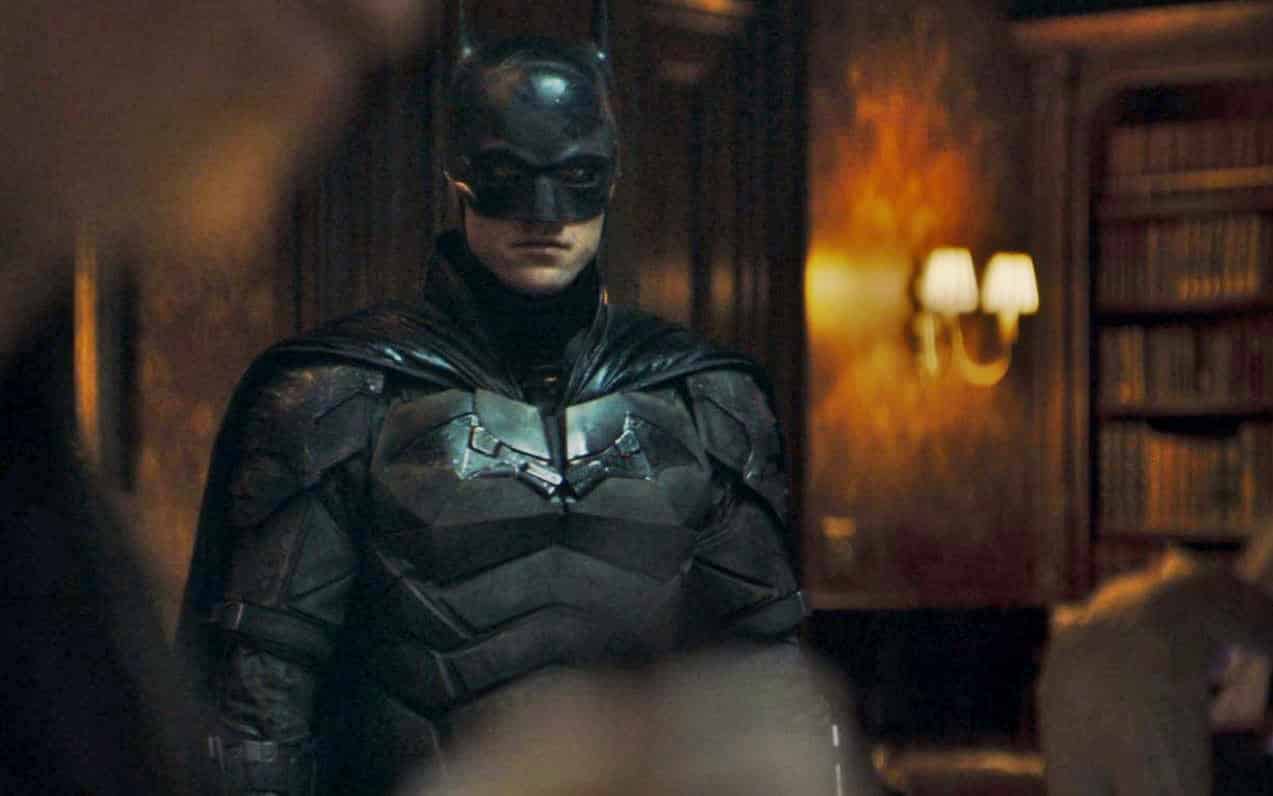
Three hours of darkness, shadows, fireworks, distorted sound and vision, dull emo-bluster, explosions, fist-to-fist combat, choppy chases, limp dialogue, sparse suspense, blaring sirens, mumbling delivery and humdrum sexual chemistry combine to an incredibly stylish yet boring experience. It may be the biggest box office hit of the year, but The Batman (2022) was interminable filmic disappointment for me. Bruce Wayne/The Batman is a miserable cipher here for the action on show. He is also arguably one of the worst detectives I have witnessed on the screen. Yet, be aware it is NOT the filmmaker’s fault. It is mine. I am a bad cinemagoer.
I am as jaded, and world weary as Robert Pattinson’s noir gumshoe in a costume on screen. Except I have earned it. I have lived through dead-end jobs, despair and disappointment. This film starts by asking us to follow Bruce Wayne’s Caped Crusader into the mean streets of Gotham to battle nefarious gangsters and a crazed, riddle-driven terrorist. But why do we care about him? Christopher Nolan and Christian Bale breathed vibrancy and commitment into the DC comic hero. His trilogy, though not faultless, made us root for the rich kid scared of flying rats. Going on a journey of discovery and finding himself an identity in the process, Bale’s Batman was a three-dimensional hero. Matt Reeves eschews all that with The Batman (2022), presenting familiar characters searching for some semblance of plot and characterisation in the dark.
The story is a breadcrumb plot as Pattinson’s suited vermin plods through scene after scene trying to work out who is killing the corrupt officials of Gotham City. There are fireworks and expertly designed action sequences although many of them are difficult to see amidst the cinematographic murk. Moreover, there isn’t really any empathetic characters here. I love a good cinematic anti-hero, but that requires personality and energy. This Batman has neither of those. Although the screen work of Jeffrey Wright, Paul Dano, John Turturro, Colin Farrell, Andy Serkis and Zoe Kravitz does breathe light and heat into the dull script. Farrell is The Penguin but essentially an Al Capone substitute. His excellent caricature gets buried and almost lost in obsidian and prosthetics.
But as I say, I am to blame. I am a bad superhero cinema person. I am saturated and fatigued by comic book film adaptations and TV shows from Marvel to DC to Vertigo and Image and Icon (yes I know this is Marvel too). I mean the best I can say is The Batman (2022) blasts away the rot that Affleck and Snyder implanted into the Batman franchise. Although that isn’t saying much. Because an obscene $200 million dollars was spent on this hollow vision of a wealthy emo-brat in a dark suit kicking the crap out of shadows. But remember this is my fault. I am old. I am cynical. I applaud Matt Reeves and his talented production team for delivering an impressive visual feast. It’s just a shame that in the bloated running time (15 minutes of that being end credits), they didn’t write any characters worth spending three hours with.
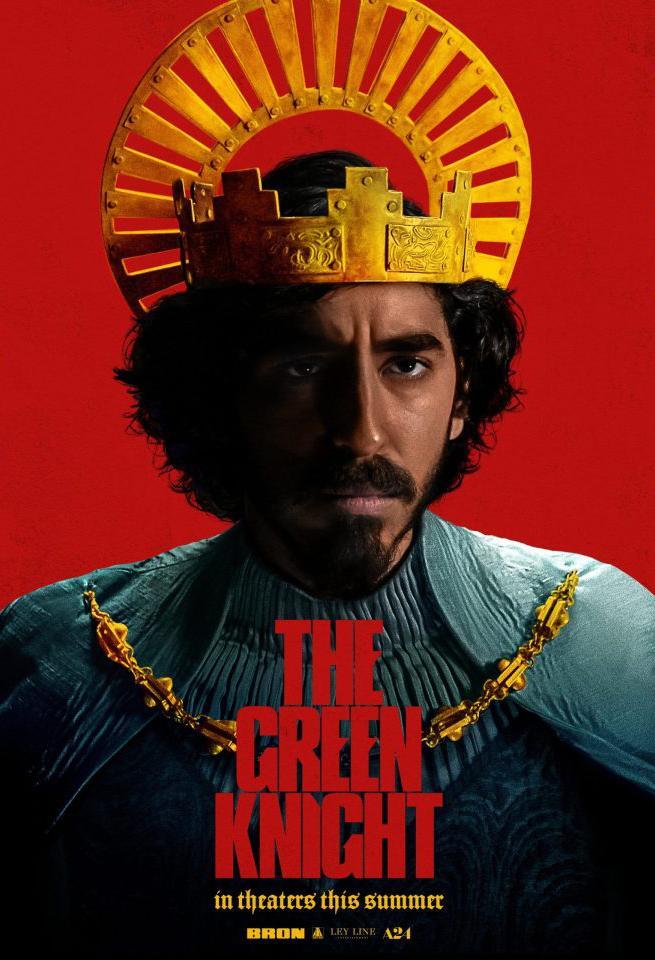
Based on: Sir Gawain and the Green Knight by Anonymous
Produced by: Toby Halbrooks, James M. Johnston, David Lowery, Tim Headington, Theresa Steele Page
Cast: Dev Patel, Alicia Vikander, Joel Edgerton, Sarita Choudhury, Sean Harris, Ralph Ineson, etc.
Cinematography: Andrew Droz Palermo
*** MAY CONTAIN SPOILERS ***
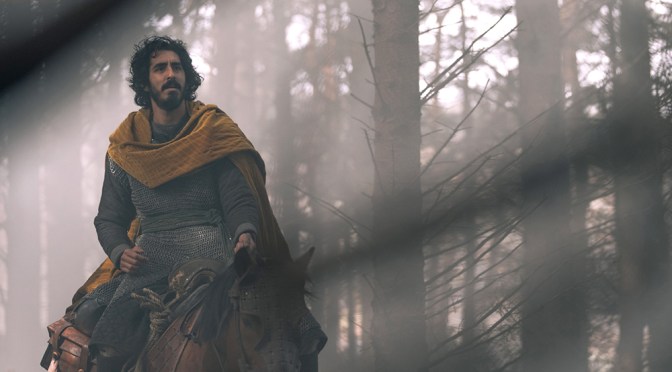
The quest to see The Green Knight (2021) has seemingly taken longer than Gawain’s mythical journey to meet his ultimate fate. Was it worth the wade through COVID determined lockdowns and distribution delays to the cinema to finally watch it on Amazon? Yes and no I would say as the filmmaking on show is of a visually magical standard. Yet, somewhere in the character’s bones is an emotional brittleness. I will expand.
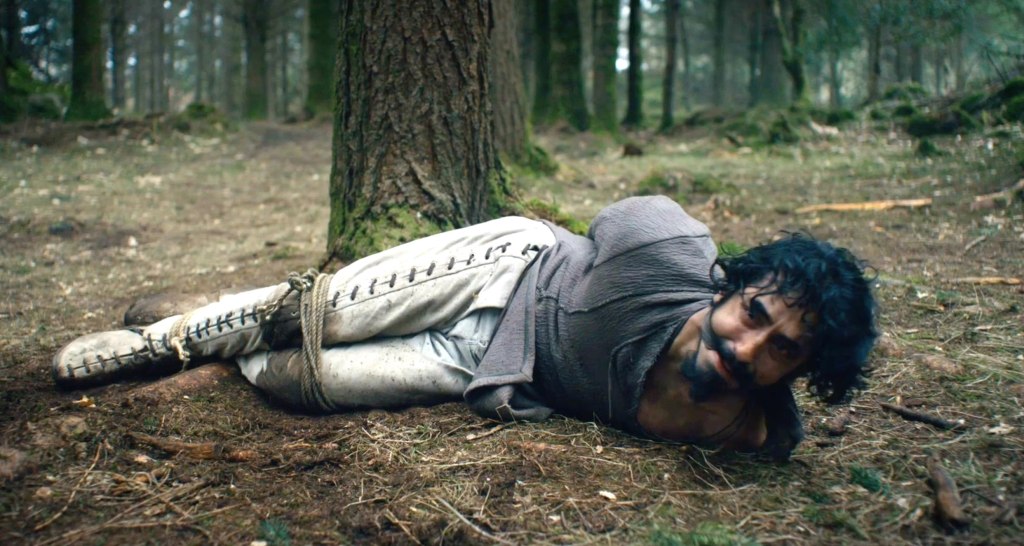
Written and directed by the formidable filmmaker David Lowery, The Green Knight (2021), is based on the rites-of-passage trials of Gawain (Dev Patel), a young subject within the court of King Arthur’s (Sean Harris) Camelot. Happy getting drunk and flirting with apparently loose women, one of which is Essel (Alicia Vikander), he is then faced with a challenge from the Green Knight (Ralph Ineson). Meeting the gamble from this stunningly created craggy work of metaphor head on sets in motion a fight for his life on the road to symbolic discovery. Throw in some exquisite montages of ominous religious and magical subtext and Gawain must face his fears, fate and foes on a dangerous quest.
Once Gawain hits the dirt tracks, bloody battlefields and ghostly houses of this cursed land the The Green Knight (2021) really finds narrative impetus. Gawain’s confrontation with the Green Knight at Arthur’s court is certainly thrilling, but Lowery spends too much time creating poetic juxtaposition and magical image systems, which while beautiful, really slow the pace of the story. King Arthur’s kingdom and Sean Harris’ performance is somewhat downbeat and drab as less time is spent establishing Gawain’s characterisation.
Dev Patel is phenomenal in the role. He brings both strength and vulnerability. But what was Gawain? Was he a fool to be taught a lesson? Was he a determined individual desiring to prove himself? Was he out for revenge? Was he doing it for love? Who is he saving? What did he want? I was never sure. Thus, The Green Knight (2021) was in danger of collapsing under its own stunning visual pretension. That is until Barry Keoghan’s effervescent thief came along and raised the stakes and energy of the story. After that Gawain’s drive was one of survival as Lowery’s screenplay gave him a succession of devilish, deadly and seductive obstacles to overcome.
David Lowery is an original thinking talent, and someone I categorise as an alternative genre filmmaker. Like Quentin Tarantino, the Coens, Bong Joon-Ho and dare I say it, Stanley Kubrick, he takes familiar content and filters it through his own inimitable style and vision. His masterpiece thus far is the truly remarkable romance, A Ghost Story (2017), a low-budget indie gem. The bigger-budgeted The Green Knight (2021) certainly has scale and magic and astounding cinematic power. But such adventure stories, for my taste and preference, need a hero with a clearer goal. Lowery gives the audience sorcery and existentialism and some nightmarishly beautiful sequences, while overall lacking clarity for Gawain’s personation. I imagine this is actually deliberate to counter genre expectations and make the viewer raise their game and apply meaning. I felt the same about Kubrick’s fatalistic, Barry Lyndon (1975), when I first saw that. Indeed, I have no doubt that on future watches The Green Knight (2021) is likely to be similarly revered as cinematic gold.
Cast: Robert De Niro, James Woods, William Forsythe, Jennifer Connelly, Elizabeth McGovern, Joe Pesci, Burt Young, Tuesday Weld, Treat Williams, William Forsythe, Richard Bright, James Hayden, Brian Bloom, William Forsythe, Adrian Curran, Darlanne Fluegel. Larry Rapp, Mike Monetti, Richard Foronji, Robert Harper, Dutch Miller, Gerard Murphy, Amy Ryder, Julie Cohen etc.
Music: Ennio Morricone
Cinematography: Tonino Delli Colli
***CONTAINS PLOT SPOILERS***
If you were, like me, thoroughly absorbed by Martin Scorsese’s recent directorial gangster epic, The Irishman (2019), you should definitely check out another incredible gangster drama, Once Upon A Time in America (1984). It is directed by acclaimed Italian filmmaker, Sergio Leone, he of “Spaghetti Western” fame. Indeed, Once Upon A Time in America (1984), was the first feature film he’d made since A Fistful of Dynamite (1971). Sadly, it was to be his final film.
With a director’s cut running at a behemoth 250 minutes and original theatrical release lasting 229 minutes, Once Upon A Time in America (1984), is certainly a marathon viewing experience and fitting epitaph to Leone’s cinematic craft. Yet, the film rarely feels over-long or slow because there are so many memorable scenes, fascinatingly complex characterisations, incredible intrigue and enough narrative density present to satisfy any audience member with the patience to let it absorb you. Structurally, the film is epic in nature too as it cross-cuts between three, arguably four, separate timelines in: 1918, the 1920’s, the 1930’s and 1968. Interestingly, I watched it via Amazon Prime in two sittings and is so long even the original ‘Intermission’ card remains.
Leone and his amazing production cast and crew took almost a year to film Once Upon A Time in America (1984). It’s reported to have had somewhere between eight to ten hours of footage on completion. He originally wanted to release it as a two-part epic, but the studio insisted it was distributed as one film. The almost-four hour theatrical release was received to great critical acclaim in Europe, however, a severely chopped down 139-minute version was put out in America. It was a critical and box office bomb. American critics however, lauded the European version, lamenting the non-release of Leone’s full cinematic vision.
For a filmmaker who was drawn to stories set in the America, Leone would generally film in European studios and locations. While some exteriors for Once Upon A Time in America (1984) were shot on location in Florida and New York, many of the interiors were recreated in Rome’s Cinecitta. Furthermore, a Manhattan restaurant was built in Venice, and incredibly, Grand Central Station was rendered at part of the Gare du Nord in Paris. Having said that, Once Upon A Time in America (1984), is so carefully and exquisitely designed and filmed, you would not notice. While possessing more than an air of European arthouse sensibilities, the film, based on a novel called The Hoods, represents Leone’s and his co-screenwriter’s tarnished vision of the American dream. Most significantly is the theme of a loss of innocence. 1920’s New York is presented through the eyes of these Jewish working-class children, many of them sons and daughter of migrants from Europe. These are tough times and the story explores the collision between young innocence and adult corruption by society and humanity. Once Upon A Time in America (1984) is also a story about friendship, loyalty, passion and crime.
The narrative revolves around the lives of young gang of Jewish friends growing up in Brooklyn called: Noodles, Max, Patsy, Cockeye and little Dominic. It’s majestic storytelling of the highest quality as we flit between past, present, now and future. Robert DeNiro’s older Noodles reminisces both from 1930 and 1968. There is a sense that he may be projecting from the hazy and drug-addled glow of an opium den. That is open to interpretation though. Thematically, the framework hangs a history of childhood friendships, juxtaposing it with the same people as adults and their victories, losses and betrayals. Further themes include: love, lust, greed, crime, broken relationships, Prohibition, union corruption; as well as focusing on the rise of mobsters in American society.
Noodles as portrayed by an imperious Robert DeNiro is calm on the outside, however, his often-rash actions show him as impetuous, emotional and wild on the inside. James Woods’ Max is much more careful, calculating and ice-cold in his business. But the two forge a friendship as teenagers which continues in adulthood. Their childhood gang subsequently becomes a renowned bootlegging and criminal outfit. Leone does not ask us to like or find sympathy for the characters, but rather respect that they are a product of a ruthless era. Sure, they could have got day jobs, but they decide to become criminals and very successful they are too. Even after Noodles gets out of jail for killing a rival, Max has saved a place for him in their illegal liquor trades. Only later does the true deception occur. Ultimately, while their stories are incredibly compelling, these men are violent lawbreakers who spill blood, bribe, threaten, kill and rape, all in an attempt to rise up the ladder of the American capitalist system.
I don’t want to spoil any more of the story, but safe to say the cast in this classic film are amazing. Along with DeNiro and Woods’ brutally convincing performances a whole host of young and older actors are directed beautifully by Leone’s careful hand. The standouts for me are Jennifer Connelly in a very early role. She portrays the younger Deborah, while Elizabeth McGovern is the older version of the same character. Connelly is a picture of angelic innocence and Noodles is smitten with her from the beginning. It’s sad therefore that when the adult Noodles’ is rejected by Deborah, his reaction is both toxic and unforgiveable.
Undeniably, sex and violence are powerful features in Once Upon A Time in America (1984). Sex especially is rarely, if at all, romantic or part of loving relationship. There are two brutal rape scenes in the adult years. Even when they are kids the character of younger Peggy is shown to use her promiscuity as a weapon to blackmail a police officer. There are some tender moments though, notably during the scene where young Patsy seeks to lose his virginity with Peggy. Her payment would be a cream cake, but Brian eats the cake and saves his innocence. Yet such scenes are fleeting as mob rule, violent robberies, fiery death and murder ultimately dominate the character’s bloody existences.
As I say, the actors all give memorable performances and the supporting cast including the likes of Treat Williams, Danny Aiello, Tuesday Weld and Joe Pesci are extremely strong too. A special mention to James Hayden who portrays the older Patsy. He doesn’t have the most dialogue compared to the characters of Max and Noodles; however, he has a quiet power which steals many scenes via strength of personality. The fact that Hayden died of a heroin overdose, in 1983, after completing filming only adds to the cult of tragedy. Dead at 30 years of age, James Hayden never got to see any completed version of Once Upon A Time in America (1984).
Given this review is getting near epic proportions itself I will begin to wrap up by heaping praise on the incredible production design. The costumes, locations, vehicles, props and era are slavishly and beautifully recreated. So much so you can almost smell the smoke as it drifts up from the Brooklyn streets. Moreover, the film is superbly photographed by Tonino Delli Colli. The music! I haven’t even mentioned the sumptuous score by the legendary Ennio Morricone. His score is a masterful symphony of haunting laments for loss of love, friendship, loyalty and life. Much indeed like Once Upon A Time in America (1984) itself, as a whole. In conclusion, if you haven’t seen it, I urge you to do so in the knowledge that Sergio Leone has transplanted that same brutally elegant vision of the Wild West to the American gangster genre with unforgettable emotional resonance and power.
Produced by: Brad Pitt, Dede Gardner, Jeremy Kleiner, James Gray, Anthony Katagas, Rodrigo Teixeira, Arnon Milchan
Written by: James Gray, Ethan Gross
Cast: Brad Pitt, Tommy Lee Jones, Ruth Negga, Donald Sutherland, Liv Tyleretc.
Music: Max Richter
Cinematography: Hoyte Van Hoytema
**MAY CONTAIN SPOILERS**
There’s a moment toward the end when Brad Pitt’s intrepid astronaut, Roy McBride, is floating in space, and he asks himself (via a voice-over), should I carry on? Is there any point? In the vastness of space, nearing the endgame of an epic mission full of danger, he asks himself if it is worth, existentially speaking, continuing. It’s a central theme to the whole film and perfectly encapsulates McBride’s character. Externally he is heroic, however, internally he is perpetually questioning whether life is worth living. I often find myself doing this, but not in space. It’s usually when my alarm goes off in the morning and I have to go to work.
But McBride is not pathetic like me. I cannot even get on a plane for fear of crashing. He is on a mission to save Earth. Because, in the near future, catastrophic destruction is threatening us. Thus, he is given the task of venturing to Neptune, via Mars and experience all manner of space obstacles in order to track down the person or persons who may have caused the beginning of the end. This individual is alleged to be his father, portrayed by Tommy Lee Jones. So begins McBride’s very personal journey to the stars; to the heart of the darkest space.
A while ago I wrote an article about Hollywood making unofficial “remakes” as part of their film output – you can read the article here. Essentially, I proposed that in amidst their sequel, prequels, adaptations and superhero movie releases, you will get original screenplays and content too. However, sometimes these original ideas are thinly veiled carbon copies of ideas and structures from other films or literary sources.
For example, Star Wars (1977) used The Hidden Fortress (1958) structure and characters as an original starting point. Likewise, James Gray’s stunningly crafted science-fiction drama. Ad Astra (2019) is clearly using Joseph Conrad’s Heart of Darkness and Francis Ford Coppola’s Apocalypse Now (1979), as, not just influences, but total structural replication.
This in no way effected my enjoyment of this enthralling epic. What did happen though is that the story structure felt very familiar. The narrative unfolds in a staccato style with elegantly shot space transportation sequences and McBride’s psyche testing stops, spiked with bursts of action, fighting and surprising twists. When Clifford finally reaches Kurtz, I mean his father, his character and the audience have experienced some truly thrilling and visually spectacular moments. We also experience the psychological and philosophical musings of McBride. But, arguably these are nowhere near as poetic as Martin Sheen’s voice-over from the Coppola war classic.
In most scenes the visuals steal the show. The cinematography by Hoyte Van Hoytema and production design creates a hive of imagery which, amidst the darkness, bursts with colour and light. I genuinely, especially on Mars, felt like I was in a moving art installation. Having said that, Brad Pitt’s subtle but emotional performance and Max Richter’s sumptuous score also enhance the emotional pull of the story. Pitt, I expect to win a Best Supporting Oscar as Cliff Booth in Once Upon A Time in Hollywood (2019), but he could also get a Best Actor nomination here.
James Gray directs with a deft and “less is more” hand throughout. While the production itself looks epic, the psychology of the film is one of introspection. His themes of obsession, journey and existentialism drew me in the way they did in his last film, The Lost City of Z (2016). Ultimately, although the film’s screenplay could have ironed out some thin characterisations and plot inconsistencies, Gray demonstrates that the very existence of his films certainly make life worth living.






 The Cinema Fix presents