I started writing film reviews a few years ago and the main reason was because I wanted to try and understand why I liked or disliked a film. I also wanted to improve my creative writing by understanding the thought process of others. Living filmmakers whose work I have consistently enjoyed, save for the odd one here or there, are: Martin Scorsese, Quentin Tarantino, The Coen Brothers, Lynn Ramsay, Jonathan Glazer, Woody Allen (even some of the later ones), Park Chan Wook, David Fincher, Edgar Wright, Jacques Audiard, Darren Aronofsky, Kathryn Bigelow; and many others no doubt!
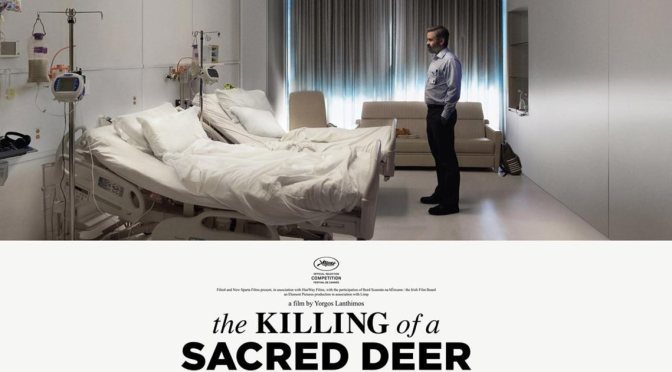
Such directors capture the quintessence of what cinema is for me. Not simply just in style and form but also powerful themes, imaginative concepts and sheer bloody entertainment. Filmmakers, of late, you can add to that list are: Denis Villeneuve, S. Craig ZAHLER and Greek filmmaker Yorgos Lanthimos. I have now seen three of his films, namely: Dogtooth (2009), The Lobster (2015) and his next release The Killing of a Sacred Deer (2017), and they all defy conventional film conventions to deliver absurd, surreal, funny, dark, thought-provoking and imaginative visions of human nature. Also, let’s not forget the writer too; so kudos to his writing partner Efthymis Filippou, who combines with Lanthimos to create such memorable cinematic offerings.
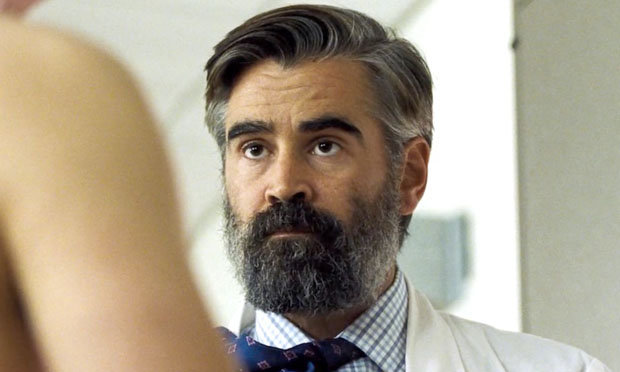
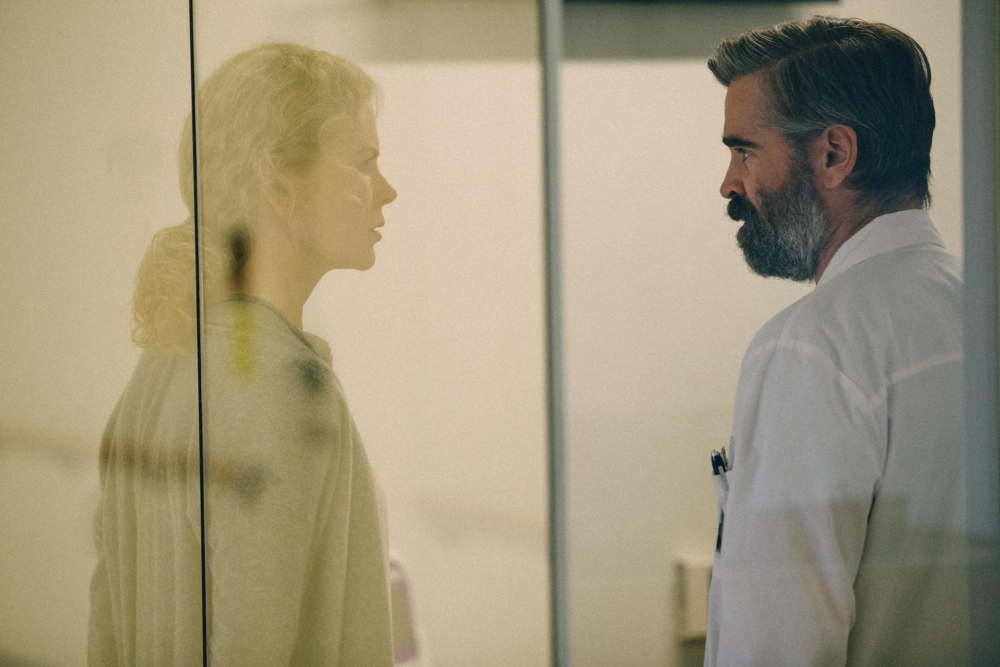
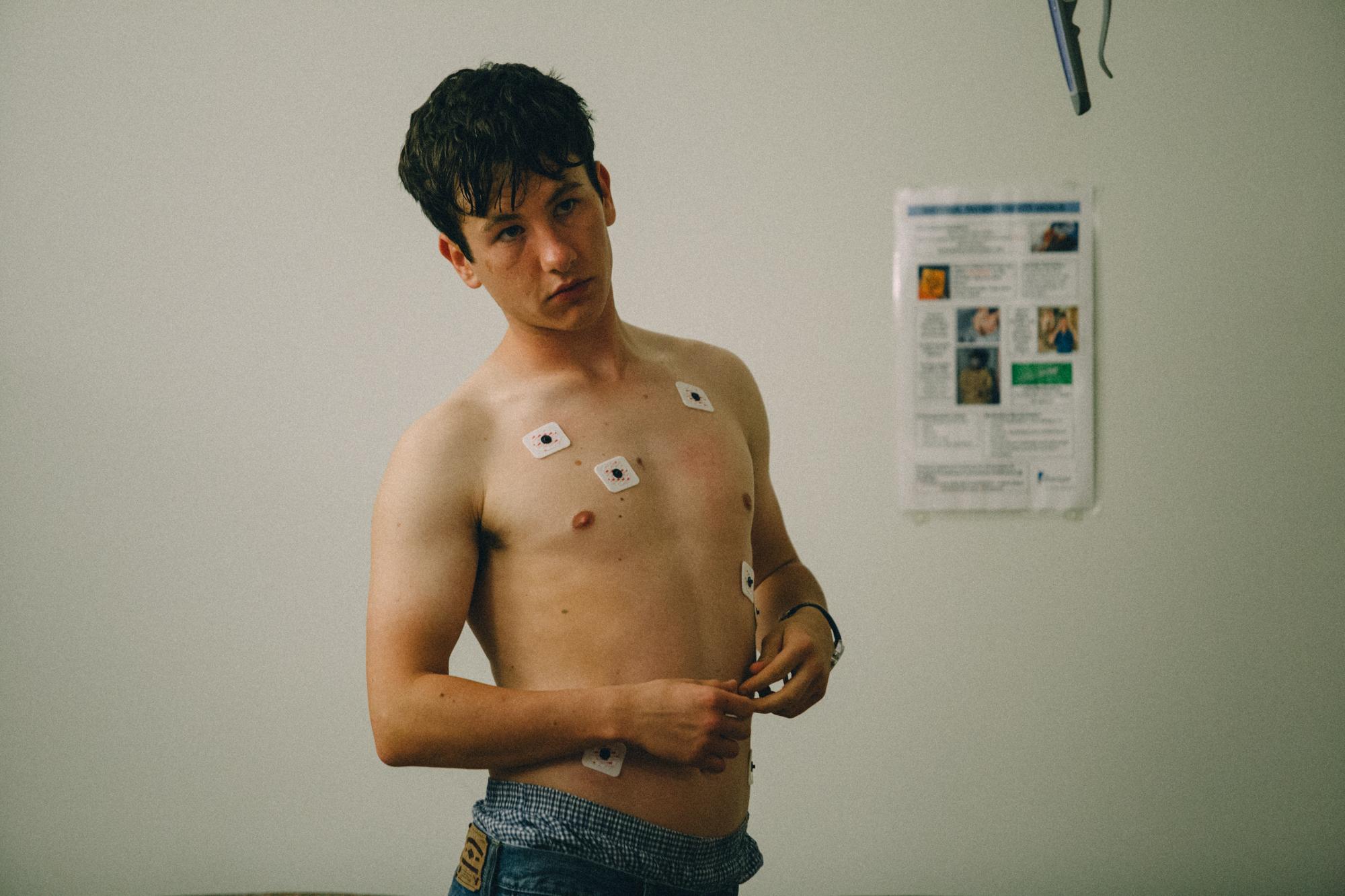
The story itself begins in a reasonably conventional fashion. Colin Farrell’s successful surgeon, Steven Murphy, is happily married to his wife, Anna, portrayed with glacial precision by Nicole Kidman. They have two healthy and intelligent children, a boy and a girl, and their lives are a picture of upper middle class contentment. Steven and Anna’s family equilibrium is skewed when a teenage boy, Martin, brilliantly portrayed by Barry Keoghan, inveigles his way into their lives through a combination of innocent charm and surreptitious pathos. Martin is a dark angel representative of the cloud of sickness and guilt and remorse and his actions force Steven and Anna to have to face up to a parents’ worst nightmares.
Lanthimos and Filippou, in Godardian fashion, constantly calls attention to cinema form; especially with a strangely effective form of anti-acting where, Farrell notably, dryly delivers dialogue as unconnected non-sequiturs. The words also constantly surprise us as the characters speak at each other with phrases that create humour and emotional disassociation. Nonetheless, such artifice only adds to the off-centre and sinister nature of the piece. The film is also beautifully shot with a wonderful symmetry to the composition of many shots. I also liked the choice of wide-angle lenses and the flowing Steadicam shots. Many were pitched at just over head-height, and provided an eerie floating sensation throughout the drama.
Colin Farrell (as he did in The Lobster (2015), Nicole Kidman and the rest of the cast buy completely into Lanthimos and Filippou’s striking vision which takes its’ influence from l Greek tragedy. But while Farrell excels in another praiseworthy under-stated deadpan performance, Barry Keoghan steals the show. The young actor follows up his impactful supporting appearance in Dunkirk (2017), with a compelling character study and eerily mature portrayal. Overall, this is a gripping, absurd thriller-turned-horror film which constantly wrong-footed me with its plot turns. It is a truly chilling, yet darkly comical and surreal genre film that manages to be somehow extremely accessible too.
SCREENWASH CINEMA REVIEWS – SEPTEMBER 2017 – including: IT, WIND RIVER and KINGSMAN 2
**MINIMAL SPOILERS**
I’m a tad tardy on my cinema reviews for last month mainly because I have been writing a couple of short script projects to be filmed. One is a sharp little horror story called Flatmates and I’m looking to shoot in November. The casting has been going well, after which I will rehearse and film on HD video. The other is a follow-up to our Star Trek fan film Chance Encounter (2017) released earlier this year online, which has now has over 40,000 views on YouTube!! Not quite Gangnam Style or dancing cats on a piano but pretty good nonetheless to have one’s work viewed that much.
Anyway, enough of the filmmaking hobby momentarily to switch back to the film reviewing pastime. Below are reviews of three excellent genre films, plus a little reprise of my opinions on Aronofsky’s two hours of hell that was Mother (2017). As usual they are marked out of eleven in tribute to This is Spinal Tap!
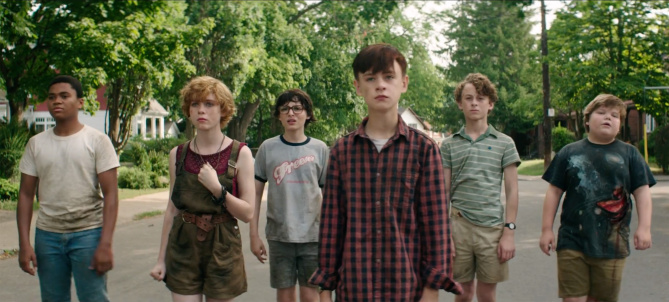
IT (2017)
Stephen King is clearly a genius. To be able to maintain creativity and longevity as a writer, plus give birth, as it were, to any number of iconic narratives, characters and events is a testament to his massive energy and talent. When I was young one of the scariest things I ever saw on TV was the horror serial Salem’s Lot (1979), which was about vampires taking over a small town. His book Carrie (1976) was also adapted into one of the best horror films of the seventies too. Moreover, the ‘80s TV and cinema screens were peppered with King’s work notably: The Shining (1980), Stand by Me (1986) and the under-rated Pet Semetary (1989). In 1990, Tommy Lee Wallace directed a mini-series of IT, with the terrifying Tim Curry as Pennywise the Clown. IT proved to be an excellent horror story until the – faithfully sticking to the novel of course – ridiculously silly ending.
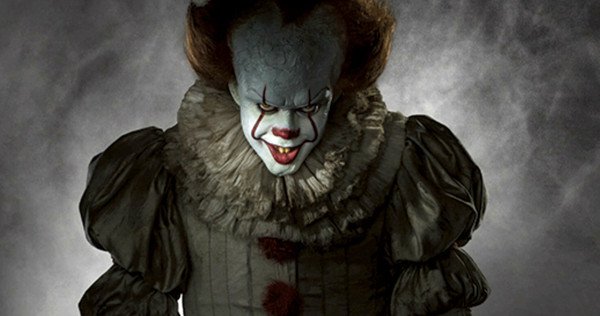
Flash forward twenty-seven years and Pennywise is back to haunt the dreams, drains and sewer pipes of Derry, Maine, using manipulation and fear to lure teenagers to their death. Developed by, among others Cary Fukunaga, the film was eventually directed by Andy Muschietti and has deservedly become a big box office hit. I say deservedly because, while it is not a particularly amazing cinema offering, it is a highly entertaining genre horror film. As an experienced Stephen King cinema and TV viewer all the staples are there such as: geeky-small-town-outsider-kids; abusive tough-guy-bully types; negligent parents or appropriate adult; monstrous beings hidden in the shadows; plus coming-of-age teenage friendship and love.
The clown in this case is portrayed with fiendish joy by Bill Skarsgard and there are some fantastic stand-out scares. My only criticism is, and this is my fault being over-familiar with King’s work, is that with the recent Super 8 (2011) and over-hyped Stranger Things (2016), I felt as if I had seen it all this before. I also felt they crammed too much into the two hours and some of the character emotion was lost at times. However, the cast of kids are excellent in their respective roles, the horror set-pieces are brilliantly staged and King’s iconic bad guy Pennywise makes it well worth the cinema admission fee alone.
(Mark: 8 out of 11)
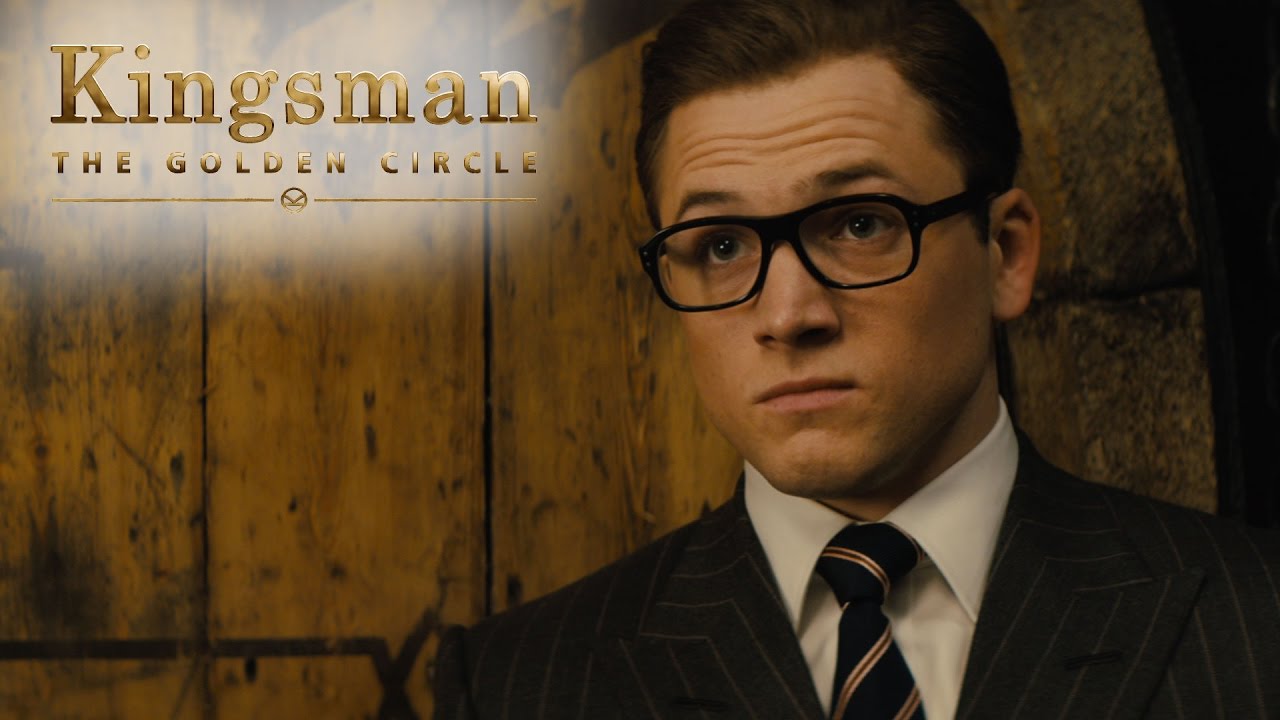
KINGSMAN: THE GOLDEN CIRCLE (2017)
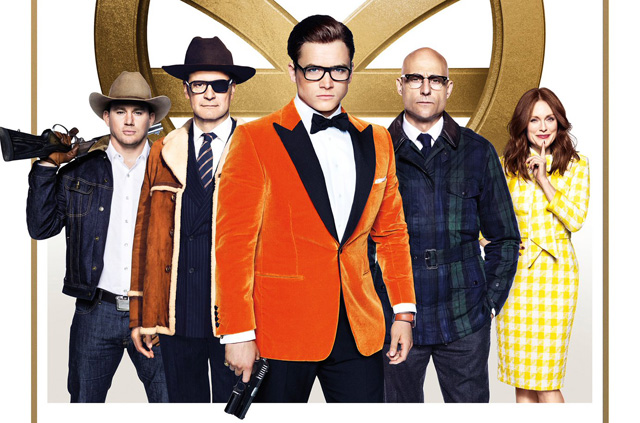
The first Kingsman: The Secret Service (2014) film was one of my favourite genre films of the past couple of years. It showed a clean pair of spy heels to the, occasionally brilliant but overlong Bond disappointment Spectre (2015); while at the same time confirming Taron Egerton as an actor with great star potential. Having done the business at the box office then Jane Goldman and Matthew Vaughan have once again written and directed an explosive, funny, pacey and adrenaline-filled spy spoof sequel.
In this story, Eggsy / Galahad is back with Merlin (Mark Strong), battling with the United States counterparts The Statesmen, against Julianne Moore’s perky, yet deranged, Americana obsessed drug baroness. The Statesmen are represented by such heavyweight acting talent in Jeff Bridges and a cracking turn from Pedro Pascal as the hilariously named Jack Daniels. Channing Tatum pops up too but he is lightweight compared to the effervescent Pascal. Poppy’s fiendish plot is actually quite a decent motivation for the story and the subplot involving a Lazarus-type-return from a major character from the first film is well developed.
To be honest the story is just the bare bones to hang a series of fantastic set-pieces, car chases, shoot-outs and fights, as Eggsy and his kick-ass team once again attempt to thwart the end-of-civilisation as we know it. My main criticism is the film is probably too long with an unnecessary gratuitous sex-driven sequence set in the Glastonbury Festival. It also lacks that sense of characterisation from the first film which had the working class underdog Eggsy battling the upper-class sneers of the over-privileged. Nonetheless, Matthew Vaughan is a great gag-heavy-action-director and the plot has some decent twists and turns throughout making it well worth a watch.
(Mark: 8 out of 11)
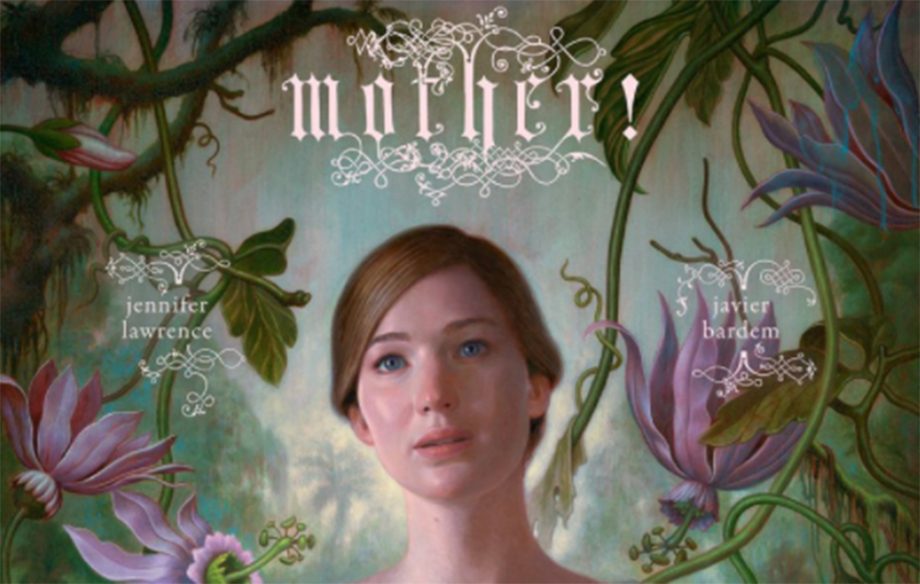
MOTHER (2017)
While Darren Aronofsky is a cinematic artist of the highest level, I connected badly with this two-hours-of-hell-excuse-for-entertainment. My full review can be found here but, in a nutshell, this is what I thought of it:
“It was an awful, pretentious heap of a film which exists as an entertainment void both nihilistic and dull. Because this film abuses the privilege and patience of the audience delivering a technically brilliant but overall clichéd, first-world-problems-poet-with-writer’s-block-world-murdering-art-fan-hating two hours I will never get back.”
Mark: 5 out of 11 (for the film) Mark: 9.5 out of 11 (for Darren Aronofsky)
WIND RIVER (2017)
Taylor Sheridan has carved himself a fine reputation for writing very solid character driven genre films such as Sicario (2015) and Hell or High Water (2016). Wind River (2017) is his first writer-director effort and it is a fascinating study of: grief, murder, racial tension and dark humanity. Sheridan is adept at choosing specific areas of America with which to place his stories. Sicario reflected on the war on drugs, located betwixt the violent border of Mexico and the U.S.A. Hell and High Water illustrated the financial ruin of the sub-prime mortgage crash and its effect on West Texas. In his latest screenplay Sheridan focusses on the Indian Reservation territories of Wyoming and the people who inhabit the stark wintry landscapes.
The quietly impressive Jeremy Renner, as Cory Lambert, takes most of the acting plaudits as the respected, expert tracker and estranged family man. He is an individual who, while in perpetual control on the external Reservations and snowy terrain, finds himself crumbling internally due a horrific event from his past. Renner is ably supported by his Avengers co-star, Elizabeth Olsen, who imbues the rookie FBI agent with a steely determination, despite her lack of experience and confidence. The portrayal of the Native Americans I feel was sensitively presented as their lives are further marginalized by corporate America as its venal greed destroys the environment and humanity within the area. While this is a beautifully looking film there is a dark murderous heart within the stunning vistas and natural beauty.
Sheridan again confirms he is adept at combining social commentary with an impressive crime plot. Moreover, throughout the film he also bleeds in a compelling study of grief as well as a subtle critique of patriarchal capitalism and its’ destruction of the Native American’s land and people. Yet, the message could arguably have gone further in its criticism; however, as he proved with his prior screenplays Sheridan prefers subtext and a rising tension rather than polemics. Quietly, Sheridan is building an impressive filmic body of work and Wind River manages to be a thrilling police procedural drama, empathetic character study and socio-political examination of American corruption; all amidst the cold, harsh and white-washed landscapes of Wyoming.
MY BLOODY VALENTINE: ALTERNATIVE VISIONS OF LOVE IN THE HORROR GENRE
“Love is giving something you don’t have to someone who doesn’t want it.”
― Jacques Lacan
I continue to write articles for the excellent So The Theory Goes website and here once again is a slightly more academic approach to film analysis. You can read it here or below.
An eternal question in our society still remains: what is love? Is it the joining together of two people forever committed to a relationship built on respect and trust? Or is it the emotion you feel for a family member or person you have bonded with over time? Is it nature’s way of tricking us into the act of pro-creation? Perhaps it’s an abstract and emotional concept created by a higher power to ensure we act positively? For some it could be a dark force which enlivens obsession and stalking and violence or maybe it’s a marketing delusion forced upon us by greedy advertisers, florists and chocolate vendors? Maybe it’s simply all of the above!?
Studies by Helen Fisher of Rutgers University propose that we fall in love in three stages involving a different set of chemicals. They are: lust, attraction and attachment. Indeed, the events occurring in our mind when we fall in love are akin to mental illness. Chemicals such as: testosterone, oestrogen, dopamine, serotonin all conflict and combine to change our emotions when we’re attracted to someone. Further studies show that when choosing a partner we are at the mercy of our subconscious and inner sexual desires as proffered in psychoanalytical studies.
Love and sexual desire are a big part of everybody’s lives whether it’s the positive or negative and indeed the continuance of the species is very much reliant on it. Moreover, love or the lack of love has provided the springboard for millions of stories, films, plays, songs, poems, slogans, TV show and adverts! Conversely the horror film genre, while not synonymous with romantic love, often explores the darker side of relationships and sexuality. Indeed, as a cultural phenomenon the horror genre is wholly malleable in its narrative omni-presentation; criss-crossing literary, theatrical, dance and televisual culture offerings.
Horror intends to elicit a physiological reaction through stress and shock while presenting: monsters, ghosts, aliens, the fantastic, the supernatural, murderers, bloody gore, kidnappings, mutilation, witches, zombies, psychopaths, natural and unnatural phenomenon, demons and many more aspects which draw on our inner, societal and global fears. But what of love and how is it represented in the horror genre? For this article I would like explore notions of love and sexuality within horror cinema. I will draw on genre, gender, feminist and psychoanalytic theories and how they can be applied within the chosen films. So, if you want an alternative to the usual Valentines-clichéd-cosy-rose-petal-drenched-chocolate-card-Love-Actually-type-movies, then these films are ones you should consider.
**CONTAINS SPOILERS**
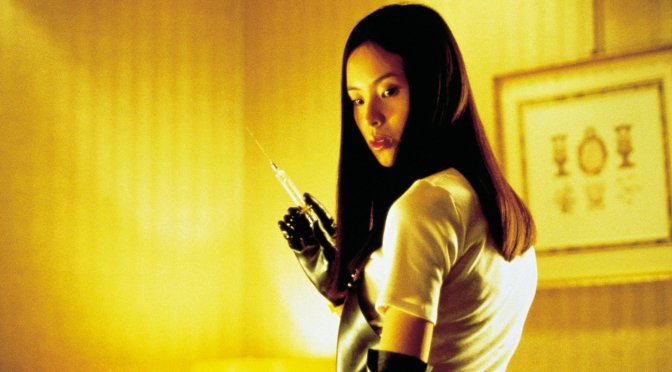
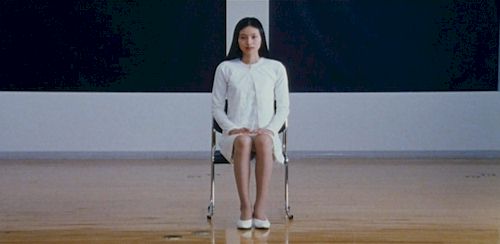
AUDITION (1999) – DIRECTOR: TAKASHI MIIKE
It would be unfair to label Miike’s gory shocker a simplistic example of ‘torture porn’. It is in fact an incredibly scary and inventive revenge satire. In her highly influential essay, Visual Pleasure and Narrative Cinema, Laura Mulvey commits the powerful theory that cinema is coded via the “Male Gaze”. According to Mulvey, “. . . pleasure in looking has been split between active/male and passive/female.”
Yet, while beginning with this dynamic, Audition turns it around with the female anti-heroine Asami reversing the gaze on her male contemporaries. What starts as one man’s attempt to find a wife, via his own creepy version of the casting couch, is turned into a violent proto-feminist-carve-up-par-excellence as Asami cuts and slices her male victims with vicious aplomb.
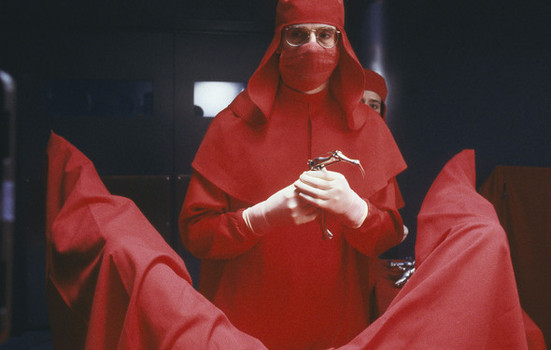
DEAD RINGERS (1988) – DIRECTOR: DAVID CRONENBERG
Freud’s work on the unconscious, dreams, repression and psychosexual stages is, of course, incredibly influential on both psychology, psychoanalysis and film theory. His concept of the unconscious feeding our everyday and the idea that repressed emotions drive our motivations is none more prevalent than in Cronenberg’s exquisite Dead Ringers.
In this psycho-incestuous-ménage-a-trois-love story, twin gynaecologists portrayed by Jeremy Irons, literally split and repress their identities in order to “romance” the same women. The film is a masterwork and encapsulates many of Freud’s theories relating to the Id, ego and superego; while the doppelganger theme also looms heavily over a dark, psychosexual and twisted narrative.
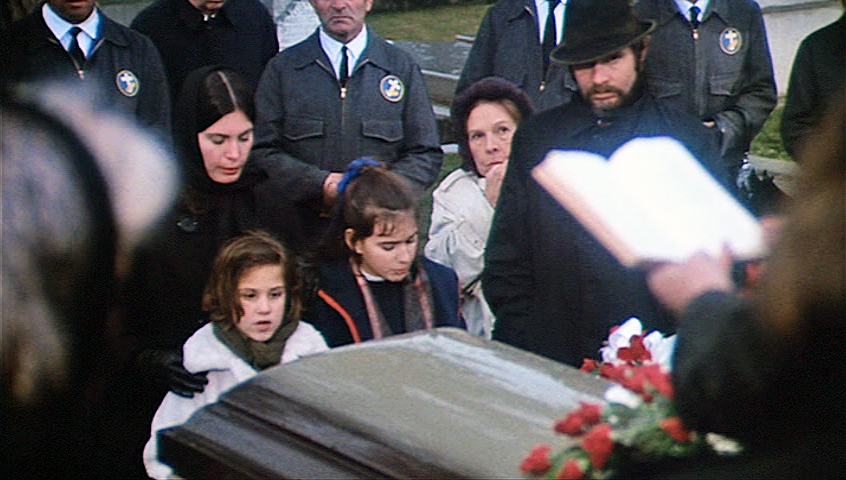
HAROLD & MAUDE (1971) – DIRCTOR: HAL ASHBY
While not technically a horror film as such Harold and Maude is a wonderful off-centre, gothic love story. The eponymous anti-hero cannot connect with his family and the world at large and through constant fake suicides he tortures his mother to the point of breakdown. It is only when Harold (Bud Cort) meets an eccentric older lady Maude (Ruth Gordon) does he begin to find some maturation. The film could be argued to embody many of the Freudian aspects of the Oedipal Complex.
Trevor Pedersen opines, “The Oedipus complex, in narcissistic terms, represents that an individual can lose the ability to take a parental-substitute into his ego ideal without ambivalence.” Indeed, through his unconventional relationship with Maude, who represents both love and death, Harold locates a maternal replacement, friend and platonic lover who brings him out of his depressed state.
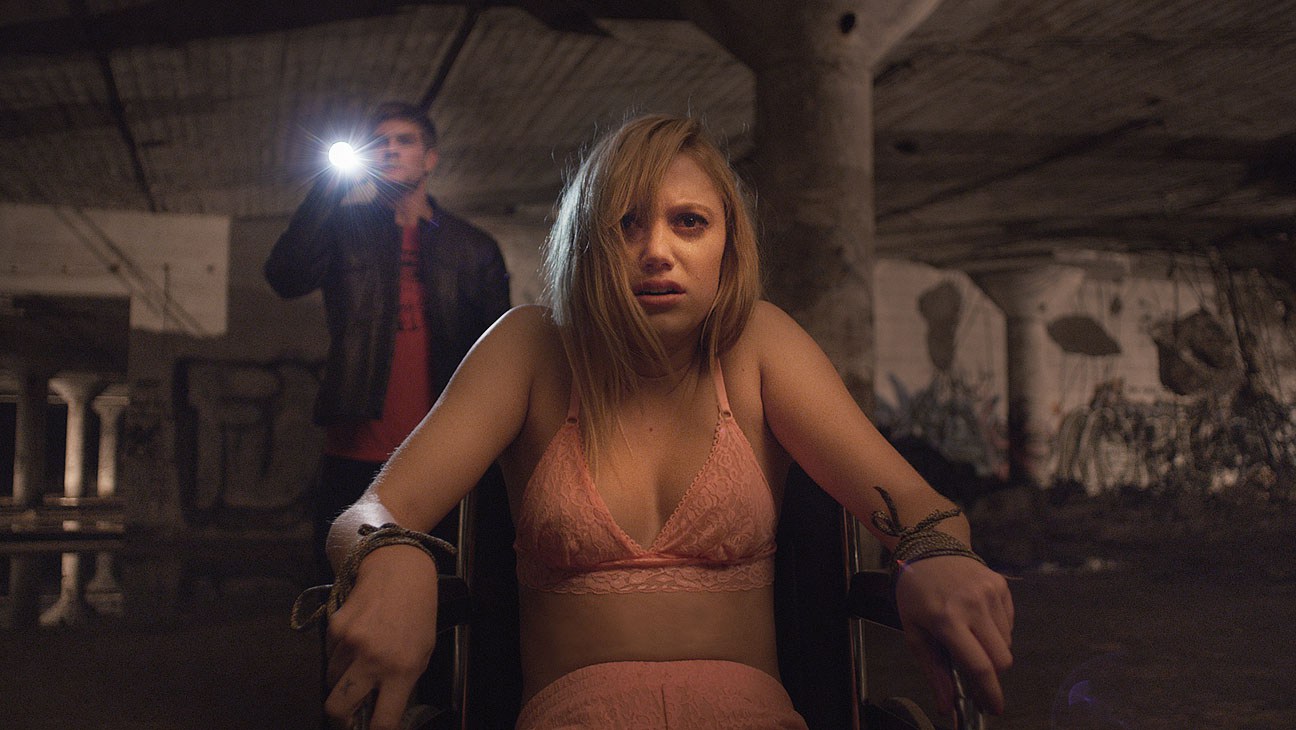
IT FOLLOWS (2014) – DIRECTOR: DAVID ROBERT MITCHELL
Mitchell’s low budget psychological horror gem contains many of the hallmarks of the ‘slasher’ subgenre which can be enshrined with the general trope, according to scholar Robin Wood, that teenagers, invariably female, are hunted down for their promiscuity. What makes It Follows such an intriguing anti-date movie is that we never see the actual evil force propelling the murders.
Maika Monroe’s heroine, Jay, finds herself in a chain of deathly sexuality which she can only break through further intercourse. Jay therefore becomes an epitome of what Carol Clover calls ‘The Final Girl’ in her marvellously titled book, Men, Women and Chainsaws. Ultimately, It Follows subverts the ‘slasher’ tropes with a symbolic metaphysical force rather than a physical monster, as the “killer” ultimately represents sexual hysteria, guilt and the malevolent force of youthful sexual abandon.
LET THE RIGHT ONE IN (2008) – TOMAS ALFREDSON
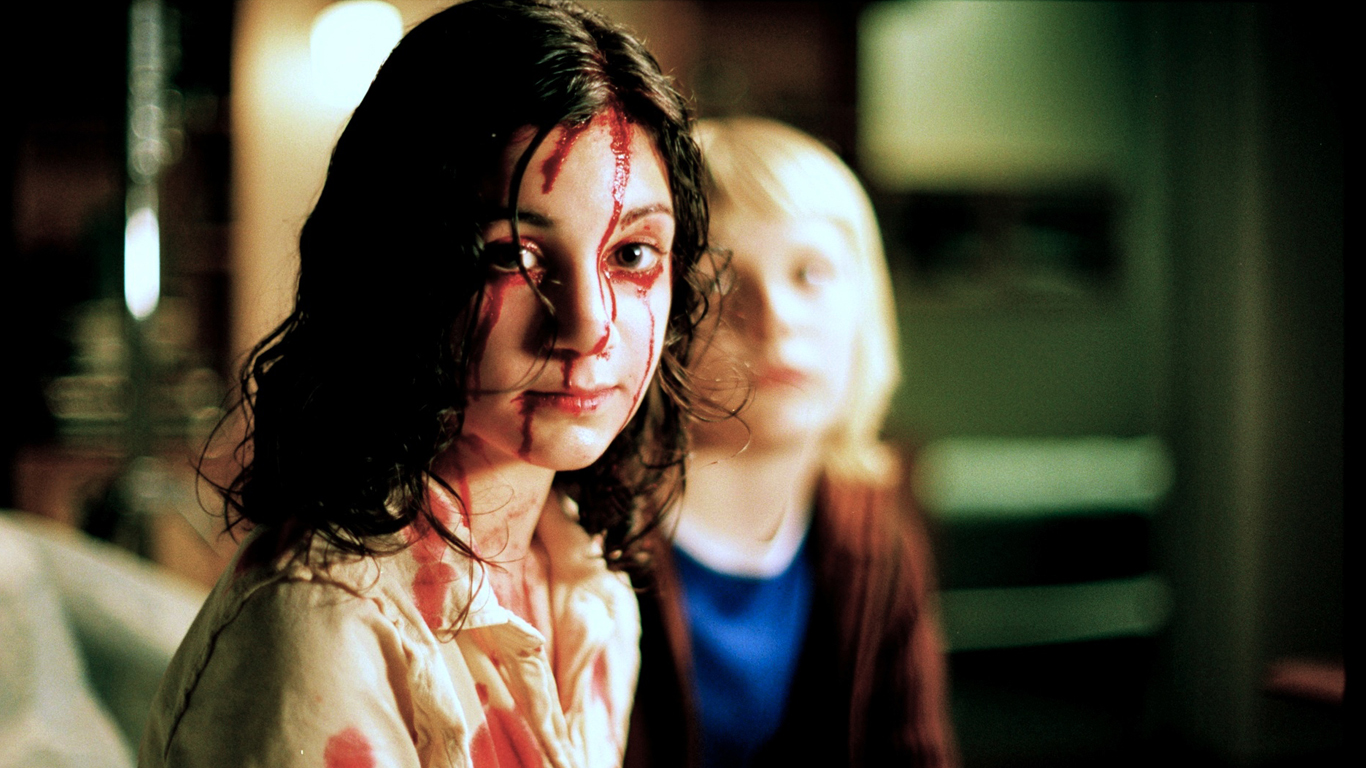
Ever since Bram Stoker’s classic novel Dracula was published we have welcomed, with fear and excitement, the vampire into our culture. Stoker’s Count Dracula was viewed as an inhuman force of destruction; as well as a metaphoric representation of sexual fervour. The vampire character is never more mesmeric and complex than in Let the Right One In. This is a sophisticated rites-of-passage-romance where a teenage boy, marginalised by his peers and family life, falls in love with a young female vampire.
However, the girl is clearly older than her looks, as the narrative bears the hallmarks of a Freudian sexual awakening for our protagonist Oskar (Kåre Hedebrant). In Eli (Lina Leandersson) Oskar finds a combination of: maternal protector, platonic companion and potential sexual partner within a complex psycho-sexual drama with hints of latent paedophilia. Of course, despite these sensitive themes under the surface, the film ultimately triumphs as a beautifully rendered story of innocence, love and friendship.
PSYCHO (1961) – DIRECTOR: ALFRED HITCHCOCK
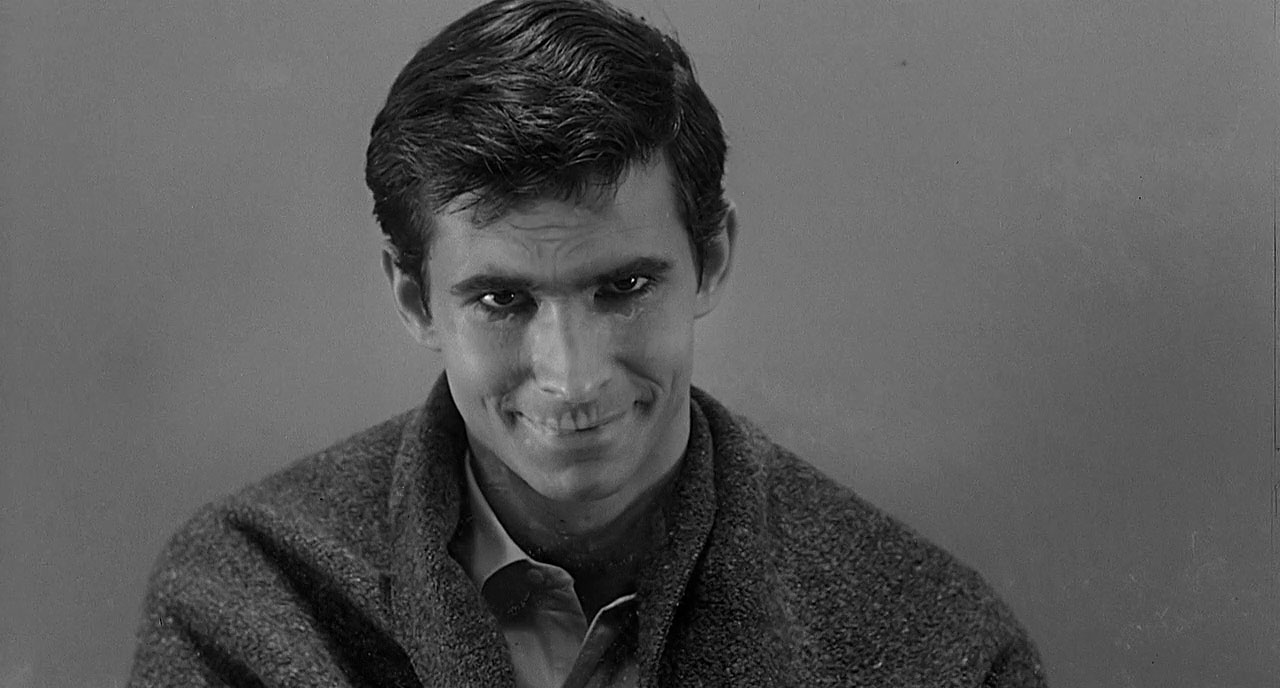
Arguably one of the greatest horror films of all time is Psycho. From a Freudian and psychoanalytical perspective, it is an absolute goldmine. The story begins with an robbery by Marion Crane (Janet Leigh) but twists into something altogether nightmarish when she hides out at the Bates Motel. The manager Norman Bates (Anthony Perkins) takes a shine to Marion, only for his “mother” to murder her. Norman’s character is the archetypal representation of the Oedipal Complex. Having killed both his mother and her boyfriend some years before the guilt he feels causes him to “become” Norma Crane in order to disassociate him from his crimes and absorb her identity.
Marion causes Norman’s sexual feelings to arise thus Norma/Norman suddenly appears to repress these desires by murder. Charles E. Bakeland opines that if an individual is unable to reconcile a love-hostility-identification relationship with parents there will be strong desires which will weigh negatively on their relationships. This thematic dynamic makes Psycho’s narrative a psychoanalytical minefield as Norma/Norman battle over her/his mind, causing havoc for those characters they come into contact with.
TEETH (2007) – DIRECTOR: MITCHELL LICHTENSTEIN
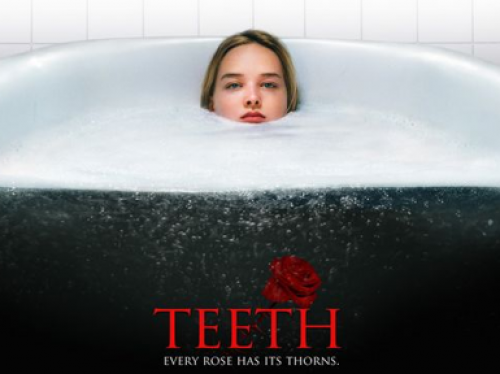
In his excellent book Genre, Stephen Neale argues horror monsters are predominantly defined as male with women as their primary victims. He continues with the idea that, “… it could be maintained that is it women’s sexuality which constitutes the real problem that horror cinema exists to explore.” One such film which reverses these notions in the excellent body horror film Teeth. Mixing body, horror, comedy with coming-of-age movies the main protagonist is a Christian virgin called Dawn (Jess Weixler). During a sexual assault by a college boy she fends him off via “Vagina dentata”; barbed teeth in her reproductive organ.
Played for shock and humour the story presents valid confirmation and subversion of Laura Mulvey’s proposal that women’s absence of a penis threatens male castration and therefore must be disavowed. Offering impressive gender satire within the sexual revenge narrative, Jess’ character refuses to be assimilated by the patriarchal order and comes of age within both her body, personality and sexuality.
CONCLUSION
In my view many of the films mentioned above demonstrate the horror genre is rich with possibilities in regard to representations of love, romance, relationships and sexuality. Through theories relating to psychoanalysis, feminism and genre theory we can begin to dip beneath the surface of the darkness of love and humanity. Both masculine and feminine sexuality and identity are constantly in crisis and under threat of death and disease, demonstrating that the path to true love is never straight but more often than not, wholly twisted.
GAME OF THRONES – SEASON 7 REVIEW & RANDOM THOUGHTS
**ABSOLUTELY NO SPOILERS**
I’ll be honest: in my younger days of arrogance or confidence or know-it-all-prideful-youth – whatever you want to call it – I used to be an ultra-critical, negative and a bit of a spoilt moaner. But, as my time ticks away ever so slowly and I crawl closer to death, I believe I have grown more mature and reasonable. I remain analytical and active in my viewing and while I am someone who mildly obsesses about certain movies, TV shows, sports and other cultural stuff, I still recoil with embarrassment at the negative hysteria you get online and in social media in regard to life, politics, celebrities, pop videos and more specifically TV programmes or films.
Of late the fury of the Internet “haters” or “trolls” was aimed with fundamental ire at the all-female-led-cast Ghostbusters movie. Who really cared?!? It was an okay film; not great. My main problem was that it was not particularly well written or directed despite the excellent efforts of the cast. In another sexist tirade the online public hacks also attacked the casting of excellent actress Jodie Whittaker as the new Doctor Who. I mean the Doctor is a shape-shifting alien who changes bodies and heaven forbid that, after thirteen men (including John Hurt’s War Doctor) in the role, a woman suddenly be cast!
Why are people so over-the-top with their reactions I ask myself? Maybe they are channelling their life disappointments or existential anger by way of dissociative behaviour. Criticizing these casting decisions could be a way of distancing themselves from the pain of life. Or perhaps the more socially-charged analysts could argue that filmmakers and TV showrunners are cowering to the liberal left and changing such roles to be more PC! Or maybe they are simply just nuts!?
I guess everyone is entitled to an opinion and the Internet, for better or worse, has given power to those opinions. I just don’t understand why people get so angry though! I mean some of the criticisms aimed at the latest season of Game of Thrones were admittedly erudite and thoughtful; however, much of the wrath toward the writers ranged from the silly to the furious to nit-picking pedantry of the highest order. It’s as if the online villagers of YouTube, Facebook and Twitter had been sharpening their pitchforks and lighting their torches before the show had even aired.
My view of Game of Thrones is simple. The first six seasons gave me some of the greatest televisual enjoyment I have ever experienced. In terms of character, plotting, dialogue, action, reversals, twists, shocks, romance, performance, political intrigue, editing, direction and jaw-dropping-heart-pounding-tension it is ONE OF THE GREATEST TV SHOWS EVER!
Thus, Season 7 had a lot to live up to and in some ways it has been a victim of its own success. When you raise the bar that high it is of no surprise if such heights dip on occasions. Having said that I thought Season 7 was fantastic TV; and I’m not the only one. It was seven episodes of brilliant entertainment with too many wonderful moments to mention. But the online village hordes were quick to complain with vehement cries of “Burn the Writers!” Moans included:
The writing’s not as good as the earlier Seasons!
George R. R. Martin’s careful characterisation and plots have gone!
The pace is TOO quick compared to the prior Seasons!
Too many character reunions!
The map has been compressed and characters seem to teleport!
Too many plot-holes and character inconsistencies.
The White Walkers / Night King enemy are too one-dimensional.
It’s just not as good as the books!
It’s become too predictable!
Show-runners D.B. Weiss and David Benioff are the Anti-Christ!
While I agree in regard to the geographical shifts of characters and speeding up of the plot points is different to the previous Seasons, I don’t believe the entertainment value has been lost; in fact it has been heightened. I also don’t agree that the writing is bad. The show, having built up much good faith in the earlier more politically charged Seasons has now shifted to a faster more cinematic pace rather than the steady literary tread of George R. R. Martin’s work. Of course, the book is ALWAYS better than the film or show as a rule but it’s a different medium altogether. We’re reaching the end of the show and the characters’ arcs are peaking toward denouement so the increased pace is understandable. In regard to predictability, well, there’s only one way the whole show was going and the battle between Ice and Fire has been on the cards since the first episode! WINTER IS HERE!! I realise many are disappointed in this shift having committed many hours to watching the show; but I honestly think the show remains as powerful as ever.
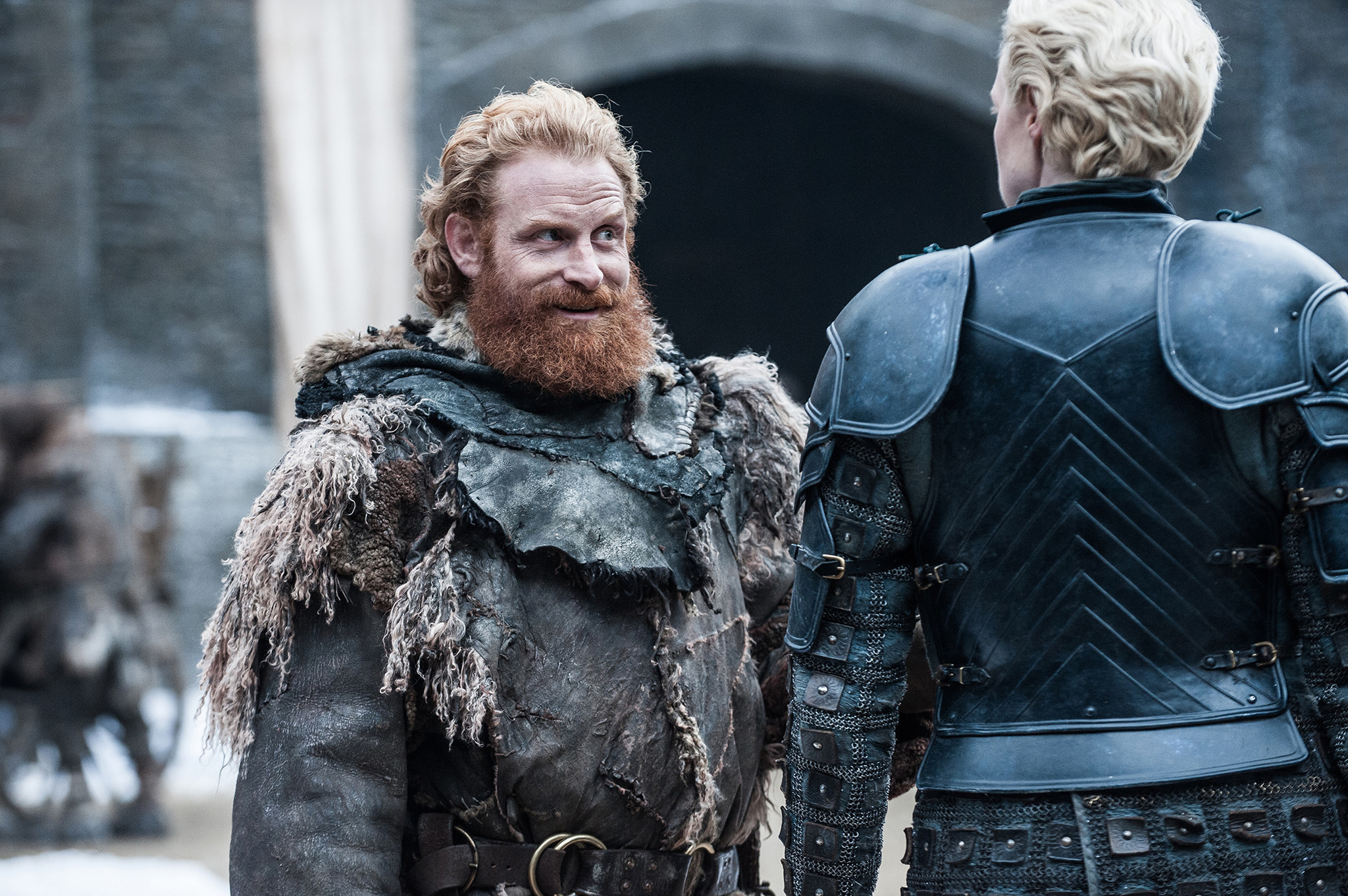
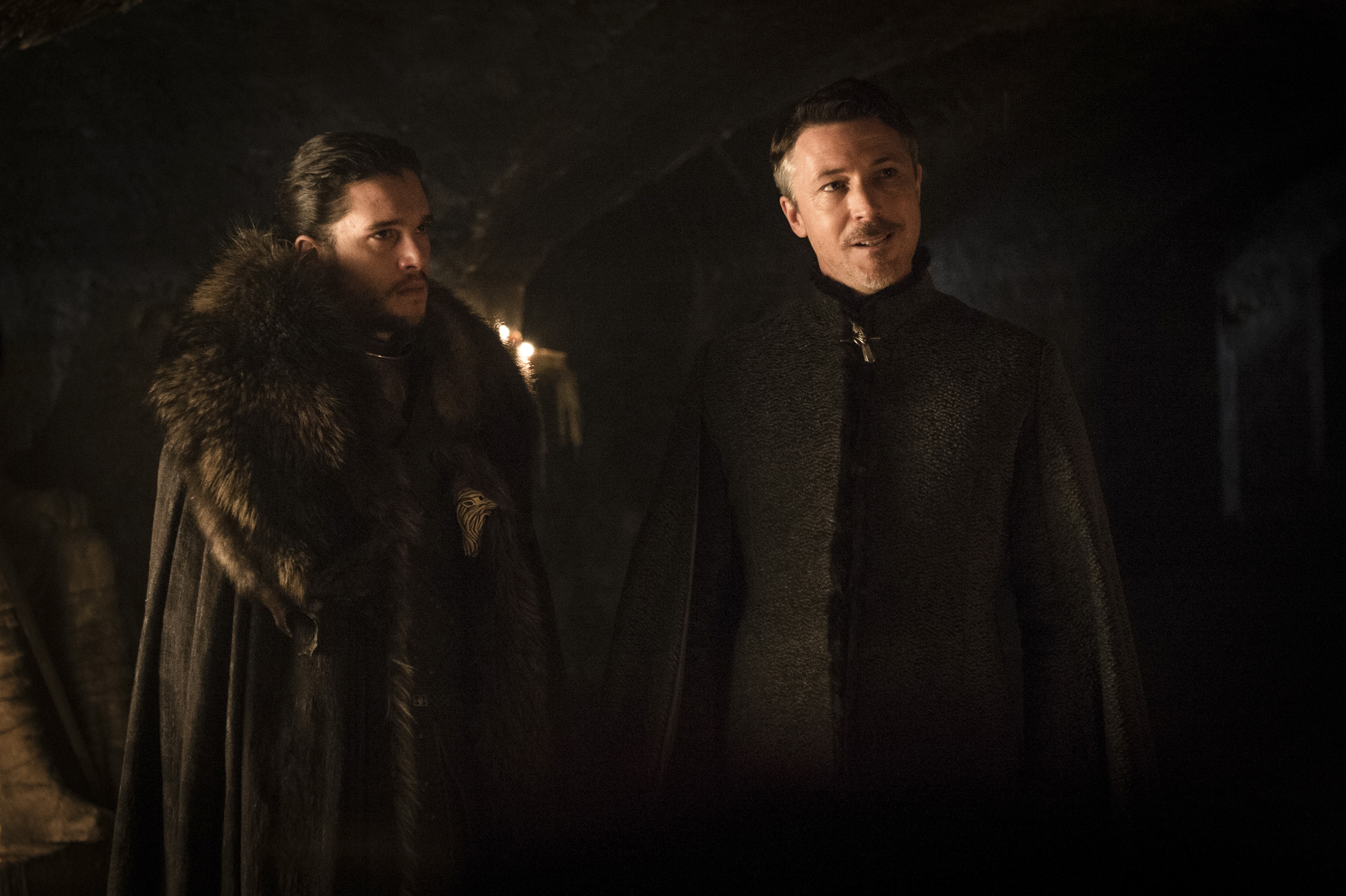
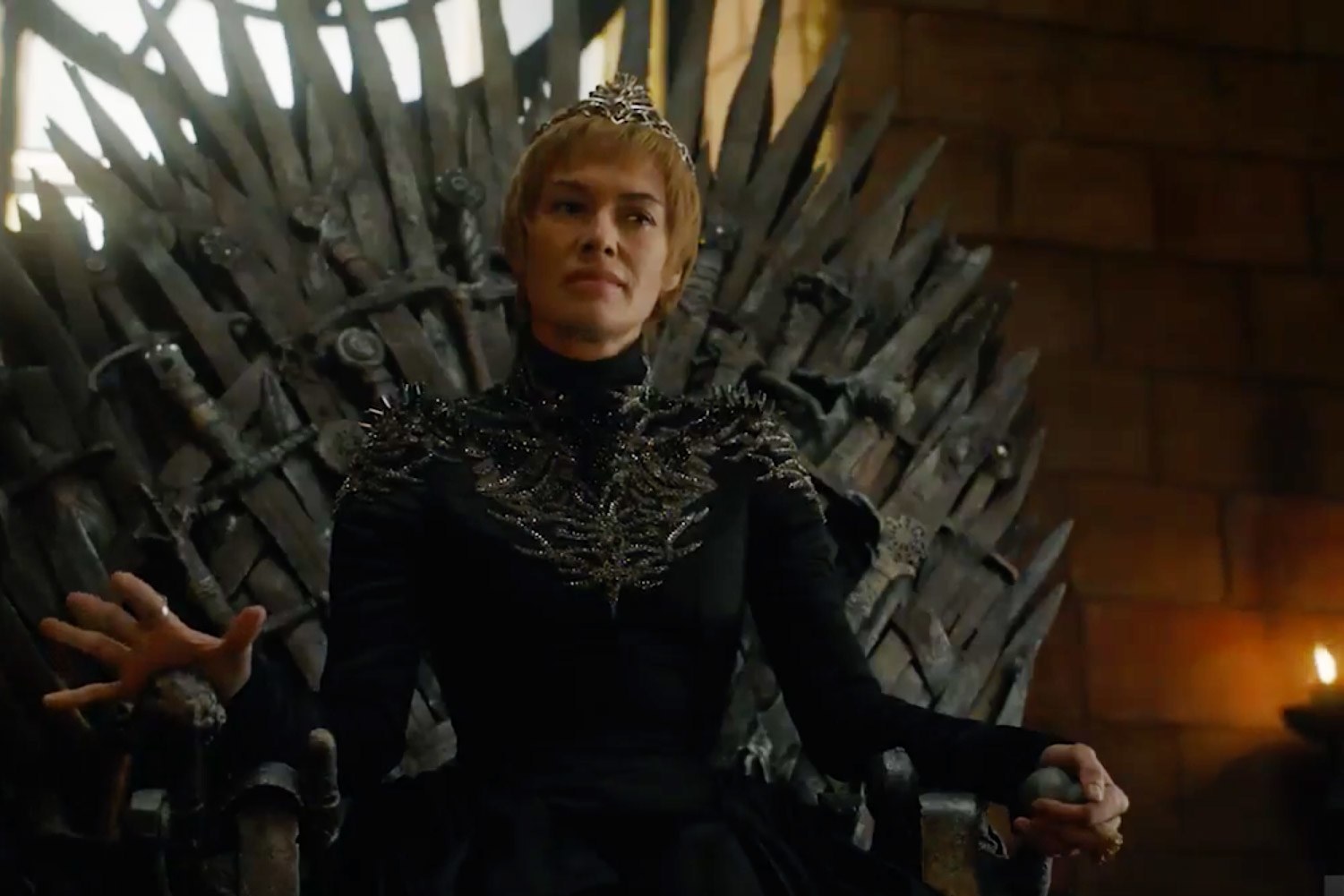
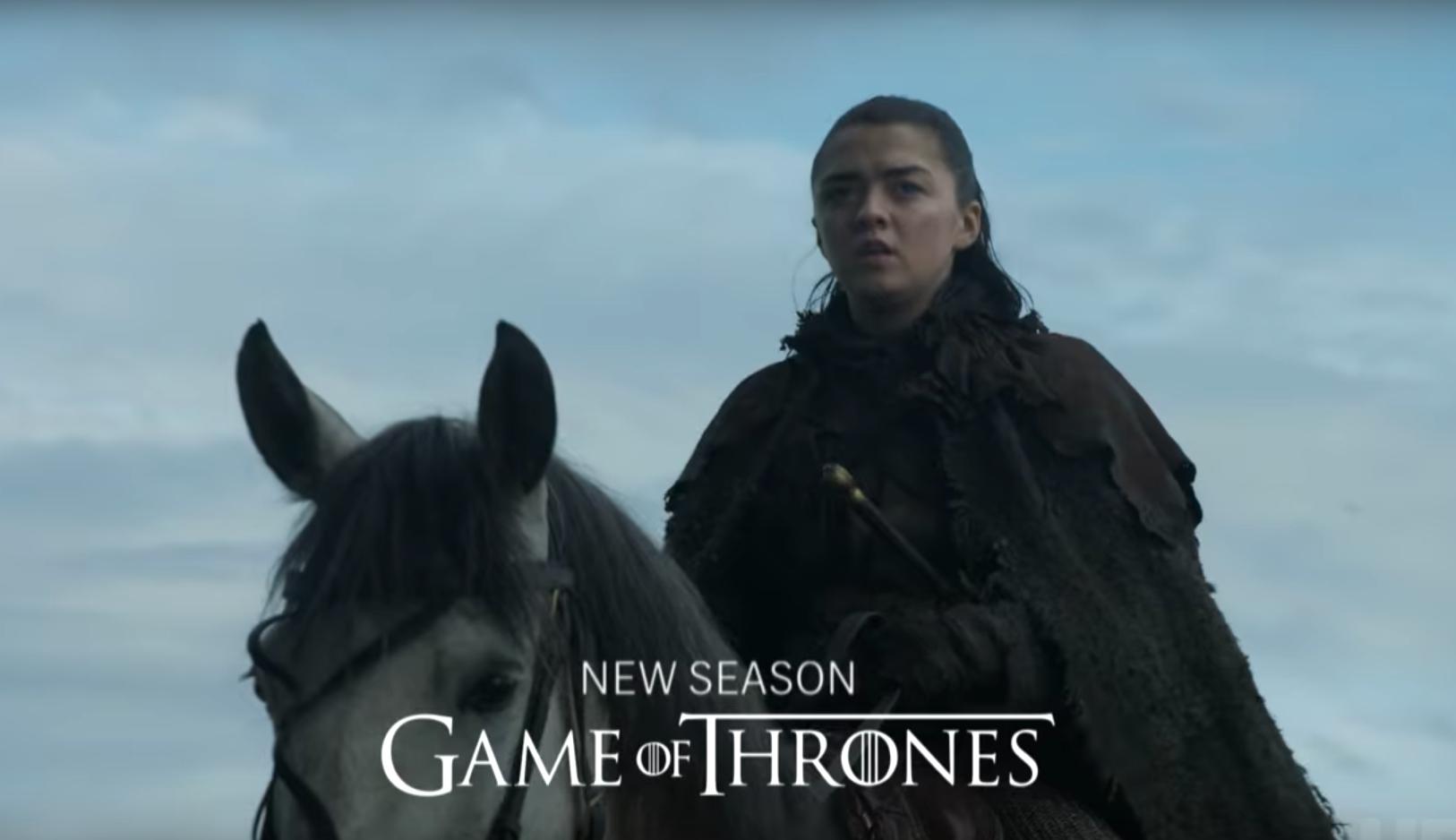
EVERYONE is now a screenwriter and while it is much fun to decide how you want the characters you love to behave, just because they do something slightly different to what you, or George R.R. Martin would do, it doesn’t mean it is bad writing or illogical. On the contrary Season 7 contained some exciting writing and an incredible amount of memorable moments. These included: Daenerys’ dragons wreaking havoc; the magnificent masculine mission beyond the Wall; Oleanna and Jamie’s words; Cersei’s continued despotic mania; a summit meeting between many of our major characters; the Hound; Jorah’s redemption; Arya’s special set of skills;the Night King and his horde; Jamie’s doubts; Brienne’s loyalty; the weirdo Bran; and all manner of incredible battle scenes on sea, air, ice and land.
These sequences plus many more and the great direction, acting, design and character twists throughout meant that I was transfixed from start to finish. I do agree that at times it felt rushed in places and ten episodes would have fleshed out some of the more temporal issues. But hey, it was still amazing from my perspective.
Game of Thrones, ultimately is a TV programmes with dragons and zombies and in between human beings attempting to out-plot and out-kill each other. I agree there was a more Shakespearean feel to the earlier episodes and we have experienced a shift from a literary style to the cinematic. However, I couldn’t care less and would advise the armchair screenwriters, clickbait critics and online trolls to cease bitching and stop watching the show if you don’t enjoy it any more. Because unlike this highly entertaining show YOU ARE GETTING VERY BORING!
It’s been a busy July for decent cinema releases and my Odeon Limitless card has been earning its dough somewhat! So I decided to compress the reviews into one manageable article and here they are in order of film preference with the usual marks out of 11!
**CONTAINS MINIMAL SPOILERS**
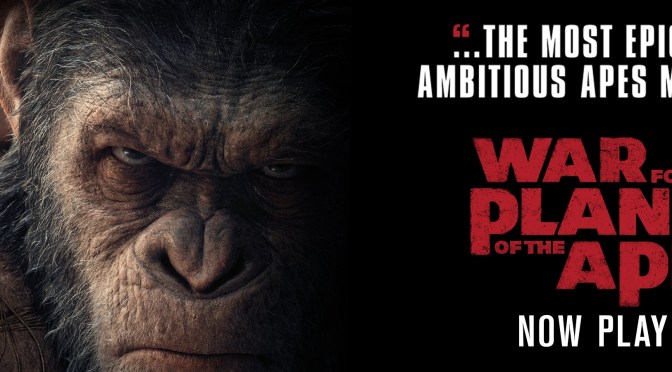
WAR FOR THE PLANET OF THE APES (2017)
The final part in the prequel trilogy to the movie classic Planet of the Apes (1968) is an apocalyptic epic which had me gripped from start to finish. The story continues a few years after Koba’s rebellion caused further catastrophic events between humans and apes. We find Caesar and his guerrilla army attempting to protect their families from Woody Harrelson’s obsessive Kurtz-like figure The Colonel. When The Colonel causes irreparable damage to Caesar’s clan he sets out on an epic journey to free the apes from their fascistic human captors.
Aside from some convenient plotting for pace, director Matt Reeves and co-writer Mark Bomback have constructed a superb and compelling story which echoes the epic glory of cinema classics such as: The Searchers (1956), Dr Zhivago (1965), The Great Escape (1963), Spartacus (1960), Apocalypse Now (1979); and even the Biblical story of Moses. Andy Serkis is incredible once again as the noble Caesar and his determined, proud and intelligent character is someone we really root for. Special mention to Steve Zahn too who plays the likeable fool, Bad Ape, adding welcome comic relief to the heavy drama and pulsating action.
The cinematography from Michael Seresin’s lense is exquisite as snowy, beach and woodland landscapes provide a beautiful counterpoint to the chaos of war. Moreover, the action set-pieces are breath-taking with expertly staged composition and crisp editing while the motion-capture effects brilliantly support the story. In between the emotional moments hit home too as Matt Reeves and his team have fashioned a big film with an even bigger heart. Overall, this is one of the best cinematic experiences I have had all year as story, style, technology and emotion all work together to bring a fitting end to one of the best film trilogies committed to celluloid.
(Mark: 9.5 out of 11)
SPIDERMAN: HOMECOMING (2017)
Oh no!! Not another Spiderman film!! But don’t panic as this one is presented from within the Marvel Universe! Following quickly after the events of Captain America: Civil War (2016), Tom Holland’s eager arachnid-kid literally bounces off the walls waiting for an assignment from his mentor Tony Stark (Downey Jnr in a cameo-plus-style appearance). However, he’s palmed off with overgrown babysitter Happy (Jon Favreau) and here’s when Peter Parker gets in a pickle by ignoring the adults and going out to play on his own.
With some tremendous set-pieces on the Staten Island Ferry and at the Washington Monument the action really fizzes along and raises the pulse throughout. Having said that the final explosive action set at night was poorly lit in my view rendering the action almost incomprehensible. In between, the high school scenes are very funny, notably Jacob Balaton’s Spidey sidekick, and Peter’s impatient and chaotic teen characterisation was very well drawn. Yet, it is Michael Keaton as the scavenging Vulture who absolutely steals the show. His performance as gritty, working-class and angry antagonist, Adrian Toomes adds shades of dramatic grey to an otherwise shiny and colourful narrative.
While not quite shaking the feeling of creative ennui and Spidey overkill, Homecoming still manages to hit many of the heights reached by Marvel’s sparkling stable of comic-book stars. Newish filmmaker Jon Watt, who directed the brilliant, low-budget film Cop Car (2015), handles it all with some verve and humour while delivering a humdinger of an end of second act dramatic twist. Having seen him recently in Wolf Hall (2015) and The Lost City of Z (2016), Tom Holland confirms himself a bona fide star, and is fantastic as everyone’s favourite neighbourhood spider.
(Mark: 8 out of 11)
IT COMES AT NIGHT (2017)
This haunting post-viral apocalyptic nightmare of a film drips with dread, suspense and bloody heartache throughout. It concerns Joel Edgerton’s everyman who, along with his wife and son, are attempting to survive in their battered and isolated woodland home. Paranoia is a key fuel for the characters’ lives as they follow strict rules of wearing gloves, washing hands, burning bodies and not leaving the house at night. When their space is invaded by Will (Christopher Abbott), his wife and child, the families all form an uneasy pact; yet it is not too long before peace gives way to disharmony and recrimination.
Trey Edward Schults directs the hell out of this low-budget gem with the skill of a way more experienced filmmaker. He creates an eerie, dark and hallucinatory vision which, while lacking in expositional clarity, more than makes up for in atmospheric visuals and human drama. The film glides along at a creepy pace and builds to what feels should be a cathartic and dramatic peak. However, the ending left me slightly disappointed as it was too poetic. I was okay with the mysterious narrative elements such as not knowing the cause of the virus, but I felt that a more traditional horror conclusion would have made it a much better film. Still, Schults is a director to watch out for but being a horror whore myself I wanted a bit more blood and guts at journey’s end.
(Mark: 7.5 out of 11)
THE BEGUILED (2017)
Colin Farrell portrays a Union Army deserter who hides out in an all-women boarding school featuring an excellent cast including: Nicole Kidman, Elle Fanning, Kirsten Dunst, Oona Laurence, and Angourie Rice. It’s based on a novel by Thomas Cullinan and previously adapted into a 1971 film starring Clint Eastwood. Sofia Coppola’s subtle direction is impressive and this gothic drama has amazing cinematography, costume design and decent performances. However, I felt, by the end, the film was completely lacking in drama, eroticism and suspense.
The build-up over the first hour was fantastic but alas there were no major pay-offs to events relating to repressed sexuality and male-female divide. Moreover, thematically I found Coppola had nothing to say on the Civil War, sexual temptation or the damaging impact of patriarchy in a matriarchal world. She also fails to develop Farrell’s character as Faustian sexual threat and aside from some incredibly beautiful lighting and composition from Phillipe Le Sourd the story just peters out unsatisfactorily in my view.
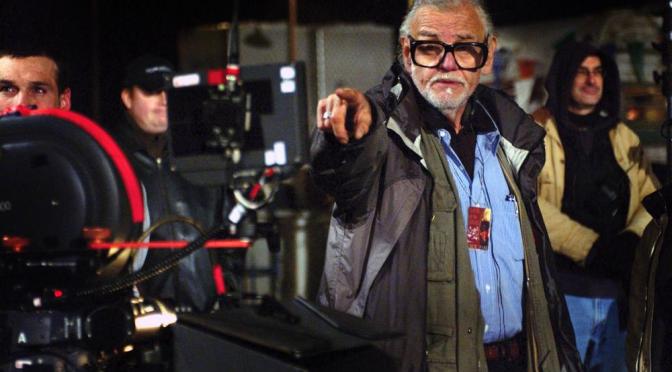
One of the legends of cinema passed away a couple of days ago in George A. Romero. Here was a filmmaker who will always remain an inspiration to me as a movie fan and independent filmmaker.
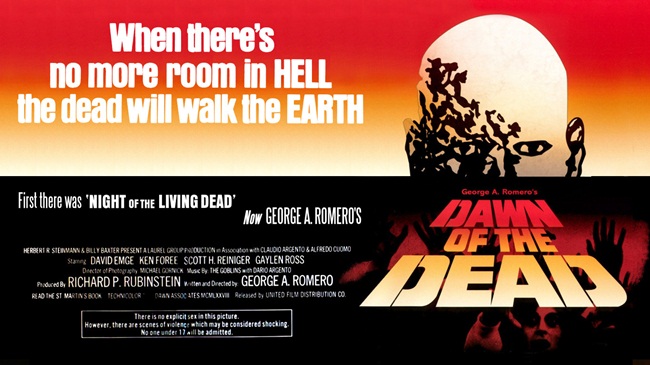
He is most famous for single-handedly inventing the modern day zombie film, however, that, in my opinion is to simplify his legacy. What he achieved on low budgets with films such as: Night of Living Dead (1968), The Crazies (1973), Dawn of the Dead (1978), Martin (1978), Day of the Dead (1985) and more, was nothing short of incredible.
His films indelibly etched images, sounds, music, sequences and of course bloody gore into my mind; some of which I will never forget to this day. Most importantly, though his horror films were of the fantastic variety, they were filled with incredible insight into the socio-political machinations of the day.
Because, George A. Romero knew that the horror on the screen could never match the horrors of war, oppression and death that humanity bestowed upon itself down the years and in the now. For being an independent, intelligent and political filmmaker is how Romero should be remembered.
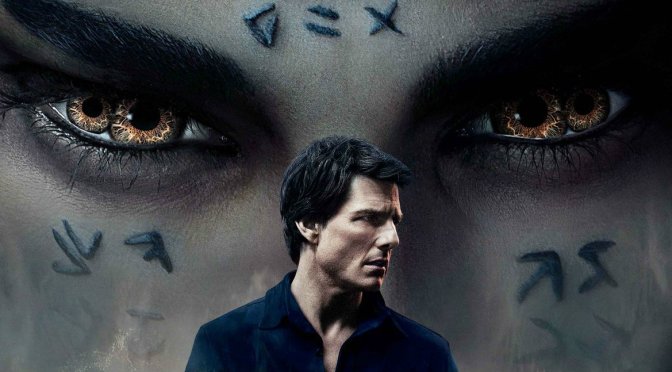
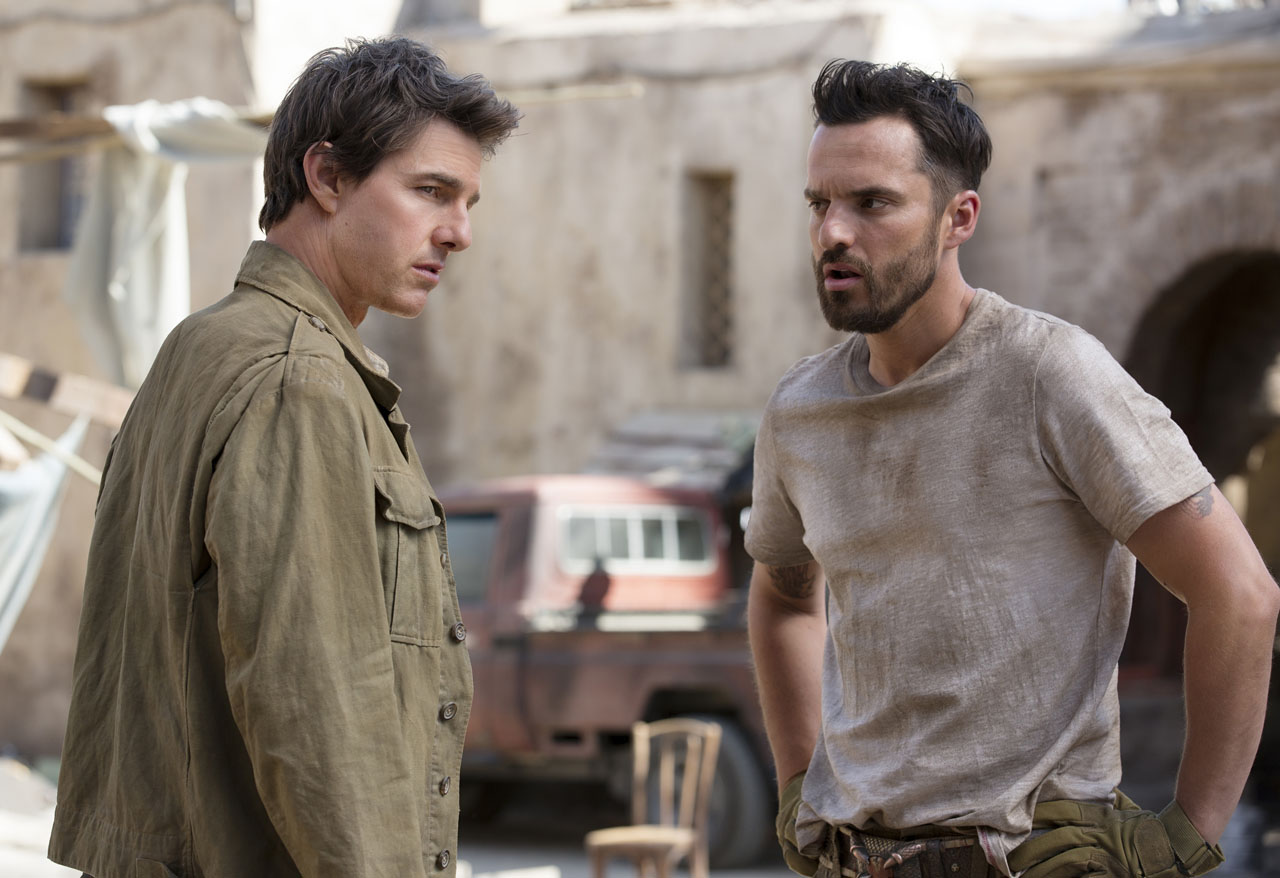
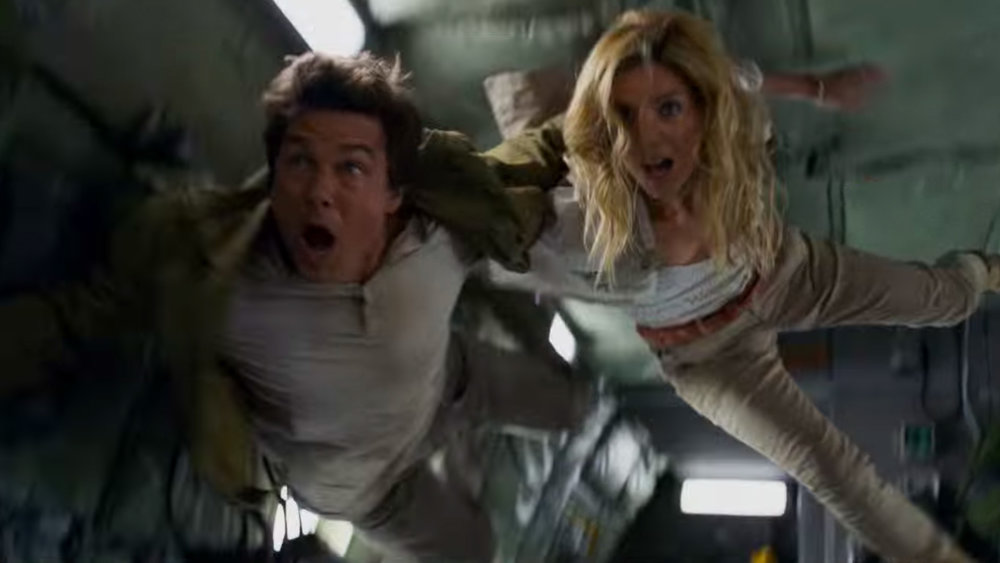
Is The Mummy (2017) an original movie? No! Is Tom Cruise’s latest attempt at a movie franchise a good film? Not particularly! But is it an entertaining-take-your-brain-out-popcorn movie? Yes! Now, of course, film reviews are all about opinions and The Mummy is an average film at best, but compared to some of the blockbusters of recent years such as Batman v. Superman (2016) and Suicide Squad (2016), it at least makes sense and has a decent through-line narrative.
I mean, I watch a lot of films, some great, some okay and some not-so-great and every now and then a film receives a critical pasting it deserves. But sometimes films get a kicking they don’t deserve. I think that bloggers and critics, professional or hobbyists, love the sound of their own voice, keyboard-tapping and ego passing judgement. Indeed, I am no different. To give the thumbs up or thumbs down can be empowering; it’s a lot of fun. Yet, at times one can get so caught up in their higher ideals of film critique and actually apply intelligent analysis to the wrong films. Either that or they just thought the film was crap! But in The Mummy’s case I don’t think it is.
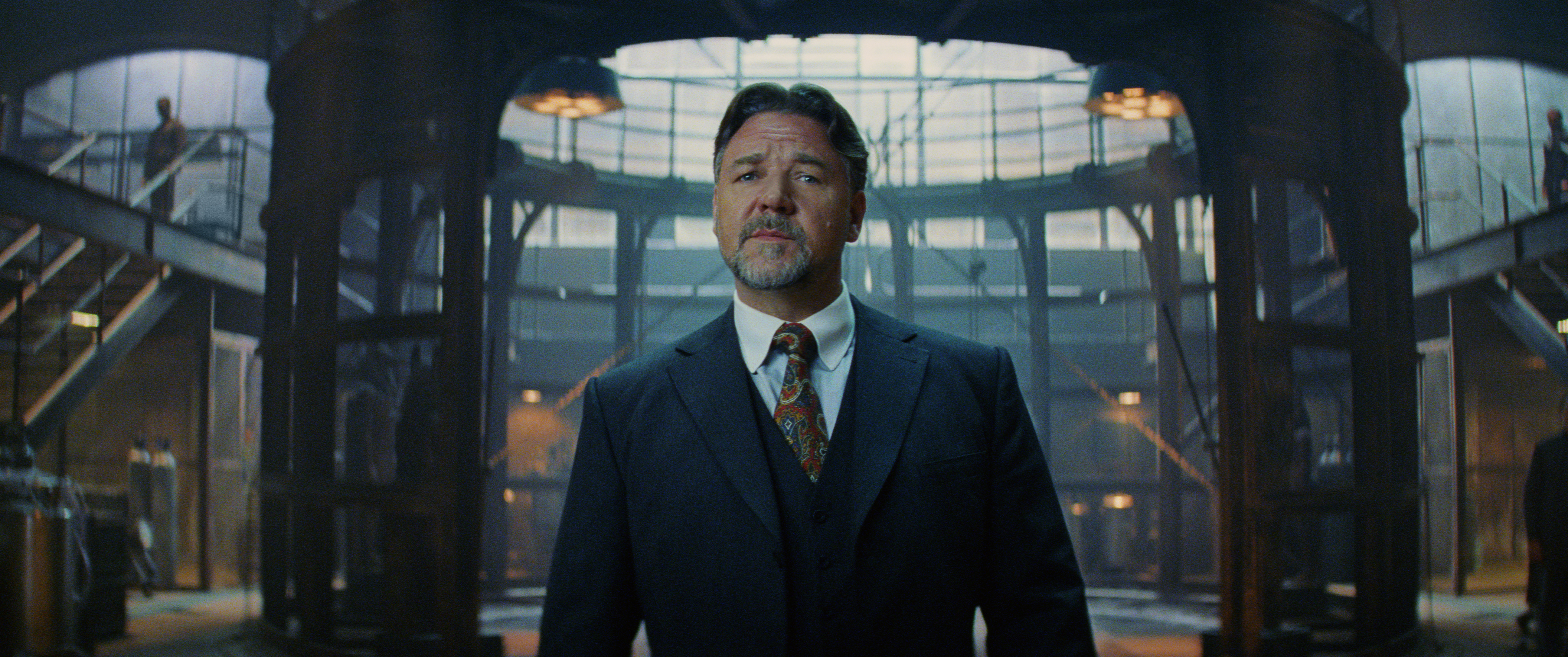
The film kicks off at a fantastic pace and aside from a mid-act breather for some exposition from Russell Crowe’s Dr Jekyll, keeps up the fast action relentlessly. Because, essentially this is all plot, action, jokes and monsters and is NOT MEANT TO BE TAKEN SERIOUSLY! The story is pretty simple and mirrors the Brendan Fraser movies from the late 90s/early 2000s; and any number of Mummy monster films where a hidden tomb is opened up and releases unimaginable horror upon the world. The old Universal Boris Karloff classic from 1932 was a moodier, low-budget and atmospheric affair while this is an altogether whizz-bang-rollercoaster-ride-affair.
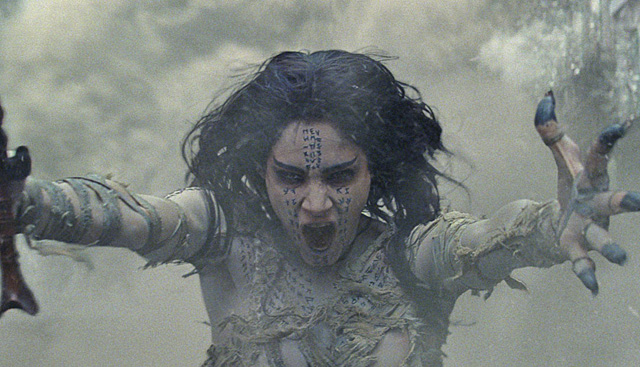
The main protagonist is Tom Cruise’s Nick Morton. He is basically an Indiana Jones meets Ethan Hunt type soldier, who along with his partner Chris Vail (Jake Johnson) is looting Iraq for Saddam’s hidden treasures. Of course, things don’t go according to plan and he and his partner, along with Annabelle Wallis’ fill-in-the-history-dots-archaeologist, unearth a monstrous and murderous Egyptian princess called Ahmanet (striking Sofia Boutella). In recent films such as Kingsman: Secret Service (2014) and Star Trek: Beyond (2016), Boutella has proved herself a physically commanding performer and once again she stands out here.
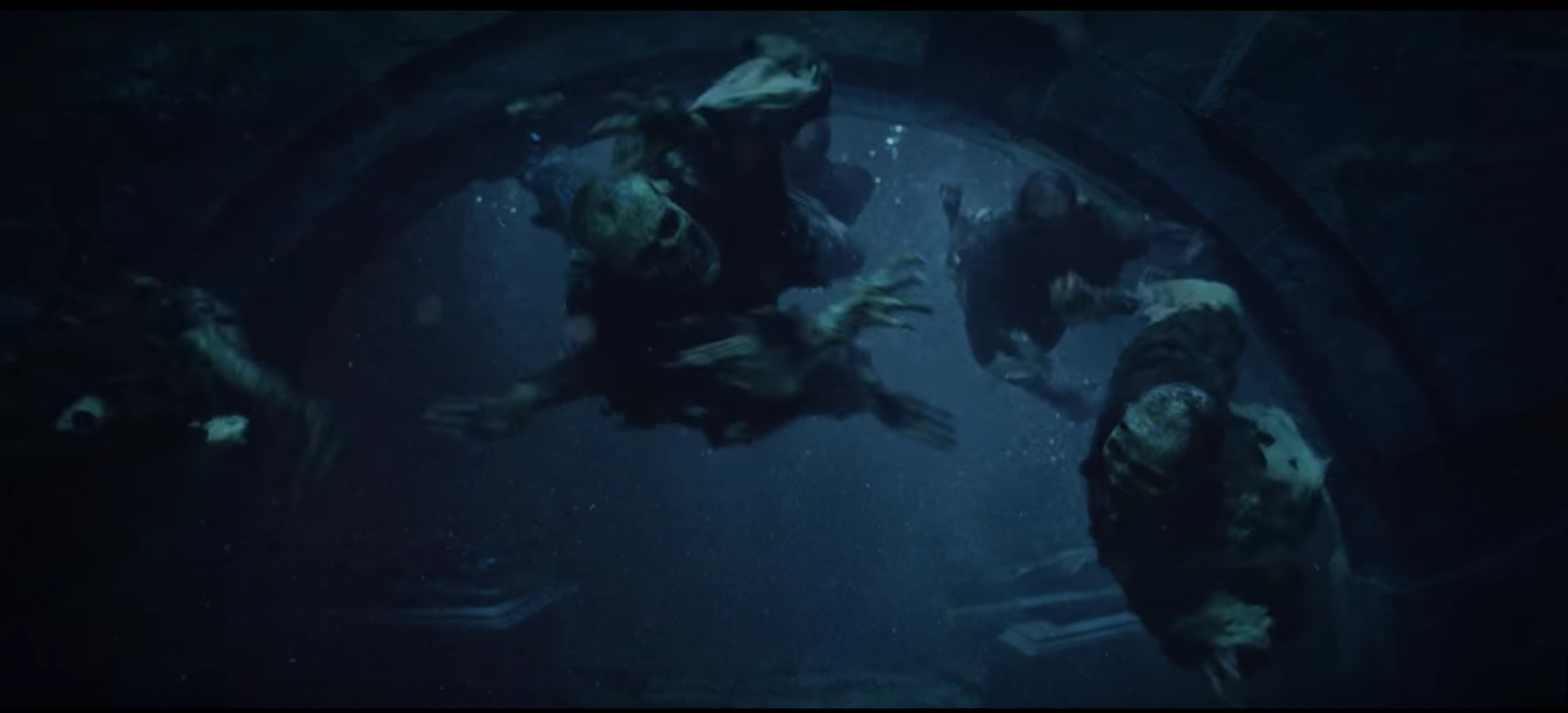
I don’t know but maybe I was in a good mood but I really enjoyed the bone-snapping ghouls; heart-stopping plane crash; Ahmanet’s sensual yet suspenseful pursuit; car chases through the murky woods; underwater zombies; duality of man versus monster theme; plus a great little homage to An American Werewolf in London (1981). I would say though that Tom Cruise probably unhinged the story slightly with his “superstar” persona and a less well-known actor may have added a bit more suspense. However, his characters’ arc was actually quite interesting as a cursed thief questioning his morals and actions. Plus, the final pay off, suggesting further adventures, was actually quite satisfying too.
In fact, while it’s very generic with haphazard plotting it is no worse than blockbusters like A Force Awakens (2015) or Fast and Furious 7 (2015) or Mission Impossible 6 (2016); which I enjoyed but are all very surface and style-driven, while remaining entertaining action films. Overall, The Mummy was totally unoriginal and I would’ve preferred even more horror and gore! But if, like me, you sometimes don’t want to think too much it works as a silly bit of monster entertainment with some brilliant action stunts thrown in. An alternative title perhaps could have been The Mummy: Romancing the Bones – and ultimately it is nowhere near as bad as many critics have stated; in my humble keyboard-tapping opinion that is.
CLASSIC COMEDY REVIEW – 6 HILARIOUS MONUMENTS FROM PSYCHOVILLEC
Following the third season and movie version of the League of Gentlemen, Reece Shearsmith, Steve Pemberton, Mark Gatiss and Jeremy Dyson would find a cornucopia of acting and writing work on radio, film, TV and the theatre. In fact, their respective talents would make them very much in demand as they appeared or wrote for work such as: Doctor Who, Sherlock, Whitechapel, Marple, Benidorm, Poirot, Happy Valley, Ghost Stories (stage), Spaced, A Field in England (2013), The Widower, The World’s End (2013), High Rise (2015) and many, many more.
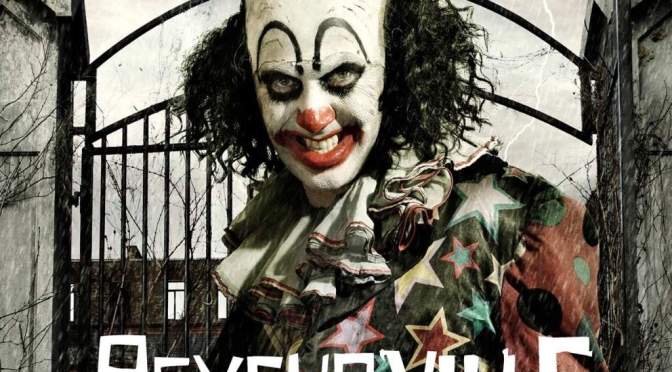
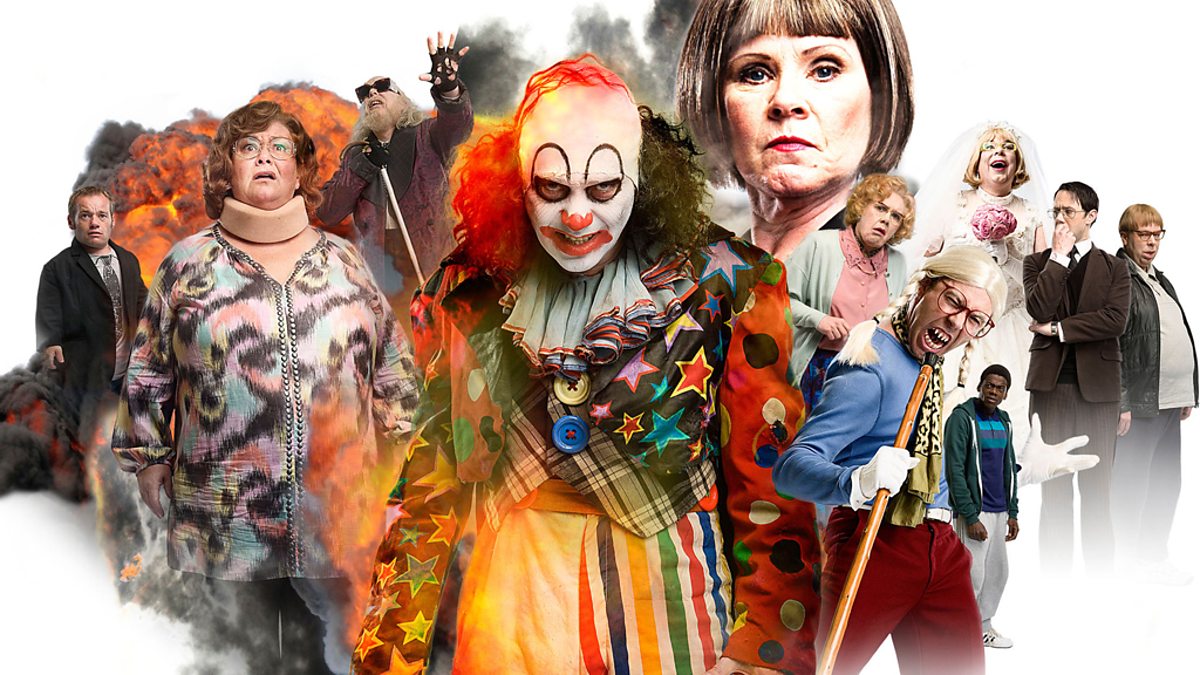
On top of that Steve Pemberton and Reece Shearsmith collaborated on a fraternal relation to the League of Gentlemen called Psychoville. Here they committed another gruesome set of original characters each with their own mysterious past. They brought together, over the crooked path of two seasons and a Halloween special, programmes involving all manner of murder, comedy, telekinesis, mental illness, mistaken identity and disgusting deeds.
If you haven’t seen it then I urge you to do so as it is insanely clever and darkly funny. Here are SIX clips which highlight the genius of the show. You can still catch all the episodes on Netflix, if you have the stomach for it.
**THESE CLIPS CONTAIN SPOILERS**
SEASON 1 – MURDER MYSTERY SCENE
David takes the Murder Mystery evening a tad too far!
SEASON 1 – “ROPE” PARODY
This is an insanely clever and silly homage to Alf Hitchcock’s masterful “one-take” thriller.
SEASON 2 – CREEPY LIBRARIAN
Reece Shearsmith plays an obsessional librarian perfectly!
SEASON 2 – TINA TURNER KARAOKE
Probably one of the funniest and bizaare impressions of Tina Turner ever!
SEASON 1 – THE JOY OF BIRTH
Unhinged midwife Joy speaks very honestly about the “glory” of birth.
HALLOWEEN SPECIAL – MR JELLY ORDERS A PROSTITUTE
Bitter clown Mr Jelly calls a lady of the night who does “specials”!
CLASSIC COMEDY REVIEW: TWELVETY MEMORABLE SKETCHES FROM THE LEAGUE OF GENTLEMEN
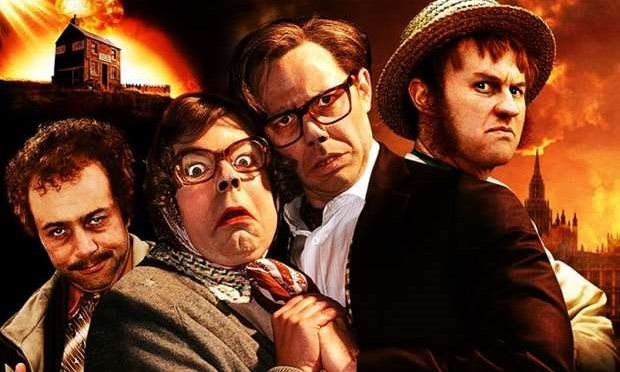
Reece Shearsmith, Steve Pemberton, Mark Gatiss and Jeremy Dyson are utter geniuses! Having won the top comedy award at the Edinburgh Fringe Festival in 1994 they successfully took their surreal and grotesque character comedy from the radio to the TV. Thus, in 1999 they brought an array of wonderfully drawn comedic characters, both funny and horrific in equal measures, to the small screen.
The show ran for three brilliant seasons and here are some the best moments I could find on YouTube. If you’ve never seen the show then you should as it retains its ability to shock, horrify and more than anything else make you piss yourself laughing.
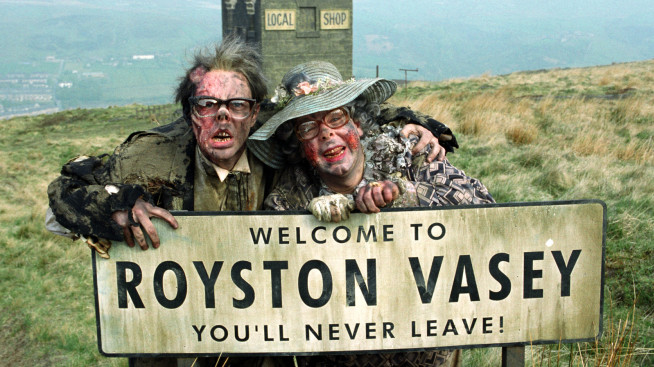
Please note: these are the best sketches I could find online and there many more throughout the show, so do catch up with it on Netflix if you’ve never seen it. Once you start watching the inhabitants of Royston Vasey – YOU’LL NEVER LEAVE!
“YOU’RE MY WIFE NOW, DAVE!”
The circus comes to town with strange occurences!
JED HUNTER’S COMMERCIAL AUDITION
An audition doesn’t quite go according to plan!
ATTACHMENTS DATING AGENCY
A dating agency with a less than tactful interviewer.
GO JOHNNY GO GO GO
The weirdest card games known to humanity.
LES MCQUEEN
“It’s a shit business!” Poor Les just can’t get a break!
IRIS AND MRS LEVINSON DO “BATTLE”
The duelling cleaner and “boss” continue their bickering!
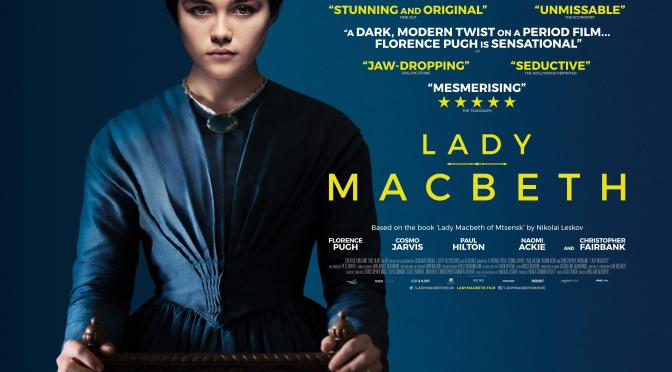
WRITER: Alice Birch, adapted from Lady Macbeth of the Mtsensk by Nikolai Leskov
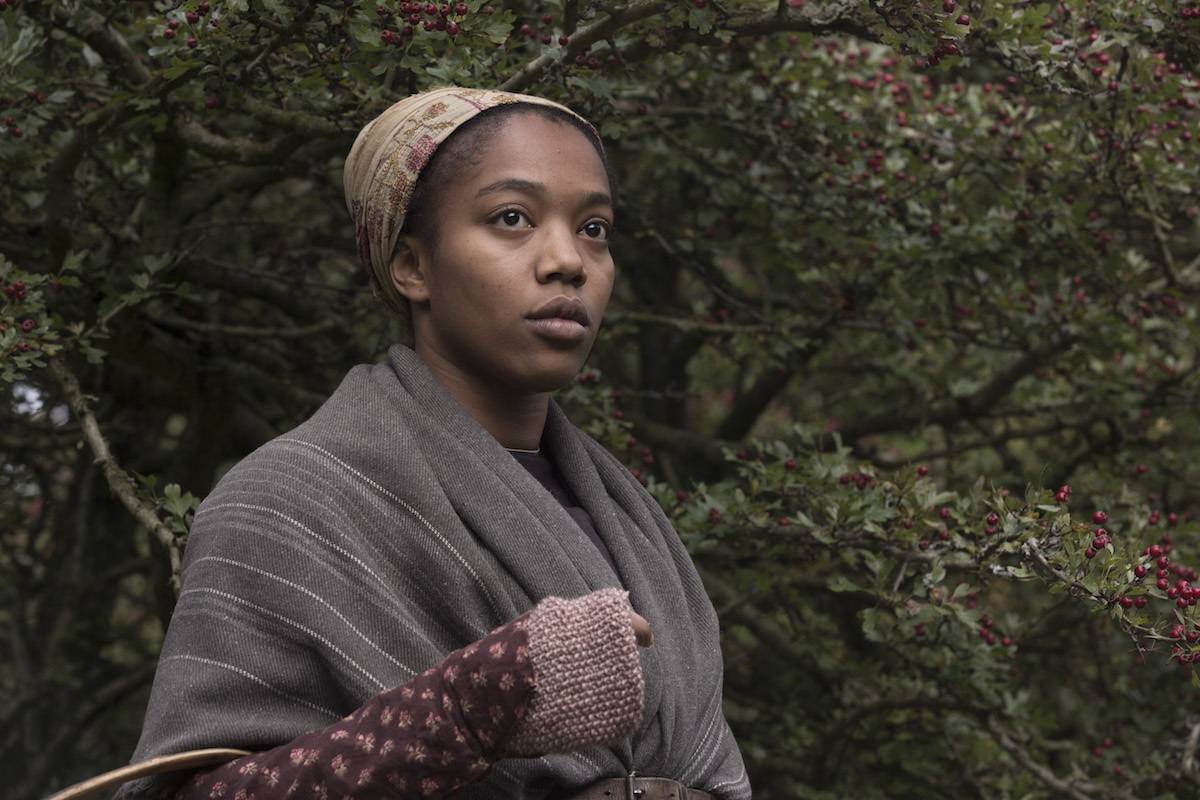
CAST: Florence Pugh, Cosmo Jarvis, Naomi Ackie, Paul Hilton
**MAY CONTAIN SPOILERS**
Are there great films announced as classics or loved by critics which you do not like? That isn’t to say they aren’t great films but subjectively you just don’t enjoy them? I guess the biggest ones for me are probably Mulholland Drive (2001) and Close Encounters of the Third Kind (1977). I love the work of Spielberg and Lynch mostly but just do not enjoy these critically acclaimed films at all.
Similarly, a brilliantly made low-budget-period-horror from last year called The Witch (2016) got huge plaudits and the filmmaker Robert Eggers deserved much praise for his atmospheric direction. However, I found it a tremendous bore. As for the box office smash Blair Witch Project (1999); don’t get me started on that over-rated genius-marketing-over-quality-cinema-trash.
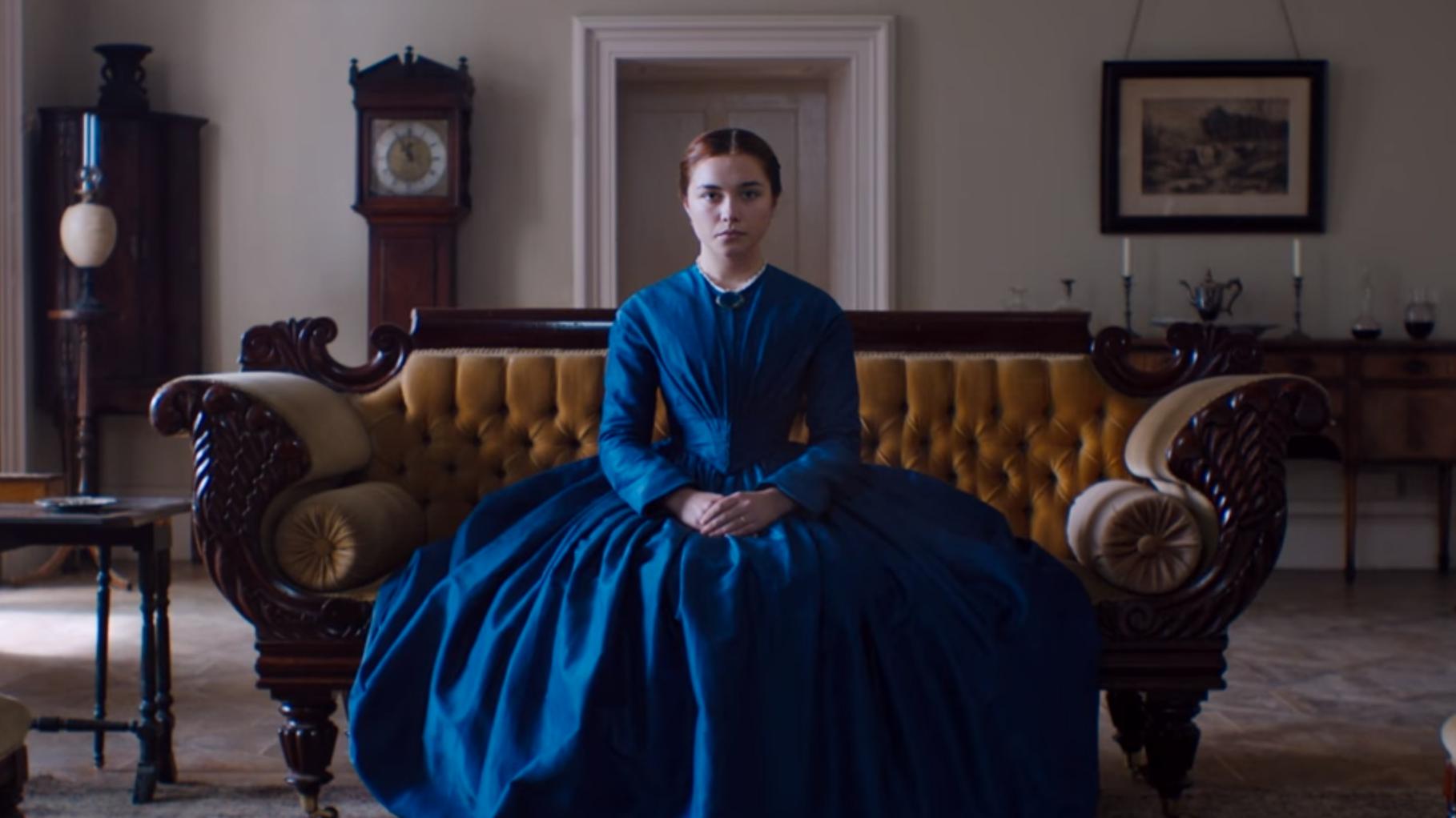
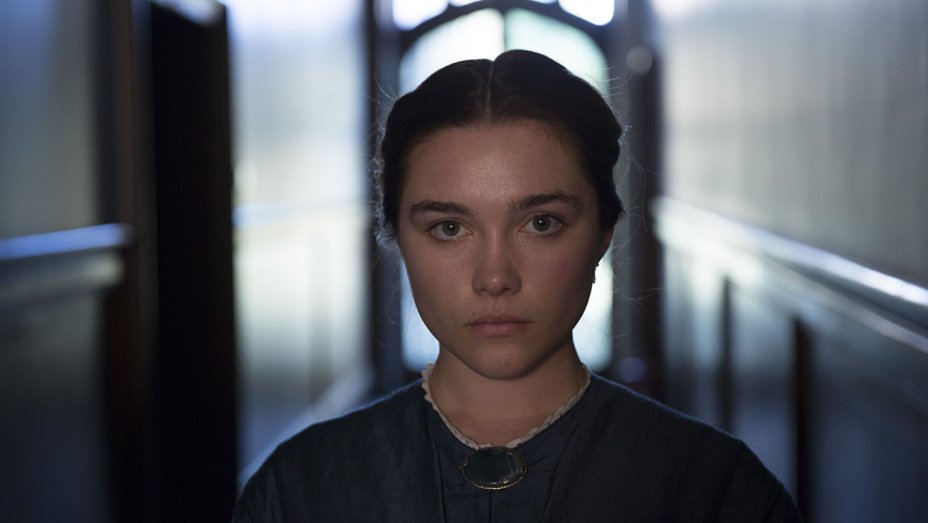
Anyway, how is this ranting connected to my viewing of the grim and pretentious Lady Macbeth (2016)? Well, it’s a film that critics are no doubt going to enjoy for its subversive genre skewering of the traditional period drama. Moreover, the direction by William Oldroyd is stark and impressive, while the fearless Florence Pugh in the lead is clearly going to be an actress to watch in the future. However, it is an intellectual film with little humanity and is ultimately nihilistic in terms of entertainment.
The story is set in 1865 rural England up North against the backdrop of patriarchal dominance where women must and shall know their place. Pugh’s character Katherine is essentially sold into a loveless marriage and rather than play the dutiful wife she rebels viciously. Firstly, she drinks the Master’s house dry of the booze and then enters into an extremely erotic affair with one of the servants, portrayed with muscular naivety by Cosmo Jarvis.
From then on the cycle of events descend to hellish depths. Murder and revenge are clearly hinted at in the film’s Shakespearean title as Katherine gives Lady Macbeth a run for her money in terms of evil plotting and fiendish acts. Indeed, this expertly made film is a pure exercise in passionate hysteria featuring a spoilt and lustful lead character. While I love challenging cinema — especially by the likes of Nicolas Winding Refn, Michael Haneke and Lynn Ramsay — there remains an emotional vacuum in this narrative because I found it hard to care about anyone.
The most sympathetic character in my view was the brutalized maid Anna and perhaps the story would’ve been more interesting for me if told from her perspective? So while the film was beautifully shot and framed, I was quite often stumped by the characters’ motivations; especially by Katharine’s decisions at the end. I mean is she the kind of heroine feminism longs for? I doubt that because ultimately she is an evil human being and not a standard bearer for woman kind. Or is she?
Lady Macbeth undoubtedly makes valuable points in regard to the racist and sexist oppression of the time but it is very difficult to have empathy for a lead character who has had a severe personality by-pass. A far better representation of female empowerment against dominant patriarchy is Park Chan-Wook’s brilliant film The Handmaiden (2016). So, while this film is likely to be on a lot of critics’ “Best films of 2017” lists, I found it overall a pretentious bore.
(Mark: 5.5 out of 11 for the film)
(Mark: 9 out of 11 for Florence Pugh)



 The Cinema Fix presents