
Romford Horror Film Festival & The Cannibal Man (1972) review
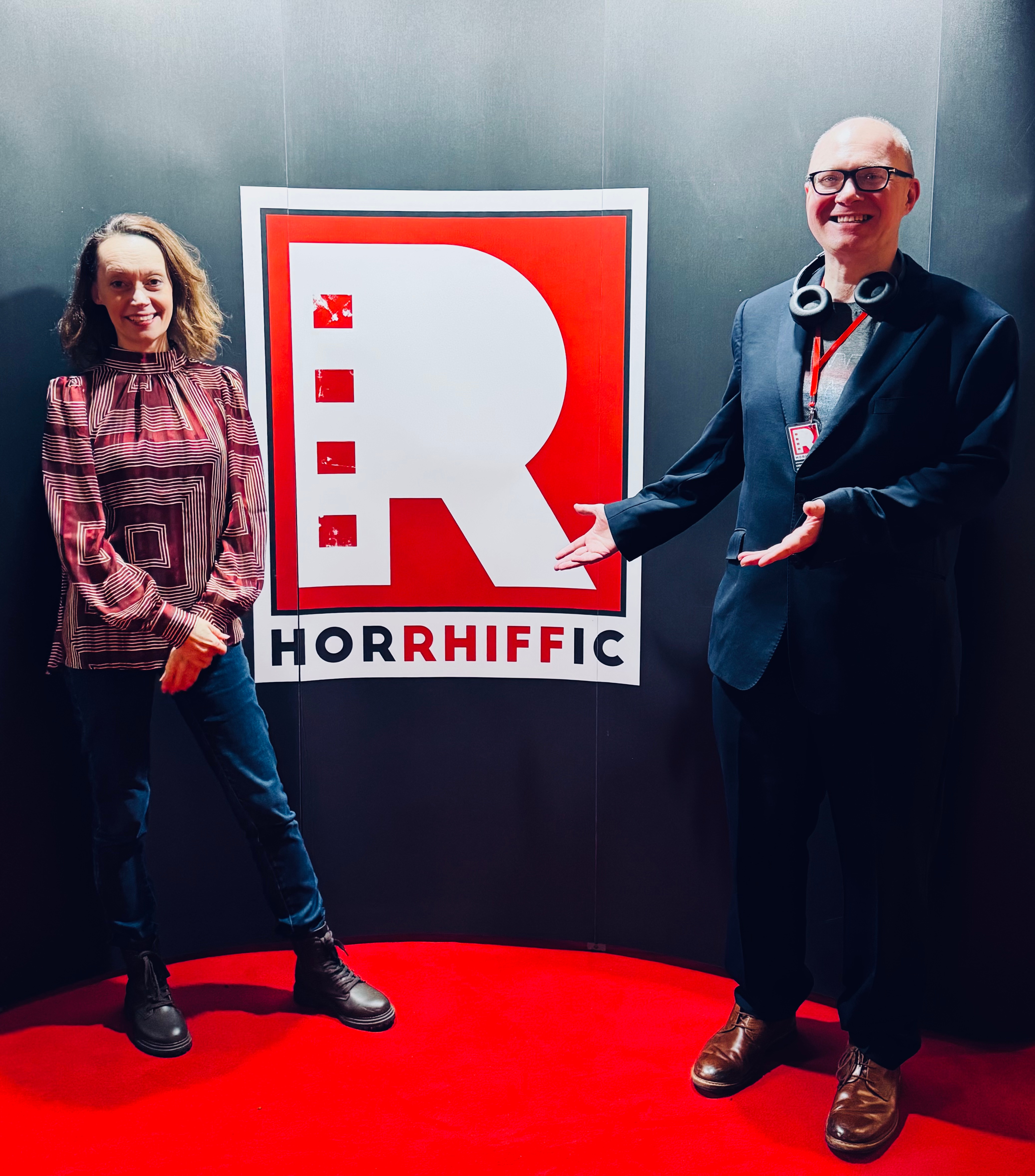
From 19th–22nd February 2026, Romford, Essex emerged not just as a venue, but as a creative crucible for genre storytelling as the Romford Horror International Film Festival — affectionately dubbed HorRHIFFic — returned to the Lumiere Cinema with its most ambitious programme yet – details can be found here: https://www.romfordhorrorfestival.com
This four-day celebration of horror cinema is rooted in the independent filmmaking spirit: championing works from emerging voices around the world, blending them alongside classic cult favourites, and generating an atmosphere of passion, community, and shared reverence for the genre. What makes this festival truly special isn’t just the size of its programme — though over 130 films certainly made for a thrilling schedule — but its wholehearted dedication to independent filmmakers who bring new ideas, daring vision, and personal passion to every frame.
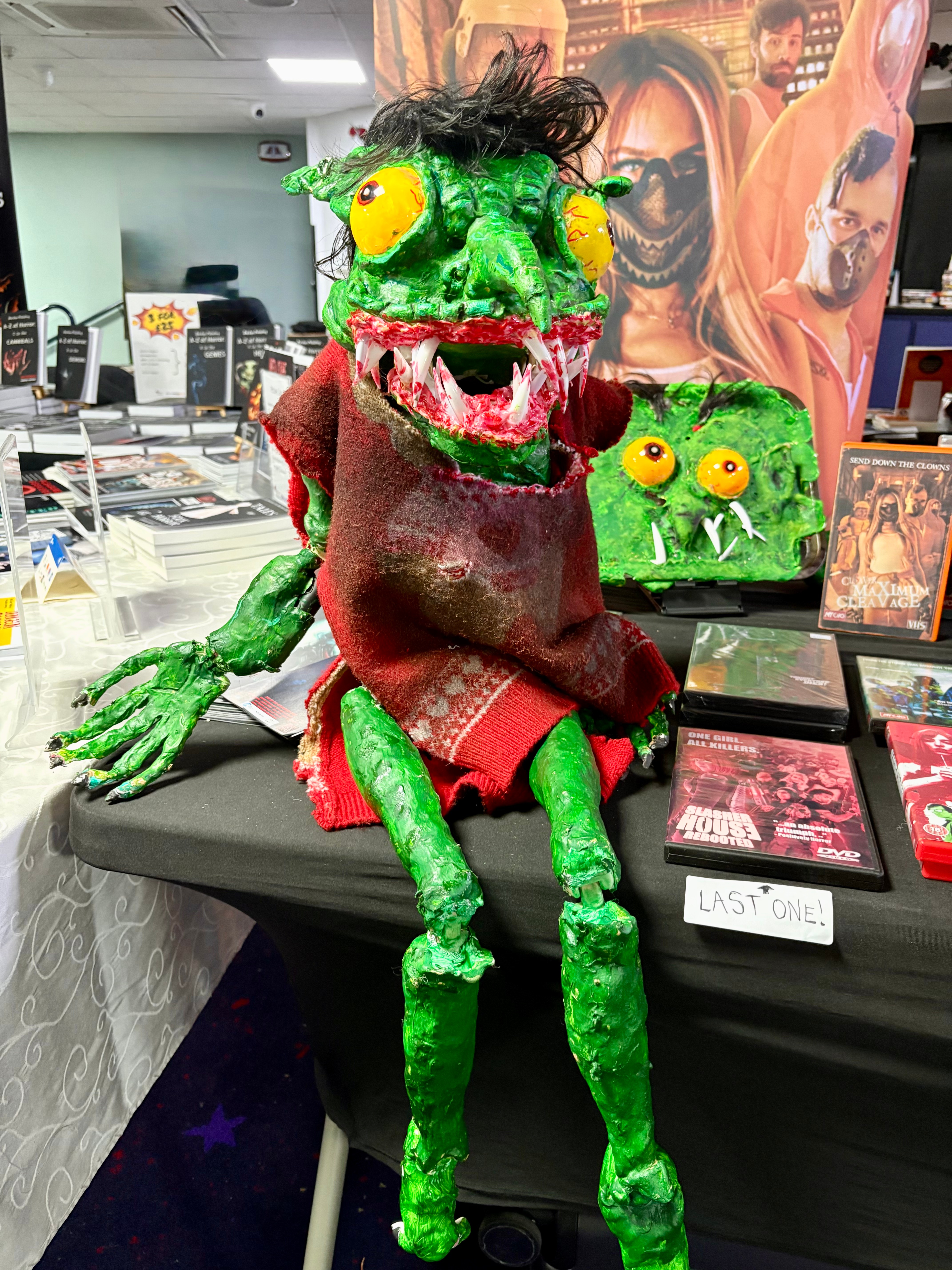

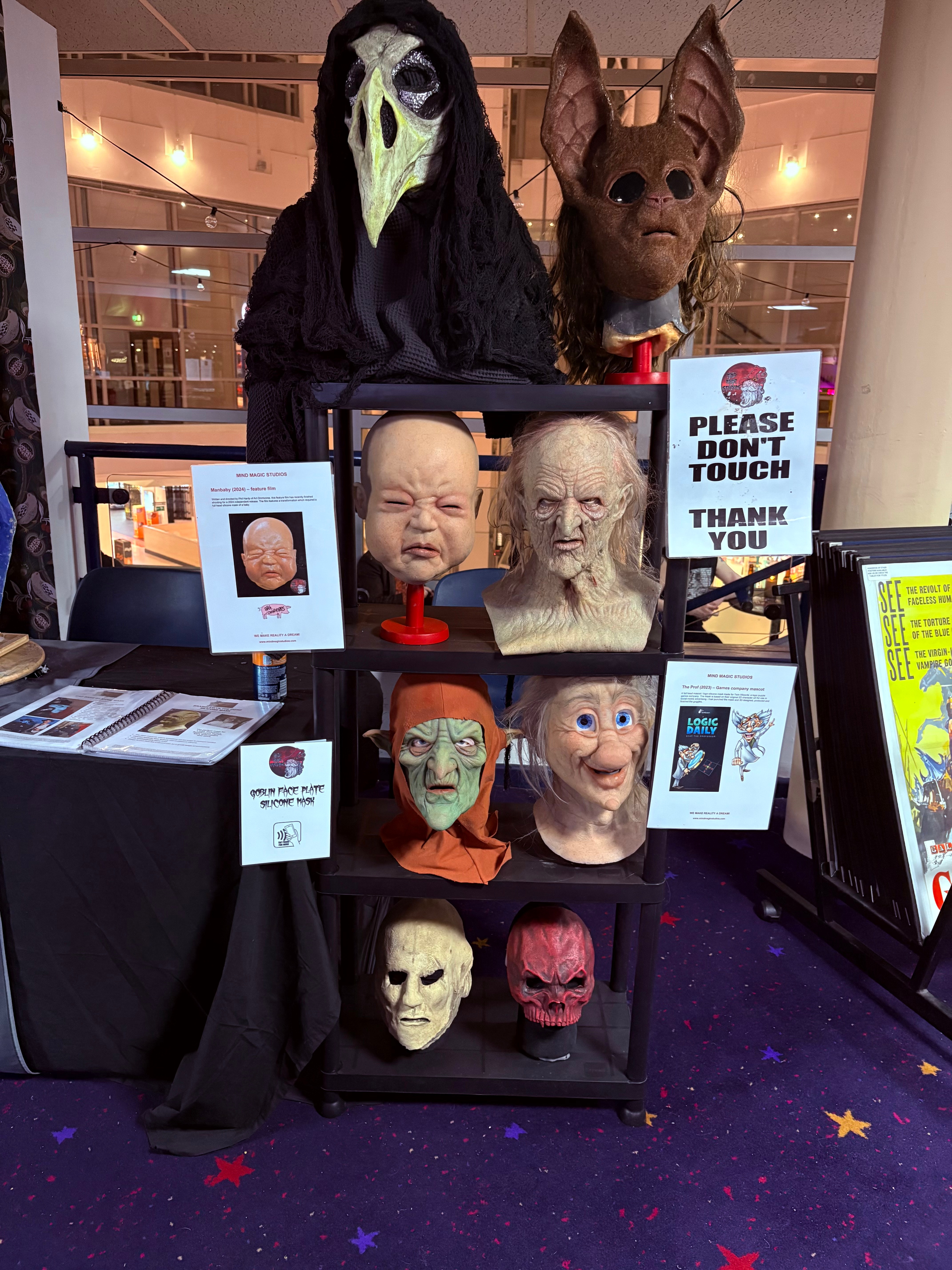
Across its programme, the festival showcased a thrilling mix of guests and films that honour horror’s breadth including: Classic Retro Treats, Special Guests and Actors from Horror, New Independent Features & Shorts from countries such as South Korea, Canada, Spain, USA, and Italy, plus Creative Diversity — with screenings that embraced psychological depth, gory slashers, ghost stories, off-beat genre hybrids, and boundary-pushing work from both early-career filmmakers and seasoned indie pros.
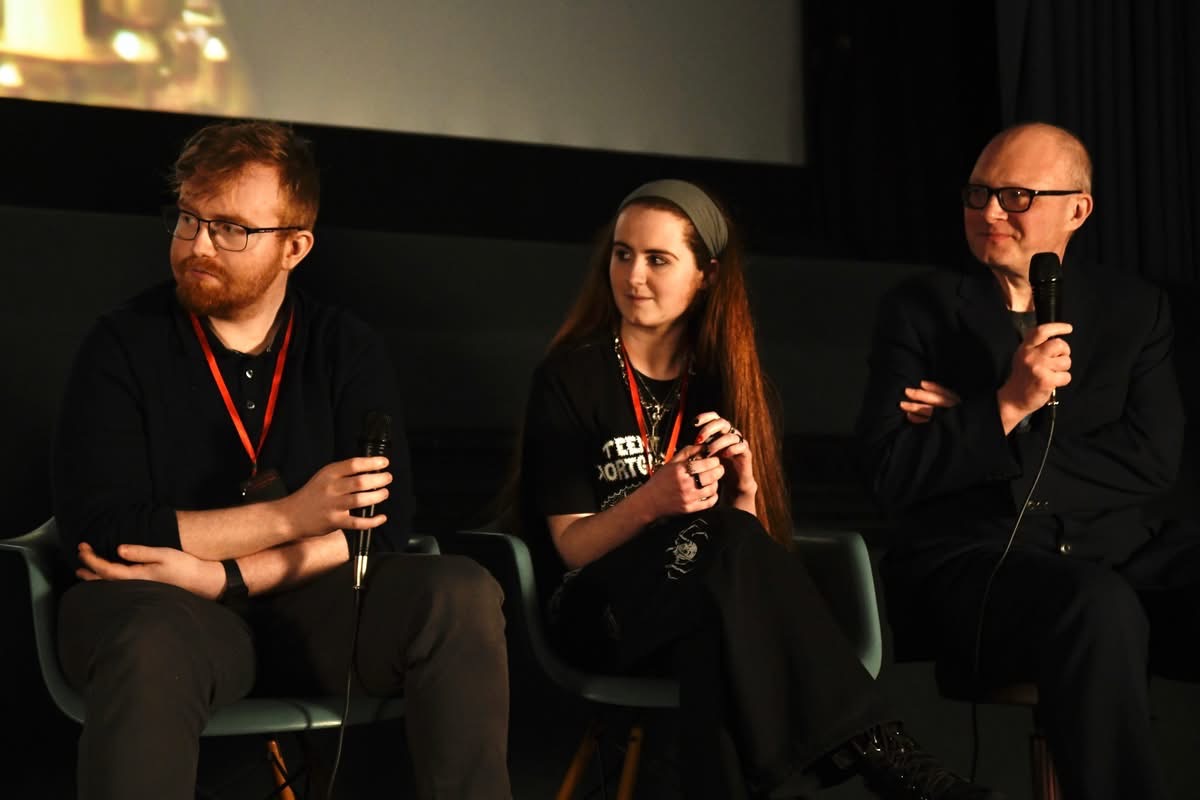
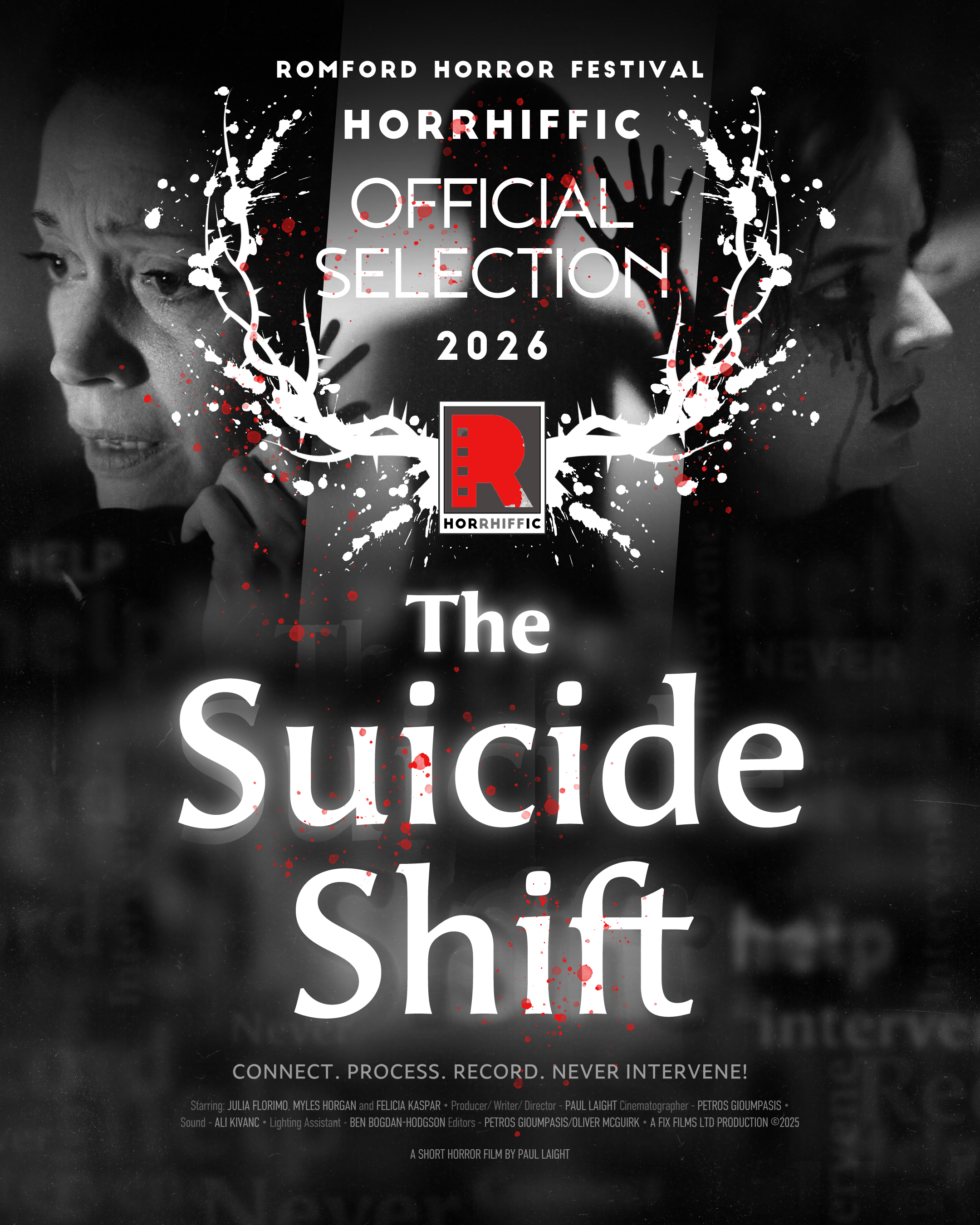
Romford Horror Festival is also renowned for the community it builds. Horror fans come together not just to watch films, but to share experiences, meet creators, and feel at home in an environment that values innovation over commercialism. The Lumiere Cinema, itself a community-saved venue, became a home for filmmakers and fans alike — proving that in Romford, horror isn’t just screened… it’s commemorated. I for one am so grateful they screened my short horror film The Suicide Shift (2026).
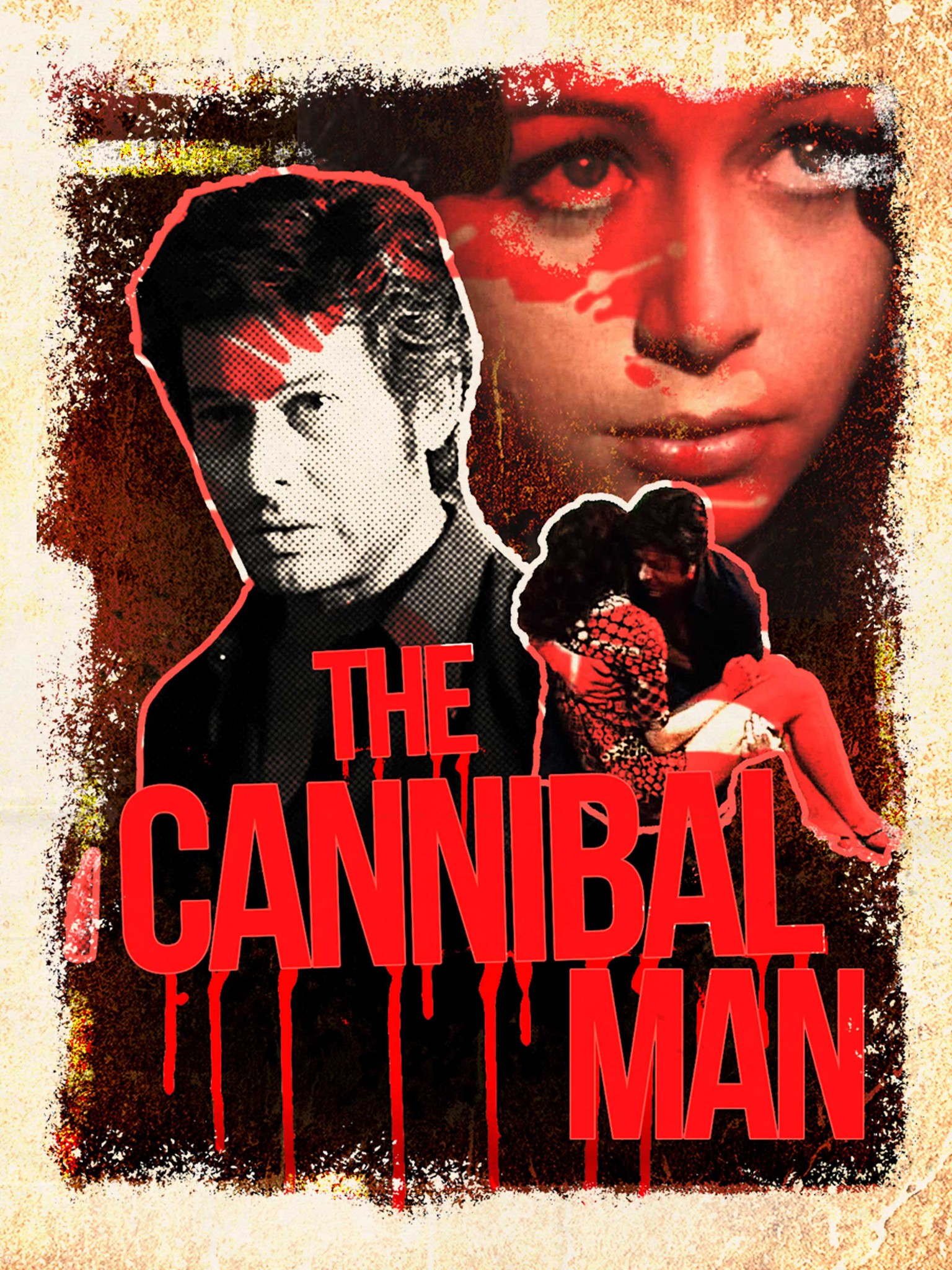
As well as the short film showcases I watched a few retro classics including The Cannibal Man (1972) – (original title: La semana del asesino), directed by Eloy de la Iglesia. It is less a horror film than a slow, suffocating moral collapse. What begins as an unfortunate act of violence spirals into a weeklong descent into hell for Marcos, played with haunted fragility by Vicente Parra. Each subsequent killing feels less like cruelty and more like inevitability — the grinding machinery of fate closing in on a man already spiritually trapped.
Set against the decaying outskirts of Madrid in the final years of the Franco regime, The Cannibal Man (1972) doubles as a bleak portrait of a society rotting from repression. The slaughterhouse where Marcos works becomes an unsubtle but potent metaphor: under Francoism, bodies are processed, identities erased, dissent quietly carved up and discarded.
What makes the film especially daring is its undercurrent of homoerotic tension. Marcos’ wealthy, enigmatic neighbour Néstor hovers at the edges of the carnage, offering protection and silent understanding. Their charged glances and coded conversations suggest a longing that cannot safely speak its name under Franco’s moral authoritarianism. In this reading, Marcos’ spiral is not only about guilt but about internalized repression — desire twisted inward until it manifests as self-destruction. The horror is as much psychological as physical.
And yes, the gore is blunt and ugly. Bodies are dismembered with the same cold pragmatism as livestock. But de la Iglesia never lets the blood eclipse the tragedy. Marcos is not a monster in the conventional sense; he is a man cornered by circumstance, class stagnation, and a society that offers no mercy to the weak. By the end, his descent feels preordained — less a fall from grace than a revelation that grace was never available to him.
So, if you love horror films do check out indie film festivals such as – HorRHIFFic – whether it’s the electrifying surprises in the indie showcases or the nostalgic thrill of classic screenings, the Romford Horror Film Festival 2026 made it clear: independent horror cinema is alive, vibrant, and boldly inventive. This festival is a testament to the creativity and ingenuity of filmmakers who refuse to be confined by convention — and to the audiences who cheer them on.


 The Cinema Fix presents