Tag Archives: political

Cinema Review: The Secret Agent (2025) – a powerful political thriller with flashes of surrealist caprice.

Cinema Review: The Secret Agent (2025)

Directed by Kleber Mendonça Filho

Written by Kleber Mendonça Filho

Produced by Emilie Lesclaux

Main cast: Wagner Moura, Carlos Francisco, Tânia Maria, Robério Diógenes, Alice Carvalho, Gabriel Leone, Maria Fernanda Cândido,
& Udo Kier, etc.

Cinematography by Evgenia Alexandrova

** MAY CONTAIN SPOILERS **



I watch a lot of films and am often bemused by the critically acclaimed films and award winners which have my head scratching. I watch them thinking the critics or judges must be on another planet, drunk or high in regards to their brain waves and word farts. I am aware many reviews decisions are made based on taste, subjectivity, politics, nepotism, cronyism and also commercial reasons, such as getting pay-offs from studios, allegedly.

Of course I have my own thought patterns and we cannot all agree, but there are genuinely some films that are horrible to watch but somehow get critics purring and win loads of awards. The most recent high profile examples of this are The Souvenir (2019), Titane (2021), Anora (2024) and Kleber Mendonça Filho’s virtually unwatchable surreal Western, Bacurau (2019). Thus, I was reluctant to believe the praise heaped on his next film The Secret Agent (2025); a period thriller set in the corrupt and deadly political landscape of 1970s Brazil.



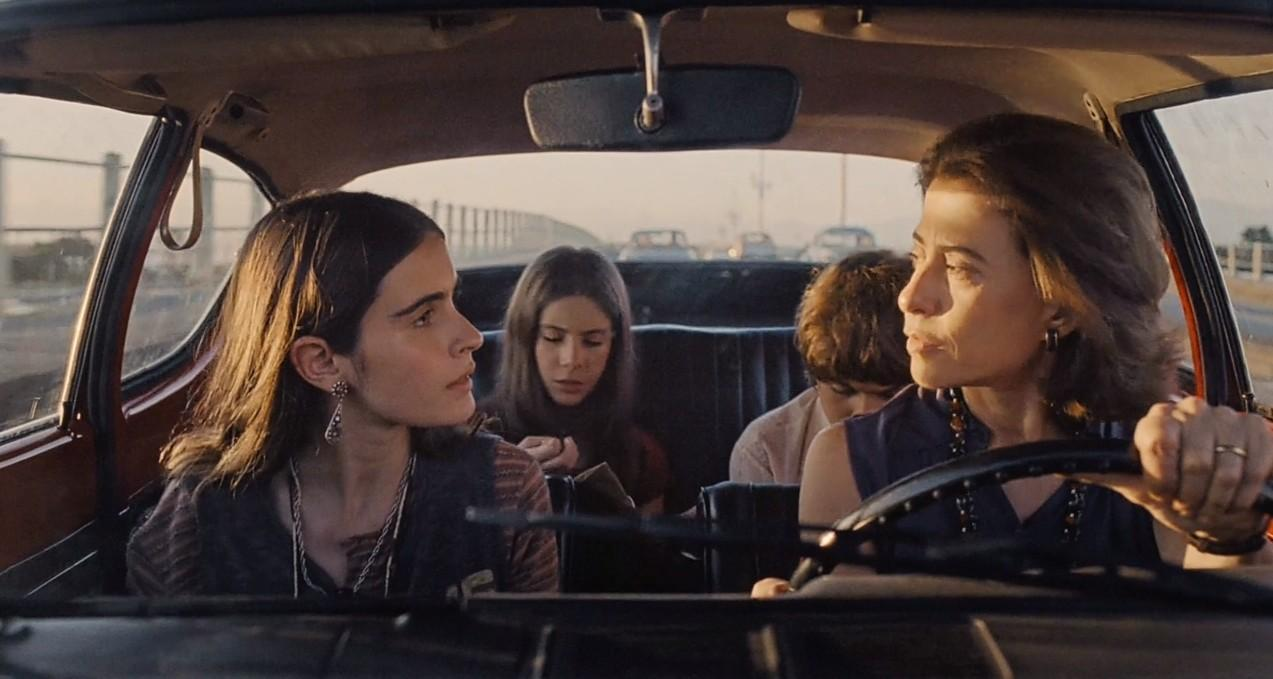
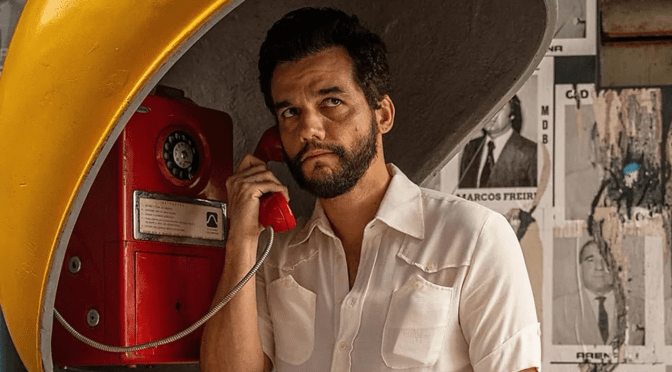
Wagner Moura portrays an enigmatic Armando (Wagner Moura) travelling across his native land keen to keep a low profile from gangsters, government officials and police. Although given the rabid criminality on show there it is difficult to tell the difference between such characters. Once he reaches his destination in Northern Brazil, the idea is to reconcile with his in-laws and young son, find out more about his mother’s past and also stay one step ahead from the criminals pursuing him.

The Secret Agent (2025) unfolds at a deliberately unhurried pace, the kind that might test impatient viewers but ultimately proves hypnotic in its control and precision. Kleber Mendonça Filho directs with a quiet confidence, allowing tension to simmer beneath the surface rather than erupt in obvious bursts. Every frame feels meticulously composed, contributing to an atmosphere that is as absorbing as it is suffocating. That said, there is one notably capricious sequence that momentarily veers off course—its tonal shift is jarring, almost indulgent—but it carries an unexpected sting that lingers, suggesting it may be more intentional than it first appears.

What truly elevates the film, however, is its astonishing attention to period detail and a towering central performance from Wagner Moura. The production design and costuming are nothing short of immaculate, immersing the audience in a world that feels textured, lived-in, and entirely authentic. Moura anchors it all with a performance of remarkable subtlety and depth, conveying inner turmoil through the smallest gestures and glances. It’s the kind of nuanced, deeply felt work that lingers long after the credits roll—and in any fair awards landscape, it would have been more than worthy of an Academy Award for Best Actor. Here’s a film I actually agree with the critics and award panellists about.


Mark: 8.5 out of 11


Cinema Review: I’m Still Here (2024) – A searing portrait of resistance in the face of military tyranny!

Cinema Review: I’m Still Here (2024)

Directed by Walter Salles

Screenplay by Murilo Hauser and Heitor Loreg

Based on I’m Still Here by Marcelo Rubens Paiva

Produced by Maria Carlota Bruno, Rodrigo Teixeira and Martine de Clermont-Tonnerre

Main cast: Fernanda Torres, Selton Mello, Fernanda Montenegro, Valentina Herszage, Luiza Kosovski, Barbara Luz, etc.

Cinematography by Adrian Teijido

*** MAY CONTAIN SPOILERS ***


On March 31, 1964, the Brazilian military, with support from the United States and segments of the civilian population, overthrew the government of President João Goulart in a coup d’état. Goulart, a left-wing president who had been in power since 1961, faced rising opposition due to his policies that included land reforms and more progressive labour laws. These policies alarmed conservative sectors of society, including the military, business elites, and parts of the middle class, who for many feared the spread of communism in the context of the Cold War. From reports I have read, the military’s move was framed as a necessity to prevent Brazil from descending into a left-wing revolution, but the coup marked the beginning of a brutal 21-year period of military dictatorship. Be careful what you wish for.

Under the military regime (1964–1985), Brazil saw widespread censorship, repression of political dissidents, the establishment of a climate of fear, and the use of torture against suspected leftist militants and activists. The military government justified its actions as necessary to combat communist insurgency, but its reign was characterised by systematic violations of human rights. The regime implemented institutional acts that curtailed democratic freedoms, silenced political opposition, and controlled the media, all while claiming to defend the country from Marxism. The dictatorship lasted until 1985, ending when the military handed power back to a civilian government, but the effects of this period are still deeply felt in Brazilian society, as many families continue to search for the truth about the victims of torture and forced disappearances during the dictatorship.


Yet, while the film may not explicitly focus on the 1964 coup or the military dictatorship. I’m Still Here (2024) addresses the aftermath and themes of identity, resistance, and survival in the face of oppressive systems. Director, Walter Salles, uses the personal as a lens through which broader social and political issues are explored. One could consider how the legacy of fear, control, and the impact of a regime still reverberates in contemporary Brazil.

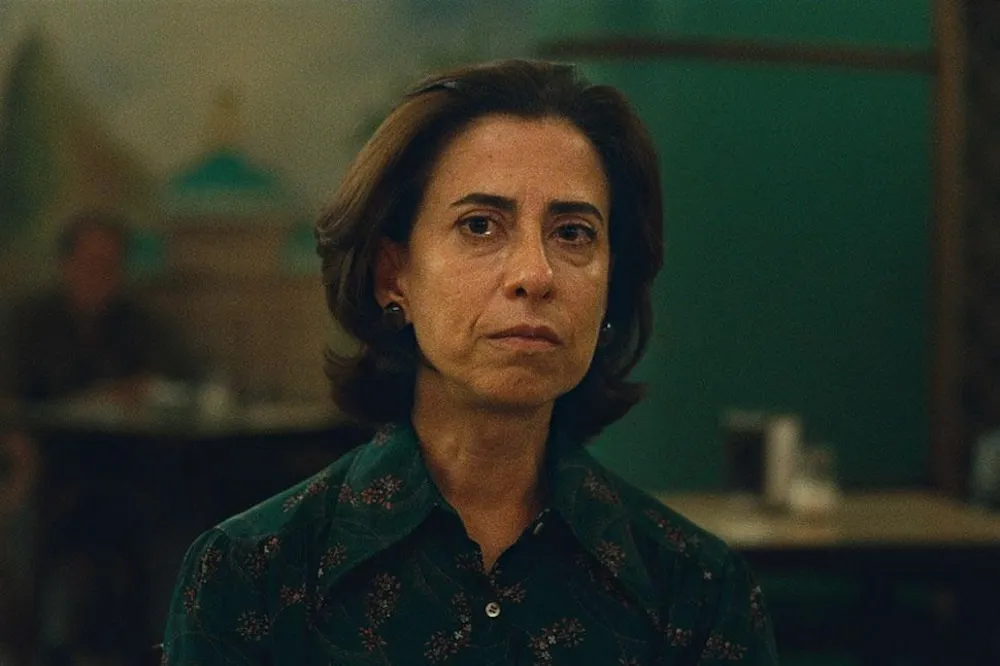
In I’m Still Here (2024), the filmmakers take a distinctive approach to the thriller genre by moving away from the typical tropes associated with suspense-driven narratives. Instead of focusing primarily on action or a series of dramatic plot twists, the film shifts its attention toward a more intimate, personal, and familial story. There is suspense and tension, but it is more under-stated and subtle. This departure from overt political thriller conventions allows the film to delve into the emotional and psychological terrain of its characters, with a particular focus on the matriarch, Eunice Paiva, played by the powerhouse Fernanda Torres.

Rather than relying on external action or traditional thrills, I’m Still Here (2024), centres around Eunice’s emotional journey and the impact of her environment on her family when her husband, Rubens Paiva (Selton Mello) is taken away by what may-or-not-be the military. The film positions Eunice as the central figure whose personal evolution drives the narrative, illustrating the profound effects of her choices and relationships on her family. Salles skilfully weaves family celebrations, events, and home movie footage to create a swell of warmth amidst the fear and paranoia created when Rubens disappears.


Eunice Paiva’s character is given a powerful depth in I’m Still Here (2024), with Fernanda Torres delivering a standout performance. Rather than positioning Eunice as a victim or a purely heroic figure, the film complicates her character, showing her as a multifaceted individual. Eunice’s actions are driven not by external thrills or pressures, but by the emotional and psychological burdens she carries as a matriarch, dealing with familial responsibility and navigating the complexities of her relationships with her children, spouse, and extended family.

Torres’s portrayal emphasises Eunice’s inner conflict—her desire to protect her loved ones, while also grappling with personal loss, regret, and the external societal forces that shape her world. Constantly denied answers and closure by the authorities, Eunice refuses to give in and continues to fight for decades, even when the military rule is over. The emotional intensity of Eunice’s character arc is one of the most compelling aspects of the film, as Torres’s performance brings a deep authenticity to the role, grounding the story in real, human struggles rather than sensationalised action.

By moving away from traditional thriller tropes, I’m Still Here (2024) creates a more reflective and intimate cinematic experience. Rather than simply delivering suspense through external action, the film explores the internal tensions of its characters and their relationships, magnifying the quiet, profound impact that such personal struggles can have on a family. Having lived through such adversity the Paiva family would stand proud in the face of this evil regime, overcoming all that is thrown at it. I mean, there is so much evil in this world and throughout history, that Eunice Paiva and similar quiet heroes are to be cherished. In short: why can’t such admirable individuals run the often horrible world we live in.

Mark: 8.5 out of 11


NETFLIX FILM REVIEW: THE TRIAL OF THE CHICAGO SEVEN (2020)

NETFLIX FILM REVIEW: THE TRIAL OF THE CHICAGO SEVEN (2020)

Directed by: Aaron Sorkin

Produced by: Stuart M. Besser, Matt Jackson, Marc Platt, Tyler Thompson

Written by: Aaron Sorkin

Cast: Yahya Abdul-Mateen II, Sacha Baron Cohen, Daniel Flaherty, Joseph Gordon-Levitt, Michael Keaton, Frank Langella, John Carroll Lynch, Eddie Redmayne, Noah Robbins, Mark Rylance, Alex Sharp, Jeremy Strong, etc.

Music by: Daniel Pemberton

Cinematography: Phedon Papamichael

***CONTAINS HISTORICAL SPOILERS***


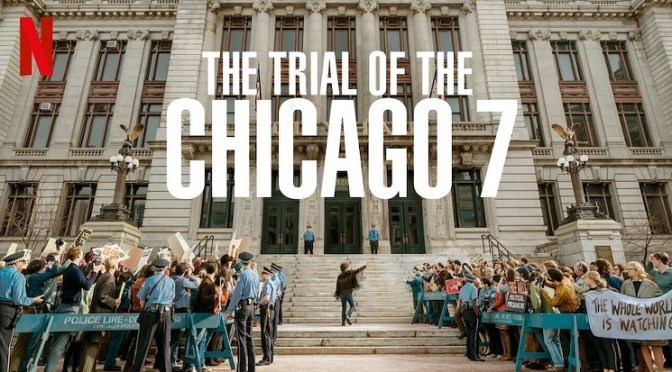
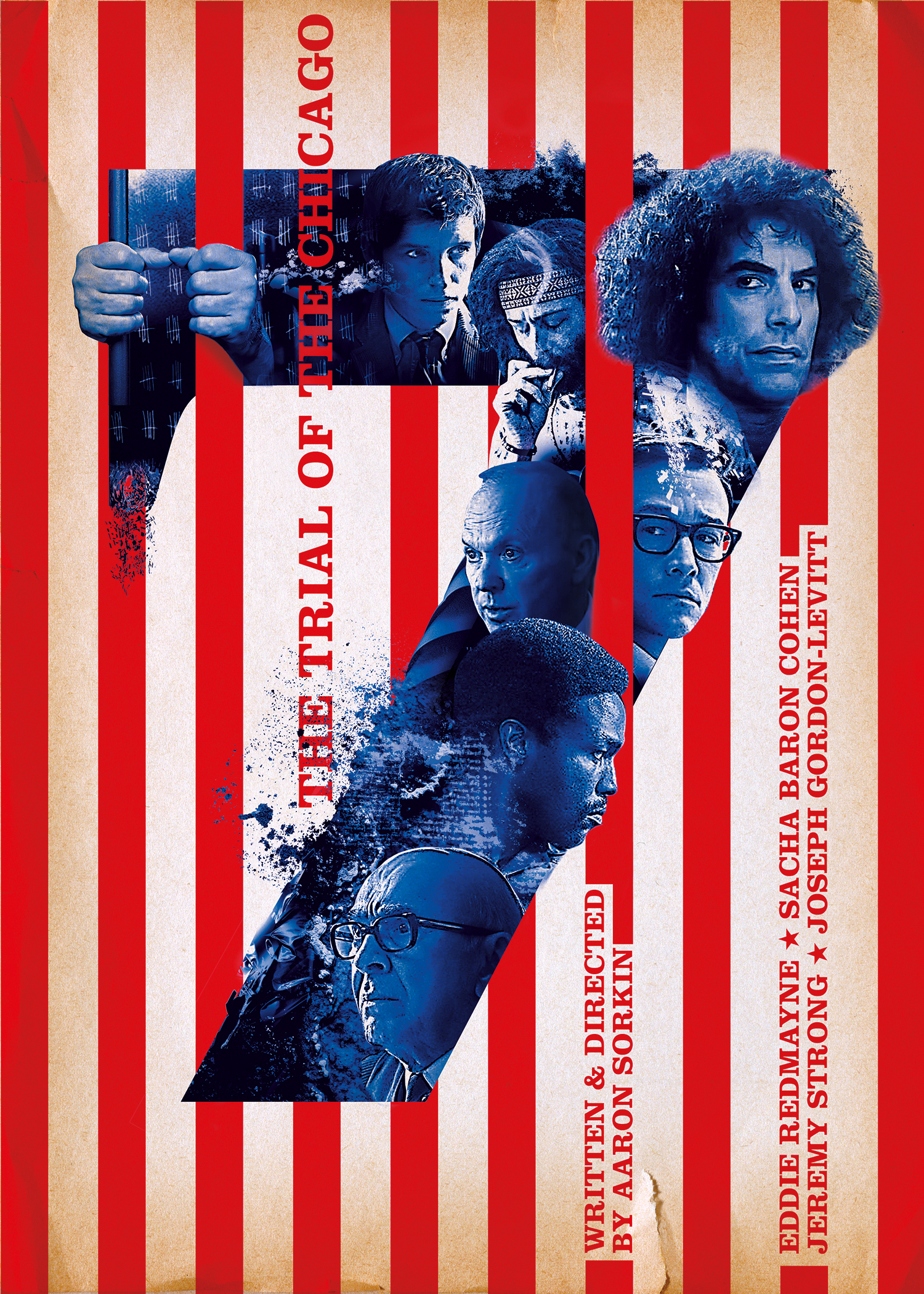
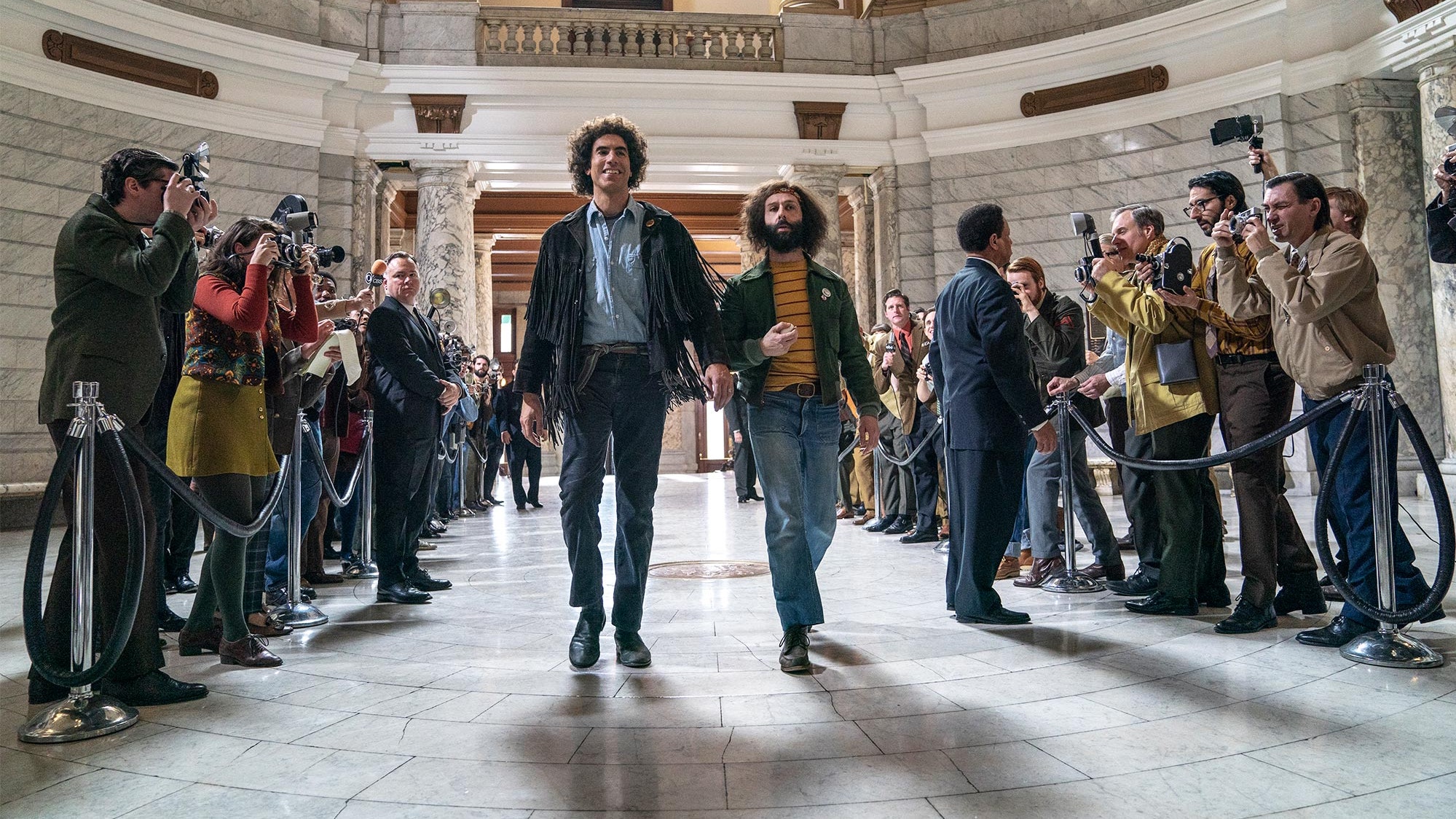
In 2006, screenwriter Aaron Sorkin met Steven Spielberg met to discuss a film project which would focus on the 1968 riots at the Democratic National Convention, which occurred in Chicago. After the meeting Sorkin has admitted he had no knowledge of said riots or the infamous trial which took place afterwards. Sorkin would remedy this with much research and complete his screenplay in 2007. Having been in development for some time eventually Sorkin himself has directed, The Trial of the Chicago 7 (2020). Part-historical drama, part courtroom-thriller and part political satire, the film illustrates skilfully the shocking attempt by the U.S. Government to convict, initially eight, then latterly seven individuals believed to have conspired to cross state lines with the desire to incite violence and mayhem in Chicago.

I, like Sorkin back in 2006, knew nothing of this huge legal and political event from the late 1960’s. But, The Trial of the Chicago 7 (2020), while obviously taking narrative liberties with the temporal order and specificity of certain events, provides an entertaining and insightful flavour of the before, during and aftermath of the incendiary trial. Opening stylishly and rapidly, Sorkin establishes the major characters who will be charged with causing violence on the streets of Chicago. Notable amongst these are civil rights and counter-culture figures such as: Abbie Hoffman ( Sacha Baron Cohen), Jerry Rubin (Jeremy Strong), Tom Hayden (Eddie Redmayne), Bobby Seale (Yahya Abdul-Mateen II), David Dellinger (John Carroll Lynch et al. Swiftly, Sorkin then takes us into the trial itself, which took place in 1969, and structures the narrative around flashbacks from witnesses on the stand to events leading up to conflict between police and demonstrators.


Given the gravity of the socio-political importance of this trial, I was surprised how much I was laughing during, The Trial of the Chicago 7 (2020). The humour, and later pathos, comes from both the absurdity of certain events and behaviour of the characters on trial. Indeed, in a trial which lasted an incredible five months, there was clearly an abundance of rich material for Sorkin to mine. Thus, we get a greatest “hits” summation of this politically driven farce, explained as being influenced by, U.S. Attorney General John Mitchell’s ire, at being snubbed by his predecessor. Moreover, the trial itself escalates into further absurdity as Judge Hoffman (Frank Langella) takes exception with the majority of the defendants and their lawyers, bringing most of them up on charges of contempt, notably the attention-seeking Hoffman and Rubin. It was not surprising as there were often mocking and zinging one-liners from them and even more vociferous protests from Bobby Seale. Nonetheless, that does not excuse what Judge Hoffman did to Bobby Seale in court. That remains a low in the history of the American justice system.

As The Trial of the Chicago 7 (2020) progresses, the comedic elements transition to a more serious tone and many heartfelt speches are given. The demonstrations and violent scenes from the riots bleed through to the fore also. My understanding is that in the United States there is such a thing as freedom of speech and the demonstrators were attempting to have their say on the war in Vietnam. They wanted their voices heard against what they considered to be an unjust war. Of course, I cannot possibly know what occurred that day as I was not there, however, given the U.S. Government’s fear of opposing views, as demonstrated by their handling of race issues and the McCarthy-led investigation into the Communist threat, one must surmise they were scared of anyone protesting a different perspective from theirs. From such fear comes a desire to wield power and suppress such voices; something which the Chicago Police Department appeared to do during the fateful Democratic National Convention.

Aaron Sorkin and his incredibly adept ensemble cast deserve much praise for taking such a complex case and distilling it into such an enlightening work of cinema. Sacha Baron Cohen and Jeremy Strong stand out as a fine double act, while Mark Rylance attends his usual intelligence and class to the role of defence lawyer, William Kunstler. In fact, all the cast are exceptional in bringing to life Sorkin’s witty and storming screenplay. Ultimately, one could argue though that The Trial of the Chicago 7 (2020), is simplistic fodder, designed to spoon-feed the liberal left and preach to the millennial choir. In all honesty, it is that and arguably full of caricatures and one-dimensional storytelling. However, given the United States, and the world, have suffered recent and extreme political dumbing down from one of the worst U.S. Presidents of all time, Sorkin’s one-dimension is still more nuanced and deep than those in power could ever be.

Mark: 9 out of 11

NETFLIX FILM REVIEW: DA 5 BLOODS (2020)

NETFLIX FILM REVIEW: DA 5 BLOODS (2020)

Directed by: Spike Lee

Produced by: Jon Kilik, Spike Lee, Beatriz Levin, Lloyd Levin

Written by: Danny Bilson, Paul De Meo, Spike Lee, Kevin Willmott

Cast: Delroy Lindo, Jonathan Majors, Clarke Peters, Norm Lewis, Isiah Whitlock Jr., Mélanie Thierry, Paul Walter Hauser, Jasper Pääkkönen, Jean Reno, Chadwick Boseman etc.

Music by: Terence Blanchard, Marvin Gaye

Cinematography: Newton Thomas Sigel

Distribution: Netflix

***MAY CONTAIN SPOILERS***


Shelton Jackson “Spike” Lee has been a prolific actor, director, producer and polemicist for some time now. An ultra-talented and outspoken cinematic artist, he has directed thirty fiction and documentary films since his debut feature film She’s Gotta Have It (1986). Plus, all manner of promos, commercials, music videos, short films and television series. An energetic firebrand of a director he has made films in many genres and is a risk-taker in subject, theme and style. Whether you agree with what he has to say he is a filmmaker who is always creating situations and characters who must be heard.  

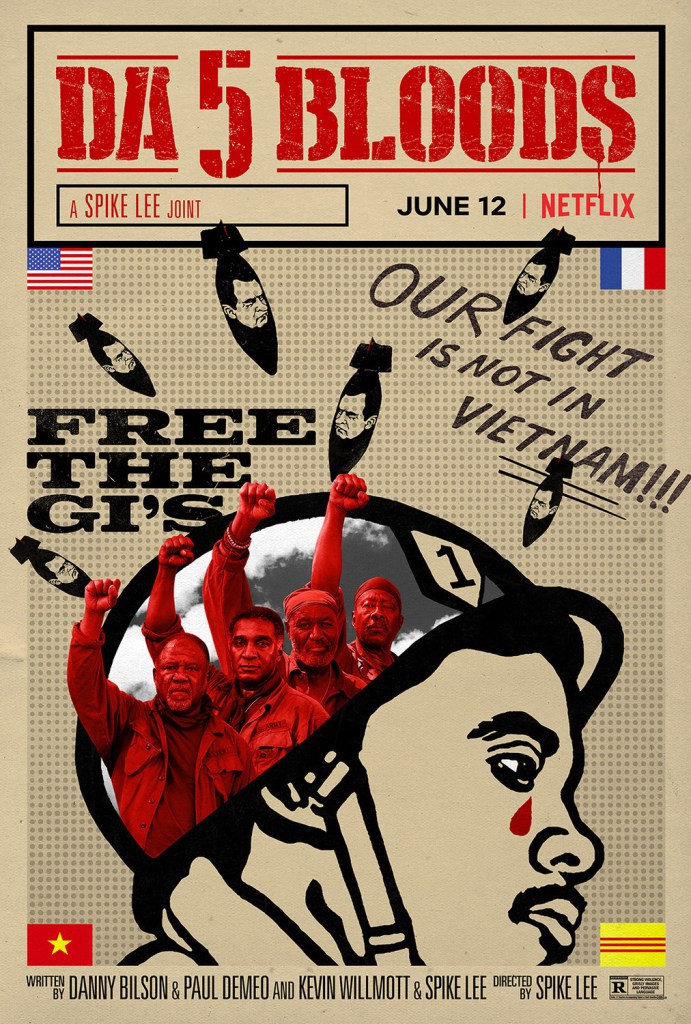
His latest film, Da 5 Bloods (2020), is a timely Netflix film release which encapsulates crime, heist, political, war, drama, Blaxploitation, comedy, documentary, love and experimental film genres. Lee has never been afraid of taking risks and sometimes his films have not worked because of it. However, with BlacKKKlansman (2018) he succeeded in making one of the best films of 2018 and should have won Best Film Oscar in my view. Da 5 Bloods (2020) grabs the power baton of Lee’s prior film and runs with it, delivering an entertaining, funny, thought-provoking, stylish and brilliant genre-blending story full of sustainable socio-political arguments in the era of the Black Lives Matter movement.


The narrative begins by establishing four aging Vietnam veterans, portrayed by the magnetic ensemble of Delroy Lindo, Clarke Peters, Norm Lewis and Isiah Whitlock Jr. They meet in Ho Chi Minh City in order to venture into the jungle and locate the remains of their squad leader. During some very stylised, richly colour-saturated and impactful flashbacks, it is revealed their friend, “Stormin Norman” (the charismatic, Chadwick Boseman), was killed in combat. Furthermore, and this is the money reason they are back in ‘Nam – there is army gold in those hills. Thus, the comrades set out to locate their friend’s body, and the gold, in order to find reparation and hopefully some form of redemption.

The film begins warmly as we enjoy the company of these great actors portraying reunited friends on an old boys outing. However, the film, as it introduces further subplots involving Jean Reno’s suspicious businessmen, Desroche and Delroy Lindo’s Paul crumbling mental state, moves into far darker territory the further the men get into the jungle. Lindo himself gives arguably the best performance of his career as a soldier grieving for his lost friend and desperate to get compensation for the unjust loss of so many lives in Vietnam. His character’s downward mental trajectory is one of the most powerful elements of Da 5 Bloods (2020). No doubt Lindo will be nominated come awards time and so he should be.

The cinematic excellence on show too from Spike Lee and his production crew is to be applauded too. Lee’s box of magic tricks includes: jump cuts, aspect ratio switches, colour saturation, Shakespearean soliloquies, documentary footage, flashbacks, conveyor-belt camera tracks, stills photography, slow-motion, direct address and many other devices. The exceptional cinematography is drenched in an opulent score from Terence Blanchard and the incredible voice of Marvin Gaye. I guess my main reservations about the film would be the elongated running time, with some scenes indulgently over-running. Moreover, there were also a couple of convenient plot coincidences which could have been ironed out. Nonetheless, with Da 5 Bloods (2020), Spike Lee has delivered another bravura mix of genre and socio-political filmmaking which, like classics such as The Treasure of Sierra Madre (1948) and Apocalypse Now (1979), stare into the dark heart of humanity and find greed, war and death there. Unlike those two films though, Da 5 Bloods (2020), also contains hope, light in the tunnel, and the idea that togetherness brings strength in the face of adversity.

Mark: 9 out 11


MY CINEMATIC ROMANCE #18 – KEN LOACH

MY CINEMATIC ROMANCE #18 – KEN LOACH


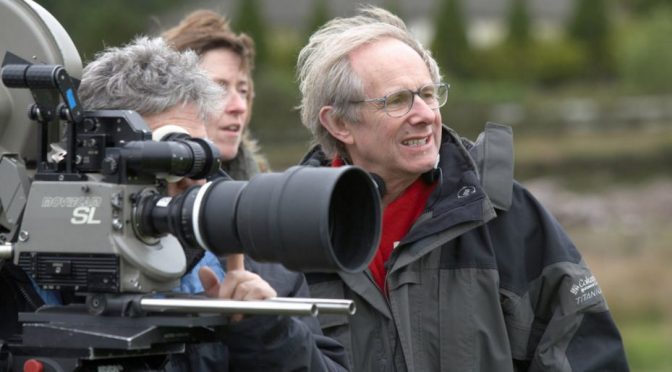
I haven’t done one of these articles for a while, but in light of the Conservative Party victory in the General Election the other day, I thought it interesting to lean toward a more political filmmaker for my latest post. Thus, I once again pick five highly recommended films by one of my favourite cinema creatives. Today, I look at the work of Ken Loach.

Loach is now, at time of writing, eighty-three year’s old, and has just released a new film called Sorry We Missed You (2019). At the cinema alone he has singularly directed twenty-five films, plus been involved with many television productions too. His ‘Wednesday Play’ Cathy Come Home (1966), was voted in the top ten best British television programmes of all time at the turn of the millennium. It was so powerful in its depiction of a struggling homeless character, the issues were raised in Parliament at the time. His work continues to address socio-political issues even now and has often provoked controversy.

Loach works generally in the dramatic or social realist genre. However, his raw, almost documentary style, which centres on working or characters from the under-classes, does have much comedy going through it too. Structurally his films build empathy with his characters in a generally linear fashion; slices of life which more often than not result in tragedy. While the landscapes he displays are quite depressing, his characters aren’t victims though. They are always strong and passionate and striving for the best outcome. However, poor life choices, poverty, bureaucracy, gangsters, criminality, addiction, military, and unfair government laws and procedures provide fierce obstacles.

Some have accused Loach of, over the years, being a ‘Champagne Socialist’, comfortably attacking the ruling classes from a position of privilege. He’s also been accused of vicariously holidaying in the land of the under-privileged, for what gain I’m unsure of. Personally, I am always compelled by Loach’s cinema, the issues raised and the characters he presents. He is a true humanist director and storyteller, who has made some consistently brilliant films. Whether you agree with his politics or views, he is at least attempting to reflect the injustices in the world and the underdogs within in it. Here are five films which capture this perfectly.

**CONTAINS SPOILERS**


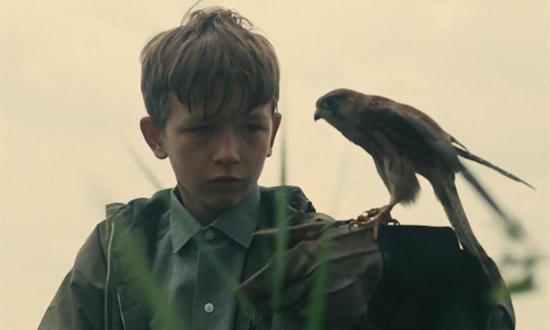
KES (1969)

Based on Barry Hines’ novel, Kes is one of the finest British films ever. It concerns the everyday existence of Billy Casper (David Bradley) and his attempts to survive the harsh realities of Northern life in Barnsley. Billy struggles at school, but finds salvation when he adopts and trains a young kestrel. Kes represents a microcosm of working-class life where the kids are either damned or sent down the pit to work. Simultaneously warm, harsh, bitter, funny and tragic, Kes is a memorable early work from Ken Loach and deserves revisiting over and over again.


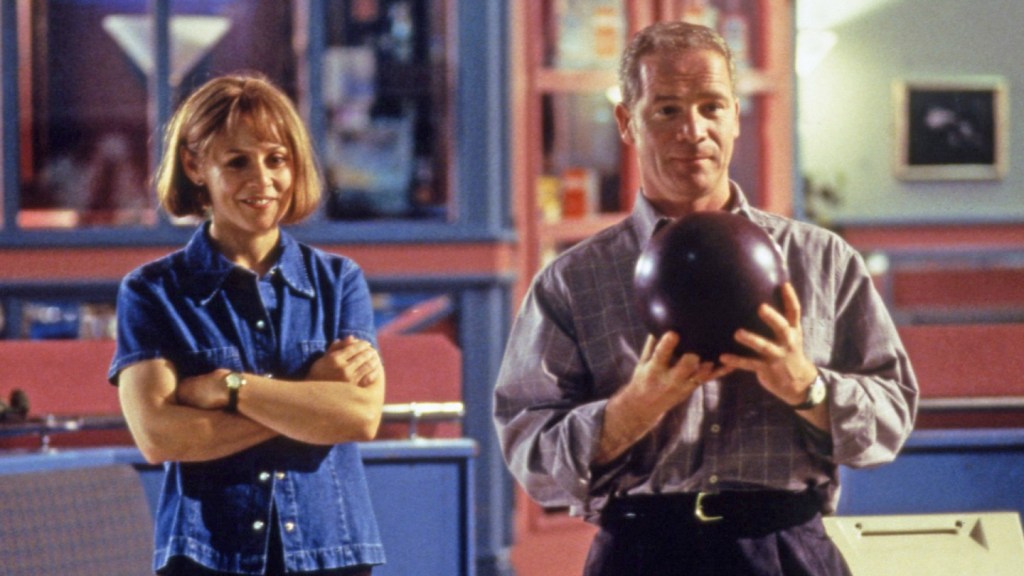
MY NAME IS JOE (1998)

Anchored by an incredible leading performance from Peter Mullen, My Name is Joe, centres on Joe Kavanagh and his attempts to stay sober. Joe has been a destructive alcoholic for some years and uses AA to control his drinking. The narrative drive comes from Joe’s attempt to assist recovering drug addict, Liam (David McKay), plus Joe’s blossoming romance with a local health worker, Sarah (Louise Goodall). It’s a raw rendition of Scottish working-class life with romance and tragedy lying side-by-side in a moving portrait of addiction, love and life’s everyday struggles.


THE WIND THAT SHAKES THE BARLEY (2006)

Incredibly controversial when released, Loach’s war drama is set in 1920’s, Cork, Ireland. It centres on the conflict between the Irish Republican Army and the British army, as civil war broke out prior to the Anglo-Irish Treaty. The lead protagonists are two brothers portrayed by Cillian Murphy and Padraic Delaney. As the war and violence heightens the two brothers, their families and their compatriots are devastated by harsh British rule. Loach was described as “anti-English and traitorous” by the English press and Conservative politicians, when the film was released. However, irrespective of your politics, it is a stunningly human work of cinema; both shocking and heart-wrenching in equal measures.


LOOKING FOR ERIC (2009)

Films about football (soccer in the U.S.A) and footballers can be very tricky to get right as the game itself arguably works better as a live spectacle, rather than at the cinema. However, Loach scored a big win with this really moving story about a lowly postman, Eric Bishop (Steve Evets), who is struggling with family, love and work pressures. Depressed and almost suicidal, Eric finds unlikely help in the magical appearance of Manchester United football legend, Eric Cantona. Sprinkling the kitchen sink realism with fantasy is a departure for Loach, and Paul Laverty’s wonderful script brilliantly espouses the need for teamwork, fraternity and community within its touching narrative.


I, DANIEL BLAKE (2016)

Having worked for the Benefits Agency a few decades ago, I have some understanding of social security and government assistance schemes. Via the titular character of Daniel Blake (the brilliant Davey Johns), Loach savagely criticises Conservative austerity measures. The systematic turning of the screw has seen many British people have their benefits stopped because of somewhat Kafkaesque measures. Of course, the system should work to stop people abusing it, but many deserving people suffered too. This is demonstrated here in this heartfelt drama of one man, who having suffered a heart attack, battles for his pride and future.


ALL 4 TV REVIEWS – A VERY BRITISH COUP (1988) & SECRET STATE (2012)

ALL 4 TV REVIEWS – A VERY BRITISH COUP (1988) & SECRET STATE (2012)

With a General Election coming up I thought I’d look at a couple of political TV dramas, both of which can be seen on Channel Four’s streaming service All 4. Interestingly enough, they are also both based on Chris Mullin’s book, A Very British Coup (1982).

I don’t propose to be an expert on these things, but I hate politics. It’s a necessary evil as someone has to run society, I guess. What with another General Election on December 12th, 2019, it’s not difficult to feel saturated with all things political and with the cluster-fuck of BREXIT! 


politics.jpg

In the U.K. we have several political parties, but the two main ones are Labour and the Conservatives. They fight and bitch with each other and switch places every four years or so and end up undoing the work the previous party had done. I realise it is a bloody tough thing to run a country, but just wonder whether this the best system we have?

I mean why can’t we join together and work as a collective rather than in constant conflict. Can we not put aside our differences to work toward a common goal? The current system pits us AGAINST each other – left versus right and up versus down and black versus white and green versus blue! Divide and rule seems to be the favoured system to maintain the status quo! Could this change or am I just dreaming!?


A VERY BRITISH COUP (1988) – CHANNEL FOUR

Directed by: Mick Jackson

Adapted by Alan Plater – based on the novel by Chris Mullin

Cast: Ray McAnally, Keith Allen, Alan MacNaughton etc.

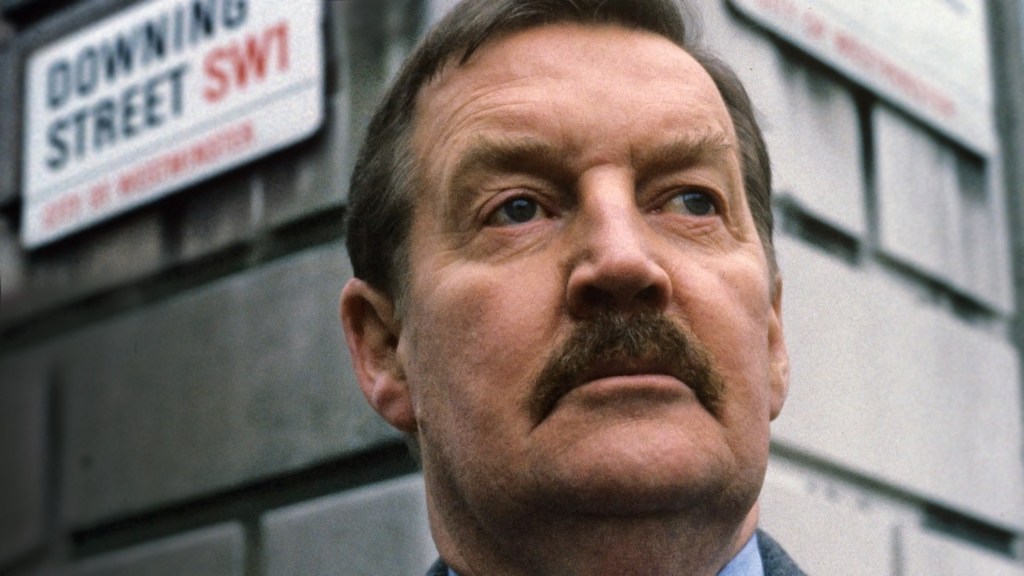
Mullins novel imagines a staunch working class and socialist MP, Harry Perkins, rising to the position of Prime Minister and immediately trying to change the political landscape of the ruling upper classes. His biggest desire is to nationalise industry and proceed with nuclear disarmament. This creates, a perceived a security threat, and Perkins finds himself targeted by the Secret Service, including MI5, MI6 and the C.I.A. Moreover, the scandal-lusting media also attempts to bring him down.

Shot on nostalgia-brimmed 16mm film, this is a high quality political drama. Ray McAnally is absolutely brilliant as the strong-willed man of principal attempting to make the system more honest and open. There are echoes of the current Labour leader, Jeremy Corbyn in his socialist policies, so one can see how Perkins would be a threat. With the financial, media, and government factions all fighting each other, it’s a fascinating exploration of political machinations. Sadly, I don’t think much has changed in Westminster or the world either.

Mark: 9 out of 11


SECRET STATE (2012) – CHANNEL 4

Directed by: Ed Fraiman

Adapted by: Robert Jones – based on the novel by Chris Mullin

Cast: Gabriel Byrne, Charles Dance, Ruth Negga, Douglas Hodge etc.

If I hadn’t looked it up online, I would never have known this was another adaptation of Chris Mullin’s book. This modern update leaves behind the classic left-wing and right-wing politics of the original adaptation and moves into the more murky world of corporate, industrial and military political intrigue. Gabriel Byrne is uniformly excellent as Deputy Prime Minister Tom Dawkins, suddenly thrust into the PM’s place following a tragic series of events. With a devastating chemical disaster ongoing, potential war with Iran, the Secret Service and political rivals plotting against him, Dawkins is threatened from all sides.

What unfolds is a meaty conspiracy drama which, while lacking the political depth of the original TV programme, more than makes up with quality cast and suspense. While lacking a truly compelling ending, the drama benefits from some excellent performances, notably Douglas Hodge as the washed up, alcoholic ex-spy. It was interesting too that the writers deemed it unnecessary to define what political party Dawkins was from, such was the more ambiguous nature of the political landscape in the pre-Corbyn and post-Blair era.

Mark: 8.5 out of 11


LFF REVIEW – THE ANTENNA (2019) – SPOILER FREE

LFF 2019 REVIEW – THE ANTENNA (2019)

Director: Orcun Behram

Writer: Orcun Behram

Cast: Ihsan Onal, Gül Arici, Elif Cakman, Murat Saglam

**********SPOILER FREE REVIEW**********


The London Film Festival is here once again and I have booked in to watch a number of big studio and independent films. Not as many as my wife, who is determined to break herself on the cinematic wheel.

It really is kid in a candy store time at the London Film Festival with all manner of films on show. The first I chose was a low budget Turkish film. It’s a psychological and socio-political horror film called The Antenna (2019).

As we follow the lowly security guard, Mehmet (Ihsan Onal), and various families on the council estate, all manner of weird things start to occur when a new Satellite dish is installed. The slow pace, sharp camera angles, creepy imagery and haunting sound all combine to create an under-the-skin paranoia and fear.

Clearly the Turkish filmmaker, Orcun Behram, is a very talented director who has been learning from the best, notably David Cronenberg and David Lynch. His surreal, dystopian vision of an oppressed tower block in an unnamed state becomes an allegorical critique of Government and media control.

I was really gripped by the film, but once you get the powerful and horrific message the filmmaker is making, The Antenna (2019) feels too long. The sinister pace worked at the beginning but as the film progressed it felt draining. Indeed, while the incredible visuals and soundscape serve the message impressively, it arguably needed to be trimmed for pace to make the horror on show even more powerful.

Mark: 8 out of 11


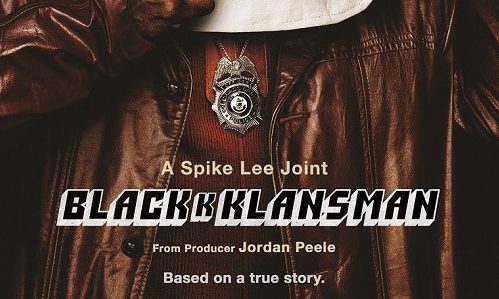
BLACKKKLANSMAN (2018) – CINEMA REVIEW – Spike Lee delivers one of the best films of 2018!

BLACKKKLANSMAN (2018) – CINEMA REVIEW

Directed by: Spike Lee

Produced by: Jason Blum, Spike Lee, Raymond Mansfield, Sean McKittrick, Jordan Peele, Shaun Redick, Jordan Peele

Written by: Charlie Wachtel, David Rabinowitz, Kevin Willmott, Spike Lee

Based on: Black Klansman by Ron Stallworth

Starring: John David Washington, Adam Driver, Laura Harrier, Topher Grace

Music by: Terence Blanchard

Cinematography: Chayse Irvin

blackkklansman

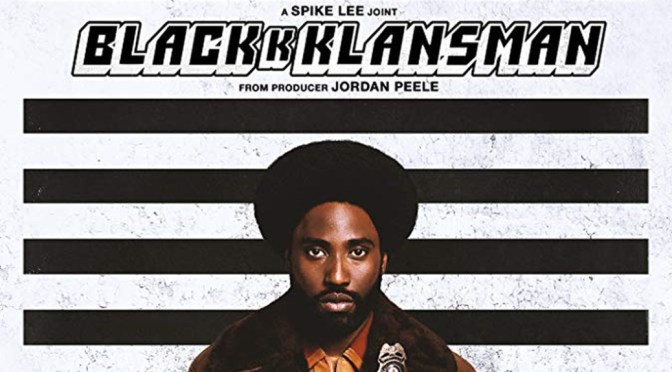
Let’s just say right off the bat that films like Black Klansman (2018) are the reason I still go to the cinema. Even from the trailer I’m like wow: a black police officer goes undercover and infiltrates the Ku Klux Klan!!  That is a story I need to know about!  How the hell did he do that?  What follows then is the how, who, why and what-the-fuck-happened story of Ron Stallworth and how he managed to get between the “sheets”, as it were, of one of the nastiest clubs every to deface the fabric of society.

Racism or prejudice of any fashion is deplorable. There is no place for any oppression within a civilised society. Rising up out of the poisonous embers of defeated Confederate army members, in or around the 1860s, the Ku Klux Klan has sought to manifest hatred and bile since then. Murder, violence, vandalism, hangings and burning crosses became its’ nefarious stock and trade as it sought to make toxic the societal waters. In more recent decades, from the 1950s on, the Klan found a politicised voice seeking power through government. It is here that the story of the Black Klansman (2018) joins. It is 1979 and the civil rights movement continues seeking justice and equality for all. The Ku Klux Klan does not agree. They want purification. They are hatred.

Trailer+For+Director+Spike+Lee's+Buddy+Cop+Movie+BLACKKKLANSMAN1

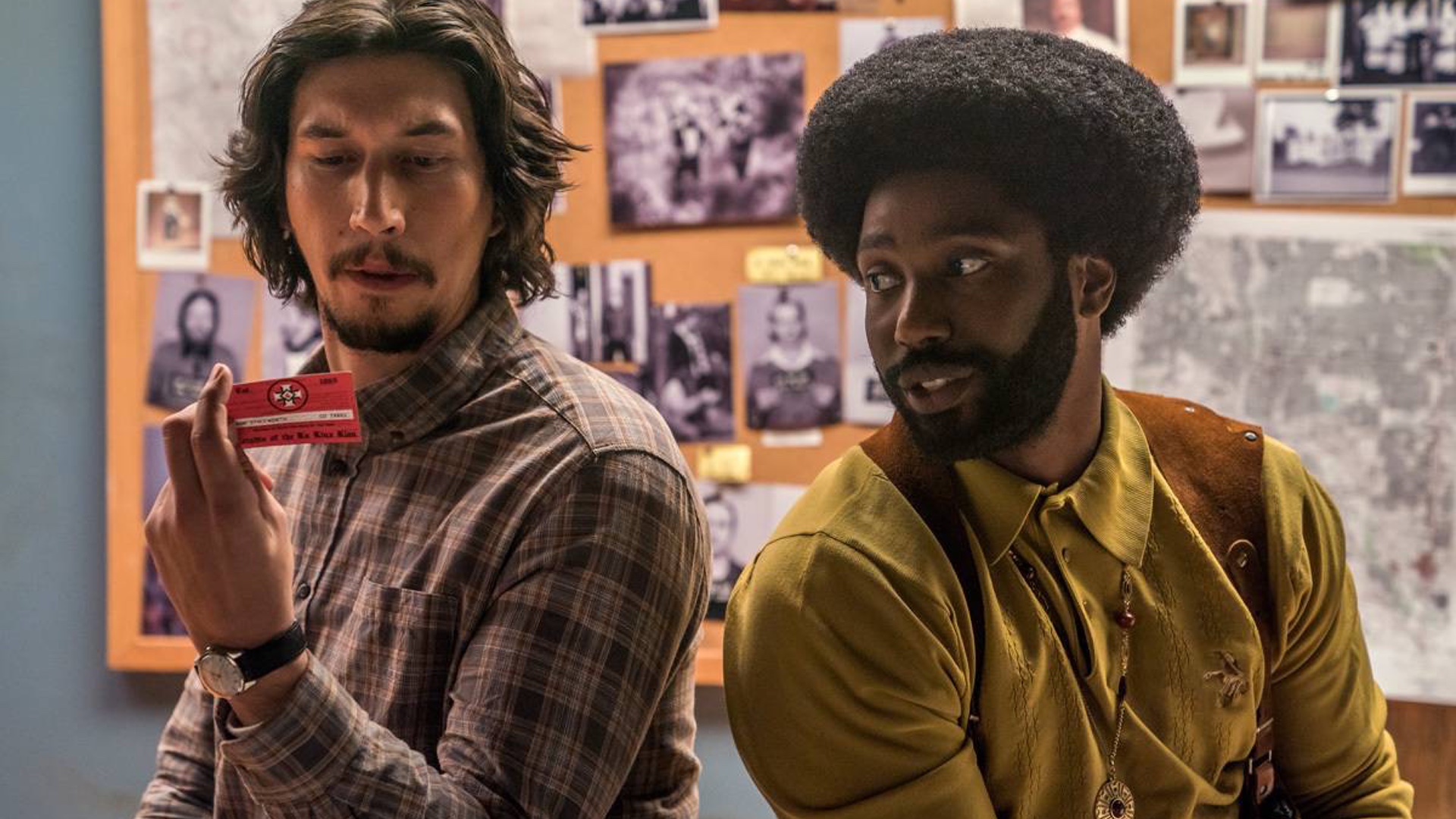
Already a trailblazer as the first black detective in Colorado Springs, Ron Stallworth proves he is an intelligent and reliable undercover officer. Then having seen an advert in the local newspaper for the KKK’s desire to recruit new members, he, rather incredibly, calls to make an appointment. From then on his unbelievable scheme gathers pace and a team is assigned to infiltrate the Klan. These include Flip Zimmerman, a Jewish cop, portrayed with his usual laidback brilliance by Adam Driver; and it is Zimmerman who provides the physical version of Ron Stallworth to the Klan members. Indeed, Driver and John David Washington, as the real Stallworth, form a great double-act during the operation. While Zimmerman takes his life in his hands spying on the fascistic group, Stallworth himself builds relationships on the phone with the head of the Klan Charter, David Duke. Duke is the political arm and portrayed with efficient zeal by Topher Grace.

84e265993815d61a5b9d13f5680b54afafadefcc

Black Klansman (2018) is a complex film which expertly mixes many genres and tones. The humour of Stallworth’s phone calls to the KKK members are hilariously delivered by the charismatic Washington; while the horrific language of the Klan and danger Zimmerman finds himself in levies this humour, creating a flux of emotions. Moreover, Spike Lee, a tremendously confident director, infuses musical, thriller, Blaxploitation and documentary genre styles within the film, making it a joy to experience. One could argue the romantic subplot doesn’t quite flourish amidst the main plots but Laura Harrier gives a fine performance nonetheless within a great ensemble cast. Plus, I must not forget the killer soundtrack which bleeds soul and verve into every shot.

Spike Lee has never been afraid of experimenting with cinematic style and with this film his alchemy perfectly combines form and content. Overall, this is one of the best films I have seen in 2018, both entertaining and thought-provoking; as the final reels of news footage demonstrate that fascism is still among us and as dangerous as ever. Yet, this film is never preachy for the sake of it and uses humour most often as a weapon to undermine the senseless ideologies of the KKK. Indeed, in ridicule there is hope they may eventually be side-lined to the shadows of history.

(Mark: 10 out of 11)

Something to offend everyone! CURB YOUR ENTHUSIASM – SEASON 9 – TV REVIEW

CURB YOUR ENTHUSIASM – SEASON 9 – TV REVIEW

Created by and story by: Larry David

Executive producer(s): Larry David, Jeff Garlin, Robert B. Weide, Larry Charles, Erin O’Malley, Alec Berg etc.

Production company(s): HBO Entertainment, Warner Bros.

Starring: Larry David, Jeff Garlin, Cheryl Hines, Susie Essman, J. B. Smoove etc.

**CONTAINS SPOILERS**

curb-your-enthusiasm-larry-david

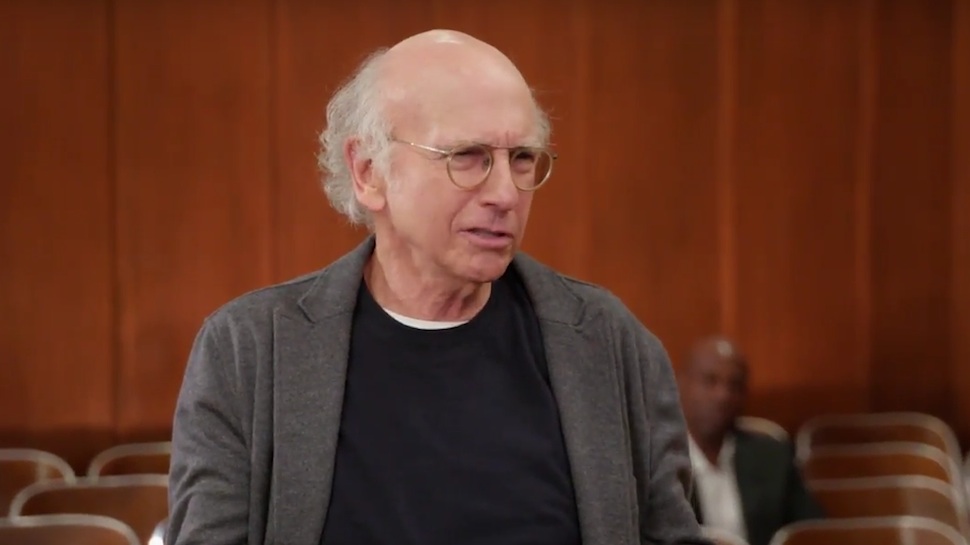
There’s absolutely no reason why a situation comedy about an aging, wealthy, neurotic and narcissistic Hollywood writer should be one of the most consistently funny comedy shows of the last twenty years. There’s no real substance or depth in Curb Your Enthusiasm; in fact not much really happens of great value as it occurs in a “Larry David / Hollywood” bubble. Moreover, in anti-hero Larry David you more often than not find his behaviour abhorrent as he goes about upsetting friends, family members, celebrities, and strangers on a daily basis. However, due to the writing, cast and situations the humour is always pretty, pretty good!

curb-your-enthusiasm

After a six-year hiatus Larry David is back and nothing really has changed. The formula remains the same inasmuch as he gets himself in ridiculous situations upsetting everyone around him, resulting in the most farcical of comedic pay-offs. However, while many of the narrative reveals can be seen a long way off it doesn’t make them any less enjoyable. Special highlights during Season 9 are JB Smoove’s scene-stealing turns as Larry’s “house-guest” Leon Black; who over the course of the last few seasons has inveigled his way into Larry’s life. The two have become an unlikely double act as uncool Jewish bald guy buddies up with his cooler, streetwise and “player” pal. With Leon and Larry you get a relationship which both reflects and satirizes racial stereotypes to funny effect.

curb_your_enthusiasm_season_9_episode_3_b.png

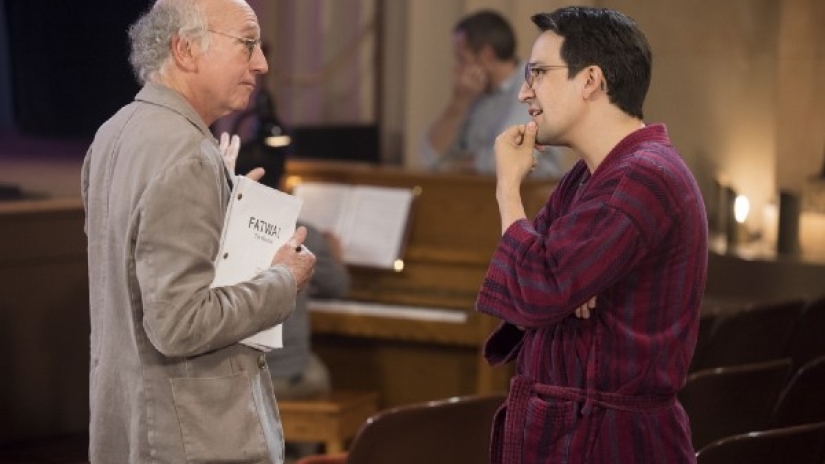
While most of the Season 9 episodes work as stand-alone stories the integral over-riding arc involves Larry David writing a new Broadway show. Inspired by events which occurred to novelist Salman Rushdie, Larry has written a musical called, incredibly, Fatwa!  At first everyone loves the idea and rushes to invest. However, when Larry mocks the Ayatollah on the Jimmy Kimmel show he himself is, you’ve guessed it, hit with a Fatwa!!  The running gags throughout created by this comedic narrative are very broad, un-PC, stereotypically offensive; but also bloody hilarious. I wondered why there wasn’t more controversy; however, Larry David himself is the butt of many of these jokes as he fails to lift the Fatwa.

curb-your-enthusiasm-season-9-episode-10-fatwa-b

The season is crammed with celebrity appearances and particular standouts are: Salman Rushdie, Elizabeth Banks, F. Murray Abraham; and Hamilton creator Lin Manuel-Miranda. The latter hilariously clashes with Larry during the production of the Fatwa: The Musical. There are also some great gags relating to everyday observations including: Uber ratings; pickle jars; tipping; disturbances in kitchens; Asperger’s; plus many more. The episode, Running with the Bulls, with Bryan Cranston portraying Larry’s harangued therapist, was probably my favourite. It was also great to see The Mighty Boosh comedy nut-case Rich Fulcher make an appearance as an evasive Restaurant Manager. Overall, the season was pretty scatter-gun in it’s target humour but it certainly hit the mark throughout. I’m just amazed, in these liberal-PC-social-media-offence-driven times there wasn’t more controversy. Having said that Larry David probably wouldn’t care as in his own words, “I have reservations about everything I do.”
Mark: 9.5 out of 11

HBO’S DEADWOOD (2004 – 2006) – CLASSIC TV REVIEW

HBO’S DEADWOOD (2004 – 2006) – CLASSIC TV REVIEW

ORIGINAL NETWORK: HBO – CURRENT NETWORK: SKY ATLANTIC

CREATED BY: David Milch

STARRING: Timothy Olyphant, Ian McShane, Molly Parker, Powers Boothe, Dayton Callie, Kim Dickens, Brad Dourif, John Hawkes, and Robin Weigert etc.

SEASONS: 3 – EPISODES: 36

ORIGINAL RELEASE: March 21, 2004 – August 27, 2006

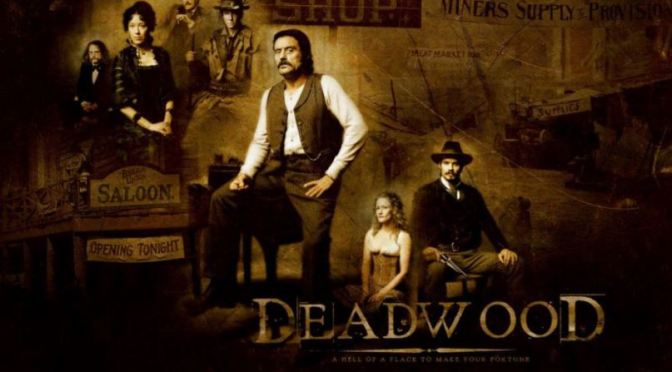
Image result for deadwood characters

The blood and sweat and liquor seep into muddy earth as wood creaks, leather cracks and barrels roll within the midst of morning in Deadwood town. Horses cry readying themselves for the work ahead as the hangover of alcohol, greed and necessity fill men, women and children’s hearts not knowing how the day will end. They could be destitute, broke or worse; six feet under from a gunshot or plague or had their throat cut during a game of poker. Or they could be richer than a King or Queen having struck lucky in the goldmines of Montana. These are desperate times brimming with whores, bandits, con-artists, killers and unbelievably twisted optimism. There’s hope that striking gold will change lives forever and bring about fortune and prosperity. More often than not though it simply brings about death.

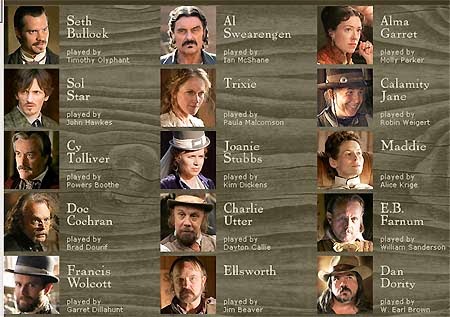
Image result for deadwood characters

David Milch’s formidably researched Western TV classic was a show I’d never ever seen so I took great pleasure drinking in its’ flavours and palette at the end of 2017. I recall when released the tabloid newspapers were forever reporting the controversy of the colourful industrial language. While the language is indeed profane and sometimes enough to make a football referee blush it is the stand-out element of the scripts. Because Deadwood is one of the most brilliantly written shows I’ve seen; and while the dialogue is clearly anachronistic it feels paradoxically authentic. Throughout the thirty-six episodes the monologues sing from the screen as a litany of character actors drawl and deliver words of filth, comedy and great tragedy. At times the dialogue is so dense it reaches sonorous Shakespearean heights.

Image result for deadwood characters

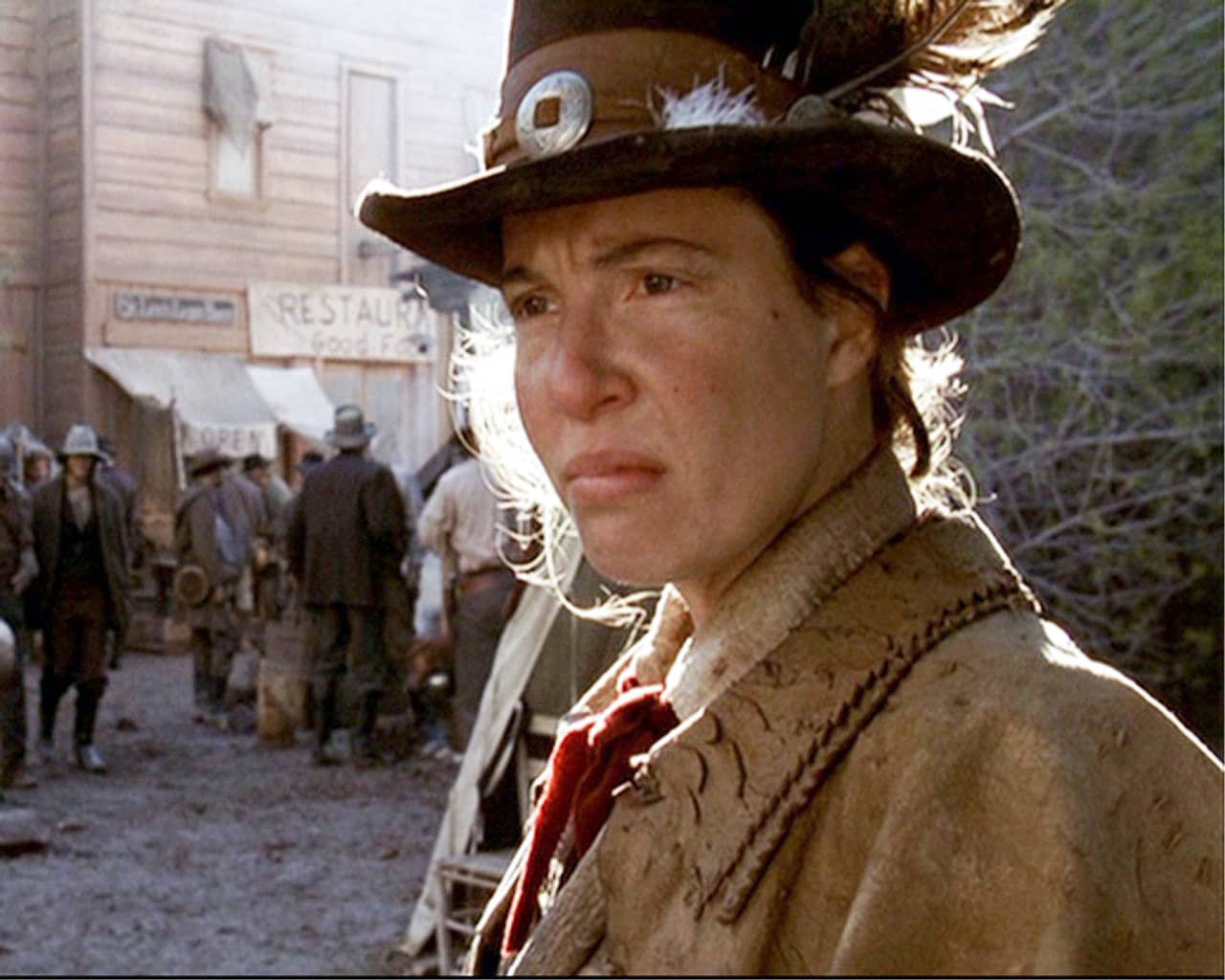
The narratives of each season feature characters based on real people from history (Calamity Jane, Wild Bill Hickok, Al Swearengen, Seth Bullock et al); all presented via a daily slice of mining camp life through an incredible ensemble cast. There are no heroes to hang our desires on but rather a rag-tag clan of flawed human beings presented as: killers, cowards, thugs, addicts, prostitutes, card sharks, immigrants, gold-diggers, crooked politicians and morally dubious law representatives. The amazing cast, led with frightening acting acumen by: Ian McShane, Timothy Olyphant, Molly Parker, John Hawkes, Robin Weigert, Brian Cox and Powers Boothe spit words as weapons, while the glint of gold drives humanity, creating a hard-bitten early representation of the American dream.

Image result for deadwood characters

Here the early realms of civilization and society are shown to be full of issues relating to: race, capitalism, prostitution, misogyny, violence, politics, and immigration. Thankfully, things have changed now and we live in a near-perfect society with no problems today. NOT! Deadwood may represent a series of distant Wild West memories but its’ grizzled and bloody vision of humanity is just as valid today. The streets of society now may have pavement and tarmac and skyscrapers but they are still besmirched with blood and greed and alas that will never change.

Mark: 10 out of 11