Tag Archives: reviews

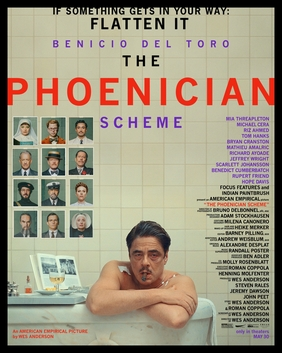
Cinema review: The Phoenician Scheme (2025) – plus Wes Anderson’s Top 11 films ranked in order of favourite!

Cinema review: The Phoenician Scheme (2025)

Directed by Wes Anderson

Screenplay by Wes Anderson

Story by Wes Anderson and Roman Coppola

Produced by Wes Anderson, Steven Rales, Jeremy Dawson, John Peet

Cinematography by Bruno Delbonnel

Main cast: Benicio del Toro, Mia Threapleton, Michael Cera, Riz Ahmed, Tom Hanks, Bryan Cranston, Mathieu Amalric, Richard Ayoade, Jeffrey Wright, Scarlett Johansson, Benedict Cumberbatch, Rupert Friend, Hope Davis, etc.


Reviewing films for me is a form of study—a way to sharpen one’s eye, expand one’s perspective, and gain insight into the craft of filmmaking. It’s a dialogue between the film and the viewer, where curiosity, analysis, and empathy fuel a deeper appreciation for the storytelling process. Yet, Wes Anderson’s films often feel unreviewable in the traditional sense because they exist entirely within their own meticulously crafted universe—one governed by its own visual grammar, emotional tone, and narrative rhythm. His work defies conventional cinematic benchmarks not because it fails to meet them, but because it invents new ones.

His films are stylized to the point of abstraction: symmetrical compositions, pastel palettes, theatrical performances, deadpan dialogue, and storybook framing devices. These are not aesthetic flourishes added to conventional storytelling—they are the storytelling. Every element is calibrated to serve a singular artistic vision that prioritizes mood, irony, and emotional restraint in a way that often bypasses mainstream emotional cues. As a result, trying to evaluate Anderson’s films on the basis of relatability or realism can feel like trying to critique a painting for not being a photograph. You either enter his world and accept its rules, or you don’t.
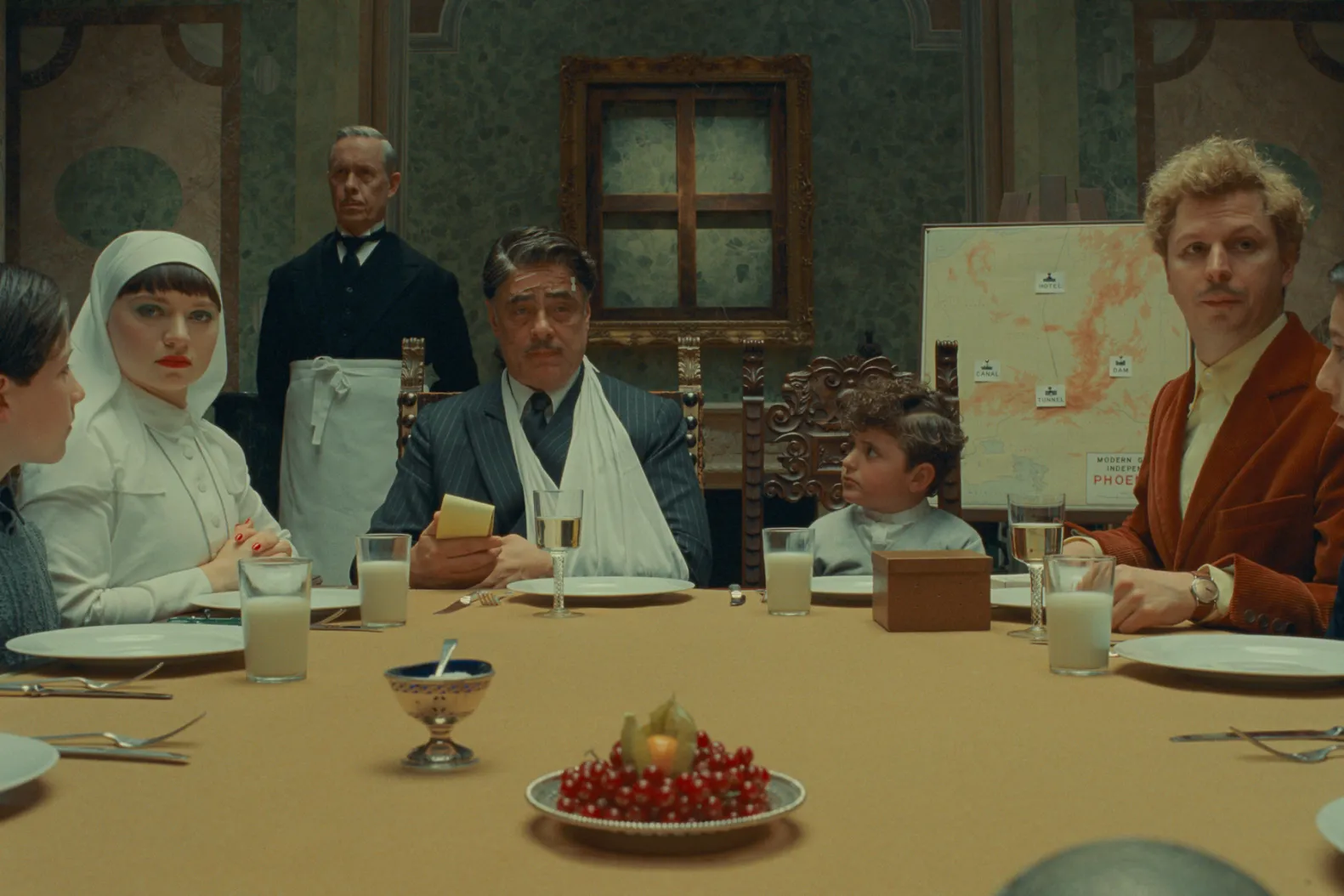


The Phoenician Scheme (2025) is a whimsically convoluted tale of betrayal, bureaucracy, and buried emotion, anchored by a surprisingly tender pairing: Benicio Del Toro and Mia Threapleton as an estranged father and daughter navigating a pastel-hued world of espionage, assassination attempts and eccentricity. Del Toro brings his signature quiet intensity—filtered through Anderson’s signature deadpan—as Anatole “Zsa-Zsa” Korda, a controversial businessman seeking backing from an array of peculiar business types. Threapleton, in a breakout performance, plays Sister Liesl, a guarded young nun.

As always, Anderson’s aesthetic is immaculately controlled—every frame a still life, every line delivered with just-so detachment. But where the plot sometimes meanders through its own labyrinth of quirk, the film’s emotional core remains grounded in Del Toro and Threapleton’s quiet push-and-pull: a relationship built on misread intentions, half-kept promises, and a strange kind of inherited stoicism. Michael Cera is on splendid form too as Bjørn Lund, a Norwegian entomologist, tutor, and Korda’s administrative assistant.

Overall, The Phoenician Scheme (2025) is best enjoyed as a moving art installation and while thematically strong in terms of the father-daughter-reconciliation theme, doesn’t reach the narrative heights of Anderson’s best work. It’s a visually charming and emotionally sincere entry—proof that even in a world of plane crashes, quirky business deals, weird relatives, religious fervour, eccentric guerrillas, the arc of connection between a father and daughter can still feel radical.

Mark: 7.5 out of 11


Wes Anderson’s Top 11 films ranked in order of MY favourites!

1. Rushmore (1998)

2. The Grand Budapest Hotel (2014)

3. The Royal Tenenbaums (2001)

4. Bottle Rocket (1996)

5. Asteroid City (2023)

6. Isle of Dogs (2018)

7. Moonrise Kingdom (2012)

8. The Darjeeling Limited (2007)

9. The Phoenician Scheme (2025)

10. The Life Aquatic with Steve Zissou (2004)

11. The French Dispatch (2021)



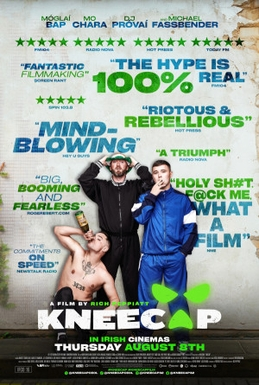
Amazon Prime Film Review: Kneecap (2024) – Irish rap rebels substitute words-for-bombs in riotous youth-in-revolt triumph!

Amazon Prime Film Review: Kneecap (2024)

Directed by Rich Peppiatt

Screenplay by Rich Peppiatt

Story by Rich Peppiatt, Liam Óg Ó hAnnaidh, Naoise Ó Cairealláin, JJ Ó Dochartaigh

Produced by Jack Tarling and Trevor Birney

Main cast: Naoise Ó Cairealláin, Liam Óg Ó hAnnaidh, JJ Ó Dochartaigh, Josie Walker, Fionnuala Flaherty, Jessica Reynolds, Adam Best, Simone Kirby, Michael Fassbender, etc.

Cinematography by Ryan Kernaghan

*** MAY CONTAIN SPOILERS ***


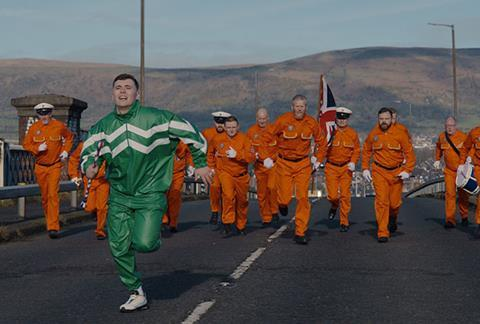
The 2024 film Kneecap is a riotous, politically charged portrait of youth in revolt, channeling the raw energy of punk and hip-hop into a uniquely Irish-language rebellion. Starring the real-life Belfast rap trio—Mo Chara, Móglaí Bap, and DJ Próvaí—as fictionalized versions of themselves, the film blends anarchic humour, biting satire, rites of passage, and cultural defiance to tell the story of how a group of working-class misfits wove their frustrations into musical gold.

Set in post-Troubles West Belfast, the film captures the lingering scars of British occupation and the generational trauma it left behind. Liam (Mo Chara) and Naoise (Móglaí Bap) are introduced as small-time drug dealers navigating poverty, police harassment, and fractured families. Their lives take a turn when JJ Ó Dochartaigh, a disillusioned Irish-language teacher, discovers their lyrical talents and joins them as DJ Próvaí. Together, they form the eponymous group, an Irish-language rap group that weaponizes music as a form of cultural resistance.

The film is unapologetically rebellious, using the Irish language not just as a means of communication but as a symbol of defiance. Arlo (Michael Fassbender), Naoise’s father and a former republican paramilitary, encapsulates this sentiment when he declares, “Every word of Irish spoken is a bullet fired for Irish freedom” . This philosophy permeates the group’s music, which tackles issues like British colonialism, drug culture, and the complexities of identity in a divided society.


Kneecap (2024), while a bold and electric celebration of youth rebellion arguably overstretches itself emotionally by attempting to cover too many themes at once. In its ambition to be both a political statement and a coming-of-age tale, a musical odyssey and a generational cry for recognition, the film occasionally dilutes its emotional impact. As the film juggles a multitude of weighty themes: the trauma of post-Troubles Northern Ireland, the fight for Irish-language preservation, the drug culture plaguing working-class communities, the fractured nature of family life, absent fathers and mothers, and the burden of political legacy. Add to this the rise of a rap group in an unexpected cultural context, and the film becomes a whirlwind of ideas competing for attention. The result is a film that sometimes feels like it’s racing to say everything at once, rather than letting its most resonant emotional threads breathe.

Nonetheless, director and co-writer, Rich Peppiatt, displays strong visual flair evoking the urban vibrancy of Trainspotting (1996) and underdog musical joy of The Commitments (1991). It helps that the film is often fucking hilarious. Plus, I realise it’s a raw reflection of their life choices, I could take or leave the perpetual scenes of gratuitous drug-taking. At the same time, the film doesn’t shy away from the gritty realities of its setting. It portrays the trio’s clashes with radical republican groups, their run-ins with the police, and the family and romantic struggles that come with their newfound fame.

Amidst the chaos, Kneecap (2024) maintains a sense of humour and humanity, offering a nuanced look at the power of art to challenge the status quo and inspire change. In essence, Kneecap is a ballsy and risk-taking celebration of rebellion, a testament to the enduring power of language and music as tools of resistance, and a vivid portrayal of youth challenging the remnants of a colonial past and a country attempting to find peace and identity after centuries of conflict.

Mark: 8.5 out of 11


Apple TV+ Film Reviews – Part Two

Apple TV+ Film Reviews – Part Two

As is standard procedure when one creates a part one of a series, the logical and linear progression is to have a part two. So, having watched the majority of the AppleTV+ films currently streaming I now move onto part two. The first set of reviews can be found here:


Coda (2021)

For some unknown alphabetical amnesia I forgot to include this Oscar -winning film in the first set of reviews, so I rectify that omission now. Arguably one of the best films on the platform, it is simultaneously a feelgood, tearjerker and a Save-the-Cat-screenplay-template-box-ticker hitting wholly familiar beats and a well-trodden genre path. Nonetheless, it is a terrifically entertaining, moving, funny and heart-warming story which, on reflection kind of surprisingly won the Academy Award for best film. I personally think another remake West Side Story (2021) was a far more scintillating work of cinema, but hey what do I know? My original review of Coda (2021) can be found below. Mark: 9 out of 11.


Ghosted (2023)

Of late Chris Evans has been choosing roles, as with Red One (2024), that go against the Alpha-heroic persona of Captain America. Unfortunately, Knives Out (2019) aside, the results are average at best. Aside from a series of amusing cameos in the middle act, not even the alluring Ana De Armas can save this clunky AI-written-spy-romance. With better scripting and direction this attractive action fluff could’ve been almost bearable. I remember when Dexter Fletcher made really good low-budget indie films like Wild Bill (2011). Mark: 5 out of 11.


The Gorge (2025)

I really enjoyed this big-budget-romantic-monster shoot-em up. I need to watch it again sober before deciding if it is going to make my top films of the year list or did I love it because I was drunk. Miles Teller and Anya Taylor-Joy revel in fine on-screen chemistry as the physical and symbolic divide provides no barrier to their lustful wants. My full review can be found below. Mark: 8.5 out of 11.


The Greatest Beer Run Ever (2022)

Likeable every-guy, Chickie Donohue (Zac Efron), has the crazy notion of hand delivering beer to his buddies fighting in Vietnam. But his naïve morale-boosting trip soon becomes an eye-opening and perspective changing nightmare. There’s a really good dramatic character arc in this historical 1968-set “road” movie but the comedic tone dilutes the overall catharsis of the journey. Efron is full of energy while the formidable presence of Russell Crowe is memorable if woefully under-used. Mark: 7 out of 11.


Greyhound (2020)

A fast-paced and technically impressive WW2 film with Tom Hanks portraying the Commander of a destroyer battling to survive an enemy onslaught amidst a part of the sea called ‘the Black Pit’. It’s been a while since I watched this but recall it being a solid suspense thriller with great production design and effects, although a little light on meaty character development. Mark: 7 out of 11.


The Instigators (2024)

Matt Damon and Casey Affleck team up once again for this underdog heist film which tries to be funny and dramatic, but misses the nuanced tone a director like Steven Soderbergh can deliver. I kind of enjoyed this because I like Damon, Affleck and Hong Chau, but many scenes suffer from the sense the actors are “improvising” and rewriting the script as they go along. Also, why can’t we have some proper 1970’s hard-boiled crime films like Sam Peckinpah and David Mamet used to deliver. Not all robbery films have to have one-liners throughout. Mark: 6 out of 11.


Killers of the Flower Moon (2023)

My critical feelings of Martin Scorsese’s most recent epic did not shift on the second watch. This profile of the horrors that befall the Osage people after they have struck oil remains compelling. Indeed the film contains powerful themes relating to the greed, power and psychopathy of the white man, but focusing the main thrust of the narrative from their perspective creates a skewed and oddly unimpactful viewing experience. Of course, Scorsese’s filmmaking expertise shines through and the performances are terrific. Mark: 8 out of 11. My full review is here:


Luck (2022)

I felt more than a tad unlucky after watching this animated misfire which didn’t work on any level. I know hundreds of crafts-people worked hard creating this, but why not spend a bit more time on the script. Or film another script altogether. The fact that the budget for this film is reported to be $140 million and there are people starving in the world is a travesty against humanity. Mark: 3 out off 11.


Napoleon (2023)

I haven’t had the spiritual gumption to re-watch this messy biopic from Joaquin Phoenix and Ridley Scott. There’s a four-hour directorial version to contemplate watching too. Oh, if only Stanley Kubrick had made his version. My original review is below. Mark: 7 out of 11


Palmer (2021)

Justin Timberlake again proves himself an adept leading man, having successfully graduated from the Disney-groomed production line he started out on. Palmer (2021) is overall a well-acted and directed redemptive crime drama, which also tackles themes relating to gender nonconformity to differentiate the well worn “parolee-trying-to-go-straight” narrative. Mark: 7 out of 11.


Sharper (2023)

Sharper (2023), directed by Benjamin Caron, skillfully uses classic con artist film tropes to craft a layered and compelling drama. By blending familiar elements of the genre with sleek cinematography and a nonlinear narrative, the film elevates itself above typical heist fare and leans into character-driven storytelling. The terrific cast, notably Julianne Moore, have fun with a genre script containing emotional depth, deliberate pacing, and decent characterisation. Mark: 7.5 out of 11.


Tetris (2023)

Tetris (2023), directed by Jon S. Baird, turns the unlikely origin story of a video game into a surprisingly engaging Cold War-era techno-thriller—at least for a while. Rooted in real historical tensions, the film smartly weaves espionage, corporate greed, and political paranoia into the story of how a simple puzzle game became a global phenomenon. However, its descent into exaggerated action sequences, particularly the climactic chase, turns it into something closer to parody than period drama. It’s a film that ultimately undercuts the suspense by choosing spectacle over substance. Mark: 7 out of 11


Apple TV+ Film Reviews – Part One

Apple TV+ Film Reviews – Part One

Apple TV+ has had an interesting trajectory since it launched in November 2019. While it entered an already crowded streaming landscape, it quickly distinguished itself—particularly with its high-quality original series, even as its film offerings have been a bit more inconsistent.

Apple TV+ has rightly earned a reputation for premium TV content, often described as “curated” and “prestige-focused.” Some standout series include: Ted Lasso, Slow Horses, Pachinko, Severance, The Morning Show, Bad Sisters, Dickinson, and many, many more. These shows share a few key traits: strong writing, high production values, and a willingness to take creative risks. Apple’s deep pockets have allowed them to secure A-list talent and give creators the freedom to execute ambitious visions.

When it comes to films, Apple TV+ has seen a less consistent track record. While the platform has had some critical hits, the overall output hasn’t matched the buzz or consistency of its series. Over the last year or so I have watched the majority of the films they have produced and have now consolidated them in a series of short reviews for your consideration. Marks out of 11 and links to the longer reviews where applicable.


A Charlie Brown Thanksgiving (1973)

A trip down memory lane watching this classic short focusing on the quirky adventures of hapless Charlie Brown, his friends and of course, Snoopy. Simple, but effective animation, and wonderfully mellow soundtrack make this a memorable comfort watch. Mark: 8 out 11


Argylle (2024)

Matthew Vaughn’s directorial career started really strongly and he soon carved out an excellent C.V. consisting of some fantastically entertaining genre films. But this tonally chaotic spy comedy-actioner is so laughably awful I actually thought I was watching an Airplane-style parody. The mildly-meta screenplay offers the occasional spark and Sam Rockwell is great as always. Mark: 4 out of 11


The Banker (2020)

Absorbing drama based-on-the-true-story of two entrepreneurs, portrayed brilliantly by Anthony Mackie and Samuel L. Jackson, who expertly circumnavigate the racism of 1950s while starting a successful real estate business. Nicholas Hoult also excels as the eager front man they employ to be the face of their business. Mark: 8 out of 11


Blitz (2024)

“. . . Blitz (2024) is McQueen’s beautifully filmed and noble testament to the strength and resilience of the human spirit during wartime.” Read the full review here. Mark: 8 out of 11.


Bread and Roses (2023)

A gut-wrenching documentary about the female activists protesting the oppressive decision to deny them the rights to education past sixth grade, work, and walking unaccompanied in public following the Taliban’s takeover of Afghanistan. One of those humanist documentaries that leaves you feeling depressed and powerless at the injustice of such grave socio-political events. The women at the heart of the film show incredible bravery in the face of threats, violence and ultimately murder. A compelling yet almost impossibly sad watch. Mark: 9.5 out of 11


Causeway (2022)

Character drama centring on themes relating to PTSD and grief, presents fine acting performances from Jennifer Lawrence and the fantastic Brian Tyree Henry. Compelling indie vibes bubble along without ever coming to a serious boil. Lawrence’s company co-produced this film and Bread and Roses (2023), before undoing a lot of the good work with the weirdly well-reviewed but pretty dire, fake-naked comedy, No Hard Feelings (2023). Mark: 7 out of 11.


Cherry (2021)

The Russo brothers certainly know how to deliver an entertaining and homogenous Marvel blockbuster, but this Tom Holland PTSD-burnout crime drama is over-directed, over-long and overall a painful misfire. Mark: 5 out of 11.


Emancipation (2022)

A very solid period drama with Will Smith as an escaped slave, Peter, who battles against the odds to find freedom. Covers much of the same ground as other better emancipation and war films, but Antoine Fuqua delivers stirring genre cinema with Ben Foster, once again, stealing scenes as a vicious slave hunter. Good story although the civil war fighting came too late in the final act structure for me. Mark: 7 out of 11.


The Family Plan (2023)

The normalization in Hollywood of the government assassin theme dominates this entertaining garbage with Mark Wahlberg as a suburban family guy with a hidden secret. Some okay gags and shoot-out action amongst the AI-created plot that’s based on about twenty different way better movies. Mark: 5.5 out of 11.


Finch (2021)

Tom Hanks stars as the eponymous Finch, in this stylish “last-man-on-Earth” apocalyptic drama. I loved the design and look of this film but dramatically it unfortunately it’s not as roasted as the radiated Earth it’s set on. Echoes of Castaway (2000) meets Silent Running (1972) but Hanks just doesn’t let rip as he did on the desert island or as much as the pulsating Bruce Dern did. So, Finch (2021) is mostly too sombre and understated for me to recommend wholeheartedly. Mark: 6.5 out of 11.


Fly me to the Moon (2024)

There’s a really good historical drama, a really good romantic comedy, a really good sci-fi-conspiracy thriller and really good satire in Fly me to the Moon (2024), however, such genres overlap and suffocate each other ultimately during the running time. Channing Tatum and Scarlett Johannson add shine and depth to their characters, yet the tonal shifts from serious space race drama to camp fake moon landing and filmmaking gags stop the film from really soaring into orbit. Still, there’s a lot to enjoy about this beautifully rendered and pacy late-60s era production. Mark: 7.5 out of 11.


Romford Horror Film Festival 2025 appreciation post!

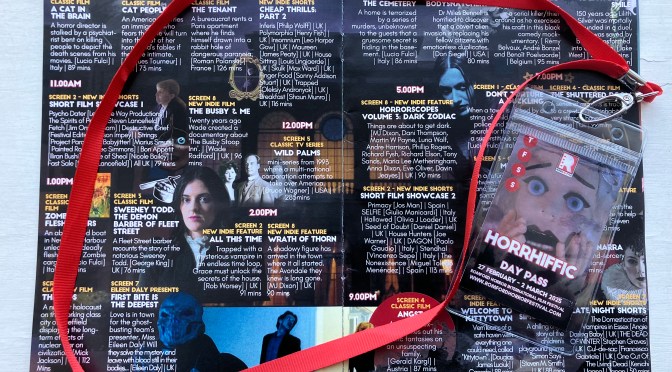
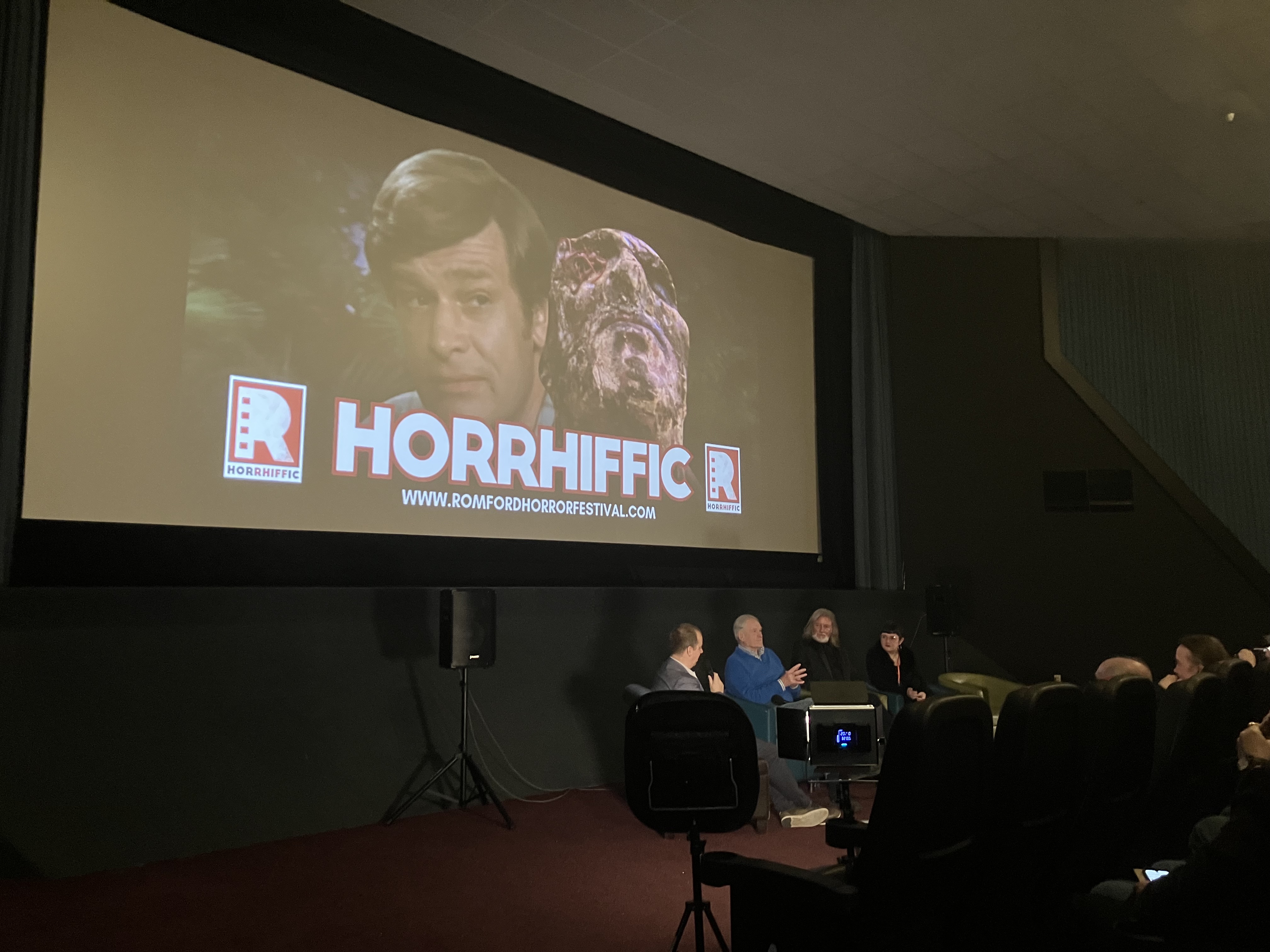
Romford Horror Festival 2025 – review and thanks!

The Romford Horror Film Festival in Essex has quickly become a key destination for both emerging and established voices in horror cinema. With a mission to champion independent filmmaking talent, the festival provides a crucial platform for new directors, writers, and producers to showcase their work to enthusiastic audiences and industry professionals.

One of the festival’s standout features is its dedication to fresh, original horror storytelling. By curating a diverse lineup of indie horror shorts and feature films, the event serves as a launchpad for up-and-coming talent, offering them exposure, networking opportunities, and even awards that can propel their careers forward. The festival frequently hosts Q&A sessions, panel discussions, and filmmaker meetups, giving creatives a chance to engage directly with fans and industry insiders.


Alongside its celebration of new talent, the Romford Horror Film Festival also pays tribute to the classics of the genre. Screenings of beloved horror films from the past ensure that attendees not only experience the latest innovations in horror filmmaking but also gain an appreciation for the genre’s deep roots. By blending the past and future of horror, the festival fosters a sense of community among horror enthusiasts, creating an environment where cinephiles, filmmakers, and genre veterans can connect.

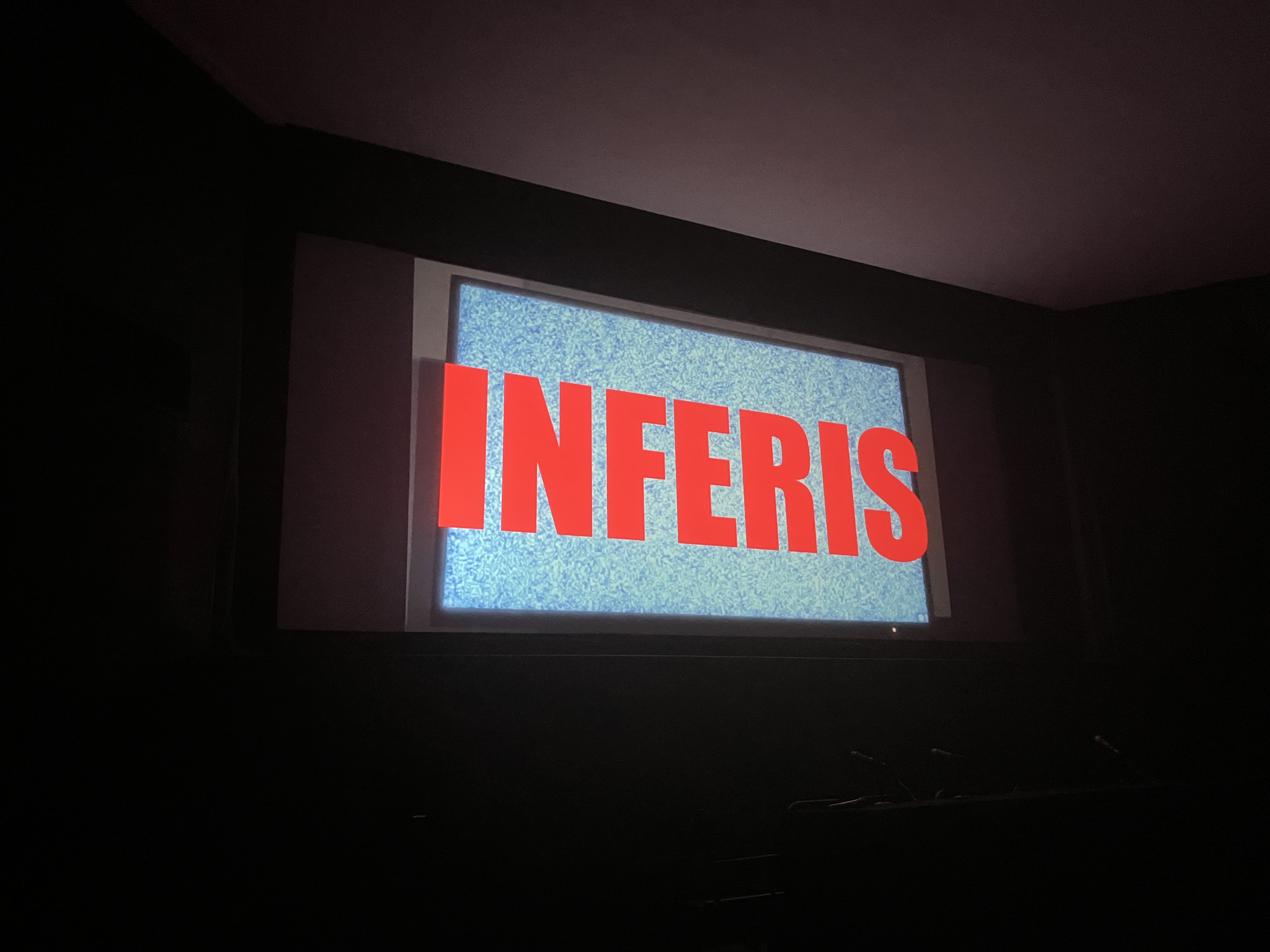
I attended on the Saturday and watched my short film Inferis (2024), plus a stream of other amazing short films. I then got to see Lucio Fulci’s gore classic, Zombie Flesh Eaters (1979) on the big screen. A very entertaining Q & A featuring cast members including Ian McCulloch followed. The programme also contained several more Fulci horrors, Threads (1984), The Evil Dead (1981), Metropolis (1927), Man Bites Dog (1992), Razor Blade Smile (1998) and many other vintage classics alongside the best of new indie releases. If you love horror films then check out their website for future events here!


Netflix Film Reviews: Indonesian Action Maestro – Timo Tjahjanto Trilogy

Netflix Film Reviews: The Timo Tjahjanto Trilogy

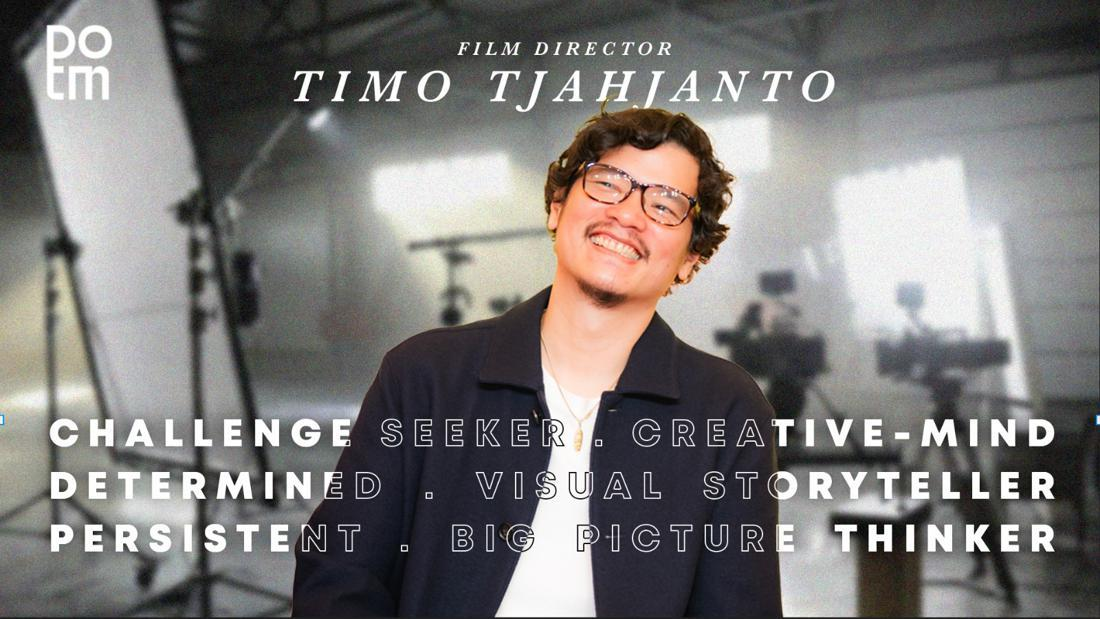
When Welsh filmmaker Gareth Evans burst on the cinematic scene with martial arts film, Merantau (2009) and followed it with the seminal action classic, The Raid (2011), he precipitated a welcome interest in Indonesian cinema and visceral fight films too. On reflection, Evans’ rise has influenced Indonesian director, Timo Tjahjanto, and their collaboration played a significant role in shaping the latter’s career. The two directors worked together on the action-packed Safe Haven segment of the anthology film V/H/S/2 (2013), which gained critical acclaim for its intensity and creativity. This partnership showcased Tjahanto’s knack for blending horror, action, and suspense, a style Evans is also known for through his work on the aforementioned The Raid series.

Thus, as a massive fan of The Raid (2011), I decided to watch Tjahjanto’s most recent Netflix releases. Their shared focus on high-octane action and stylized, bloody violence has led to comparisons between each of the filmmakers’ work and a sense of mutual inspiration. Tjahjanto has often expressed admiration for Gareth Evans’ meticulous approach to action choreography and storytelling. Evans’ ability to balance fast-cutting action, physically powerful actors and pulsating sound effects likely resonated with Timo, who has implemented similar techniques in his own films.

Here are three short reviews of those Netflix actioners from Tjahjanto, who is soon to be directing Nobody 2 (2025). I realise scenes where characters are garroted, decapitated, strangled, snapped, shot, hung and impaled with their own splintered bones are not the most seasonal of films to recommend, but if you absolutely love fist-blade-gun-bomb-stick-knife-head-tools-led set-pieces then do check them out.

** MAY CONTAIN SPOILERS **


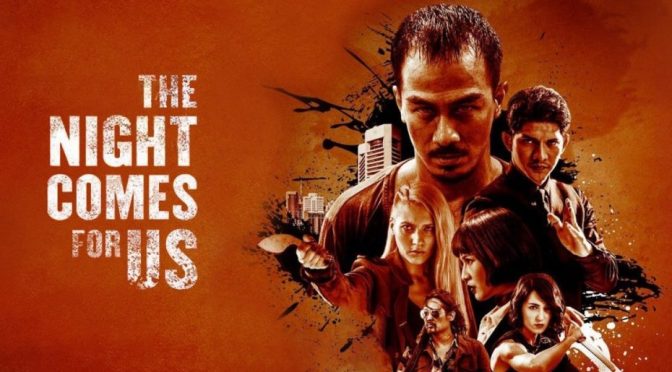
THE NIGHT COMES FOR US (2018)

Main cast: Joe Taslim, Iko Uwais, Julie Estelle, Sunny Pang and Zack Lee

Fans of the The Raid series will recognise Iko Uwais immediately, however, he is not the main hero in this frenetic and ultra-violent crime thriller. Not that there are not many heroes on show here. Tjahjanto is very much a genre writer and director, presenting big archetypal gangs involving the South East Asian Triads, groups called ‘The Big Six’ and characters called ‘The Operator.’ While there is an attempt to create emotion, Tjahjanto’s strength is in directing and choreographing blistering battle scenes between these various gangs.

The Night Comes For Us (2018) plot finds Joe Taslim’s, Ito, as enforcer saving a young girl’s life and trying to turn his back on crime and violence. It’s easier said than done as all hell breaks loose when various crime factions pursue him in a myriad of ferocious set-pieces. Here Tjahjanto vision of violence serves as more than just a tool for storytelling; it becomes an overwhelming, nihilistic force that shapes the film’s worldview and emotional tone. The relentless brutality and graphic depiction of human suffering go beyond entertainment, creating a numbing effect that forces viewers to confront the inescapable cycle of destruction and loss. The theme of redemption is at the heart of Ito’s journey, but ultimately it’s the high body count that stays with you.

Mark: 8.5 out of 11


THE BIG 4 (2022)

Main cast: Abimana Aryasatya, Putri Marino, Lutesha, Arie Kriting and Kristo Immanuel etc.

The Big 4 (2022) takes a sharp tonal shift from the grim and nihilistic world of The Night Comes for Us, embracing a blend of high-octane action and irreverent humour. While both films showcase the director’s trademark flair for elaborate action choreography and over-the-top violence, The Big 4 tempers its brutality with comedic undertones, a zany dysfunctional family dynamic, and a sense of fun reminiscent of The A-Team.

The film is peppered with witty banter, physical comedy, and absurd situations that lighten the mood, even during intense action sequences. The violence, while still extreme, is stylized in a way that leans more toward cartoonish spectacle than visceral horror, allowing the audience to laugh along with the chaos rather than feel emotionally drained by it. At the heart of The Big 4 is the relationship between its central group of misfit assassins, who operate more like a chaotic, bickering family than a traditional hit squad. The result is a film that retains Timo Tjahjanto’s penchant for adrenaline-fueled spectacle while delivering a more comedic and uplifting familial experience.

Mark: 7.5 out of 11


THE SHADOW STRAYS (2024)

Main cast: Aurora Ribero, Hana Malasan, Taskya Namya, Agra Piliang, Andri Mashadi, Chew Kin Wah etc.

Tjahjanto’s latest release, The Shadow Strays (2024) melds the sleek, character-driven intensity of Nikita (1990) with the mythic, stylized world-building of John Wick, resulting in a brutal and visceral cinematic experience that showcases his signature flair for action. The film blends high-octane combat with a dark, morally ambiguous narrative, creating a layered world filled with shadowy organizations, unrelenting assassins, and a protagonist caught between vengeance and redemption.

The well-worn plot shows a young trainee assassin called, Thirteen (Aurora Ribero), trying to find her own identity, at the same time of rescuing a young orphan from nefarious drug dealers and corrupt politicians. The narrative explores themes of identity, loyalty, and betrayal, grounding the hyper-stylized violence in a story of personal stakes and transformation. Her journey resonates with a sense of tragedy, as she grapples with the toll her violent profession takes on her psyche and relationships. While The Shadow Strays pays homage to its influences, it remains distinctly Tjahjanto, weaving his trademark brutality with Ribero confirming herself as bona fide film action star. The overall result is a gripping, unrelenting, if overlong journey, into a violent underworld where every choice comes with a cost.

Mark: 8 out of 11


FIX FILMS PRESENTS: SIN – EPISODES 4 – 7

SIN – EPISODES 4

Last year I wrote and produced seven monologues inspired by the deadly sins. With careful planning, myself and a quality cast and crew shot them all in one day at Raindance Film School. I’m now releasing them online via YouTube. They are in essence a proof of concept project with an aim for myself to develop them into a feature film screenplay. Below are episodes 4 to 7!


PITCH

“Let those without sin cast the first stone.”

An anthology of 7 monologues based around the seven deadly sins. Moments, drama, humour, character studies and themes exploring the darker side of human nature. Influenced by: Alan Bennett’s Talking Heads, Inside No. 9, Tales of the Unexpected and Amicus/Hammer horror film anthologies.


PRIDE starring Myles Horgan

Bishop, a retired spy with a gun in his face, delivers a powerful monologue as he attempts to deduce the identity of the assassin that faces him.


LUST starring Tom Cavendish

Danny, a police officer racked with guilt, confesses as to why he thinks he cheated on his beloved fiancé with her sister.


ENVY starring Malcolm Jeffries

Len, a covert photographer, reveals how his obsession with a client’s wife brings back haunting memories from his past.


WRATH starring Julia Florimo

Sadie describes in detail how and why she plotted revenge by poisoning her cheating ex-boyfriend, Stephen.


CREDITS

Writer and Producer: Paul Laight
Camera and Post-Production: Gary O’Brien
Sound: Ali Kivanc
Camera Assistant: Maka Natsvlishvili

Music by: Epic Violin Music NO Copyright royalty free music  
Special thanks: Raindance Film School and Universal Video


UNDER-RATED CLASSIC #11 – THE SCORE (2021)

UNDER-RATED CLASSIC #11 – THE SCORE (2021)

Directed by Malachi Smyth

Written by Malachi Smyth

Produced by Matthew James Wilkinson & Ben Pullen

Cast: Johnny Flynn, Will Poulter, Naomi Ackie and Lydia Wilson

Cinematography by Darran Bragg

Music by Johnny Flynn

*** MAY CONTAIN SPOILERS ***


I’m not sure enough people have seen The Score (2021) to even rate it, let alone under-rate it. Because this crime-thriller-musical is a genuine curio and cult classic in my book. The reviews online are very mixed and many of them are correct in saying the film doesn’t work as either a crime film or musical or even a love story. But for some reason I have watched it twice now and really enjoyed it both times. So, for me, it is very much an under-rated classic.

For the record, for me, an under-rated classic can be a film I love, plus satisfy the following criteria:

  1. Must not have won an Oscar.
  2. Must not have won a BAFTA.
  3. Must not appear in the AFI Top 100 list.
  4. Must not appear in the IMDB Top 250 list.
  5. Must not appear in the BFI 100 Great British films.
  6. Must not appear in the all-time highest grossing movies of list.


So, being a massive fan of Johnny Flynn helps to enjoy this film. He wrote and sings, with Will Poulter and Naomi Ackie, the songs from the soundtrack. Plus, he is one of the main leads, portraying a low-level career criminal, not-as-clever-as-he-thinks, Mike. He is planning a “big job” in cahoots with, not-as-stupid-as-he-acts-sidekick, Troy (Poulter) that involves a big score. That is twenty-grand (£) from a previous job Troy’s imprisoned brother hid. Exponential growth is promised from a meet with some proper gangsters for what may or may not be a drug deal. Anyway, nothing is what it seems in this predominantly one-location thriller.

Two misfits waiting for someone who may never arrive, plus the swinging banter between Mike and Troy has vague elements of Waiting for Godot, however, there is an actual crime plot slowly burning here. As they wait impatiently at a remote cafe writer-director, Malachi Smyth, throws in some eccentric visitors plus a supporting romance plot, with Troy connecting awkwardly at first, then touchingly with cafe employee, Gloria (Naomi Ackie). Indeed, their attraction and subsequent connection virtually becomes the main narrative thrust of The Score (2021), before the final crime twist brings the action to a violent head.

Oh, do not forget the singing too. Dennis Potter had his characters lip-sync to old musical classics to reveal their emotions, and was proclaimed as genius for it. Here Malachi Smyth uses Flynn’s fantastic compositions to do a similar job. I admit it is a bit weird and jarring at first, but Flynn, Poulter and Ackie carry the tunes well for me and it adds another element to an unusual film experience. Ultimately if someone watched The Score (2021) and said it does not work at all, I couldn’t argue with them. However, I really loved it and constantly listen to the soundtrack I downloaded. I also have a soft spot for indie filmmakers, daring to fail while trying something different.


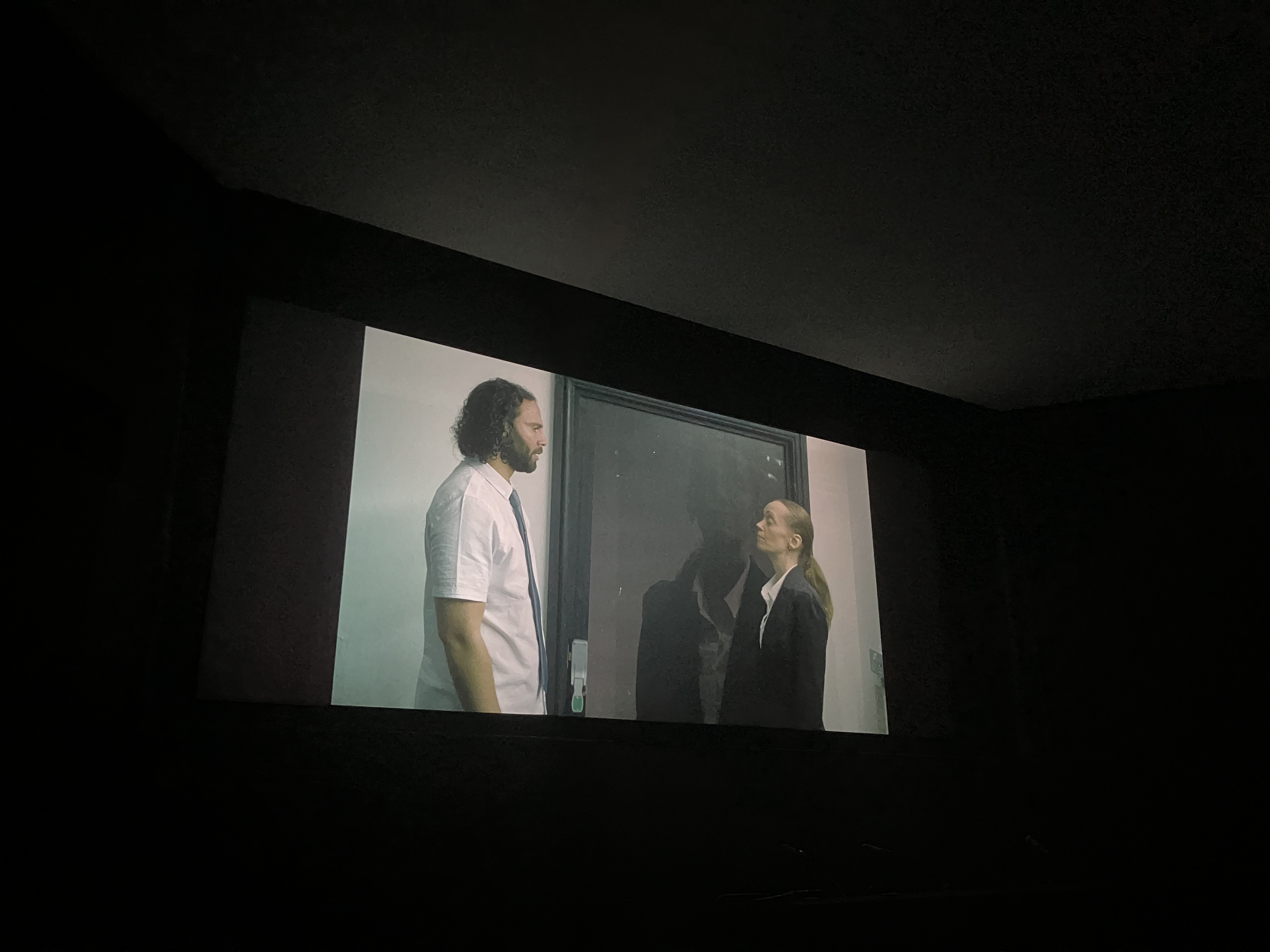
SHUDDER REVIEW: LATE NIGHT WITH THE DEVIL (2023)

SHUDDER REVIEW: LATE NIGHT WITH THE DEVIL (2023)

Written and directed by Colin Cairnes and Cameron Cairnes

Produced by Mat Govoni, Adam White, John Molloy, Roy Lee, Steven Schneider and Derek Dauchy

Cast: David Dastmalchian, Laura Gordon, Ian Bliss, Fayssal Bazzi, Ingrid Torelli, Rhys Auteri, Georgina Haig, and Josh Quong Tart

Cinematography: Matthew Temple

*** MAY CONTAIN SPOILERS ***


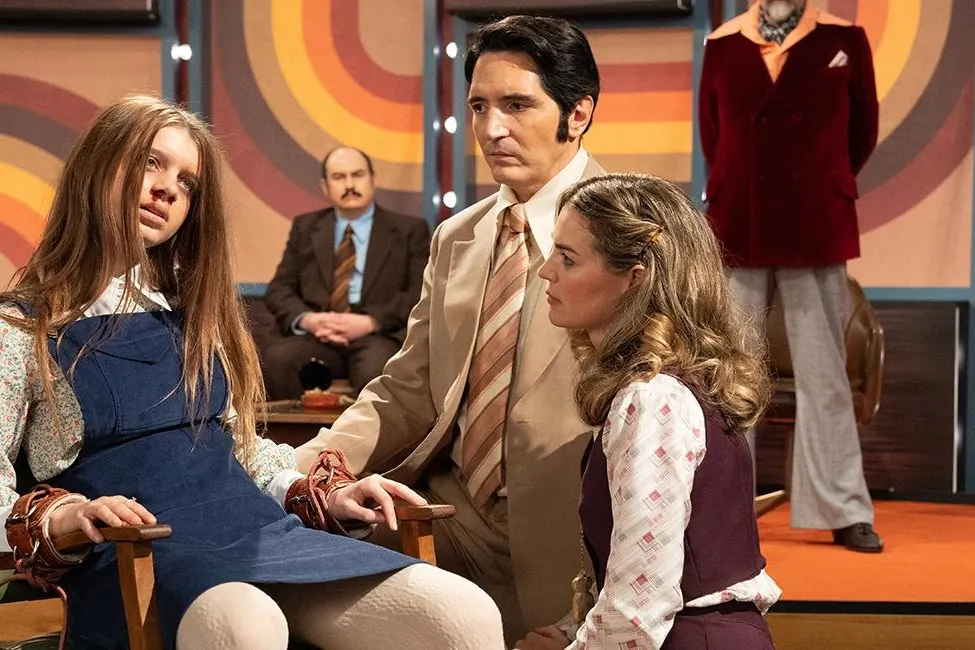
Some years ago I wrote an article about how I dislike the found footage sub-genre and that article can be found here. Occasionally, found footage is used well such as in Creep (2014) with Mark Duplass or REC (2007) or Chronicle (2012). Now you can add Colin Cairnes and Cameron Cairnes, Late Night With the Devil (2023) to that list of found footage films I actually enjoyed.

Technically, one could argue it isn’t really found footage and it negates such films often “amateurish” filming methods, with a truly stylish rendition of 1970’s television chat shows. However, we are asked by the narrator to view “never-before-seen” images and sounds from a previously unreleased and infamous TV chat show presented by ‘Night Owls’ host, Jack Delroy (David Dastmalchian). So, found footage it is!


David Dastmalchian is absolutely fantastic in his role as ambitious but desperate to be number-one chat show host, Jack Delroy. Often cast in supporting roles he now grabs the chance to become much more than that scene-stealing character actor. Delroy is not unlikable, but his arrogance and ambition dominate his personality. So much so, and despite his grief at losing his wife to cancer, he is prepared to allow all sorts of creepy and inappropriate situations unfold in his desperate search for TV ratings.

Delroy pits a dubious psychic Christou (Fayssal Bazzi) against skeptical former magician Carmichael the Conjurer (Ian Bliss), before asking parapsychologist author June Ross-Mitchell (Laura Gordon), and her subject Lilly D’Abo (Ingrid Torelli) to contact a demonic presence called ‘Mr Wriggles,’ live on television. Even after Christou is rushed to the hospital and Lilly contorts and spits out growling obscenities, Delroy decrees the show must go on. The Cairnes Brothers then continue to ratchet up the tension and horror to a deadly and shocking ‘Night Owls’ televisual denouement.

With echoes of the recent Inside No. 9 (3×3 quiz show episode) and BBC show Ghostwatch (1992), and of course The Exorcist (1973), Late Night With the Devil (2023) is one of the most enjoyable horror films I have seen in sometime. The 1970’s period setting and TV studio location is impressively recreated by the fantastic production team, especially on a relatively low budget. Arguably, the plot, once you dig down into it lacks emotional depth, however, the pacy and darkly funny screenplay more than compensates for this. Overall, the film’s style, design, direction and a commanding performance from Dastmalchian ensure Late Night With the Devil (2023) is essential viewing for all horror fans.

Mark: 9 out of 11


CINEMA REVIEW: THE ZONE OF INTEREST (2023)

CINEMA REVIEW: THE ZONE OF INTEREST (2023)

Directed by Jonathan Glazer

Written by Jonathan Glazer – based on The Zone of Interest by Martin Amis

Produced by James Wilson, Ewa Puszczyńska

Main cast: Christian Friedel, Sandra Hüller, Imogen Kogge, etc.

Cinematography by Łukasz Żal

Sound Designer: Johnnie Burns

Music by Mica Levi


Jonathan Glazer is not the most prolific of directors, so when he releases a film it provides powerful cinematic coffee to wake up the cultural senses. His last film, the mesmeric Under The Skin (2013), is one of the most original of the century for me and once again with, The Zone of Interest (2023), Glazer has determined to take a provocative approach to cinematic form, style and themes.

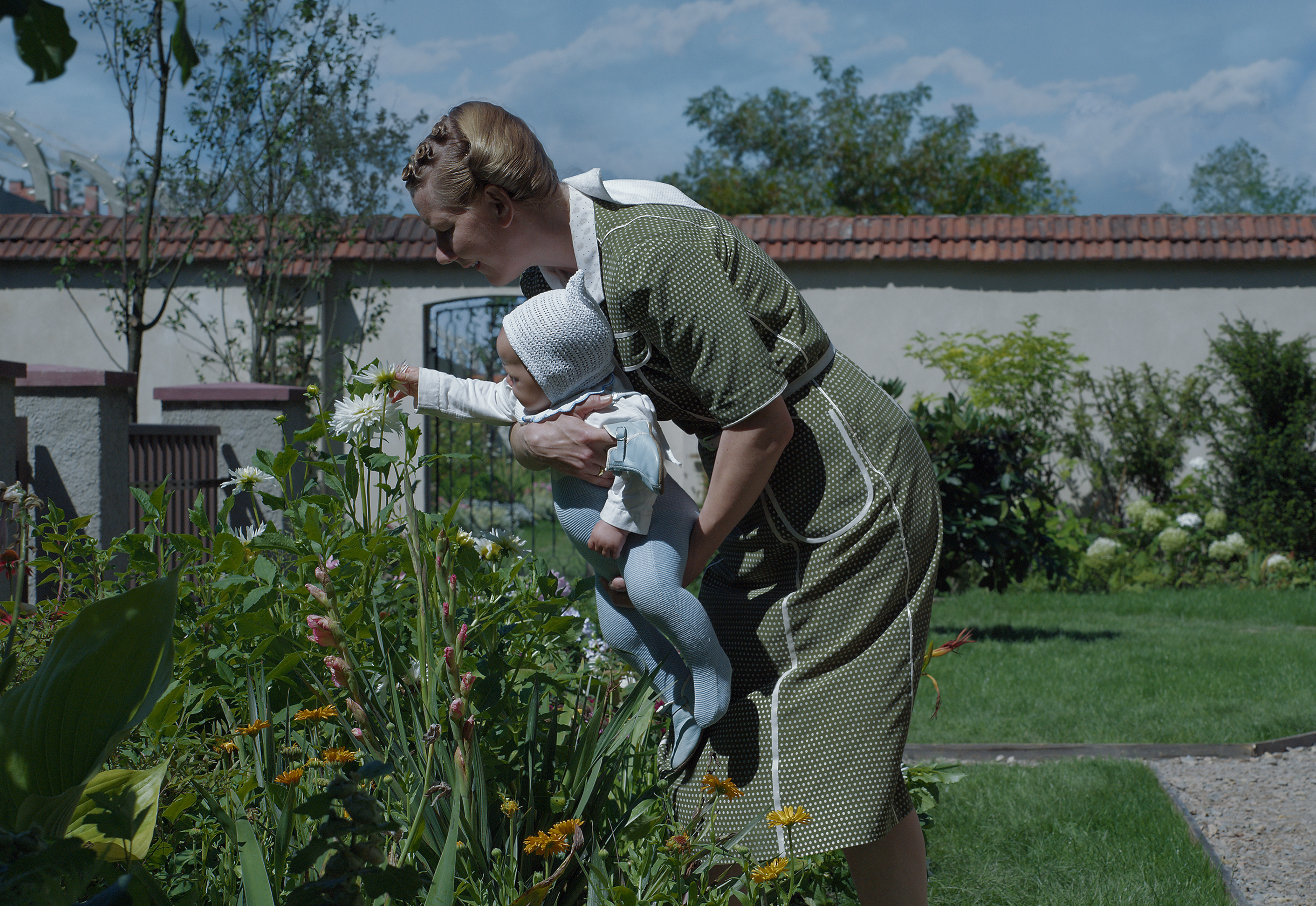
I usually advise near the top of my reviews that the piece may contain spoilers. However, there is so little plot in The Zone of Interest (2023), that is difficult to give anything away. The depth of the story comes from the intellectual approach to cinematic form and the wartime setting, with a narrative based on Martin Amis’ novel about the Holocaust and specifically, the concentration camp, Auschwitz. But Glazer only hints at such Nazi barbarism as the point of view of the film is presented solely from the commandant Rudolf Hoss’ (Christian Friedel) and his family’s perspective. Glazer and his outstanding production team deny us sight of the death and torture from within the Hoss house and garden.


Glazer and his sound designer, Johnnie Burns, employ powerful aural style to incredible effect as screams, tools smashing, gun shots and shouting pierce the screen throughout. Mica Levi’s minimalist score also punches through to startle too. Further, as the Hoss family, notably his spoilt children and privileged wife (Sandra Huller) go about their everyday business puffs of smoke billow over their garden as they remain unimpacted by what is occurring outside. Glazer also uses negative film processing, gliding tracking shots and metronomic editing from multi-camera set-ups to stylistic devices to break the fourth wall and to reinforce the everyday routine where all is not what it seems.

One may argue Glazer’s film is experimental and anti-narrative. I rarely cared about the Hoss family and not enough of the Auschwitz inmates is seen to raise one’s emotions. Thus, The Zone of Interest (2023) is a cold and intellectual film to absorb. Yet, I would argue that it is not experimental because Glazer is so in control of the filmmaking process. His creative choices and results are delivered in an extremely confident way. Certainly I felt that the film was more anti-drama than anti-narrative or experimental. For those looking for a more conventional addition to the war film genre could be disappointed.

Ultimately, The Zone of Interest (2023) is a horror film with the barbarism hidden. As the murder and genocide are occurring, the Hoss family unit remain unmoved by such atrocities. From a safe distance the audience watch them attend parties, tend their vegetables, feed their children, eat their dinner, play games and sunbathe. Is Glazer asking if we as humanity are complicit in our privileged comfortable homes while horrors go on around us in the world? Is this Nazi version of the Garden of Eden a metaphor for the world as a whole now? Does a lack of action or inaction to known crimes make one complicit? There are no easy answers, but it gets you thinking. Just like this highly intellectual and expertly constructed work of cinema.

Mark: 9 out of 11