Tag Archives: travel

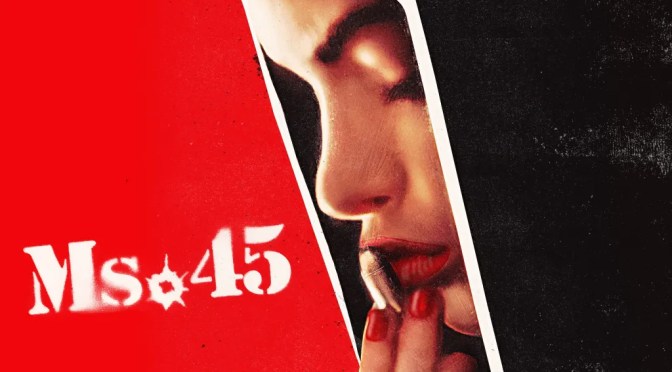
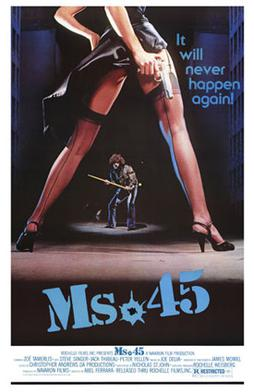
Cult Film Review: Ms. 45 / Angel of Vengeance (1981) – a beautiful looking yet grisly exploitation classic!

Cult Film Review: Ms. 45 / Angel of Vengeance (1981)

Directed by Abel Ferrara

Written by Nicholas St. John

Produced by: Richard Howorth, Mary Kane

Main cast: Zoë Tamerlis (Lund), Albert Sinkys, Steve Singer, Jack Thibeau, Peter Yellen, Darlene Stuto, Helen McGara etc.

Cinematography by James Momel


In its latest 4K restoration, Ms. 45—Abel Ferrara’s 1981 revenge thriller—has never looked more electrifying, or more disturbing. A stunning new rendering of Ferrara’s gritty vision, Ms. 45 showcases New York City in all its stark, seething chaos: a place of beautiful ugliness, where the streets pulse with danger, desperation, and decay. The film, originally shot on 16mm, feels both of its time and eerily timeless, especially now in ultra-high-definition, where every grainy detail of Ferrara’s oppressive, neon-lit streets shines in a raw, unapologetic manner.

At the heart of this urban nightmare is Thana (Zoë Lund, credited as Zoë Tamerlis), a mute seamstress whose world shatters after she is brutally assaulted by a man on her way home, then attacked again in her home. Her muteness is both a powerful thematic element and an artistic choice, amplifying her trauma, her rage, and her vengeance in a way that spoken words never could. Thana’s descent into violence is stark, visceral, and unrelenting, making her a strange kind of anti-hero in this world of moral decay. Ferrara’s direction is clinical, cold, and absolutely uncompromising—each frame holds a sharp, almost surgical precision, magnifying the madness of her mind and the city itself.

What truly elevates Ms. 45 beyond its genre limitations is the electric performance of Zoë Tamerlis/Lund. At just 17 years old when the film was made, Lund’s portrayal of Thana is nothing short of revelatory. She is the beating heart of this disturbing narrative, lighting up the screen with a fierce, magnetic presence that could have easily made her a Hollywood star—had the industry been ready for her. While many of the supporting cast either cannot act or over-act, Lund’s both vulnerable and terrifying, her expression often the only indication of her character’s state of mind. Her journey from victim to vengeful force is tragic, yet always compelling.


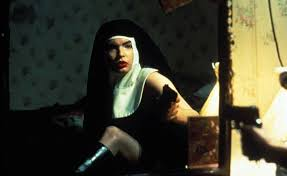
Had Lund chosen to pursue a more conventional career, she would likely have ascended to Hollywood’s A-list—her look was captivating, her screen presence undeniable—but the indie, underground scene was where she truly thrived. In Ms. 45, she is a tragic figure of youth lost to the violence of the world around her, and in the midst of it all, she shines, her performance capturing the raw, cathartic essence of a girl pushed too far. Further, Lund’s performance peaks in one of the most iconic sequences of the film—Thana’s nun fancy-dress shootout. Drenched in blood and surrounded by chaos, she dissects the partygoers in slow-motion with a terrifying calm, her eyes wide with cold sorrow. It’s a juxtaposition of innocence and savagery, like a child playing with fire and discovering its destructive power. Kudos to the deranged soundtrack here which really ramps up Ferrara’s nightmarish vision.

Ms. 45 is NOT a film for the faint of heart or the easily offended. It’s violent, raw, and unapologetically brutal, with moments that will leave you questioning your own reaction to Thana’s vengeful spree. There is something deeply primal about the film—the way it feeds off its viewers’ discomfort, forcing them to confront Thana’s rage. It’s a film that revels in its own madness, and yet somehow, Ferrara and Lund manage to make revenge feel like an art form. It’s as stylish as it is savage, as haunting as it is exhilarating.

In conclusion, Ms. 45 is a genre-defining thriller, a masterpiece of violent cinema that has lost none of its power with time. The 4K restoration is a perfect showcase for Ferrara’s vision, and Zoë Lund’s performance is a revelation—her beauty and intensity burn through the screen, making you wonder what might have been had she chosen a different path. But for those of us lucky enough to witness this film in all its gritty glory, it’s impossible not to see her as a true underground legend. Whether or not you’re ready for it, Ms. 45 is visceral, stylish, and uncompromising cinema—one that will stay with you long after the credits roll and that evil saxophone soundtrack beat fades out.

Mark: 9 out of 11


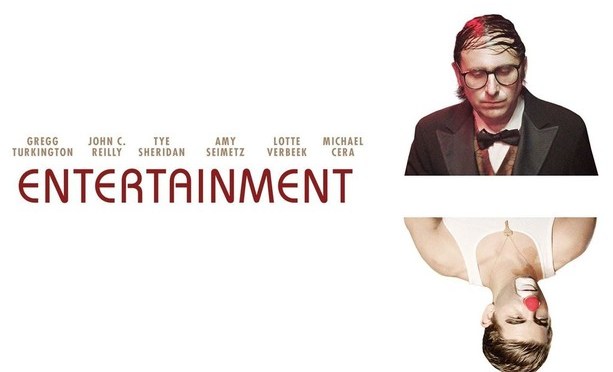
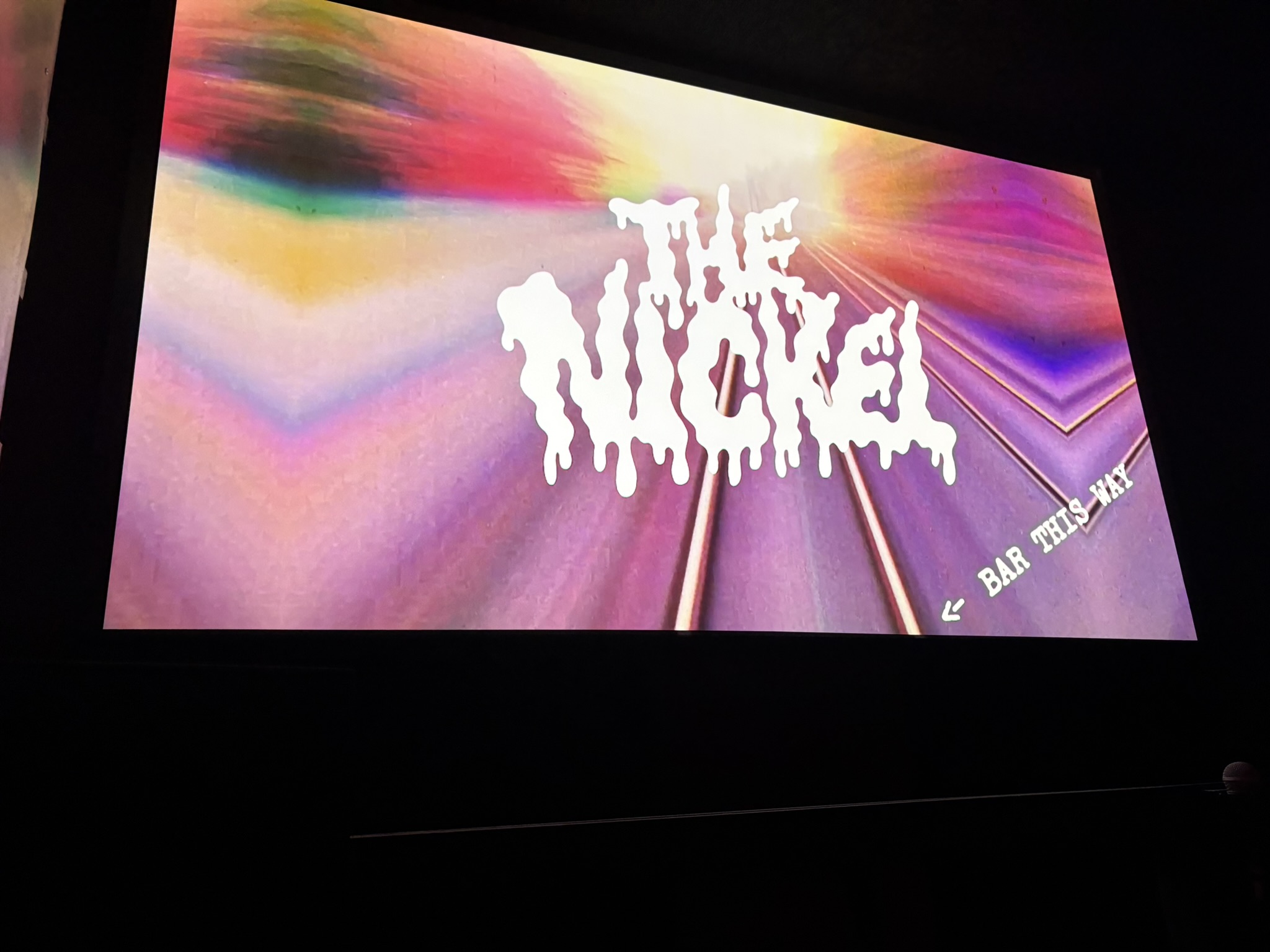
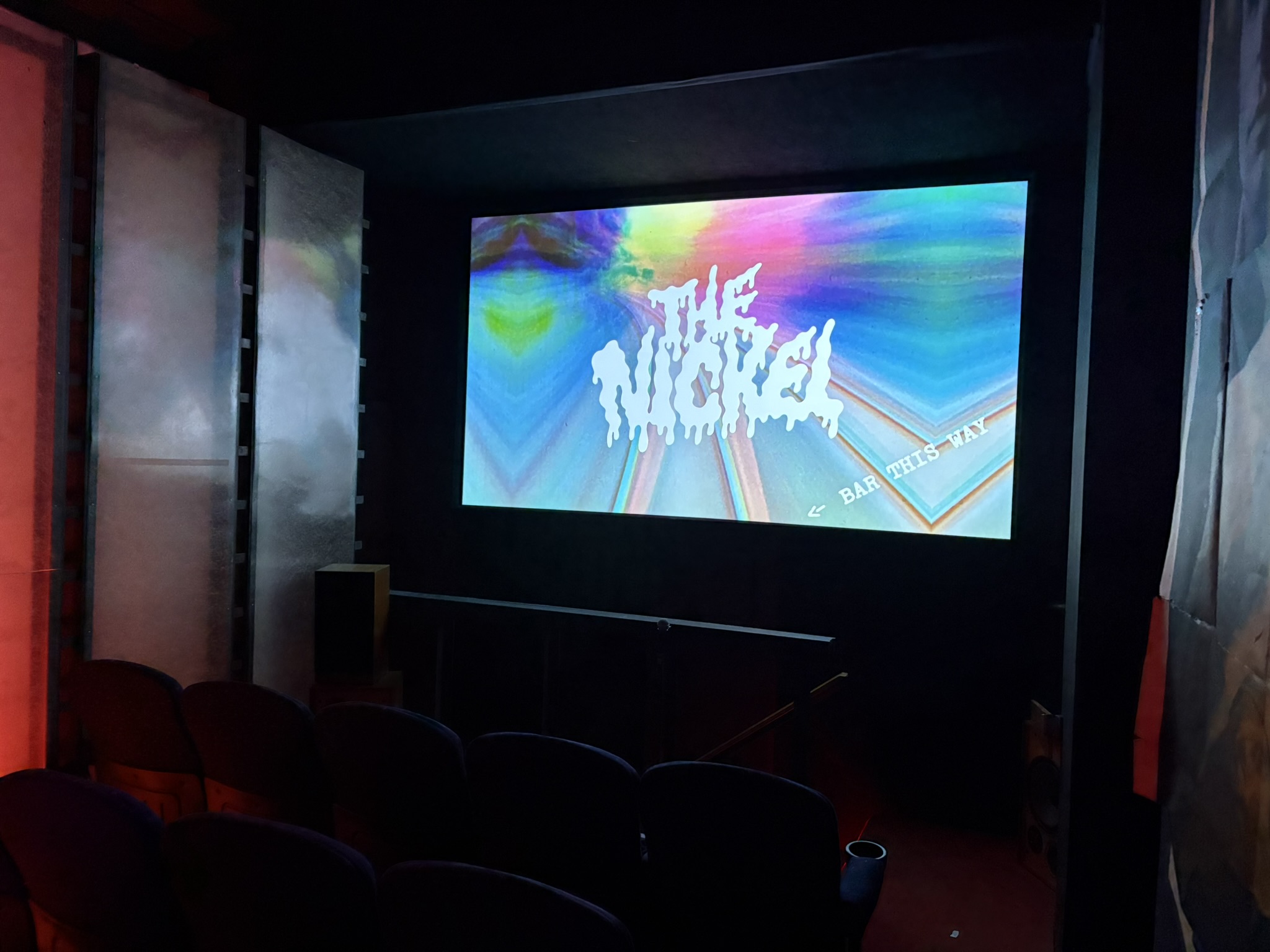
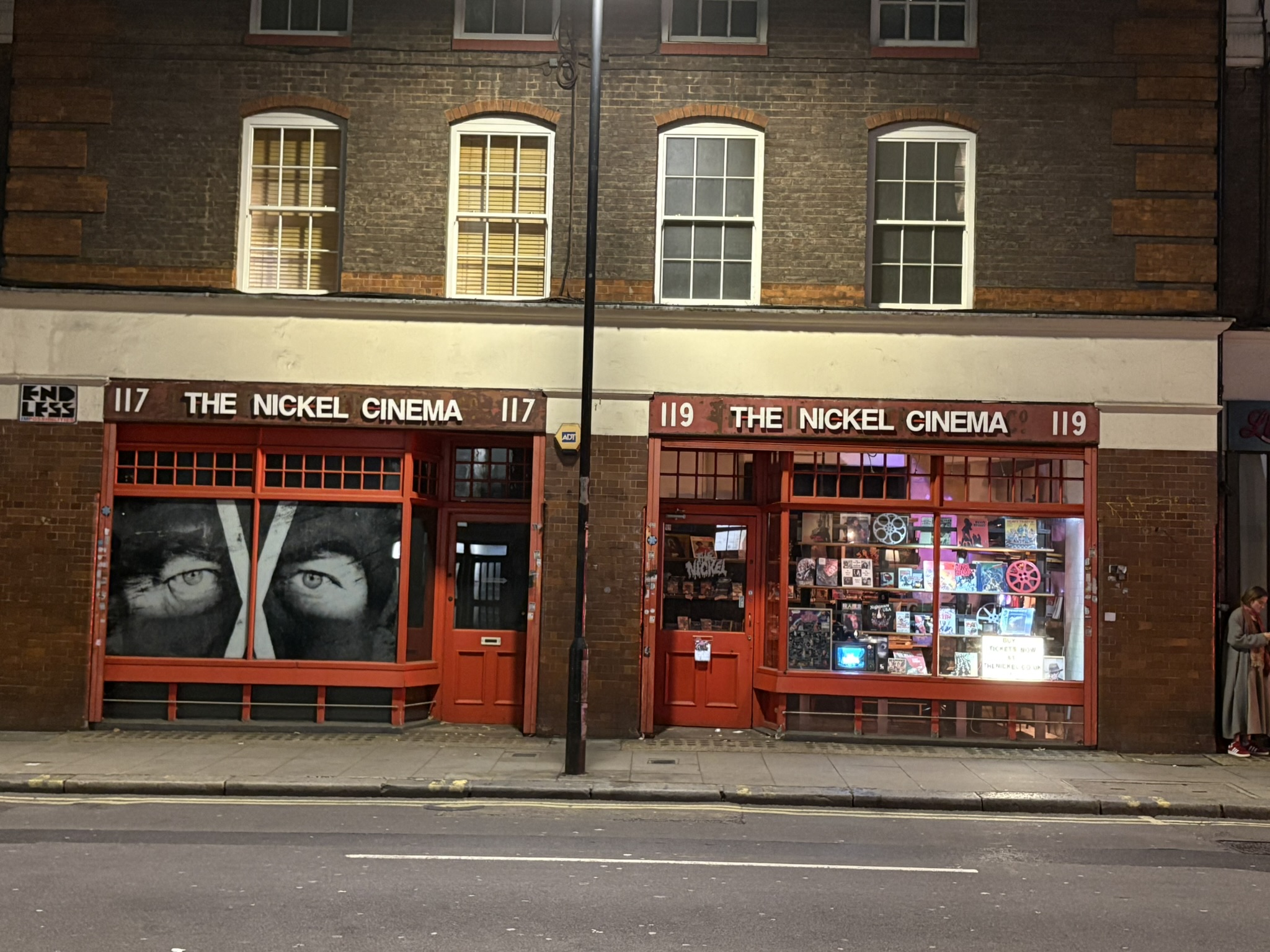
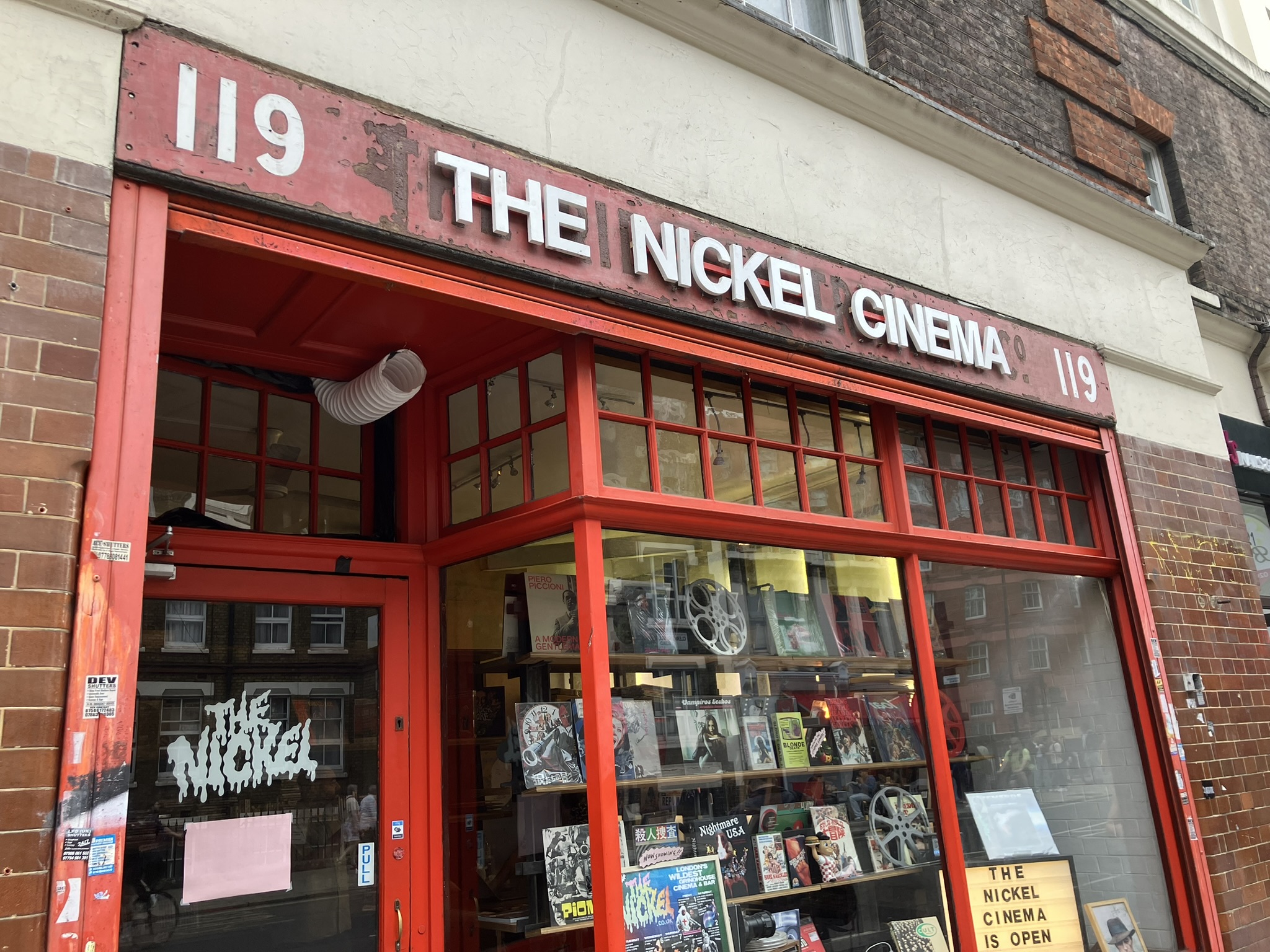
Cult Film Review: Entertainment (2015) at The Nickel Cinema, London

Cult Film Review: Entertainment (2015) at The Nickel Cinema


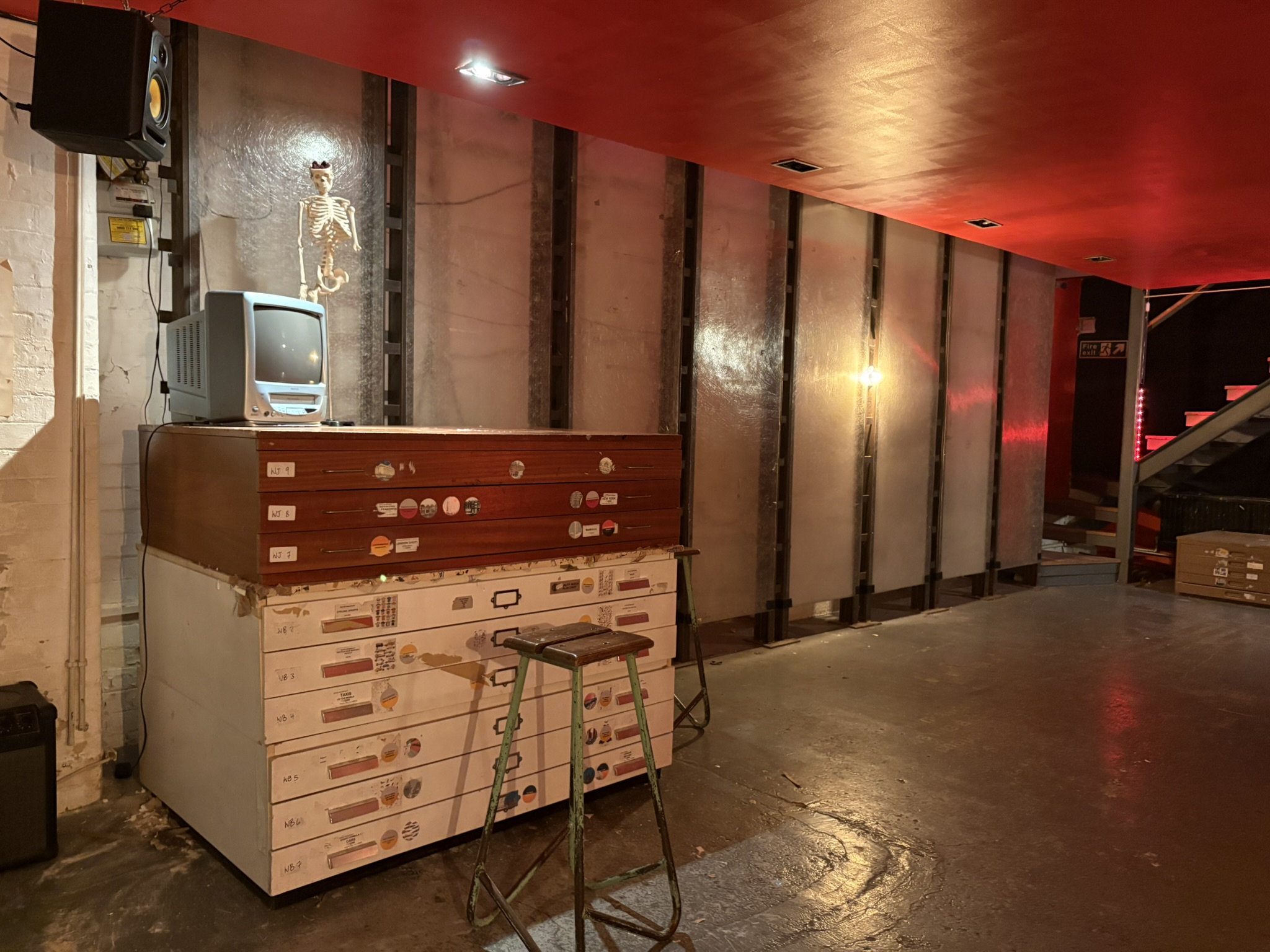
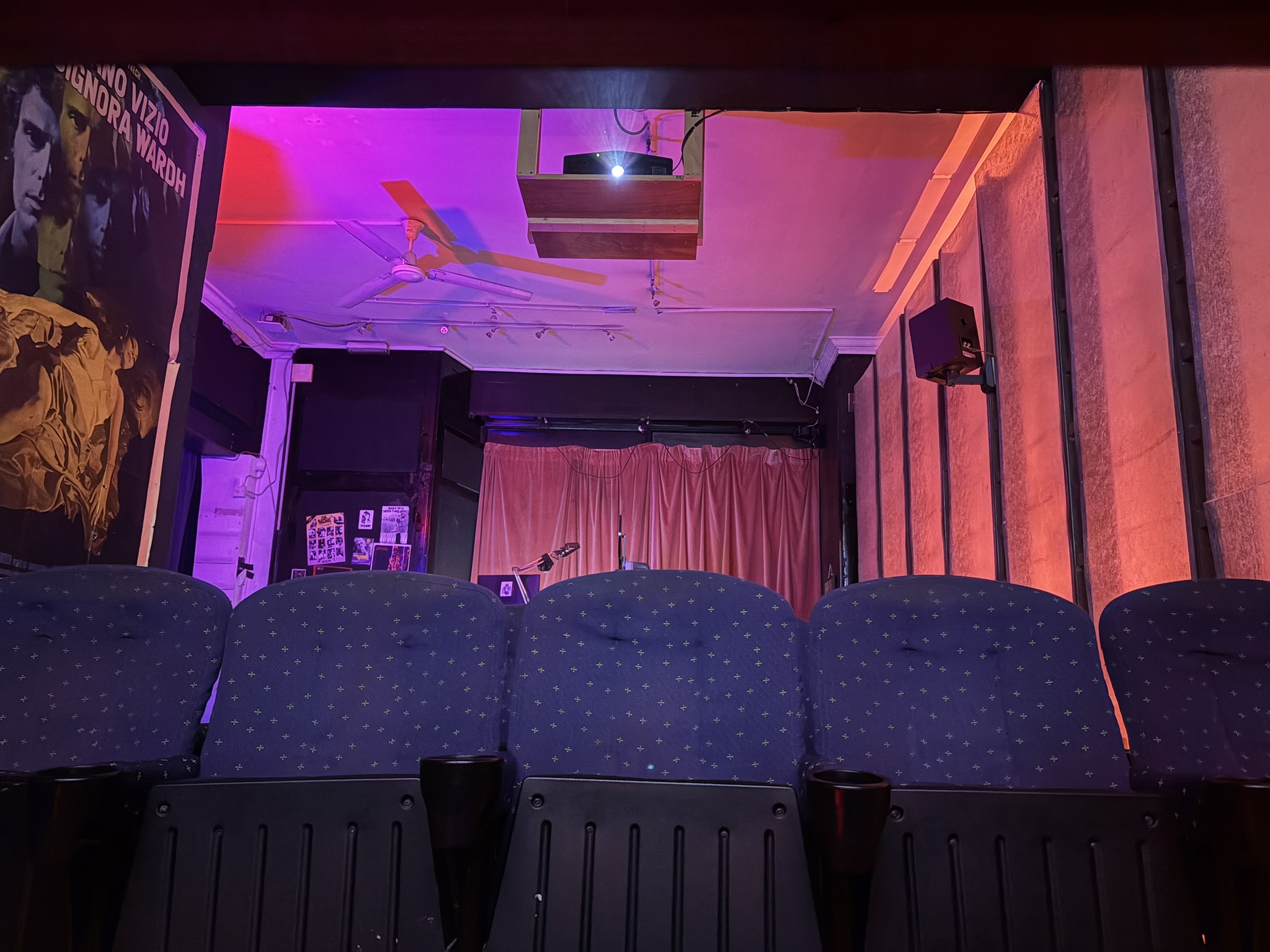
The Nickel Cinema in Clerkenwell feels like a hidden temple for London’s true film obsessives — a grindhouse gem tucked into the city’s polished heart. It’s the kind of place where the air hums with cigarette ghosts and celluloid dreams, where the screen flickers with everything from outlaw art films to midnight slashers and sleazy euro-thrillers. The décor has that lived-in, clandestine vibe — red velvet worn thin, neon bleeding through the dark, and an underground bar serving the kind of cocktails that taste like trouble.

It’s not just a cinema — it’s a refuge for the subversive, the cultish, the weird and the wonderful. You’ll find Anger next to Fassbinder, Fulci, Lynch, Jodorowsky, Korine, Ferrara, Argento, Waters, Kern, Miike, Ferrara, Korine Noe, Cohen, Breillat, Refn and many more bleeding into audiences who actually cheer when the projector rattles. The Nickel doesn’t chase trends; it worships the offbeat, the forgotten, and the dangerous. While feeling still quite new, the place somehow still feels gloriously dirty — and absolutely right up your alley. If not there is a strip club next door if that kind of business takes your fancy.

Check out their website for the latest screenings here: https://thenickel.co.uk/


Last month I watched Rick Alverson’s Entertainment (2015) at The Nickel Cinema.

Entertainment is like watching the American dream rot in real time — a hypnotic, desolate odyssey through the dust and despair of the open road. Gregg Turkington is excellent as he plays “The Comedian,” a hollowed-out version of his Neil Hamburger persona, trudging through a series of soul-scorching stand-up gigs in half-empty bars, bowling alleys, and desert motels. Each performance is a small act of self-immolation — jokes that fall flat, laughter that curdles, a man dissolving behind the microphone as his identity blurs into the toxic sludge of showbiz delusion.

Director Rick Alverson shoots it all with a slow, clinical beauty — wide, frozen frames that turn America’s forgotten corners into alien landscapes. “The Comedian” drifts from neon-soaked diners to sulfurous desert plains, to prisons, to dead Western towns. Further, it contains some incredible locations including an unforgettable sequence at an aircraft graveyard — rows of dead machines basking in the sun, like monuments to ambition and decay. While low in budget the film makes use of such stunning locales, plus impactful acting interludes from John C. Reilly, Michael Cera and Tye Sheridan.

The film is not a comedy, not really — more anti-comedy or like an autopsy of one. Entertainment (2015) is a brutal, mesmeric study of loneliness, alienation, and the sick joke at the heart of performance itself. It’s the road movie as existential purgatory — unbearably awkward, strangely poetic, and utterly unforgettable. It doesn’t so much as have a beginning, middle and end, but a series of events which we are dropped into and experience until the credits suddenly roll. I like to ponder “The Comedian” is still out there, living and dying, on and off stage.

Mark: 8 out of 11


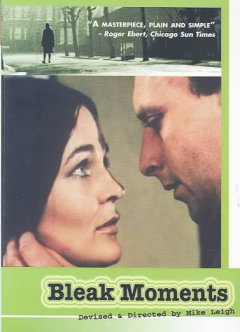
Classic Film Review: Bleak Moments (1971) plus Mike Leigh Q & A (Prince Charles Cinema, London.)

Classic Film Review: Bleak Moments (1971)

Directed by Mike Leigh

Written by Mike Leigh – Based on 1970 stage play by Mike Leigh

Produced by Leslie Blair

Cast: Anne Raitt, Sarah Stephenson, Eric Allan, Joolia Cappleman, Mike Bradwell, Donald Sumpter etc.

Cinematography by Bahram Manocheri

Camera Assistant: Roger Pratt

Edited by Leslie Blair


One of the quiet yet profound joys of cultural life is finding a creative or sporting figure—or team—whose journey you follow from an early age, growing alongside their work as it evolves. Whether it’s the cinematic brilliance of the Coen Brothers or Mike Leigh, the ever-shifting energy of Primal Scream, or the lifelong, often agonising commitment to Tottenham Hotspur FC, these long-term relationships offer a deep sense of continuity. They become personal landmarks in our emotional and cultural landscapes, threading through decades of change and grounding us with shared history, joy, and—especially in Spurs’ case—a touch of heartache.

I was born just a year before Mike Leigh’s Bleak Moments debuted in 1971, and it became a defining cultural touchstone for me. First encountering it in the early 1980’s, I was captivated by its raw honesty and quiet power—a film I returned to again and again on that solid-format VHS tape over the years. It marked the beginning of a lifelong relationship with Leigh’s work, a body of cinema that has shaped and shadowed my own personal and cultural journey. That connection endures to this day, most recently renewed with his 2025 release, Hard Truths—a testament to a career and vision that continue to evolve with undiminished integrity.


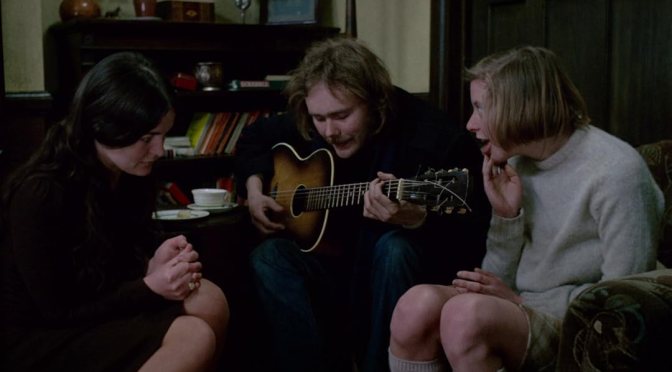
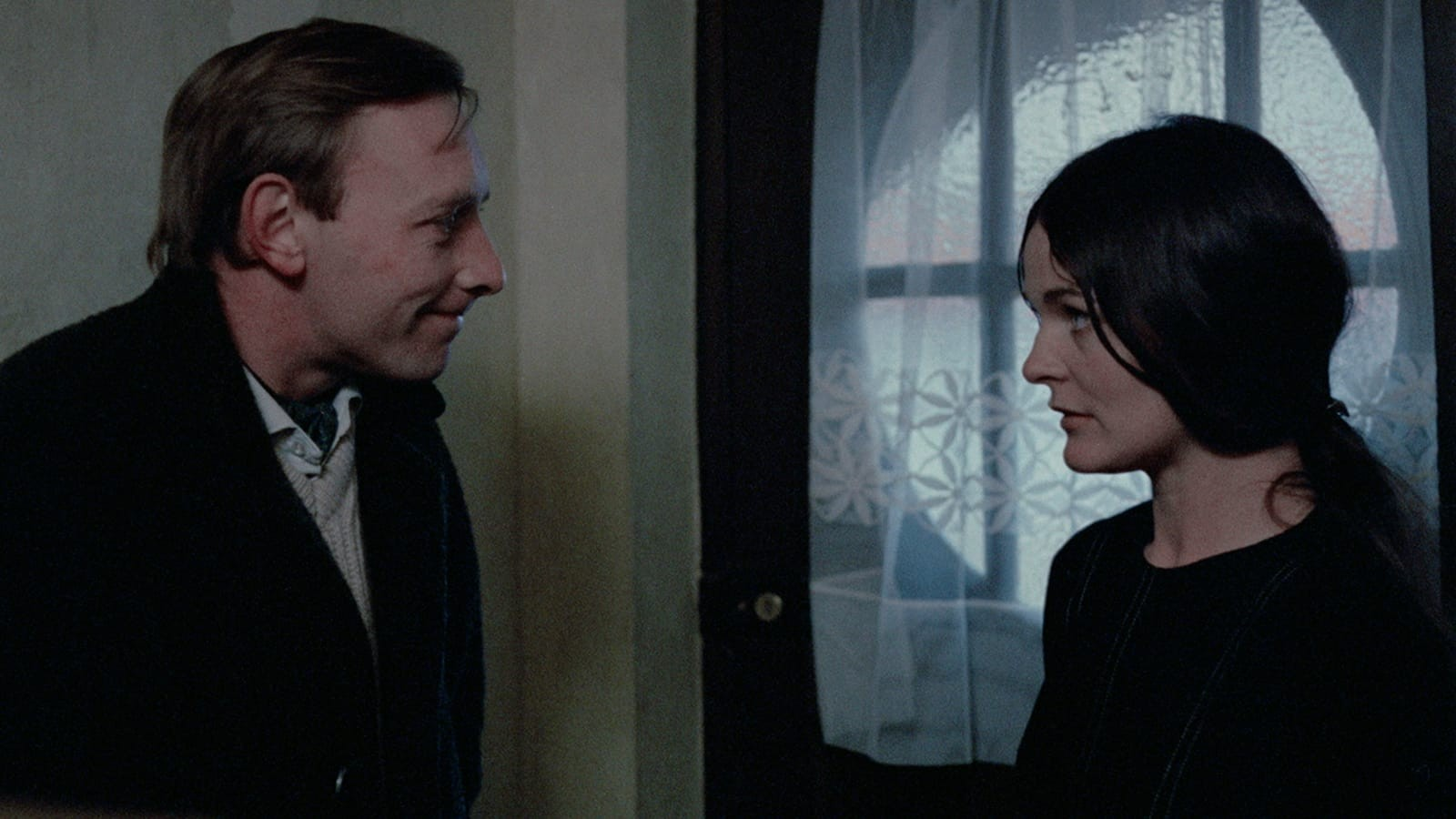
Bleak Moments centres on Sylvia (Anne Raitt), a lonely, introspective young woman navigating the quiet desolation of her suburban life while caring for her mentally challenged sister, Hilda (Sarah Stephenson). Trapped between duty and desire, Sylvia reaches tentatively toward human connection—most notably with a shy schoolteacher—yet every encounter is marked by awkward silences and emotional hesitations. Mike Leigh crafts a delicate, unflinching portrait of isolation and unmet longing, where the most powerful moments are found in what remains unsaid. Indeed, I would say it would have a powerful influence on awkward cinema or television such as Gervais and Merchant’s, seminal show The Office.

I hadn’t seen the film for twenty years and in a packed Prince Charles Cinema, what struck me was how Bleak Moments, while raw and unvarnished in style, unfolds with a beautifully episodic structure that gently accumulates emotional weight. Each scene offers a quiet vignette—moments of everyday awkwardness, tentative exchanges, and domestic stillness—that together create a deeply human portrait of loneliness and restraint. Despite its sombre tone, the film is laced with dry, observational humour and a deep sense of pathos, revealing the absurdity and ache of unspoken lives.

Mike Bradwell’s Norman and his dryly hilarious songs, and the most awkward of “romantic” dinner scenes in the Chinese restaurant just stood out to me as deeply funny. Raitt’s performance too is a masterclass of comedic understatement. Overall, these qualities—emotional nuance, character-driven storytelling, and a commitment to realism—would become defining hallmarks of Mike Leigh’s oeuvre, already fully formed in this striking debut. Finally, it was great to see and hear from Leigh, now in his eighties, answering some great questions with sharp wit and batting away some stupid ones too with his usual intelligence and droll honesty. Leigh remains a hero in my life’s cultural journey.


CINEMA REVIEW: SALTBURN (2023)

CINEMA REVIEW: SALTBURN (2023)

Directed by Emerald Fennell

Written by Emerald Fennell

Produced by Emerald Fennell, Josey McNamara and Margot Robbie

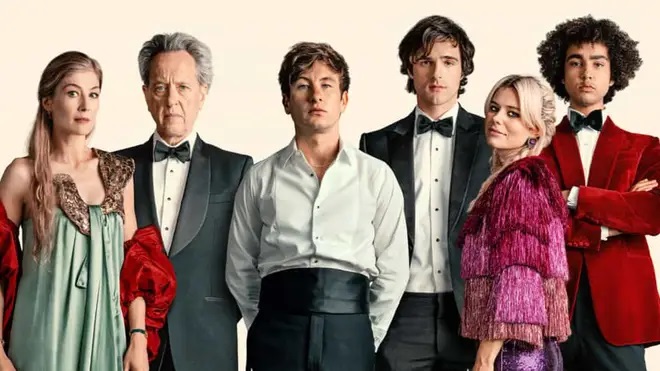
Cast: Barry Keoghan, Jacob Elordi, Rosamund Pike, Richard E. Grant, Alison Oliver, Archie Madekwe, Carey Mulligan, Paul Rhys, etc.

Cinematography by Linus Sandgren

*** MAY CONTAIN SPOILERS ***


As the awards garnered upon Emerald Fennell’s brilliant Promising Young Woman (2020) will testify, she is clearly a major talent. Fennell has also acted in TV shows such as Call the Midwife and The Crown, as well as writing and producing the second series of Killing Eve. Not only is Fennell an excellent actress, writer, director and producer, but is also now an Oscar and BAFTA winner. Thus, Fennell’s “difficult second film” arrives in the guise of the pitch black comedy, Saltburn (2023). Although to describe this hilarious, bleak, sexy, and often twisted exploration of the British class system as such evidently tests the very definition of comedy.

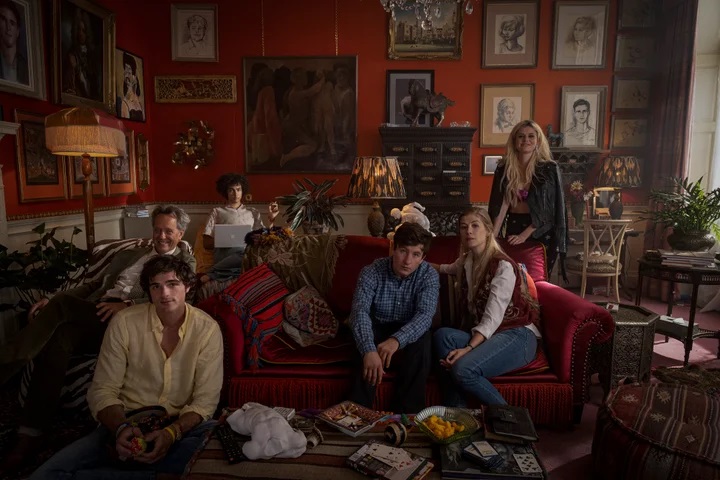
Saltburn (2023) is set in 2006. Oliver Quick (Barry Keoghan) attends Oxford University as a naive fresher with an inferiority complex and desire for company. While he is incredibly intelligent, coming from a lower class background places bookish Oliver as a very small fish in big water. Especially when compared to the so-called Oxford elite including handsome and wealthy, Felix Catton (Jacob Elordi) and his cousin, the handsome and not-as-wealthy, Farleigh Start (Archie Madekwe). While Farleigh is suspicious of Oliver, Jacob soon befriends him and takes the Northerner under his wing. The two connect and form an “odd couple” bromance, with Felix even going so far as to invite Oliver to his stately home, Saltburn, for the summer. There we meet the rest of Felix’s family including his flaky sister, Venetia (Alison Oliver), eccentric father, Sir James (Richard E. Grant) and effervescent mother, Lady Elspeth (Rosamund Pike).


After building Oliver and Felix’s characters carefully during their time at Oxford, Fennell’s savage and satirical screenplay gathers pace in the second act at Saltburn. Here Oliver tries to fit in and ingratiate himself into the Catton family, but it soon becomes clear that however friendly they may be, he will only ever be an outsider to them. Simultaneously, Farleigh sees Oliver as a rival for the Cattons’ emotional and financial affections and the two begin a retaliatory personal war amidst the balmy summer days, breakfasts, dinner parties and social gatherings. Oliver’s main journey is to connect as much with Felix as possible, so much so his passion veers toward obsession. But Felix is a roaming spirit and a hedonist and does not quite requite Oliver’s feelings. Yet, Felix does show compassion for Oliver, as illustrated when he drives him on a mercy mission to visit Oliver’s family. This is where the story takes an intriguing and ever deadly turn.

I cannot recommend Saltburn (2023) enough for its fantastically witty script, devastatingly brilliant cast and some quite disgustingly explicit, but contextually justifiable, character moments and scenes. Fennell takes the setting and structure of Evelyn Waugh’s Brideshead Revisited and turns it upside down, spinning a devious tale of infatuation, love, privilege and social climbing. Through the character Oliver Quick, and I really don’t want to give anything away, there is a powerful and jaw-dropping character arc of upward mobility. Rosamund Pike’s and Keoghan’s performances are both amazing and award-worthy. While the final act twists certainly do shock and surprise they arguably are rushed when compared with the more effective pacing of the opening and middle acts. Moreover, I am also unsure why the exquisite cinematography and stunning locations were presented in the 4:3 (1:33:1) aspect ratio. Why squeeze in Linus Sandgren’s light and framing and not expand them to the widescreen format?

Ultimately, Emerald Fennell proves herself an important voice in British cinema. Unafraid to test the boundaries of taste, genre, and audience expectations, she has crafted one of the most consistently challenging films of the year with Saltburn (2023). One could easily describe the themes presented here as a critique of the upper classes and how the uber-rich are bad people to be brought down to their knees. However, Fennell’s script is not that simplistic. It cleverly careers between love/hate for the characters and irony-bombing the class system, before becoming a damning indictment on the darkest flaws of humanity. Lest one forget the indelible one-liners throughout and THAT final dance sequence, which are both to die for!

Mark: 9.5 out of 11