WHAT’S IN A NAME? A BRIEF CONSIDERATION OF FILM TITLES
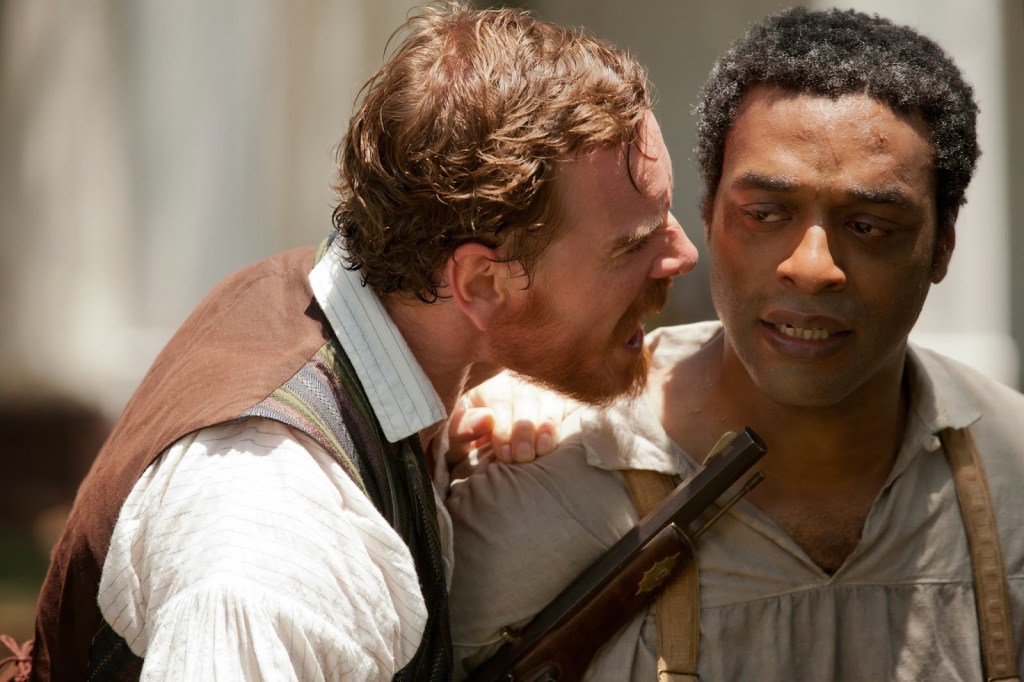
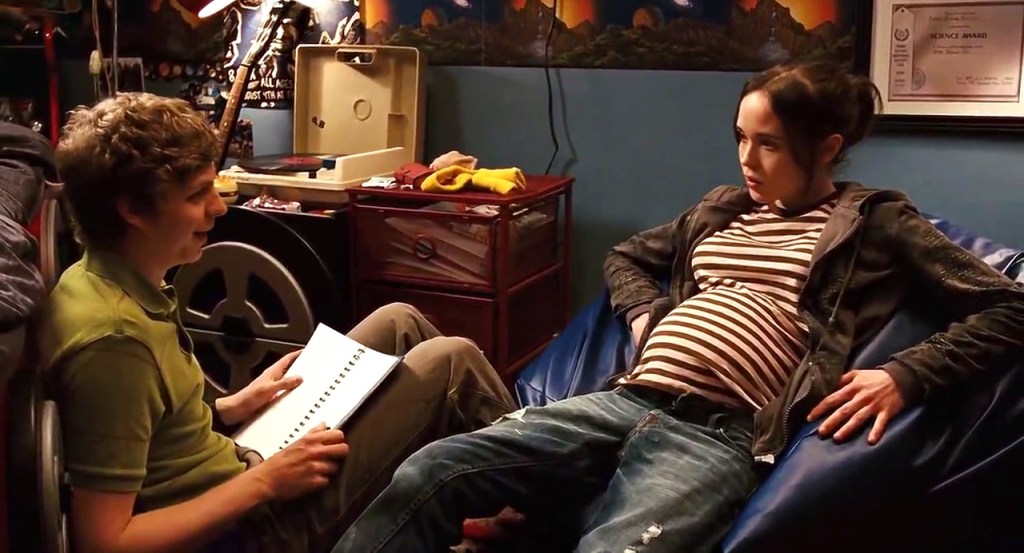
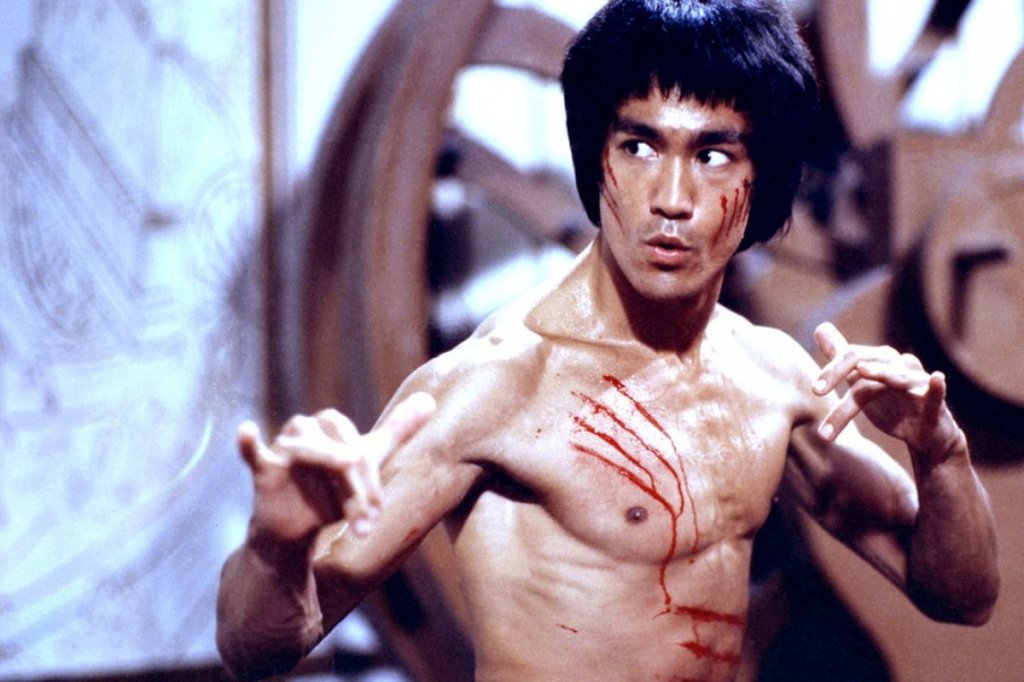
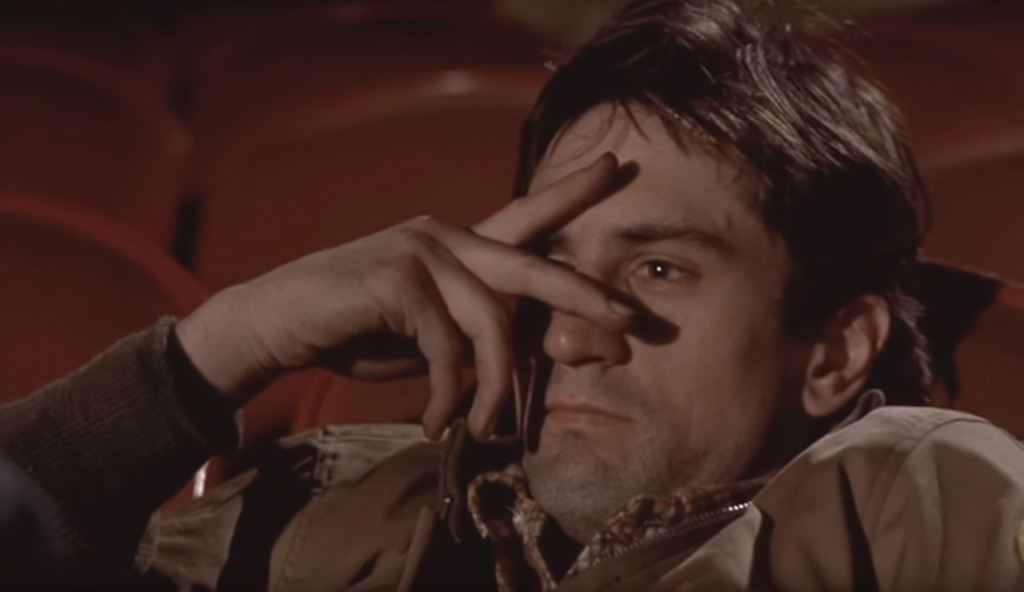
While reviewing the entertaining HBO show Barry, it struck me that I have an irrational dislike of film and TV programmes which resort to using people’s singular names in the title. Why, though? Let’s be honest: it’s not a big deal. So, why does it bother me? To answer this question I decided to a hold a brief whimsical exploration of such titles.
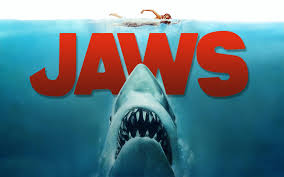
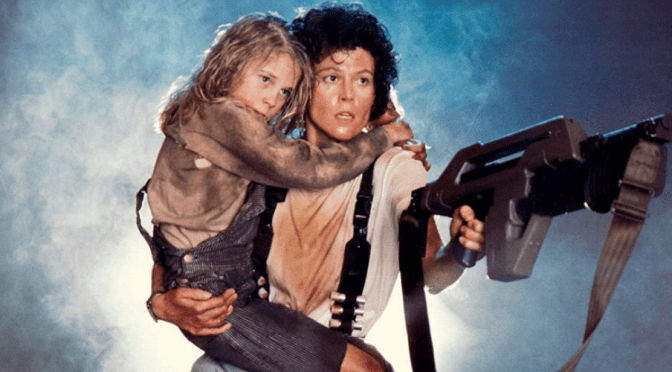
Titles are important. They create the first contact for the audience. They pull you in or push you away before you even know who made the film or who stars in it. I mean, who doesn’t want to watch a film called: Jaws (1975) or Alien (1979) or The Terminator (1984)? Conversely, who wants to watch a film called The Sisterhood of the Travelling Pants 2 (2008)?
Obviously, big decisions are made at the title-naming stage of any works. Or are they? I think naming a film after a single name, on the surface, just seems a tad lazy. But, on reflection, using single names for the titles of a film or TV show can be impactful and to the point.
It’s weird, because I don’t mind place name titles at all. In fact, Fargo (1996), is one of my favourite films. The singular title just works. Similarly, so does Chinatown (1974). Fargo, especially, names both a place and the two syllables within the place — ‘far’ and ‘go’ — suggest the actions of the characters in the story. Chinatown, on the other hand, is more poetic; naming a place but also hinting at something exotic and mysterious. Either that or a cultural area where you can visit and perhaps get a certain kind of food.
I also don’t object to personal names being part of the title. For example, Rosemary’s Baby (1968), is such a great title because it’s better than just plain old ‘Rosemary’. What does the singular Rosemary tell us? Very little. But add the ‘baby’ element and you conjure up suspense and a desire to know what will happen to Rosemary and her child. Similarly, When Harry Met Sally (1986), is a simple yet delightful title which tells you the character names, events and we’re most likely to witness some form of romance.
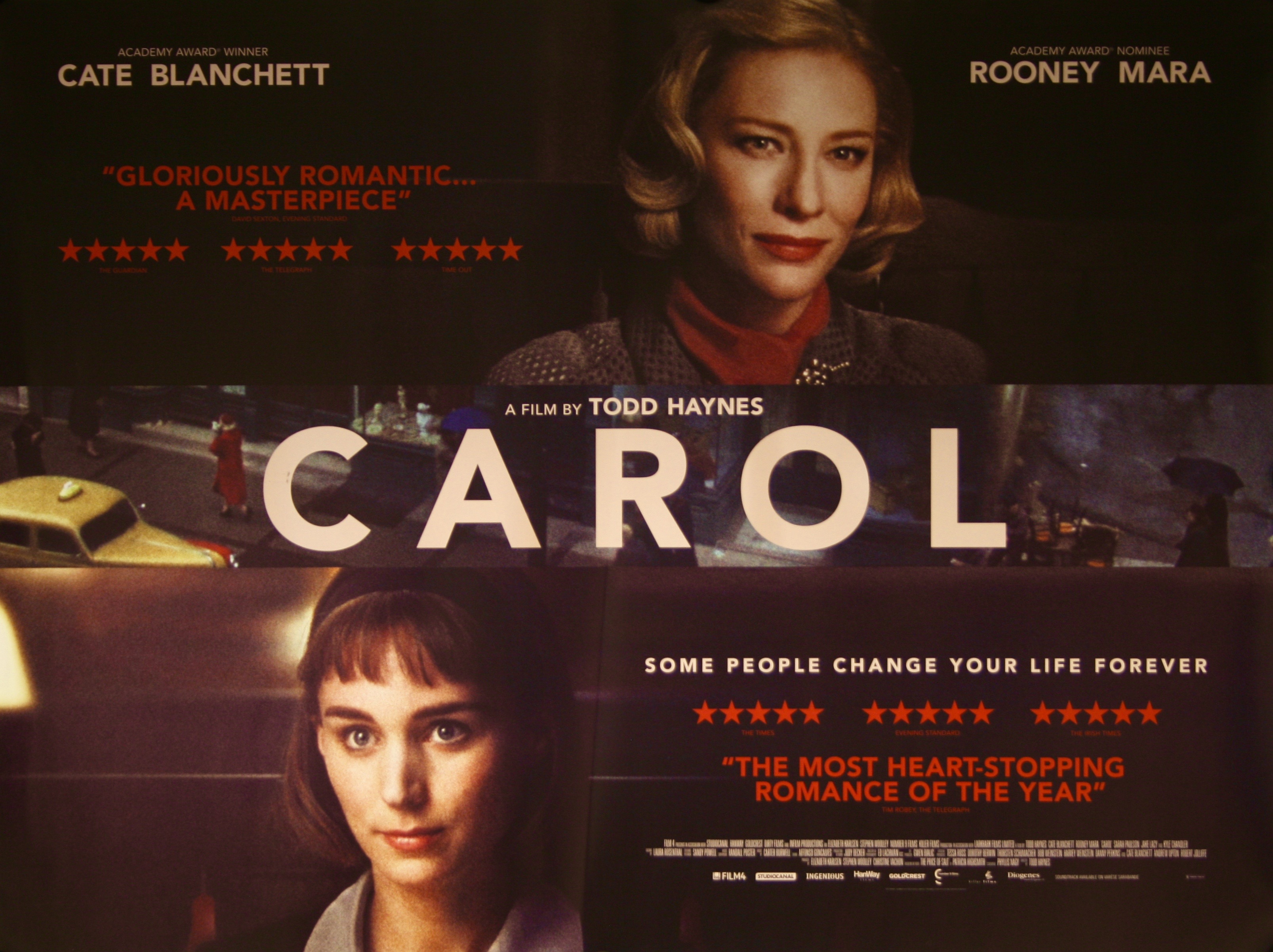
It may be that the film is an adaptation and just named after the original source material. Rebecca (1940), by Daphne Du Maurier is a good example of this. Rebecca works for me though as the name has a haunting feel; and this is certainly confirmed once you read the book or watch the film. On the other hand, the film Carol (2015), feels benign in comparison. Based on Patricia Highsmith’s literary classic, it’s a sumptuous and touching romance, however, the title did not draw me in. It was only when I saw the cast and that it was directed by Todd Haynes, I decided to watch it.
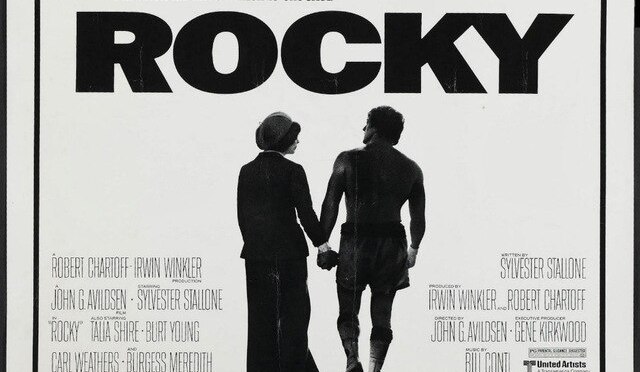
The best singular name film is Rocky (1975). Here is a classic underdog story of a boxer who is Rocky by name and rocky by nature. He’s streetwise but lacking intellect and seems to have literal rocks in his head. He’s scrabbling around trying to make ends meet with a head as hard as rock too. But, because of this he can take the blows and punches and still come back for more. We love the character because he never gives in; he literally rocks!
In conclusion, like everything, there are good and bad examples of film titles. Some singular named titles work way better than others. Titles like: Barry (2018), Dave (1993) and even a fine film like Carol, seem weak to me. Meanwhile, a title like Rocky just works perfectly. Anyway, here are eleven singular named film titles which also fly against my pet annoyance and mostly work really well.
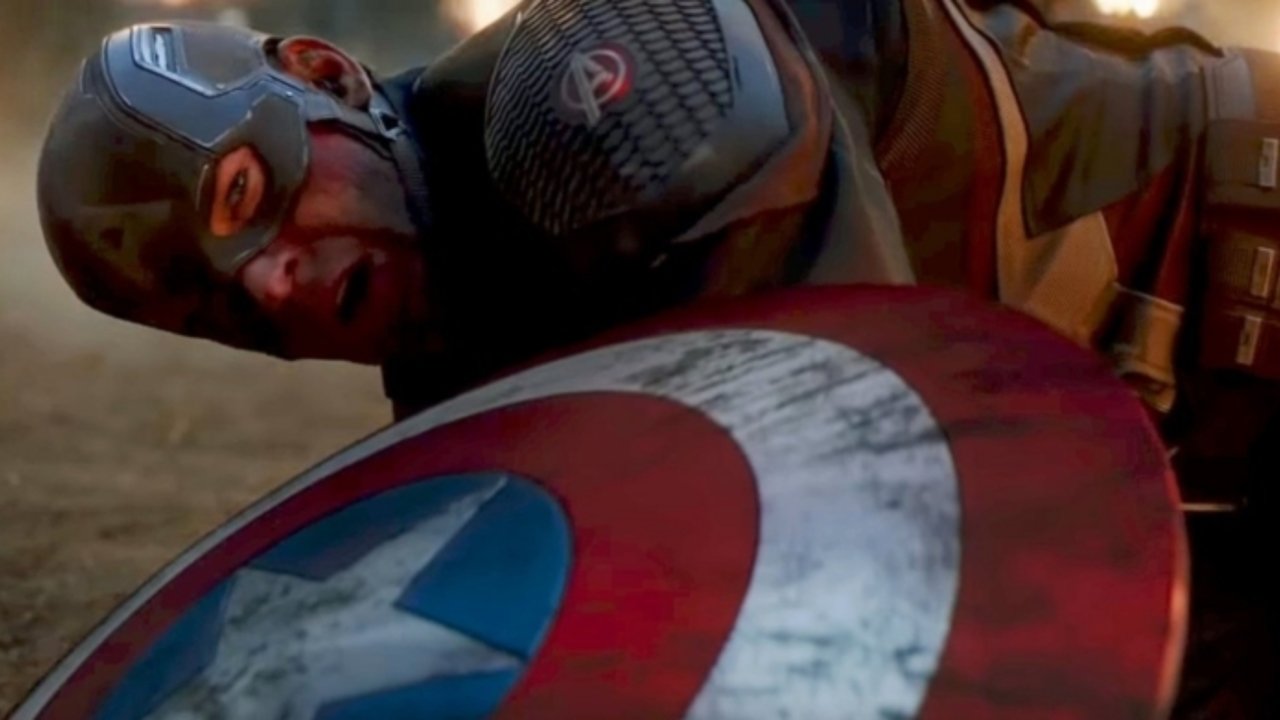
With Avengers: Endgame gloriously bringing to a close the twenty-two film interconnected multiverse, I thought it may be fun to pick my favourite films of the superhero releases. Of course, that won’t be the end of the Marvel/Disney money-making behemoth but we can take a breath for a moment.
In keeping with Thanos’ modus operandi I have chosen half of the films in release date order. At the end I pick — under pain of death — my favourite THREE! My favourite three are based on impact on release, entertainment value, quality of story, direction and writing etc. Plus, they are films I could watch again and again. Although, to be honest I can watch most of them again as they are all such fun and easy viewing.
If you would like to read my review of Avengers: Endgame – then you can find it HERE.
MY TOP ELEVEN MARVEL UNIVERSE FILMS (IN ORDER OF RELEASE)
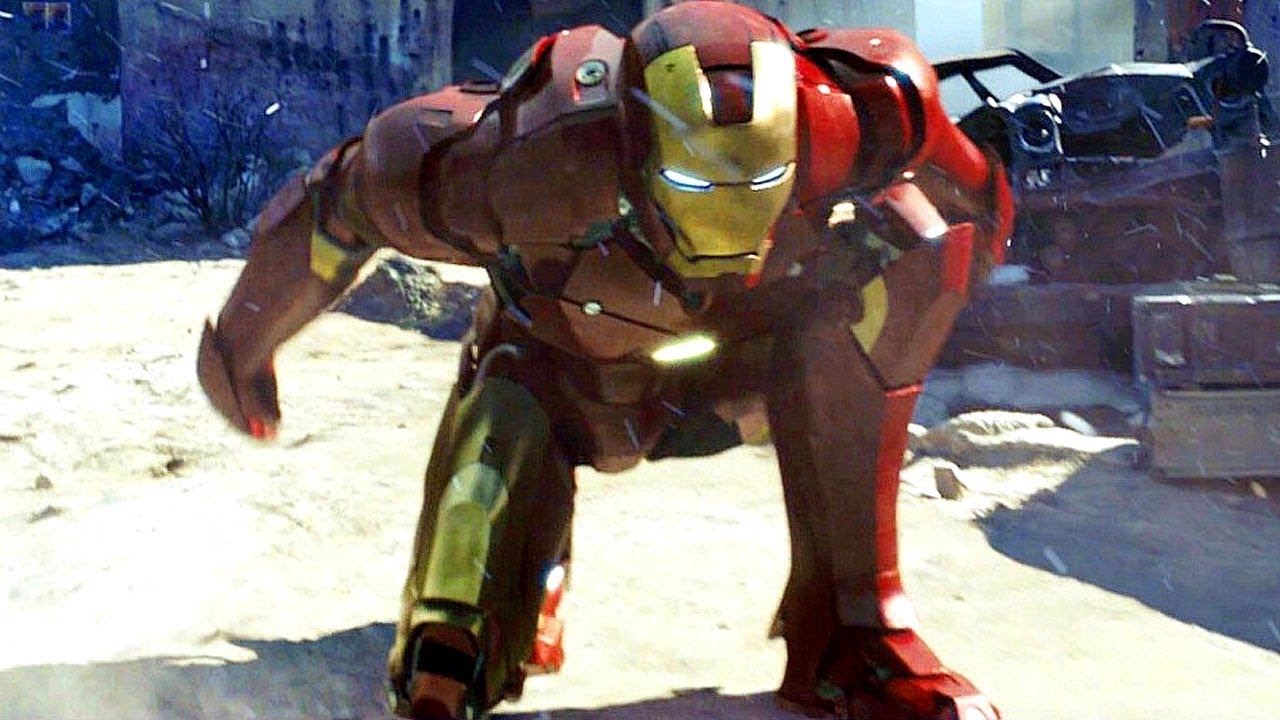
IRON MAN (2008)
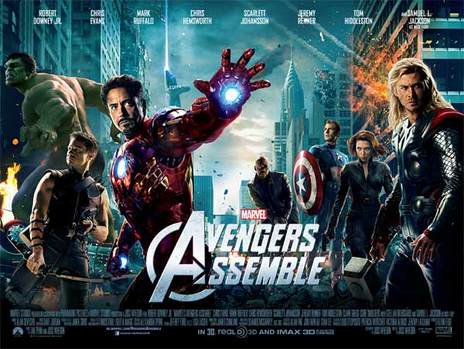
AVENGERS: ASSEMBLE (2012)
CAPTAIN AMERICA: THE WINTER SOLDIER (2014)
GUARDIANS OF THE GALAXY (2014)
ANT-MAN (2015)
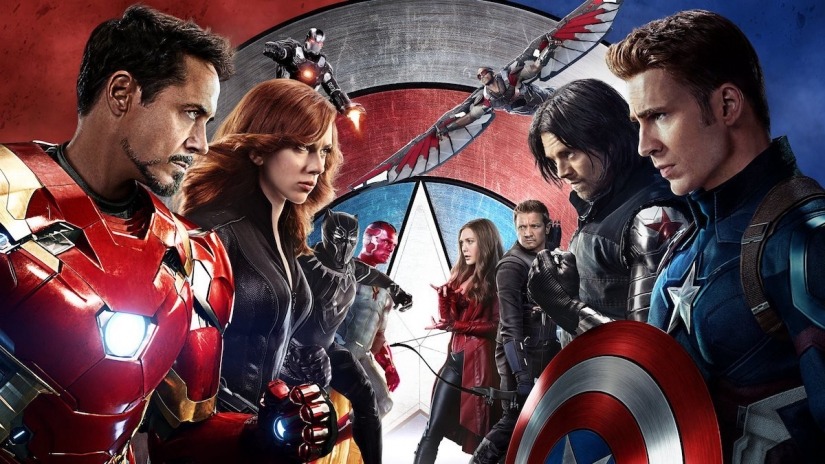
CAPTAIN AMERICA: CIVIL WAR (2016)
DOCTOR STRANGE (2016)
THOR: RAGNAROK (2017)
BLACK PANTHER (2018)
AVENGERS: INFINITY WAR (2018)
AVENGERS: ENDGAME (2019)
MY TOP THREE MARVEL UNIVERSE FILMS (BY PAIN OF DEATH)
I love a good train film. They make perfect settings for suspense, thriller, horror, comedy and, in fact, any genre. This is because they contain movement, pace and a destination too. Above all else they trap the characters within a confined space, thus creating an abundance of opportunities for drama and action.
In this little article I pick out six of the best films I have seen that have been set mainly on a train. I omit films which, while they may have had a train or train station setting they also veered into other locations. Thus, for the purpose of this piece classics such as Strangers on a Train (1951), Brief Encounter (1945), Great Train Robbery (1903), and Source Code (2011) are cruelly omitted. Lastly, I’m sure there are loads I have missed off so please do suggest any.
**MAY CONTAIN SPOILERS**
THE CASSANDRA CROSSING (1976)
Germ warfare, a runaway train, European terrorists and and all-star cast feature in this pretty awful disaster movie which I absolutely loved watching as a kid. The cast get their payday and we get Martin Sheen, Burt Lancaster, Sophia Loren, Richard Harris and OJ Simpson etc. all hamming it up to great effect.
THE LADY VANISHES (1938)
This is still one of my favourite Alfred Hitchcock films. Starring the radiant duo of Margaret Lockwood and Michael Redgrave, the sparks fly between the two amidst a fast-paced spy plot. Hitchcock takes his time establishing the characters at the start but really ratchets up the suspense when no one believes Lockwood’s assertion a woman has gone missing.
MURDER ON THE ORIENT EXPRESS (1974)
Agatha Christie was a genius and this story is one of her best. What we now consider to be a cliched genre, the “whodunnit”, was practically invented and reinvented by Christie and this one has a particularly brilliant plot and ending. Even though I know who committed the crime the starry cast in Sidney Lumet’s production are a joy to behold. Kenneth Branagh gave us a fine, if unnecessary, remake last year too.
SNOWPIERCER (2014)
Cruelly buried by the Weinstein studio, this under-rated graphic novel adaptation was absolutely brilliant. Set in an apocalyptic future, the train becomes an analogy for class struggle between the haves and have-nots. Bong Joon-ho directs Chris Evans, Jamie Bell, Octavia Spencer and Tilda Swinton expertly, as the film marries social commentary and blistering action with aplomb.
THE TAKING OF PELHAM 123 (1974)
Another film I watched the hell out of as a teenager, this classic New York Metro set film is gritty, funny and as tense as waiting for test results. Walter Matthau provides the everyman charm as he attempts to negotiate with Robert Shaw’s menacing criminal. A big influence on Tarantino, this little classic remains one of the 1970s unheralded crime films.
TRAIN TO BUSAN (2016)
Zombies on a train – I’m in! What an amazing movie, as this kinetic mix of horror, family drama and action grabs you by the throat from the start and never lets go! While taking a lead from World War Z (2013), notably the ferocious plane set-piece, it surpasses that zombie film with an incredible pace, violence and unrelenting tension.
Hello 2019! So, here are my favourite twelve films of last year. It was a very decent and enjoyable year across cinema and streaming platforms and these are, not necessarily the best, but the ones I enjoyed the most that were released in the last twelve months. I obviously may have missed some films so please do point must see movies if I have. For the record I have taken into account all cinema, Netflix and film festival releases I have seen. Lastly, for comparison I also include 2017’s list first.
Favourite films of 2017!
A GHOST STORY (2017) BABY DRIVER (2017) BLADERUNNER 2049 (2017) BRAWL IN CELL BLOCK 99 (2017) COLOSSAL (2016) THE DISASTER ARTIST (2017) DUNKIRK (2017) FENCES (2016) INGRID GOES WEST (2017) SILENCE (2016) THREE BILLBOARDS OUTSIDE EBBING, MISSOURI (2017 WAR FOR THE PLANET OF THE APES (2017)
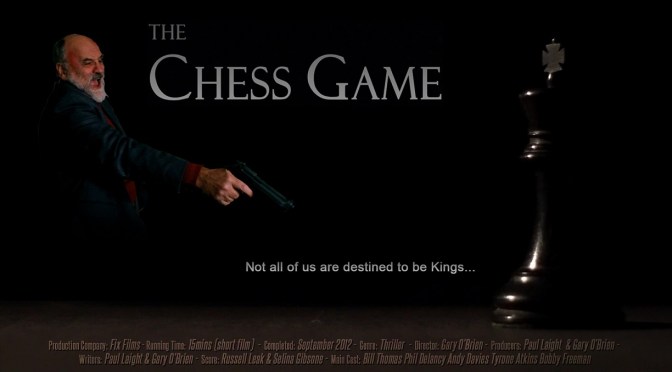
FIX FILMS RETROSPECTIVE #6 – THE CHESS GAME (2012)
TITLE: THE CHESS GAME (2012) – short film (15 mins)
TAGLINE: “Not all of us are destined to be Kings!”
DIRECTOR: Gary O’Brien
WRITERS/PRODUCERS: Paul Laight and Gary O’Brien
CAST: Philip Delancy, Bill Thomas, Tyrone Atkins, Bobby Freeman and Andy Davies
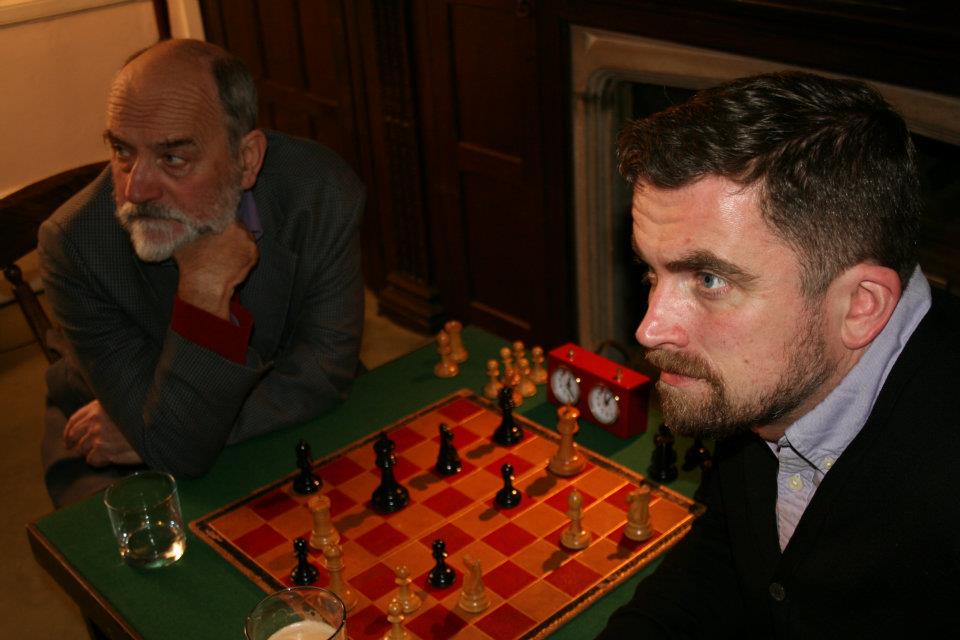
I haven’t written one of these short film retrospectives for a while but I thought I’d look back on my sixth short film – The Chess Game – and how it came to be made.
We hadn’t written or produced a film since 2008 when Elephant Trunk (2008) was released. Looking back it was for a mixture of personal and financial reasons. I mean making short films is a passion but sometimes the amount of work you put in can sometimes be the only reward. It is pleasing to complete a film but then what do you do? With Elephant Trunk (2008) I should have tried to get it into more festivals but ultimately I did not market it well enough. Moreover, I’d started doing more stand-up comedy as a creative hobby so decided to commit to that for a few years. I basically did not have enough time for filmmaking, especially with other family and work commitments.
In 2012, my filmmaking partner, Gary got in touch and quite rightly said it was about time we got back on the horse, as it were, thus we began working on the script that would become The Chess Game (2012). He had a basic premise of a seemingly harmless person living in a village fully integrated into the community. However, that said individual was actually hiding a secret past. We wrote the screenplay and, in terms of its length, became an ambitious thriller focussing on themes of guilt, revenge and war. It starts simply with the offer of a ‘friendly’ chess match between two strangers and spirals into a game of cat and mouse culminating in a deadly end game. Arguably, the story would probably have suited a Tales of the Unexpected half-hour length but we felt, given the lack of budget, we could do it justice at fifteen minutes.
Once we were happy with the script we raised the very low budget from independent sources and set about casting. We decided to use the talented Phil Delancy, who we’d worked with before and could be trusted to deliver a great performance. We also cast three excellent actors I knew from the comedy circuit in Tyrone Atkins, Andy Davies and Bobby Freeman. With regard to the lead role of Viktor, we knew we’d have to cast someone of great experience. Here was a character with charm keeping a dark secret close to his chest. Eventually, we cast seasoned professional Bill Thomas; an experienced screen actor who had been in many television and film roles including: The House Of Eliot, Cutting It, The Bill, Doctors, Holby City, Pusher (2012) and Alice Through the Looking Glass (2016) etc.
The rehearsal process was fantastic as myself, Gary, Phil and Bill really stress-tested the story and characters. Conversely, it was a script which changed a lot prior to production; not in terms of structure but rather the development of the characters’ motivations. Ultimately, the production would be a very successful shoot over two weekends in Oxfordshire. The story itself stands up to a re-watch as it twists and turns to a big reveal. My only regret is the end of the shoot was a bit rushed, however, the cast and crew were amazing and I think the film is not too bad, despite being shot on a shoestring budget.
Please check out subscribe to our respective YouTube channels if interested in short films and other clips:
MOUNTVIEW FILM ACADEMY RETROSPECTIVE #1 – THE BLACK ROOM (2008)
A rather indulgent post this!!
Between the years of 2008 and 2011, I did some screenwriting work for the Mountview FilmAcademy; a filmic extension of the Mountview Academy of Theatre Arts. Based in London, they would produce a number of student acting projects including many low budget short films. Notable Mountview Alumni include: Craig Parkinson, Eddie Marsan, Lois Chimimba, Connie Fisher, Douglas Henshall, Rebecca Trehearn and many more.
Writers would be shuttled in and given a remit to create short films using specified actors,locations and length of film. In 2008, I wrote a film called THE BLACK ROOM. It featured some talented actors and was directed by Jonathan Wolff. It’s a black comedy farce, concerning a writer who is struggling so much to write a period drama he starts to go a bit mad.
Watching the film back after ten years is interesting from a creative perspective. I actually think it works really well still and the story holds up despite the very low budget. Indeed, in places I still think the short film is pretty funny; echoing, on a very minor level, Charlie Kaufman’s meta-textual work in the film Adaptation (2002). Anyway, here it is:
Samuel “Billy” Wilder is arguably one of the finest screenwriters that ever put fingers to typewriter; and certainly one of the best writer-directors of all time. Indeed, until Woody Allen surpassed him he was nominated for best screenwriter at the Academy Awards TWELVE times! Overall, he would win six Oscars plus a special Academy Award.
Wilder was born in 1906 in Austria Hungary; in an area which is now part of Poland. Having moved to Berlin in his twenties, Wilder served an apprenticeship as a writer on a newspaper. However, he soon got work as a screenwriter in the German film industry and a star was born. The rise of the Nazis caused Wilder to move again, to Paris and then latterly to Hollywood. There he would have an incredible career in movie-making spanning over thirty years, writing, producing and directing over thirty-odd films, many of the classics of cinema.
So, in keeping with the remit of this occasional series I have decided to pick out six of Wilder’s best films and explain why they are just brilliant. To be honest I could probably pick out twenty of the best where Wilder is concerned, but will stick to six!
**MAY CONTAIN SPOILERS**
Double Indemnity (1944)
For any screenwriters out there Wilder’s work is often a technical and intricate joy. Character, dialogue, plot and twists are all combined to create an incredibly deep texture within the work. Double Indemnity was adapted from James M. Cain’s devious noir novella and found Fred MacMurray and Barbara Stanwyck plotting to kill her husband for the insurance money. Wilder worked on the screenplay with Raymond Chandler and while the two didn’t hit it off their collaboration produced one of the classic film noirs of the period. The film was nominated for seven Academy Awards and confirmed the star status of both Stanwyck and MacMurray. As MacMurray’s desperate voiceover reveals the events of the story we are pulled into a web on deceit and murder which show human nature as greedy, vicious and unforgiving.
The Lost Weekend (1945)
It is worth noting that Wilder’s success would perhaps not been as successful if not for his partnership with producer and writer Charles Brackett. They worked on many successful films together and The Lost Weekend was one such triumph. Based on Charles Jackson’ novel about an alcoholic writer teetering on the edge of self-destruction, Ray Milland’s character found himself awash in an existential and drunken haze. Wilder’s work as a screenwriter is again brilliant as he takes a very unsympathetic character and makes him both human and empathetic. This is down to both Milland’s fine performance and Wilder’s key direction; both would win Academy Awards. Overall, it’s a tragic struggle which reflects those individuals who constantly battle against the booze. Many see alcohol as a friend but it can quickly turn into an enemy without warning or notice.
Sunset Boulevard (1950)
Working from an original story Wilder and Brackett turned the eyes and ears inward toward the Hollywood machine; asking the question: what happens to the Hollywood legends after their star has crashed and burned. The answer was the character of Norma Desmond, a silent movie star craving a comeback and refusing to accept her career is over. Gloria Swanson is absolutely terrifying as the ageing screen goddess, as she spits out famous lines such as: “I am big; it’s the pictures that got small!” Meanwhile, William Holden is also superb as the cynical writer beaten down by his own world weariness within the Hollywood system. The classic opening scene of his limp dead body lying face down in a swimming pool as he recounts how he came to be there is one of the most iconic images in all cinema.
Witness for the Prosecution (1957)
I probably could have gone for a number of Wilder’s movies including: Ace in the Hole (1951), Stalag 17 (1953), Sabrina (1954) or The Fortune Cookie (1966), which was the first film to place Walter Matthau and Jack Lemmon on screen together; however, I’m a sucker for a good Agatha Christie story. Witness for the Prosecution features two stunning acting turns from Marlene Dietrich as the wife of the murder suspect, and Charles Laughton as the barrister charged with defending him. In his final film Tyrone Power plays the accused Leonard Vole, who is on trial for murdering a wealthy widow. Laughton’s eccentric barrister defends him but he has help on the way from an unexpected source. Wilder directs his cast with wit and suspense, making the most of Agatha Christie’s dynamite plot which has two grand and unexpected twists at the end.
Some Like It Hot (1959)
Arguably the best film comedy ever and also one of the best films of all time, Some Like It Hot, on paper, shouldn’t really work. Two male musicians dress up as women to go on the run from the mob is as silly an idea as you could get. However, with Billy Wilder and I.A.L Diamond’s intricate script, Tony Curtis and Jack Lemmon so good in the leads, plus an effervescent Marilyn Monroe at the height of her star power you get all-round cinematic gold. Combining gangster, comedy, musical and romance elements the film fizzes with style, humour and song, as the complex plot involves hilarious identity and gender switches. At one point Curtis’ Joe has split himself into three parts. Ultimately, Wilder and his collaborators have created almost a perfect movie featuring one of the finest end lines in cinema history.
The Apartment (1960)
While Some Like It Hot veered toward comedic farce, The Apartment is a somewhat more mature and darker-themed comedy. Once again starring Jack Lemmon, he portrays C.C. Baxter, a downtrodden office worker whose apartment is used by executives for their extra-marital dalliances. While these liaisons see him gain promotion he begins to doubt his actions and his conscience gets the better of him. The guilt is especially heightened when he begins to fall for Shirley MacLaine’s elevator operator, Fran. Fighting back against the corporate bosses does him no favours but it does bring him closer to Fran. Both a satire against odious men and their sexist practices, plus a touching romance, Jack Lemmon illuminates the screen all hang-dog expressions and nagging angst. MacLaine too shines in a sympathetic role as a woman treated like a perpetual door-mat. The film won five Oscars and once again proved the genius of Billy Wilder.
Sally Hawkins is such a formidable actor. She is likeable, bright, and funny; possessing an expert ability to bring pathos and emotion to every role. Having first really noticed her in Mike Leigh’s compelling period drama Vera Drake (2004), it’s mainly in the last decade she’s getting the leading roles her talent demands. Thus, here are five of Sally Hawkins most impressive performances that are well worth watching again and again.
**CONTAINS MILD SPOILERS**
FINGERSMITH (2005)
Yes, I know it says “cinematic romance” and Fingersmith was a two-part British TV programme, however, Sarah Waters’ novel was also made into a film by Park-Chan Wook called The Handmaiden (2016), so it kind of counts. Hawkins portrays Sue Trinder, raised to be a thief in Victorian England, who enters into a scam to rob an heiress. However, her relationship with the ‘mark’ becomes very complex indeed as the twisting complex plot becomes a veritable joy. Hawkins is a sympathetic criminal faced dealing with the sexist oppression of the day and she delivers thoughtful acting combining vulnerability and romance. One of Hawkins early starring performances shows what a great talent she is and will become.
HAPPY-GO-LUCKY (2008)
When I first saw this film I really did not enjoy it. Perhaps I was in a bad mood or just not up for any kind of positivity. I was also surprised Mike Leigh had delivered something, in comparison to Vera Drake (2004), a film so inconsequential. However, having re-watched it in the last year I must admit I was a total fool and wrong. Sally Hawkins character work and acting as Poppy Cross is a joy. Her character is very natural, optimistic and care-free. She enjoys her job as a primary school teacher and drifts through life happily. Hawkins imbues Poppy with a light comedic touch and her timing of a look, little giggle and innocence gags just make you feel better about life. If everyone was like Poppy the world would be a far better place.
BLUE JASMINE (2013)
While Woody Allen’s work has been re-evaluated in light of his very questionable personal choices, there’s no doubting his casting selections are absolute quality. It’s becoming more and more difficult to separate the creative from his apparent sins this in no way impacts on the sterling work of Cate Blanchett and Sally Hawkins in an excellent family comedy full of barbed wit and conflict. Hawkins performance as Ginger, an every person just trying to get by, sparks and conflicts with Blanchett’s neurotic socialite in effervescent comedic fashion. The two actors excel and Hawkins was nominated for an Academy award for ‘Best Supporting Actress’ as Blanchett took away the main prize.
MAUDIE (2016)
Perhaps overshadowed by the success of the big budget monster/love story The Shape of Water (2017), the low-budget Maudie features another stunning Hawkins turn. She is quietly powerful in the role of Nova Scotia painter Maud Dowling who came to prominence for her painting in the late 1960s and became somewhat of a cult treasure. Hawkins and Ethan Hawke steal the acting honours as the unlikely husband and wife, as Aisling Walsh directs a fine tribute to a small woman with a massive artistic talent. Hawkins is just brilliant though as the bullied and beaten women who refuses to break as the performance demonstrates a human being small of stature but big in spirit.
THE SHAPE OF WATER (2017)
Sally Hawkins plays mute cleaner Elisa Esposito, who works at a top secret U.S. army base. Silent from birth, what she lacks in voice, Elisa more than makes up for in courage, compassion and confidence. When a mysterious “Asset” is delivered to Elisa’s place of work she suddenly becomes entwined in an incredible story of sacrifice and love. Hawkins and Doug Jones performances are entrancing as two silent characters are able to say more with a look, hand signal and touch than a thousand words could achieve. In any other year Sally Hawkins would have walked away with all the Best Actress honours; yet she was up against the incredible Frances McDormand. Nonetheless, Hawkins gives us such a nuanced and heart-rending performance you forget that she cannot speak.
TELLING STORIES WITH STYLE: THE TROPES OF TARANTINO
**CONTAINS MOVIE SPOILERS**
Quentin Tarantino is a powerhouse of cinema. He has proved consistently, since his debut film Reservoir Dogs (1992) right up to his most recent film The Hateful Eight (2015), a filmmaker of incredible invention. His works are well known for their references to pop culture, TV shows, music, fashion, and quoting in general from an array of cinematic influences. Indeed, his films are always firmly planted in genre, from: war films to Martial Arts to Western to crime and B-movie pictures. However, despite utilising other genres as a springboard for his writing, Tarantino instils his own style within his work. This creates a paradoxical form of originality, making him what I would call a postmodern auteur. The postmodern auteur not only quotes, borrows and steals from other influences but they are able to present them in a fashion so as to make them feel fresh and somehow original.
It would be easy to write an essay of Tarantino-style bingo pointing out which films and genres he has used and stolen or quoted from, thus, as an alternative, I would like examine the narrative tropes he employs to tell his screen stories. Tarantino isn’t simply a cultural magpie throwing in arbitrary pop references but he has a magic box of narrative tricks gained from cinema, stage, literature and music. In this essay I would like to explore some of these methods and how he diverts from the linear narrative style represented by the classical Hollywood norm. I will also examine his work in general and scenes from his films to show how he has created some fascinating means of telling stories.
Tarantino differentiates his films from the classical narrative style in a legion of ways. Such tropes include: “Chapter Headings”; non-linear timelines; unreliable narrators; and what I have termed “the long game” scene or sequence. Along with his perpetual references to various genres, specific films and the use of soundtracks from other movies, such devices work brilliantly to propel the narratives of his films. It may seem quite a simplistic device to use, but “Chapter Headings” are a very effective story device. It’s obvious to say Tarantino has borrowed from literature in order to structure his films this way, but the ‘Chapter’ introductions establish the nature of storytelling and literally inform the audience of a change in scene, time, place and character.
While classical Hollywood works to immerse us in the invisibility of filmmaking, Tarantino calls attention to the form with “Chapter Headings.” He does this not as a Brechtian distanciation device but rather as a means to include us in the story intellectually. The “Chapter Headings” also create humour, mystery and suspense. For example in Kill Bill: Volume 2, one chapter is called The Lonely Grave of Paula Schultz, which immediately conjures a mysterious and eerie story to come. It turns out to be just that as Beatrice ends up buried alive as the segment further reveals more of her fascinating back-story. In an ingenious aside in Tarantino’s “Universe”, Paula Schultz is in fact the wife of King Schultz from his own Western Django Unchained (2012).
“Chapter Headings” also seek to cement and bind another of Tarantino’s tropes: the non-linear or fractured timeline structure. Here, fractured events are portrayed out of chronological order and do not follow the direct causality pattern of the events in the standard narrative model. Non-causality is as old as the hills with Homer’s The Iliad in the 8th century BC being one of the first examples of such a narrative device. Indeed, it’s easier to pick out a Tarantino film that doesn’t follow a non-linear structure than not. However, even his most linear film Jackie Brown (1997), which follows the eponymous protagonist’s attempts to stay out of jail and alive, finds the narrative splintering into a triptych of varying perspectives during the final act.
Often non-linearity is used to show dreams, flashbacks, time-travel and explore splintered identities or point-of-view; nonetheless, the non-linear narratives of, for example, Reservoir Dogs (1992), Pulp Fiction (1994), Kill Bill (2003/2004) and Inglorious Basterds (2009) contain fractured timelines from mainly a creative and aesthetic choice. But they are not just style for style’s sake as they create a dazzling intellectual response and activate the viewer to piece the stories together like a jigsaw. Reservoir Dogs (1992) is especially ingenious in breaking the rules of genre as it’s one of the only films I’ve seen about a robbery which shows us everything aside from the actual crime. It is important, however, to say that while Tarantino knows the rules of linearity he chooses to break them, on the whole, to enhance the cinematic experience. Interestingly, in my opinion, his most satisfying films are those which are his most linear. Tony Scott proved this when he re-wrote and re-ordered Tarantino’s script of True Romance (1989), while Django Unchained (2012), aside from a few brief illusory dream sequences and momentary flashbacks, builds powerful emotions as Django hunts down his slave captors and wreaks revenge in order to be reunited with his wife.
A narrative off-shoot of fractured timelines is Tarantino’s use of stories within stories and unreliable narrators. The device of the unreliable narrator is another means in which Tarantino differentiates his narratives from classic storytelling. In 1981, William Riggan, created a study of various unreliable types, including: The Picaro, The Madman, The Clown, The Naif and The Liar. The Picaro will typically be a bragger, similar to the Liar but not as heinous. The Madman or Mad Woman, however, will be more sinister but The Clown and The Naif will either be playing for laughs or in the latter’s case, telling their story from a naïve position. Tarantino takes great joy with narrators, unreliable or otherwise, telling lies; something seen brilliantly in both Reservoir Dogs (1992) and his most recent film The Hateful Eight (2015).
In Reservoir Dogs (1992), Tim Roth’s “Mr Orange” is revealed to be an undercover Police officer. “Orange’s” cop superior actively tells him to invent a story – because you “gotta have a story,” – to inveigle his way into the Joe Cabot’s gang. Thus, he invents a shaggy dog tale about the time he almost got bust by cops in a toilet. Tarantino presents a dishonest character delivering a story in a false reality providing both suspense and entertainment from a wholly unreliable basis. More ambiguous and vile is the story Samuel L. Jackson’s Major Marquis Warren tells to Bruce Dern’s irascible Confederate, General Sandy Smithers, in The Hateful Eight (2015). Sworn enemies while occupying opposing sides during the American Civil War, Warren, raises the dramatic stakes by regaling the story of how he strips, sexually humiliates and then kills Smithers’ own son. We flash-back to this incident and must consider if this is actually real or invented in order for Warren to provoke Smithers to grab a gun; thus allowing the Major to shoot him self-defence. These devices are tremendously effective narrative tools for creating shifting emotional responses to characters and again mark Tarantino’s work outside the classical norm.
The Hateful Eight (2015), given it is virtually set in one location, is very theatrical in feel. Marrying the influences of the Western genre in such television shows as Bonanza with Agatha Christie’s novel And Then There Were None (1939), the film also evokes principles of the “Shaggy Dog” story and Chekhov’s gun theory where every element of a narrative has cause effect irreplaceability. Consequently, the whole film feels like one long sequence of scenes and event with a massive and particularly violent payoff at the end. Indeed, this narrative conceit is a major styling of Tarantino. While most basic screenwriting books will tell you to get in and out of a scene as quickly as possible to move the narrative along, Tarantino disregards this rule throughout his oeuvre. This, I call the “Long Game” scene where lengthy dialogue gives way to a spectacular punchline at the end.
A perfect example of the “Long Game” scene is the beginning of wartime epic, Inglourious Basterds (2009). We open with the “Chapter Heading”: Once Upon a Time in Nazi Occupied France and are introduced to Christophe Waltz’ SS Office Hans Landa. At first Landa is amiable and charming in his inquisition of a French farmer. Indeed the scene moves slowly and not without humour as the German takes out his over-sized pipe and drinks the farmer’s delicious milk. But, as this is Tarantino we know suspense is building to a slow but startling crescendo. When the reveal of the hidden Jewish family below the timbers is shown, we realise that Landa is not the affable German he acts but a devious murderer and the nemesis within the narrative. With machine guns firing and splintering wood in slow motion, the soundtrack swells operatically as the scene ends with Shosanna (Melanie Laurent) sprinting away, her family butchered by the Nazis. Such “Long Game” scenes are one of Tarantino’s memorable tropes and he achieves this through his brilliant handling of conflict, dialogue and expert use of cinematic form and content.
Overall, Tarantino has had an exceptional film career by using established means of telling stories, both inside and outside the rules of standard narratives. He uses devices like those discussed to invigorate and entertain the audience. There is also much pleasure to be had from experiencing the tropes such as: “Chapter Headings”; unreliable narrators; non-linear structure and the “Long Game” scenes. Thus, using theatrical, literary, cinematic and musical narrative influences Tarantino proves himself a master of storytelling as demonstrated in his impressive body of work.
SIX OF THE BEST #12 – UNRELIABLE NARRATORS IN CINEMA
**CONTAINS MASSIVE SPOILERS**
I find the nature of storytelling and narrative construction a fascinating craft. As someone who reads and watches a lot of stories via: books, cinema, theatre, comedy, radio and television, I am always drawn to devices which differ from the conventional norm. When I was younger I used to pour scorn on stories told straight and in chronological order. I like difficult or unconventional works as it appealed to my younger rebellious side. Of late though, I have come to realise that unconventional or non-linear storytelling can be used as a stylistic device for the sake of it and adds nothing to the story. Screenwriting navel-gazing devices such as fragmented timelines can detract from the emotional impact of the characters’ journey. Thus, to get a complex layered and non-linear storyline right is difficult. Many writers and filmmakers experiment with variant structures to escape standard narrative conventions. Indeed, with hard work and positive creative decisions it is possible to capture magic in a script and transport it to the screen.
Conversely, the device of the unreliable narrator is another means which a screenwriter can differentiate a narrative from conventional classic storytelling. Usually, in say a Hollywood blockbuster our hero or heroes will be those we root for from beginning to end. To switch our main protagonist or narrative focus from positive to negative or good to bad is brave writing. To even begin with an anti-heroic or even unlikable lead protagonist is obviously a risk and can alienate the audience. Furthermore, to make the lead character or characters unreliable is very difficult. However, the tricky craft of leading us one way with a protagonist before revealing them to be untrustworthy or twisted is a device which can provide much narrative satisfaction.
In 1981, William Riggan, created a study of various unreliable types, including: The Picaro, The Madman, The Clown, The Naif and The Liar. The Picaro will typically be a bragger, similar to the Liar but not as heinous. The Madman or Mad Woman, however, will be more sinister but The Clown and The Naif will either be playing for laughs or in the latter’s case, telling their story from a naïve position. Moreover, an unreliable narrator will potentially be hiding their own crimes or actions out of guilt. Or they will have amnesia, selective or deliberate to mislead the audience. They may just take great joy in telling lies or simply be unhinged to believe their fractured personality is presenting their version of the truth. It could be they are also attention seekers; OR actually a combination of all of the above.
Examples of unreliable narrators are legion throughout theatrical and literary presentations. Indeed, Agatha Christie and Jim Thompson often utilised them in their crime stories; as did novelists such as: Emily Bronte, F. Scott Fitzgerald, Bret Easton Ellis, Gillian Flynn, Vladimir Nabokov and many more. In this piece I would like to consider six of the best films featuring unreliable narrators. It was tough to get just six as I could have easily doubled it but here we are!
***CONTAINS MASSIVE SPOILERS***
ATONEMENT (2007)
Joe Wright’s majestic directorial adaptation of Ian McEwan’s tragic war story is a poignant study of petty revenge and romantic conflict. While the story focusses on the doomed love affair between James McEvoy and Keira Knightley’s class-crossed lovers, the narrator is novelist Briony Tallis (Vanessa Redgrave). Due to a spiteful action by her thirteen year-old self the events of the drama are revealed at the end to be manipulated out of sheer guilt. While she attempts to give the romance story a more positive ending the horrors of war are to the fore and Briony’s remorse will never be humbled.
THE CABINET OF DR CALIGARI (1920)
This silent movie classic is seen as the epitome of German Expressionist cinema. Set within the confines of a mental health asylum it was directed by Robert Wiene and written by Hans Janowitz and Carl Mayer. The story concerns a man named Francis (Friedrich Feher) as he tells of a strange tale involving the mysterious somnambulist Cesare and nefarious Dr Caligari. Both stylistically and structurally formidable the film features: twisted and painterly sets, shadowy key lighting and ghostly make-up. Also, the story-within-the-story is both terrifying and all a lie in the mind of a madman. The ending would now be seen as potential cliché but on release it was astounding and clearly influenced another story with a troubled and unreliable narrator in Shutter Island (2010).
FIGHT CLUB (1999)
Chuck Palahniuk’s seminal novel and David Fincher’s incendiary cinematic adaptation is way too complex a piece to sum up in this little list. However, it still stands the test of time in terms of style and structure as Fincher directs the hell out of Edward Norton’s everyman and his charismatic alter-ego, Tyler Durden. A brutal, violent and coruscating vision of masculinity in crisis within a crumbling, corporate and schizophrenic society, Norton’s unreliable narrator spits and spirals and finally splits literally in half. Funny, dark, and a genuine film classic, no one’s meant to talk about Fight Club but it certainly deserves all the praise heaped upon it.
MEMENTO (2000)
Christopher Nolan’s early noir classic Memento (2000) is famously told in reverse chronological fashion, thus subverting the very nature of linear storytelling. His anti-hero, Leonard Shelby, has no means of making new memories thus via tattoos and Polaroid photos he constructs a present day movie of his own life in visual form. As the story unfolds we flash back and forth to a film within a film about a character called Sammy Jankis. Yet, incredibly and sadly, it turns out that Sammy is an imagined character used to suppress a terrible event in Leonard’s life and the film within a film is in fact the imagined vision of an unreliable narrator.
RASHOMON (1950)
Akiro Kurosawa’s superbly directed crime classic has not just one but numerous unreliable narrators. Structured around the investigation into a rape and murder in Japan the story splinters around the investigation of said crimes. Various versions of the same story are told from different perspectives as the subjectivity of truth is tested to the full. Are the characters’ stories from the perspective of: the bandit, the wife, the samurai and woodcutter lies or “true” reflections of the events in their respective minds? We all tell stories and is it possible we have got it wrong by mistake or manipulating the truth to our own benefit. Rashomon posits such questions and more in a beautifully rendered cinema classic.
THE USUAL SUSPECTS (1995)
Christopher McQuarrie’s screenplay remains one of the best I have ever read and the film is not too bad either. Shot on a low budget but cast perfectly the whole story is set around Chazz Palminteri’s cop grilling Kevin Spacey’s Verbal Kint about a major crime at the docks. What follows is a fractured structure which twists and turns on the basis of the narratives Kint is providing. We flash into event within event which is initially perceived to be truth but ultimately is a fiction. The final reveal where we find Kint has, in fact, been hiding a devilish truth all along astounds the cop and audience beyond belief. The story was so complex that Gabriel Byrne and other cast members actually thought they were Keyser Soze; only finding out they weren’t when they’d seen the incredible twist ending.