Produced by: Jason Blum, Kylie Du Fresne, Brian Kavanaugh-Jones
Written by: Leigh Whannell
Starring: Logan Marshall-Green, Betty Gabriel, Harrison Gilbertson
Music by: Jed Palmer
Cinematography: Stefan Duscio
Edited by: Andy Canny
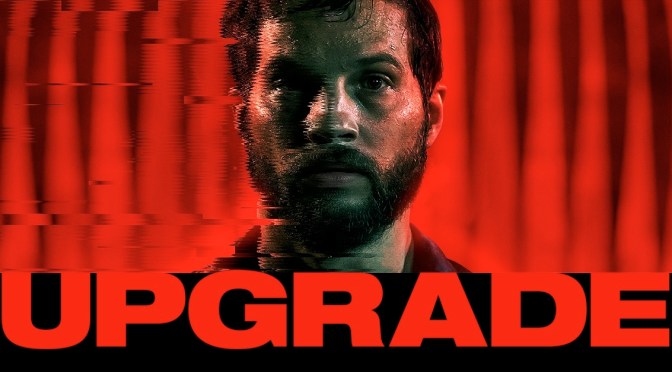
For me Australian filmmaker Leigh Whannell is one of the best screenwriters out there. He has been involved in the writing of TWO fantastic horror originals: Saw (2004) and Insidious (2010). Furthermore, he has written and directed a brilliant sci-fi-horror-B-Movie in Upgrade. He is a great writer because he brings conceptual invention with strong style and tight economy. What he shows is that you don’t need billions of dollars to make an entertaining film but rather a decent script with focussed ideas and great twists at the end.
I watched his latest film Upgrade (2018) at a Fright Fest 2018 preview and its blend of science fiction, body horror and bloody gore was lapped up by the packed crowd. The director, Leigh Whannell, did a Q & A afterwards and spoke of his desire evoke the spirit of the 1980s low budget films like The Terminator (1984) and he certainly achieved that in my view. His budget of $5 million dollars was stretched by incentives from the Australian government and what it lacks in scale, the movie more than makes up in a look and style which echoes that of those 1980s sci-fi classics.
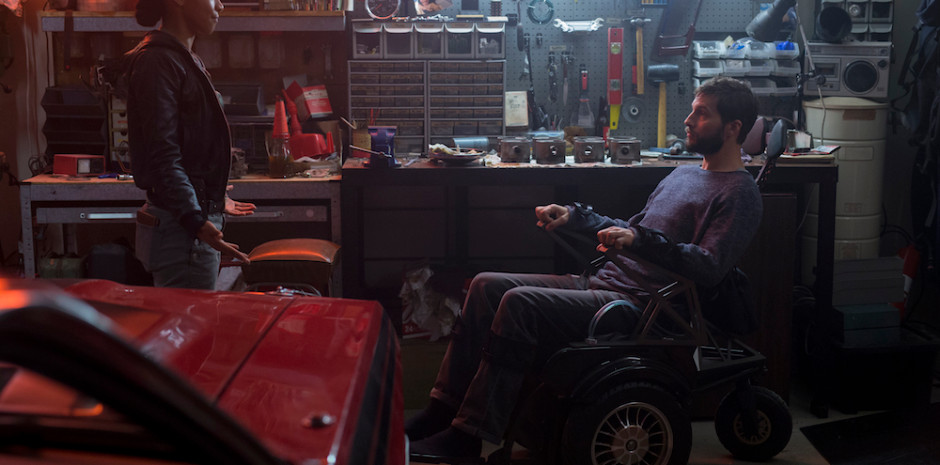
Upgrade’s story is very simple and similar in some ways to Death Wish (1974) and also the recent assassin shoot-em-up-actioner John Wick (2014). But the joy is not so much in the plot but in the exceptionally well devised character arc our hero, Grey Trace (Logan Marshall Green), goes through. Left a depressed, suicidal and a quadriplegic by a vicious robbery he is given the opportunity to revitalise his body by a computer genius, Eron Keen (Harrison Gilbertson). Hell-bent on finding the killers of his wife he agrees to surgery which will implant an artificially intelligent programme into his body and enable him to walk again. After which the story moves at some pace as he first comes to terms with the new technology, before his descent into the criminal underworld really gathers speed.
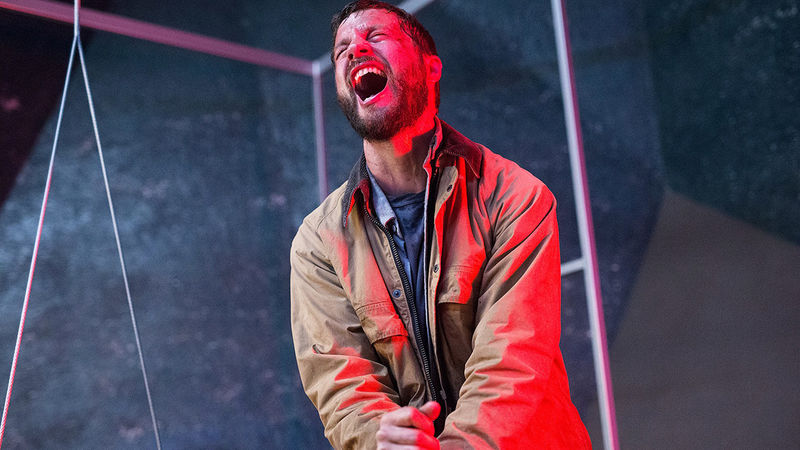
STEM itself is a fine supporting character too. There is much humour in Logan Marshall-Green’s performance and his interaction with the “HAL9000-like” computer in his head. Marshall-Green also excels physically during the brutal and fantastically choreographed fight scenes. Indeed, the bloody violence is a joy and I actually wanted more gore as less definitely WAS NOT more. But, overall, this is a fantastically enjoyable B-movie mash-up with an incredible look for such a low budget film. Shadow, fluorescent light, darkness, blood, metal and strobes all co-mingle to startling effect. The score by Jed Palmer is a brooding classic and some of the technological concepts relating to bionic and Nano-technology were very inventive. Above all else, it’s Whannell’s lean and mean machine of a script that wins the day; he certainly deserves to work on a bigger scale no doubt!
Produced by: Jason Blum, Spike Lee, Raymond Mansfield, Sean McKittrick, Jordan Peele, Shaun Redick, Jordan Peele
Written by: Charlie Wachtel, David Rabinowitz, Kevin Willmott, Spike Lee
Based on: Black Klansman by Ron Stallworth
Starring: John David Washington, Adam Driver, Laura Harrier, Topher Grace
Music by: Terence Blanchard
Cinematography: Chayse Irvin
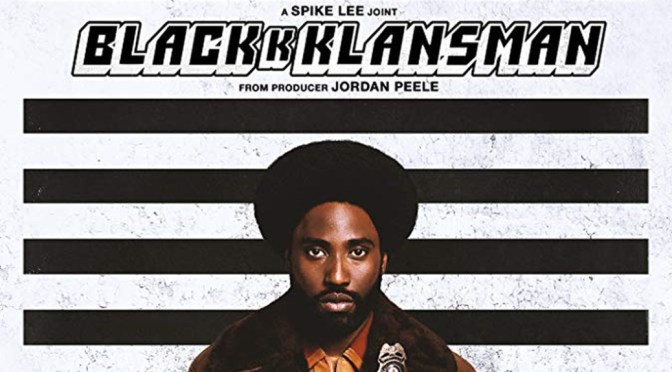
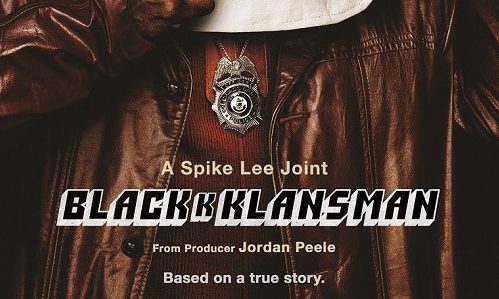
Let’s just say right off the bat that films like Black Klansman (2018) are the reason I still go to the cinema. Even from the trailer I’m like wow: a black police officer goes undercover and infiltrates the Ku Klux Klan!! That is a story I need to know about! How the hell did he do that? What follows then is the how, who, why and what-the-fuck-happened story of Ron Stallworth and how he managed to get between the “sheets”, as it were, of one of the nastiest clubs every to deface the fabric of society.
Racism or prejudice of any fashion is deplorable. There is no place for any oppression within a civilised society. Rising up out of the poisonous embers of defeated Confederate army members, in or around the 1860s, the Ku Klux Klan has sought to manifest hatred and bile since then. Murder, violence, vandalism, hangings and burning crosses became its’ nefarious stock and trade as it sought to make toxic the societal waters. In more recent decades, from the 1950s on, the Klan found a politicised voice seeking power through government. It is here that the story of the Black Klansman (2018) joins. It is 1979 and the civil rights movement continues seeking justice and equality for all. The Ku Klux Klan does not agree. They want purification. They are hatred.
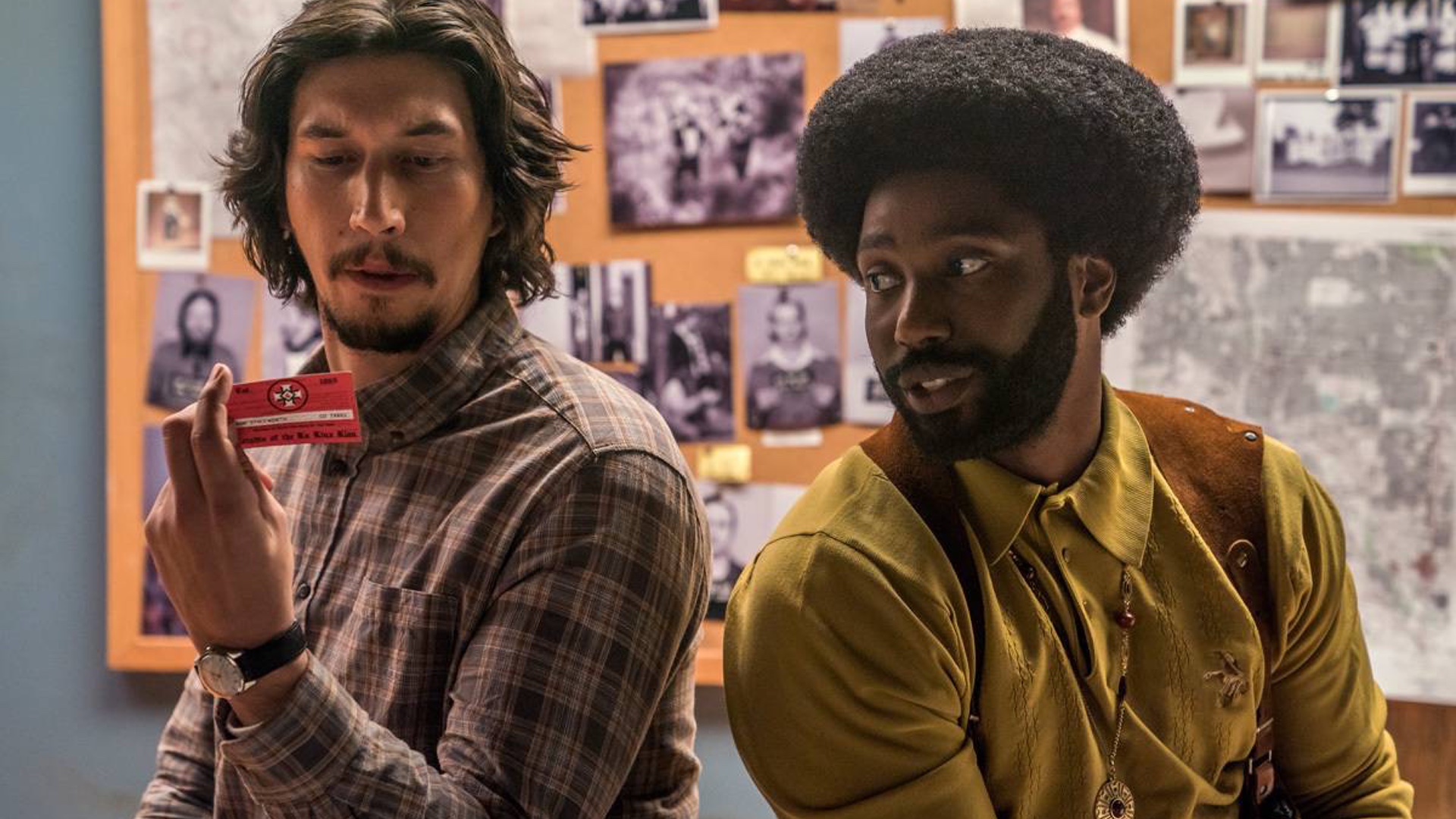
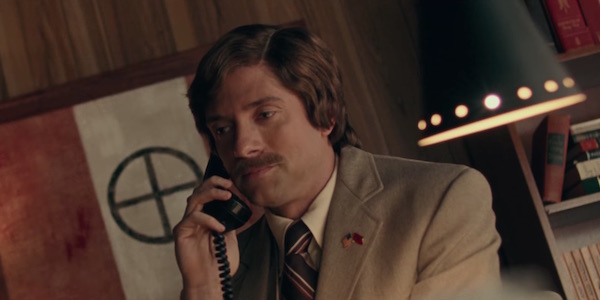
Already a trailblazer as the first black detective in Colorado Springs, Ron Stallworth proves he is an intelligent and reliable undercover officer. Then having seen an advert in the local newspaper for the KKK’s desire to recruit new members, he, rather incredibly, calls to make an appointment. From then on his unbelievable scheme gathers pace and a team is assigned to infiltrate the Klan. These include Flip Zimmerman, a Jewish cop, portrayed with his usual laidback brilliance by Adam Driver; and it is Zimmerman who provides the physical version of Ron Stallworth to the Klan members. Indeed, Driver and John David Washington, as the real Stallworth, form a great double-act during the operation. While Zimmerman takes his life in his hands spying on the fascistic group, Stallworth himself builds relationships on the phone with the head of the Klan Charter, David Duke. Duke is the political arm and portrayed with efficient zeal by Topher Grace.
Black Klansman (2018) is a complex film which expertly mixes many genres and tones. The humour of Stallworth’s phone calls to the KKK members are hilariously delivered by the charismatic Washington; while the horrific language of the Klan and danger Zimmerman finds himself in levies this humour, creating a flux of emotions. Moreover, Spike Lee, a tremendously confident director, infuses musical, thriller, Blaxploitation and documentary genre styles within the film, making it a joy to experience. One could argue the romantic subplot doesn’t quite flourish amidst the main plots but Laura Harrier gives a fine performance nonetheless within a great ensemble cast. Plus, I must not forget the killer soundtrack which bleeds soul and verve into every shot.
Spike Lee has never been afraid of experimenting with cinematic style and with this film his alchemy perfectly combines form and content. Overall, this is one of the best films I have seen in 2018, both entertaining and thought-provoking; as the final reels of news footage demonstrate that fascism is still among us and as dangerous as ever. Yet, this film is never preachy for the sake of it and uses humour most often as a weapon to undermine the senseless ideologies of the KKK. Indeed, in ridicule there is hope they may eventually be side-lined to the shadows of history.
Writer(s): Bruce Miller, Dorothy Fortenberry, Yahlin Chang, Kira Snyder, Eric Tuchmann
Director(s): Mike Barker, Kari Skogland, Jeremy Podeswa, Daina Reid etc.
Starring: Elisabeth Moss, Joseph Fiennes, Yvonne Strahovski, Alexis Bledel, Madeline Brewer, Ann Dowd, Max Minghella, Samira Wiley
Release: Hulu (USA), Channel 4 (UK)
** MAY CONTAIN SPOILERS **
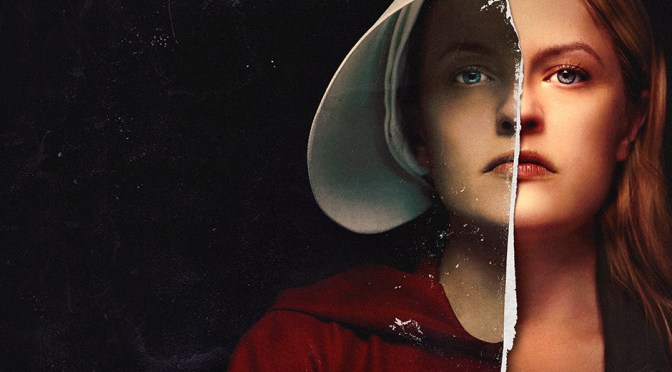
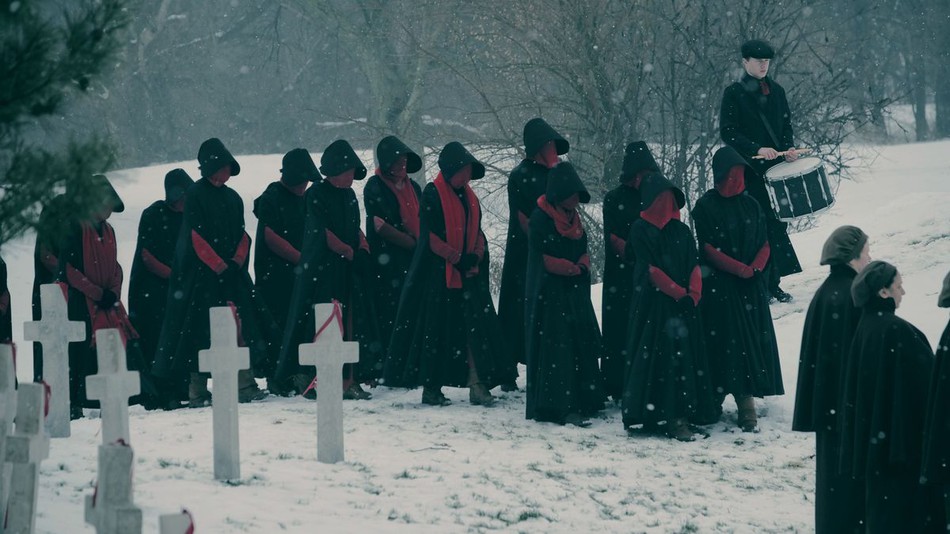
Misery, fascism and oppression have never been so stylish as in the Margaret Atwood televisual adaptation of her famous novel The Handmaid’s Tale. If you haven’t seen it then the story finds a major part of the U.S.A in the grip of a new, militarized and hierarchical regime following a brutal civil war. This new totalitarian state is called Gilead and is led by power-mad men who utilise religion, torture and weaponry to invoke their barbaric laws. Hang on, that sounds quite familiar!! Could the show be quite close to real life? From a certain perspective there is indeed more reality here than allegory.
At the centre of the drama are the Handmaids. Due to falling fertility rates only certain women can give birth. Those that still can and considered to be dangerous to the Gilead hierarchy are imprisoned to the leaders’ houses and raped in a ritualistic monthly ordeal. The narrative focusses on the plight of June Osborne – now known as Offred / “Of Fred” – as she deals with having everything stripped away from her. She has no name, no identity, no freedom and above all else has been ripped away from her husband and child; only to be treated no better than a battery hen.
Elisabeth Moss gives an incredible performance as June / Offred. A versatile performer she imbues the complex pathos, strength and fragility required to convey the emotion of events within the story. The second season begins with a now pregnant June escaping from her captors. However, as the series progresses we know that she is not going to get away that easily. Because, this is a harsh drama. It doesn’t just smash home the viciousness of a society which oppresses women, it also illustrates the dangers of allowing fundamentalists to take total control. Executions by hanging and drowning are commonplace; and if you perpetually rebel an individual can be sent to The Colonies for a fate worse than death.
While the themes and events are sometimes difficult to stomach The Handmaid’s Tale is compelling viewing. Be warned though when one is close to a sliver of light at the end of the tunnel, that light is extinguished as darkness pervades. With a brilliant cast that includes Yvonne Strahovski, Joseph Fiennes and the always-excellent Ann Dowd, this is not just powerful storytelling, it’s incredibly interesting to look at too. The maroons, greens, greys, blacks and whites in the colour scheme create a poetic sense of beauty and doom. The direction, editing, lighting and soundtrack serve the narrative expertly as Margaret Atwood’s dystopic future is illustrated skilfully. Ultimately, in Elizabeth Moss’ portrayal of June Osborne we have a heroic and resilient character; one who, amidst all the suffering, is determined to survive and save those she loves. Praise be!
Starring: Donald Glover, Brian Tyree Henry, Lakeith Stanfield, Zazie Beetz
Original network: FX
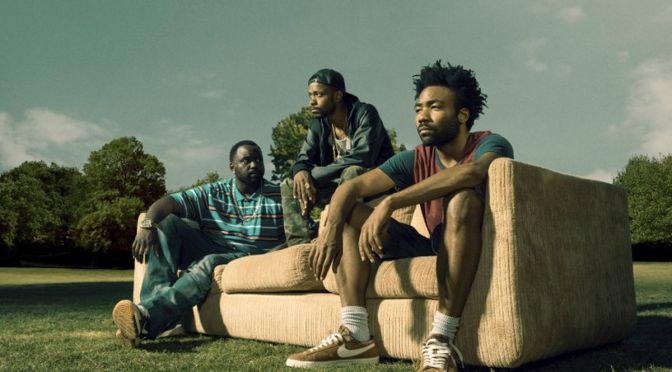
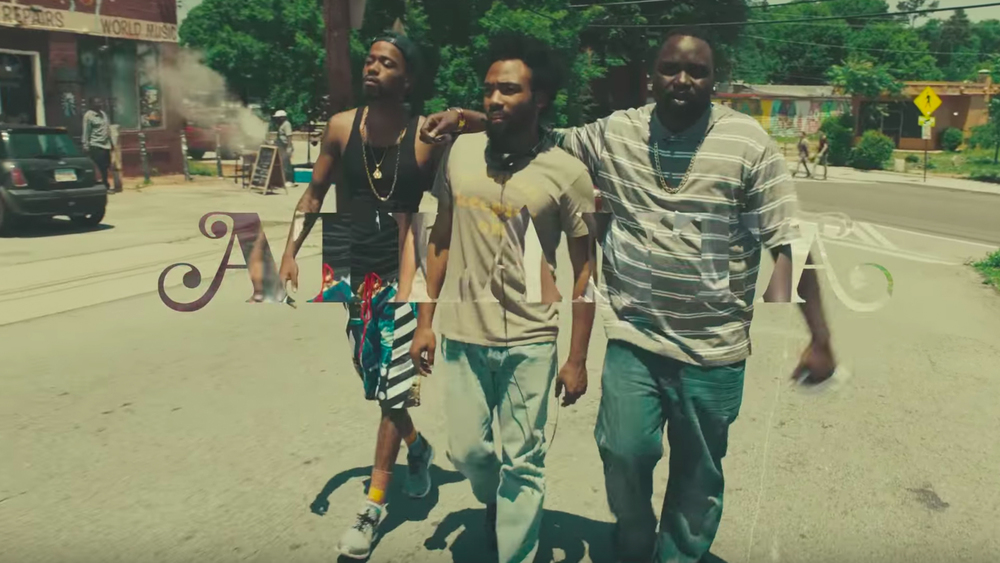
Donald Glover and his multi-talented cast and crew deserve all the praise and accolades they have or will receive for Atlanta. It is easily one of the best and most originally voiced television shows I have watched in the last decade. Set in the Atlanta, which is the most populous city in the U.S. state of Georgia; it centres on a collection of characters on the outside of the capitalist system just trying to make their way in life through: creativity, music, strange schemes, ducking, diving; and possibly a bit of drug dealing.
Atlanta has a rich political history. In the 1960s it became a major organizing centre of the civil rights with Dr Martin Luther King Jr. and many others playing serious roles in the movement’s leadership. Flash forward fifty years and, while we find the USA has moved beyond segregation from a legal perspective, inequality and social divide remain everyday from an economic perspective. The underclasses stay just that with the rich getting richer and the poorer communities unfortunately scrabbling around just trying to get by.
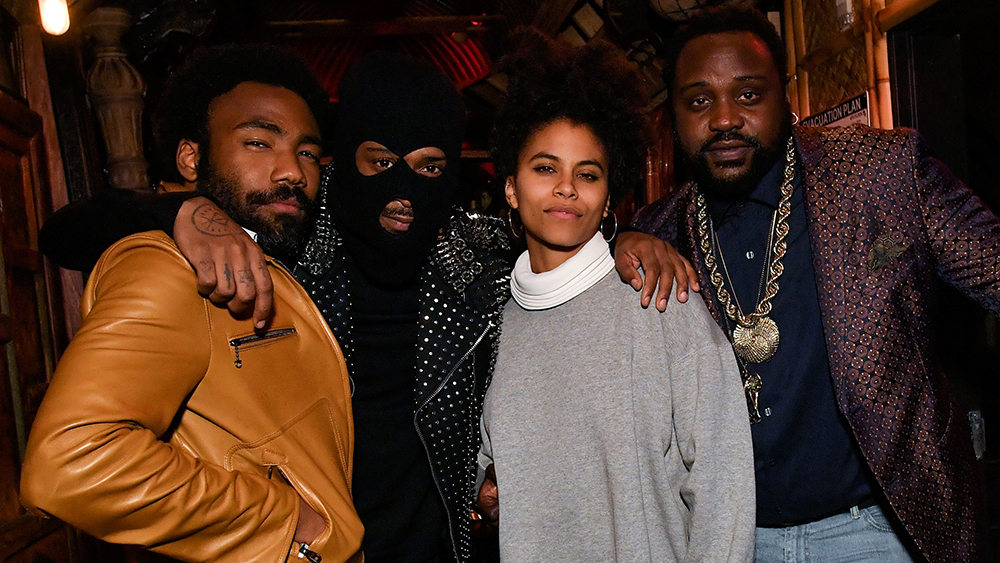
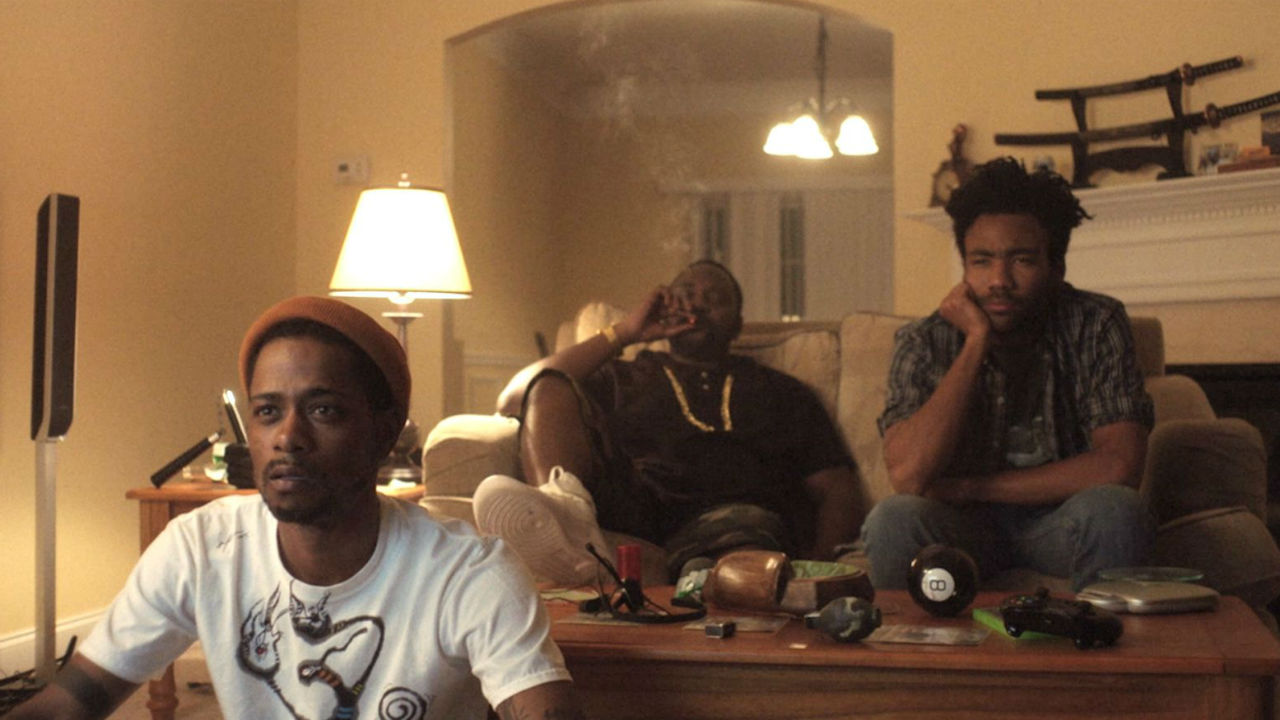
It is against this social milieu we meet our main protagonists in Atlanta. Donald Glover is Earnest “Earn” Marks, a young Princeton dropout turned manager; Brian Tyree Henry as Alfred “Paper Boi” Miles, Earn’s cousin and up-and-coming rapper; Lakeith Stanfield as Darius Epps, Alfred’s eccentric right-hand man and visionary; and Zazie Beetz as Vanessa “Van” Keefer, Earn’s on-again-off-again girlfriend and the mother of their daughter Lottie. These are presented as complex characters who, while at times, not following the law or rules are just trying to survive in these difficult economic times. A mixture of both society and their own poor decisions trap them, and from this comes much drama and comedy.
This is a very rich show, which over two seasons, is brilliantly acted, scored, filmed, written and directed. Thematically, it is very powerful while retaining a very honest humour. Episodes cover: stoner culture; crime; family relationships; the working class struggle; guns; violence; street gangs; drugs; children; social media; hip-hop; fashion; celebrity; as well as satirizing white people’s attitude to black culture and the music scene in general. It is confidently written with a loose episodic structure with events linked thematically and often looping back and re-joining much later in the season. Atlanta also experiments with form as well as style using a meshing of genres including: pop video, short film, chat-show, horror, comedy, internet and various dramatic devices to tell its story.
Overall, this is one of those shows which constantly surprises you and what appears to be a loose vibe is in fact a cleverly structured series of impactful vignettes full of rich moments. Indeed, episode 6 of Season 2 called Teddy Perkins is one of the most amazing pieces of television I have seen in a long while. Atlanta is not just a TV show but an experience not to forget and I certainly had Georgia on my mind long after I’d finished watching it.
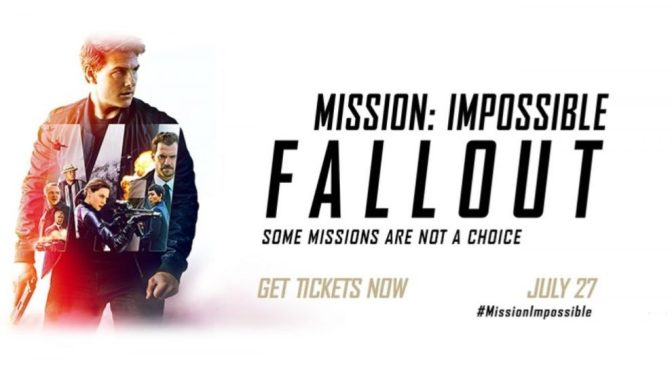
MISSION IMPOSSIBLE BINGO incorporating: FALLOUT (2018) MOVIE REVIEW
I have found it’s difficult to find an original angle when reviewing certain films i.e. franchise movies or sequels. Indeed, unless they are absolutely brilliant I tend not to review them. Therefore, I had no major intention of writing about the new Tom Cruise produced Mission Impossible release, as these films, despite their technical movie-making brilliance, follow a very strict and safe formula. I mean what can I really add critically other than say I enjoyed it or I didn’t. However, it really is such a fantastic blockbuster movie I accepted an impossible mission, of sorts, to create something interesting while reviewing it.
So, here we go: Mission Impossible BINGO! It’s both recognition of the formula but also praise for the latest instalment which had me on the edge of my seat, heart in my mouth and biting my nails throughout. In the context of story it’s very generic but in terms of action, thrills and stunts it gets a Mark of 9 out of 11!
McQUARRIE directs Fallout which is essentially a direct sequel to Rogue Nation. We know his track record as a writer but he’s now proving himself a fantastic director too. I enjoyed Rogue Nation but Fallout raises the stakes with a witty, double-crossing, high octane and explosive movie, which actually improves the clichés of the formula in wonderful fashion.
INGENIOUS double-crossing is at the heart of the original Mission: Impossible television series and the film franchise. This is done through identification theft, impersonation, lies, deceit, scene-shifting, fake walls, and the famous face and voice changing technology.
STUNNING locations feature throughout the franchise. Changing the scenery is a means of tricking us into thinking we haven’t somehow seen this car-chase, foot chase or air chase before. Yet, what Mission: Impossible does brilliantly is take us into existing locations like the CIA Langley Headquarters, The Vatican City and even the Kremlin.
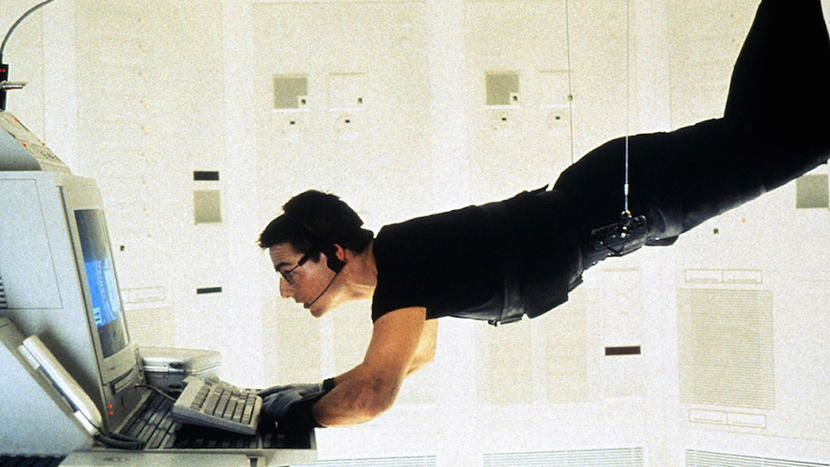
STUNTS and extravagant set-pieces dominate the whole of this franchise. From the original 1996 film’s wire-from-the-ceiling-hanging set-piece downloading a CIA encrypted agent list to the current Fall Out nuke-ticking-time-bomb denouement, Tom Cruise’ has committed some of the most breath-taking and technically brilliant action stunts ever.
ICONIC soundtrack composed by Lalo Schifrin has been often imitated but never a bettered. Those simple but effective notes fire up and immediately you know the action is about to start.
OPPOSING government agents are rife in the original show and film series, as inspired by the devious nature of the East v West “Cold War” from the 1950s onwards. In M: I you’ve got good agents, rogue agents, double agents, triple agents and ghost agents pretending to be good, bad and all of the above.
NEFARIOUS villains, like the Bond films, are necessary to precipitate some evil doings and kick off the plot. My personal favourite was Philip Seymour Hoffman in M:I 3 – as he really was evil. Solomon Lane as played by Sean Harris is cool too and is given some great speeches. His plan to blow up the world isn’t the most original but he has a blast trying it.
IMPOSSIBLE missions are at the heart of the film franchise. I mean the characters are mainly paper thin and the narratives are mainly empty so the gadgets and all manner of ticking time bombs, impenetrable garrisons, bad guys shooting and blowing stuff up; plus the covert interrogations and switcheroos provide the substance to the cinema experience.
MACGUFFIN-LED plots are not the strength of the franchise and on occasions the narratives a threadbare with Ethan chasing something called a “rabbit foot” or stolen nuke heads being the target. But who cares as long as we get to see things blow up.
PLAYFUL humour and one-liners dominate the scripts as a means to punctuate the action. The first three arguably had less gags but with Simon Pegg joining the cast in M:I 4 the joke quota increased and it settled into the a more humour-led vein. Personally, I prefer the serious espionage stuff, but the gags punch up the entertainment value nonetheless.
OUTSTANDING casting always brings a raft of class to these movies. Indeed, despite the style-over-substance nature of the narratives casting heavyweight actors such as: Jon Voight, Vanessa Redgrave, Phillip Seymour Hoffman, Alec Baldwin, Sean Harris, Jean Reno, Ving Rhames, Billy Crudup, Jeremy Renner, Rebecca Ferguson and many more raise the quality of the productions no doubt.
SUBTERFUGE and double-crosses are a major part of the plots. Often we never quite know whose side certain characters are on at any one time. In Rogue Nation and Fallout the troubled spy Ilsa Faust is simultaneously batting for three teams in order to keep herself alive. Such devilish plotting keeps the stories bouncing along, which is why they are never dull.
SPECIAL effects are a major part of M:I, however, what is incredible to that Tom Cruise will strive to make the stunts as real as possible by actually doing them himself. The opening of Rogue Nation and the end of Fallout are absolutely stupendous feats of daring which I would never contemplate. Similarly, bungee jumps, rock-climbing, free-jumping and many other effects-free actions give a very realistic feeling to proceedings.
INCREDIBLY talented directors who have worked on the franchise include: Brian DePalma, Brad Bird, John Woo, Christopher McQuarrie and JJ Abrams bringing their own inimitable styles to the various films and while Woo’s is pretty weak the franchise abides as each film has its own identity, look and feel.
BIG budgets are required to drive the Mission: Impossible film behemoth and while they continue to make the studio billions of revenue long will they continue. The first film cost a whopping $80 million dollars while the Fallout cost a mere $178 million. Although, given Fallout absolutely rocks it’s already made that back and much more besides.
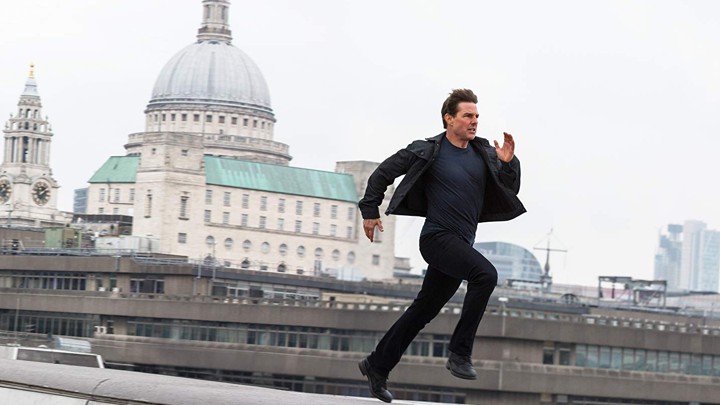
LEAPING, running, driving, diving, swimming, crashing, disguising, fighting, flying, biking, parachuting, moving – you name it the IMF do it at incredible speeds and heights!
ETHAN HUNT as presented by Tom Cruise is a righteous dude fighting the good fight against the evil wrongdoers in the world. His commitment to the cause is unwavering and in defending the innocent against the corrupt goverments, villains and agents of evil. We all root for him as an aspirational action man of the people.
I watch a lot of stuff. It keeps me out of the pub and my liver safe from further harm. In between a July dominated by the World Cup in Russia, over the last few months I’ve been mainly re-watching Star Trek (OST) and catching up with the first two seasons of Mad Men in my downtime. But, in the last month, I decided to have a break from those fine shows and catch up with some movies via Netflix and Sky. I also include some quick reviews of a few films I saw at the cinema too. All reviews are, as usual marked out of eleven.
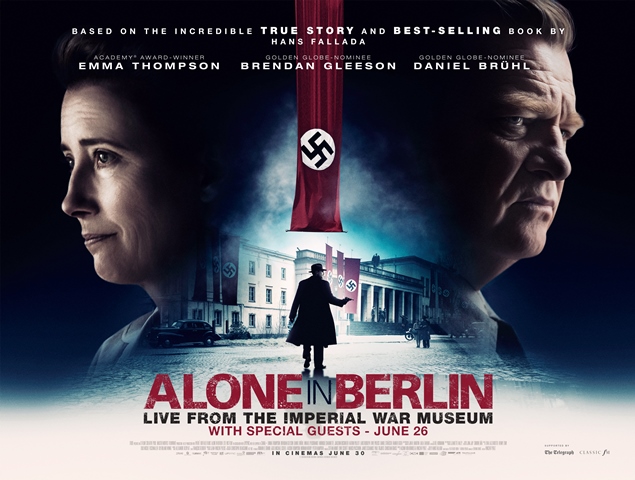
ALONE IN BERLIN (2016) – NETFLIX
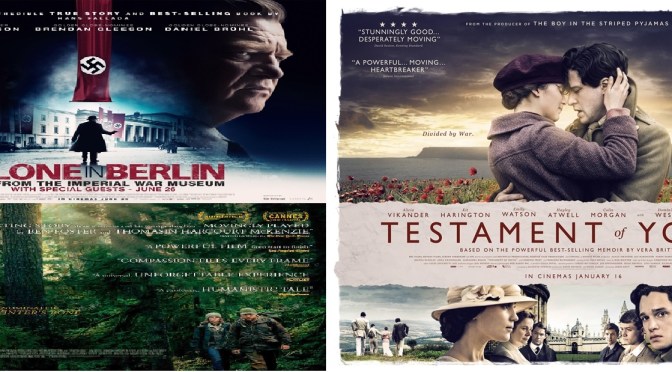
Emma Thompson and Brendan Gleeson give subtle and compelling performances in this excellent WW2 drama. They portray a German couple who have lost their son in the fighting and retaliate by waging a ‘quiet’ war distributing anti-Hitler leaflets.
(Mark: 8 out of 11)
ANON (2018) – SKY CINEMA
Clive Owen stands out in this under-cooked sci-fi drama inspired by Philip K. Dick and Black Mirror. He’s a future cop where crime is contained by point-of-view surveillance techniques. The idea is stronger than execution as it falls apart in the final act. (
Mark: 6 out of 11)
CALL ME BY YOUR NAME (2017) – SKY CINEMA
Luca Guadagnino’s direction is exquisite, while Armie Hammer and Timothee Chalamet are exceptional in their portrayal of romance in 1980s Italy. A fantastic soundtrack and beautiful scenery cannot save the characters who I found narcissistic and tedious.
(Mark: 6 out of 11)
CARGO (2018) – NETFLIX
Martin Freeman leads the cast in this Australian horror film which finds his kind father at the mercy of outback zombies. It’s a slow moving film which offers characterization over gore, effective moments of tension and the always dependable Freeman.
(Mark: 7 out of 11)
DEEP WATER HORIZON (2016) – NETFLIX
This is an intelligent disaster movie about one of the biggest oil spills ever. BP’s drilling practices are criticized as the slow-build direction gives way to explosive action at the end. Overall, the excellent cast and script make this a very compelling drama.
(Mark: 7.5 out of 11)
GIFTED (2017) – SKY CINEMA
Chris Evans takes a break from both battling Hydra with an altogether more everyday fight. He plays guardian and uncle to a gifted child (brilliant Mackenna Grace) who finds himself in a bitter custody battle for the child, in a very touching human drama.
(Mark: 7 out of 11)
GODS OF EGYPT (2017) – NETFLIX
This is a really bad attempt at creating a Star Wars like franchise in mythical Egypt. Gerard Butler shouts throughout as though he’d swallowed the Brian Blessed guide to acting! Terrible waste of $150 million and my precious time.
(Mark: 4 out of 11)
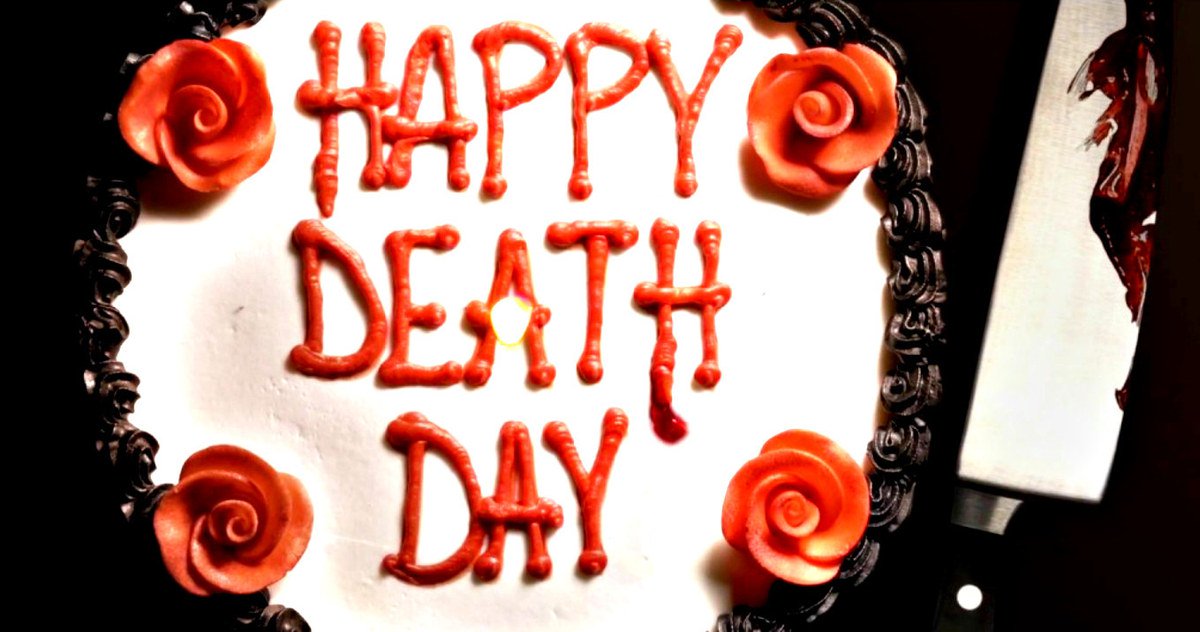
HAPPY DEATH DAY (2017) – SKY CINEMA
Groundhog Day (1993) meets slasher film as College super-brat portrayed by Jessica Rothe finds herself dying again and again in various horrific ways. Turning detective she must solve her own murder in this derivative but well executed horror movie.
(Mark: 7 out of 11)
HITMAN’S BODYGUARD (2017) – NETFLIX
Ryan Reynolds’ cynical performance and Samuel L. Jackson’s sparky turn make this assassin-action-film very watchable. Reynolds has to get Jackson to The Hague to testify against a nasty dictator; cue bullets, car chases and one-liners galore!
In Fallen Kingdom Bryce Dallas Howard and Chris Pratt, once again pits their wits against mighty prehistoric creatures. J. A. Bayona brings a gothic style to the final act but ultimately, despite the incredible effects on show, the narrative feels tired.
(Mark: 6.5 out of 11)
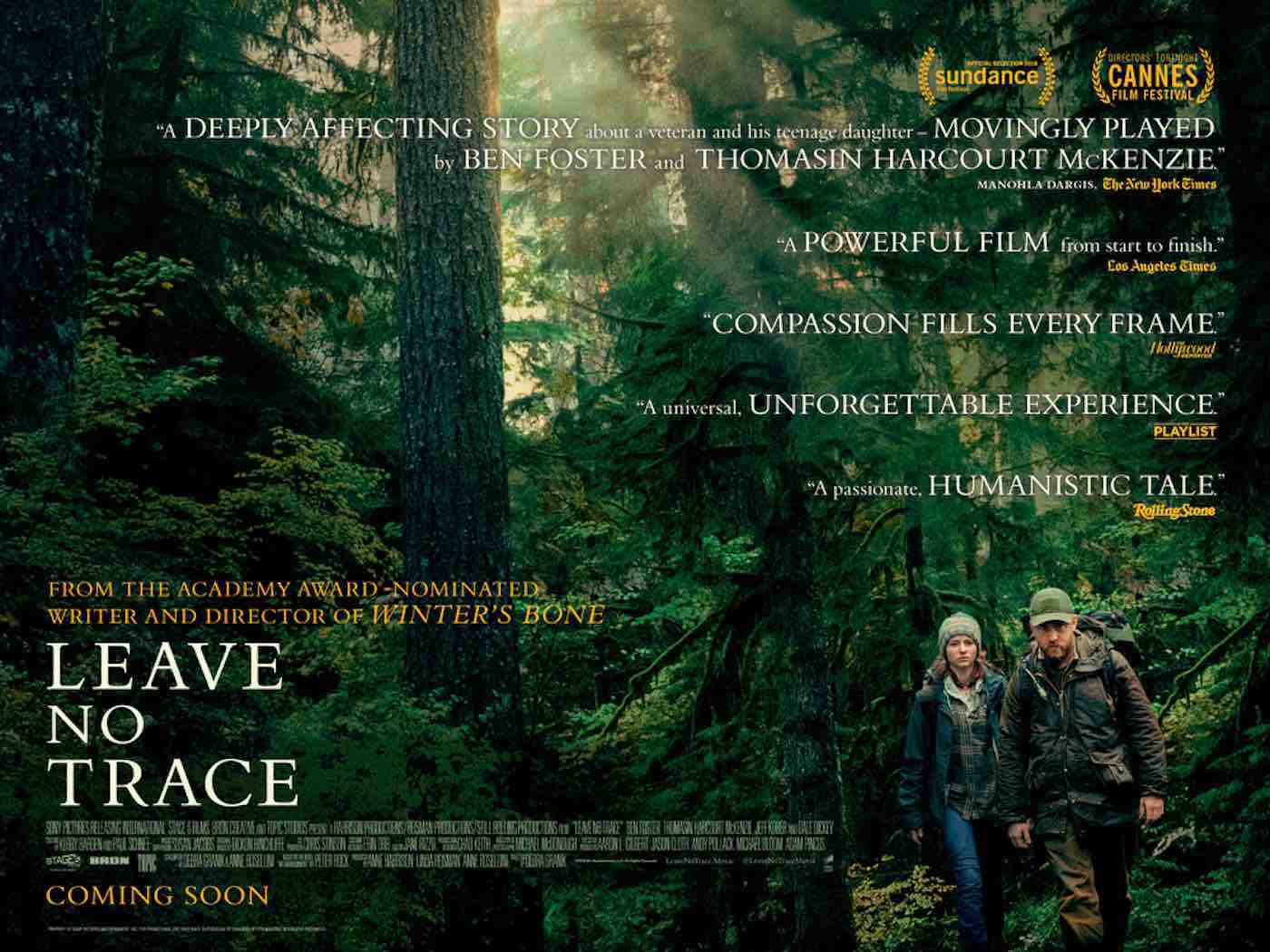
LEAVE NO TRACE (2018) – CLAPHAM PICTUREHOUSE
The intense Ben Foster and brilliant newcomer Thomasin Mackenzie act their hearts out in this subtle family road movie. Opting out of society they play father and daughter attempting to stay ahead of the authorities in a very touching and heartfelt drama.
(Mark: 8.5 out of 11)
THE LIMEHOUSE GOLEM (2017) – NETFLIX
Bill Nighy, Olivia Cooke and Douglas Booth are acting stand-outs in this watchable murder mystery set in Victorian London. The cinematography is impressively moody, however, the narrative runs out of steam by the time the twist kicks in.
(Mark: 7 out of 11)
OCEANS 8 (2018) – ODEON CINEMA
An excellent ensemble cast including: Sandra Bullock, Anne Hathaway, Sarah Paulson, Helena Bonham-Carter etc. cannot save this by-the-numbers heist film. It looks gorgeous but was low on jeopardy and ultimately, I didn’t care about the characters.
(Mark: 6.5 out of 11)
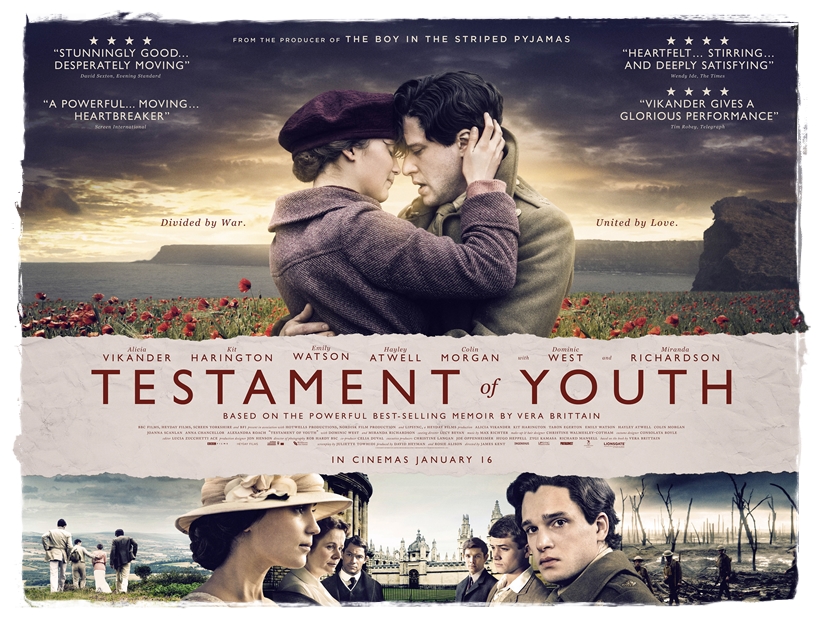
TESTAMENT OF YOUTH (2014) – NETFLIX
Alice Vikander is outstanding in this heart-breaking story of the impact of World War One on Vera Brittain and those she loves. Based on a seminal work of literature, it features themes relating to: war, death, pacifism, violence and the struggle of women combatting everyday prejudice. It’s very touching story, stellar cast and deeply empathetic characters which make it a highly recommended period drama.
(Mark: 9 out of 11)
WHAT HAPPENED TO MONDAY (2018) – NETFLIX
Always interesting Noomi Rapace stars as septuplets in hiding during a dystopic future that allows one child per family. The intriguing premise starts well but gives way to O.T.T violence which detracts a tad from an otherwise entertaining sci-fi film.
Created by: Pat Bishop, Matt Ingebretson, Jake Weisman
Directed by: Pat Bishop
Starring: Matt Ingebretson, Jake Weisman, Anne Dudek, Adam Lustick, Aparna Nancherla, Baron Vaughan, Lance Reddick
Have you ever had a job where during your employment you literally just wanted to die? It could be for a number of reasons: you hate your job; you hate your boss; you hate your work colleagues; you hate yourself; you’re bored with the tasks; the endless meetings; a hangover from hell; your pen broke and leaked all over you; the girl from Accounts doesn’t fancy you; you hate the customers; or you feel so existentially empty and having realised the pointlessness of living in a cruel, heartless and soulless vacuum of a world you see no alternative but to commit suicide. Or is that just me?
Of course, many of the above are the irrational emotions of a spoilt Westerner and can be firmly filed under first world problems. Because in a thriving and greed-driven capitalist society which is destroying the environment and Earth, making the rich richer and the monetizing and exploiting the poor for the continual gathering of wealth, what alternative is there? We can protest and sometime things change but most of us have the fight kicked out of our guts or never had it to begin with. So we have no choice but to punch the clock, get our money, go out and get drunk or high and play Xbox, have miserable children, watch a movie, watch Netflix, buy crap we don’t need, over eat and drink; and then go back to work on Monday, deluding ourselves we are living valuable lives.
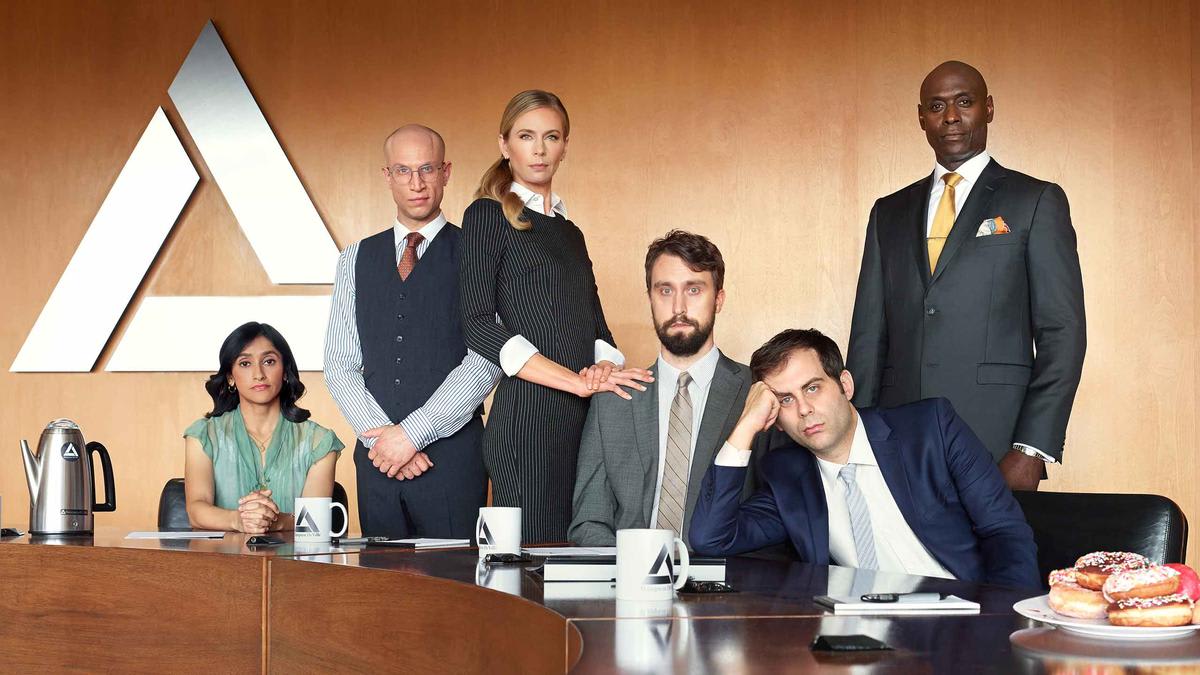
Comedy Central’s under-the-radar black comedy satire Corporate encapsulates much of what I’m talking about above. My attitude is nowhere near as bleak anymore as the opinions stated above and come from emotions of when I was much younger and cynical. However, there remains a truth to these feelings and Corporate– in ten very funny episodes – captures that negative truth very well. It also captures the existential dread of working in an office for a diabolical corporation, hell-bent on fucking the world while chasing the: Dollar, Pound, Yen, Rupee, Renminbi etc.
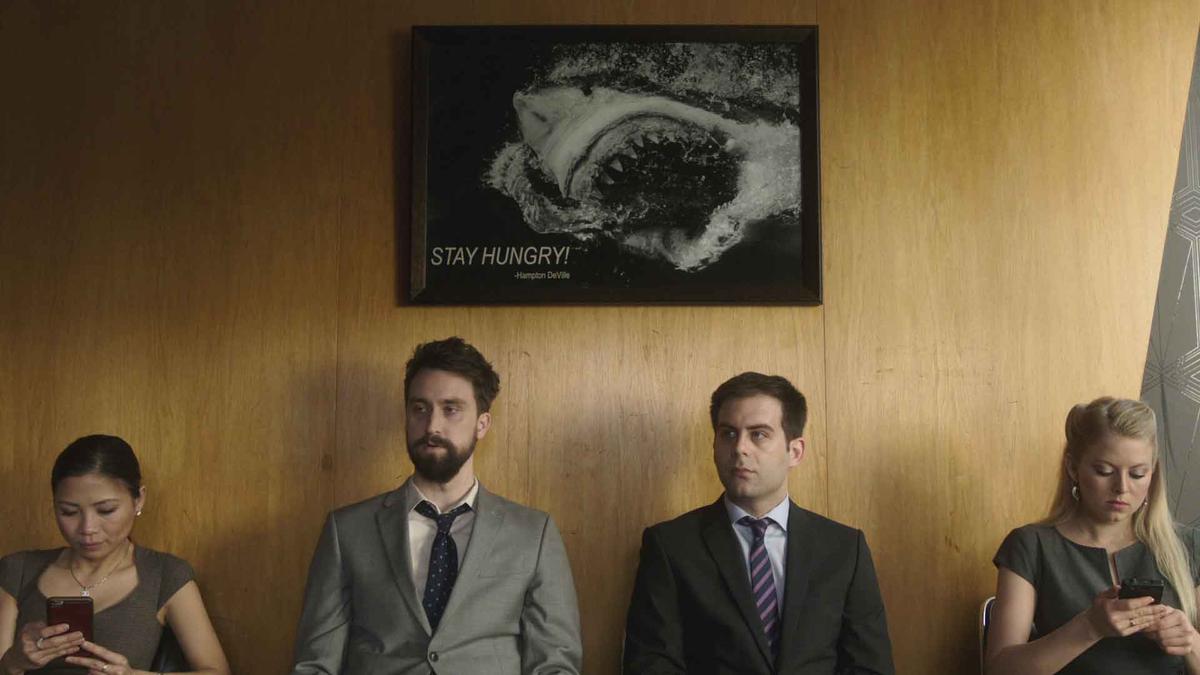
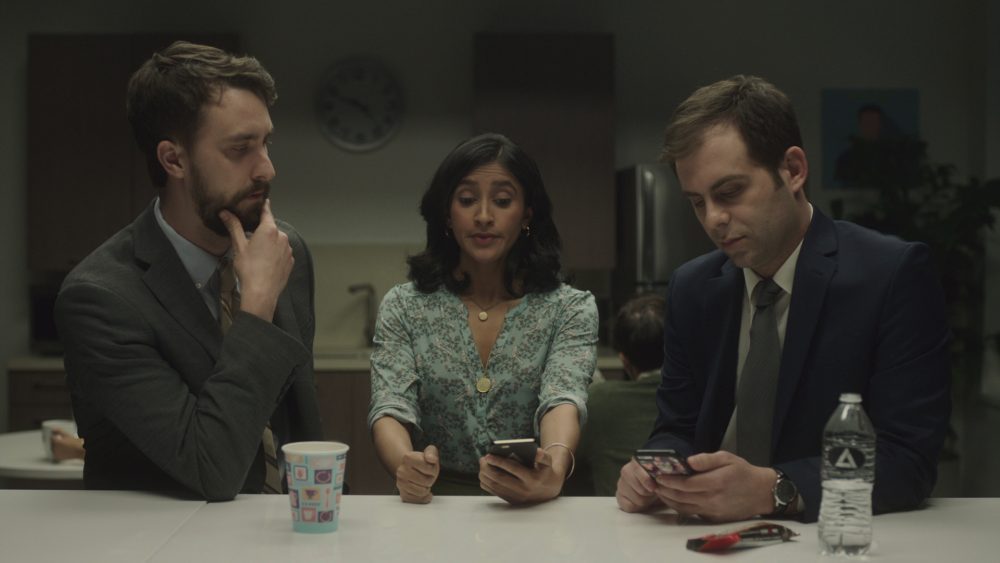
Indeed, Hampton DeVille are a massive global company and completely ruthless in their business as the show reflects practices by such conglomerates as: Amazon, Apple and Google etc. Their CEO is the megalomaniacal Christian Deville (Lance Reddick) but the show focusses on the trainee executives Matt (Matt Ingebretson) and Jake (Jake Weisman) as they face the horror of: long pointless meetings; ridiculous away days; dress down days; pedantic HR policies; general boredom and ennui; and dealing with patronising middle managers and petty colleagues. With episode titles such as: Powerpoint of Death, The Void and The Pain of Being Alive, the show is pitch black in its outlook and themes; while the visual style is drained of colour with browns, blacks and greys dominating.
Overall, I really enjoyed the absurd look at office life in Corporate. It takes risks because even the lead protagonists aren’t likable and the delivery is very deadpan. I especially enjoyed the skewering corporate business, as Hampton Deville is shown to be involved in: gun-running; starting civil wars; monetizing religion and art; over-the top technological releases; stupid jargon and sloganeering; plus it nails the horrific tedium of being trapped in a job you hate. But as I always say: there’s one thing worse that having a job you hate – having to look for a job you know you’re going to hate!!
Produced by: Jack Binder, Greg Clark, Victoria Hill, Gary Hamilton, Deepak Sikka, Christine Vachon, David Hinojosa, Frank Murray
Starring: Ethan Hawke, Amanda Seyfried, Cedric Kyles, Philip Ettinger
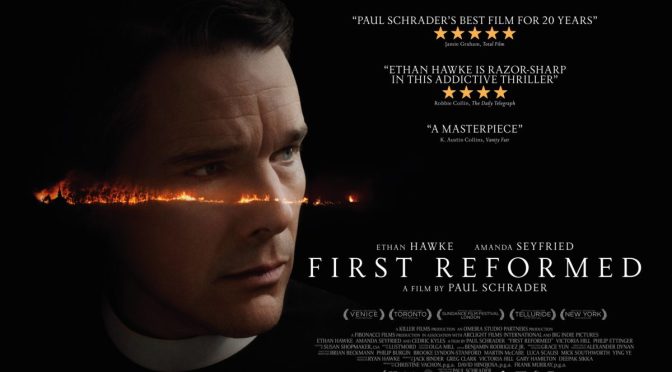
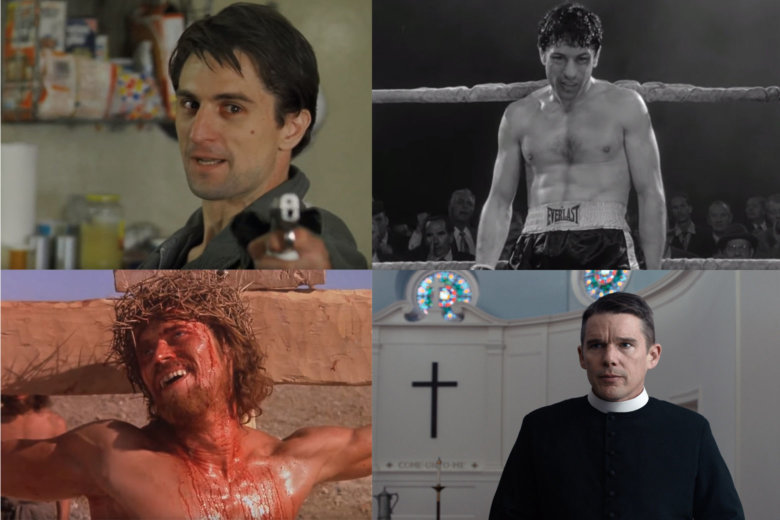
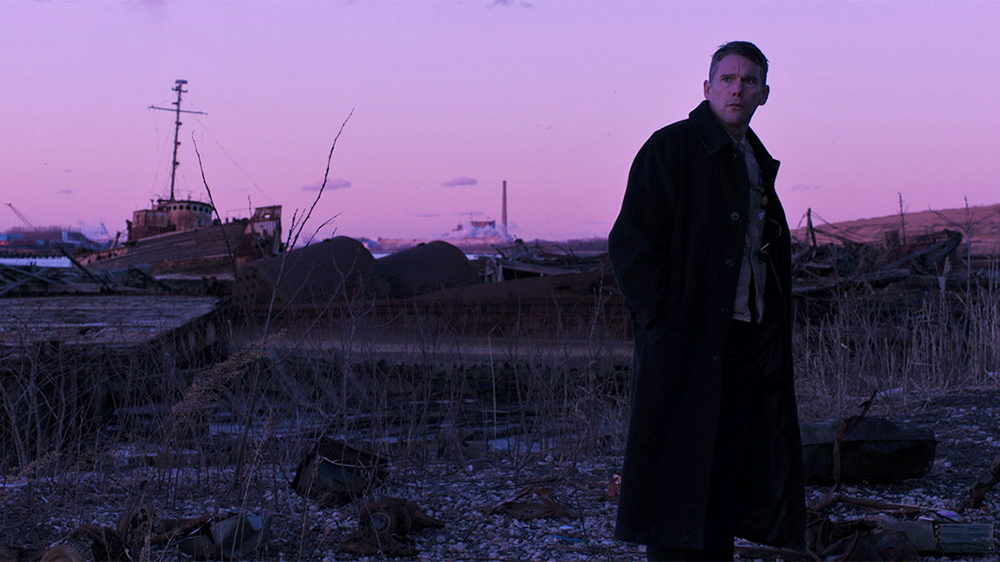
Paul Schrader is one of the greatest writers that has ever committed a career to cinema. He has been involved in the writing of exceptional films including: Taxi Driver (1976), Raging Bull (1980), Last Temptation of Christ (1988), and Bringing Out the Dead (1999), Blue Collar (1978), American Gigolo (1980), Mishima: A Life in Four Chapters (1985), Light Sleeper (1992), Affliction (1997) etc. Of late he’d had some misfires, however, First Reformed, is a devastating return to form for Schrader.
Tapping into the structure and themes of arguably his greatest work, Taxi Driver (1976), we find Ethan Hawke portraying New York chaplain, Reverend Ernst Toller. He is a complex, haunted and sad man, yet instilled with a strong sense of duty and commitment to his dwindling congregation. He keeps a journal to record his thoughts and these are delivered via a devastating voice-over. Hawke’s voice staggers across the images delivering a combination of existential pleas for understanding and an intelligent questioning of the world around him. Toller’s depression or malaise is not helped by his alcoholism and illness spreading through his body. Thus, Schrader and Hawke create a very empathetic character, out of sync and in grief but very likable to his peers and flock.
When Amanda Seyfried’s local mum-to-be Mary comes to see him about her troubled husband, Michael, Toller agrees to speak with him about his concerns for the world and the damage humans are inflicting on the environment. When the drama arrives you just feel every agonising moment through Hawke’s beautifully realised character. Just watching Ethan Hawke in a room is enough for me as he is such a nuanced and clever actor. Schrader frames Toller in doorways, rooms, shadows, mirrors and pulpits, pushing him into spaces and trapping him. The sparse nature of the sets also acts as a symbol of Toller’s emptiness and feeling of despair at the world. Yet, at no time does he question his faith per se. The film certainly has an air of that but the big indictment is the horror we have perpetuated upon God’s Earth; challenging whether we deserve this beautiful planet.
Ultimately, this is quintessential Paul Schrader. Taking a broken individual in the midst of a life crisis and attempting to find salvation or redemption. Whereas Taxi Driver (1976) was, in part, about Travis Bickle cleaning up the streets of New York, Ernst Toller finds a desire to clean up the corporate and capitalist industrial processes which are destroying the Earth. While First Reformed’sending is not as explosive or cathartic as Taxi Driver it paradoxically creates hope for a fascinating character nonetheless. While he may not be able to save the Earth, Reverend Toller, may somehow be able to save himself.
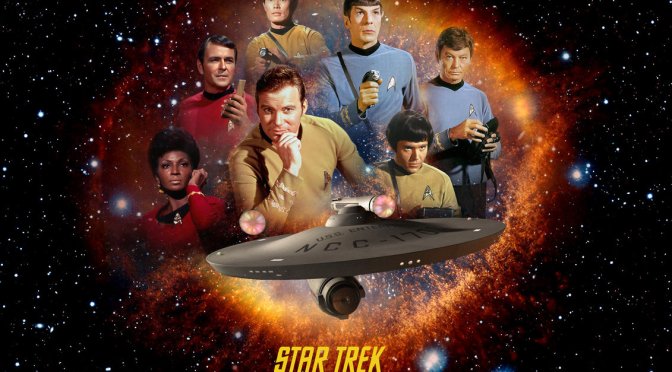
Having written extensively about my love of Star Trek (The Original Series) in this article HERE – I have over the last few months completed the viewing of the second season.
My mission was to boldly watch every Star Trek episode ever made and report back with the findings. The second season, as a whole, compares favourably to the first in terms of writing and performance and concepts. One could say that season 2 drops slightly in quality toward the end. This could be explained by the uber-producer Gene L. Coon leaving as the day-to-day showrunner, plus Gene Roddenberry was less hands-on too. Nonetheless, while the ratings continued to dip, the consistency of dramatic, comedic and science fiction or fantasy on show was in my view of an excellent quality. One notes that certain repetitions of format had obviously come to the fore in the format. I mean we still get Spock, Kirk, Bones and the rest of the crew fighting a slew of alien life forms or mad computers, yet such genre familiarity is also part of the major appeal.
With the budget (still sizable for its day) of each episode being lowered and NBC moving the second season to a later time slot on an unfavourable day the ratings suffered somewhat. So much so the show came perilously close to being cancelled. However, a core of Star Trek and science fiction fans protested physically and in writing to the studio and eventually they relented and gave the crew of the Starship Enterprise a third, and alas, final frontier season.
With regards to Season 2, there were some excellent episodes and I noted a move toward more comedic tones. Here are SIX episodes which captured my imagination in terms of narrative, drama and humour.
AMOK TIME – Episode 1
This classic episode is the only one of the Original Series to feature scenes on the planet Vulcan. It also is the first time the Vulcan hand salute is shown. It further marks the first appearance of the phrase which accompanies the Vulcan hand salute, “Live long and prosper.” The story finds Spock with a form of Vulcan heat and it demands he finds a mate to marry. Cue some wonderful acting from Leonard Nimoy and classic hand-to-hand combat between Spock and Kirk. The exploration of Vulcan culture adds a depth to Spock’s characterisation and this adds texture to an already fascinating character.
MIRROR MIRROR – Episode 4
The episode involves a transporter malfunction that swaps Captain Kirk and his companions with their evil counterparts in a parallel universe. It’s a wonderfully nifty sci-fi concept and has the cast stretching their acting chops playing nefarious versions of themselves with gleeful abandon. Moreover, the Trek theme of duality of psyche and split personalities is explored in a very entertaining fashion. When I first saw this it reminded me of the Red Dwarf episode ‘Parallel Universe’; but of course sci-fi is full of doubles, parallel and mirrored narratives within the genre.
THE DOOMSDAY MACHINE – Episode 6
This very cinematic episode is an absolute storming drama with echoes of Moby Dick and Jaws (1975) in space, as the crew of the Enterprise are caught within the path of a gigantic monstrous machine dubbed ‘the Planet Killer’! All throughout the stakes are incredibly high because if they do not stop it whole galaxies could be destroyed. The episode is intense and nail-biting with Shatner absolutely nailing his performance, while guest actor William Windom brings an impressive mania to his role as Commodore Decker.
METAMORPHOSIS– Episode 9
This is a wonderful episode for a number of reasons. Firstly, the photography by Jerry Finnerman was absolutely beautifully lit with warm hues, ambience and glow. The lighting compliments the gentle nature of the story which finds the Starfleet trinity of Kirk, Spock and McCoy pulled down to a planet by a mysterious alien force called “The Companion.” There they find a missing Starfleet scientist Zefram Cochrane (Glenn Corbett) and discover he has not aged at all; but the price is he cannot escape “The Companion”. The drama plays out gently and is assured in its thematic exploration of loneliness, romance and the curative powers of love.
JOURNEY TO BABEL – Episode 10
This multi-layered episode finds us meeting Spock’s parents for the first time as the Enterprise ferries an array of Ambassadors within the United Federations to the Babel conference. Throw into the mix Spock’s dispute with his father and a murderer on board attempting to derail an important mining contract between the planets, and you get a mature work of political science fiction writing. The screenplay from Star Trek stalwart DC Fontana is full of great dialogue and a suspenseful murder mystery. Having already appeared in Season 1, as a Romulan Starship Captain, Mark Lenard as Spock’s father Ambassador Sarek is the stand-out guest star.
THE TROUBLE WITH TRIBBLES – Episode 15
Aside from a wonderfully alliterative and fun title, The Trouble with Tribbles is often cited as one of the most entertaining and humorous Star Trek episodes ever. The episode was nominated for Best Dramatic Presentation at the 1968 Hugo Awards, with the award instead going to The City on the Edge of Forever. Tribbles are of course, hamster-like-rodents which mate like rabbits and through sheer mass cause havoc on the Enterprise. Shatner is on top comedic form as Captain Kirk, dealing with the furry pests and a raft of Klingons sharing an uneasy truce; that is until a right-royal bar-fight breaks out in this laugh-out-loud fifteenth entry of the season.
In my continued desire to avoid perpetual and dysfunctional alcoholism, while saving money and contemplating the meaning of existence, I often fill up my hours watching quality television dramas. Here are some reviews of shows I have caught up with over the last few months, with the usual Screenwash marks out of eleven.
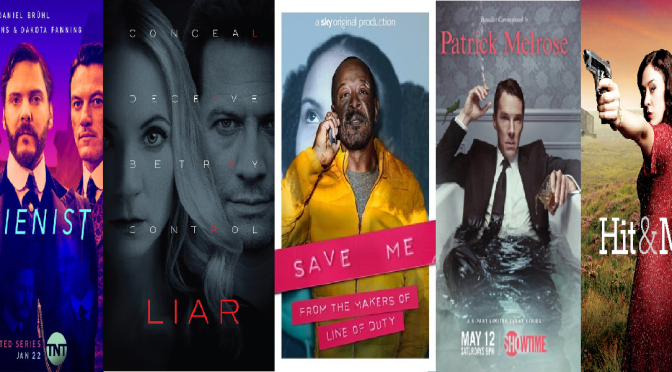
THE ALIENIST (2018) – NETFLIX
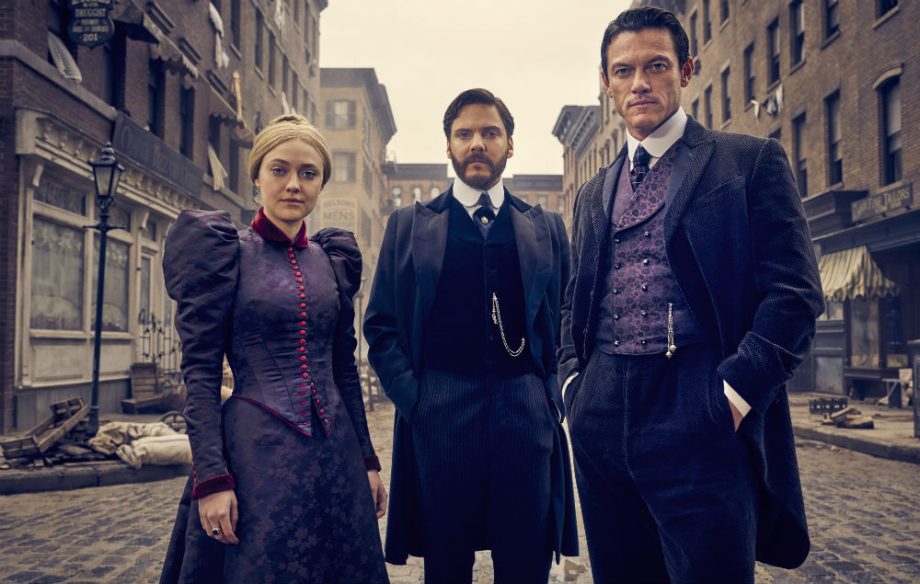
Based on Caleb Carr’s best-selling novel of the same name, The Alienist, while feeling very familiar has enough style and acting quality to make it worth recommending. Set in the grimy streets of New York circa mid-1890s the period setting and production design exquisitely juxtaposes the filth and squalor of the underclasses with the opulence of the wealthy. Dakota Fanning, Luke Evans and Daniel Bruhl are uniformly excellent as an unlikely trio of “criminologists” who, on invite from the Chief of Police, investigate the ritualistic murders of young, poor kids in the ghettos. Adapted by, among others by the very talented Cary Joji Fukunaga, Eric Roth and Hossein Amini, this is overall a compelling, gruesome and hypnotic genre drama which entertains throughout its ten episode running time.
(Mark: 8.5 out of 11)
HIT AND MISS (2012) – SKY ATLANTIC
I missed this gritty drama the first time round from Sky when released in 2012 and it certainly pushes boundaries of gender politics within a genre setting. Created by the prolific British writer Paul Abbott it stars Chloe Sevigny as a hit-woman with a secret. Sevigny’s complex character Mia is in fact, a pre-op trans-gender person, living a lone-wolf existence working for Peter Wight’s fixer character. Her anonymous contract-killing life is interrupted when she is thrown into a surrogate mother situation and that’s when the real drama begins. This is not a programme for the faint-hearted with lashings of physical and sexual violence but the excellent cast, notably the outstanding Sevigny, drive this edgy mix of family and thriller genres with compelling power.
(Mark: 8 out of 11)
LIAR (2017) – ITV
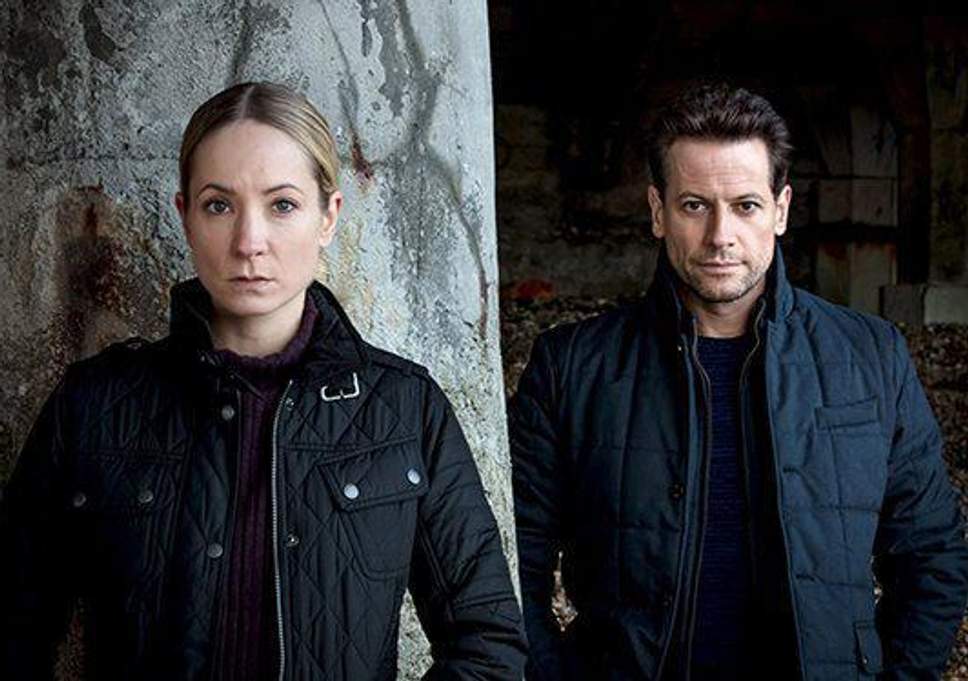
This ITV drama is founded on the tantalisingly tricky premise of a “she said, he said” date rape case. It is to the testament of the writers, director and actors that the first three episodes provided absorbing suspense as to who is or who isn’t telling the truth. It begins with a primary school teacher, Laura, portrayed with nervy zeal by Joanne Froggatt, accepting a date with handsome surgeon, Andrew Earlham. They seem like a perfect couple but the following day Laura accuses him of rape. The drama comes very much from whether he is guilty and whether she has made it up. Star of Hollywood movies and US TV shows, Ioan Gruffudd, returns to British TV to play Earlham with a charming charisma which makes you question whether he could do such a thing. Halfway through the series though, the show becomes something altogether more sinister. Without wishing to give anything away I can recommend Liar for handling such a delicate subject well, while at the same time creating a powerful and suspenseful narrative throughout.
(Mark: 8 out of 11)
PATRICK MELROSE (2018) – SKY ATLANTIC
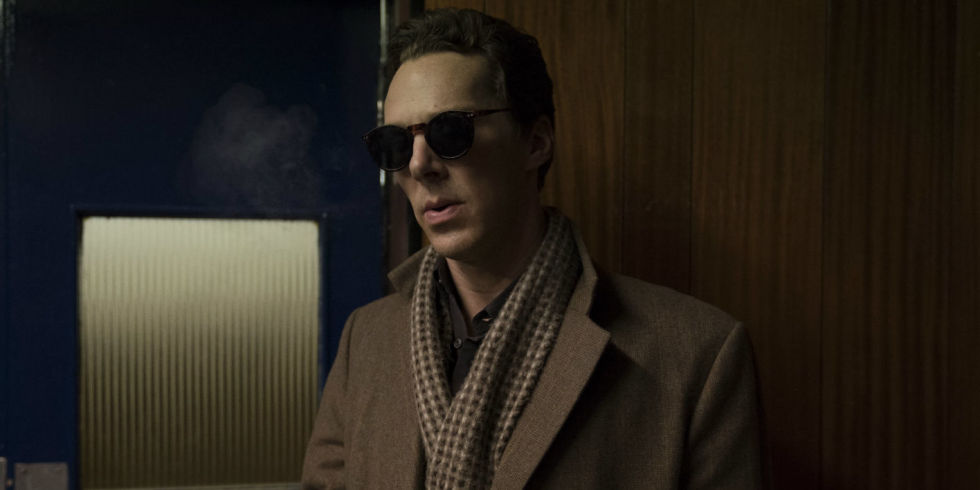
Oh, Benedict, Benedict! I love you so! Yet again I witnessed another masterclass in acting from Mr Cumberbatch as he shows all variants of emotional range in this high quality character study. The series is adapted from Edward St Aubyn’s semi-autobiographical books of the same name. Moreover, the structure is interesting in that each of the five episodes focus on different periods of Melrose’ privileged, yet tortuous, existence. We open with a drug-addled Patrick high on smack and then follow a frantic dash to New York to pick up his fathers’ ashes. Initially, Patrick is selfish, biting, wasted and full of fear and self-loathing. In fact he is not likeable at all. However, the first episode then delivers the gut-wrenching truth about the characters’ past and a truly harrowing event at the hands of his tyrannical father. The dramatic glue of the whole series is provided by Patrick’s memories of his fathers’ terrible behaviour – portrayed with rotten humanity by Hugo Weaving. Later episodes find Patrick battling addictions, his mothers’ negative do-gooding, starting a family and just trying to do what most of us do: hold it together emotionally in the face of the slings and arrows life throws at us. Full of complex emotional moments, brilliant acting and stinging one-liners, this is television of the highest order.
(Mark: 9.5 out of 11)
SAVE ME (2017) – SKY ATLANTIC
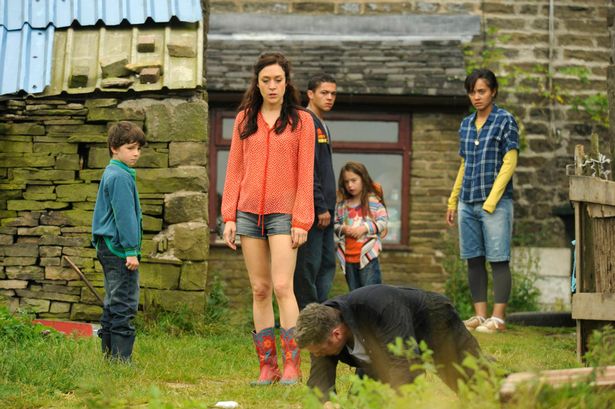
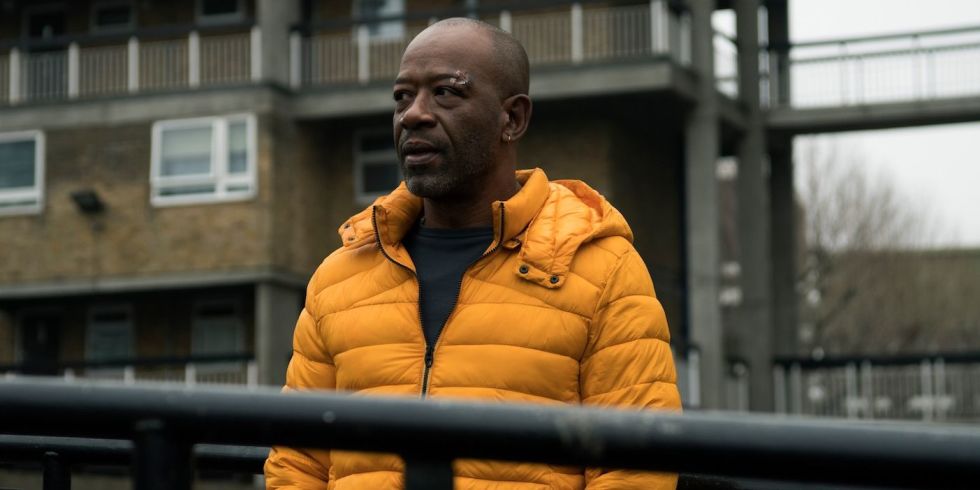
Written by and starring the magnetic British actor Lenny James, this urban crime thriller boasts an exceptional cast and addictive narrative. James takes a performance risk casting himself and a low-life chancer called Nelly, who is suddenly the suspect in the kidnapping of a daughter he hardly knows. Nelly is an ex-con-alcoholic-love-rat who gets by on his charisma and street smarts but still manages to aggravate those around him. When his teenage daughter goes missing he becomes an unlikely amateur detective, attempting some form of redemption having just signed her over to his ex-wife years before. The familiar kidnapping storyline kind of runs out of steam over six episodes, however, James and his brilliant cast including: Stephen Graham, Suranne Jones, Susan Lynch, Kerry Godliman and Jason Flemyng all excel. I also loved the gritty council estate setting and the authentic nature of the characters really drove the story forward.



![Screen Shot 2018-01-15 at 4.20.43 PM [www.imagesplitter.net].jpeg](https://thecinemafix.com/wp-content/uploads/2018/08/screen-shot-2018-01-15-at-4-20-43-pm-www-imagesplitter-net-jpeg.jpg)

 The Cinema Fix presents