I’m not religious or addicted to shopping but Christmas is always a great period of the year because I get time off work. It’s been a pretty rubbish year for a myriad of reasons, but I think we need to look to the positives for 2021!
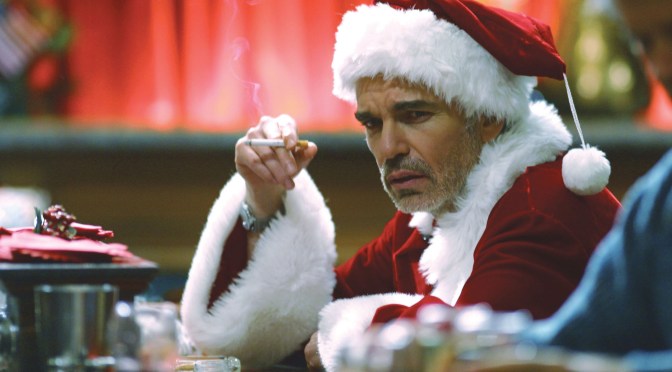
While we are under severe restrictions in the UK again, I am hoping everyone stays safe and well and we begin to see light at the end of the tunnel in 2021 from this COVID-19 nightmare. So, stay positive and hopeful and to start the Christmas celebrations, here is a clip from my favourite Christmas film of all time, BAD SANTA (2003)!
In this CLASSIC MOVIE SCENE, Willie T. Stokes (Billy Bob Thornton) is saved from suicide by Therman Merman and then beats some bully skater kids up as a thank you and f*ck you! If that doesn’t represent the generosity of Christmas, I don’t know what does!
Happy Christmas and see you all in 2021 for more blogging, reviewing and screenwriting.
NETFLIX FILM REVIEW – I’M THINKING OF ENDING THINGS (2020)
Directed by: Charlie Kaufman
Produced by: Anthony Bregman, Charlie Kaufman, Robert Salerno, Stephanie Azpiazu
Screenplay by: Charlie Kaufman (Based on: I’m Thinking of Ending Things by Iain Reid)
Cast: Jesse Plemons, Jessie Buckley, Toni Collette, David Thewlis
Music by: Jay Wadley
Cinematography: Łukasz Żal
***MAY CONTAIN SPOILERS***
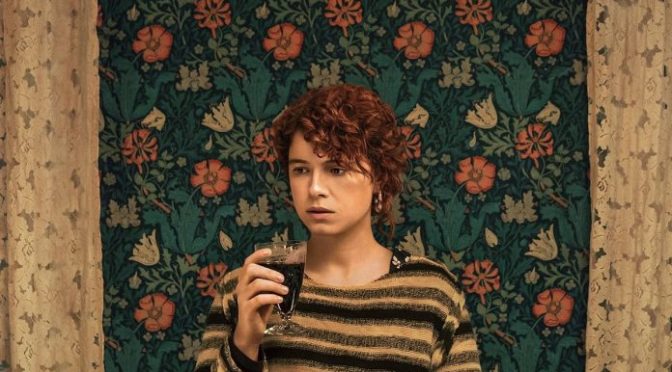
I read some background information online about Charlie Kaufman’s latest film adaptation for Netflix, I’m Thinking of Ending Things(2020), and there is a leaning to describe it as a psychological horror. Of course, in order to market their films, studios write copy to entice an audience for their film. However, this adaptation of Iain Reid’s novel is far more than a psychological horror. It has elements from a whole plethora of genres including: surrealism, comedy, romance, thriller, arthouse, road movie, and even dance, animation and musical genres. Safe to say that once again Charlie Kaufman has delivered yet another ingenious cinematic smorgasbord that defies easy categorization. But is it any good?
The film opens gently with the lilting voice of Jessie Buckley’s voiceover. We hear her character deliver a set of poetic existential queries, and her mantra throughout the film: “I’m thinking of ending things. . .” over a set of seemingly unconnected images. She waits for her boyfriend of a couple of months, Jake (Jesse Plemons), as they plan to meet his parents, portrayed by David Thewlis and Toni Collette, for the first time at their farm. So far, so straightforward; kind of. However, as Jake and the young woman’s (whose name changes during the film) drive through picturesque and snowy landscapes, Kaufman intercuts to an elderly Janitor going about his cleaning duties at a high school. How these juxtaposed situations eventually marry together is open to many interpretations. While certainly obtuse and narratively impenetrable to many, I really connected with Kaufman’s surreal trip. Because I’m Thinking of Ending Things(2020) is certainly as much about the journey than the ultimate destination.
As he has demonstrated since his debut feature film screenplay, Being John Malkovich (1999), Kaufman has an urgent desire for original invention, sight gags, existential examination, exploration of mental health, relationship breakdowns, non-linear structure and intellectual discourse. The respective journeys of characters like Jake and the young woman are taken by road and in the mind. Whose mind the film is in and out of is also open to question. The car journey is treacherous both due to the weather and the anxious tension between the couple. This is brought about by the young woman desiring to end things. Is it her life or her relationship she wants to end? Or is it both? Things between the two aren’t made easier by the surreal visit to Jake’s parents’ farm. Thewlis and Collette inject much humour and pathos into their characters. Their performances, a succession of visual punchlines and the brilliant dialogue combine to really bring the film to life during the middle act.
After the couple leave the parents’ farm and head back home, events get even stranger as connections with the aforementioned Janitor intensify. An extremely anxious pitstop at an ice-cream parlour, an animated pig and a ballet dance sequence threatened to destabilize the narrative. But once I had suddenly interpreted my truth and understanding of Iain Reid’s and Kaufman’s vision, it all kind of almost made sense. Indeed, compared to Kaufman’s surreal meta-fictional masterpiece, Synecdoche, New York (2008), I’m Thinking of Ending Things(2020) is arguably more accessible, funnier and less bleak.
Having said that, given Kaufman’s predilection for characters on the edge of nervous, depressive and existential breakdowns, some may find this film’s journey tough to complete. But I loved the invention and constant ideas on show throughout. Kaufman’s takes risks structurally, visually and thematically and I congratulate him for challenging the audience. Lastly, I’m Thinking of Ending Things(2020) has a wondrously cinematic look, sound and dreamlike feel to it. Plus, in Jessie Buckley and Jesse Plemons, Kaufman has cast two exceptional acting talents, who are certainly worth going on the road with. However, bizarre and twisted that road may be.
Based on: One Flew Over the Cuckoo’s Nest by Ken Kesey
Cast: Jack Nicholson, Louise Fletcher, Will Sampson, William Redfield, Danny Devito, Brad Dourif, Christopher Lloyd etc.
“Now calm down. The best thing we can do is go on with our daily routine.” Nurse Ratched
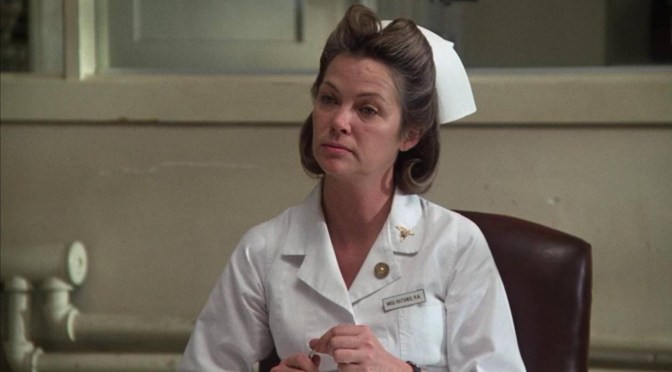
Not all film monsters come from outer space or the mountains of Transylvania or from beyond the grave. In fact, some of the scariest monsters from literature and the silver screen are often humans. A magnificent example of this is Ken Kesey’s controlling matriarch figure from One Flew Over the Cuckoo’s Nest, Nurse Mildred Ratched. Even the name conjures up feelings of evil, manipulation and pain. There has been a recent Netflix origin story with Sarah Paulson in the iconic role, however, today I will concentrate on Louise Fletcher’s mesmerising rendition of authoritarian villainy.
Evil comes in many guises and can be overt, perverted or, in Nurse Ratched’s case, extremely covert. She is the personification of calm on the outside, but clearly raging with poison and anger on the inside. Her obsessive desire for routine and control makes her ideal to be the Head of the Department, however, it is the burning internal joy she appears to take from manipulating and bullying the inmates which makes her an extremely dangerous person. The battle of wills she has with Randall P. McMurphy (Jack Nicholson) powerfully drives the narrative in the film. Nicholson gives an electric performance as the convict faking lunacy. But he is more than matched by the subtle pragmatism in Louise Fletcher’s portrayal. Both deservedly won Academy Awards.
Apparently the role of Nurse Ratched was offered to esteemed actresses such as Anne Bancroft, Angela Lansbury and Geraldine Page, but eventually Milos Forman and his producers offered the role to then unknown, Louise Fletcher. It’s a serendipitous piece of casting as a well-known actress would arguably have provided less surprise within the characterisation. Fletcher herself has commented that she felt Ratched was a virgin. Further going on to say in an interview with Vanity Fair, “She hasn’t married, hadn’t done this, hadn’t done that, and was self-sufficient on her own leading this life, because she dedicated her life, her earlier life, to other people who needed her.” Perhaps this caring for others eventually wore her down and Ratched may suffer from compassion fatigue. Either that or she is genuinely the most insane person in the asylum, while ruling with quiet and ruthless efficiency.
Produced by: Jason Blum, Alix Madigan, Christopher Tricarico
Written by: Veena Sud
Based on: We Monsters by Marcus Seibert and Sebastian Ko
Cast: Mireille Enos, Peter Sarsgaard, Joey King, Cas Anvar, Devery Jacobs, etc.
Music by: Tamar-kali
**MAY CONTAIN SPOILERS**
It’s a difficult job writing a screenplay. There are a myriad of choices to be made and you can make good ones and also terrible ones. That’s why many film scripts go through many drafts and, in certain cases, many different writers. As a screenwriter myself I am always fascinated by the decisions that are made at script stage. More specifically, I often struggle with the choice of making characters empathetic or taking a risk and possibly making them unlikeable. I mean, why should the audience get involved in the story if the characters are loathsome or at the very least, there is little empathy for their situation? Sometimes the central premise is strong enough that the characters do not necessarily have to be likeable, as long as the conflict they face is compelling enough. But what if the characters make really bad decisions or the writer makes bad decisions for them? How long before the audience give up on the characters because they are just so stupid?
Centred on the Logan Family consisting of teenager Kayla (Joey King), her mother Rebecca (Mireille Enos) and estranged father, Jay (Peter Sarsgaard), The Lie (2018), poses the highly dramatic question: how far are you willing to go to protect your child? The film opens with Jay driving Kayla to a ballet retreat in the wintry Canadian woods. They pick up her friend Brittany (Devery Jacob), but during the trip a tragedy occurs and Kayla, after an argument, pushes Brittany off a bridge. Jay and Rebecca then decide, against all moral and legal judgement, to attempt to cover up Kayla’s crime. Clearly this decision is wrong, and their crimes are exacerbated by the fact that Kayla is either emotionally unhinged or socioopathic. Indeed, Joey King’s performance, while admirable, veers inconsistently from scene to scene. But I guess that’s the nature of her character. However, because of this and Kayla’s parents terrible life choices, I ultimately found the Logan’s very difficult to empathise with.
Based on a German film called We Monsters (2015), this Blumhouse production for Amazon takes a brilliant idea and kind of throws it away with a weak set-up and increasingly dumb decisions by the main characters. But, as I say, it’s a great premise that Hitchcock in his heyday would’ve had a ball with, such are the intriguing twists and turns present. But Hitchcock would have made you feel connected to the Logan family and given them even more powerful reasons to cover up the crime. Don’t get me wrong, I actually really enjoyed this B-movie thriller. I was able to shout at the television throughout with a high moral superiority over the characters. When the final act twist comes, and it’s a good one, I was genuinely laughing at the stupidity and tragedy of their actions. We are all prisoners of our own life choices and this entertaining but daft thriller certainly proves that.
Produced by: Todd Fellman, Mike Gabrawy, Gary Hamilton, Mark Lazarus, Dana Lustig, Greg McLean
Screenplay by: Justin Monjo
Based on: Jungle by Yossi Ghinsberg
Cast: Daniel Radcliffe, Alex Russell, Thomas Kretschmann, Yasmin Kassim, Joel Jackson, Jacek Komanetc.
Music by: Johnny Klimek
***MAY CONTAIN SPOILERS***
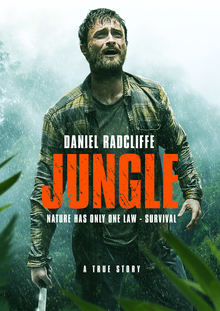
It’s one of my least favourite sub-genres of cinema and literature: the survivalist story. Don’t get me wrong, I have nothing against an individual striving to find themselves or seek out adventure. I don’t wish them ill or death and am glad they somehow survived, or alternatively, not glad they perished. However, I do have problem when it all goes wrong and they end up gaining fame or money or praise for poor life choices. They are not heroes or heroines but narcissistic thrill seekers, generally from a privileged standing who get films made about them as apparently their stories are inherently cinematic.
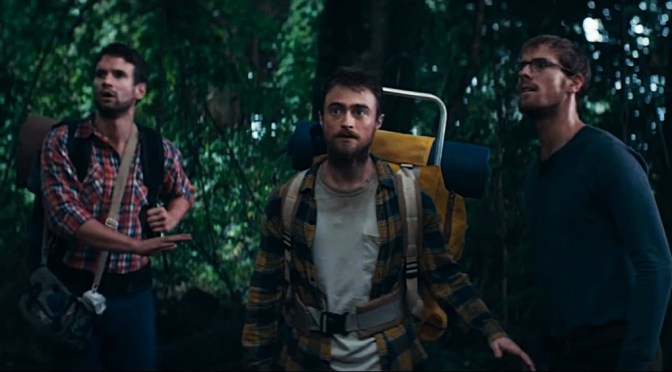
Begrudgingly, I admit, in many circumstances such as: 127 Hours (2010), Into the Wild (2007) and Touching the Void (2003), survivival stories create compelling film narratives. Alas, the film Jungle (2017) is nowhere near as good as those films I mention, but it provides a means to escape to the dark corners of the Amazon from the comfort of one’s own living room. The moronic characters we follow into said jungle are led by Daniel Radcliffe’s, Yossi. He and two friends decide, against the advice every audience member screaming at the screen, to broaden their selfish adventurous spirits by going native with Thomas Kretschmann’s shady German guide. Safe to say, after experiencing the unforgiving terrain, torrential rain and strange creatures in the jungle, this middle-class trio find they are well out of their depth. Thus, very slowly the film crawls like a giant slug toward further catastrophe.
Jungle (2017) is not a bad film, but it isn’t a particularly good one. The direction and cinematography are excellent and Daniel Radcliffe proves he is an exceptionally honest actor. Radcliffe works his guts out with a shell of a character we rarely care about or empathise with. Perhaps that’s the point? Maybe it’s a cautionary tale about how Yossi stops being such an arsehole and learns to appreciate life and the environment. My main issue was the screenplay, which rushes to get us in the jungle and then takes an age to get to the real drama. What was great about a film like Into the Wild (2007), also based on a true story, was Christopher McCandless was a character who rejected society to find his own place in the world. He wasn’t just a tourist on a holiday that went a bit wrong. I mean, in Jungle (2017), people lost their lives, but the greatest tragedy was the film doesn’t make us care about them at all.
Cast: Ike Barinholtz, Betty Gilpin, Amy Madigan, Emma Roberts, Ethan Suplee, Hilary Swank etc.
Music by: Nathan Barr
Cinematography: Darran Tiernan
*** MAY CONTAIN SPOILERS ***
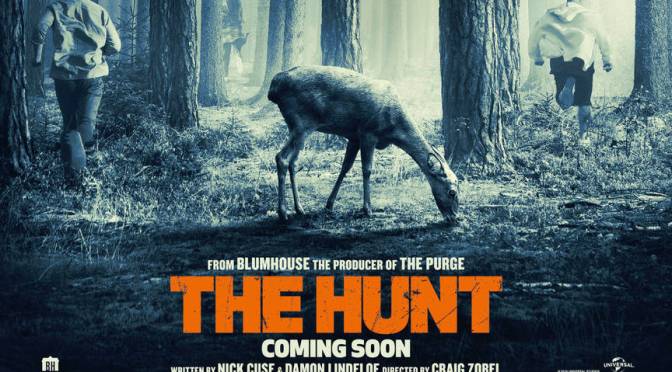
RKO’s movie, The Most Dangerous Game (1932), based on a short story by Richard Connell, is a genuine B-movie delight with a great villain named, Count Zaroff, plus solid lead performances from Joel McCrea and Fay Wray. The simple, but ingenious story involves the Count hunting shipwrecked humans on his remote island. This thrilling premise has been adapted numerous times over the years and the latest one, produced by Blumhouse Productions, is calledThe Hunt (2020). Arguably, the best version of this story is the Japanese classic, Battle Royale (2000), where high school kids are charged with killing each other to win a prize: their life!
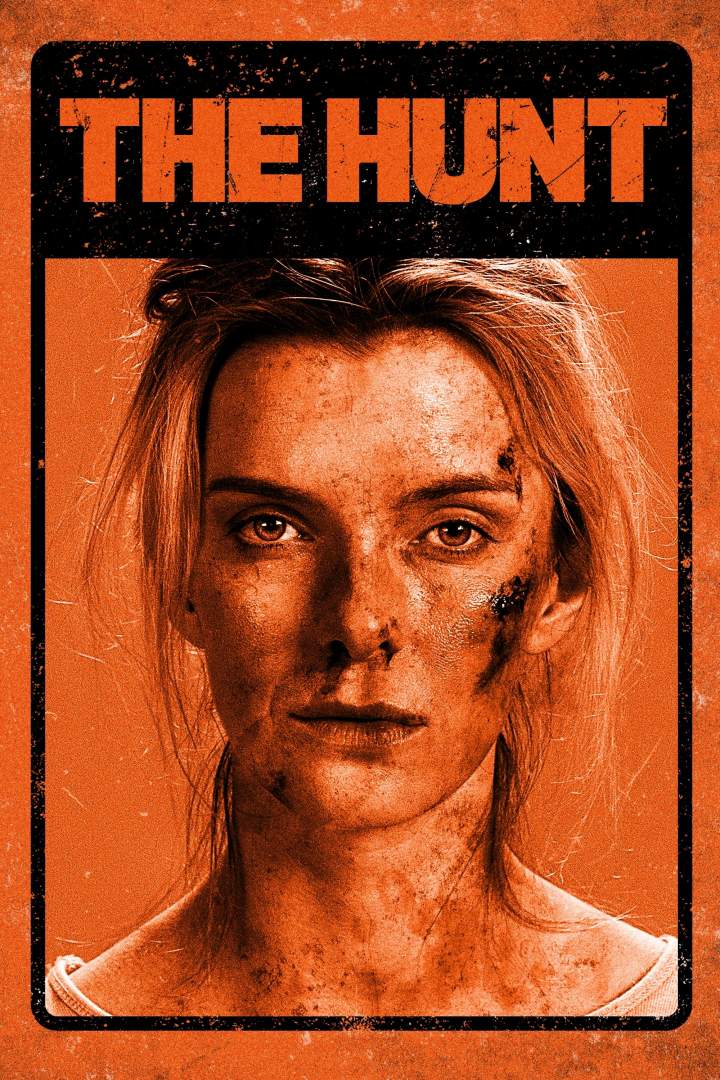
Craig Zobel directs The Hunt (2020) from a screenplay by Damon Lindelhof and Nick Cuse. While The Most Dangerous Game (1932) had big-game hunting and murder-as-sport as a theme, and Battle Royale (2000) was essentially about the control of juvenile delinquents, The Hunt (2020) instils the mayhem, traps and violent deaths with a lean toward political commentary. Reflecting the division of Trump’s Presidency and the left/right and North/South divide allows the witty script to deliver gags damning both sides of the political strata. All from rich capitalists to the liberal elite and right-wing conspiracy theorists are satirised mercilessly. Having said that, none of this gets in the way of the breathless pace of shootings, explosions, stabbings and bloodletting.
Overall, what The Hunt (2020) lacks in characterisation and plot credibility, it more than makes up with several tense and funny scenes. You’re never too far away from a gory end or biting punchline or the surprise death of a relatively well known actor. The cast and director do not take this movie particularly seriously, but I must say Betty Gilpin as Crystal Creasey was brilliant. Energetic Gilpin takes a thinly written character and provides much personality, as well as an impressive physical presence in the many well-choreographed fight scenes. Ultimately, The Hunt (2020) will excite those who want something undemanding for their Saturday night movie entertainment. I particularly enjoyed several of the cartoon kills in this comedic action thriller. I could take or leave the social commentary, because for me politics is the most dangerous game of all.
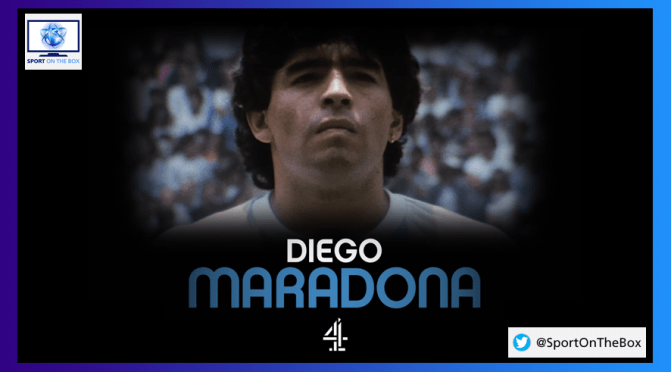
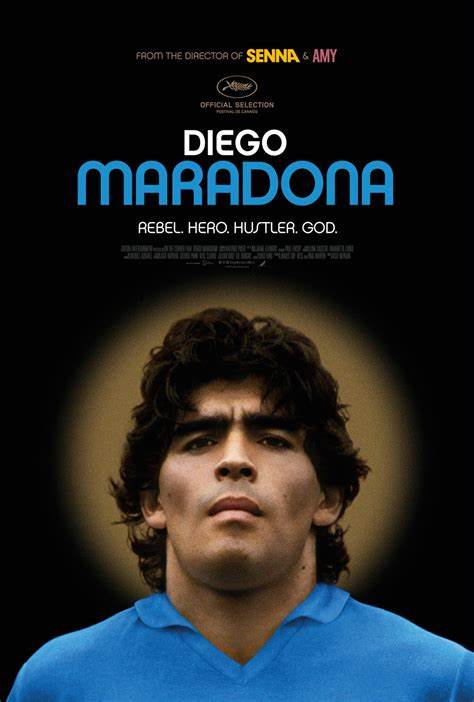
Even if you’re not a fan of football, you cannot fail to have to heard of the Argentinian player that is Diego Maradona. If you don’t know him then he rose from the shantytowns of Buenos Aires to become one of the greatest footballers of all time. A wunderkind prodigy as a teenager, he became the most expensive footballer ever when he moved to Napoli from Barcelona. In Naples he would transform a club, normally in the shadows of giants from Milan and Rome, into a title winning team. Moreover, he famously led Argentina to World Cup glory in 1986, with one of the most scintillating individual footballing performances ever witnessed. I missed Asif Kapadia’s absorbing documentary when released at the cinema, however, with Maradona sadly passing away last week, I took the opportunity to watch it on Channel 4’s streaming platform.
Kapadia has shown himself as a master filmmaker in constructing narratives from archival footage. This engrossing style and expertly edited form is brilliantly demonstrated in Senna (2010) and Amy (2015), both winning several major awards. Once again Kapadia uses the same process. He combines interviews via voiceover with Maradona, his ex-wife Claudia, his trainer and many other people, with hundreds of hours of found film footage shot by Argentine cameramen in the 1980s. Moreover, further archival footage was discovered in the home of Maradona’s ex-wife in a trunk untouched for 30 years.
Kapadia and his editors weave such sources to create an absorbing portrait of an extremely complex personality. Indeed, many interviews comment on the football star having two distinct sides. One called Diego, a sweet-natured lad who became a phenomenon on the pitch and the other Maradona, a notorious, larger than life mega-star pursued by the media, football fans, women, gangsters and money people. Whether this schism contributed to Maradona’s battles with drug addiction and other controversies, it is difficult to say. What is clear though is, despite his flaws, love for partying, fiery temperament and questionable associations, the press in Italy and the rest of the world, were permanently in Maradona’s face, creating a pressure cooker atmosphere for him and his family.
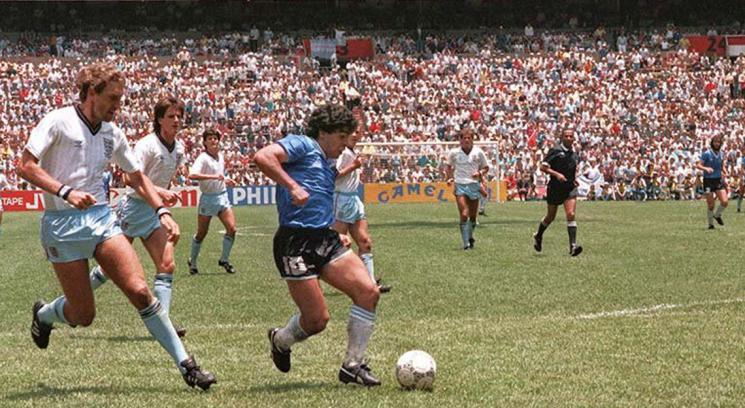
Overall, I was totally transfixed by the documentary, Diego Maradona (2019). Having grown up as a teenager watching Maradona on the television, notably the infamous ‘Hand of God’ game against England at the 1986 World Cup, I was struck by huge waves of nostalgia. Even though Maradona’s Argentina defeated England, one could never fail to be in awe at his magical skills as a player. I love football and enjoyed many scenes showing the brutal and beautiful nature of the game. Lastly, Kapadia’s main narrative thrust involves Maradona’s rise and fall from grace during Napoli’s spectacular rise to the top of the Italian league. Yet, having scored the penalty that knocked Italy out of the 1990 World Cup, his once beloved Naples would turn on Maradona, leaving him friendless and without protection from the Italian law. Ultimately, the film stands as not only a complex tribute to a footballing genius, but also a cautionary tale of the trials and tribulations of worldwide fame and notoriety.
What makes a great film ending? Well, it helps to have an amazing cinematic story before it, building to an incredible twist, memorable shock or emotionally cathartic moment. In the latest effort in my occasional series Six of the Best, I have chosen six films with unbelievably brilliant endings. If you have your own suggestions, please feel free to comment.
*** CONTAINS MASSIVE SPOILERS ***
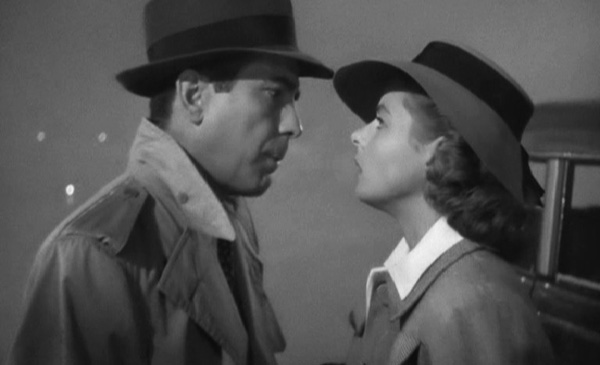
CASABLANCA (1942)
“I think this is the beginning of a beautiful friendship.”
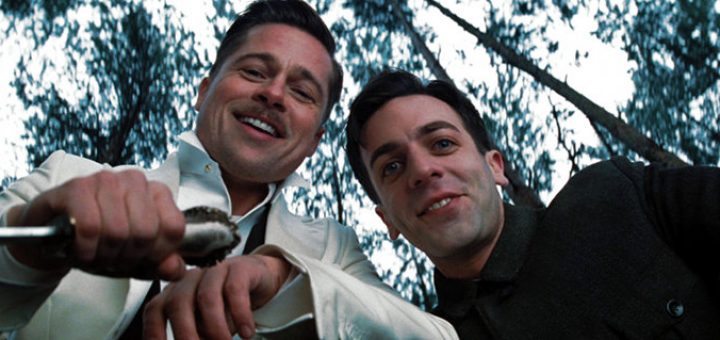
INGLOURIOUS BASTERDS (2009)
“You know somethin’, Utivich? I think this just might be my masterpiece.”
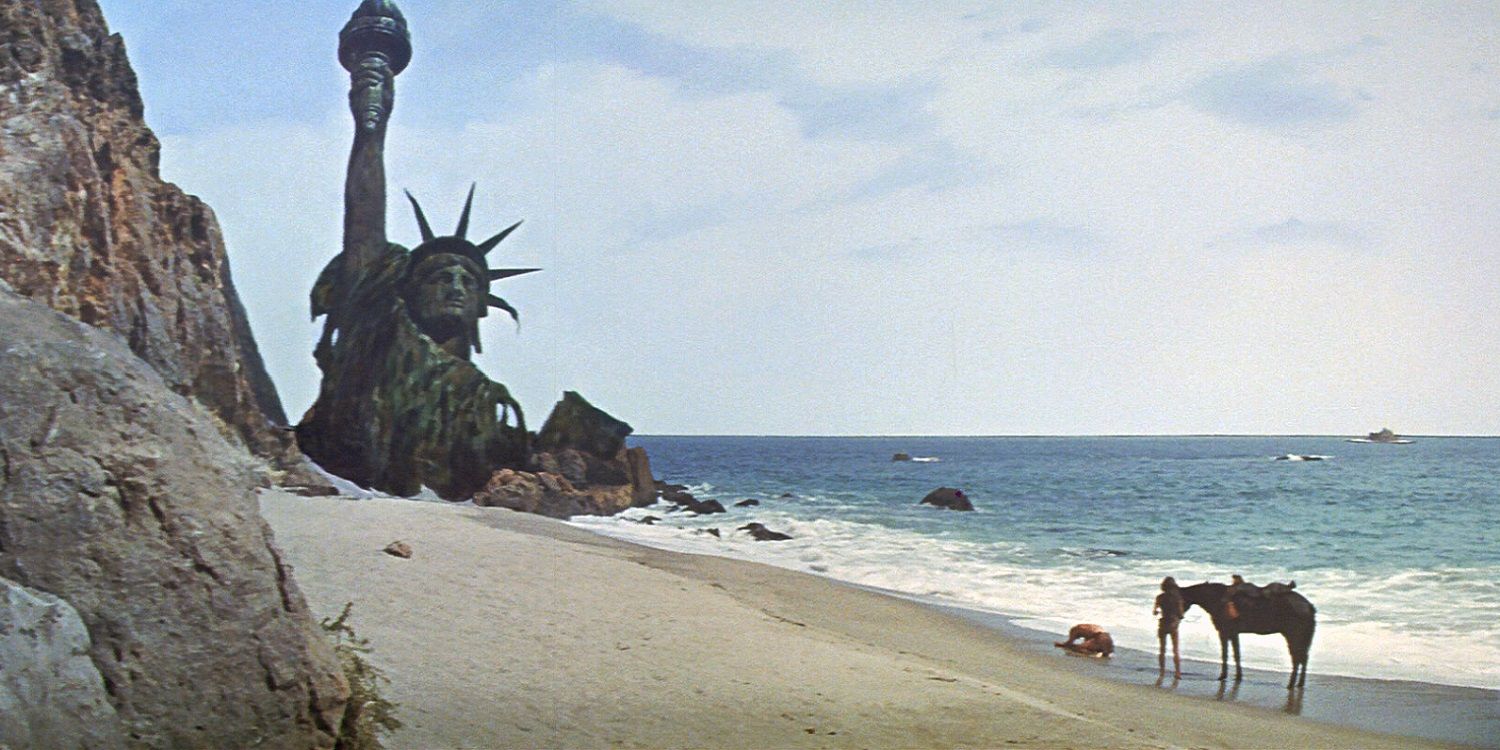
PLANET OF THE APES (1968)
“They blew it up! God, damn you! Damn you all to hell!!!”
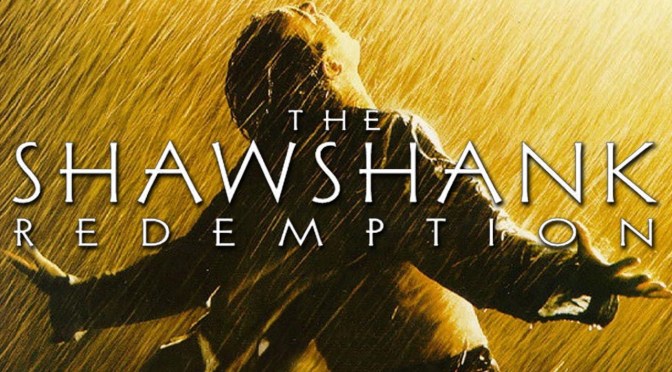
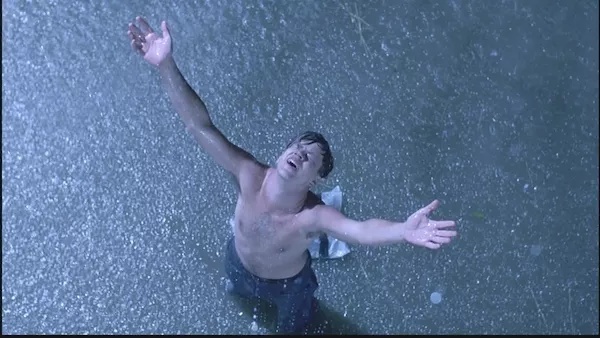
THE SHAWSHANK REDEMPTION (1994)
“Remember, Red, hope is a good thing, maybe the best of things, and no good thing ever dies.”
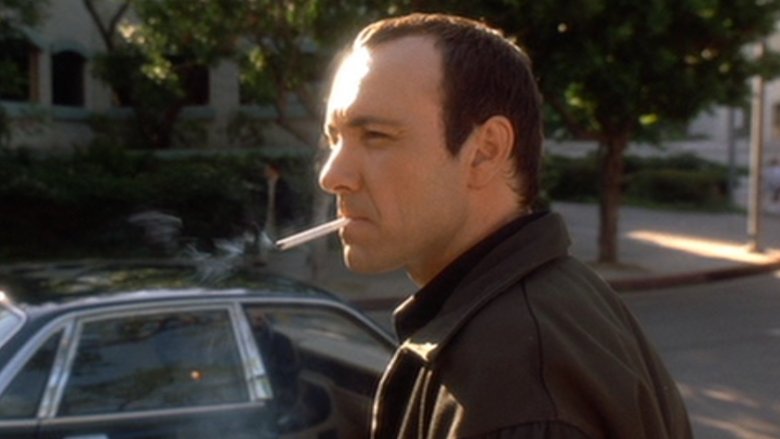
THE USUAL SUSPECTS (1995)
“The greatest trick the devil ever pulled was convincing the world he didn’t exist. And like that… he’s gone!”
WITHNAIL AND I (1986)
“I have of late, but wherefore I know not, lost all my mirth…”
So, I don’t get paid for doing this. I do it because I enjoy watching films and television and writing about them. It helps me to review stuff critically from both a creative perspective and absorb knowledge for when I make my own low budget films. Also, it’s something to do isn’t it; a hobby and means to immerse oneself in something that interests me. Lastly, one also learns much from the hours of viewing, especially if the narratives are grounded in reality, representations of history and social issues.
CHANNEL 4 has always been at the forefront of producing intelligent drama television built to inform, entertain and provoke thought. Their streaming platform called ALL 4 is a great place to catch up with Channel 4’s product and I have already reviewed many of their shows here on this site. Having said that, I thought I should put an even bigger effort to catch up with some of their dramas. After all, ALL 4 is — aside from watching a few adverts — is absolutely FREE! I’m glad I did because they have quality production values and are very powerful, skilfully tackling social themes and historical events. So, here are some quick reviews of Channel 4 television dramas both recent and not so recent with the usual marks out of eleven.
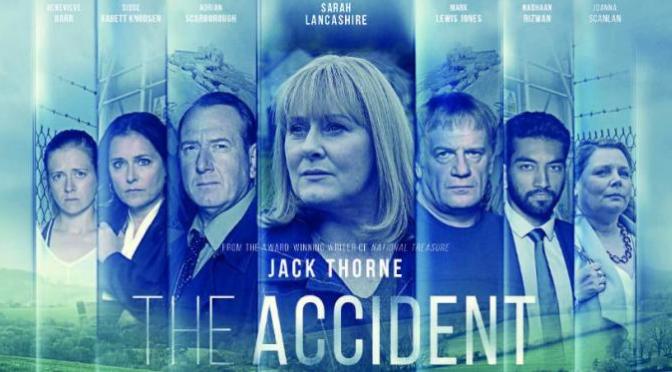
THE ACCIDENT (2019) – Mark: 9 out of 11
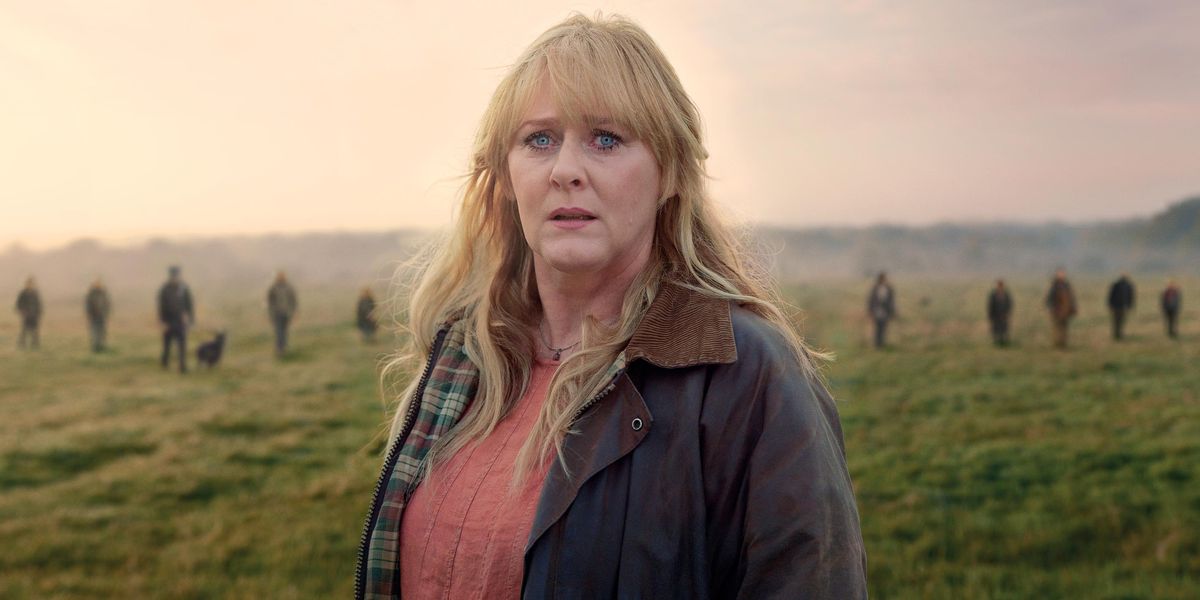
What I found from my All 4 residency was that many of the shows were written by Jack Thorne. He is a clever writer with a keen eye and ear for drama relating to everyday people’s lives. The Accident (2019) is set in Wales and concerns a small community whose lives are ripped apart by an explosion at a construction site. Many children are killed, but given they were trespassing the blame initially falls on both them and building company. The ensemble cast lead by Sarah Lancashire and Joanna Scanlan are uniformly excellent, as the impactful drama echoes actual events such as Aberfan and Grenfell Tower disasters.
CHIMERICA (2019) – Mark: 8 out of 11
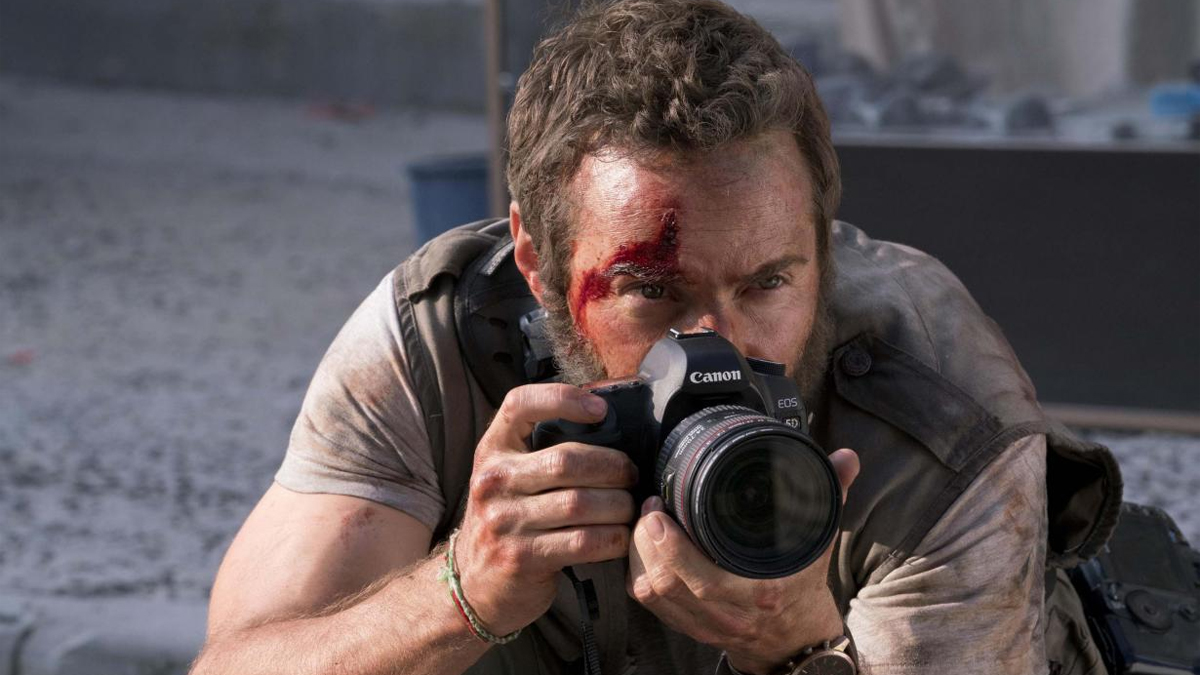
Based on Lucy Kirkwood’s play of the same name and set during the 2016 American Presidency election, this political drama sees Alessandro Nivola’s once-lauded photographer attempt to locate the “Tank Man” from the 1989 Tiananmen Square protests. Part-redemption and part-historical expose, the writing is excellent as Cherry Jones and F. Murray Abraham easily steal the acting plaudits. I was more interested in the plight of Zhang Lin’s (Terry Chen) China-set parallel storyline than the photographer’s, but, overall, I was drawn into detective plot and human conflict throughout.
THE DEVIL’S WHORE (2008) – Mark: 9 out of 11
The wonderfully titled The Devil’s Whore (2008), features a fine cast of actors including: John Simm, Peter Capaldi, Andrea Riseborough, Michael Fassbender and Dominic West. The drama focusses on the historical era of Oliver Cromwell and Charles I, filtered through the eyes of Riseborough’s strong, yet scandalised heroine, Angelica Fanshawe. Peter Flannery’s excellent script is full of violence, political and religious intrigue and works well as both a work of entertainment and chronicle of key characters from the bloody English Civil War!
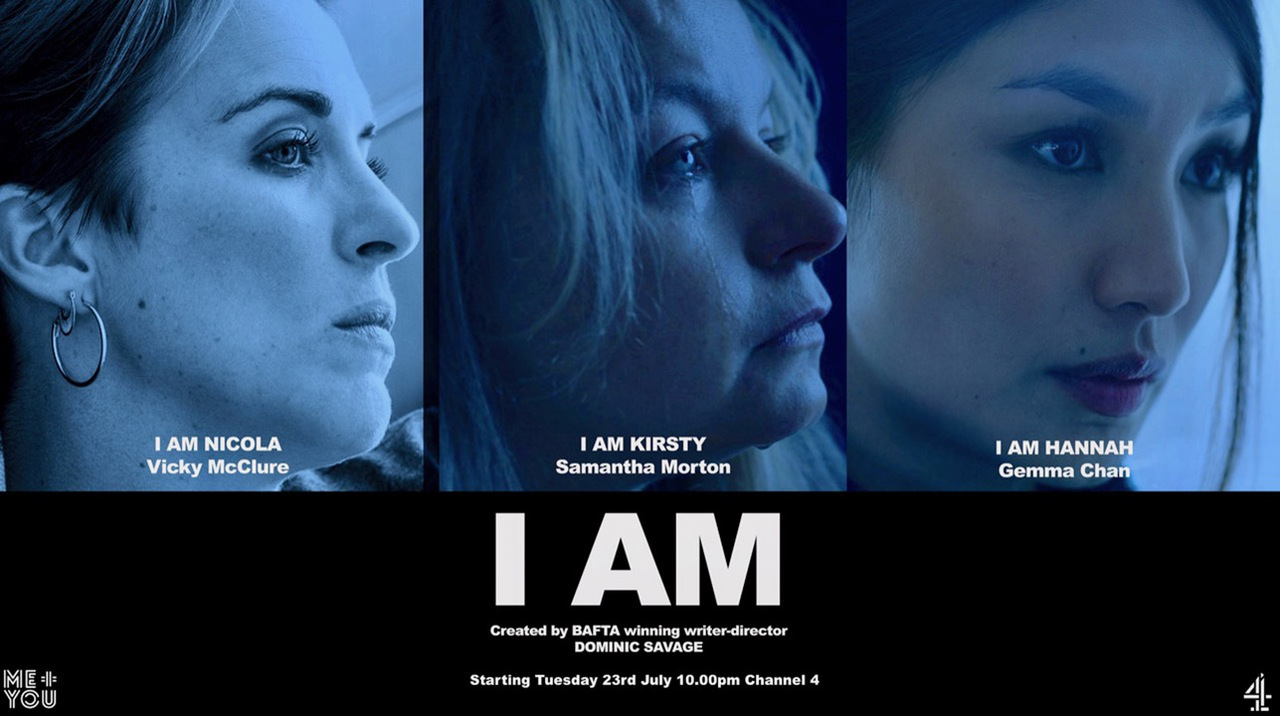
I AM. . . (2019) – Mark: 9.5 out of 11
Dominic Savage is a skilful and experienced filmmaker, who recently made the semi-improvised feature, The Escape (2017). It focussed on unhappy mother portrayed by Gemma Arterton, and while an interesting character study, it ultimately felt a little flat dramatically. Using the same improvisatory and documentary style with the anthology triptych, I Am. . . (2019), Savage casts Vicky McClure, Samantha Morton and Gemma Chan in three separate stories of women in various states of domestic plight. All of the narratives are brilliantly acted and directed, focussing on coercive relationships, gaslighting debt escalation and painful maternal inertia respectively, all delivered with tremendous emotional power.
FALLING APART (2002) – Mark: 8.5 out of 11
Mark Strong and Hermione Norris excel is this shocking drama about domestic violence. Seemingly the perfect couple, Pete and Clare fall in love and marry, only for Pete’s aggressive tendencies to come to the fore soon after the honeymoon period. Clare forgives Pete and blames work and herself and then finally thinks he may have a problem. An honest and bleak look at love gone wrong, there are many scenes that make one flinch and feel bad for those women trapped in similar situations.
KIRI (2018) – Mark: 9.5 out of 11
Sarah Lancashire is exceptional as the social worker hung out to dry when a fostered child, Kiri, is killed after a family visit to her paternal grandparents. Jack Thorne writes a subtle and compelling script which explores issues relating to: adoption, social care, race, class, and child murder. As well as Lancashire, Lucian Msamati, Paapa Essiedu, Wunmu Mosaku, Lia Williams and Sue Johnston give exceptional performances. Finally, what begins as a murder mystery drama unfolds into something far more complex, with an ending that leaves you stunned with its brave, narrative risk-taking.
NATIONAL TREASURE (2016) – Mark: 9 out of 11
Not to be confused with the Nicolas Cage film series, this searing drama, written by Jack Thorne again, springboards off the recent #MeToo and Operation Yewtree news events. Robbie Coltrane takes the lead as Paul Finchley, a once successful comedian of the 1980s and 1990s, now hosting a television quiz show, while his wife is portrayed by the exceptional Julie Walters. Finchley’s life and career is turned upside down when he is accused of rape and sexual assault, something he vehemently denies. The drama unfolds in an engrossing fashion as we flash back and forth between Finchley’s present day and past history. Again, a potentially sensationalist subject matter is dealt with mesmeric power, as it all culminates in a tense and emotional court case.
ON THE EDGE (2018) – Mark: 8 out of 11
Excellent set of short anthology dramas which focus on various issues affecting mostly younger people in Britain today. Issues explored include: knife crime, body shaming, race, neurodiversity, date rape, depression and social work. All are extremely well acted and directed, giving excellent examples of diverse drama Channel 4 excels at.
Writers: Dahvi Waller, Tanya Barfield, Boo Killebrew, Micah Schraft and April Shih, Sharon Hoffman, Joshua Allen-Griffiths, etc.
Directors: Anna Boden & Ryan Fleck, Amma Asante, Laure de Clermont-Tonnerre, Janicza Bravo,
Cast: Cate Blanchett, Rose Byrne, Uzo Aduba, Elizabeth Banks, Kayli Carter, Ari Graynor, Melanie Lynskey, Margo Martindale, John Slattery, Jeanne Tripplehorn, Tracey Ullman, Sarah Paulson, and many more.
No. of Episodes: 9
Original Network: FX on Hulu / BBC (UK)
*** CONTAINS HISTORICAL SPOILERS ***
“Feminism has never been about getting a job for one woman. It’s about making life more fair for women everywhere. It’s not about a piece of the existing pie; there are too many of us for that. It’s about baking a new pie.” — Gloria Steinem
I just won’t ever understand this world and the people in it. We are capable of wonderful moments of love and compassion and just being good to one another, but equally just as capable of negativity, division and dispute. Take for example the Equal Rights movement. First proposed by the National Woman’s political party in 1923, the Equal Rights Amendment was to provide legal equality of the sexes and prohibit sex discrimination.
Initially failing, the E.R.A. was revived in the late 1960s, and throughout the 1970s tireless work was done to get it ratified. Here was a group of people striving for gender equality and generally fighting for better working conditions. This for me is a noble cause. However, unbelievably there were women, not just men, in America who were AGAINST the Equal Rights Amendment. Of course, it is a constitutional right to freedom of speech and to protest your point of view, however, arguing against something that is looking to improve lives is hard to credit.
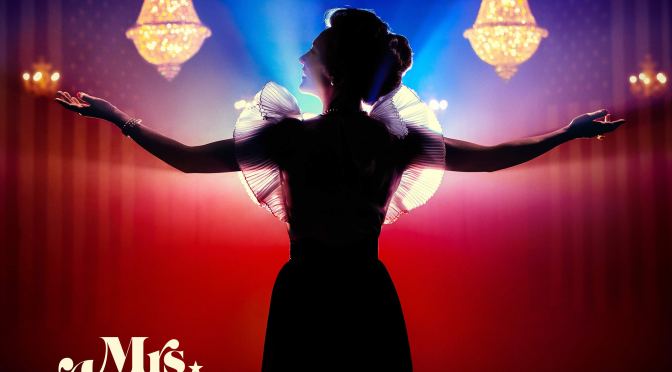
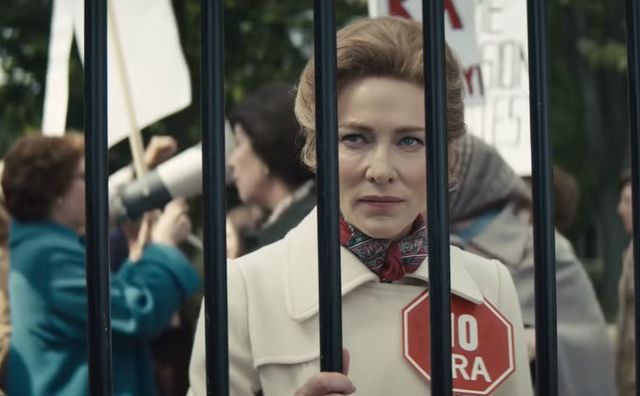
FX’s historical biopic, Mrs America (2020) is set against the backdrop of the 1970s and it dramatizes the amazing fight by those individuals and groups seeking to ratify the E.R.A. across the disunited states of America. Leading political activists such as Gloria Steinem (Rose Byrne), Betty Friedan (Tracey Ullman), Shirley Chisholm (Uzo Aduba), Bella Abzug (Margo Martindale) and Jill Ruckelshaus (Elizabeth Banks) were just a few of the people struggling to get the E.R.A. over the line. While it seems like a no-brainer to me, the 1970s was clearly another country when it came to gender roles and the treatment of women. Thus, the amendment, while slowly gathering momentum in various states, faced much opposition. The mini-series represents the major source of opposition in ultra-conservative spokesperson, Phyllis Schlafly (Cate Blanchett), an activist and lobbyist who started the No E.R.A campaign group. The battles between her group and the feminist legion gives way to much incisive drama, comedy and entertainment.
Presented in nine brilliantly written, acted and directed episodes, Mrs America (2020) is television of the highest quality. The ensemble cast is one of the finest ever assembled in my opinion and there are so many amazing performances. Cate Blanchett is magnetically charismatic as PhylIis Schlafly. Blanchett gives a complex characterisation of a formidable woman who, while striving to be taken seriously in the world of law and politics, finds she is undermined by the men she is fighting for. Sarah Paulson also gives another nuanced and exquisite rendition of a housewife on a slow journey of self-realisation. There are just too many great acting portrayals to mention, but Tracey Ullman steals every scene she is in for sure.
Overall, Mrs America (2020) takes a potentially dry subject and infuses it with the intricacies of both political intrigue and powerful personality. The script fizzes with wit, style and verve, and is supported by an amazing soundtrack and some jaw-dropping acting. No doubt many liberties have been taken with the events for dramatic purposes. But if that means bringing to prominence this important struggle then I am all for it. Rather incredibly, the E.R.A., at the time of the programme’s release this year, still had not been ratified by the number of States needed to make it law. I know it’s too complex an issue to be resolved so easily, however should this political matter still remain unratified today? It remains a sad indictment of humanity that equality for all was seen as such a negative thing in the 1970s, especially by individuals it sought to protect.





 The Cinema Fix presents