Main cast: Mari Shirato, Junko Miyashita, Kentarō Shimizu, Jun Etō, etc.
Cinematography by Yonezou Maeda
Music by Toshiyuki Honda
*** MAY CONTAIN SPOILERS ***
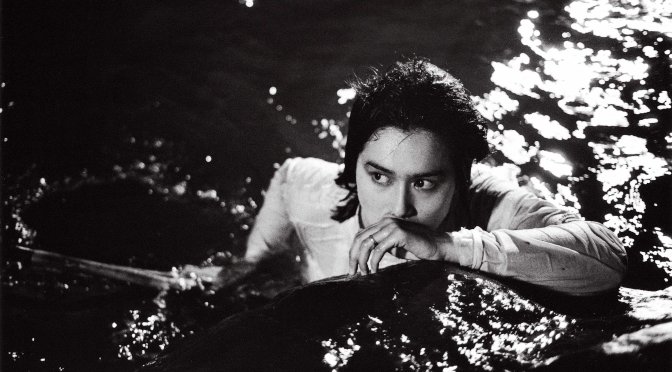
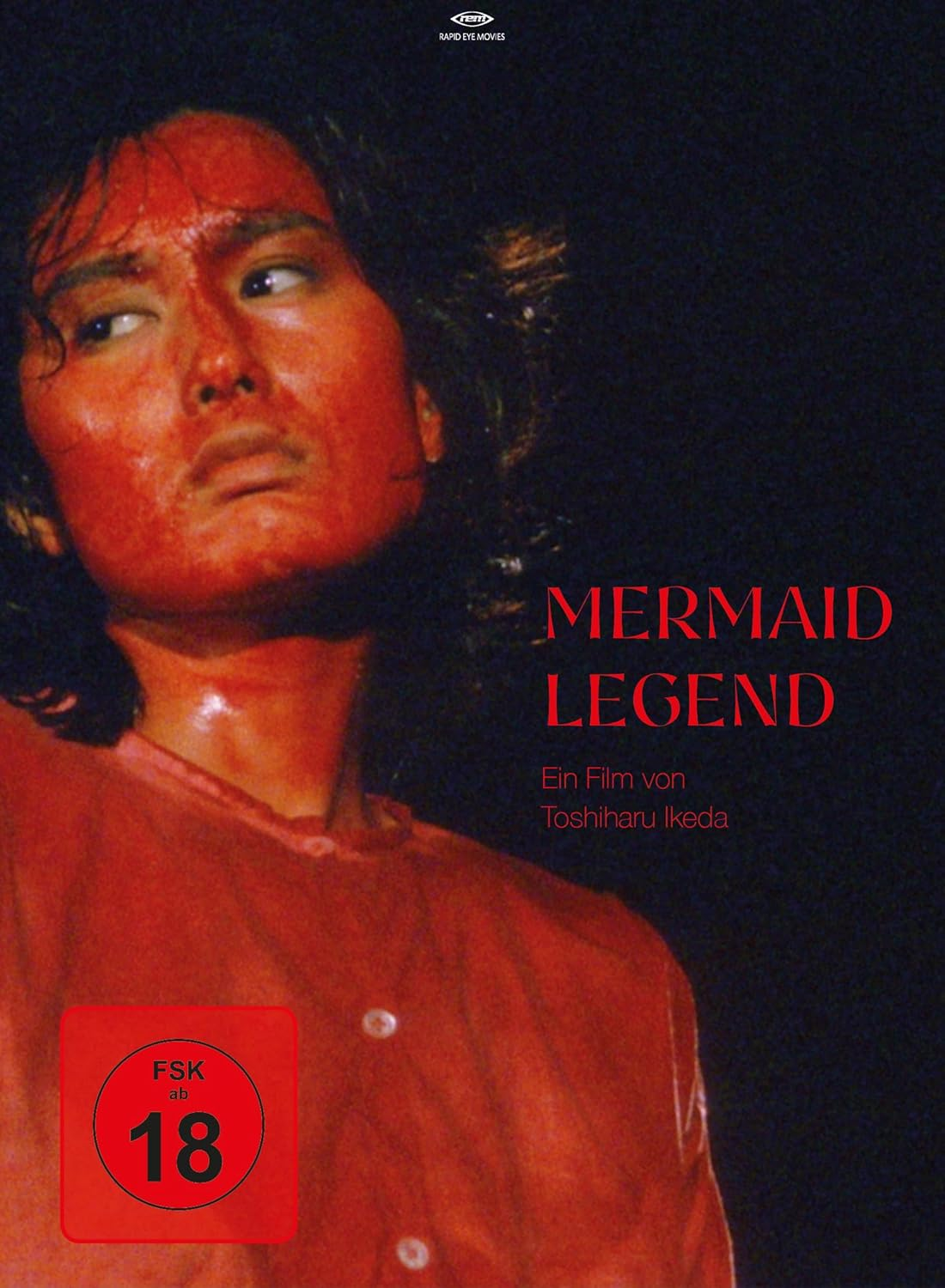
I took a gamble on an unknown Japanese film at the Nickel Cinema and walked out genuinely shaken. Mermaid Legend (1984) isn’t just a cult oddity—it’s a film that mutates before your eyes, seducing you with beauty before drowning you in blood. I was stunned by how something so lyrical could also be so brutally confrontational.
The story begins almost modestly, as a coastal drama about a fisherman and his wife, Migiwa. They bicker constantly, their marriage worn thin by poverty and exhaustion, yet there’s an undeniable bond beneath the arguments. That fragile domesticity is shattered when the fisherman stands in the way of an industrial development scheme. The business developers—faceless, polite, and utterly ruthless—have him murdered, disposing of his life as casually as industrial waste.
From there, Mermaid Legend (1984) transforms again. What starts as marital realism becomes a corporate espionage murder mystery, steeped in anger at nuclear energy, environmental destruction, and the cold machinery of corporate greed. Migiwa, a powerful-lunged pearl diver, initially hides, retreating into grief and the sea itself. But this is not a film about quiet mourning. When she decides to act, she does so with mythic force.
Played by the ethereal and astonishing Mari Shirato, Migiwa becomes something halfway between woman, avenging angel, and sea spirit. Shirato’s performance is magnetic—serene, sensual, and terrifying. As her vengeful pursuit begins, the film plunges headlong into extreme violence and explicit sexuality, reclassifying itself yet again as one of the most shocking exploitation epics I’ve seen from Japan in recent years. These scenes aren’t gratuitous in the lazy sense; they’re confrontational, weaponized, daring you to look away while refusing to let you feel comfortable for a second.
What makes Mermaid Legend (1984) so intoxicating is how its elements collide. Poetic underwater cinematography turns the ocean into a womb, a grave, and a cathedral. Religious, angelic, and environmental imagery blur together, as if Migiwa is both martyr and executioner. The music is heavenly—soaring, mournful, almost sacred—creating a surreal contrast with the carnage on screen. Beauty and brutality coexist in the same frame, each intensifying the other.
And then there’s the ending. The final, elongated pier stabbing rampage is completely off the chart—relentless, bloody, and hypnotic. It plays out like a ritual rather than an action sequence, stretching time until violence becomes abstraction, then meaning, then release. By the time the last body falls, Mermaid Legend (1984) has fully shed realism and entered the realm of legend, justifying its title in blood.
This is a film that shouldn’t work, yet does—furiously, defiantly. A genre-shifting fever dream that moves from domestic drama to political thriller to erotic exploitation to mythic revenge tragedy, Mermaid Legend (1984) is both beautiful and brutal, and I can’t stop thinking about it. Seeing it by chance at the Nickel Cinema felt like discovering a secret too powerful to stay hidden.
Production companies: Paramount Network Television, Braga Productions & Rick Berman Productions
Selected writers: Brannon Braga, Rick Berman, Manny Coto, Mike Sussman, Phyllis Strong, Judith Reeves-Stevens, Garfield Reeves-Stevens, André Bormanis, Chris Black, David A. Goodman, Fred Dekker, and more.
Selected directors: Roxann Dawson, LeVar Burton, Robert Duncan McNeill, Allan Kroeker, David Livingston, Winrich Kolbe, James L. Conway, Mike Vejar, Michael Grossman, Marita Grabiak, Brennan Spencer, Michael S. Watkins, Vincenzo Natali, and more.
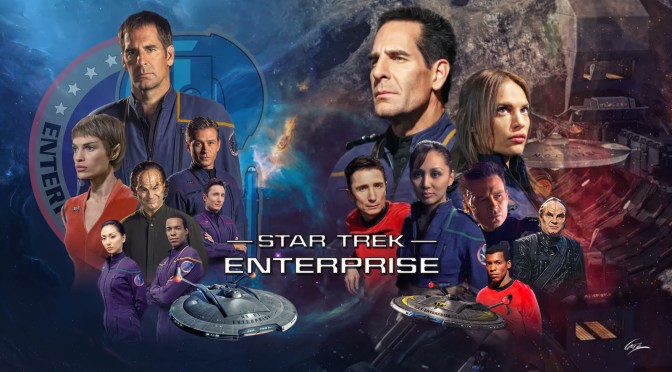
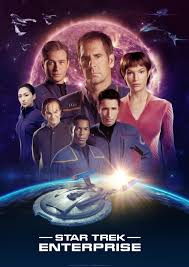
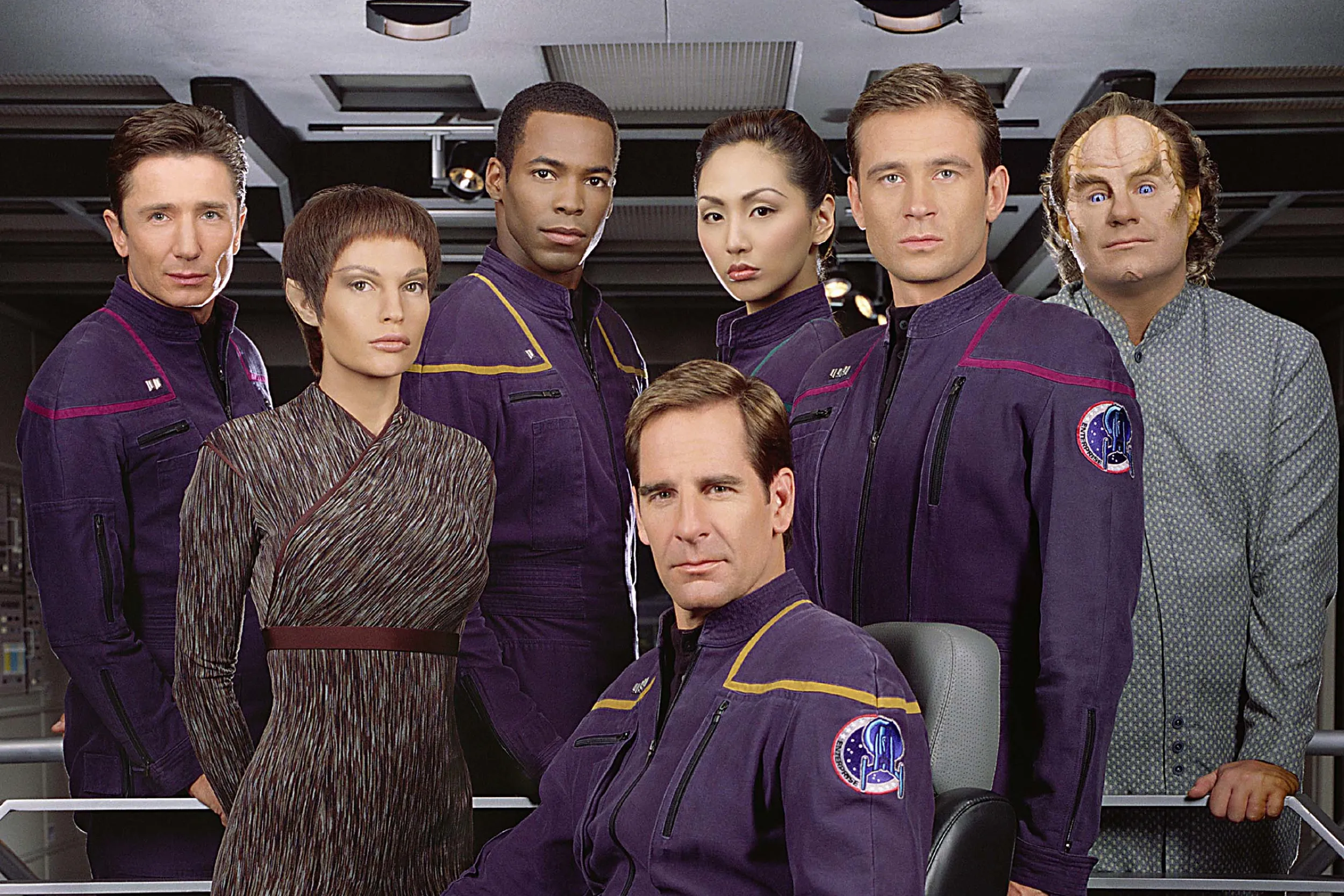
Main cast: Scott Bakula, John Billingsley, Jolene Blalock, Dominic Keating, Anthony Montgomery, Linda Park, Connor Trinneeretc.
Notable guest actors: Jeffrey Combs, Vaughn Armstrong , Gary Graham, Matt Winston, Randy Oglesby, James Cromwell, Brent Spiner, Daniel Dae Kim, Fionnula Flanagan, Robert Picardo, Tony Todd, Bruce Davison, Seth MacFarlane, Steven Culp, Noa Tishby, Rene Auberjonois, Peter Weller, Dean Stockwell etc.
Composer(s): Dennis McCarthy, Jay Chattaway, Brian Tyler, John Frizzell, Mark McKenzie, David Bell, Velton Ray Bunch, Kevin Kiner & Paul Baillargeon
*** MAY CONTAIN SPOILERS ***
It’s been a while since I reviewed Star Trek on the site. But I have now finally completed the task I set myself to watch and review all the legacy Star Trek series. I am currently on the fence regarding the more recent Star Trek offerings. Anyway, having reviewed Voyager (see below) last year, I can now provide a detailed report back on Enterprise.
Star Trek: Enterpriseoccupies a fascinating corner of the franchise’s sprawling canon. Set a century before Kirk and more than a century after humanity’s first steps into spaceflight, the series charts the formative years of Starfleet—before there even was a “Starfleet” in the sense fans recognize. Its premise alone is rich: a pre-Federation frontier where humanity is inexperienced, unsteady, and often outmatched, yet eager to join a much larger galactic community. In this sense, Enterprise is both a prologue and a missing link, retrofitting the swaggering optimism of The Original Series with a more grounded, early-21st-century sensibility.
The show’s commitment to exploring those transitional years is what secures its place in canon. Enterprise seeds the diplomacy, technology, and interspecies tensions that future shows build upon—from the first warp-5 engine, to early encounters with Vulcans, Andorians, and the ever-shadowy Temporal Cold War. Watching Captain Jonathan Archer and his crew stumble toward the ideals later embodied by the Federation gives the series a distinctive historical weight. It doesn’t merely fit into Star Trek continuity; it actively sculpts the bedrock beneath it.
Central to the show’s appeal is Scott Bakula, whose performance as Captain Archer blends warmth, stubbornness, and a palpable sense of moral growing pains. Bakula gives Archer a grounded humanity that stands apart from the polished command styles of Picard or the passionate Sisko, yet his sincerity and resolve make him every bit their equal. When the writing rises to meet his talent—as in standout episodes like “Cogenitor,” “The Andorian Incident,” “Carbon Creek,” or the Xindi arc’s best moments—the show can reach the emotional and thematic heights of The Original Seriesand The Next Generation.
But Enterprise is also a series defined by uneven execution. For every episode that lands with classic-Trek resonance, there are others hampered by muddled plotting, bland direction, or creative decisions that feel more reactive than visionary. The show often struggled to decide whether it wanted to be a rough-edged prequel, a 2000s-era action drama, or a traditional episodic Trek—frequently trying to be all three at once. While it contains genuinely excellent science-fiction storytelling, its overall writing and directorial cohesion never consistently matched the clarity, ambition, or confidence of its most celebrated predecessors.
Yet despite its flaws, Star Trek: Enterprise remains an essential and often underrated part of the canon—a show whose best moments remind us exactly why Trek endures, and whose imperfections make its aspirations feel all the more human. Here are eight of the best episodes I watched – two per series.
Series 1 – The Andorian Incident (Episode 7)
This episode is the first truly great hour of Enterprise—the point where the show proves it can handle nuanced political storytelling within the Trek universe. The introduction of Jeffrey Combs as Shran is a masterstroke; he immediately brings depth, wit, and volatility to the Andorians. The plot, centered on Archer and his crew discovering that a supposedly pacifist Vulcan monastery is hiding darker secrets, reshapes our understanding of Vulcan–Andorian tensions. Strong direction, tight pacing, and a morally thorny reveal make this the first episode that feels essential to larger Star Trek canon.
Series 1 – Dear Doctor (Episode 13)
A thoughtful, character-driven story told through Dr. Phlox’s personal logs, “Dear Doctor” represents Enterprise at its most philosophically ambitious. It confronts the ethics of medical intervention, cultural evolution, and the limits of humanitarian aid—classic Trek territory handled with sensitivity and restraint. John Billingsley delivers one of the best performances of the season, infusing Phlox with curiosity, compassion, and unsettling pragmatism. The episode’s controversial ending also resonates, sparking debate among fans and critics alike. It’s a quietly powerful hour that demonstrates the series’ potential for moral complexity.
Series 2 – Carbon Creek (Episode 2)
Widely regarded as the highlight of Season 2—and for many, the best Enterprise episode of its first two years—“Carbon Creek” is a charming, unexpectedly heartfelt detour into Trek history. Told by T’Pol as a possibly-true, possibly-mythic story, it follows a stranded Vulcan survey team living incognito in 1950s Pennsylvania. The fish-out-of-water premise is handled with warmth, humour, and subtle social commentary, while Jolene Blalock shines in a dual role that lets her explore a softer, more playful Vulcan persona. It’s imaginative, character-rich, and quietly profound—the kind of tonal experiment that pays off beautifully.
Series 2 – Regeneration – (Episode 23)
A tense, surprisingly effective prequel to The Next Generation’s Borg storyline, “Regeneration” threads a tricky needle: introducing Borg elements without breaking canon. The episode smartly uses the wreckage from Star Trek: First Contact as its entry point, turning the narrative into a chilling, atmospheric thriller. The direction is sharp, the pacing taut, and the danger feels unusually real for this era of Trek. The crew’s desperation—fighting an enemy they can’t possibly understand—creates some of the season’s most gripping moments. It’s both fan-pleasing and genuinely suspenseful.
Series 3 – Twilight – (Episode 8)
Often cited as the masterpiece of Season 3, “Twilight” is a time-bending character drama that blends emotional storytelling with classic Trek sci-fi ingenuity. When Archer becomes afflicted with a neurological condition that erases his short-term memory, the episode jumps forward into an alternate future where humanity has been nearly wiped out by the Xindi. What follows is a surprisingly intimate exploration of Archer and T’Pol’s relationship, played with sincerity and restraint by Scott Bakula and Jolene Blalock. The script balances tragedy, hope, and big ideas without feeling gimmicky. It’s moving, tightly written, and stands alongside the franchise’s finest “what-if” stories.
Series 3 – Azati Prime – (Episode 18)
“Azati Prime” is the moment Season 3’s slow-burn storytelling snaps into urgent, high-stakes clarity. The episode follows Archer’s attempted suicide mission to destroy the Xindi superweapon, giving Scott Bakula one of his strongest performances in the entire series. The moral weight is heavy, the action tense, and the pacing relentless. Crucially, this is where the Xindi cease being abstract antagonists and become three-dimensional political factions torn between fear and diplomacy. The episode’s final act—Enterprise under brutal assault—is among the most cinematic sequences the series ever produced, setting up the endgame of the season with real emotional gravity.
Series 4 – United – (Episode 13)
“United” is Enterprise finally fulfilling its prequel potential—showing the messy, reluctant, and hard-fought beginnings of what will eventually become the United Federation of Planets. The political maneuvering is smart and grounded, the Andorian–Tellarite tension is played with grit and humor, and Jeffrey Combs delivers another magnetic performance as Shran. The episode’s centerpiece—the Andorian duel where Archer must fight to prevent a larger war—is tense, dramatic, and deeply character-driven. It’s classic Trek diplomacy mixed with riveting conflict, all while pushing the franchise’s history forward in meaningful ways.
Series 4 – In a Mirror, Darkly – (Episodes 18–19)
One of the most stylish and purely fun stories Enterprise ever told, this two-parter fully embraces the decadent brutality of the Mirror Universe. The production team goes all-in: redesigned sets, re-imagined uniforms, a pulpy remixed title sequence, and a stunning recreation of the USS Defiant from The Original Series. The cast seems to relish the opportunity to play villainous, unhinged versions of their characters—especially Jolene Blalock and Connor Trinneer. Visually bold, lore-rich, and brimming with dark humour, “In a Mirror, Darkly” is a love letter to both TOS and long-time Trek fans.
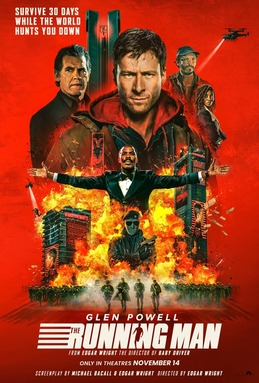
Screenplay by Michael Bacall & Edgar Wright – Based on The Running Man by Stephen King
Produced by Simon Kinberg, Nira Park & Edgar Wright
Main Cast: Glen Powell, William H. Macy, Lee Pace, Michael Cera, Emilia Jones, Daniel Ezra, Jayme Lawson, Sean Hayes, Colman Domingo and Josh Brolin, etc.
Cinematography by Chung-hoon Chung
*** MAY CONTAIN SPOILERS ***
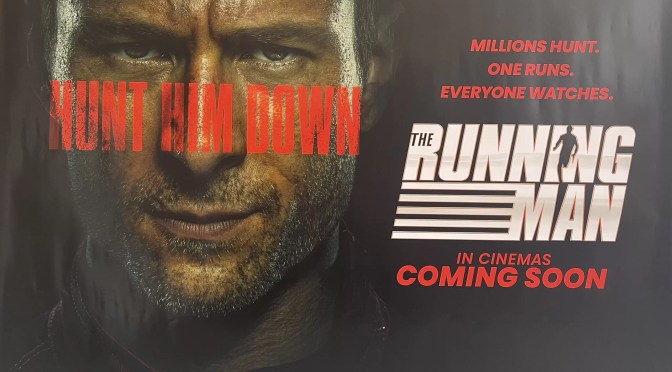
As a fan of Edgar Wright’s stylish, kinetic direction, the camp cult charm of the original Arnold Schwarzenegger 1980’s action romp, and of course Stephen King’s sharp literary concepts, I went into The Running Man (2025) with high hopes. The film certainly starts brilliantly where Wright unloads a barrage of inventive visual gags, flashy transitions, and razor-clean action choreography. The set-pieces are spectacular from the outset, and when the film is firing on all cylinders, it’s exactly the sort of propulsive, high-concept entertainment you’d expect from this creative cocktail.
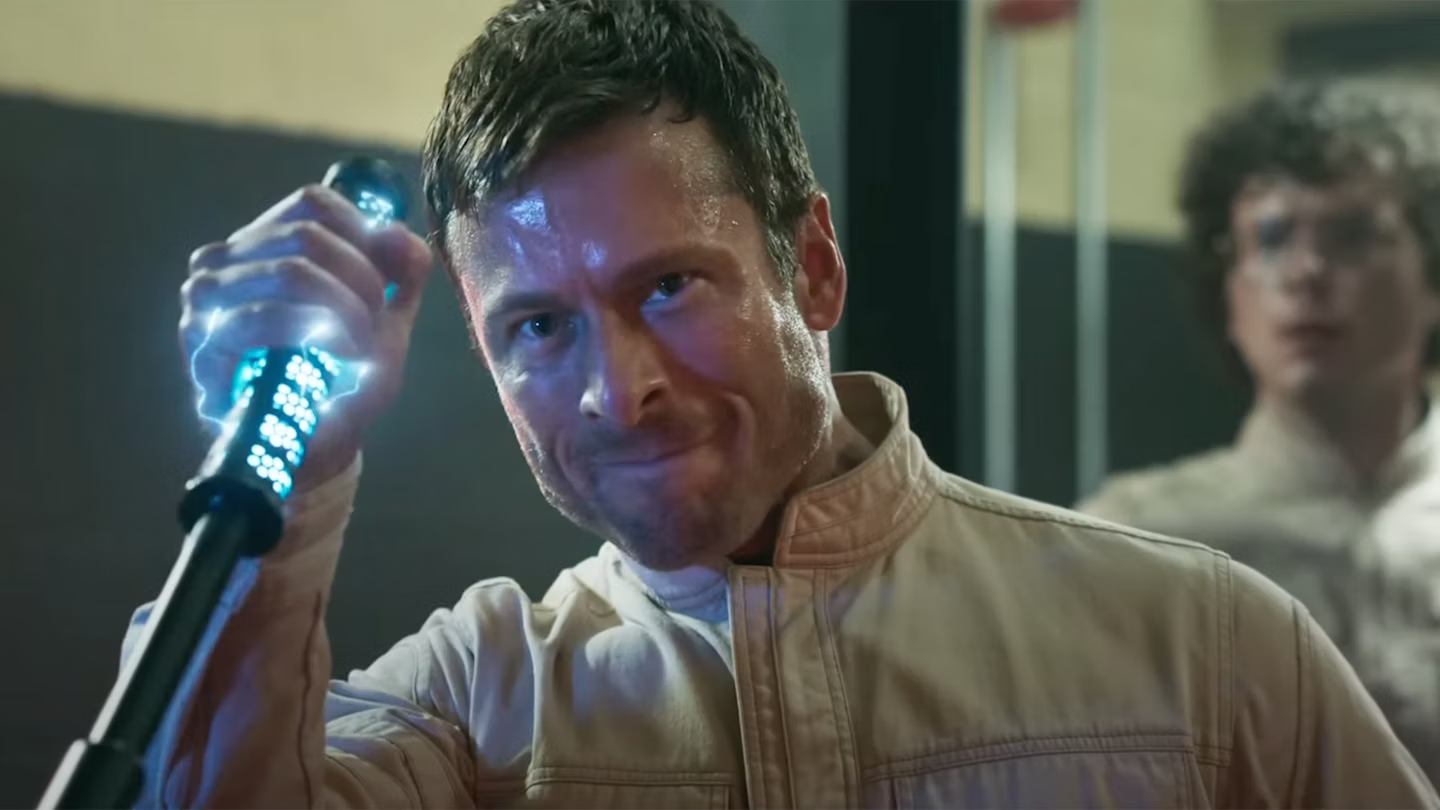
It remains a fantastic concept with a near-future game-show rewarding contestants with great wealth as long as they survive a month on the run and are not killed by all manner of uber-mercenaries chasing them. But as a whole the script and tone never quite settle. As such, the film wavers between being a comedy-actioner and a revolutionary dystopic thriller. It can be both, but here the shifts feel abrupt and under-cooked. The last forty-five minutes and final act especially drag, weighed down by a new character who is introduced mainly to witness Richards (Glen Powell) strike back at his foes, without adding much thematic or emotional heft. Emilia Jones does okay but her character should’ve entered the story much earlier—ideally as one of the contestants—so her eventual role feels earned rather than tacked on.
Powell is solid, charming, and physically believable in the role, but he’s not (at least yet) a true blockbuster star—more a handsome, reliable leading actor as demonstrated in the excellent, Hit Man (2024). I couldn’t help but imagine someone like Lee Pace in the part. Instead he is playing the lead henchmen. Pace is an actor with the gravitas and presence to anchor the story’s darker undercurrents and sell the rebellion with more weight. Indeed, Pace, Michael Cera, Colman Domingo, and Josh Brolin bring depth and texture to The Running Man (2025), each grounding the film’s wild energy with sharply defined performances. Pace delivers charismatic menace, while the underused Cera adds an unexpected nervy humour that sharpens the satire. Domingo, as always, lends personality as the show host, and Brolin rounds it out with rugged corporate authority that makes the world feel dangerous.
Ultimately, even Wright’s trademark ADHD-fueled visual dynamism can’t fully rescue a script that overreaches in ambition. Thus, The Running Man (2025) could have been truly great if it had taken just a little more time to breathe—letting its world, its fears, and its people settle in before the chaos kicked off. Beneath the neon splatter and bombastic satire is a sharp idea about media, violence, voyeurism, and manipulation, but the film races past its own potential. With a touch more patience to build tension, deepen the stakes, and let us actually care about the characters caught in the spectacle, its dystopia might have hit harder, felt richer, and lingered longer after the credits rolled. Still, the craft and energy make it an intermittently thrilling ride—just one that needed sharper focus to become the definitive The Running Man (2025) adaptation fans were hoping for.
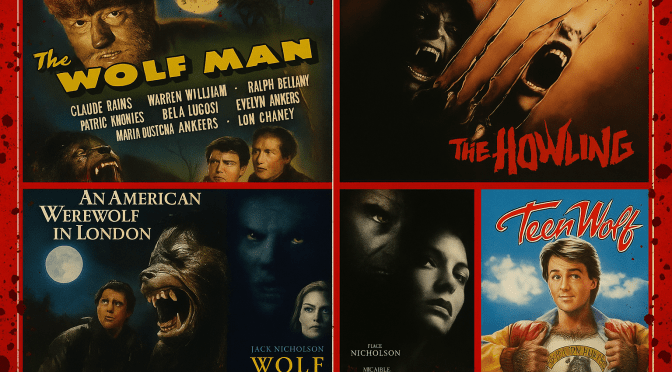
Halloween Review Special: Werewolf Films – Part #2
Happy Halloween again! Part 1 of my Werewolf film reviews can be found here on this link. So, on with Part #2 with all films marked out of 11!
*** CONTAINS SPOILERS ***
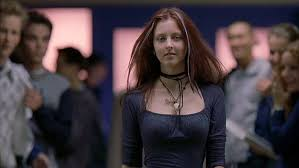
Ginger Snaps (2000)
Ginger Snaps (2000) is a rare and refreshing take on the werewolf myth, shifting the focus to the female experience with wit and bite. As the awkward Bridget, Emily Perkins gives a wonderfully grounded performance, desperately trying to save her sister Ginger after a fateful wolf attack. Cleverly linking the lunar and menstrual cycles, the film transforms body horror into a sharp coming-of-age allegory. Smart, sexy, and darkly funny, it’s packed with gallows humour, fantastic gore, and a subversive energy that makes it one of the standout horror films of its era. Mark: 9 out of 11
Howl (2015)
Howl (2015) is an underrated British werewolf gem that feels like Dog Soldiers (2002) set on a train — claustrophobic, gritty, and laced with dark humour. Ed Speleers plays a weary, beta-male guard whose routine night shift derails into a fight for survival when the train breaks down in the woods. As tensions rise among the stranded passengers, he’s forced to find his courage against something far more terrifying than “leaves on the line.” Mark: 8.5 out of 11
The Howling (1981)
Joe Dante’s The Howling (1981) may now feel almost plotless in retrospect, but it remains a deliriously inventive slice of horror cinema. The film thrives on unforgettable set-pieces and grotesque energy — from a chillingly unrecognisable Robert Picardo as the predatory Eddie Quist to Elisabeth Brooks’ hypnotic, sensual menace. Dee Wallace delivers a strong turn as the quintessential scream queen, leading to an unintentionally funny change at the end, while Rob Bottin’s groundbreaking transformation effects still stand among the genre’s finest. Mark: 8 out of 11
Red Riding Hood (2011)
A messy yet oddly entertaining blend of Twilight-style romance, fairy-tale gothic, and werewolf whodunnit. Amanda Seyfried glows at the center of the melodrama, giving the film more heart than it deserves, while Gary Oldman chews through his lines — and the scenery — with the gusto of a man earning a very comfortable Hollywood paycheck. Mark: 5.5 out of 11
Silver Bullet (1985)
Silver Bullet (1985) carries many of the familiar hallmarks of Stephen King’s storytelling — small-town paranoia, moral rot beneath the surface, and a sense of homespun Americana under siege — but lacks the sharpness of stronger King adaptations. While it holds a nostalgic charm for 1980’s horror fans, thanks to its mix of pulp, sentimentality, Gary Busey-on-butane, and Corey Haim’s spirited performance, it’s far from essential and not one of my go-to werewolf films. Mark 6.5 out of 11
Teen Wolf (1985)
I’m ashamed to admit I’d never seen Teen Wolf (1985) until now — but it’s a charming coming-of-age comedy that finds Michael J. Fox as Scott Howard, a teenager who discovers a very hairy family secret. Scott juggles puberty, romance, bullies, and basketball glory. The adults are enjoyably eccentric, but it’s James Hampton as Scott’s warm, understanding father who grounds the film with genuine heart. Mark 7 out of 11
Werewolves (2024)
Werewolves (2024) boasts an intriguing premise — scientists racing to cure humanity of a wolf-mutant virus unleashed under a supermoon — and delivers plenty of muscular action-horror energy. Frank Grillo anchors the nocturnal mayhem with his trademark grit, like a U.S. Statham. It’s entertaining, but the world-building feels rushed, as if we’ve dropped into the sequel to an origin story that doesn’t exist yet. Mark 6 out of 11
Werewolves: The Beast Amongst Us (2012)
Werewolves: The Beast Amongst Us (2012) is an entertaining but clearly made-for-TV creature feature that feels like a bargain-bin mashup of Stephen Sommers’ The Mummyand Van Helsing — all gothic flair and monster mayhem, but without the budget, stars, or polish. Still, its pulpy enthusiasm and old-school monster-hunting energy make it a mildly fun watch for fans of B-movie beast action. Mark 6 out of 11
Werewolves Within (2021)
Werewolves Within (2021) has a sharp, witty script packed with humour and clever twists, but its over-the-top direction and eccentric ensemble make it hard to fully connect with. Sam Richardson shines as the affable Forest Ranger caught amid a group of oddball townsfolk — and a monster on the loose. Fast-paced, funny, and gory, it plays like Tremors set in the snow — just without the magic that made that classic so effortlessly great. Mark 7 out of 11
Wolf (1994)
Wolf (1994) suffers from an under cooked corporate-werewolf concept that never quite decides if it wants to be a horror film, a romance, or a satire — and ends up failing at all three. Jack Nicholson and Michelle Pfeiffer, both usually magnetic, seem oddly disengaged under Mike Nichols’ overly restrained direction. The film has flashes of intrigue and style, but it lacks bite; James Spader, simmering with sleaze and menace, could have stolen the show if only he’d been let off the leash. Mark: 6 out of 11
Wolfcop (2014)
WolfCop (2014) is a gloriously bonkers B-movie romp about an alcoholic small-town cop, Lou Garou (Leo Fafard), who becomes a werewolf and stumbles into a plot of witchcraft and sacrifice. Director Lowell Dean brings wild energy and gleeful chaos to the mix, delivering gory action and sharp humor that far outshine the film’s modest budget. It’s ridiculous, rowdy, and an absolute blast from start to finish. Mark: 7.5 out of 11
The Wolf Man (2010)
The Wolfman (2010) is a stylish, brooding gothic remake elevated by Rick Baker’s stunning creature effects and an atmosphere dripping with fog, blood, and tragedy. On rewatch, it’s far more enjoyable than it first seemed, with Benicio Del Toro and Emily Blunt grounding the film’s emotional heart while Anthony Hopkins bellows through his expositional monologues with Shakespearean gravitas. The production design, lighting, and Danny Elfman’s sweeping score are all superb, but the film’s flaws are clear — studio meddling and re-shoots leave the opening character setup feeling rushed and the narrative uneven, hinting at a richer version lost to the editing room. Mark: 7 out of 11
For fans of Upgrade (2018) and The Invisible Man (2020), Wolf Man may feel like a missed opportunity. Those films balanced high-concept storytelling with sharp social commentary, whereas Leigh Whannell’s latest effort feels more like a half-formed howl in the night. See my full review here. Mark: 6.5 out of 11
The Wolf of Snow Hollow(2020)
The Wolf of Snow Hollow (2020) delivers an effective monster story filtered through Jim Cummings’ uniquely neurotic, darkly comedic lens. Cummings stars as a frazzled small-town cop juggling alcoholism, a dementia-stricken father, and a teenage daughter — all while a vicious creature tears through the community. It’s an offbeat, entertaining indie horror with sharp writing, emotional bite, and a fantastic twist buried in the chaotic narrative pile-up of its finale. Mark 8 out of 11
The Wolfman (1941) / Frankenstein meets The Wolfman (1943)
Lon Chaney Jr. has always been my favorite tragic werewolf — a figure of deep sadness and empathy rather than pure monstrosity. I grew up watching those classic Universal horror films, and his portrayal of Larry Talbot still resonates as one of cinema’s most heartbreaking depictions of the cursed outsider. There’s a weary humanity to Chaney’s performance, a sense of a man doomed to repeat his suffering under the full moon, forever torn between guilt and fate.
While the scripts in those early Wolf Man films are often simple and melodramatic, their emotional weight endures thanks to Chaney’s sincerity and Jack Pierce’s groundbreaking makeup effects. Pierce’s work transformed the genre, creating an iconic design that remains unmatched in its tactile, hand-crafted artistry. Together, Chaney and Pierce gave the werewolf myth its soul — one that was less about savagery, and more about the tragedy of being human within a cursed lunar cycle. Mark: 9 out of 11
Halloween Review Special: Werewolf Films – Part #1
Happy Halloween! As loyal readers of this blog will know I am a massive horror film fan. Therefore I have focused August’s viewing on the Werewolf sub-genre and present some short reviews of some of my favourites and some not so good. As usual all marked out of 11!
Werewolf films have long captivated both filmmakers and audiences because they tap into primal fears and psychological complexities that transcend genre. At their core, these stories explore the theme of transformation—both physical and psychological—which resonates deeply with viewers. The metamorphosis from human to beast is not just a spectacle of horror; it’s a metaphor for the loss of control, the unleashing of suppressed desires, and the tension between civilization and instinct. This duality offers rich narrative terrain for directors and screenwriters to explore identity, morality, and the boundaries of human nature.
Psychologically, the werewolf embodies the Freudian concept of the id—the raw, instinctual part of the psyche driven by aggression and desire. The human persona represents the ego, trying to mediate between the id and the constraints of society, or the superego. When the transformation occurs, the id overwhelms the ego, resulting in violent, animalistic behavior that defies social norms. This internal conflict is dramatized through the werewolf’s struggle to reconcile their human conscience with their monstrous impulses, making the character both terrifying and tragically relatable.
The tension between animal and human also reflects broader cultural anxieties. Werewolf films often surface during times of social upheaval, when questions about identity, repression, and conformity are especially potent. The creature’s split identity—man or woman by day, beast by night—mirrors the psychological fragmentation many experience in modern life. For filmmakers, this duality offers a visual and thematic playground: the grotesque transformation scenes, the haunting aftermath, and the moral ambiguity of the protagonist all contribute to a compelling cinematic experience. For audiences, the werewolf is not just a monster—it’s a mirror, reflecting the parts of ourselves we fear, repress, and sometimes secretly crave to unleash.
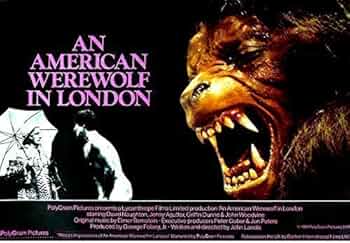
American Werewolf in London(1981)
One of the greatest lycanthrope films of all time. Full of iconic scenes, scares, gore, jokes, sex and an incredible lunar-inspired soundtrack. John Landis, in a directorial purple patch at the time, managed to combine horror, comedy, mystery and a moving love story to memorable impact. Rick Baker’s make-up effects literally transformed further the art and craft of practical special effects going forward. Mark: 10 out of 11
Bad Moon (1996)
Truly dreadful film with a script that fails on most levels, notably logic. The beast is not only the werewolf in the guise of Michael Paré’s Uncle Ted, but also toxic masculinity. Single mum, Mariel Hemingway and her son spend most of the film failing to guess who the big bad wolf is until it is nearly too late. Mark: 3 out of 11
The Beast Must Die (1974)
So bad it’s almost good! The British studio, Amicus Productions, wolf-dunnit, even has the audience take a “werewolf break” where they get 30-seconds to work out who the monster is. Calvin Lockhart, Michael Gambon, and Tom Chadbon et al chew up the scenery, washing it down with bloody terrible effects. The budget was so low they had to use German Shepherd’s with mock fur as the werewolves. Mark 6 out of 11.
The Company of Wolves (1984)
Neil Jordan’s artful adaptation of Angela Carter’s short stories is a richly atmospheric triumph of mood. Though the film’s episodic structure and bookending narrative can feel a touch uneven, Jordan’s poetic direction and Carter’s dreamlike sensibility merge into something intoxicatingly strange. An excellent ensemble of character actors brings the fable-like vignettes to life, with Angela Lansbury delivering a particularly commanding and memorable turn. Mark 8 out of 11
Cursed (2005)
Wes Craven’s 2005 film The Cursed is a case where the behind-the-scenes turmoil proves far more frightening than the movie itself. A troubled production that saw Craven effectively abandon ship midway through, and it bears the scars of hasty reshoots and studio meddling. What emerges is a patchy, uneven werewolf tale with flashes of potential buried beneath the chaos. Still, a young Jesse Eisenberg lends surprising depth to the material, offering a glimpse of quality amid the hairy dross. Mark: 4 out of 11
The Cursed (2021)
Sean Ellis’s The Cursed (2021) delivers a potent blend of gothic grandeur and visceral horror, transforming familiar werewolf and Gypsy tropes into something deeply atmospheric and unsettling. With its striking visuals, meticulous period detail, and haunting score, the film conjures an eerie, painterly world where the sins of the past literally come back to bite. Beneath the blood and fog lies a thoughtful allegory about greed and the gentry’s theft of land, lending the stylish horror a surprising moral weight and emotional resonance. Mark: 8 out of 11
The Curse of the Werewolf (1961)
Hammer’s The Curse of the Werewolf (1961), is anchored by a powerful, brooding performance from Oliver Reed in his breakout role. A staple of my childhood viewing, it’s a film that surprises with its thoughtful set-up—using its Spanish setting to critique class divisions while evoking real empathy for Reed’s tragic, cursed Wolfman. The gothic atmosphere and emotional depth elevate it above typical monster fare, and Warren Mitchell’s turn as a Spanish watchman adds an unexpected and delightful touch of humour amid the savage murders. Mark: 7.5 out of 11
Dog Soldiers(2002)
Neil Marshall’s Dog Soldiers (2002) is an absolute gem of British horror and easily one of my favourites of the genre. Set in the misty isolation of the Scottish Highlands, it combines gritty military camaraderie with ferocious werewolf mayhem to brilliant effect. Kevin McKidd, Sean Pertwee, and Liam Cunningham are all superb, grounding the film with sharp performances that balance humour, heart, and genuine terror. Funny, moving, bloody, and properly scary, Dog Soldiersis a masterclass in doing a lot with a little—its creature effects and atmosphere are astonishing given the budget. A true modern classic that respects the genre with intelligently terrifying monsters and the film still howls with lunar power. Mark: 10 out of 11
Based on High and Low (1963 film) by Akira Kurosawa, Hideo Oguni, Ryūzō Kikushima, Eijirō Hisaita, and King’s Ransom (1959 novel) by Ed McBain.
Produced by Todd Black and Jason Michael Berman
Main cast: Denzel Washington, Jeffrey Wright, Ilfenesh Hadera, ASAP Rocky, John Douglas Thompson , Dean Winters, LaChanze, Aubrey Joseph, etc.
Cinematography by Matthew Libatique
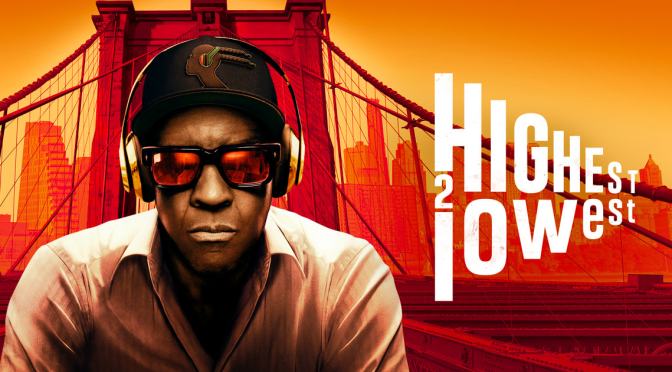
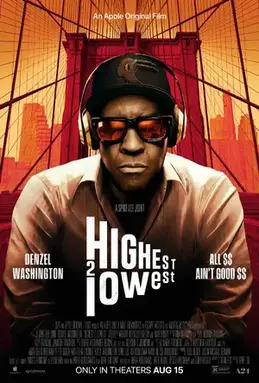
Spike Lee’s Highest 2 Lowest(2025) is a kinetic, vividly modern reimagining of Akira Kurosawa’s High and Low (1963), transplanting the Japanese master’s class-conscious thriller into the bustling, chaotic pulse of contemporary New York City. As expected from Lee, the film bursts with visual flair and political verve — the camera rarely rests, and the city itself becomes a character, glowing with heat, colour, and tension. The streets hum with energy, from glassy penthouses to subway platforms, creating a dynamic canvas on which the moral dilemmas unfold.
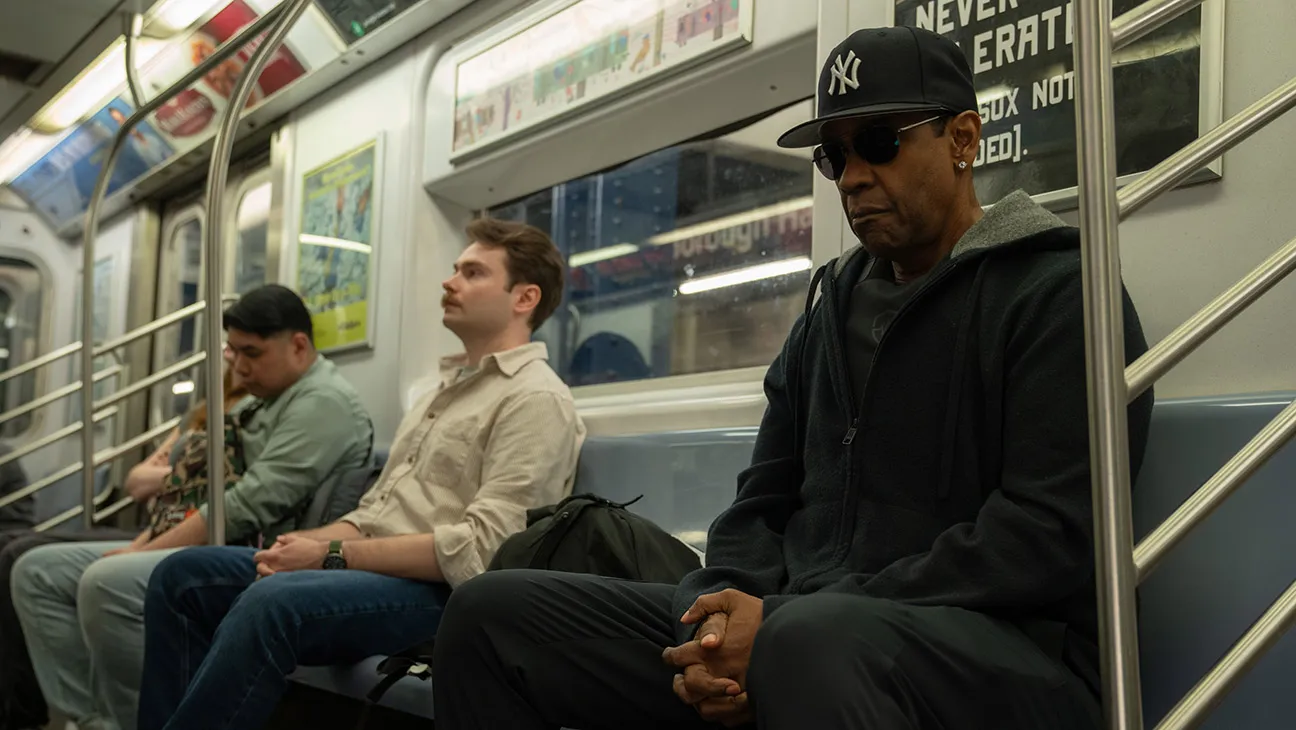
Denzel Washington, as usual, delivers a commanding performance as David King, a renowned independent producer and record label owner, torn between his conscience and his ambition when the kidnapping of his son occurs. Washington captures both the quiet torment and moral exhaustion of a man staring down the gulf between his privilege and his humanity. Jeffrey Wright, offers great support as his friend and chauffeur. The narrative navigates class and corporate tensions, bringing a soulful intelligence to every scene, grounding the film’s intensity with empathy and authority.
The film moves at a thrilling pace, carried by a propulsive soundtrack that fuses hip-hop, jazz, and gospel with Lee’s trademark flair for musical storytelling. Nowhere is this energy more palpable than in the ransom handover sequence — a masterclass in direction and editing — cutting feverishly across New York’s boroughs and metro trains, while the Puerto Rican Day Parade swells in a euphoric, near-operatic crescendo. It’s a breathtaking montage that exemplifies Lee’s command of rhythm, geography, and social texture. It proves to be Highest 2 Lowest(2025)’s biggest high.
Where Highest 2 Lowest(2025) falters is in the handling of its central moral crisis, which in turns undermines the all-to-rapid ending too. Indeed, it seemed to be missing a betrayal twist for me. The decision David King must make — the film’s spiritual core — arrives and resolves too swiftly around the midpoint, leaving the second half conflict, after the exhilarating Puerto Rican Day Parade, more focused on wrapping up loose ends quickly than psychological reckoning. It’s a missed opportunity for the deeper character study that Kurosawa’s original sustained so brilliantly.
Still, as an adaptation, Lee’s film is an entertaining piece of work — bold, stylish, and alive with the contradictions of the modern city. While Kurosawa’sHigh and Low(1963) remains the more compelling exploration of social class and moral responsibility, Highest 2 Lowest(2025) finds its own voice: vibrant, urgent, and unmistakably Spike Lee.
Based on documentary The Smashing Machine: The Life and Times of Extreme Fighter – Mark Kerr by John Hyams
Produced by Benny Safdie, Dwayne Johnson, Eli Bush, Hiram Garcia, Dany Garcia & David Koplan
Main cast: Dwayne Johnson, Emily Blunt, Ryan Bader, Bas Rutten, Oleksandr Usyk etc.
*** MAY CONTAIN SPOILERS ***
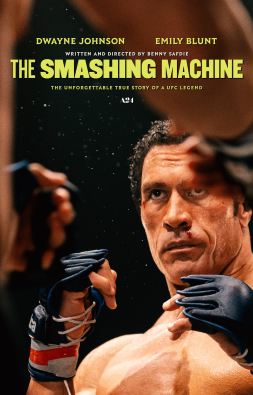
Benny Safdie’s The Smashing Machine (2025) is a bruising, compassionate, and unvarnished portrait of a man torn between physical dominance and emotional fragility. Centered on a three-year stretch (early 2000s) in the dramatic life of MMA pioneer Mark Kerr, the film captures both the bone-rattling intensity of the ring and the private turmoil of a fighter whose greatest battles unfold far from the crowd’s roar.
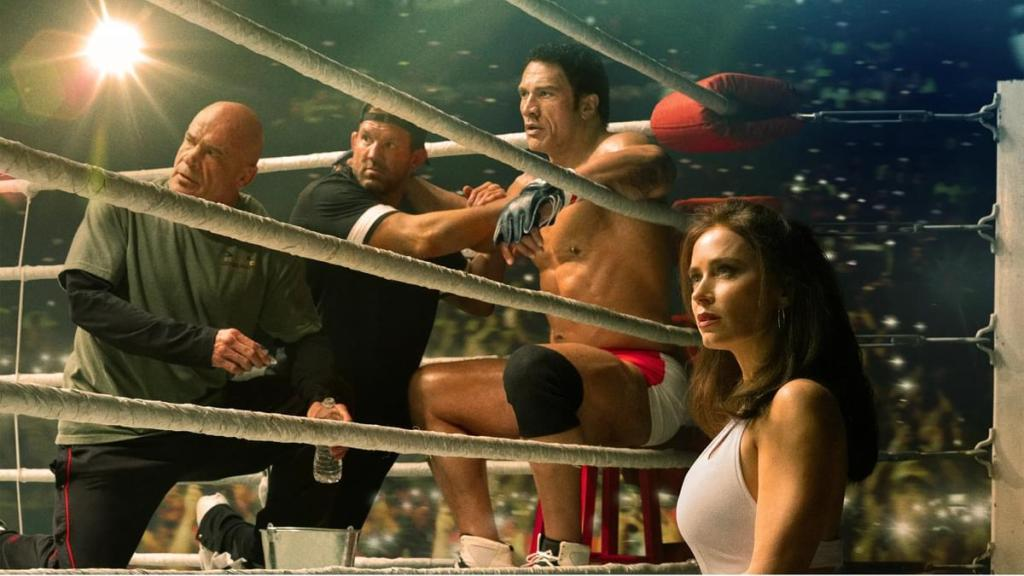
Dwayne Johnson delivers a revelatory performance as Kerr, casting aside his blockbuster charisma to reveal deep vulnerability and conflict. His portrayal is raw, unguarded, and humane—showing a man both addicted to the high of combat and trapped by the pain that follows. The film traces Kerr’s tumultuous relationship with Dawn Staples (played with nuance and sensitivity by Emily Blunt.) Together they find emotional truth in every scene, exploring the strain that MMA fighting, addiction, mental health, fear-of-losing, obsession and self-doubt place on intimacy.
The fight sequences are stunningly authentic, shot with kinetic immediacy and documentary realism. Safdie immerses the audience in the grit and chaos of early MMA, where glory was fleeting and paydays were meager compared to the sport’s modern era. Supporting performances from real fighters Ryan Bader and Oleksandr Usyk lend further credibility, grounding the film in the texture of lived experience.
Safdie’s direction is as intense and uncompromising as his subject. He resists the traditional rise-and-fall sports narrative, opting instead for a slice-of-life, near-documentary approach that prizes authenticity over heart-pounding drama. If the conflict surrounding Kerr’s addiction, rehab, and Dawn’s own mental health struggles feels under-explored, that restraint is also what makes the film feel so painfully real.
Inspired by the documentary, The Life and Times of Extreme Fighter – Mark Kerr by John Hyams, The Smashing Machine (2025) isn’t a conventional sports movie—it’s a portrait of survival, identity, addiction and the brutal intersection of ambition and vulnerability. Unflinching and deeply human, it cements Johnson’s performance as the best of his career, and confirms Safdie’s gift for finding poetry in the MMA fight scene. Ultimately, the film works best as a tribute to the trailblazing strength and passion of the fighter, Mark Kerr. The fight game is a crazy, tough business and it’s heartening to see, especially in the final scenes, that Kerr survived such battles and lived to breathe another day.
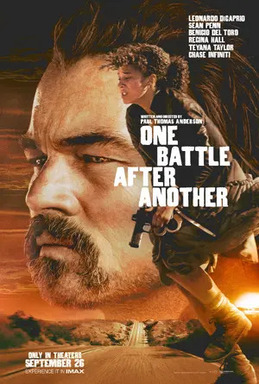
Produced by Adam Somner, Sara Murphy, Paul Thomas Anderson
Main Cast: Leonardo DiCaprio, Sean Penn, Benicio del Toro, Regina Hall, Teyana Taylor, Chase Infiniti, Wood Harris, Tony Goldwyn, Kevin Tighe, Shayna McHayle, etc.
Cinematography by Michael Bauman
Music by Jonny Greenwood
*** CONTAINS SPOILERS ***
It’s a brave filmmaker that quotes one of the greatest revolutionary films of all time during it’s runtime, namely Battle of Algiers (1966). But Paul Thomas Anderson’s formidable cinematic career more than earns him the right to quote a film as towering as The Battle of Algiers (1966) in his latest release One Battle After Another (2025).
Across works like Boogie Nights (1997) andMagnolia (1999), he has demonstrated a mastery of ensemble storytelling and emotional crescendo; with Punch-Drunk Love (2002) he revealed a gift for intimate, offbeat romance; and in There Will Be Blood (2007) and Phantom Thread (2017) he proved himself one of the most rigorous visual stylists and psychological dramatists of his generation. Such a body of work grants him the authority to converse with cinema’s political masterpieces, even if his more recent Licorice Pizza (2021) felt comparatively diffuse and lacking in urgency. His filmography, at its strongest, stands as evidence of a filmmaker deeply attuned to the legacies and possibilities of the medium.
Having said that, Gillo Pontecorvo’s The Battle of Algiers (1966) wields revolutionary power through its raw immediacy, embedding viewers in the lived experience of anti-colonial struggle with a documentary-like realism that blurs the line between record and re-creation. By contrast, Anderson’s One Battle After Another (2025) approaches revolution less as lived history than as a cinematic genre to be emulated, drawing on the tropes and textures of upheaval without grounding itself in the direct urgency of political struggle. Where Pontecorvo conjures revolution as something happening before our eyes, Anderson refracts it through the prism of style, making revolution as much a matter of aesthetic construction as lived reality. It is during its lengthy running time extremely entertaining though.
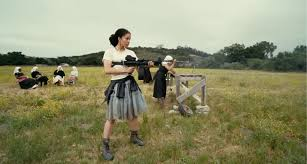
The opening hour is fast-paced and crams in a lot of action and personality. It establishes a fine ensemble cast, strong characters, striking palette and compelling themes which bring to life Anderson’s sharply written and fantastically filmed screenplay. The narrative focuses on “Ghetto” Pat Calhoun (Leonardo DiCaprio) and Perfidia Beverly Hills (Teyana Taylor), lovers and leaders of the far-left French 75, who storm detention centres, bomb banks, and sabotage power grids, while their soon-to-become nemesis—Officer Steven Lockjaw (Sean Penn)—becomes erotically obsessed with Perfidia, sparing her life when he catches her planting a bomb in exchange for a sexually masochistic tryst. Thus, begins a warped love/hate triangle and rivalry which provides the backbone for the action.
The second hour pivots sharply after establishing Perfidia as a commanding revolutionary presence. The focus pulls to her daughter, Willa (Chase Infiniti), some sixteen years later, now living off the grid and avoiding all but the most basic technology out of fear of surveillance. ‘Pothead’ Pat, has withered into a paranoid and barely functioning stoner-alcoholic, leaving Willa to emerge as the steadier, more mentally resilient figure in their fractured household. The film undeniably suffers from the absence of Perfidia’s charisma and drive, yet it regains momentum when the now Colonel Lockjaw revives his obsessive pursuit, setting the stage for a tense reconfiguration of the story’s revolutionary stakes.
The acting in One Battle After Another (2025) crackles with intensity, led by standout turns from Taylor, Penn, and crafty scene-stealer, Benicio Del Toro. Further, Anderson’s casting team find some amazing supporting military personnel who deliver with uncanny authenticity. Sean Penn’s performance as a swaggering officer radiates brute masculinity—his very walk and gait dripping with testosterone and worthy of awards consideration on their own. Leonardo DiCaprio, meanwhile, folds another eccentric, messy, and deeply contradictory figure into his already remarkable CV, a creation that resonates with the layered complexity of his recent work in Scorsese’s Killers of the Flower Moon (2023). He is actually far more hilarious here, as demonstrated in his desperate attempts to overcome the revolutionary helpline he calls for instructions.
Overall, One Battle After Another (2025) works best as a searing, darkly funny revolutionary black comedy, blending sexual, military, conspiracy, and social politics into a heady mix of action, crime, road movie, and romance tropes. The result is a wildly entertaining visual and musical feast, even if it stops short of delivering true socio-political depth. While the film’s closing stretch leans into deliberate plot ambiguities that complicate its resolution, Anderson ultimately serves up a combative cinematic blast—stylish, sharp, and exhilarating—if just shy of a bona fide classic.
Produced by Troy Lum, Andrew Mason, Pete Shilaimon, Mickey Liddell, Chris Ferguson & Brian Kavanaugh-Jones
Main Cast: Hassie Harrison, Josh Heuston, Rob Carlton, Ella Newton, Liam Greinke, Jai Courtney etc.
Cinematography by Shelley Farthing-Dawe
*** MAY CONTAIN SPOILERS ***
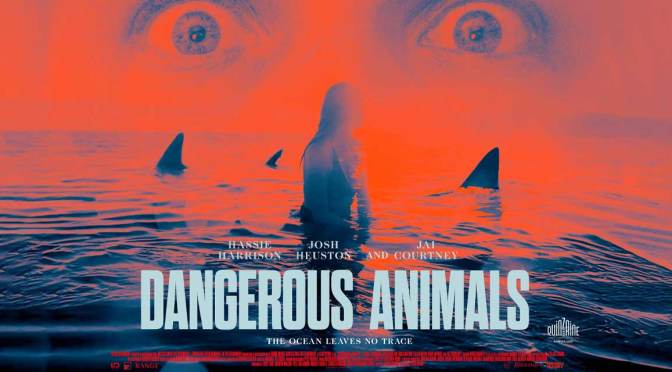
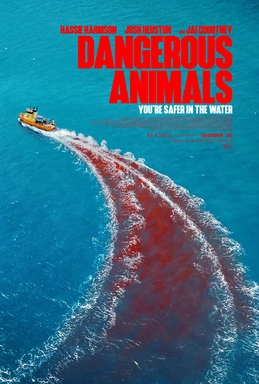
Set amidst the golden beaches and deep blue sea of the Gold Coast, Australia, the film begins with boat captain, Tucker (Jai Courtney) springing a shocking and literal tourist trap. The film then moves onto establishing a fledgling romance between surf drifter, Zephr (Hassie Harrison) and local office clerk, Moses, (Josh Heuston). What then follows is a brutal and gory thriller which had me on the edge-of-my-popcorn throughout. It also once again proves that human beings are more of a threat than the actual big fish in the sea.
Dangerous Animals (2025) consistently delivers thrills thanks to Nick Lepard’s witty, nasty script and two standout performances. Hassie Harrison shines as a gutsy fighter who refuses to play the victim, while Jai Courtney both embodies and skewers the Aussie male stereotype in a scenery-chewing turn sharper than a shark’s jaws. His hulking frame, blunt verbals and piercing looks emulate a predatory fearfulness throughout creating one of the most memorable screen villains in recent years.
After watching the trippy Kafkaesque Nicolas Cage beach thriller not long ago, The Surfer (2024), I found Australian toxic masculinity once again raising its head with blood and bite in the Jaws-meets-Silence of the Lambs suspense thriller. Dangerous Animals (2025) isn’t without minor plot snags, but ultimately Lepard’s twisted script ensures we care about the leads, weaving a believable romance amid tense shark attacks and sea-sprayed suspense. Director, Sean Byrne, orchestrates the shark and human action brilliantly on a relatively low budget, ensuring the result is a lean, bloody, and entertaining ride that bites down hard and doesn’t let go.
Produced by Christine Vachon, Vanessa McDonnell & Gabriel Mayers
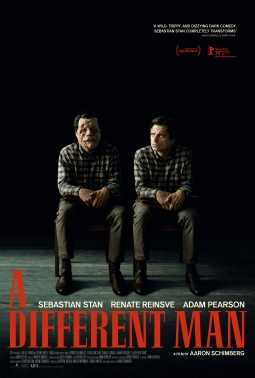
Main cast: Sebastian Stan, Renate Reinsve, and Adam Pearson.
Cinematography by Wyatt Garfield
*** MAY CONTAIN SPOILERS ***
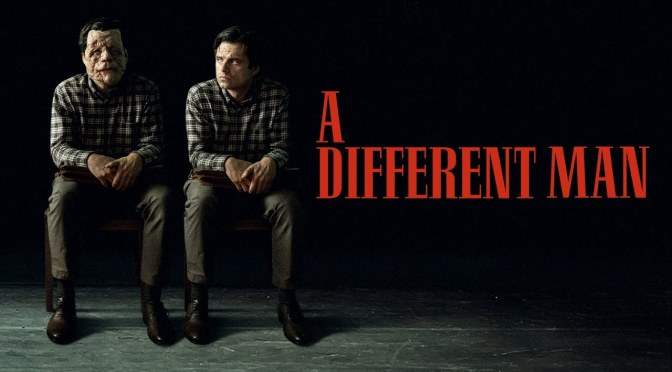
Few films in recent years feel as startlingly original as A Different Man(2024) —and yet, paradoxically, it’s a film made almost entirely from borrowed pieces. Aaron Schimberg’s latest begins as a bracing character study, anchored by Sebastian Stan’s Edward Lemuel, a socially awkward, struggling actor whose neurofibromatosis manifests in a disfiguring facial condition. These early passages are its strongest: Edward’s halting existence, his quiet desperation, disintegrating ceiling and the unnerving, tactile authenticity of his world call to mind the seedy New York grit of Abel Ferrara and Frank Henenlotter.
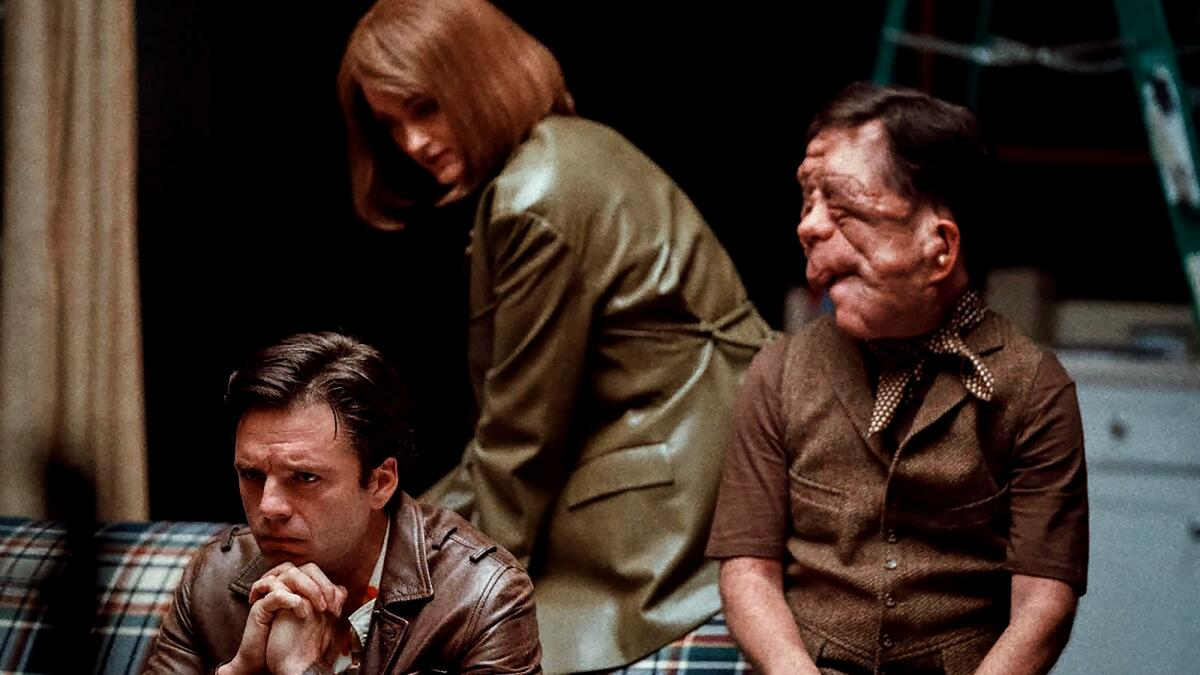
But just as the viewer settles into this world, the film veers via a sci-fi twist. An experimental procedure transforms Edward’s face, and with it, the narrative mutates. Suddenly we’re in a Woody Allenesque romantic entanglement—wry, neurotic, and tinged with irony—as Edward’s new identity draws him into a triangular relationship with Renate Reinsve as Ingrid and Adam Pearson as Oswald. Oswald also has neurofibromatosis, but has a confidence and popularity that Edward envies. As Oswald usurps Edward’s place in the off-Broadway play Ingrid is directing the film’s tone teeters between comedy and cruelty.
From there, A Different Man (2024) shape-shifts yet again. The third act discards linearity for a fragmented, Charlie Kaufmanesque unraveling: episodic bursts, narrative cul-de-sacs, and surreal detours that question not just Edward’s identity but the film’s own. It’s at once exhilarating and frustrating. Schimberg seems intent on deconstructing his own story midstream, leaving us with shards of multiple films rather than one fully integrated work. The ending works artistically but could, for me, have been way more dramatic with Edward confronting Oswald for, in his neurotic mind, stealing his life and identity.
That tension—between raw originality and homage—defines A Different Man(2024). It begins with remarkable clarity and empathy, only to succumb to a kind of cinematic identity crisis. Nonetheless, the film is very funny and moving and the themes are also very thought-provoking. Further, the script, direction and performances, especially from Sebastian Stan and Adam Pearson, make the film consistently compelling. Indeed, even in its unevenness, it remains one of the most daring and distinctive works of the past few years: a film that refuses to be just one thing, even if that refusal undermines certain dramatic potential.




 The Cinema Fix presents