There were some fantastic films this year and here are my favourite TWELVE. These are the ones I enjoyed the most from a cinematic, entertainment and emotional perspective. They are not necessarily the critics’ favourites, so for example, Moonlight (2017) is not on the list because I thought it was brilliantly directed but arguably over-rated as a story. Similarly, La La Land (2017), was an incredibly imaginative film from a stylistic and musical point-of-view but lacked emotional impact. But hey, as The Dude once said, “That’s just my opinion, man!”
Please note that they include films I have seen at the CINEMA in 2017, including the London Film Festival. Obviously there are some omissions but that’s either because I did not see them yet – Call Me By Your Name (2017), Mudbound (2017), God’s Own Country(2017) – or did not enjoy them as much as others. Please let me know if I have made glaring omissions in case I missed them at the cinema and should stream them. Indeed, last year the brilliant Hunt for the Wilderpeople (2016) was one I missed at the cinema, so I was grateful to catch up with that on Netflix.
For your information my favourite films I saw at the cinema in 2016 were:
FAVOURITE TWELVE FILMS SEEN AT THE CINEMA IN 2016 (in alphabetical order)
ARRIVAL (2016)
BONE TOMAHAWK (2015)
CAPTAIN AMERICA 3: CIVIL WAR (2016)
DOCTOR STRANGE (2016)
THE HATEFUL EIGHT (2015)
MANCHESTER-BY-THE-SEA (2016)
MEN AND CHICKEN (2015)
THE NICE GUYS (2016)
RAW (2016)
THE REVENANT (2015), ROGUE ONE: A STAR WARS STORY (2016), ROOM (2015)
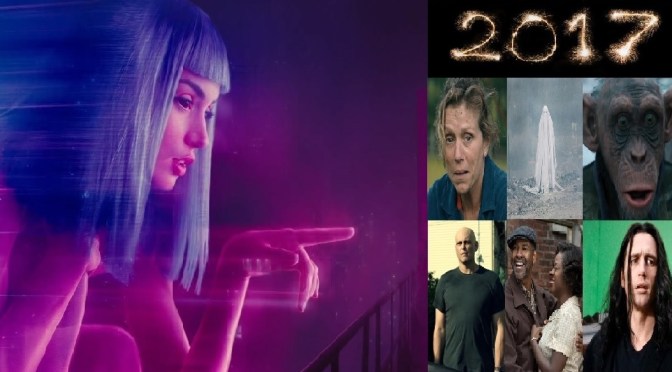
FAVOURITE TWELVE FILMS SEEN AT THE CINEMA IN 2017 (in alphabetical order)
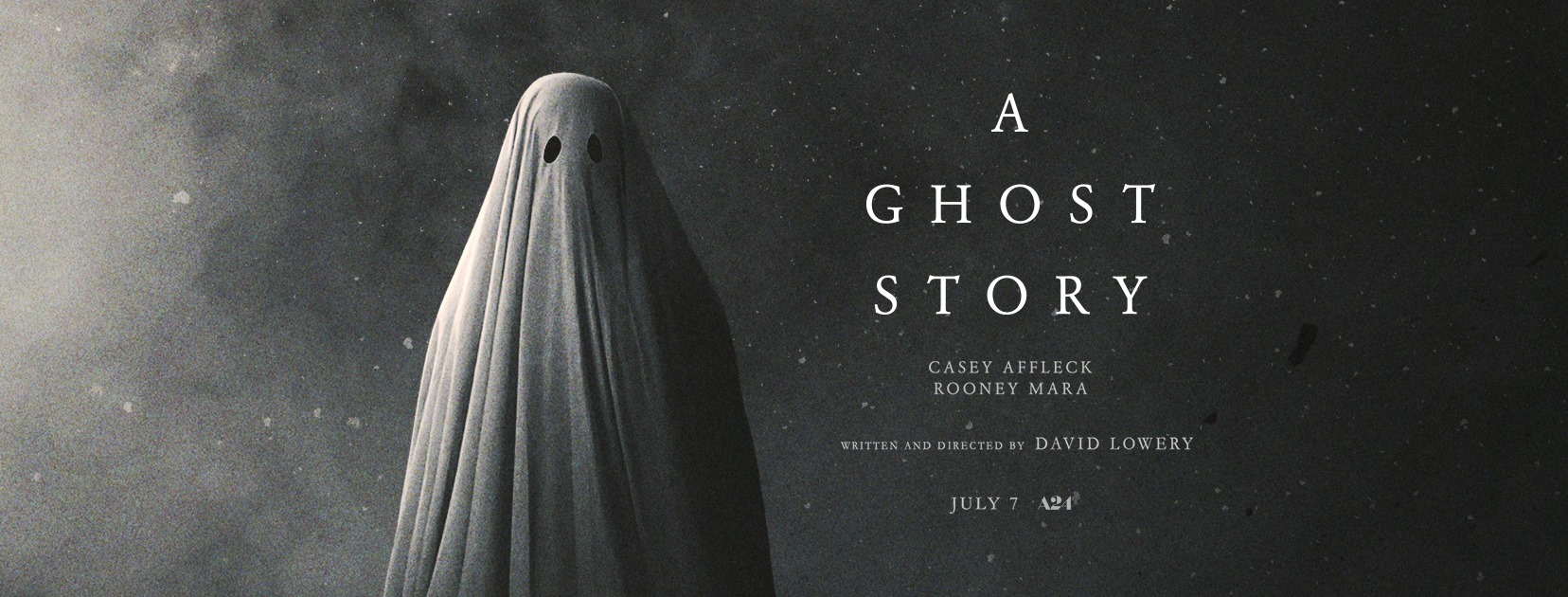
A GHOST STORY (2017)
“. . .this film transcends cinema conventions and delivers one of the most poignant and melancholic experiences of the year.”
BABY DRIVER (2017)
“. . . Wright brings such a balletic rhythm, musical verve and kinetic drive to the movie it becomes simply irrepressible.”
BLADERUNNER 2049 (2017)
“. . . It’s like Denis Villeneuve managed to combine, with the writers and designers, an indie-Hollywood-art film installation.”
BRAWL IN CELL BLOCK 99 (2017)
“. . . Brawl in Cell Block 99 rips into the dark underbelly of the criminal landscape leaving us in no doubt to the destructive nature of the American dream.”
COLOSSAL (2016)
“. . .In a summer which will bring us blockbusters galore they will have to go some way to match Vigalondo’s Colossal for originality, humour, heart and Seoul (sorry!)”
THE DISASTER ARTIST (2017)
“. . . Franco’s Wiseau is his greatest performance to date. The fact he directed the film too is also remarkable as he got the pitch of parody and drama just perfectly.”
DUNKIRK (2017)
“. . .the film belongs to the masterful direction of Christopher Nolan who, in delivering 106 minutes of pure dramatic exhilaration, demonstrates he is more than just a genre filmmaker.”
FENCES (2016)
“. . . Viola Davis more than matches Denzel Washington’s grandstanding and Rose’s heartfelt speech is a stunning retort to her husband’s continual tirades.”
INGRID GOES WEST (2017)
“. . . Overall, this was just #brilliant #dark #funny #sad! Aubrey Plaza is the shining light of this very satisfying black comedy.”
SILENCE (2016)
“While moving at a meditative pace Silence possesses some wonderful cinematography, brilliant direction, sterling performances and a brooding score.”
THREE BILLBOARDS OUTSIDE EBBING, MISSOURI (2017)
“. . . this is an excellent cinematic experience funny, shocking and moving; only possible because of the expert script from a great writer.”
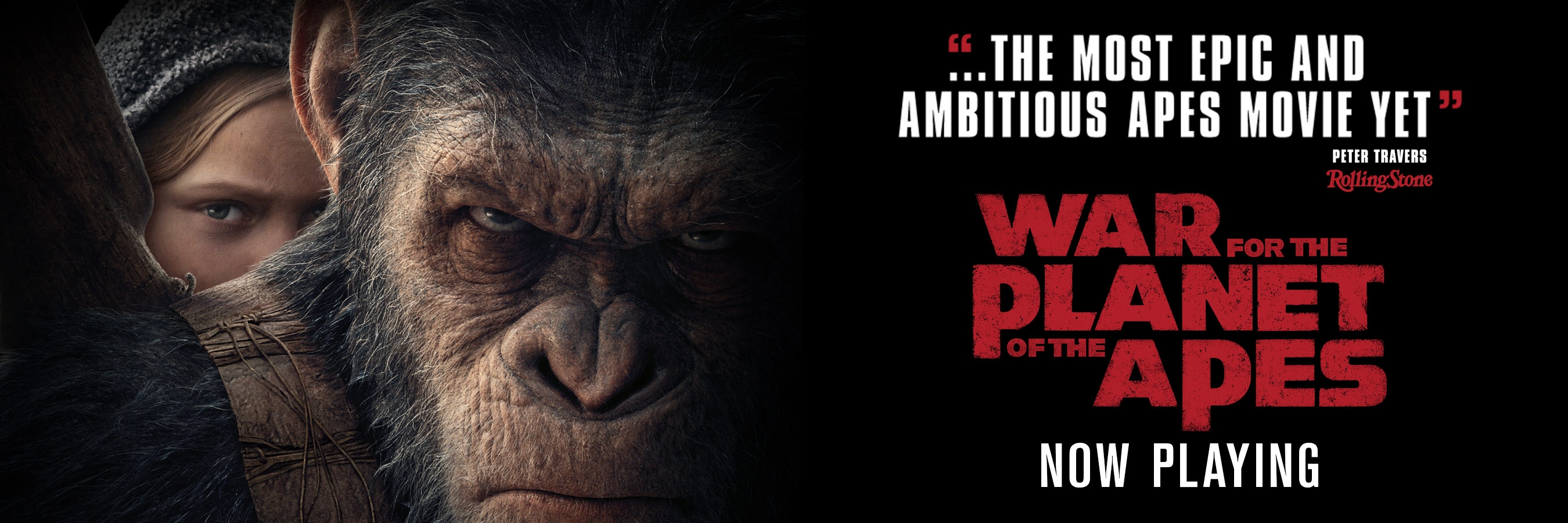
WAR FOR THE PLANET OF THE APES (2017)
“. . . one of the best cinematic experiences in 2017 as story, style, technology and emotion all work together to bring a fitting end to one of the best film trilogies of recent years.”
Other films I enjoyed that were very close to the list:
DETROIT (2017), GET OUT (2017), THE GIRL WITH ALL THE GIFTS (2016), HACKSAW RIDGE (2017), THE HANDMAIDEN (2016), THE KILLING OF A SACRED DEER (2017), THE LOST CITY OF Z (2017), OKJA (2017), SPLIT (2017), THOR: RAGNAROK (2017), WIND RIVER (2017)!
Anyway, I really enjoyed last year’s cinema offerings and here’s to a happy and positive 2018!
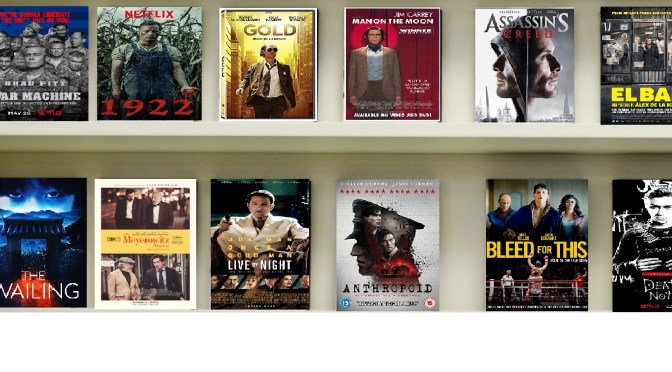
Sometimes it’s not necessary to go on and on about a film so here’s a rapid-fire round-up of films I’ve seen over the last couple of months. It’s like speed-dating for films but without the crushing romantic disappointment of mass rejection in one evening. As usual I accompany the reviews with marks out of eleven.
**SPOILER-FREE**
1922 (2017) – NETFLIX
Thomas Jane excels as a scheming farmer haunted by death, greed and rats! (Mark: 8 out of 11)
THE ACCOUNTANT (2016) – SKY CINEMA
An OCD-assassin portrayed by Ben Affleck wreaks havoc in a very tidy fashion. (Mark: 8.5 out of 11)
ANDY AND JIM (2017) – NETFLIX
Schizoid-meta-textual-yet-intriguing Jim Carrey / Andy Kaufmann documentary. (Mark: 7.5 out of 11)
ANTHROPOID (2016) – NETFLIX
Gripping WWII story concerning Czech resistance fighters assassinating Nazis. (Mark: 8 out of 11)
ASSASSINS’ CREED – SKY CINEMA
Stunning production values and cast are let down by a bemusing plot and script. (Mark: 6 out of 11)
THE BAR (2017) – NETFLIX
Spanish comedy-thriller has selfish occupants trapped in a bar all turn on each other! (Mark: 7.5 out of 11)
BLEED FOR THIS (2016) – NETFLIX
Miles Teller excels as boxer Vinny Pazienza battling for survival in and out of the ring. (Mark: 8 out of 11)
DEATHNOTE (2017) – NETFLIX
Hamstrung horror film throws away a brilliant concept via hopeless script and acting. (Mark: 5 out of 11)
FREE STATE OF JONES (2016) – AMAZON
Watchable American Civil War historical drama with McConaughey on good form. (Mark: 7.5 out of 11)
GOLD (2016) – AMAZON
McConaughey again shines as a modern day gold prospector in compelling drama. (Mark: 8.5 out of 11)
LIVE BY NIGHT (2016) – SKY CINEMA
Affleck as gangster anti-hero in stylish but empty “Roaring Twenties” adaptation. (Mark: 7 out of 11)
THE MEYOROWITZ STORIES (2017) – NETFLIX
Narcissistic family members talk at each other about life in pretentious drama. (Mark: 7 out of 11)
SNOWDEN (2016) – NETFLIX
Oliver Stone brings the famous whistle-blower’s story to life in a well-shot drama. (Mark: 7.5 out of 11)
TRUE STORY (2015) – NETFLIX
Franco and Hill sleepwalk through a compelling real-life murder case narrative. (Mark: 6.5 out of 11)
THE WAILING (2016) – NETFLIX
Incredibly rendered yet abstract Korean horror centring on Shamans and viral death. (Mark: 8 out of 11)
WAR MACHINE (2017) – NETFLIX
Tonally haphazard mix of war satire, biopic and drama with Brad Pitt hamming it up. (Mark: 6 out of 11)
FAMILIARITY AND NOSTALGIA IN THE FANTASY FILM GENRE
“Here you leave today and enter the world of yesterday, tomorrow, and fantasy.”
― Walt Disney Company
Once upon a Time. . . four simple words which immediately conjure a whole host of possibilities and eventualities in literature and by extension, cinema. In her book A Once Upon a Time: A Short History of Fairy Tale, Marina Warner attests that fairy tales are “Stories that try to find the truth and give us glimpses of greater things. . . this is the principle that underlies their growing presence in writing, art and cinema.” My own personal experience growing up was of reading fairy tales, myths and legends. Indeed, such stories formed a narrative backbone to my childhood and opened my mind to all manner of worlds of monsters, magicians, Kings, Queens, dragons, spiders, ghosts, gold-haired heroines, muscular heroes, acts of love and war, epic journeys; as well as breath-taking battles and feats of unimaginable compassion and bravery.
Such an education conditioned my young mind for an array of imaginative potentialities and in later life my love of fairy tales and stories would bleed through into my love of cinema. But how does one make the leap off the page onto the screen, making that which is fantastic believable to our eyes, hearts and minds? In this article I would like to consider certain ways we have been conditioned and how storytellers develop their narratives in the fantasy genre. How does the unbelievable become believable in our minds? There are many ways in which this is achieved but I would like to focus on two methods which are familiarity and nostalgia.
How does one define fantasy cinema? One could certainly posit the notion that the fantasy genre deals with fantastic themes including: magic, the supernatural, myth, folklore, exotic worlds, and fairy tales; and for the benefit of this article can encapsulate science fiction, horror and superhero movie genres. Essentially, fantasy is that which is not of our perceived rendition of reality, enabling escape into the extraordinary. Fantasy cinema is not simply dragons and wizards but more far-reaching as their stories cast their magic from childhood to adulthood. I myself recall the day when I first saw The Wizard of Oz (1939) as Dorothy’s journey from Oz literally took my breath away. Moreover, only recently I marvelled at the fantastic images and comedy of Thor: Ragnarok (2017) on the big screen.
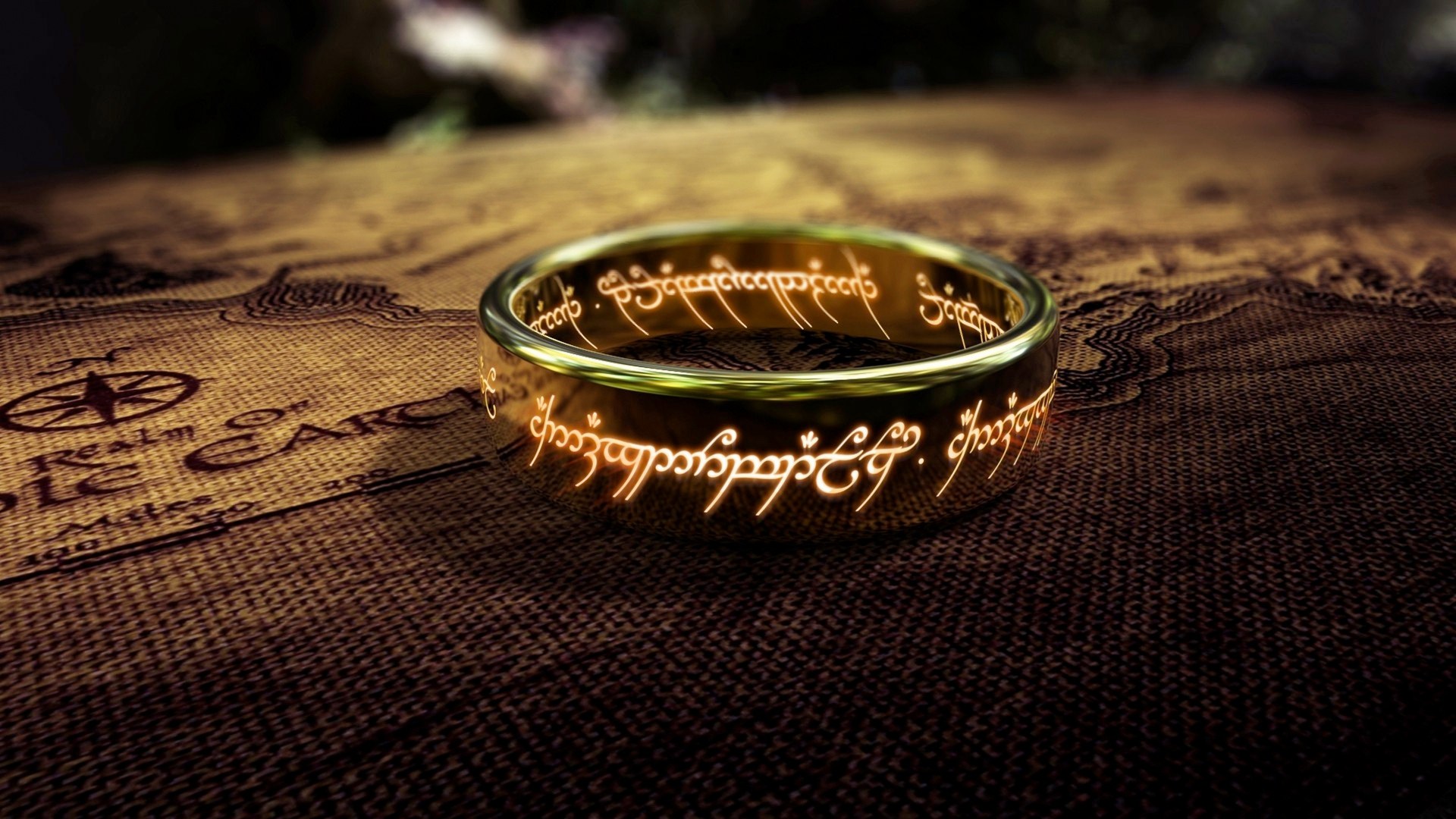
Lew Hunter’s book Screenwriting 434 is a fine research tool for all budding writers. He opines, “You have to make the audience care about your on-screen people and their dilemmas, and when that occurs you’ve created believable unbelievabilty. Audiences will not just get with a film that starts with what they perceive as unbelievable unbelievability.” Thus, this is an integral rule in getting the audience to suspend disbelief and come into a fantastic world. I mean for every Lord of the Rings Trilogy, which in my view brilliantly brought to life J. R. R. Tolkien’s incredible literary behemoth, you get many films which fail to achieve this. Peter Jackson obviously used, at the time, state of the art special effects to achieve his vision of the book but more important, in my view, is establishing the world and characters in the audience’s psychology and making the unbelievable believable.
As aforementioned there are many other movies which do not arguably work as fantasy films. Of course these are subjective choices but offerings such as: The Island of Dr Moreau (1996), Judge Dredd (1995), Batman and Robin (1997), Van Helsing (2004), Cat Woman (2004) The Lady in the Water (2006), Eragon (2008), Foodfight (2012), Terminator: Genisys (2015), Death-Note (2017), to name a few, could all be argued to have failed to make the unbelievable believable. Be it the poor writing, bad production choices or a lack of cogency in the presentation of the rules of their respective worlds, these are a few examples of movies which arguably did not work. But what of the films that successfully connect with our imagination. How do they achieve that?
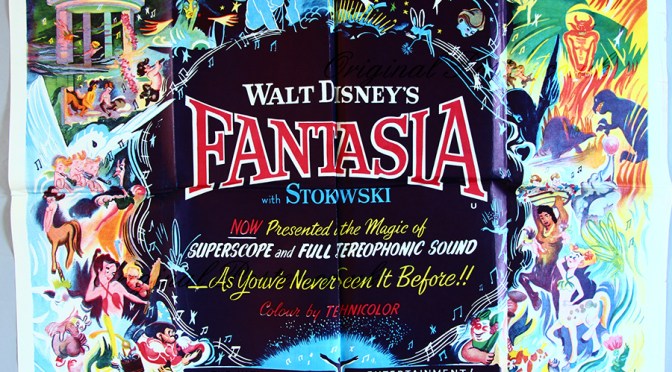
Disney Studios has been presenting animated and live action films for close to a century now. As well as developing short animated films centred on iconic characters such as Mickey Mouse, Disney Studios used established texts too. Their first short was Little Red Riding Hood (1922) and subsequently they would win an Oscar for The Three Little Pigs (1933). Thus, the Disney template of utilising familiar stories from folklore or fairy tales was born and since then they have produced many, many such short and feature length productions such as: Snow White and the Seven Dwarfs (1937), Sleeping Beauty (1959) and The Little Mermaid (1989). The suspension of narrative disbelief is achieved because innately we are accustomed to the idea of talking animals or wicked witches or half-woman-half-fish characters as they were familiarised to us in infancy. Indeed, as famous fantasy writer Neil Gaiman confirms, “We encounter fairy tales as kids, in retellings or panto. We breathe them. We know how they go.” Thus, believable unbelievability is achieved due to conditioning as children with the extraordinary. Likewise, our acclimatization with commercial products when growing up, including toys such as: Lego, Transformers, Barbie and the Pixar’s ingenious Toy Story trilogy tap into this familiarity model and the child’s dream that perhaps our toys can actually come to life.
As we grow older though many of us can become cynical and lose the innocence and imagination we had when younger. Thus, the challenge for filmmakers is to make not only children but also adults believe in the fantastic and the unbelievable. One way of doing this is through nostalgia or harking back to narrative conventions established from yesteryear. Academic Frederick Jameson wrote in his seminal essay Postmodernism and Consumer Society, that society entered a key cultural period from around the 1960s onwards where modernism had given rise to postmodernism and that originality per se was being replaced by emulation; more specifically satire, parody and pastiche. He goes on to suggest “. . . individualism and personal identity is a thing of the past. . . stylistic innovation is no longer possible and all that is left is the imitate dead styles.” A cinematic element of pastiche he argues is the “nostalgia film” which consists, not of original narrative, but of film moments and narratives from the previous films.
Indeed, one of the most successful cinema franchises of all time is George Lucas’ series which began with, Star Wars (1977). While containing many original elements in regard to the fictional monsters, creatures, planets, space ships, weapons, heroes and villains it’s structurally very familiar, featuring the archetypal hero rescuing a “Princess in a Tower” narrative. Even the “Once Upon a Time. . .” like beginning is echoed in the now classic opening text: “A long time ago in a galaxy far, far away. . .” Moreover, the expositional crawl which then follows is inspired by the early Saturday cinema sci-fi adventures such as: Flash Gordon. Lucas’ genius in using such nostalgic devices creates a clear pattern of familiarity and mental preparation for the fantasy elements yet to come in the story. Lastly, and less obvious, Star Wars also draws heavily, in terms of structure and characters, from Akira Kurosawa’s classic film Hidden Fortress (1958).
Similarly, J.K. Rowling’s Harry Potter series is equally adept at creating a magical world out of nostalgia and familiarity. The films are all structured around the school year and generally begin with an opening set-piece set in a mundane suburban area before slowly introducing the fantasy elements. Of course, some of us may not be so nostalgic for our school years but we are familiar with the educational structure. The Harry Potter books and films are a creative stroke of genius creating both emotional connections for children and adults. Children see the characters of Harry, Hermione and Ron as reflection and wish to emulate such characters; while adults can look back on their school days nostalgically and perhaps also enjoy the magical adventures from a position of halcyon positivity. What Star Wars and Harry Potter both offer is a means to project some incredibly fantastical elements but make it believable by setting their worlds in a recognizable environment such as school or through the stylistic signifiers like the opening Star Wars text.
Ultimately, most of us love reading or going to the cinema in order to be entertained and escape from our reality. However, if the writer or filmmakers have not successfully created a suspension of disbelief we as an audience will fail to enter their fantasy world. Quality writing, production design, costumes, make-up, performance are of course integral to ensuring we believe what we read and see on the screen. However, as I have attested films also work on a more psychological level of drawing us in using methods such as familiarity and nostalgia to tell their stories. We may not even be aware of this but to make the unbelievable believable it paradoxically must connect with our prior knowledge and experiences, especially those we had as children.
Over the past few months I’ve focussed my extra-curricular viewing on BBC produced dramas via the BBC channels and catch-up on Netflix. The British Broadcasting Corporation, being the public-service-tax-payer-funded-beast that it is has a commitment to produce quality programming for national viewing and also overseas sales too. I then got to thinking; why not check out where some of my £12.12 per month money goes. So, here are some bitesize reviews of recent BBC dramas with marks out of the usual eleven.
**CONTAINS MILD SPOILERS**
THE CHILD IN TIME (2017)
Based on Ian McEwan’s prize-winning novel this was an interesting drama which worked in many respects but did not quite connect in others. Benedict Cumberbatch and Kelly McDonald are parents whose child goes missing while out shopping. The drama and grief of this was very well evoked but the supporting story of a publisher’s regression and mental collapse did not quite thematically meld for me. No doubt McEwan’s original source is a master work and I enjoyed many of the emotional moments provided by the excellent acting. (Mark: 8 out of 11)
DOCTOR FOSTER – SEASON 1 (2015) + SEASON 2 (2017)
Suranne Jones is absolutely stunning in this domestic drama written by Mike Bartlett. She acts her heart and soul out as the eponymous GP, who in the face of her husband’s suspected infidelity, attempts to find both the truth and maintain her family unit and sanity. It’s a brilliantly written TV series which creates great drama from the “whodunnit” aspect of the potential spousal treachery. Plus, in addition to the Hitchcockian elements Dr Foster herself is very unpredictable in her actions; making for some nail-biting scenes. Bertie Carvel also excels as the charismatic husband and the second season, while not reaching the emotional heights of the first, and feeling more contrived, had some decent dramatic twists too.
(Season 1 – Mark: 9.5 out of 11)
(Season 2 – Mark: 8 out of 11)
LONDON SPY (2015)
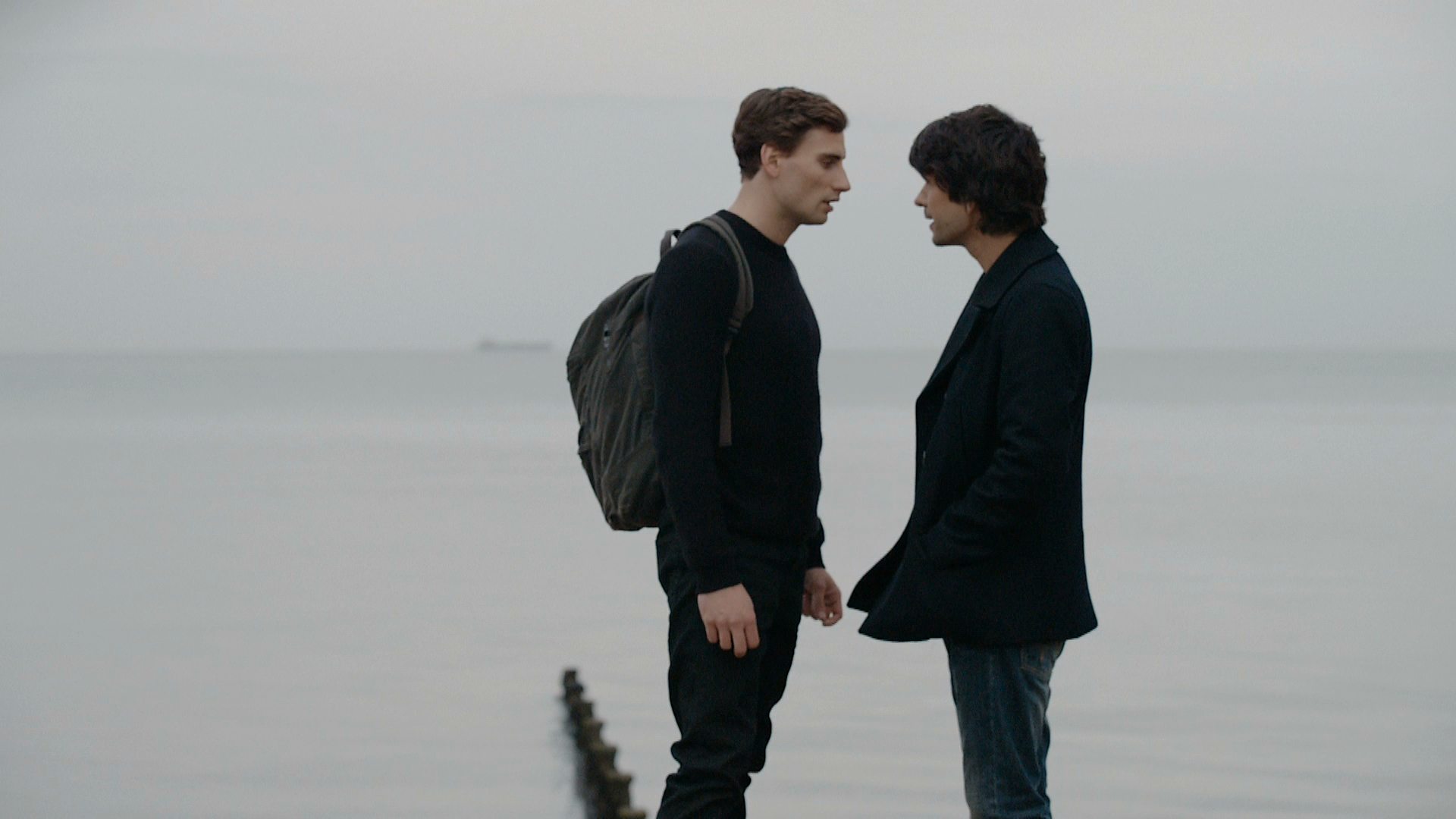
The always-impactful actor Ben Whishaw is superbly supported by thespian giants Jim Broadbent and Charlotte Rampling in this obtuse spy thriller. Playing a troubled warehouse worker called Danny, Whishaw falls for the enigmatic genius, Alex (Edward Holcroft); and is thrown into a murky and murderous world of spymasters and upper-class family feuds. Beautifully acted and designed the story moved too slowly for me. Over five episodes the slow-bleed plot of character despair, double-crosses and cover-ups did not sustain the suspense and tension throughout. (Mark: 7.5 out of 11)
THE SECRET OF CRICKLEY HALL (2012)
Suranne Jones (again!) leads the acting line in an earlier post-Coronation Street role. She portrays a mother who, along with her family, seeks the solace of the countryside after their young child has gone missing. However, the house they reside in is haunted by ghosts from the past and as the family attempt to overcome their grief, evil spirits threaten their present. The contemporary narrative works well with the wartime scenes in a decent haunted house scenario that was adapted from the book by horror legend James Herbert; also featuring an early role for Maisie Williams. (Mark: 7.5 out of 11)
SMALL ISLAND (2009)
Notable for its excellent ensemble cast and featuring before-they-were-famous roles for: Ruth Wilson, David Oyelowo, Naomi Harris, Benedict Cumberbatch and Ashley Walters, this excellent drama focussed on the war and post-war lives of several disparate characters whose lives become intertwined by fate. Based on Andrea Levy’s novel it is especially rich in regard to the diasporic characterizations and experiences of Jamaican immigrants in war-torn England. The writing is solid and there’s some fine acting and emotional moments to keep one enthralled and I enjoyed how the stories dovetailed dramatically at the end. (Mark: 8 out of 11)
TOP OF THE LAKE (2013)
Hey, what if Jane Campion wrote and directed a cop drama? Well, the answer is Top of the Lake! This is a slow-burn, who-why-how-dunnit with a superb cast, beautiful New Zealand vistas and eccentric, dark characters. Some may find it too slow and artsy, while certain decisions by the characters and plot turns were intriguingly weird. However, Elizabeth Moss excels as the burnt-out cop (is there any other kind?) searching for a missing pregnant teenager, while Peter Mullan is suitably vicious as the rural patriarch; and Holly Hunter is fantastic too as the leader of a women’s commune. Overall, Campion’s barbed world-view satirizes humanity and cop show clichés in a compelling crime drama. (Mark: 8.5 out of 11)
TOP OF THE LAKE 2: CHINA GIRL (2017)
Screened earlier this year on the BBC, the follow-up finds Elizabeth Moss, now back in Sydney, tracking down the killer of an Asian prostitute while battling illegal adoption rings and all manner of sexist-pig-men. Like the original it pulls you in with its richly drawn characters and brilliant cast all committing to the lurid and quirky plotlines. Moss is always reliable and does the brooding, melancholic and troubled cop perfectly, while Nicole Kidman is brilliant as the middle-class academic out of her depth with the emotions of her adopted daughter. The sinister beta-male-nemesis Puss portrayed by David Dencik was a great rendition of spurious masculinity while it was great to see Gwendoline Christie out of her Game of Thrones armour, as a naïve rookie cop assisting Moss’ detective. (Mark: 8.5 out of 11)
TRUST ME (2017)
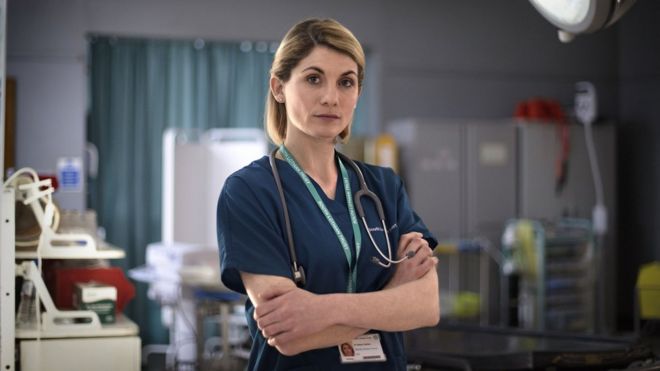
Jodie “New Doctor Who” Whittaker leads the cast as a downtrodden nurse and single-mum struggling with an NHS cover-up over poor service delivery. Faced with the sack she decides to engage in a cover-up herself by taking on the identity of a Doctor; and then the real drama kicks in. Whittaker is very empathetic and natural, while the suspense was very thrilling at times as her character gets deeper and deeper into the mire. Overall, it was a very tense and fun medical drama which made some very good social points in regards to a Doctors’ life and the NHS in general. Ultimately, it made me appreciate what the NHS does for us but also want to avoid getting ill in the future too!
(Mark: 8.5 out of 11)
WAR AND PEACE (2016)
Well, the BBC certainly pushed the budget boat out on this one with a who’s who of new and experienced acting talent including: Jim Broadbent, Paul Dano, Lily James, Tuppence Middleton, Aneurin Barnard, Adrian Edmondson, Jessie Buckley, Tom Burke, Rebecca Front, Greta Scacchi, Brian Cox, Stephen Rea, Gillian Anderson and many more. Adapting Tolstoy’s gigantic and classic doorstop novel must have been some feat and it is indeed and sumptuous and incredible production. As a drama it drew me in with its’ stories of over-privileged Russian lives set during the Napoleonic wars as they live, love, cheat, duel, war and die. Yet, while I did not feel too much empathy for the characters, the acting, design and directing is a joy to behold and I garnered a certain hypnotic pleasure bathing in the high quality of the whole shebang. (Mark: 8 out of 11)
As I’ve written before I’m an avid short film viewer and maker. To tell an impactful story in a lesser period of time to a feature film can be a very difficult but ultimately rewarding experience. Plus, as a member of the audience and filmmaker myself I love seeing the different ways other creatives tell their stories in this medium.
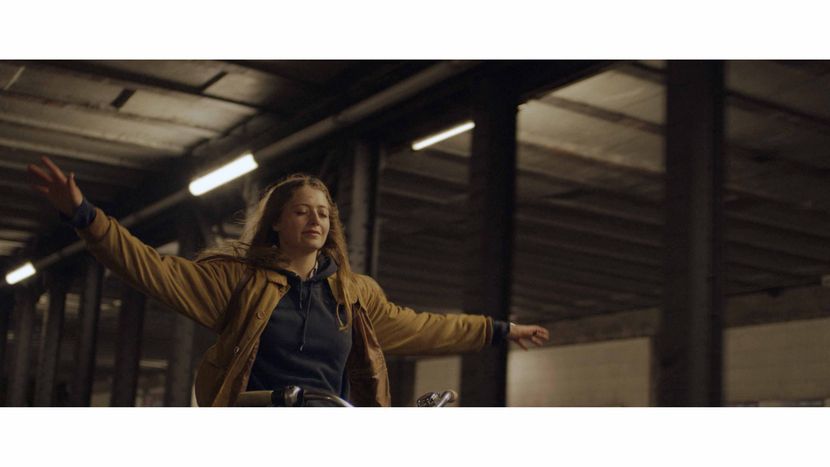
‘Thrill of the Chase’ was curated by the London Film Festival and featured five shorts from Europe and I must say they were of the highest quality. I mean some of the budgets on these must have been very good because they were shot, acted and edited to an exceptionally brilliant standard.The first short, 1745, was a period pursuit drama. Two slaves, wearing big, colourful, tartan, traditional and unwieldy dresses of the Jacobean era, have escaped from a nearby castle and are chased by a steely Scottish Laird, hell bent on recovering his “property”. It’s incredibly well shot as the colour of the costumes countered the misty, green and vast mountainous landscapes up close and from a spectacular god’s-eye view. Overall, it’s a commendable story of two women escaping patriarchal oppression and abuse, set amidst an exquisite looking but harsh Scottish Highlands.
Next up was Oksijan. Set in the harsh contemporary now it also involved a set of characters escaping an oppressive regime. This time is was a group of Asylum seekers, adults and children, encased in the potential moving tomb of an articulated lorry transporting them from a refugee camp. Their deadly journey from Calais to the United Kingdom was made perilous by the air running out. A thrilling and suspenseful short it both raised the pulse and important issues in regard to the plight of human beings fleeing war torn countries.
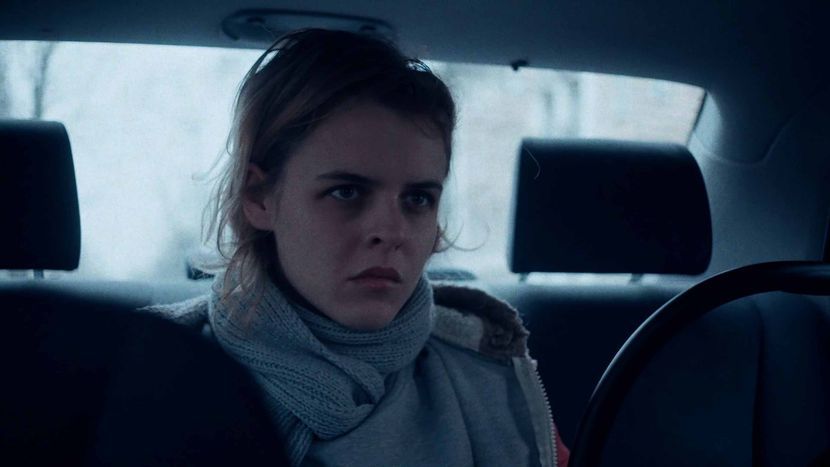
After Scottish and English film productions we next had Hot and Cold from Poland. This was a very harsh film, thirty-five minutes long, and all shot in one take. Technically, it was incredible as the camera follows a young junkie mother throughout her day and her encounter with woman looking to get revenge on her husband. It’s a towering study of motherhood, grief and addiction which creates a claustrophobic nightmarish drama with the colour-bled bleakness of Polish council estates. I wasn’t sure the one-take was actually necessary as the narrative could’ve been pruned but it was very powerful nonetheless.
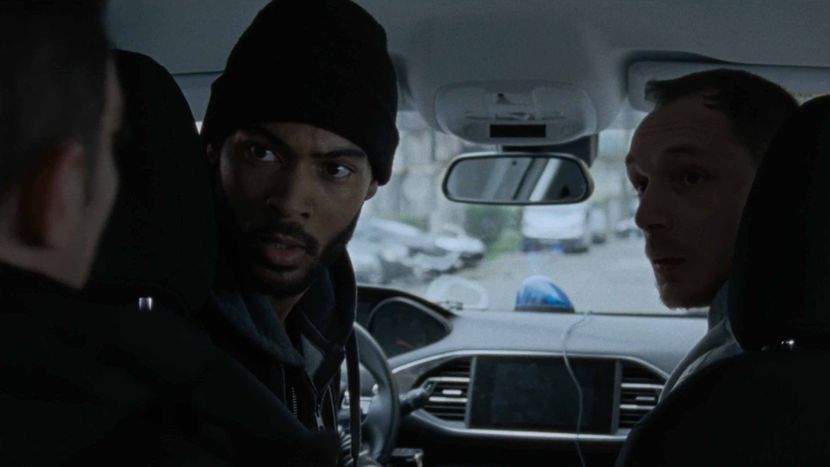
The final two films came from France and Germany respectively. Both reminded me of mini-versions of excellent feature films. The French film Les Miserables (not the Victor Hugo version) concerned cops on a dangerous estate and their heavy-handed dealings with gang-members. It’s well filmed and acted, containing the bruising feel of the classic French movie La Haine (1995).
Similarly, the final short was another drama but this time of the romantic kind. Till One Cries concerned two drug-addled millennials sharing a crazy night within an urban German milieu. It reminded me somewhat, without the shot-all-in-one-take business, of the brilliant crime-romance Victoria (2015) and showed the hedonistic highs and lows of two free-wheeling characters.
Overall, the programme was full of gripping drama and thought-provoking subject matter. I’d say the ‘Thrill of the Chase’ title was slightly misleading in my mind, as the films tended toward, not your classic genre thrillers, but rather more social realism and cinema verité than movie artifice. Indeed, it may have benefited throwing in a shorter, punchier thriller with an element of comedy to break up the incredibly heavy themes of the films presented. Nevertheless, this was a set of Premier League short films, in terms of production, performance and storytelling quality.
SCREENWASH CINEMA REVIEWS – SEPTEMBER 2017 – including: IT, WIND RIVER and KINGSMAN 2
**MINIMAL SPOILERS**
I’m a tad tardy on my cinema reviews for last month mainly because I have been writing a couple of short script projects to be filmed. One is a sharp little horror story called Flatmates and I’m looking to shoot in November. The casting has been going well, after which I will rehearse and film on HD video. The other is a follow-up to our Star Trek fan film Chance Encounter (2017) released earlier this year online, which has now has over 40,000 views on YouTube!! Not quite Gangnam Style or dancing cats on a piano but pretty good nonetheless to have one’s work viewed that much.
Anyway, enough of the filmmaking hobby momentarily to switch back to the film reviewing pastime. Below are reviews of three excellent genre films, plus a little reprise of my opinions on Aronofsky’s two hours of hell that was Mother (2017). As usual they are marked out of eleven in tribute to This is Spinal Tap!
IT (2017)
Stephen King is clearly a genius. To be able to maintain creativity and longevity as a writer, plus give birth, as it were, to any number of iconic narratives, characters and events is a testament to his massive energy and talent. When I was young one of the scariest things I ever saw on TV was the horror serial Salem’s Lot (1979), which was about vampires taking over a small town. His book Carrie (1976) was also adapted into one of the best horror films of the seventies too. Moreover, the ‘80s TV and cinema screens were peppered with King’s work notably: The Shining (1980), Stand by Me (1986) and the under-rated Pet Semetary (1989). In 1990, Tommy Lee Wallace directed a mini-series of IT, with the terrifying Tim Curry as Pennywise the Clown. IT proved to be an excellent horror story until the – faithfully sticking to the novel of course – ridiculously silly ending.
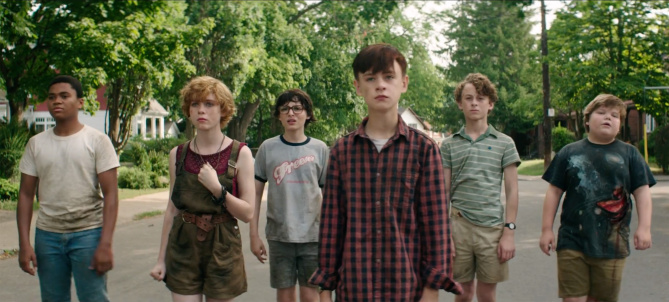
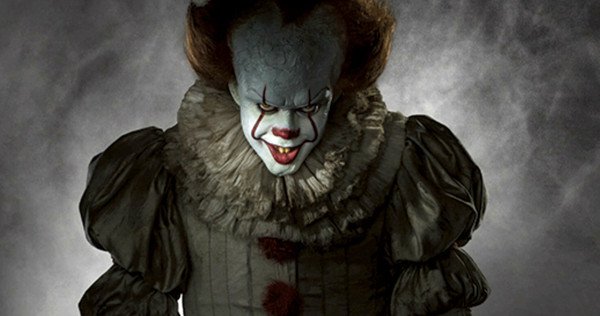
Flash forward twenty-seven years and Pennywise is back to haunt the dreams, drains and sewer pipes of Derry, Maine, using manipulation and fear to lure teenagers to their death. Developed by, among others Cary Fukunaga, the film was eventually directed by Andy Muschietti and has deservedly become a big box office hit. I say deservedly because, while it is not a particularly amazing cinema offering, it is a highly entertaining genre horror film. As an experienced Stephen King cinema and TV viewer all the staples are there such as: geeky-small-town-outsider-kids; abusive tough-guy-bully types; negligent parents or appropriate adult; monstrous beings hidden in the shadows; plus coming-of-age teenage friendship and love.
The clown in this case is portrayed with fiendish joy by Bill Skarsgard and there are some fantastic stand-out scares. My only criticism is, and this is my fault being over-familiar with King’s work, is that with the recent Super 8 (2011) and over-hyped Stranger Things (2016), I felt as if I had seen it all this before. I also felt they crammed too much into the two hours and some of the character emotion was lost at times. However, the cast of kids are excellent in their respective roles, the horror set-pieces are brilliantly staged and King’s iconic bad guy Pennywise makes it well worth the cinema admission fee alone.
(Mark: 8 out of 11)
KINGSMAN: THE GOLDEN CIRCLE (2017)
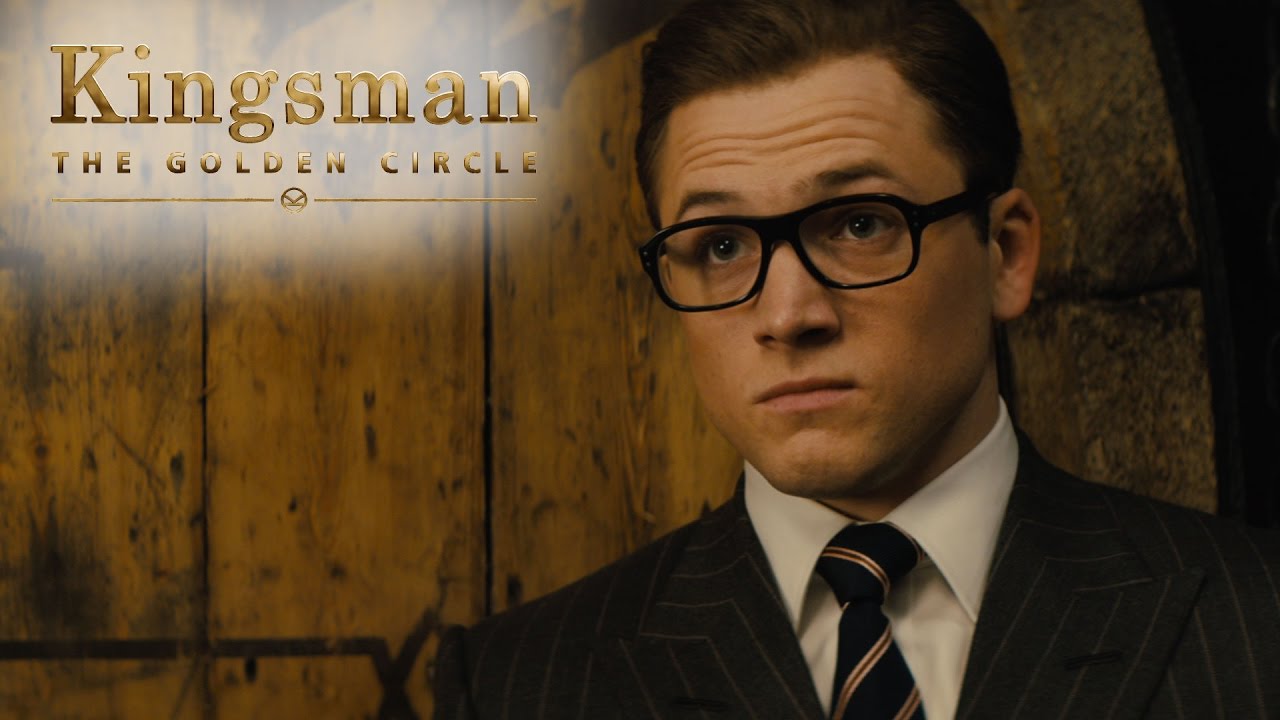
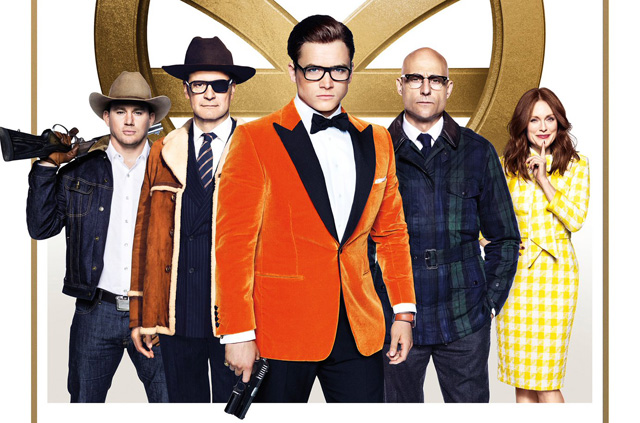
The first Kingsman: The Secret Service (2014) film was one of my favourite genre films of the past couple of years. It showed a clean pair of spy heels to the, occasionally brilliant but overlong Bond disappointment Spectre (2015); while at the same time confirming Taron Egerton as an actor with great star potential. Having done the business at the box office then Jane Goldman and Matthew Vaughan have once again written and directed an explosive, funny, pacey and adrenaline-filled spy spoof sequel.
In this story, Eggsy / Galahad is back with Merlin (Mark Strong), battling with the United States counterparts The Statesmen, against Julianne Moore’s perky, yet deranged, Americana obsessed drug baroness. The Statesmen are represented by such heavyweight acting talent in Jeff Bridges and a cracking turn from Pedro Pascal as the hilariously named Jack Daniels. Channing Tatum pops up too but he is lightweight compared to the effervescent Pascal. Poppy’s fiendish plot is actually quite a decent motivation for the story and the subplot involving a Lazarus-type-return from a major character from the first film is well developed.
To be honest the story is just the bare bones to hang a series of fantastic set-pieces, car chases, shoot-outs and fights, as Eggsy and his kick-ass team once again attempt to thwart the end-of-civilisation as we know it. My main criticism is the film is probably too long with an unnecessary gratuitous sex-driven sequence set in the Glastonbury Festival. It also lacks that sense of characterisation from the first film which had the working class underdog Eggsy battling the upper-class sneers of the over-privileged. Nonetheless, Matthew Vaughan is a great gag-heavy-action-director and the plot has some decent twists and turns throughout making it well worth a watch.
(Mark: 8 out of 11)
MOTHER (2017)
While Darren Aronofsky is a cinematic artist of the highest level, I connected badly with this two-hours-of-hell-excuse-for-entertainment. My full review can be found here but, in a nutshell, this is what I thought of it:
“It was an awful, pretentious heap of a film which exists as an entertainment void both nihilistic and dull. Because this film abuses the privilege and patience of the audience delivering a technically brilliant but overall clichéd, first-world-problems-poet-with-writer’s-block-world-murdering-art-fan-hating two hours I will never get back.”
Mark: 5 out of 11 (for the film) Mark: 9.5 out of 11 (for Darren Aronofsky)
WIND RIVER (2017)
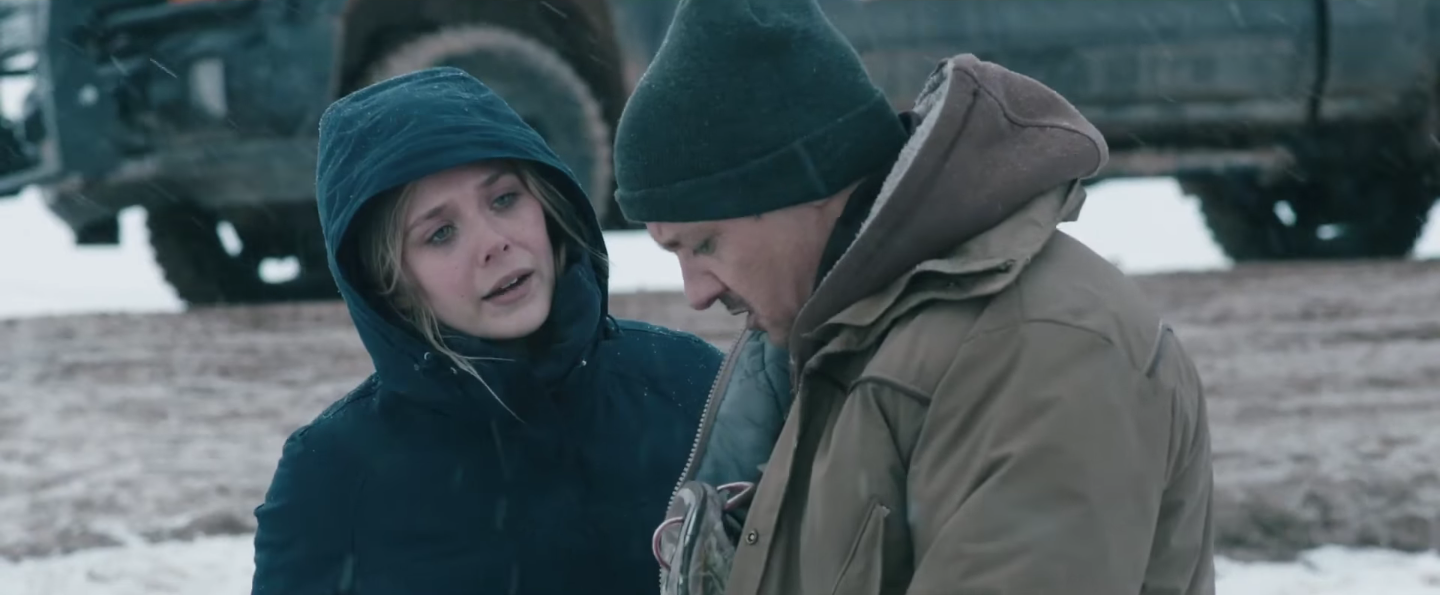
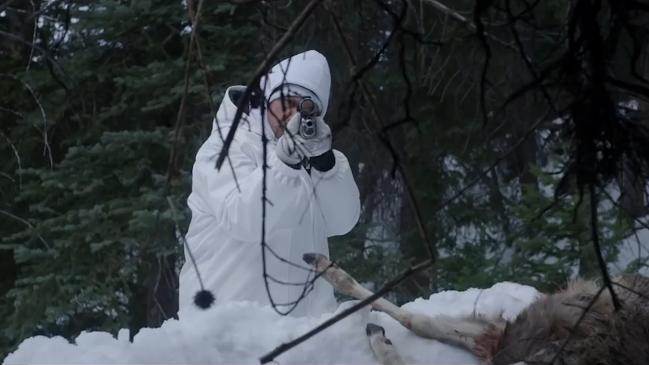
Taylor Sheridan has carved himself a fine reputation for writing very solid character driven genre films such as Sicario (2015) and Hell or High Water (2016). Wind River (2017) is his first writer-director effort and it is a fascinating study of: grief, murder, racial tension and dark humanity. Sheridan is adept at choosing specific areas of America with which to place his stories. Sicario reflected on the war on drugs, located betwixt the violent border of Mexico and the U.S.A. Hell and High Water illustrated the financial ruin of the sub-prime mortgage crash and its effect on West Texas. In his latest screenplay Sheridan focusses on the Indian Reservation territories of Wyoming and the people who inhabit the stark wintry landscapes.
The quietly impressive Jeremy Renner, as Cory Lambert, takes most of the acting plaudits as the respected, expert tracker and estranged family man. He is an individual who, while in perpetual control on the external Reservations and snowy terrain, finds himself crumbling internally due a horrific event from his past. Renner is ably supported by his Avengers co-star, Elizabeth Olsen, who imbues the rookie FBI agent with a steely determination, despite her lack of experience and confidence. The portrayal of the Native Americans I feel was sensitively presented as their lives are further marginalized by corporate America as its venal greed destroys the environment and humanity within the area. While this is a beautifully looking film there is a dark murderous heart within the stunning vistas and natural beauty.
Sheridan again confirms he is adept at combining social commentary with an impressive crime plot. Moreover, throughout the film he also bleeds in a compelling study of grief as well as a subtle critique of patriarchal capitalism and its’ destruction of the Native American’s land and people. Yet, the message could arguably have gone further in its criticism; however, as he proved with his prior screenplays Sheridan prefers subtext and a rising tension rather than polemics. Quietly, Sheridan is building an impressive filmic body of work and Wind River manages to be a thrilling police procedural drama, empathetic character study and socio-political examination of American corruption; all amidst the cold, harsh and white-washed landscapes of Wyoming.
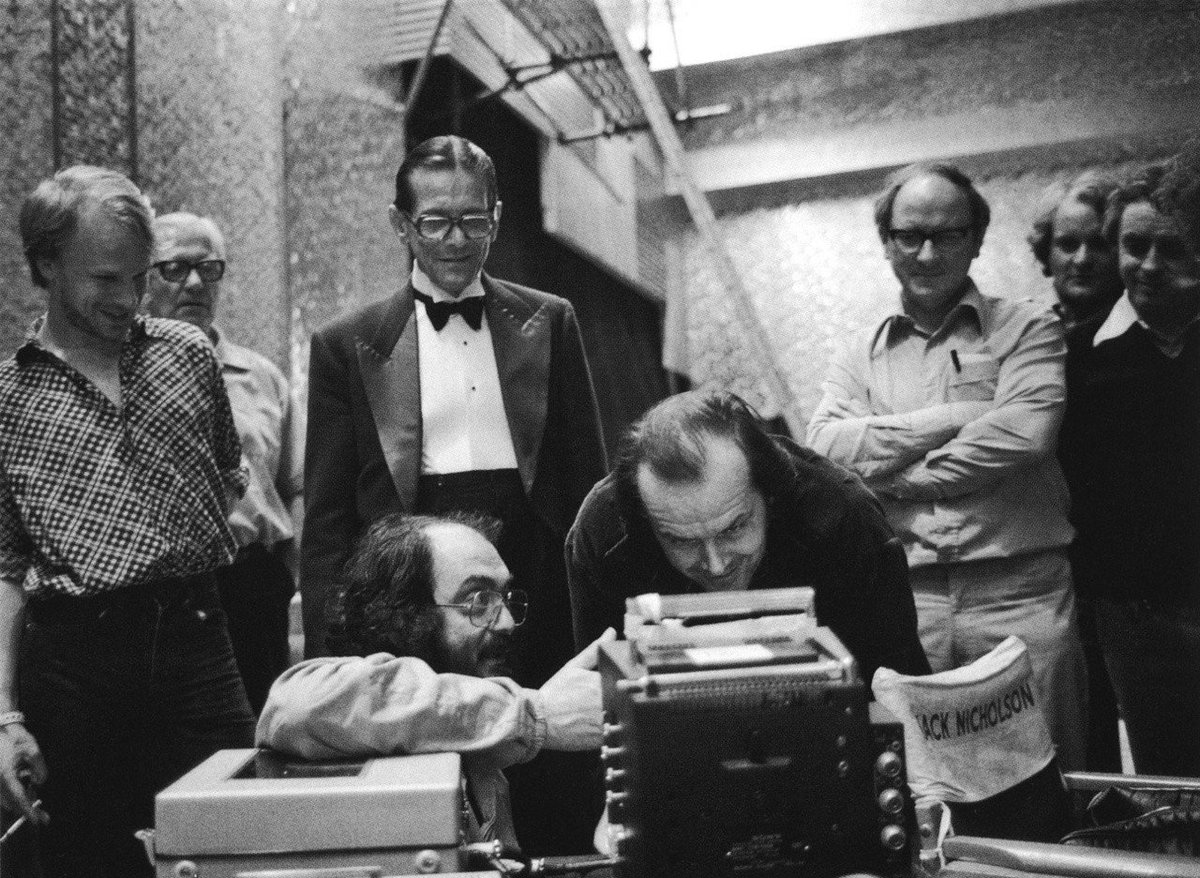
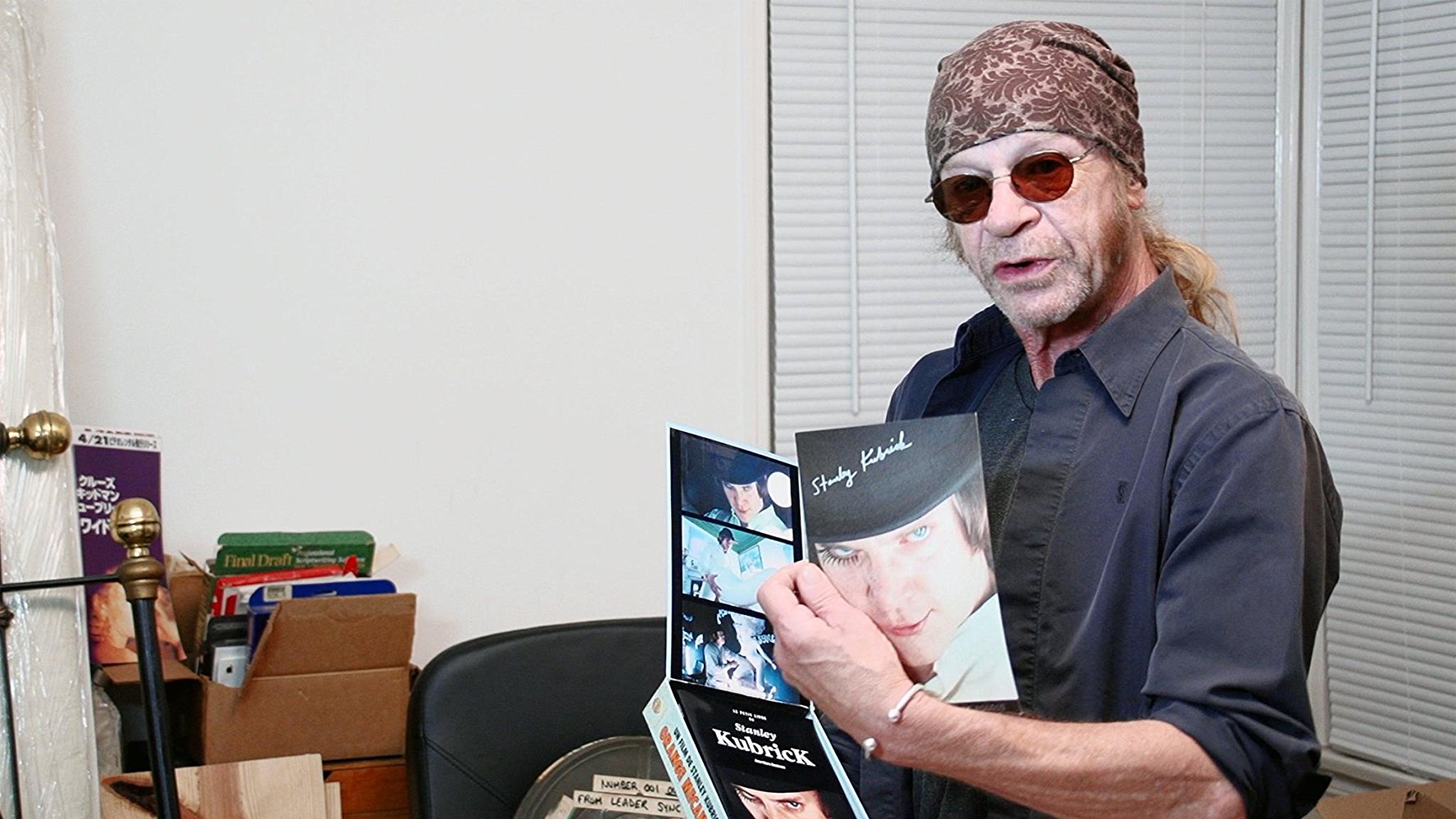
Stanley Kubrick is the greatest filmmaker who ever lived. That is a fact. He made films in all genres but indelibly stamped his own genius on the war, comedy, thriller, horror, satire, crime, science-fiction, historical and drama films he adapted and created for the big screen. His work contains a litany of iconic images, searing soundtracks, stupendous performances, great intelligence and provocative thought which ensures his films linger in the memory of those who have witnessed them. All hail a true cinematic master.
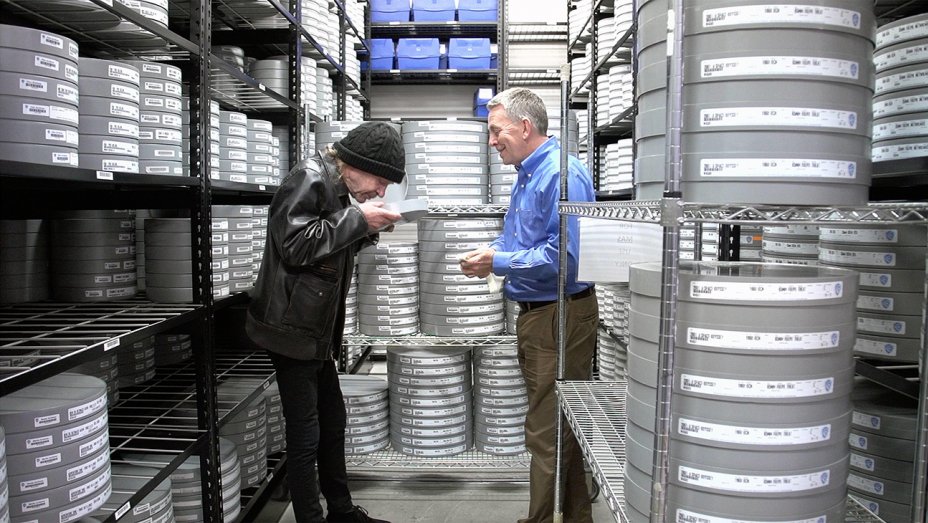
But, while Kubrick is famous – or infamous depending on your point-of-view – for his meticulous perfection and incredible cinematic vision he did not work alone. He had an array of film technicians, cinematographers, designers, researchers, editors and assistants who slaved for him on his various projects. One such individual was self-confessed ‘filmworker’ Leon Vitali. He was a rising star in the acting profession and subsequently cast in Kubrick’s classic period drama Barry Lyndon (1975). Yet, having seemingly fallen under the spell of Kubrick’s omnipotent charisma and incredible vision he offered his assistance on Kubrick’s next production. So taken was he with the great man he was prepared to take any role available. Turning his back on acting – save for the occasional supporting role in the director’s work – Leon would become a faithful servant to the all-powerful Master.
Director, Tony Zierra, has crafted a very insightful, informative and touching documentary about both Leon Vitali and the filmmaking process. It reaches beyond the lights, camera and action of movie-making to dig deep into the dark recesses of Kubrick’s creative work which involved, for many: long sleepless nights, obsessive attention to detail, Sisyphean research and the occasional nervous breakdown. Vitali, himself, lived on the edge of insomnia while contributing to such film classics as: The Shining (1980), Full Metal Jacket (1987), and Eyes Wide Shut (1999).
Vitali proves a fascinating character who, during his interviews, reveals a dedication, poignancy, love and sense of grief in regard to his working relationship with Kubrick. Indeed, Vitali seems to not have recovered from Kubrick’s passing following the completion of Eyes Wide Shut (1999); due to a seeming lack of recognition for Vitali’s contribution from Warner Brothers and the Kubrick Estate. Overall, I was completely drawn into this sensitive soul’s story of a man who seemed lost without his Master.
But this is not a negative or tragic documentary. It is instead a celebration of creative arts and the Vitali’s contribution to Kubrick’s life-work. His tasks were legion and included assisting with: casting, print transference, overseeing artwork, Film Festival releases, pre-production, stills photography; and acting as Kubrick’s studio conduit when he wanted to lambast someone. The film features many interviews, notably from Vitali but also: Ryan O’Neal, Matthew Modine, R. Lee Ermey, Phil Rosenthal, Pernilla August, Stellan Skarsgard, Danny Lloyd (all grown-up) and many, many more interesting people. They provide rounded commentary to Vitali’s contribution and their experience within the film industry; and more importantly the working process of Stanley Kubrick. Indeed, many of these anecdotes were very humorous and provided a real insight into the director’s way of working.
Filmworker’sdirector Tony Zierra spoke eruditely after the screening too revealing his desire to represent the unheralded under-dogs within the film industry. He is very successful in doing so as he presents a touching tribute to one such under-dog in Leon Vitali. Ultimately, Filmworker is a documentary about filmmaking, obsession and the lesser known people working behind the camera. It is highly recommended for fans of Stanley Kubrick and people who are intrigued by the filmmaking process. Most of all it stands as a fine tribute to the dedication of Leon Vitali; bringing him out of the shadows and into the light, giving him the credit he deserves for his excellent film work.
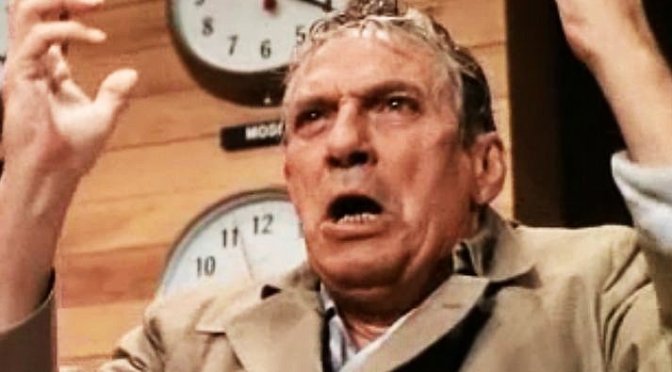
I recently wrote a little personal review on stuff I love about life which can be found here. BUT then I thought ah, why not continue my Ten Things I Hate About. . . series which to date includes reasons why I hate:Zach Snyder’s Man Of Steel, the Cinema, Found Footage films, Politics and Movie Hair!? Therefore, I thought why not write about things in LIFE I hate too!
Here I’m just saying that this is for fun and not a cry for help, as my life is pretty good I have a job, a roof-over-my-head, good family and I have my health. Compared to those in war-torn countries and those hit by horrific tsunamis and hurricanes I CANNOT COMPLAIN!! Still, there’s no harm in having a little bit of a moan now and then. So, here are ten things that really get on my nerves most days whilst living and breathing on Earth.
#1 – ONLINE HATERS OR TROLLS!
Why are people so over-the-top with their reactions online I ask myself? Maybe they are channelling their life disappointments or existential anger by way of dissociative behaviour. Criticizing things is one thing but venturing into petty online spite could be a way of distancing themselves from the pain of life or just a means to attack others in an offensive way. Moreover, sport, politics, novels, schools, pop videos and even cakes give rise to the most ridiculous hate-filled crap online. Even worse is that many people are cowards and use anonymity too. Why can’t we all just get along?
#2 – GU: GLASS POTS
This is a bit of a niche pet-hate! But I once shared a flat with a very decent person but they kept, every day, purchasing GU Pot desserts. They would eat them, clean the glass pots and place them in the cupboard. Soon we were infested with GU Pots! I thought maybe he was to recycle them at the glass bank but he left the tenancy and I was the one who had to get rid of these damned pesky pots. I’d given up smoking so couldn’t even use them as an ashtray!
#3 – PEOPLE WHO DON’T INDICATE WHEN DRIVING
Come on drivers please let me know which way you’re going?!? It’s the lever on the steering wheel; just flick it and THEN I KNOW!! Also, if you’re changing lanes don’t just lurch left or right without warning you bastards!! Please use the indicator!! I’m a bit anal when it comes to this but just have a bit of decency please? Oh, and while you’re at it stop driving so close to my back bumper! THAT’S HOW CRASHES OCCUR YOU MUPPETS!
#4 – ADULTS ON SCOOTERS
What is it with this most recent of irritating phenomena!? If it isn’t bad enough pedestrians having to battle regular traffic and hate-filled cyclists failing to stop at red lights while riding on pavements; we now have morons over the age of 18 riding kid’s scooters too. It may get you from A to Z in an environmentally safe fashion but you are dangerous and look like a dick! Just stop it please!
#5 – PEOPLE WHO SAY, “YOU KNOW WHAT I’M LIKE!
I do this all the time and it is bloody annoying. For example, I am very pedantic and annoy people with this – especially my wife. But when I do it I often utter the above words: “Well, you know what I’m like – it’s what I’m like!” No, it doesn’t work as a catchall defence mechanism so must be rejected. You wouldn’t get jury’s in court finding you innocent of murder because it’s “what I’m like!” Just don’t do it to start off with!
#6 – PROFESSIONAL CRITICS
Everyone’s a critic! Everyone has an opinion or a view and the Internet has caused a mass proliferation and gaping spew of words and views and brain-thoughts in extremis. I am just part of that continued global globule of opinionated ephemera which litters the clouds or servers or wherever the hell it is online. However, I do it for fun and to stop me thinking about death. If you earn a living as a critic then you are Satan! Would I do it for a living, well, yes I would but I’d rather create than dictate. I’d rather be the failed artist trying than the trying failed artist.
#7 – WHITE MIDDLE-CLASS KIDS WHO TRY AND RAP!!
Again, it’s a freedom of choice to dress to behave the way you choose, however, the absorption of urban culture by middle-class white kids to me is very grating. I’m not saying don’t appreciate the music, style and fashion styles but dreadlocks, urban-speak and bad rapping should not be tolerated. Most annoying is appropriating other people’s look or behaviour when much has been borne out from a certain social standing. But most of all it’s the terrible rapping. Look at this c**t from M. Night Shymalan’s The Visit (2015)!
#8 – OVER-INFLATED PRICES PAID FOR ART!
Picture the scene: a starving child in Africa passively stares at a camera while a fly irritates their big sad eyes, and they do not know when their next meal is coming from. Meanwhile, in a New York auction house a painting by Cezanne or Gauguin or Picasso is selling for over $200 million dollars! What the f**k is wrong with the world?! I’m not saying these paintings aren’t great art it’s just that there is NO WAY that amount of money should be paid for a painting when there is starvation, disease, and poverty in the world. It’s just an indictment of the sickness of humanity that we place such value on what effectively amounts to canvas and paint placed in a particular manner by some dead guy. It’s utter madness!!
#9 – PEOPLE WHO DON’T LET YOU GET OFF THE TRAIN FIRST!
Honestly, it’s bad enough being crammed like sardines in a space not fit for cattle going to market. However, when you try and get off a stacked tube and the passengers on the platform block your way then you can seriously lose your cool. There should be a bigger space and line to allow more room to get off. I mean: what’s the hurry though? We’re just too much in a hurry I guess to have some empathy and feelings for others’. Damned shame!
#10 – TALKING AT THE MOVIES!
I mean why are you talking during a movie? There’s a FILM on!! People who chat during the film SHOULD BE banned forever! In fact a law should be introduced that there’s NO talking from the trailers onwards. If you do you are forcibly removed from the screening room. I go to the cinema to escape reality; YOU or YOUR MATE’S voice-words are reality so SHUT THE HELL UP! If you want to have a conversation piss-off to a pub or a shop or a busy road and PLAY IN THE TRAFFIC. Anywhere but the cinema!
RAINDANCE FILM FESTIVAL 2017 – BEST OF BRITISH SHORTS SCREENING
Just a quick heads up or shout out to the brilliant independent film festival that occurs in the UK every year called the Raindance Film Festival. Raindance are a terrific organisation who run film courses and support filmmakers from all backgrounds, as well as running their annual film festival – now in its 25th year!
If you are seriously interested in filmmaking and have no clue where to start you should definitely check out their website here. Filmmaking is bloody hard work and having made a number of short films myself — which can be viewed at my website here — I can safely say it is easier to review them than make a good one.
Anyway, given my love of cinema and short films I checked out the ‘Best of British’ short film programme at the Raindance Film Festival this weekend. There were eight original productions, all of which were very well produced, written and acted. The programme included: low, middle and upper budgeted productions ranging from purely independent filmmakers to films backed by the BBC, BFI, National Film and Television School and Film 4.
Short films are a fascinating format and can be very challenging to make. They can encompass traditional linear and genre narratives but can also present character pieces dependent on a mood or a theme. Short films can of course experiment with form and be represented as documentaries as well as narratives. They can also act as calling cards for filmmakers cutting their teeth before they move onto feature or TV productions.
Making films or, short or otherwise, is nowhere near as romantic as one would think. They are bloody hard work. So, I have much respect for anyone embarking on short film productions. Often, you will have NO money as funding is limited in the UK, but that should not stop you if you have an idea you are passionate about. Film on your phone if you have or if you need help get in touch with an organisation such as Raindance.
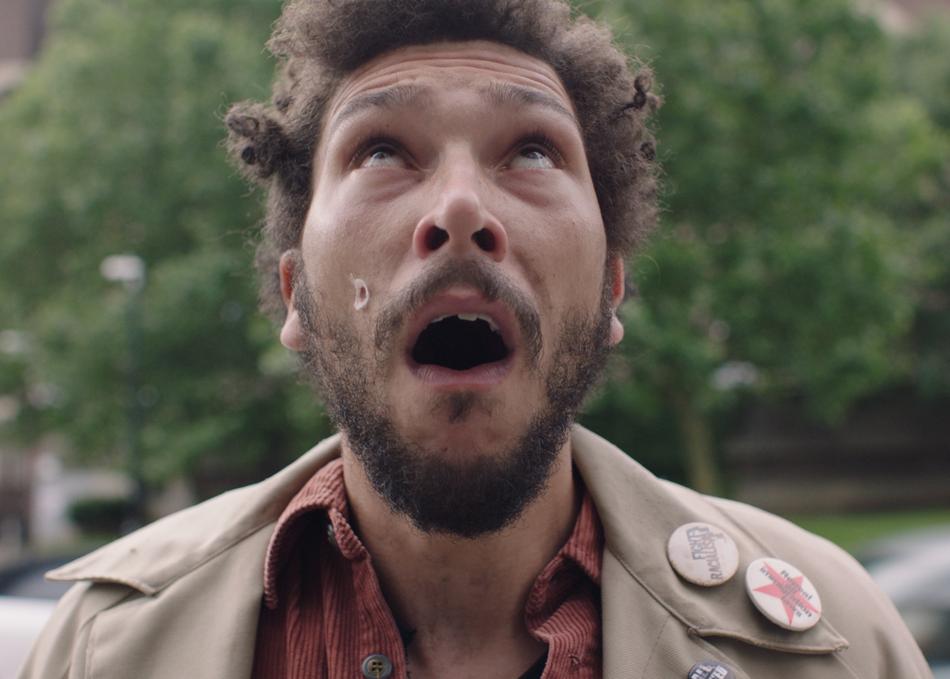
I watched eight films of varying length at the Vue Cinema on Saturday and they included: a brilliant comedy thriller about the threat of gentrification called CLA’AMdirected by Nathaniel Martello-White. The hilarious horror shortSMEAR had me chuckling, while the harsh drama 46.0, about a friendship that goes awry, unsettled me greatly. The short dramas CLEARED, WORK and SKIPPEDpresented fascinating short journeys from diverse perspectives.
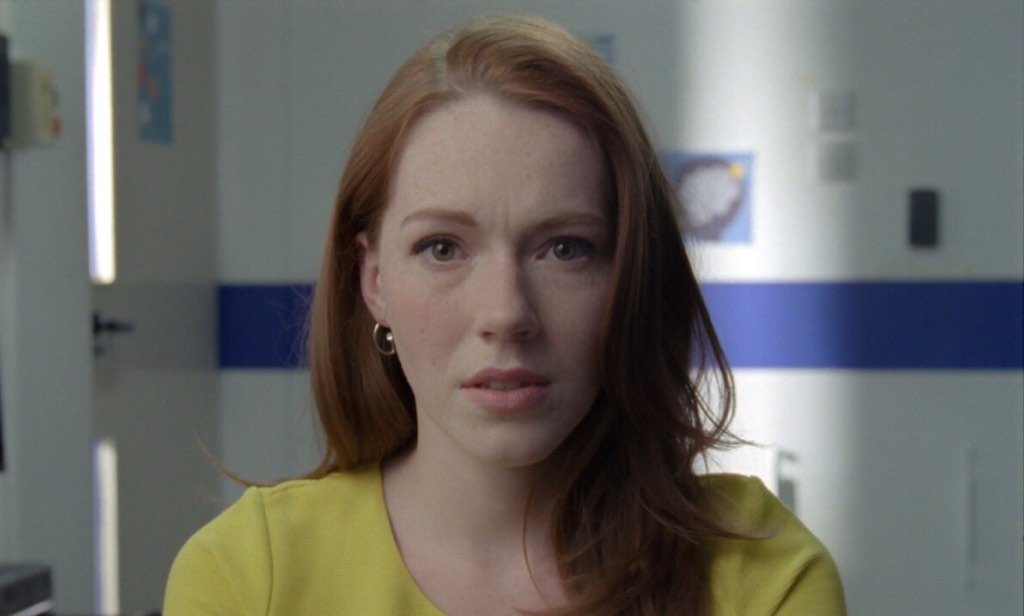
Meanwhile, WILD HORSES presented an off-centre mix of live action and animation concerning a young girl suffering fatigue-inducing condition M.E. Finally, the film DIAGNOSIS arguably featured (along with Joel Fry in CLA’AM) the finest performance of the night from actress Charlotte Spencer. In the film she brilliant portrayed an actor working on medical role-play whose emotions are slowly coming apart from the inside.
Overall, it was a short film programme of the highest quality and I can certainly recommend taking a break from the Hollywood productions and supporting independent filmmaking. Many well-known writers and directors today cut their teeth making short films, using the terrific resources places like Raindance offer. So, if you get a chance do check out such nights as they are very much worth your while.
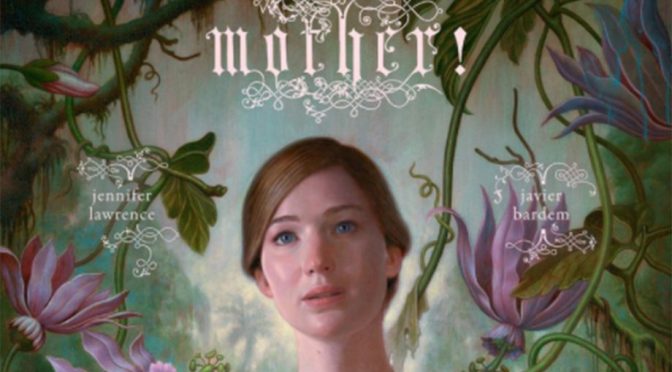
CAST: JENNIFER LAWRENCE, JAVIER BARDEM, ED HARRIS, MICHELLE PFEIFFER
**GENERALLY SPOILER FREE**
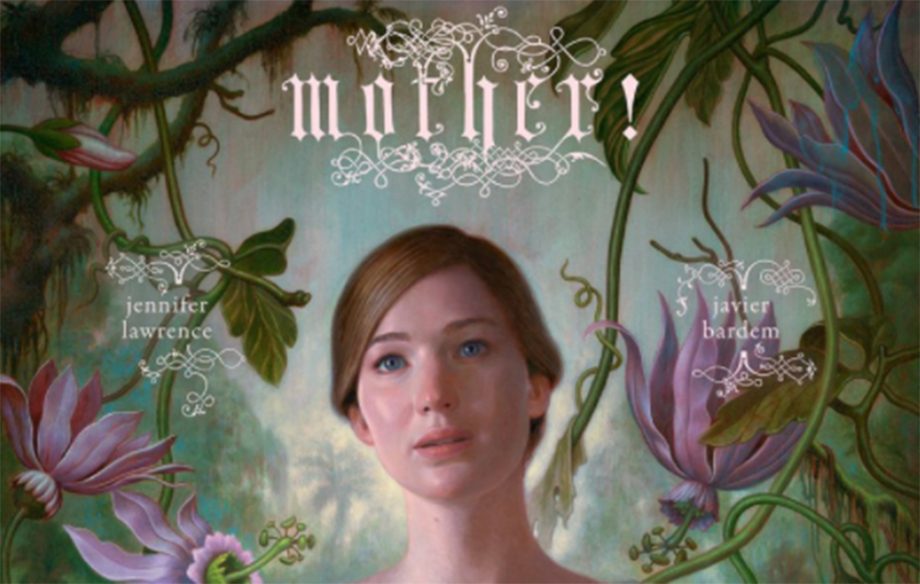
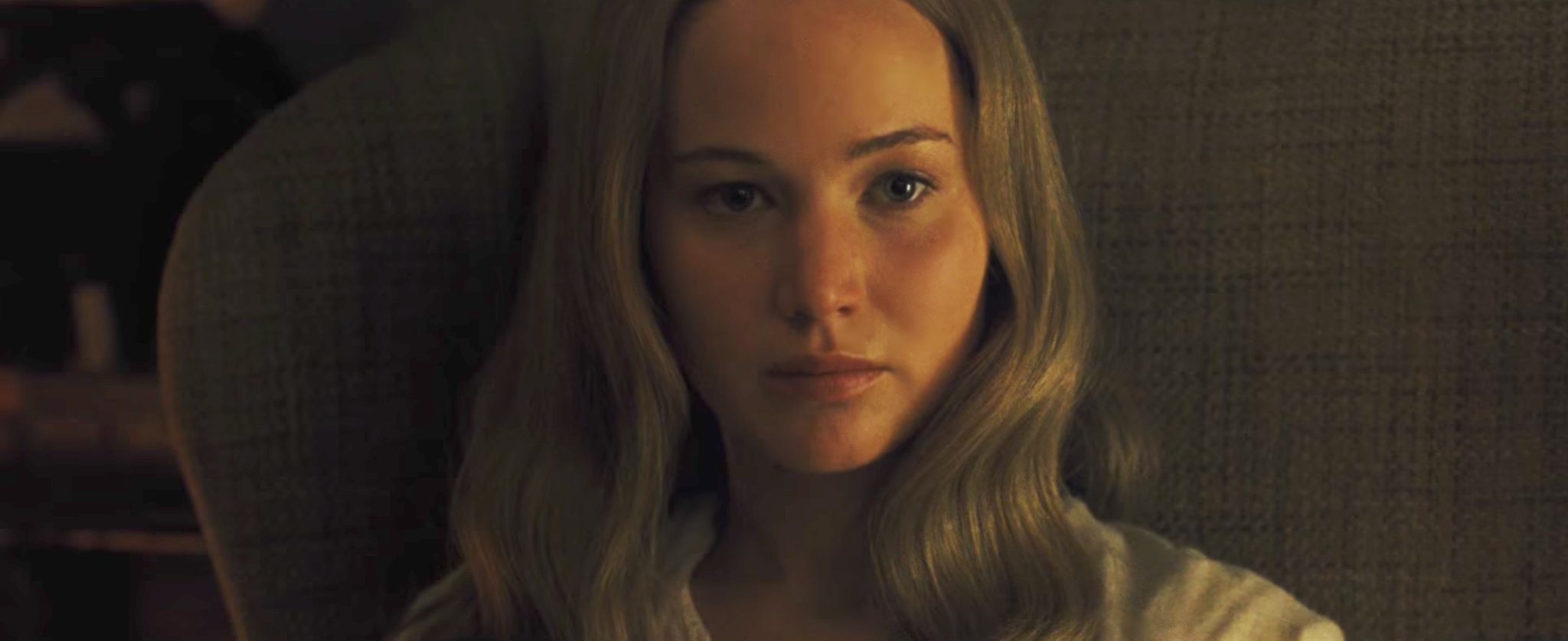
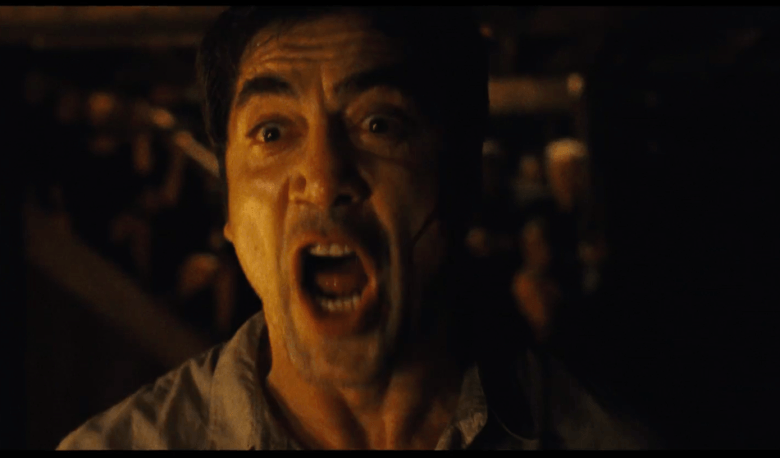
Darren Aronofsky’s psychological horror stars Jennifer Lawrence and Javier Bardem as a couple in not so much a narrative but a descent into what-the-fuck? They portray conduits of hellish pursuit dictated by a filmmaker on the edge of a nervous breakdown, vengefully striking out at his ego, superego and the world around him. I mean, you know when someone tells you their dreams in nightmarish details and it’s more interesting to them than you: well, this is two hours of that.
While this is technically a bravura tour-de-force in design, composition, cinematic experimentation and delivery I was utterly bored by, what is essentially, an indulgent, pretentious and nihilistic void of a film. Darren Aronofsky’s prior work such as Requiem for a Dream (2000), Pi (1998), The Wrestler (2008) and Black Swan (2010) combined cinematic style and protagonist emotion superbly. Mother, in its critiques of Hollywood, fame and some kind of biblical allegory stuff wildly missed the mark for me. I wasn’t even shocked by the horrific denouement as it all happened in a surreal vacuum where I could not care less about any person or anything.
Christopher Nolan used cinematic form to powerful effect in Dunkirk (2017) and moved me immensely but Mother just bludgeoned me into dull submission. I wonder if Aronofsky’s experience on Noah (2014) had somehow warped his mind and the film is a creative and therapeutic cry for help, while at the same time damning the executives who possibly killed his film baby. He certainly throws a lot of toys from his pram in this violent, bloody, fiery, misogynistic and misanthropic misfire!
Lawrence was incredible as the battered lead while Bardem just felt confused and off-the-pace-at-times to me. While it is the work of a filmmaker I would certainly call an artist and generally I love the surrealist films of Luis Bunuel and David Lynch, the nightmarish logic narrative did not work for me as the cyclical parlour trick in closing the story is mere sleight-of-hand to fool the audience into thinking the film is deeper than it is.
Ultimately, Darren Aronofsky, based on his prior films, is a risk-taking, boundary-pushing genius and some will adore this brave and courageous misadventure. However, for me it was an awful, pretentious heap of a film which exists as an entertainment void both nihilistic and dull. I mean I’m just a lowly office drone but I paid my money and earned my opinion. Because this film abuses the privilege and patience of the audience delivering a technically brilliant but overall clichéd, first-world-problems-poet-with-writer’s-block-world-murdering-art-fan-hating two hours I will never get back.













 The Cinema Fix presents