Tag Archives: DEATH

AUTUMN 2019 TV DRAMA UPDATE – REVIEWS INCLUDE: DARK (2019) – S2, EUPHORIA (2019), THE LOUDEST VOICE (2019) & THE HANDMAID’S TALE (2019) – S3 ETC.

AUTUMN 2019 TV DRAMA REVIEWS

Having finished watching all six seasons of the absolutely amazing series The Americans (2013 – 2018) at the end of the summer, I thought it prudent to try and catch up with some of the other television shows I’d missed or had on my planner.

It is becoming clearer and clearer that television, especially many of the shows from Showtime, HBO and Netflix, are reaching and surpassing cinematic quality. The budgets, writing, production values and casts are incredible. It’s been like this for a while, and long may it continue I say.

So, here are a collection of the excellent TV shows I have completed watching in the last month or so, with the usual marks out of 11.

**SPOILER FREE**


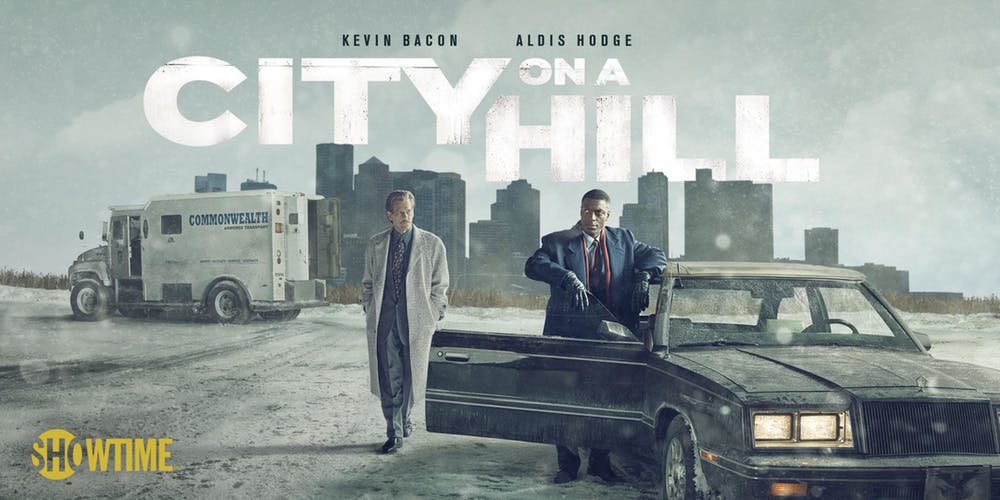
CITY ON A HILL (2019) – SEASON 1 – SHOWTIME / SKY ATLANTIC

This crime drama set in 1990’s Boston is essentially a combination of The Wire meets Ben Affleck’s cracking film, The Town (2010). Kevin Bacon and Aldis Hodge lead the cast in this always watchable story of cops and robbers. Bacon is especially excellent as the anti-heroic FBI agent, Jackie Rohr. Good performances, violent action and earthy Bostonian dialogue inflect this genre piece, which blurs the lines between the good, the bad and the downright ugly.

Mark: 8 out of 11


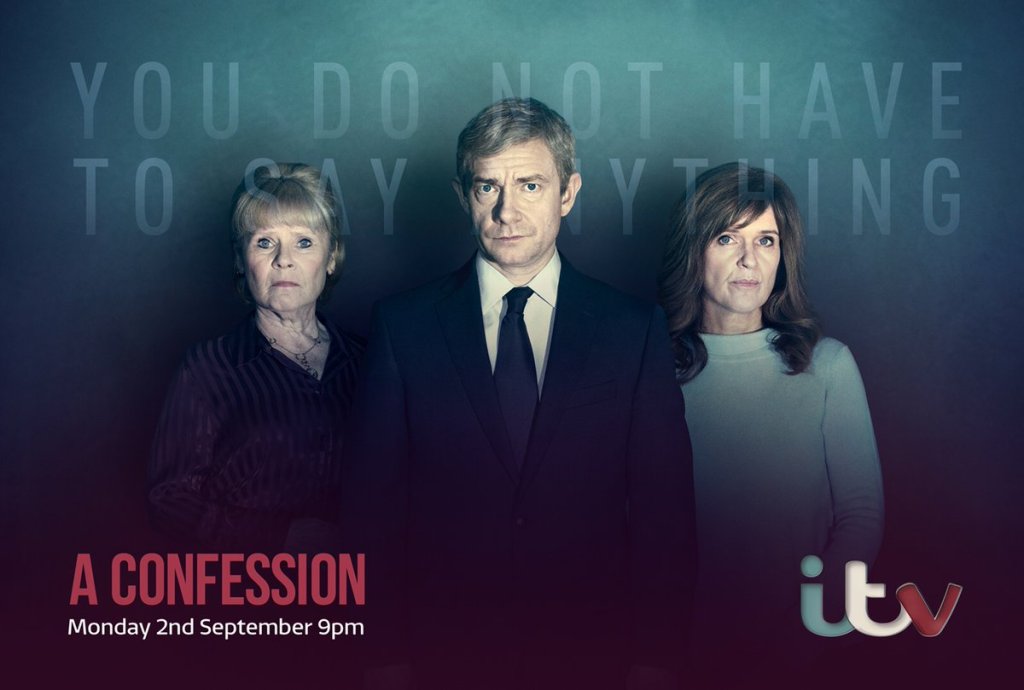
A CONFESSION (2019) – ITV

Martin Freeman, Imelda Staunton and Siobhan Finneran are all uniformly excellent in this true crime drama. Set in Wiltshire, it follows Detective Superintendent Steve Fulcher (Freeman), as his investigative team search for a missing young woman. What follows is a series of compelling events which grip you throughout. Seasoned scriptwriter Jeff Pope delivers a meticulously researched screenplay that explores the emotional impact of criminal behaviour, and how police procedure effects justice for victims and their families.

Mark: 8 out of 11


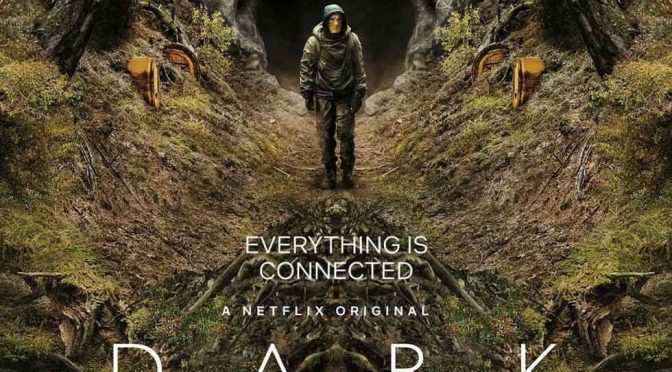
DARK (2019) – SEASON 2 – NETFLIX

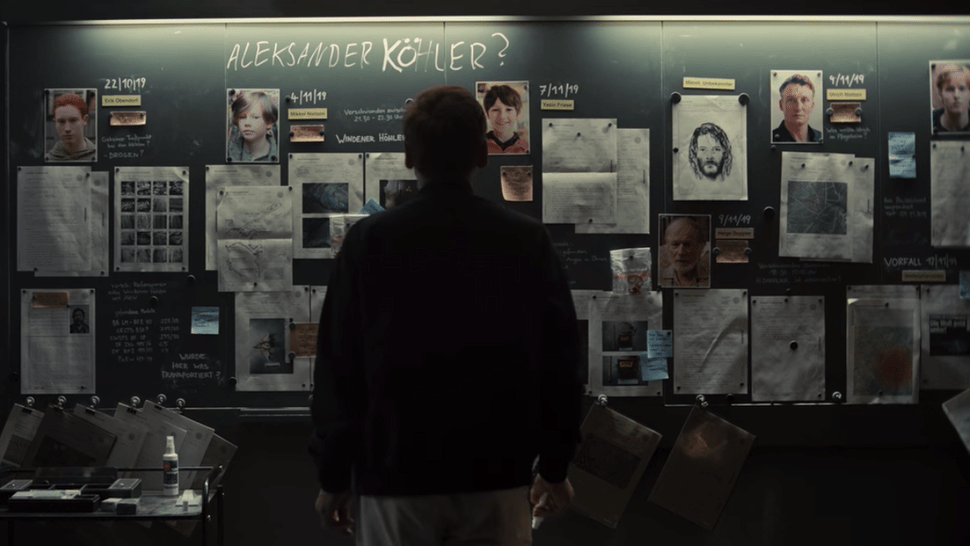
What can I say about Dark (2019) – Season 2? Well, for starters it is easily one of the best television dramas I have seen in a long time. It’s edgy, nightmarish, confusing, twisted and to be honest, virtually unreviewable. I say that because I don’t want to give away any spoilers but, trust me, if you like emotionally, structurally and artistically complex plots involving multiple characters, locations and timelines then this German thriller is for you. It had me confused in a good way and totally immersed in the tenebrae. You will be lost, searching for the light, yet you will be astounded too by the audacity of the writing and looping madness on show.

Mark: 10 out of 11


EUPHORIA (2019) – HBO / SKY ATLANTIC

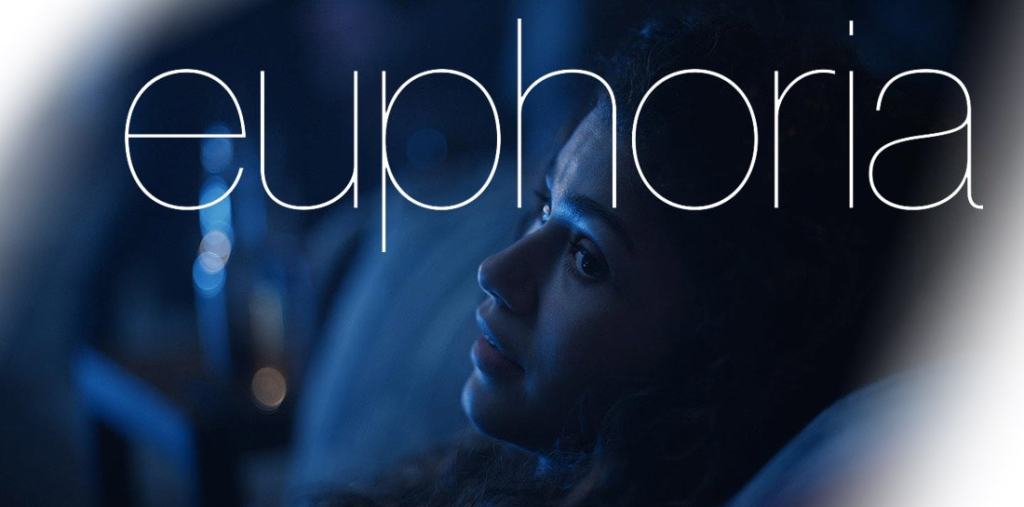
Having recently watched Sam Levinson uneven but stylish low-budget crime drama, Assassination Nation (2018), I thought I’d give this big budget HBO U.S. drama a watch. The ensemble cast of mainly young actors are led brilliantly by the ultra-talented Zendaya. She portrays just-out-of-rehab, Rue, who battles drug addiction on a daily basis. Her new best friend Jules (Hunter Schafer) also has issues to deal relating to identity, sex and love. In fact, pretty much all the characters are fucked up somehow in this giddy, glossy, sexy, dirty and often shockingly dark profile of high school existence.

Mark: 9 out of 11


THE HANDMAID’S TALE (2019) – SEASON 3 – HULU / CHANNEL 4

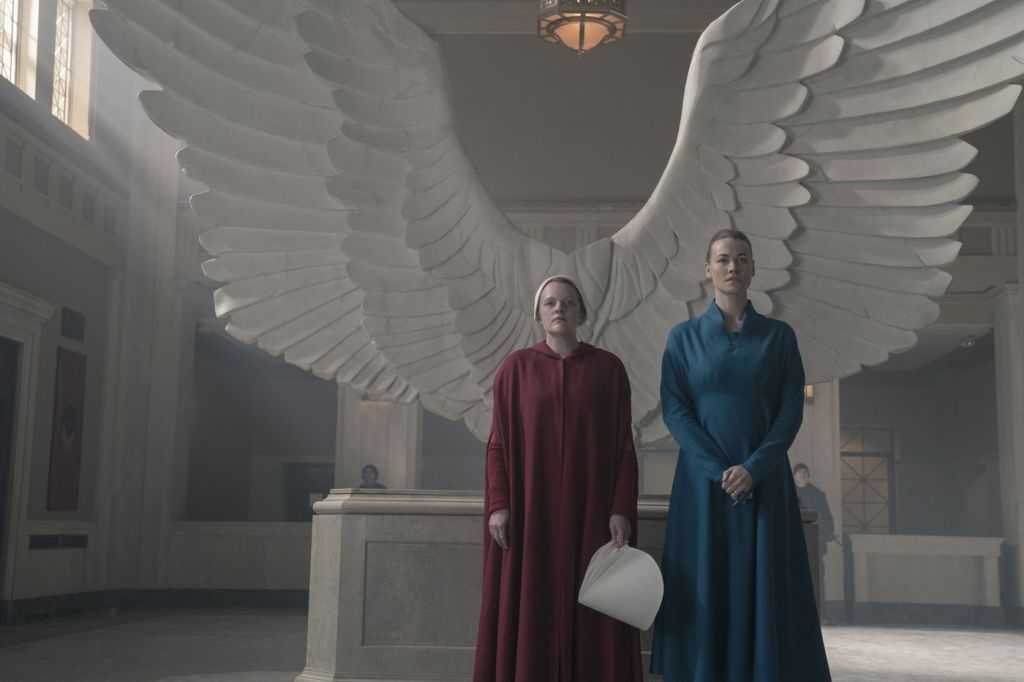
Season 3 of the iconic Margaret Atwood literary adaptation, continues to play strongly with the emotions, the nerves and the heartstrings. Centred around the dictatorial and fascistic Republic of Gilead, the plight of oppressed woman such as June Osborne (Elizabeth Moss) and other ‘Handmaid’s’ is a grim mix of tense drama and suffocating horror. Having said that, misery has never looked so beautifully shot as Moss’ performance and the cinematography are both exquisitely framed. The narrative is slightly slow in delivery, yet as June finds strength in rebellion and civil disobedience, you’re never too far from startling turns of violence and empowerment within the narrative.

Mark: 9 out of 11


THE LOUDEST VOICE (2019) – SEASON 1 – SHOWTIME / SKY ATLANTIC

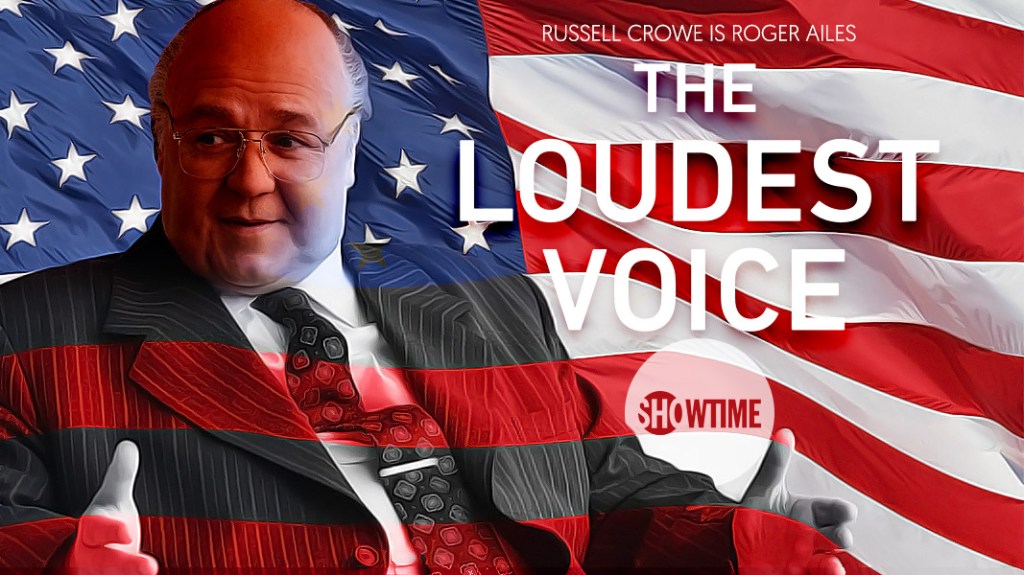
I don’t tend to watch the news as it’s all quite depressing. However, I was drawn to this drama about Fox News and its’ leader, Roger Ailes, because it features a great cast. They include, an unrecognizable Russell Crowe, Naomi Watts, Sienna Miller and Seth MacFarlane. The narrative covers Ailes starting Fox News for Rupert Murdoch in 1996, and subsequent global news events from then to the present. Crowe revels in his role as the monstrous Ailes, who advocates making Fox the number one news outlet on TV, by pushing his own agendas amidst sensational news storytelling. I have seen a few negative reviews for this show, but I really enjoyed it. As a profile of a big, corporate predator who preyed on those around him, it was both sickening and enthralling at the same time.

Mark: 9 out of 11


LFF REVIEW – THE IRISHMAN (2019)

LFF REVIEW – THE IRISHMAN (2019)

Directed by: Martin Scorsese

Written by: Stephen Zaillian – based on the book I Heard You Paint Houses by Charles Brandt

Produced by: Martin Scorsese, Robert De Niro, Jane Rosenthal, Gaston Pavlovich, Randall Emmett, Emma Tillinger Koskoff, Gerald Chamales, Irwin Winkler

Cast: Robert De Niro, Al Pacino, Joe Pesci, Harvey Keitel, Anna Paquin, Bobby Cannevale, Stephen Graham, Kathrine Narducci, Jesse Plemons, Jack Huston, Ray Romano, Stephanie Kurtzuba and many more.

Cinematography: Rodrigo Prieto

Distribution: Netflix

******MAY CONTAIN SPOILERS ******


“I heard you paint houses…”

As well as watching new films that have yet to be released, one of the pleasures of film festivals can be when the filmmakers, writers, crew and actors themselves attend and introduce their work. Having said that, I’m not usually one for big and lengthy introductions and back-slapping celebration. I’m also not one for star-gazing and celebrity-spotting hysteria. They are just human beings; let them get about their business in peace.

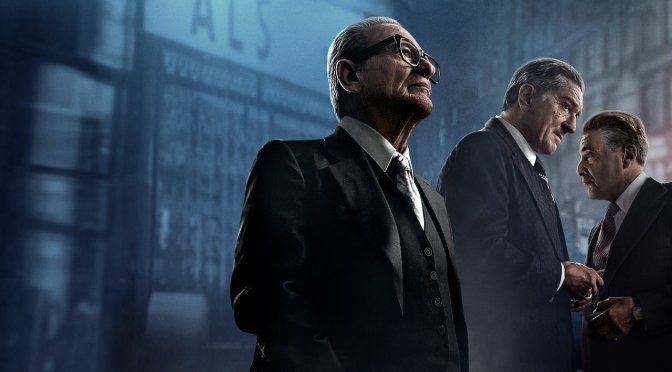
But, when the cinematic geniuses that are: Martin Scorsese, Robert DeNiro, Al Pacino and Harvey Keitel took to the stage for the premiere of THE IRISHMAN (2019), even I was star struck! Add the brilliant actors Stephen Graham, Anna Paquin and Jack Huston to the mix and I can confirm I was in the presence of all-round film greatness.


Scorsese is the best genre filmmaker still living today. But what of THE IRISHMAN (2019)? Is it yet another cinematic masterpiece to add to an incredible list of classics that Scorsese has directed? On first watch I would say both yes and no. I sit on a fence because the film is SO long, detailed and intense, I need another sitting to really nail an absolute opinion. It’s very, very good – BUT is it a great? I remember first watching Goodfellas (1990) and feeling dazed by the end of it. It is now one of my favourite films of all time.
First impressions are that, once again, Scorsese has delivered yet another impeccable film in the gangster movie genre. Film is a collaborative endeavour though and he has surrounded himself with an army of major talents in the production and acting departments. Robert De Niro, who himself, optioned the book on which the film is based, takes the lead as Frank Sheeran. In support are the aforementioned Al Pacino, Harvey Keitel, Stephen Graham, Anna Paquin, Jack Huston and the out-of-retirement Joe Pesci. All work from a superlative screenplay adaptation from uber-writer Steven Zaillian


The story is structured, in many ways, like another gangster classic, Once Upon a Time in America (1984). An elderly character looks back on key aspects on their life; the highs, the lows, the deals, the crimes, the relationships and the bloody carnage. Frank Sheeran, as delivered by De Niro and Scorsese, is another complex presentation of masculinity. He was a trained soldier who did his duty in World War II against the Nazis. Then, on return to America, he found himself driving trucks. With a family to support he finds he cannot turn down the chance to “paint houses” and carry out important work for the mob family run by Russell Bufalino (Joe Pesci). I must say that Pesci is a revelation as the quiet shot caller, in the shadows, giving orders out of the spotlight. His mob boss is the total opposite from the psychopaths he’s played before.

Talking of great performances, Al Pacino as Jimmy Hoffa steals the whole film. It is incredible to think this is the first Scorsese film he has been in. It was definitely worth the wait. De Niro himself is also impressive. His role as narrator and story conduit guides us through many exhilarating scenes involving gangland deals, explosive action and violent hits. Moreover, we are also compellingly embroiled in Hoffa’s Teamster Union business conflicts, as well as, some of the most iconic historical moments from U.S. politics and history.


Scorsese’s approach to style is less frenetic when compared to his other gangster films or the rapid velocity of say, The Wolf of Wall Street (2013). There are fireworks and gunfights of course, plus explosive arguments between the angry and powerful men which inhabited this era. The heated debates between Hoffa (Pacino) and Tony Provenzano (Stephen Graham) are especially memorable. Plus, I liked that Hoffa’s character had very specific demands in regard to time-keeping and punctuality. It’s beautifully filmed but the pace is not as say, rock and roll, as his other films. In one long tense sequence toward the end of the film, Scorsese uses silence rather than trademark rock music to enhance the visuals.

Overall, themes of death, murder, loyalty, friendship, politics and regret dominate the story narrative. From the nursing home where Frank Sheeran begins his epic tale, to the multitude of hits and shootouts we experience, the Grim Reaper follows these characters like a constant shadow. I wasn’t sure how I was meant to feel about Frank Sheeran by the end. He is a complex character who, as a trained killer, is difficult to empathise with. But his, the bosses and Hoffa’s stories are compelling nonetheless. However, the last part of the film raises a lot of emotionally painful questions with equally difficult answers.

Lastly, certain things about the film, such as the “de-aging” CGI and lengthy running time, detracted from my initial enjoyment. However, Netflix have an absolute monster of a gangster film here, with Scorsese once again delivering a very special cinematic offering. The irony is that it will only have a limited theatre release. THE IRISHMAN (2019), therefore, deserves to be painted and seen on the biggest screen you can find.

Mark: 9.5 out of 11


JOKER (2019) – CINEMA REVIEW

JOKER (2019) – CINEMA REVIEW

Directed by: Todd Phillips

Produced by: Todd Phillips, Bradley Cooper, Emma Tillinger Koskoff

Written by Todd Phillips, Scott Silver

Based on : DC Comics’ Joker created by Bill Finger, Bob Kane & Jerry Robinson

Cast: Joaquin Phoenix, Robert DeNiro, Bill Camp, Zazie Beetz, Francis Conroy, Glen Fleshler, Brian Tyree Henry, Marc Maron etc.

Music: Hildur Guðnadóttir

Cinematography: Lawrence Sher

**** MAY CONTAIN SPOILERS ****


“Is it just me – or is it getting crazier out there?”

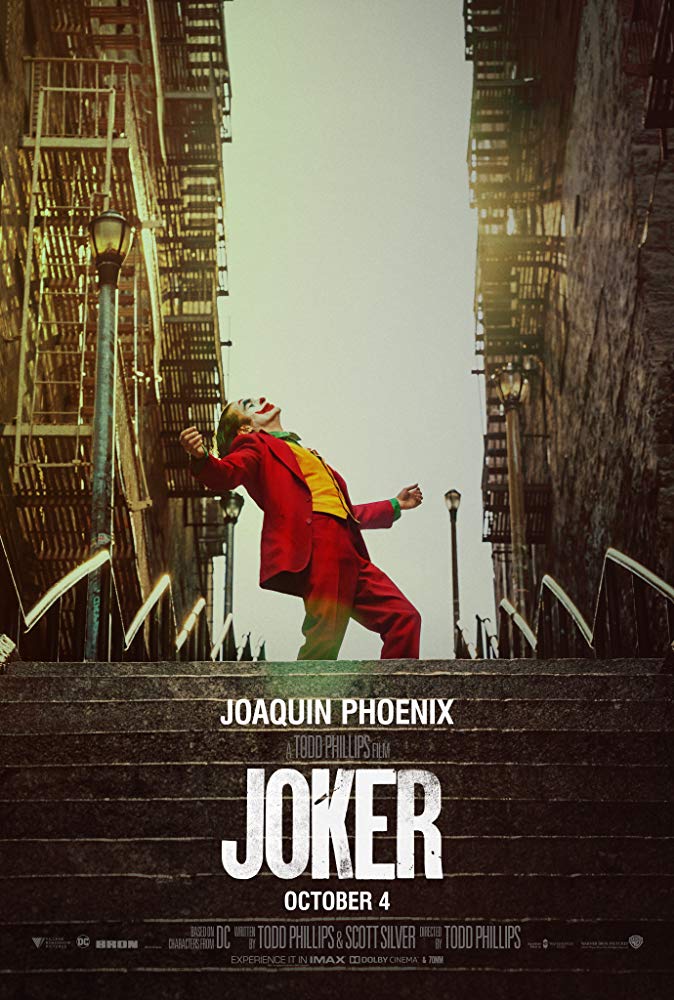
There’s no let up for poor coulrophobes. You wait so long for an evil clown and two come along in quick succession! First Pennywise hits the big screen twice. Now, Todd Phillips and Joaquin Phoenix deliver an incendiary cinematic masterpiece, based on DC’s uber-villain, Joker.

With Marvel’s cinematic universe heroically saving the world and making Disney a lot of money in the process, everything was looking a bit bright in the comic book film world. Not anymore, because Joker (2019) brings darkness, chaos, delusions and insanity to the screen. This film doesn’t reflect a safe world full of heroes, but instead illustrates one without them or a shred of hope.


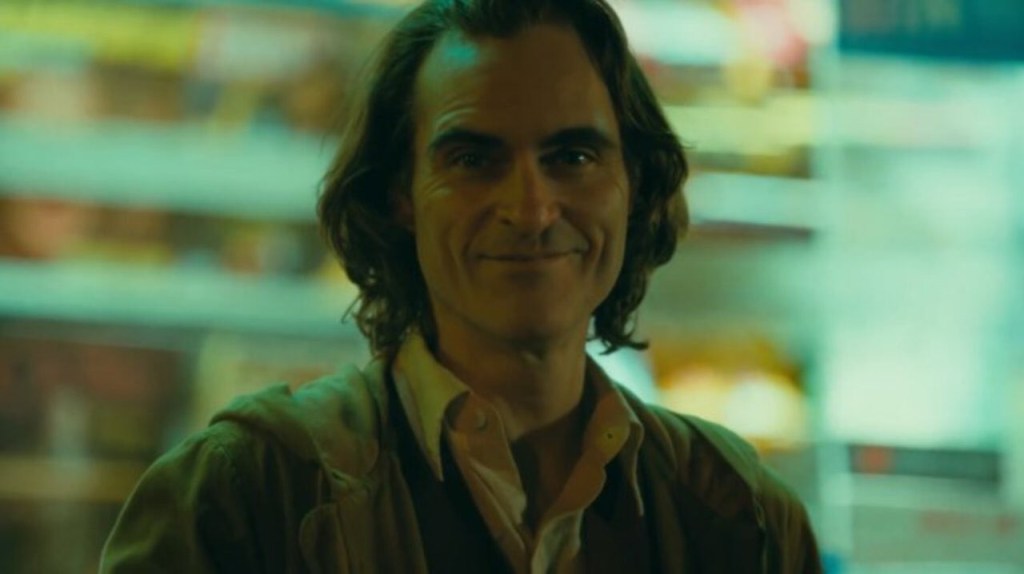
The year is 1981. The place is Gotham. The symbol of this urban disintegration will be downtrodden clown, Arthur Fleck (Joaquin Phoenix). Crime and garbage ravage the city and social services budgets are being cut. Arthur struggles with his mental health, his clown work and his unwell mother (Francis Conroy). He attempts to find solace in stand-up comedy, but his psychological problems stretch to uncontrollable laughing fits, making people laugh AT him, as opposed to WITH him. He seeks potential romance with a neighbour, Sophie (Zasie Beetz), but his world begins to collapse when he loses his job and his medication is cut off. Attacked by kids on the street and bankers on the tube, Arthur is forced to fight back. But, violence begets violence, as a new, more dominant persona comes to the fore.

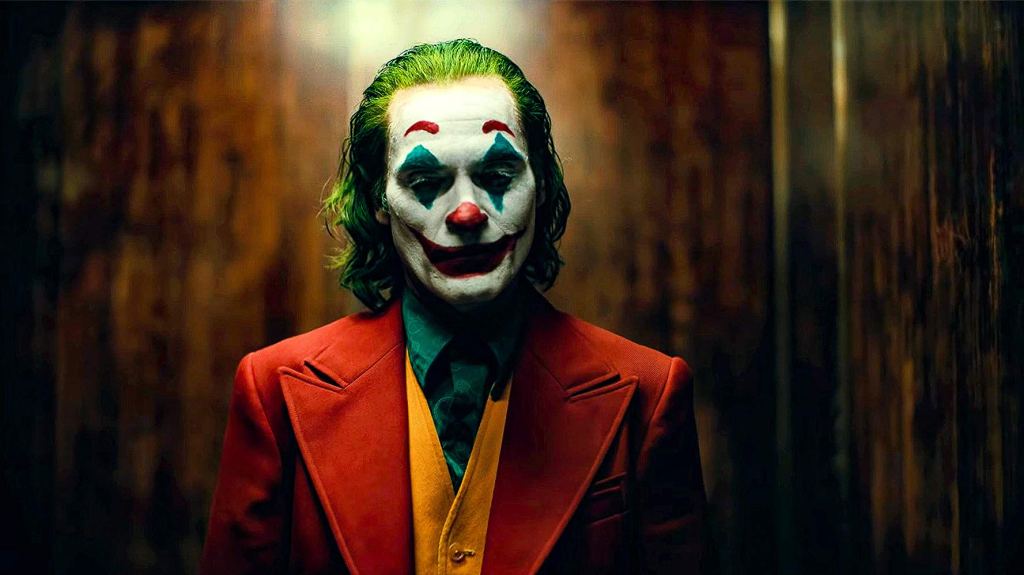
Joker (2019) is a bravura and risk-taking character study charting the downward spiral of both a city on the edge; and an individual losing touch with the real world. Rather than being cared for by the system, Arthur is thrown to the gutter, only to rise up with fire, violence, colour, costume and maniacal chuckling. From the mean streets of Gotham comes not calm, but social unrest and protests; not a hero but a painted villain, dancing and plotting bloody murder.


I have read that there have been complaints that the film trivialises mental health. Well, having experienced a close family member suffer mental breakdown and have a friend commit suicide due to extreme anxiety, I actually think Joker (2019) presents madness in a very truthful way. Mental health is scary, unpredictable, difficult to treat and prone to startling bursts of uncontrollable energy. It’s hard to comprehend what happens in people’s brains to make them act a certain way and this film captures that. The reason the film is scary is because mental health is scary. If it is not treated, then people can harm themselves and others. Therein lies the truth and tragedy of mental illness.

Joaquin Phoenix is absolutely incredible as Arthur Fleck/Joker. Hysterical laughter echoes and haunts the screen. Every cigarette he smokes drags nicotine anxiety into his ravaged lungs. As violent outbursts jolt and as his skinny body dances, I felt a gamut of emotions including: fear, humour, shock and sadness. Fleck’s transformation into Joker is a slow-burn trajectory and masterful acting performance. He tries to avoid violence and confrontation, but it’s drawn to him like a moth to a flame. He tries to make people laugh, but sadly only ends up hurting them. Joker is an outsider desperate to step inside and be part of society, but, even down to his unknown parentage, he is rejected at every turn.


As well as Phoenix, Todd Phillips deserves much kudos for creating an incredibly dark, but impressive cinematic experience. He is ably assisted by the startling cinematography of Lawrence Sher, who captures that gritty, paranoiac and urban look perfectly. Much praise also to Hildur Guðnadóttir, who, for me, has orchestrated the musical score of the year. Lastly, the genius of marrying cinematic classics like Taxi Driver (1976) and The King of Comedy (1983), with a DC comic-book super-villain is an absolute masterstroke. Indeed, Joker (2019), is one of the most memorable and compelling films of 2019. Why so serious? Watch it and discover for yourself.

Mark: 10 out of 11


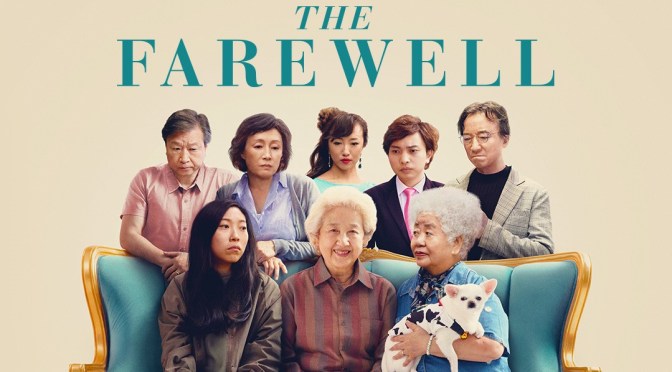
THE FAREWELL (2019) – CINEMA REVIEW

THE FAREWELL (2019) – CINEMA REVIEW

Written and directed by: Lulu Wang

Produced by: Daniele Melia, Peter Saraf, Marc Turtletaub, Andrew Miano, Chris Weitz, Jane Zheng, Lulu Wang, Anita Gou

Main Cast: Awkwafina, Tzi Ma, Tzi Ma, Diana Lin, Jiang Yongbo, Zhao Shuzhen, Lu Hong, Chen Han, Aoi Mizuhara etc.

Cinematography: Anna Franquesca Solano

Music: Alex Weston

**MAY CONTAIN SPOILERS**


High concept film pitches usually take a tremendously marketable idea that can hook you in seconds, but also cost tens of millions of dollars to make. Sometimes though you’ll get a lower budget, more art-house character film, which will have an equally alluring premise for a fraction of the price. Lulu Wang’s second directorial release, The Farewell (2019), is one such film.

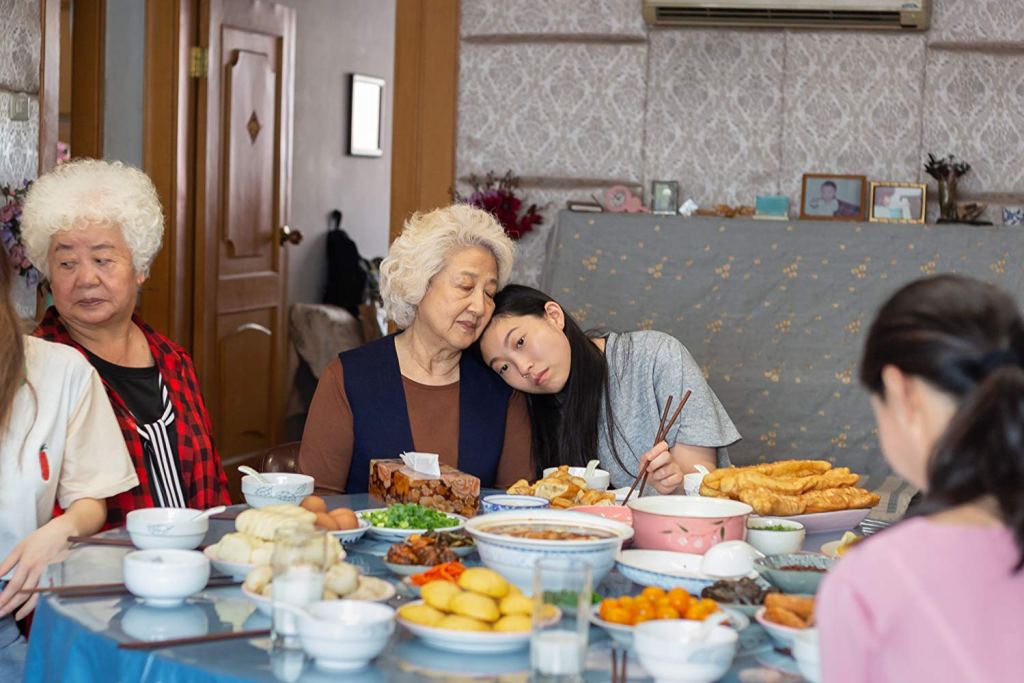
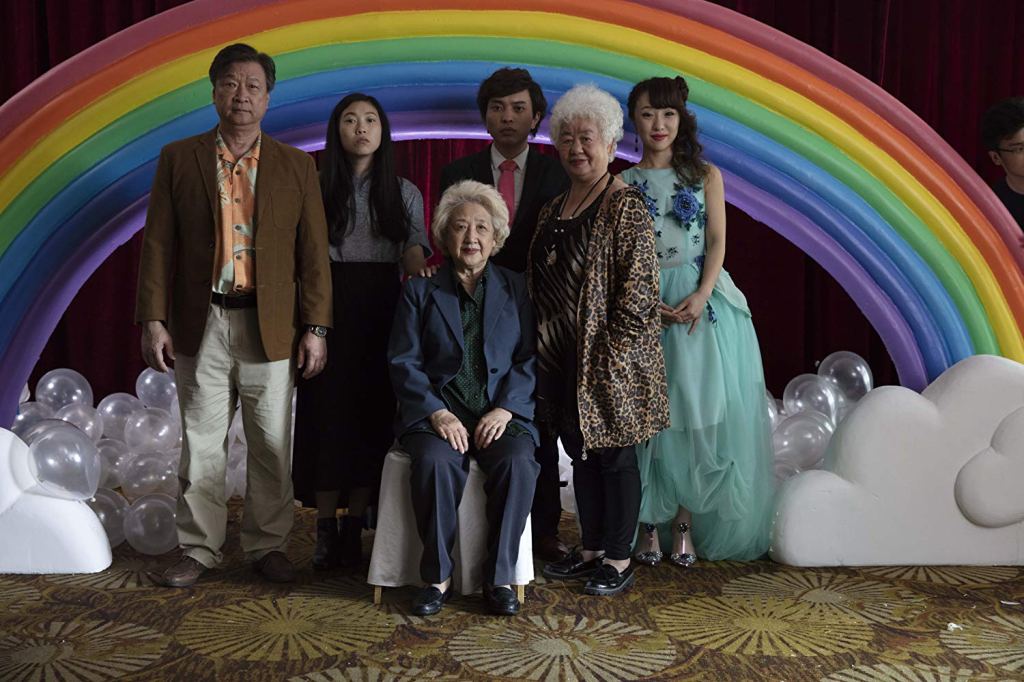
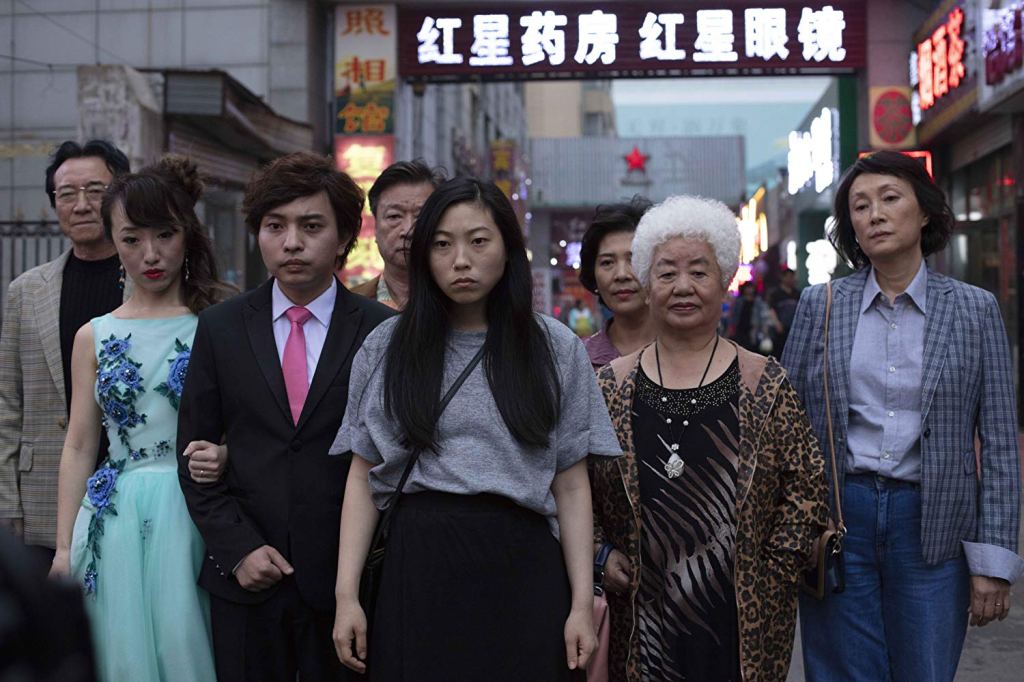
Based on a true story or “actual lie” as the prologue text reveals, the narrative revolves around a Chinese family and their decision not to reveal to their paternal Grandmother, or Nai-Nai (Zhao Shuzhen), that she has terminal cancer. This leads to a bittersweet series of scenes, full of comedy and pathos, as the whole family must keep the secret while arranging a fake family wedding in China.


While it is an ensemble cast generally, the audience conduit is Awkwafina’s Billi Wang. As her character, along with her mother and father, have lived in America for several years she believes that the Grandmother she loves has a right to know about her illness. As the scenes unfold, she clashes with various family members creating a palpable suspense as to whether Billi will reveal the truth. Moreover, we get many scenes where the family debate the various cultural and philosophical reasons why Nai-Nai should or should not be told. These I found very thoughtful and engaged both my heart and mind in equal measure.


Overall, it’s a low-key character study but nonetheless gripping, funny and sad throughout. I was especially drawn in because I wondered what I would have done in that situation. Personally, I think it is best to tell the person they are ill, but as the film wore on, I could see the other side of the argument too. In other hands this could have been turned into a poorly conceived farcical comedy, but as this is based on the writer and director’s Lulu Wang’s real-life experiences, we ultimately get a very touching film about life, death, family, love, culture and truth.

Personally, I would have liked Billi’s character to have been a bit more fleshed out at the start. Mainly because I was unsure of her personality and she just seemed a bit depressed. I mean was she a writer or a pianist and what was her job? Having said that, Awkwafina provides subtle brilliance in her role as Billi, yet, Zhao Shuzhen steals the show as the effervescent Nai-Nai, whose character shows an unabated lust for life throughout this fine film.

Mark: 8.5 out of 11


CLASSIC BBC TV REVIEW – BODIES (2004 – 2005)

CLASSIC BBC TV REVIEW – BODIES (2004 – 2005)

Created by: Jed Mercurio

Writers: Jed Mercurio, Rachel Anthony, Richard Zajdlic

Directors: Jed Mercurio, John Strickland, Richard Laxton, Jon East, Iain B. Macdonald, Douglas Mackinnon,

Cast: Max Beesley. Patrick Baladi, Neve McIntosh, Keith Allen, Susan Lynch, Tamzin Malleson, Preeya Kalidas, Simon Lowe, Hattie Morahan, Vicky Hall, Nicholas Palliser etc.

No. of Episodes – 17 (over two seasons and one-off special)

Original Network: BBC (can now be viewed on BBC IPlayer)

**MAY CONTAIN SPOILERS**

Creator and writer Mercurio is a bulletproof show-runner; a genre writer with a proven hit rate whose work almost always brings commercial, critical and audience success. Having achieved early TV writing acclaim with dark medical comedy, Cardiac Arrest (1994-1996), Mercurio’s next drama Bodies (2004 – 2005) was another critical hit. Latterly, Bodyguard (2018) and Line of Duty (2012 – present) have also proved highly successful.

Undeniably, Line of Duty is a massive hit for the BBC. It has received awards and nominations from: the Royal TV Society, the Writers’ Guild and BAFTA. Moreover, it was also voted in the top BBC shows of all time. While I tend to avoid medical and police procedural dramas as a mild rule, due to the overly-saturation of such programmes on television, Mercurio’s work always draws me in. Thus, I decided to re-watch Bodies (2004 – 2005) on the BBC IPlayer and I’m both glad I did and didn’t to be honest.

I’m glad I watched it because it contains some of the most tense drama you can ever experience. I wish I hadn’t because it contains some of the most visceral medical operations and birthing situations you could ever witness. In fact, all Peckinpah, Carpenter and Tarantino films combined contain less blood than Bodies. Indeed, the ultra-realism of the gynaecological operations on show should contain a health warning of their own. No surprise the make-up and prosthetic effects team on the programme won many awards.

Based on Mercurio’s book of the same name, the narrative is inspired by his experiences working in the National Health Service. An ensemble cast impresses, but the lead protagonist is specialist registrar, Rob Lake (Max Beesley). He is a skilled Doctor who joins the Obstetrics and Gynaecology ward at fictional South Central Infirmary. Rob isn’t particularly likeable and Beesley is directed to portray him as a serious and surly Northern bloke. While still learning his trade he is an excellent surgeon though, with a keen sense of what is right.

The first series of six episodes is incredibly tightly wound and suspenseful because Lake finds himself in a number of medical and moral dilemmas. This is due to his clashes with his boss, Dr Roger Hurley (Patrick Baladi), who is prone to making severe errors during medical procedures. Consequently, during these pulsating scenes of medical trauma my heart was not so much in my mouth but on the floor. Having scooped and swallowed it back up, the fast pace of first season soon delivers further nerve shredding life and death situations.

Season Two is not quite as brilliant as Season One. While containing more incredibly vivid moments of birthing madness, it is over-stretched by an extended ten episode run. Plot-wise it carries on in a similar vein with Lake, Hurley and the toxic masculinity of Dr Tony Whitman (Keith Allen), all clashing within the hospital wings and operation rooms. Their conflicts endanger patients lives as they continually venture into dangerous games of one-upmanship. Added to the deadly apothecary are the politics on the ward, gender, sexual and class. Moreover, there’s the over-arching bureaucracy and target-led NHS managers poking their statistics in. These budget-scrabbling pen-pushers arguably kill more patients than the warring Doctors, mainly due to their incessant bean-counting, biscuit-eating and public relation drives.

Overall, while I have made this sound like a heavy drama or horror genre programme, it is in fact also darkly funny. Mercurio has a knack of taking the most grim circumstances and injecting doses of sardonic humour throughout. There is also gallons of blood and a lot of sex too; probably too much in the first season. But, I get that the theme of the human body was being explored very thoroughly, in more ways than one. Am I the only person who is not a fan of overt sex scenes in films or on television, even if they are in context?

Be warned, if you are scared of hospitals, or operations or about to have a child — DO NOT EVER WATCH THIS SHOW! It is brilliantly scripted and acted, but it will give you nightmares. I mean the Doctors, Nurses and medical staff of the NHS do an incredible job saving lives, so this show should not be a reflection of actual health care in the United Kingdom. If it is though, the phrase: “Trust me, I’m a Doctor” is never as scary as it is in Bodies.

Mark: 9 out of 11

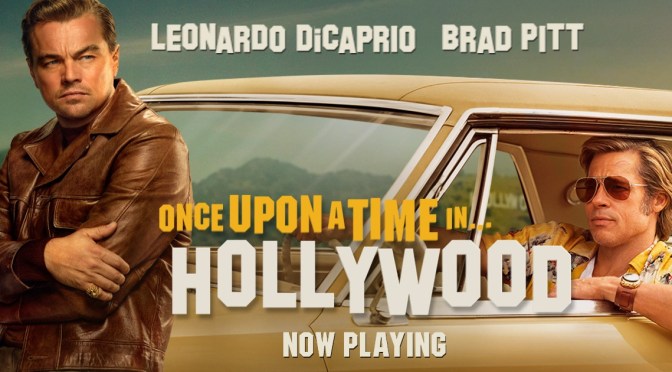
ONCE UPON A TIME IN HOLLYWOOD (2019) – FILM REVIEW – A $90 MILLION “ARTHOUSE” & FETISHISTIC CLASSIC!

ONCE UPON A TIME IN HOLLYWOOD (2019) – FILM REVIEW

Directed and Written by: Quentin Tarantino

Produced by: David Heyman, Shannon McIntosh, Quentin Tarantino

Cast: Leonardo DiCaprio, Brad Pitt, Margot Robbie, Emile Hirsch, Timothy Olyphant, Margaret Qualley, Austin Butler, Al Pacino, Mike Moh, Bruce Dern, Dakota Fanning, Damien Lewis, Kurt Russell and many, many more.

Cinematography: Robert Richardson

**MAY CONTAIN SPOILERS**

From watching the trailers for Quentin Tarantino’s ninth film, Once Upon A Time in Hollywood (2019), I remember thinking: this looks so cool and I’m glad they haven’t given away much of the story here. Because, I hate those darned trailers which give away the story!

So, you watch Quentin Tarantino’s ninth film and then you realise, after the excessive running time, THERE ISN’T REALLY ANY STORY as such! Okay, DiCaprio’s character suffers an existential career crisis but that’s kind of it. Instead, you get mostly a nigh-on three-hour historical and cultural nostalgia trip down memory lane filtered through the artistic and fetishistic vision of one of cinemas great filmmaking iconoclasts.

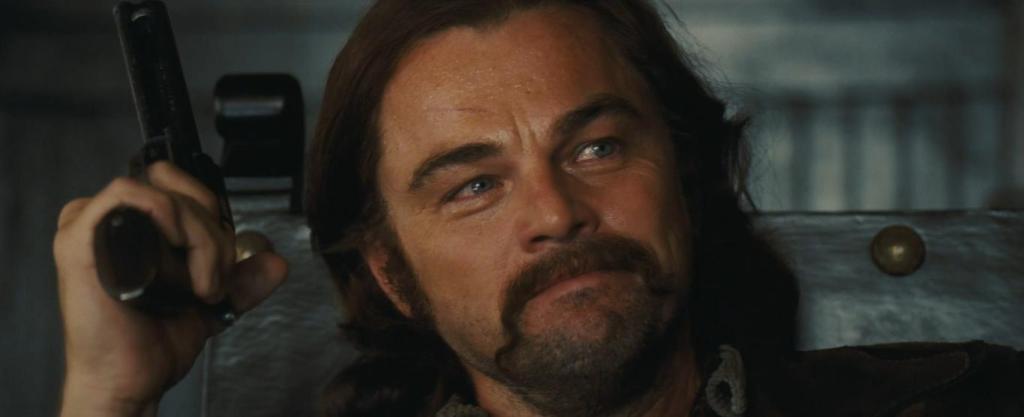
Once Upon A Time in Hollywood (2019), is essentially an arthouse character study where you get to hang out with two-and-a-half lead protagonists, plus a whole army of fictional and ‘real’ life supporting characters from the 1969 Hollywood era. Our two main “heroes” are neurotic, alcoholic B-movie actor, Rick Dalton (Leonardo DiCaprio), and tough, handsome and laconic, Cliff Booth (Brad Pitt). The two characters contrast and complement each other perfectly. Moreover, the star quality, chemistry and fine performances of the lead actors bind the movie together amazingly.

Brad Pitt is especially brilliant. His character is not, until the violent ending, given much to do story wise; however, he does it with such charm. He imbues a character who has accepted his place in the world with such easy-going humour and control, it is an absolute joy to watch. It’s an iceberg performance which seems shallow on the surface, but has hidden and unsaid depth. I really wanted to know more about his character, especially what appeared to be a very colourful backstory.

DiCaprio, on the other hand, has the showier performance. Edgy, hungover and insecure due to his characters’ fading Hollywood career, DiCaprio gives another fantastic movie performance. He commits to the Dalton character and features in some wonderful sketches which pay homage and parody B-movies, TV variety shows and old TV Westerns. What I loved was his ability to demonstrate different levels of acting skills. DiCaprio can fuck up Dalton’s acting on set one moment, but then deliver acting on a Shakespearean level the next.

Margot Robbie, who we know is a brilliant actor in her own right, alas, is not afforded the same level of care in regard to the characterisation of Sharon Tate. More of an ornamental character in the film, she looks great going to the cinema, packing a suitcase, driving and generally just being effervescent. Yet, it’s truly is one of the film’s major flaws that it doesn’t make more of Robbie’s acting talent. Even the fantastic ending, which Tarantino, takes incredible liberties with in regard to actual events, finds Tate’s character development unfortunately left bereft of emotion.

Similarly, the Hollywood cameos echoing throughout the films are pure style over substance. For example Steve McQueen, Roman Polanski and Bruce Lee feature but these are mostly inconsequential encounters. The Bruce Lee representation and scene is actually really funny as Cliff Booth and the martial arts star face off in a hilarious flashback. Typically, Tarantino has caused controversy with his Bruce Lee (Mike Moh) rendition. Personally, I respect that people may be offended, however, it’s more comedic and iconoclastic rather than overt racism. After all, this is a fairy-tale vision of Hollywood and not a documentary. Plus, Tarantino knows he’s going to piss people off so it’s obvious he’s playing with people here.

While Bruce Lee’s persona is playfully satirized or racist depending on your point-of-view, Tarantino’s representation of the Manson family is more damning. It’s clear he absolutely hates hippies, especially acid-looped killer hippies. Dalton and Booth represent the old-school, honest Hollywood working class, so are the antithesis of the drop-out youths. The culture clashes between this era and the new flower-power cults is something Tarantino explores. Charles Manson, who barely features, is a ghost-like figure though. Instead, it is the character of Tex (Austin Butler) and the females of the commune who are most prominent.

Margaret Qualley as Pussycat is especially hypnotic in her role. Exuding both sexuality and acid-drenched nihilism, Pussycat is a siren hitcher, luring drivers to symbolically crash against the cliffs. For me, Tarantino should have made way more of the old and new California culture clash themes, as they resonated powerfully when on screen. Plus, the scenes on the commune were actually quite creepy, so more should have been made of this threat from a dramatic perspective. Lastly, the irreverent and violent final act carnage exploits the clashing of these two different cultures, but more could have done throughout to enhance this dynamic.

Overall, Once Upon A Time In Hollywood (2019) is a near three-hour arthouse classic. If you like films about film and TV making, driving, feet, ensemble casts, films within films, cinema-going, Los Angeles, more feet; and hanging with the marvellous DiCaprio and Pitt in a 1969 setting, then you will love this beautifully rendered and lovingly crafted film about Hollywood. Otherwise, you will probably find it a boring, indulgent and style-over-substance folly. Either way you have to admire Tarantino’s exquisitely controlled writing and direction. He certainly does!!

Safe to say though Tarantino will not care either way, because most of his filmic output has made a lot of money at the box office. This has now allowed him the luxury, like that of true cinema artists such as Kubrick, Altman and Antonioni, to make whatever films a studio is prepared to give him the money for. He’s basically making films for himself and doesn’t care if the audience likes it or not.

I personally found myself magnetically drawn to Tarantino’s vision and from a purely filmmaking and artistic perspective I was totally immersed throughout. Having said that, if the incessant driving and shots of dirty feet were cut and Dalton and Booth had been given a proper plot, rather than the thin stranded narrative within the impressive gallery of cameos and set-pieces, I would definitely expect to be writing about one of the best films ever made.

Mark: 9.5 out of 11

HBO TV REVIEW – BIG LITTLE LIES (2019) – SEASON 2

HBO TV REVIEW – BIG LITTLE LIES (2019) – SEASON 2

Created by: David E. Kelley and Liane Moriaty

Producers: Barbara Hall, David Auge

Executive Producers: David E. Kelley, Jean-Marc Vallee, Reese Wetherspoon, Bruna Papandrea, Nicole Kidman, Liane Moriarty etc.

Based on: Big Little Lies by Lianne Moriarty

Teleplays written by: David E. Kelley

Directed by Andrea Arnold

Main Cast: Reese Witherspoon, Zoe Kravitz, Nicole Kidman, Shailene Woodley, Laura Dern, Meryl Streep, Alexander Skarsgård, Adam Scott, James Tupper, Jeffrey Nordling, Kathryn Newton etc.

Cinematography: Yves Belanger, Jim Frohna

Original Network: HBO

**CONTAINS SPOILERS FOR SEASON ONE**

I hate Social Media and Twitter especially, sometimes. I also hate myself for getting dragged into the bullshit it sometimes brings. I’m referring specifically to the distorted prejudice the mind can take on when reading a few negative posts about a programme, film or personality. Such reports can obviously be accurate. However, they can mislead and stain your expectations of a show or film or actor or artist. In this case the second season production of HBO’s, Big Little Lies, came under fire from a few people on my Twitter feed. They said it was an awful and an ultimately disappointing series. Were they right? I mean, how bad could it be?

Then there was the Indiewire article which highlighted an issue during production. They asserted in a well written piece of click-bait that director Andrea Arnold was unceremoniously disregarded in the editing process and first season director, Jean-Marc Vallee, brought in to oversee re-shoots and final cut. If you believe the Indiewire article, this was the act of a heinous media corporation cutting down a beloved artist and robbing her of her vision. Arnold’s auteur status remains untainted for me. She is a fine director who carried out her contract and did not have final cut anyway. This belonged to HBO and they had say on who they hired during the production.

Thus, in a short period of time, a couple of tweets and one article had seriously affected my expectations of the second season of Big Little Lies. I was expecting a mess of a show. One which did not make sense and was robbed of all artistic and dramatic impetus by the HBO hierarchy. However, I can safely say I was wrong and, while not as good as the brilliant first season, it was still a really intriguing eight episodes worth of entertainment.

After the exceptional first season which found a stellar cast including: Reese Witherspoon, Nicole Kidman, Laura Dern, Adam Scott, Zoe Kravitz, Alexander Skarsgård and Shailene Woodley on top acting form, the second season follows on with the aftermath of prior events. The first season expertly inter-weaved stories concerning an unknown “murder” victim; school bullying; warring parents; extra-marital affairs; and abusive relationships, expertly played out over seven compelling episodes. With the “murder” victim revealed in the final episode, we now get an exploration of suspicion, guilt, conspiracy and a test of loyalty and friendship.

Without wishing to give too much away the newest and strongest addition to the series is Meryl Streep. She plays the mother ***SPOILER ALERT*** of the dead guy from the first season, Perry Wright (Alexander Skarsgård). His death occurred when he was pushed “accidentally” down some stairs at a party. But, the friend’s, including his wife, Celeste (Nicole Kidman), collude to say he fell instead. With the police still suspicious the main investigator is actually Streep as the dogged Mary Louise. She is passive-aggressive and subtle in her enquiries as to how her son died. It’s a delight watching her deviously pull apart each of the lead suspects. It is also an absolute masterclass in acting as Streep’s crafty characterisation makes this series a must-watch. Her scenes with Nicole Kidman’s crumbling personality are especially compelling.

Allied to the investigation into Perry’s death, the show gives some interesting narrative strands to Laura Dern’s energetic power-mum, Renata. Her world is about to disintegrate around her in the face of her husband’s financial wrong-doings. Equally powerful is Bonnie’s (Zoe Kravitz) attempt to heal the rift between herself and her mother. Bonnie suffers the most guilt as ***SPOILER ALERT*** she was the one who pushed Perry down the stairs. As she battles with the emotional repercussions of her actions, she experiences a painful re-emergence of historical parental abuse. Perhaps, not as intriguing are Madeline (Reese Wetherspoon) and Jane’s (Shailene Woodley) narrative strands. Nonetheless, they do support the series’ themes of family, trust and love that add depth and subtext.

To finish, I learnt once again that social media and Twitter surfing can have a negative impact on one’s critical expectation of a programme or film. You have to basically make your own mind up and not be swayed by the pitchforks and torch-bearers baying for blood online. Big Little Lies (2019), Season 2, therefore, while not reaching the dramatic heights of the first season is an excellent follow-up. It explores the privileged lives of the rich Monterey set instilling a sense of humanity and frailty to their lives. The more improvisational direction of Andrea Arnold works well with the fragmented impressionism of the editing style to bring this out. Mainly though, it’s the impressive cast and script which glued me to the screen while experiencing this very watchable drama.

Mark: 8.5 out of 11

FILMS THAT GOT AWAY #1 – REVIEW – SUSPIRIA (2018)

SUSPIRIA (2018) – FILM REVIEW

Directed by: Luca Guadagnino

Produced by: Marco Morabito, Brad Fischer, Luca Guadagnino, Silvia Venturini, Francesco Melzi d’Eril, William Sherak, Gabriele Moratti

Screenplay by: David Kajganich – Based on Suspiria (1977) by Dario Argento and Dari Nicolodi

Cast: Dakota Johnson, Tilda Swinton, Mia Goth, Angela Winkler, Ingrid Caven, Elena Fokina, Chloe Grace Moretz, Malgosia Bela, Lutz Ebersdorf, Jessica Harper etc.

Music by: Thom Yorke

Cinematography: Sayombhu Mukdeeprom

**MAY CONTAIN SPOILERS**

There are so many films released that it is virtually impossible to see them all. Plus, even if you didn’t have to work to earn a damned wage or physically need sleep you still wouldn’t be able to watch everything at the cinema. More specifically though, we may choose NOT to go to see a film on the big screen for certain reasons. Collectively, I consider these movies to be “one’s that got away!”

Thus, in a new section called, unsurprisingly, FILMS THAT GOT AWAY, I will be reviewing films which I missed first time round at the cinema and have subsequently caught up with on Sky, Amazon, Netflix, Blu-Ray or even good old-fashioned terrestrial television. I will consider the film critically as entertainment and why I missed it first time round. As usual the film will be marked out of eleven.

When the UK release of Suspiria (2018) was announced there were many reasons I was immediately put off from wanting to see it. Firstly, despite having watched it three times, I genuinely could not stand the original Dario Argento film. I know people consider it a horror classic; however, I think story wise, it’s a bad film. It’s neither scary from an emotional point-of-view or actually makes any sense logically. I know it’s meant to be based on surreal and nightmarish imagery, montage and performance, but the story or characters did not connect with me. The colour design, gore and soundtrack are outstanding but, overall, I felt I was trapped watching the manic outpourings of an Italian psychopath.

The second reason I did not want to watch it is I haven’t always got on with Luca Guadagnino’s cinematic works. Don’t get me wrong, he is a brilliant filmmaker. However, I find him an indulgent artist whose tone, pace and direction seems haphazard. Of the films I have seen, I Am Love (2009) was a brilliant character study, anchored by a stunning Tilda Swinton performance. But A Bigger Splash (2011) and Call Me By Your Name (2017), were expertly constructed but indulgent and over-rated travelogues littered with narcissistic bores. Nonetheless, I really liked Suspiria (2018). It is almost, but for Guadagnino’s typical excesses, a horror masterpiece.

Set in 1977 (when the original was released), at the height of the Cold War in divided Germany, Suspiria, is a heady mix of rites of passage, cold war and horror genres. There are many narrative strands with which the screenplay, by David Kajganich, attempts to balance. Further, we also have personal, political, religious, artistic, gender and communal themes prevalent through the story. While it’s an ensemble cast the focus is Dakota Johnson’s Susie. She is a young aspiring dancer, from an Amish background, who joins the world-famous Markos dance company. In the process she is determined to impress Tilda Swinton’s commanding mentor. The parallel narrative involves psychiatrist Dr Josef Klemperer and his investigation into a missing patient (Chloe Grace Moretz); who also happens to be a dancer from the troupe.

As the story unfolds Susie proves herself an incredibly powerful dancer. At the same time, it is revealed that the elders and teachers of the dance group are hiding a sinister secret with darkness and ritual to the bloody fore. Memorable dance sequences full of beauty, energy and gore dominate, with Dakota Johnson giving an impressively physical acting portrayal. I also liked the nuanced control within her character as she grows stronger with each dance. Meanwhile, further dark events occur as Dr Klemperer’s investigations draw him closer to the troupe’s shadowy doors.

As I said, Suspiria is almost a horror masterpiece. The filmmaking, cinematography, art direction, choreography and score by Thom Yorke all collide to create an incredibly tense and terrifying experience. Moreover, while I was fully committed to the characters in the dance troupe and Susie’s movement up the ranks, the choice to juxtapose the socio-political events seemed to belong in another film. The religious context and notions of family and matriarchal dominance were incredibly powerful too and served the horror well. However, Guadagnino, in my humble view should have shaved some scenes from the running time. While I much prefer this film to the Argento original, a further edit for pace would have made this even better. Nonetheless, it had me riveted throughout through the sheer quality of filmmaking. I was incredibly impressed by the melding of dance and death. Indeed, the final orgiastic ritual with buckets of blood, decapitations and gnarled monsters was supernaturally unforgettable.

Mark: 9 out of 11

HBO TV REVIEW -SUCCESSION (2018) – SEASON 1 – BRILLIANT SATIRE ABOUT RICH AR$£HOL£$!

HBO TV REVIEW – SUCCESSION (2018)

Created by – Jesse Armstrong

Writers – Jesse Armstrong, Jon Brown, Jonathan Glatzer, Anna Jordan, Lucy Prebble, Georgia Pritchett, Tony Roche, Susan Soon He Stanton

Directors: Adam Arkin, Miguel Arteta, S.J. Clarkson, Adam McKay, Mark Mylod, Andrij Parekh

Executive Producers: Ilene S. Landress, Kevin Messick, Franch Rich, Will Ferrell, Adam McKay, Jesse Armstrong

Producers: Regina Heyman, Dara Schnapper

Cast: Hiam Abbass, Nicholas Braun, Brian Cox, Keiran Culkin, Peter Friedman, Natalie Gold, Matthew MacFadyen, Alan Ruck, Parker Sawyers, Sarah Snook, Jeremy Strong, Rob Yang etc.

Composer: Nicholas Britell

Original Network: HBO

**MAY CONTAIN SPOILERS**

“Money, money, Money! Must be funny! In a rich man’s world!” ABBA

Is it funny? In a rich man’s world? Or woman’s? Or anyone’s?

From my perspective I’ve never understood the desire for incredible wealth and power. Of course, it is great to be comfortable and have the money to feed, clothe and house yourself. But, that need and want to have extravagant things is beyond my comprehension. Obviously, if you’re born into money, it could be deemed unavoidable. Some may say it’s a curse. However, we all have choice as to how we behave whether we have money or not.

Personally speaking, I have everything I need to live. I have enough nice things. I have a car, television, mobile phone, computer, food, clothes, shoes, people I love and, at time of writing, my health. I have enough. For some enough is never enough. The extreme is only halfway. Ambition and power and wealth and greed drive them forward. Their desire for more has no limit.

Succession (2018), is another television show about the darker actions of the filthy, selfish and narcissistic rich. Similar, but far more poisonous than Showtime’s hit Billions, the narratives are driven by power games from the Machiavellian playbook. Set within a behemoth media conglomerate, Waystar Royco, led by octogenarian, Logan Roy (Brian Cox). the plots and subplots focus on the various family members and fucked-up personalities within this permanently dysfunctional family. The characters are not so much ‘Masters of the Universe’ but masters and mistresses of their own calamitous downfalls.

Is it funny though? In a rich man’s world? Well, based on Jesse Armstrong’s creation Succession (2018), it is! Unsurprisingly, from a writer who has worked on such comedy masterpieces as Peep Show, The Thick of It, Four Lions (2010) and Veep, these ten episodes contain some of the most biting and sarcastic dialogue and situations you could experience. It’s black though. It’s tumour humour. These are cancerous laughs which eat you from the inside. You’re entertained watching the programme but simultaneously aware of how accurate its’ dark vision of humanity, greed, power and family life is. No one gets out of here alive, including the audience.

The show bleeds quality from cast to production values to direction and not forgetting Nicholas Britell’s incredible score. You have to have a strong stomach to watch so many irredeemable and unlikeable characters all inhabiting the same space. But the writing is an absolute marvel with all manner of slicing one-liners which cut with scalpel like precision. The main narrative strands involve the children challenging their father’s running of the company. Watching Brian Cox viciously curse and do battle with them is drama of the weightiest kind; almost Shakespearean at times.

Lastly, I must say the acting is of the highest order. Sarah Snook, as political campaigner daughter, Siobhan, is destined for big things. British actor Matthew MacFadyen gives a nuanced comedic rendition as Siobhan’s fiancé; both sycophantic to the Roy family and a bully to company underlings. Kieran Culkin is sleazy and the most unlikeable of all, while Alan Ruck’s passive aggressive older son waltzes in and out of scenes with consummate skill.

As Logan Roy Brian Cox is well, just so Brian Cox; sweary, growling and menacing. His character locks horns most of all with second son, Kendall Roy. Portrayed exceptionally by Jeremy Strong, Kendall is a sad figure, attempting recovery from drug addiction, but cursed to desire to lead his fathers’ company. This leads to him making some incredibly dubious decisions. Because enough is never enough and that is the tragedy. In Succession, it is far from funny in a rich man’s world. It is sick, twisted and ultimately very black.

Mark: 9.5 out of 11

CLASSIC FILM REVIEW: DON’T LOOK NOW (1973)

CLASSIC FILM REVIEW: DON’T LOOK NOW (1973)

Directed by: Nicolas Roeg

Produced by: Peter Katz

Screenplay by: Allan Scott and Chris Bryant

Based on the story: Don’t Look Now by Daphne Du Maurier

Cast: Julie Christie, Donald Sutherland, Renato Scarpa, Massimo Serato, Hilary Mason, Clelia Matania, Sharon Williams etc.

Cinematography: Anthony B. Richmond

Music: Pino Donaggio

**MAY CONTAIN SPOILERS**

I watched this classic film again on the big screen at the British Film Institute in a 4K restoration recently. It has not lost any of its cinematic power. Don’t Look Now (1973), indeed, remains one of the greatest films in the horror and thriller genre of all time.

The story is a powerful study of grief and how a couple vainly attempt to overcome the tragic death of their young daughter, Christine. The opening scene is a masterclass in image system building, cinematography, performance and editing. It is an incredible example of pure cinema, establishing the dread and suspense representative throughout the film. It truly is an iconic sequence and a rarely bettered opening cinematic salvo.

A few months later, the bereaved parents, John and Laura Baxter, are in Venice for his architectural work on an ornate church. He seems to be handling Christine’s death by throwing himself into this project. Laura is more sensitive and wears her emotions close to her skin. An encounter with two mature women causes her grief to explode as one, a psychic, states she can see Christine on the “other side.” The girl is passed but happy and smiling in the spirit world. John is sceptical, but Laura is overjoyed there is a chance to make contact with Christine.

After this encounter Christine seems to appear within the Venice tunnels, her footsteps and laughs echoing in the darkness. With a murderer also on the loose in Venice, the creeping fear within the story heightens and the suspense intensifies. With Laura keen to contact Christine again, themes and symbols relating to religion, the afterlife and occult all combine to add to the terror. Moreover, religious iconography, water, the red mac, children, tunnels, mistaken identity, death, past, present and future also add to the rich tapestry of images.

Julie Christie and Donald Sutherland are so natural in their roles. They give beautiful and haunted acting performances as the bereaved couple. The memorable love scene contained within the second act was very controversial at the time. However, the editing, loving tenderness in performance and sumptuous score illuminate a brief moment of reprieve from the prior horror and terror to come.

The ending of the film contains two big reveals which will shake even the most experienced horror genre viewer. Interestingly, when released the film was double-billed with The Wicker Man (1973), so lord knows what audiences were feeling when they left the cinema. Lastly, Nicolas Roeg and Anthony B. Richmond shoot and direct the film with precise and spectacular style. Shadows threaten, water forebodes, and the masque of the red death hangs heavy over proceedings.

With young filmmakers such as Ari Aster causing a stir with contemporary horror films about grief, death and rituals, I would certainly advise you to catch Don’t Look Now (1973) on the biggest screen you can find. It was a masterpiece of cinema when released and remains so today.

Mark: 10.5 out of 11