
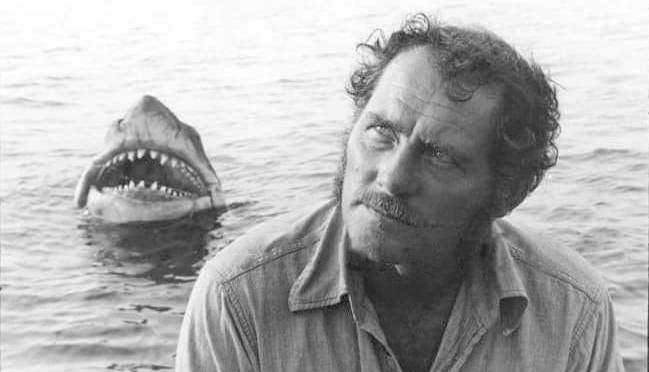
My Cinematic Romance #26 – Robert Shaw
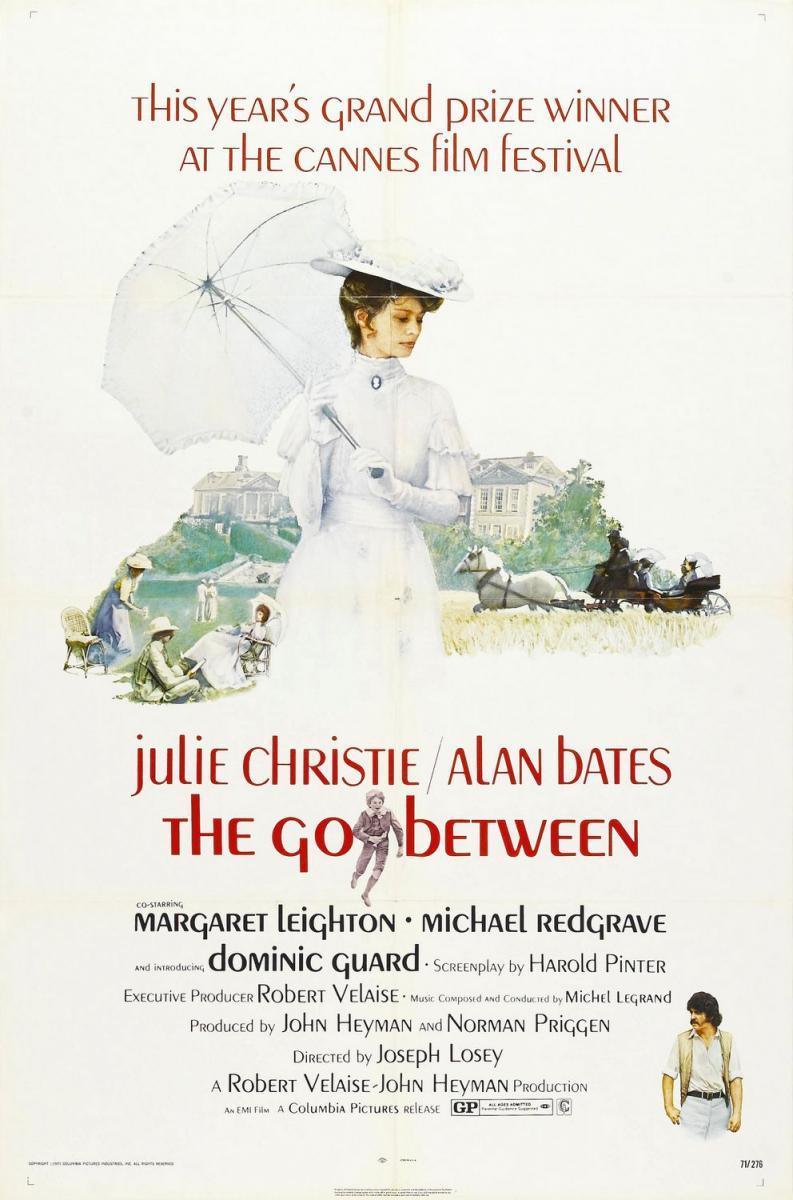
I often plan my reviews and retrospective pieces around thematically linked film subjects and on other occasions it can become a random or serendipitous process. Of late, the cultural gods have nudged me towards watching and rewatching works by Harold Pinter, including the Joseph Losey directed films, The Servant (1963) and Accident (1967). I then recalled that several of Pinter’s plays had been adapted for film and were readily available on YouTube to watch for “free.”
Moreover, as I have also been on a mild William Friedkin retrospective rewatch, I saw his adaptation of The Birthday Party (1968) which led me to an earlier Pinter adaptation called The Caretaker (1963) directed by Clive Donner. Both are oblique, ambiguous renditions of human nature with dark existential absurdity and an almost impenetrable subtext. Pinter’s works are highly acclaimed, attracting a litany of incredibly talented actors and directors. One such is Robert Shaw. His haunting and magnetic performances in Pinter’s work reminded of what an incredible talent he was.
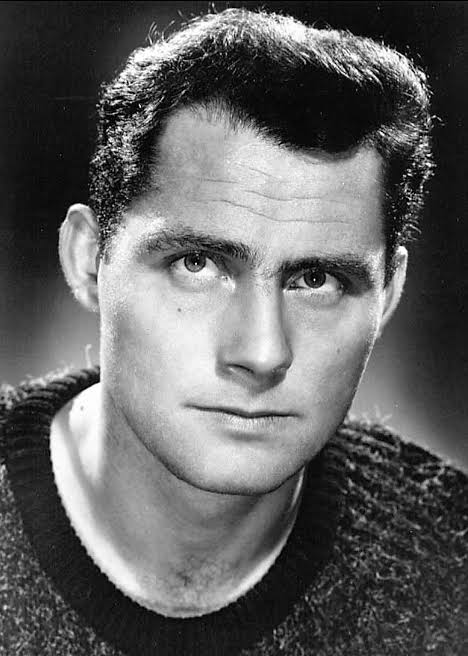
Sadly passing away aged fifty-two of a heart attack, Shaw had a tremendously varied career on stage and screen. If you were not aware he was also a successful author and playwright. Indeed, his 1968 play, The Man in the Glass Booth ran in London and Broadway to critical acclaim, later being adapted for a film in 1975. It’s reported that Pinter assisted with the adaptation of Shaw’s novel for the stage, although Shaw retains the writing credit. Therefore their collaborative connection remained resolute.
This piece highlights five of Robert Shaw’s best performances. Shaw was famously known to favour the stage and his writing over the commercial grind of Hollywood. While big-budget films brought him money, international fame and financial security, he openly disliked celebrity culture and many of his co-stars. In interviews he is often stated he viewed genre movie paydays as a way to provide for his family and fund his true passion: writing novels and plays. So, apologies to Robert Shaw’s legacy for choosing some of those Hollywood roles he’s known for. Safe to say though he is a true artist who passed away way too soon.
The Birthday Party (1968)
I was going to choose Shaw’s memorable tough guy gangster performance in The Sting (1973), but it’s too easy. Instead, I have selected his intensely complex role as Stanley in The Birthday Party. His character is one of the most tortured souls out there, full of sweat, guilt, regret and paranoia. We do not know what he may or may not of done, but I drew parallels with characters such as Josef K from The Trial and No. 6 from The Prisoner. Arguably, these works are more accessible than Pinter’s “comedy of menace,” but Shaw’s Stanley is painfully mesmerising. The two men who come for him possibly represent death. At the same time his bizarre exchanges with Dandy Nichols’ landlady, Meg, add sex to the mix, making the whole thing a painfully uncomfortable watch.
The Caretaker (1963)
A quietly strange and devastating film adaptation containing three fantastic performances from Alan Bates, Donald Pleasance and Robert Shaw. It’s mostly a character study of mental illness, loneliness, bullying and hiearchal-driven power dynamics. Pleasance is a vagrant, Mac, taken in by Shaw’s quiet soul, Aston, as an act of apparent kindness. However, Alan Bates mischievous and verbose brother, Mick, enters the fray and spies and torments. Mac. The quietly spoken, Aston, seems unaware of his brothers’ negative behaviour. Like much of Pinter’s work, a lot is left unexplained, yet the monologue Shaw delivers describing his treatment in a mental institution is one of the most subtle and powerful speeches I have witnessed on the screen.
From Russia with Love (1963)
While Shaw was known for his intelligent mind, his appearance as the nemesis, Red Grant in the second Bond film, requires him to demonstrate his considerable muscle too. From Russia with Love (1963) is one of my favourite Bond films as it retains that gritty Cold War spy style and Sean Connery is in prime form too. One could argue the villains are often more interesting than Bond, and Shaw’s steely assassin certainly matches Bond for physicality and charisma. Indeed, they are effectively mirrored characters on opposing teams. The fight-to-the-death on the train remains one of the most iconic battles in all of the Bond franchise.
Jaws (1975)
One of the greatest characters in one of the greatest films of all time. Not only that, Quint, has one of the greatest character introductions and greatest monologues in film ever too. How Shaw wasn’t nominated for best supporting actor at the Academy Awards I will never know. It’s a big performance and you could say, over-the-top, but to me it is so authentic in physical and verbal delivery, even Shaw’s sweat could have been given an award on its own.
The monologue itself comes as Quint and Hooper share “war stories” from their past experiences at sea. The men share a laugh before Brody asks Quint about a particularly nasty scar. Then the mood darkens and the old sea dog recounts a story about the U.S.S Indianapolis on which he was aboard when it sank in 1945. The chilling tale of a sinking ship and over one thousand men at the mercy of the sea, hunger, dehydration and shark attacks, is eerily recounted by Quint; loss and bitterness in his eyes. Shaw is incredible during this classic monologue as he not only establishes why Quint hates sharks, but also builds palpable suspense prior to the frenzied final shark attack on the doomed Orca.
The Taking of Pelham 123 (1974)
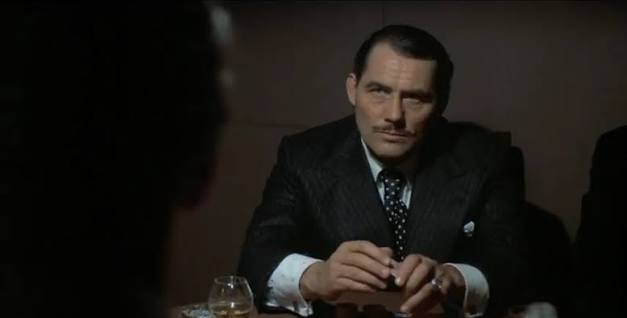
Another 1970s classic and again, Shaw, plays another memorable antagonist. His ‘Mr Blue’ is military, battle-hardened with a disciplined plan of action. His fierce precision and icy delivery finds a perfect counterpart in Walter Matthau’s more congenial and witty transit cop, Zachary Garber. Their exchanges are tense but laced with hard-boiled, sardonic humour, which add a hint of colour to the grim and grey New York underground sequences. While the well-constructed plot and rapid action raises the pulse, the film’s quality is critically raised by Matthau’s and Shaw’s committed performances.

 The Cinema Fix presents