Written by James Gunn (Based on Characters from DC)
Produced by: Peter Safran, James Gunn
Main Cast: David Corenswet, Rachel Brosnahan, Nicholas Hoult, Edi Gathegi, Anthony Carrigan, Nathan Fillion, Isabela Merced, etc.
Cinematography by: Henry Braham
Edited by: William Hoy & Craig Alper
*** MAY CONTAIN SPOILERS ***
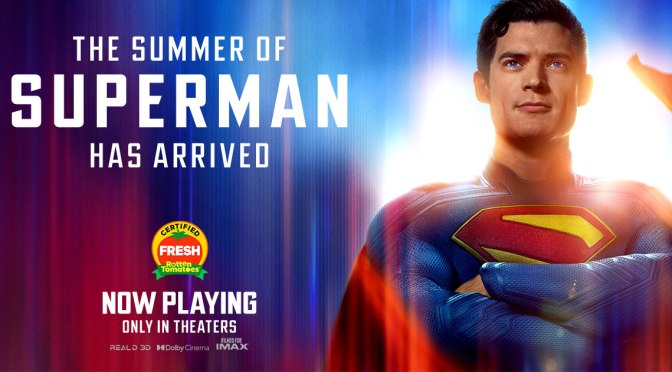
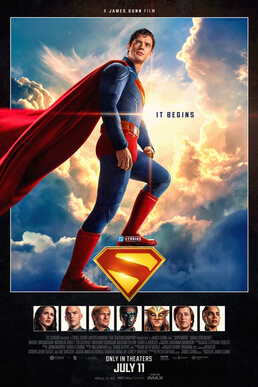
James Gunn’s wacky adaptation Superman (2025) unfolds less like a coherent narrative and more like a frenetic sketch show, veering from one oddball choice to the next with little tonal or emotional consistency. It’s a film that seems more interested in quirky vignettes and fan-service eccentricities than in telling a grounded or resonant Superman story. The result is a fragmented, overcooked spectacle—an atonal mess that struggles to resemble proper cinema in any meaningful sense.
This is especially disappointing considering Gunn’s earlier, more focused efforts. Lower budgeted Slither (2006), Super (2010), and even the first Guardians of the Galaxy (2014) were all infused with his irreverent flair, but they also benefited from creative restraint and clear narrative through-lines. Those films felt punchy, heartfelt, and cohesive. Here, Gunn appears unchecked, indulging in whimsy for whimsy’s sake, and the film buckles under the weight of Gunn seemingly being off given too much creative control.
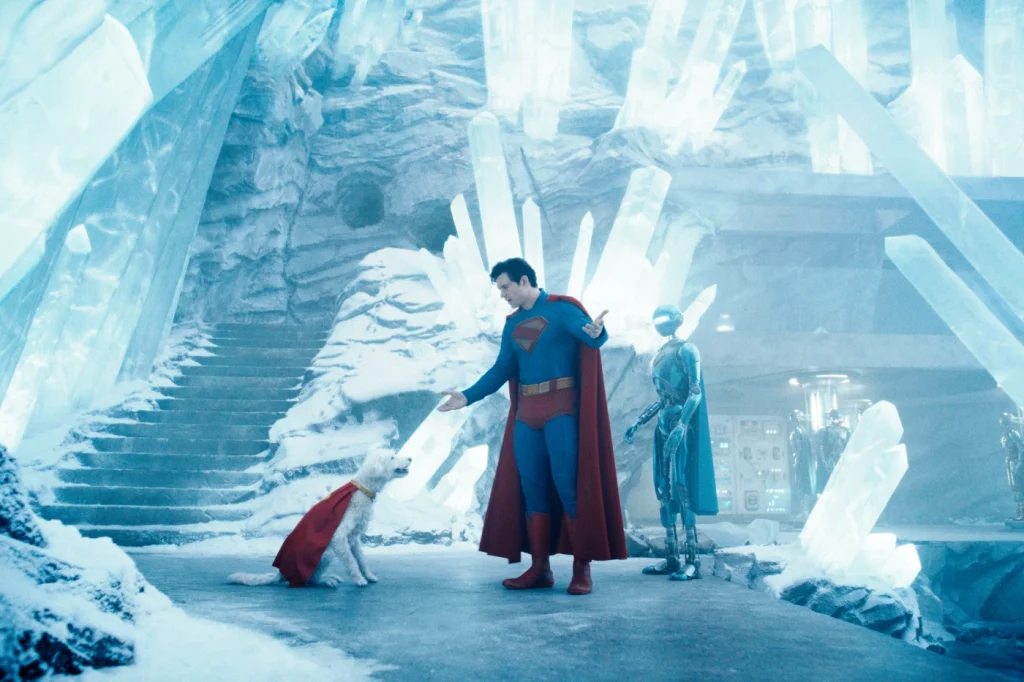
Despite commendable performances from Nicholas Hoult as Lex Luthor and David Corenswet as Superman—both actors working hard to inject gravitas and humanity into the chaos—they’re ultimately overshadowed by the film’s tonal whiplash and scattershot storytelling. Hoult, who is one of the best actors around at the moment, is thrown under the bus by Gunn’s spectacularly bad directorial choices. And then there’s Krypto, Superman’s dog. In what universe does that choice feel appropriate for a reboot seeking to reestablish the character’s mythos? It lands like a joke without a punchline, symbolic of the film’s broader issues. Moreover, Gunn even tries to make political points reflecting current events, but it is a truly embarrassing attempt which fails to elicit any emotional clout.
Worse still, the lack of a meaningful origin story robs the character of emotional grounding. Instead of reintroducing Superman in a way that earns his place in this new cinematic universe, the film takes shortcuts, assuming audience investment without doing the work. In a media landscape already drowning in capes and cliches, Superman had the opportunity to reignite interest in the genre. Instead, it accelerates superhero fatigue, offering more noise when clarity and restraint were desperately needed.
In short, Superman (2025) is an overblown trifle—a hot mess that left me cold—a film that wants to be everything, ends up being very little, and reminds us that bigger is not always better. Yes. I am a bitter and grumpy old man by the way and I realise this film is probably aimed at people much younger and stupider than me, but I paid my entrance fee and this is how I felt.
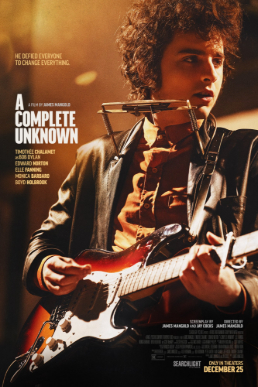
Produced by Peter Jaysen, James Mangold, Alex Heineman, Bob Bookman, Alan Gasmer, Jeff Rosen, Timothée Chalamet, Fred Berger etc.
Main cast: Timothée Chalamet, Edward Norton, Elle Fanning, Monica Barbaro, Boyd Holbrook, Scoot McNairy, Dan Fogler, etc.
James Mangold is rarely mentioned as one of the best directors around. Probably because he is not a flashy cigar-munching quote machine or a even a household name. Yet, he has consistently delivered a series of extremely entertaining genre films over the past few decades. These include: Copland (1997), Identity (2003), Girl, Interrupted (1999), Walk the Line (2005), 3:10 to Yuma (2007), Logan (2017) and Ford v Ferrari (2019). His films always feature solid characterisation, compelling conflict and well-structured plots. They also have a pristine and attractive look and style. Further, they always attracts impressive A-list actors and striking ensemble casts. His cover version of the music biography, Dylan Goes Electric!by Elijah Wald is no different.
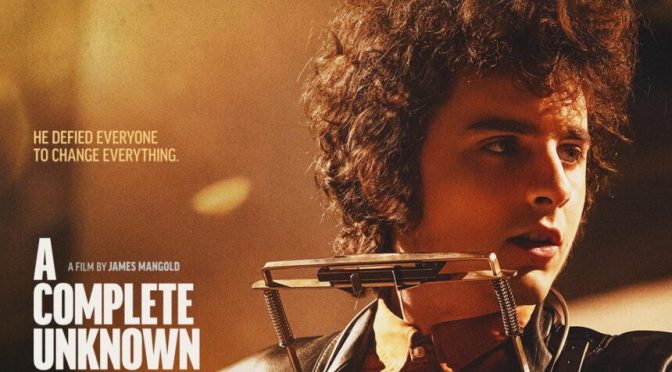
A Complete Unknown (2024) showcases events from the era of 1961 to 1965 where Dylan rose to major stardom delivering stunning and poetic lyrics with hypnotic melodies. This period culminates in his movement from acoustic guitar to full electric band, causing controversial and violent reactions from the audience and organisers of the Newport Folk Festival. This furore may seem mildly inconsequential in today’s social-media digital coliseum where intellectual debates are fought with emojis by individuals with nano-seconded attention spans. But for many, Bob Dylan’s perceived treachery of moving from the purity of folk over to the dark side of rock was a significant event of the epoch. Having said that, Dylan was always an enigmatic maverick and genius who marched to the time of his own drum. Thus, such audial rebellion was no surprise, especially when looking back at it now.
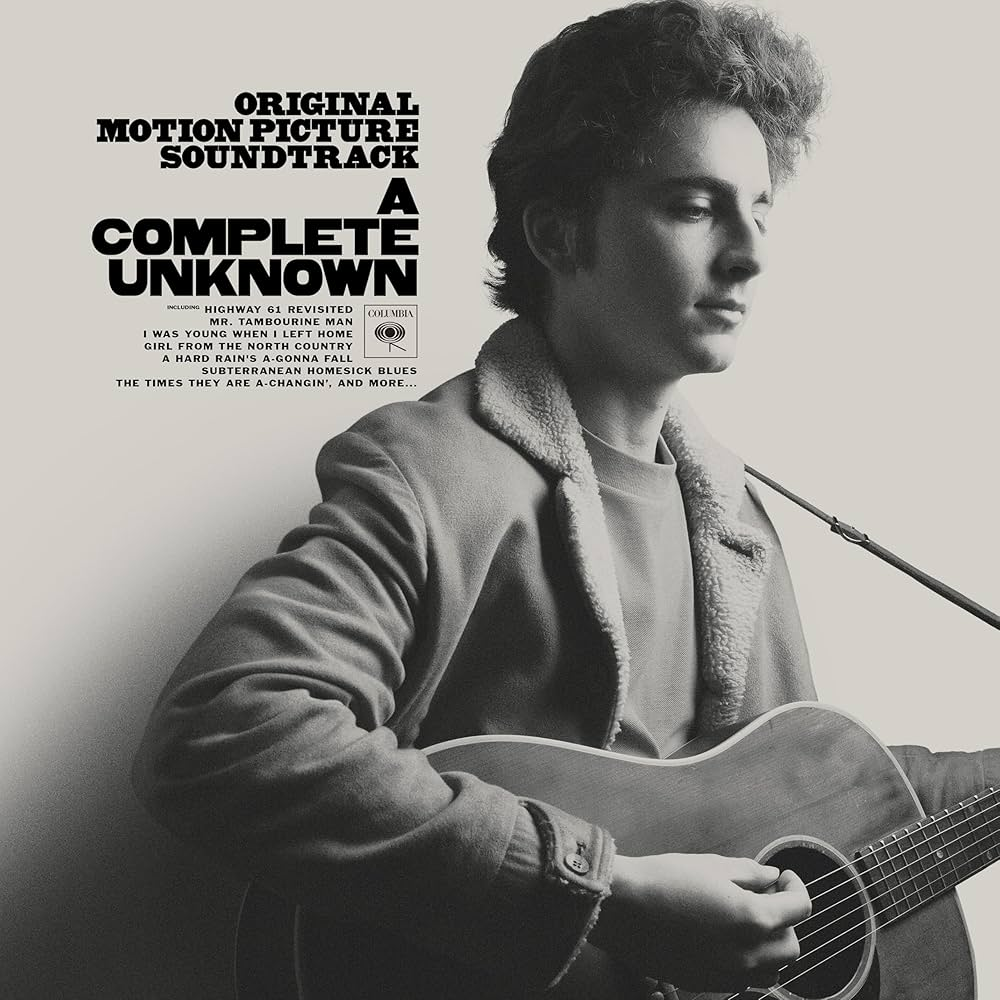
As a tribute to the incredible musical and writing brilliance of Dylan, A Complete Unknown (2024) is definitely worth a watch. Timothée Chalamet does a sterling job with the musicianship, mannerisms and vocal duties. He even brings a suggestion of character to someone who isn’t just a musician. Dylan’s a shape-shifter, a poet, a myth, a paradox wrapped in a harmonica riff. To play Dylan is not to “become” him but to capture the way he constantly eludes being known. Personally, I enjoyed Chalamet’s charismatic performance in Wonka (2023 more, but he is commanding as Dylan nonetheless. The supporting cast are terrific too, notably Edward Norton as the affable folk singer Pete Seeger and Boyd Holbrook as a muscular Johnny Cash. Mangold deserves much praise for getting so many consistently fine performances, even if the script could have been punched up with more drama throughout. Dylan being a bit of a self-driven “arsehole” and slight philanderer hardly raises the pulse.
Overall, Mangold directs with a sure hand and there are many fantastic musical set-pieces, gigs and recording sessions. But the film’s glossy sheen feels at odds with the grit of the 1960’s Greenwich Village folk scene. The world Dylan emerged from was smoky, messy, and filled with hungry artists scraping by in dimly lit coffeehouses, where folk music wasn’t just a style but a battle cry.A Complete Unknown (2024) captures the aesthetic—the period costumes, the dimly lit clubs, the jangling guitars—but everything feels just a touch too manicured, too cinematic. Dylan’s rise was not glamorous and the film makes the counterculture movement feel almost nostalgic rather than revolutionary. It’s an engaging snapshot, and Chalamet’s performance is undoubtedly compelling, but much like a pristine re-recording of an old folk song, the imperfections—the very thing that gave the music its soul—are missing.
Main Cast: Christopher Abbott, Julia Garner, Matilda Firth and Sam Jaeger
Cinematography by Stefan Duscio
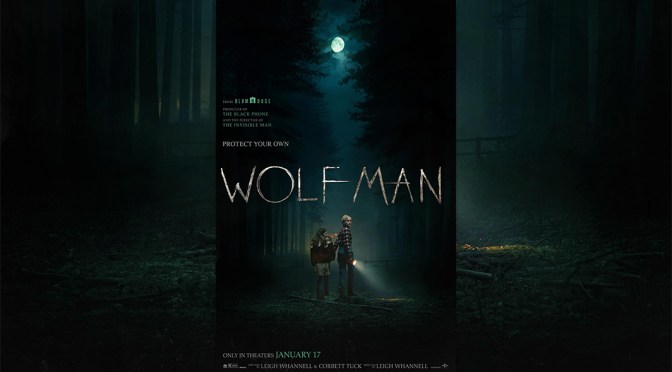
Leigh Whannell’s Wolf Man (2025) brings a fresh twist to the classic tale, grounding the werewolf transformation in a visceral metaphor for illness. The concept has undeniable merit, with the protagonist’s physical deterioration mirroring deeper themes of paternal guilt and the crushing weight of family responsibilities. Whannell’s knack for melding genre thrills with human drama is evident, as he did so effectively in Upgrade (2018) and The Invisible Man (2020). In fact, along with Predestination (2014), and the recently released, The Substance (2024), Upgrade (2018) is a low-budget masterpiece which SHOULD appear in many best-of-the-millennium-film lists, as opposed to over-rated, art-house garbage like Joanna Hogg’s, The Souvenir (2019).
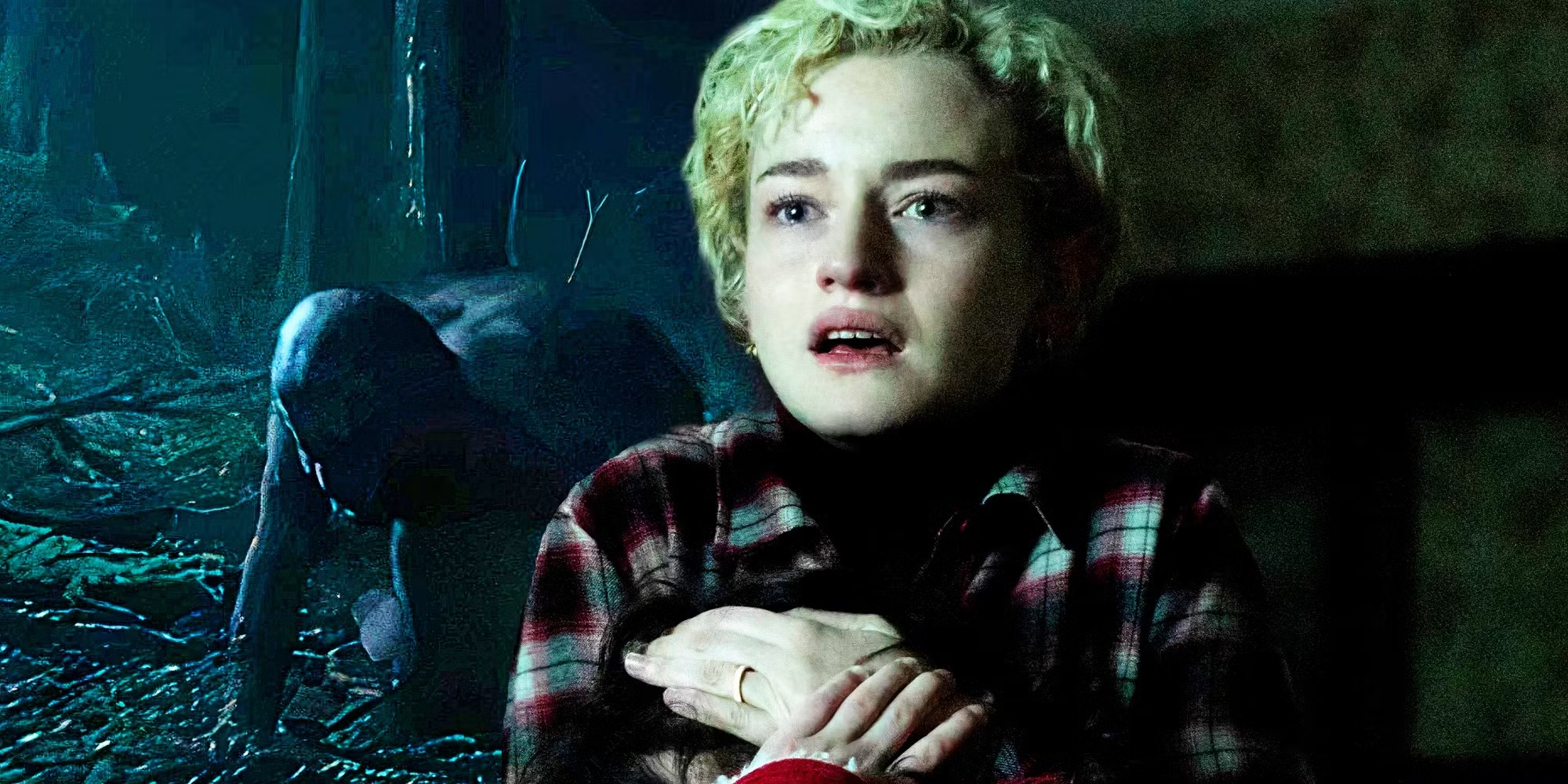
Anyway, back to the Wolf Man (2025). The film’s decision to confine its narrative mostly, apart from a suspenseful flashback prologue sequence, to a single night, significantly undermines its potential. Once the parental unit portrayed by nervy and ticky, Christopher Abbott and woefully underwritten, Julia Garner is established, the rushed structure sacrifices emotional depth and character development, leaving its poignant ideas about illness, fatherhood and family obligations feeling under explored. The claustrophobic time frame allows for tense, kinetic set pieces and decent gore, but it stifles the broader emotional resonance that Whannell has demonstrated in his previous work.
For fans of Upgrade (2018) and The Invisible Man(2020), Wolf Manmay feel like a missed opportunity. Those films balanced high-concept storytelling with sharp social commentary, whereas this latest effort feels more like a half-formed howl in the night. Indeed, there seemed to be a whole bite taken out of the second act with the film hurtling toward the underwhelming denouement with little tension and suspense. Further, if you have ever watched Ozark, then Julia Garner’s electric energy and acting power is truly under utilized. Plus, the film was SO dark. I know it’s a horror film, but it would be great to actually SEE what was going on as the characters go into the woods. Oh, and I did not like the monster design at all to be honest. Bring back Rick Baker I say. Overall, while there’s brilliance in the premise, the execution lacks the quality needed to fully transform it into something truly memorably metamorphic.
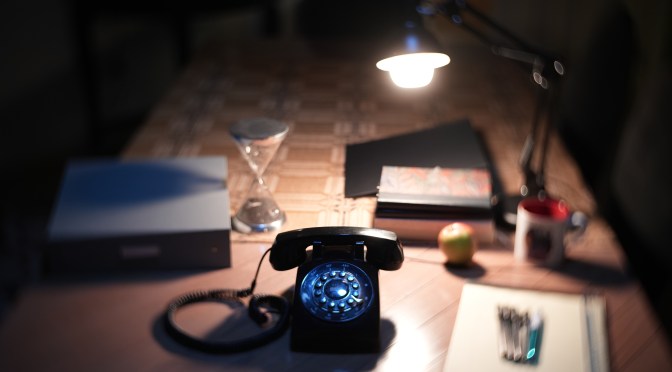
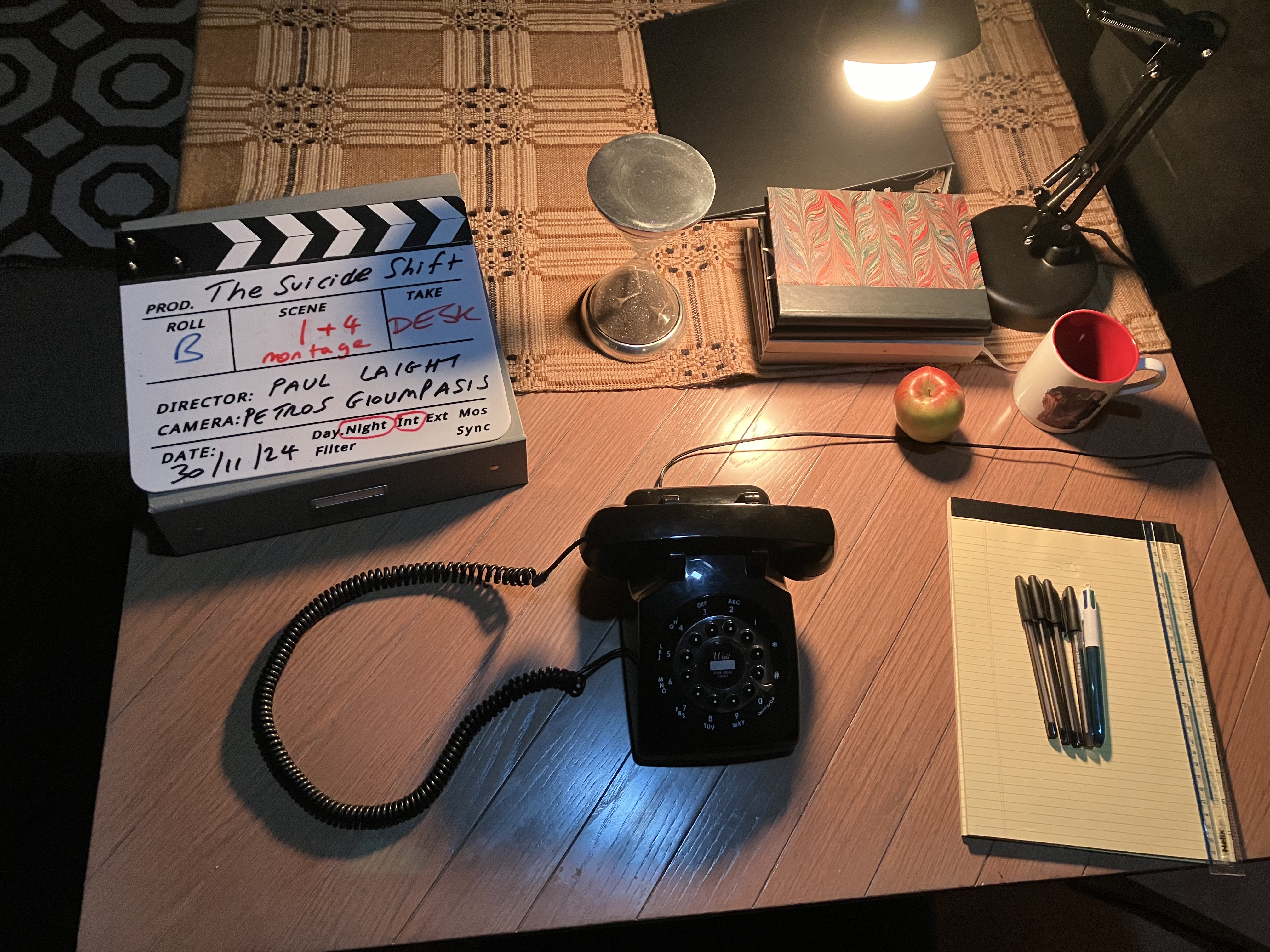
During 2024 I began planning a new short film and was keen to springboard a new horror idea from something simple around the flat I live in. I decided therefore to check out the various props I had and found an old black phone and an hourglass. From those props I began thinking about how the passing of time and communication could be used as a means of creating emotional conflict for the characters and elicit a sense of dread and fear from the audience. From these thoughts I began writing a script that eventually became called The Suicide Shift (2025).
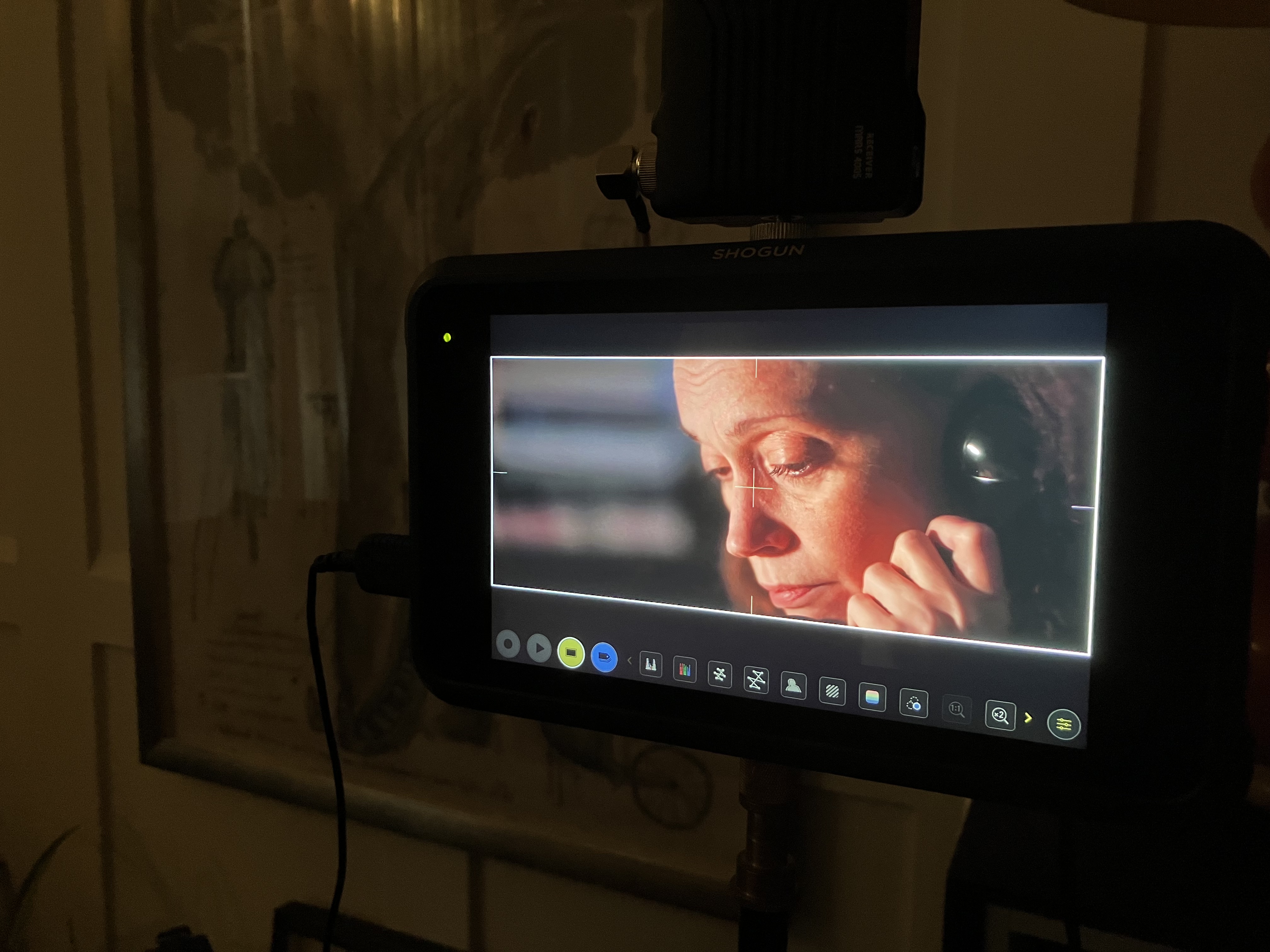
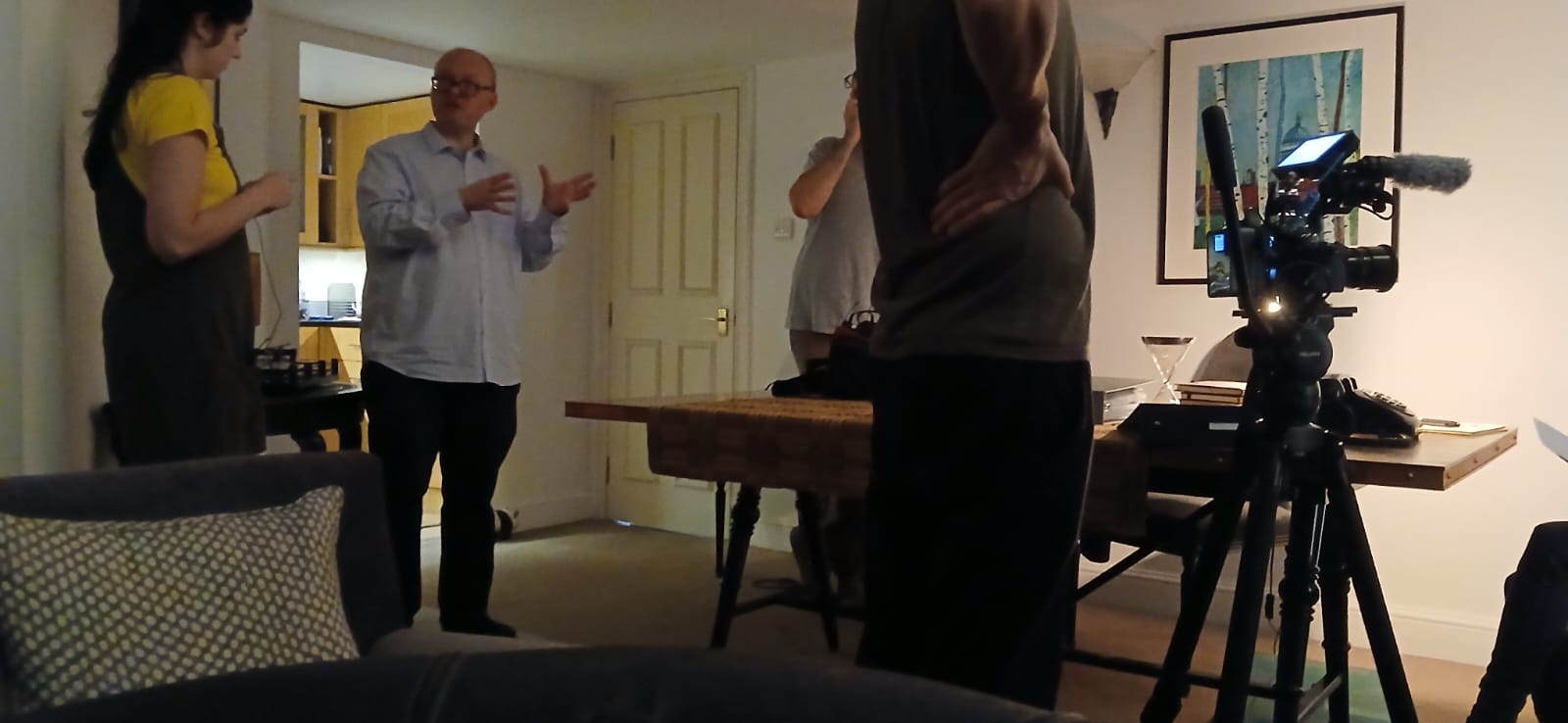
Pre-production for the film took place during 2024 and I put together a really talented cast and crew all with a very low budget. The filming took place at the end of November 2024 over two extremely productive days of shooting. The Suicide Shift (2025) is now in post-production with a release planned for 2025!
Theme and genre
The Suicide Shift (2025) further develops themes of hell, work and being trapped, previously explored in short films, Hell Is. . . (2013) and Inferis (2024). I was inspired to write a film which dealt with suicide. Mainly due to my own personal experience of losing two close friends who took their own life. I am using the film to highlight the tragedy of people who take their life and meditate on the possible reasons such events take place. I am classing the film as emotional horror.
I have set the film in the genre of psychological, supernatural horror as the horror film allows a filmmaker to explore deep themes while also raising emotion and suspense with the audience. The low-budget production relies heavily on performance, actor reaction, silence, and sound, aiming to be both powerfully dramatic and disturbing. It is set in a few locations but was filmed in one place with limited props and cast.
Logline
Banished to the “suicide shift” for breaking spirit call centre regulations, CARMILLA FERRY, now deals with the most tortured of souls moving from this world to the next. After being blasted by her line manager on the phone, Russell, Carmilla is feeling even more isolated and demoralised than usual. After a series of heart-crushing calls, culminating in a particularly stressful shift, Carmilla is then faced with the most heart-wrenching call of all.
Pitch Outline
In mythical days past, the souls of the dead were carried to the other side by Charon the Ferryman. In the present, the handling of souls has now been modernised and is managed by call centres run by managerial bureaucrats and office workers who exist in limbo, somewhere between heaven, hell and the mortal world.
It is the spirit call centre’s job to manage the dying as they pass into the next world. The employees are not allowed to intervene. Only coordinate, process and record death. The workers communicate via a supernatural telecom system which is heard in the mind of the dying. Any worker who intervenes risks having to work alone in ‘Limbo’.
Banished to the ‘Suicide Shift’ for breaking spirit call centre regulations, CARMILLA FERRY, now deals with the most tortured of souls moving from this world to the next. After being blasted by her manager, RUSSELL, on the phone, Carmilla is feeling even more bullied, isolated, and demoralised than usual. Especially because Russell will not let her see her teenage daughter, a mortal named, Lucy. Russell controls everything and watches Carmilla via a CCTV camera and screens.
During a particularly stressful shift, Carmilla has had to deal with a whole night of heart-crushing calls from the dying. Then, in the early hours of the morning Lucy is suddenly put through to Carmilla having taken an overdose at a party. Carmilla must listen as her frightened daughter’s life slowly drifts away, powerless to intervene. The true horror of work and existence dawns on her.
Looking for something horrifying to watch during Halloween. Well you could do far worse than getting a Shudder subscription.
A few months a year I sign up and binge bloody disgusting and scary films as my previous reviews testify. Check them out here!
This year I have done the same and watched some really good, terribly bad and hideously ugly horror films via Shudder. Peruse my short reviews below. In alphabetical order with marks out of eleven.
Host (2020)
A terrific low-budget British indie film that explores the dangers of angering ghosts during a Zoom call. While the mildly irritating characters don’t realize they can simply end the online séance, it’s still a spooky, suspenseful, and fast-paced horror flick. I’m not usually a fan of the found footage genre, but this was very well made and highly creepy. Mark: 8 out of 11
In A Violent Nature (2024)
This director will probably have an amazing career. But this film was, despite some wonderful practical-effect driven gore, SO slow and boring. The film satirizes classic horror tropes, mocking their clichés with a heavy hand. The director’s pretentious style and inflated sense of artistic ego drain the audience of any real suspense or tension. The attempt at highbrow genre obfuscation creates a hollow spectacle. Shot from behind, the killer stalks twenty-somethings in the woods in the style of Son of Saul (2015) meets every slasher film ever. Ultimately, suffering from atrocious dialogue, bad plotting and weak characterization, the visual flair fails to save a film which feels more like an exercise in intellectual vanity than a gripping thriller. Mark: 5 out of 11
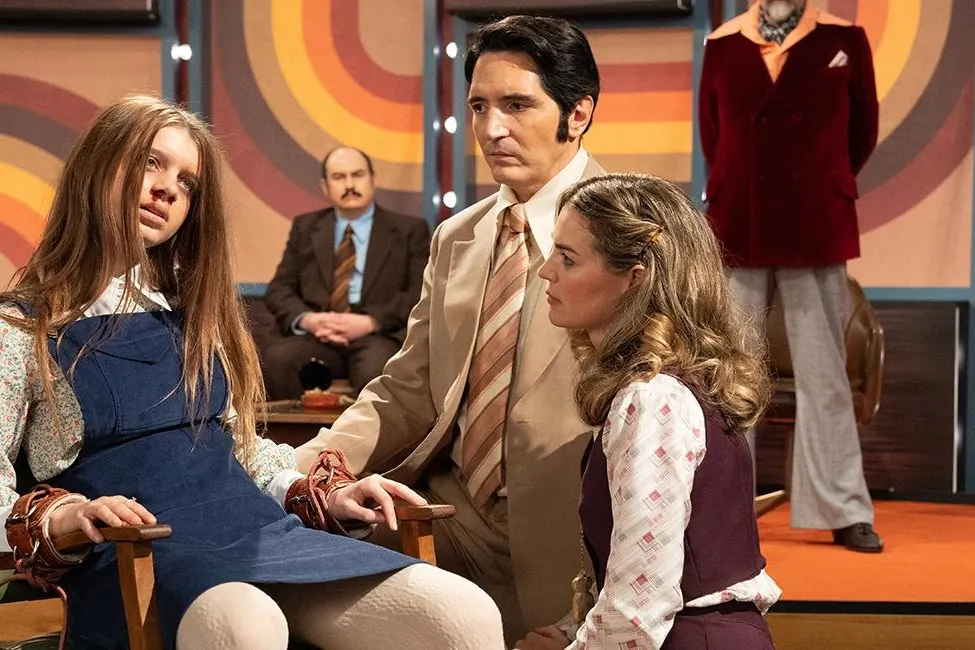
With echoes of the recent Inside No. 9 (3×3 quiz show episode) and BBC show Ghostwatch (1992), and of course The Exorcist (1973), Late Night With the Devil (2023) is one of the most enjoyable and imaginative horror films I have seen in sometime. One of the best horror films of the decade. Check out my longer review here. Mark: 9 out of 11
Pyewacket (2017)
Nicole Munoz’ isolated teenager summons a witch via a ritual and unleashes something not particularly scary or even present. All set-up and no catharsis! A waste of everyone’s time. Mark: 4 out of 11
Revealer (2022)
One of the best pitches I have read in a while – “A stripper and religious protester are trapped together in a peep show booth and must come together to survive the apocalypse in 1980’s Chicago!” does not unfortunately live up to expectations. However, there’s a decent female buddy dynamic and some imaginative gore which channels early Raimi, Jackson and Carpenter. Mark: 6 out of 11
Room 237 (2012)
For Stanley Kubrick completists, this fascinating documentary is divided into nine sections, with each one exploring a different aspect of The Shining (1980). Hidden theories buried under the surface relate to faked moon landings, Native American genocide and the holocaust are some of the ideas chucked at the wall. While some may stick and some don’t, it’s lovingly made and always fascinating. Mark: 8 out of 11
Skinamarink (2022)
Skinamarink was a major letdown for me, especially given the high expectations after its impressive financial success. With a $15,000 budget, it garnered over $2.1 million at the box office, creating a buzz around its unconventional style and promise of fresh horror. But despite its atmospheric tension and experimental approach, I felt the film didn’t live up to the hype. The slow pacing, abstract narrative, and reliance on ambient sounds and shadows left me unmoved. It’s an original, art-house horror so surprised it crossed over. Filmmaker, Kyle Edward Ball, clearly has a distinctive voice though. Mark: 6 out of 11
Stop Motion (2023)
The animation in Stopmotion (2023) showcases Robert Morgan’s genius, with his signature blend of hauntingly detailed stop-motion work that creates an eerie, tactile atmosphere. His craftsmanship brings a nightmarish quality to life, adding unsettling textures and depth that pull the audience into a world of psychological horror. However, while the animation excels, the plot—reminiscent of Repulsion—struggles to connect on a human level. The surreal visuals overshadow the character’s psychological journey, making it hard for viewers to engage with the protagonist’s inner turmoil, leaving the story feeling more distant and abstract than compelling. Mark: 6.5 out of 11
Superdeep (2020)
The Russian horror film Superdeep feels like a patchwork of borrowed elements from better-known sci-fi and horror movies, but without their finesse or originality. It mimics the claustrophobic tension of The Thing, the body horror of Alien, and the descent into madness of Event Horizon, yet fails to capture the essence that made those films effective. Derivative and ineffective, it at least has some ridiculously bad monster effects at the end that had me laughing. Mark: 4 out of 11
The Coffee Table (2022)
The Coffee Table is a twisted and darkly humorous horror film that pushes the boundaries of discomfort while delivering a sharp, satirical take on the horrors of parenthood. The film’s sick sense of humor blends with its unsettling premise, as it uses a seemingly mundane object—a coffee table—as the catalyst for an absurd but terrifying chain of events. Its pitch-black comedy amplifies the tension, making the film both deeply disturbing and strangely cathartic for those who understand the pressures of raising children. It’s a fearless examination of the darker side of family life, where humor and horror collide to expose the anxieties and struggles that often go unspoken. Mark: 8 out of 11
We All Went to the World’s Fair (2021)
We All Went to the World’s Fair (2021) falls short both as a horror film and as a rites of passage story. Its eerie, slow-burn approach creates an unsettling atmosphere, but the lack of a clear, escalating threat leaves it feeling aimless. Switching protagonists at the end does not work, and despite an excellent performance from Anna Cobb, the film spoils an intriguing premise. Mark: 5.5 out of 11
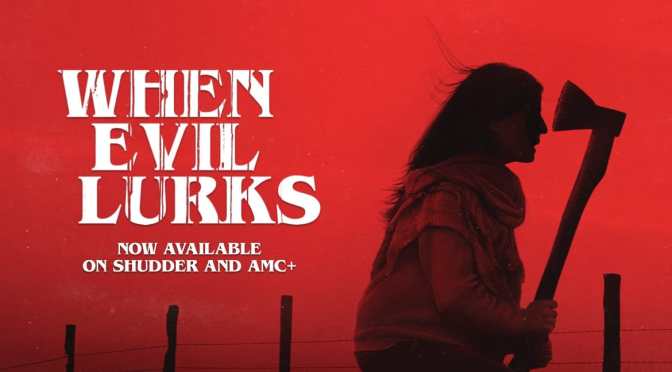
Where Evil Lurks (2023)
Where Evil Lurks(2023) skillfully employs well-known horror tropes—such as viral infection and monstrous transformations of humans—to deliver a fresh and intense experience. The film taps into the fear of contagion, using the idea of a mysterious, spreading evil that corrupts and distorts its victims. This viral-like menace is combined with disturbing body horror, as infected humans gradually turn into something grotesque and monstrous, making the familiar threat feel visceral and terrifying. The gradual, creeping transformation of people into monstrous figures is done with chilling precision, playing on the fear of losing control of one’s body and mind. By grounding these tropes in a strong narrative and unsettling atmosphere, the film elevates the horror elements, using them to amplify its emotional and psychological impact. Mark: 8.5 out of 11
As regular readers of my blog will know I am a massive fan of horror films. So much so I will often theme my monthly viewing around the genre, then consolidate the reviews in one post. Here are two of the most recent posts:
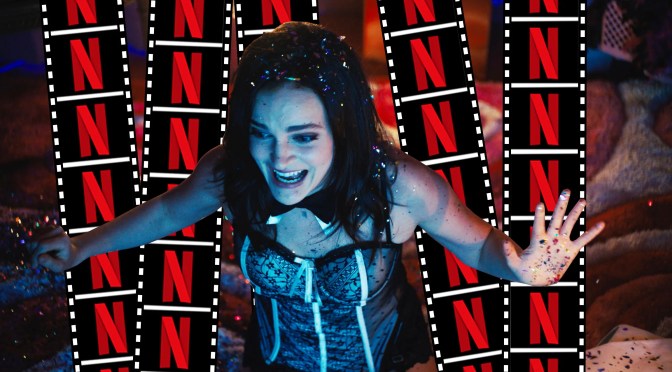
For the month of June and bleeding into July, I solely focused on horror films streaming on Netflix. So, here are short reviews of the many films I watched that are currently available on Netflix!
*** CONTAINS PLOT SPOILERS ***
A CLASSIC HORROR STORY (2021)
Italian shocker that echoes Midsommar (2019), Scream 3 (2000) and The Ritual (2017). The script is meta-clever and there’s some decent gore, but overall it lacks emotional empathy for the characters. More of a knowing film satire rather than being proper scary. Mark: 6.5 out of 11
BAGHEAD (2023)
Suffers in comparison to the far more energetic and thrillingTalk to Me (2022)– which is also on Netflix. Aside from the opening with the always brilliant Peter Mullan, who sets the scene, monster and horror rules, the film contains slight characterization and low stakes when the lead protagonists enter the shadowed fray. Mark: 5.5 out of 11
BLOODY NEW YEAR (1987)
Genuinely one of the worst horror films EVER made, that somehow still has some memorably crazy moments and monsters. Watch and cry with laughter about how bad this Brit-shocker is though! Mark: 2 out of 11
CAM (2018)
Madeline Brewer is fantastic as the narcissistic Cam-Girl who finds her identity is cloned, with the added stress of a killer being on her trail. Cleverly and wittily plotted, this brilliantly directed satire rises above its exploitative material to deliver a thematically rich horror film full of suspense and shocks. Mark: 8.5 out of 11
CREEP 2 (2017)
Mark Duplass gives another strikingly weird performance as the serial killer who loves the slow-burn taunting of his victims. Both this and Creep (2015) actually make the found footage filming trope work really well. Mark: 7.5 out of 11
EMELIE (2016)
What if your babysitter isn’t the person you think they are? An incredibly chilling character study designed to give every parent sleepless nights. With a committed performance from Sarah Bolger, this has so many twisted scenes involving the kids that disturbed me and feared for their safety. A horror film that really burrows under your skin throughout. Mark: 7.5 out of 11.
FANTASY ISLAND (2020)
Taking a 1970’s high-concept drama series and turning it into a horror film is not the worst idea, especially as the original series had its darker episodes often involving cautionary tales of morality. However, the script they delivered for this misfire feels as though many, many writers have tried desperately to resuscitate it from within the cold morgue draw. There’s some drive and energy from the cast and I actually enjoyed some of the set-pieces, but it feels ultimately like over-stuffed mush. Mark: 5 out of 11.
HAUNT (2019)
An incredibly generic set-up finds a group of teenagers drawn to a haunted house at Halloween, only for crazed killers to lock them in a slash them down. Benefits from some imaginative villains and kills, plus an empathetic lead characterization by Katie Stevens as the grieving Harper. Lastly, directors Scott Beck and Bryan Woods show excellent control over tone, style and suspense. Mark: 7.5 out of 11.
RED STATE (2011)
Kevin Smith goes ‘Grindhouse’ with this gnarly horror film where a group of horny teenagers are lured into a deadly trap that threatens their existence. Starts strongly exploring themes of religious mania and family values culminating in an incredible monologue delivered by Michael Park’s charismatic church leader. Latterly descends into a chaotic siege thriller shoot-em-up with crazy cultists versus the American authorities led by the always excellent, John Goodman. Smith’s trademark chitty-chatter dialogue is good, but kind of gets in the way (monologue aside) of the drama and humanity-as-horror of the piece. Mark: 7 out of 11.
THERE’S SOMEONE IN YOUR HOUSE (2021)
Extremely well written, directed and acted film which gets stuck between the rites-of-passage and slasher tropes, serving neither of these genres satisfactorily. There’s some alright kills, but overall feels like an inferior photocopy of Scream (2000) with little of the wit or meta-brilliance. Mark: 6 out of 11.
TIN & TINA (2023)
Featuring motifs relating to religion, fascism and family values, this interesting chiller ticks all the themes present in many Spanish horror films. As Lola (Milena Smit) and Adolfo (Jaime Lorente) suffer the tragedy of a lost child, they try to redeem their grief with the adoption of two blonde, shock-haired orphans raised by nuns. Driven by their naivete and religious fervour, Tin and Tina end up committing many questionable acts which threaten to send Lola over the edge. Beautifully filmed and scored, the director also builds an impressive sense of dread throughout, yet the film is ultimately denied a higher mark by the glacial pace and disappointing ending. Nonetheless, it is thought provoking with both the creepy kids and Christianity contributing to nail-biting scenes of high anxiety. Mark: 7 out of 11
Written and directed by Colin Cairnes and Cameron Cairnes
Produced by Mat Govoni, Adam White, John Molloy, Roy Lee, Steven Schneider and Derek Dauchy
Cast: David Dastmalchian, Laura Gordon, Ian Bliss, Fayssal Bazzi, Ingrid Torelli, Rhys Auteri, Georgina Haig, and Josh Quong Tart
Cinematography: Matthew Temple
*** MAY CONTAIN SPOILERS ***
Some years ago I wrote an article about how I dislike the found footage sub-genre and that article can be found here. Occasionally, found footage is used well such as in Creep (2014) with Mark Duplass or REC (2007) or Chronicle (2012). Now you can add Colin Cairnes and Cameron Cairnes, Late Night With the Devil (2023) to that list of found footage films I actually enjoyed.
Technically, one could argue it isn’t really found footage and it negates such films often “amateurish” filming methods, with a truly stylish rendition of 1970’s television chat shows. However, we are asked by the narrator to view “never-before-seen” images and sounds from a previously unreleased and infamous TV chat show presented by ‘Night Owls’ host, Jack Delroy (David Dastmalchian). So, found footage it is!
David Dastmalchian is absolutely fantastic in his role as ambitious but desperate to be number-one chat show host, Jack Delroy. Often cast in supporting roles he now grabs the chance to become much more than that scene-stealing character actor. Delroy is not unlikable, but his arrogance and ambition dominate his personality. So much so, and despite his grief at losing his wife to cancer, he is prepared to allow all sorts of creepy and inappropriate situations unfold in his desperate search for TV ratings.
Delroy pits a dubious psychic Christou (Fayssal Bazzi) against skeptical former magician Carmichael the Conjurer (Ian Bliss), before asking parapsychologist author June Ross-Mitchell (Laura Gordon), and her subject Lilly D’Abo (Ingrid Torelli) to contact a demonic presence called ‘Mr Wriggles,’ live on television. Even after Christou is rushed to the hospital and Lilly contorts and spits out growling obscenities, Delroy decrees the show must go on. The Cairnes Brothers then continue to ratchet up the tension and horror to a deadly and shocking ‘Night Owls’ televisual denouement.
With echoes of the recent Inside No. 9 (3×3 quiz show episode) and BBC show Ghostwatch (1992), and of course The Exorcist (1973), Late Night With the Devil (2023) is one of the most enjoyable horror films I have seen in sometime. The 1970’s period setting and TV studio location is impressively recreated by the fantastic production team, especially on a relatively low budget. Arguably, the plot, once you dig down into it lacks emotional depth, however, the pacy and darkly funny screenplay more than compensates for this. Overall, the film’s style, design, direction and a commanding performance from Dastmalchian ensure Late Night With the Devil (2023) is essential viewing for all horror fans.
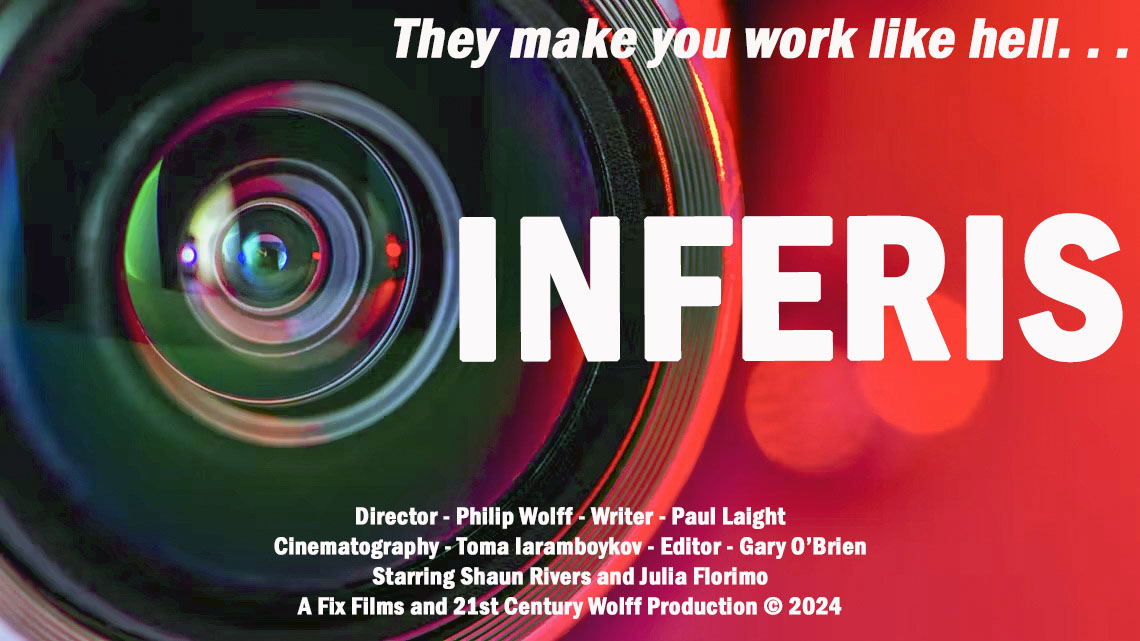
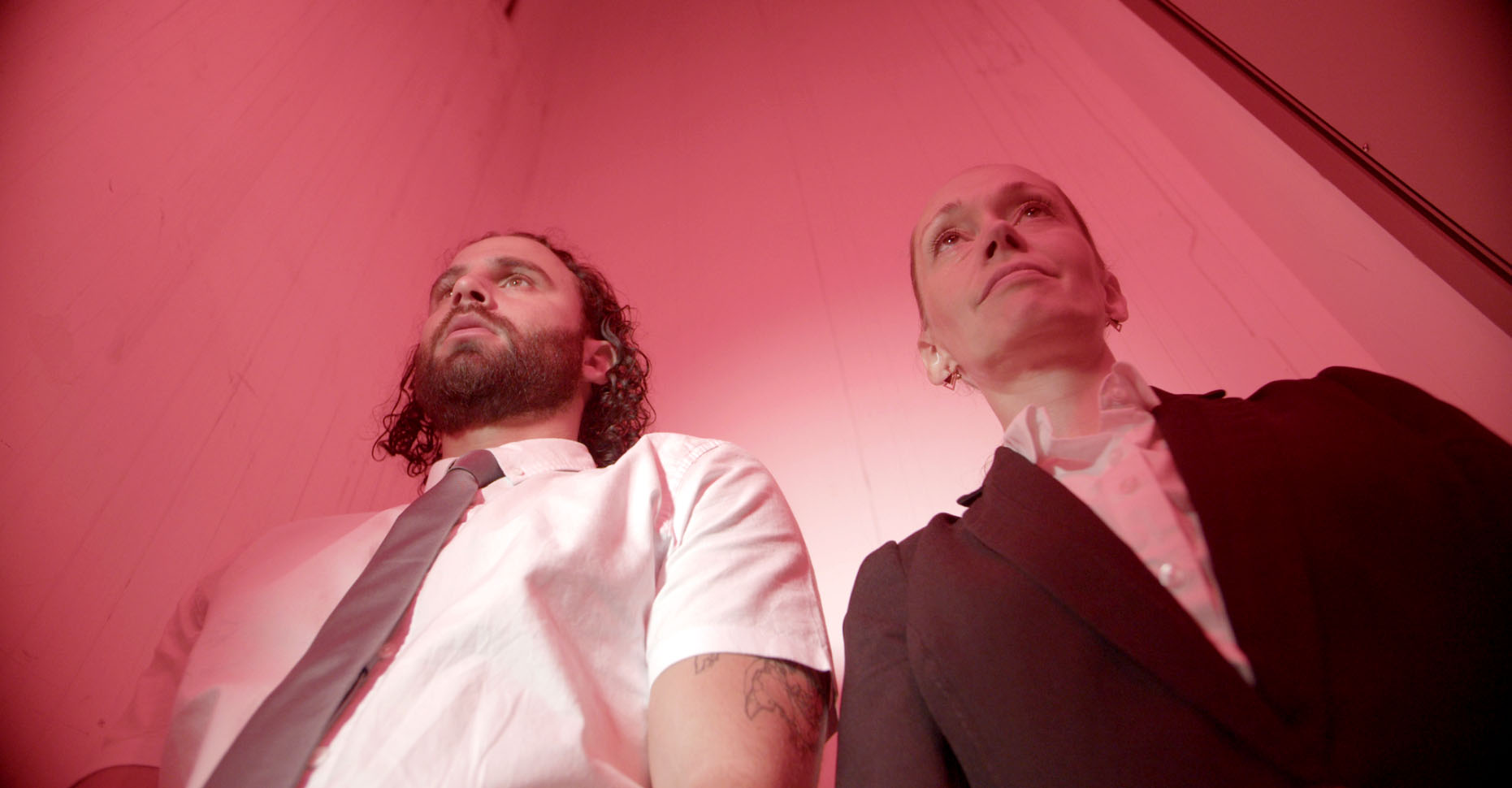
INFERIS (2024) – A new horror short poster and stills.
After a few years gap I finally managed to get back into the short filmmaking process last year with INFERIS (2024).
I wrote and produced it as a very low-budget psychological horror proof of concept short.
It was filmed at Raindance Film School in August 2023 and post was completed in February 2024.
Here’s the poster:
Here are some stills:
If you haven’t seen it, the trailer is here:
INFERIS (2024) – Production Details
Tagline – “They make you work like hell!”
Logline – Recent prison leaver, Joseph Mann, begins a new job at Inferis Security. Hoping for a fresh start he finds himself drawn toward a mysterious door that leads to god knows where.
Main cast: Sandra Hüller, Swann Arlaud, Milo Machado Graner, Antoine Reinartz, Samuel Theis, Jehnny Beth, Saadia Bentaieb, Camille Rutherford, Anne Rotger, Messi (the Dog), etc.
Cinematography by Simon Beaufils
Acclaimed director Justine Triet defies the old advice of not to work with children and animals to deliver a compelling courtroom, domestic and psychological suspense drama in Anatomy of the Fall (2023). Indeed, the performances of teenage actor, Milo Machado Graner and Messi the dog are of terrific quality. The dog’s acting is only surpassed by a formidable tour-de-force portrayal by Sandra Hüller. She excels as a wife accused of murdering her husband in the French Alps town of Grenoble. Did she? Well, there are no easy answers as the script dissects the crime and the couple’s marriage with forensic intensity.
Triet and her screenwriting partner, Arthur Harari, do not waste any time setting up the mystery element of the drama. The film opens as we follow visually impaired, Daniel Maleski (11 years old) taking his dog for a walk in the snow. At the same time his mother, an author, Sandra, is being interviewed by a research student in the chalet. But we never see the husband, Samuel, who plays thumping music from upstairs. When Daniel returns, the student has left and his father is found dead on the hard white, but blooded, ground. Sandra is upstairs unaware of her husband’s demise. Or is she? Herein begins the did-she-or-didn’t she kill him question? It’s a brilliant opening sequence where Triet and her production team demonstrate impressive filmmaking skill, an adroitness which continues throughout.
Anatomy of the Fall (2023) is an extremely complex film, both intelligent and thematically powerful. The courtroom exchanges between Sandra, her son Daniel, Samuel’s psychotherapist, the prosecution and defense lawyers are brilliantly written and acted. The flashback arguments between Samuel and Sandra are gut-wrenching and all too familiar to anyone who has been in or witnessed the crumbling of a marital or parental relationship. As well as the central mystery, Triet and Harari also skilfully weave in thematic subplots relating to literary plagiarism and mental health. While slightly overlong with mild pacing issues toward the end, Anatomy of the Fall (2023) is overall an absorbing thriller about what happens when the love between two people runs its tragic course and the shock and grief that can follow.
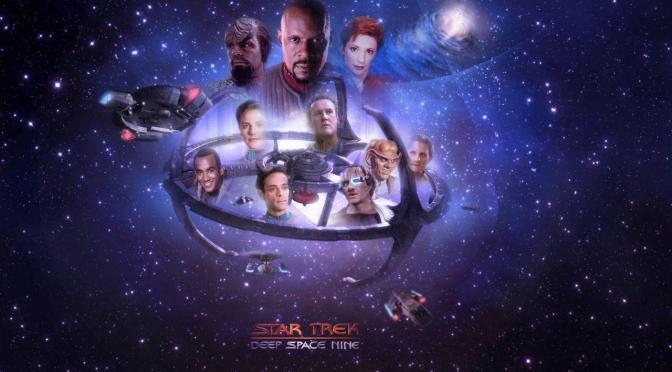
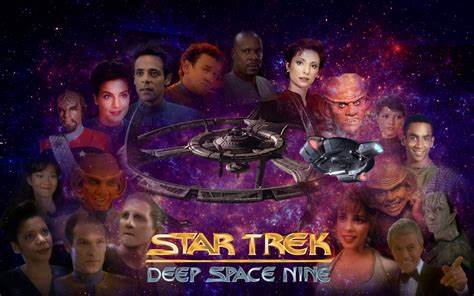
TO BOLDLY REVIEW #14 – DEEP SPACE NINE (1993 -1999)
Created by: Rick Berman, Michael Piller
Based on Star Trek: by Gene Roddenberry
Showrunners: Michael Piller (1993–1995) and Ira Steven Behr (1995–1999)
Main Cast: Avery Brooks, René Auberjonois, Terry Farrell, Cirroc Lofton, Colm Meaney, Armin Shimerman, Alexander Siddig, Nana Visitor, Michael Dorn, Nicole de Boer, etc.
Theme music composer: Dennis McCarthy
*** MAY CONTAIN SPOILERS ***
It’s been over a year since I reviewed the Star Trek feature films here. Thus, much of 2022 was spent watching the seven series of Star Trek: Deep Space Nine. The fact that I got through all seven seasons of the show illustrates two things:
I am determined to finish this viewing project of watching every Star Trek produced film and television show released from the original series to now!
Star Trek: Deep Space Nine was a really excellent show that made me want to watch it the end.
While containing lots of genre and narrative similarities to the previous Trek television productions, Star Trek: Deep Space Nine(DS9), expanded further the characters, worlds and vision established brilliantly by TheNext Generation. Crossing over and surpassing the TNG timeline, DS9‘s narratives centralized around the space station positioned close to the planet of Bajor.
The Bajorans occupy the Alpha Quadrant and had one of the oldest and richest cultures in Star Trek lore. Driven by a spirituality similar to Buddhism, they are a proud people who suffered greatly during the invasion by the Cardassians, who built Deep Space 9 to control the Bajorans and the Alpha Quadrant. After the defeat of the Cardassians, Starfleet were assigned to manage DS9 and the series starts with Captain Benjamin Sisko (Avery Brooks) taking his place as commander of the station. To his surprise, Sisko becomes “Emissary” to the Bajoran prophets. A holy position which drives many storylines throughout the series and conflicts with the logical aspects of his role as Captain.
Deep Space Nine has many fine standalone episodes, however, what makes it differ greatly from the previous franchise series is the complex narrative and character arcs which dominated the latter seasons. These were directly linked by the brutal war which developed between Starfleet, their allies and the Dominion and the Cardassians. Personally, I could have done without many of the romantic “pairings-off” we got between the characters, however, they did raise the emotional stakes for them and brought greater narrative resonance. Lastly, the expansion of the Star Trek universe through use of the wormhole, allowed many other alien species to be introduced to the ever-growing Star Trek universe.
While sci-fi shows can live and die on their scientific concepts and themes, great characters are always at the heart of Star Trek. Sisko is a commanding presence throughout, yet Odo (René Auberjonois), a shapeshifter, was arguably the most complex of all characters, especially when a massive narrative reveal is dropped during Season 3. The familiar face of Worf (Michael Dorn) joined in Season 4 and he provided seriousness when compared to the more energetic characters of Jadzia Dax (Terry Farrell) and the scheming, but humorous Ferengi, Quark (Armin Shimerman). The Bajorans on the station were represented by Nana Visitor’s formidable, Kira Nerys, while Doctor Julian Bashir (Alexander Siddig) and Miles O’Brien (Colm Meaney) had a fine bromance. Finally, Deep Space Nine also had some fantastic guest actors, notably Louise Fletcher, Frank Langella, Iggy Pop, Tony Todd, James Darren and Andrew Robinson as Garak. The latter two actors became virtual regulars and Garak, the mysterious and exiled Cardassian, was probably my favourite character in the whole show.
To end this short review I’d like to pick seven of my favourite episodes – one from each season. They represent some of the best examples of, Deep Space Nine, an often brilliantly written, powerfully acted, funny and moving science fiction series.
DEEP SPACE NINE – SEVEN GREAT EPISODES
1. EMISSARY – EPISODE 1
A fine introduction to the characters, setting and themes which will dominate the next seven seasons.
2. THE JEM HADAR – EPISODE 26
A brilliant episode which introduced the fearsome Dominion soldiers, The Jem Hadar.
3. IMPROBABLE CAUSE / THE DIE IS CAST – EPISODES 20 & 21
Odo investigates a murder attempt on Garak on the space station. Their complex relationship thickens within a superbly scripted espionage thriller, full of twists and revelations.
4. THE VISITOR – EPISODE 3
An amazingly involving narrative which finds Sisko lost in a temporal void, with his son, Jake, prepared to make the ultimate sacrifice to save his father.
5. TRIALS AND TRIBBLE-ATIONS – EPISODE 6
An incredible episode full of amazing production values as it merges both present and past characters from Star Trek. The DS9 crew are sent back in time where they encounter their Enterprise predecessors and those damned pesky Tribbles.
6. FAR BEYOND THE STARS – EPISODE 13
Developed like a BBC Play for Today drama, this episode is thematically meta-rich, exploring science-fiction writing and racism in 1950’s America. How Avery Brook’s dual identities of Benny Russell and Captain Sisko connect across the universe is enigmatic, poetic and utterly compelling.
7. WHAT YOU LEAVE BEHIND (Parts 1 and 2) – EPISODEs 25/26
Despite replacing Jadzia with an inferior (Ezri) Dax, and containing a few unnecessary filler episodes with that character, the final season ultimately brought the war with the Dominion to an astounding dramatic conclusion. Sisko’s journey as the Emissary also reached a spiritually emotional and intelligent denouement. One of the best final television seasons of all time, perhaps?












 The Cinema Fix presents