Tag Archives: Sweden

Cult Film Review: Thriller – A Cruel Picture (1974) – a shocking blend of X-rated exploitation and arthouse filmmaking!

Cult Film Review: Thriller – A Cruel Picture (1974)

Directed by Alex Fridolinski

Screenplay by Alex Fridolinski

Produced by Bo Arne Vibenius

Main cast: Christina Lindberg, Heinz Hopf, Despina Tomazani, etc.

Cinematography by Andreas Bellis

Edited by Brian Wikström

**Viewer discretion is advised – this film contains scenes that many will find disturbing**
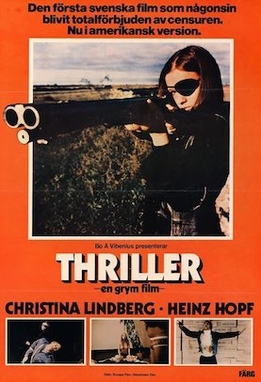


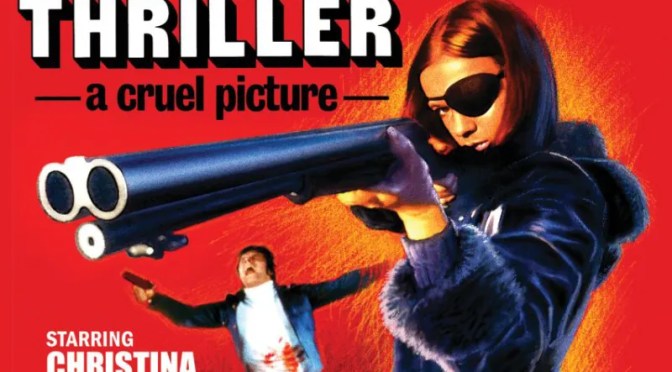
Thriller – A Cruel Picture (1973) (Swedish: Thriller – en grym film) is a 1973 Swedish exploitation film from writer-director Bo Arne Vibenius, working under the pseudonym Alex Fridolinski, starring Christina Lindberg and Heinz Hopf. Infamous for its unflinching depictions of sexual violence, drug abuse, and degradation, the film charts the ordeal of a mute young woman who is coerced into heroin addiction and forced into prostitution before embarking on a brutal campaign of revenge against her tormentors.

Released in the United States in a heavily cut version by American International Pictures—under lurid alternate titles such as They Call Her One Eye, Hooker’s Revenge, and The Swedish Vice-Girl—the film has earned a reputation as a deeply disturbing and confrontational work. Its graphic content and relentless tone make it a challenging and potentially distressing viewing experience, best avoided by those sensitive to extreme subject matter.

Unsurprisingly, due to the violent scenes, on-screen drug use, nudity and also inclusion of hardcore pornography, Thriller – A Cruel Picture (1973) was either banned outright or heavily censored on release. I had heard so much about this film on various YouTube videos expounding the shocking nature of the themes and scenes. Allied to this, Quentin Tarantino has also “championed” the movie and it’s star, Christina Lindberg. With this in mind the film I got tempted and purchased the recent Blu Ray version released in the UK. This version DOES NOT, thankfully, include the pornographic scenes which were filmed by the director with a Swedish couple who did live sex shows.

So, is Thriller – A Cruel Picture (1973) actually any good? Well, it is safe to say that it is a relentlessly harsh watch. That said, it would be unfair to dismiss the film outright as mere grindhouse provocation. Vibenius employs striking stylistic flourishes that elevate certain sequences into something oddly hypnotic. Most famously, the extended slow-motion shotgun reprisals—henchmen blasted backwards in balletic, almost operatic fashion—are staged with a visual patience that borders on the surreal. These, as well as the lengthy final act car pursuit sequence, are technically memorable, even as their brutality remains confronting.
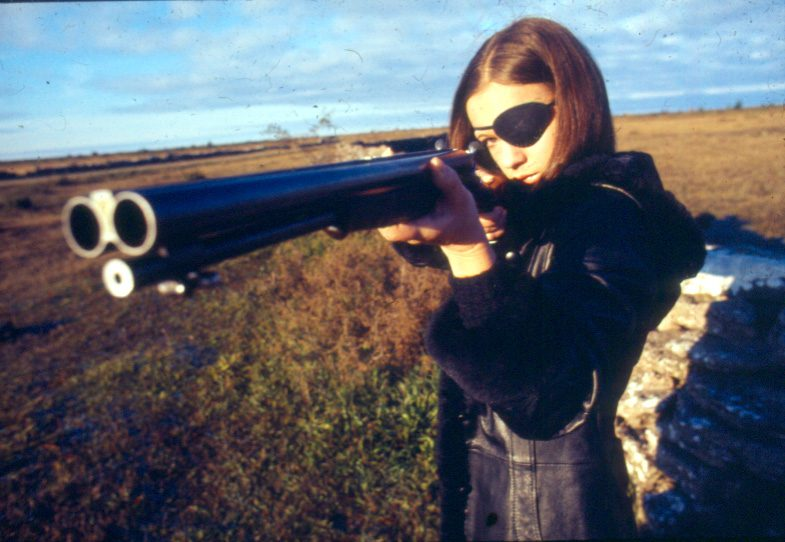


Where the film becomes almost nightmarish is in its internal logic. Once Madeline (Christina Lindberg) is captured and brutalized by the sadistic drug dealer Tony (Heinz Hopf), the narrative takes on a dreamlike, disjointed quality. Despite being forcibly addicted to heroin, she somehow manages to train herself in hand-to-hand combat, driving, and sharpshooting—preparing an elaborate revenge while still under the grip of addiction. The plotting feels less realistic than hallucinatory, as though the film operates on the logic of trauma and fantasy rather than grounded cause and effect.

A great deal of the film’s lasting impact rests on the striking screen presence of Christina Lindberg, as well as her character’s grim journey. Already known internationally in the late 1960s and early 1970s for her work as an erotic actress and glamour model, Lindberg brings an arresting, almost statuesque quality to the role. Her icy stare—especially once framed by the now-iconic eyepatch—gives the character a mythic, comic-book intensity. At the same time, the creative decision to render her character mute inevitably shapes how that performance is perceived. Silence becomes a stylistic device, amplifying the film’s cold and detached tone. The director’s choice to sidestep the demands of more dialogue-heavy dramatic scenes actually works in the film’s favour.

Overall, Thriller – A Cruel Picture (1973) is a film that oscillates between exploitation rawness and stark, almost avant-garde stylization. For hardened genre enthusiasts, it may be a grim curiosity with undeniable visual audacity. For many others, however, its graphic content and relentless tone will make it a deeply uncomfortable, even distressing experience. Proceed carefully.
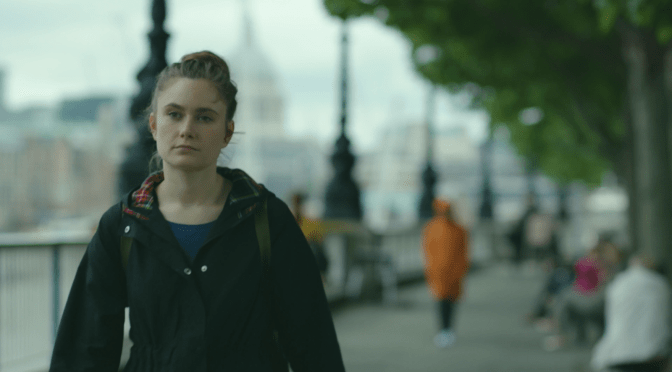
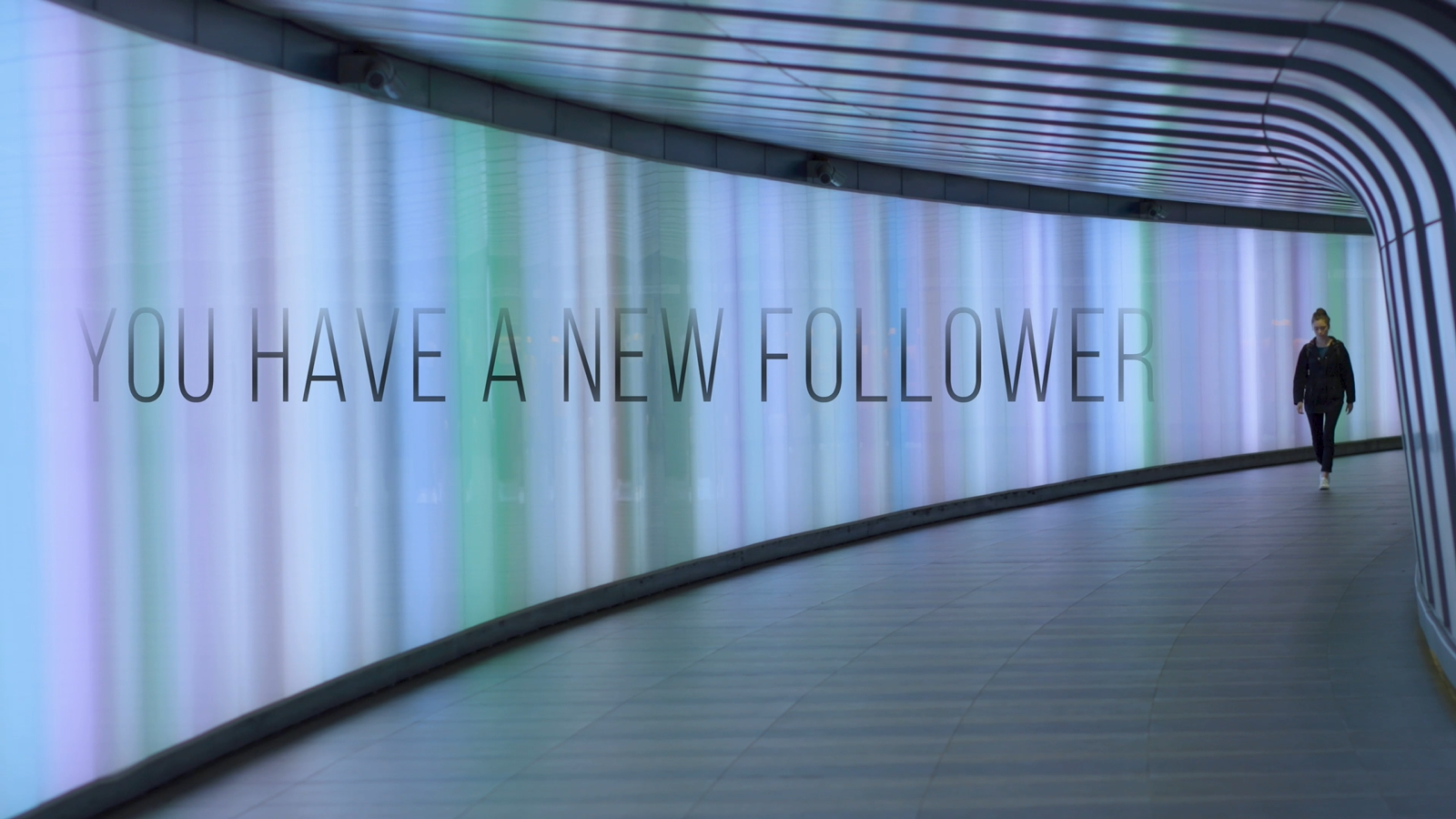
YOU HAVE A NEW FOLLOWER (2020) – SHORT FILM YOUTUBE RELEASE

YOU HAVE A NEW FOLLOWER (2020) – SHORT FILM RELEASE

Hope you are well and safe!

Finally, I have decided to release my short film, You Have A New Follower (2020) on YouTube. It has been delayed due to the pandemic and other personal matters. It got several screenings at online and physical film festivals, however, not as many as hoped due to the outbreak of COVID-19.

I am very proud of the film as I have attempted to explore issues relating to mental health within the thriller genre. I hope it intrigues and interests you too. Below is link to the film and after that the credits and further film details.

You Have A New Follower (2020) – Fix Films Ltd


PITCH

“Watch your back…”

Astrid Nilsson’s life begins to unravel when she is stalked by a mysterious hooded figure.

You Have a New Follower (2020) is the latest short film from Paul Laight and Fix Films. It was shot in London and combines mystery, suspense and science fiction genres with dramatic effect. It’s a short, low-budget film which seeks to explore themes of paranoia, anxiety, and identity within the thriller genre.

CAST & CREDITS

Directed by: Paul Laight & Tilde Jensen
Cast: Tilde Jensen, Mitchell Fisher
Written and Produced by: Paul Laight
Camera: Petros Gioumpasis
Lighting: Sakis Gioumpasis
Sound: Marina Fusella
Editors: Oliver McGuirk, Petros Gioumpasis
Composer: James Wedlock
Sound Design: Simos Lazaridis
Location Manager: Melissa Zajk
Production Assistant: Lue Henner

SCREENINGS

The Fix Film Night, London – February 2020
Cineshots, London – March 2020
Lift Off Sessions, UK – March 2020 (Online)
Fabulosis Short Film Night, London – May 2020 (Online film night) Unrestricted View Horror Festival, London – October 2020 – (Online festival)
Horror of Damned, Italy – November 2020 (Online festival)
Lulea International Film Festival, Sweden – November 2020 – (Online in 2020 and hopefully in Sweden in September 2021)

Website: www.fixfilms.co.uk
YouTube: www.youtube.com/c/FixFilmsLtd

A FIX FILMS PRODUCTION © 2020


MIDSOMMAR (2019) – CINEMA REVIEW – AMAZING FILMMAKING LET DOWN BY WEAK STORYTELLING!

MIDSOMMAR (2019) – CINEMA REVIEW

Written and directed by: Ari Aster

Produced by: Lars Knudsen, Patrik Andersson

Cast: Florence Pugh, Jack Reynor, William Jackson Harper, Vilhelm Blomgren, Will Poulter etc.

Music: The Haxen Cloak

Cinematography: Pawel Pogorzelski

**MAY CONTAIN SPOILERS**

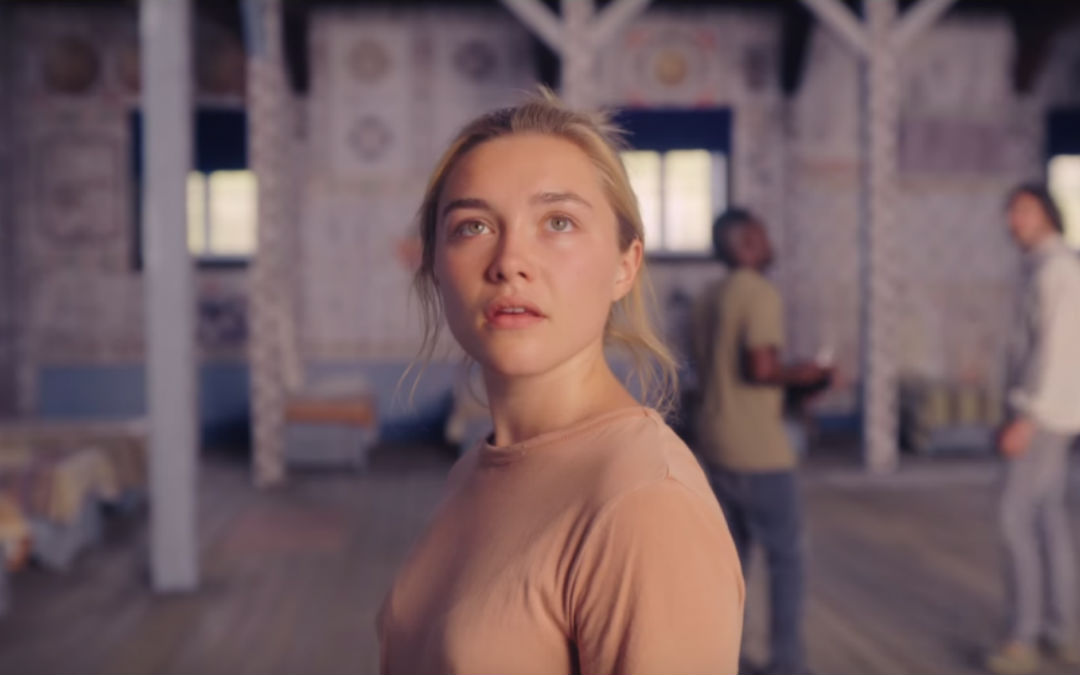
Midsommar (2019), is ultra-talented filmmaker Ari Aster’s second feature film. His first Hereditary (2018), was two-thirds domestic horror masterpiece and one-third insane, symbolic, nonsensical and demonic denouement. Both films have a lot in common. Both have communes or cults at the centre led by strong matriarchal figures. Both find seemingly innocent characters suffering from grief being lured to a fateful demise. Both have incredibly rich visual systems full of striking imagery, sudden violence and mythological folklore. Both, especially Midsommar (2019), are overlong, pretentious and indulgent B-movie stories masquerading as art.

I have to say, and I am not coming from simply a mainstream perspective, Ari Aster is a film artist. However, unlike many great film artists he has, in my opinion, not managed to marry his vision with coherent and emotionally powerful storytelling. Midsommar, for example, takes an age to kick its narrative into gear and when it finally gets started it drags and drags and drags. How many long, drifting tracking master shots can you abide? How many drawn-out-so-pleased-with-myself takes do you have the patience for? Well, get a strong coffee because when the story cries out for pace, Aster puts the brakes on, marvelling in his own indulgent genius. I might add that a plethora of characters screaming and crying does not make good drama either, unless there is sufficient context.

The narrative is very simple. In a nutshell, it’s Eli Roth’s Hostel (2005) meets British horror classic The Wicker Man (1973). Florence Pugh, Jack Reynor, William Jackson Harper and Will Poulter are college students who take a summer break to experience a communal pageant in rural Sweden. While they are PHD students they are not particularly intelligent given the choices they make later in the film.

Moreover, aside from Pugh’s grief-stricken Dani, the script doesn’t particularly imbue them with much in the way of empathetic characterisation. Indeed, the film relies on Pugh’s dominant performance to create emotion for our protagonists. Aside from providing some comic relief there is no actual point to Will Poulter’s character at all. Lastly, there is some absolutely terrible dialogue throughout this film too.

As the film crawls along slowly, it’s reliant on the music to inform us we’re meant to be scared. Then when the gore does kick in during a particularly shocking ritual, I was almost falling asleep. Don’t get me wrong the production design is flawless with an amazing setting and incredible concepts from Aster. The death and torture scenes are particularly memorable. However, the overall pace and rhythm of the film is so bloody slow I just did not care about anyone by the end.

I don’t mind methodical films establishing dread and psychological fear, but I think Aster has been watching too many Kubrick films. Aster seems to believe slow equals art. What Kubrick did though was usually to have characters that were engaging. They may not have been likeable, but Kubrick’s characters hit you in the heart and mind. Not since The Blair Witch Project (1999) have I wanted such dumb characters (Pugh aside) to die so painfully in a horror film. Likewise, the characters in the Swedish commune are mere ciphers of Aster’s fantasy horror and two-dimensional at best.

Visually stunning Midsommar (2019), will no doubt impress critics and other reviewers. However, at nearly two-and-a-half hours it’s an indulgent-arty-collage-of-film-masquerading-as-therapy. The ending was so loopy that the audience I was with were laughing at how ridiculous it was. Perhaps that was the filmmakers’ aim, but I’m not so sure. Yes, I get that this is meant to be allegorical and symbolic about grief and guilt and religion and a relationship break-up and fate and cultural differences. Furthermore, I get the intellectual depth of the themes on show, but Aster tortures the audience as much as his characters. Mostly, it just doesn’t take so long to tell this kind of derivative narrative, however beautiful and artistic the film is presented.

Mark: 6 out of 11