LONDON FILM FESTIVAL REVIEW – THE FAVOURITE (2018)
Directed by: Yorgos Lanthimos
Produced by: Ceci Dempsey, Ed Guiney, Lee Magiday, Yorgos Lanthimos
Written by: Deborah Davis, Tony McNamara
Cast: Olivia Colman, Emma Stone, Rachel Weisz, Nicholas Hoult, Joe Alwyn
Cinematography: Robbie Ryan
**SPOILER FREE REVIEW**
The London Film Festival organisers were very keen to impress we keep our phones off during the screening of The Favourite. Thus, I infer that the filmmakers are also keen that no spoilers are given away; something I will respect during this review. From the marketing blurb I have culled online, The Favourite: “sees Yorgos Lanthimos (The Lobster (2015), The Killing of a Sacred Deer (2017)) on rollicking, virtuoso form with Olivia Colman, Emma Stone and Rachel Weisz revelling in the wit of his 18th century royal court life.”
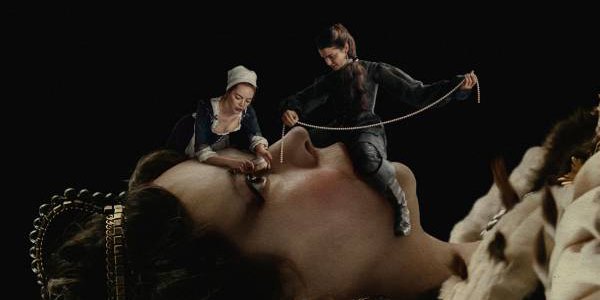
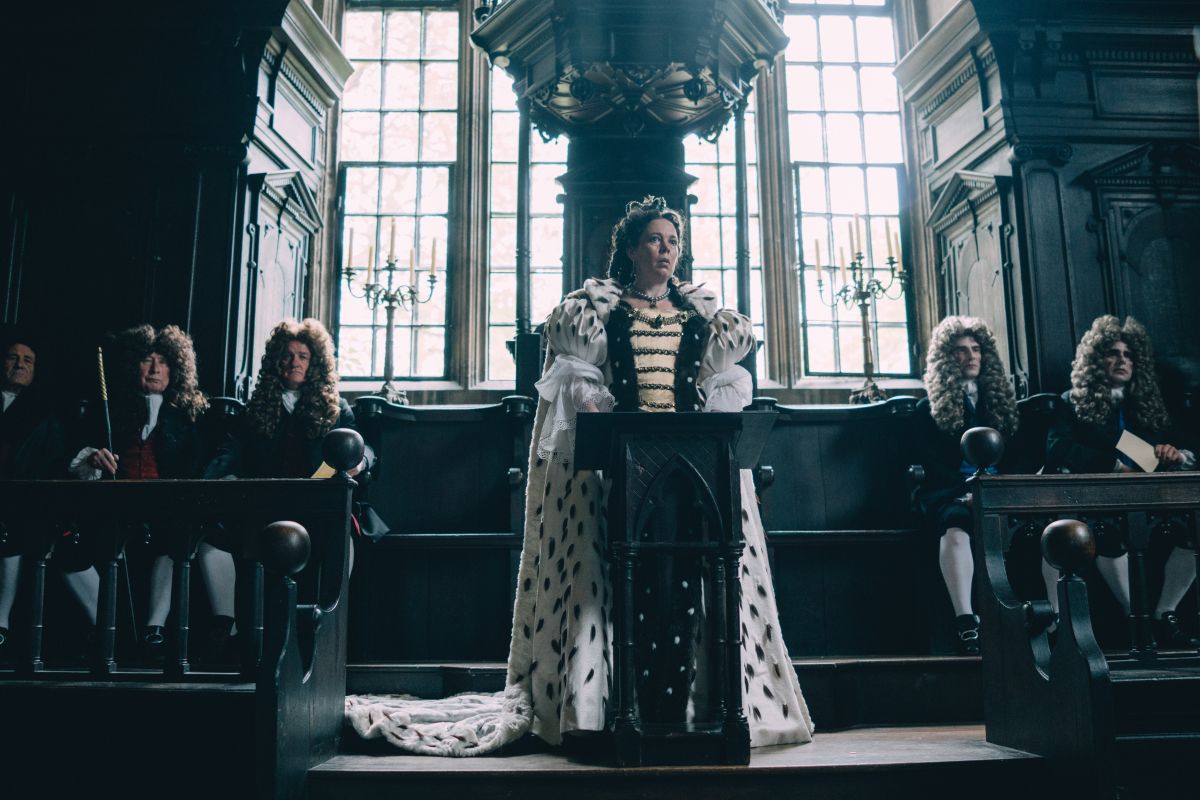
Unlike The Lobster and The Killing of a Sacred Deer, Lanthimos is not working from an original screenplay he wrote with Efthymis Filippou; instead he’s taken an adaptation by Tony McNamara and Deborah Davis. Conversely, it is not as eccentric a premise as those previous films and structurally it is actually quite conventional. The story itself sets Rachel Weisz’ Duchess of Marlborough as advisor to Olivia Colman’s Queen Anne in the early 1700s; while Emma Stone’s fallen “Lady” enters the fray and attempts to gain the Queen’s favour while usurping Weisz’ character.
Historical films relating to Machiavellian scheming, sexual misadventure and political intrigue are legion. Dangerous Liaisons (1988), A Royal Affair (2012) and the recent Love and Friendship (2016) are but a few examples; however, none of them are as absurd, surprising, funny, moving and as crazy as The Favourite. But, this is not a parody of period dramas. Instead, Lanthimos brings his own directorial vision to the story with his often ludicrous switches in tone, while skilfully maintaining a strong emotional balance and intrigue throughout. His use of the fish-eye lens creates a distorted effect making the characters seem trapped by their surroundings and circumstances. Furthermore, the lighting is quite wonderful too with natural and candle light dominating the proceedings.
Lanthimos’ direction of his three stellar leading actors is superb; with Olivia Colman delivering one of the most memorable performances of the year. Her Queen Anne is both pathetic and empathetic at the same time. Anne is to be pitied, laughed at and laughed with throughout. While I genuinely have little sympathy for royal figures, Anne is humanized with great power by the performance. Preying and manipulating her are Weisz’ and Stone’s characters. Weisz’ is, in particular, quite brilliant as we never quite know if her decisions regarding the war against Spain and the increased taxes are to benefit her or the Queen. Moreover, I know Stone won an Oscar for La La Land (2016), but she is even better in this film. Her eyes light up at each devilish choice her character makes; revelling in the skulduggery as ambition fuels her desires. I must add that Nicholas Hoult is quite brilliant too in a supporting role.
Overall, The Favourite (2018) may not be appreciated by those who prefer their period dramas to be played straight, as it were. The language and behaviour of the characters is often foul and crude but while seeming anachronistic it is paradoxically authentic too. Lanthimos’ interpretation of the screenplay is rather complex. He seeks to humanize, satirize and ridicule life in the Royal Court but without us ever hating the characters. The narrative asks for understanding but also critiques their choices. You kind of wish Weisz and Stone would show some solidarity but ultimately they are narcissistic players craving power, much to the detriment of their sickly Queen — portrayed by the astounding Olivia Colman.
Starring: David Bamber, Alastair Mackenzie, James Dangerfield, Eileen Davies, Liam Gerrard, Bronwyn James, Philip Jackson, Rory Kinnear, Nico Mirallegro, Maxine Peake, Pearce Quigley, Tim McInnerny plus many more.
Music by: Gary Yershon
Cinematography: Dick Pope
Production company: Film4 Productions, British Film Institute, Thin Man Films
**CONTAINS HISTORICAL SPOILERS**
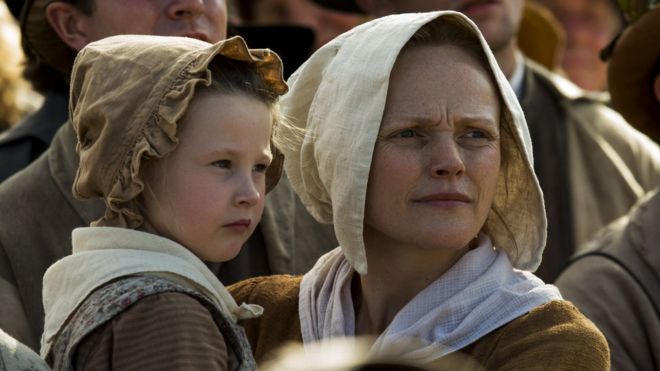
Peterloo (2018) is a film of voices, of speech, of reform and of freedom. It is Mike Leigh’s thirteenth feature film production and clearly a labour of love for him, his production team and the army of actors who put their hearts and souls into this powerful work of cinema. Four years in the making, this historical document, as well as paying tribute to those who campaigned for the vote in the 1800s, is also a passionate love letter to Northern England and the proud working classes of the era.
The film begins in 1815 at the battle of Waterloo and then brings us into the factories and streets of Manchester and surrounding Northern areas. As with many Mike Leigh films you can feel the palpable authenticity in the settings, accents and places the characters live. Leigh also cuts to local magistrates who hold up the draconian laws designed to keep the poor in their place; handing out savage justice such as the death penalty to one man for stealing a coat. We also visit London and experience those ruling classes who inhabit the Houses of Parliament and Royal palaces, lording over the oppressed workers.
The character strokes are broad at first before Leigh further develops their personalities. The dialogue is delivered formally initially as the characters educate the audience regarding various laws affecting them. This seems jarring but also serves the documentary and historical nature of the piece. As the narrative strands build steadily to the fateful march the editing throughout cross-cuts between the ruling, working and legal classes representing their differing perspectives. The march was intended to be a peaceful demonstration; a plea for Parliamentary reform and the desire to be heard. Surely, that’s the right of everyone in a civilised society? Well, not in 1819.
With the film driven by a whole host of wonderfully written speeches, it could be argued, Peterloo, lacks the warmth and humour of Leigh’s other more personal films. However, there are some formidable performances amidst the huge cast. Maxine Peake is earthy and convincing in her representation of a mother struggling to make ends meet. Rory Kinnear brings an intelligence and pride to the confident character of Henry Hunt; a wealthy landowner committed to reform and repeal of the onerous ‘Corn Laws’. As is the case with Leigh’s other films the acting is uniformly impressive because you know months of planning and rehearsal would have been committed to the production.
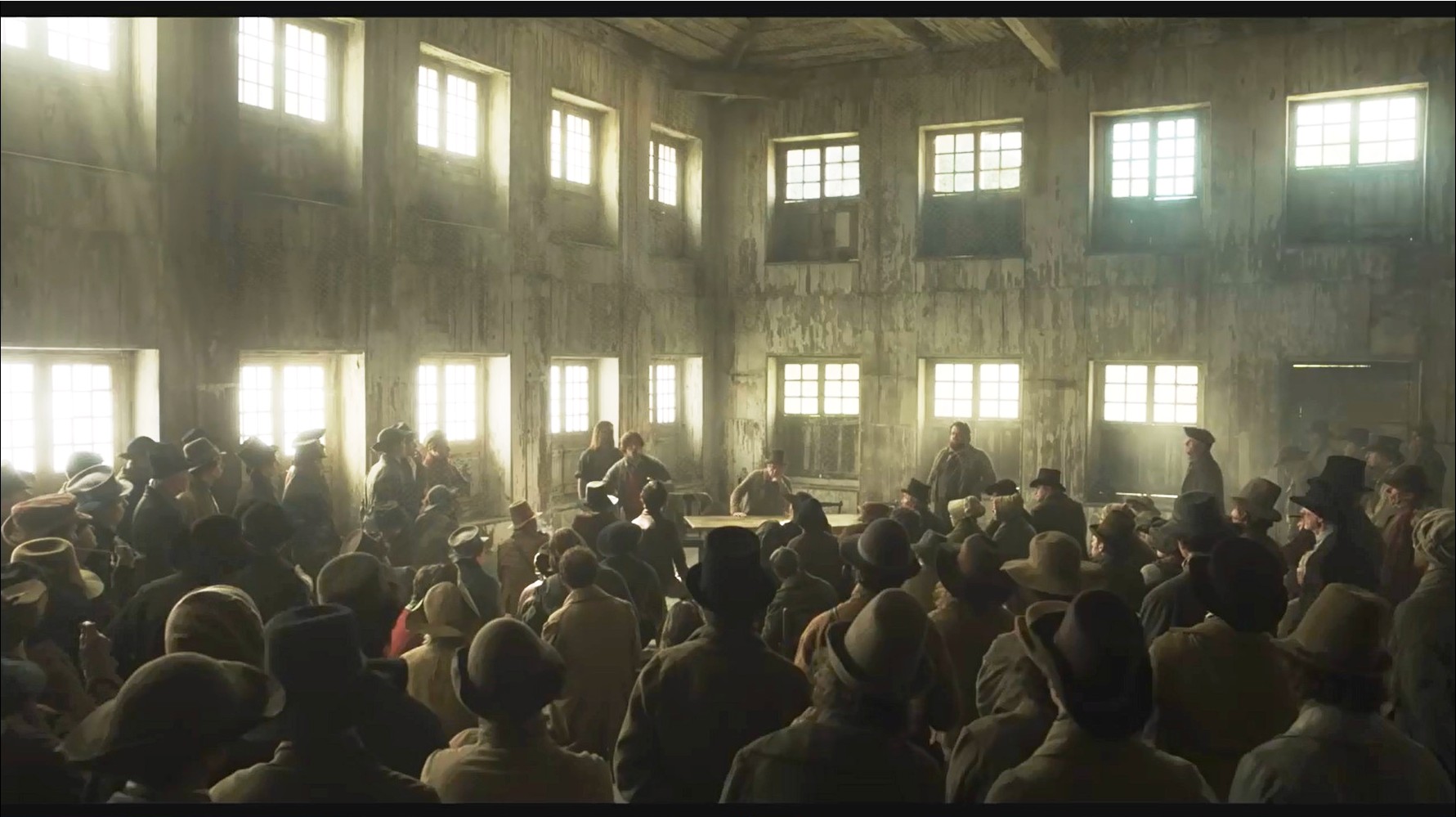
The film is also shot beautifully by cinematographer Dick Pope. There is a strong leaning toward a naturalistic lighting palette. Interiors are often bathed in sunlight shining through windows onto the shadowed faces of the characters. His camera is placed ideally to capture the rural and industrial locations of the era. There’s also some wonderful framing within arches and factories. Lastly, Leigh’s meticulous approach to authenticity reveals the machinery from the time, such as the looms and printing presses. Similarly, you can almost feel the reality of the epoch through the excellent costume design.
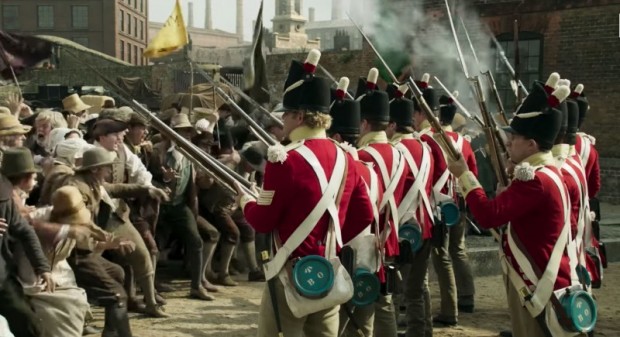
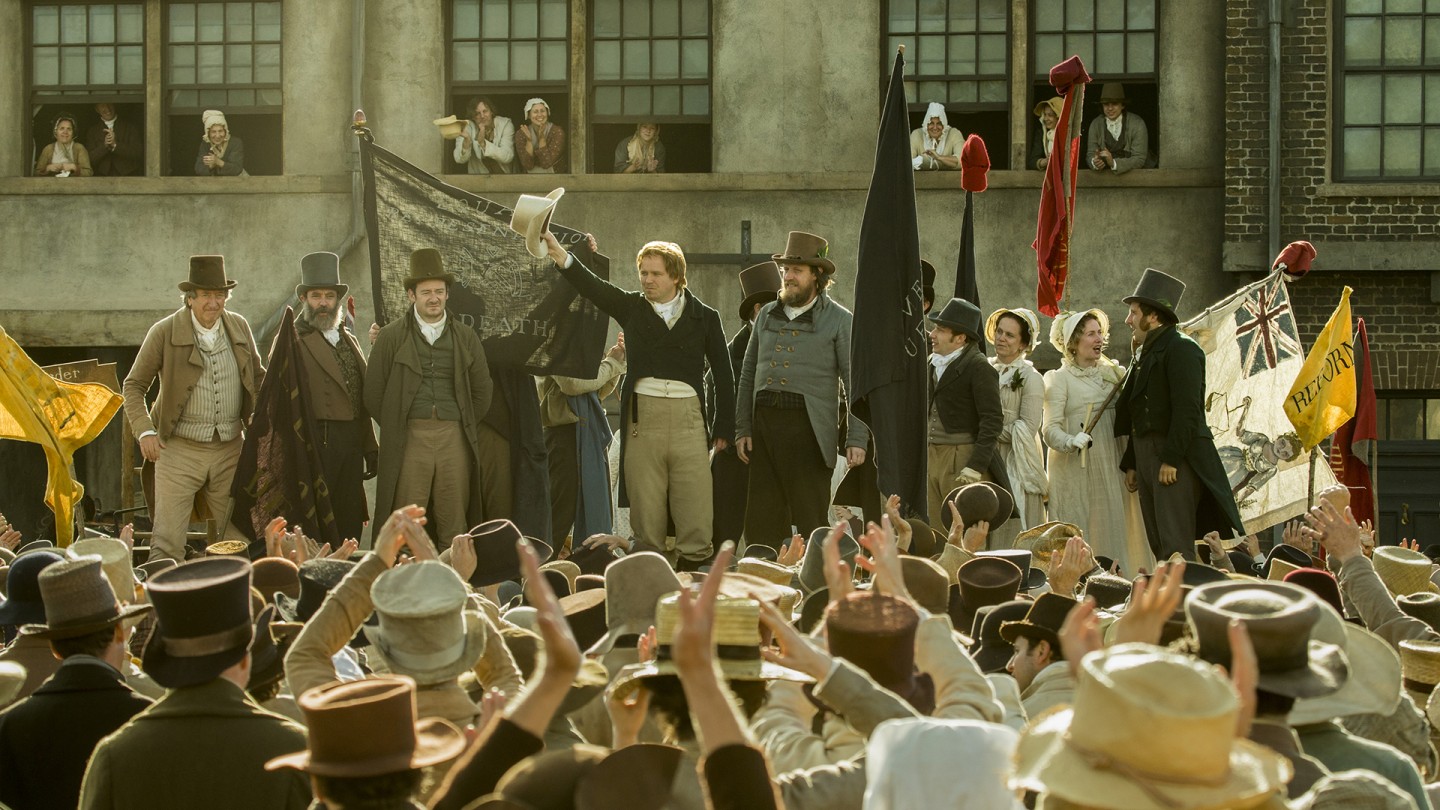
The final act brings us to the fateful day itself. Mike Leigh handles the massive crowd scenes expertly and shows the injustice and barbarism brought about by the cavalry and law enforcements attacking up to 80,000 people who are protesting for change. Having spent a few hours establishing the characters and their relevant causes the emotional impact of the attacks by the ruling classes is palpable. This is ultimately very powerful cinema which resonated with me because it reminded of the historical events down the ages where people have been murdered or injured while trying to make their voices heard.
Peterloo may not be for everyone as it is a long epic with a plethora of dialogue heavy scenes. Yet, I was enthralled as the language and passion of such discourse is very eloquent and heartfelt. The sheer scale of the filmmaking itself is also impressive even if the narrative lacks a specific personal focus throughout. Mike Leigh’s approach is very clear as it represents the working class as victims to an oppressive regime which has no regard for human suffering. Indeed, it should be every person’s basic right to have a voice and given past and current social and political events Peterloo contains a message that remains very valid today.
Mark: 9.5 out of 11
PETERLOO (2018) will be released in the UK on 2nd November 2018
Starring: Jeff Bridges, Cynthia Erivo, Dakota Johnson, Jon Hamm, Cailee Spaeny, Lewis Pullman, Chris Hemsworth
Music by: Michael Giacchino
Cinematography: Seamus McGarvey
**MAY CONTAIN SPOILERS**
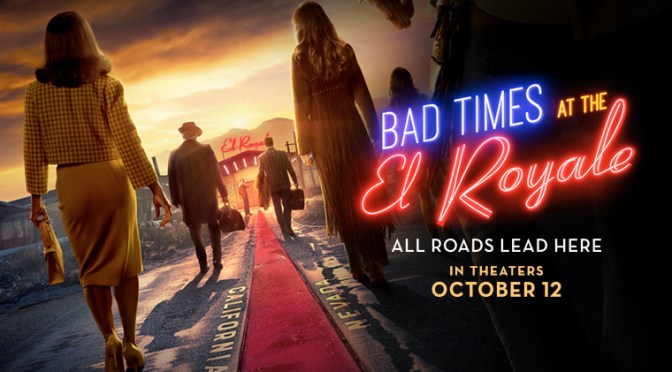
Expectations are a fascinating thing. Based on the prior screenwriting work of Drew Goddard and his amazing debut feature film, the genre-bending horror film, Cabin in the Woods, I was really looking forward to this crime thriller. With a terrific cast of actors in place and an intriguing setting of a hotel split between the United States of Nevada and California there promised to be cinematic fireworks. There were indeed fireworks but, like fireworks, the film paints bright and pretty colours and bangs loudly in the sky yet somehow felt hollow afterwards. This comes from those darned expectations, I guess.
There are seven main characters in the film; all of whom have secrets to keep. They range from: John Hamm’s vacuum-cleaner salesman; Lewis Pullman’s hotel employee; Dakota Johnson’s mysterious femme fatale; Jeff Bridges’ shady priest; plus a couple of other devils who enliven proceedings later in the film. All the characters are seemingly unconnected but soon fate and fortune take hold as Goddard weaves his screenwriting magic. Before you know they are all at each other’s throats jousting verbally and physically; double and triple crossing, resorting often to extreme violence. What Goddard does superbly well is place these various characters in a form of narrative hell or purgatory. He looks into the heart of humanity and finds blood and darkness at every turn.
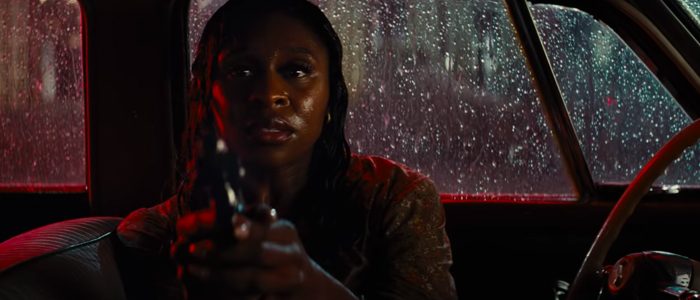
Bad Times at the El Royale main strengths are the brilliant script, skilled cast and a wondrous production design. Indeed, the rich neon colours and lighting glow amidst with the foreboding darkness surrounding the hotel. In terms of performance, Jeff Bridges is just great; in everything! Dakota Johnson and Cynthia Erivo also excel and breathe emotion into their archetypal characterisations. John Hamm is ever the solid player; but Chris Hemsworth’s grand entrance in the second act, almost steals the show with his messianic “Jim Morrison” grandstanding. All told the ensemble has a scream within the clever pyrotechnics of the screenplay.
Overall, Drew Goddard deserves praise for delivering a very sharp script. Structurally, we cleverly move back in time to fill in back-stories. Events are also from multiple perspectives heightening the twisting nature of the narrative. While mainly style over substance the film still manages to critique the racism of the late 1960s setting; satirises celebrity scandals, and also has a dig at religious cults. So, ultimately this is a satisfying B-movie-pulp-fiction-violent-extravaganza with twists and turns galore, that provides an entertaining blast in the noir night sky.
Produced by: Nina Bisgaard, Peter Gustafsson, Petra Jonsson
Screenplay by: Ali Abbasi, Isabella Eklöf, John Ajvide Lindqvist
Based on: Border by John Ajvide Lindqvist
Starring: Eva Melander, Jorgen Thorsson, Ann Petrén, Sten Ljunggren
Music by: Christoffer Berg, Martin Derkov
Cinematography: Nadim Carlsen
**SPOILER FREE REVIEW**
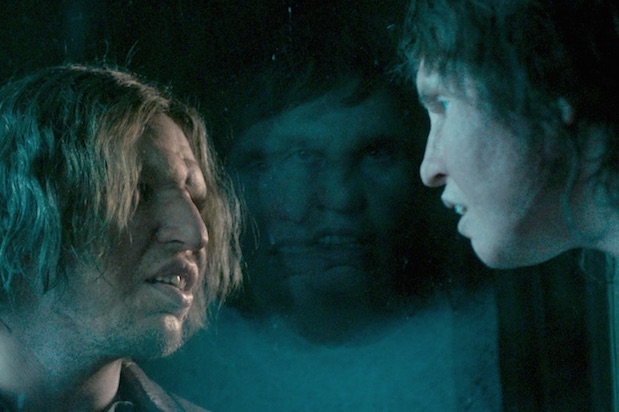
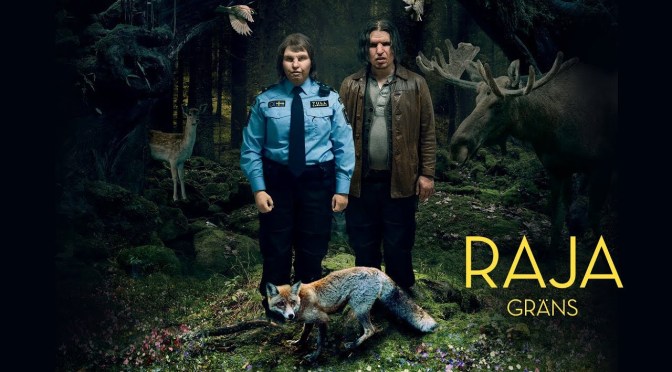
If you go down to the woods today you’re sure of a big surprise. Indeed, one of Border’s many strengths is the constant way co-writer and director Ali Abbasi invokes the strangeness of John Ajvide Lindqvist’s original short story to constantly shock and move us. Because while linear in structure and reliant on structural beats from the rites of passage, romance, fantasy and crime genres, Border, is one of the most original and interesting films you could see all year.
We open with the lead protagonist, Tina, working for the Swedish Border Agency. She is a seemingly sad and isolated individual with, what she believes is, a chromosome deficiency in her genetics. Her features leave her open to cruel ridicule from members of the public. However, she is excellent at her job. In fact, her hook is the ability to literally smell fear or guilt on the people coming through customs. Subsequently, Tina’s superiors start to use her to investigate more serious crimes.
As this is occurring Tina meets Vore, a man with a similar “condition” to her and this is when her life really begins to spiral into very dark and exciting places. Similar to another film I saw called Beast (2017) the film is, at its heart, about sexual awakening and breaking free of the constrictions of society and family. Eva Melander, beneath the very convincing prosthetics, gives an outstanding performance of a woman finding out an incredible truth about herself and her past.
As a character study this film is very powerful. Tina’s world is turned upside down and she is faced with some horrific choices at the end. Arguably, the crime element of the story doesn’t quite meld with her rites of passage journey. Moreover, some of the fantasy elements from Scandinavian folklore required further research after the fade out. Yet, this remains very brave filmmaking with fascinating themes relating to: ritual and child abuse; nature versus nurture; good versus evil; and how those humanity believes to be outsiders should not be treated as monsters but instead with respect and love.
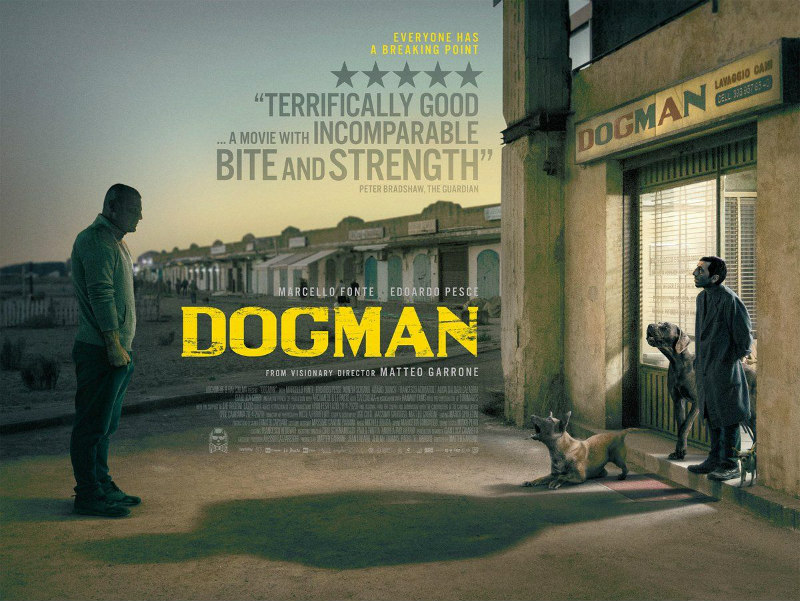
If you were the Italian Tourist Board you would certainly NOT direct potential visitors to view Matteo Garrone’s films about contemporary Italian life. His brutal depiction of Neapolitan gangsters in Gomorrah (2008) was violent and unforgiving. Similarly, his grim snap-shot of Roman contemporary life, in Dogman (2018), is again a hopeless, violent and nihilistic experience. While there are glimmers of kindness and some possibility of escape, Dogman offers its characters little more than gut-wrenching pain and emptiness. It’s genuinely high quality filmmaking but up there with, Lean of Pete (2018), as one of the most depressing films I have seen all year.
Dogman starts in positive enough fashion with Marcello Forte as an Italian everyman making a living as a dog sitter, walker and groomer. His interaction with the animals he looks after is both humorous and touching. In order to make ends meet though and provide for the young daughter he worships, Marcello deals small quantities of cocaine. This inevitably opens the door for possible trouble. Forte is incredibly well cast. He has a kind but haunting face. It is dominated by big eyes, a crooked smile and wonky teeth. He loves his job, his animals, his friends and family. Like a dog in character, he tries so hard to be loyal and liked but every one of his decisions seems to lead to tragedy. His loyalty to the local thug, Simoncino is illogical and the main cause of Marcello’s downfall.
Now, I enjoy a decent villain. Often the villain in a movie can be thrilling to watch and sometimes the best aspect of a movie. But Edoardo Pesce’s nemesis Simoncino is the epitome of evil; he is TOO real. He is a drug-addled-ex-boxer-bruiser who has absolutely no sense of loyalty or honour. He terrorises the local businesses and bullies Marcello mercilessly. Marcello tries his hardest to keep his head above water but the likes of Simoncino and his continued poor choices combine to drown his soul. The scariest thing is that Simoncino feels real in his animalistic tendenicies. He is genuinely frightening like some rabid beast, unleashed and out of control.
Overall, this film made me feel really sad. Marcello looks like a clown without the make-up and his pained expression plagues the film especially in the latter stages of the drama. You just want Marcello to get some luck but life just won’t cut him a break. This is a haunting character study of the outsider; a man who is literally like a dog himself. He is faithful, loyal and eager to please but ultimately let down by the human cruelty of those who bully and exploit him.
LONDON FILM FESTIVAL REVIEW – THE BALLAD OF BUSTER SCRUGGS (2018)
Directed by: Joel Coen & Ethan Coen
Produced by: Joel Coen & Ethan Coen, Megan Ellison, Sue Naegle, Robert Graf
Written by: Joel Coen & Ethan Coen
Starring: Tyne Daly, James Franco, Brendan Gleeson, Bill Heck, Zoe Kazan, Liam Neeson, Tim Blake Nelson, Tom Waits and many more.
Music by: Carter Burwell
Cinematography: Bruno Delbonnel
**SPOILER FREE REVIEW**
Soon to be appearing on the streaming behemoth Netflix, the Coen Brothers latest film is a difficult one to recommend to those not familiar with their quirky vision of humanity and existence. Set within the Western genre the film presents six stories seemingly unconnected but those which resonate resoundingly on the theme of death. The stories are called: The Ballad of Buster Scruggs; Near Algodones; Meal Ticket; All Gold Canyon; The Gal Who Got Rattled; and The Mortal Remains respectively.
The closest film this anthology resembles from recent times is the riotous black comedy Wild Tales (2014). Moreover, if you ever saw the Coens’ eccentric mid-life crisis comedy A Serious Man (2009), you may recall the prologue which depicted a short stand-alone piece about a ghostly dybbuk visiting a woman at night. Indeed, that story was seemingly unconnected to the film which followed, however, the Coens’ are such skilled storytellers you sense there is a link be it symbolically or thematically.
Overall, The Ballad of Buster Scruggs is a genuine mixed bag, in a good way. Their mischievous alchemy combines genres – within the Western setting – such as: musical, comedy, horror, crime, thriller and even romance. Moreover, the filmmakers have reached into their decades of film experience and cinematic bag of tricks to deliver an entertaining and memorable collection of: characters, songs, bloody deaths, jokes, landscapes, snappy dialogue, dark humour and spitfire action.
The cast are uniformly brilliant and as well as some familiar faces there are some newer actors added to the Coens’ stable of performers. Bill Heck, especially, in the story The Gal Who Got Rattled, impressed in his role as a likable cowboy. Overall, and in a similar vein to Hail Caesar (2016), this feels like Coens-lite, without the existential depth of say No Country for Old Men (2007) or humanity of Fargo (1996). However, the Coen’s films often improve with each viewing as their work is so full of stylish depth. Quite often, you’re laughing so much you miss the philosophical happenstance which is occurring between the lines.
A STAR IS BORN (2018): OSCAR BINGO AND FILM REVIEW
Directed by: Bradley Cooper
Produced by: Bill Gerber, Jon Peters, Bradley Cooper, Todd Phillips, Lynette Howell Taylor
Screenplay by: Eric Roth, Bradley Cooper, Will Fetters
Based on: A Star Is Born by William A. Wellman, Robert Carson, Dorothy Parker, Alan Campbell
Starring: Bradley Cooper, Lady Gaga, Andrew Dice Clay, Dave Chappelle, Sam Elliott
Cinematography: Matthew Libatique
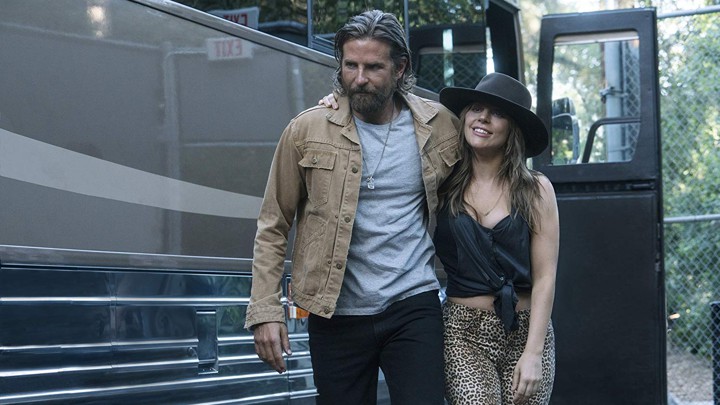
When a star is born others will die. Some will fade. Some will collapse. Some will burn bright like the sun before vanishing. That is the cycle of life and the narrative of this standard film classic. Yet, if you’re going to cover an old traditional then you’ve got to be confident you’re going to do it justice. It could be considered an easy track to lay down by replicating a story done three times before, however, if you get it wrong and play a bum note then you’ve ruined the song. Safe to say that writer, director and star Bradley Cooper has thrown his heart and soul into this story and with on-screen partner Lady Gaga, and an incredible production team, they’ve collectively knocked it out of the park. For this review I’d like to play a bit of Oscar bingo and consider the merits of the film along with the players award chances.
BEST FILM CHANCES: 8 out of 10
This is a film about dreams: living, broken and dying dreams. It’s a beautifully timeless tale of two people who fall in love but their trajectories veer in opposite directions. Bradley Cooper is Jackson Maine: a successful rock star still selling out stadiums and seemingly with everything positive on the outside. Inside though he’s crumbling; he suffers from tinnitus, alcoholism and the inner demons of a broken family past that drugs, booze, music and his long-suffering brother, portrayed by the excellent Sam Elliott, cannot block out. When a chance meeting with a bar singer occurs, sparks fly with Ally, as she suddenly brings a burst of light and hope into his life. While she is insecure off-stage she nails it on-stage; not surprising as she is portrayed by pop mega-star Lady Gaga. The two fall in love but the path of romance, while powerful on and off stage for a while, ultimately struggles with both his addiction and Ally’s subsequent pop success. Given the familiarity of the story the ‘Best Film’ chances could be slightly hampered in regard to originality. But overall it has the feel of both an epic and powerful love story combined with some tragically intimate moments that will make it one of the front runners when the nominations come out.
BEST DIRECTOR CHANCES: 7 out of 10
While this is his is directorial debut, Bradley Cooper has infused the story with an energy, immediacy and intimacy akin to that of a veteran filmmaker. The on-stage scenes put you at the heart of the gigs, while his sterling performance and that of Lady Gaga’s absolutely soar. There is a core reliability of emotion in so many memorable scenes, from the humour of Ally’s father and his chauffeur circle of friends, to the happy times of Ally and Jackson in love, and the more tempestuous boozy periods. Cooper’s helming is consistent and it is clearly a labour of love as he successfully melds romance, tragedy and backstage musical in an impressively directed story.
BEST ACTRESS CHANCES: 9 out of 10
Lady Gaga is a ridiculous name but it’s hard to forget. While not a massive fan of her pop persona she has released a plethora of songs catchier that the bubonic plague. I had only seen her acting before in a couple of things, notably American Horror Story: Hotel, but due to the hysterical style of that gruesome anthology it’s difficult to tell if she had much range. However, as the working class Ally, she infuses the character with a bright-eyed innocence and fiery passion that wins you over immediately. Her and Cooper’s chemistry is tremendous and very believable and those eyes; they just made me melt at times. Oh, and of course THAT voice. What a voice and what amazing interpretations of so many great songs. Lady Gaga will go very close to the Best Actress Oscar in my mind.
BEST ACTOR CHANCES: 7 out of 10
Cooper directs himself very well and his quietly impactful performance both on and off stage really got me in the heart. The pathos and emotion he conveys in charting the collapse of a man crumbling from the inside out is very powerful. Cooper reminded me of a younger Jeff Bridges and indeed, Sam Elliott with his performance encapsulating a talented and pained artist who is never happier than when on stage. Off stage the demons are still there haunting him emotionally and physically. Being harsh, one could say the familiarity of the character – a grizzled alcoholic musician battling addiction – could go against his Oscar chances, but Cooper’s performance remains one of nuance and empathy.
BEST SUPPORTING ACTOR: 8 out of 10
There are a couple of serious contenders here with Andrew Dice Clay giving a sly comedic turn as Ally’s protective father. Moreover, there’s the battle-born gravitas of Sam Elliott as Jackson’s long suffering road manager and brother. The scene where he puts his drunken brother to bed in order to stops him choking on his own vomit, protecting yet also reviled by this broken man, impacts greatly. Elliott just nails his role and the film could have benefitted even more from his presence throughout. Nonetheless, he steals those scenes he does inhabit and will certainly get nominated.
BEST SONG CHANCES: 10 out of 10
Shallow will win the Best Oscar no doubt. When introduced acapella by Lady Gaga you only get a suggestion of its’ power. However, when she launches into it on stage it is an absolutely memorable and stand-out musical moment. The music throughout is linked powerfully to the emotion of the characters from Jason Isbell’s composition Maybe It’s Time to the final heartfelt song, I’ll Never Love Again, sang beautifully by Lady Gaga. Even the sly satirical digs at the soulless pop that Ally sings are done with skill. The juxtaposition of their plasticity versus the realness of the rock music delivered by Ally and Jackson creates another layer of musical depth in a consistently brilliant soundtrack.
OVERALL
A Star Is Born (2018) is a great cinematic experience with every person involved in the production at the top of their game. The story is familiar but the performances, characterisation, direction and the songs all combine to create a very emotional and human journey. I’m not the greatest fan of musicals but this one had me hooked from start to finish and is a fine example of classic Hollywood genre storytelling at its best.
Produced by: Avi Arad, Matt Tolmach, Amy Pascal, Marvel Entertainment
Written by: Jeff Pinkner, Scott Rosenberg, Kelly Marcel
Starring: Tom Hardy, Michelle Williams, Riz Ahmed, Reid Scott
Music by: Ludwig Goransson
Cinematography: Matthew Libatique
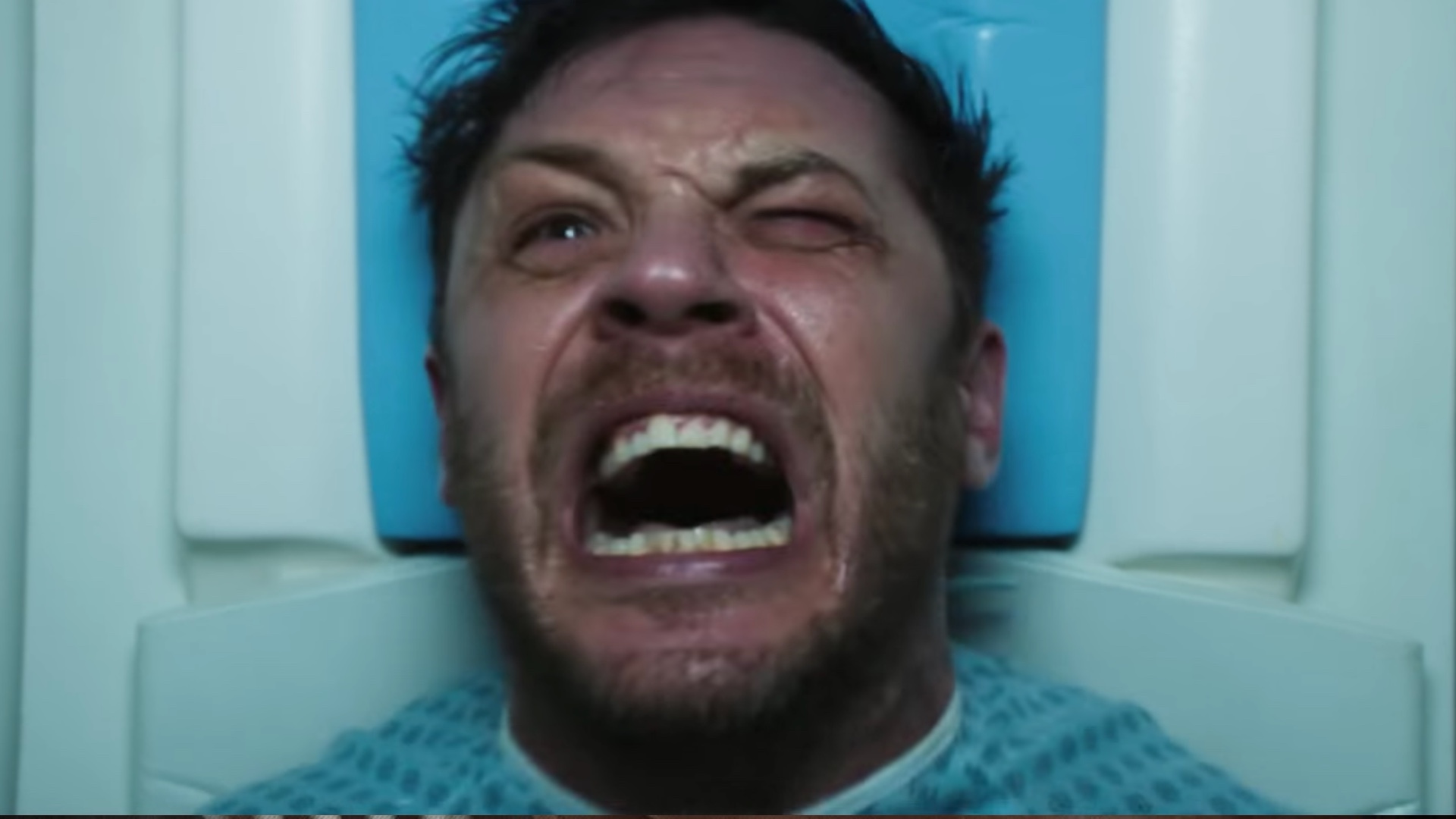
As with the failed franchise blockbuster The Mummy (2017) I have once again been to the cinema and watched, not a great film or work of art, but rather a decent bit of popcorn entertainment that has seemingly been critically mauled, not necessarily unfairly, but out of context from the kind of film it is. Don’t get me wrong, there is a lot of Venom (2018) which doesn’t work and the film has a couple of serious plot holes, however, if you watch it as the darkly, comedic action film it is intended to be then it has a lot to offer.
I mean, superhero films, over the years, have got – Thor: Ragnarok (2017) and Marvel’s generally witty one-liner littered scripts aside – very serious at times. Most recently, Black Panther (2018) was rooted in familial revenge and of course, Marvel’s Infinity War (2018), ended with an apocalyptic disaster for the Avengers and Earth. While there are serious themes in Venom, the director Ruben Fleischer has gone for more crazed humour rather than serious analysis of the psyche. As such for all its faults Venom actually felt more like an actual comic book or cartoon on screen. So, I get that people may not like the movie for being a bit lacking I think they need to lighten up. Thus, in my second instalment of my occasional series In Defence of:, I’d like to say why I actually found it very watchable genre entertainment.
Standing alone, at the time of the action, from the Marvel ‘Universe’ and the recent Spiderman: Homecoming (2017) movie, Venom features the stupendously committed performance of Tom Hardy as crime reporter Eddie Brock. Eddie’s latest case is to delve deeper into uncovering the interplanetary research of Elon Musk-type uber-scientist and corporate mogul, Carlton Drake. Of course, he goes too deep trying to uncover the deadly experimentation and finds himself infected with a space being that Drake has brought back. Drake, compared to the delirious character rendered by Hardy, is a bit flat and another long line of corporate bad guys which Marvel employs and he deserved some better dialogue to justify his megalomaniacal plans. But Riz Ahmed is a great actor and does his best with an under-written role.
What works more though is the connection between Brock and his extra-terrestrial host. Perhaps, given this is a Jekyll and Hyde story it should have been a lot more intense. The psychological horror of being absorbed by another being is something David Cronenberg, would have knocked out of the park. Yet here it’s turned into something of a comedy double act; albeit with Venom biting the heads off bad guys in between the insane banter. Tom Hardy’s rat-a-tat spats with his ‘other-half’ are very funny and reminded of another recent film called Upgrade (2018), which combined even more bloody violence within a hosted protagonist narrative.
With the cool persona of Michelle Williams, an actor of high artistry, clearly enjoying playing for laughs within the straight romantic lead, there is at least some level-headedness to counter Hardy’s facials ticks and roars. Moreover, despite glaring holes in the narrative including: the very generic alien invasion plot; clichéd corporate mercenaries providing body fodder and a severe lack of legal consequences to Brock’s ‘Venomous’ attacks, the smart comedy, pacey action, the monster-effects of Venom itself and fighting scenes, keep entertainment stakes high.
Ultimately, while much more could have been done to explore the dark side of their symbiotic relationship it was unlikely with this director. Indeed, as Fleischer showed with Zombieland (2009) and direction of suburban zombie show Santa Clarita Diet (2017), he favours mixing dark matter with black humour. Lastly, with Tom Hardy as a more than willing ally Fleischer and his army of writers have delivered an admittedly flawed comic-book narrative that remains full of parasitic punch and energy.
It goes without saying that I watch a lot of films and have over the last few years reviewed quite a few too. The last three I saw at the cinema were a bit hit and miss yet overall serviceable examples of, despite their flaws, the Hollywood genre film. The genre film is the staple of the Hollywood production model and the word genre can be used to describe and organize films according to: type, style, form, characteristics and marketing possibilities. Moreover, certain movie stars and actors would become synonymous with movie types such as: John Wayne and the Western; Humphrey Bogart and the crime or noir drama; Arnold Schwarzenegger and the action film; plus directors such as Martin Scorsese making a cinematic mark with the gangster film. In the 1950s genre film theory was debated by academics such as Andre Bazin. From then on many a film degree essay was delivered and arguments ensued between auteur and genre theories. More importantly the Hollywood movie-making monster which rose from the 1920s onwards used genre conventions and tropes, along with the star system, to promote a formula of mass production within their cinematic releases.
Such genre production is still very much in place today. But, as audiences get seemingly both attention-deficient and more cinema-knowing the melding of genres is very much a postmodern trend for the now. While a perennial spy classic like James Bond still holds onto the genre conventions like: gadgets, action and over-the-top villains, films such as American Werewolf in London (1981), Evil Dead II (1987), Shaun of the Dead (2004) successfully combined horror and comedy. Furthermore, of late Marvel instilled many of their superhero films with properties from the heist, thriller, comedy and horror genres in order differentiate and market their stories. Indeed, filmmaking has become so sophisticated some filmmakers such as Quentin Tarantino and the Coen Brothers cross a multitude of genres within their works. As so happens I watched three proper genre films at the cinema recently so would like to review them from both a critical and genre perspective. As usual I will give them marks out of eleven.
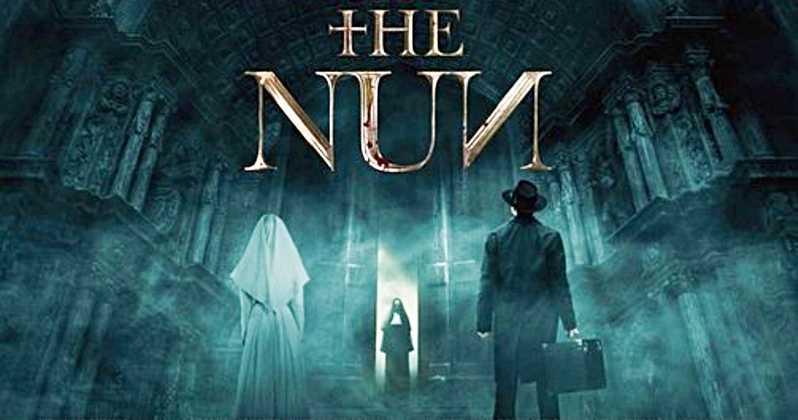
THE NUN (2018)
As marketing departments attempt to find new ways to promote their products we have now entered the arena of the film “Universe”. This finds events, characters, places and in this case, demons, all linked within the same historical timeline and world. The Nun is part of The Conjuring “Universe”. The demonic monster Valak first appeared in the James Wan sequel The Conjuring 2 (2016); thus, within the horror genre The Nun is both a prequel and origins film. Set in 1950s Romania is concerns a haunted Catholic nunnery which is under threat from an unholy evil. Taissa Farmiga’s novice Nun and Demian Bechir’s grizzled Father Burke are dispatched to have a look about and of course are thrown into a face-off with something from the pits of hell.
The main genre requirement of a horror film is to create fear and excitement in the audience and while The Conjuring films, directed by the brilliant James Wan did just that, this film is, aside from a couple of moments, not scary enough. It has lots of shadows, darkness, blood, screams and a gruesome supernatural monster but, despite Farmiga’s committed performance, makes little narrative sense and suffers from poor characterisation. Having said that, while watching The Nun, I at times felt it was on the cusp of being a surrealist horror classic with much hallucinatory trickery of a “what’s real and what isn’t real” variety. However, by the end I decided that while the director is clearly a talented filmmaker the screenplay did not really serve the horror genre or story well as it was illogical at best and had no defining “rules of the world” substance. Ultimately, though the main draw for studios is that horror films are one of the cheapest genre films to make yet reap rewards from the cinema-paying public. Indeed, The Nun has so far grossed $330 million dollars from a $20 million outlay. Now, that is scary!!
(Mark: 5 out of 11)

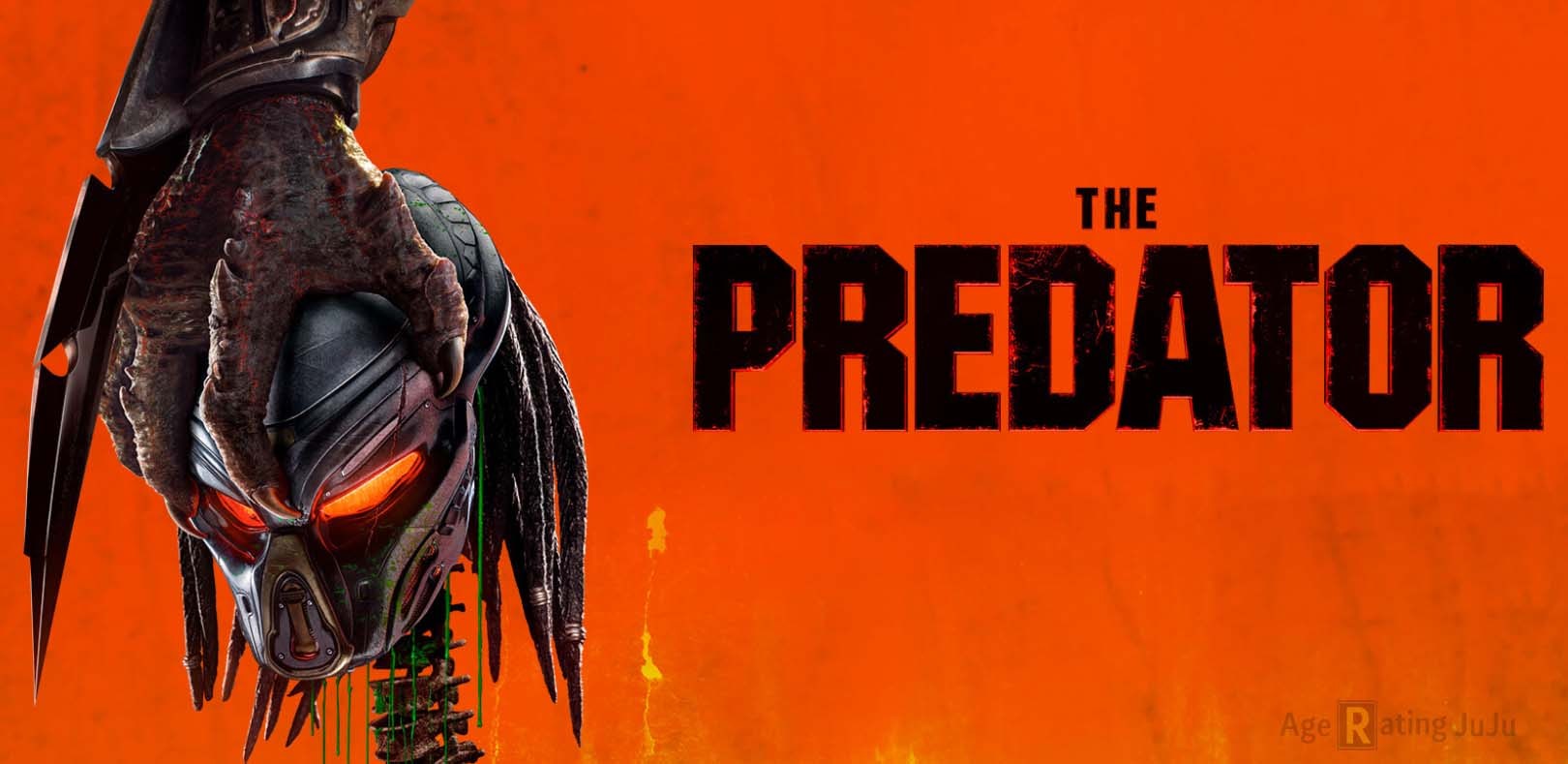
THE PREDATOR (2018)
Talking of genre-crossing directors, the writer and director of The Predator (2018), Shane Black has had an interesting career trajectory. He was a supporting actor in the original classic Predator (1987) and would subsequently become a more successful screenwriter and wrote scripts for: The Long Kiss Goodnight (1996), Last Action Hero (1993) and most memorably Lethal Weapon (1987). Such movies put Black firmly in the Hollywood blockbuster territory so it was no surprise when Marvel employed him to write and direct Iron Man 3 (2013). Arguably his best films though were the buddy-buddy comedy-thrillers Kiss Kiss Bang Bang (2005) and The Nice Guys (2016) which benefited from great chemistry from their male leads. Coming full circle then to write and direct The Predator (2018), Black has delivered the best elements of his genre work but also the worst. He’s often a writer of excess, with a succession of ideas, gags, set-ups and punchlines which, if allied to a decent story, create a barrage of fine entertainment.
From a genre perspective The Predator is a mash-up of: science fiction, action, war, spy, and TV-movie-of-the-week tropes. It moves at such an alarming pace you barely have a chance to breathe. In a nutshell Boyd Holbrook’s crack soldier must save his son and the world from both nefarious Government agents and not just one Predator, but another incredibly kick-ass uber-Predator. Chuck in a dirty-half-dozen motley crew of “insane” soldiers, plus an autistic kid (Jacob Tremblay) who may or may not have the power to defeat the Predators, and you get an explosive film which, while moving rapidly, does not make much logical sense in places. For example, characters, vehicles and animals pop up in the narrative out of nowhere then disappear, which created a hell of a lot of confusion for me. Still, Black is a great writer of concepts and punchy dialogue so you’re never far away from something cool-looking, something blowing up or a funny gag or three. It’s just a shame the story was so confusing and plot delivered in such an illogical fashion.
(Mark: 7 out of 11)
A SIMPLE FAVOUR (2018)
Once again here is a filmmaker who, while predominantly working from a genre perspective has taken their comedic skills and light touch and infused it within other genres. Indeed, the very talented Paul Feig has marshalled some extremely funny films and TV shows in recent times including: The Office (U.S.), Arrested Development (2004), Nurse Jackie (2009), Bridesmaids (2011) and Spy (2015). His Ghostbusters (2016) update starring Melissa McCarthy was arguably not very successful from both a genre or reboot perspective, however, his latest film A Simple Favour (2018) is much, much better. It stars Anna Kendrick and Blake Lively, as polar-opposite mums, whose paths criss-cross one fateful day when the latter asks the other to look after her son. Blake Lively absolutely nails her role as the stylish, beautiful and brutally honest PR executive. Her spiteful Emily Nelson is a career best performance and when her character vanishes, the effervescent Kendrick’s go-getting, busy-body-single-mom, Stephanie Smothers, decides to hunt for her “friend”.
What follows is more comedic but still suspenseful as the plot twists from one exciting turn to another. As the unlikely detective Kendrick hilariously enlists the help of her “Mums-Net” video-log subscribers in trying to track down Emily. As the story moves forward Emily’s husband (Henry Golding) and Stephanie herself become suspects until the final revelations dig up something totally unexpected. A Simple Favour is the most successful of the genre films I watched. Feig is able to blend the comedy, noir and thriller very well and while I would have preferred the tone to be darker, I accept that Feig is what I call a “day” director; in that all his scenes seem to happen during the day. Thus, in the hands of say, David Fincher, the original novel this is based on would have been a totally different beast. Having said that we may not have got Blake Lively’s stunning comedic turn as the bitchy femme fatale and that is worth the admission fee alone.
A DAY IN THE LIFE – SIX OF THE BEST #14 – FILMS SET IN A DAY
With a cursory Google search there’s a few of these articles around concerning films set in one day or a twenty-four hour period. But it’s something I wanted to explore from a narrative perspective in order to understand how it can help a screenwriter with their story. Indeed, as a writer a twenty-four hour period could be a seen as a limitation for one’s story but it can also create a hell of a lot of suspense, drama and comedy.
Of course, in some cases it can also increase the need for an audience to suspend disbelief with many events occurring in such a short space of time. For example, in the classic TV show 24, we kind of know that it’s totally unlikely that our hero Jack Bauer is going to suffer THAT many bad days but we still root for him to save the his family, the dog, his neighbours, and the world. Yet, the distillation of narrative incidents also raises the dramatic stakes, providing much fun and tension for the audience.
As well as creating entertainment the structural benefits of setting a film in one day can provide a “ticking clock” or race against time scenario. Moreover, fixing a time scale or limit conjures up a dramatic sense of containment for the characters. They are trapped within this day and must survive it and whatever fate throws at them. As time moves on during the day suspense is funnelled to a striking denouement as sun-up moves toward sunset. It’s a grudging acceptance of life’s incessant clock of fate as our existence flickers along to the inevitable end.
There are many films which have been set during a one day period and a lot of them are bona fide classics. Here is SIX of what I consider the best or at least my favourites from a story perspective. I have not included one of the greatest comedies of all time Groundhog Day (1993) because, while that is set in the same day, it actually repeats its day in a Sisyphean and fantastical never-ending situation. Thus, the films here are all set in a fixed period so no temporal loops or time travel movies are included.
**MAY CONTAIN SPOILERS**
DO THE RIGHT THING (1989)
Spike Lee’s incendiary look at the day in the life of a Brooklyn neighbourhood finds a variety of characters coping with both rising temperatures and simmering racial tension. Lee’s brilliant script is fully of boldly written and brightly sketched characters presented via a succession of hilarious and dramatic vignettes. The formal excellence on show too from Lee is to be applauded as he uses devices from: music video and cinema to tell his rich stories. The day does not end well as the neighbourhood erupts into tragic violence with Lee proving himself adept at balancing humour, politics and tragedy in equal measure.
DOG DAY AFTERNOON (1975)
Sidney Lumet really was a terrific director. Moving from stage and television to film and his first cinema production was rather incredibly 12 Angry Men (1957). This film was ostensibly set in one location over one intensely dramatic period and he would revisit the day-structure for the equally intense bank-robbery-gone-wrong film Dog Day Afternoon in 1975. Lumet directs Al Pacino and John Cazale as ill-fated and inexperienced criminals who rob a New York bank and get deep in over their heads. Once again the set-in-a-day structure creates a bottle-neck effect, squeezing the drama to a suspenseful denouement. As these empathetic and hapless criminals find themselves surrounded by law enforcement Al Pacino’s performance as Sonny dominates, becoming more and more animated and emotional. Incredibly, this original heist movie was based on a bizarre, true story and was another compelling addition to Lumet’s fine directorial C.V.
FALLING DOWN (1993)
Michael Douglas is, in my opinion, a very well rated movie star but also a very under-rated actor. He proved it again in Marvel’s Ant-Man films that he is an altogether reliable on-screen presence, while his staggering performance as Liberace in Behind the Candelabra (2013), garnered deserved praise. Similarly he is in career-best territory as “D-FENS” – named so after his number plate – whom begins his day in a sweltering, polluted traffic jam, before deciding enough is enough. What follows is a violent and explosive rampage both bleak and darkly comic that highlights the anger an individual can feel at being discarded by society. While “D-FENS” actions are appalling it’s clear he has had a mental breakdown and gone over the edge, in this damning and compelling indictment of capitalist society.
FERRIS BUELLER’S DAY OFF (1986)
John Hughes was arguably the definitive creator of what came to represent iconic 1980s Hollywood teen and comedy cinema. It may have pretty conservative dealing with, on the main, middle-class American characters and their lot; however, he always had affection for the geek, outsider and under-dog. Yet, it is important to note that Ferris Bueller is not a geek or an underdog but rather a narcissistic, lying, brash, confident and handsome youth trying to rail against the school system. But in the hands of Matthew Broderick’s standout performance he is also very cool. Because as well as skipping school he is a risk-taker and cheeky and amazingly talks directly to the audience too. During his day off school he crams all manner of crazy things into the day while trying to outwit the school Principal because as he (Hughes) says: “Life moves pretty fast; if you don’t stop and look around once in a while, you could miss it!”
HIGH NOON (1952)
Not only is this classic Western set in one day but it’s pretty much shot in real time. It makes the most of the ticking-time-clock scenario, anchored by Gary Cooper’s noble sheriff and fine direction from Fred Zinnemann. The story is very simple. Marshal Will Kane (Cooper) is about to leave town with his wife, Amy (an early role for Grace Kelly), finds out a vicious gang of outlaws are coming to town out for revenge. Kane’s choice is to flee or stay and fight. Guess which one he chooses? Ready to face the outlaws on his own he tries to enlist the help of the townsfolk of Hadleyville, but he is admonished at every request. The suspense and drama are palpable as the clock slides toward noon and the gunfight. The film received many awards and nominations and is a truly humane examination of duty and courage under fire. It could also be seen as an allegory for the McCarthy and Communist “witch-hunts” occurring in Hollywood at the time. However, one could easily see it as a conservative validation of law and order too and the individual fighting for justice against a common enemy.
TRAINING DAY (2001)
David Ayer’s career as a filmmaker has taken a few critical body-blows lately on big budget Hollywood productions; notably his over-blown mess of a franchise trifle that was Suicide Squad (2016); and the odd mix of fantasy and cop thriller that was Bright (2017). While Suicide Squad really did not make any sense it made loads of dough and Bright was actually pretty decent entertainment. Indeed, it actually had a similar structure to Ayer’s brilliant cop drama Training Day. Ethan Hawke is the in-awe trainee to Denzel Washington’s fierce narcotics officer, who has taken his younger charge along to see if he has what it takes to join his team. What I love about this superior genre film is, aside from the brilliant plot and characterisation, is the day unfolds so dramatically with their two respective characters beginning as master and student only to find the respect between the two eroding and a violent power game ensuing.