Category Archives: MUBI

Mubi Film Review: Hirokazu Kore-eda’s exquisite tale of love, loss and rebirth – Monster (2023)

MUBI FILM REVIEW: MONSTER (2023)

Directed and edited by Hirokazu Kore-eda

Written by Yuji Sakamoto

Produced by: Hirokazu Kore-eda, Minami Ichikawa, Kenji Yamada, Megumi Banse, Taichi Itō and Hijiri Taguchi

Main cast: Sakura Andō, Eita Nagayama, Sōya Kurokawa, Hinata Hiiragi and Yūko Tanaka

Cinematography by Ryuto Kondo

Music by Ryuichi Sakamoto

*** MAY CONTAIN SPOILERS ***



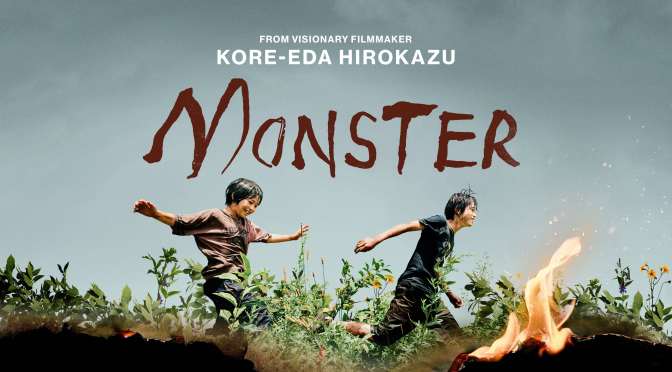
Hirokazu Kore-eda’s Monster (2023) exemplifies his continued mastery of humanist storytelling, a hallmark of his career. As with prior works such as the classic Afterlife (1998), critically acclaimed Shoplifters (2018), and the recent, arguably more commercial comedy-drama, Broker (2022), Kore-eda demonstrates a keen ability to explore the quiet complexities of human relationships, here through themes of bullying, young love, and the tender, taboo nature of queer affection. Monster (2023) delves deeply into the fragility of human connections, revealing the pain and misunderstandings that arise when societal expectations collide with individual identities.

The story focuses on shifting narrative perspectives of two young boys, Minato (Sōya Kurokawa) and Yori (Hinata Hiragi), Mugino’s mother, Saori (Sakura Andō) and the boy’s teacher, Michitoshi Hori (Eita Nagayama). Initially, Minato begins displaying slightly disturbing behavious such as cutting his own hair and throwing tantrums in class. His mother then believes the teacher is bullying him and begins to campaign for Mr Hori’s punishment. What then unfolds is something altogether more complex and powerfully ambiguous.

With Monster (2023), crafted via a Rashomon-style structure by screenwriter Yuji Sakamoto, the narrative approach provides a formidable layer to the film’s emotional resonance. It allow the audience to revisit pivotal events from multiple perspectives. By shifting viewpoints the script highlights how perception shapes reality, illustrating the subjectivity of truth in deeply personal and often painful ways. The multifaceted storytelling reveals how moments of cruelty, compassion, and misunderstanding ripple across different lives, underscoring Kore-eda’s central humanist message: no person is simply a villain or a hero, but a complex amalgam of motives and vulnerabilities.



The script’s structural ingenuity enhances the film’s exploration of societal issues, such as the alienation of queer youth and the lasting scars of bullying. Each retelling reframes the characters’ actions, fostering empathy for even the most seemingly antagonistic figures. This interplay of perspectives elevates Monster (2023) beyond a straightforward tale of adolescent struggle, transforming it into a profound meditation on the intersection of memory, identity, and the pursuit of love and acceptance.

By marrying Kore-eda’s subtle directorial touch with Sakamoto’s intricate script, Monster (2023) achieves a rare cinematic feat: a story that is as intellectually engaging as it is emotionally devastating. Moreover, it reaffirms Kore-eda’s place as a preeminent chronicler of the human condition. Safe to say that it is beautifully filmed, cast and acted. To elicit such incredible performances from these boys is wondrous direction. It also features a fragmented but beautifully poetic final film score of the recently departed Ryuichi Sakamoto. Overall, it’s cinema that breathes pathos and humanity into each and every character, and provides no easy solutions. Monster (2023) is a film that burns, like the fiery tower block featured throughout, long in the heart and memory.
Mark: 9.5 out of 11


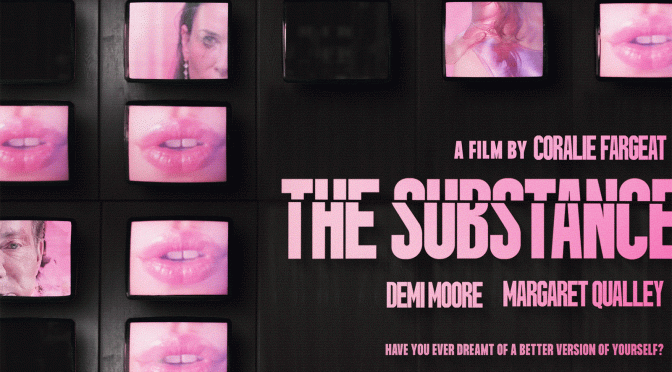
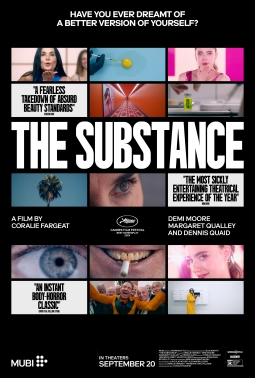
Cinema Review: The Substance (2024) – A Dark Exploration of Identity

THE SUBSTANCE (2024)

Directed by Coralie Fargeat

Written by Coralie Fargeat

Produced by: Coralie Fargeat, Tim Bevan and Eric Fellner

Main Cast: Demi Moore, Margaret Qualley and Dennis Quaid

Cinematography by Benjamin Kracun

*** MAY CONTAIN SPOILERS ***


The Substance (2024), directed by Coralie Fargeat, is a visually striking and visceral film that pushes the boundaries of body horror and psychological terror. Fargeat, known for her raw and relentless style in Revenge (2017), once again delivers an unforgettable experience by weaving references to classic literature and horror cinema into a narrative that is at once familiar and entirely original.

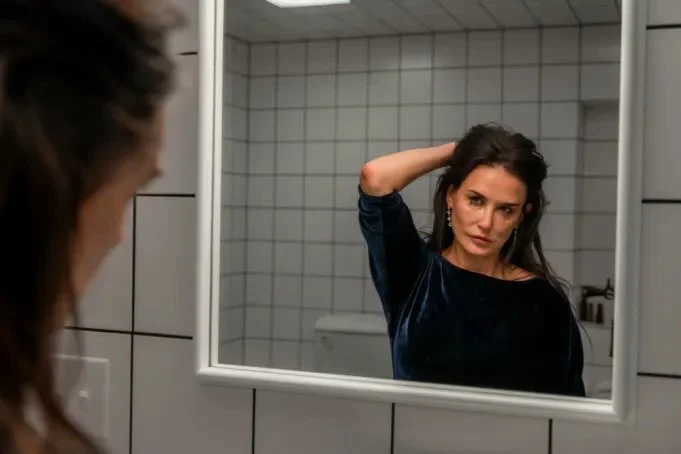
Demi Moore portrays a former Hollywood star, Elizabeth Sparkle, now relegated to doing a mildy successful cable TV aerobics show. However, Dennis Quaid’s oily production executive is on the lookout for younger talent. Elizabeth soon finds herself on the media scrapheap. Desperate to regain her youth and career, Elizabeth is drawn to the hypnotic promise of a new product called ‘The Substance.’

Before you can say, “Dorian Gray”, Elizabeth is lured to a strange white room full of lockers and has committed to the process. Similar to Gremlins (1984), there are rules to follow. As she follows the steps and injects the potions, Elizabeth goes through a painful and incredibly impactful transformation process. She literally gives birth to a young and beautiful alter ego called, Sue (Margaret Qualley). Elizabeth and Sue then get seven days each to live their life before they have to swap back. What could go wrong?


The film’s core themes draw heavily from Robert Louis Stevenson’s Dr. Jekyll and Mr. Hyde, exploring duality, identity, and the monstrous potential hidden within human nature. Like Stevenson’s tale of inner conflict, The Substance delves into the consequences of scientific ambition. It investigates moral transgression but with a modern, feminist twist. Fargeat’s use of body horror, particularly in the transformation sequences, echoes the grotesque, unsettling work of David Cronenberg. The nightmarish atmosphere and surreal visuals are reminiscent of David Lynch’s unsettling dream logic. This is notably seen in Eraserhead (1977) and Mulholland Drive (2001).

The film also pays homage to John Carpenter’s The Thing (1982), with its transmogrifying frights, sense of creeping paranoia and rising conflict. But rather than a group of men fighting each other Elizabeth and Sue turn on each other over ownership of their physical existence and Hollywood status. The final act descends into hellish and bloody satire echoing Peter Jackson’s Braindead (1992), with gore galore. Moreover, Stanley Kubrick’s influence is palpable in the film’s meticulous framing, production design and tension-building. The climactic body-morphing scenes, however, most clearly nod to Brian Yuzna’s Society (1989), with its grotesque depictions of class and conformity, fused with Fargeat’s unique vision of female empowerment, revenge and resistance.

The Substance (2024) feels like a bigger budget film in look and style, but you soon realise the minimal number of sets used and a lack of crowd scenes, finds the narrative effectively becoming a two-hander in the middle act by focusing on Sue and Elizabeth’s internal retaliatory vindictiveness. There are some amazing framing, colour design and cinematographic choices as showers become tombs to trap the protagonists. The book-ended Hollywood star montage and returning final shots are imaginative and unforgettable. Got to say that Demi Moore, as an actress taking on a role of an aging and neurotic former star is genius casting. While Qualley delivers a sexually charged and energetic performance, it is Moore who carries the weight of the complex themes as Elizabeth’s journey dives deeper into the stuff of nightmares.

Overall, The Substance (2024) is a postmodern classic and a film that honors its influences while forging its own path. Fargeat uses these references to enrich the narrative, creating a damned ugly and beautiful satire on those seeking narcissistic perfection through unnatural means, ultimately paying the price of those seeking eternal youth and fame.

Mark: 9 out of 11


SKY CINEMA REVIEW: MAY DECEMBER (2023)

SKY CINEMA REVIEW: MAY DECEMBER (2023)

Directed by Todd Haynes

Screenplay by Samy Burch (Story by Samy Burch and Alex Mechanik)

Produced by Natalie Portman, Sophie Mas, Christine Vachon, Pamela Koffler, Grant S. Johnson, Tyler W. Konney, Jessica Elbaum and Will Ferrell.

Main Cast: Natalie Portman, Julianne Moore, Charles Melton, Cory Michael Smith, Elizabeth Yu, etc.

Cinematography by Christopher Blauvelt

*** MAY CONTAIN SPOILERS ***


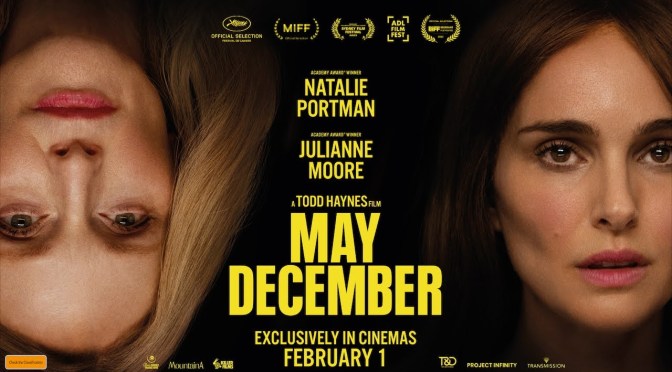
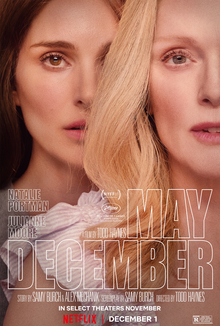
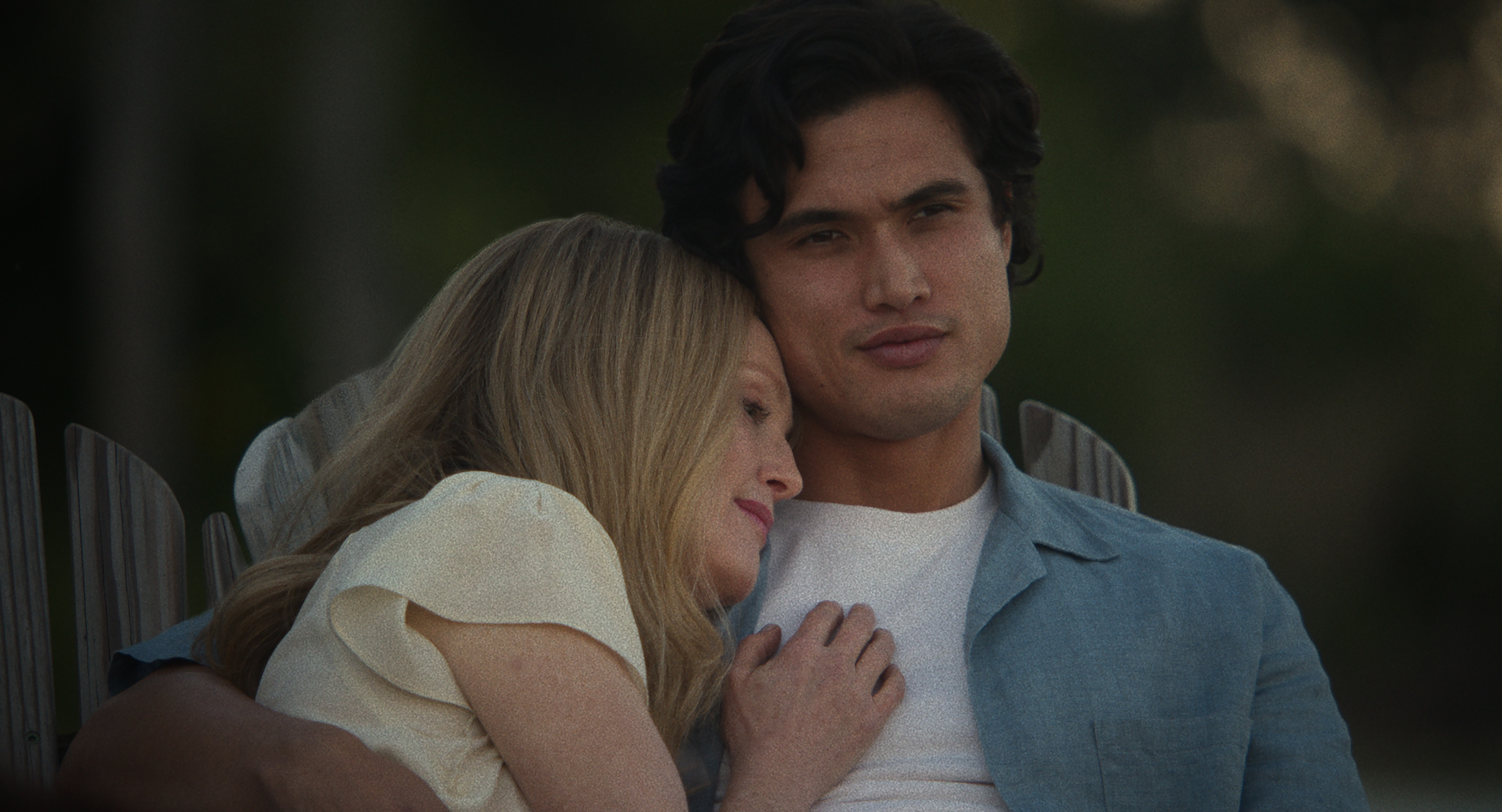
The story of May December (2023) is set in 2015 against the sunny backdrop of Savannah, Georgia. Loosely inspired by the real-life Mary Kay Letourneau scandal, Natalie Portman is Elizabeth Berry, an actress who desires to study the lives of Julianne Moore’s Gracie Atherton-Yoo and her partner Joe Yoo (Charles Melton). Elizabeth is set to play Gracie in an indie film, with latter being infamous for her twenty-three-year-long relationship with Joe, which started when he was thirteen. With a hook like that I was intrigued as to where the story would go with such a controversial subject matter dealing with a convicted sex offender and illicit romance. Here lies a major thematic thumbprint of the filmmakers.

What unfolds is a superbly acted and understated drama which really gets under the skin and into the mind. While watching the ever-shifting points-of-view and identification with the characters May December (2023) became so compelling to me. Gracie is a convicted sex-offender, but she married Joe for love and they had children together after she left jail. But should she have acted on her desires and rejected Joe as a thirteen year old? The simple answer is yes, but it is more complex than that as presented here. Because the couple felt so much emotion for each other that Gracie was prepared to go to jail. This is what attracts Berry and she homes in on Gracie and Joe like the proverbial moth to a flickering bulb.


Structured around Berry’s methodical probing into the past events and Gracie and Joe, she quizzes them, their children, family, friends, work colleagues and legal team. As Berry researches further it becomes apparent she is getting obsessive and almost predatory herself. There are several very awkward scenes involving Berry, notably when she visits the pet store where Gracie and Joe used to work together. As Berry revisits the past she begins to loosen the stitches of old wounds, as both Gracie, and Joe especially, reflect and question the moral validity of their relationship.

I am sure when Natalie Portman and Julianne Moore read the script for May December (2023) they must have been doing back flips with creative excitement. Because it is clearly is a layered screenplay of the highest intelligence, ambiguity, dark humour and intensity by Samy Burch. Along with Melton they deliver on the script with three tremendous performances too. Moreover, acclaimed director Todd Haynes directs this tonally awkward story with a deft touch drawing on the constant grey areas of drama so expertly. May December (2023) may not be for everyone because the film is a slow burn without much in the way of dramatic closure. Conversely, so much of the drama occurs in the acting and script’s subtext, yet it remains a fine example of ambiguous cinema. Finally, the re-orchestration and use of Michel Legrand’s music for The Go-Between (1971) is a masterstroke.

Mark: 9 out 11


MUBI REVIEW: AFTERSUN (2022)

MUBI REVIEW: AFTERSUN (2022)

Directed by: Charlotte Wells

Written by: Charlotte Wells


Produced by: Adele Romanski, Amy Jackson, Barry Jenkins & Mark Ceryak.

Main cast: Paul Mescal, Frankie Corio, Celia Rowlson-Hall, etc.

Cinematography: Gregory Oke

Edited by: Blair McClendon

Music by: Oliver Coates

***CONTAINS SPOILERS ***


The invisible mist that envelops many human beings and imperceptibly cannot be treated in conventional ways like that of a broken bone, headache or a skin rash. It can be experiential, dependent on one’s life situation or genetically sewn into the mind, blood and persona with often no evident cure. Sure, medicine can be used to push back the fog. However, it’s hit and hope treatment to a chastening fugue that is all encompassing and never ending. According to research, depression effects around 1 in 6 people in the UK each year alone.

Aftersun (2022) is an intimate character study on film written and directed by Charlotte Wells. After creating several critically acclaimed shorts, Aftersun (2022) is Wells debut feature film. It welcomes an intelligent, perceptive and brave new visionary in world cinema. Aftersun (2022) is a hypnotic, mournful and heartbreaking exploration of depression, love, loss and family which quietly pushes the viewer into a beautiful pain that makes it difficult to breathe at times.


This artful drama features Paul Mescal as Calum and Frankie Corio as his 11-year-old daughter, Sophie. It follows their holiday at a Turkish resort on the eve of his 31st birthday. Together, the actors performances and Wells’ subtle direction effortlessly builds emotional power in the father and daughter relationship on screen. Mescal especially is as magnetic as a modern-day Brando, with many soulful scenes of him trying to handle his invisible pain. Sophie is unaware of Calum’s clouding moods as he battles to keep it from her. Holidays are meant to be fun and the father does his best to ensure his daughter is protected from the existential despair. Wells hints at what may happen to Calum in the future, juxtaposing an adult Sophie recalling key moments from the holiday that play out like a raw home movie of haunting reminiscence.

Attempting to portray depression visually is a challenge for any filmmaker. Yet, Wells and their cinematographer, Gregory Oke, use a number of styles to propel the internal conflict of the characters. Sophie often sees her father through the eyes of a camcorder lens and mini-screen. Calum is also framed from behind and through the mirrored distance of a television screen. On occasions, Wells overdoes the artiness of such photographic choices. Mainly because Mescal’s portrayal of Calum is so good, I wanted even more direct focus on his character acting. Yet, one cannot argue with the creative power of Wells’ dialectic choices, notably in the contrast between the sunny Turkish landscapes and pulsating strobe-lit nightclub scenes linking older Sophie and Calum’s internal mindscapes.

Aftersun (2022) has rightfully received critical acclaim and accolades from BAFTA, BIFA and the Oscars. It is a slow burning film which takes patience to connect to. But once you get into the film’s rhythm there are an abundance of cerebral and emotional rewards. As an arthouse genre film Wells combines rites of passage with a deep analysis of grief. Sophie’s family holiday in Turkey is not without humour and joy as she finds real affection and love with her brave father. The tragedy is the not-knowing that this is the last time she will ever spend time with him. Sophie has her home movies and memories of Calum. But it is no substitute for her father being alive. If only he hadn’t stayed forever in life’s departure lounge.

Mark: 9.5 out of 11


CINEMA REVIEW: DECISION TO LEAVE (2022)

CINEMA REVIEW: DECISION TO LEAVE (2022)

Directed by: Park Chan-wook

Written by: Jeong Seo-kyeong, Park Chan-wook

Produced by: Park Chan-wook

Main cast: Tang Wei, Park Hae-il, Lee Jung-hyun, Go Kyung-pyo, etc.

Cinematography Kim Ji-yong

Edited by Kim Sang-bum

*** MAY CONTAIN SPOILERS ***


Park Chan-wook is a proper filmmaker. Like Quentin Tarantino and Martin Scorsese, he embraces the artifice of the visual and aural medium crafting intelligent, thematically surprising and stylistically dazzling works of cinema. While watching his work one can see the clockwork precision of his filmic mind devising every frame, sound, camera move, cut, character action, acting nuance, being thought out expertly. In short: Park Chan-wook’s films are always an event for me and demand attention.

Chan-wook’s only Hollywood directed film was an under-rated gem of a noir thriller called Stoker (2013), after which he returned home to direct erotically charged period thriller, The Handmaiden (2016). This was a bigger-budgeted and thematically richer affair, taking a complex con-artist-twisting-plot and interweaving an explicit feminist love story. Of course, lest we forget Chan-wook’s classic early work, notably the gonzo revenger, Old Boy (2003). I re-watched it recently at the Raindance Film Festival and the furiously inventive exploitation film retains its beautifully transgressive power.

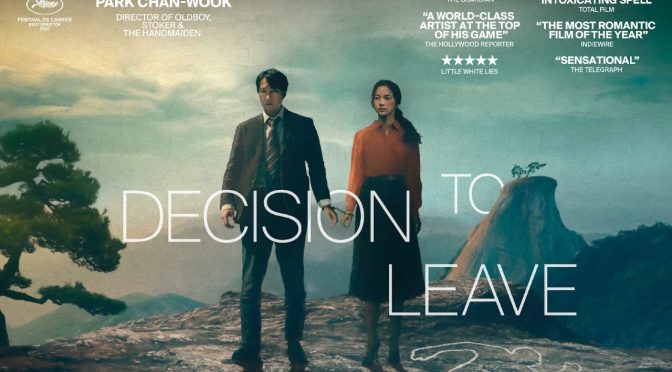
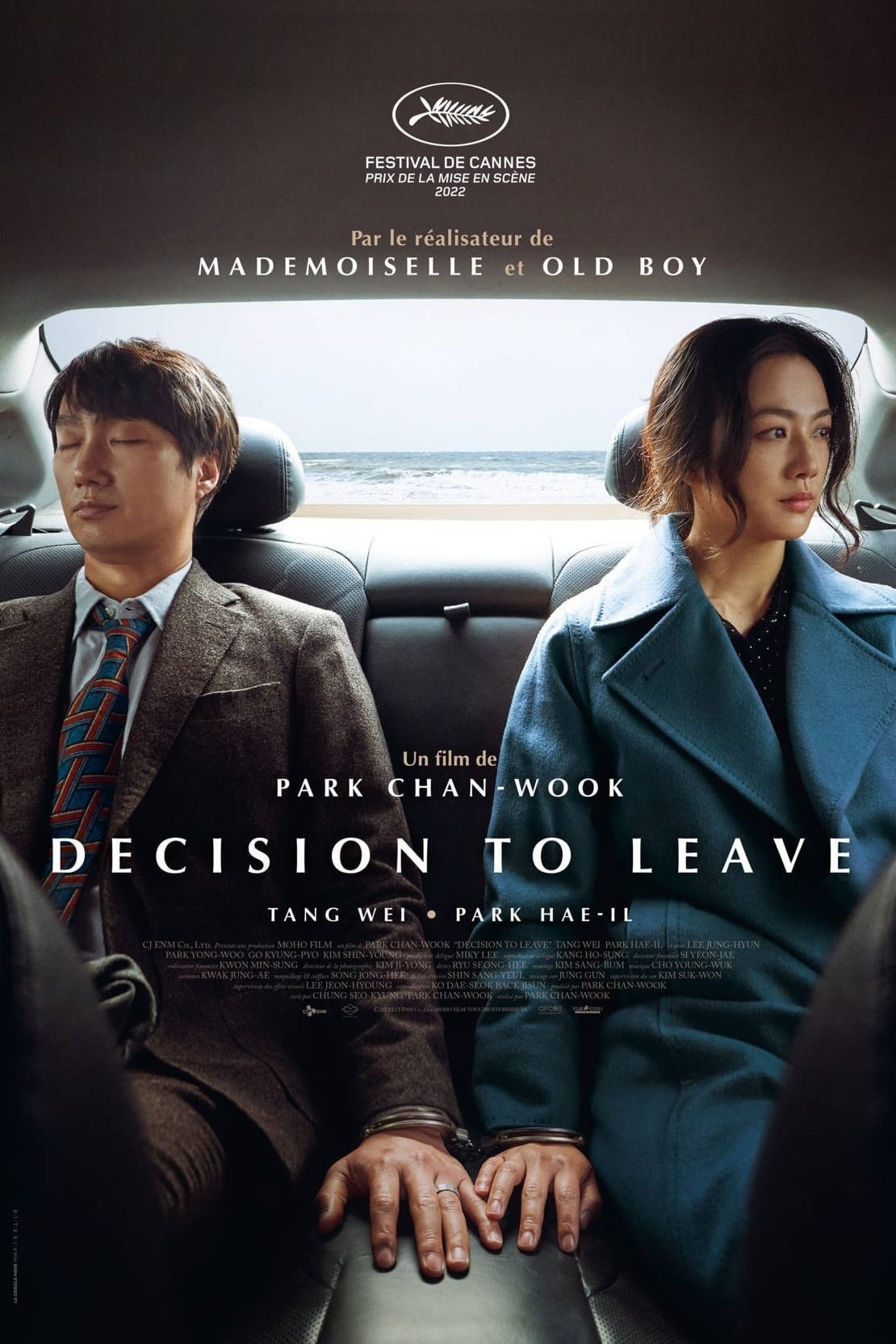
Like The Handmaiden (2016), Decision to Leave (2022) is a romance story set within a complex genre plot. While the former was a period crime film, Decision to Leave (2022) is a contemporary set police procedural with a central premise highly reminiscent of Basic Instinct (1992). Tang Wei as Song Seo-rae is suspected of killing her husband and as investigating cop, Park Hae-il as Det. Jang Hae-jun, delves deeper he finds himself more and more attracted to her. Where The Handmaiden (2016) and Basic Instinct (1992) used nudity and sexual imagery liberally, Decision to Leave (2022) is far more subtle and cerebral. The compelling romance is built on two fine lead performances, the cunning twists in the crime plot and Chan-wook’s masterful visuals with mountain, coastal and city landscapes being employed to powerful impact.


Now I must admit after watching Decision to Leave (2022) I was left slightly underwhelmed at the end from an emotional perspective. The visuals and storytelling were phenomenal, with Chan-wook and his writing partner crafting a devious series of inventive cat-and-mouse set-pieces. The suspense and doubt instilled as to whether Song Seo-rae is a murderer, despite her cast-iron alibi, is palpable. Simultaneously, the arc of the married mid-life crisis-detective, drawn to the suspect, flirting with disaster through flawed choices, creates much tension also. However, I didn’t immediately warm to the detective’s persona and wasn’t sure if I really cared. But I suspect, due to the complexity of the passion on show, a further watch will cement Chan-wook’s specific and symbolic vision.

Beneath the melding of romance, crime, mystery and action genres, I also considered the potential subtext in the screenplay. I wondered if Decision to Leave (2022) sought to explore the socio-political relationship between the nations of South Korea and China via the characters? Song Seo-rae is a Chinese migrant who came to Korea and via marriage was able to remain. An enigmatic soul she uses her wiles to survive, serenely attracting a series of men. But death follows her as closely as the male. Detective Hae-jun is drawn to her both professionally and romantically, no doubt thrilled by the danger. Yet, Chan-wook denies displaying physical consummation, and this makes the film more erotic than endless sex scenes do.

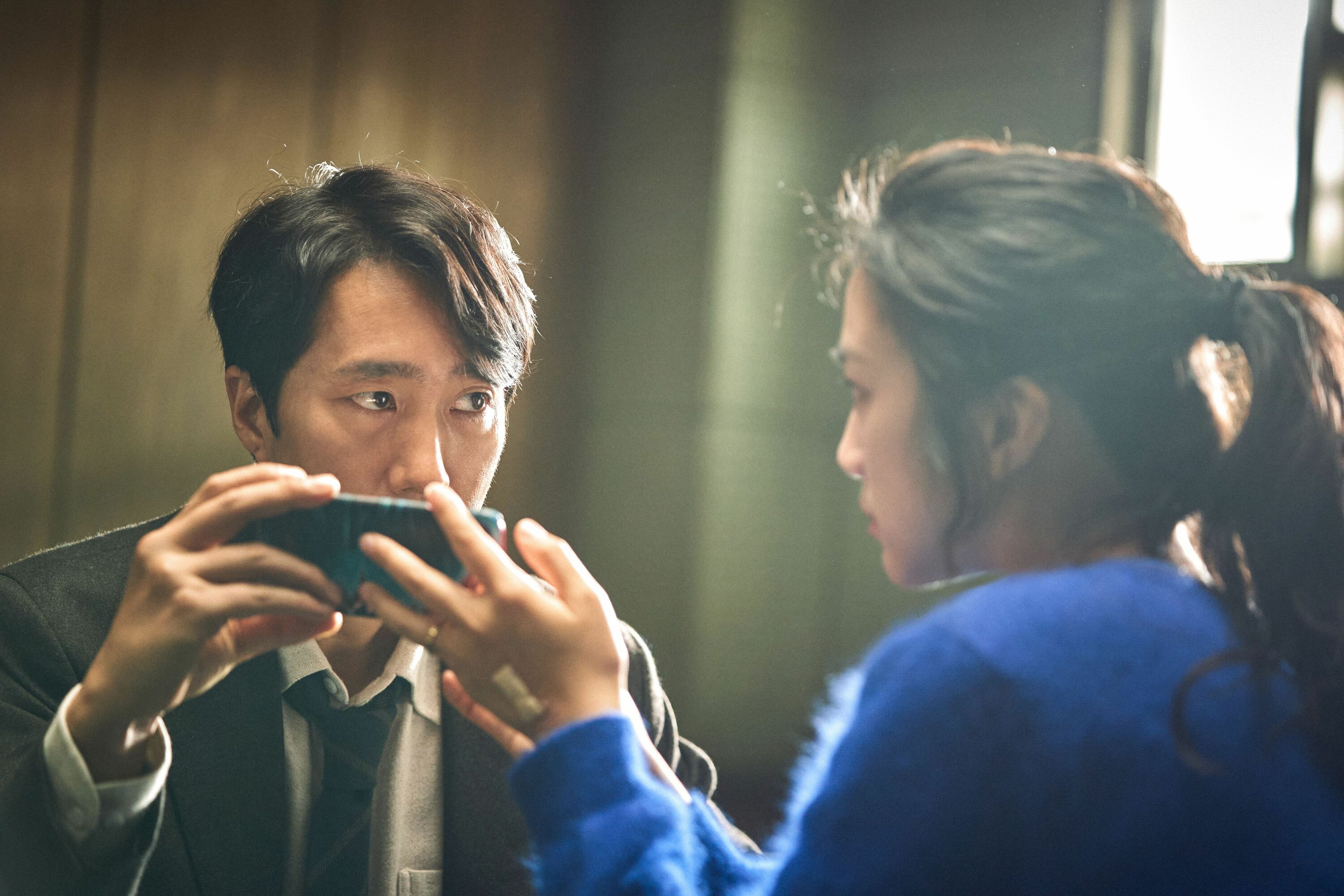
Lastly, Decision to Leave’s (2022) examination of language, both bodily and verbal, is deftly presented as a theme within the romance. The central crime of murder creates suspicion between the Korean and Chinese characters, but there’s a mutual and irresistible pull that cannot be denied. Song Seo-rae’s use of her phone translation application during her exchanges with the Detective create both a barrier and paradoxical intimacy. It’s just one of the fascinating bits of business, as well as the chainmail gauntlet used by the Detective, which elevate an already impressive script. But did Decision to Leave (2022) need to be so evasively complex and full of radiant ambiguity? The ending especially is both poetically exquisite and frustratingly cryptic. With a Park Chan-wook film, would I have it any other way?

Mark: 8.5 out of 11