Produced by: Rodrigo Texeira, Jay Van Hoy, Lourenco Sant Anna, Robert Eggers, Youree Henley
Cast: Willem Dafoe, Robert Pattinson
Cinematography: Jarin Blaschke
******* SPOILER FREE ********
Robert Eggers debut feature, The Witch (2015), was a startling debut and deserved the critical acclaim it received. Alas, personally, it left me cold as a story, because I felt little empathy for the characters. By the end, I was totally disconnected from the madness that ensued. Yet, while it failed as a horror film, it did have great performances from the cast and an incredible eye for period detail and language.
Obviously, a talented filmmaker such as Eggers is not going to care what I think; and quite right he is too. Building on the folklore and legends of yesteryear established in The Witch (2015), he has once again delivered a highly ambitious cinematic work on a relatively low budget with The Lighthouse (2019). Indeed, with a superbly researched screenplay full of salty dialogue, authentic locations and insane visuals, I connected way more to this than his debut film.
Shot on black-and-white 35mm with a 1: 19 aspect ratio, Eggers has left us in no doubt his intention to aim for the cinema for the purists among you. Formally though, these creative choices also force the audience into the same claustrophobic, black-hearted watery hell our characters must endure. Moreover, Eggers takes joy in oppressing his characters and the audience. TheLighthouse (2019) is a brilliant but harsh to watch. I mean I felt like I’d been working on a bloody lighthouse myself, such was my mental exhaustion by the end.
The film benefits from two incredible acting performances by Willem Dafoe and Robert Pattinson. Dafoe represents the experienced sea-dog, with Pattinson as the younger and more secretive, Winslow, The two men drink, eat, work, spar, clash, fart, shout, drink some more and slowly but surely begin to unravel amidst the isolation of the unforgiving rocks, crashing waves and squawking gulls. Full of incredible imagery, devilish sounds and creeping dread, ultimately, TheLighthouse (2019) is a hard film to endure, but an even harder one to forget.
A TEST OF CHARACTER: BRIEFLY EXPLORING CINEMATIC PERSONAS
“Just because you are a character, doesn’t mean you HAVE character.”
Winston Wolf – Pulp Fiction (1994)
What makes one film character more interesting than others? Obviously, the actor who plays them brings much to the role, but the writing, their story and personality are what draws us specifically to them. While film studios have utilised the star system and cast well regarded actors to sell their movies, the actual personas of the characters are just as, if not, more important.
Having strong characters to support the genre, concept and plot of their works is integral to writers, directors and actors. Thus, I’d like to explore some general character traits which help define a strong film character. I would like to consider the following: LIKEABILITY, EMPATHY, EXPERTISE, RESILIENCE, HUMOUR, COOLNESS and COMPLEXITY. There are obviously many other aspects to a character we could consider but I’ll stick to these for now.
To support this, I will list five film characters in each category. If I have missed anything glaring, then please feel free to shout out and comment.
*******CONTAINS FILM SPOILERS*******
LIKEABILITY
Does a character have to be likeable for you to root for them? Not at all! However, if they are a positive character it does help you to warm to their stories and emotions. That isn’t to say you cannot appreciate unlikeable characters, however, they are more complicated and I will come to those later.
FIVE LIKEABLE FILM CHARACTERS
GEORGE BAILEY – IT’S A WONDERFUL LIFE (1946)
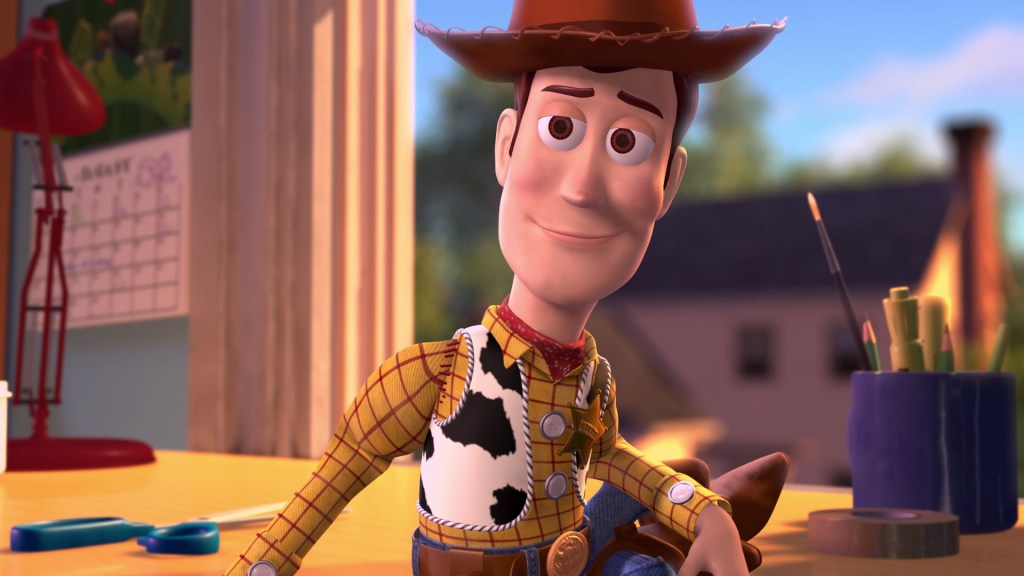
WOODY – TOY STORY (1995)
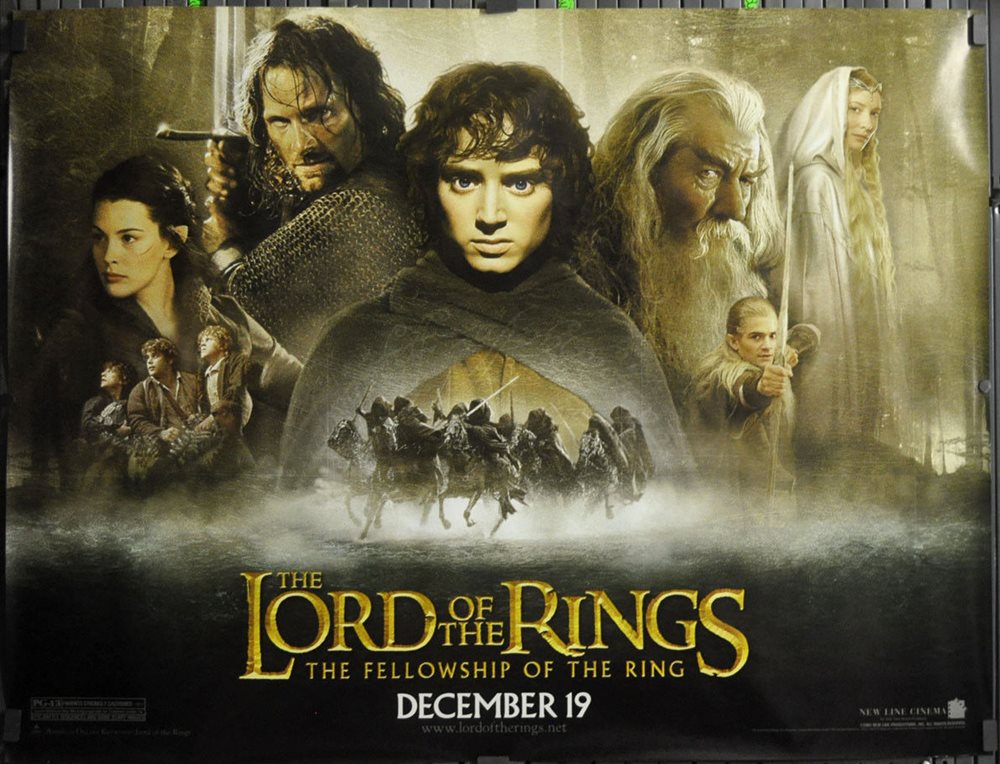
SAMWISE GAMJEE – LORD OF THE RINGS (2001)
MARGE GUNDERSON – FARGO (1996)
ATTICUS FINCH – TO KILL A MOCKINGBIRD (1962)
EMPATHY
Empathy and sympathy are two sides of the same coin, but can also contain variants. You can sympathise with a character but not necessarily empathise with their actions; and vice versa. For me, empathetic aspects are what I look for most in a character. They could still be pretty unlikeable, but if I feel drawn to their plight I will still connect with their story. Nonetheless, the characters I list here are both empathetic and mostly sympathetic too.
FIVE EMPATHETIC FILM CHARACTERS
ROCKY BALBOA – ROCKY (1976)
MARTY PILETTI – MARTY (1955)
FORREST GUMP – FORREST GUMP (1994)
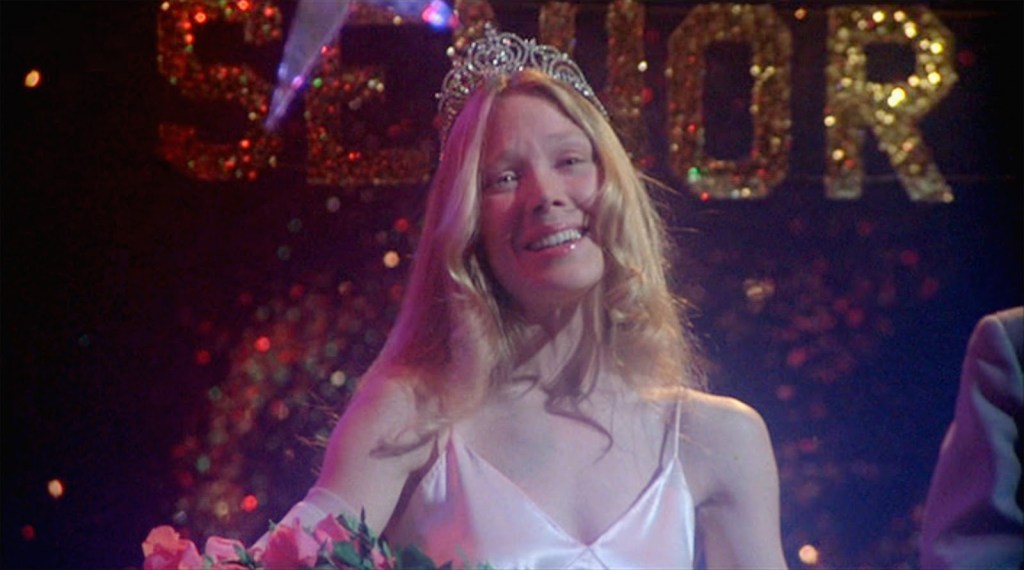
CARRIE WHITE – CARRIE (1976)
KING KONG – KING KONG (1933)
EXPERTISE
I have read a lot of screenwriting books and many of them say if you cannot make a character likeable or sympathetic, make them excel at something. Their expertise in their chosen field will draw you into their world, empathise and even admire their actions. If they are on the right side of the law that will obviously increase identification with such a character. Having said that there are many experts who are villains and I, like many, love a good nemesis too.
FIVE EXPERT FILM CHARACTERS
TONY STARK – IRON MAN (2008)
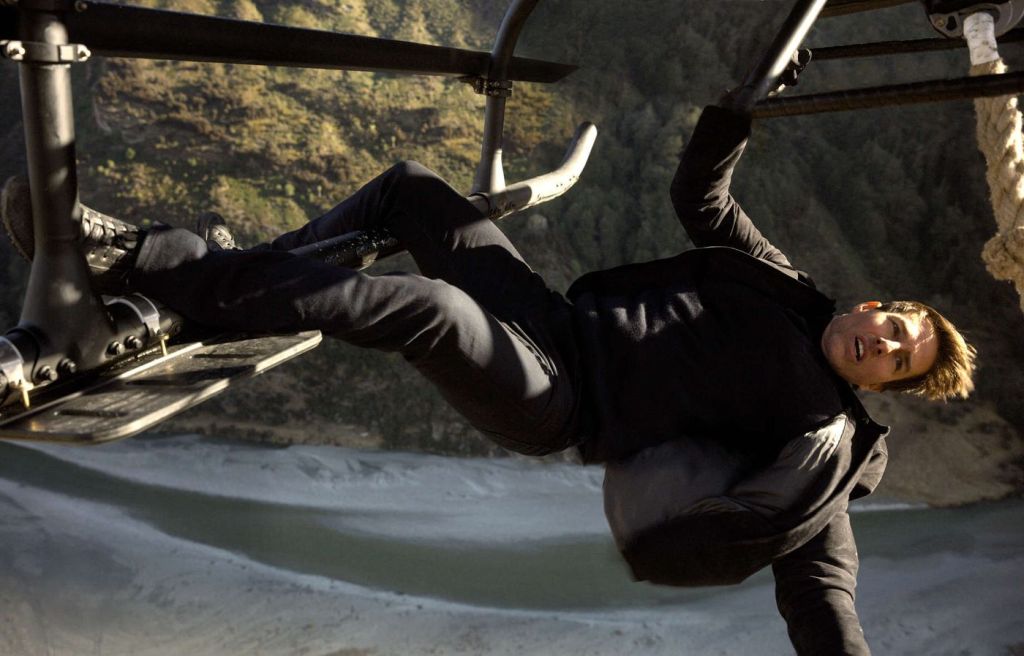
ETHAN HUNT – MISSION IMPOSSIBLE franchise.
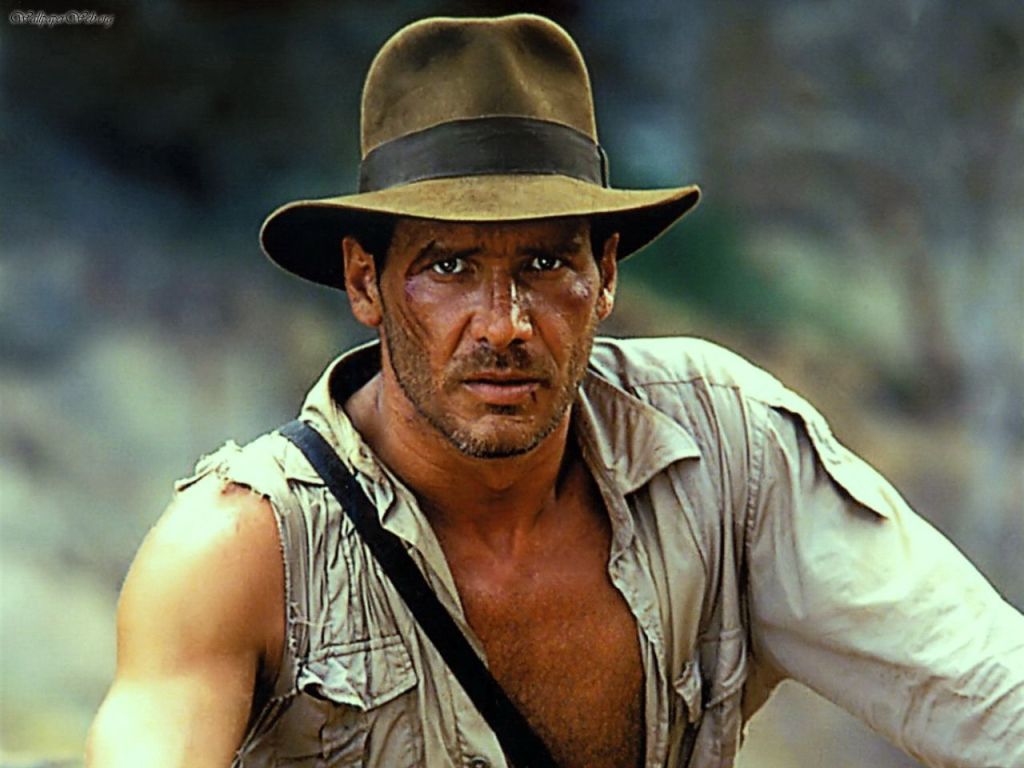
INDIANA JONES – RAIDERS OF THE LOST ARK (1981)
HANNIBAL LECTER – SILENCE OF THE LAMBS (1991)
DETECTIVE WILLIAM SOMERSET – SEVEN (1995)
RESILIENCE
Resilience or the overcoming of insurmountable odds is a sure-fire way of getting an audience on side. The fact a character refuses to give in despite overwhelming odds creates all manner of means with which to identify with a character. When watching a film we also want to see characters who mirror our own personalities. So, to watch characters who never give in is very appealing to me.
FIVE RESILIENT FILM CHARACTERS
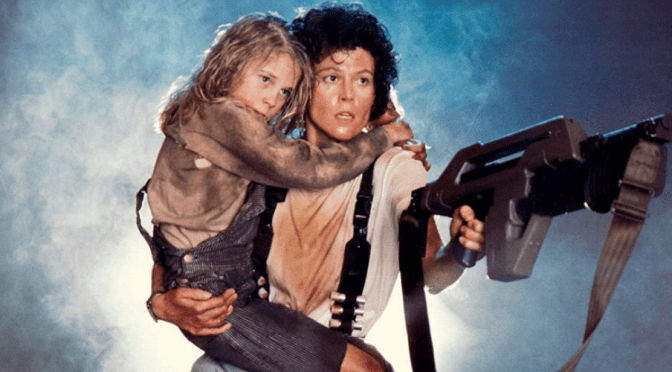
ELLEN RIPLEY – ALIEN (1979)
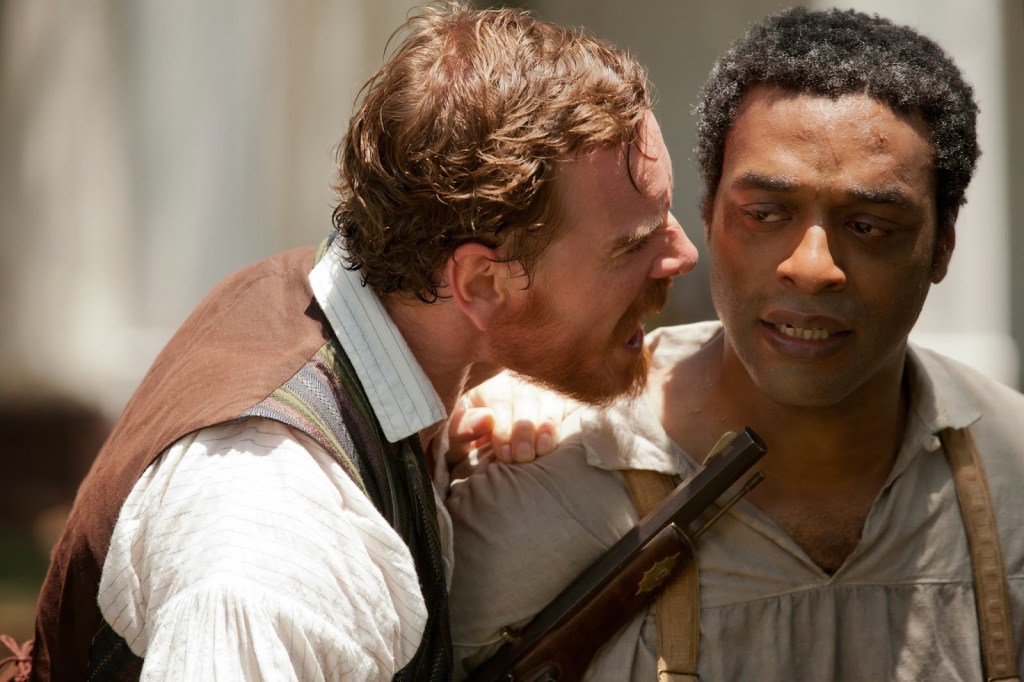
SOLOMON NORTHUP – TWELVE YEARS A SLAVE (2013)
CELIE JOHNSON – THE COLOR PURPLE (1985)
ANDY DUFRESNE – THE SHAWSHANK REDEMPTION (1994)
OH-DAE-SU – OLDBOY (2003)
HUMOUR
Obviously making an audience laugh is a fine way of making the one like a character. It’s also a good way to mask a characters’ agendas or be employed as a defence mechanism or weapon too. Funny characters are not just limited to comedy films as humour can enhance action, romantic and drama genres too.
FIVE HUMOROUS FILM CHARACTERS
ACE VENTURA – ACE VENTURA: PET DETECTIVE (1994)
PETER PARKER – SPIDERMAN (2002)
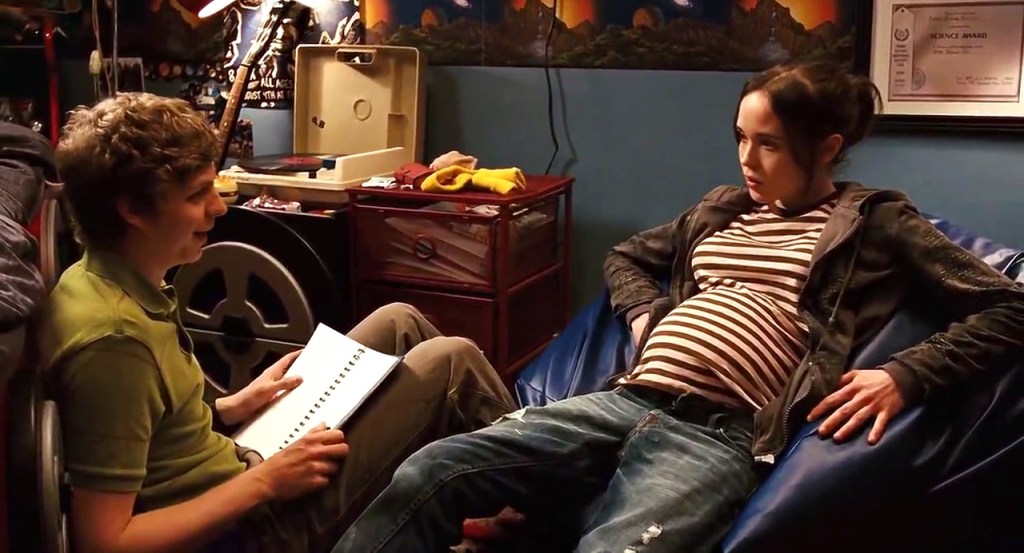
JUNO MACGUFF – JUNO (2007)
AXEL FOLEY – BEVERLEY HILLS COP (1984)
RANDALL P. MCMURPHY – ONE FLEW OVER THE CUCKOO’S NEST (1975)
COOLNESS
Arguably the most difficult one to quantify and even write, because it could be the actor who the one bringing the cool to the role. However, I think there are great examples of characters who are written that way too. Usually, a cool character will be someone of few words or a reserved demeanour or simply designated cool by their skills, actions and even what they wear.
FIVE COOL FILM CHARACTERS
VIRGIL HILTS – THE GREAT ESCAPE (1963)
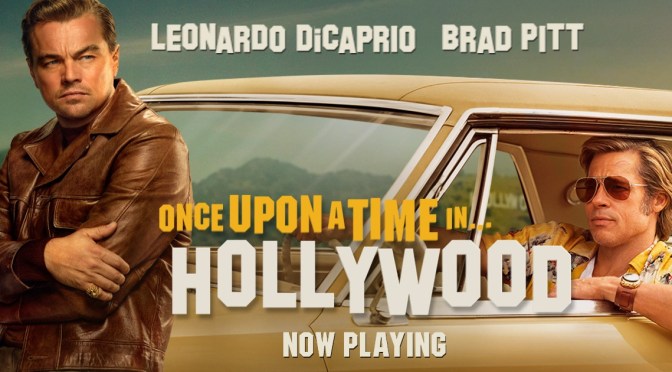
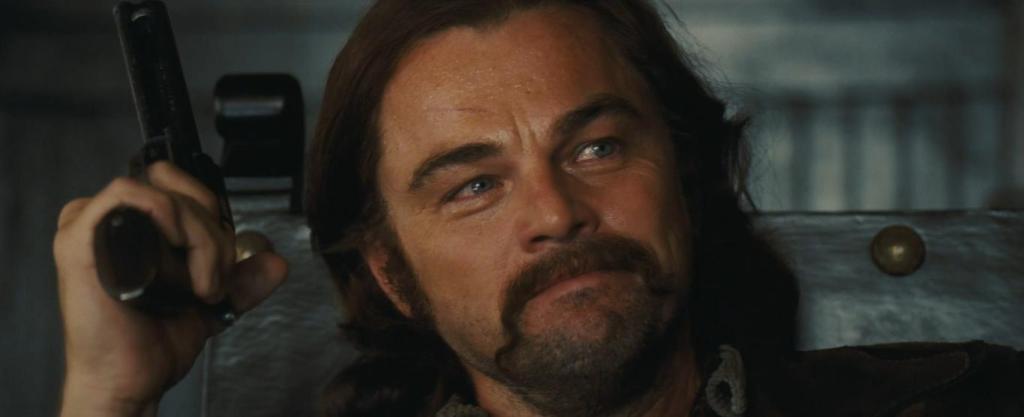
CLIFF BOOTH – ONCE UPON A TIME IN HOLLYWOOD (2019)
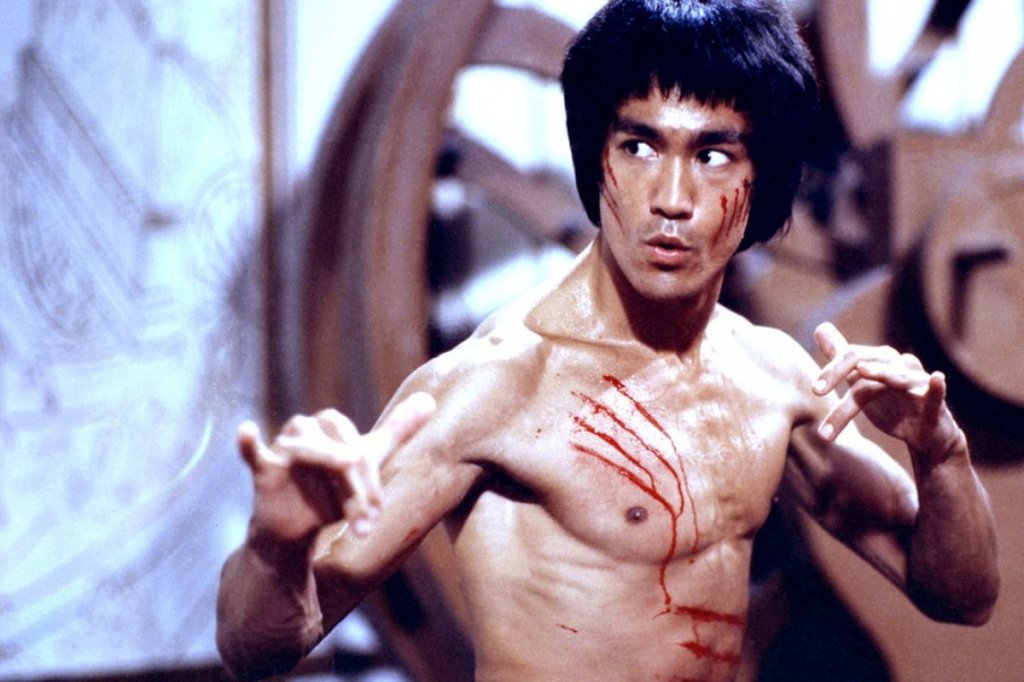
LEE – ENTER THE DRAGON (1973)
HOLLY GOLIGHTLY – BREAKFAST AT TIFFANY’S (1961)
MAX ROCKATANSKY – MAD MAX (1979)
COMPLEXITY
Complexity can be defined it many ways. It could be they are conflicted souls, searching for their place in the world. Or characters who are behaving badly while striving to be good. They could just be presenting a certain persona while hiding their real self. Or they could just be totally screwed and have mentally flipped. Complex characters are often unpredictable, but always compelling.
FIVE COMPLEX FILM CHARACTERS
HOWARD BEALE – NETWORK (1976)
MIRANDA PRIESTLY – THE DEVIL WEARS PRADA (2006)
DARTH VADER – STAR WARS (1977)
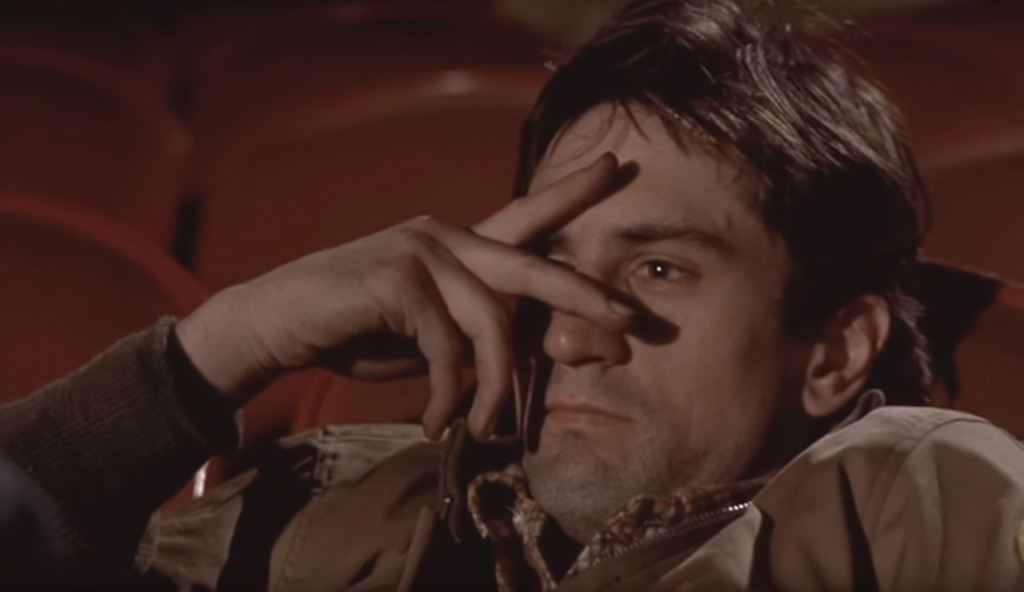
TRAVIS BICKLE – TAXI DRIVER (1976)
JOHNNY FLETCHER – NAKED (1993)
TO BE CONTINUED. . .
There are so many wonderful characters in the world of cinema. Those mentioned above are just a few. The aspects I speak of too are just brief sketches really in such a fascinating area. Certain characters are more than simply likeable, empathetic, cool, complex and funny. Some of are a collision of all the facets I have noted above. Lastly, as well as different elements to their personas, characters can also be defined as an archetype or genre type. But, that is another story for another article.
ONCE UPON A TIME IN HOLLYWOOD (2019) – FILM REVIEW
Directed and Written by: Quentin Tarantino
Produced by: David Heyman, Shannon McIntosh, Quentin Tarantino
Cast: Leonardo DiCaprio, Brad Pitt, Margot Robbie, Emile Hirsch, Timothy Olyphant, Margaret Qualley, Austin Butler, Al Pacino, Mike Moh, Bruce Dern, Dakota Fanning, Damien Lewis, Kurt Russell and many, many more.
Cinematography: Robert Richardson
**MAY CONTAIN SPOILERS**
From watching the trailers for Quentin Tarantino’s ninth film, Once Upon A Time in Hollywood (2019), I remember thinking: this looks so cool and I’m glad they haven’t given away much of the story here. Because, I hate those darned trailers which give away the story!
So, you watch Quentin Tarantino’s ninth film and then you realise, after the excessive running time, THERE ISN’T REALLY ANY STORY as such! Okay, DiCaprio’s character suffers an existential career crisis but that’s kind of it. Instead, you get mostly a nigh-on three-hour historical and cultural nostalgia trip down memory lane filtered through the artistic and fetishistic vision of one of cinemas great filmmaking iconoclasts.
Once Upon A Time in Hollywood (2019), is essentially an arthouse character study where you get to hang out with two-and-a-half lead protagonists, plus a whole army of fictional and ‘real’ life supporting characters from the 1969 Hollywood era. Our two main “heroes” are neurotic, alcoholic B-movie actor, Rick Dalton (Leonardo DiCaprio), and tough, handsome and laconic, Cliff Booth (Brad Pitt). The two characters contrast and complement each other perfectly. Moreover, the star quality, chemistry and fine performances of the lead actors bind the movie together amazingly.
Brad Pitt is especially brilliant. His character is not, until the violent ending, given much to do story wise; however, he does it with such charm. He imbues a character who has accepted his place in the world with such easy-going humour and control, it is an absolute joy to watch. It’s an iceberg performance which seems shallow on the surface, but has hidden and unsaid depth. I really wanted to know more about his character, especially what appeared to be a very colourful backstory.
DiCaprio, on the other hand, has the showier performance. Edgy, hungover and insecure due to his characters’ fading Hollywood career, DiCaprio gives another fantastic movie performance. He commits to the Dalton character and features in some wonderful sketches which pay homage and parody B-movies, TV variety shows and old TV Westerns. What I loved was his ability to demonstrate different levels of acting skills. DiCaprio can fuck up Dalton’s acting on set one moment, but then deliver acting on a Shakespearean level the next.
Margot Robbie, who we know is a brilliant actor in her own right, alas, is not afforded the same level of care in regard to the characterisation of Sharon Tate. More of an ornamental character in the film, she looks great going to the cinema, packing a suitcase, driving and generally just being effervescent. Yet, it’s truly is one of the film’s major flaws that it doesn’t make more of Robbie’s acting talent. Even the fantastic ending, which Tarantino, takes incredible liberties with in regard to actual events, finds Tate’s character development unfortunately left bereft of emotion.
Similarly, the Hollywood cameos echoing throughout the films are pure style over substance. For example Steve McQueen, Roman Polanski and Bruce Lee feature but these are mostly inconsequential encounters. The Bruce Lee representation and scene is actually really funny as Cliff Booth and the martial arts star face off in a hilarious flashback. Typically, Tarantino has caused controversy with his Bruce Lee (Mike Moh) rendition. Personally, I respect that people may be offended, however, it’s more comedic and iconoclastic rather than overt racism. After all, this is a fairy-tale vision of Hollywood and not a documentary. Plus, Tarantino knows he’s going to piss people off so it’s obvious he’s playing with people here.
While Bruce Lee’s persona is playfully satirized or racist depending on your point-of-view, Tarantino’s representation of the Manson family is more damning. It’s clear he absolutely hates hippies, especially acid-looped killer hippies. Dalton and Booth represent the old-school, honest Hollywood working class, so are the antithesis of the drop-out youths. The culture clashes between this era and the new flower-power cults is something Tarantino explores. Charles Manson, who barely features, is a ghost-like figure though. Instead, it is the character of Tex (Austin Butler) and the females of the commune who are most prominent.
Margaret Qualley as Pussycat is especially hypnotic in her role. Exuding both sexuality and acid-drenched nihilism, Pussycat is a siren hitcher, luring drivers to symbolically crash against the cliffs. For me, Tarantino should have made way more of the old and new California culture clash themes, as they resonated powerfully when on screen. Plus, the scenes on the commune were actually quite creepy, so more should have been made of this threat from a dramatic perspective. Lastly, the irreverent and violent final act carnage exploits the clashing of these two different cultures, but more could have done throughout to enhance this dynamic.
Overall, Once Upon A Time In Hollywood (2019) is a near three-hour arthouse classic. If you like films about film and TV making, driving, feet, ensemble casts, films within films, cinema-going, Los Angeles, more feet; and hanging with the marvellous DiCaprio and Pitt in a 1969 setting, then you will love this beautifully rendered and lovingly crafted film about Hollywood. Otherwise, you will probably find it a boring, indulgent and style-over-substance folly. Either way you have to admire Tarantino’s exquisitely controlled writing and direction. He certainly does!!
Safe to say though Tarantino will not care either way, because most of his filmic output has made a lot of money at the box office. This has now allowed him the luxury, like that of true cinema artists such as Kubrick, Altman and Antonioni, to make whatever films a studio is prepared to give him the money for. He’s basically making films for himself and doesn’t care if the audience likes it or not.
I personally found myself magnetically drawn to Tarantino’s vision and from a purely filmmaking and artistic perspective I was totally immersed throughout. Having said that, if the incessant driving and shots of dirty feet were cut and Dalton and Booth had been given a proper plot, rather than the thin stranded narrative within the impressive gallery of cameos and set-pieces, I would definitely expect to be writing about one of the best films ever made.
Way back in September 2015 I wrote an article listing some great ensemble film casts. Please feel free to read it here at this link.
If you can’t be bothered to read it the list of films are as follows:
12 ANGRY MEN (1957) AVENGERS ASSEMBLE (2012) GRAND BUDAPEST HOTEL (2014) INCEPTION (2010) LA CONFIDENTIAL (1997) THE MAGNIFICENT SEVEN (1960) MAGNOLIA (1999) MEANTIME (1984) THE OUTSIDERS (1983) PULP FICTION (1994) SHORT CUTS (1993) TINKER, TAILOR, SOLDIER, SPY (2011)
Never one to worry about originality, I have decided to follow up this article with another list of great ensemble film casts.
The challenge second time round though is to EXCLUDE the films of directors or franchises ALREADY LISTED.
For those who may have lazy-read this I WILL REPEAT!!!
NO DIRECTOR’S OR FRANCHISE WORK FROM LIST ONE WILL BE ON LIST TWO!!!
It would be so easy to include all of Paul Thomas Anderson, Quentin Tarantino’s or the Marvel films. So I am not going to do that. Anyway, here are another TEN films with great ensemble casts (in alphabetical order).
Cast: Jovan Adepo, Wyatt Russell, Mathilde Ollivier, John Magaro, Pilou Asbæk, Bokeem Woodbine etc.
Cinematography: Laurie Rose and Fabian Wagner
**MAY CONTAIN SPOILERS**
Inglourious Basterds anyone? More like inglorious mutants!
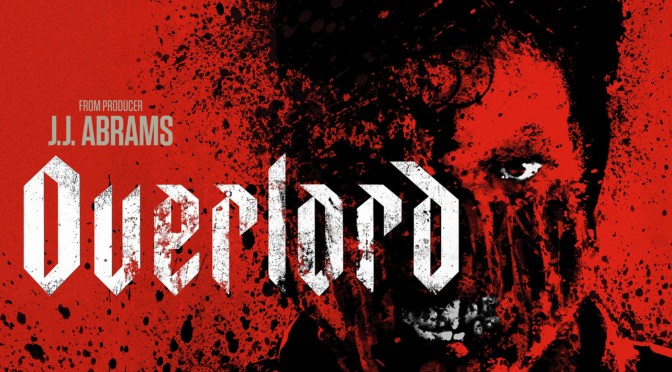
I love a good B-movie horror film and I love a good B-movie war film! So, I’m still confused as to why I missed this one at the cinema first time round. It was released in November 2018 in the UK, so perhaps I was still in London Film Festival mode? Perhaps it fell through the cracks after a busy October cinema-going? Perhaps the marketing wasn’t strong enough over here? Perhaps, perhaps, perhaps?
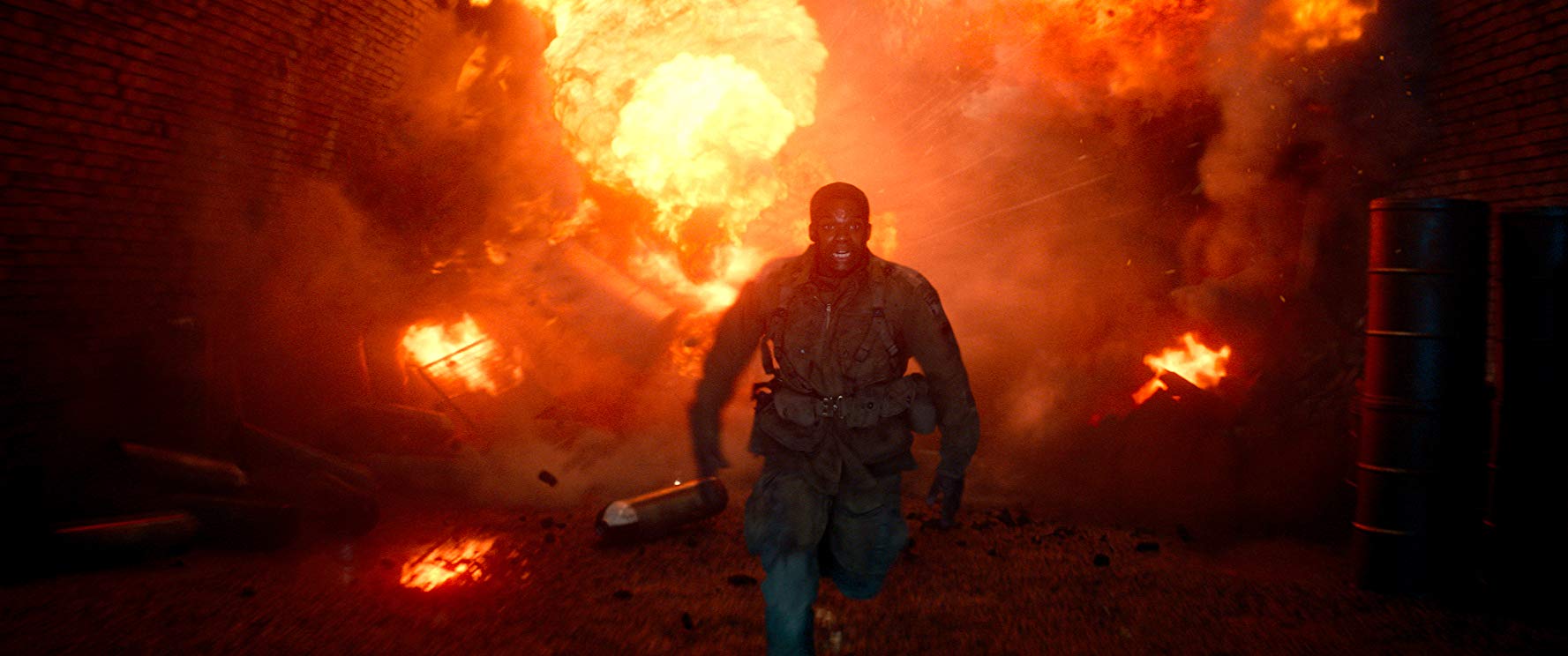
Anyway, I caught up with it on Sky Cinema via the television box and I immediately regretted not seeing it on the big screen. The film is set in June 1944 during the Allied invasionof Normandy. The operation was called Overlord and part of the WWII D-Day push to defeat the dastardly Nazis. It opens superbly, in mid-flight, as a fighter bomber carries American soldiers about to parachute into enemy territory. Safe to say aeroplane food, crying children and lack of leg room are the least of their worries.
The explosive, noisy and destructive opening sequence sets an incredible pace. Also, the body count starts to stack up too as we land in occupied France. Not so much a dirty dozen as a filthy four remain after the landing carnage. The ragtag quartet consisting of nervous rookie, Private Boyce (Jovan Adepo), tough-guy Corporal Ford (Wyatt Russell), mouthy Private Tibbet (John Magaro), and war photographer Private Chase (Iain De Caestecker), are joined by French civilian fighter, Chloe (Mathilde Ollivier) in battling the Nazi hordes. Their mission is to take out a Nazi radio tower, but we get a whole lot more than the usual WWII battle sequences. Something horrific is lurking in the church where the radio tower is.
While the film essentially deals in genre archetypes the narrative pace, action and suspense really get the heart racing. Moreover, the cast commit to the action and bloodshed with impressive abandon. What I liked was, with relatively unknown actors cast, it meant there was suspense in who would or wouldn’t survive. So, in a film full of surprises this added another layer of tension you wouldn’t get in a star-driven film. Nonetheless, the real asset of the film is the monstrous soldiers born out of the sinister minds of the Nazi Doctors. These are some real nasty pieces of work! Indeed, director Julius Avery revels in representing the bloody carnage these experimental creatures bring. You can’t beat a good old Nazi monster baddie! Well, you can! In all sorts of fleshy, fiery and visceral ways!
I recognised Wyatt Russell from other films and TV shows, and he was great. Russell exuded all the tough qualities his father Kurt has shown down the years, but he gave Corporal Ford a steely edge all of his own. Jovan Adepo and John Magaro impressed as chalk and cheese soldiers, initially clashing but subsequent gaining respect for each other. Adepo’s Private Boyce grows from frightened rabbit to resilient hero over the course of the film. Meanwhile, Game of Thrones scenery-chewer, Pilou Asbæk, begins with quite a subtle portrayal of SS Captain Wafner. Yet, by the end he is on gloriously over-the-top form as the most mutated of all the Nazis.
Ultimately, this is a mid-budget B-movie genre gem. It has lashings of action, blood and gore. It also combined war and horror genres really impressively. I would have liked even more gore and a bit more backstory regarding the Nazi experiments, but that would have probably ruined the surprises. Also, it’s definitely not one of the most original films you will see as there are major echoes of many soldiers-on-a-mission war films, the video-game Wolfenstein and also From Dusk Til Dawn (1995) too. But, with Wyatt Russell, Mathilde Ollivier and Jovan Adepo impressing in the cast and Avery directing the hell out of the explosive action and bloody fighting, I had a great time watchingOverlord (2018). It’s just a damn shame I missed it on the big screen when first released.
Produced by: Marco Morabito, Brad Fischer, Luca Guadagnino, Silvia Venturini, Francesco Melzi d’Eril, William Sherak, Gabriele Moratti
Screenplay by: David Kajganich – Based on Suspiria (1977) by Dario Argento and Dari Nicolodi
Cast: Dakota Johnson, Tilda Swinton, Mia Goth, Angela Winkler, Ingrid Caven, Elena Fokina, Chloe Grace Moretz, Malgosia Bela, Lutz Ebersdorf, Jessica Harper etc.
Music by: Thom Yorke
Cinematography: Sayombhu Mukdeeprom
**MAY CONTAIN SPOILERS**
There are so many films released that it is virtually impossible to see them all. Plus, even if you didn’t have to work to earn a damned wage or physically need sleep you still wouldn’t be able to watch everything at the cinema. More specifically though, we may choose NOT to go to see a film on the big screen for certain reasons. Collectively, I consider these movies to be “one’s that got away!”
Thus, in a new section called, unsurprisingly, FILMS THAT GOT AWAY, I will be reviewing films which I missed first time round at the cinema and have subsequently caught up with on Sky, Amazon, Netflix, Blu-Ray or even good old-fashioned terrestrial television. I will consider the film critically as entertainment and why I missed it first time round. As usual the film will be marked out of eleven.
When the UK release of Suspiria (2018) was announced there were many reasons I was immediately put off from wanting to see it. Firstly, despite having watched it three times, I genuinely could not stand the original Dario Argento film. I know people consider it a horror classic; however, I think story wise, it’s a bad film. It’s neither scary from an emotional point-of-view or actually makes any sense logically. I know it’s meant to be based on surreal and nightmarish imagery, montage and performance, but the story or characters did not connect with me. The colour design, gore and soundtrack are outstanding but, overall, I felt I was trapped watching the manic outpourings of an Italian psychopath.
The second reason I did not want to watch it is I haven’t always got on with Luca Guadagnino’s cinematic works. Don’t get me wrong, he is a brilliant filmmaker. However, I find him an indulgent artist whose tone, pace and direction seems haphazard. Of the films I have seen, I Am Love (2009) was a brilliant character study, anchored by a stunning Tilda Swinton performance. But A Bigger Splash (2011) and Call Me By Your Name (2017), were expertly constructed but indulgent and over-rated travelogues littered with narcissistic bores. Nonetheless, I really liked Suspiria (2018). It is almost, but for Guadagnino’s typical excesses, a horror masterpiece.
Set in 1977 (when the original was released), at the height of the Cold War in divided Germany, Suspiria, is a heady mix of rites of passage, cold war and horror genres. There are many narrative strands with which the screenplay, by David Kajganich, attempts to balance. Further, we also have personal, political, religious, artistic, gender and communal themes prevalent through the story. While it’s an ensemble cast the focus is Dakota Johnson’s Susie. She is a young aspiring dancer, from an Amish background, who joins the world-famous Markos dance company. In the process she is determined to impress Tilda Swinton’s commanding mentor. The parallel narrative involves psychiatrist Dr Josef Klemperer and his investigation into a missing patient (Chloe Grace Moretz); who also happens to be a dancer from the troupe.
As the story unfolds Susie proves herself an incredibly powerful dancer. At the same time, it is revealed that the elders and teachers of the dance group are hiding a sinister secret with darkness and ritual to the bloody fore. Memorable dance sequences full of beauty, energy and gore dominate, with Dakota Johnson giving an impressively physical acting portrayal. I also liked the nuanced control within her character as she grows stronger with each dance. Meanwhile, further dark events occur as Dr Klemperer’s investigations draw him closer to the troupe’s shadowy doors.
As I said, Suspiria is almost a horror masterpiece. The filmmaking, cinematography, art direction, choreography and score by Thom Yorke all collide to create an incredibly tense and terrifying experience. Moreover, while I was fully committed to the characters in the dance troupe and Susie’s movement up the ranks, the choice to juxtapose the socio-political events seemed to belong in another film. The religious context and notions of family and matriarchal dominance were incredibly powerful too and served the horror well. However, Guadagnino, in my humble view should have shaved some scenes from the running time. While I much prefer this film to the Argento original, a further edit for pace would have made this even better. Nonetheless, it had me riveted throughout through the sheer quality of filmmaking. I was incredibly impressed by the melding of dance and death. Indeed, the final orgiastic ritual with buckets of blood, decapitations and gnarled monsters was supernaturally unforgettable.
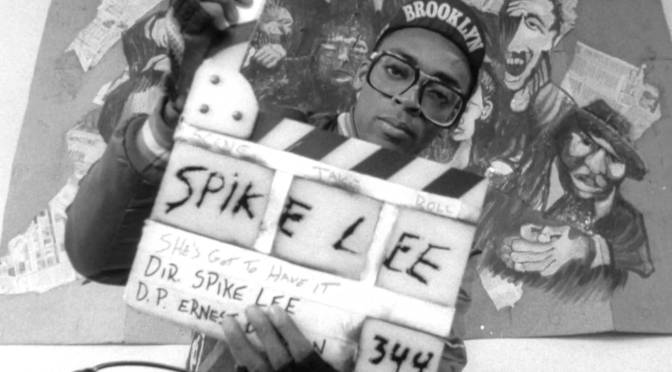
Shelton Jackson “Spike” Lee has been a prolific actor, director, producer and polemicist for some time now. An ultra talented and outspoken cinematic artist, he has directed thirty fiction and documentary films since his debut feature film She’s Gotta Have It (1986). Plus, all manner of promos, commercials, music videos, short films and television series.
To celebrate his work and the fact he finally got recognised for his amazing filmmaking skills by the Oscars this year, I would like to highlight, five of his finest films that are worth watching and rewatching. An energetic firebrand of a director he has made films in many genres and is a risk-taker in subject, theme and style. Whether you agree with what he has to say he is a filmmaker who is always creating situations and characters who must be heard. Here are some great examples of his cinematic work.
**MAY CONTAIN SPOILERS**
DO THE RIGHT THING (1986)
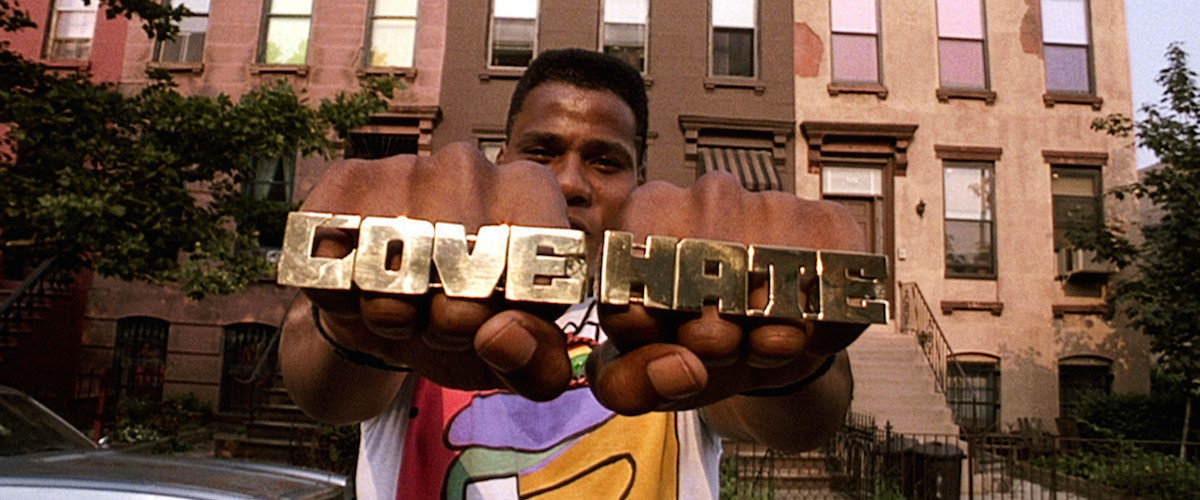
Spike Lee’s incendiary look at the day in the life of a Brooklyn neighbourhood finds a variety of characters coping with both rising temperatures and simmering racial tension. Lee’s brilliant script is fully of boldly written and brightly sketched characters presented via a succession of hilarious and dramatic vignettes. The formal excellence on show too from Lee is to be applauded as he uses devices from: music video and cinema to tell his rich stories. The day does not end well as the neighbourhood erupts into tragic violence with Lee proving himself adept at balancing humour, politics and tragedy in equal measure.
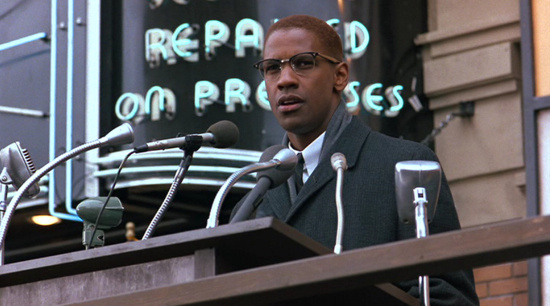
MALCOLM X (1992)
Arguably, Malcolm X (1992), is Spike Lee’s most significant and impressive film. It charts the life and death of a man born Malcolm Little who would grow to be anything but. After a troubled childhood he became a drug dealer and criminal in order to survive. Having converted to Islam he rejected his slave roots, going on to become one of the most outspoken voices against black oppression the world has ever seen. The project took decades to come to the screen and Lee and Washington both faced objections from many parties for their involvement. However, the finished film a masterful biography capturing the spirit of an intelligent, passionate and outspoken individual trying to right the wrongs within American society and history. Both Lee and Washington should have won Oscars for their work. The film stands ultimately as a fine cinematic tribute to a true spokesperson for a generation.
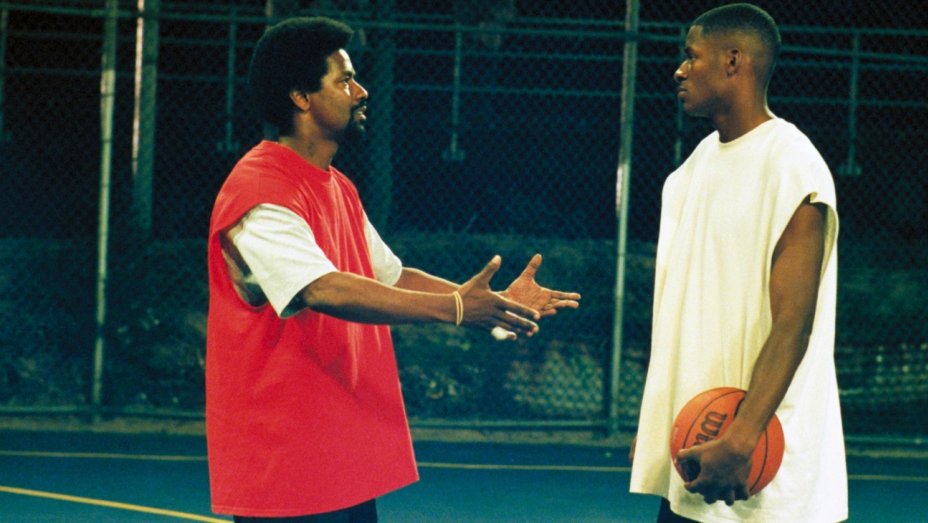
HE GOT GAME (1998)
From my basic research Spike Lee is revealed to be a New York Knicks fan. It’s no surprise then his love of basketball really shines through in this mix of sport, crime and personal drama. The story follows young hot-shot basketball prospect, Jesus Shuttlesworth, and the decision he has to make in regard to which college he goes to. On paper it’s Jesus’ choice but in reality he has all manner of people attempting to influence him. These include: his girlfriend, his coach, agents, local gangsters and most pressing of all, his jailed father portrayed by Denzel Washington. Ray Allen is excellent as Jesus and Lee invokes an empathetic character study with lashings of verve and style.
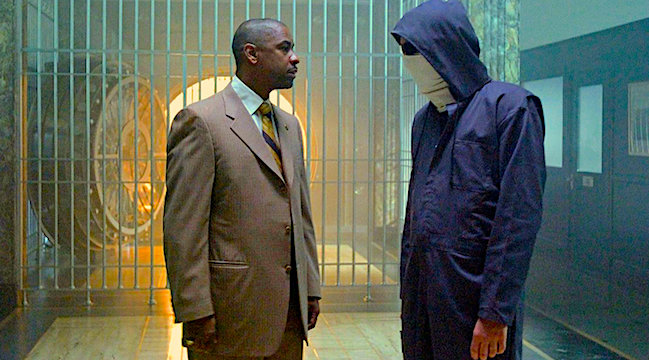
INSIDE MAN (2006)
Spike Lee directs in confident style, with Denzel Washington and Clive Owen both excellent as the lead cop and main criminal. Jodie Foster is brilliant too as a venal fixer brought in by Christopher Plummer’s bank owner. What makes Lee’s direction ping here is his deft handling of a complex structure within the heist genre. Moreover, Lee demonstrates he is able to convey a genre story with impeccable skill and deliver fine screen performances to boot. I especially loved the diversity of the supporting characters and the film oozes a pure New York atmosphere throughout.
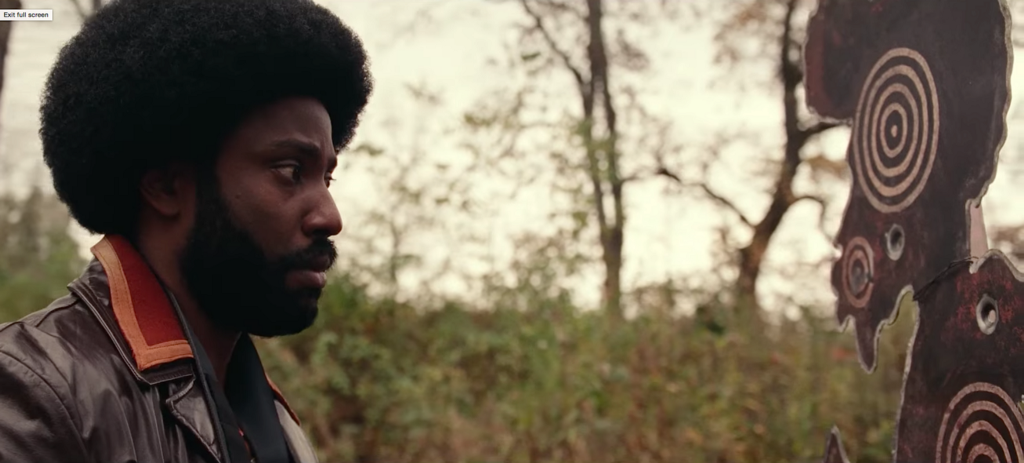
BLACKKKLANSMAN (2018)
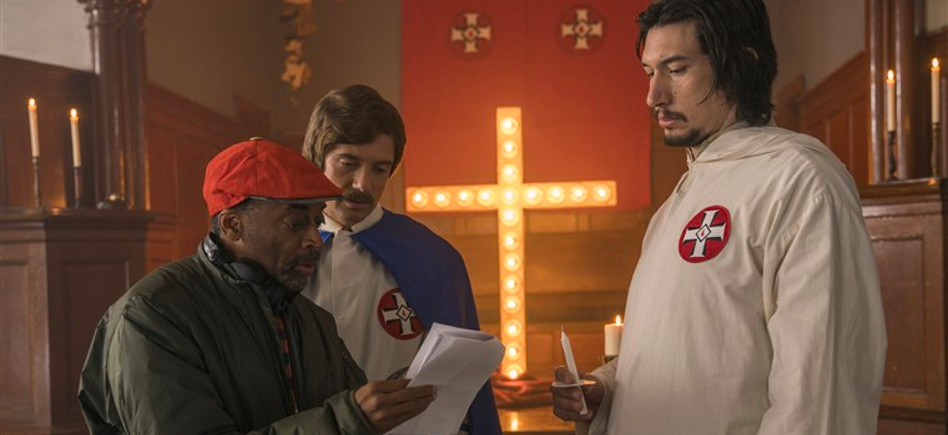
BlacKKKlansman (2018) is a complex film which expertly mixes many genres, infusing musical, thriller, Blaxploitation, comedy and documentary styles, making it a joy to experience. Spike Lee has never been afraid of experimenting and sometimes his films have not worked because of it. However, with this he succeeded in making one of the best films of 2018. It should have won Best Film Oscar in my view. It is thought-provoking but never preachy for the sake of it and uses humour most often as a weapon to undermine the senseless ideologies of the KKK. Indeed, in ridicule there is hope they may eventually be side-lined to the shadows of history.
While we all love a good proper feature film containing one continuous narrative, the anthology or portmanteau film has thrown up some fine cinematic entertainment over the years. Generally, an anthology film can be described as a collection of works with a linked theme, genre, style and author etc.
Thus, in my occasional Six of the Best series I have decided to pick some favourite ones. To make it more interesting I have chosen them from different genres. Otherwise, I would have just chosen all horror films. So, here are six of the film anthology films worth watching.
**MAY CONTAIN SPOILERS**
THE BALLAD OF BUSTER SCRUGGS (2018) – WESTERN
The Ballad of Buster Scruggs is a mischievous alchemy of stories. Here, the Coen Brothers reach into their cinematic bag of tricks to deliver an entertaining and memorable collection of characters, songs, bloody death, jokes, pathos, landscapes, snappy dialogue, dark humour and action. Coen’s films often improve with each viewing as their work is so full of stylish depth and this is no different. Quite often, you’re laughing so much you miss the philosophical happenstance which is occurring in many of these fine stories.
DEAD OF NIGHT (1945) – HORROR
It seems sacrilege not to include the likes of George Romero’s Creepshow (1982) or one of Amicus’ unhinged collections such as Dr Terror’s House of Horror (1965). But, having watched this classic recently I can certainly say it has some brilliant and scary stories which stand the test of time. Full to the brim with the cream of British acting, writing and directing talent, the standout tale is Michael Redgrave’s troubled ventriloquist, although the whole film is a nightmarish treat for horror fans.
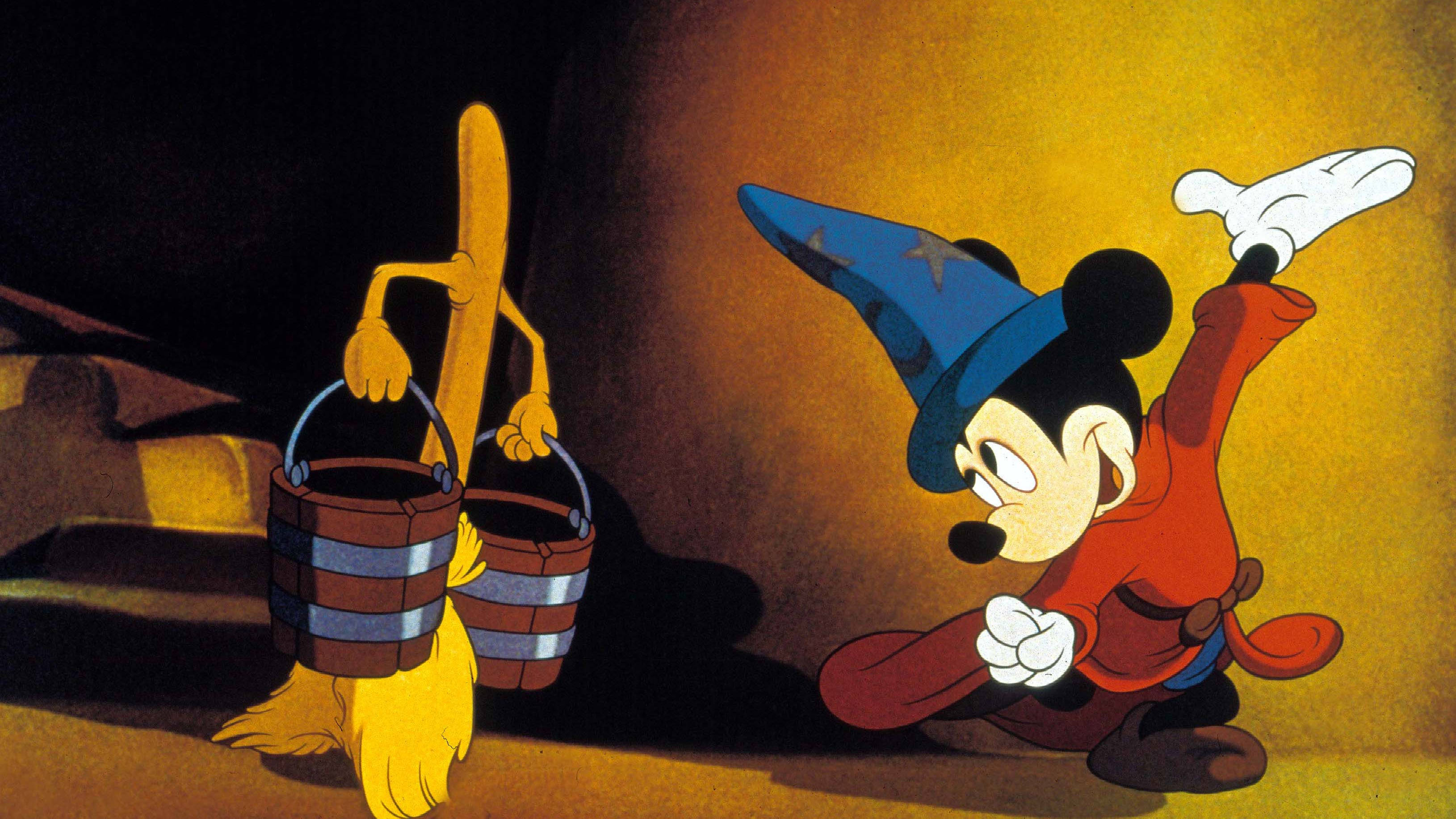
FANTASIA (1940) – ANIMATION
With the current trend for Disney to remake their back catalogue as “live” action films in mind, I very much doubt they will doing this with Fantasia. Conceived as a short to re-invigorate the slowing career of Mickey Mouse, the film is unlike any other Disney have made. It consists of experimental, non-narrative and hallucinogenic vignettes mainly set to wondrous classical music. A masterpiece of hand-drawn animation, style, colour and design, it’s certainly not just for kids. I recall many images giving me nightmares when saw it as a child and it remains a powerful cinematic work to this day.
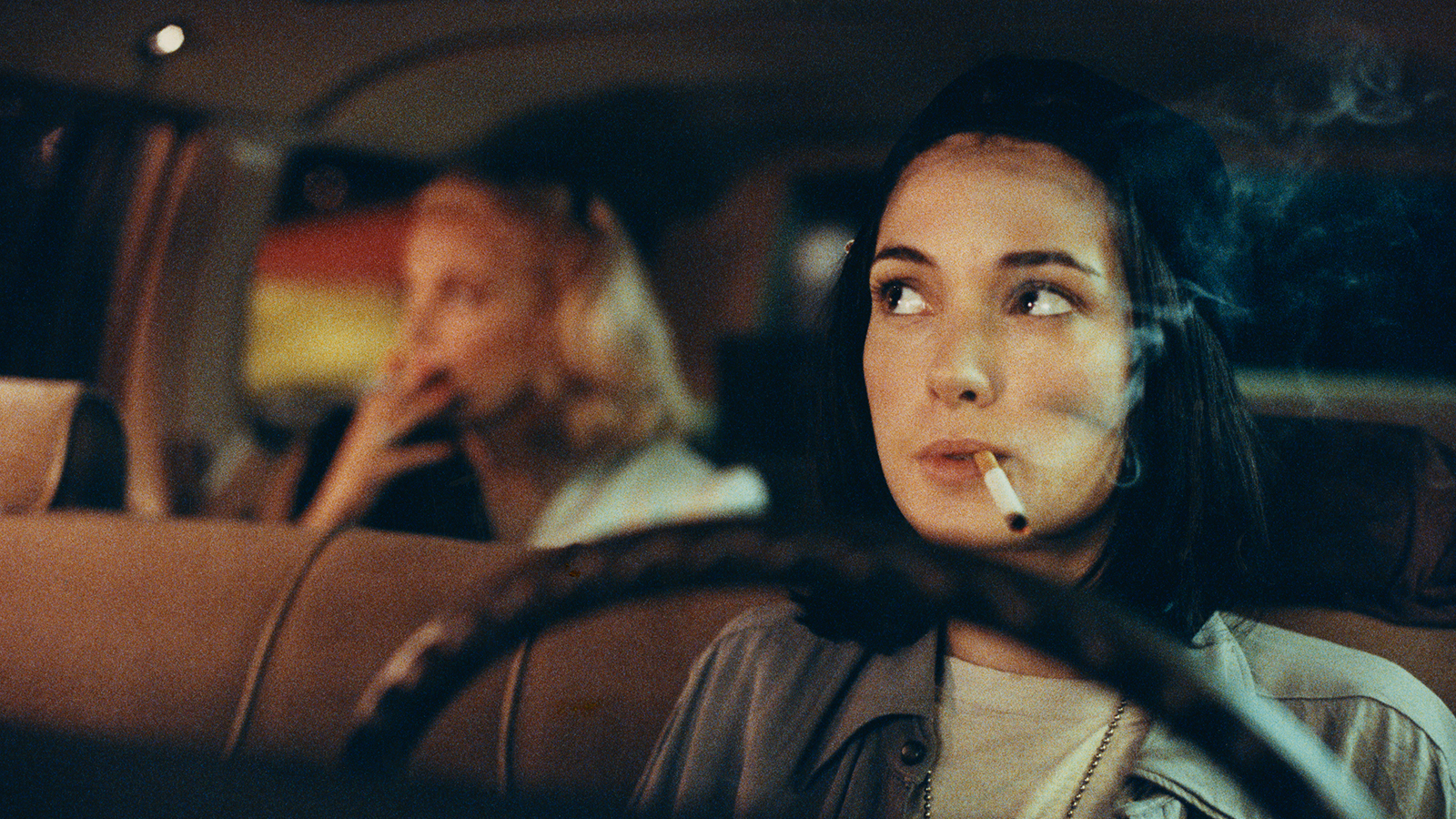
NIGHT ON EARTH (1991) – COMEDY
I was going to choose Woody Allen’s erotic sketch film, Everything You Wanted to Ask About Sex but were Afraid to Ask (1972), for the comedy section. However, I decided to select a more deadpan and character oriented film. What better then, than a Jim Jarmusch curiosity. I love the concept of the film as Jarmusch sets several themes and parameters in place. There are five slice-of-life vignettes set on the same night in the cities of Helsinki, New York, Rome, Paris and Los Angeles, all starring some of Jarmusch’s favourite actors. Relationships and quirky interactions between cab driver and passenger are explored in the filmmakers’ inimitable style.
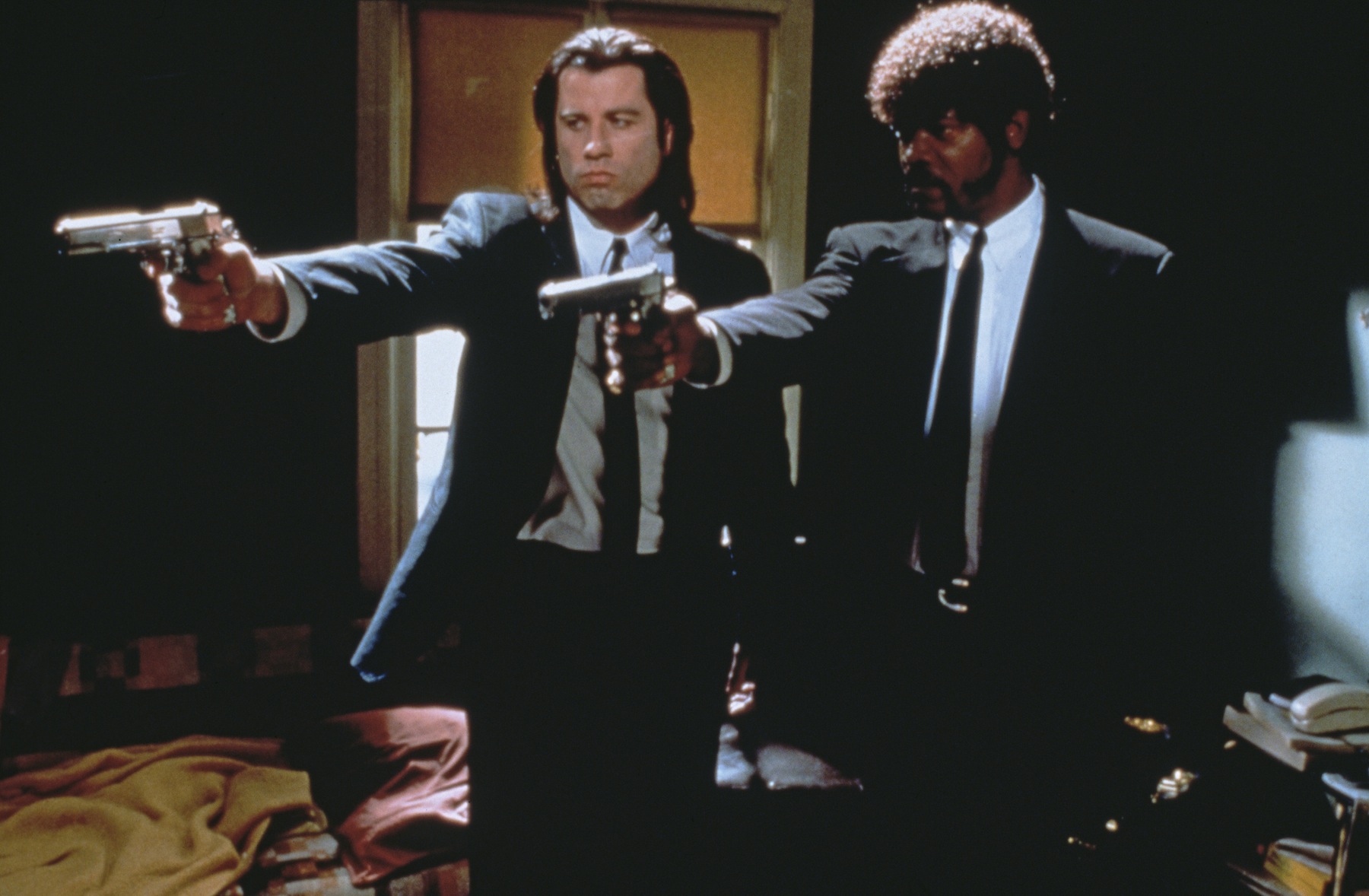
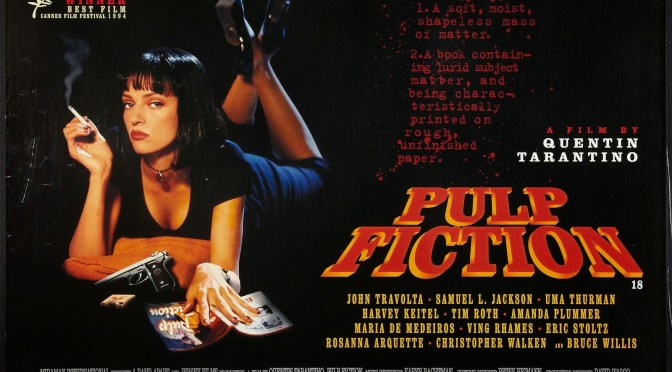
PULP FICTION (1994) – CRIME
Quentin Tarantino’s second feature film remains a fresh masterpiece of colliding gangsters, uber-cool hitmen, fixers, boxers, sexual deviants, femme fatales, drug addicts and general criminal types. With an over-lapping timeline that kind of does a figure of eight, we get stories ranging from a couple robbing a diner; a boxer double-crossing a crime boss; and an employee almost killing his boss’s wife. Tarantino breathes life into the crime genre and the stock pulp characters with one of the greatest screenplays ever written; full of incredible dialogue, startling twists and a brilliant ensemble cast.
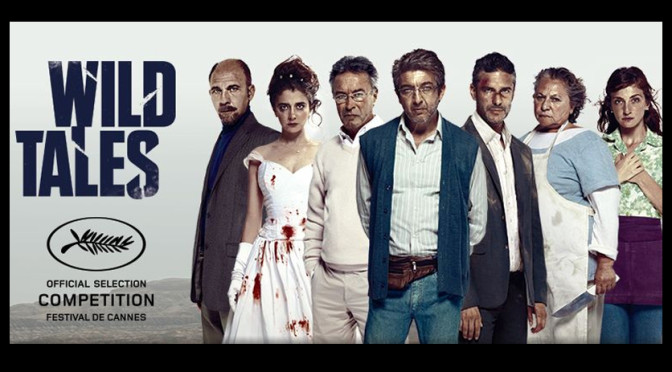
WILD TALES (2014) – DRAMA
Damián Szifron conjures up a delectable and devilish set of stories mostly based around the themes of obsession and revenge. It opens with a breath-taking little prologue featuring a horrific incident on a plane and culminates in arguably the wildest tale when the Bride goes on the rampage at her wedding. Everyone’s favourite Argentinian actor Ricardo Darin pops up in the middle as an explosives expert who enacts revenge on City Parking fascists. I love the whole thing as the film delivers a full deck of twists that master of the macabre Roald Dahl would be proud of.
After the relative cinematic highs of Avengers: Endgame (2019) and John Wick 3 (2019), I’ve been choosing my battles in regard to the big budget blockbuster movies currently released at the cinema. I’m sure they are very good but I have swervedAladdin (2019) and Rocketman (2019) as they did not appeal to me.
Anyway, I’ve mixed up some of my film viewing choices so far this month with big and lower budget films at the cinema and via online streaming platforms. Here are some mini-reviews with the usual marks out of eleven.
**MAY CONTAIN SPOILERS**
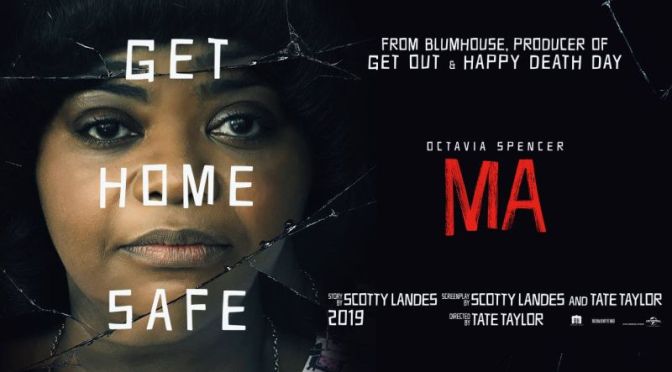
MA (2019) – ODEON CINEMA
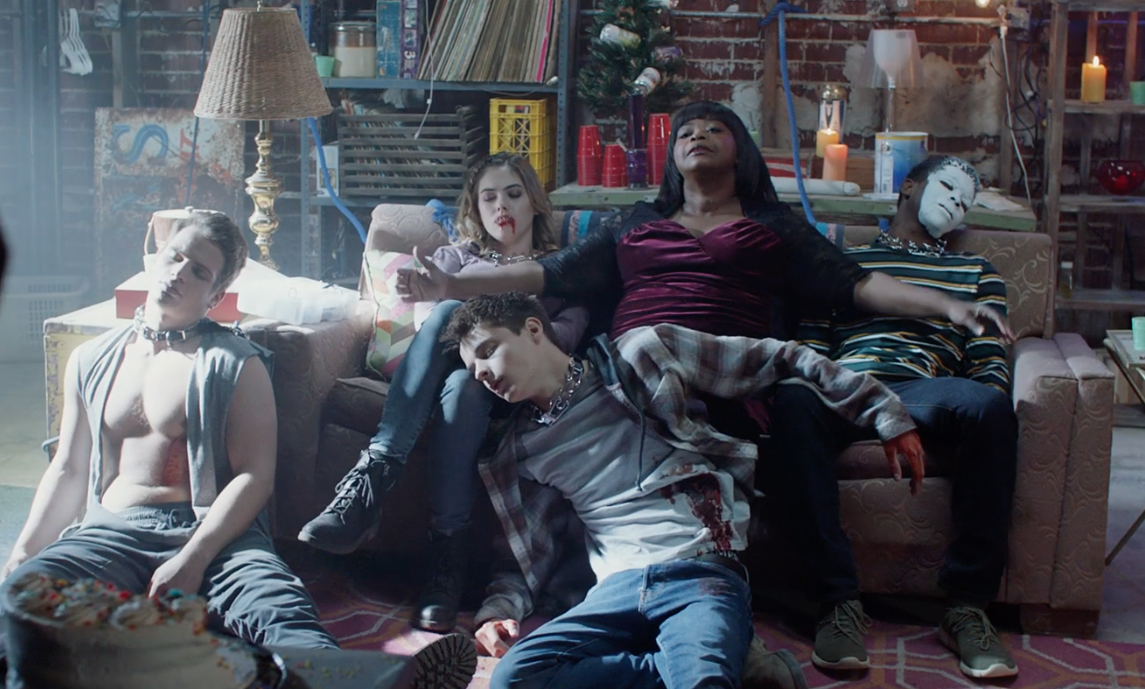
Like Isabelle Huppert in Greta (2019), another amazing actress takes on the role of a disturbed matriarch figure with terrifying aplomb. Indeed, Octavia Spencer is absolutely brilliant in her role as the seemingly kind but ultimately vicious avenging angel, Sue Ann Ellington A.K.A, ‘Ma.’ The story begins with a casual encounter between some teenagers and Sue Ann. They are after illicit alcohol and somewhere to party. What starts innocently then spirals into a full-on psychological horror movie by the end.
The script slowly builds the tension as Ma’s plan carefully moves from convivial host to the unhinged nutter. I liked that they developed Ma’s character motivation beyond the standard cardboard cut-out pantomime villain. Plus, the levels of gore and suspense were darkly enjoyable. Thematically, the film has some familiar genre tropes such as: the new girl trying to fit in; rebellious teens being taught a lesson; past events creating a vengeful monster; and an element of Munchausen’s by proxy etc. However, these aren’t really developed and are window-dressing to the twisted joy of watching Octavia Spencer go into full “bunny boiler” mode and then some!!
Mark: 8 out of 11
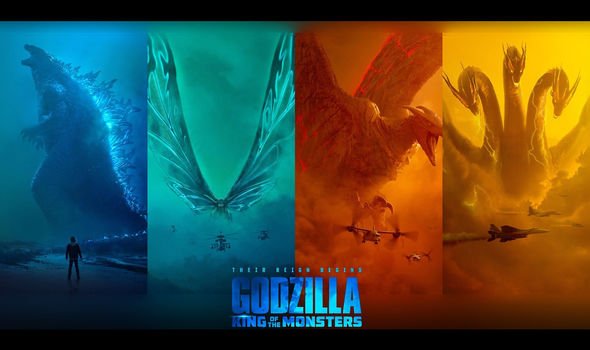
GODZILLA 2: KING OF THE MONSTERS (2019) – ODEON CINEMA
Despite really enjoying King Kong: Skull Island (2017) I wasn’t bothered about watching this sequel to the recent Godzilla (2014), because Godzilla/Gojira is a fundamentally dull creature. I get that it’s a cultural phenomenon in Japan; one that reflects the horror of nuclear devastation; however, on the big screen it’s usually a lumbering lizard which, while presenting a strong visual image, is essentially all about destruction. The first film I found pretty boring with too little of Godzilla to make it very exciting. Thankfully, the sequel goes monster mad and you get four fantastic beasts for your money.
Thus, for sheer energy and the appearances of Godzilla, Mothra, Rodan and Ghidorah, all battling each other at various times, Michael Dougherty and his production team deserve some credit. However, the mistake they made was trying to give the story an interesting human angle. While the cast, including Kyle Chandler, Vera Farmiga and Millie Bobby Brown, did their best as the dysfunctional nuclear family, they were poorly established, creating an empathy vacuum that just got in the way of the monster stuff. Overall, it’s clumsy B-movie narrative is blown away by the impressive visuals, in a mostly waste-of-budget and ultimately forgettable cinema experience.
Mark: 6 out of 11
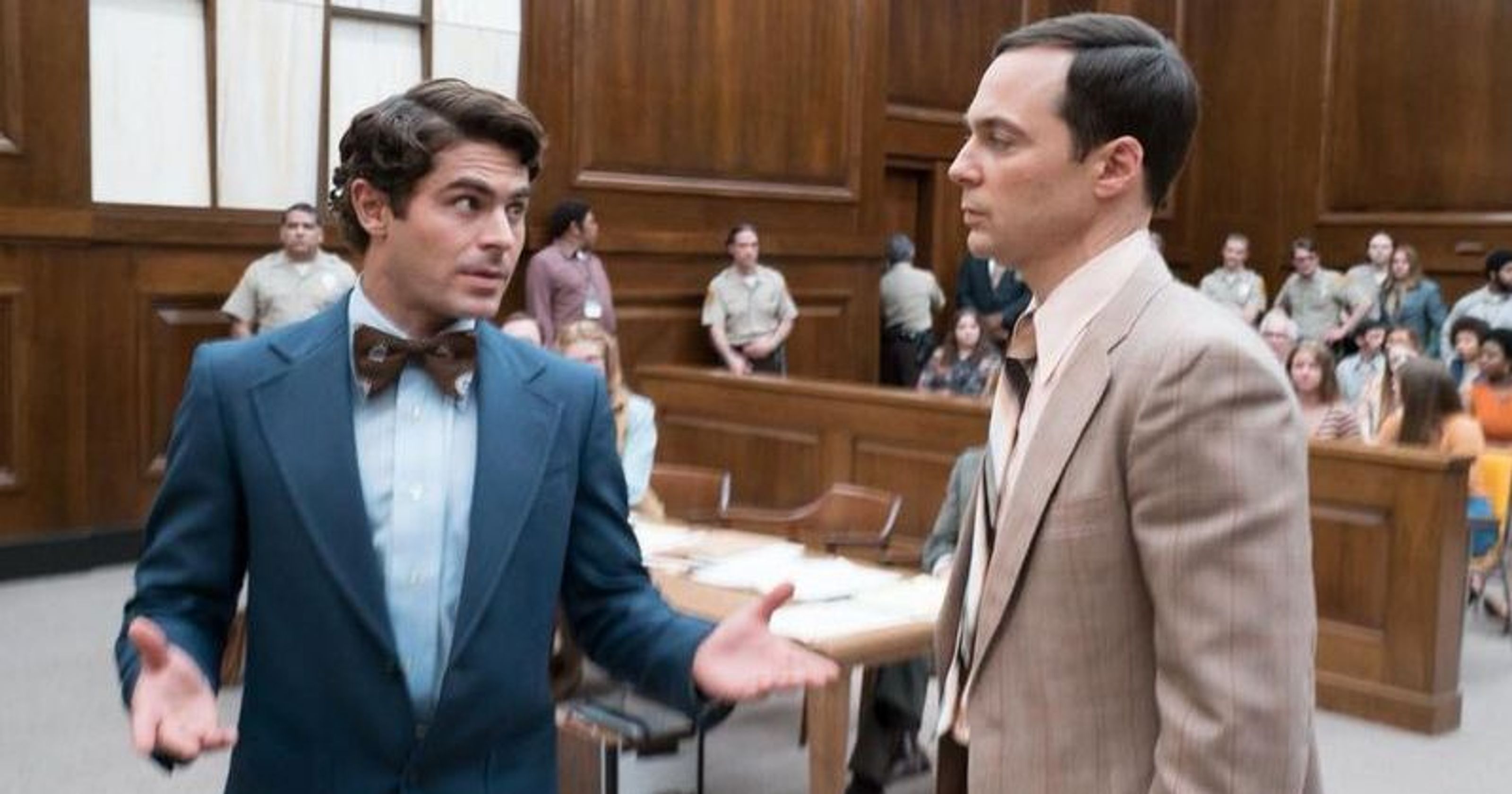
EXTREMELY WICKED, SHOCKINGLY EVIL AND VILE (2019) – SKY CINEMA
If you have read or seen anything about the life of infamous serial-killer Ted Bundy, then this psychological drama doesn’t necessarily tell you anything you do not know. Bundy terrorized an abundance of innocent victims across many of the States in America, for much of the 1970s. A conventionally attractive, intelligent and charming manipulator on the outside, he hid a venal desire to attack, assault and murder young women.
Bundy denied these attacks until the very last, as Joe Berlinger’s solid biopic shows Bundy’s actions and character from the perspective of his girlfriend, Elizabeth Kendall (Lily Collins). The film takes a while to kick into gear but when we get to the prison escapes and court cases then the horror of Bundy’s crimes really impacts. Zac Efron is a revelation as Bundy and he owns the screen with a performance of magnetic evil. The final chilling scene where Kendall confronts him through the glass is a particularly memorable exchange.
Mark: 7.5 out of 11
THE PERFECTION (2019) – NETFLIX
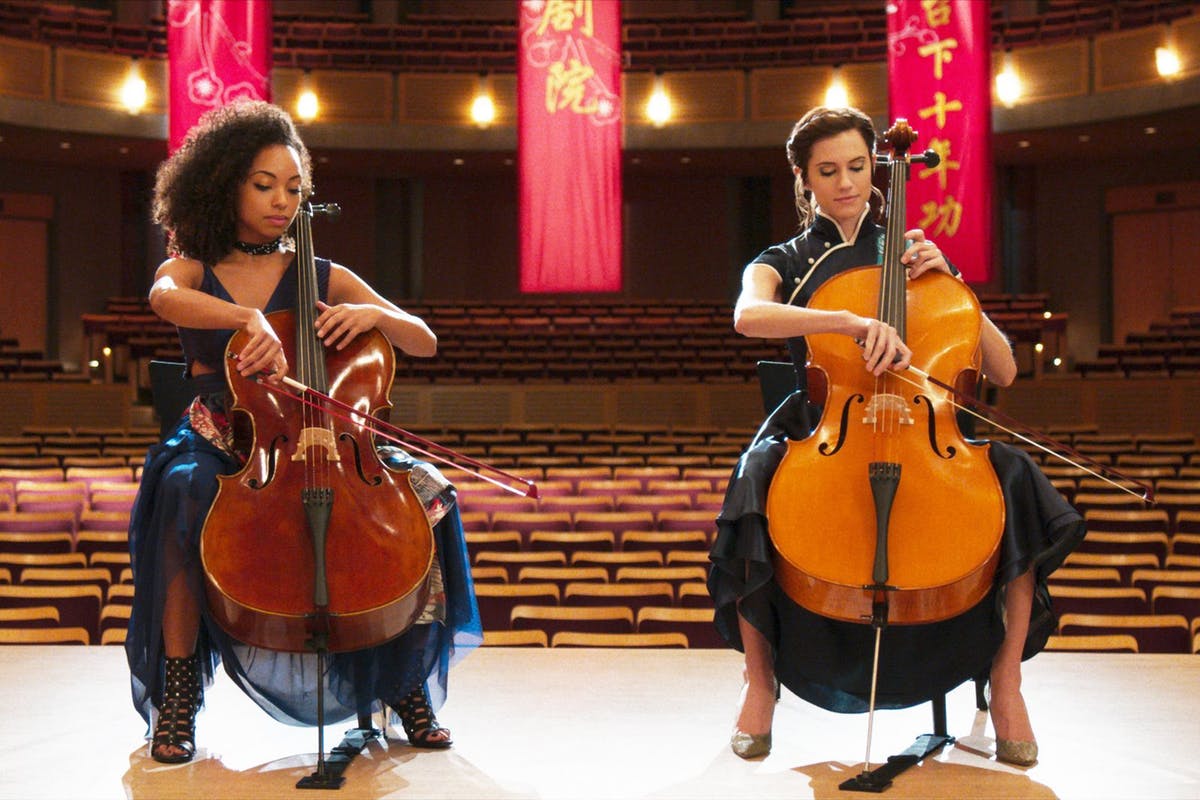
This horror film started if off brilliantly. It begins with two talented musicians (Alison Williams and Logan Browning) meeting and taking time out of their schedule to tour rural China. Suddenly, one of them is attacked by a flesh-eating virus and you think so far, so nasty! However, it soon undoes the excellent opening by descending into a non-sensical revenge story full of plot-holes. To be honest the themes exploring: #MeToo and #Time’sUp combined with a critique of toxic-svengali-masculinity were absolutely fascinating. It’s a shame the sub-Cronenberg narrative fell apart by the end, as the gory events unfold with little sense of empathy or logic. Indeed, I’m still baffled what any of it had to do with classical music!!
Having recently caught the underwhelming B-movie crime movie, Hotel Artemis (2018), on Sky Movies, I was suddenly reminded what a brilliant actor Jodie Foster is. She has been around for years so it’s easy to take for granted what a consummate performer and on-screen creator she is. Indeed, her sterling work held Hotel Artemis‘ weak narrative together; as she gave a nuanced and clever portrayal of a morally ambiguous medical professional.
Foster is an actor, director and producer who has received two Academy Awards, three BAFTAs, two Golden Globes and countless other nominations recognizing her screen skills and brilliance. She is one of those rare actors, like Ethan Hawke, who has transcended child stardom and become a prolific performer in adulthood too. Here are, in keeping with the rules of this feature, FIVE stand-out Jodie Foster roles that I can highly recommend you watch.
**MAY CONTAIN SPOILERS**
TAXI DRIVER (1976)
Already boasting acting heavyweights such as Harvey Keitel and Robert De Niro, this existential classic finds Foster as a teenage prostitute, Iris. It was a very risky role for all concerned, especially as Foster was only twelve at the time. However, it is one of the greatest child performances of all time, with Foster bringing vulnerability, toughness, smarts and pathos to girl lost on the mean streets of New York seeking salvation.
THE ACCUSED (1988)
Foster’s incredible performance as Sarah Tobias deservedly won her a first Academy Award. Tobias’ character is the victim of a brutal gang-rape and the film sets about to highlight the savagery of men and the injustices of the legal system. I have not seen this film in years but I will never forget Foster’s steely and emotional acting tour-de-force, plus the physical and mental bravery she committed to the stunning portrayal.
SILENCE OF THE LAMBS (1991)
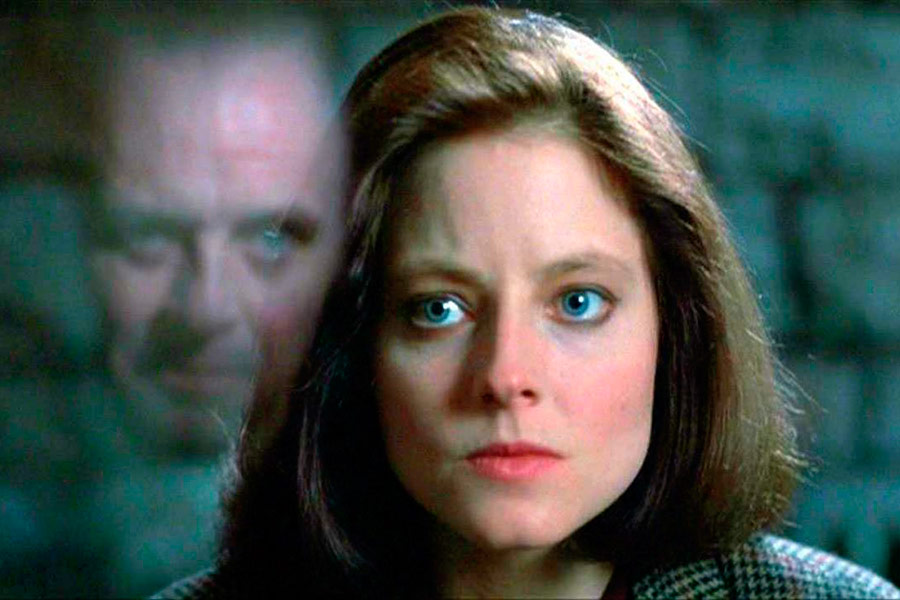
If I didn’t include her role of Clarice Starling then I would need my head examined. Obviously, NOT by Dr Hannibal Lecter, I must add. Indeed, while Anthony Hopkins gets much kudos for his startling turn as no one’s favourite chef, it’s Foster’s sterling work which glues the film together. All in all it’s almost a perfect genre film which owes much to Thomas Harris’ fine characterisations of Lecter and Starling and Jonathan Demme’s excellent direction. Nonetheless, Foster brings the tough, determined, yet vulnerable, FBI rookie to life brilliantly; and her scenes with Hopkins spark, scare and thrill especially.
CONTACT (1997)
I wasn’t a massive fan of this film when it was first released. That was because I was expecting something more action-based akin to Robert Zemeckis’ previous body of work. However, Contact, on subsequent views is an emotionally rich and intelligent look at religion, science and contact with extra-terrestrials. Foster is Dr Ellie Arroway, a scientist who utilises radio signals to chart potential alien signals in space. In a role which doesn’t exclusively find her life in danger, Foster is able to show her range as an intelligent, heartfelt and sensitive character. As such Dr Arroway is, amidst the vast expanse of space and time, ultimately searching for that all-encompassing and universal desire: love.
INSIDE MAN (2006)
I love this heist film because it has so many brilliant aspects; notably one of the cleverest twists in recent movie history. Spike Lee directs in confident style, with Denzel Washington and Clive Owen excellent as the lead cop and main criminal, respectively. Jodie Foster steals her scenes as a feisty and venal fixer brought in by Christopher Plummer’s bank owner, to handle a more “delicate” element of the robbery. I liked that Foster chose a less heroic character to portray, as she struts and sells her services to the highest bidder. Ultimately, her Madeleine White is anything but white; instead she’s a black-hearted vulture, dealing with the greedy capitalists and politicians of first-world Manhattan.
















/cdn.vox-cdn.com/uploads/chorus_image/image/61776077/busterscruggs1.0.jpeg)