Produced by: Jason Newmark, Julie Baines, Chris Brown
Starring: Melissa George, Michael Dorman, Rachael Carpani, Henry Nixon, Emma Lung, Liam Hemsworth
Music by: Christian Henson
Cinematography: Robert Humphreys
**MAY CONTAIN SPOILERS**
I started this series a while ago and posted a few times on the subject with multiple entries; however, I have now decided to make it a feature, like ‘Classic Movie Scenes’, that concentrates on singular films. My rules are simple. An under-rated classic can be a film I love, plus not be one of the following:
Must not have won an Oscar.
Must not have won a BAFTA.
Must not appear in the AFI Top 100 list.
Must not appear in the IMDB Top 250 list.
Must not appear in the BFI 100 Great British films.
Must not appear in the all-time highest grossing movies of list.
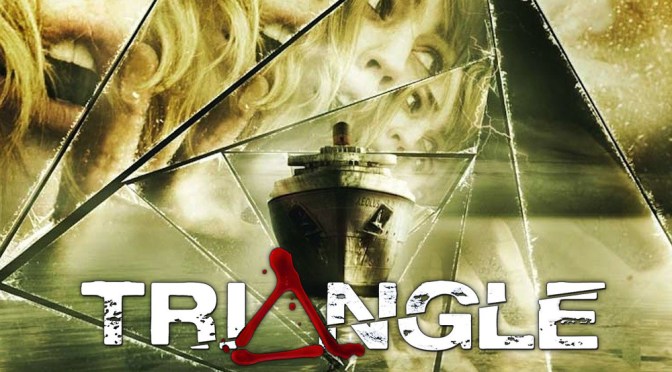
So, here’s a film, called Triangle (2009) which I recently caught again on the Horror Channel and given the critical acclaim many films get, I just cannot work out why this isn’t considered more of a classic.
This is an absolute cracker of a Sisyphean-time-loop-paradox-movie. Melissa George portrays a single mother hoping to escape her stress with a yacht trip with wealthier friends. However, things don’t go according to plan as a massive storm knocks the group way off course.
Without giving anything away this film then went into a loopy and gripping direction with an exceptionally clever criss-cross narrative. The plot is both ingenious and creepy as violent events and startling deaths begin to mount up. Melissa George carries the film incredibly well with a performance which crackles with pathos and fear. Lastly, director/writer Christopher Smith’s work should have heralded more illustrious and bigger budget films based on this incredible existential horror classic.
Screenplay: Christopher Markus and Stephen McFeely
Based on The Avengers by Stan Lee & Jack Kirby
Starring: Robert Downey Jnr, Chris Evans, Mark Ruffalo, Chris Hemsworth, Scarlett Johansson, Jeremy Renner, Don Cheadle, Paul Rudd, Brie Larson, Karen Gillan, Danai Gurira, Bradley Cooper, Josh Brolin and many, many more.
Music by: Alan Silvestri
Cinematography: Trent Opaloch
Edited by: Jeffrey Ford and Matthew Schmidt
Production Company: Marvel Studios
**RELATIVELY SPOILER FREE REVIEW**
So, we are finally here; assembled and ready to experience the last battle in this particular phase of Marvel films. Twenty-two movies released over an eleven year period now culminate in the adroitly named: Avengers: Endgame. While they may have all the money in the multiverse backing their superhero endeavours, Marvel deserve much credit for releasing so many great films within the eleven year cycle. Yes, of course many have followed a tried and tested genre formula, however, their legion of production staff, producers, directors, writers and actors did whatever it took to entertain the public.
This final film was set up perfectly by what preceded. I mean, the dust had not even settled at the end of Infinity War, and I, along with many others, were agog at the crushing defeat suffered by our heroes and Earth, at the click of Thanos’ finger and thumb. Thanos had achieved the impossible and obtained the six soul stones and eradicated fifty per cent of the population. This tragic genocide included many of the Avengers we had grown to root for and Endgame begins where its predecessor finished. Here we find a depleted and dejected Avengers team on Earth and a barely surviving Tony Stark in space facing the abyss. Collectively they are hurting, grieving and feeling vengeful.
The sombre and angry tone to the opening of the film was something I was drawn to. Emotionally it made sense to, within the first hour, colour the film with a slower, mournful pace and darker mood. This is encapsulated in the character of Hawkeye, who is using his special set of skills for destructive and nihilistic purposes. Similarly, Thor is twisted into a self-pitying anti-god; and this plays out with both surprise and humour. Of course, the remaining Avengers are not going to lie down for three hours in a reflective study of sorrow. Because, they want their friends and the population of Earth back; and they will do whatever it takes to achieve this goal.
The middle part of the film is where the narrative really gathers pace. Once Stark, Bruce Banner and Scott Lang/Ant Man discover a means with which to somehow alter the tragic events, we are thrown into many imaginative and entertaining set-pieces. I was so pleased Paul Rudd was back as Ant-Man in a key role. He is such a likeable and funny actor who always brings sharp comedy timing and warmth to his roles. Further, like Lang, Karen Gillen as Nebula, while seemingly a secondary character, plays an important role in Endgame. In more ways than one Nebula becomes a vital cog in the intricate and multi-stranded plotting.
The various Avengers including the aforementioned and: Black Widow, Captain America, War Machine and Rocket etc. all splinter to different places in order to achieve their mission. Here the film really finds a perfect pace and stride, delivering a series of brilliant action scenes. Indeed, Endgame is full of brilliant cross-cutting call-backs to the previous Marvel films; presenting a multitude of ‘Easter Egg’ or inter-textual moments.
Safe to say the action unfurls rapidly but the writers also have the confidence to slow the pace and allow several key emotional moments for certain characters. But, mostly there is action and fighting and humour and just so many memorable moments of a light and dark tone. My personal favourite was during Captain America’s mission; this plot strand just sang and hit so many high notes.
I am striving hard to avoid spoilers here, so all I can add is that the Marvel production team deserve so much credit for bringing this multi-stranded story home in such a thrilling fashion. I just loved the direction they took it in regard to the temporal, spatial and universal narrative choices. They assembled, pushed and pulled the formula in certain ways which surprised and kept the characters vibrant and fresh. The tonal balance was positive and only ever slightly threatened to slip into parody; mostly with Chris Hemsworth’s depressed rendition of Thor. My only gripe was I felt Brie Larson’s effervescent Captain Marvel was sadly under-used.
Unsurprisingly, the final gigantic battle sequences were expected but still delivered on a massive scale. Thanos is, and was, a mighty enemy and the last war against him and his hordes were full of epic surprise, pulsating action and heartfelt emotion. Undeniably, it was a most spectacular and moving climax. Thus, overall, I am actually shocked at how much I enjoyed a bunch of superheroes made of computer pixels larking about on a big screen. Maybe, however, given the time, money and energy spent over the last eleven years by the filmmakers and audience alike, it was, like Thanos, inevitable!
THE CINEMA FIX PRESENTS: APRIL FILM REVIEW ROUND-UP
With Avengers: Endgame (2019) dominating the cinemas at the moment, I thought I’d let Marvel’s magic dust settle BEFORE seeing that blockbuster this weekend. However, during April I caught a few other newer releases at the cinema and online via Netflix. Thus, here are some mini-reviews with the usual marks out of eleven.
**MAY CONTAIN SPOILERS**
GRETA (2018) – CINEMA – DIRECTOR: NEIL JORDAN
Neil Jordan has an impressive directorial curriculum vitae, including genuine classics such as: Mona Lisa (1986), The Crying Game (1992) and The End of the Affair (1999). Greta is arguably not a patch on them; however, I really enjoyed this B-movie stalker narrative. This is mainly due to a fine cast headed by Isabelle Huppert, Chloe Grace Moretz and Maika Monroe.
Huppert exudes Gallic charm and quiet menace as the obsessive and lonely Greta. Furthermore, as her behaviour becomes more unhinged Jordan wrings every bit of tension from the lean and thrilling script. Seamus McGarvey’s cinematography also adds class to a very entertaining ninety-eight minutes.
Mark: 8 out of 11
LOVE, DEATH & ROBOTS (2019) – NETFLIX – DIRECTOR(S): VARIOUS
This anthology of eighteen animated short films was curated by Joshua Donen, David Fincher, Jennifer Miller and Tim Miller. Produced by various crews from a range of countries, the series is a re-imagining of Fincher and Miller’s long-planned reboot of animated sci-fi film Heavy Metal (1981). Firstly, I love short films and have watched a lot over the last ten years, and I don’t mind animated stuff either.
In Love, Death and Robots the animation, graphics, action, editing, composition and imagery on show here are incredible. The stories themselves are hit and miss; with some actually feeling over-sexualised and retrogressive. Nonetheless, the production values on show raise the bar so high it masks some of the generic writing and weak characterisation. Lastly, there are some brilliant shorts and my favourites include: Three Robots, Shape Shifters, Zima Blue, Ice Age and the very funny Alternate Histories.
Mark: 8 out of 11 (averaged score)
OUTLAW / KING (2019) – NETFLIX – DIRECTOR: DAVID MACKENZIE
According to Wikipedia this historical epic about Scottish nobleman, Robert the Bruce, cost $120 million to make. It’s a shame so much money was wasted because technically speaking the production is an absolute tour de force. It’s a pity the script and narrative are so bereft of intrigue, suspense and character relatability. Yes, I get that the English are bad and the Scottish must stand up to defeat their nefarious “landlords”, but unlike the far more theatrical and entertaining, Braveheart (1995), this all felt irrelevant.
I thought Chris Pine, who is a charismatic movie star, lacked personality in the lead, and Florence Pugh, as his wife, was given little to do apart from run away then get kidnapped. Aaron Taylor-Johnson was fantastic as a bloody revenging Scottish rebel-lord; as was David Mackenzie’s incredible direction of the impressive battle scenes. I have read that the film was hacked to pieces and what is on show is a hung-drawn-and-quartered cut of a longer film. Perhaps, one day we will see a true version of Outlaw / King and Mackenzie’s vision will be properly represented.
Not quite a dirty dozen but a filthy five as former soldiers and military contractors including: Oscar Isaac, Ben Affleck, Charlie Hunnam, Garrett Hedlund and Pedro Pascal, gang together to rob a drug baron’s fortress holed up deep in the South American jungle. The story has all the hallmarks of a testosterone-driven-men-on-a-mission-genre classic, but just when I thought it was going in a certain direction, the ending under-mined much of the previous compelling action.
The cast are very impressive though and they more than make up for any deficiencies in the thin characterisations. Similarly, while it starts slowly, once we get into the heist J.C. Chandor’s methodical directorial style really comes into its’ own. Chandor creates a lot of tension during and after the robbery as events twist out of control. Thematically, I thought this was going to become a modern day version of 1948 masterpiece, The Treasure of Sierra Madre. Indeed, if the drug money they steal had become a true threat to test the friends’ loyalty and courage under fire, I would have marked this thrilling film higher.
Mark: 8 out of 11
UNICORN STORE (2018) – NETFLIX – DIRECTOR: BRIE LARSON
This is a very odd film. However, if you pick through the bones of the whimsical script, the rainbow-baubled art direction and Brie Larson’s eccentric child-woman, you’ll find a rites-of-passage genre film in there somewhere. Larson directs herself as the immature narcissist, who having been kicked out of Art College begins a dead end temp job to try and appease her parents. So far so relatable.
However, the film twists into symbolic fantasy when she is offered, by Samuel L. Jackson’s enigmatic ‘Salesman’, the dream opportunity of owning a Unicorn. WTF!!?! I enjoyed a lot about the film, notably the Napoleon Dynamite (2004) style humour; plus Larson and Mamadou Athie’s performances stand out. Overall though, I got that the Unicorn was an allegory for human maturation but I personally felt the narrative was slow and stretched despite fine work from the very talented Larson.
CLASSIC MOVIE SCENES #7 – ‘FLAMENCO DANCE’ SCENE – HAPPY GO LUCKY (2008)
Directed and written by: Mike Leigh
Produced by: Simon Channing Williams
Cast: Sally Hawkins, Eddie Marsan, Alexis Zegerman, Andrea Riseborough, Karina Fernandez etc.
Music: Gary Yershon
Cinematography: Dick Pope
**CONTAINS SPOILERS**
While I’m a massive fan of Mike Leigh’s body of work, I disliked Happy Go Lucky (2008) when I first saw it. I think I must have been in a bad mood or just did not get it. Maybe, on first watch, I felt it was an inconsequential film when compared to his others?
However, having re-watched it a couple of times in the last year I must admit I have completely changed my mind about it. Indeed, Sally Hawkins’ characterisation and acting as Poppy Cross is a joy.
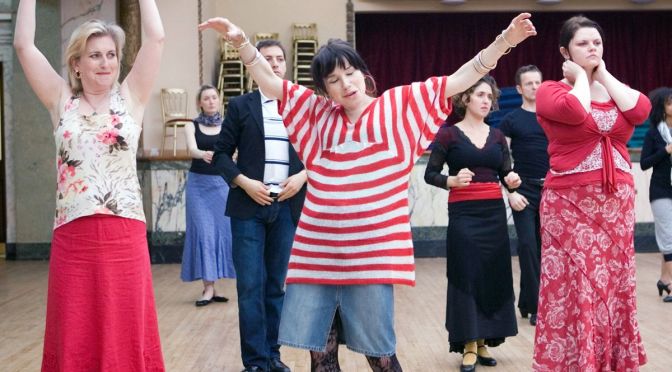
In the ‘Flamenco Dance’ scene we find Poppy joining a dance class for what she hopes is a bit of fun and exercise. The teacher, passionately portrayed by Karina Fernandez, is Poppy’s opposite in terms of intensity and seriousness. This is all meant to be a bit of a laugh as Hawkins’ wonderful facial expressions suggest.
Yet, while the scene begins humorously it ends rather embarrassingly as the Flamenco teacher has a hell of an emotional meltdown in front of the class. I love this scene because of Hawkins’ sly performance juxtaposing with Fernandez’ heartfelt breakdown; all of which captures wildly different emotions in a short period of time.
Eight years ago I wrote some articles for a nifty little website called Obsessed with Film. The site was independent and would have some geeky and interesting articles on film and television. Years later the site became the click-bait-pop-ups-from-hell-advertising-led-but-still-not-too bad: www.whatculture.com
Anyway, one of the articles was about some “forgotten” films or, as I shall refer to them, under-rated film classics. Basically, I listed films which I felt were deserving of further praise or viewings. The first list and subsequent list included: Bad Santa (2003), Dog Soldiers (2002), Chopper (2000), Midnight Run (1988), Tremors (1990), Locke (2014),Dead Man’s Shoes (2004) and many more.
My rules are simple. An under-rated classic can be a film I love plus not be one of the following:
Must not have won an Oscar.
Must not have won a BAFTA.
Must not appear in the AFI Top 100 list.
Must not appear in the IMDB Top 250 list.
Must not appear in the BFI 100 Great British films.
Must not appear in the all-time highest grossing movies of list.
So, with these criteria in mind I present a further sequel to my previous article with another set of under-rated film classics. If you have any suggestions that fit the criteria please do let me know and I will include them on my next list.
**CONTAINS SPOILERS**
BEFORE I WAKE (2016)
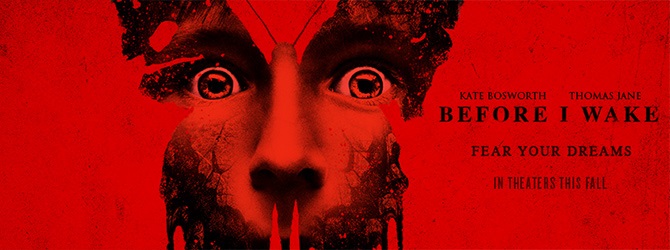
Before I Wake tells the moving story of an orphaned boy fostered by Thomas Jane and Kate Bosworth’s grieving parents. This was a dream-like and touching tale with a powerful element of horror which benefits from great performances by Bosworth and Jacob Tremblay. I imagine I’m the only person who actually rates this film but I think, despite some plot issues, it remains a beautiful hidden movie gem.
DREDD (2012)
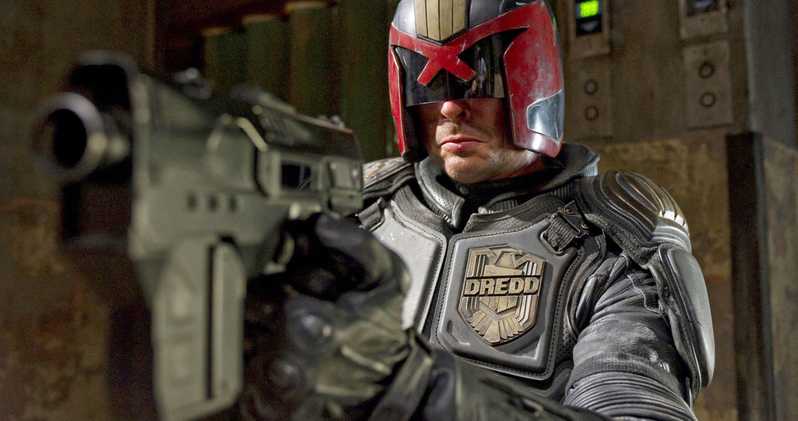
After the mostly horrendous Sylvester Stallone starring Judge Dredd adaptation, Karl Urban subsequently stepped into the boots of the ruthless cop hell-bent on bringing justice to Mega City One. It’s a lower budgeted, but tremendous action thriller with Dredd battling nefarious druglords in a fortified tower block complex; led by a grand turn from Lena Headey. Violent and darkly humorous, Dredd was not a box-office success, but it was short, sharp and loud with Urban, keeping his visor firmly to his face, giving a steely performance as the grizzled, veteran law-keeper.
GOODBYE CHRISTOPHER ROBIN (2017)
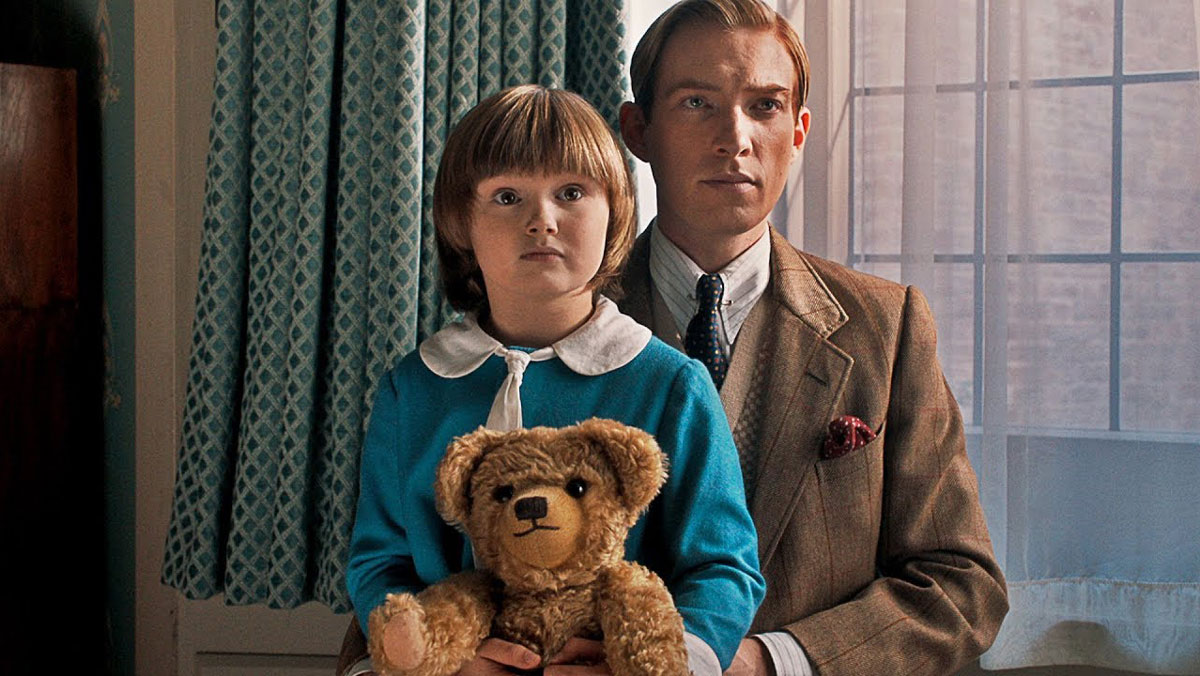
This British independent period drama is not something I would usually go for. It’s a period drama and biopic about Winnie the Pooh creator A.A. Milne and while these films are often by-the-numbers, this rendition of his life post World War I is a touching and emotionally heart-warming narrative. Thematically it is very strong with evocation of the post-traumatic stress Milne suffered after returning from war, plus the negative effect fame had on his family when his books became bestsellers. Domnhall Gleeson, Kelly Macdonald and Margot Robbie shine in their respective roles, but Will Tilston as young Christopher Robin/Billy Moon is a revelation as Milne’s young son.
THE MIST (2007)
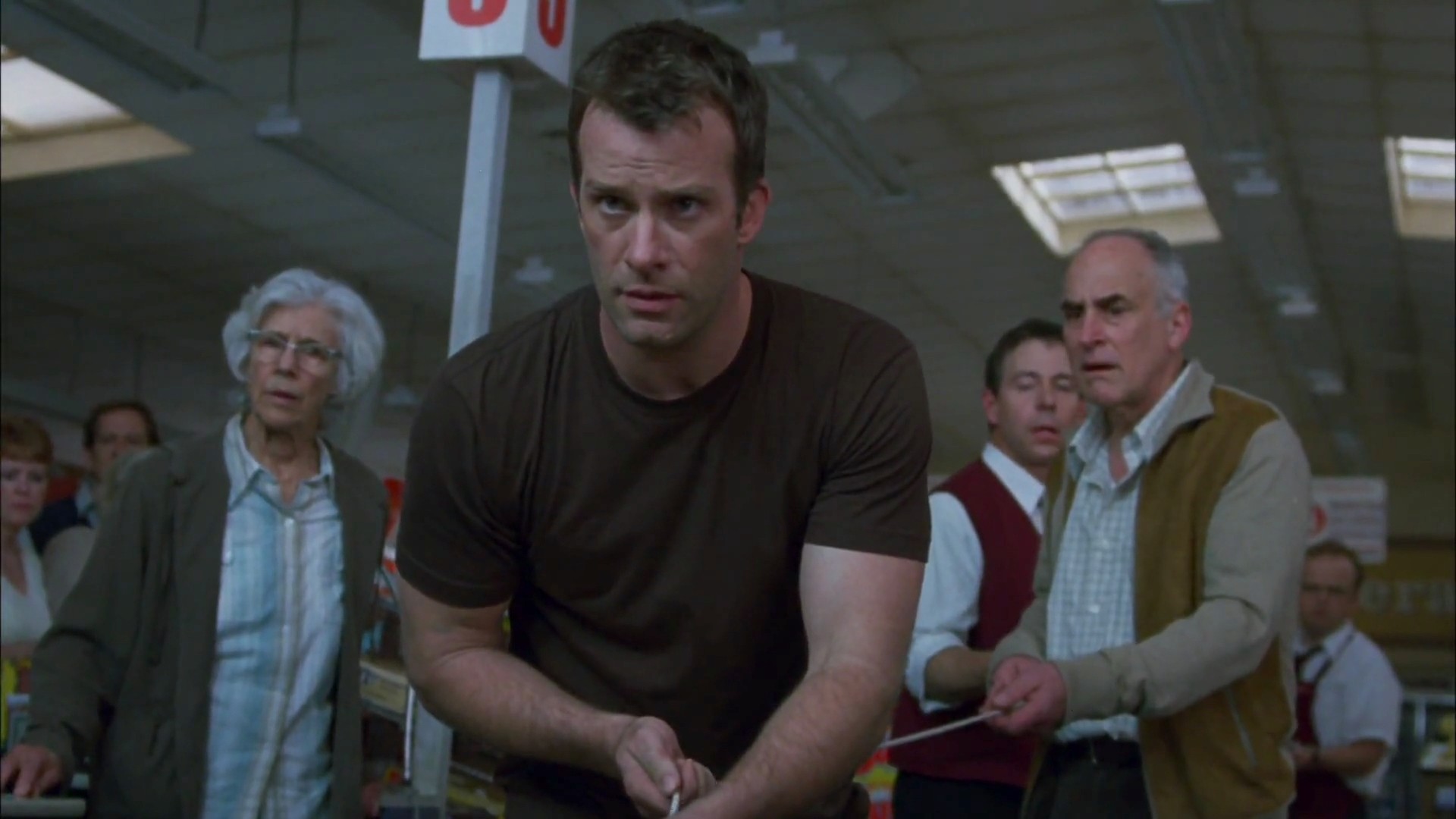
Frank Darabont had tremendous success with a number of Stephen King adaptations, notably the now revered The Shawshank Redemption (1994). But, his rendition of King’s The Mist is an equally powerful movie. Starring: Thomas Jane, Marcia Gay Harden, Toby Jones, Laurie Holden and Darabont regular, Jeffrey DeMunn, the film centres on the aftermath of a violent thunderstorm in Bridgport, Maine. As townsfolk get trapped in a supermarket, any attempt at escape is prevented by a monstrous presence in the mist. With the supermarket representing a microcosm of humanity, the film poses the idea that religious fanatics are as much a threat as the aliens outside; with Marcia Gay Harden on ferocious form as the lead zealot. Thrilling and dark, The Mist is relentlessly frightening with a jaw-dropping ending.
THE OTHER GUYS (2010)
Adam McKay’s silly genre movie is an entertaining comedic cop film parody, thrilling action spoof and, on occasions, full of smart social commentary. It begins with an incredible chase sequence involving hero cops played by Samuel L. Jackson and Duwayne Johnson; only they are NOT the main protagonists because they are soon dispatched very early in the story. Enter the mismatched duo of Will Ferrell and Mark Wahlberg as the eponymous anti-heroes who pursue Steve Coogan’s crooked CEO. Further, McKay has digs at money-men who manipulate the stock market to save their dishonest hides. With a twisting narrative, brilliant running gags and Wahlberg and Farrell’s stupendous double act, this is a highly memorable comedy full of stupidity, hilarity and style.
PHANTASM (1979)
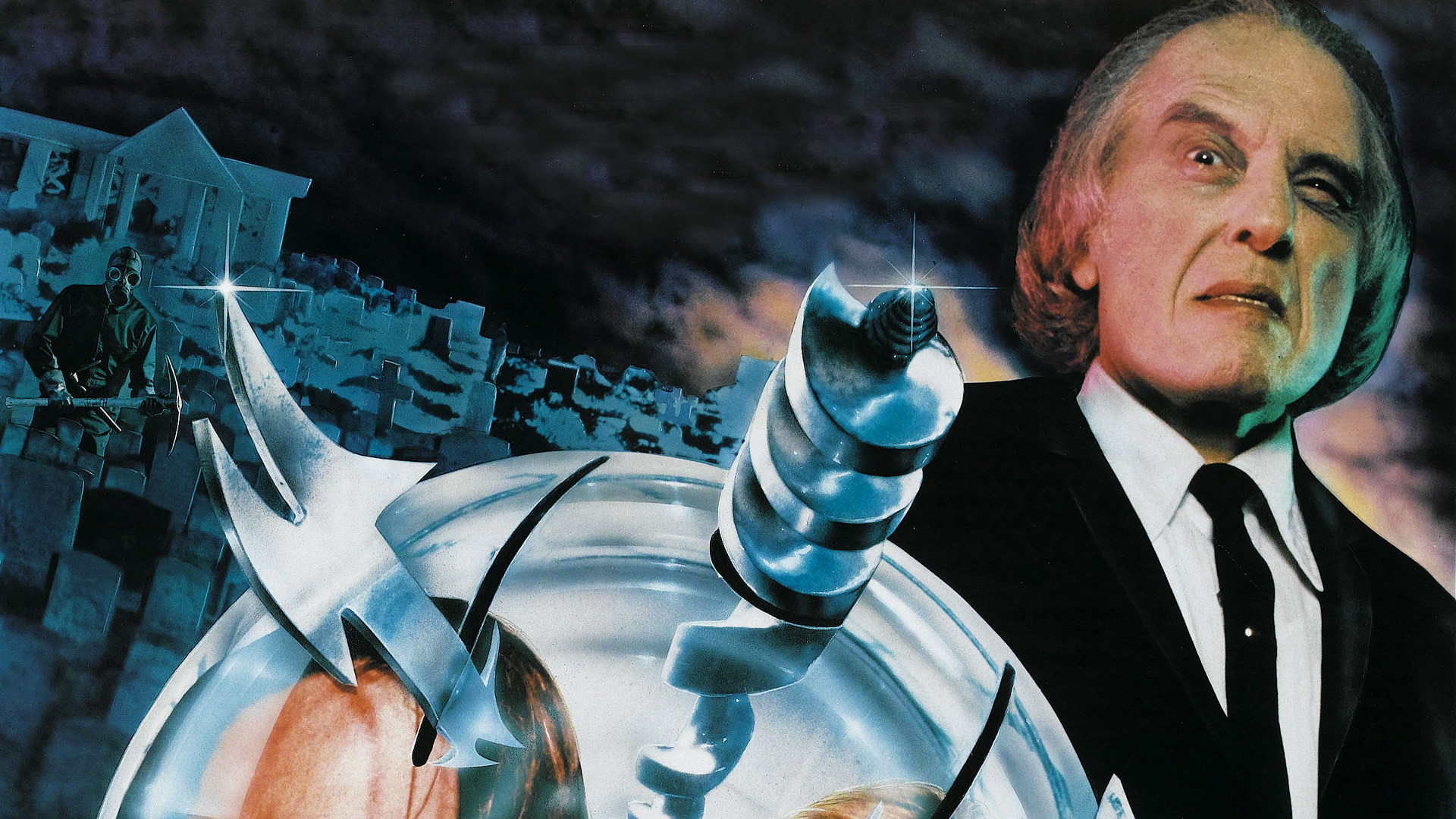
Phantasm is a synthesis of genres from rites-of-passage, suspense, horror and science fiction. Ultimately, it’s the epitome of a cult classic and a triumph of concepts over finance. It’s full of mood and atmosphere and has a creepy synth-based soundtrack that cranks up the fear factor. Director Don Coscarelli created an imaginative fantasy concerned with death and mourning that has stood the test of time. It may lack the polish of big budget productions but the scares and surrealism reminded me of the works of Italian horror-master Lucio Fulci and Spanish filmmaking genius Luis Bunuel. It’s a film I would wholly recommend for devotees of horror and for those who like their movies raw, inventive and nightmarish.
PUSHER II (2004)
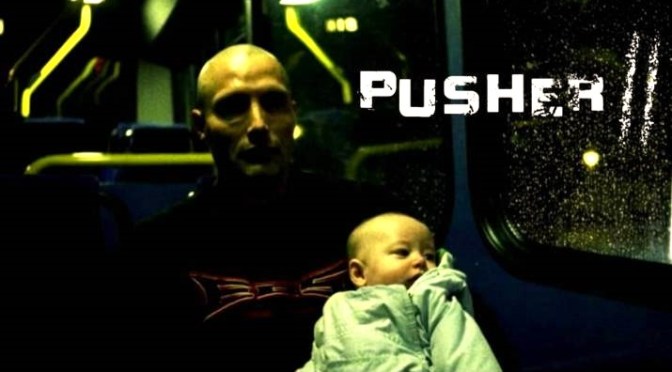
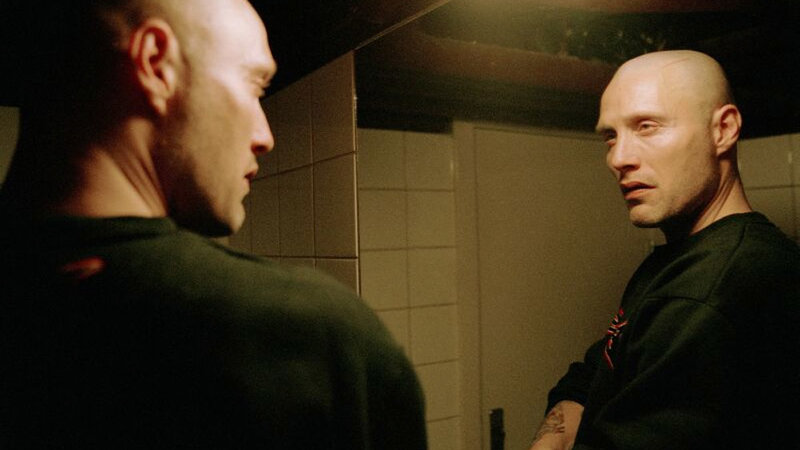
Pusher II is even more relentlessly grim than the original featuring all manner of dumb, lower-class hoods trying to scrape gold from Copenhagen streets paved mainly with heroin and blood. It’s an unglamorous and honest realisation of criminal-life as low-level drug pushers fuck one another over on a regular basis. Mikkelsen’s Tonny is a tragic character, who is left rudderless by a manipulative father and just cannot cut a break due to both his own lack of intelligence or positive role models. Never has there been so much sympathy for a movie thug like Tonny as Mikkelsen extracts every bit of humanity he can from the poor beast.
RUNNING SCARED (2006)
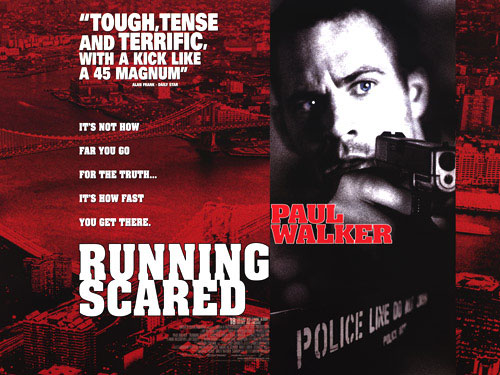
This Paul Walker starring crime thriller is a proper B-movie and arguably isn’t even that good. Indeed, it does seem to fall into that sub-Tarantino narrative bracket. However, every time I have watched it I have been glued to the twisty plot and violent gun-play. Walker is the low level mobster in New Jersey, who, after a drug deal goes wrong, must locate an incriminating and missing hand-gun, or face a violent death. I think it’s the frantic pace and action that’s full of surprises and punchlines which kept me enthralled; and despite the generic nature of the story I really rate it as a proper guilty pleasure.
SNOWPIERCER (2014)
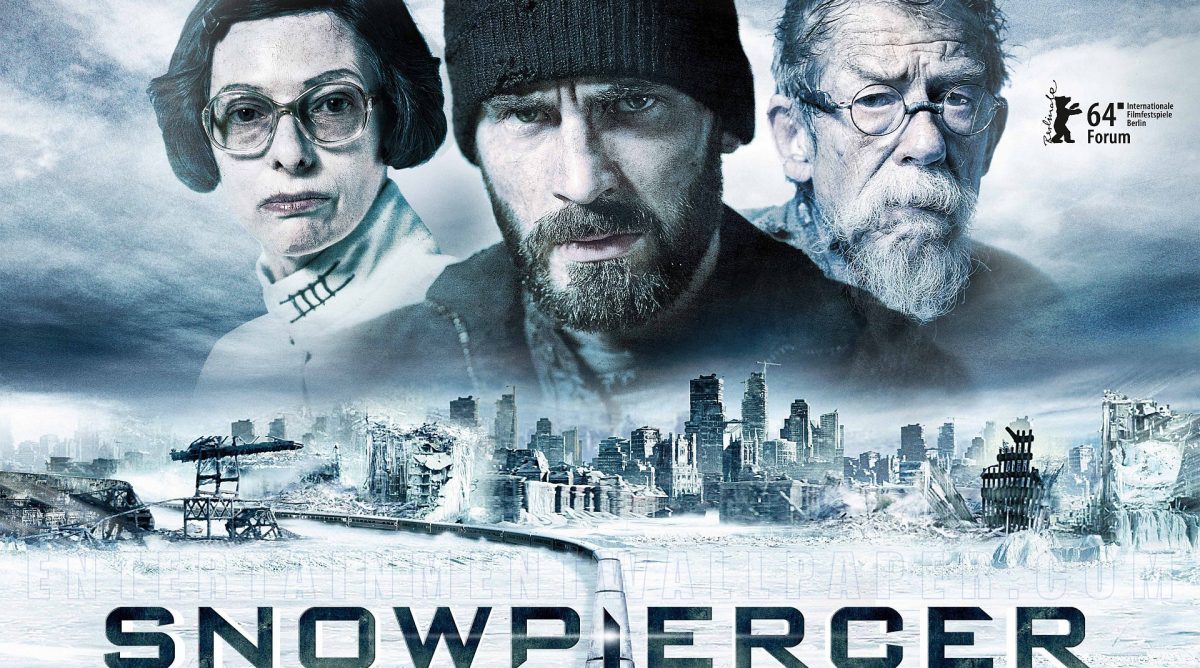
Cruelly buried by the Weinstein studio on initial release, this under-rated graphic novel adaptation is absolutely brilliant. Set in an apocalyptic future, the train becomes an analogy for class struggle between the haves and have-nots. The action is relentless as it depicts the working class struggle. Their revolution occurs with Chris Evans’ character leading the hungry poor to the top of the train where the rich and privileged live a life of luxury. Bong Joon-ho directs Evans, Jamie Bell, Octavia Spencer and Tilda Swinton expertly, as the film marries social commentary and blistering action with aplomb.
STOKER (2013)
Written, surprisingly enough, by Wentworth Miller, the lead actor from Prison Break, this is a subtle and bleak contemporary Southern Gothic tale. Directed by genius filmmaker Park Chan-wook, it stars Mia Wasikowska, Nicole Kidman and the under-rated Matthew Goode as a dysfunctional family unit who all have secrets to hide. While the film moves slowly it creepily spreads a steady flow of dread as we never quite know which character holds the biggest threat. Inspired by Hitchcock’s Shadow of a Doubt (1943), this psychological thriller is full of death, grief and mystery and if you prefer slow-burn suspense this is definitely a film for you.
Produced by: Alexandre Mallet-Guy, Alvaro Longoria
Written by: Asghar Farhadi
Starring: Javier Bardem, Penelope Cruz, Ricardo Darin, Barbara Lennie etc.
Cinematography: Jose Luis Alcaine
**MAY CONTAIN SPOILERS**
Asghar Farhadi is one of those filmmakers whose work is always of the highest quality. For some reason I actually missed seeing his prior film The Salesman (2016), so definitely need to catch up with that. However, The Past (2013) and A Separation (2011) were both compelling human dramas. A Separation, in fact, was one of the best films I have seen in the last decade. It took everyday scenarios involving as divorce and class conflict and spun a heartfelt, intense and intelligent narrative which was emotionally very powerful. While Farhadi was born in Iran and his early works are based there, his oeuvre transcends geography; projecting visions of humanity which stay with you way after the film has ended.
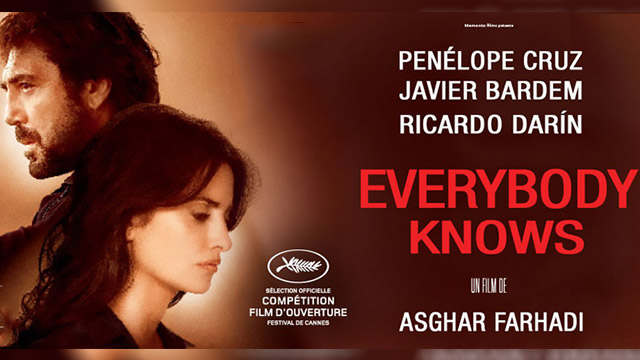
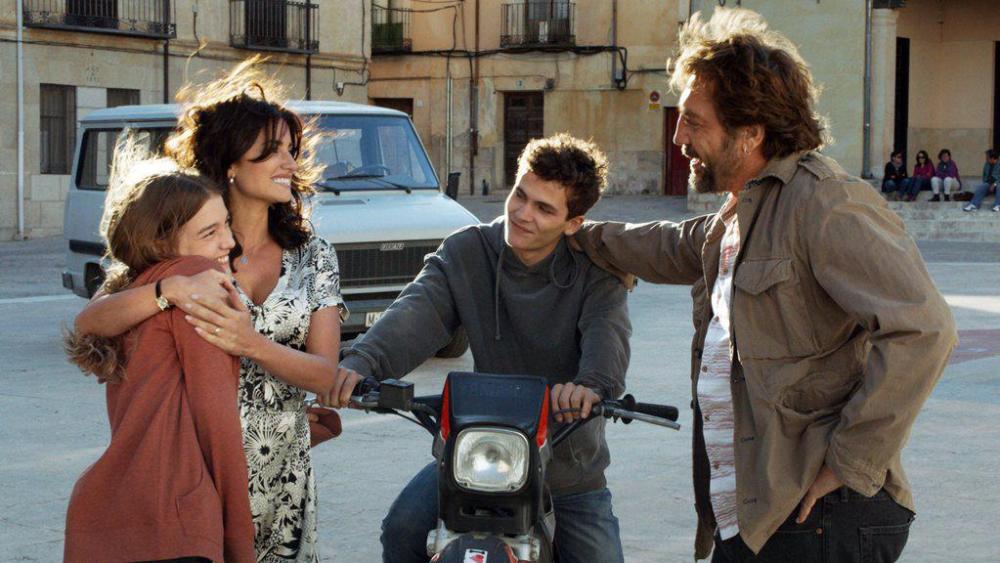
Farhadi’s eighth feature as a director is arguably his most accessible and while not reaching the dramatic heights of his previous films, remains a very solid personal drama. Everybody Knows concerns a large family unit converging for a wedding celebration in Spain. The setting is a small town set amidst beautiful countryside just outside Madrid. It’s the kind of place where everybody knows each others’ business and the community, while seemingly convivial on the outside, carries class, family and business conflicts under the surface.
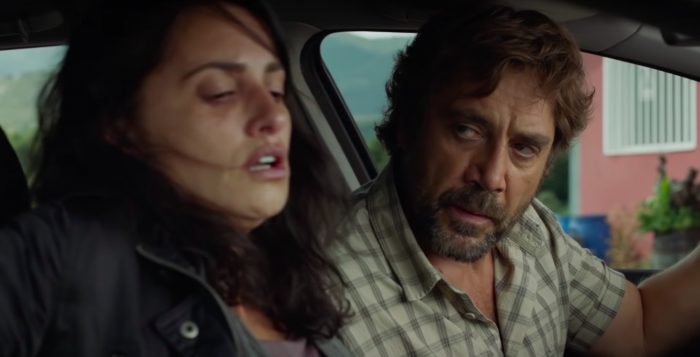
The film begins with Laura driving her children, notably teenage Irene, back to the town where she was born. The wedding celebrations ensue until terror strikes and Irene is stolen in the night by unknown assailants. Forbidden from contacting the police by the kidnappers, Laura, her family and former childhood boyfriend, Paco (Javier Bardem), desperately seek to find Irene before tragedy occurs. It isn’t long before history converges on the drama and past events involving stolen land and romantic affairs threaten to destabilise the whole town.
With Penelope Cruz and Javier Bardem cast as your leading protagonists, and the brilliant Ricardo Darin in support, you’re always guaranteed an enthralling screen experience. Nonetheless, what is so impressive in the performances and direction is they feel like real people with proper emotions, not simply starry versions of themselves emulating reality. Moreover, Farhadi concentrates on the human aspects of the story rather than the crime, as the characters, relationships and town itself begin to unravel. Further, while the film may lack his usual socio-political subtext, Farhadi really pulls you into the drama, as secrets and revelations are unearthed throughout. Overall, this is a consistently watchable piece of cinema that keeps up Farhadi’s impressive hit-rate, while perhaps feeling more familiar and generic compared to the other films of his I have seen.
I love a good train film. They make perfect settings for suspense, thriller, horror, comedy and, in fact, any genre. This is because they contain movement, pace and a destination too. Above all else they trap the characters within a confined space, thus creating an abundance of opportunities for drama and action.
In this little article I pick out six of the best films I have seen that have been set mainly on a train. I omit films which, while they may have had a train or train station setting they also veered into other locations. Thus, for the purpose of this piece classics such as Strangers on a Train (1951), Brief Encounter (1945), Great Train Robbery (1903), and Source Code (2011) are cruelly omitted. Lastly, I’m sure there are loads I have missed off so please do suggest any.
**MAY CONTAIN SPOILERS**
THE CASSANDRA CROSSING (1976)
Germ warfare, a runaway train, European terrorists and and all-star cast feature in this pretty awful disaster movie which I absolutely loved watching as a kid. The cast get their payday and we get Martin Sheen, Burt Lancaster, Sophia Loren, Richard Harris and OJ Simpson etc. all hamming it up to great effect.
THE LADY VANISHES (1938)
This is still one of my favourite Alfred Hitchcock films. Starring the radiant duo of Margaret Lockwood and Michael Redgrave, the sparks fly between the two amidst a fast-paced spy plot. Hitchcock takes his time establishing the characters at the start but really ratchets up the suspense when no one believes Lockwood’s assertion a woman has gone missing.
MURDER ON THE ORIENT EXPRESS (1974)
Agatha Christie was a genius and this story is one of her best. What we now consider to be a cliched genre, the “whodunnit”, was practically invented and reinvented by Christie and this one has a particularly brilliant plot and ending. Even though I know who committed the crime the starry cast in Sidney Lumet’s production are a joy to behold. Kenneth Branagh gave us a fine, if unnecessary, remake last year too.
SNOWPIERCER (2014)
Cruelly buried by the Weinstein studio, this under-rated graphic novel adaptation was absolutely brilliant. Set in an apocalyptic future, the train becomes an analogy for class struggle between the haves and have-nots. Bong Joon-ho directs Chris Evans, Jamie Bell, Octavia Spencer and Tilda Swinton expertly, as the film marries social commentary and blistering action with aplomb.
THE TAKING OF PELHAM 123 (1974)
Another film I watched the hell out of as a teenager, this classic New York Metro set film is gritty, funny and as tense as waiting for test results. Walter Matthau provides the everyman charm as he attempts to negotiate with Robert Shaw’s menacing criminal. A big influence on Tarantino, this little classic remains one of the 1970s unheralded crime films.
TRAIN TO BUSAN (2016)
Zombies on a train – I’m in! What an amazing movie, as this kinetic mix of horror, family drama and action grabs you by the throat from the start and never lets go! While taking a lead from World War Z (2013), notably the ferocious plane set-piece, it surpasses that zombie film with an incredible pace, violence and unrelenting tension.
CLASSIC MOVIE SCENES #6 – ‘TOMORROW BELONGS TO ME’ – CABARET (1972)
Directed by: Bob Fosse
Produced by: Cy Feuer
Screenplay by Jay Allen – Based on Cabaret by Joe Masteroff
Starring: Liza Minnelli, Michael York, Helmut Griem, Joel Grey, Fritz Wepper, Marisa Berenson
Songs: John Kander & Fred Ebb (Lyrics) – Score: Ralph Burns
Cinematography: Geoffrey Unsworth
**CONTAINS PLOT AND THEME SPOILERS**
Cabaret (1972) was that strange thing: a dark, satirical, sexual, explicit and cynical musical. I only actually watched it for the first time last year and thought it was a true classic; and I don’t usually enjoy musicals as a rule. Not only is the direction, writing, choreography and performance brilliant but from a thematic perspective it took risks in regard to gender and sexual representations. Moreover, the historical themes are very compelling too. The film would garner many Oscars and was a critical and commercial smash, sending Liza Minnelli to super-stardom at the same time.
Set in Berlin, the narrative concerns a variety of characters that appear at, or attend the infamous Kit Kat Club. Episodic in structure the main stories focus on the loves and losses of the likes of singer Sally Bowles (Minnelli), writer, Brian Roberts (Michael York) and German playboy, Baron Max Von Heune (Helmut Griem). Interspersed within the drama are the songs from the stage of the Kit Kat Club, introduced by the seedy Master of Ceremonies, portrayed by Joel Grey. Furthermore, the film charts the movement from the bohemian freedom of the Weimar Republic to the threat of the looming National Socialist Party as it insidiously bleeds into the German political landscape.
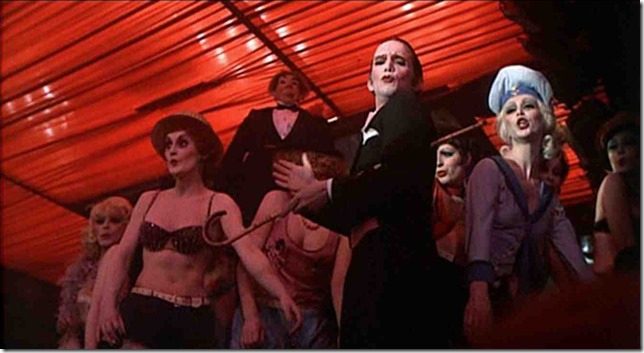
This change is seen to chilling effect in the only song featured outside the club, namely, ‘Tomorrow Belongs to Me’. In this classic scene we begin innocently enough with the angelic singing of a teenage boy. As he continues to sing we cut to the crowd listening intently. Then the camera pans down and it’s revealed the boy is a member of the Hitler Youth. Suddenly, the portentous horror of the situation is all too apparent and the song becomes an unsettling reminder of grim future events. As members of the crowd join in fervently with the song, we know, we just know it’s the end of innocence for the German people and the world.
Produced by: Megan Ellison, Dede Gardner, Jeremy Kleiner, Adele Romanski, Sara Murphy, Barry Jenkins
Based on: If Beale Street Could Talk by James Baldwin
Starring: Kiki Layne, Stephan James, Colman Domingo, Regina King, Teyonah Parris, Michael Beach, Pedro Pascal etc.
Cinematography: James Laxton
Music: Nicholas Britell
**MAY CONTAIN SPOILERS**
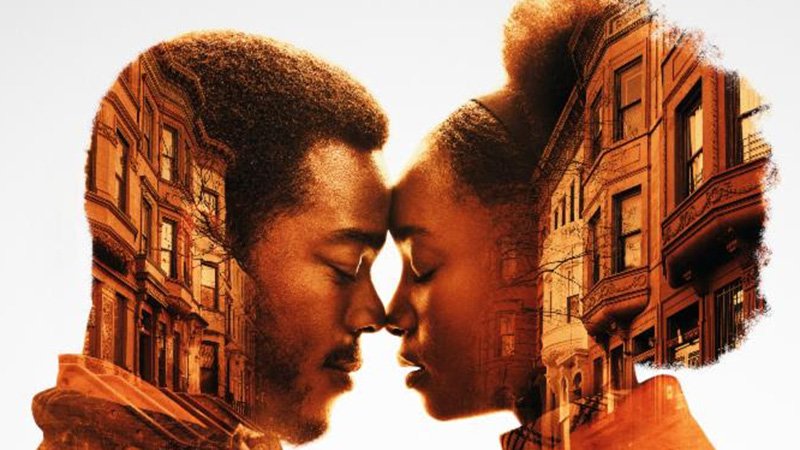
Barry Jenkins is clearly a talented filmmaker who is striving to transcend the boundaries between art and craft where cinema is concerned. His second feature film Moonlight (2016), was a critical smash and a sleeper box office hit, subsequently going on the win the Best Film nod at the Academy Awards. Whether it was worthy of such as award is another matter, but it was certainly a tremendous work of cinema. The rites of passage story was delivered by Jenkins with imaginative choices in casting, structure, look, music and all-round filmic endeavour.
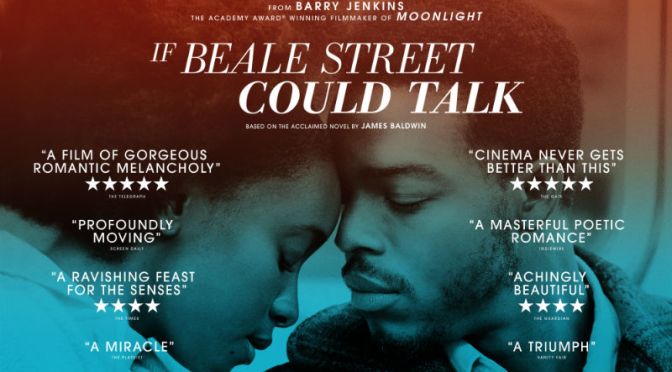
His latest film, If Beale Street Could Talk, is equally stylish and artfully rendered, but not as emotionally impactful as Moonlight. Indeed, while this is in fact his third feature, Beale Street seems to suffer from classic “2nd album syndrome”, inasmuch as Moonlight set the bar so high, it was going to be a difficult act to follow. Moonlight felt like years of heart and passion thrusted upon the screen, as Beale Street struggles to maintain that said peak. That isn’t to say that the film is not without its virtues as Jenkins once again proves himself a brilliant director.
Barry Jenkins’ IF BEALE STREET COULD TALK, an Annapurna Pictures release.
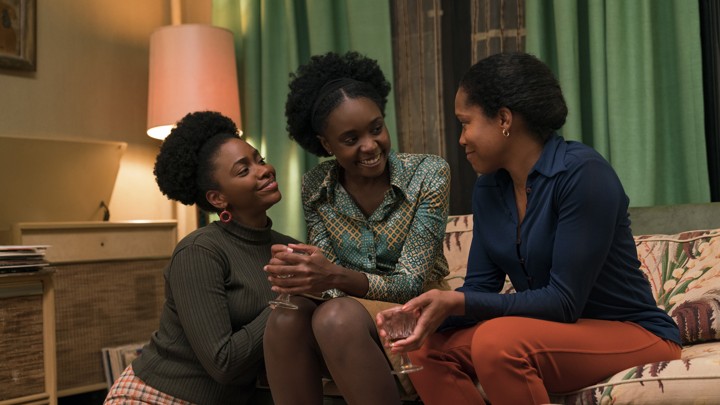
Set in 1970s, Harlem, New York and based on James Baldwin’s novel, the main protagonists are young working class couple Tish (Kiki Layne) and Fonny (Stephen James). Very much in love we open with Tish’s poignant voiceover and a wonderfully lush score supporting the urban and industrial, yet beautifully shot, imagery. Immediately, we realise Jenkins, while basing his story in realism, is presenting his film poetically. Further, Tish’s voiceover lilts and glues the elliptical, non-linear narrative together.
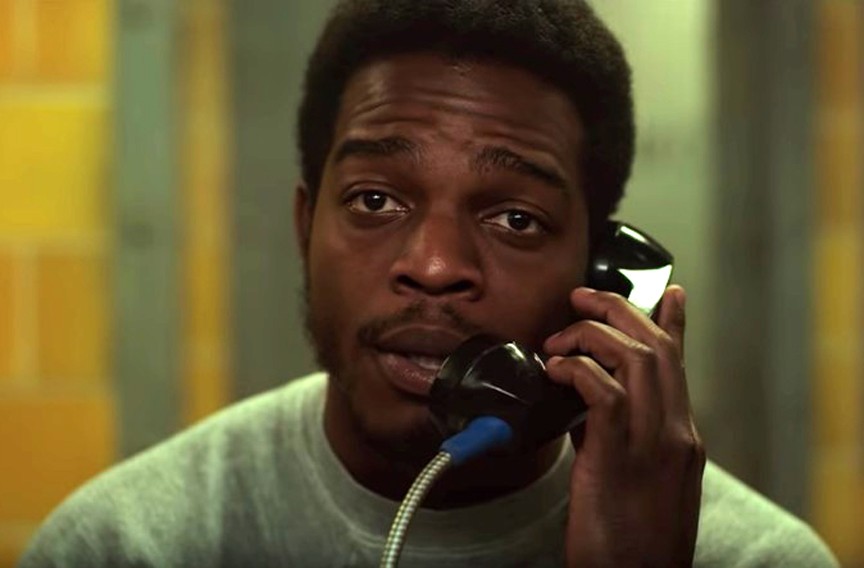
As with Moonlight, Jenkins uses direct address, the characters looking straight back at us drawing us into their emotional core. One may argue the device is over-used and at times distances us from the pace of the story. As Tish recounts events of her and Fonny’s relationship from childhood friends to their currently plight, you really feel a palpable sense of love, but sometimes it moves so painfully slow. Furthermore, the non-linear structure and stylistic devices also undermined the drama of the piece. Indeed, the best scene of the film in my opinion is near the beginning when Tish and Fonny’s family clash over her pregnancy. In this scene the insults spark and spit off the screen; but alas this conflict is sadly under-developed and not revisited later in the film.
Overall, there is a great story here involving: love, romance, social unrest, police brutality, unlawful arrest and injustice, racism, family strife, hope and loyalty; however, Jenkins artistic desires build the narrative in a way that diverts emotion into the cinema style, more so than the characters. Having said that, he is a filmmaker of some brilliance and he gets fantastic performances from the fine ensemble cast, notably the magnetic Regina King. Ultimately, while the story is told slightly pretentiously for my liking, If Beale Street Could Talk, is a finely tuned work of poetic realism.
Produced by: Brad Pitt, Dede Gardner, Jeremy Kleiner, Kevin J. Messick, Will Ferrell, Adam Mckay
Written by: Adam McKay
Starring: Christian Bale, Amy Adams, Steve Carell, Sam Rockwell, Tyler Perry, Alison Pill, Lily Rabe, Jesse Plemons
**CONTAINS HISTORICAL SPOILERS**
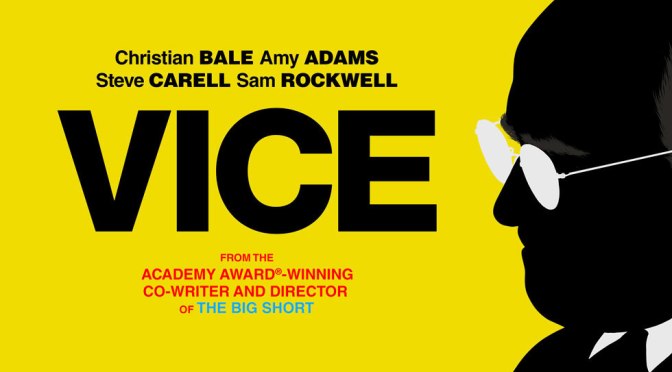
Unlike the previous Oscar Bingo attempts for A Star Is Born (2018) and First Man (2018), this review has full knowledge of the nomonations. So, rather than be guess work this review of Vice (2018) is intended to be based on more constructive critiques of the Oscar nominated films I have seen.
BEST FILM CHANCES – 8/10
For starters, Vice is certainly worthy of its award nominations. I have seen some criticisms that it is cartoonish and simplistic and while I actually agree with this, it is also a brilliant and scabrous work of satire. Yes, it’s preaching to the liberal and left-winged Hollywood choir, but it definitely presents a fascinating snapshot of Dick Cheney’s rise from alcoholic wastrel to powerful political figure.
While I believe Roma (2018) will win the Best Film, I enjoyed Vice more from a stylistic, educational and emotional perspective. I was drawn into the murky world of American politics by McKay and his fantastic ensemble cast, and was compelled by the machinations of Cheney’s manipulative puppet-master to Bush’s marionette President. McKay’s film, while certainly one-tracked, powers along picking apart and satirising one of the most shadowy political figures of recent years.
BEST DIRECTOR CHANCES – 8/10
In terms of tone and narrative, McKay’s The Big Short (2015) was arguably a more cohesive film. Indeed, Vice is presented more as a non-linear monatge and sketch style recreation of key events in Cheney’s life. But I loved the style and McKay should be praised for his editing choices. He throws the veritable formalistic kitchen sink at the film using: direct address, Shakepearean monologue, cross-cutting montage, fake credits, voiceover, freeze frames, fake footage, stock footage, flashbacks, flash forwards, inter-titles, third-party narrator and many more stylised tropes. In my view his directorial bag of tricks are utilised without losing emotional impact too. While Alfonso Cuaron will probably win McKay certainly deserves kudos for enlivening his subject matter with such storytelling choices.
ACTOR IN A LEADING ROLE CHANCES – 10/10
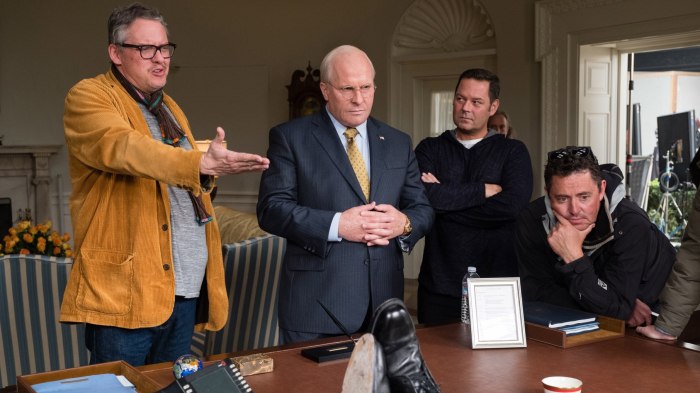
Christian Bale should win. I have not seen Rami Malek, Viggo Mortensen or Willem Dafoe’s acting in their respective roles but Christian Bale is astonishing. Fair enough, he has taken a real person and delivered an emulation performance, but he also brings to Cheney to life with formidable cinematic style. Of course, the physical transformation could take the headlines but in terms of emotion and mentality he really raises the perfomance bar. Cheney may be an enigmatic character but Bale brings quiet menace, whispers and manipulation to the role. There is also a sly humour there too which makes Bale’s Cheney another memorable acting monster he’s created.
ACTRESS IN A SUPPORTING ROLE CHANCES – 8/10
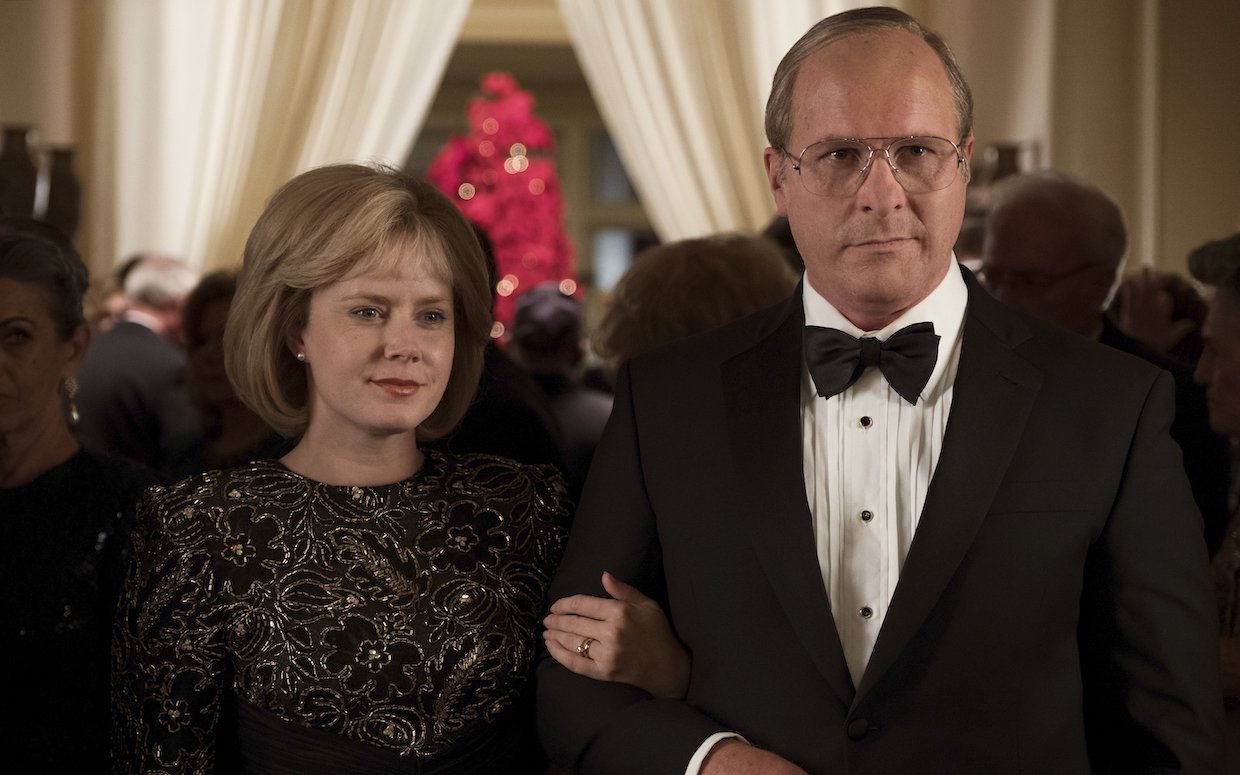
Amy Adams is one of my favourite actors. Not quite a Lady Macbeth character, her Lynn Cheney pushes Dick forward mercilessly to make a better man of himself. She is the foundation and rock of their relationship and glues his life together when he faces health issues and political setbacks. Adams nails the role, and while Rachel Weisz will probably win for The Favourite (2018), Adams may finally get the Oscar she deserves.
ACTOR IN A SUPPORTING ROLE CHANCES – 5/10
Sam Rockwell is excellent in emulating George W. Bush but he only has a few scenes. While Rockwell dumbs down with the best of them I would have nominated Steve Carell instead. His Donald Rumsfeld, was a creeping, neurotic and conniving joy and definitely deserved the nomination in this category.
ORIGINAL SCREENPLAY CHANCES – 7/10
The film benefits from a sparky screenplay which keeps a potentially dull subject spinning along in an entertaining fashion. It takes a complex set of characters and scenarios, and despite simplifying to fit a leftist agenda, still constructs intelligent analyses of Cheney and Washington at large. Ultimately, Cheney is shown to be an opportunist and dangerous person who manipulated information and policy to finagle the USA and allies into a war for profit. Even worse he did so from the position of Vice President – boo Cheney! Boo! While McKay deserves praise for his brave creative choices, I would go for Paul Schrader’s exceptional First Reformed (2018) in the original screenplay category; Schrader deserves it more.
CONCLUSION
I am a big fan of satirical works such as: Private Eye, Yes Minister, Spitting Image, The Thick Of It, Veep and South Park. They seek to undermine and take critical shots at our leaders, illustrating the danger, absurdity and stupidity of those in power. They also, in an entertaining way, carry a message that those serving their country are often serving themselves more. Conversely, a film like Vice, however cartoonish or broad, still has the power to highlight the corruption and horror of a man like Cheney. While the script and direction are tonally scatter-gun, Bale’s incredible rendition, and the marvellous supporting cast, anchor the film and ensure this satirical ship rarely hits the rocks.